Fire is an essential element to survival, especially if you’re outside during the winter months. A crackling fire allows you to stay warm, heat food, boil drinking water, ward off predators, and keep your spirits up. However, starting a fire is usually easier said than done, and can be extremely difficult if you’re already panicked and hypothermic.
That’s why we always advise you to include several fire-starters in your survival kit—if one fails, you have others to fall back on. There are straightforward items like stormproof matches, lighters, and ferro rod strikers, and there are also more creative options like the gum wrapper method and super matches. There’s yet another option that we haven’t discussed here, and it’s definitely worth considering: char cloth.
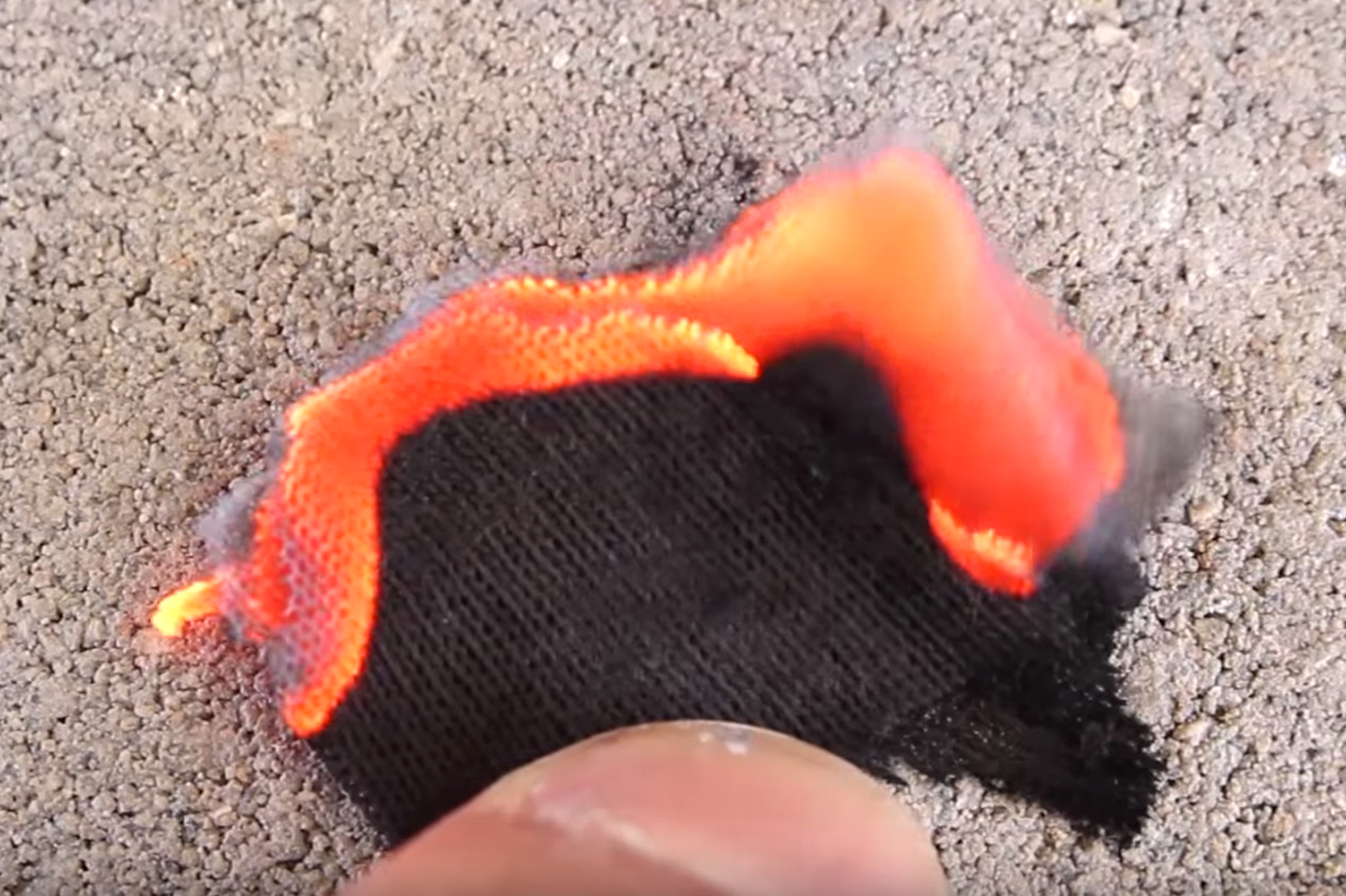
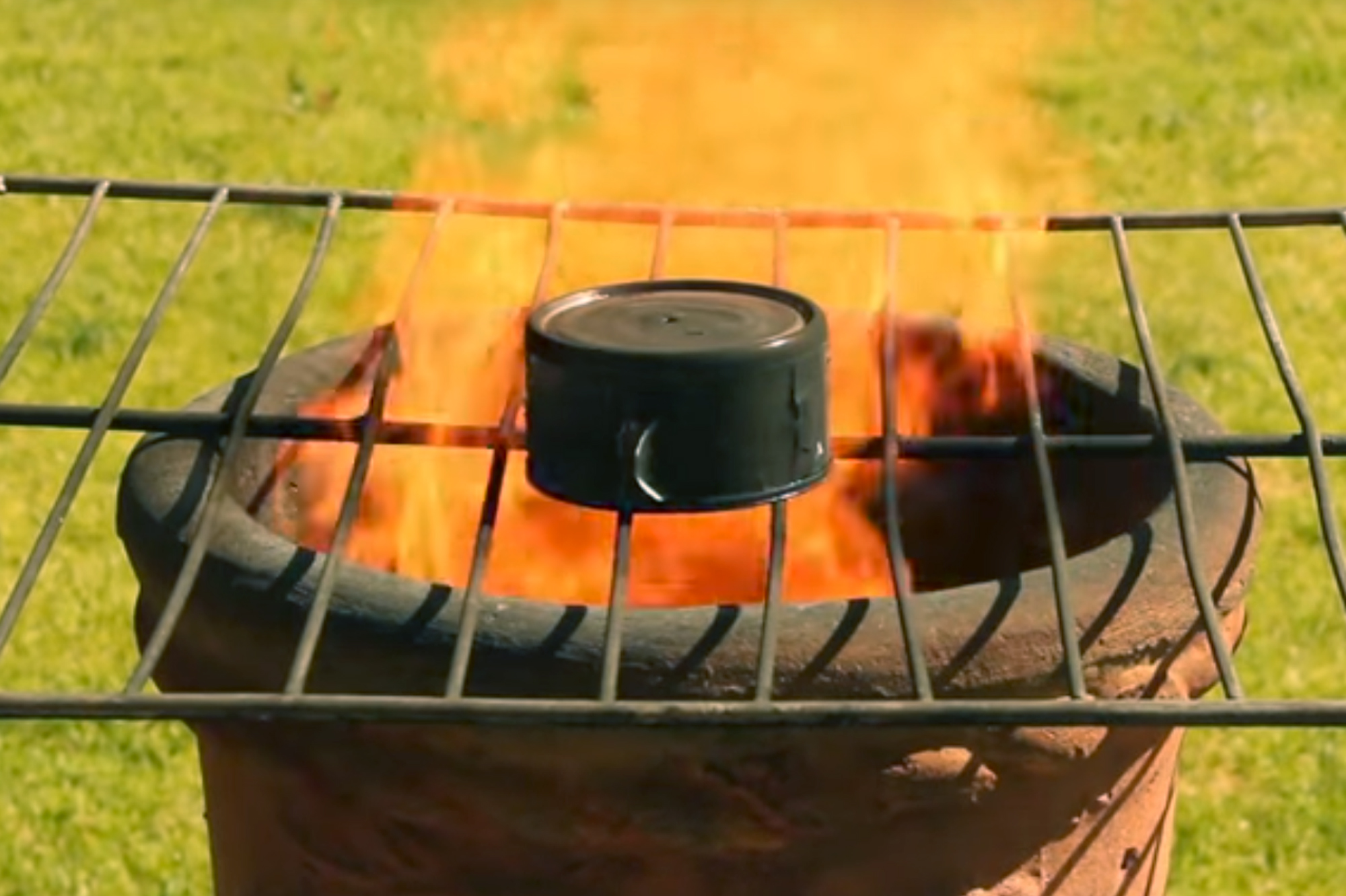
As you can see in the video above, char cloth is exactly what it sounds like, heavily charred and blackened cotton fibers. This can be literal 100% cotton cloth, or it can be household cotton balls. Just seal the fabric in a metal container with a small vent hole, and heat thoroughly with an open flame or other intense heat source.
The resulting material will ignite quickly and burn slowly, providing an easy way to start a larger fire.
So, what kind of fire starters do you rely on? Let us know in the comments.
In the past, we’ve mentioned the importance of improvised weapons. Even if you’re always armed, you could easily get robbed and end up in the middle of nowhere with only the clothes on your back. Knowledge weighs nothing, so it’s wise to learn other ways to create handmade weapons and tools for when SHTF. Even if you never have to use this knowledge, it doesn’t hurt to learn.
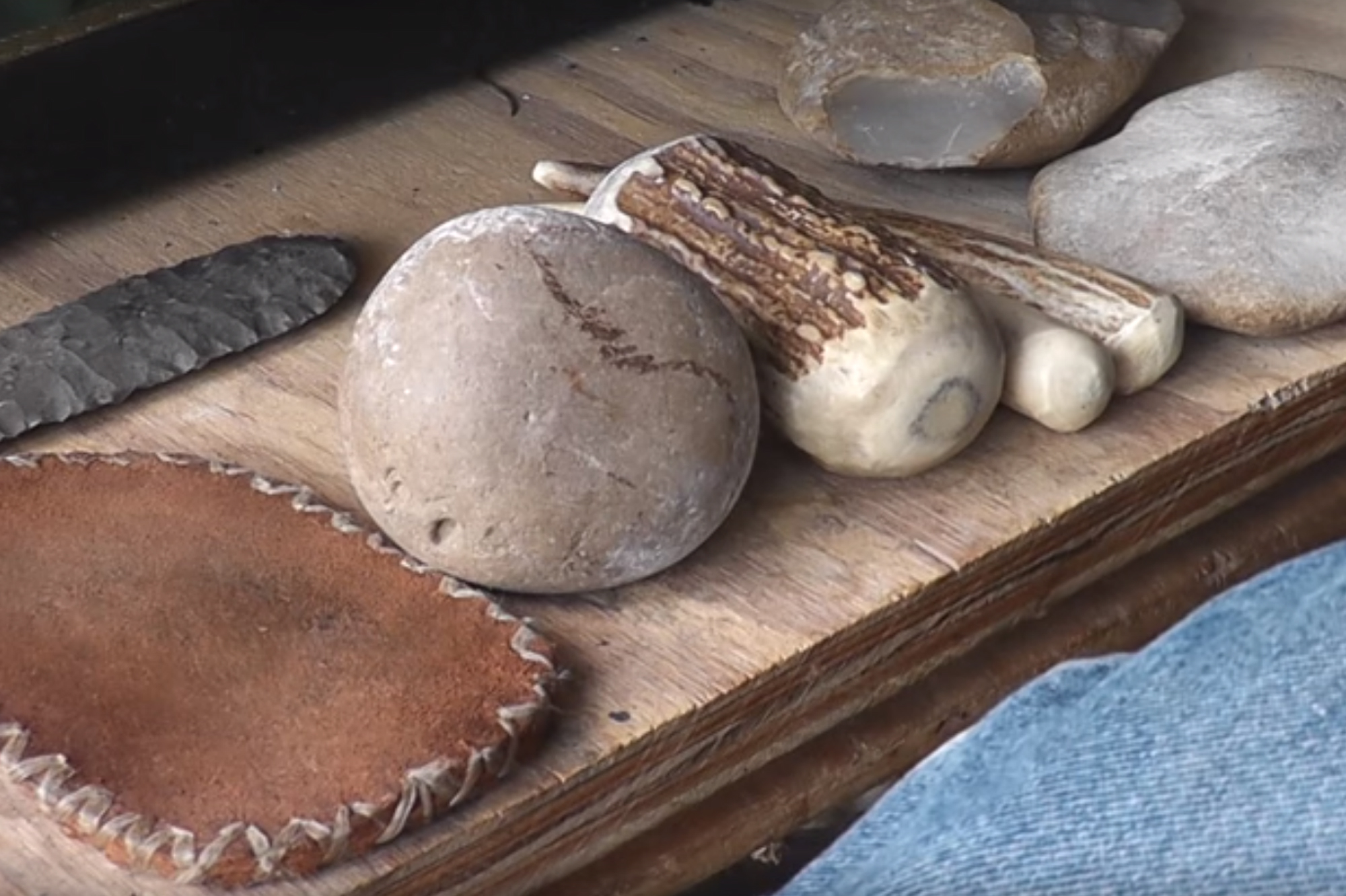
Some basic tools used for flint knapping.
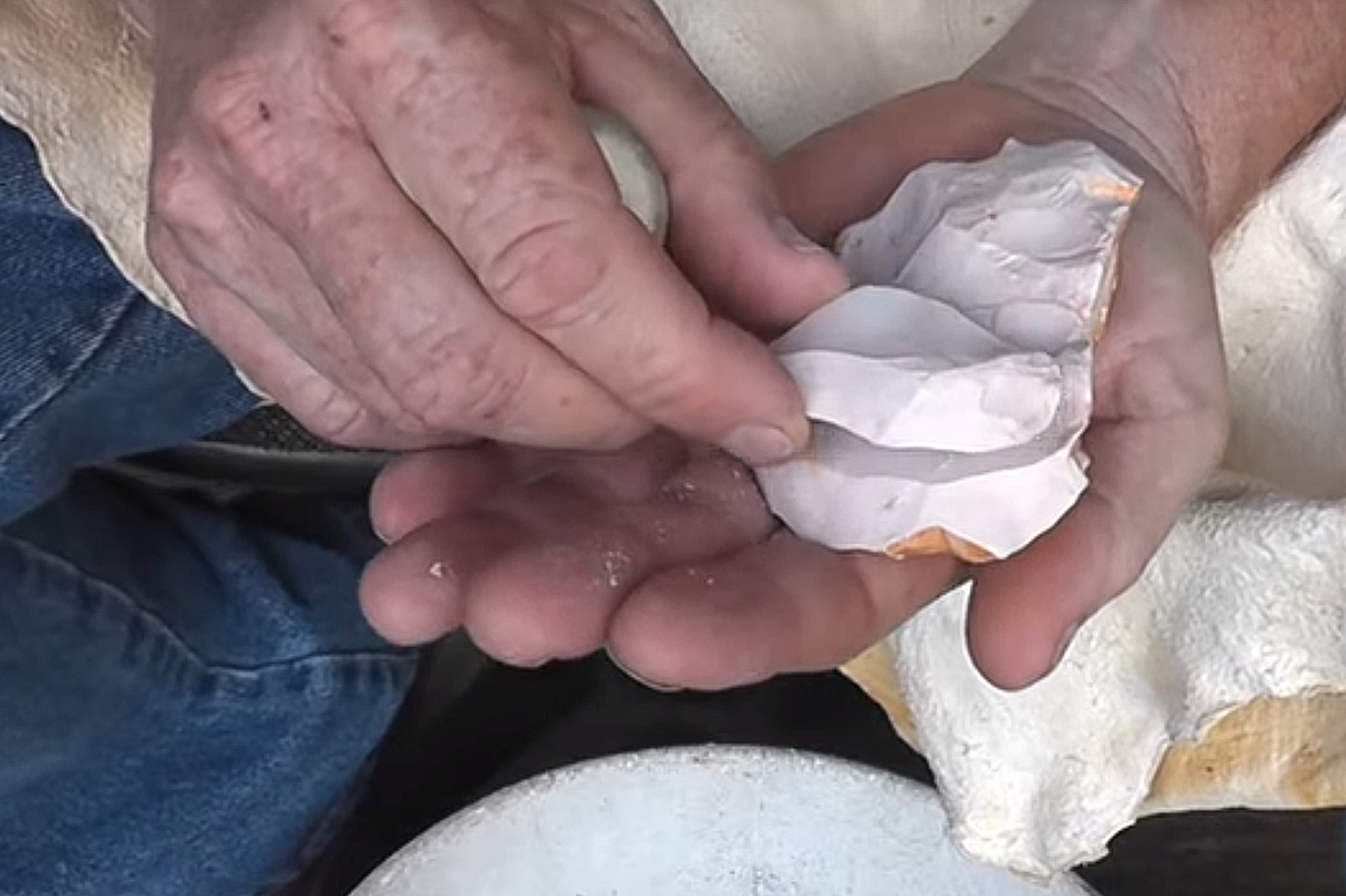
One of the best ways to create knives and tools in the wild is through a technique called flint knapping. If you’ve ever seen an ancient arrow head or spear, you’ve probably seen the results of flint knapping. The technique uses a brittle stone and a hard striker to chip away razor-sharp and thin fragments. These fragments can then be chipped more to form tools.
Note: Always wear eye protection when flint knapping, unless you want tiny razor-sharp bits of stone in your eyes. Gloves are also a good idea to prevent nicks and cuts.
This video from Paleoman52 on YouTube shows the steps involved. One thing the video doesn’t mention is the type of stone to use, such as flint, chert, and obsidian (all of which can be bought online for practicing). If you’re looking for stones in the outdoors, try tapping them and listening to the pitch—higher pitch is usually better for knapping.
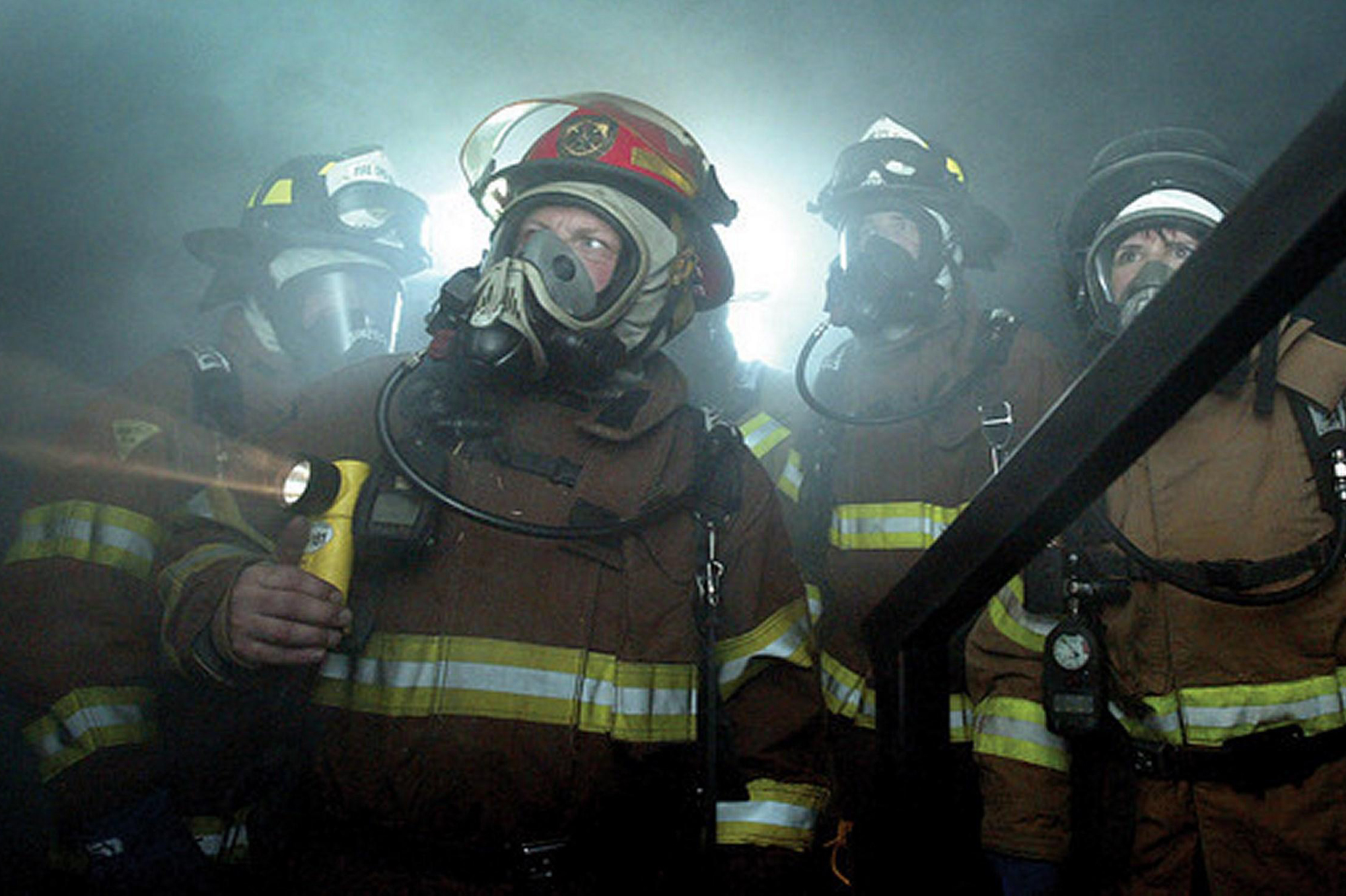
Ever see a firefighter holding a flashlight? You probably won’t, since they need both hands free to work and clear debris. What about a headlamp? You might see them occasionally, but the constraints of heat resistance and fitting over a large helmet make them less common.
More often than not, you’ll see firefighters wearing a third type of device: an angle light. These devices are typically mounted on a chest pocket or shoulder strap, and provide hands-free forward-facing illumination. Better yet, they’re designed to be highly durable for use in extreme conditions.
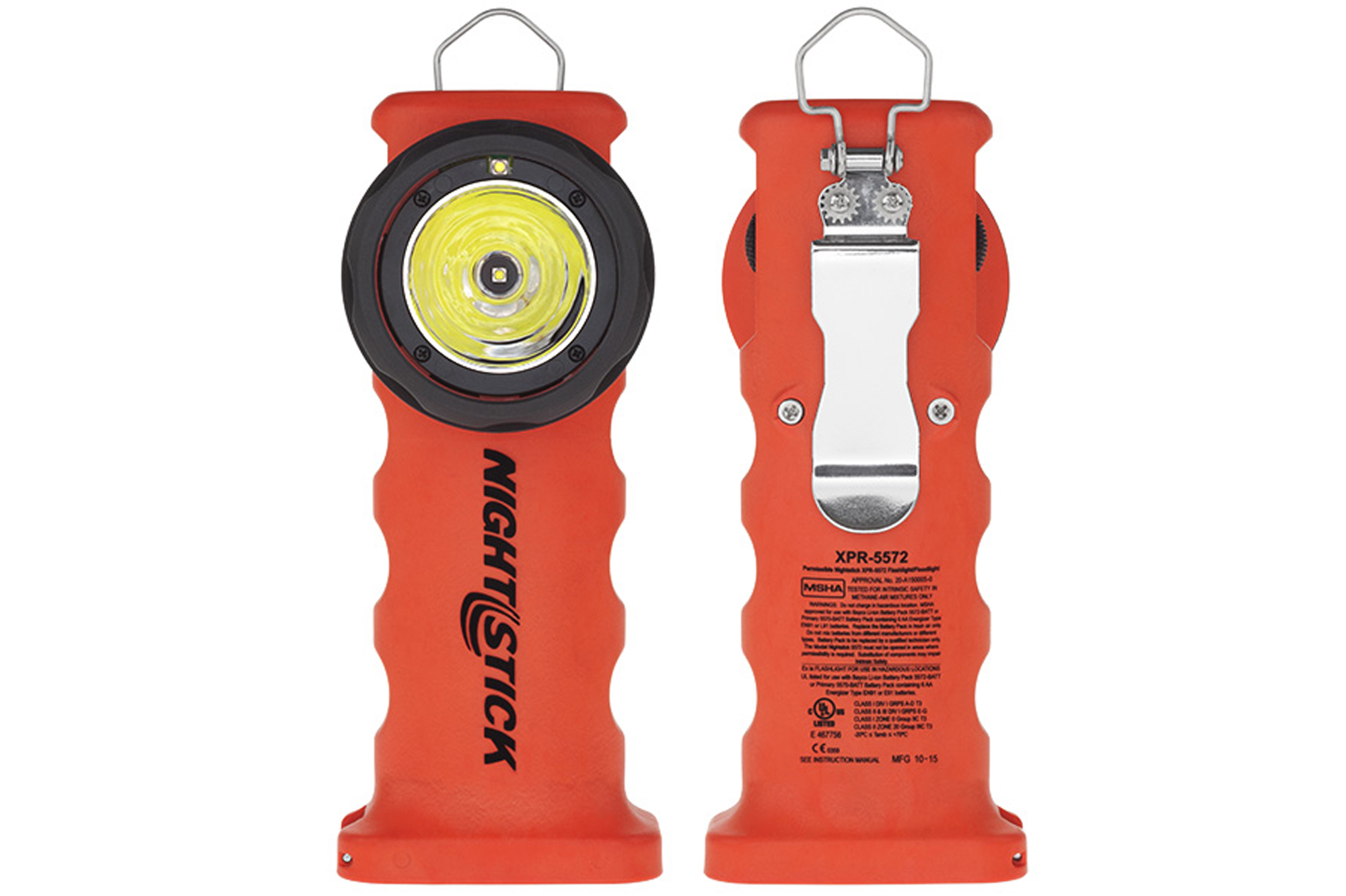
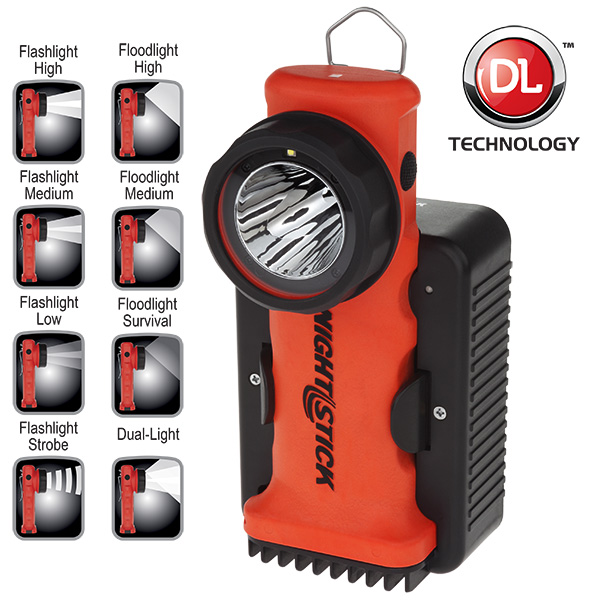
The XPR-5572R angle light offers many settings for short- and long-range illumination.
Night Stick has just launched a new line of three Dual-Light Angle Lights: the XPP-5570R (AA batteries), XPR-5572R (rechargeable Li-Ion battery), and XPR-5572RM (rechargeable with magnetic base). Note the term “dual-light”—it indicates that these provide both a wide LED flood light and a focused LED spot light. You can turn on one or the other, or use both at the same time for maximum short- and long-distance illumination.
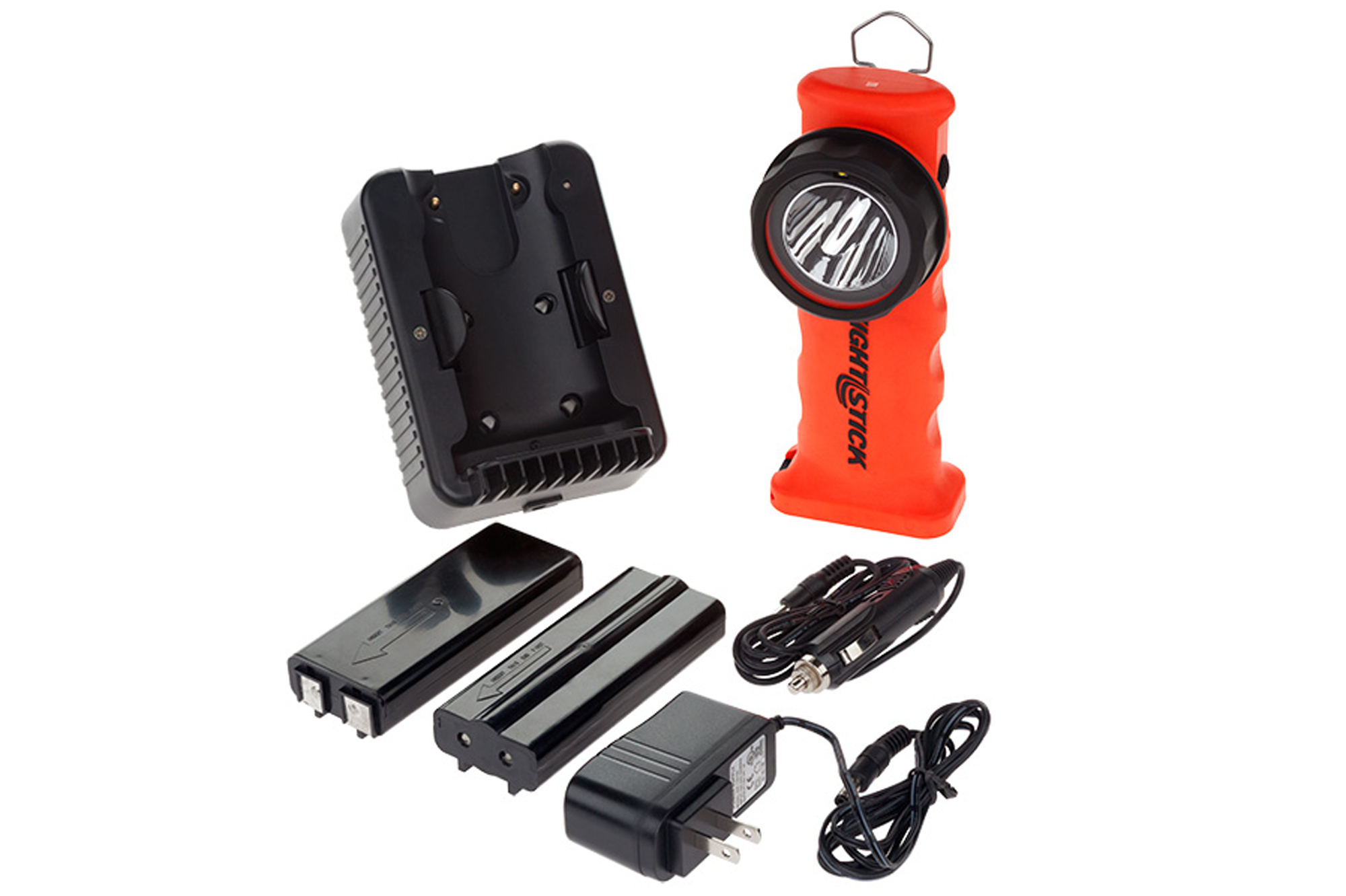
The XPR-5572R rechargeable light includes multiple charging and battery options.
For survival purposes, dual illumination features are nice to have, but what’s more important is durability and reliability. Each of the three Night Stick angle light models is drop-rated at 2 meters, IP-X7 rated waterproof, and meets firefighting performance standard NFPA-1971-8.6. It’s even certified as Intrinsically Safe, meaning it won’t become an ignition source around gas fumes or other flammable atmospheric conditions.
The spot light provides anywhere from 60 to 200 lumens (depending on power level) and a 267 meter beam distance, while the floodlight provides a maximum of 200 lumens down to a minimum of 20 lumens in low-power “Survival Mode”. These Night Stick angle lights can run continuously for 6 hours in high brightness mode, or up to 30 hours in Survival Mode.
MSRP is $59.95 for the XPP-5570R with AA batteries, $99.95 for the XPR-5572R with rechargeable Li-Ion battery, and $125.95 XPR-5572RM with the magnetic base.
If you’re looking for an alternative to handheld flashlights and headlamps, these Night Stick lights are about as tough as it gets, and are worth considering. For more information, visit baycoproducts.com.
Craftsmanship—it’s a concept some might argue has been lost in this age of outsourcing and manufacturing budget cuts. Critics have said that the days of making precision tools by hand are long gone, supplanted by lightning-fast CNC machines and 3D printers which achieve levels of accuracy no human could reach. Besides, it’s much easier to maintain a high profit margin by sending products to be churned out by low-cost factories overseas, and the results are usually good enough.
Despite this apparent outlook of gloom and doom, we’re happy to report that American craftsmanship is still alive and well. You just have to know where to look.
These days, it often incorporates the aforementioned high-tech manufacturing techniques, but the end result is clearly something that’s thoughtfully designed, carefully assembled, and meticulously checked for quality. It may not be hand-forged by a bearded artisan in a shed, but it’s undeniably well-made.
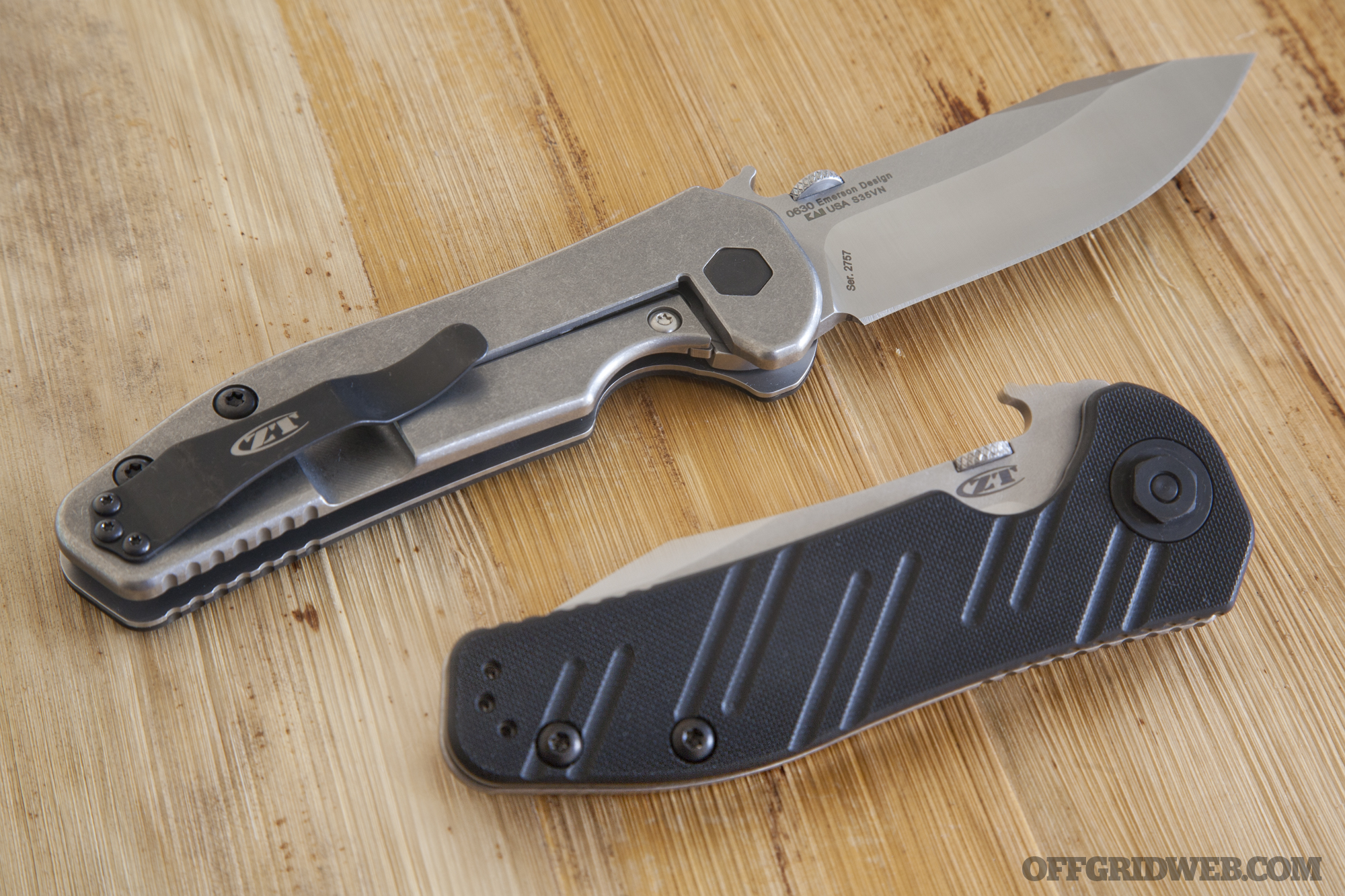
This brings us to today’s subject: the ZT 0630 knife review. Is this high-end blade carrying on the tradition of American craftsmanship? Read on to find out.
Zero Tolerance
Launched in 2006, Zero Tolerance (or ZT) is a brand of hard-use knives designed for professional-grade applications. ZT says they have “Zero Tolerance for anything less than the best” and that their knives are “proudly overbuilt”. At first, this sounds a bit like marketing hype, so we wanted to get our hands on one of their latest blades and see if it lives up to these claims.
That said, right off the bat ZT puts their money where their mouth is. All of their knives are manufactured here in the USA, in Tualatin, Oregon. To reflect this fact, each blade is clearly printed with “USA” and a serial number.
Zero Tolerance also offers a limited lifetime warranty and free sharpening service (you just pay for shipping). If you somehow manage to break a ZT folding knife’s blade, they’ll even replace it with a new one for $30.
The ZT 0630
The Zero Tolerance 0630 is the latest in a line of knives manufactured by ZT and designed by the legendary Ernest Emerson. If you’re as much of a knife nerd as we are, you’ll probably recognize that name. Emerson has been making and designing folding knives since 1979, and became famous for his patented wave shaped feature, which allows users to draw and open the knife simultaneously in a split second (more on that later).
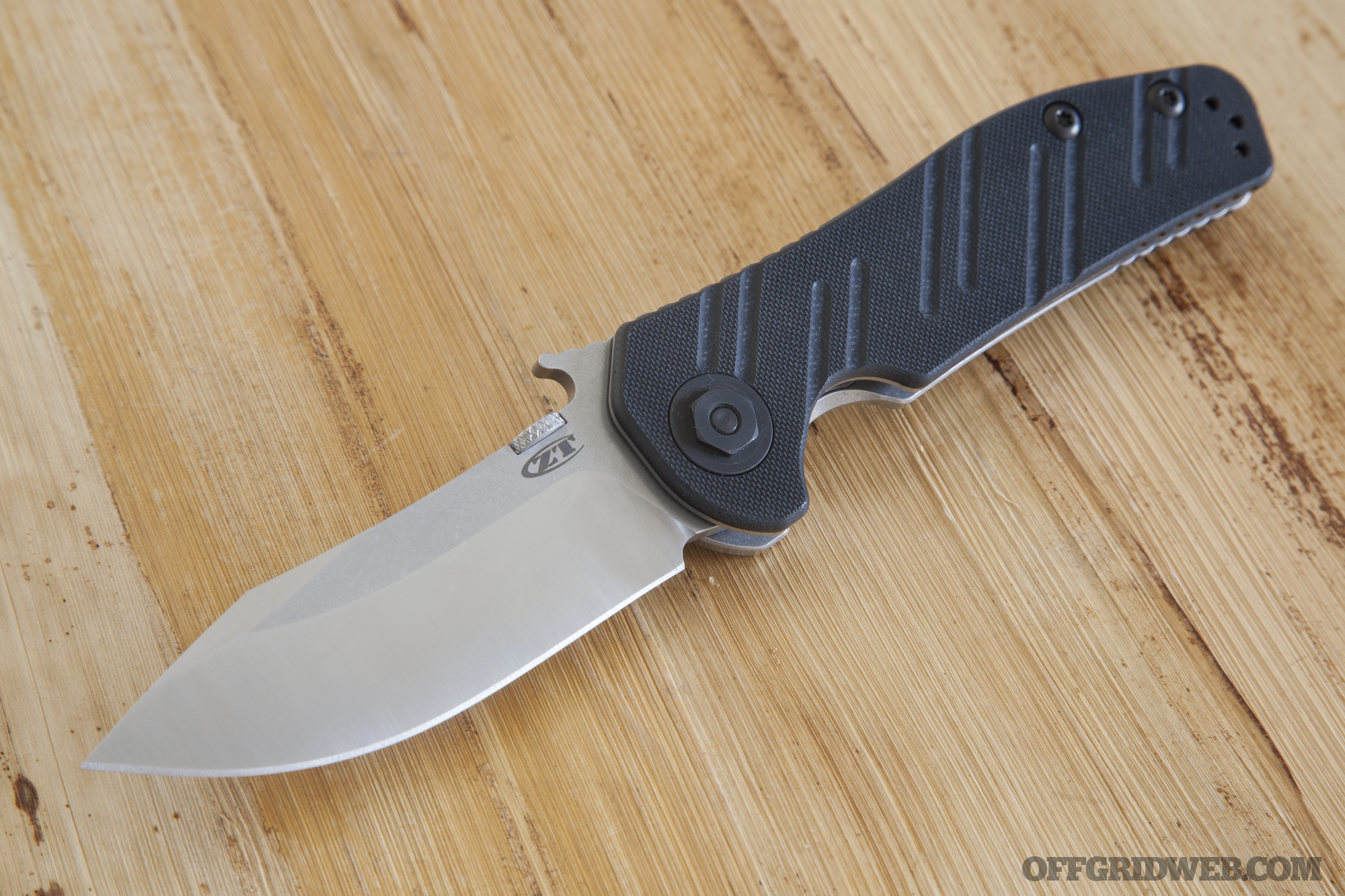
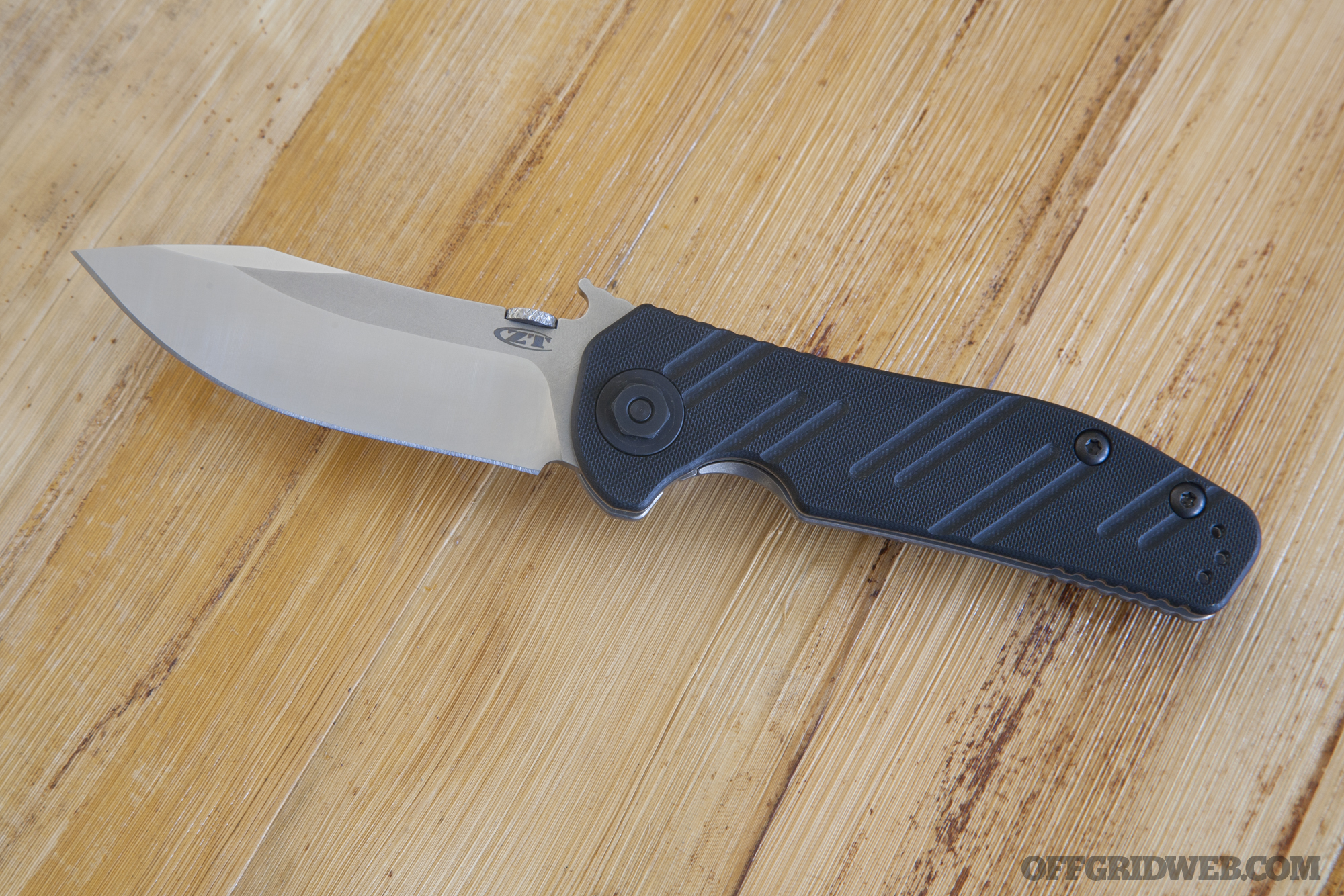
The 0630 differs from previous ZT/Emerson collaborations in two ways. First, it has an upswept tactical blade shape, instead of the tanto shape of the 0620 series. This shape is perfect for smooth slicing cuts. Secondly, the 0630 is made of Crucible S35VN steel, which is chip-resistant and easily sharpened to a razor edge.
Before we get into our impressions, here are the 0630’s specs:
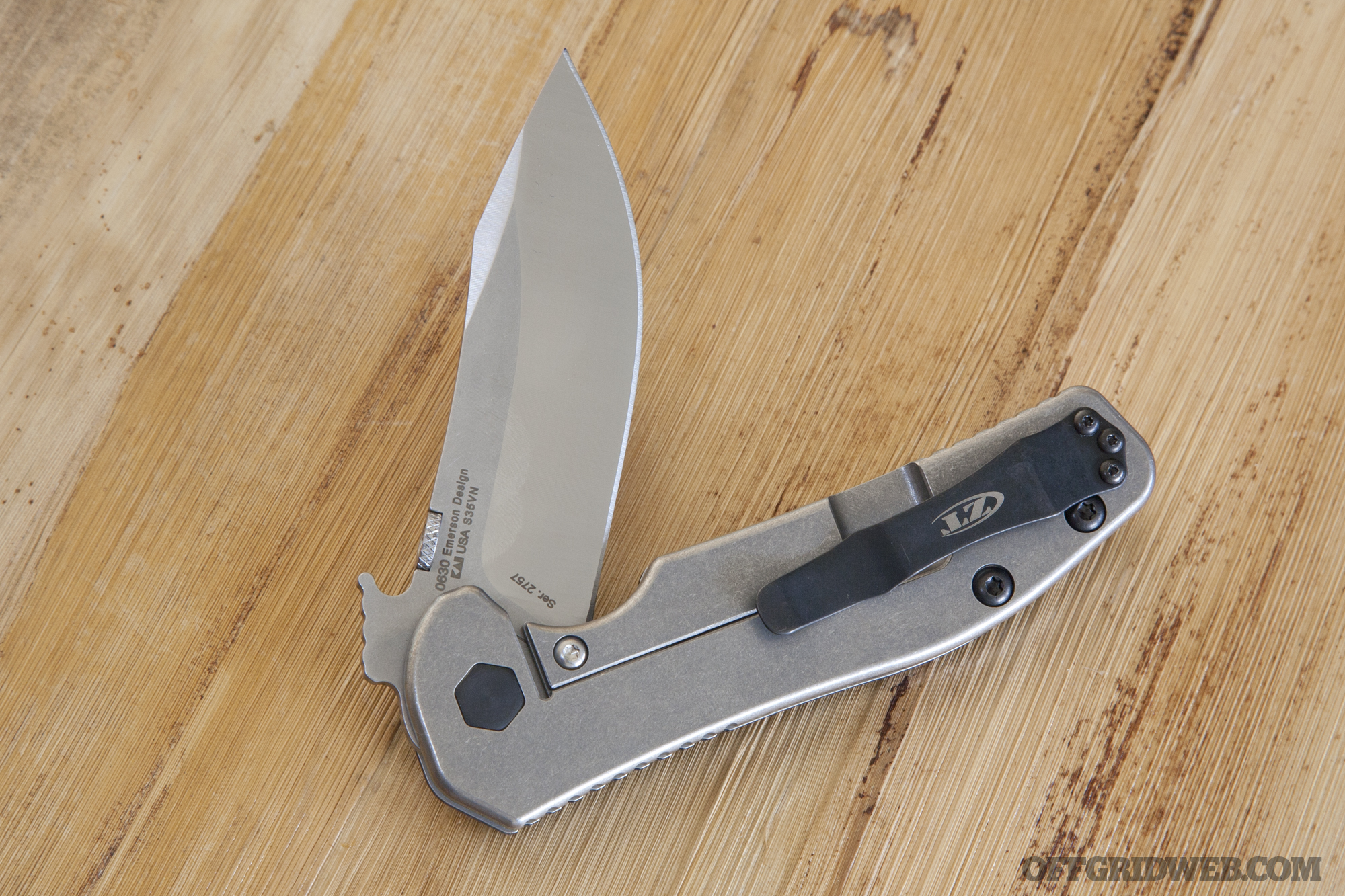
Blade: 3.6″ S35VN steel, upswept shape, stonewashed and satin finish
Frame: Stonewashed titanium back, black textured G10 front
Thumb disk for manual opening
Wave shaped feature for quick-draw opening
Frame lock with hardened steel lockbar inserts
Reversible pocket clip, satin black coated with ZT logo
4.9″ closed length, 8.5″ open length, 6.3oz weight
MSRP: $250
Initial Impressions
Picking up the 0630 for the first time, the word that came to mind was “substantial”. It’s physically large for a folding knife, at nearly 5 inches long when closed. It also has some considerable heft, despite extensive use of lightweight titanium in the frame.
When it comes to knives, we’d say “substantial” is a good place to start, as it’s easy to control and doesn’t feel fragile. However, we could see how the 0630’s large size and relatively heavy weight might be a bit much for some users.
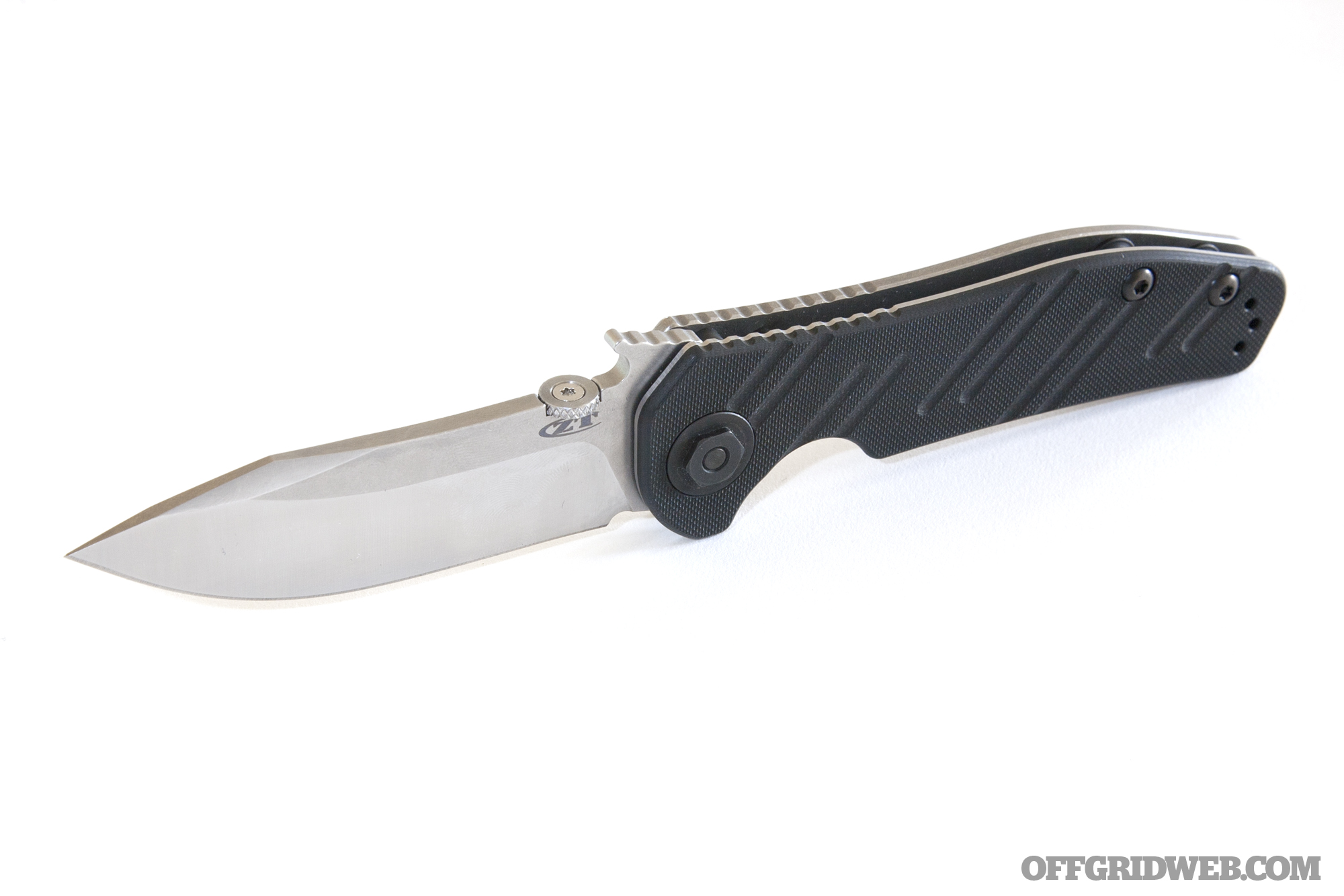
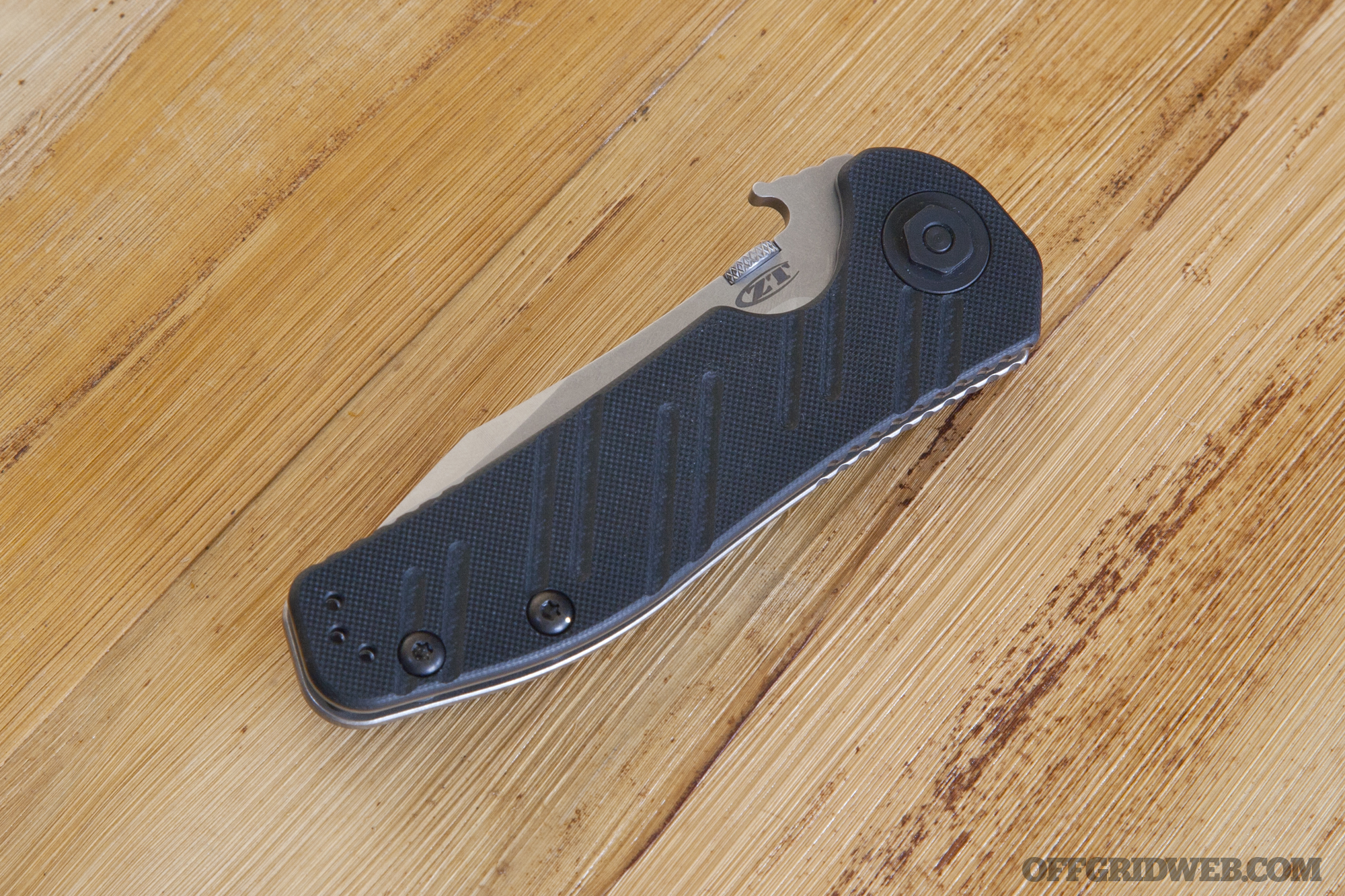
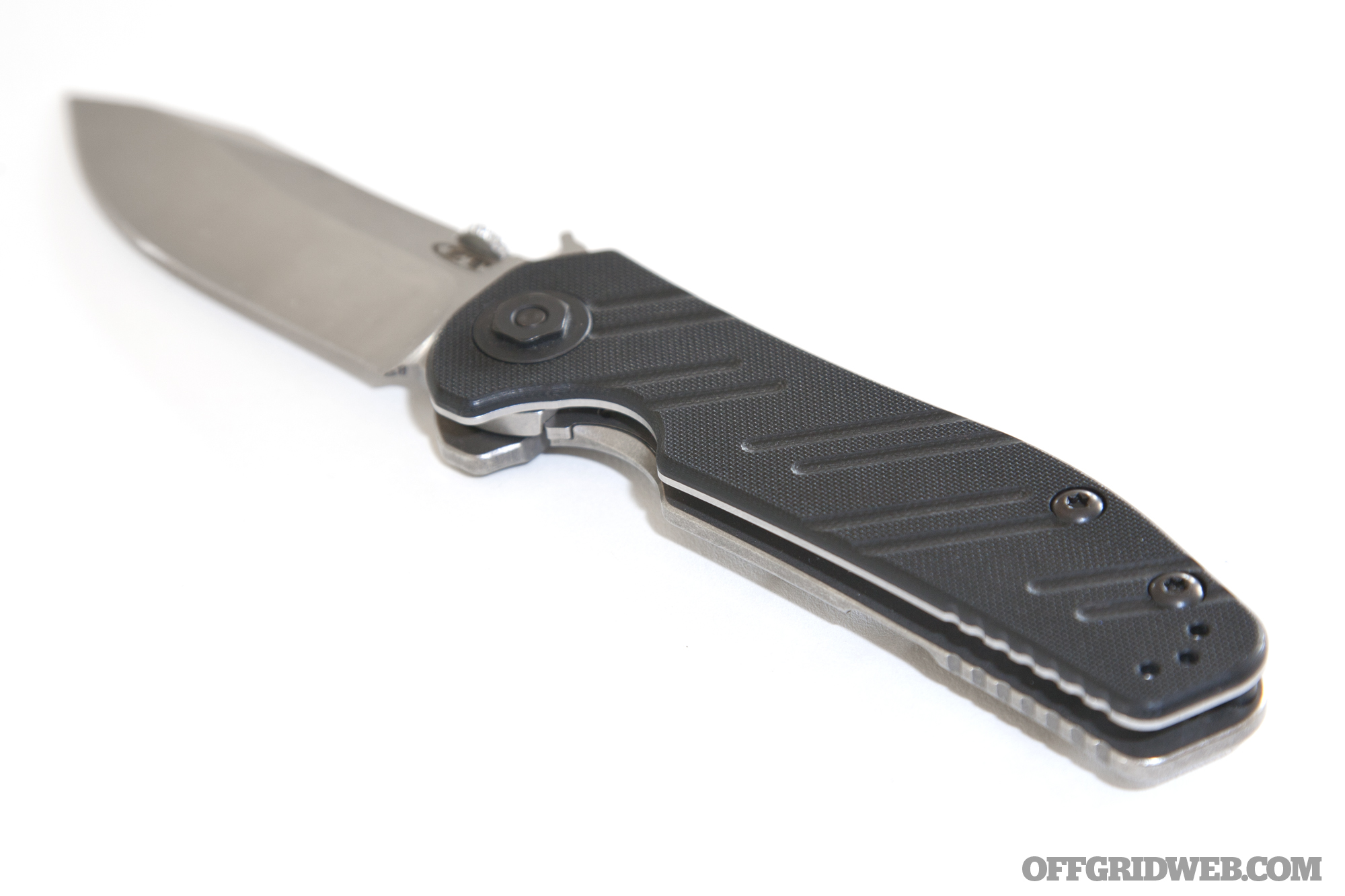
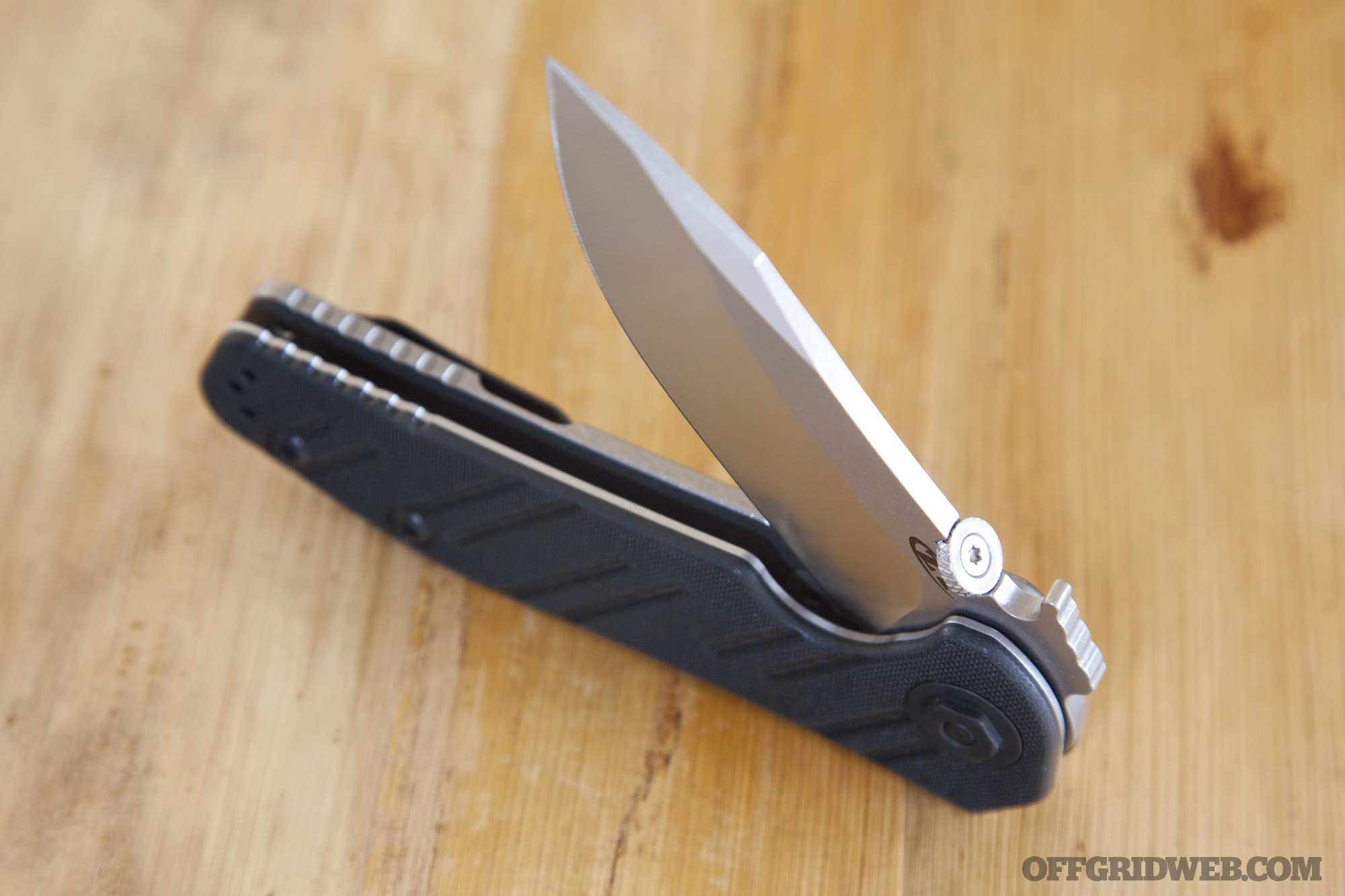
Finely textured G10 material on the handle’s face gives the user grip to control the blade.
On the front of the handle, you’ll find a black G10 scale with a super-fine mesh texture. Pairs of diagonal ridges have also been cut into the G10, and they add a little more visual appeal, but don’t seem to have any real impact on grip. Lefties will also note three holes for re-mounting the pocket clip on this side.
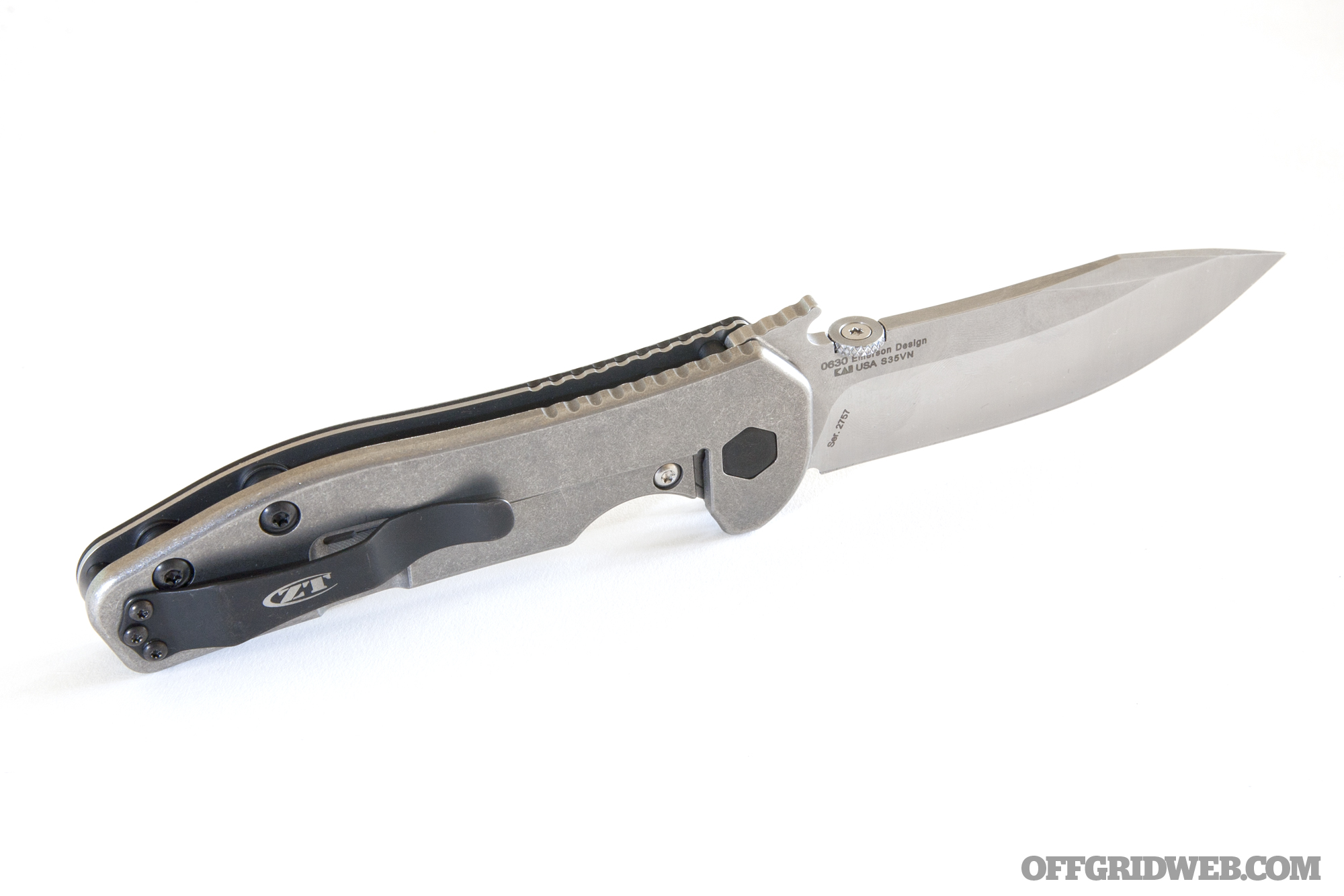
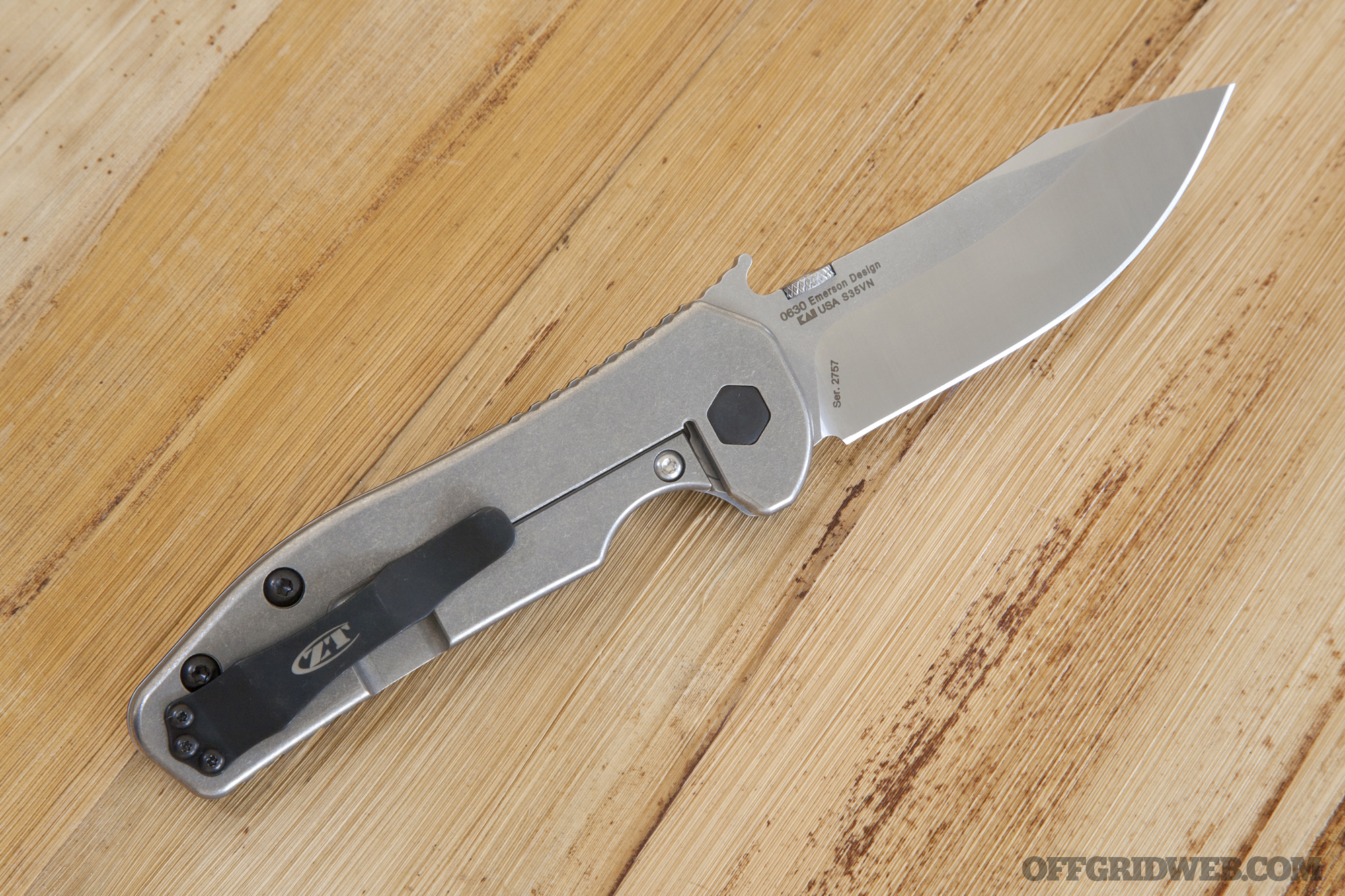
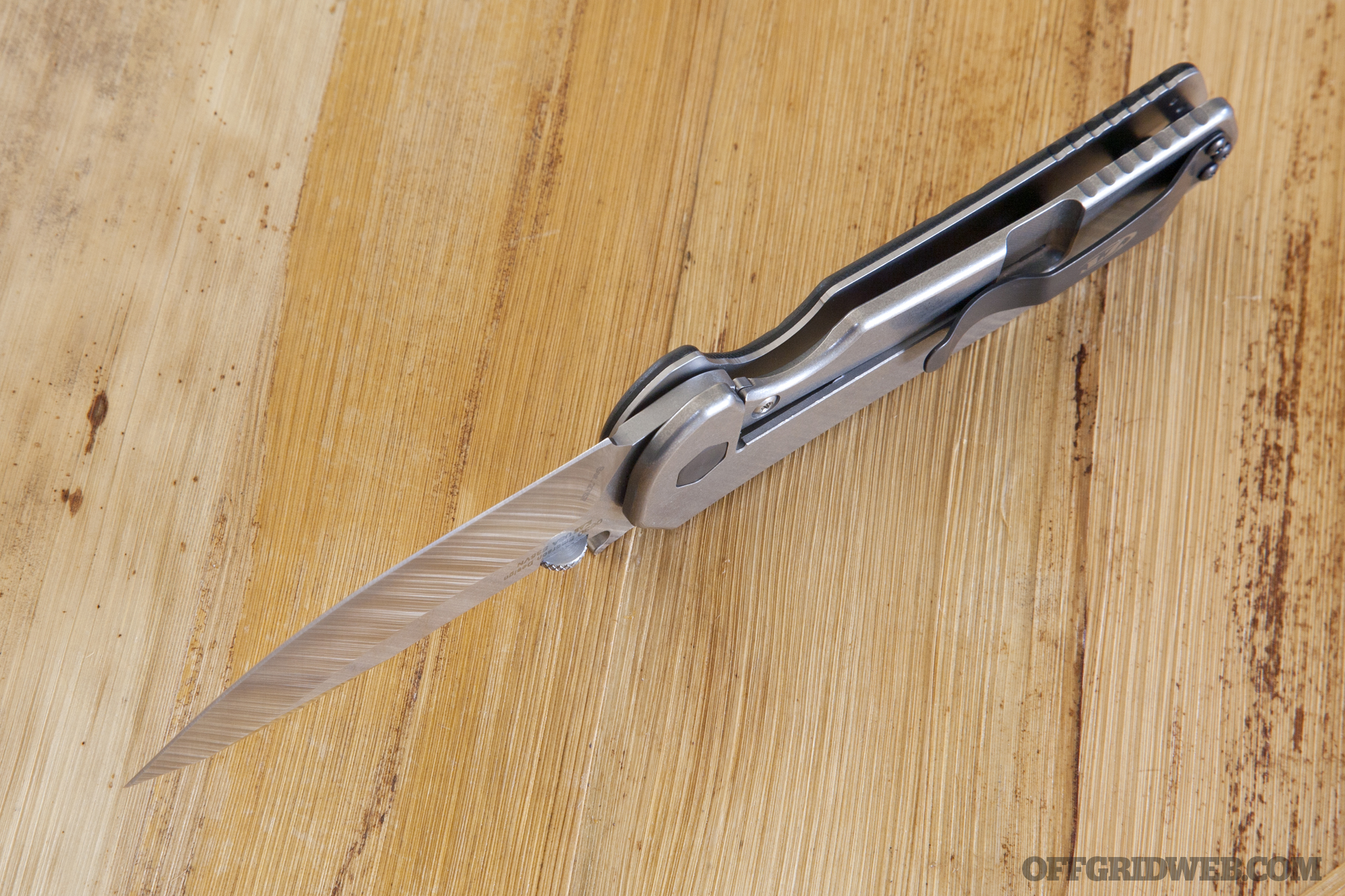
On the flipside, a slab of stonewashed titanium gives an industrial look, and pairs nicely with the blade’s stonewashed and satin finish. A frame lock is cut into this titanium chunk, and features a hardened steel lockbar insert attached with a single silver Torx screw.
This insert prevents lock bar sticking, and ensures the knife locks open solidly without any wiggle or play. It also prevents the lock bar from being bent outwards too far, which would potentially damage the frame.
The 0630’s folding blade has a ball detent to keep it from opening accidentally, and a textured thumb disk for manual opening. Along the top edge of the blade, you’ll spot the hook-shaped wave feature, as well as some ridges for additional grip. The flat face of the blade is stonewashed, while other surfaces are a shinier satin finish.
Opening and Use
There are two methods to opening the knife: manually (using the thumb disk) and quick-draw (using the wave feature).
Manually opening the knife is …difficult. The frame lock detent keeps the blade firmly closed, which is great for safety, but makes manually flipping the knife open one-handed tricky.
In fact, we found it nearly impossible to open the knife using only a thumb, as the blade won’t budge until you hold the knife awkwardly and push with all your might. This may be due to the knife not being fully broken in, but we’d estimate we opened the knife around 100 times so far, and it remains tighter than we’d prefer. Your mileage may vary if you’re a thumb-wrestling champion.
You could give in and open the knife with both hands, or be patient and learn the technique to opening it one-handed. We found that it’s doable if you grip the disk between your thumb and index finger, and push upwards, being careful not to put pressure on the lock bar with your other fingers. It still takes some concentration, but it’s the only way we found to consistently open the 0630 one-handed.
Update: After a few weeks of using the knife frequently, we’re happy to report the action seems to have loosened substantially. It’s still firmer than many blades we’ve used, and still requires some practice to open the blade one-handed, but it has gotten better.
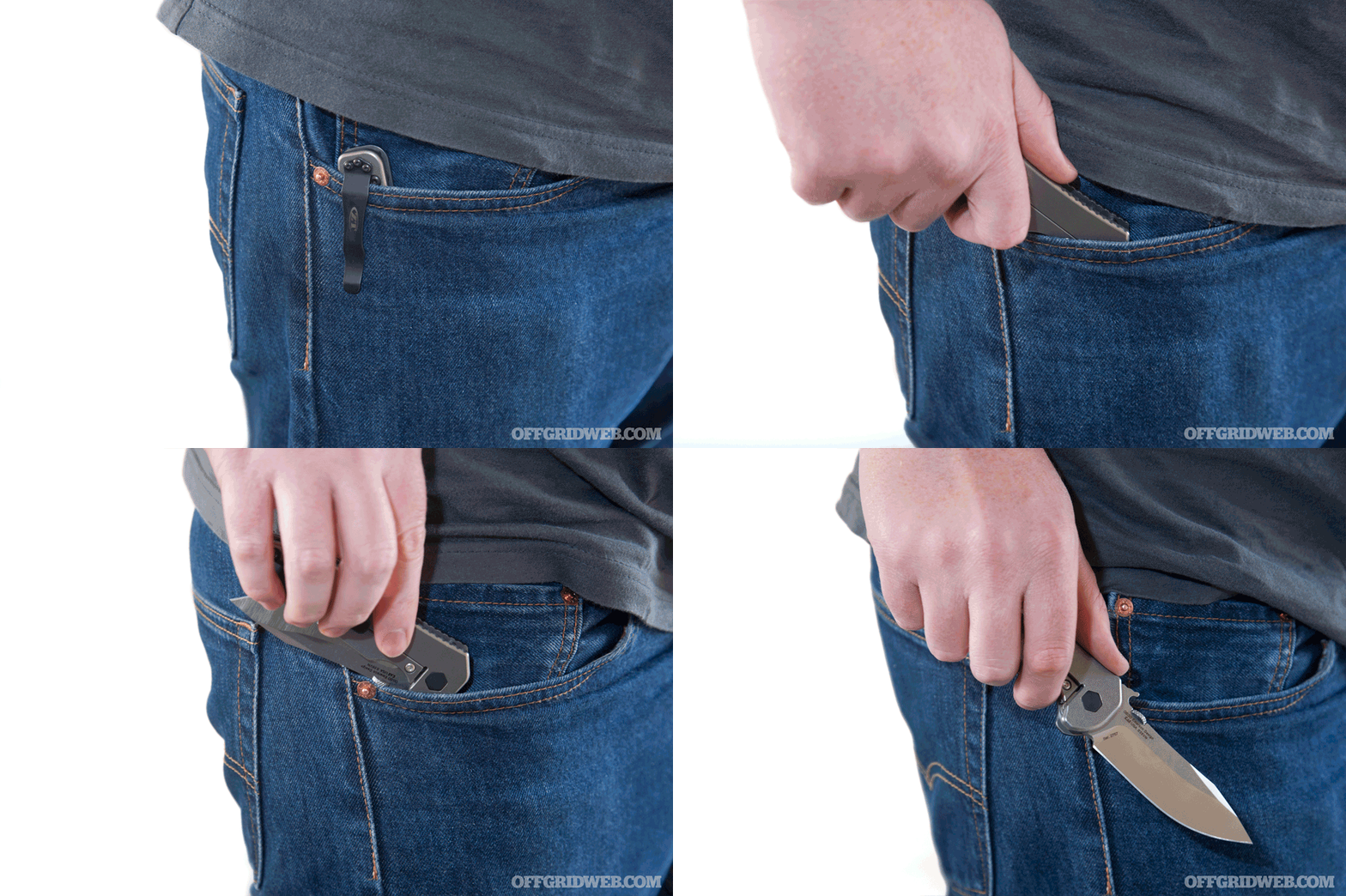
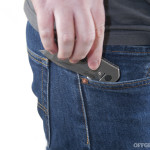
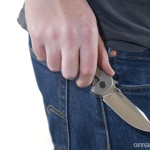
For quicker opening, there’s the patented wave feature. For those not familiar, the hook on the top of the blade is designed to catch on the seam of your pocket as you draw the knife. With some practice, this means the 0630 can open as fast—or potentially faster than—any assisted opener or automatic/switchblade.
Click the image below to view an animation of how it works.
One fluid motion, and the knife is ready to go. No buttons to push or levers to fumble with.
The downside to this is that it’s far from subtle. Most average people will look at you like you’re Freddy Krueger as you sweep your arm back and the knife opens with a resounding “snap”. However, if you’re ever forced to rely on the knife for self defense, it’s hard to beat the wave feature.
When it comes to cutting, the upswept blade shape glides effortlessly through most materials. We’ll also mention that ZT put a brilliant edge on this knife from the factory. It’s as razor-sharp as any folding knife we’ve ever had, and we expect the S35VN steel to keep it that way.
Conclusions
So, does the ZT 0360 live up to the manufacturer’s claim of being “proudly overbuilt”? Also, does it exhibit true American craftsmanship? We’d say yes on both counts. It’s very expensive at $250, but at least you’re getting what you pay for.
This knife is made in the USA from high-quality materials, and ZT’s precision manufacturing experience is clearly evident in its fit and finish. Our single source of frustration was the sticky detent that makes one-handed opening tough, but if you can get past that, it’s an excellent choice for a daily-carry blade you can depend on.
Pros:
Superb build quality, with smooth pivot and locking mechanism
High-quality materials and attractive stonewashed finish
Razor-sharp upswept blade slices effortlessly
Wave feature makes quick-drawing easy
Made in USA
Cons:
Sticky detent makes it difficult to open one-handed
$250 price is very steep (but we’d say it’s worth it)
Black G10 scale is a little visually plain (we’re hoping ZT releases a Carbon Fiber version)
We hope you’ve enjoyed this in-depth ZT 0630 knife review. For more information on this and other ZT knives, go to zt.kaiusaltd.com.
Most of us have played, or at least heard of, the telephone game. Each person whispers a phrase to the next person in line, and by the end of the process, the message is completely garbled. This communication breakdown is funny at the time, but when it happens in real life, it’s less amusing… and more frustrating.
In order to be clearly heard when speaking, we need a system that’s phonetically distinct—that way no one’s left wondering if you said “here”, “ear”, or “beer”. When spelling words over the phone or radio, many people often say “A as in apple” or “B as in boy”. However, these aren’t standardized, and may lead to more confusion if someone says “K as in knight” or “N as in night”.
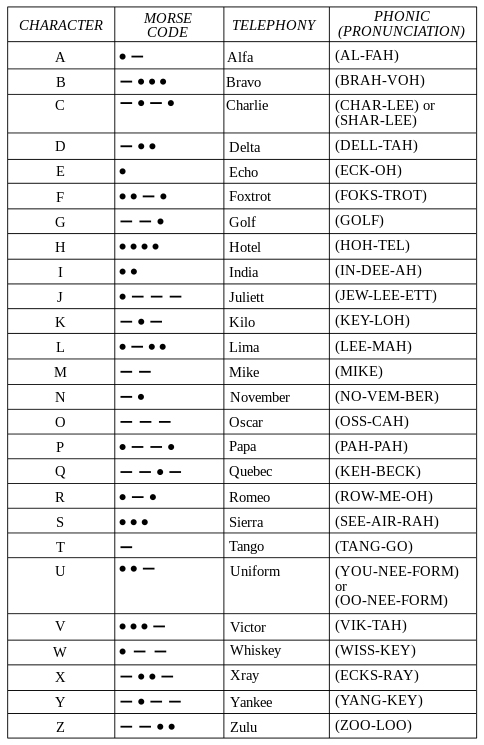
The standard NATO alphabet, established in 1956.
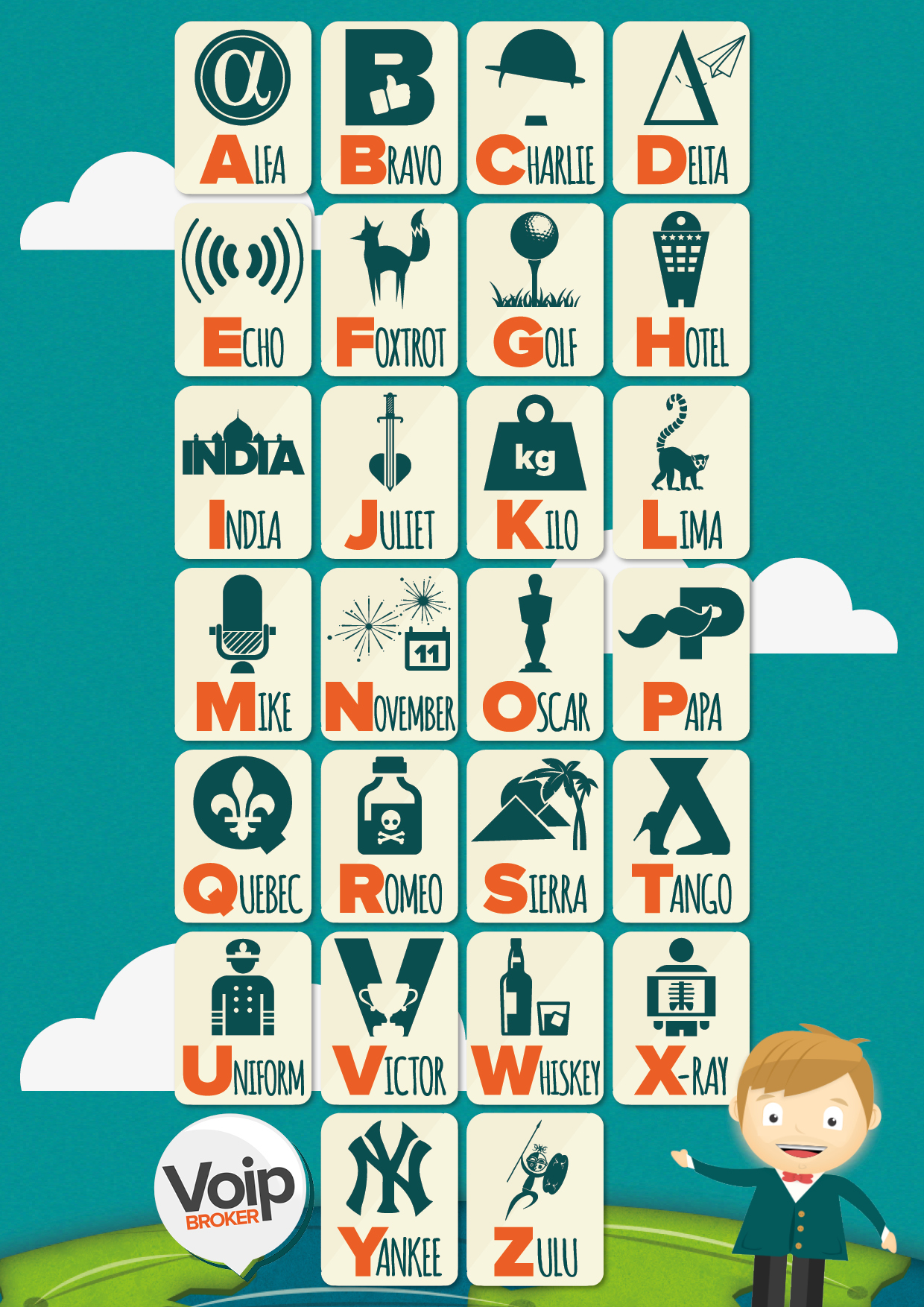
Fortunately, an international consortium of military forces have established a system of phonetic code words for this purpose: the NATO alphabet. This alphabet is is used to spell parts of a message containing letters to avoid confusion, especially for important military objectives such as targets and waypoints. It’s also useful to us as civilians, since it makes communicating clearly much easier.
British telecommunications provider VoIP Broker created the following infographic with pictograms that should help you memorize the alphabet.
So, do you know your Alfas, Bravos, and Charlies yet, or are you still scratching your head and saying “Whiskey Tango Foxtrot”?
Give it some time, and come back to study and test yourself later. You never know when it could come in handy, especially over cell phone conversations with weak signal. Plus, it sounds a lot more professional than saying “X as in… uhhhh… xylophone?”
As survivalists, many of us tend to favor traditional tools over high-tech cutting-edge gadgetry. After all, if it ain’t broke, don’t fix it, right? Well, not necessarily. Many of the technologies we use today are centuries old, and have considerable room for improvement. Sometimes, embracing new technology can dramatically improve our way of life.
Water purification is a serious problem, especially when it comes to removing industrial pollutants.
One example of this is carbon water filtration. Civilizations have been using this technique to remove contaminants from water for hundreds, or even thousands of years. There’s even some evidence that it may have been used in ancient Egypt. It works well at removing chlorine, sediment, volatile organic compounds, and even bad taste from water. For a beginner’s guide to carbon water filtration, check out this helpful article from All About Water Filters.
However, scientists may have recently discovered something that has the potential to be even better than carbon filtration. It’s known as β-cyclodextrin (β-CD or Beta-CD), and it’s a “porous, cross-linked complex” constructed of loops of sugar molecules.
This polymer removes BPA (a potentially harmful component of plastics) just like carbon filters can, but it does so in as little as 10 seconds. That’s up to 200 times faster than common activated carbon filters on the market today. Not only that, but the new β-cyclodextrin purifier was found to effectively remove “model aromatic compounds, pesticides, plastic components, and pharmaceuticals” from water, significantly outperforming many carbon filters.
This new polymer is more effective at removing organic compounds, such as those from pesticides and industrial runoff.
Best of all, it’s reusable (although it requires rinsing the filter in alcohol), and initial reports indicate it might even cost less than conventional carbon filters. Obviously, more testing still needs to be done, but this new purifier is looking promising so far.
Where would you rather survive: lost at sea or stranded in the Sahara desert? That’s our hypothetical question of the day, and we want to hear your decision in the poll below.
Water, water everywhere… but not a drop to drink.
Before you answer, we’ll provide some more information on the circumstances. In either location, you’ll need to survive for 7 days, and you’ll be alone. The weather will be clear all week, with no rain on the forecast. There’s little to no hope of rescue in either case, and you’ll have the same gear in both situations, listed below:
A metal canteen containing 2 liters of clean water
The clothes on your back (long pants, a T-shirt, a hooded windbreaker, athletic shoes, and an analog wristwatch)
Windswept sand and scorching heat. That’s about all you’ll find in the barren Sahara desert.
In the ocean scenario, you’ll be stuck smack dab in the middle of the Pacific, in an inflatable rubber survival raft (with sun shade on top). In the desert scenario, you obviously won’t have a raft, but you will have a 1-person tent with some sturdy anchors for the shifting sands. Otherwise, you’ll have nothing but what’s listed above.
Make your choice below, and feel free to justify your decision in the comments section.
Survival Scenarios will be a recurring feature on OFFGRIDweb.com, and will ask you to make a difficult choice between two or more hypothetical situations.
We don’t just want you to read our posts silently—we want to hear what you have to say. That’s why we’re working hard to provide more interactive content like quizzes, polls, and giveaways. Got any suggestions? Post them in the comments below, or head over to our Facebook page.
When you’re surviving in the outdoors, constructing a fire is a high priority. It allows you to stay warm, boil water, cook food, repel predators, and provides a tremendous morale boost.
For short-term campsites, using a few kindling sticks and small tree branches may be enough to sustain a fire, but they burn out far too quickly to keep the fire going continuously. Sooner or later, you’re going to need to break down some larger logs into quarters for your campfire, or for use in our preferred technique, the Swedish torch.
However, if you don’t have a proper axe, splitting logs can be tricky. For small logs, you can use a fixed blade knife and a piece of hard wood to baton the wood down to size. For logs that are wider than the length of your knife, though, this won’t get the job done—you’ll need to use the wedge technique.
This trick works similarly to batoning, but instead of hammering your knife through the length of the log, you’ll be constructing hardwood wedges. Note that we said hardwood, as softer wood will buckle or crack if you start pounding it into a log. Here’s a video that demonstrates log splitting with wedges:
You’ll still want a knife of some sort to get the split started. The video host recommends a fixed-blade knife, but we’re sure it could be done with a sturdy folding knife too. All you need is a crack on one end of the log that’s big enough to insert the wedge, and you’ll be good to go.
If you’ve never seen a blowgun used in real life, it may seem like a comically outdated concept: a tube with a dart, powered by nothing but the air in your lungs. Besides, that’s what the stereotypical cannibal tribesmen use in movies, right?
You might think we have surpassed this weapon with modern technology, but think again. Much like the humble slingshot, the “primitive” blowgun is still in use today, and it’s most definitely a deadly and pinpoint-accurate weapon in the right hands.
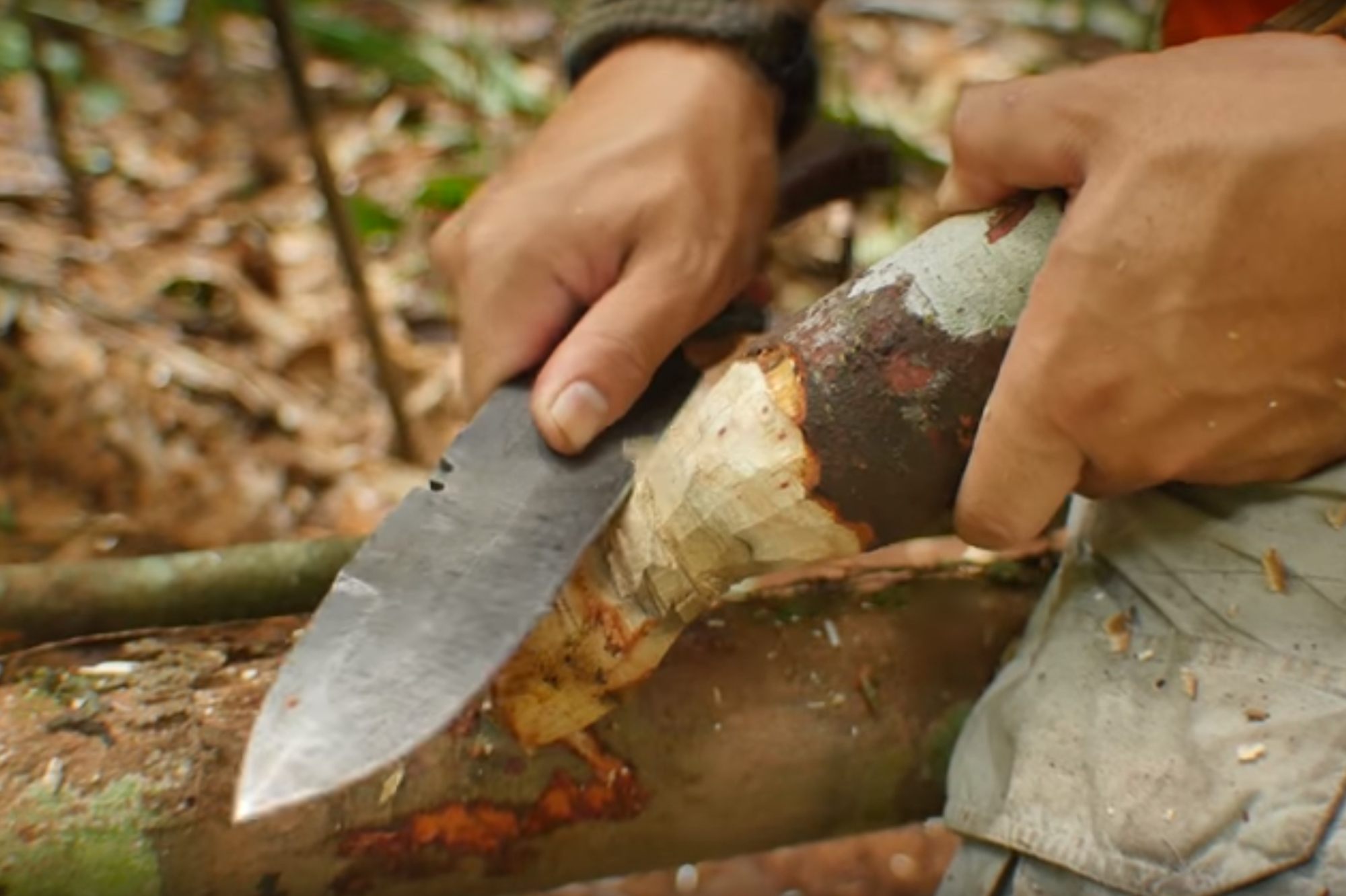
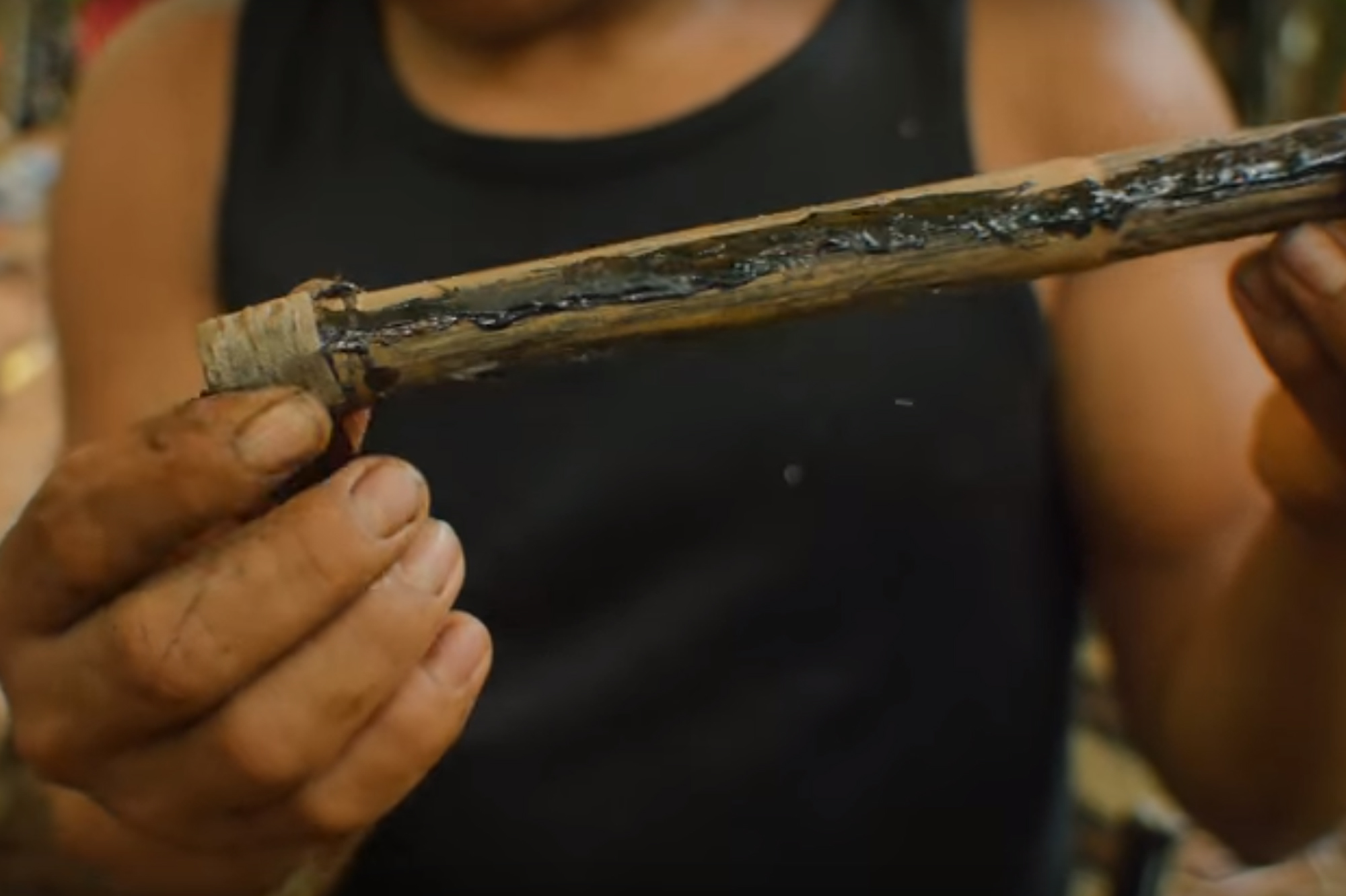
Blowguns have been used by cultures around the world for thousands of years, due to their simplicity and effectiveness. Using tools no more advanced than a knife, machete, tin can, file, and some cordage, residents of the Amazon jungle can create these weapons. YouTube channel InnerBark Outdoors traveled to the Amazon to document the locals making a blowgun:
So, maybe you now have an appreciation for traditional blowguns, but you probably also recognize that this design isn’t practical for most of us. After all, many of these materials won’t be easy to find in the suburbs. Fortunately, there are many guides on how to make a modern blowgun using materials available from any hardware store.
For example, here’s an Instructables article on making a blowgun out of PVC pipe, construction paper, beads, and nails. However, be aware that blowguns are illegal in California, Massachusetts, and Washington D.C., as well as in Canada. They’re also certainly not a toy, so be cautious if you do decide to make one.
Archery is a skill we can really appreciate, as it provides a way to accurately and silently hunt game at a distance. This puts food on your table, doesn’t consume valuable ammo, and doesn’t alert everyone in a several-mile radius. It’s perfect for a survival scenario, but you’ll need the right equipment to maximize your effectiveness and take out game animals quickly.
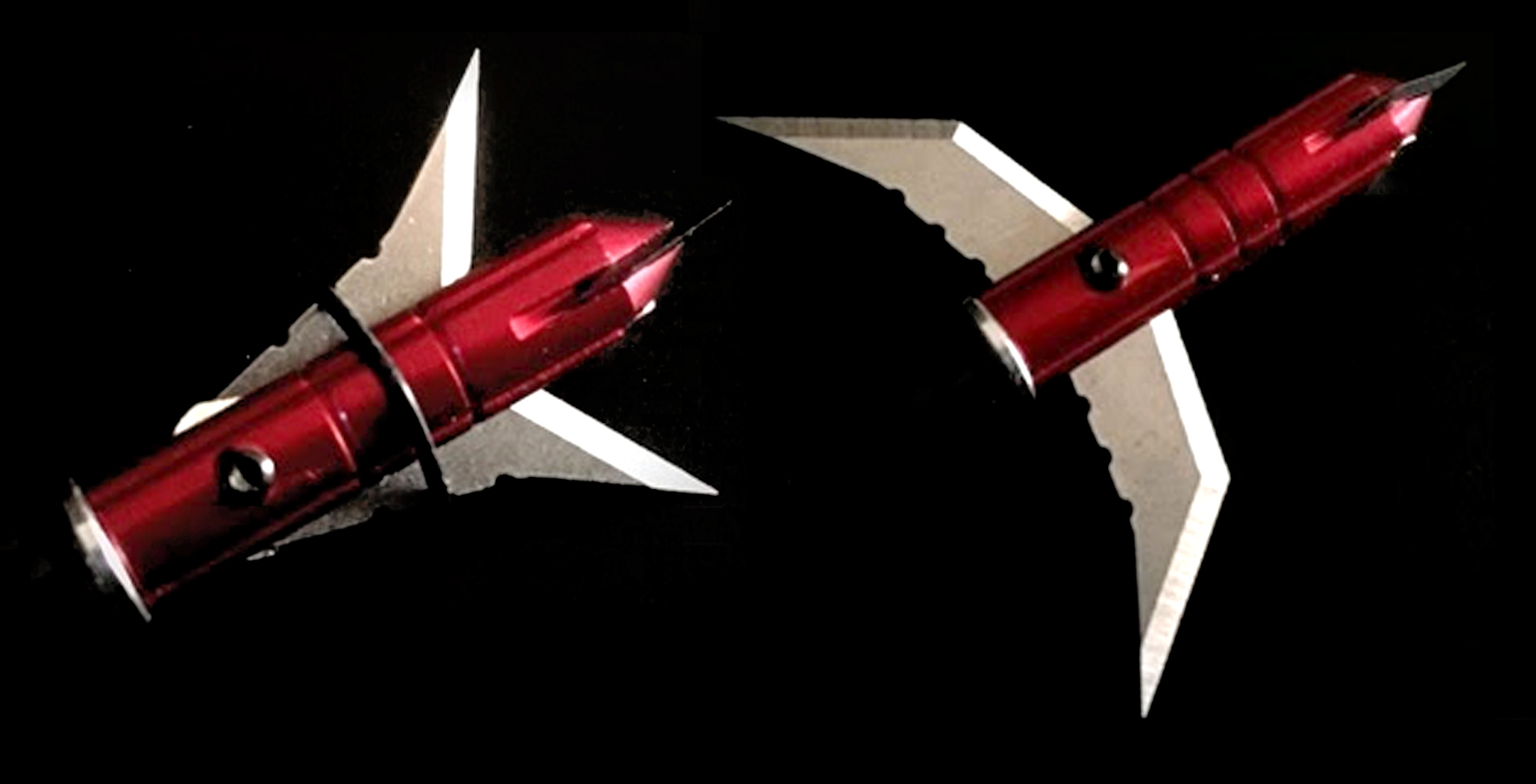
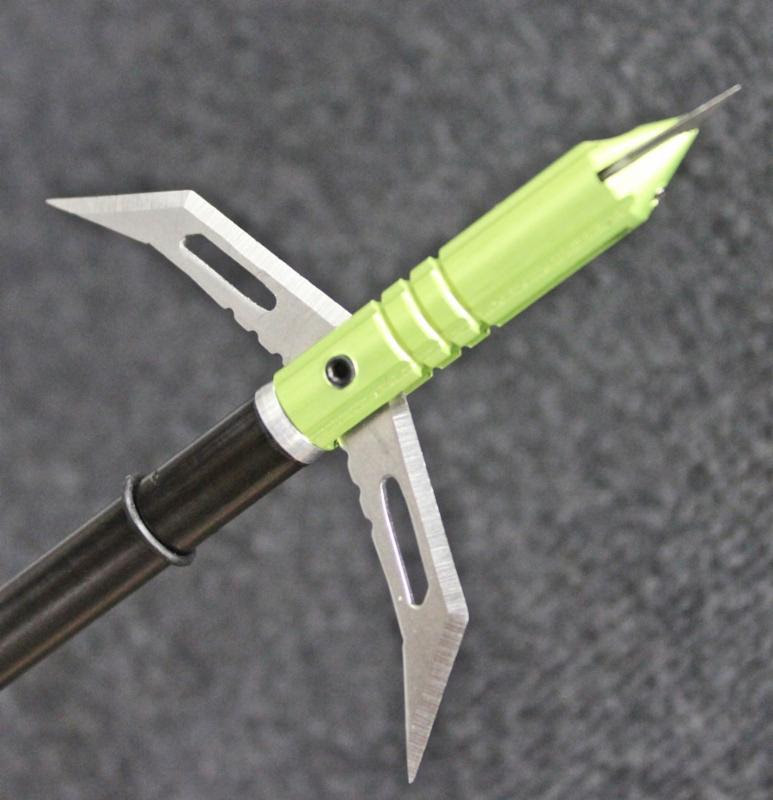
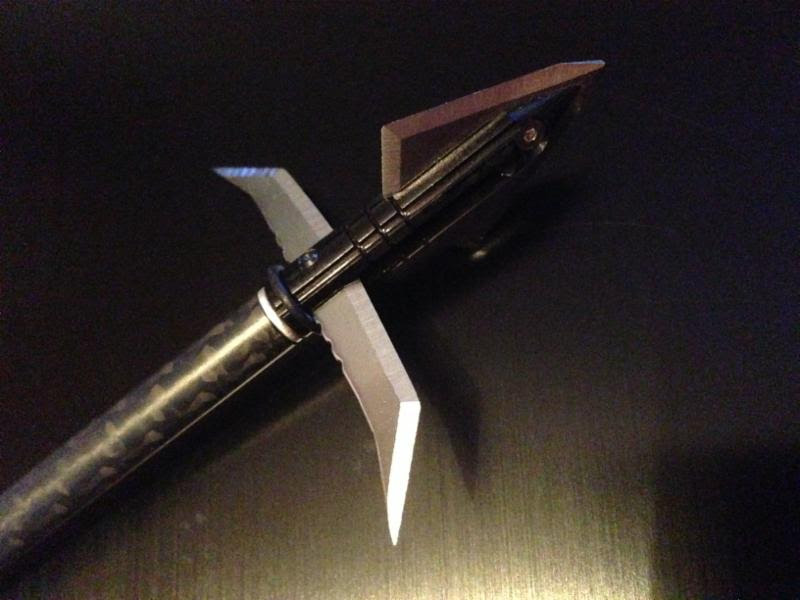
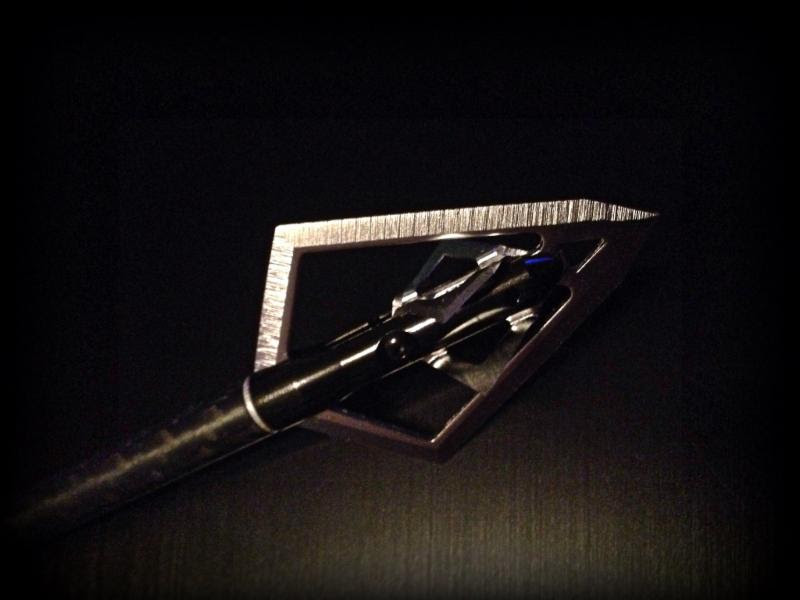
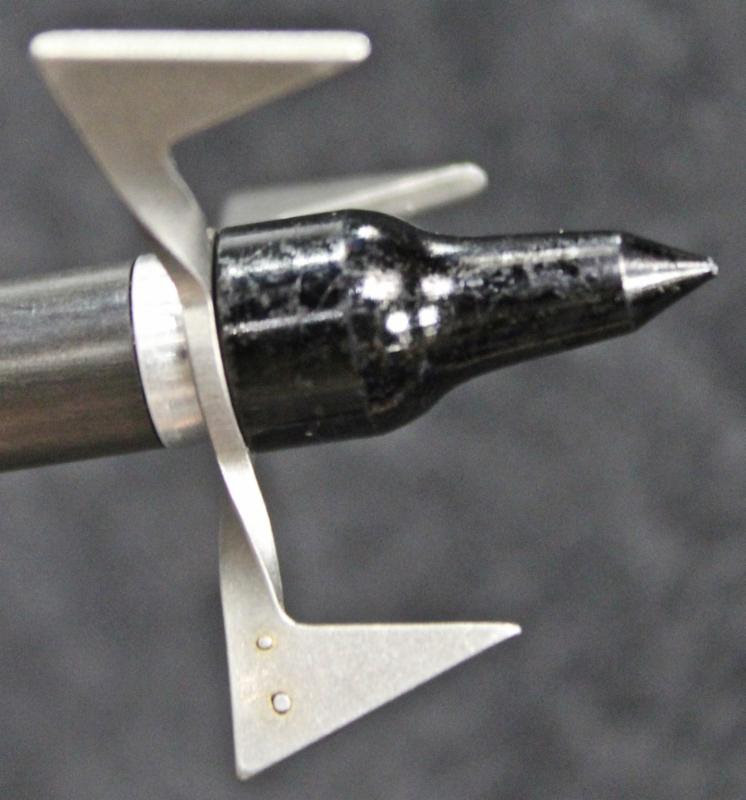
One of the most important parts of an archery setup is the business end: the arrow heads. If you’re using the wrong heads, you’ll end up maiming your prey or losing your arrow. What you need is pinpoint accuracy, deep penetration, and bone-splitting performance. Xecutioner Broadheads has released a lineup of “born to kill” arrowheads that meet these needs.
Here’s a list of some of their offerings:
Xecutioner 75gr. Xpandable – Brand new lightweight 75gr. Xpandable broadhead. Field-point-accurate performance with a 1.5″ cutting diameter and sharp .050″ stainless steel blades. Adjustable ferrule settings for low poundage bows, high poundage bows, and crossbows.
Xecutioner 100gr. Xpandable – Multiple colors, 2.5″ cutting diameter, .040″ blade thickness, razor-sharp tip, plus adjustable ferrule settings for low poundage bows, high poundage bows, and crossbows.
Xecutioner 125gr. Hybrid – Two-blade fixed cutting head with expanding blades. Expanding blades deliver a 3.5″ cutting diameter with .050″ blade thickness.
Xecutioner 125gr. Fixed – Two primary fixed cutting blades and four integrated bleeder blades deliver a 1.5″ cutting diameter and shorter blood-tracking. Blade thickness is .050″.
Xecutioner Tim Wells Signature Series Slocker– Ideal as a stand-alone small game head or modular collar placed behind your primary broadhead. Features body-shocking 1.25″ diameter to stop small game, turkeys and other prey in their tracks.