Video: Building a Wikiup Winter Shelter

Mitch Mitchell of NativeSurvival Demonstrates the Effectiveness of a Traditional Wikiup Shelter During a Snowstorm

Date:

When it comes to building a shelter in the backwoods, there’s no need to reinvent the wheel. You’re not the subject of one of those obnoxious home renovation TV shows, and your shelter doesn’t need fancy marble countertops, double-pane windows, or a walk-in closet with track lighting — a simple structure will keep you alive. There are a wide variety of tried and true shelter designs that have been used by members of native cultures for centuries, and studying these shelters can help you survive.
Winter bushcraft building a wikiup shelter snow wood forest 2

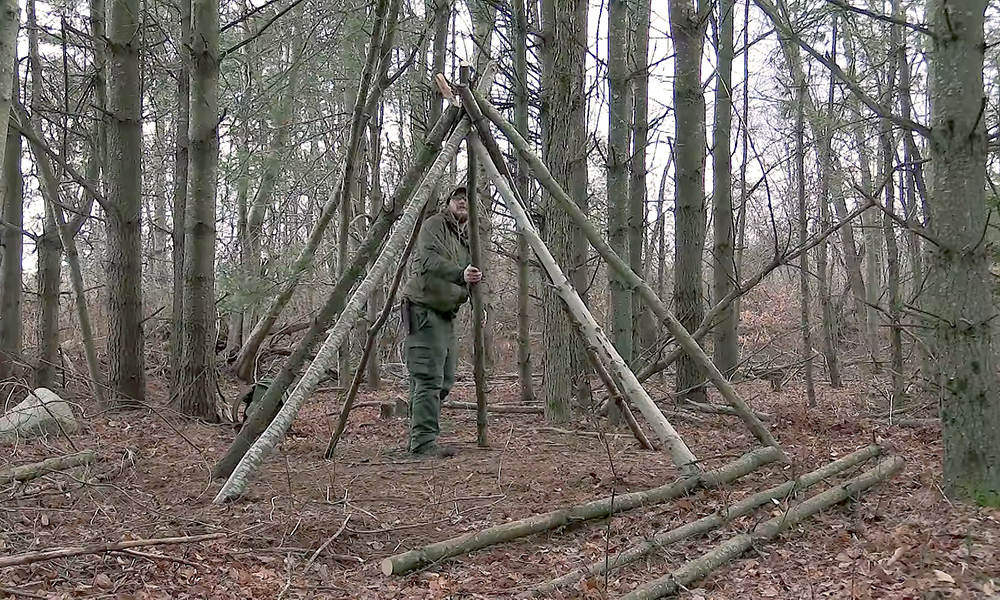
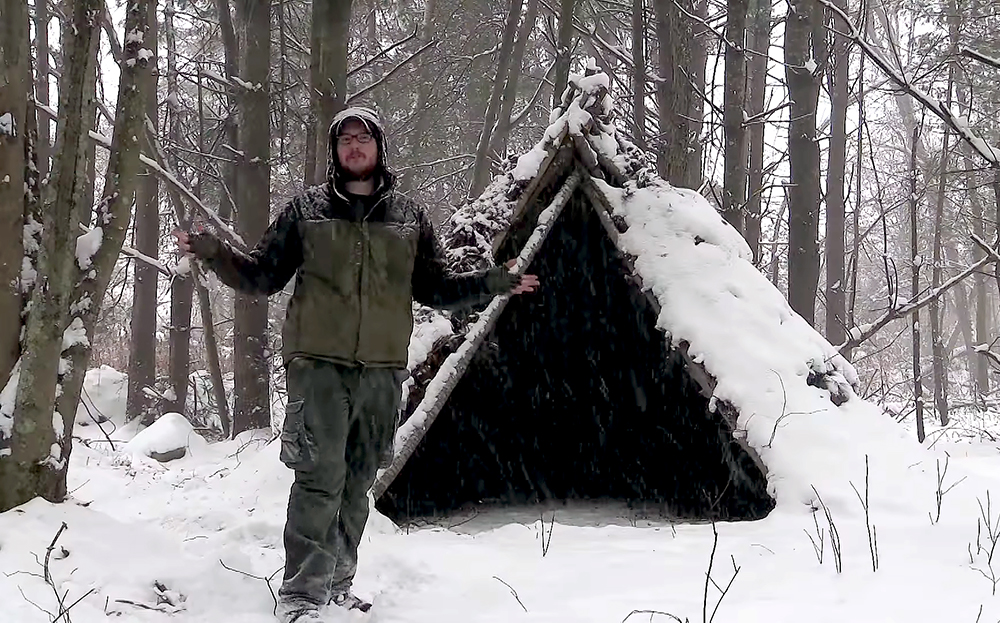
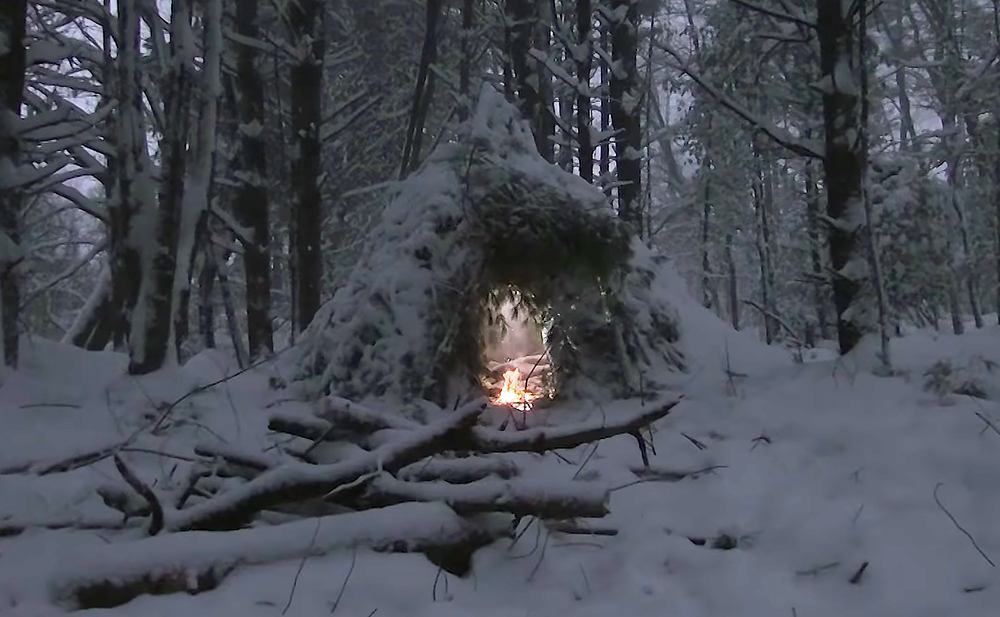
The wikiup — also called a wickiup, wigwam, or wetu by certain Native American groups — is one traditional type of shelter that every survivalist and bushcrafter should know. It’s typically a dome-shaped shelter constructed from curved branches which meet at a central peak, though some wikiups are more conical with relatively flat sides. Gaps in the structural beams are filled in with roofing material, usually grass or green boughs that are interwoven to form a protective shell. A hole in the top allows smoke from a central fire to escape.
Winter bushcraft building a wikiup shelter snow wood forest 1

This isn’t to be confused with a tipi (or teepee), which is usually wrapped in animal skins and features two smoke vent flaps on top. Tipis were intended to be mobile, unlike the more permanent and sturdy wikiup/wigwam.
Winter bushcraft building a wikiup shelter snow wood forest 3

In the video below, outdoorsman Mitch Mitchell of NativeSurvival (who you may recognize from Season 1 of History Channel’s ALONE series) shows how he and his friend Malcolm constructed a two-man wikiup from felled trees, flexible branches, and loose debris from the forest floor. The shelter is soon blanketed with snow, but once a fire is lit inside, it forms a protective cocoon to keep the men warm and dry.

For more from Mitch, check out NativeSurvival.com.


STAY SAFE: Download a Free copy of the OFFGRID Outbreak Issue

In issue 12, Offgrid Magazine took a hard look at what you should be aware of in the event of a viral outbreak. We're now offering a free digital copy of the OffGrid Outbreak issue when you subscribe to the OffGrid email newsletter. Sign up and get your free digital copy
Patrick McCarthy
Patrick McCarthyhttp://offgridweb.com/
Patrick McCarthy is the Editor of RECOIL OFFGRID. He currently resides in Arizona, and enjoys hiking, camping, shooting, and snapping photos along the way. You can follow his latest projects on Instagram at @pmccarthy10.

Share post:

Popular

More like this
Related

Tales from the Field

Discover the excitement of hunting in Nebraska, filled with lively personalities and the charm of the great outdoors.

Maintaining Comms During Disaster

The Premise Emergency Communication 101 sets out to solve a...

Cold Weather Survival: Understanding, Preventing, and Treating Hypothermia

Winter brings risk along with the cold. Hypothermia can strike in deep wilderness, on a roadside, or even inside a poorly heated space. This guide explains how hypothermia develops, how to prevent it through smart layering and preparation, and how to treat a person in danger. Stay ready when temperatures drop.

Surviving the Silent Season

Cold months test more than gear. They strain mood, motivation, sleep, and connection. Licensed trauma therapist Tom Sarge explains why winter isolation hits so hard and how to counter it with sunlight, movement, connection, planning, and simple mental prep. This guide blends survival principles with emotional resilience to help you face long nights, holiday triggers, and seasonal depression with clarity and strength.