T-Slot Anchor: A Tie-Down Technique for Snow or Sand

This Anchor Can Help You Secure Your Tent on a Sand Dune, or Rappel Down a Snow-Covered Peak

Date:

Have you ever tried to anchor a tent peg, fence post, or other stationary object in the ground, only to have that ground give way? It’s frustrating to say the least, especially when you’re dealing with extremely soft surfaces like fresh snow or fine sand. It doesn’t matter whether you’re trying to stop an EZ-Up tent from blowing over at the beach or rappel down an alpine cliff — strong in-ground anchor points are essential.

This or that desert sand
Need to anchor a tent on windswept sand dunes? Regular stakes aren’t going to cut it.

Obviously, pounding an ordinary straight stake into the soft sand or snow isn’t going to work, since it’ll pull straight out again. There are specialty stakes made for use in sand, but if you don’t own any, you’ll need to improvise anchor points. Fortunately, this isn’t a new problem, so solutions already exist.
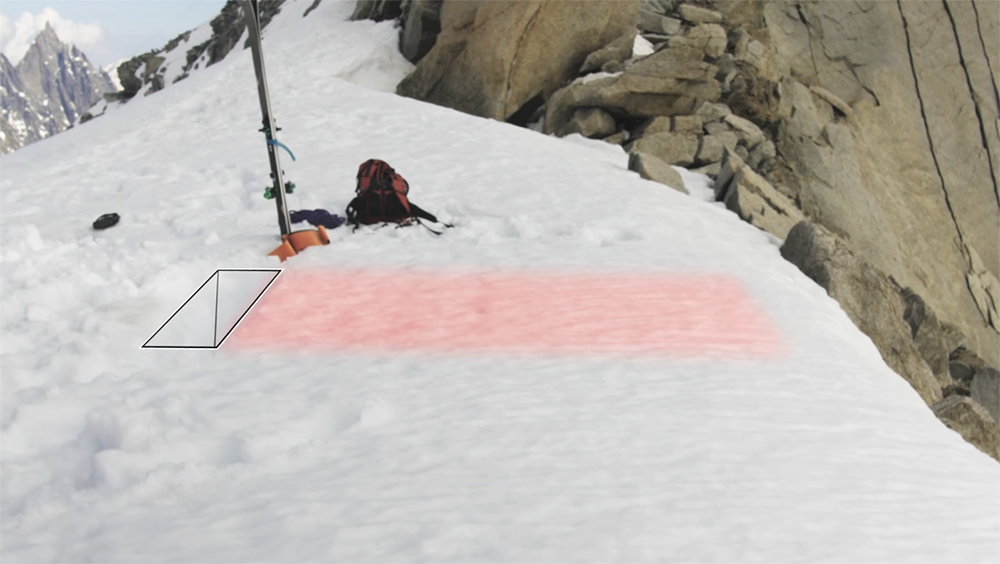
The initial trench should be dug into a section of undisturbed terrain.

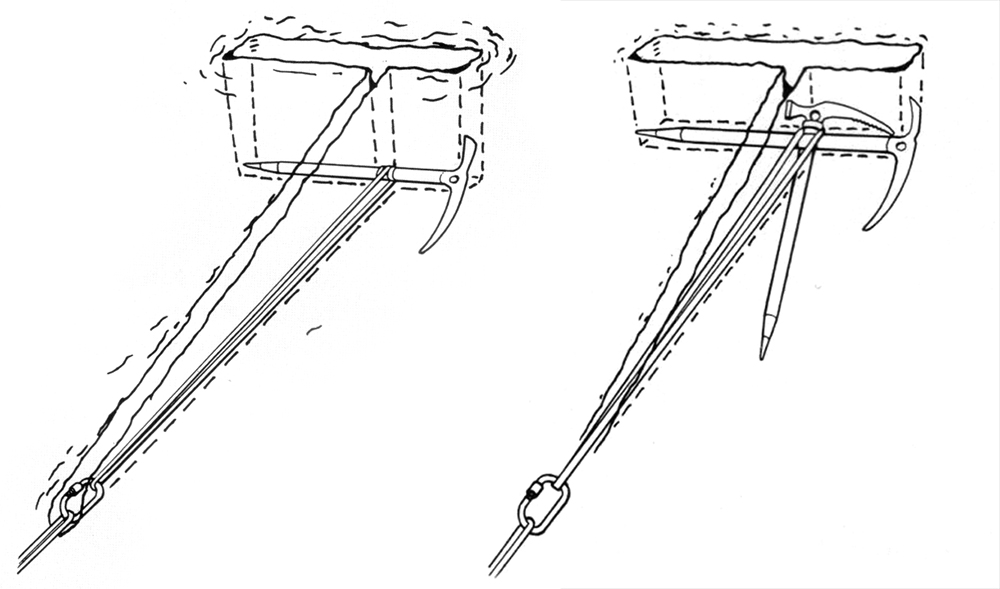
One time-tested method for anchoring a line to soft soil is called the T-slot anchor. As you might guess from the name, this method involves digging a T-shaped trench into the ground, and tying your line to a straight object placed in that trench. The straight object can be a pair of skis, an ax, a walking stick, or even a rifle. This distributes the line’s tension across a wider area, so your anchor won’t pull out or slip.
T-slot anchor snow sand climbing rappelling 1
Two types of T-slot anchors using ice axes to distribute the load.

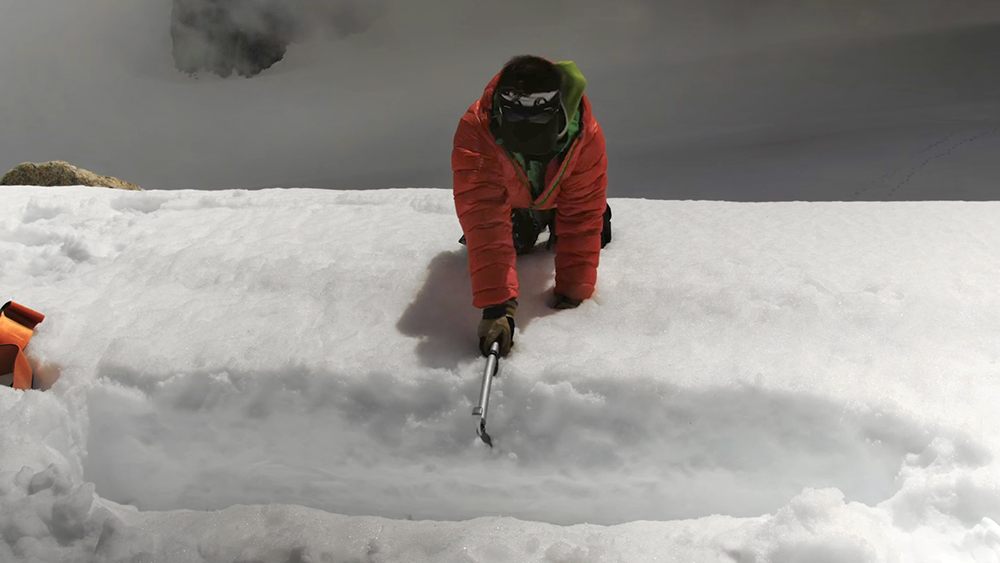
The second part of the “T” formation is a thin slot dug perpendicular to the trench. This is where your line will  sit. The goal is to avoid any upward pressure on the line, so the slot should start as deep as the trench and gradually get shallower as it moves away from the trench.
T-slot anchor snow sand climbing rappelling 3

Here’s a great video from teamBMC that shows how to build a T-slot anchor using skiing gear. The same technique could easily be applied to sand or loose dirt, using a log or other long object as the anchor device.


STAY SAFE: Download a Free copy of the OFFGRID Outbreak Issue

In issue 12, Offgrid Magazine took a hard look at what you should be aware of in the event of a viral outbreak. We're now offering a free digital copy of the OffGrid Outbreak issue when you subscribe to the OffGrid email newsletter. Sign up and get your free digital copy
Patrick McCarthy
Patrick McCarthyhttp://offgridweb.com/
Patrick McCarthy is the Editor of RECOIL OFFGRID. He currently resides in Arizona, and enjoys hiking, camping, shooting, and snapping photos along the way. You can follow his latest projects on Instagram at @pmccarthy10.

Share post:

Popular

More like this
Related

Tales from the Field

Discover the excitement of hunting in Nebraska, filled with lively personalities and the charm of the great outdoors.

Maintaining Comms During Disaster

The Premise Emergency Communication 101 sets out to solve a...

Cold Weather Survival: Understanding, Preventing, and Treating Hypothermia

Winter brings risk along with the cold. Hypothermia can strike in deep wilderness, on a roadside, or even inside a poorly heated space. This guide explains how hypothermia develops, how to prevent it through smart layering and preparation, and how to treat a person in danger. Stay ready when temperatures drop.

Surviving the Silent Season

Cold months test more than gear. They strain mood, motivation, sleep, and connection. Licensed trauma therapist Tom Sarge explains why winter isolation hits so hard and how to counter it with sunlight, movement, connection, planning, and simple mental prep. This guide blends survival principles with emotional resilience to help you face long nights, holiday triggers, and seasonal depression with clarity and strength.