Summer is officially here, and for many of us, that means an increase in outdoor activities. Camping is a great way to get the whole family enjoying the outdoors, and it also provides an opportunity to test useful emergency preparedness skills — fire-starting, water purification, shelter-making, knot-tying, and so on. But setting up a tent at your chosen campsite can pose some challenges, too. Maybe a sudden downpour shows that your tent isn’t as waterproof as you thought, or a gust of wind pulls the stakes out of loose, sandy soil. The following infographic created by REI offers 10 tent setup tips to help with these (and many other) frustrating situations.
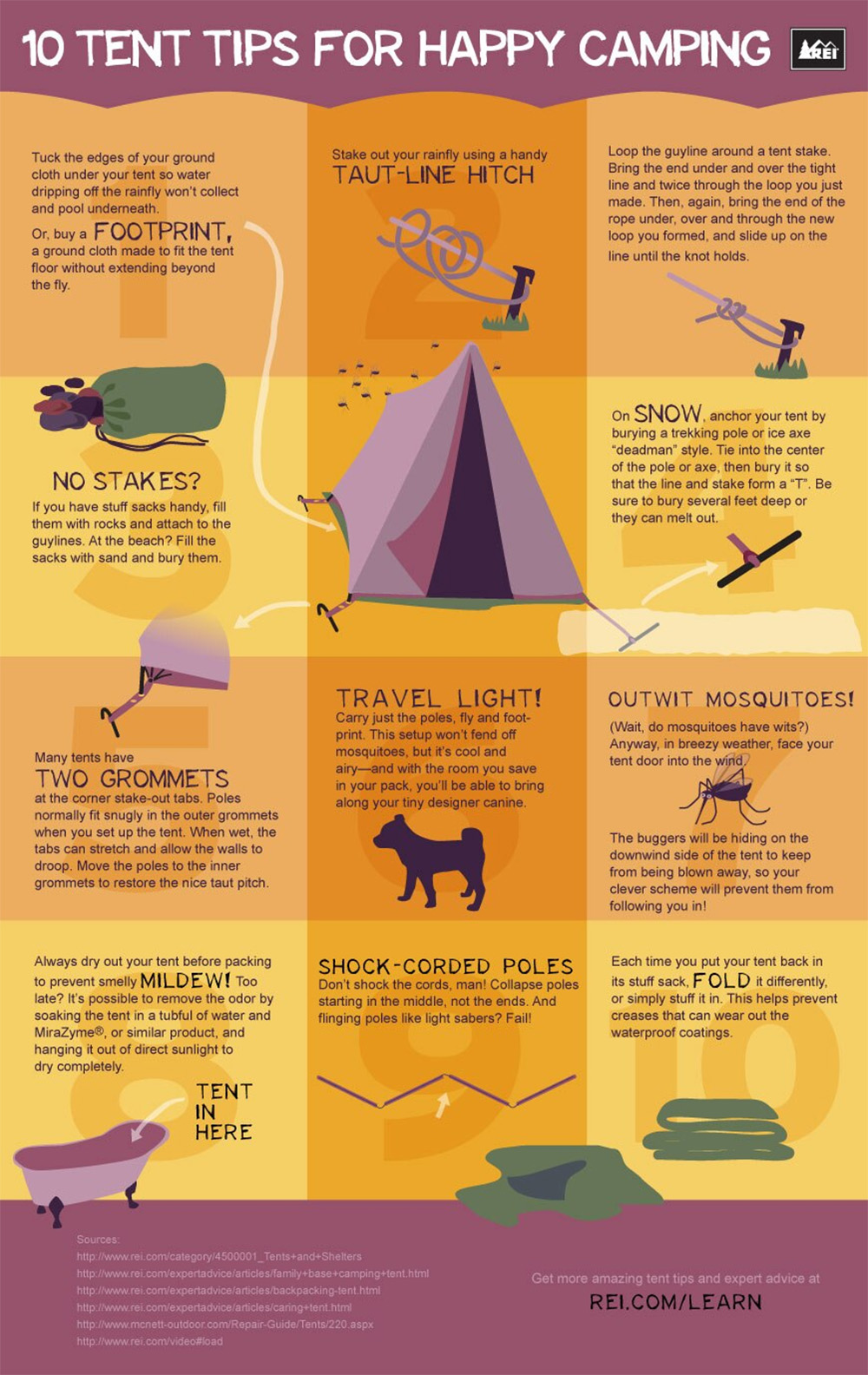
The first tip is pretty straightforward — if you don’t have a tent footprint, get one or make one, and make sure it doesn’t extend past the edges of the tent’s rain fly. (Also, get a tent that has a rain fly that reaches the ground on all sides.) The second tip covers one of our favorite survival shelter knots, the taut line hitch, a.k.a. tensioning hitch. It’s great for tent stakes as well as ridgelines for hanging tarps or drying out clothes.
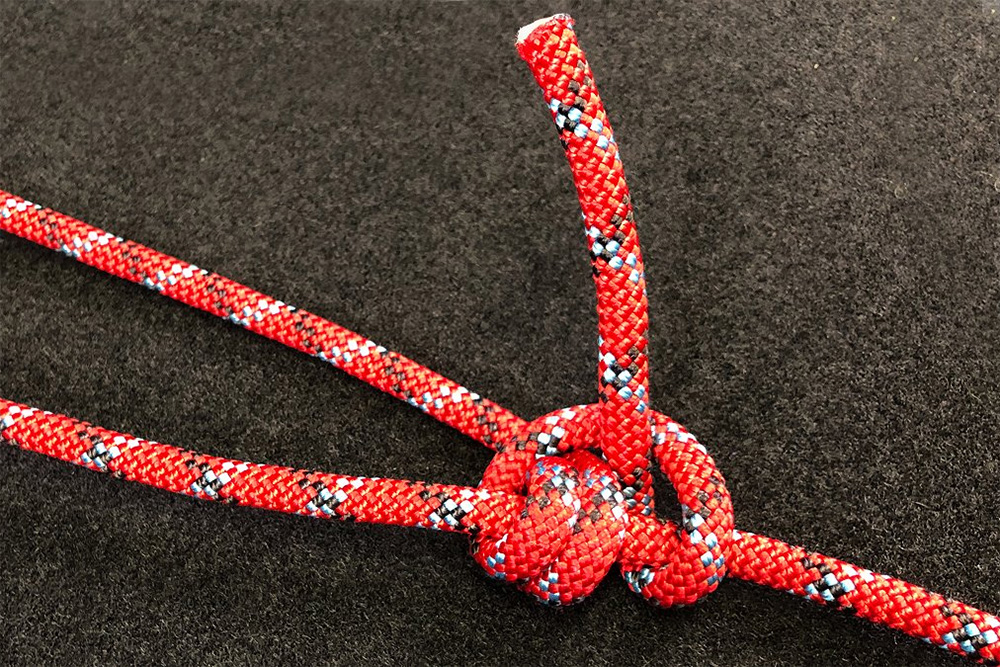
Above: Here’s a photo of a taut line hitch courtesy of ITS Tactical.
Tent setup tips three, four, and five explain some ways to keep your tent securely anchored in sand/loose soil, snow, and rainy conditions. The T-shaped “deadman” anchor is extremely strong if built correctly, and we’ve even seen it used to winch out stuck vehicles on off-road trails.

Above: Here’s a bonus tip from us — whatever you do, don’t build a flimsy tent out of plastic cling film like the lady in this ridiculous viral video. A tarp is a whole lot simpler and lighter.
Tip number six is hit-and-miss advice. The footprint+fly setup won’t work with all tent styles, including REI’s own tent offerings (ironically). If you’re going for minimalist shelter and weight savings, you can cut even more weight by just packing a tarp and paracord ridgeline (or pair of trekking poles) to support it. Tip seven is also hit or miss, since changes in wind speed and direction can let blood-suckers reach your tent door with ease, but it’s still worth a shot.
The final three tent tips cover packing and storage, a subject that’s often glossed over. If your tent is wet, make sure to let it dry out before packing, or at least air it out thoroughly when you get home. Tent pole elastic can be preserved by breaking the poles down more methodically, and avoiding repetitive fabric creases can maintain the waterproof finish for longer.