In August of 2024 Naugatuck Valley in Connecticut was hit with an unexpected storm that dumped over 16 inches of rain into the region over an 8-hour period. The rivers and streams in the region were unable to handle the massive increase in water and quickly overwhelmed drainage infrastructure that ultimately destroyed roads, bridges, buildings, and utility infrastructure. I was fortunate enough to live in a high point that was not impacted by flooding, but the rising water had cut off my access to resources for several days until the water receded – fortunately my family was prepared with a home emergency kit to provide the supplies we needed!

Why you Need a Home Emergency Kit
This storm is just one example of weather-related disasters that are becoming more common around the world, wreaking havoc on communities and slowing down the flow of supplies globally. Beyond natural disasters – war civil unrest, and economic uncertainty have also impacted our fragile supply chain.
Depending on where you live the likelihood of certain types of emergencies may be increased. Urban areas have a higher incidence of civil unrest and rural areas are often hit harder by supply disruptions. Certain regions have been plagued by wildfires while others experience hurricanes and tornados.
Understanding the threats in your area will clearly demonstrate the need to create a home emergency kit – but even if you live in an area that has a lower risk freak occurrences can happen just like they din in Connecticut in 2024.
Home Emergency Kit vs Bug Out Bag
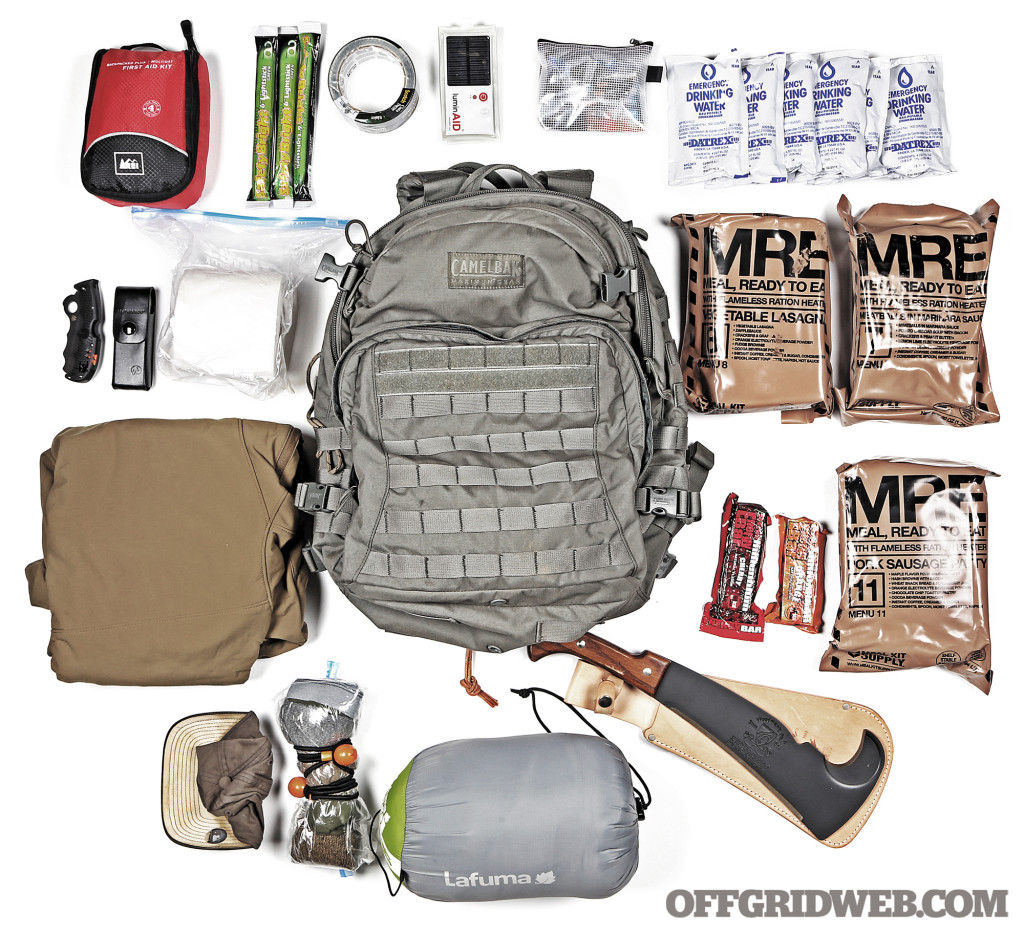
Both a home emergency kit and a bug out bag are designed to provide 72 hours’ worth of supplies in an emergency – but they are not one in the same!
Bug Out Bag: Minimalist emergency supplies while you are evacuating.
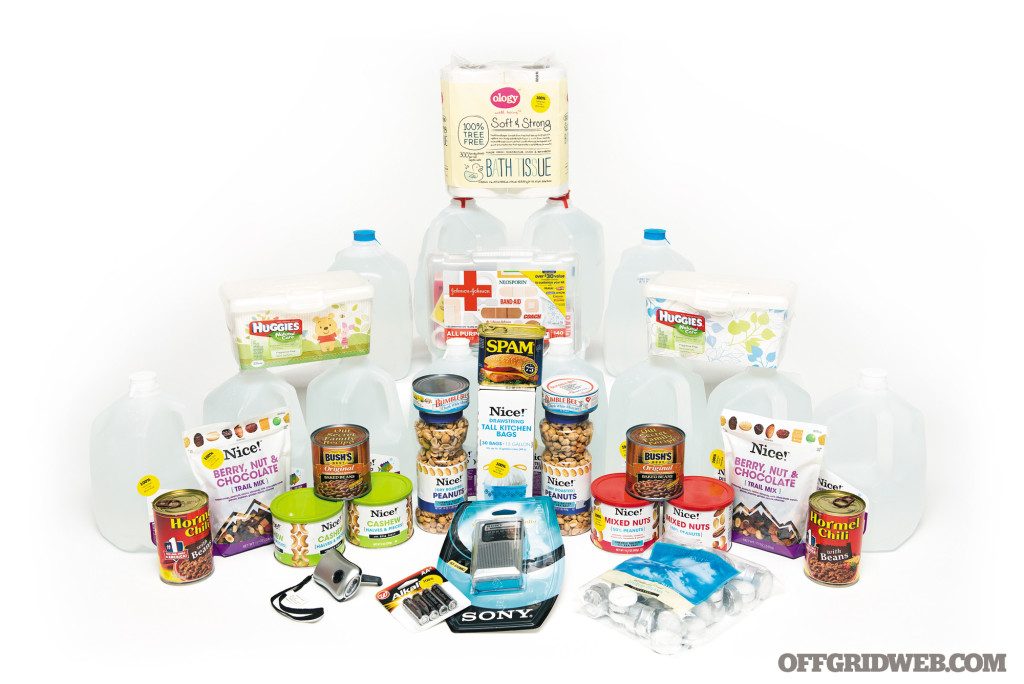
Home Emergency Kit: Comprehensive supplies for sheltering in place.
Your home emergency kit should do more than just provide the basics – it should be a kit that allows you to continue life in as comfortable way as possible for a short time.
Your Home emergency kit and your bug out bag are two pieces to your survival puzzle. Having your home emergency kit will give you the items you need to continue to live in your home and your bug out bag should be ready to go at a moments notice should evacuation be required
How to Build the Perfect Home Emergency Kit
The first step in building your home emergency kit is evaluating your household, ensuring you have enough supplies for all the members of your home and ensure any special needs are accounted for.
Common specialty needs include:
- Baby Supplies: Food, diapers, etc.
- Specific Medication and Equipment: Prescriptions, common over the counter medicines for specific medical issues, durable medical equipment.
- Pet Supplies: Pet food, litter, medicine, etc.
- Child Entertainment: Non-electronic games, books, coloring supplies, playing cards etc.
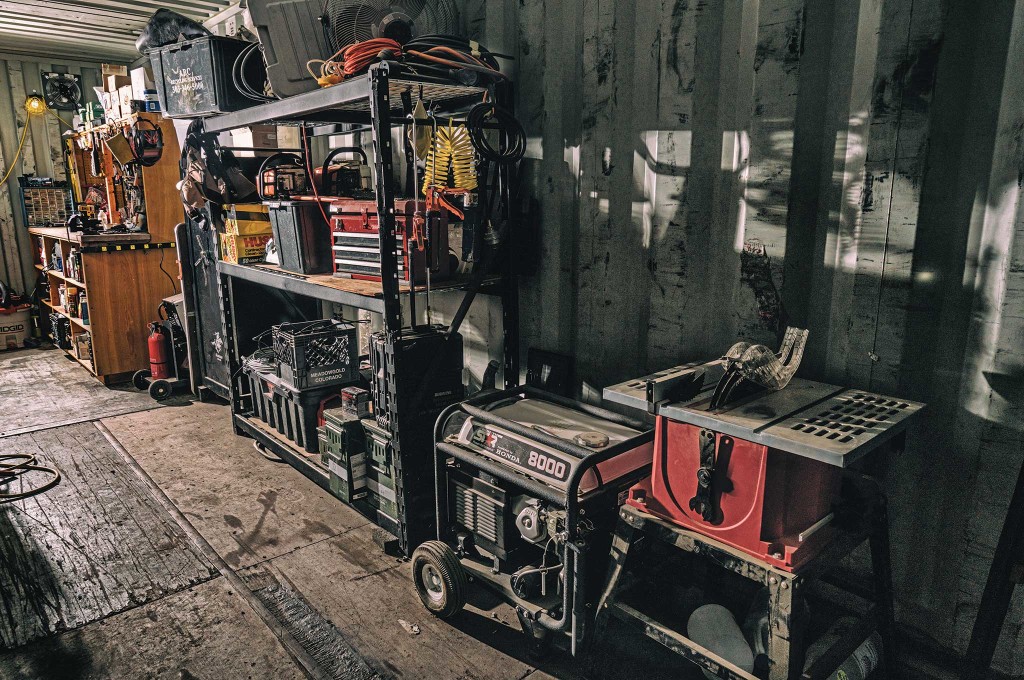
The second step is storage planning. Many emergency supplies should be kept in an easily accessible location that is protected from the elements. Watertight containers are a good option for home emergency kits that are being stored in a shed or garage.
Once your plan is in place it is time to obtain your supplies the following section contains a basic supply list, this should be combined with whatever specialty supplies your family needs to create your 72 hour home emergency kit.
Essential Items for Your Home Emergency Kit
Water & Food (72-Hour Minimum)
- Water: 1 gallon per person per day
- Non-perishable food, manual can opener
- Infant formula, pet food (if applicable)
First Aid & Health
- Comprehensive first aid kit
- Prescription medications (extra supply)
- Over-the-counter medicines, sanitation items
Tools & Lighting
- Flashlights, extra batteries, hand-crank radio
- Multi-tool, duct tape, plastic sheeting
- Power bank, solar charger
Communication & Documents
- Emergency contact list
- Copies of important documents (IDs, insurance, medical records) in waterproof bag
- Battery-powered or hand-crank radio
Warmth & Shelter
- Blankets, sleeping bags, emergency mylar blankets
- Extra clothing and sturdy shoes
Hygiene & Sanitation
- Toilet paper, moist towelettes, garbage bags
- Hand sanitizer, soap, feminine products
Cash & Miscellaneous
- Small bills and coins
- Local maps, whistles, dust masks
Home Emergency Kit Maintenance & Storage Tips
Ideally most of the items in your home emergency kit should be durable and long lasting, however you will still need to actively maintain your kit to ensure functionality should disaster strike.
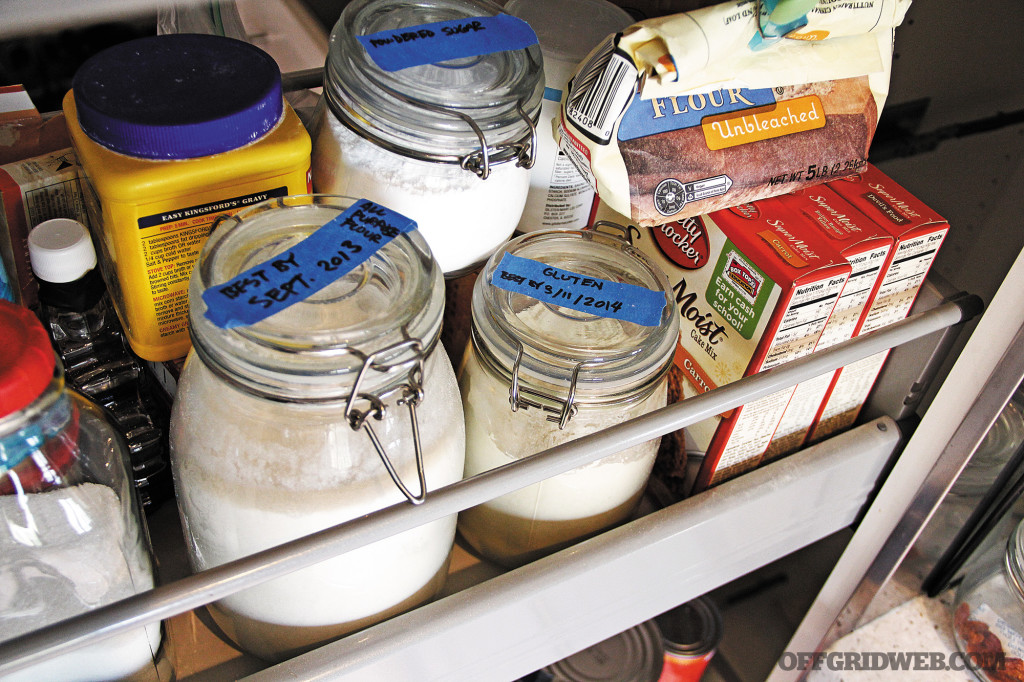
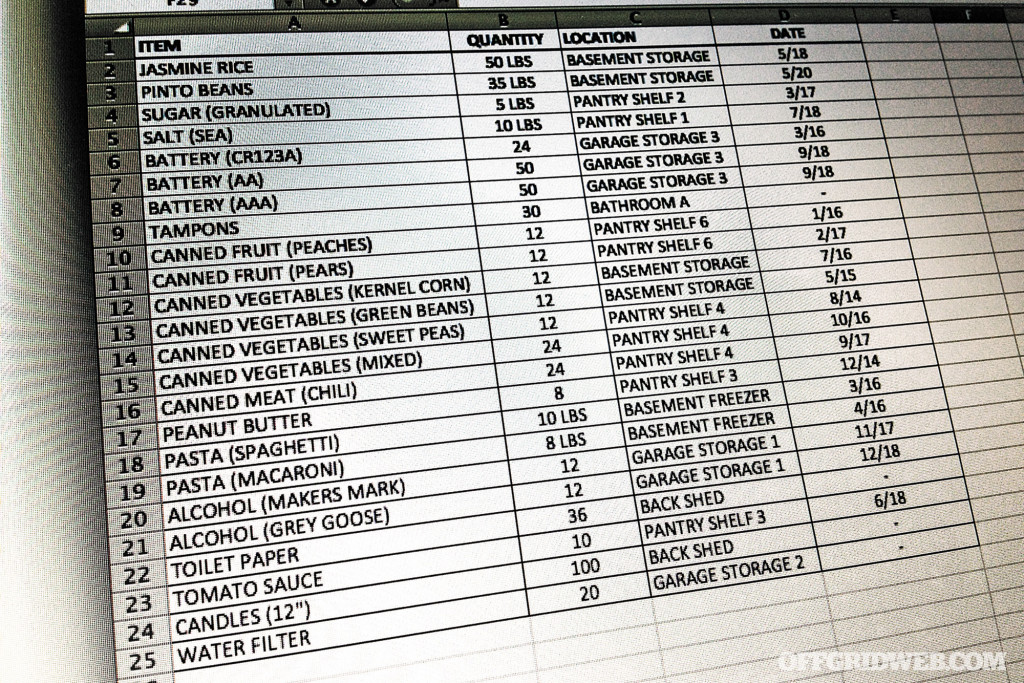
Food and Medicine Expiration: Both food and medicine can expire while some may be usable after the date other items will be unsafe if used beyond expiration. Making a list of expiration dates and reviewing regularly can aid in ensuring your kit is up to date.
Electronics Charging: Battery packs, loose batteries, and electronics all lose charge over time. Power banks and rechargeable electronics should be topped off every 3 months to ensure they are at full capacity. Traditional batteries have expiration dates that should be rotated out and replaced.
Storage and Security: When space allows your kit should be kept inside your home in an easily accessible area to avoid damage from the elements or increased likelihood of theft in an unsecured shed or garage.
Going Beyond The Basics
This guide provides the basics for 72-hour home emergency kit – but upgrading your kit for long term emergencies can be helpful. Adding more supplies and more advanced equipment can help prepare for long-term events. We will update the resources section of this article periodically to help those who wish to build a more comprehensive long-term home emergency kit.
FAQ
A complete home emergency kit should cover at least 72 hours of self-sufficiency while sheltering in place. Key categories include:
Water & Food: 1 gallon of water per person per day, non-perishable food, and a manual can opener (plus infant formula or pet food if needed).
First Aid & Health: A comprehensive first aid kit, prescription medications, over-the-counter medicines, and sanitation supplies.
Tools & Lighting: Flashlights, extra batteries, hand-crank radio, multi-tool, duct tape, power bank, and solar charger.
Warmth & Shelter: Blankets, sleeping bags, extra clothing, and sturdy shoes.
Hygiene & Documents: Toilet paper, hand sanitizer, copies of important documents (IDs, insurance, medical records) in a waterproof bag, emergency contact list, and cash in small bills.
Customize the kit based on your household’s unique needs, such as baby supplies, pet items, or medical equipment.
Building an effective home emergency kit in 2026 involves three main steps:
Evaluate your household — Consider the number of people, ages, pets, and any special needs (medical conditions, infants, or disabilities).
Plan storage — Choose an easily accessible location protected from the elements, using watertight containers if storing in a garage or shed.
Gather supplies — Start with the basic 72-hour list (water, food, first aid, lighting, etc.) and add personalized items.
The kit complements a bug out bag for evacuation scenarios and should be reviewed regularly. Focus on comfort during sheltering in place rather than minimalism.
A home emergency kit is designed for sheltering in place at your residence during disasters like storms, floods, or power outages. It is more comprehensive, allowing your family to live relatively comfortably for 72+ hours with bulkier items like extra blankets and full food supplies.
A bug out bag, by contrast, is a minimalist, portable pack for quick evacuation when you must leave home. It focuses on mobility with lightweight essentials.
The article recommends building both as complementary parts of your overall preparedness strategy.
Check and maintain your home emergency kit at least every 6 months, or quarterly for electronics. Key maintenance tips include:
Rotate or replace expired food, water, and medications.
Test and recharge power banks, flashlights, and solar chargers.
Replace batteries according to expiration dates.
Review and update important documents and emergency contact lists.
Adjust supplies as your household changes (e.g., new baby or growing children).
Regular upkeep ensures everything works when you need it most, especially amid increasing weather events and supply chain risks.
Customization starts with assessing your specific household:
Infants: Add formula, diapers, bottles, and baby wipes.
Pets: Include pet food, water, medications, litter, and a carrier.
Medical needs: Stock extra prescriptions, specialized equipment, and relevant over-the-counter remedies.
Children: Pack non-electronic entertainment like books, games, or coloring supplies to reduce stress.
Location-specific risks: Add items for local threats (e.g., dust masks for wildfires or extra warmth for winter storms).
Combine the article’s basic supply list with these specialty items to create a tailored kit that fits your family’s size, health, and environment
Preparedness Resources
General Preparedness
Bug Out Information
Emergency Kit Resources
- Winter Survival: Preparing Your Winter Car Emergency Kit
- Urban Emergency Vehicle Kit
- Preparedness Essentials: Mini Survival Kit
Emergency Information
- Storm Preparedness Lessons from Hurricane Irma Responders
- What If You’re in the Path of a Wildfire?
- Home Fire Facts – Infographic
Check out our other publications on the web: Recoil | Gun Digest | Blade | RecoilTV | RECOILtv (YouTube)