Infographic: Animal Sleep Patterns & Nocturnal Activity

Whether You’re Hunting Them, Avoiding Them, or Living With Them, It’s Useful to Understand Animal Sleep Patterns

Date:

Have you ever wondered why certain animals always seem to be sleeping? Whether it’s your pet napping all day around the house, or wild animals becoming seemingly invisible during the daytime, there’s a simple answer to this question. Biologists have studied various animal species, and determined that their sleep patterns vary dramatically.
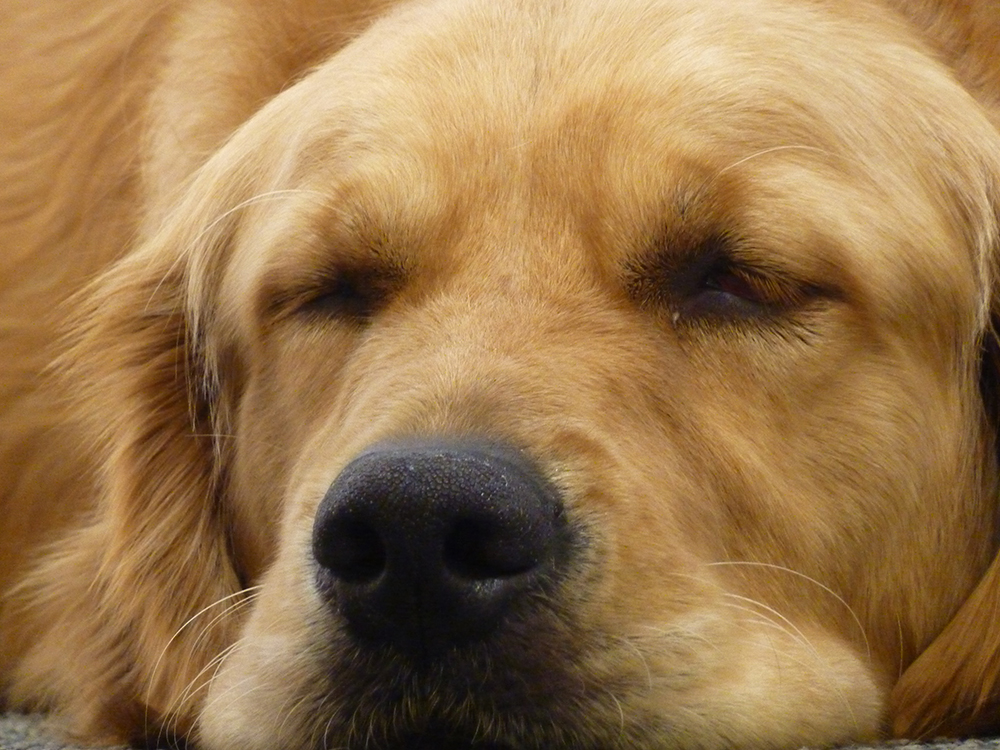
Your dog isn't necessarily lazy, it just operates on a different sleep schedule than you do.
It’s easy to assume our pets are being lazy, but they don’t operate on the same sleep schedule we do.

Some animal species are purely nocturnal, while others are active throughout the day and night. Certain animals sleep in long stretches like humans, while others take many quick naps throughout the day. Specific species can even snooze while moving around, or stay alert for days on end.
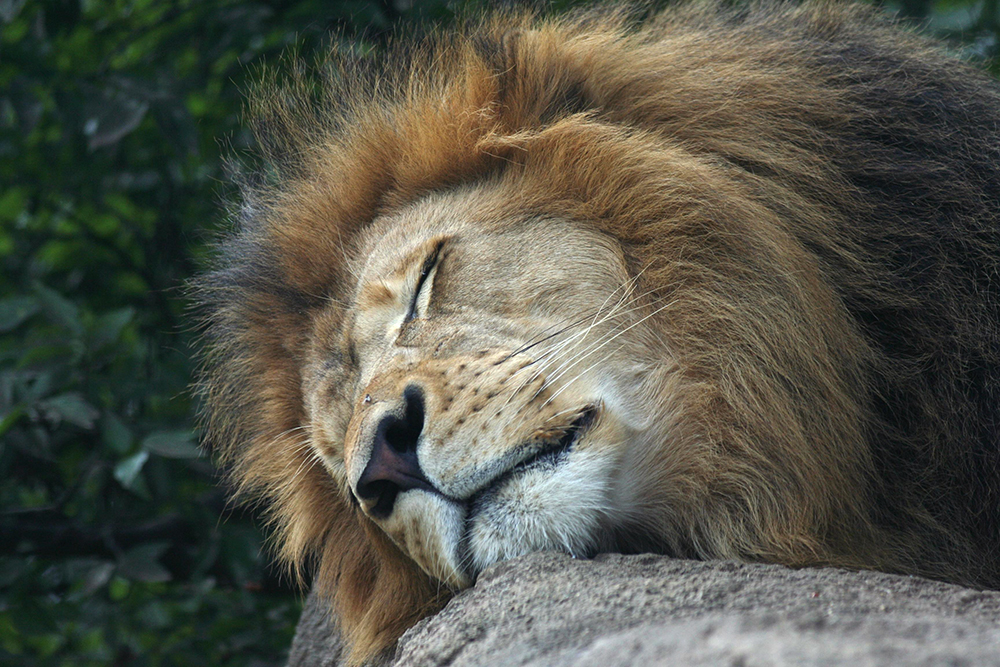
Knowing when predators are most active has helped primitive societies stay safe.
Knowing when predators are most active can reduce the risk of attack.

So, as survivalists, why should we care about animals’ sleep patterns? There are two reasons. Firstly, any experienced hunter can tell you that understanding when animals are active increases your odds of putting food on the table. Second, understanding when dangerous wild animals are on the prowl can help you stay safe while camping, hiking, backpacking, or surviving outdoors.

The following infographic from Sleepopolis shows a comparison of various animals’ sleeping habits. For a larger and easier-to-read version, click on the image, then select the “Download” button in the top right corner. Alternatively, you can click here for a direct link.
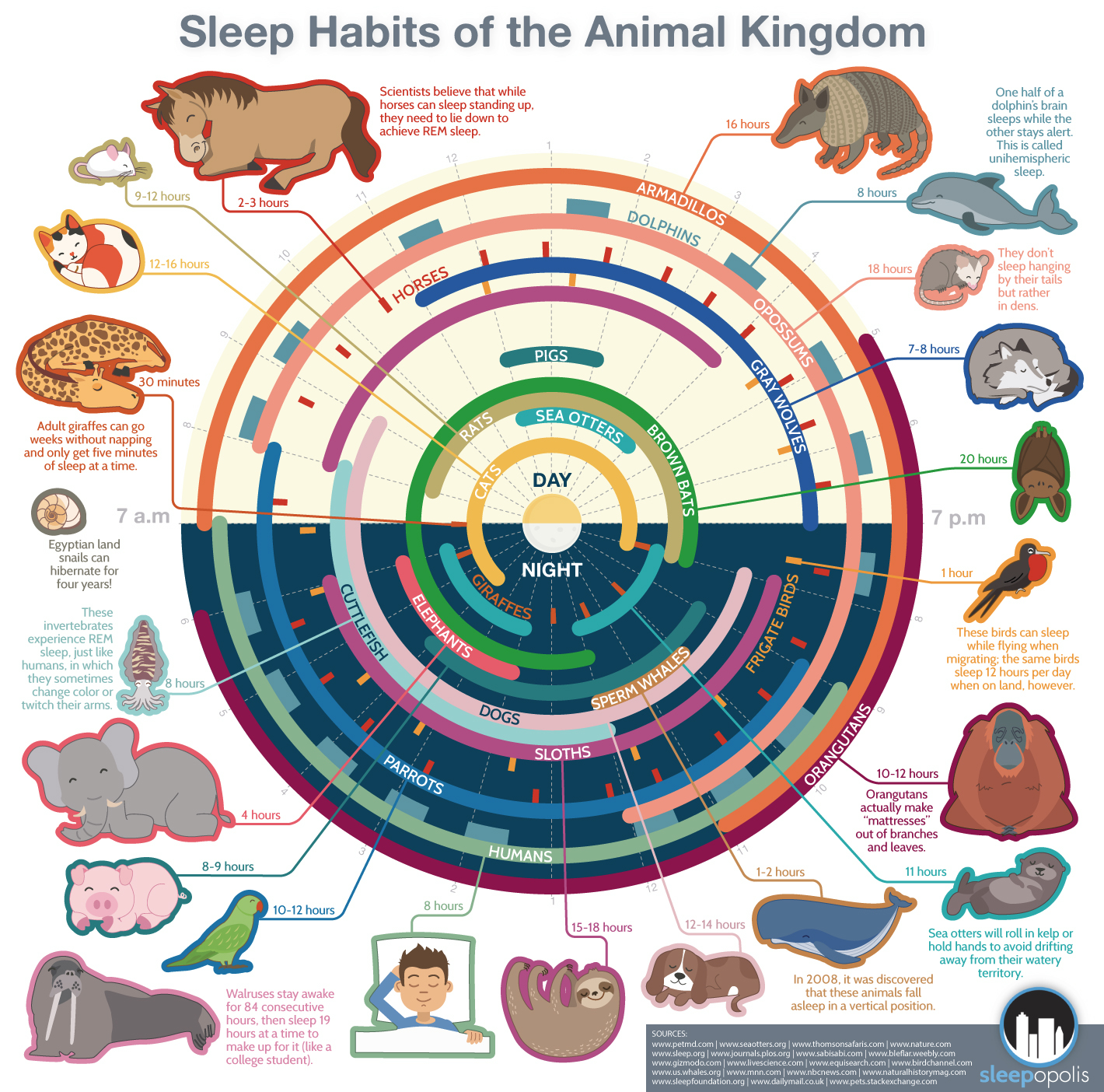
Animal sleep pattern infographic

The above graphic provides perspective, but you obviously won’t be hunting whales, giraffes, or orangutans in a survival situation. So, here’s another infographic which focuses on more common wildlife. Researchers installed motion-sensing cameras in areas surrounding Chicago, then used the photos to chart animal activity throughout the day. Unsurprisingly, deer were active during the day, but due to their sleep patterns, other species were rarely spotted between 7am and 5pm.
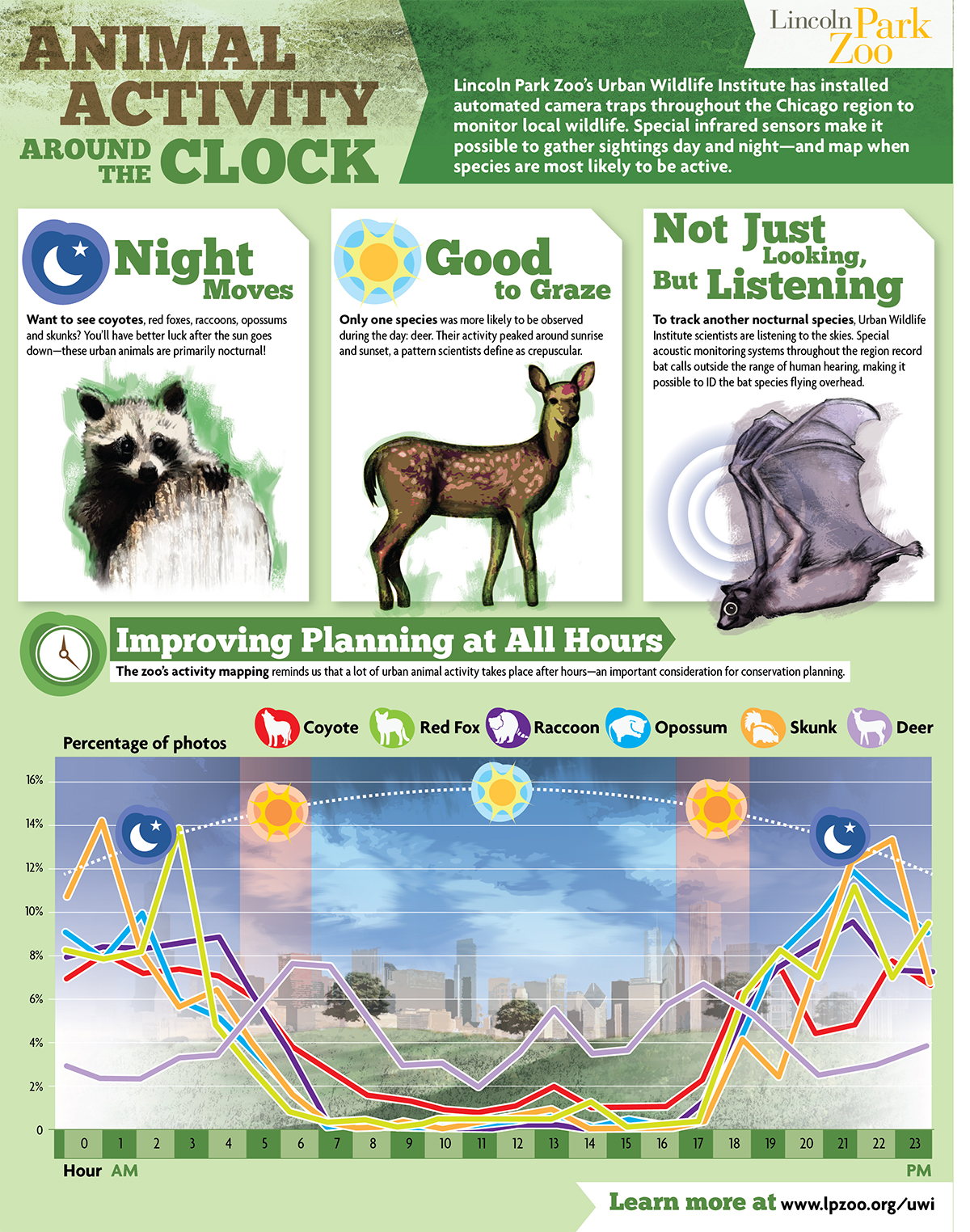
Animal sleep pattern infographic 2

For more on animal behavior and tracking, check out our previous infographic post about recognizing animal footprints and droppings.


STAY SAFE: Download a Free copy of the OFFGRID Outbreak Issue

In issue 12, Offgrid Magazine took a hard look at what you should be aware of in the event of a viral outbreak. We're now offering a free digital copy of the OffGrid Outbreak issue when you subscribe to the OffGrid email newsletter. Sign up and get your free digital copy
Patrick McCarthy
Patrick McCarthyhttp://offgridweb.com/
Patrick McCarthy is the Editor of RECOIL OFFGRID. He currently resides in Arizona, and enjoys hiking, camping, shooting, and snapping photos along the way. You can follow his latest projects on Instagram at @pmccarthy10.

Share post:

Popular

More like this
Related

Tales from the Field

Discover the excitement of hunting in Nebraska, filled with lively personalities and the charm of the great outdoors.

Maintaining Comms During Disaster

The Premise Emergency Communication 101 sets out to solve a...

Cold Weather Survival: Understanding, Preventing, and Treating Hypothermia

Winter brings risk along with the cold. Hypothermia can strike in deep wilderness, on a roadside, or even inside a poorly heated space. This guide explains how hypothermia develops, how to prevent it through smart layering and preparation, and how to treat a person in danger. Stay ready when temperatures drop.

Surviving the Silent Season

Cold months test more than gear. They strain mood, motivation, sleep, and connection. Licensed trauma therapist Tom Sarge explains why winter isolation hits so hard and how to counter it with sunlight, movement, connection, planning, and simple mental prep. This guide blends survival principles with emotional resilience to help you face long nights, holiday triggers, and seasonal depression with clarity and strength.