In a survival scenario, freeze-dried camping meals and dry staples are great food resources. These items should be stockpiled in your home, vehicle, and bug-out bag. However, it’s also important to understand ways to generate renewable food, since your stockpiles will inevitably run out. One easy way is to regrow fruits and vegetables from scraps, as we mentioned earlier this week. A more advanced method is to gather wild flora and create an improvised garden.
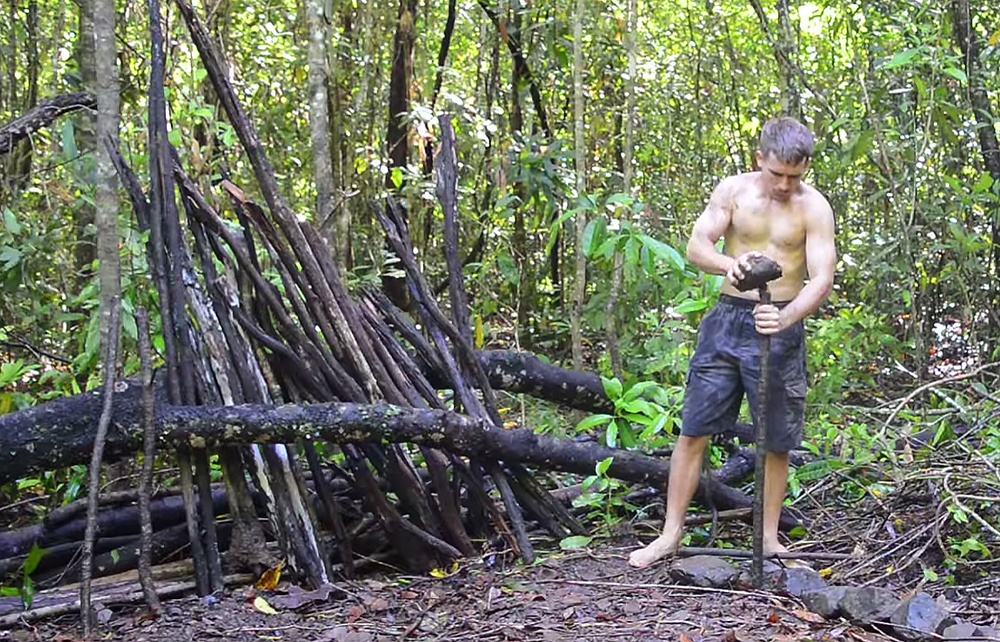
In his latest YouTube video, the Australian survivalist behind Primitive Technology demonstrates how to cultivate two forms of starchy root vegetable: cassava and yams.
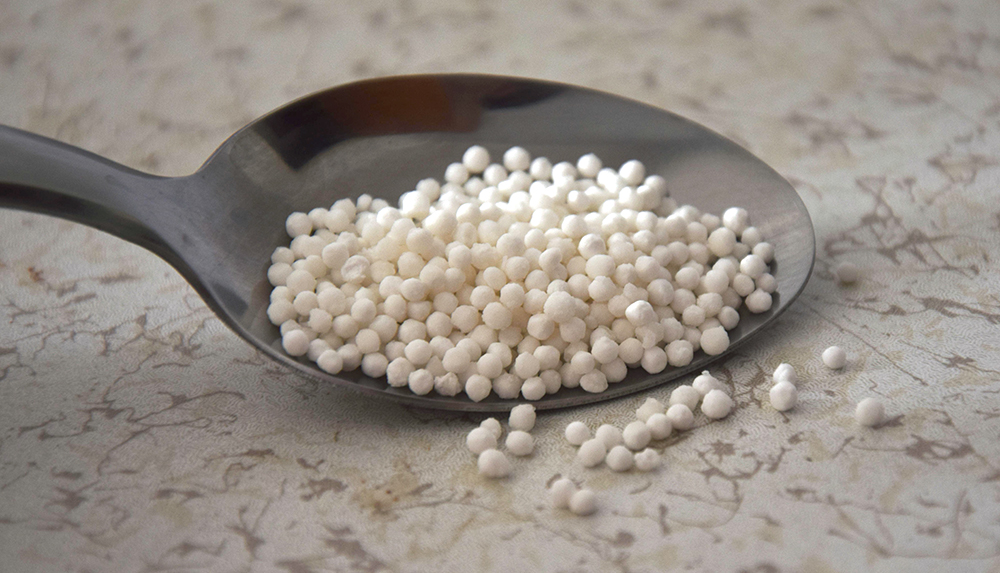
Americans may not be entirely familiar with cassava, also known as yuca, manioc, or Brazilian arrowroot. Then again, it’s likely that we’re all familiar with its most common form of preparation, tapioca. Tapioca is a powder extracted from the root of the cassava, and formed into pearls. The roots themselves are edible, but must be cooked thoroughly and prepared carefully, as certain varieties contain high levels of cyanide. (In other words, don’t eat wild cassava if you’re not positive which variety you have.) Yams, of course, can be boiled and treated like potatoes.
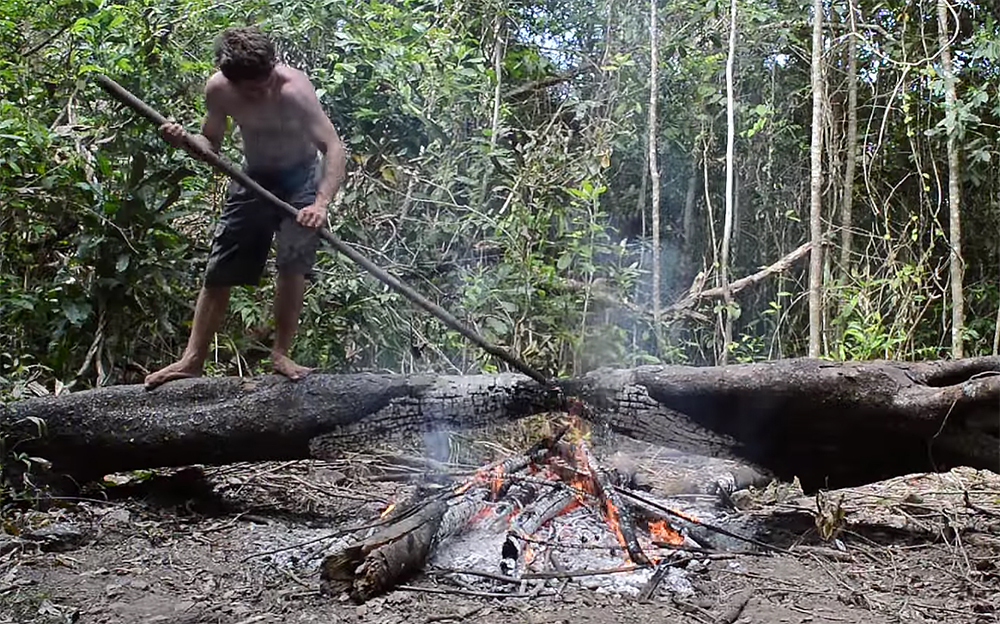
The host of Primitive Technology begins by making a clearing in the woods, which requires removing a huge fallen tree. Since he doesn’t have a chainsaw, an ax, or any modern tools, he uses a strategically-placed fire to create a weak point in the tree trunk, then hacks through the rest with a sharp rock.
Stakes are collected and pounded into the ground to form a fence around his farming plot, and vines are interwoven to keep out roving animals (including a wild turkey). He tills and turns the topsoil with a stick, then moves on to collect some wild yams and cassava to cultivate. Here’s the full video:
Cassava grows from budding segments of the plant’s stem, which the host buries in his soil mounds. The yams are plucked and buried, and will sprout into new growth much like potatoes would. With some patience, these two crops should yield a healthy harvest — the video’s description states, “Cassava produces the most calories per time and space of any plant apart from sugar cane and sugar beet. But it requires much less fertilizer and effort. A hectare of cassava produces enough calories in 2 days to sustain a person for 1 year.”
For a thorough analysis of the benefits (and potential dangers) of cassava, check out this article from the Food and Agriculture Organization of the United Nations.