This article was originally published in Issue 1 of our magazine.
Living in urban areas where medical help is only a phone call away makes it easy to take immediate first aid care for granted. The unfortunate reality is that when things go bad, these lifesaving services can be interrupted. Whether your medical need is for something as minor as a scraped knee or something as substantial as a broken arm, do you know what to do and have the supplies needed if professional help is not available?
You never know when a medical emergency is going to happen. For this reason, everyone should have at least basic knowledge of first aid and a first aid kit available at a moment’s notice. Stick one in your home, workplace, car, and wherever else you frequent. In places with limited storage space such as a daily carried bag, having a travel-sized kit on hand is better than nothing. In the car, a small basic kit would work, and at home or work, a more substantial kit is ideal.
Having a kit is only half of it. Have you ever opened a first aid kit and realized other than the Band-Aids and aspirin, you really had no idea what was going on in there? If you’re not a medical professional, you know what we mean. Bandages, gauze, compresses, and funny-shaped scissors, how are we supposed to use this stuff? Knowledge of how to use the kit properly is just as important as having it.
Basic First Aid Kit
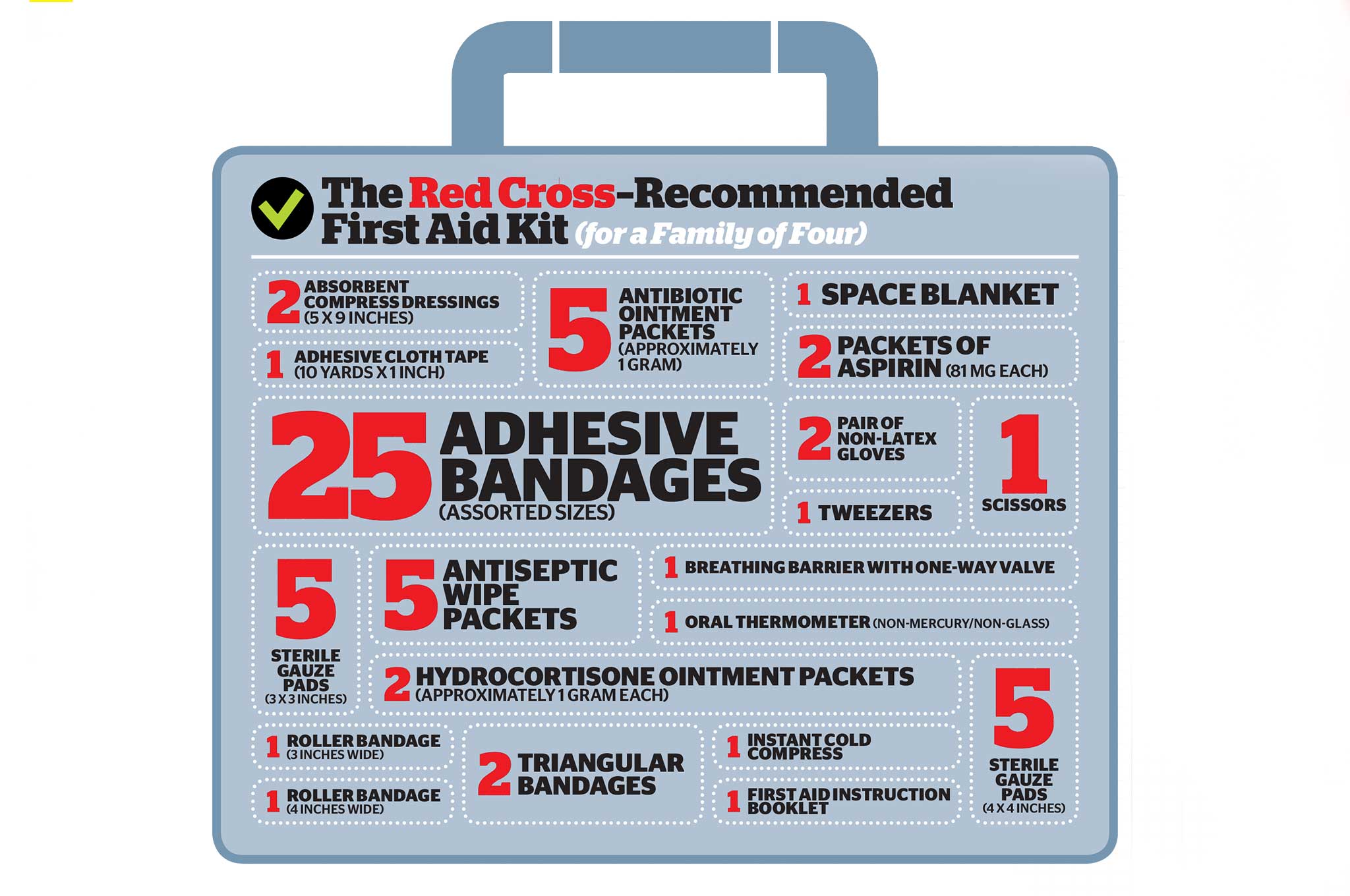
Let’s take a look at a basic kit and break down what each item is used for. Because there are so many kits on the market, nailing down a “basic” kit can be a task unto itself. We’ll go with what The Red Cross recommends for inclusion in a first aid kit.
There are plenty of first aid kits on the market that cover the basic needs in the above list and much more. Remember that the overall size of the kit also limits how many people it can treat and its duration of use, as well. Now that we know what we need, let’s take a look at what each item is and what it is used for.
Inventory & Expiration Dates
Mark your kits with the date that they were manufactured or put together, and remember to update expired items regularly. We recommend checking your kits once a year to make sure everything is accounted for. It’s easy to forget that you may have grabbed a Band-Aid or a pack of aspirin from it. It’s important to remember to replace any missing items before you forget.
Customize Your Kit
When looking for a store-bought kit or choosing what goes into a kit you build yourself, it is important to take into account any particular needs that you and your family may need. If anyone may be allergic to certain medications such as aspirin, be sure to substitute or add other meds such as ibuprofen, instead. But, don’t play the guessing game; consult your doctor to see what works for you and your family member’s particular medical condition and go with that.
Customize your first aid kit to include any prescription drugs that you and your family may need. Include any other personalized items, such as asthma, diabetes, and allergy meds that you will need in an emergency.
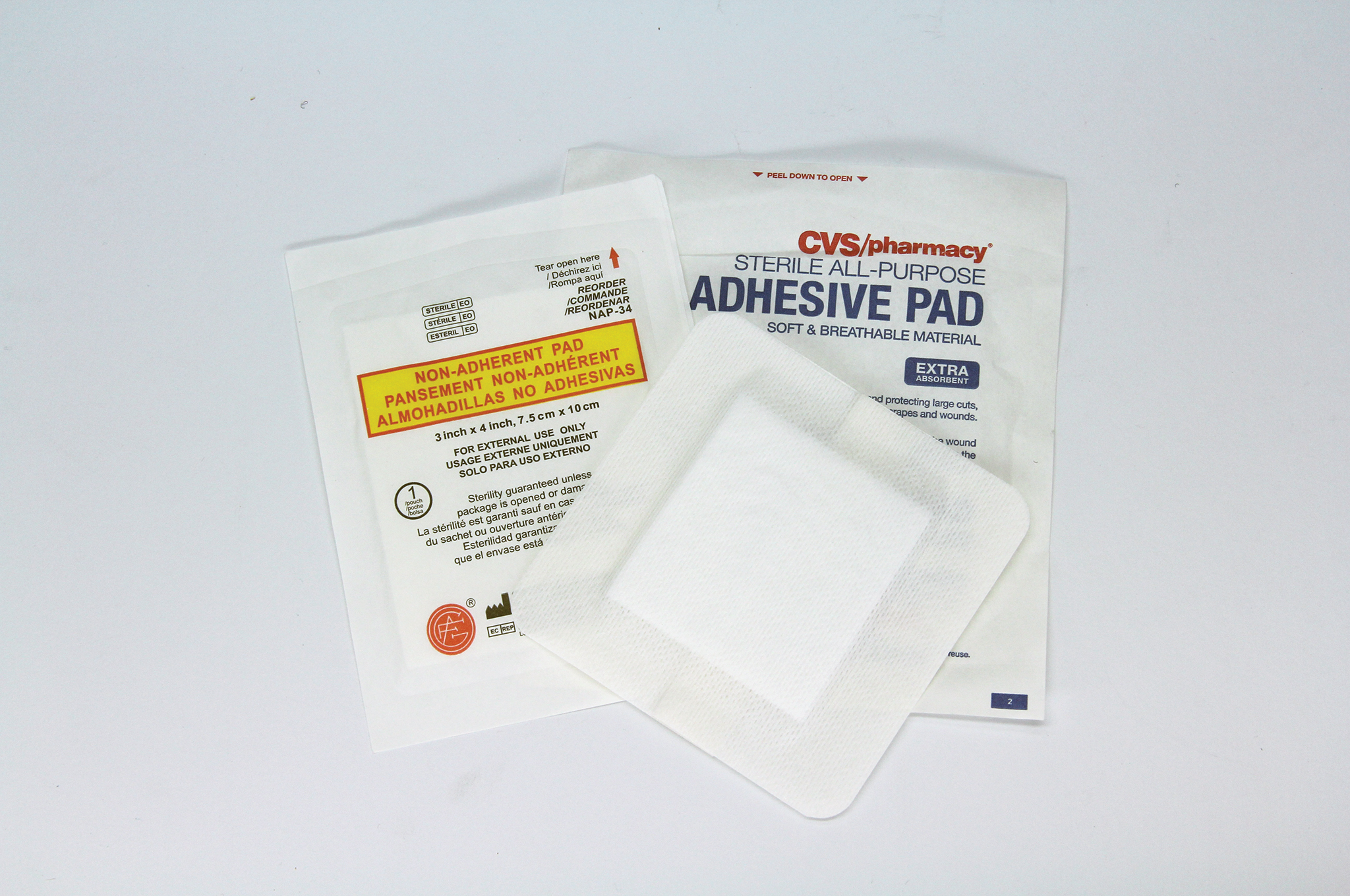
01 Absorbent Compress Dressings:
Compress dressings help promote blood clotting to stop bleeding. Use them by pressing the dressing against a wound to help stop blood loss.
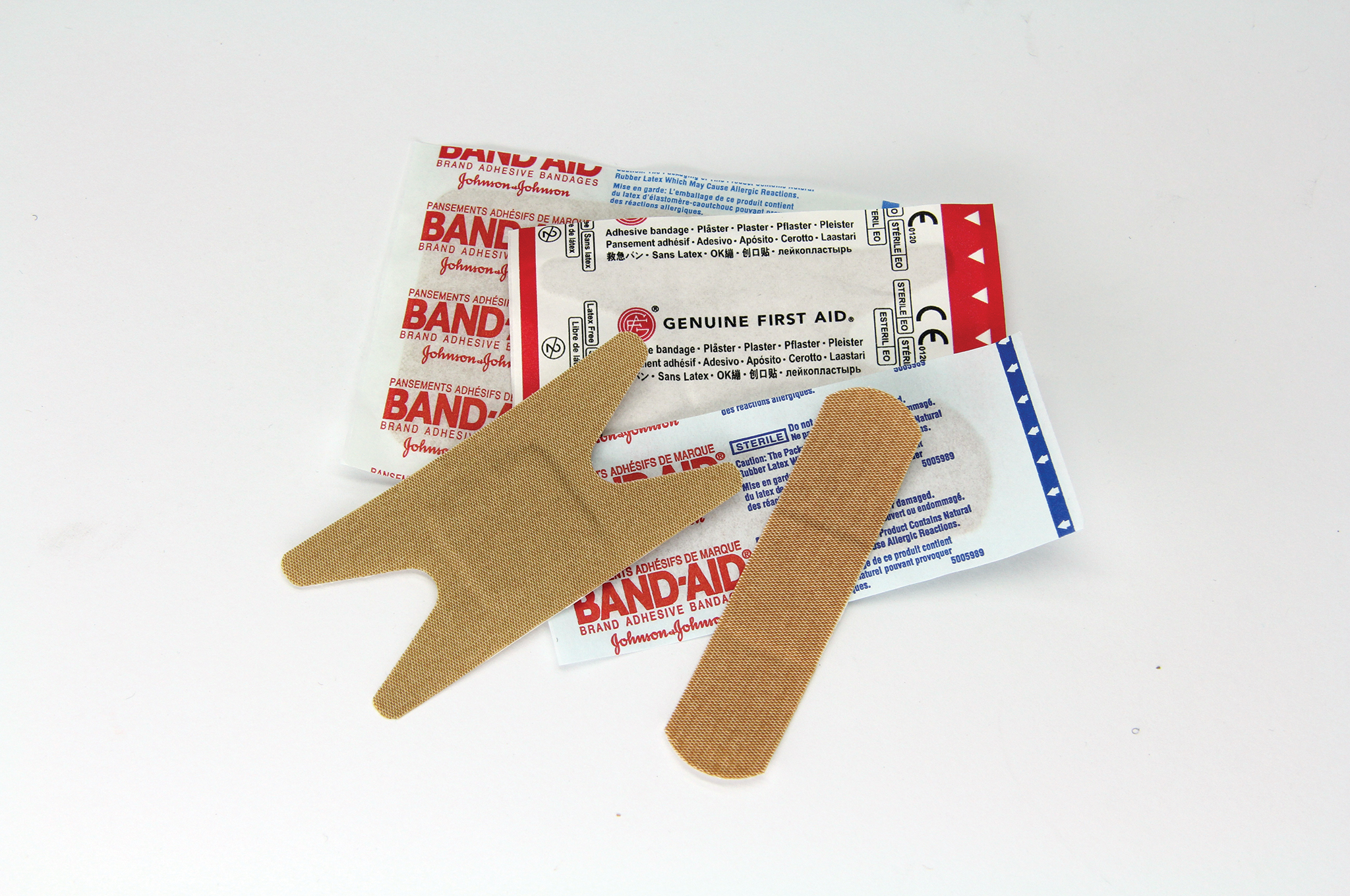
02 Adhesive Bandages:
Adhesive bandages, also known as Band-Aids, are useful to help cover minor cuts and scrapes. They come in different shapes and sizes for general and specific applications. Their adhesive qualities mean that they can be self-applied.
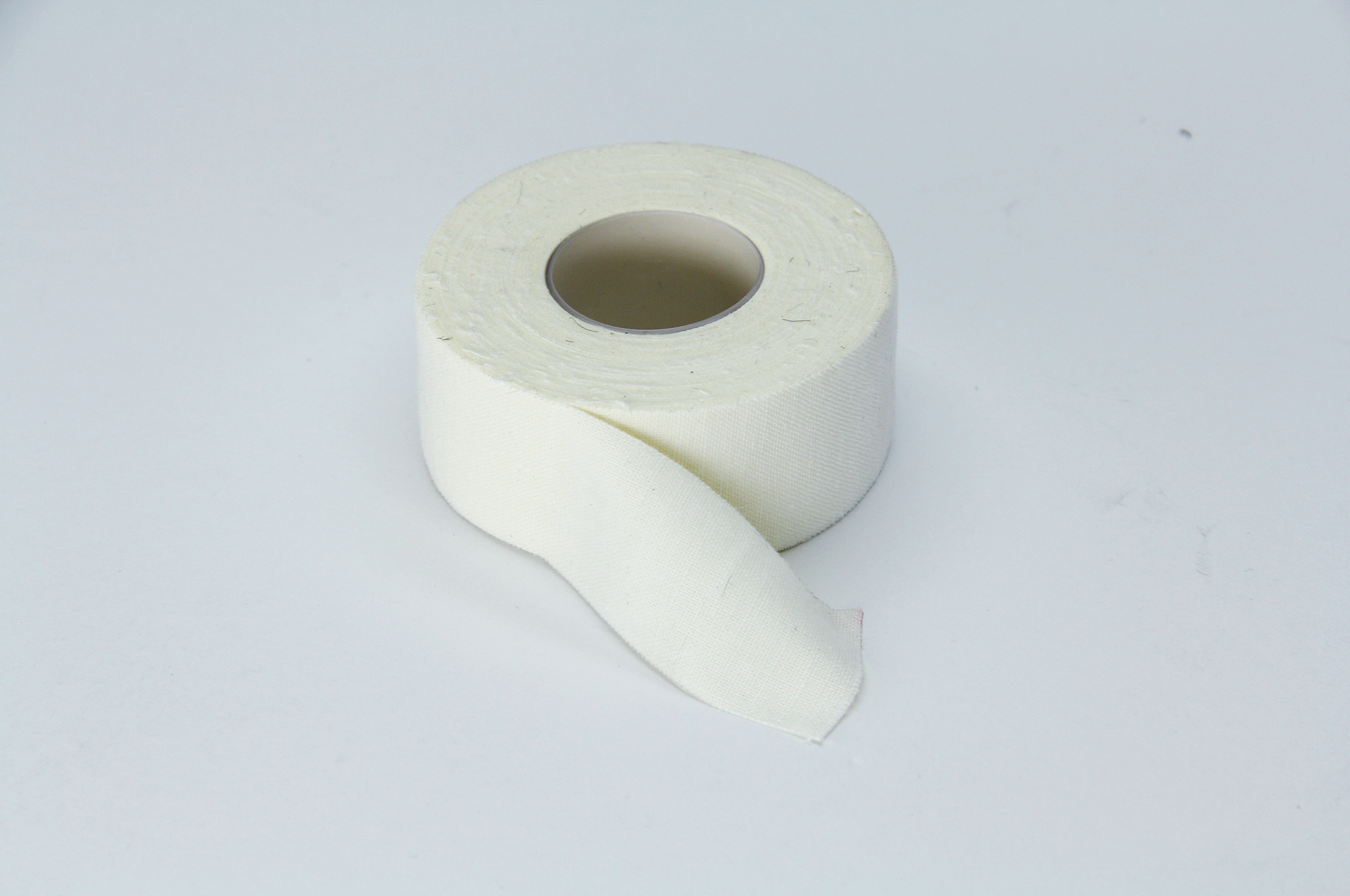
03 Adhesive Cloth Tape:
Adhesive cloth tape has many uses, including being applied to non-adhesive bandages to adhere them in place, being taped over a bandage to create pressure over a wound, and being used for making a splint.
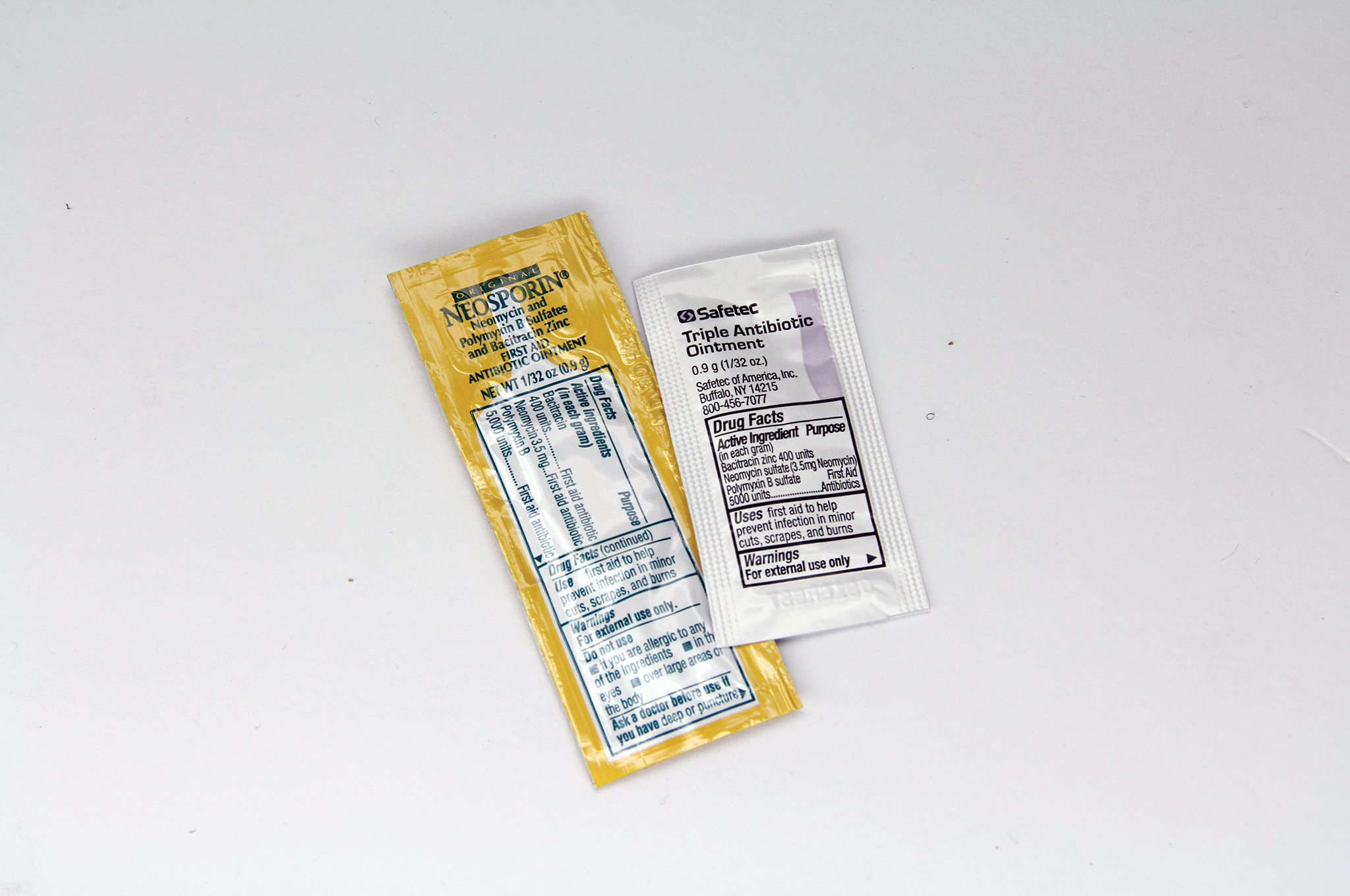
04 Antibiotic Ointment:
An antibiotic ointment, like Neosporin, protects wounds against infections and bacteria, and it promotes faster healing. Apply as directed.
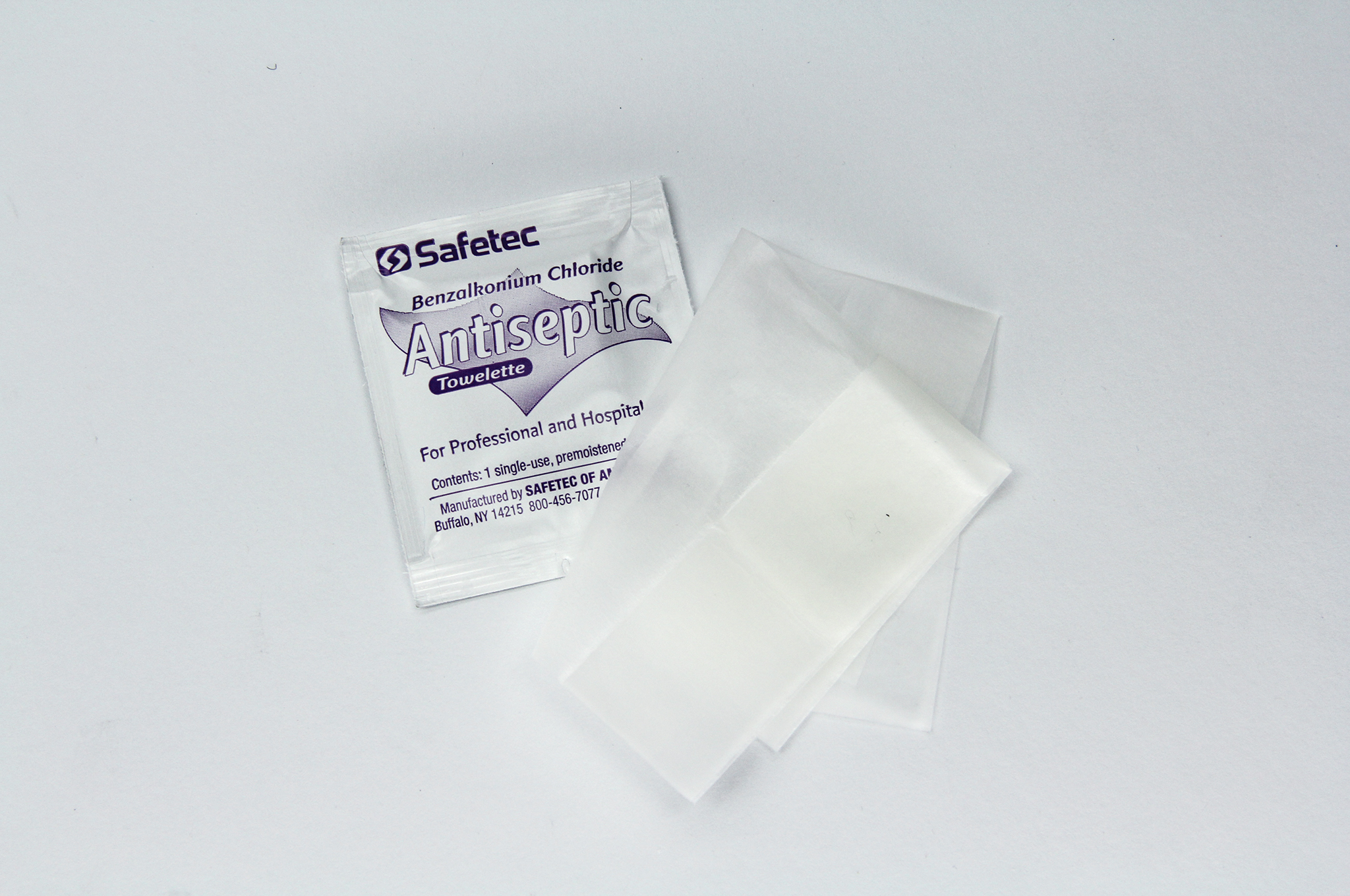
05 Antiseptic Wipe Packets:
Use antiseptic wipes to clean cuts and other wounds prior to dressing them.
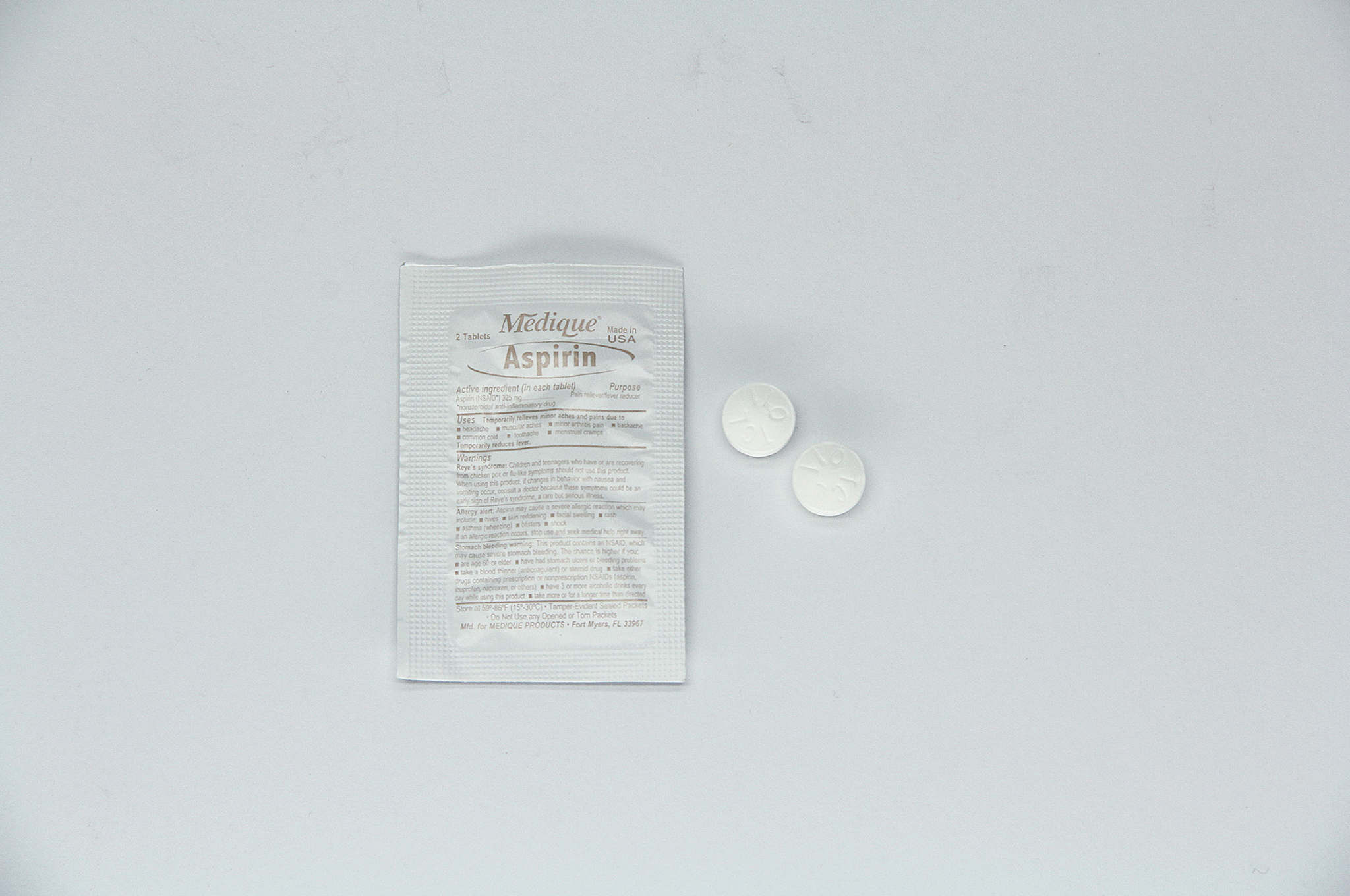
06 Aspirin:
Aside from pain relief, aspirin is also good to have on hand for those suffering a heart attack. If you do use it for a heart attack, be sure that it is chewed instead of it being swallowed whole.
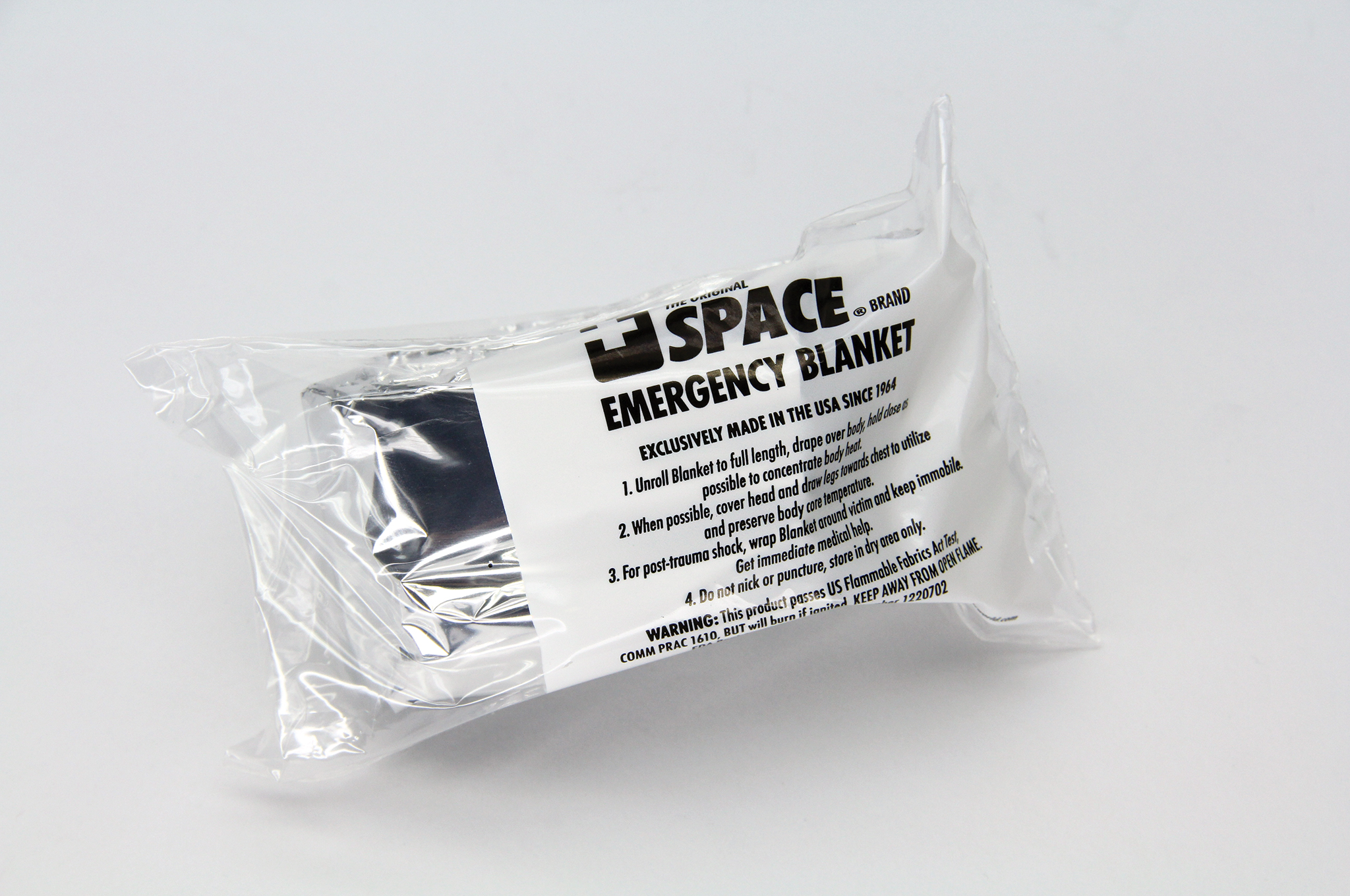
07 Space Blanket:
Space blankets have many uses that include keeping one’s body warm, minimizing the loss of moisture, and creating makeshift shelters, since they are usually windproof and waterproof.
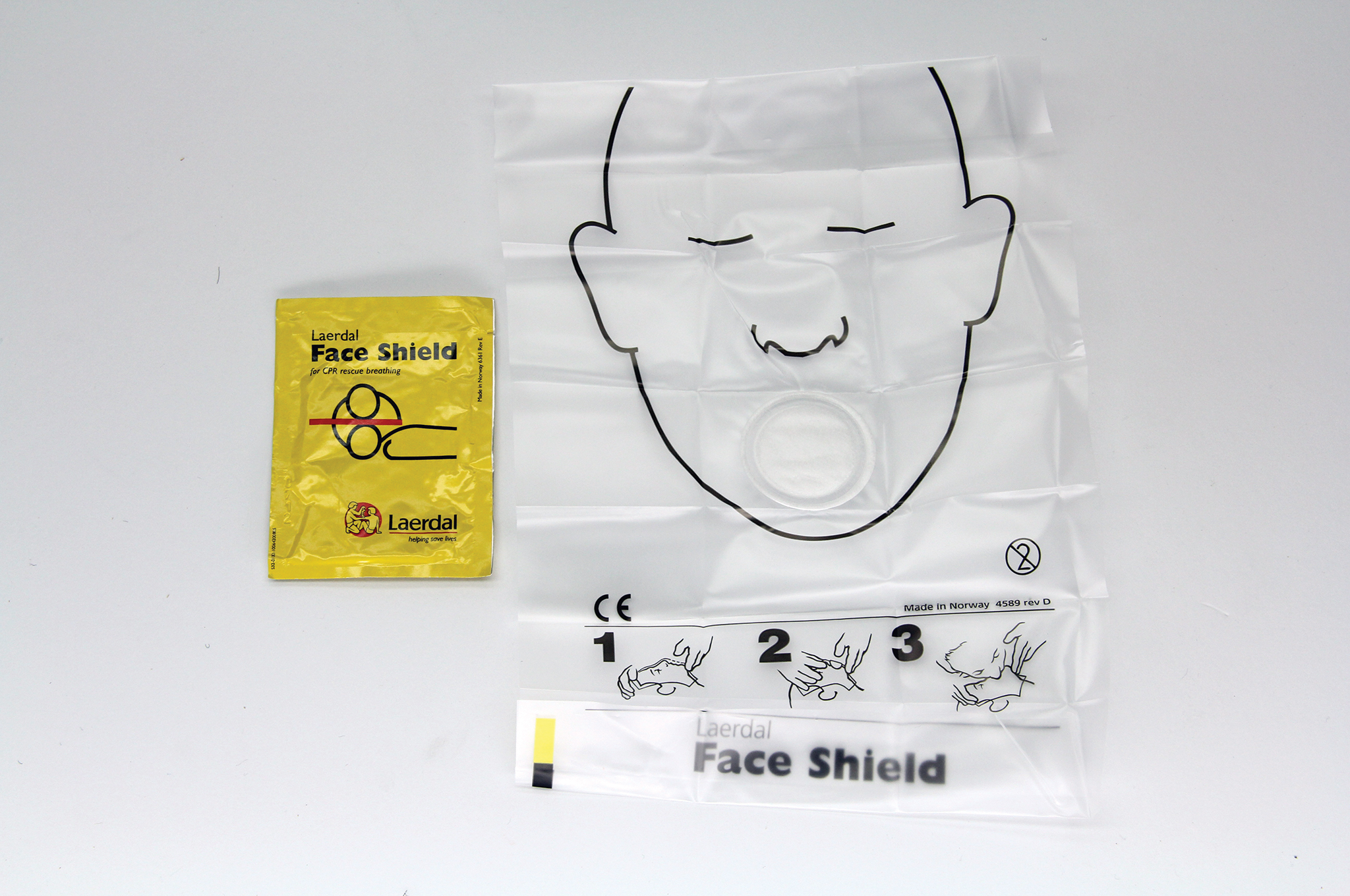
08 Breathing Barrier:
A breathing barrier prevents the direct contact of a patient’s mouth and nose during mouth-to-mouth resuscitation.
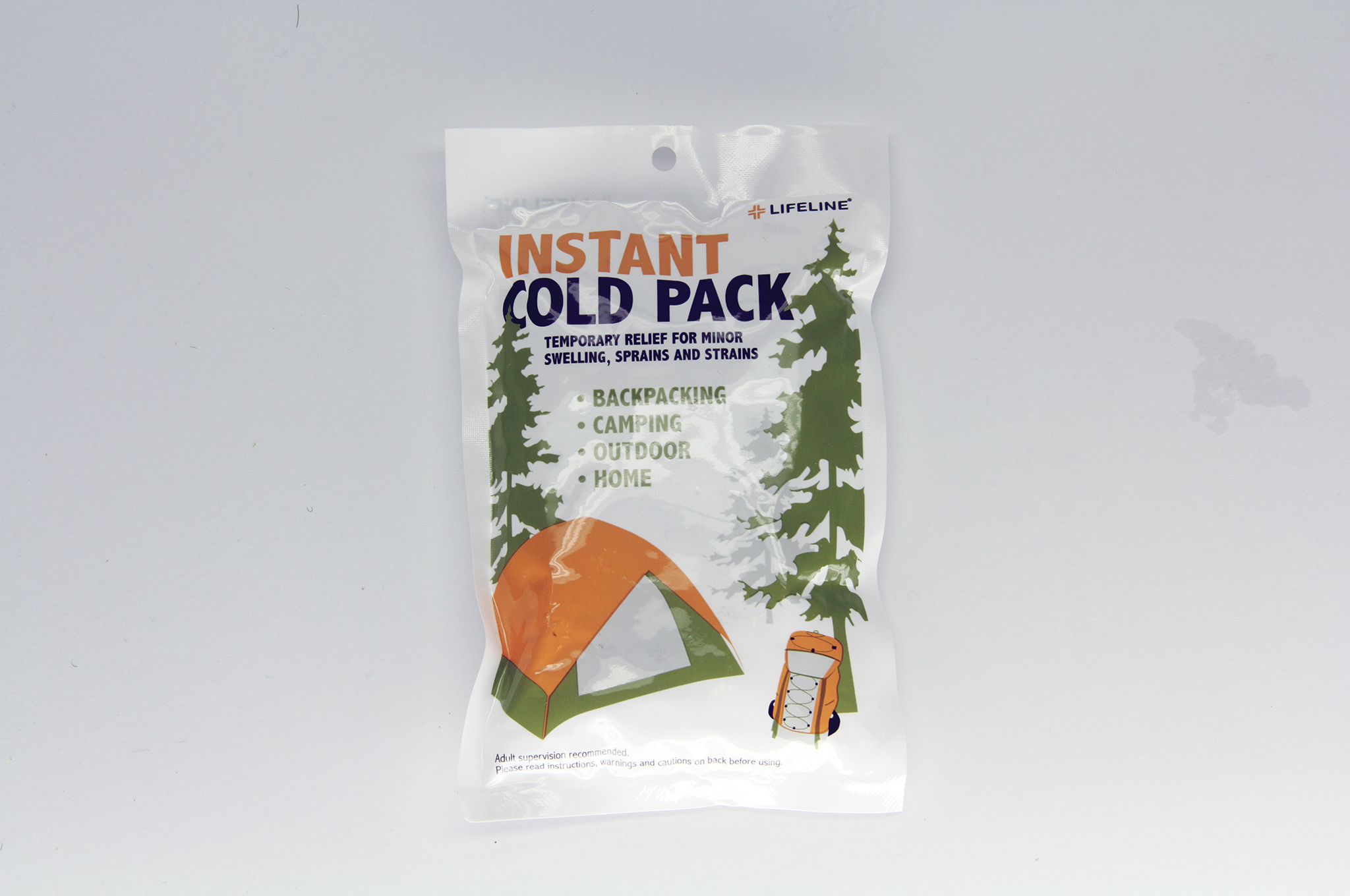
09 Instant Cold Compress:
To ease swelling, fever, and treat injuries to soft tissue such as sprains, strains, and bruises, apply a cold compress. Instant cold compresses are activated by simply squeezing and shaking them.
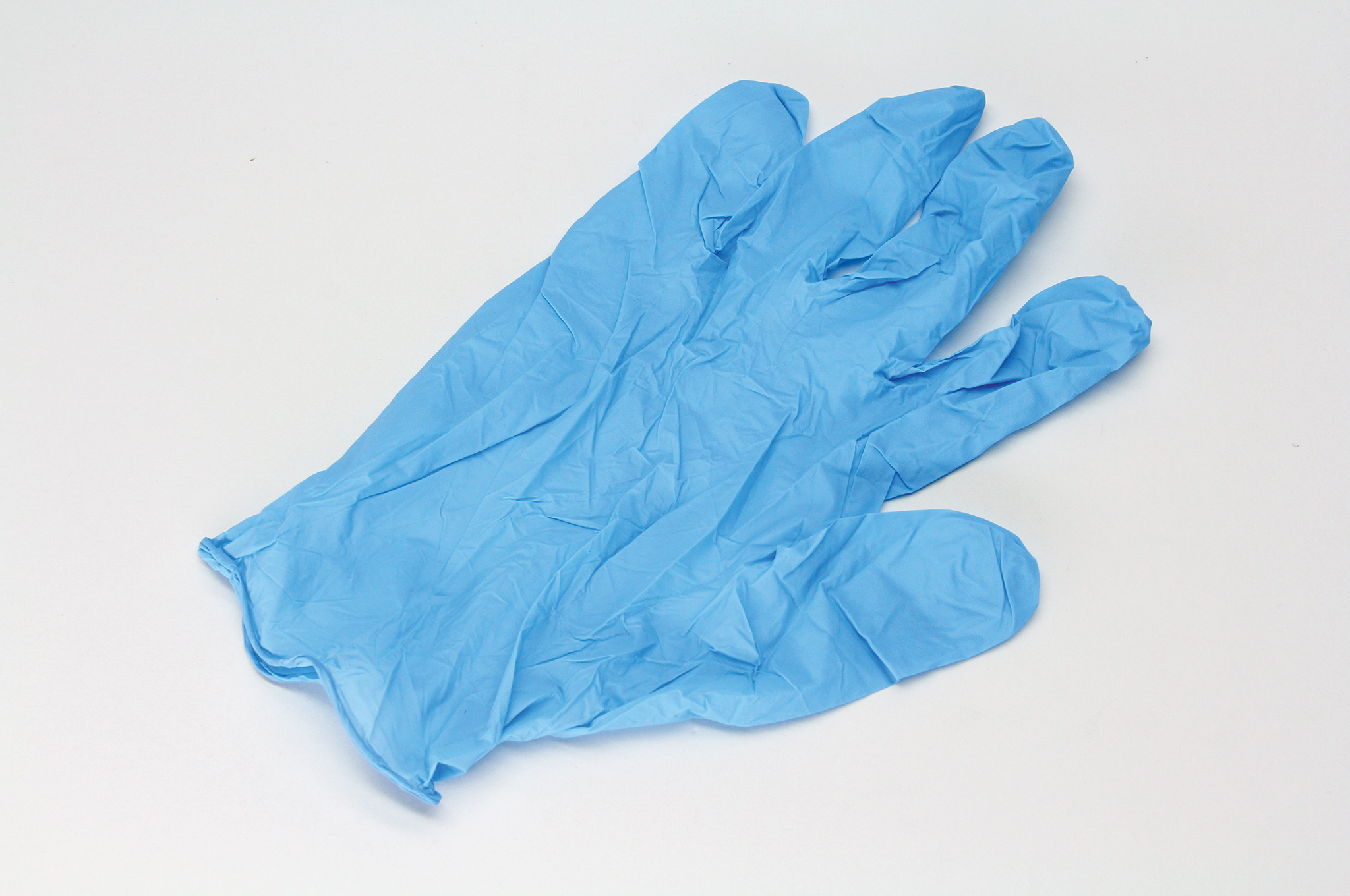
10 Non-Latex Gloves:
Gloves add a layer of protection for the person giving first aid care by protecting them from blood pathogens that a patient might carry. The Red Cross recommends a large-size glove, so that they will easily fit on anyone who needs to use them.
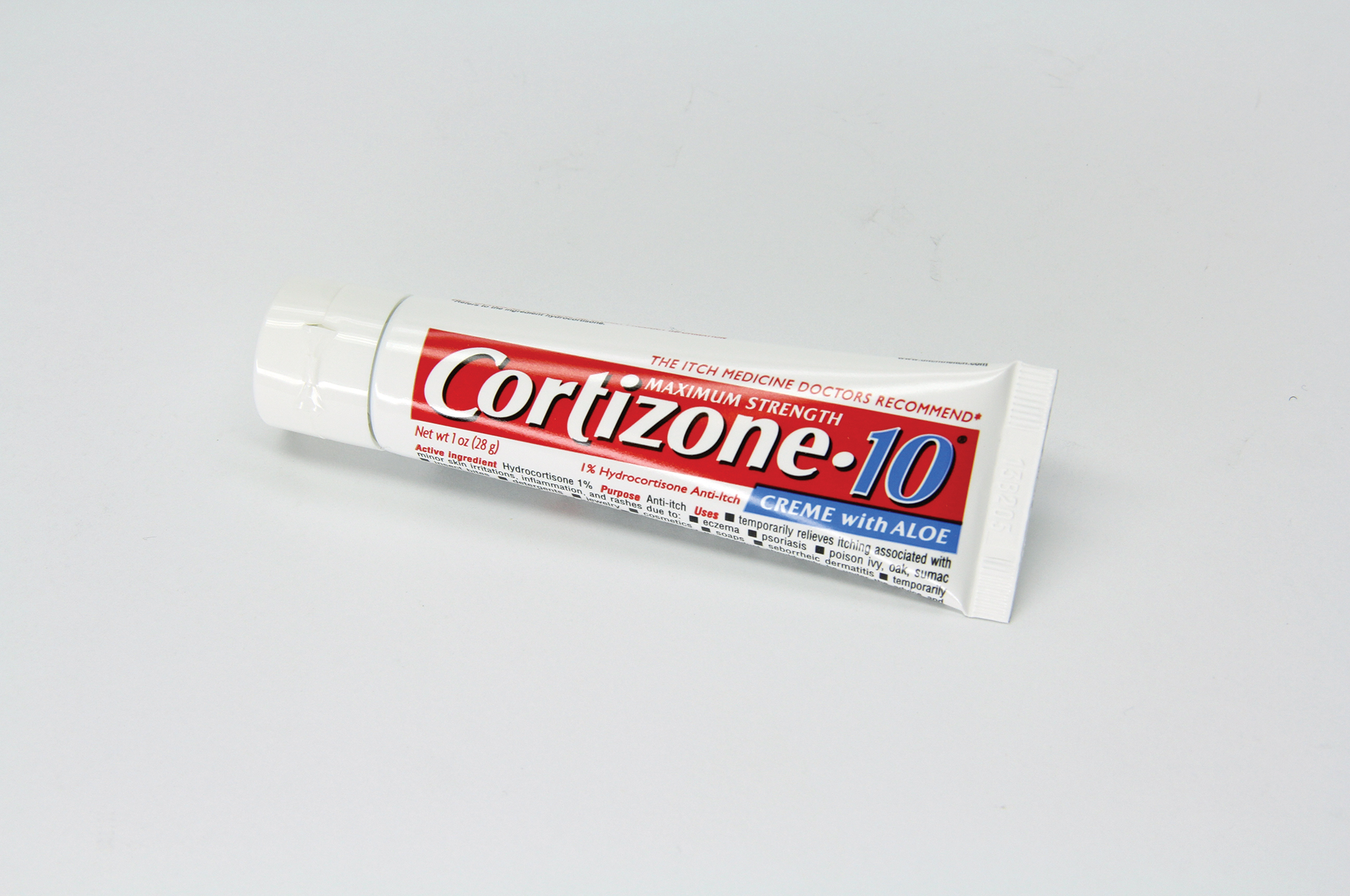
11 Hydrocortisone Ointment:
For skin irritation that is caused by bug bites, poison ivy, and rashes, apply some hydrocortisone ointment for relief.
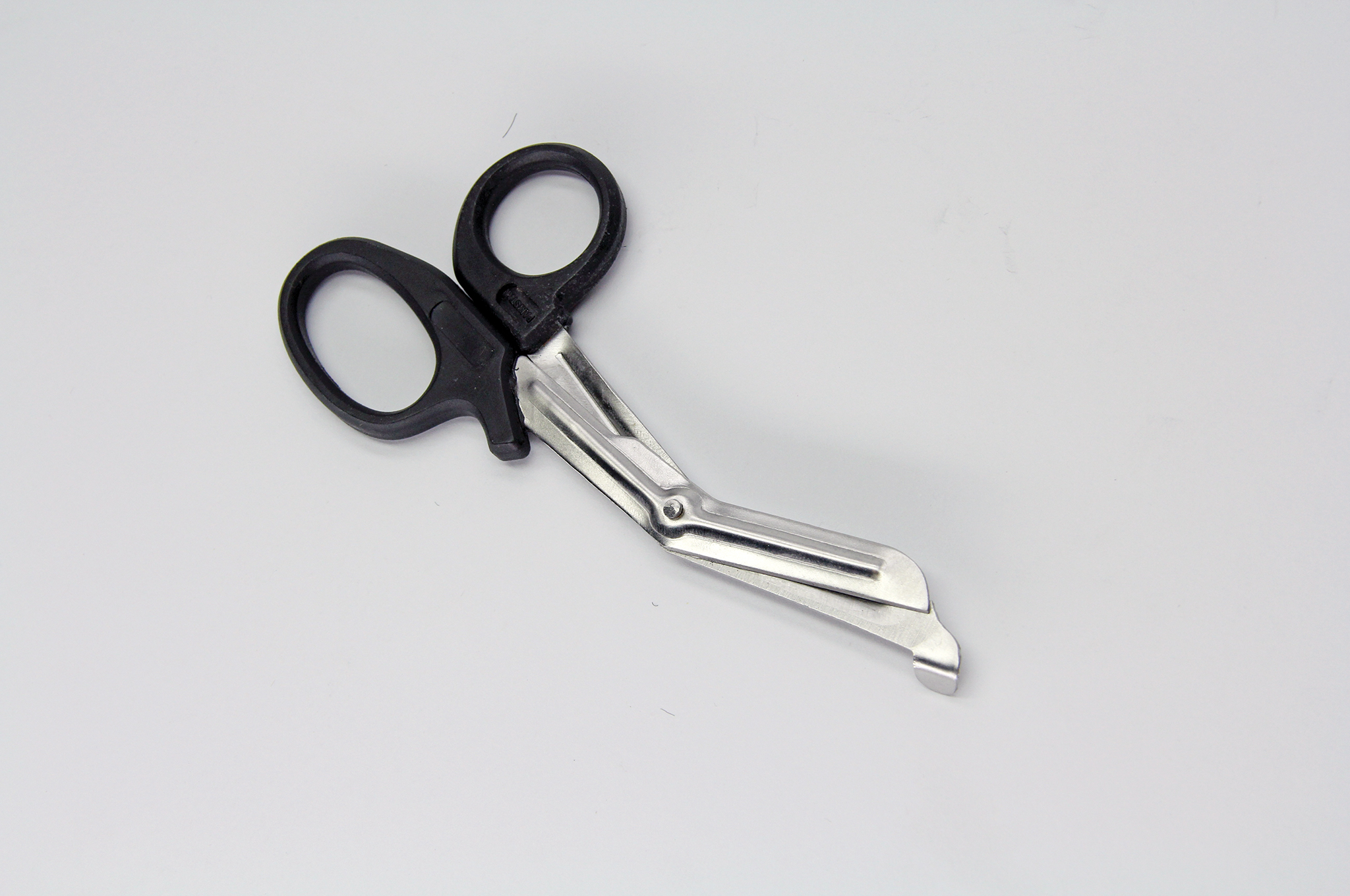
12 Bandage Scissors:
Special curved blade bandage scissors allow you to safely cut bandages, gauze, and cloth tape without cutting your patient.

13 Roller Bandages:
A roller bandage can be employed to help cover a greater surface area than a smaller adhesive bandage can. Used alongside sterile gauze and cloth tape, this type of bandage can be applied as a pressure dressing to help slow or stop blood flow from a larger wound.
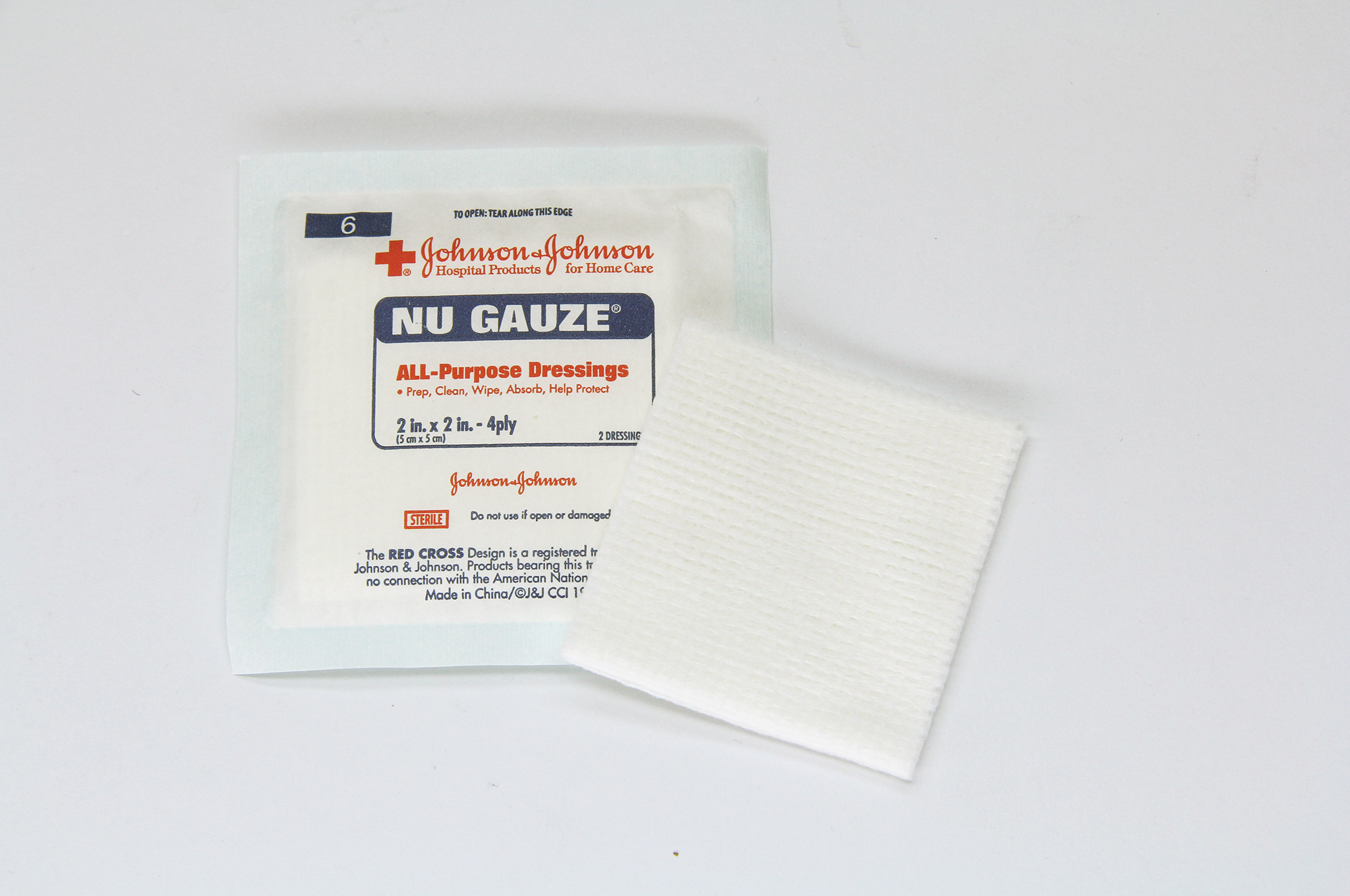
14 Sterile Gauze Pads:
Sterile gauze has very little lint and is used to treat minor wounds. They absorb excess blood and other fluids and can be used to clean wounds.
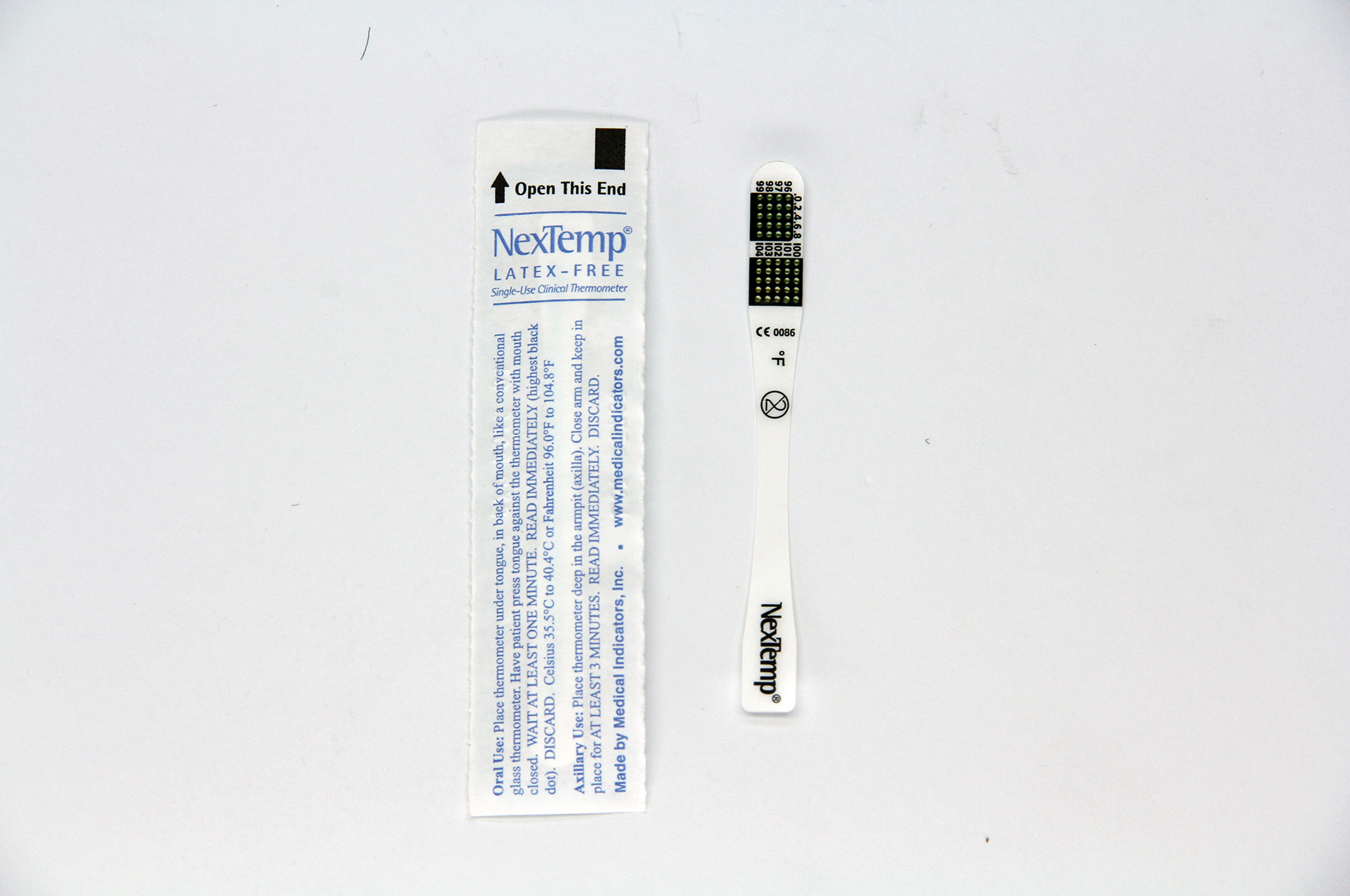
15 Oral Thermometer:
It’s best not to guess what temperature someone is running. Have a thermometer on hand.
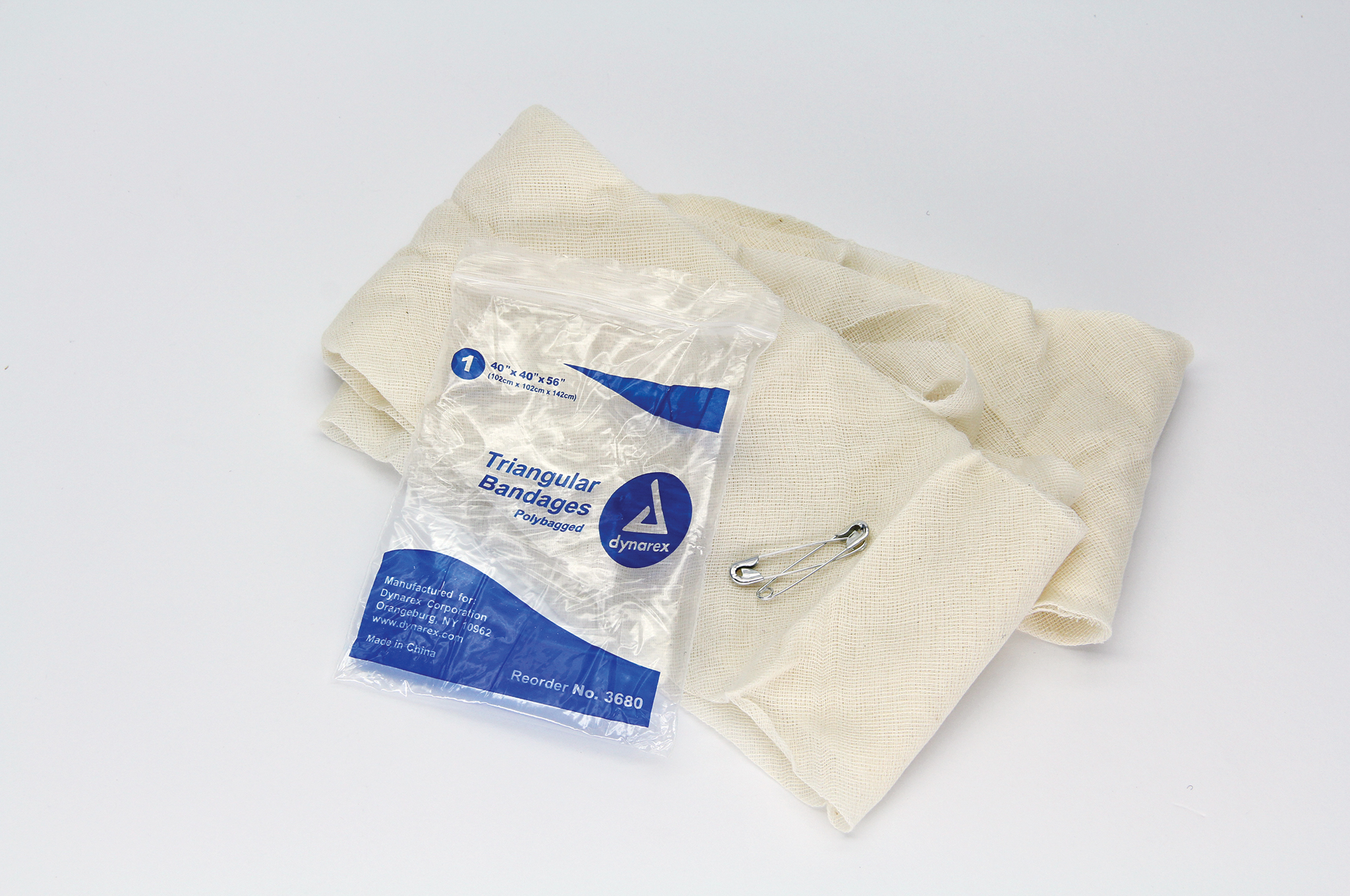
16 Triangular Bandages:
The three-cornered bandage can be used as an arm sling or as a large bandage.
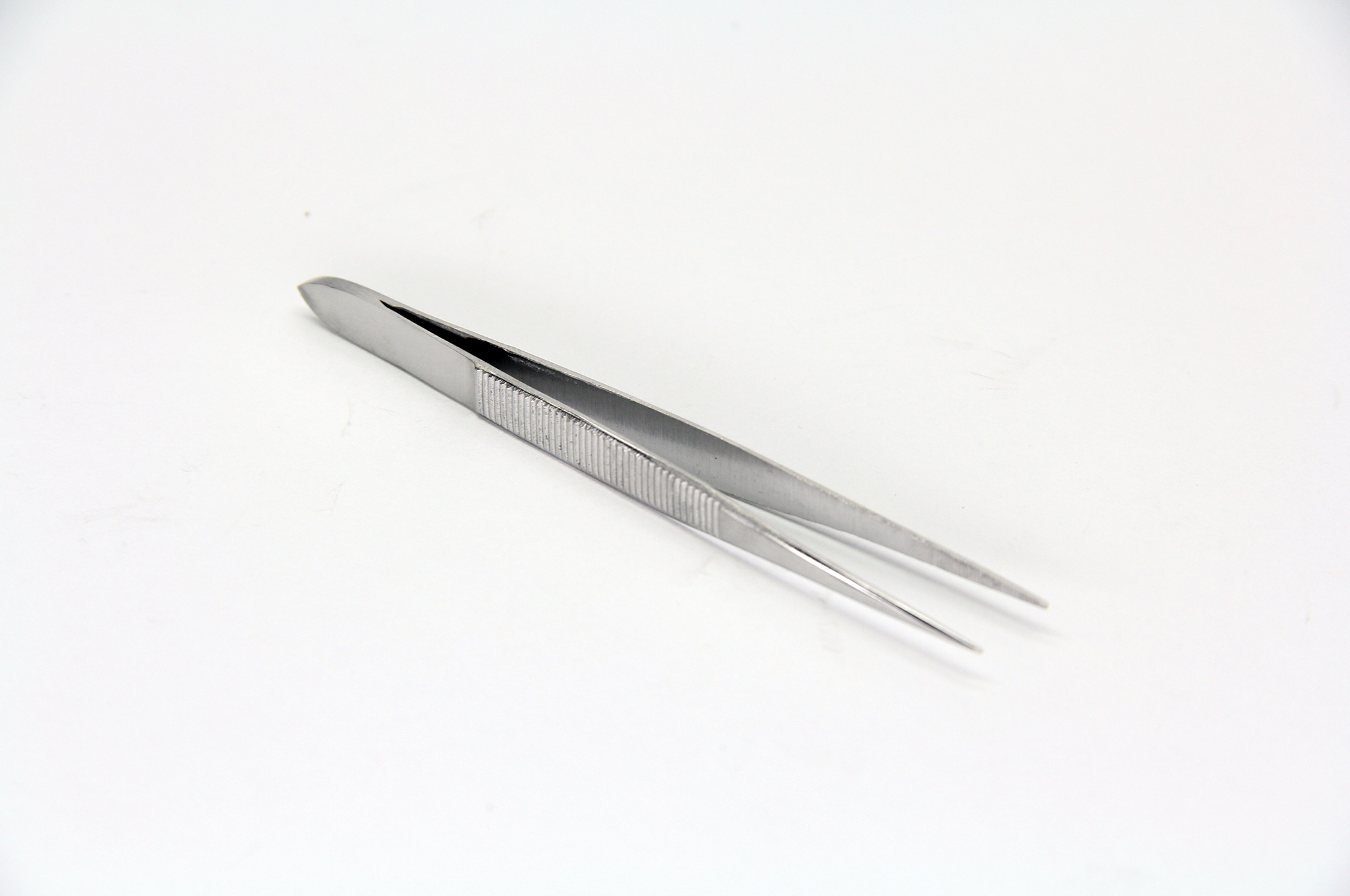
17 Tweezers:
Tweezers are a general-use tool for jobs such as taking out splinters and cleaning out debris from wounds.
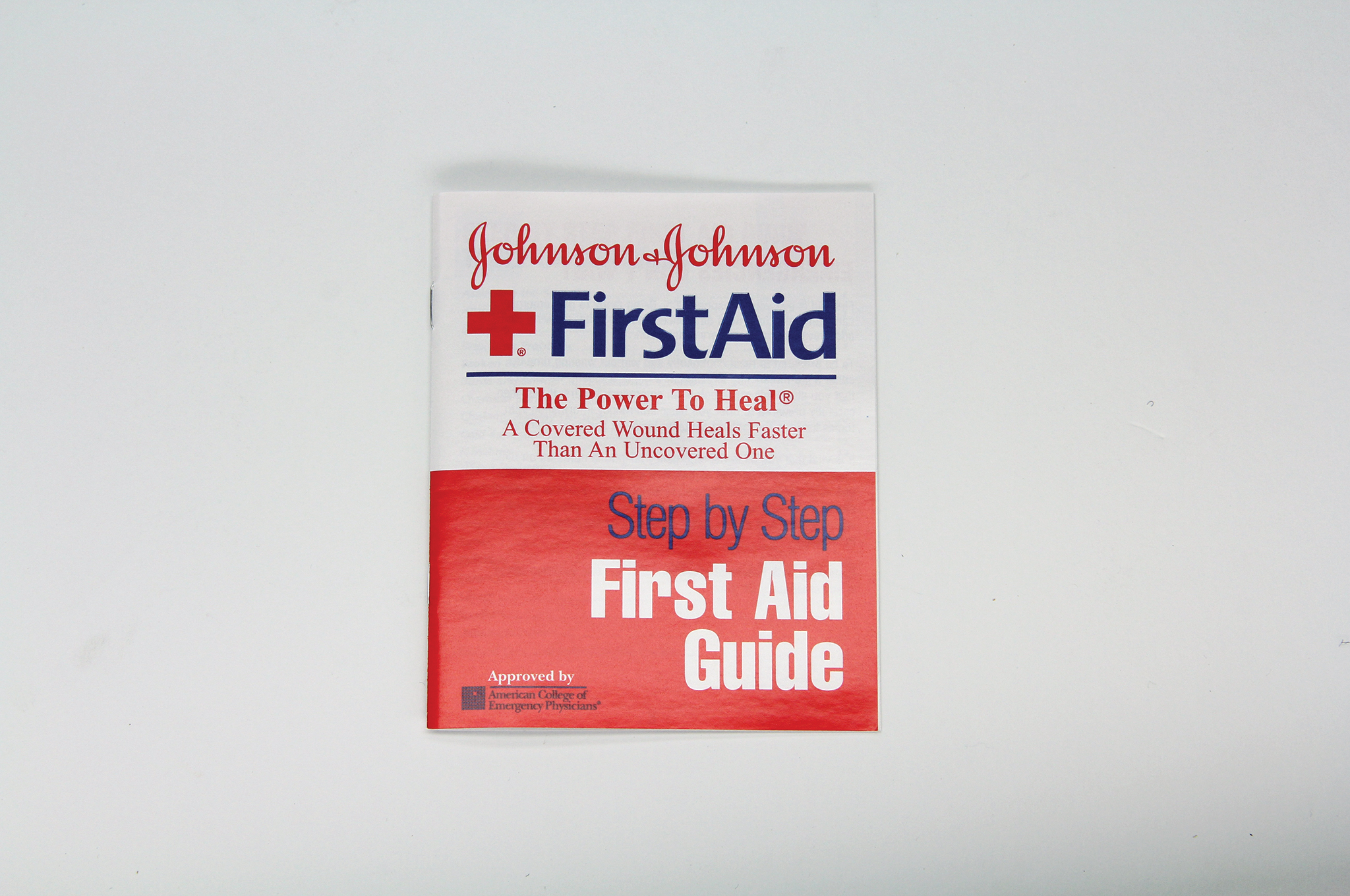
18 First Aid Instruction Booklet:
Since most of us aren’t trained medical professionals, a first aid guide is good to have on hand for instructions on how to handle first aid emergencies.
First Aid Knowledge
It is a good idea to get some training on how to properly administer first aid and CPR. The American Red Cross offers classes in various disciplines of first aid, including First Aid Basics, Emergency Medical Response, First Responder in the Workplace, and even Dog and Cat First Aid. To find a class in your area, visit http://www.redcross.org/take-a-class.
Pre-Built First Aid Kit Buyer’s Guide
All prices listed are deemed accurate at the time of writing. Each kit featured may include different items than shown, please check the contents of the kits prior to making your purchase.
[buyersguide title=”A Basic Guide to First Aid Kits” ids=”3253, 3254, 3255, 3256, 3257, 3258, 3259, 3260″]