The field of medicine is always changing and evolving, thanks to new discoveries and improved research methods. As a result, medical techniques that were once thought to be beneficial have now been revealed to often do more harm than good. For example, it was once thought that applying hydrogen peroxide to wounds would kill bacteria and therefore promote healing. Although this belief persists somewhat today, it’s only half true.
It’s accurate to say that pouring hydrogen peroxide (H202) on wounds kills bacteria. However—and this is a major drawback—it also kills your own cells, including the cells that are already present in the wound fighting off bacteria and forming a scab. Here’s a video from SciShow on YouTube that explains what we mean:
In layman’s terms, dumping hydrogen peroxide on an open wound is the medical equivalent of dropping a nuclear bomb on the front lines of a battlefield. Sure, you may be wiping out the enemy, but you’re also wiping out most of your own troops at the same time.
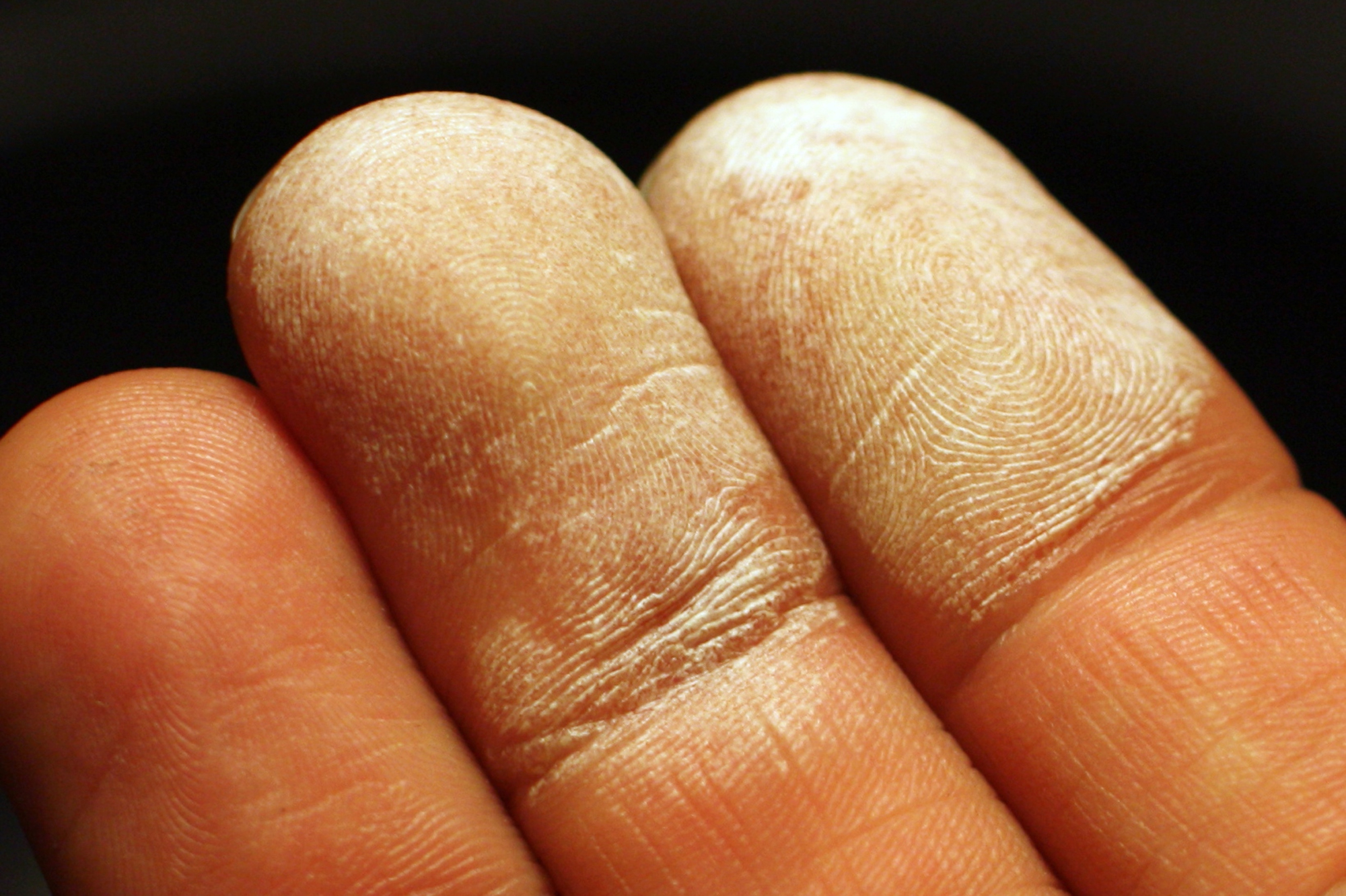
Hydrogen peroxide is absorbed by skin cells on contact, resulting in a temporary whitening effect. Source: Wikipedia
On top of this, most of us know that hydrogen peroxide burns like crazy on a cut or scrape, and now you know why—it’s literally ripping your cells open on a microscopic level. Unless you enjoy experiencing searing pain, slowing down your body’s natural healing process, and increasing the likelihood of a gnarly scar, avoid applying H202 to wounds. It might even kill you as a result of an arterial oxygen embolism (introducing air bubbles into your blood stream).
Don’t just take our word for it—check out this Oxford study that states, “We emphasize that hydrogen peroxide is a dangerous and unsuitable agent for routine wound irrigation and debridement.”
Despite all this, H202 does have certain valid uses as a disinfectant. Although its powerful reaction with organic cells makes it harmful to your flesh, it’s excellent for sterilizing surfaces and surgical tools. Also, the U.S. Food and Drug Administration (FDA) has approved it for use as an antimicrobial agent, and as an environmentally safe alternative to chlorine-based bleaches.
In a life-or-death survival scenario, if there’s absolutely no other disinfectant available, H202 might be worth a shot as a last-ditch effort to stop a deadly infection. However, in any other circumstances, you’d be much better off using regular old H20 and soap.
In today’s world of slick TV meteorologists, instant Internet weather forecasts, high-tech radar systems, and satellite imagery, we can predict the weather more accurately than ever before. Mere decades ago, it was much more difficult to accurately analyze weather patterns and storm cells around the globe, and we have forecasting systems today that our ancestors never dreamed possible.
Towers of fluffy cumulus clouds usually indicate rain is on the way.
However, technology can fail, and let’s face it: in a survival situation, you’re not going to be able to flip on the local news and refer to Storm Raines and his Doppler 9000. You’re going to have to use the instruments you always have with you—your senses.
Dew drops on plants in the early morning usually indicate limited cloud cover and reduced chance of rain.
The infographic below from Visual.ly provides lots of practical methods to forecast the weather:
Obviously, some of these methods to predict weather visually are more reliable than others. If you happen to spot a cat cleaning behind its ears, or come across a particularly smelly swamp, don’t assume rain is on the way. However, with an alert and aware mindset, you may notice several of these warning signs, and be better prepared for a storm in case your prediction is accurate.
Bad weather can move fast, so you’ll have to move faster if you want to build a shelter or get a fire going ahead of time. It could mean the difference between staying warm and dry or fighting off hypothermia.
Style over substance, form over function, products that look “tacticool” but aren’t made for real work—we’ve heard these arguments used around the Internet in reference to various high-end survival gear manufacturers. Specifically, we’ve seen a few critical statements made about TOPS Knives on knife forums and Facebook pages, claiming that the blades look heavy-duty but are just for show. On the flipside, we all know that some people on the Internet often love to spread hate and misinformation. So, what’s the reality of the situation?
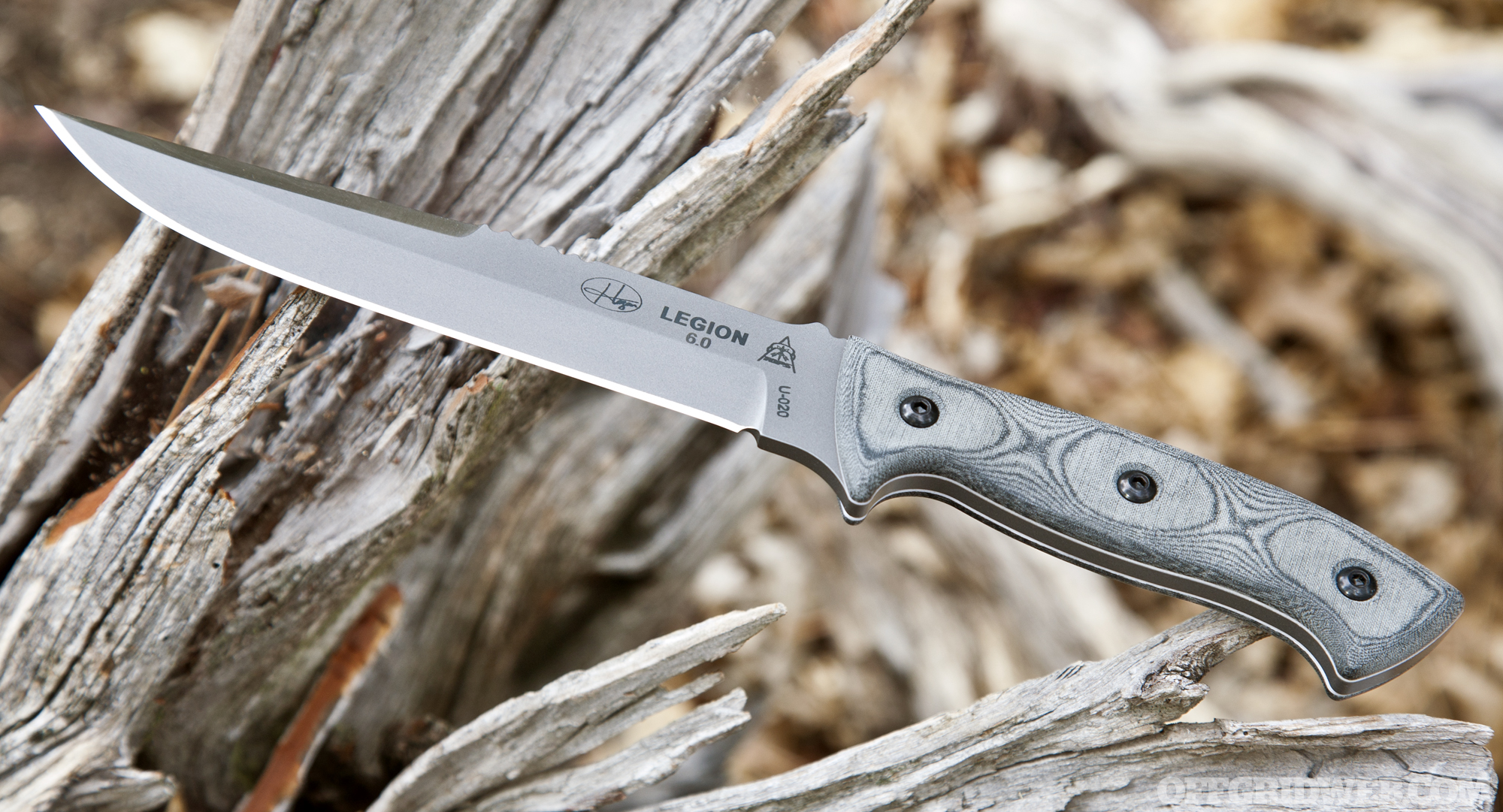
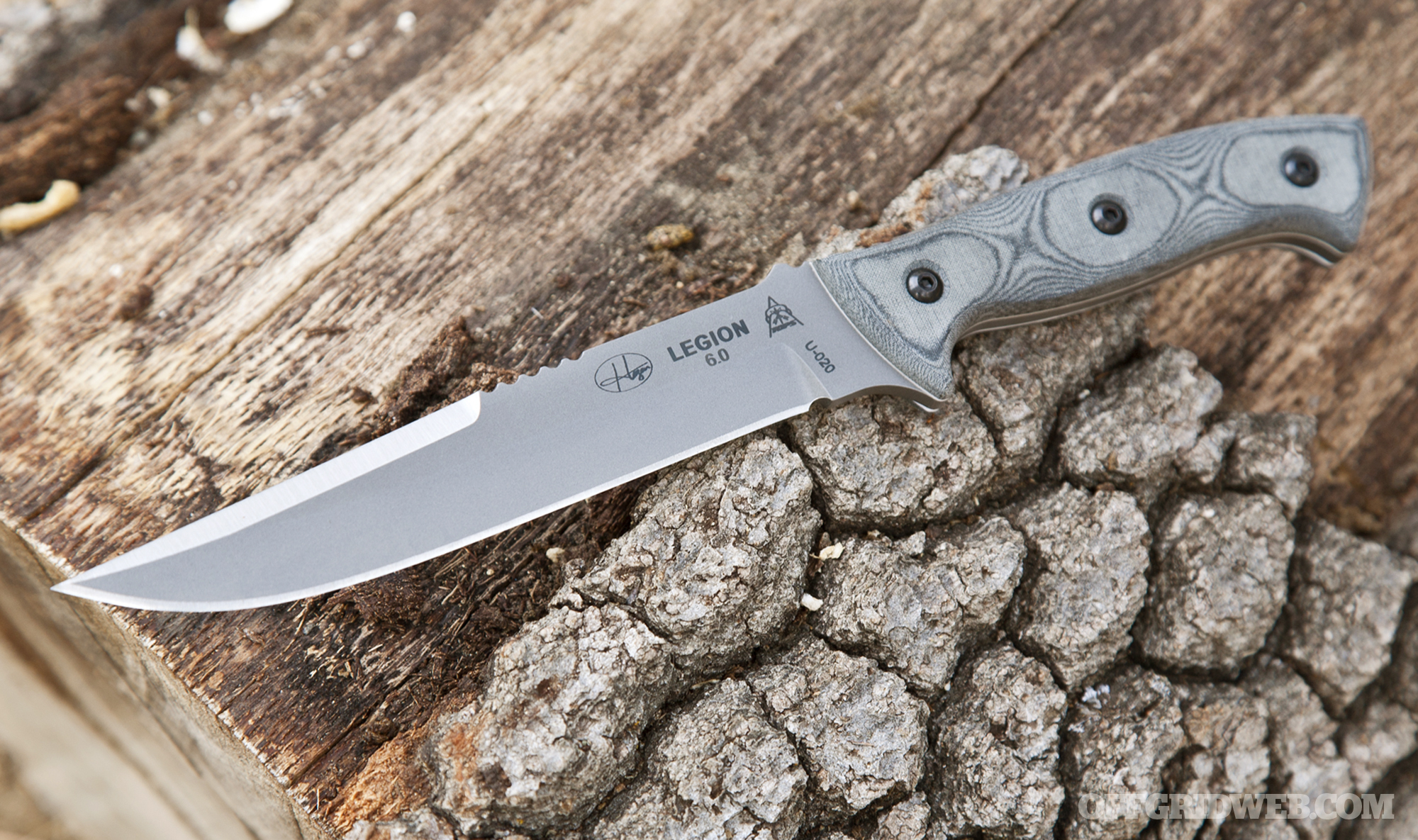
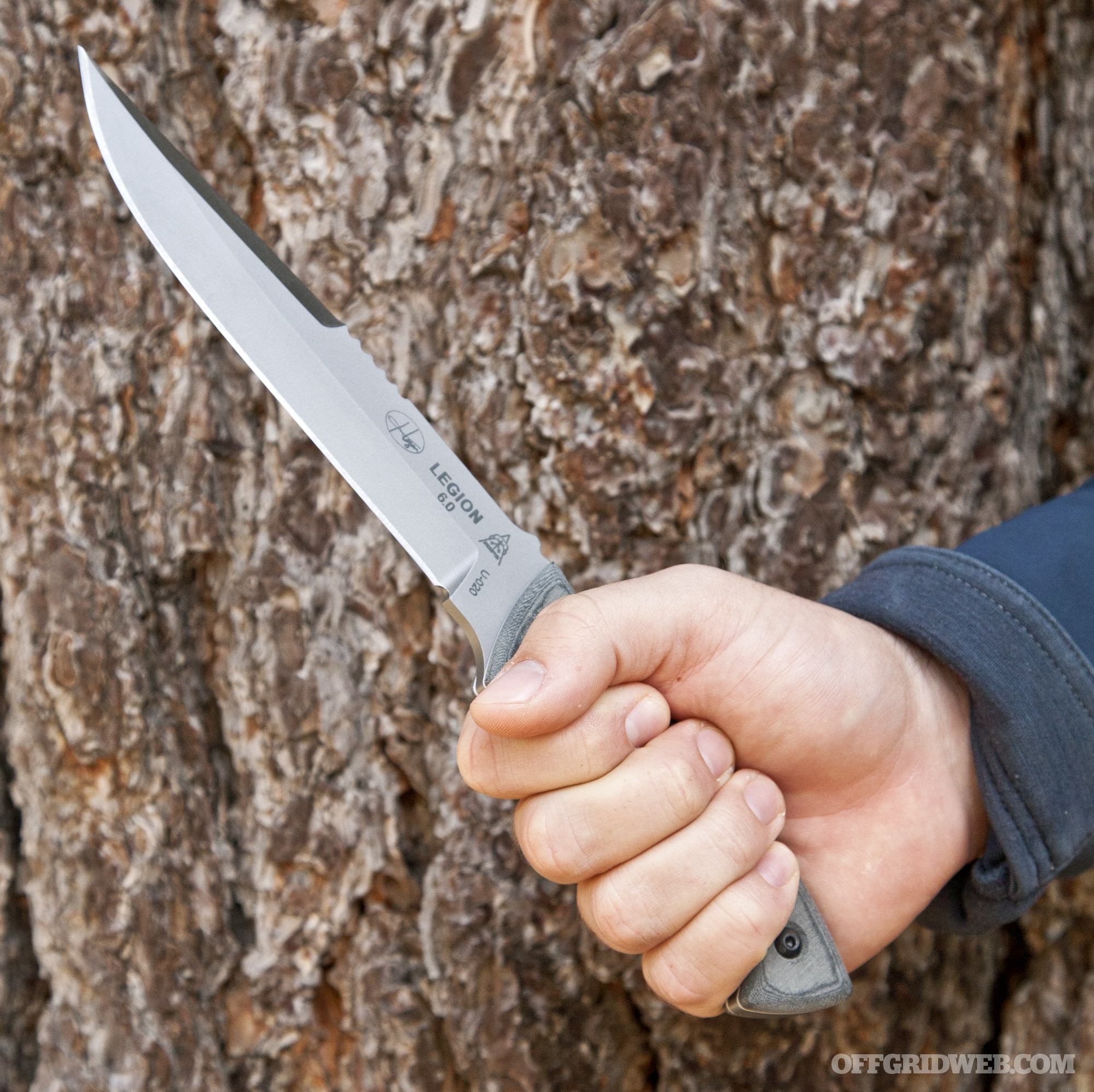
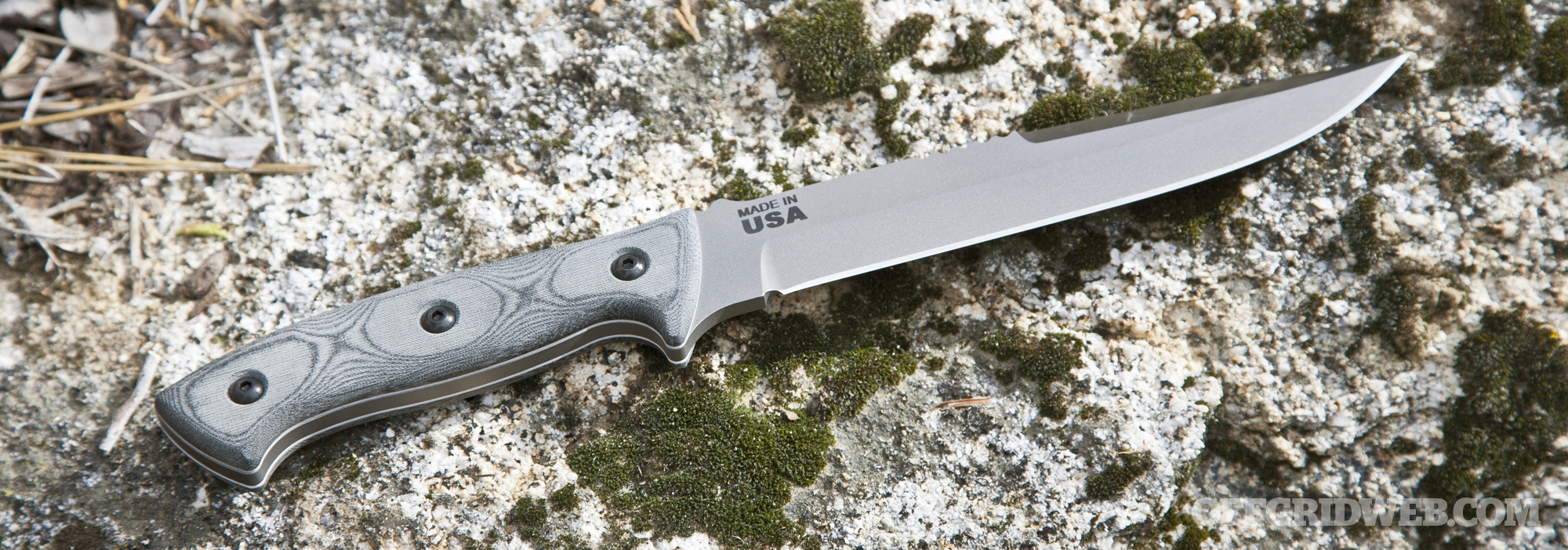
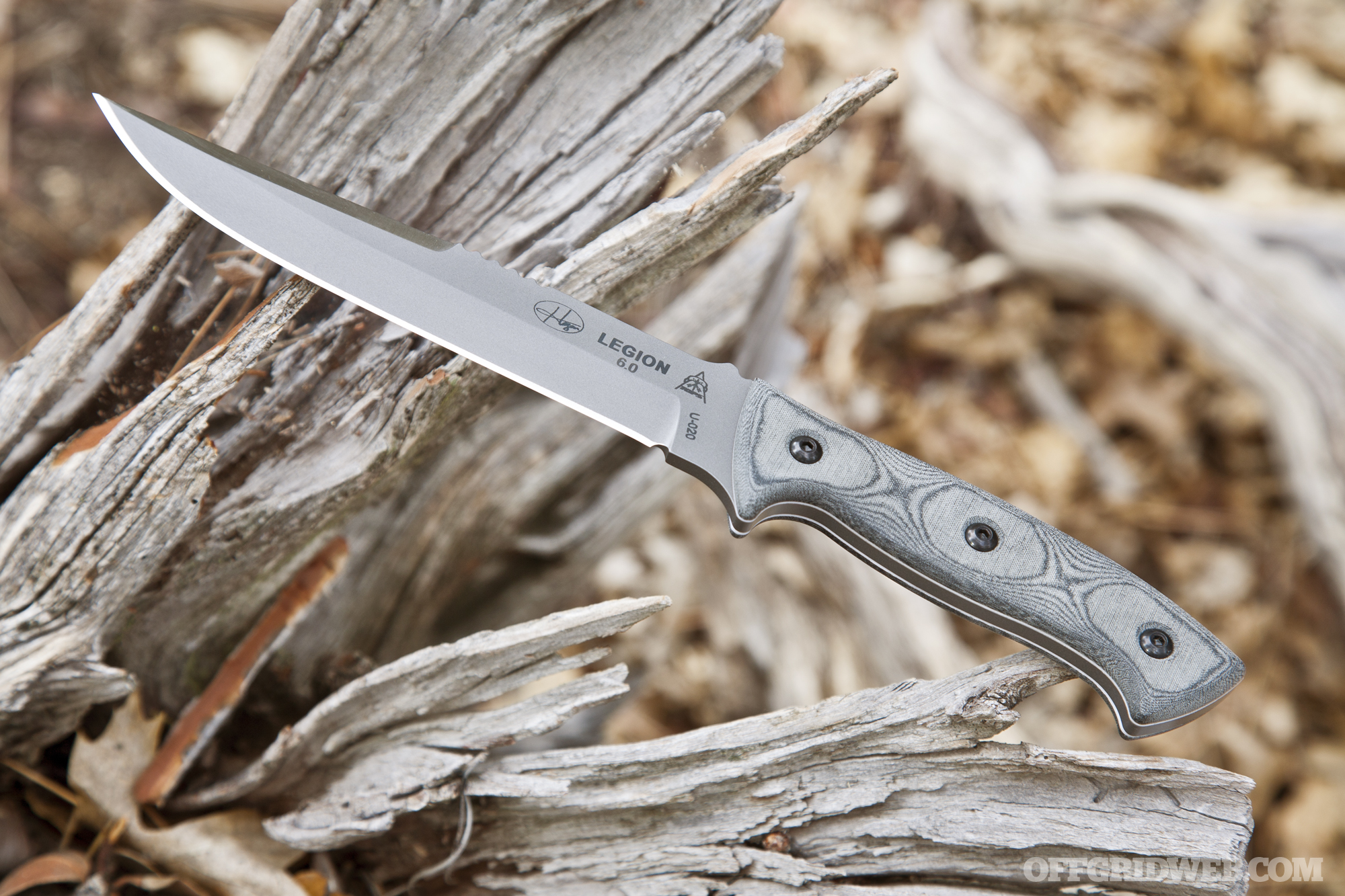
Most of us can agree that the Hazen Legion 6.0 looks cool. But, can you trust your life to this knife?
Are TOPS Knives average products propped up by clever marketing, or does the company make legitimate survival tools you can depend on? We decided to answer these questions by testing their latest knife design, the Hazen Legion 6.0. We hope this will shed some light on the truth, and will cut through the Internet back-and-forth on the subject once and for all.
“Spec Ops Trust TOPS”
Before we get into our review of this new knife, we’ll share a little background on the company. TOPS Knives was founded in 1998 by several Vietnam veterans, all of whom were dissatisfied with the quality of the knives they were issued during the war. Since then, the company has collaborated with numerous designers to produce hundreds of different knife models. The company states that many of their knives have seen real use by Field Operators in “hot spot” locales around the globe, hence their slogan “Spec Ops Trust TOPS”.
Over the years, TOPS Knives have also been featured in several high-profile movies. The company’s Tom Brown Tracker was used by Benicio del Toro in The Hunted, and Adrien Brody fought off intergalactic monsters with a Steel Eagle in Predators. Some claim this as evidence that the company has jumped the shark and gone all Hollywood on us, but we’d attribute it more to the fact that their knives simply look imposing, and therefore were chosen as movie props for the silver screen.
Despite this, it’s clear from their manufacturing process that TOPS Knives are much more than movie props. Every one of their blades is manufactured in the USA and hand-finished at their facility in Idaho. This video from InnerBark Outdoors gives a factory tour, and introduces a few of the American employees:
The New Hazen Legion 6.0
You may recognize this blade from a press release announcement we published a few weeks ago, shortly after the Hazen Legion 6.0 was released to the public on February 2nd, 2016. At that time, we hadn’t gotten our hands on it yet, but now that we have, we can share our complete review.
The TOPS Hazen Legion 6.0 is a straightforward fixed-blade with a slim design. This model was envisioned by Mark Hazen, a man with 40 years of experience in the field of knife design. In order to bring his design to a wider audience, Hazen partnered with TOPS to produce the knife for the general public, and make use of TOPS manufacturing experience and resources.
Technical Specs
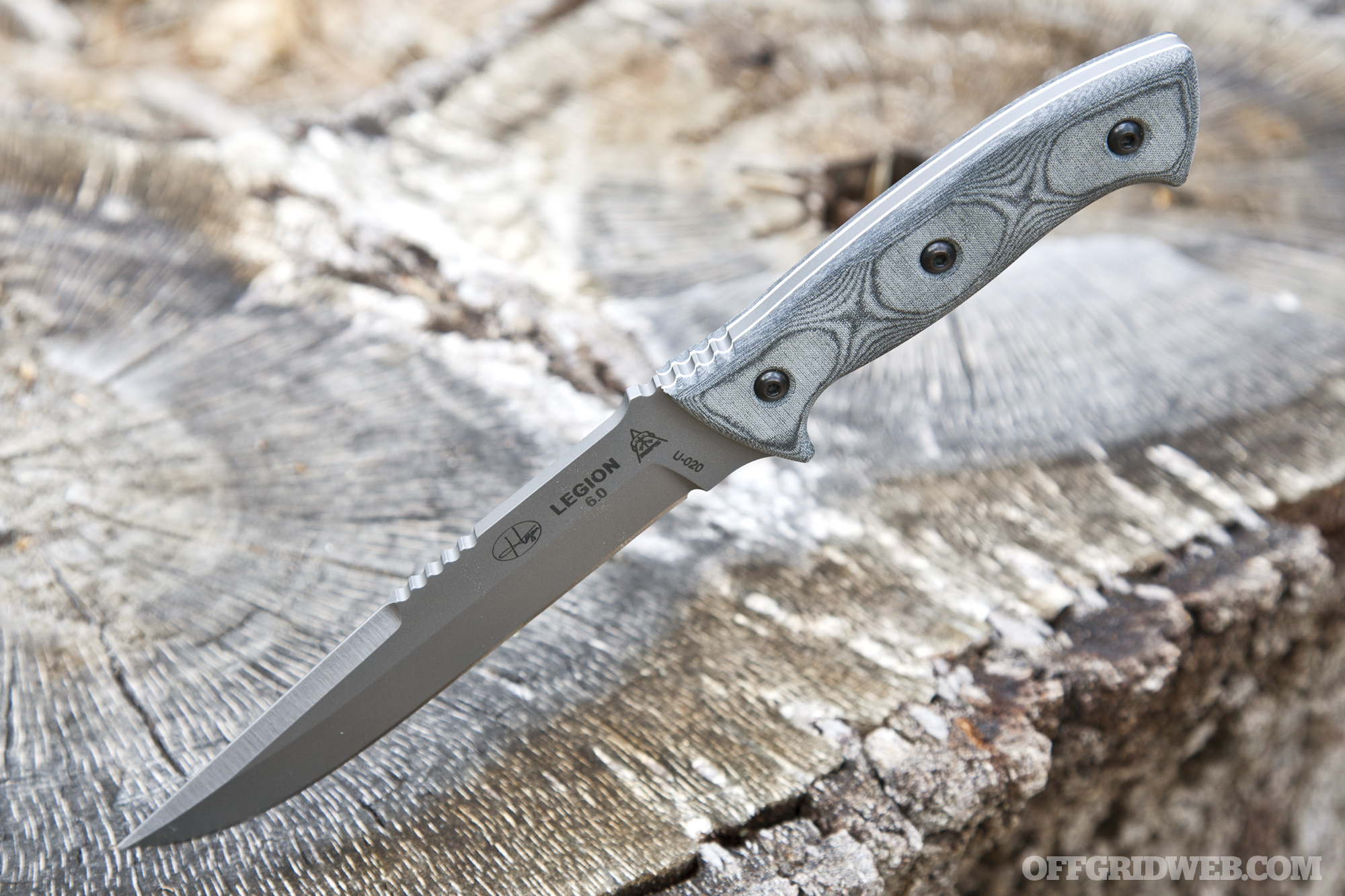
As with most TOPS Knives, the Hazen Legion 6.0 is formed from full-tang 1095 high-carbon steel with a 25-degree grind on each edge. The blade is also differential-heat-treated, meaning that the edge is hardened to 56-58 Rockwell while the spine is left softer to prevent breakage. This makes for an extremely tough and dependable survival blade, and also one that can be sharpened easily in the field. TOPS refers to their knives as tools, and 1095 steel is superb for this purpose—it’s not space-age tech, but it doesn’t need to be.
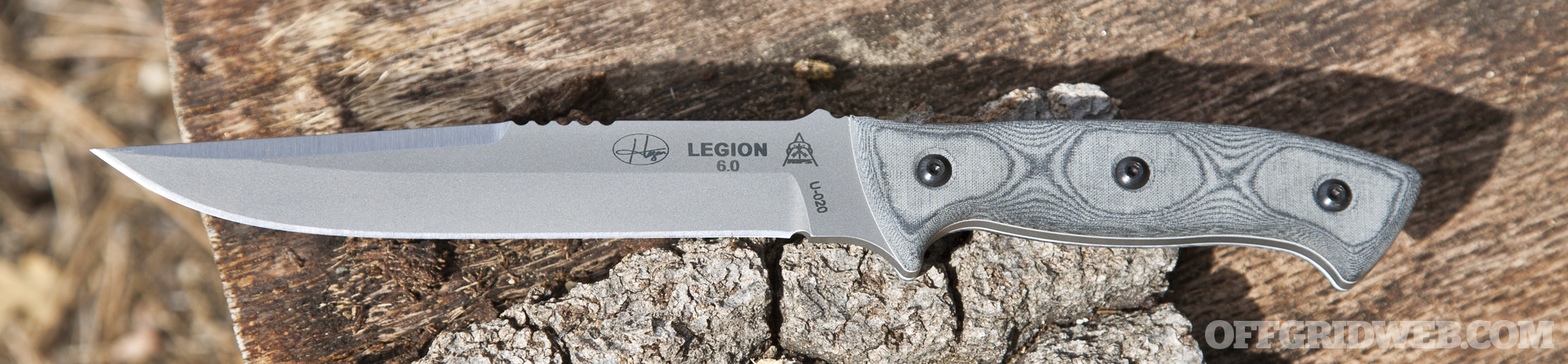
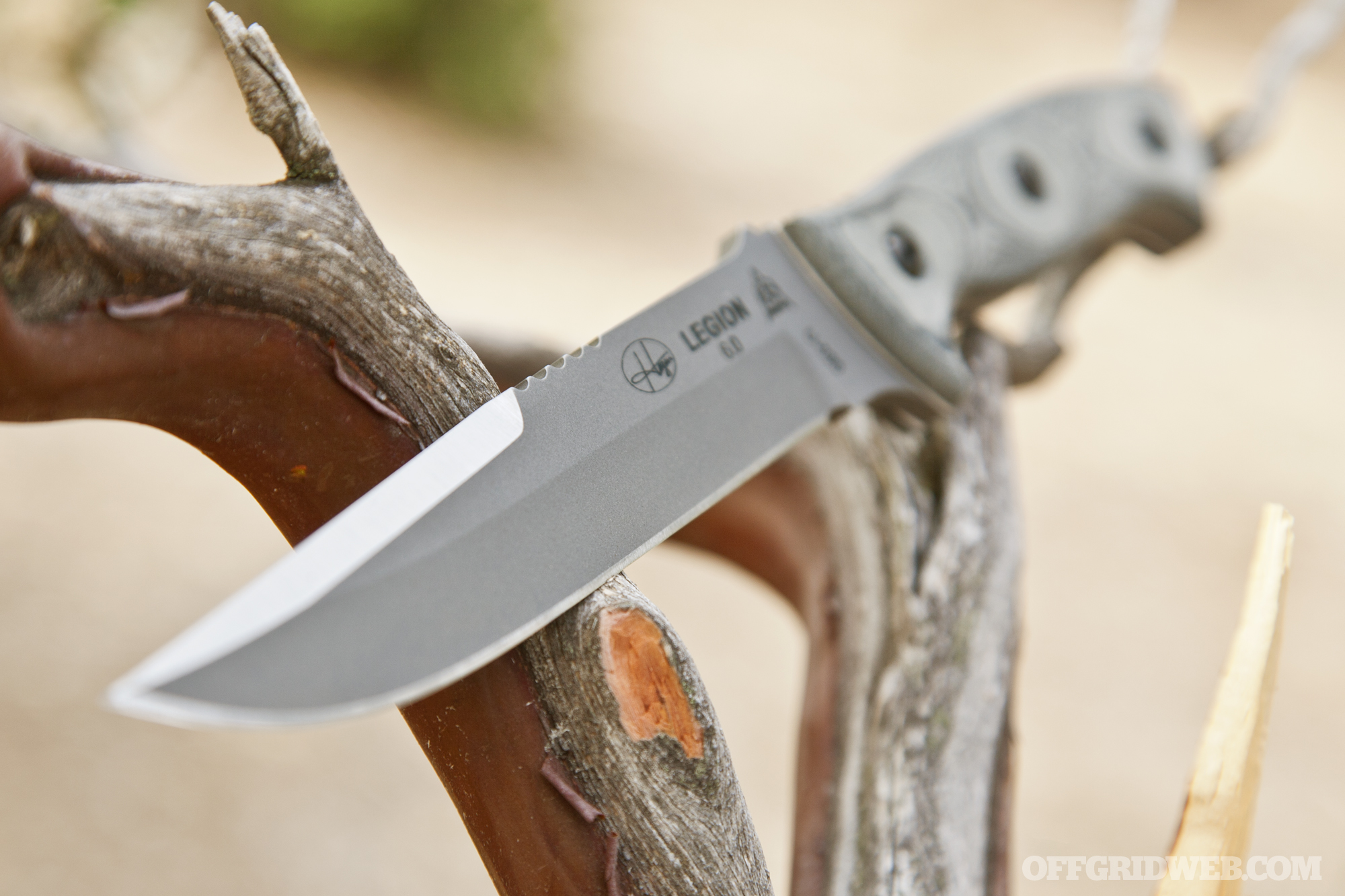
The Legion’s steel is finished in a subtle sandblasted matte grey. This knife isn’t overly flashy or aggressive-looking, but it certainly has a tasteful appeal that we can appreciate.
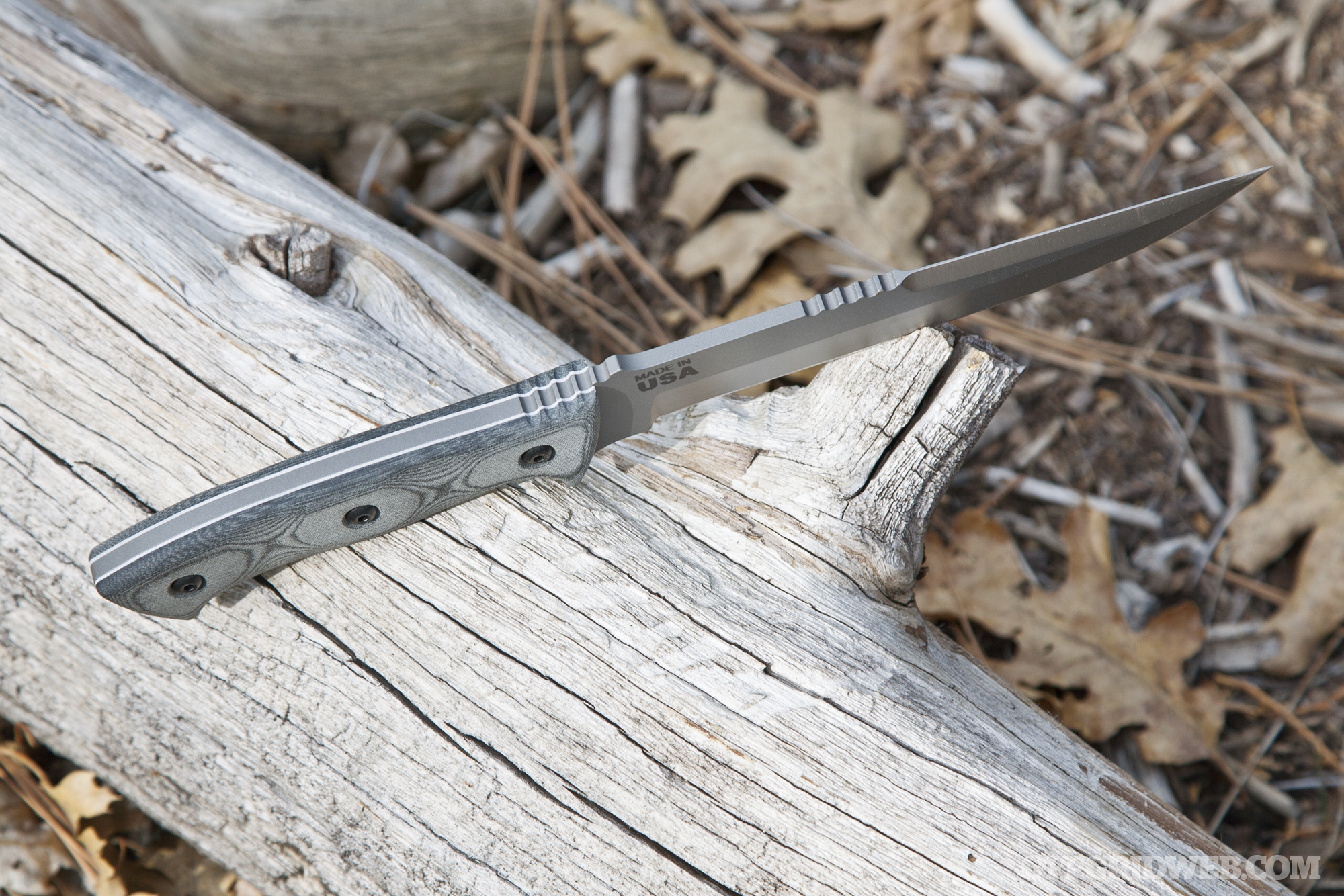
The thick full-tang steel features machined jimping along the top edge.
Despite its sleek design, the knife is a substantial 0.19 inches (4.8mm) thick. Paired with its 9.1oz weight, this reassures our impression that it’s made to take a beating.
TOPS states that the Legion is designed for combat, and the beveled Hunter’s Point shows this influence. There’s also ridged jimping on the top edge and a prominent bolster on the grip, ensuring this fixed blade stays controllable while piercing or slicing.
Similar to the TOPS Anaconda 7B we tested in the past, the handles on the TOPS Hazen Legion 6.0 are made of a material called black linen micarta. This composite material uses laminated sheets of linen in a thermosetting polymer, meaning it has the durability of hard plastic with the textured grip and moisture-absorbing properties of fabric. It’s hand-sanded to show off the layers, and has a subtle faded greenish-grey coloration.
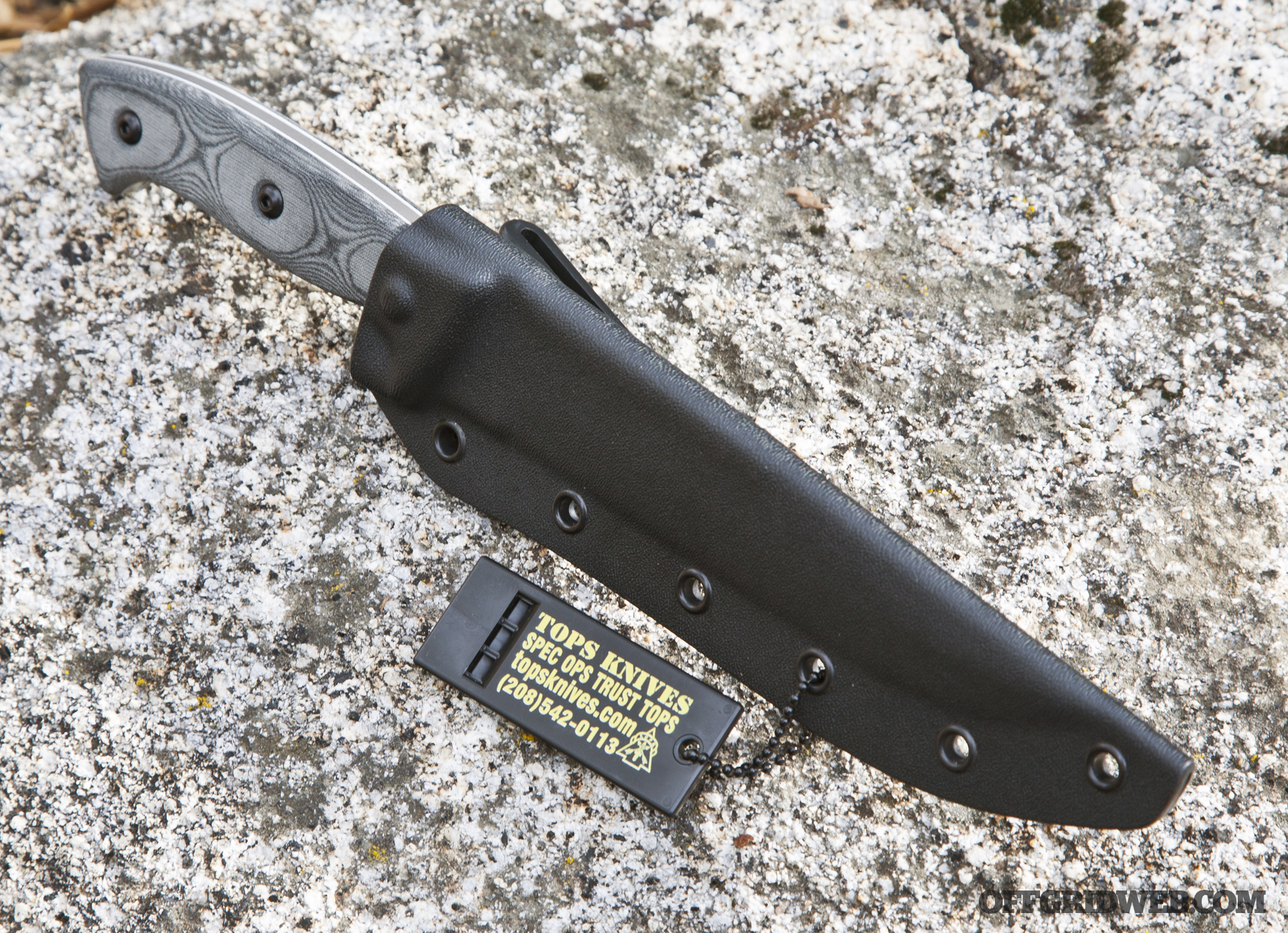
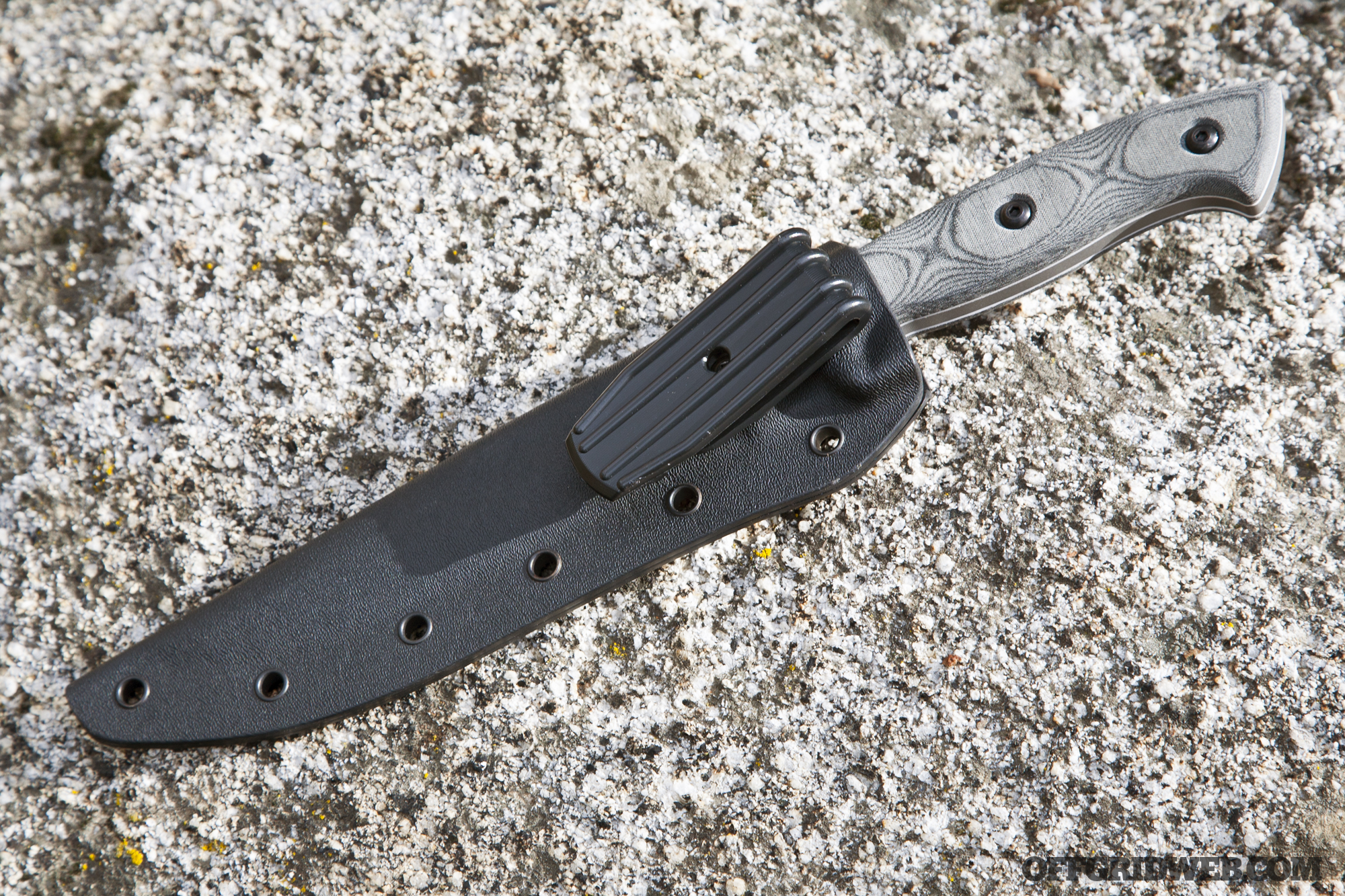
Other TOPS Knives we’ve used include nylon fabric sheaths (which, honestly, we’re not big fans of), but the Hazen Legion comes with a black Kydex sheath. We found that it provides a very secure fit, likely due to the fact that TOPS hand-molds the Kydex around each knife at their Idaho facility.
The sheath has a molded nylon belt clip, which rotates a full 360 degrees and will fit belts up to approximately 2.25″ wide. It also includes grommeted holes for adding a paracord wrap or strapping the sheath to your pack.
Finally, there’s a small TOPS-branded rescue whistle included, in case you need to signal for help at some point. It’s a nice freebie, but we promptly removed it from our sheath to eliminate rattling as we walked.
Our Impressions
From a visual standpoint, there’s no denying that this knife looks great. It’s a subtly modern twist on a classic combat knife design, without any fancy serrations, saw teeth, or other added features we wouldn’t use. The only purely stylistic flair added is some jimping along the spine’s midsection, which doesn’t really hurt anything if you ask us.
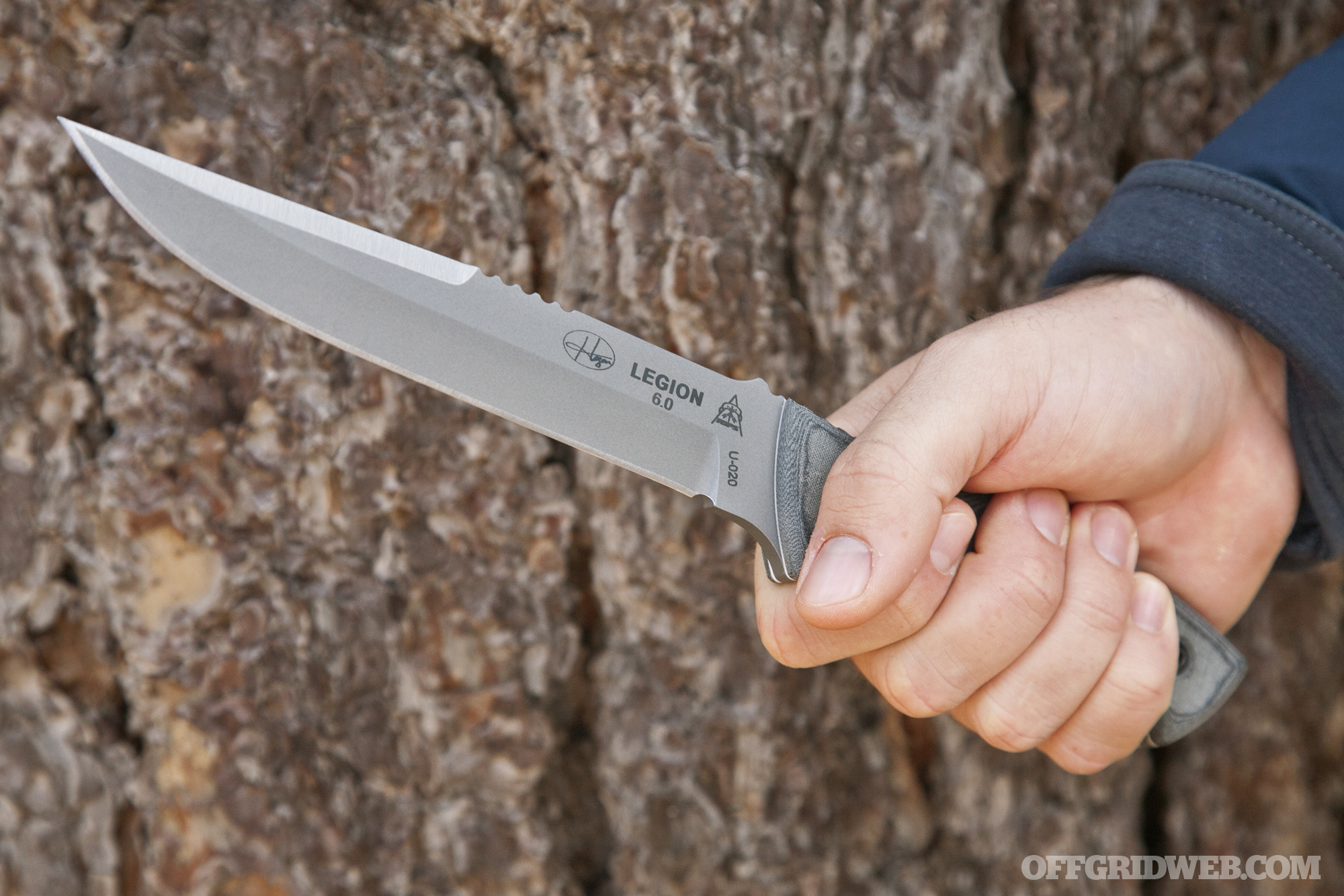
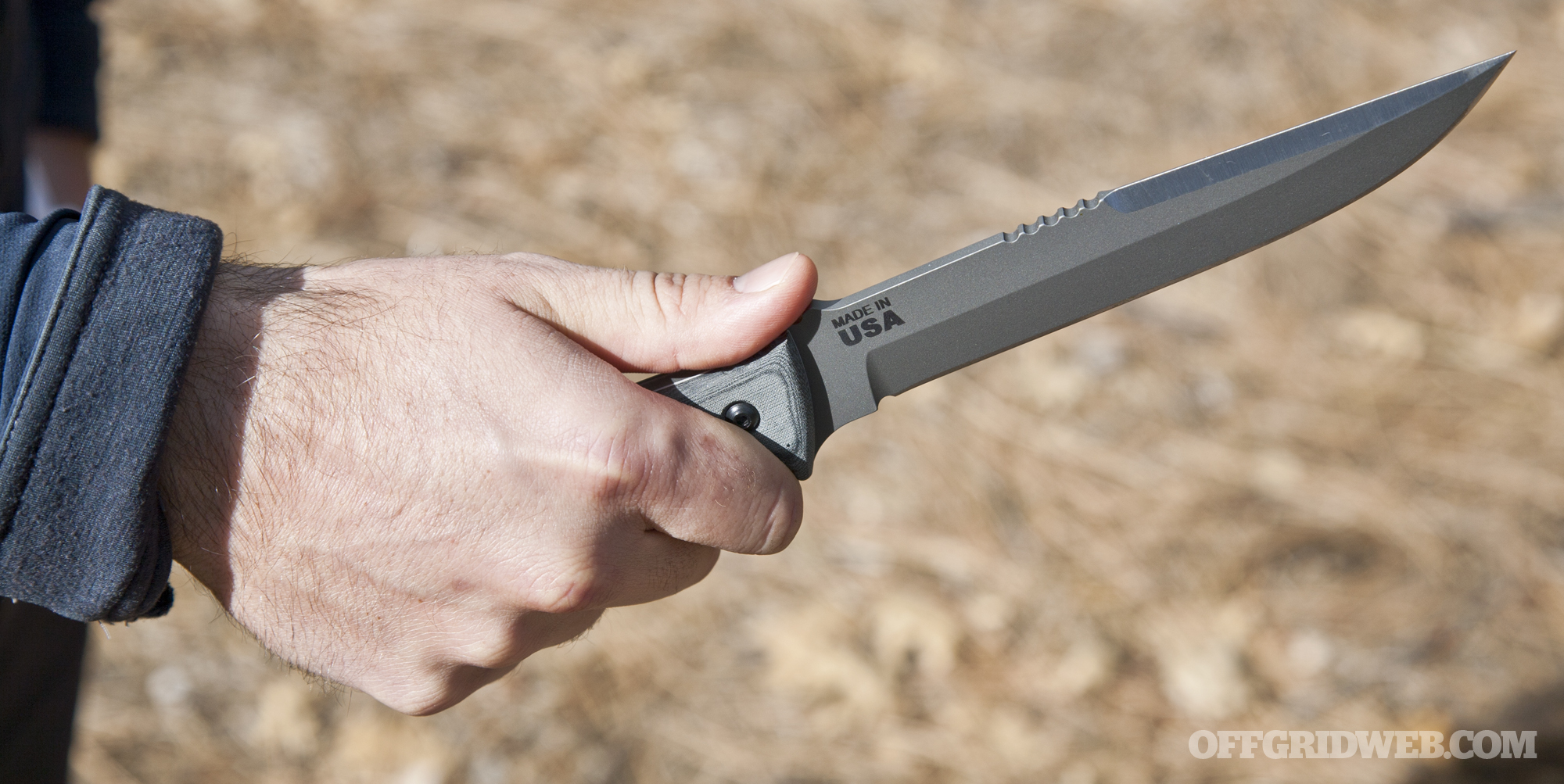
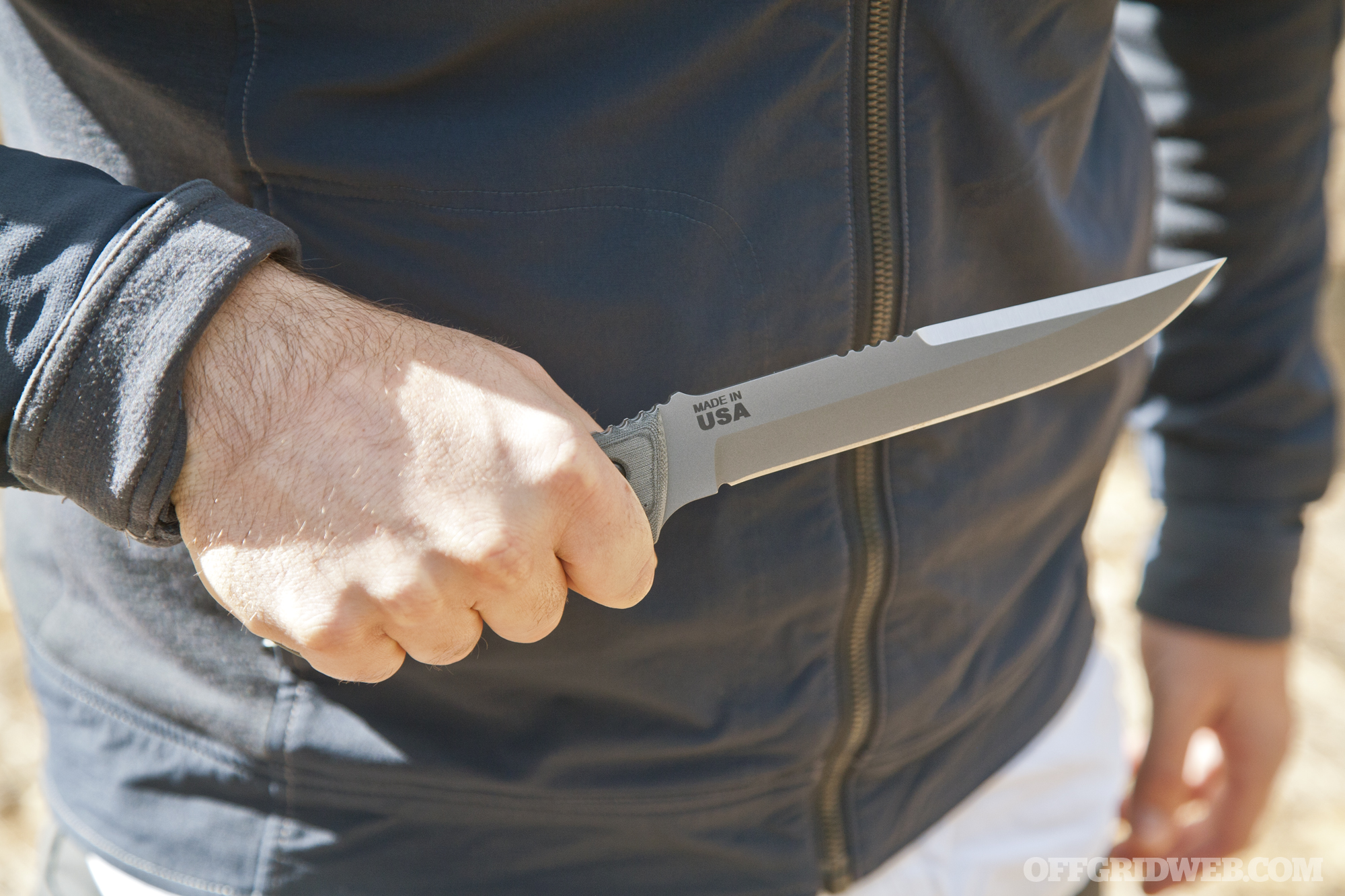
The Legion 6.0 is quite comfortable in hand, and is supremely balanced. This makes the knife effortless to manipulate, like an extension of your own arm. We will say that based on the overall proportions of the handle, we think it wouldn’t have hurt to make the blade about 1″ shorter—it’s just a hair more than we found ourselves needing. However, the added length could be handy for batoning firewood and other tasks.
We loved how the micarta scales absorb sweat without getting slippery—you can actually see the material darken as it absorbs moisture, and lighten as it dries out. Jimping on the thumb rest also gives a bit more leverage and grip for precise cuts.
The thick 1095 steel and moderately-obtuse 25-degree grind spell excellent durability for repeated use (although it makes ultra-precise cuts a little more difficult). Also, the Hunter’s Point shape lets it pierce even the hardest materials with ease.
Conclusions
To summarize, here’s a quick list of pros and cons we found after using the TOPS Hazen Legion 6.0:
Blade is slightly (0.5″ to 1″) longer than we felt necessary, and seems a little out of proportion with the handle size
1095 carbon steel may eventually develop cosmetic surface rust/oxidation under heavy use. We did not experience this, and TOPS says occasional oiling of the cutting edge can prevent it.
So, what’s the answer to the question posed earlier: does TOPS Knives make legitimate survival tools you can depend on?
Based on our experience with the Hazen Legion 6.0, the answer is an unequivocal yes. Some models in the TOPS lineup are certainly flashier, but this particular knife is a purpose-built blade that can stand up to the rigors of hard daily use—it’s the real deal, and certainly not just a show piece. We’d wager that anyone who says otherwise hasn’t actually used it.
Sure, it’s on the expensive side of the spectrum, but it’s a hand-finished, American-made, lifetime-warrantied blade. If you can afford a survival knife in this price range, we’d have no hesitation recommending the Hazen Legion 6.0.
For more information on TOPS Knives, visit TopsKnives.com.
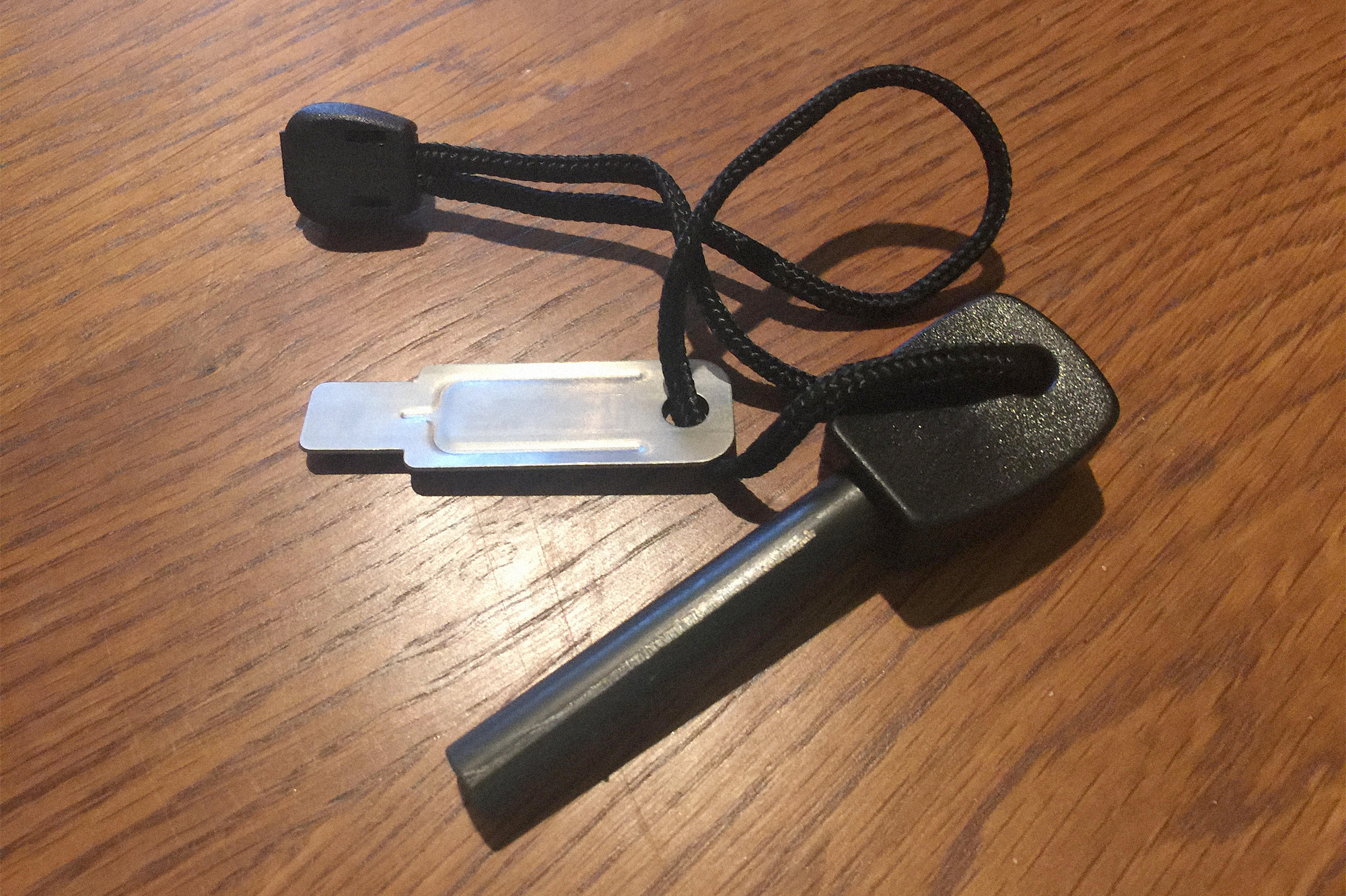
We’re often told by purported survival experts on TV and on the internet that the most reliable and dependable method for starting a fire in the wilderness is a ferro rod (also called a fire steel). On the surface, this claim makes sense—the ferrocerium rod and steel striker are compact, have no complex mechanical components to break, and can throw a nice big shower of sparks with ease. You can even strike a ferro rod against the back of some knives.
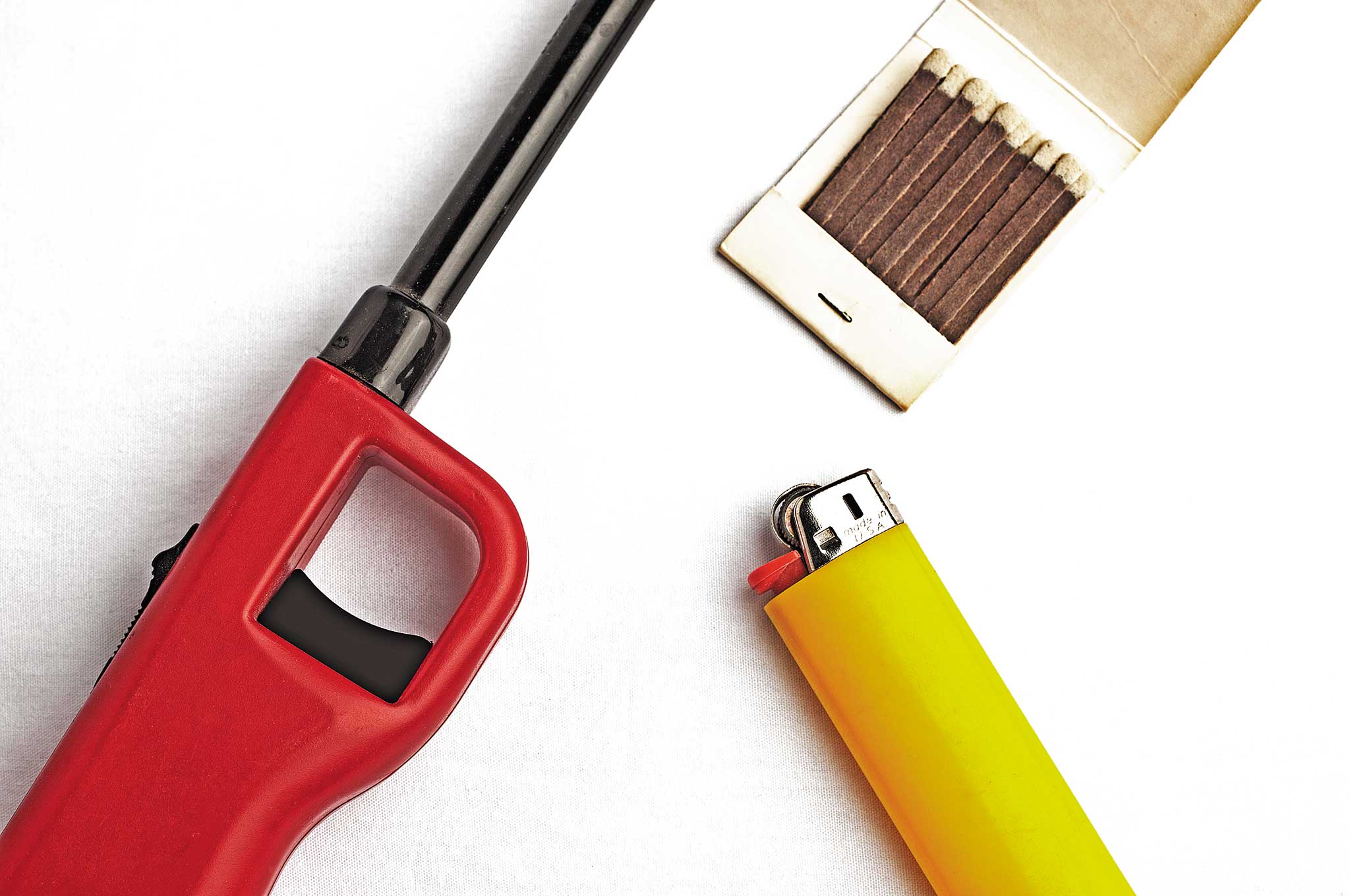
We have nothing against ferro rods, and know that they can serve as effective fire-starters. However, many people claim that there’s a superior survival fire-starting technology available: the lighter. You may think a lighter is unreliable or overly complicated compared to a ferro rod, but we’d encourage you not to jump to that conclusion just yet.
This 22-minute video from Weekend Wanderer on YouTube makes a pretty compelling case for using a lighter as your primary survival fire source:
If you don’t have time to watch the whole video, here are some key points:
Historically, we have progressed from striking rocks together, to striking flint against steel, to striking matches, to simply flicking on a lighter for an instant flame.
The invention of ferrocerium in 1903 made modern lighters possible. However, rather than using these modern lighters, many survivalists continue to stick with the older ferro rod tool.
The video host claims that “this seems like it’s going backwards technologically.”
The host also makes several comparisons of the effectiveness of lighters and ferro rods:
Tinder is generally more difficult to ignite with a shower of sparks than with an open flame. This means you’ll usually have to strike the ferro rod multiple times to get a fire going.
Ferro rods are typically heavier than plastic lighters.
Ferro rods require a sharp metal striker of some kind, and must be operated with two hands. Lighters are self-contained and can be ignited with one hand.
Lighters may be slightly more susceptible to moisture, but will usually work within seconds if shaken or blown dry.
Both ferro rods and lighters are marginally affected by cold weather.
Ferro rods are more expensive than plastic lighters, and can’t be purchased at any gas station or convenience store like lighters can.
Lighters can be purchased in any color you want, so you won’t lose them as easily.
While we don’t necessarily agree with everything the Weekend Warrior host says, we’d agree with his point that lighters can have considerable advantages over ferro rods in many cases. No matter what, your survival kit should include multiple fire-starters—regardless of which device is your first choice.
We want to know: what’s in your fire-starting kit, and which method is your favorite? Tell us your thoughts in the comments below.
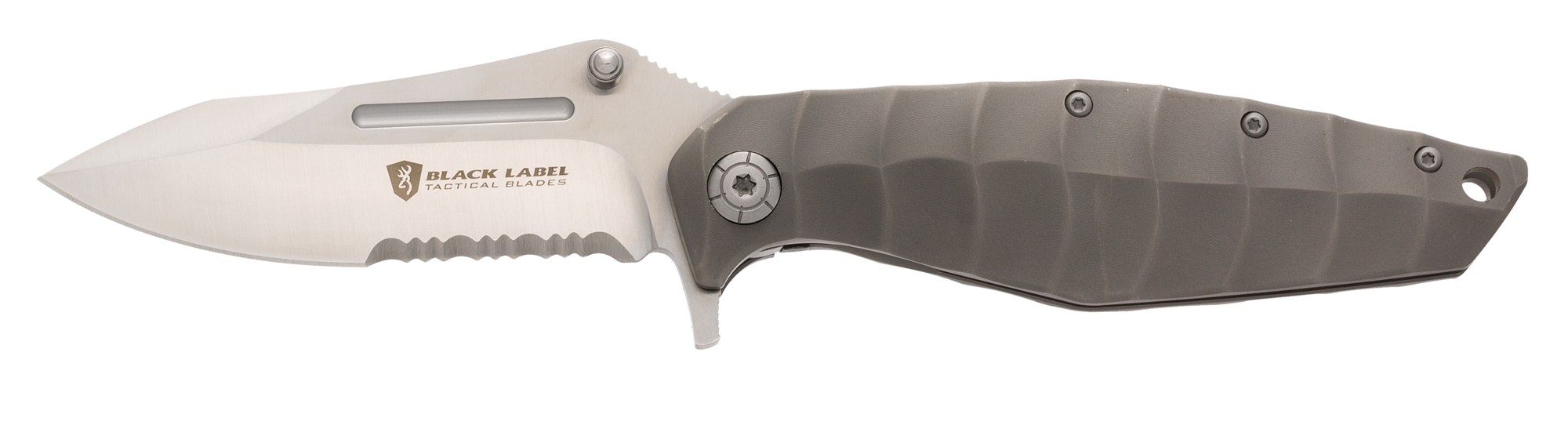
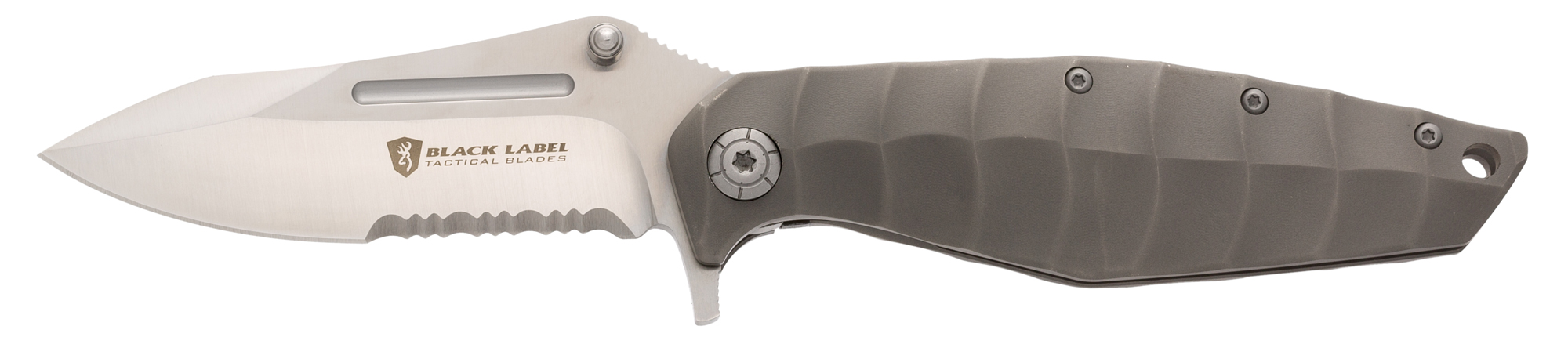
Browning has announced an all-new addition to their 2016 Black Label line of tactical knives, called the Stacked Deck. This folding knife features all the materials and features you’d expect on a high-end folding knife, along with the trusted Browning brand name and Buckmark logo.
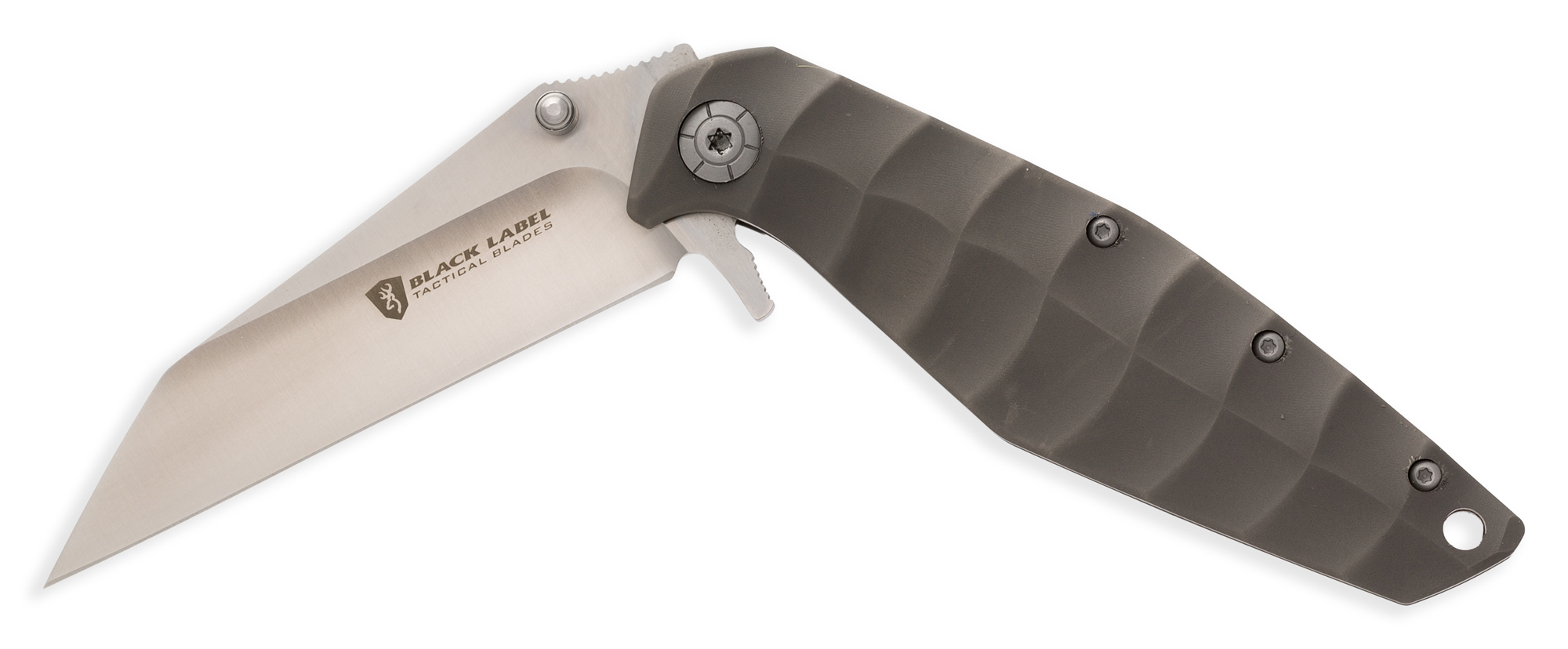
The Stacked Deck is available in two 3.5-inch blade variations: a partially-serrated modified spear point, or a non-serrated tactical wharncliffe. The spear point’s tapered tip excels at piercing, while the wharncliffe offers a completely straight edge for slicing like a surgical blade or box cutter.
The wharncliffe blade features a completely straight edge.
Both versions of the knife are constructed from VG-10 stainless steel—if you read our knife steel comparison guide, you’ll know that this steel includes added chromium for corrosion resistance and vanadium for toughness. It measures at a Rockwell hardness of 58-60, resulting in a strong and sharp edge.
The spear point design includes partial serrations for tougher cuts.
The Browning Stacked Deck also includes a flipper assisted-opening feature, as well as an ambidextrous thumb stud. A ball bearing pivot ensures the blade opens smoothly.
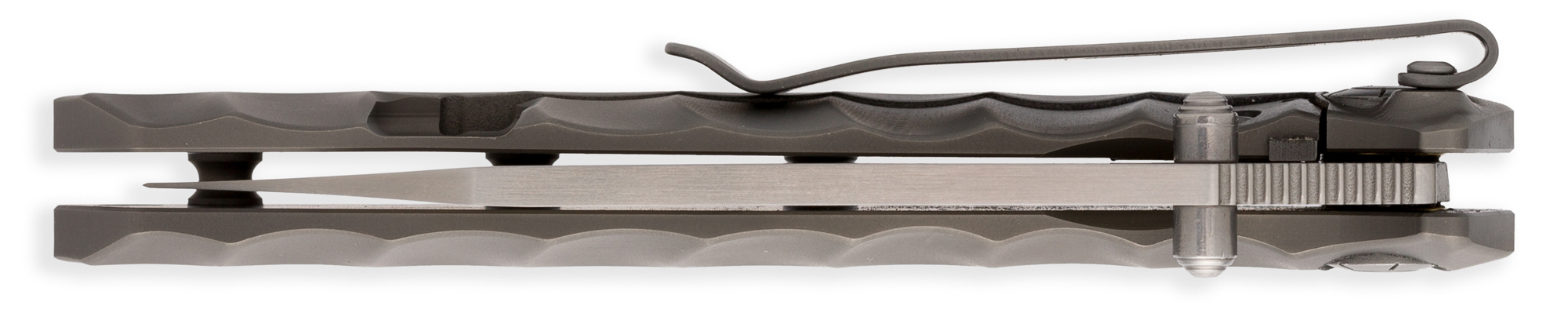
Matte-finish titanium was machined and sculpted to form the Stacked Deck’s handle, and it also forms the frame lock. The handle includes a pocket clip and lanyard hole for retention.
The Browning Stacked Deck is available at an MSRP of $180. For more information on this knife, visit Browning.com.
This article was originally published in Issue 2 of our magazine.
We all know that having instant access to a bright stream of light anytime you need it can not only be incredibly useful, but also in some situations, it can even be a potential lifesaver. Many of us may rely on a trusty flashlight that we’ve had for years to light up dark areas and some of us even lean on a flashlight app on our smart phones when in a pinch. While the reasons you’d want light in low- or no-light spaces are obvious, it isn’t always obvious that your all-important choice of light implement can end up tying up another crucial tool of yours, such as your hands.
If you’ve ever explored the crevices of your truck’s undercarriage or the dark corners of your basement, you’ve probably run into a situation where you find yourself biting down on a flashlight, precariously aiming its beam with your teeth while working with your two hands. You don’t need us to tell you that isn’t an ideal situation to be in. In a disaster scenario where you need both of your hands to get someone or even yourself out of danger, the need to have your hands freed up is multiplied exponentially.
In addition to handheld lights, hands-free lights should be a part of everyone’s disaster preparedness kit. The most common hands-free-style lights are ones that are worn on the head. Out of your hands and constantly pointed in the direction that you are looking, headband-mounted lights are great when you need to see what you are doing or where you are going while keeping your hands available for any job. Those aren’t the only options, however. Other lights that do not tie up your hands include glove- and baseball cap-mounted, as well as clip-on and magnetic lights.
Hands-free lights vary not only in method of attachment, but intended purpose, as well. Some are made with high-powered lamps that can penetrate deep into the darkness, while others are made to flood a large workspace. Since you may not always need the surface of the sun at the push of a button, some lights are made to dimly light up one’s personal space for reading or map navigation without the blinding effect. With so many options, we recommend not having only one type of hands-free light available to you. Let’s take a closer look at some of the different offerings that are currently out in the marketplace.
The more we think about it, the more we’ve realized hammocks are an excellent resource for survivalists. Hammocks are generally less expensive, lighter, faster to set up and tear down, and more concealable than tents. However, you’ll need the right knowledge to set up a hammock correctly. Unlike tents, that generally means tying knots.
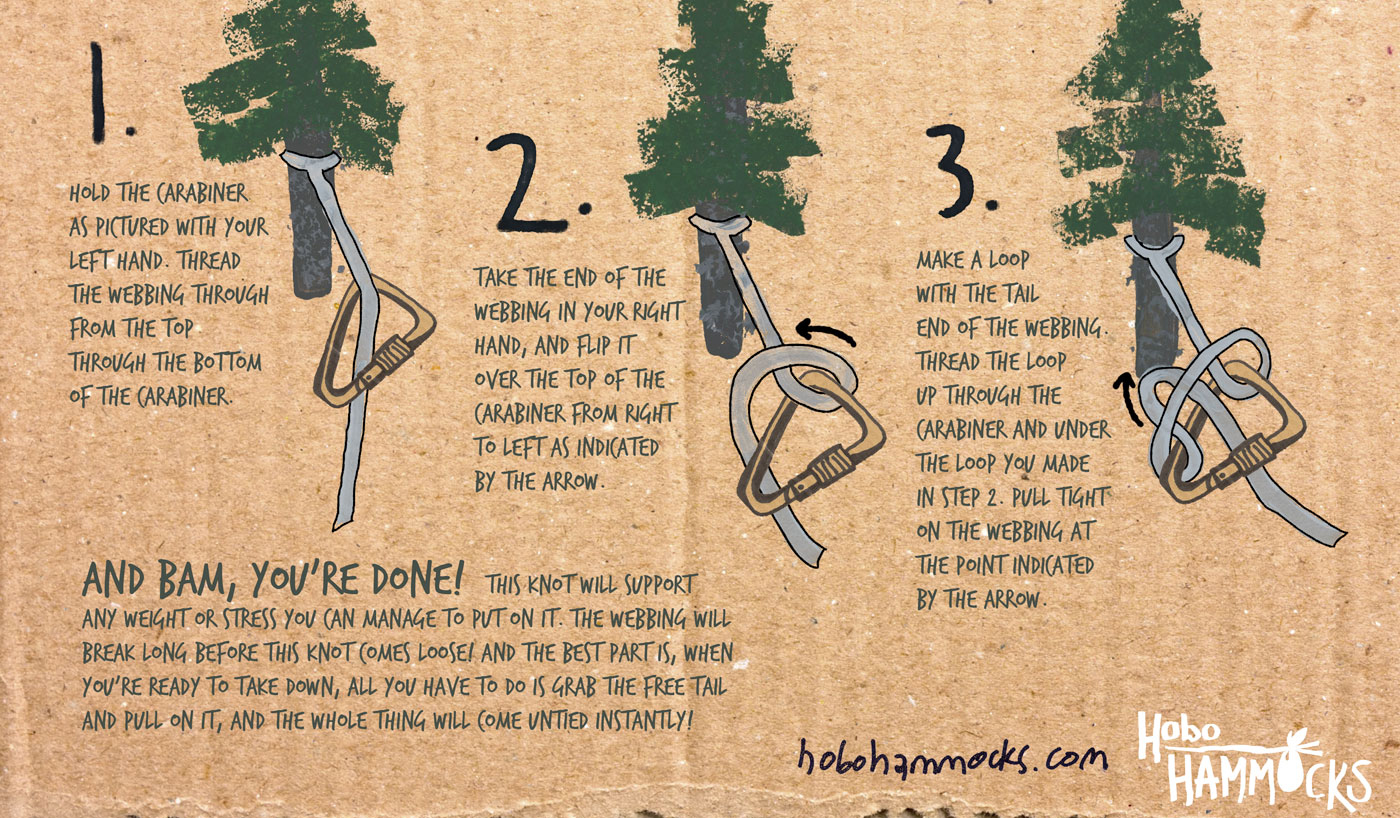
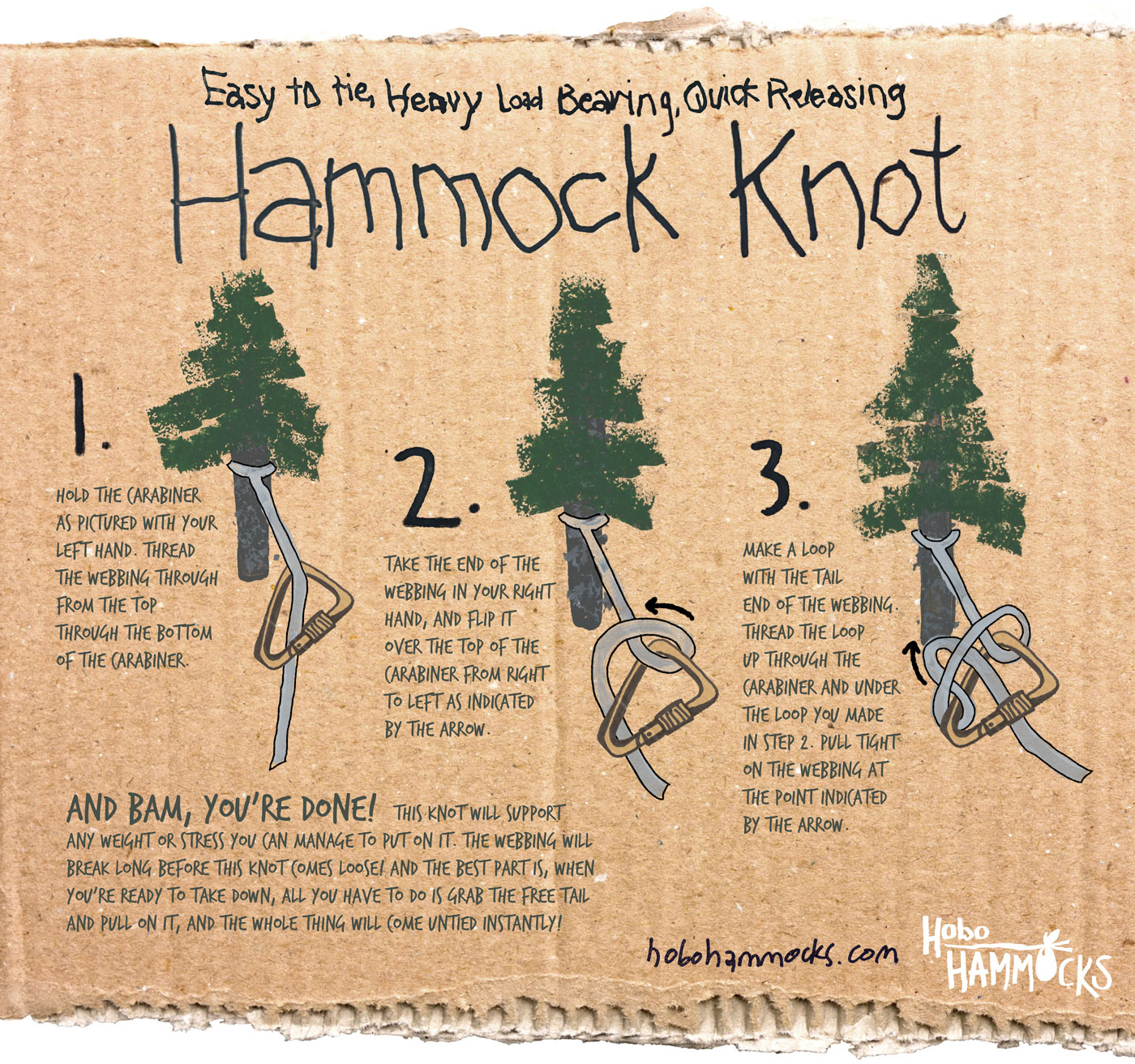
Luckily for us, the knots you need for a hammock aren’t that complicated, and you don’t need a Boy Scouts knot-tying merit badge to figure them out. In fact, Hobo Hammocks claims that there’s only one knot you’ll ever need to rig a hammock. They call it “the hammock knot”, but it’s basically a modified quick-release clove hitch.
Simple enough, right? As the infographic above states, all you need to do to tear down the hammock in the morning is pull the “tail”, and the knot instantly unties. Here’s a video that shows it in action:
In the video, they use the flat nylon strap supplied with most hammocks, but we tested it out with 550 paracord, and found that the technique works equally well.
Hobo Hammocks claims this “hammock knot” is the only one you need, but there’s one case when that’s not true. If you’re using regular rope or paracord instead of a pre-sewn nylon tree strap (like the ones included with many hammocks), you’ll need to know a fixed loop knot to secure your hammock line to a tree. We strongly suggest learning the bowline knot, since it’s easy to remember and extremely secure.
On a side note, we recently received a new Serac hammock to review for OFFGRIDweb. So, if you’re into hammock camping, keep an eye out for the results of our review in the future.
This article was originally published in Issue 2 of our magazine.
In a recent survey conducted by American Pet Products Association, studies have revealed that roughly 83 million dogs are owned in the United States. With numbers like that, it’s no surprise that pets have become an increasingly important extension of our families — and for some, their only family. The smiles they bring and the personalities they share have made them an integral and intimate part of the new family household and further studies reveal just how important they have become.
Further investigation by Kelton Research also reveals that there are blurred lines when it comes to dogs and children. Although humorous (and disconcerting at the same time) the studies show that many consider their dogs as equally important as their children. Needless to say, we can all understand the love of a pet, but even more powerful is the passing of one. While pets are often at the forefront of our minds during our daily routines, in many cases, they are an afterthought when it comes to emergency preparation.
Having a contingency plan that includes your pets is crucial to any pet owner, and it would be most beneficial to include them in any plan ahead of time. That said, be prepared to handle any canine emergencies by studying this buyer’s guide which was designed with your pets in mind.
From basic necessities like food and water, understanding the pedigree of your dog is crucial to determining the “hardiness zone” of your geographic area in order to truly understand what you’ll need. Take for instance, dogs with thicker coats (think Pomeranians and Chow Chows); even in the coldest of winters in a location such as Southern California, they do NOT need jackets. Whereas you may be cold, the thicker fur coats on dogs within these breeds acts like insulation to keep them warm. As a matter of fact, you can actually “overheat” the dog and potentially cause death or seizures, so again, understanding the conditions you might be facing because of different pedigrees will require different attention.
Another thing to keep in mind is that these products will help increase the chances of your pets surviving and sustaining, but you will also need to plan strategically if you need to leave your home in a crisis. In the event of major catastrophes, many will be forced to flee in search of shelter, but you have to keep in mind (and understand) that some shelters may not allow your pets inside. So plan in advance, stock up on the supplies you feel necessary for your pets, and have a game plan. You don’t want to have to plan that during the crisis itself, or even worse, after the crisis, when there will simply be no time or resources to be able to help your four-legged friend survive.
In addition to some of the topics we have discussed, as well as the many online resources you can peruse, you should also consider talking to your local veterinarian about pet needs in the event of an emergency. They can offer crucial advice on what supplies you should stock up on, as well as what unconventional methods you might be wise to use in treating a sick pet. The wealth of knowledge veterinarians have can truly be your best benefit when it comes to ascertaining the exact needs you’ll need to meet for your pet in the event of an emergency. In fact, you’d be surprised to find out what you can find in you cupboards to help treat a dog and in the end, the most powerful resource is knowledge, so by all means ask questions and do your research.
U.S. Dog Ownership Estimates
83.3 M- Number of owned dogs 47%- Percentage of households that own at least one dog 70%- Percentage of owners with one dog 20%- Percentage of owners with two dogs 10%- Percentage of owners with three or more dogs 1.47- Average number of owned dogs per household 20%- Percentage of owned dogs who were adopted from animal shelters $231- Average annual amount spent by dog owners on routine veterinary visits 83%- Percentage of owned dogs who are spayed or neutered Even- Proportion of male to female owned dogs
Source: 2013-2014 statistics, contact the American Pet Products Association Pet Owners Survey
Dog Survival Gear
There is plenty of gear on the market that can help you prepare and protect your dog from tough elements and unexpected events. Don’t let your canine buddy get left out of your preparation plans. A few standouts of some dog-specific kit are presented in this guide.
[buyersguide title=”You’ve Got Your Plans & Survival Essentials. What About Your Best Friend?” ids=”2930, 2931, 2932, 2933, 2934, 2935, 2936, 2937, 2938, 2939, 2940, 2941, 2942, 2943, 2944, 2945, 2946, 2947″]
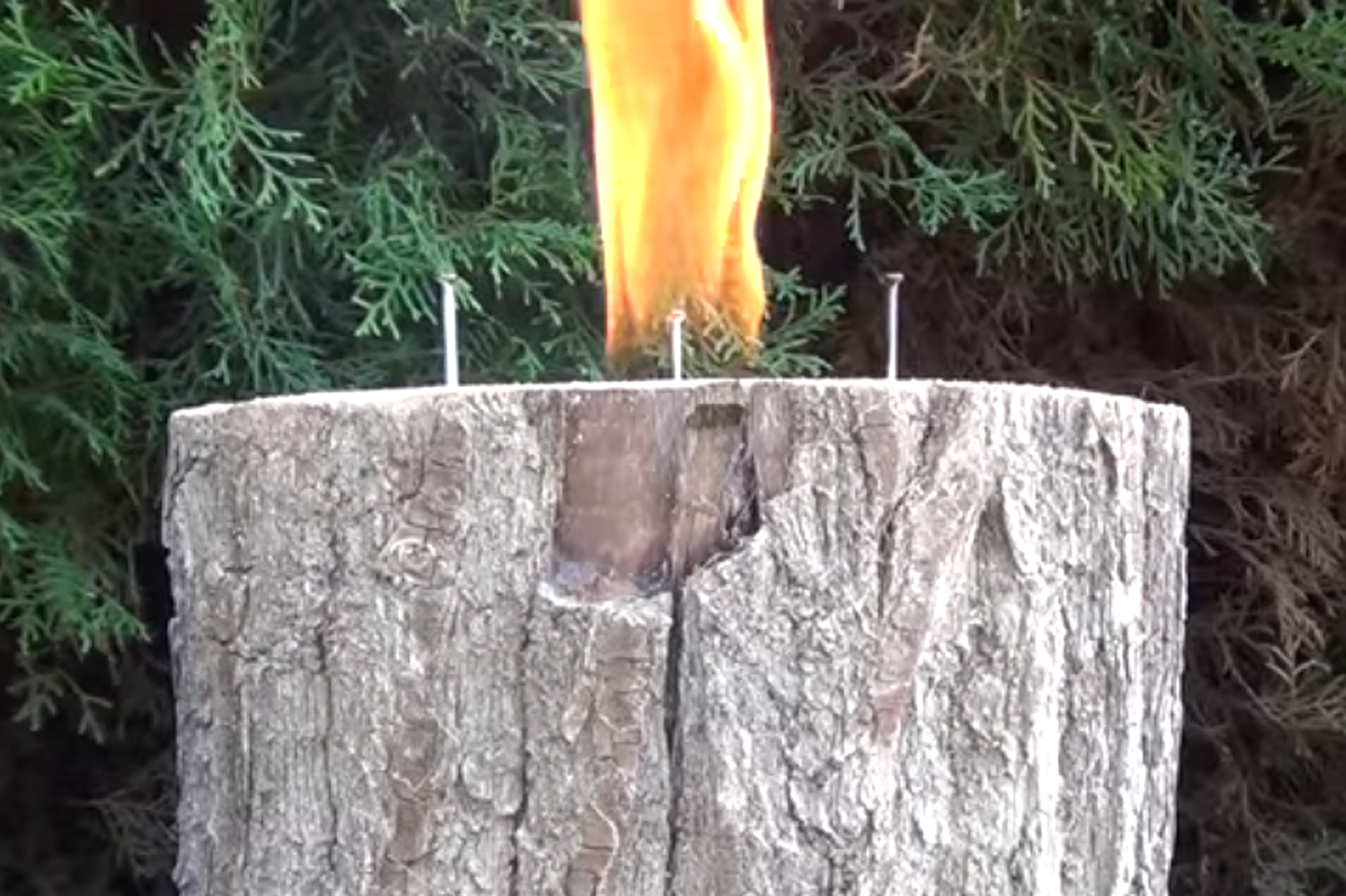
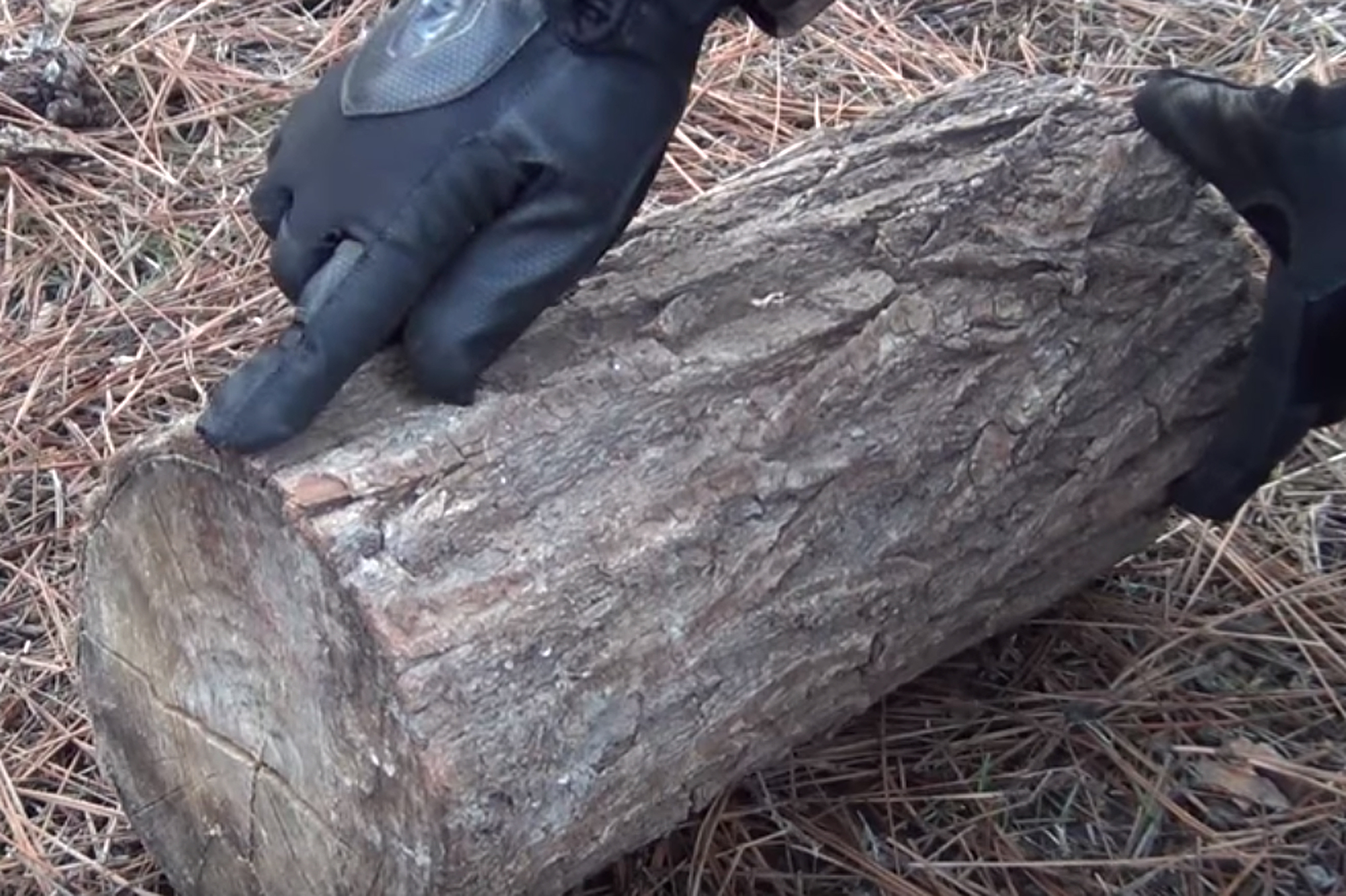
We’re always intrigued by the creative campfire techniques people come up with, especially those that create efficient flames and minimize wasted fuel. There are actually several methods for creating a fire from a single log—we already discussed the Swedish torch in a previous post. Today, we’re sharing a similar technique, known as a rocket stove.
A log that’s about 6 inches wide and 1 foot long will work well for this stove.
No, we’re not suggesting you try to cook with a model rocket engine. A so-called rocket stove uses a small-diameter combustion chamber with an insulated vertical chimney. This creates a narrow jet of flame, much like the one found at the business end of a rocket, hence the name.
When creating a rocket stove from a log, this means drilling into the center of the wood, both from the top and from one side. The L-shaped ventilation design feeds the fire with oxygen, and the log itself acts as fuel. This video from IntenseAngler shows how it’s done:
Of course, if you don’t have power tools, you may want to choose the Swedish torch. That design only requires an ax or knife to split the log into quarters. Nevertheless, this rocket stove design seems promising, and could be fun to try in your backyard or while car camping.
We especially like the point about throwing the rocket stove onto your campfire when you’re finished with it. Waste not, want not.
Warning! This article is meant to be an overview and not a detailed guide on identifying and consuming edible plants. Seek guidance from a trained botanist before attempting to eat any plants. Any attempt to consume plants shall solely be at the reader’s risk.
Hunting is an important survival skill, whether that is for live animals or wild edible plants. You could kill deer or wild boar with a rifle or bow, snag small game in snares, take down birds with a slingshot, or spear fish in streams. However, it’s equally important to incorporate edible plants, fruits, and vegetables into your survival diet—especially because you may not always be able to hunt successfully when your life depends on it.
Foraging for Wild Edible Plants
Few things are as rewarding as being able to identify a wild edible plant and harvesting it for consumption, but this skill is not without a level of risk. There are plants out there which look very similar to the edible versions, but can be fatally toxic. So, how can you start foraging for wild edible plants? Obviously, you don’t want to ingest anything poisonous, so you’ll need to know what to look for first. The infographic below from Ava’s Flowers provides some great information and illustrations to get you started.
If you’re interested in reading more on the subject, check out the other infographic we featured from Ava’s Flowers, called “The Devil’s Greenhouse“. It goes into more detail on toxic plants that you should avoid at all costs.