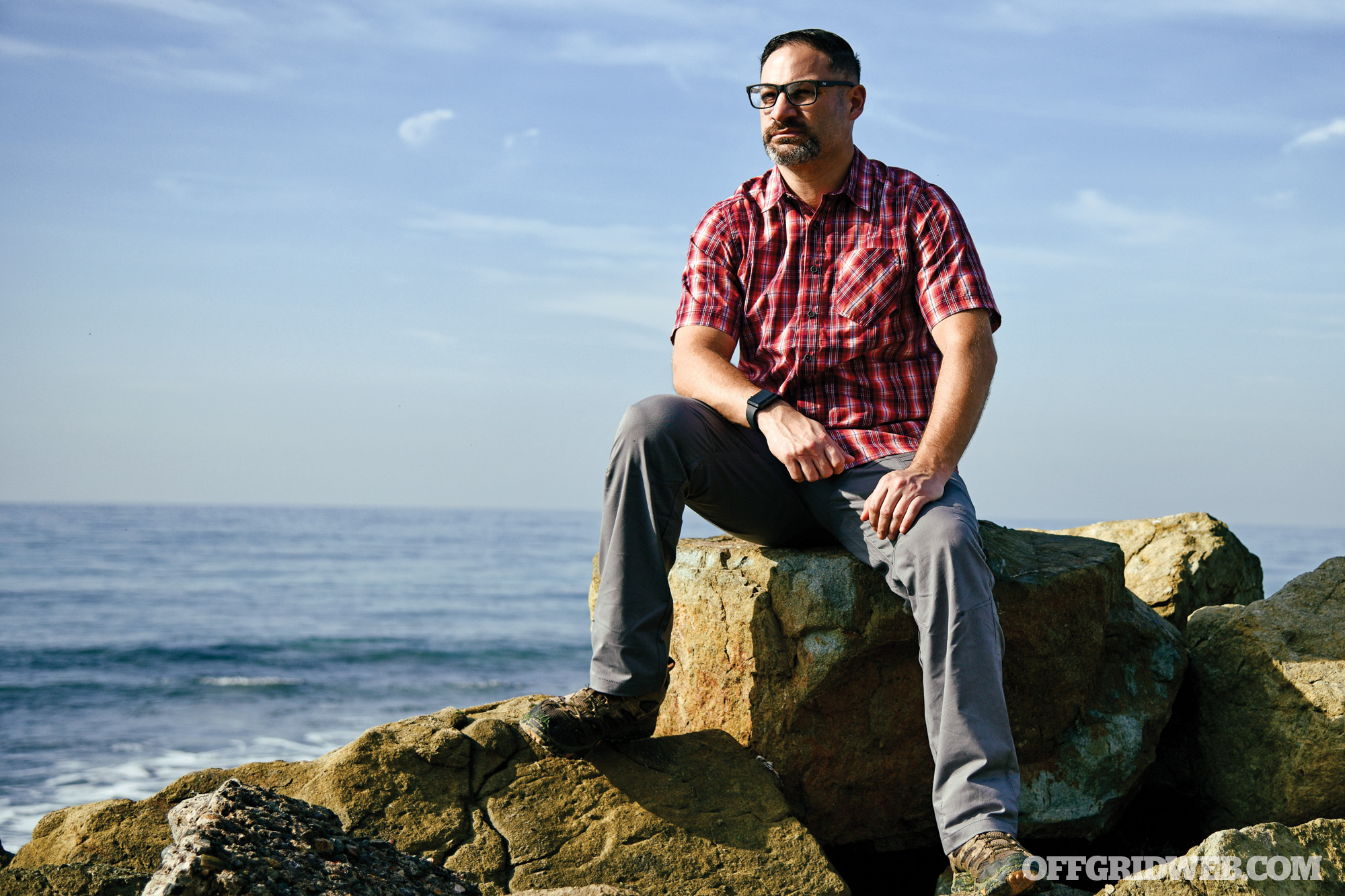
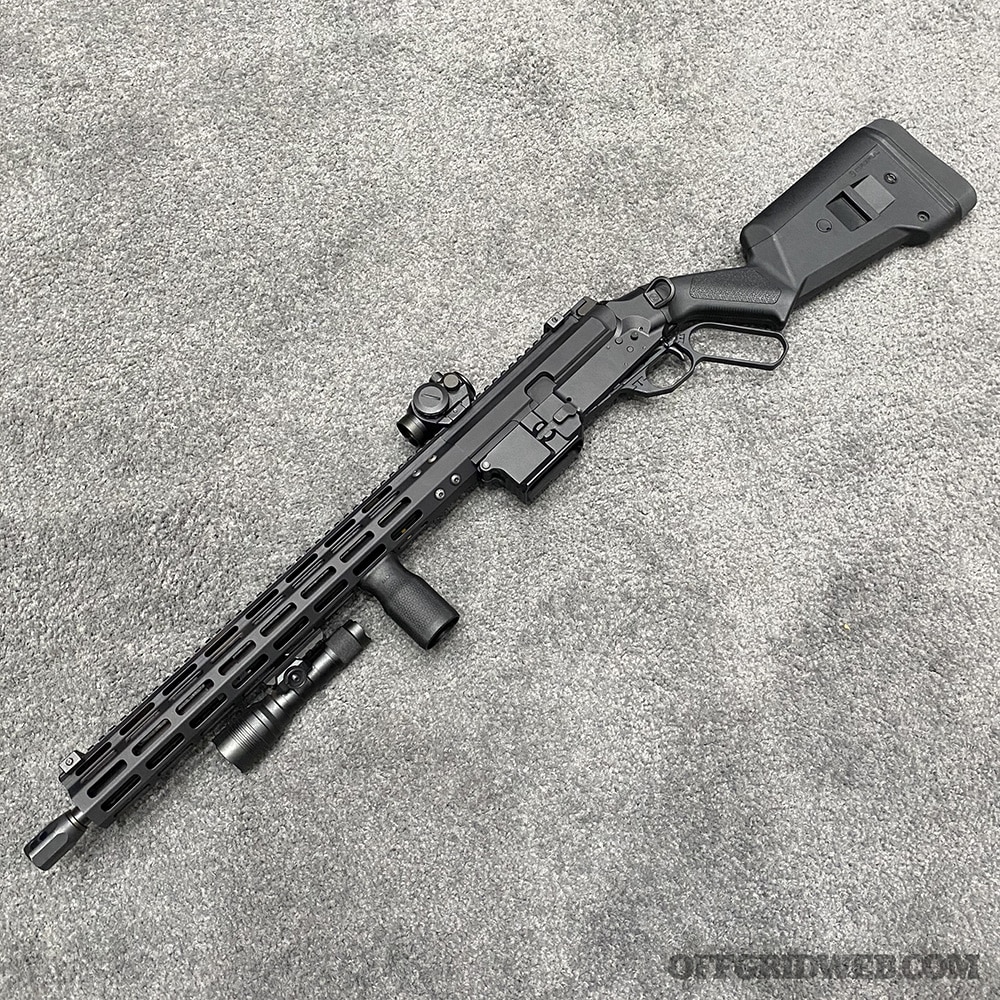
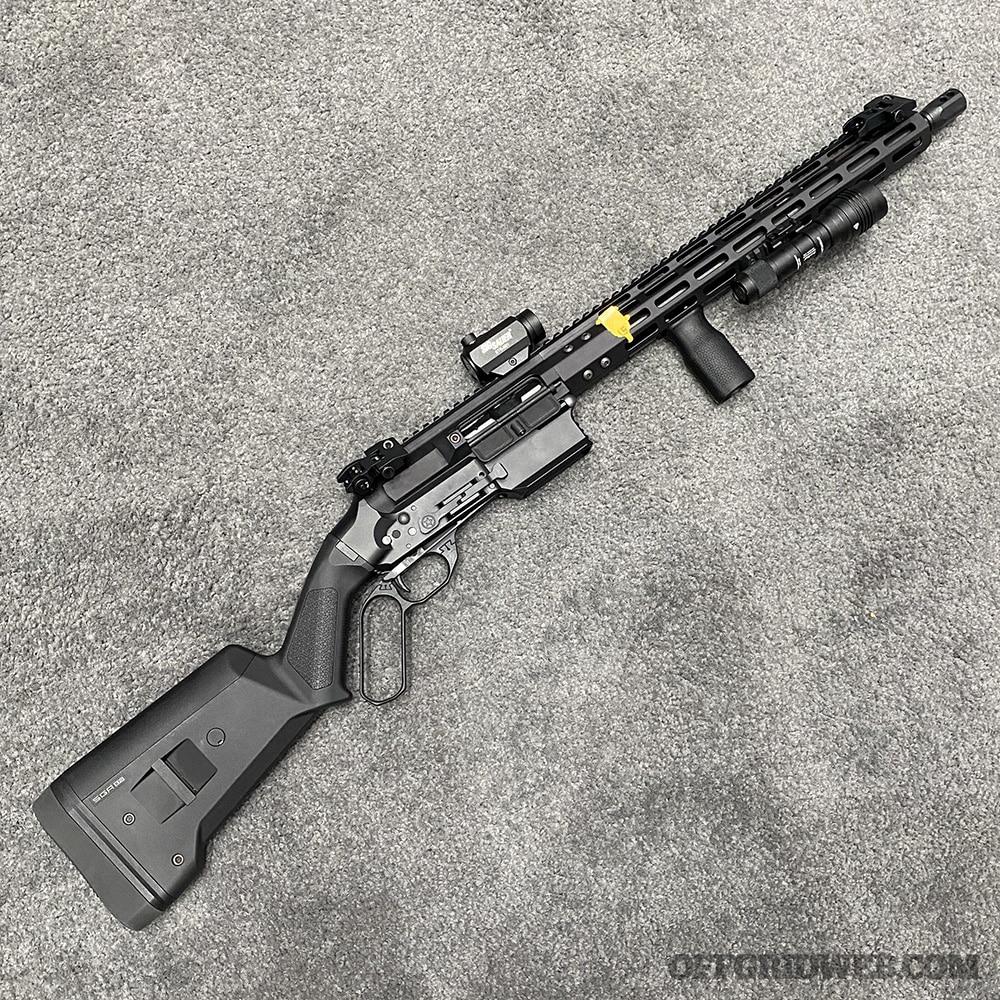
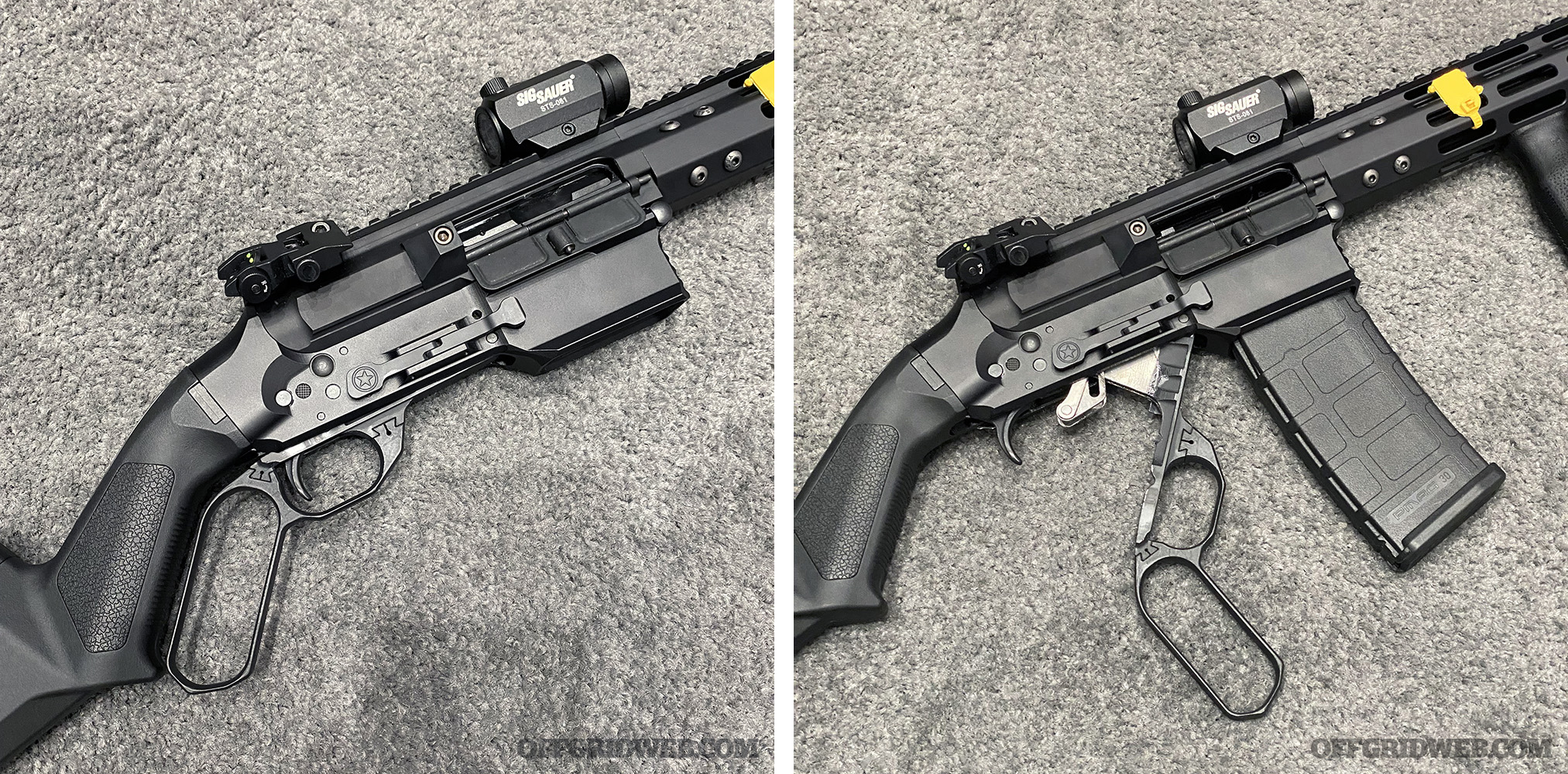
Letter from the Editor: Terror Turns 21

As you read this, babies born on or immediately after Sept. 11 will be old enough to have their first beer. Like most of you, I can still remember exactly where I was and what I was doing that day — and it certainly doesn’t feel like 21 years ago. In a bitterly ironic twist of timing, we’re also passing the one-year anniversary of the fall of the Afghan capital of Kabul to Taliban forces. Watching a decades-long campaign that cost close to 3,000 American lives crumble on live TV in a matter of days was a tough pill for many people to swallow — particularly those of us who spent a significant amount of time there, or who had loved ones killed or wounded. In the aftermath of such a shocking turn of events, the self-reflection that our politicians and mainstream media outlets are trying to avoid led us back to a singular question: Are we safer from terrorism now than we were on September 10, 2001?

The answer is going to be personal for each of us, but I cannot in good conscience say “yes.” When you combine this with the stark reality that many law enforcement agencies around the country have been gutted by attrition and restricted by policies resulting from the events of the last two years, we face an equally severe but more immediate question: Where does that leave you and your loved ones? It is this question on which our brand is built.

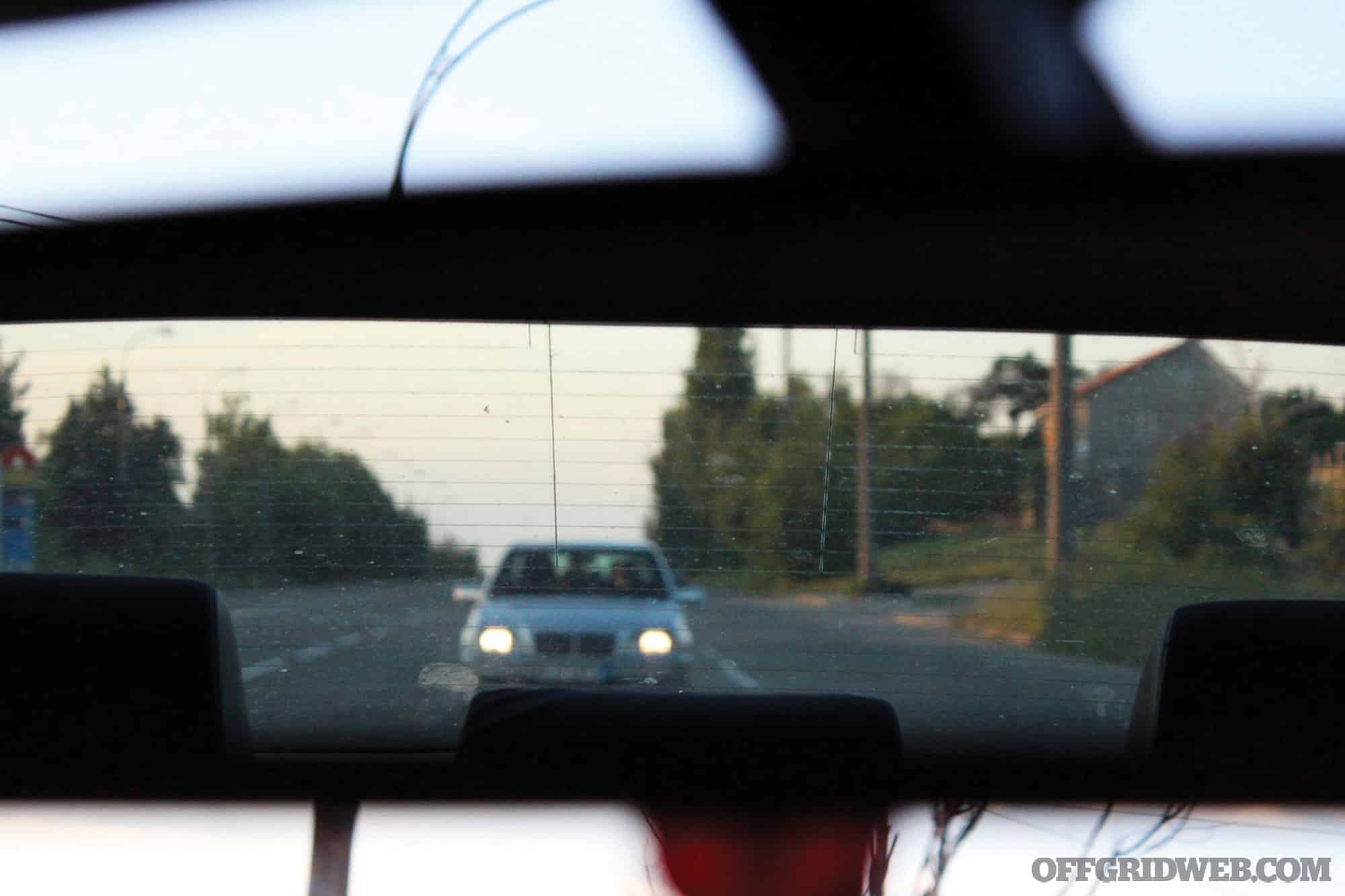
So, we decided to take this solemn anniversary time to focus on preparedness information regarding terror-related threats. While we hesitate to whip the dead horse of “no one is coming to help you,” police forces are now openly telling their citizenry that … well … no one is coming to help them. In the face of a violent radical threat (pick your flavor of perverse ideology) such as an active shooter, improvised explosive, or vehicle attack, you may be left to your own devices. Even with a best-case police response time of only a few minutes, it’s the first few minutes that often shape how you weather the rest of the event. This is part of why we feature not one, but two separate articles in this issue dedicated to behavioral profiling and its development. If you can see the behavioral cues of a malicious actor before they initiate their attack, you can be significantly ahead of the reaction curve.

Our Bag Drop column focuses on loading out a medical response bag. We’ve seen time and time again that, in any kind of mass casualty scenario, medical training and equipment is equally important to, if not more important than, firearms. But that’s not to say that the value of firearms should be ignored. In that vein, I’ve contributed an article based on my experiences at the Haley Strategic D5 Kalashnikov carbine course. Even if you don’t regularly shoot AK-pattern rifles, they’re prolific throughout the Global War on Terror, including among extremist elements here at home. It may behoove you to be familiar with their operation.

There are also two stories directly from the frontlines. First, Robert Young Pelton discusses the time he spent in post-Ghaddafi Libya and how drone warfare has shaped modern counterinsurgency practices. Another war correspondent and RECOIL OFFGRID alum, Hollie McKay found herself trapped in the middle of Afghanistan as the country disintegrated around her. Not only is this story a first-hand account of total collapse, but a testament to her resourcefulness and quick-thinking to not only escape unharmed but return several times after the U.S. government’s complete withdrawal.

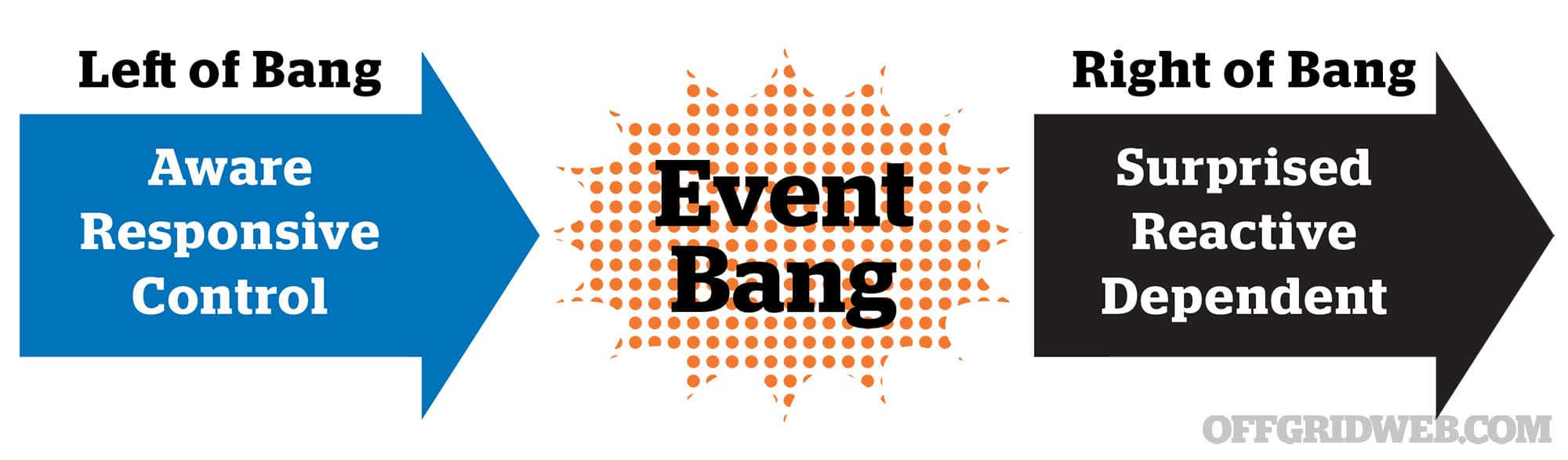
We hope that none of you ever wind up face-to-face with the consequences of terrorism. At the same time, we’d be foolish and reckless to not acknowledge its legitimacy as a potential threat to our everyday lives. Train regularly. Train seriously. Stay “Left of Bang” on the disaster time line.

Keep an eye on our Recoil Offgrid Issue 51 page for an up-to-date list of articles from this issue as they appear online.


Infographic: The Most Common Causes of Death

For those of us who take emergency preparedness seriously, it’s important to keep our preps grounded in reality. Granted, it’s always valuable to consider a wide variety of hypothetical “What If?” situations, even some that might be relatively rare. But we should still spend most of our time and energy preparing for the dangers that are most likely to impact us and our families. In other words, think less about alien invasions and more about common illnesses and injuries. The following infographic from Visual Capitalist shows how many people die each day around the world from a variety of causes — communicable diseases, chronic illnesses, accidental injuries, suicide, homicide, and many others.

Here’s another interesting graphic from the same Visual Capitalist article:

The total death counts above are skewed by population, but it’s mentioned that Russia has the highest death rate proportional to its population (34.7 daily deaths per million people).

So, what can we learn from all this? Unsurprisingly, heart disease is by far the most common cause of death. Cancer and respiratory diseases/infections are also serious threats. This should serve as motivation to take physical fitness seriously. Exercise and a healthy diet are perhaps some of the most overlooked steps towards preparedness — not only will you reduce your likelihood of death, but you’ll also enhance your quality of life.

Above: Physical fitness isn’t usually categorized as a “survival skill” but it’s certainly one of the most important.

Avoiding drug and alcohol abuse also reduces your risk factors for several of the primary causes of death, as well as liver disease and overdose. Secondary effects of drug and alcohol abuse are linked to other major causes of death such as road injuries (e.g. drunk driving) and homicide (e.g. gang activity and drug deals gone wrong).

Above: Car crashes and other road injuries are the most common injury-related cause of death.

Aside from living a healthy and active lifestyle, the injury category is especially interesting to examine. You probably already know that driving a car is the most dangerous activity most of us do on a daily basis, but you might be surprised to see that the statistics for suicide aren’t too far behind. Take your mental health seriously and check in on your friends and family members who might be struggling.

Drowning is another risk that’s frequently overlooked, whether it’s kids falling into swimming pools or adults getting carried out to sea by rip currents. Make sure your family members are comfortable around water from an early age, and be extremely cautious of flash floods if you’re hiking or off-roading.


Smooth Moves: The Full Spectrum Warrior Combat Mobility System

A lot of time is spent, in various forums and professional social settings, discussing when one should move with a firearm. But it seems not a ton of time is spent on discussing how to move with one. Sure, you hear things like “explosive movement off the X,” which roughly translates into “go fast in any direction.” This is one thing we feel the martial arts community does better than the firearms community — good martial arts instructors will explain everything in terms of leverage, force application, and body mechanics. Much of what we accept as conventional wisdom in the shooting world is anecdotal, or at least passed down anecdotally and accepted based on the pedigree of the source.

About Full Spectrum Warrior

Occasionally, you’ll come across trainers who are both skilled in firearms and possess a deep background in martial arts and/or strength training. Enter Full Spectrum Warrior, founded by former Navy SEAL Rich Graham. He offers a number of training courses in both firearms and combatives topics, but one of his flagship curricula is the Combat Mobility System. Coauthored with strength coach and martial arts trainer Greg Mihovich (read more about his unique story in RECOIL OFFGRID Issue 49), the Combat Mobility System approaches movement and body positioning from a kinesiological perspective, offering some unique methods of movement and positioning.

Last year, I had the chance to visit Full Spectrum Warrior and spend several days with both Rich and Greg reviewing the Combat Mobility methodology. It’d be impossible to capture the entirety of their three-day program in a single article, but I wanted to highlight a couple of the lessons I learned while working with FSW to learn the details of their Combat Mobility System.

Body Positioning

Above: Stability is key to shooting quickly and accurately in awkward positions. Actively engaging the feet and knees in “urban prone” with a pistol creates additional control for more effective shooting. 

Our review of the Combat Mobility System started with an in-depth discussion on various body positions. “Stance” is one of the seven fundamentals of marksmanship as taught by the military, and for good reason. If you think of your body as a platform or chassis that the gun is dropped into, having a mechanically sound body position is part of what enables you to make consistent hits and effectively manage recoil. Regardless of whether you’re standing, crouching, kneeling, or prone/supine, building a body position that’s stable and sustainable — in other words, you’re not fighting your own body to hold the position — is important for successful marksmanship.

We reviewed everything from baseline upright stance to sitting, kneeling, crouching, prone, urban prone, and supine, with an examination and discussion of how to engage your body in the shooting process. When shooting a pistol from the urban prone, Mihovich demonstrates bracing your forearms or elbows against the inside of your legs and hooking your feet together. This method, as opposed to simply laying on your side and extending your arms out, creates three additional points of contact (each arm against each leg, and feet locked) and allows you to engage your larger leg and pelvic muscles to help stabilize the pistol.

Above: Bracing off cover also contributes to stability while shooting and can provide a physical index for properly mounting barriers or obstacles.

Above: This image shows the shooter’s minimal exposure to target in the position shown in the previous image. 

In the context of combative or defensive shooting, it’s also important to give yourself the most stable platform possible while minimizing how much of your own body you expose to potential incoming or return fire. If possible, use cover or concealment barriers to create additional points of contact, and keep your body compact to minimize exposure. If it’s not possible to use a stable object or barrier, maximize the number of body-to-ground and body-to-body contact points to create stability.

This point also factors heavily into how you change positions. The best example I saw in class was moving from standing to prone. When I was still on active duty, I was instructed that the best way to transition from standing to prone was to “get as low as you can and kick your back legs out behind you to drop into the prone.” Like much misguided military instruction, this lesson was punctuated with the tough-guy cop-out “if it hurts, you’re doing it right!”

Above: Seated positions are inherently stable and can be adjusted to minimize how much of a target you present.

Fortunately, Full Spectrum Warrior has developed a more methodical approach. Instead of dropping all your mass down in the dirt in one uncomfortable, unsmooth, painful burst of motion, simply collapse your body’s natural anchor points into the ground from the feet up. First a knee, then a hip, then torso and upper triceps, then simply roll onto your elbows. Not only is this a safer, less injurious way to switch positions but if the situation changes rapidly, you could, theoretically, “pause” on any of those major anchor points (knee, hip, abdomen, triceps) to return fire or even just reassess the situation.

In the following sequence, Graham demonstrates his method for transition to prone, meant to reduce impact on the joints from dropping straight down:

Scanning

Alternately labeled as vital to maintaining situational awareness and absurd range theatrics, post-shoot scanning has been a long-time staple of defensive shooting instruction. I’ll leave the discussion about its viability for another time, but the Combat Mobility System does include it, and includes it in a way I’d not seen before. Most of the scans I’ve seen in the past focused on either simply turning your head to look left and right or, at most, twisting at the waist (with or without moving the gun, depending on who you talk to you) in order to turn your upper body 180 degrees to see behind you.

The CMS version goes, literally, a step further and focuses on moving the entire body from the feet up in a series of 90-degree facing movements. This solves a disconnect between the oft-touted maxim of “360-degree battlespace” and then simply pivoting your head left-right to scan your environment. Moving the entire body a quarter-turn at a time means that you always land in a full fighting/shooting stance, more able to react to unknown sudden-presentation threats.

The following sequence demonstrates the FSW strike-through drill, which drills using the pistol as an impact weapon to create space before shooting:

Graham and Mihovich encapsulated this concept in a drill involving a pivot-based scan that put you face-to-face with a wooden beam held at striking distance. The full-body step-pivot scan turns you into the beam, albeit in a full flush-to-target fighting stance. From this position, you can muzzle strike the beam out of your line-of-sight to engage a target further down range. In the photo sequences here, you see Mihovich demonstrate the drill from a 90-degree scan/pivot, while Graham does it at the end of a complete 180-degree turn. In the latter, you can see he faces each direction in a fully grounded combative stance.

The footwork took me a few reps to pick up, without just spinning around in a circle — a testament to my lack of athletic grace, more than anything else. But Graham broke the footwork down step-by-step after drawing an X in the sand and demonstrating the individual contact points for each foot. It’s laid out here for a 180-degree turn but can be followed through for a complete 360 scan.

The method pictured below breaks a 180-degree turn down into two 90-degree turns, meant to preserve the fighting/shooting stance throughout the turn in the event of unanticipated threats:

Here’s a footwork demonstration of the 180-degree turn technique:

Movement and Corners

With more and more conflict occurring in heavily urbanized areas, and structure clearance becoming more accepted as a part of citizen self-defense, movement and cornering have grown in popularity as topics of interest not just for armed professionals but for prepared citizens as well.

Movement drills in large pistol or carbine classes are typically restricted by a combination of range facility limitations (physical or administrative) and student safety in a group environment. What I see most often is isolation of either forward/rearward movement (walking straight up-range or down-range) and lateral movement, which typically focuses on a sideways shuffle step that brings the ankles together, then spreads them apart. Regardless, the principles of shooting while moving, and moving before or after shooting, are valuable ones to understand.

Above: In this demonstration, the upper body traverses toward a target while the hips and legs remain oriented in the direction of travel.

The Combat Mobility System doesn’t isolate movement drills based on direction. In fact, it uses drills that incorporate all directions of motion, including diagonal and even weaving around obstacles, while maintaining weapon orientation toward the target. This is preceded by a block of instruction on muzzle awareness and ready positions to ensure the student can move safely through mixed environments that include friendlies or bystanders. However, I’m going to focus on the mechanics of movement itself.

The previously discussed legacy techniques to teach movement all focus on keeping the entire body oriented toward the target. The CMS method stresses turning the lower body in the direction of motion, pivoting at the hips to change direction as naturally happens when moving unarmed, while independently turning the upper body toward the target. This creates steady, fluid movement and allows smooth flow around obstacles.

Above: Pieing or panning a corner by shifting weight on the legs or stretching the torso.

Once you introduce movement, in the context of moving through or around structures, you’re almost immediately presented the challenge of corners. Problem-solving corners is, arguably, the fundamental building block of CQB. One of the primary concerns about getting around a corner is balancing the need to get your muzzle and eyeball past the corner without over-exposing the rest of your body and presenting an easy target for potential threats. Because of this, body positioning and movement technique is incredibly important. The most common way I’ve seen this done is by planting the feet and then leaning out by extending the legs or torso just enough to get that muzzle/eyeball line past the corner.

Above: Hinging around a corner by compressing the stance and bending at the hips.

While this method is taught in the Combat Mobility System, Graham and Mihovich also propose an alternate method for getting your body past a corner, which they refer to as hinging. Instead of lengthening the legs or torso to move your body, hinging uses a bending motion with the hips and core. Graham explains that, executed properly, the movement should mimic that of a dead lift. Just as in a dead lift, hinging engages some of the strongest muscle groups in the hips and core to support the weight of the gun and supporting gear — armor, load-bearing equipment, etc.

Using a long plank or PVC pipe gives a visual representation of your bore line in relation to a corner or obstacle:

The instructors drove the importance of fine-tuning body position with a drill that uses a length of PVC pipe (thin wood beams, planks, or dowels are acceptable substitutes). The idea is to hold the pipe as you would hold a gun, thus offering an extended “line of sight” for your barrel and eye. Bracing the middle of the pipe on the corner itself allows you to fine-tune your movement — whether you lean or hinge — to get your muzzle past the corner without over-exposing the rest of your body. We found this drill particularly useful for creating a tangible, visual representation of your body position and sight line in relation to the corner itself.

Conclusion

At the end of my time with Full Spectrum Warrior, I came away with a better appreciation for how the human body moves and some new variations on shooting techniques I thought I’d figured out years ago. If you’re unable to make the trip to central Florida to train with FSW in person, they also offer the entire Combat Mobility curriculum as an “online university” you can subscribe to. Their extensive series of videos breaks the whole system down by individual topic, allowing you to study and rehearse the movements at your own pace in the comfort of your own home.
Either way, we suggest checking out Full Spectrum Warrior in person or online and opening your mind to new possibilities of armed movement with their Combat Mobility System.

Full Spectrum Warrior > www.fullspectrumwarriors.com


Pocket Preps: Brass Knuckles / Knucks

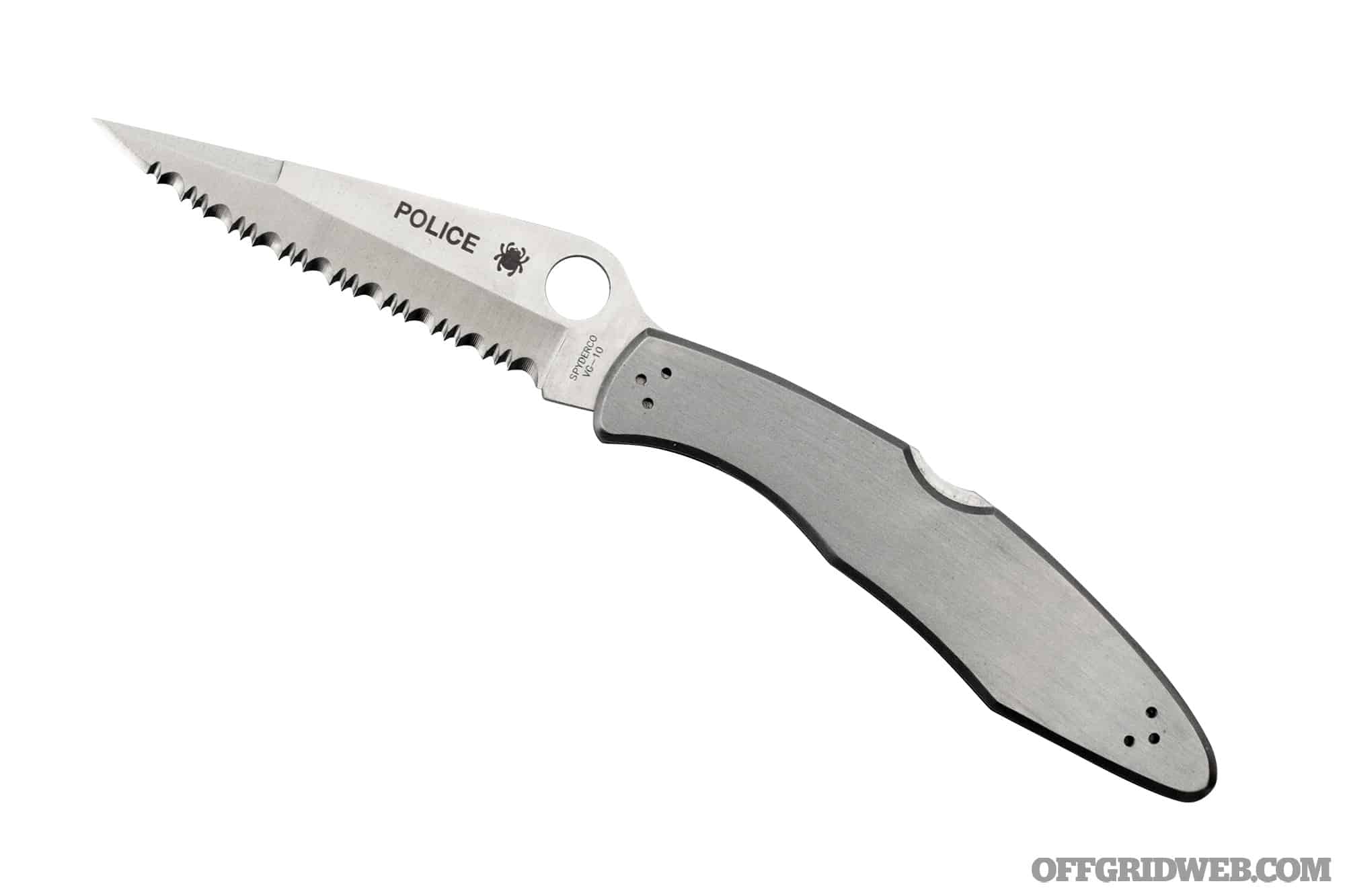
Call them what you want — brass knuckles, knucks, knuckle dusters, brass paper weights, and so on. You know what they are when you see them. They make for a small, easily concealable close-quarters impact weapon, particularly the ones we’re going to look at. Commonly and incorrectly, they’re often portrayed as the weapons of thugs or bad guys or someone who doesn’t fight fair. At one time, knuckles were commonly found in general stores and department stores. Buying a set and carrying them was about as commonplace as a pocket knife.

Abraham Lincoln’s bodyguard was known to carry a set. Many more went off to war with our soldiers, sailors, and Marines well into the 20th century. Yet, that’s when we saw a change. During the moral panic concerning switchblade knives in the 1960s, knuckles were thrown into this category, too. You’ll see no news reports from that time about people going on rampages with a set of knuckles, pummeling anyone who got in their way, yet they were unjustly lumped into a category of deadly weapons.

As a result, most collectors and manufacturers went underground. All you need to do is leaf through a copy of David Grant’s History of Knuckle Dusters, published in 2007, and see most of the manufacturers and collectors listed as “anonymous.” Fortunately, many states have gradually reworked their weapon laws to decriminalize switchblades and other knives. Brass knuckles are often removed from the statutes, too, so they aren’t as illegal in the United States as they used to be.

They make fine paperweights, some have additional tools built into them, and they can act as a discreet force multiplier if you need to defend yourself. As with anything else, check your state and local laws before you start carrying a set.

Bawidamann Dough Boy DB-1 Brass Knuckles

OAL:
2.5 inches

Width:
1.5 inches

Material:
Brass

Weight:
4 ounces

MSRP
$85

URL
bawidamann.com

Notes:
The Bawidamann Dough Boy DB-1 resembles a single knuckle cut from the handle of an M1918 Mk1 Trench Knife. It’s small enough to stow in a pocket for unobtrusive everyday carry yet adds plenty of punching power if you feel you need it. This knuckle is investment cast in pure brass and sandblasted for an antique kind of old-world finish. The tip has a nice point to aid in punching, and there’s a lanyard hole, should you wish to attach a lanyard.

Pros:

  • Investment cast in solid brass
  • Plenty of room for even the biggest finger in this one
  • The sand-blasted finish imparts a good feel in the fist.

Cons:

  • A bit too spacious around the finger. This might be an issue for folks with smaller fingers.
  • For a single knuckle, it’s a bit on the heavier side. That’s not a bad thing for its intended usage but definitely something to keep in mind for EDC use.

BT Customs The Tool

OAL:
1.75 inches

Width:
2.25 inches

Material:
Aluminum

Weight:
0.75 ounce

MSRP
$90

URL
everythingbtcustoms.com

Notes:
The BT Customs Rook is a lightweight and attractive two-knuckle set that includes a lanyard and bead. Two bottle openers are incorporated into the base making it a sort of combat multi-tool. Crafted from aluminum, this set is on the lighter side without being too light. The anodized finish is reminiscent of Timascus or Damascus steel. Bennet Tool makes a lot of unique products for the vaping industry and firearms industry, so you’re not skimping on quality with a set like this.

Pros:

  • The lanyard and bead make it easy to retrieve from the pocket in a hurry.
  • Finger holes seem perfectly sized for even the largest of fingers.
  • The bottle openers work well. You’ll be a hit at the next party if there’s a case of cold ones involved.

Cons:

  • Although it’s got stunning looks, the anodized finish could wear off after a time.
  • The interior edge at the base seemed a little sharp at times.

Hooligan Handcrafts KC Copper Heart

OAL:
2 inches

Width:
1.75 inches

Material:
Copper

Weight:
2 ounces

MSRP
$250

URL
@jeyrhooligan (Instagram)

Notes:
When you’re looking for a solid set of knuckles, sometimes you have to hit up custom makers who may only have a social media presence in lieu of a website. That’s the case with Hooligan Handcrafts by Jeyr Lindsey. You can find him on Instagram or at one of the major national knife shows like the Usual Suspects Gathering or the Blade Show. When you do find a set, they’re well worth it. The KC Copper Heart comes on a QD Strega chain so it can be worn as jewelry but quickly broken away and in your fist for up close and personal self-defense.

Pros:

  • Being heart-shaped, the base of the heart makes for an optimal striking tool.
  • The Strega chain makes for a great “hide in plain sight” self-defense option.
  • The entire piece is machined out of copper for a classy look and has just enough weight and density to be effective.

Cons:

  • The Strega chain works well but was a little tight for my 19-inch neck, especially when orienting the knuckles properly on the draw.
  • Designed for women, some men will find the knuckle holes a bit too small

KE Arms Aluminum Goblin

OAL:
2.75 inches

Width:
2.5 inches

Material:
Aluminum

Weight:
0.75 ounce

MSRP
$40

URL
www.kearms.com

Notes:
If you’re a shooter, you may be familiar with KE Arms. They offer a variety of firearms and related accessories for the AR-platform, among others. The Aluminum Goblin may be made from the exact same material that the very rail on your AR is made from. A true EDC tool, lanyard holes and a bottle opener are incorporated inside the base. This set features a striking point right at the crest of the tip of the knuckles. A pricier titanium version is available, too.

Pros:

  • This set is light and dense, perfect for everyday pocket carry.
  • I’ve had this particular set for about four years, and the finish seems to hold up fairly well.
  • The bottle opener hidden in the base is probably one of the more ingenious ways I’ve seen this incorporated into a set of knucks.

Cons:

  • The finger holes might be a bit too tight for those with larger hands.
  • They seem to be made in small batches so they can be subject to availability.

RMJ Tactical Snuckles Aluminum

OAL:
5.1 inches

Width:
3.1 inches

Material:
Aluminum

Weight:
4.5 ounces

MSRP
$149

URL
rmjtactical.com

Notes:
Ryan M. Johnson of RMJ Tactical made his bones building tomahawks for the U.S. military and historical collectors but has branched out into other realms with products as diverse as tetsubos, saps, a myriad of knives, and knuckles. In the case of the knuckles, he brands them as Uncle Stumpy’s Snuckles, and they make for one hell of an EDC item. Johnson is a stickler for authenticity and making products that work. He spent a lot of time interviewing police officers and others who carried traditional knuckles and used them with great effect. This design is the result of countless hours of input and testing. This set is crafted in aluminum and is the only full-size version we profiled in this article because they’re as lightweight and handy as any of the smaller single and double sets we have profiled.

Pros:

  • The face of the Snuckles is richly textured and could be used for tenderizing meat if you need to do so.
  • Having spent decades examining various types of knuckles, these are among the best I’ve seen and handled.
  • Big enough for full scale usage, yet light enough to carry all day without realizing that they are in your pocket.

Cons:

  • As impressive as the machining and engraving is on these, the finish is a little plain. However, a Cerakote option is available as well.
  • This is another small-batch item that’s subject to availability.

Toor Knives Copper Thumper

OAL:
1.6 inches

Width:
1.2 inches

Material:
Copper

Weight:
1.65 ounces

MSRP
$35

URL
toorknives.com

Notes:
Toor Knives is an innovative knife manufacturer based in Southern California. Occasionally, they step outside the box to create an interesting piece of gear without a blade. In this case, it’s the Thumper. Small enough to hide in the watch pocket of your jeans, dangle from a keychain or wear as a necklace, the Thumper makes for a great little piece of self-defense kit. Available in copper, brass, or titanium; this one is solid copper and is so handy and portable that at less than 2 ounces, you won’t realize it’s in your pocket.

Pros:

  • Possibly the smallest knuckle I have seen, this one pretty much goes with you wherever you want, so long as it’s not a non-permissive environment like an airport terminal.
  • The hump for the bale makes for a very good strike point when punching.
  • One of the more affordable and readily available options out there.

Cons:

  • The finger hole is generously sized, but this might be a little too small overall for most users.
  • This one is pretty thin. A slightly thicker option might be nice.

A Dying Breed: Tim Seargeant’s Manual-Transmission FJ Cruiser

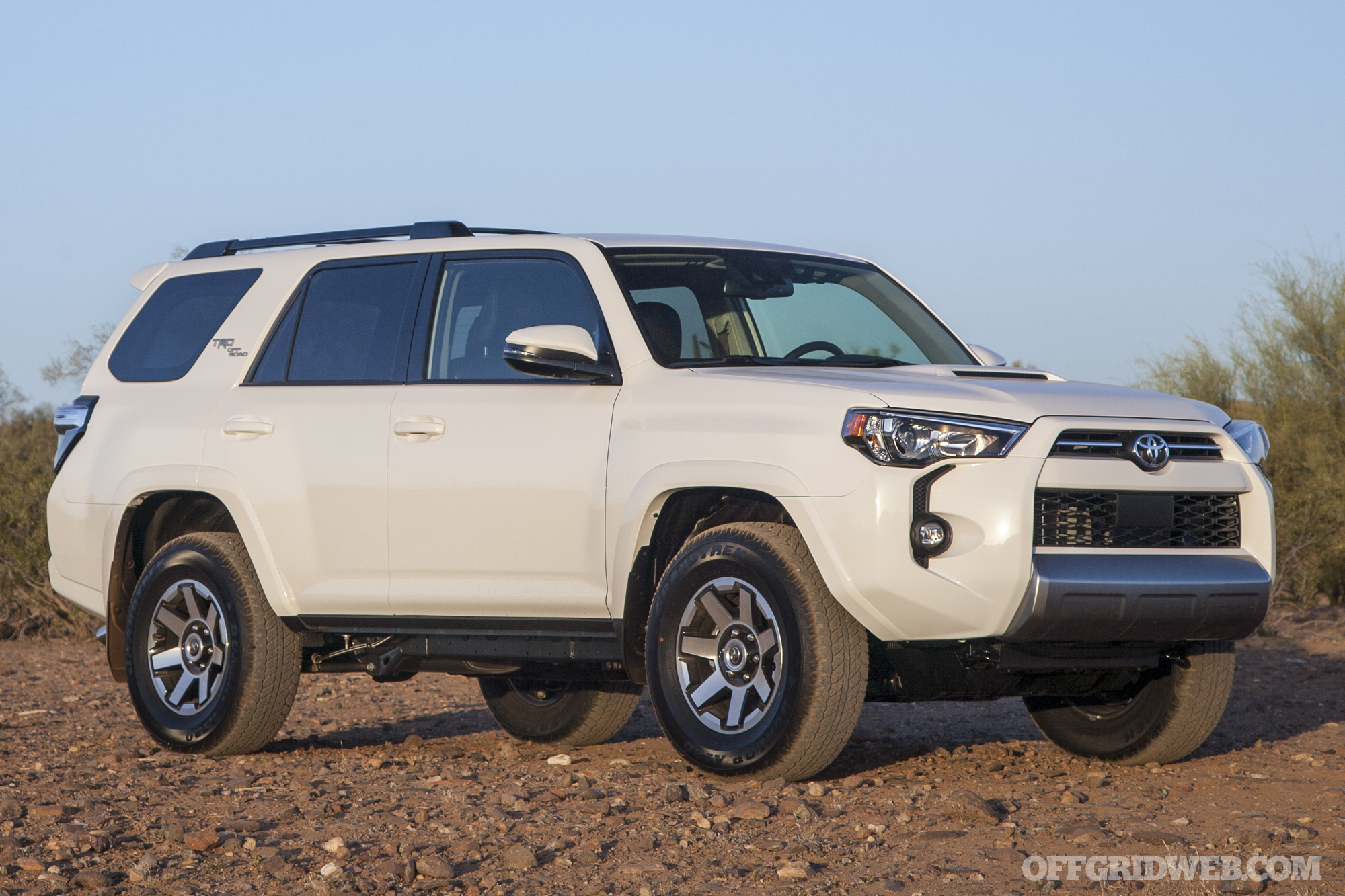
Like it or not, the manual transmission is going the way of the dodo, at least when it comes to new vehicles. According to a study by CarMax, only 2 percent of the vehicles sold by the company in 2020 had manual transmissions, a number that has plummeted from 27 percent in 1995. For most drivers, it’s less hassle to simply press the gas pedal and let a computer do the shifting, but for those who enjoy modulating the clutch and smoothly changing gears, this extinction feels tragic. Tim Seargeant, a lifelong sports car enthusiast who has never owned a vehicle with anything but a manual transmission, is firmly in the latter category. When Tim decided to purchase a truck, he knew it had to have a six-speed, but he also wanted something relatively new and reliable enough for long road trips with the family.

Above: These forged 17-inch Titan7 wheels are significantly lighter than the FJ’s factory wheels, so it retains most of its acceleration and braking performance, even with larger 34-inch all-terrain tires. (Photos by Tim Seargeant and Evan Ohl)

After plugging in the requisite filters on AutoTrader, Tim soon learned that the Toyota FJ Cruiser fit the bill and found roughly 40 manual-equipped FJs that fit his criteria in the United States. Luckily, one of them was only a short drive from his home in Southern California. Five hours later, he drove away with a new truck, already thinking about modifications to make it more capable on- and off-road. The next week, the build began.

Tim’s FJ Cruiser Project

The first phone call was made to Tim’s friend, the founder of Titan7 wheels. Although the company primarily makes lightweight forged wheels for motorsport applications, they offer one model for off-roaders. Tim wrapped the 17-inch Titan7 T-AK1 wheels in 34-inch Nitto Terra Grappler G2 tires. These were paired with Bilstein coilovers and upper control arms in front, as well as Bilstein shocks and leaf springs in the rear.
Above: This FJ Cruiser came with Bilstein shocks from the factory, so when it was time to upgrade, Tim decided to swap them for some aftermarket Bilstein suspension parts.

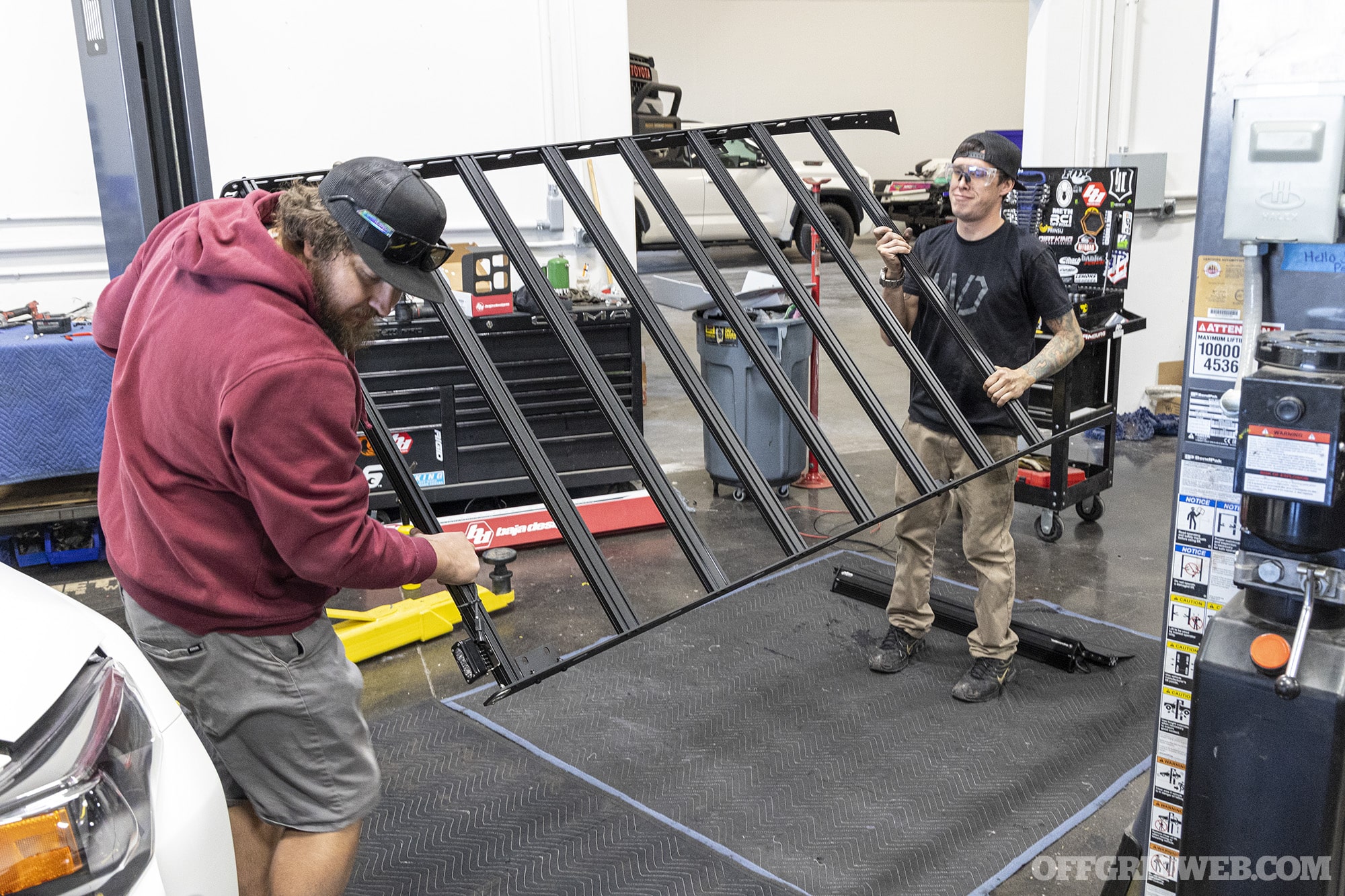
At this point, Tim wanted a more distinctive look, so he decided to enlist the help of a friend and cover the original silver paint with MultiCam Alpine vinyl. Next, a Front Runner roof rack was installed, along with a retractable awning, mount for the Smittybilt jack, stowable folding table, and even a rack-mounted bottle opener. To protect the FJ from damage on the trails, the front bumper was replaced with a Smittybilt M1 metal bumper, and a set of DeMello Offroad rock sliders were installed.
Above: A BOSS StrongBox drawer, Tactical Walls VMod door panel, and Refined Cycle window MOLLE panels offer plenty of storage for guns, recovery gear, and camping supplies.

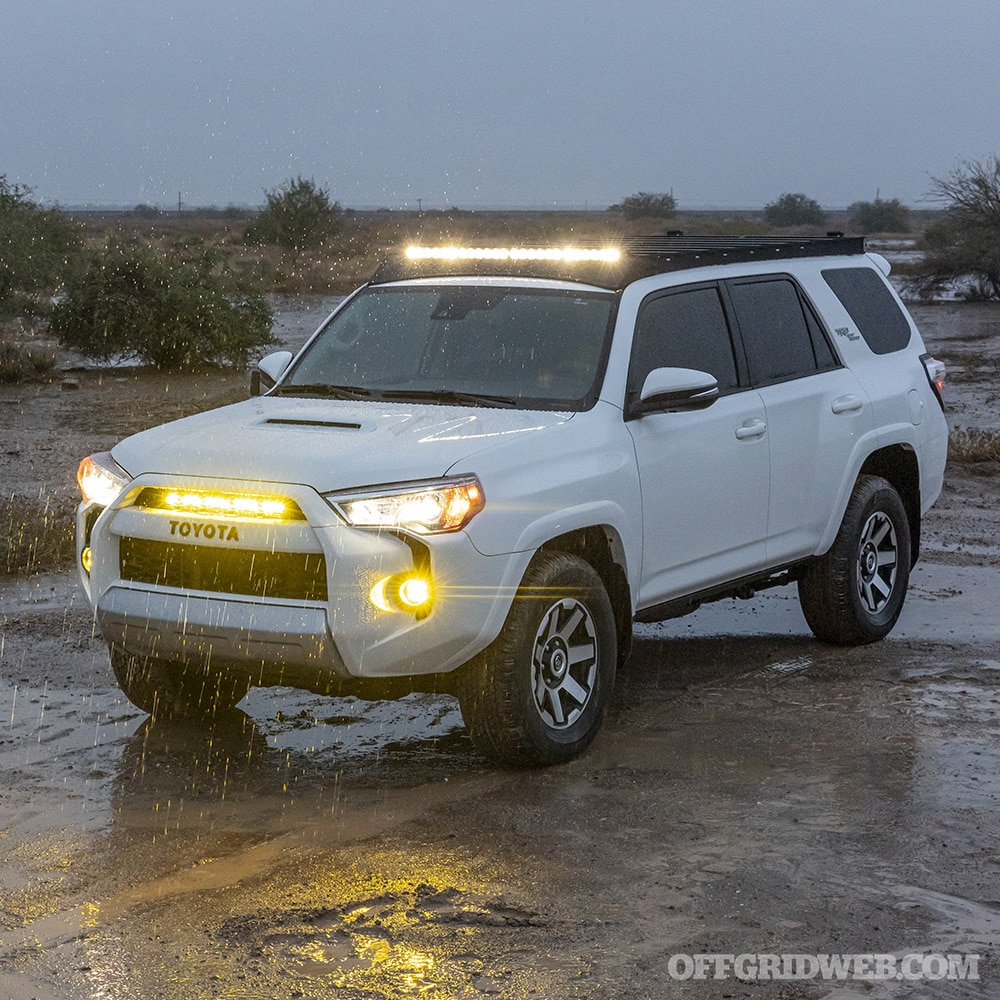
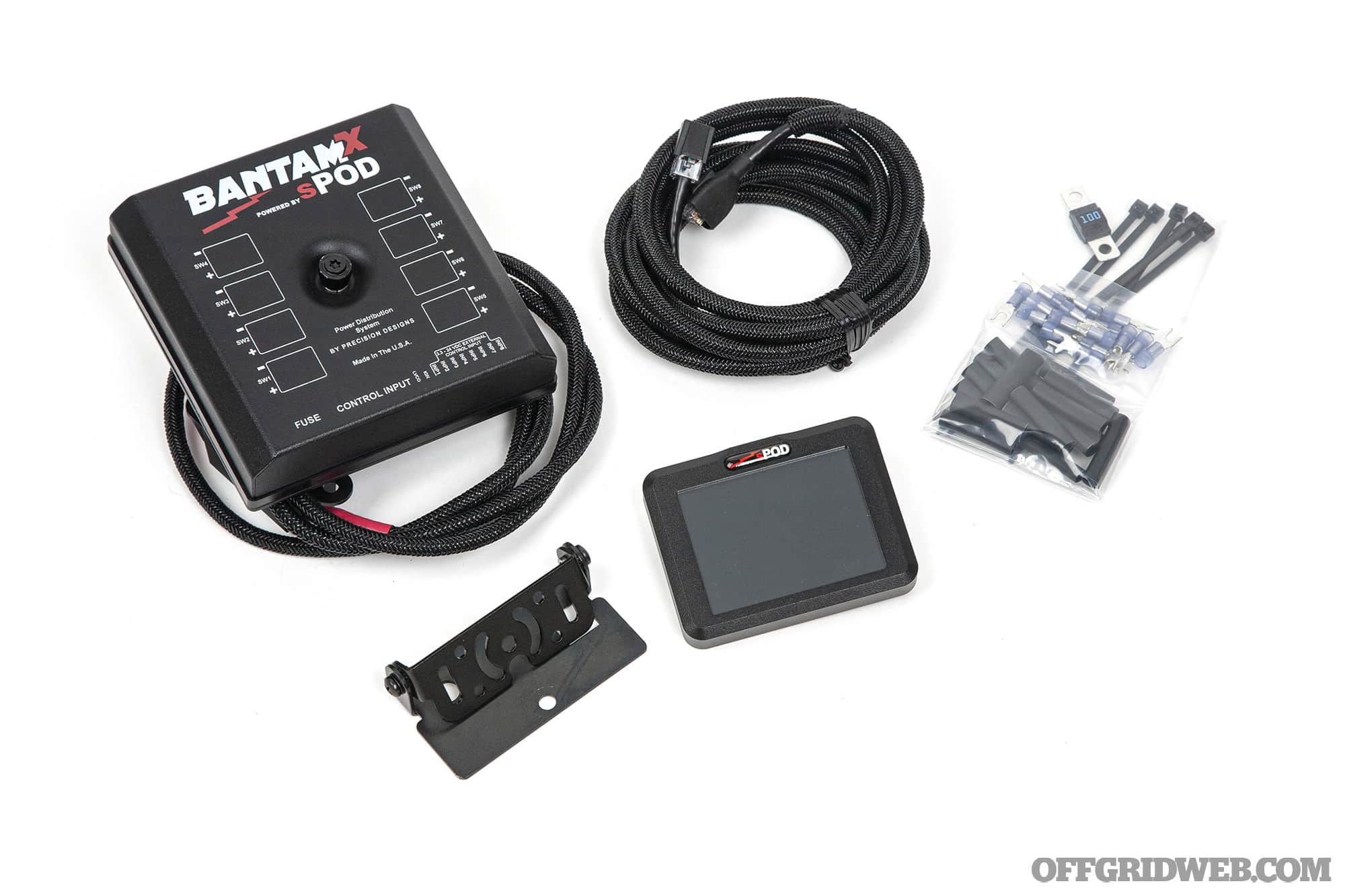
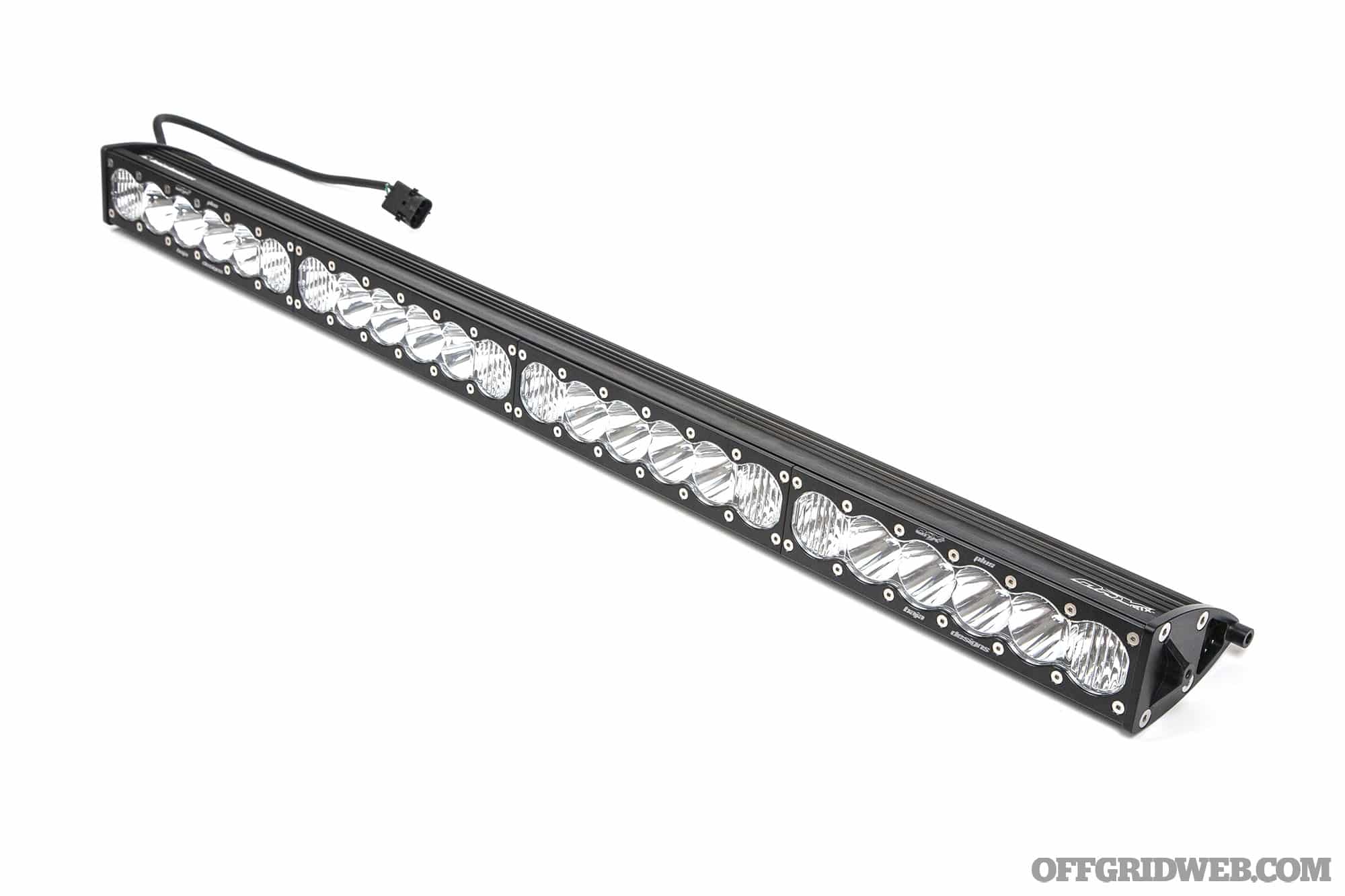
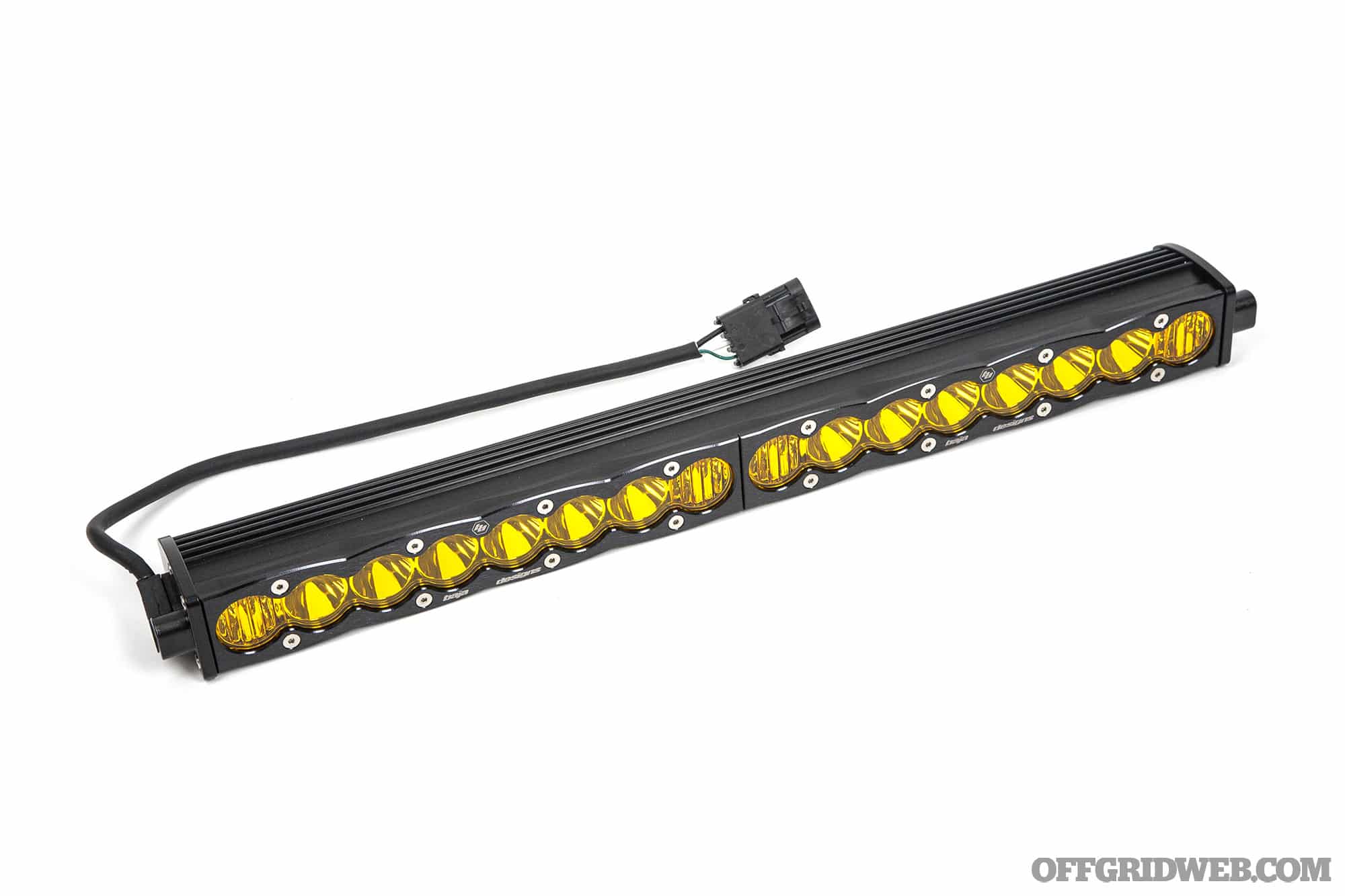
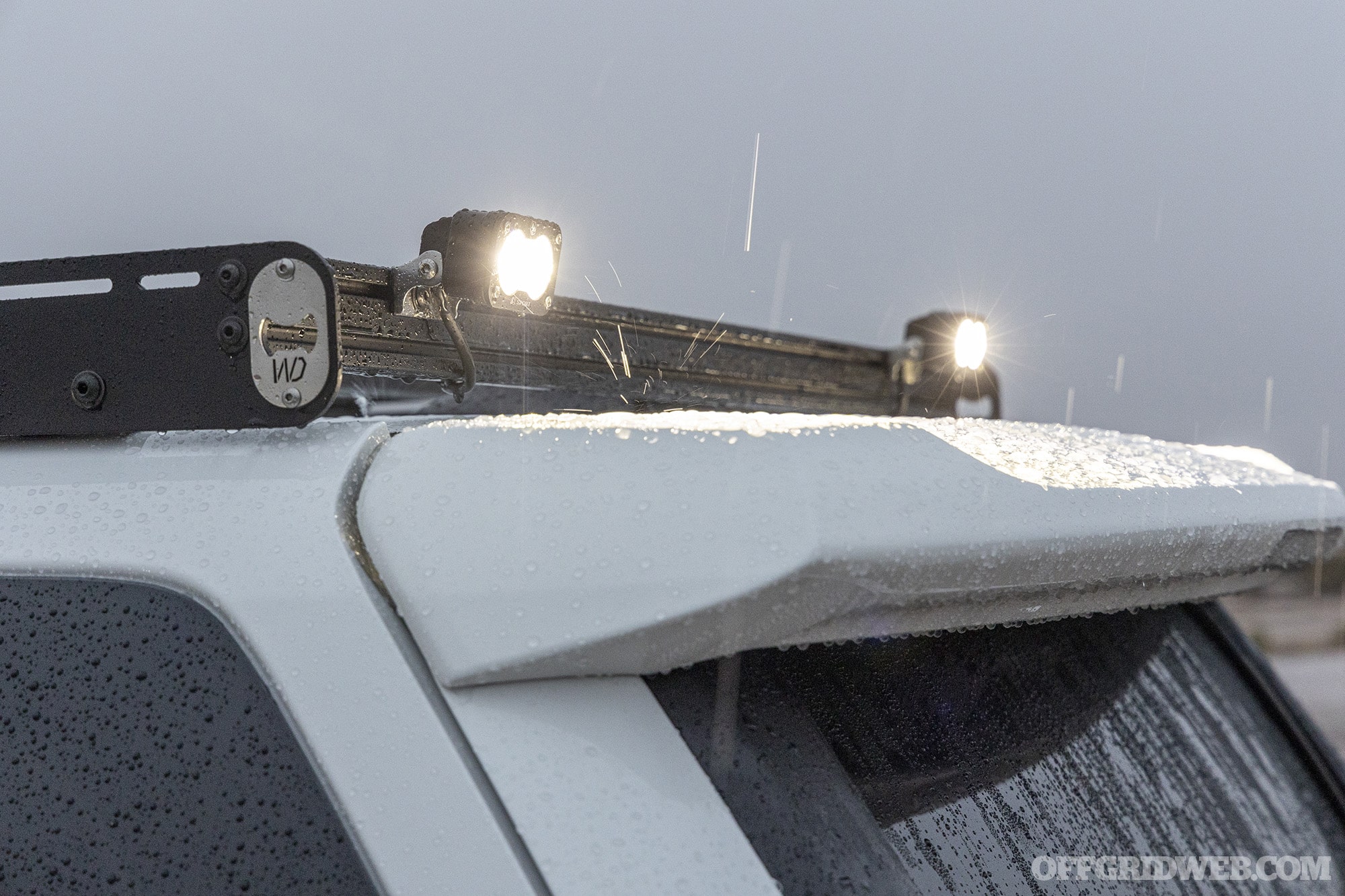
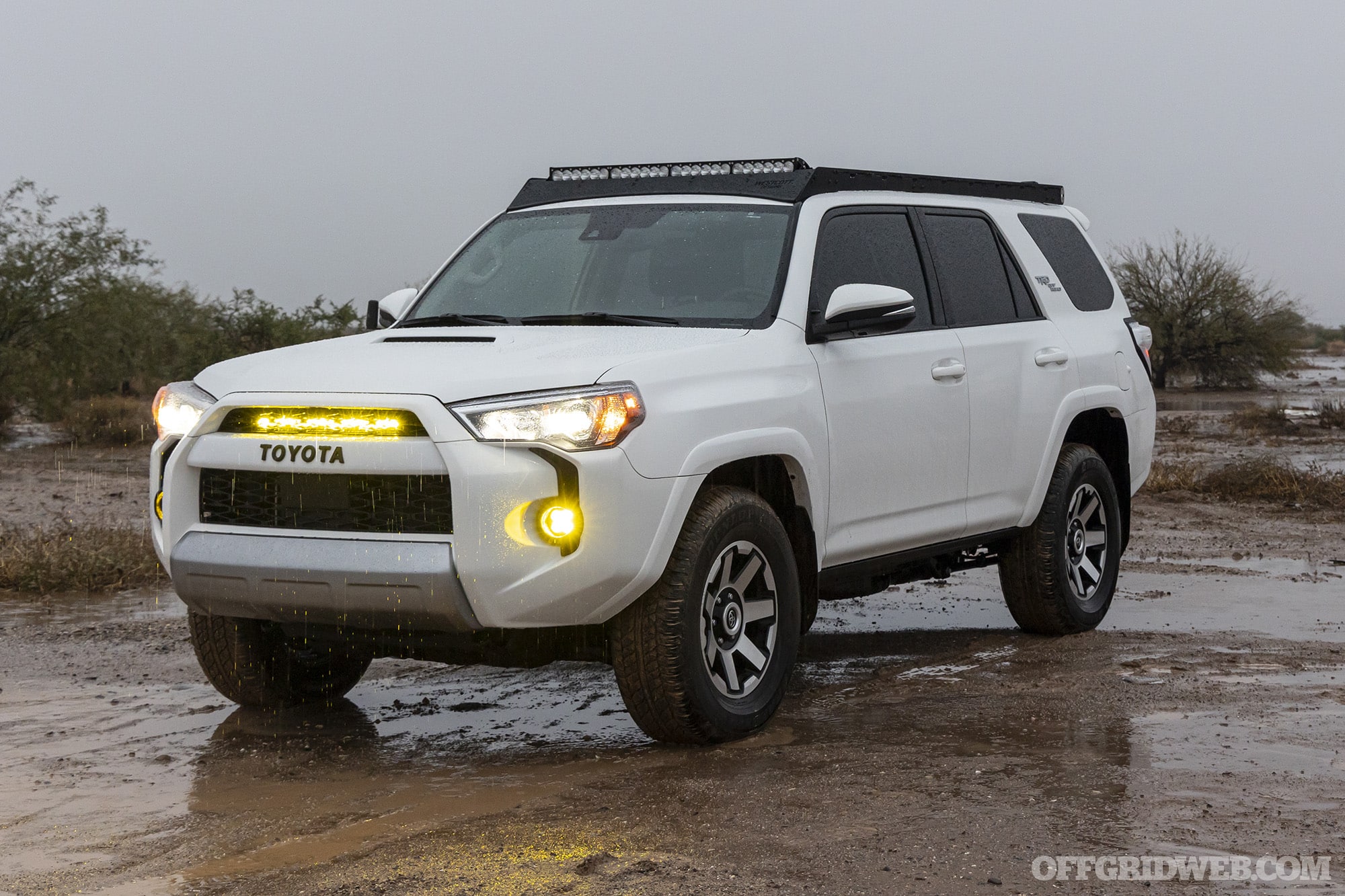
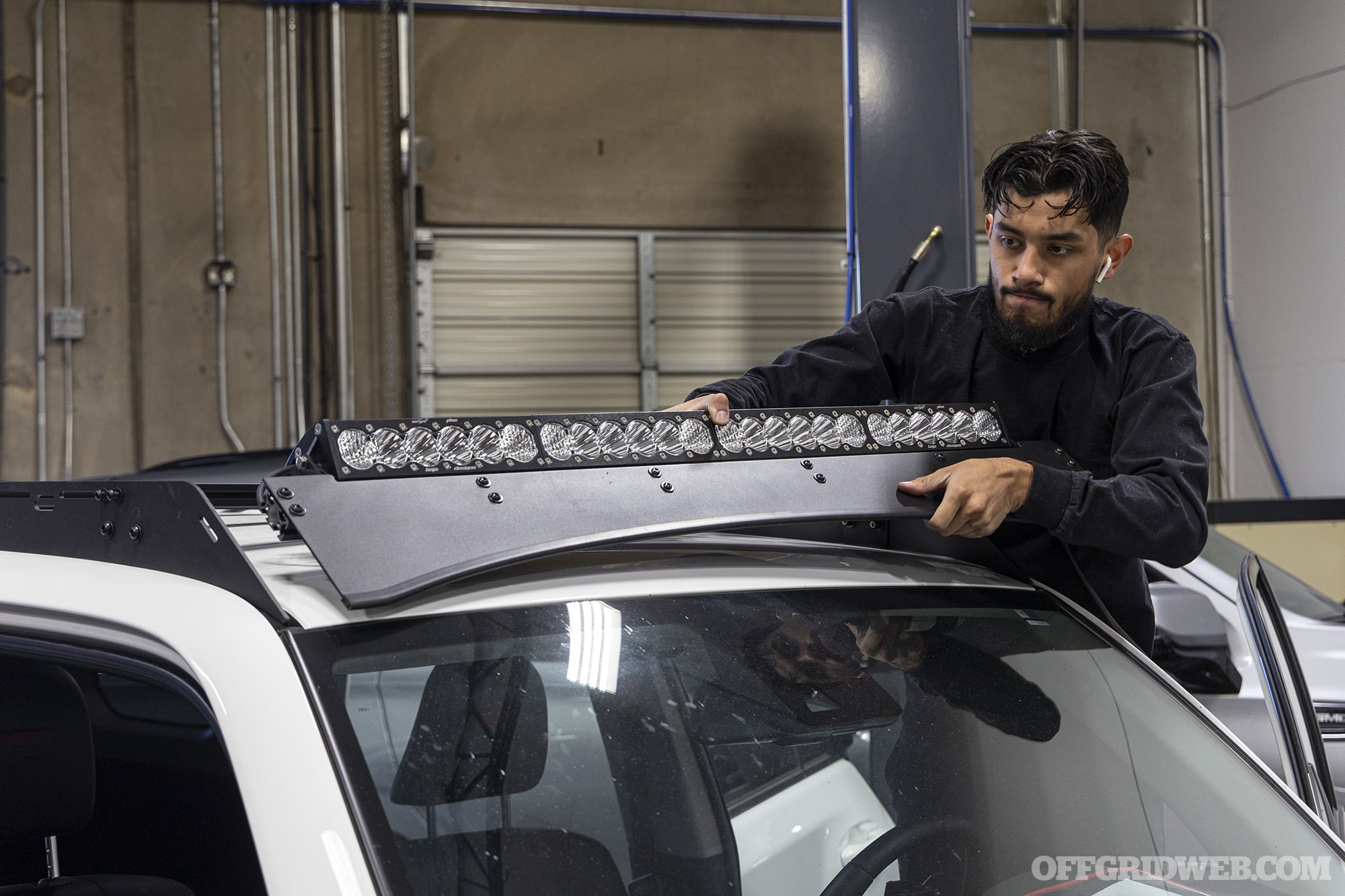
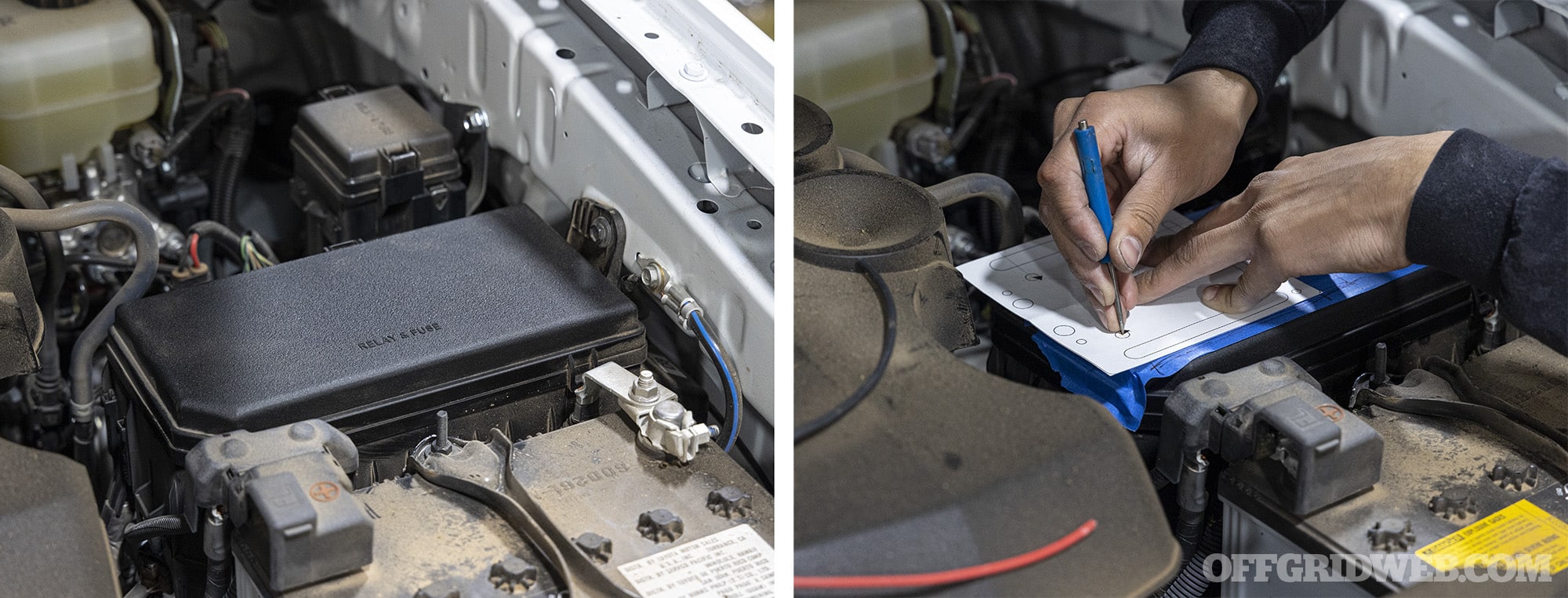
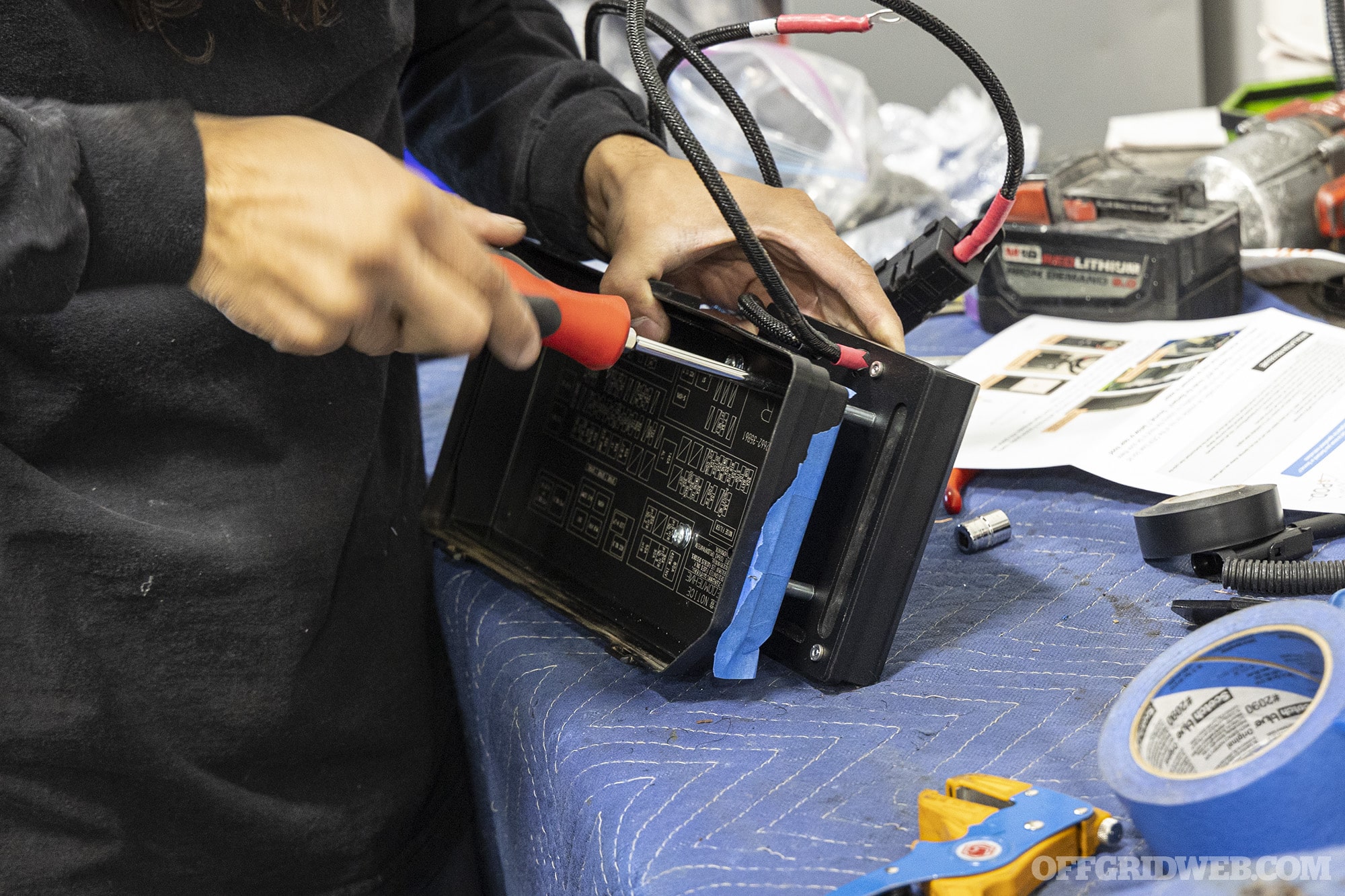
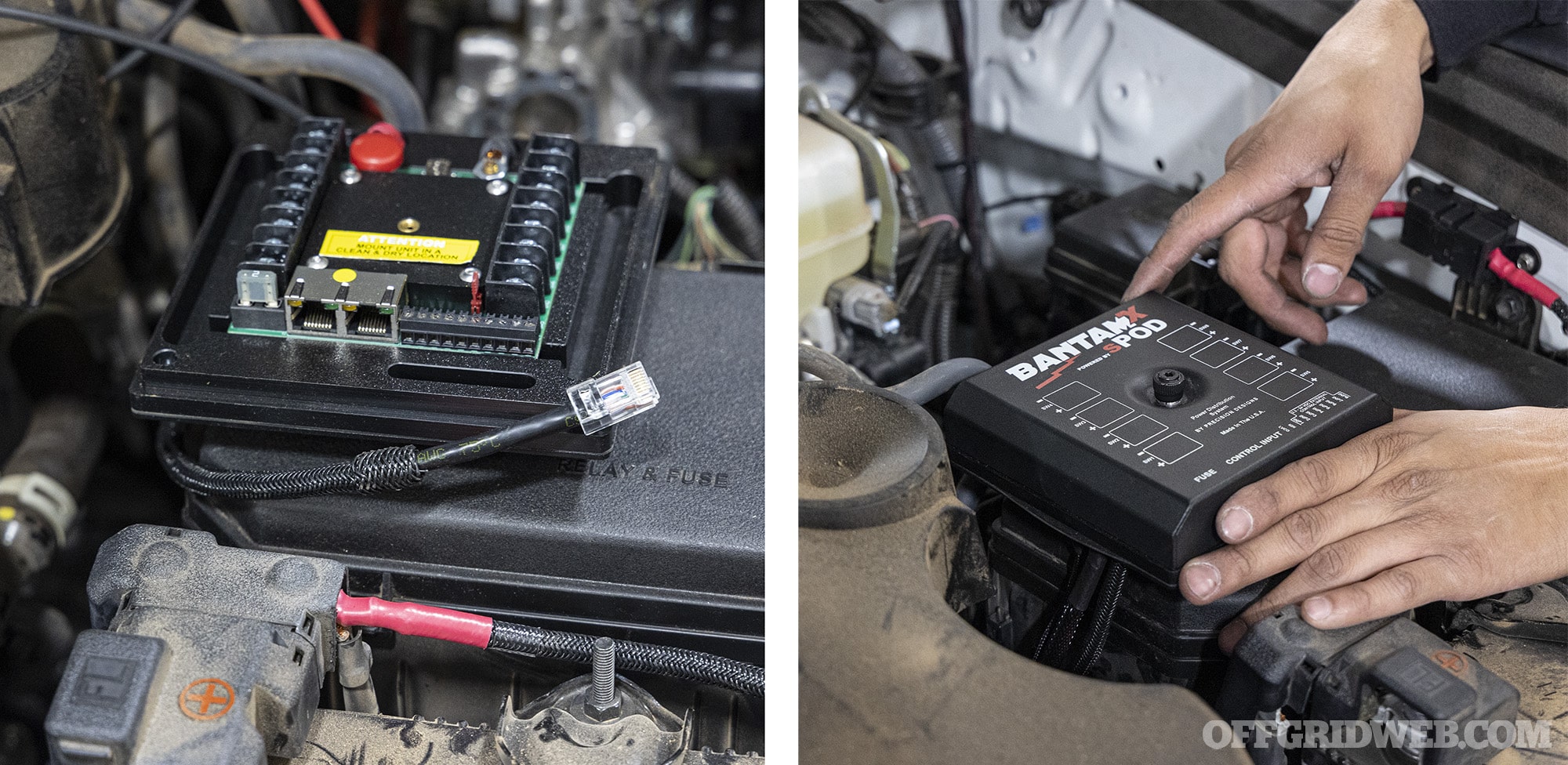
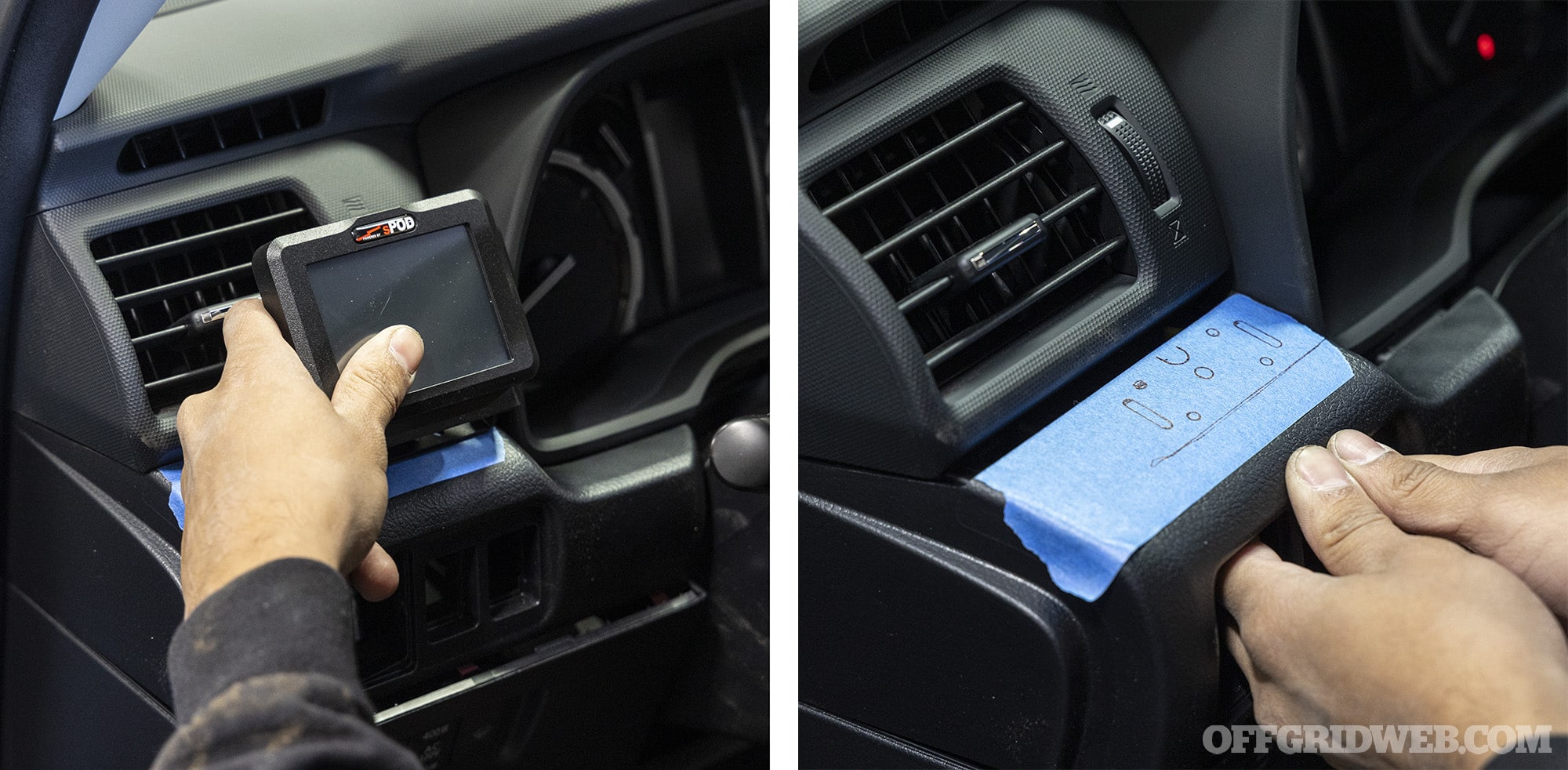
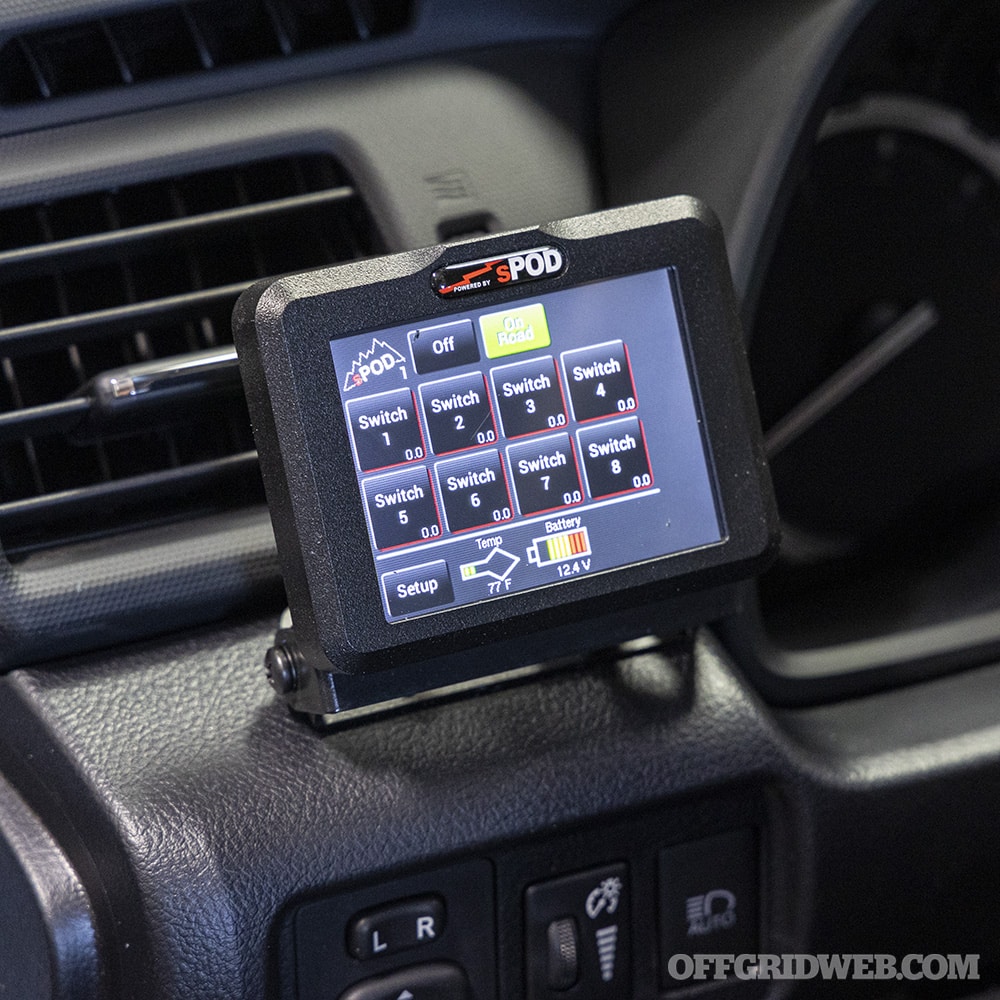
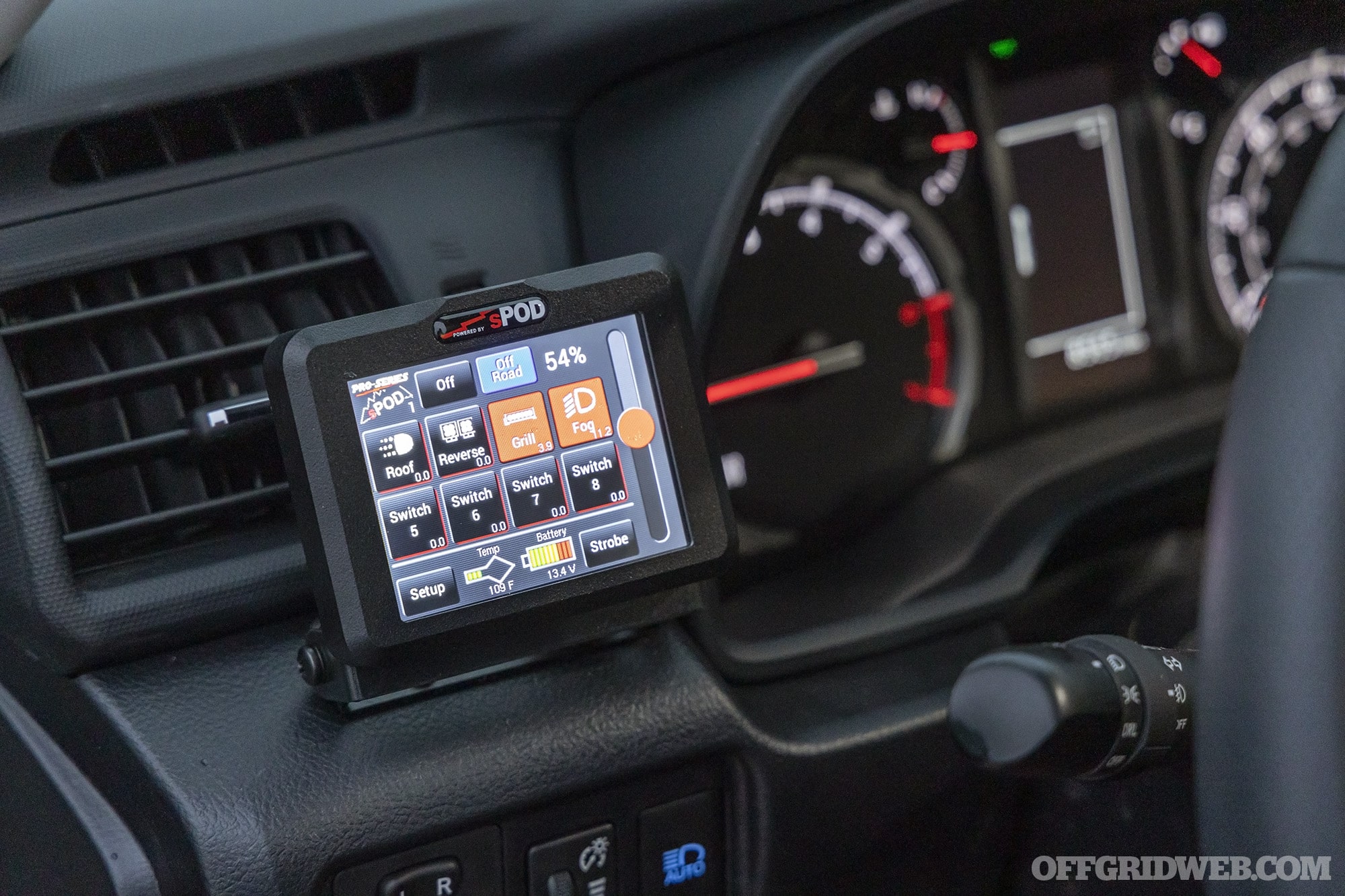
According to Tim, he knew he wanted to upgrade the truck’s light output, but he intentionally put this off. He wrote, “Wiring, electronics, splicing, and soldering intimidates me … it was the most challenging part of the build.” After talking with more experienced friends and putting himself through “YouTube University,” he was able to successfully install an array of Baja Designs lights, including LP6 Pro driving lights on the front bumper, Squadron fog lights and ditch lights, and S2 auxiliary lights around the perimeter of the roof rack. Everything is wired to CH4x4 push switches that match the amber interior lighting. A Pioneer touchscreen stereo with Apple CarPlay, speakers, and a secondary backup camera were also added to modernize the truck.

Above: Although Tim was intimidated by the prospect of learning how to wire these Baja Designs lights, the results were well worth the effort.

Since he works in the gun industry, Tim wanted a secure way to carry guns and gear, so he ordered a 40x22x10-inch locking drawer system from BOSS StrongBox and bolted it to the floor. Additional storage options come by way of a pair of Refined Cycle rear window MOLLE panels and a Tactical Walls VMod rear panel. These hold an Urban Medical Gear trauma kit, recovery tools, and other accessories, many of which are attached to Vanquest Gear hook-and-loop panels for quick tear-away access.

Above: The Pioneer NEX stereo head unit offers wireless Apple CarPlay and Android Auto compatibility, which make it more convenient to navigate on long road trips.

Tim says he has had many memorable experiences with this FJ Cruiser, including a recent trip with his wife and sons to Utah. During that trip, they hauled all their guns and gear to a Fieldcraft Survival course, tackled some challenging rock crawls in “Little Moab,” and even fired up the Baja Designs lights to drive through an abandoned train tunnel carved into the mountains. Knowing that the days of new manual transmission vehicles — not to mention fossil-fuel-powered vehicles in general — are likely numbered, Tim takes every opportunity to row through the gears and enjoy the old-school ruggedness of his truck. He’d like to thank his friends Gene Y., Randall T., Don N., Josh E., Kento K., Michael E., Mark H., and Chris F. for donating their time and expertise to help him complete the build.

Build Specifications

Drivetrain: 4.0L V-6 with 6-speed manual transmission

Suspension: Bilstein B8 8112 front coilover shocks, upper control arms, 8100 rear shocks, and B12 1.5-inch lift rear leaf springs

Wheels & Tires: 17×8.5 Titan7 T-AK1 wheels (-8 offset) and 305/70R17 Nitto Terra Grappler G2 tires

Body Modifications: Front Runner Outfitters Slimline roof rack, 2m awning, jack mount, and stainless steel folding table with under-rack mount; Smittybilt M1 front bumper and Trail Jack, DeMello Offroad rock sliders, MultiCam Alpine vinyl wrap

Electronics & Lighting: Pioneer NEX 7600 stereo head unit, 6×9 speakers, and backup camera; Baja Designs LP6 driving lights, Squadron SAE fog lights, Squadron Pro ditch lights, and S2 Pro side and rear auxiliary lights; CH4x4 push-button switches, Blue Sea 12-circuit fuse block

Interior Modifications: BOSS StrongBox 7126-7611 gun safe drawer, Tactical Walls VMod rear door panel, Refined Cycle RM3 and RM4 rear window MOLLE panels, Vanquest Gear MOHL-AIR tear-away panels with Urban Medical Gear TRK-1 IFAK and other MOLLE accessories


The New OFFGRID “What If?” Book is Now Available

Whether you just started reading our magazine or you’ve been a die-hard supporter since Issue 1, you should know that our “What If?” column is an important staple of every issue of OFFGRID. We know that forethought is an important aspect of preparedness, so each entry presents a hypothetical survival scenario in order to get you thinking about how you’d overcome it. But it’s not just a playful choose-your-own-adventure exercise — it’s meant to help you become better prepared. Members from our pool of contributing writers use their real-life expertise to explain how they’d prepare for these challenges, and their input can steer you in the right direction. Until recently, these articles were only available separately, but we’ve released a new OFFGRID “What If?” book that compiles them into a single convenient format (your choice of paperback or digital).

What’s Inside the OFFGRID “What If?” Book?

This book covers dozens of scenarios — from short-term natural disasters to long-term grid-down catastrophes — and draws on the experience of more than 40 contributors from a wide variety of fields. These writers aren’t just keyboard warriors, they’re professionals and subject matter experts who have made a living honing their skills and teaching students how to stay alive.

Check out the table of contents below for a complete list of the scenarios in our “What If?” book:

NATURAL DISASTERS
Advice on how to prepare for Mother Nature’s worst and the collateral damage that can be both unpredictable and indefinite.

  • What if You’re Forced to Endure a Blizzard With No Utilities? P. 6
  • What if You’re Attacked by a Wild Animal? P. 16
  • What if a House Fire Breaks Out During an Ice Storm? P. 24
  • What if You’re Caught in a Tornado? P. 32
  • What if You’re Trapped in a Major Flood? P. 39
  • What if You’re Caught in an Earthquake? P. 48

CRIME
Learn to thwart some of the most common methods criminals use to target victims and carry out their crimes.

  • What if Your Privacy is Compromised by Internet Doxing? P. 58
  • What if Your Neighborhood is Attacked by an Angry Mob? P. 68
  • What if You Become a Target of Road Rage? P. 77
  • What if You’re Confronted by Someone Impersonating a Law Enforcement Officer? P. 85
  • What if You’re Assaulted in a Parking Structure? P. 94
  • What if You Stumble Upon a Home Burglary? P. 104
  • What if You’re Lured into a Roadside Abduction? P. 112
  • What if You’re Threatened by a Stalker? P. 122
  • What if You Awaken to a Kidnapping, Abduction, or Worse? P. 132
  • What if Your Vehicle is Attacked by an Angry Mob? P. 141

TERRORISM
We take a look at tactics historically used by terrorists and mass murderers to wreak havoc on society.

  • What if You’re in a Hostage Situation? P. 149
  • What if Your Flight is Hijacked? P. 158
  • What if Your Subway is Attacked With Chemical Weapons? P. 167
  • What if Your Cruise Ship is Hijacked? P. 176
  • What if You’re on a Train With a Suspected Suicide Bomber? P. 185
  • What if You’re Caught in a Mass Shooting? P. 195
  • What if a Dirty Bomb Goes off in Your City? P. 205
  • What if Hackers Take Down the Power Grid? P. 214

TRAVEL
From traveling domestically to internationally, check out how you can survive threatening situations away from home.

  • What if You’re Stranded on a Remote Backroad? P. 225
  • What if You’re Trapped in a Country Consumed by Political Turmoil? P. 235
  • What if You’re Locked up Abroad? P. 245
  • What if You’re Lost at Sea? P. 255
  • What if Your Child is Abducted While Traveling? P. 265
  • What if You’re Stranded in the Desert? P. 274
  • What if You’re Trapped in a Country Under Siege? P. 283

GRID DOWN
Take precautionary measures to sustain yourself when the resources we take for granted become unavailable.

  • What if Critical Supply Lines are Indefinitely Interrupted? P. 294
  • What if We’re Hit With Another Pandemic? P. 304
  • What if Basic Utilities are Indefinitely Interrupted? P. 315
  • What if the U.S. Plunges into Economic Collapse? P. 324
  • What If You’re Captured by Marauders Intent on Taking Your Supplies? P. 334

Where to Buy a Copy

The OFFGRID “What If?” book is now in stock and shipping. Head over to the Gun Digest Store to order a copy in either traditional paperback ($25) or digital download format ($23).


New: GiantMouse ACE Nibbler Folding Knife

As much as we enjoy full-sized folding knives with 3.5-inch blades, they occasionally feel like overkill for many daily tasks. Sometimes, all we really need is a small utility blade for slicing open a letter or package. This is especially true in warmer months when we’re wearing lighter clothing. GiantMouse Knives, founded by well-known Danish knifemakers/designers Jens Ansø and Jesper Voxnaes (a.k.a. Vox), has released a new compact folder called the ACE Nibbler that looks great for summer every-day carry.

The GiantMouse ACE Nibbler — named after the character Nibbles from Tom and Jerry — is available in a few different varieties and price points. Each shares the same core elements:

  • 2-inch blade length
  • 4.7-inch overall length
  • Ball bearing pivot
  • Liner lock
  • Left-to-right reversible wire pocket clip

The entry-level ACE Nibbler ($95 MSRP) features aluminum handle scales in your choice of red, blue, or green. The blade is made from Bohler N690 steel with a satin finish, and the backspacer is made from aluminum.

The next step up ($155 MSRP, pictured above) features a green canvas Micarta handle, brass backspacer, and satin-finished 20CV steel blade. Finally, there’s a titanium model ($185 MSRP) that pairs the same satin 20CV blade and brass backspacer with machined titanium handle scales. Custom knives made by Ansø and Vox themselves can easily exceed the $1,000 mark, so these production ACE Nibbler knives are manufactured overseas by Reate Knives to keep prices lower — we appreciate that GiantMouse is transparent about this fact.

For more information on the new GiantMouse ACE Nibbler, go to GiantMouse.com.


Preps of the Pros: Contributing Writer Patrick Diedrich’s EDC Gear & Go Bag

Patrick Diedrich

Residence: Hancock, Upper Michigan

Occupation: Writer and amateur blade/blacksmith

Patrick’s EDC Gear

What is your general approach/philosophy for everyday carry tools? What do you see as the most likely threats/issues you might deal with in your daily routine, and what items are necessary to address these issues?

If I were to sum up my approach to EDC, it would be “versatile redundancy.” Every item carried should have more than one function and should complement each other. Since I live in a remote area, finding myself stranded due to unforeseen circumstances is a very real possibility. So, being able to signal for help, create a fire for warmth, or improvise my way to safety governs what I leave the house with.

Above: The Walther PDP is simple, reliable, affordable, and offers 18+1 rounds on tap in the full-size frame seen here.

In my region, crime is low, so I usually do not feel the need to carry a firearm. The exception is when I purposefully head into the wilderness to recreate or hunt, where there are large predatory mammals that do pose a potential danger. A Walther PDP accompanies me in a G-Code Optimal Drop RTI rig via a Kydex holster from T-Rex Arms. The PDP is fitted with a Leupold DeltaPoint Pro and a Streamlight TLR-7 light.

Please outline the gear you carry on a daily basis. Include specific brands/models, and why you chose each.

Having a well-made knife is a crucial part of my EDC. If I am out and about in town, I like to bring the WESN Micro Blade. If I am spending time in the great outdoors, I like to have a multi-tool as well as a fixed blade like the Corvus Survival Carrion. My key ring has become part of my EDC kit, and includes a Griffin pocket tool, as well as a CPR face shield in case I find myself needing to give life-saving support to someone.

I almost never leave without a Wazoo Cache belt. The belt is packed with the Wazoo Adventure Kit, which provides 23 tools including several tools for fire-starting and water purification, a button compass, high-quality cordage and wire, a fishing kit, a whistle, and a signal mirror. If I’m on the road for a few days, I’ll put some extra cash in the belt. The Tasmanian Tiger wallet shields the chips in my debit card, driver’s license, and passport from being scanned and exploited remotely.

What is one underrated piece of EDC gear that more people should strongly consider carrying, if they don’t already?

There are two things that I think are always overlooked. One is a dedicated light source. Having a light has been useful on so many occasions. The Wazoo button light doesn’t have the bulk or awkwardness of larger lights and can be stored in the cache belt or put on a key ring. It comes in handy when rummaging through bags when it’s dark out, looking for items that were dropped in between seats, and can be used to attract attention as an emergency signal or as a light source for night tracking. The other thing that’s overlooked, and should be a part of everyone’s EDC, is physical fitness. All the gear in the world is never going to help if you do not have the physical strength or endurance to make it through a tough situation.

What was the most recent change you made to your EDC kit?

Last year, I had the pleasure of meeting survival expert Jerry Saunders of Corvus Survival. When we were talking about his EDC, it turns out that he also uses a Wazoo cache belt as well, and he mentioned lock picks. I had a lightbulb moment when I heard this, because if I lost my keys, needed to get into a building for shelter, or needed to open a medicine cabinet in an emergency, a set of lock picks would be extremely helpful. This led me to a company called Serepick. They have an array of picks to choose from, and even a see-through tumbler lock that you can practice with. At present, I am only mildly proficient, but my skills are improving. The set of picks I have fits easily in the cache belt along with everything else.

Patrick’s Go Bag

Which make/model of bag did you choose, and why?

Mystery Ranch makes a line of bags designed for cold weather environments in various volumes, but I use the Saddle Peak. Where I live, it seems like nine months of the year is nothing but cold temperatures and snow, and the Saddle Peak was designed to keep zippers from icing shut and the material from degrading due to frozen temperatures. The front pouch was specifically designed to house an avalanche kit. It also has straps on the outside for snow mobility tools like skis, snowboards, and snowshoes. Initially, I used it as a cold weather emergency bag, but it has evolved into my search and rescue (SAR) 24-hour Ready Pack, and I always have it prepped and handy.

Where is this bag staged (or carried) and what specific purpose does it fulfill in your daily preparedness plan?

The bag is always ready to go and sitting close to my front door. Normally, if I am called to a SAR operation, the only additional item I add is a freshly filled 3L CamelBak. When I return, I make it a priority to clean and restock what was used so that everything is ready again. Besides being a really useful SAR pack, it also makes a great bug-out bag, because it has everything I would need to sustain a small group for a few days. Also, if I know I’ll be driving in inclement weather, I can toss it in the back of the truck in case of an emergency on the road.

Please outline some of the most important items you have in this bag, to include brands/models where possible. Discuss why you chose these items and how they complement and expand upon your EDC gear.
I usually adapt it based on the season and how long I expect to be wearing it. For example, if I think I’ll be responding to a SAR operation that could last days, I will pack a camp stove, mess kit, and extra food. I may even bring a second bag with extra clothing to change and restock during the event. But, typically, it’s just this one pack with as little as I can get away with. There are some who claim that a 24-hour pack should be at least 35 to 45 liters, but by keeping it around 25L, I force myself to pack only what’s necessary and useful. Even so, when this pack is filled to the max, it can still weigh a little over 30 pounds.

During the winter months, the front pouch contains a Black Diamond avalanche kit with a collapsible snow shovel and probe. In the main compartment, I have:

There is a smaller compartment on top where I keep a Fenix Raptor headlamp, a 5.11 Response flashlight, and extra high-visibility marking tape. In winter months, I also keep Oakley ski goggles and a neck gaiter in this pouch. On the hip straps, I keep an extra compass, a MOLLE pouch with 50 feet of 550 cord, an IFAK, and a Survivor Filter Nalgene bottle if the windchill threatens to freeze the tube on my CamelBak. Lastly, on the shoulder straps, I hook several chemlights for trail marking or signaling, and a Varusteleka Terava Jaakaripuukko 110 knife.

What is one extra item you’ve considered including in this bag? Briefly explain why you haven’t added it yet (space, weight, cost, likelihood it’ll be needed, etc.).

Since this bag is quite minimalistic for what it’s used for, all the gear prevents me from effectively storing a change of clothes, a more robust shelter, or room for extra layers if working in the cold starts generating too much sweat. I can strap extras to the outside, but there’s the risk that nature will claim whatever isn’t fastened securely enough. My hesitation to change to a pack with more volume comes from not wanting to fill that space with more stuff — which almost inevitably happens — and creating a pack that weighs more. I like to stay light on my feet so as not expend valuable calories as a pack-mule and being able to burn the energy when it matters.


Preps of the Pros: OFFGRID Editor Tom Marshall’s EDC Gear & Go Bag

Tom Marshall

Current Occupation: Editor, RECOIL OFFGRID Magazine

(To read more about Tom’s background, including his time as a U.S. Army Captain and independent contractor in Afghanistan, refer to our interview with him from Issue 34.)

Tom’s EDC Gear

What is your general approach/philosophy for everyday-carry tools? What do you see as the most likely threats/issues you might deal with in your daily routine, and what items are necessary to address these issues?

I believe that equipment selection is a form of mission analysis. In simpler terms, it’s impossible to carry every piece of gear for every single possibility. So, select tools for EDC that fit most seamlessly into your daily wardrobe and routine, and those which will be the most helpful in the most likely problems you might face.

Please outline the gear you carry on a daily basis. Include specific brands/models, and why you chose each.

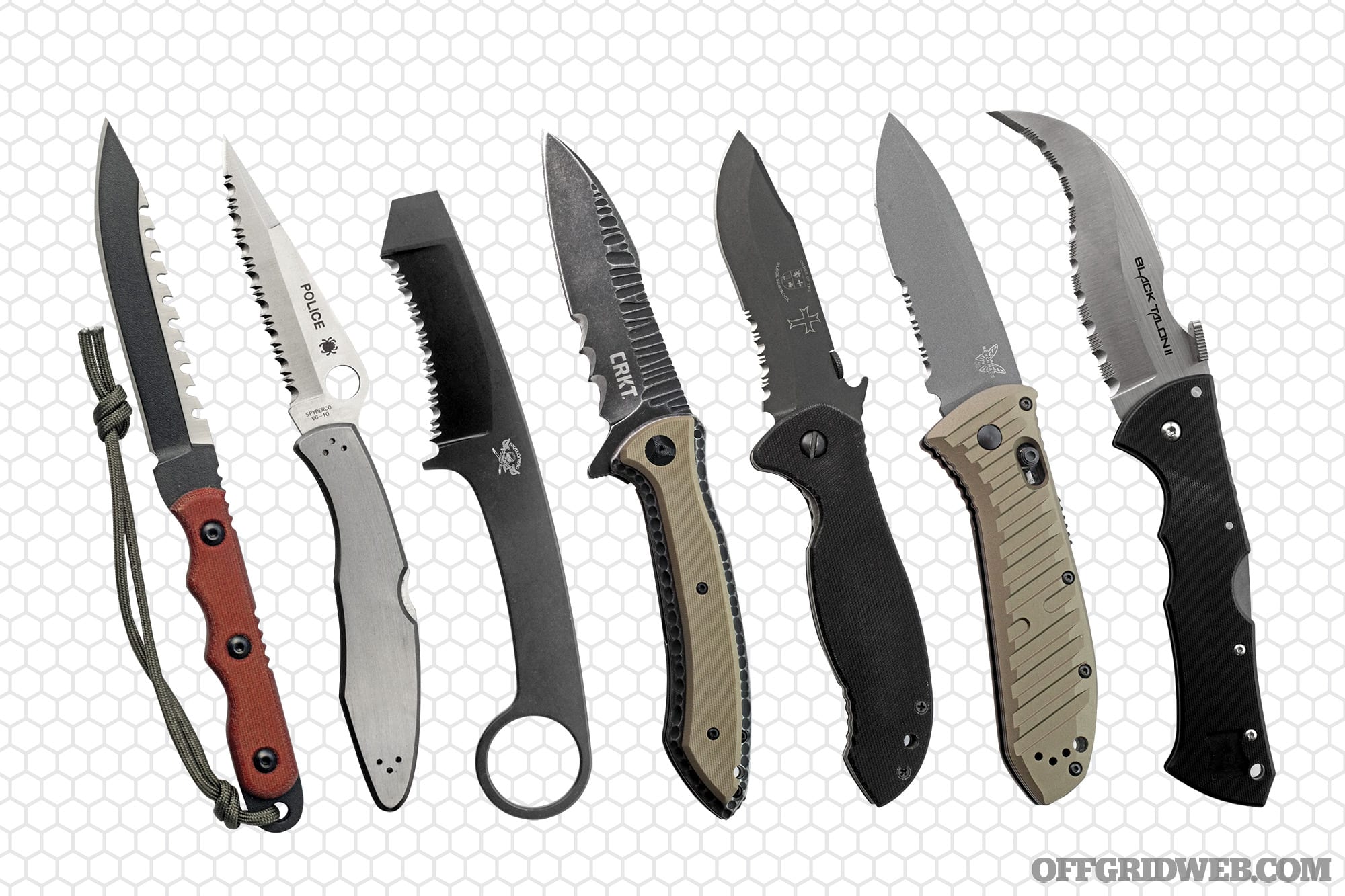
A sturdy belt is the foundation of a solid EDC gear setup. I use a Mastermind Tactics Specialist Pro belt, which features medical-grade, high-cycle hook-and-loop, a chemically dipped stiffened tail end, and an almost non-existent steel loop in lieu of a larger buckle to help reduce printing when carrying appendix inside the waistband (AIWB). In my pants pockets, I have a Zero Tolerance 0566 folding knife, a Cloud Defensive MCH flashlight, Pocket Trauma Kit from Live The Creed, and a small keychain with Glow Rhino prybar, Carbon Tactics TiSlice razor blade, and two tools from Gearward: their Ranger Bic waterproof lighter sleeve and keychain duct tape roll. I keep this on a second key ring, completely separate from my car and house keys. This way, if I lose my daily life keys, or hand them off to someone, I still have the emergency tools. My Suunto Traverse Alpha watch also wears the Gearward A-K band, which conceals some escape tools. If the situation dictates, I’ll add my custom Glock 48 MOS pistol and a spare mag in my LAS Concealment Ronin-L holster, and/or the JB Knife Ditch Pik fixed-blade defensive knife.

What is one underrated piece of EDC gear that more people should strongly consider carrying, if they don’t already?

I always go by the rule of “The Big 4:” Defend, Move, Communicate, Medicate. Your EDC gear should include tools that enable you to defend yourself, navigate your daily world (urban or rural), call or signal for help, and treat likely medical issues (boo-boo level or trauma).

What was the most recent change you made to your EDC kit?

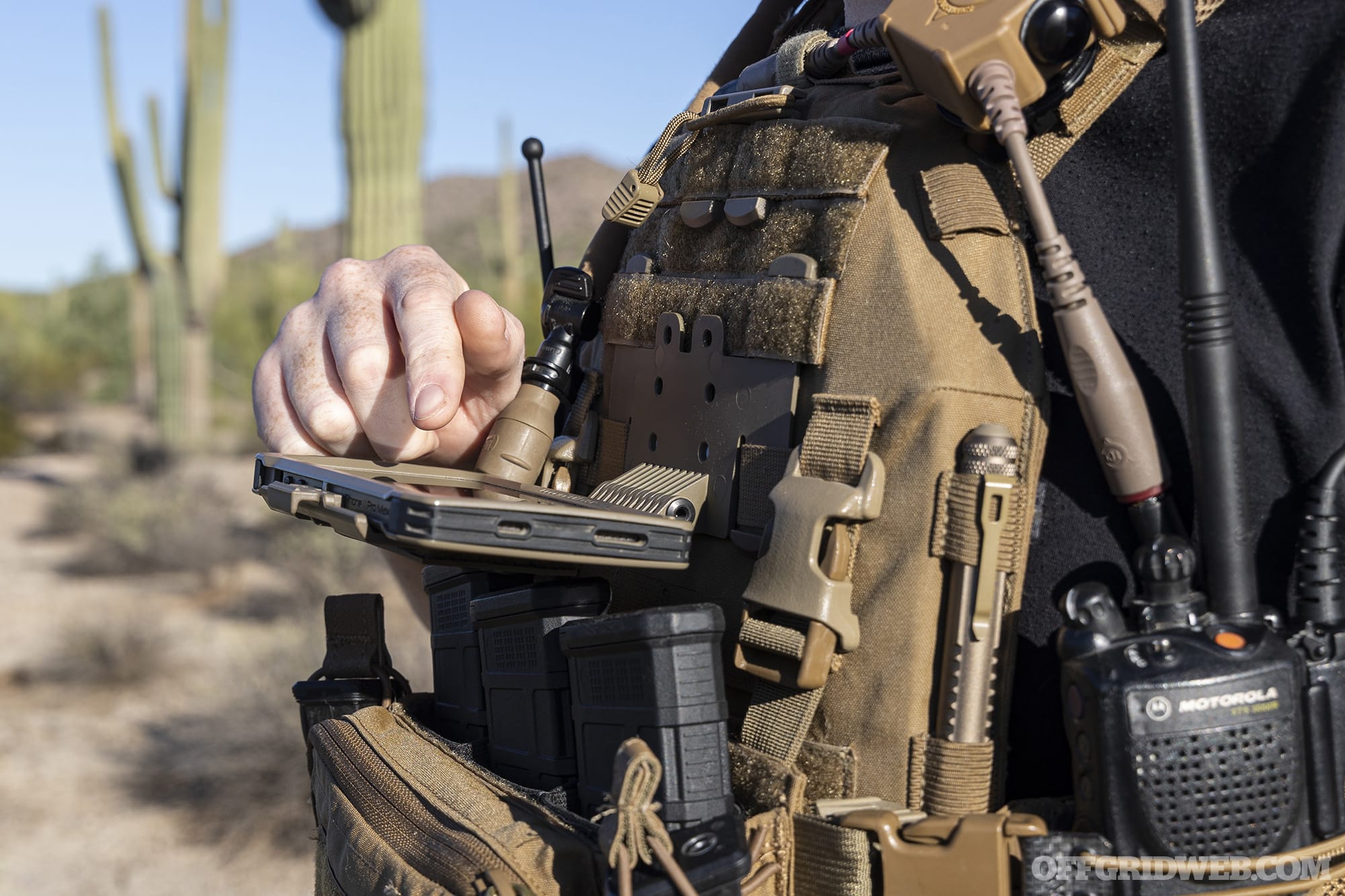
I recently swapped my smartphone into a Juggernaut IMPCT case. In addition to offering military-grade bump and drop protection, the IMPCT is compatible with Juggernaut’s line of mounts and brackets. Now I can pop my phone off my belt and directly onto my plate carrier, hiking pack, or dashboard vehicle bracket.

Tom’s Go Bag Gear

Which make/model of bag did you choose, and why?

I use a 5.11 AMP12. This bag is large enough to hold not only my daily work supplies (laptop, chargers, cords, snacks, paperwork, etc.) but is also augmented by a Grey Man Tactical Rigid Insert Panel, sized specifically for this bag.

Where is this bag staged (or carried) and what specific purpose does it fulfill in your daily preparedness plan?

I carry this bag almost every single day — to the coffee shop or cigar lounge while working on articles, to business luncheons, and on road trips. If I need to fly, I can remove the Grey Man panel with weapons and pyro on it, without having to disassemble each individual pouch and tool, and still have all my administrative gear in a carry-on bag that fits under an airline seat.

Above: The Greyman Tactical Rigid Insert Panel can be removed from the bag to make it TSA friendly without having to fully reconfigure placement of pouches or holsters every time.

Please outline some of the most important items you have in this bag, to include brands/models where possible. Discuss why you chose these items and how they complement and expand upon your EDC gear.
I augment the main compartment of this bag with a Rigid Insert Panel from Grey Man Tactical. This is a single polymer panel that I can permanently mount gear on, that can be removed as a single piece without having to dismantle all the individual pouches. The RIP holds a customized Glock 17 in a QVO Tactical holster on a G-Code RTI mount, one spare magazine, a multi-tool, smoke signal, 5.11 compact Operator Axe, and North American Rescue IFAK with full trauma kit and hard tourniquet. This supplements my EDC by providing medical and self-defense redundancy with the addition of a hard tourniquet (which I don’t carry on-body) and a larger, more capable handgun. The ax can be used for everything from cutting brush or small trees for shelter or fire-starting to emergency egress from a building or vehicle (smashing a window or breaching residential-grade doors).
The rest of the bag holds general-use first aid supplies (Band-Aids, pain relievers, cold/flu meds, etc.) as well as a compass, NATO issue TCCC reference cards, pens/pencils, business cards, etc.

What is one extra item you’ve considered including in this bag? Briefly explain why you haven’t added it yet (space, weight, cost, likelihood it’ll be needed, etc.).

Above: The AMP’s zip-pouches hold important paperwork, pens and pencils, and some basic travel meds like cough drops, analgesics, and gastrointestinal remedies. 

I’ve gone back and forth about adding some food to this bag — even something quick like meal bars or dried fruit or granola. Whether it’s for snacking during a day full of meetings, getting stuck on the side of the road, or on an airport layover, extra calories become a priority quickly as stress levels rise. I haven’t really stuck with it due to a combination of not having much physical space left in this bag, and that sometimes finding food that’s edible on the go but holds stable in the desert heat can be a difficult task, especially if the bag is left in my truck or sits at my feet outdoors for any length of time.


Victor Lopez Interview: Founder of Sierra Element Tactical Training

You might think that anyone who served as a combat sniper in Iraq and Afghanistan before becoming a cop in the second-most populated city in the United States might be a grizzled old man with a chip on his shoulder. With a father who earned three purple hearts in Vietnam prior to entering policework on the infamously tough streets of Gary, Indiana, it might be in Victor Lopez’s DNA to serve others and stay humble doing it. “He’d tell me, ‘Treat everyone with respect regardless of what status you think they have,’” Lopez says. That same focus on patiently solving problems hasn’t only helped Vic earn respect in his careers, but also motivated him to teach others to avoid getting bogged down by ego and pride. Instead, he reminds students to keep their sights set on elevating their knowledge.

As the owner of Sierra Element, Vic has taken it upon himself to create a curriculum that can only come from hard-earned experience in some of the worst conditions imaginable. As crime continues to rise amidst an atmosphere of anti-police rhetoric, both average civilians and officers are understandably seeking ways to up their performance behind the trigger to stay safe. Vic has lived his lyrics and is a hidden gem of tactical training that RECOIL OFFGRID felt needed to be brought to light. We spoke to him to see how he’s combining military and law enforcement work into practical skills available to anyone.

Photos by Patrick McCarthy and John Schwartze

Our Interview with Victor Lopez of Sierra Element Training

RECOIL OFFGRID: Where did you grow up?

Victor Lopez: I grew up in Gary and Merrillville, Indiana. Joining the Marine Corps in 1994 brought me out to California.

What made you want to join?

VL: My dad was a Marine in Vietnam and then became a police officer in Gary, Indiana.

Did you go into the Marines wanting to become a sniper? What was sniper qualification like?

VL: That kind of just happened. I just wanted to be a rifleman initially, but I liked the craft of being stealthy and the long-range precision aspect of it as well. When I tried out for the platoon in 1998, they called it the sniper indoctrination. It was heavy on physical fitness, a lot of observations, and KIMS games — KIMS stands for “keep in memory sniper.” Those are basic memorization drills. There were a lot of ruck marches with a 40-pound pack, some sleep deprivation that lasted a few days, and then I was eventually able to go to sniper school, which is 10-and-a-half weeks.

Above: Vic and Corvus Survival’s Jerry Saunders, who we interviewed in RECOIL OFFGRID Issue 47.

What are the core skills that any sniper must master?

VL: Marksmanship is number one overall. Physical fitness as well as communication skills, in either electronic or verbal articulation, because we have to explain the mission in detail to a commanding officer. If you’re not articulating it well enough, you’re not going on that mission. Definitely teamwork and good social skills, because you’re working with other individuals in confined spaces for up to a week, so you need to be able to get along and communicate well.

What deployments and missions do you feel were the most challenging?

VL: Initially was with 1st Battalion, 1st Marines. Then, after I got out of active duty I went into 2nd Battalion, 23rd Marines where I was able to go to Iraq twice and then Southeast Asia. When I went to Afghanistan, I was with 2nd Marine Expeditionary Force. I was in Iraq in 2003 as a sniper operator, and in 2009 as well. It was challenging during my time as a precision marksman advisor to the Afghan National Army. There were language and cultural barriers. They lacked a lot of the basic skills a regular soldier would have, so it’d take longer to correct issues.

This might sound strange, but externally the easiest portion was dealing with war and dealing with other services. It’s hard to convey a sniper’s mission to someone who has never been a sniper. That’s the most challenging part — to have others understand what it takes as far as selection of personnel, equipment you need to be successful, and the continuous education you need to stay proficient and advance.

Above: Serving in the Middle East while in the Marines.

I enjoyed training the Southeast Asian snipers in Thailand, Indonesia, and South Korea, and learning the jungle environment. A lot of their weaponry wasn’t as good as ours, but they still had some of the basic skills, which made it a lot easier for us to build on those.

What do you think we got wrong as far as U.S. involvement in Afghanistan?

VL: I think we gave them a little too much, in my opinion. We didn’t allow them to think for themselves as much as we pushed our ideals on them. Instead of allowing them to try and build their nation on their own, we gave them a little too much information and equipment. We were trying to train them, but they were training to kill us. You teach them the skills you use and then they’d turn the gun on you. Advisors all over the country were getting killed. They didn’t want to be told what to do, but they certainly wanted the free money and gear.

How long were in you in the military?

VL: Twenty years.

Did you then go directly into policing?

VL: Approximately six months after I finished my active service, I got into a police department. That’s something I wanted to do since childhood. I really enjoyed my dad’s stories of pursuits and helping people — stories of being able to arrest someone that hurt or shot someone else. Also helping retrieve property for someone who’d been burglarized. I really enjoyed those stories he told me growing up.

What divisions have you worked in?

VL: Patrol, gang enforcement, and patrol as a field training officer, and then I worked counter-terrorism bureau. Now, I’m currently assigned to training division where I work patrol rifle and tactical shotgun unit.

How do you think being a sniper better prepared you for law enforcement?

VL: As far as counterterrorism, as a surveillance officer, while working as a sniper you have to do a lot of observation and study body language. Studying behavior helped me become a better surveillance officer because I can infer how someone’s talking to and interacting with someone else based on their body language and gestures.

Above: Training Pinal County Sheriff’s Office deputies in Arizona.

What have been your toughest experiences in law enforcement?

VL: The most difficult thing in recent years is the wave of defund-the-police efforts and reduced sentences for violent offenders.

What do gangs’ efforts tend to be focused on and how sophisticated are they?

VL: Primarily drugs as well as basic violence and intimidation. A lot of extortion with local businesses, too. They have people working at all different levels. There are people who commit crime, people who help facilitate it, businesses that are involved because they’ll benefit from it, and associates who want to be a part of something. It’s not just this image some people have of a few guys hanging out on a street corner.

How has policing changed since you first started?

VL: A lot of the paperwork and computer systems have changed quite a bit. Technology has changed with GPS in the vehicles, and body cam and dash cam recording. Some of it was handwritten before. Some of the less-lethal tools — we didn’t have the 40mm before, we only had beanbag shotguns. Initially, not everyone had a taser either. Learning different tools, techniques, and procedures of how to take someone into custody, whether it’s the way we talk to them, how we approach, or the number of officers there to assist. While changing certain aspects of policing, they haven’t put any officers’ lives in danger.

Over the last few years, has there been a lot of attrition in your department?

VL: There has, but there’s always been. I haven’t seen a mass exodus, but it’s a little more than what I’ve seen in the past. People are realizing they can have a comfortable life in another state. A lot of people traveled outside of California during COVID so they could get some freedom, see other states, and consider what they had to offer.

What training would you recommend the public pursue to better protect themselves, besides getting their concealed carry if possible?

VL: Take some type of martial arts training so you have a better awareness of your capabilities. If your local department has a civilian police academy, attend that so you can see the things that officers are going to be confronted with. Group tours and ride-alongs will give people a chance to see for themselves how officers interact with people and how criminals interact with officers. Don’t just believe what you see on TV. People should avoid areas they think will be dangerous. You can do a Google search of crimes in the area you plan to visit. Apps such as Crimewatch are also good resources to be informed about localized crime.

What sort of training do you recommend police get to supplement the normal training they get?

VL: Any marksmanship training from a reputable source outside your department will help. It’s good to go out and see what the training world has to offer. A lot of officers just learn what they learn from their department — you’re not going to actually grow from that. Don’t just rely on the training you receive in the academy. In my opinion, jiujitsu and Muay Thai are some of the better martial arts. Granted, I’ve taken them for quite some time, but I think they give you a balance of the stand up and controlling of a suspect to take them into custody and prevent their escape. I’ve practiced Brazilian jiujitsu for seven years and have done Muay Thai for 17 years. I’m a blue belt in BJJ and I’m an instructor in Muay Thai.

Tell us about what motivated you to start your company, Sierra Element?

VL: During my time in the Marine Corps, I was part of a competition the Corps has every year called Super Squad. It’s comprised of Marine infantry, and you have a series of events: machine gun shoots, hiking, military operations in urban terrain, land navigation, defensive perimeter work, and some marksmanship events. We got a lot of training just for the 13 guys we had. In the three weeks we trained, I received the most one-on-one training I’d ever had. A warrant officer asked me while we were training to design a pistol course with movement and everything. I did it and really enjoyed the freedom to design things and help people evolve and learn new skills.

That’s why I created Sierra Element in 2012. It’s something I’d been wanting to do forever. I just didn’t have the opportunity before and, at that time, I felt I didn’t have the skills that were necessary to be an instructor like the kind of instructors I looked up to. I didn’t think I had enough skill, so I kind of just worked at it and went to several instructor schools and built up my résumé with training.

Where did the name come from?

VL: Sierra is the S in the phonetic alphabet in the military. S is for sniper. Element is team, so Sierra Element essentially means sniper team.

What is your focus and what do you bring to the table that other training companies don’t?

VL: We definitely have the pedigree, background, and experience from my being a police officer and a sniper who actually deployed, saw the world, and learned how other countries train. I merged a lot of components from sniping and brought it into carbine and regular rifle work. When I created the rough-terrain carbine stuff, I took elements from Marine Corps mountain sniper courses and merged it with patrol designated marksman curriculum and made it a little different. All our instructors have 20-plus years of experience as a police officer as well as some background in the military or working special assignments as a police officer. With a lot of companies out there, it’s just the one guy that you’re getting. My company isn’t just about one individual and their experience. It’s a team effort on every course, and we teach with input from all different parts of law enforcement and military.

I’ve been heavily involved since 2017, either training law enforcement in the patrol designated marksman program or training myself to gather more info. I wrote a book on the patrol designated marksman concept. It should be out shortly. I helped create Palm Springs PD’s designated marksman program. The program is intended for law enforcement officers who have the knowledge of an AR-15 equipped with a variable powered optic to bridge the gap between the patrol rifle and the SWAT sniper.

We’re also doing UTV operations for law enforcement. We teach how to patrol a crowd with your vehicle, how to respond, how to set up your equipment inside a vehicle, how to exit the vehicle and employ it, how to use it for cover, and how to use it as a shooting platform. We offer both courses to the public as well, but under a different name for the civilian version of the designated marksman course.

Above: Vic and his parents, circa late ’70s.

What are the biggest misconceptions you see most students entering your courses with that you have to help them purge?

VL: We get people who are convinced that, if they purchase an expensive gun, it will make them an amazing shooter and they’ll never miss. I have to break it down to them that we’re all going to miss, no matter how good of a shooter you are. When missing occurs, the goal is to recognize what you’re doing wrong and how you can fix it quickly, so you can get back on target faster. Sometimes we’ll get guys who miss, and they start shouting, lose their bearings, and the issues just multiply. Then, they miss again and start shooting faster. In every class I remind the students to keep their composure when they miss a target and to not hesitate to ask for additional assistance.

What types of training do you offer?

VL: All the standard rifle, pistol, and shotgun courses. Our biggest courses that do the best are our rough terrain series — rough terrain scoped carbine, urban scoped carbine, rough terrain pistol, and urban close precision engagement, tactical tracking and patrol designated marksman course, sniper operator, CQB, and competition pistol courses.

Do you offer sniper training?

VL: We do. We have several sniper operator courses, meaning you must already be a school-trained sniper. We have urban sniper, rough terrain sniper, and a target acquisition course where we focus on techniques of camouflage and sniper movement.

If you could take a magic wand and change police training, what would you do?

VL: I would allow officers to attend outside training a lot more and have certain funds every year for them to train at outside locations.

Above: Vic’s book, “The Initiative: Delivering Order to Chaos” will be available soon on Amazon.

Are they not allowed to attend outside training?

VL: They are, but the compensation isn’t there. They have to pay for it out of their own pockets. Some officers have families and don’t have extra money so I can understand.

What would you recommend to those looking to enter policework as a career?

VL: I’d do several ride-alongs so you can see how the world is outside your normal activities and neighborhood, and how officers deal with criminal activity.

What do you think people tend to misunderstand the most about criminality?

VL: Criminal activity is everywhere, regardless of the neighborhood you live in. Crime is more prevalent than you would think.

Above: Sierra Element pistol class at Burro Canyon Shooting Park in California.

What types of crime have you seen rise the most over the last few years?

VL: I’ve seen a rise over the last few years in drug activity, retail thefts, assaults on police officers, and assaults with a deadly weapon.

Have you felt a tangible decline in public support for police?

VL: Not personally. People continue to come up to me in public and thank me for my service and express how they appreciate law enforcement.

What do you think is driving many media outlets’ narrative that the police aren’t being supported by the public and should be defunded?

VL: Things are driven off emotions and with emotions come ratings. With ratings come advertising and with advertising comes money. When they focus on the few negative things they hear about police officers, they don’t see how officers across the country go above and beyond to assist people they’ve never even met. The first time they’re meeting someone might be the time when they stepped into the line of fire to protect them.

About Victor Lopez

Age: 47

Childhood idol: Dad

Favorite gun: Staccato P Duo

Most realistic police movie: Colors

Least realistic police movie: End of Watch or any of the Lethal Weapon movies

Crown Vic or Dodge Charger? Crown Vic — much more room!

Recommended reading list:

  • How to Win Friends and Influence People by Dale Carnegie
  • The 4-Hour Workweek by Timothy Ferriss
  • With Winning in Mind by Lanny Bassham

What do you want on your tombstone? Relentless Savage

URL: sierraelement.com

Vic’s EDC Gear

  • Staccato C pistol
  • Marine Scout Sniper Challenge Coin
  • Ice Breakers Duo
  • Centurion holster (custom)
  • One Shot Industries inner belt
  • Hog’s tooth
  • Keys with Lead Devil keychain
  • Pro-Tech Strider knife