Infographic: A Survivalist’s Guide to Wild Edible Plants

Want to know how to start foraging for wild edible plants? You’ll need to know what to look for, and this infographic can help you learn.

Date:

Warning! This article is meant to be an overview and not a detailed guide on identifying and consuming edible plants. Seek guidance from a trained botanist before attempting to eat any plants. Any attempt to consume plants shall solely be at the reader’s risk.

Hunting is an important survival skill, whether that is for live animals or wild edible plants. You could kill deer or wild boar with a rifle or bow, snag small game in snares, take down birds with a slingshot, or spear fish in streams. However, it’s equally important to incorporate edible plants, fruits, and vegetables into your survival diet—especially because you may not always be able to hunt successfully when your life depends on it.

Foraging for Wild Edible Plants

Few things are as rewarding as being able to identify a wild edible plant and harvesting it for consumption, but this skill is not without a level of risk. There are plants out there which look very similar to the edible versions, but can be fatally toxic. So, how can you start foraging for wild edible plants? Obviously, you don’t want to ingest anything poisonous, so you’ll need to know what to look for first. The infographic below from Ava’s Flowers provides some great information and illustrations to get you started.

Infographic explaining the wild edible, hickory nuts.

Infographic explaining the wild edible, amaranth. Infographic explaining the wild edible, asparagus.

Infographic explaining the wild edible, persimmon. Infographic explaining the wild edible, Jerusalem artichoke. Infographic explaining the wild edible, burdock.

Infographic on the wild edible, elderberry.

Infographic explaining the wild edible, cattail.

Infographic explaining the dandelion.

Infographic describing the wild edible, clover.

Infographic describing the chicory plant.

Infographic describing the wild edible, fireweed.

Infographic describing foraging etiquette and tips to avoid poisonous plants.

Infographic explaining how to identify leaf features.
If you’re interested in reading more on the subject, check out the other infographic we featured from Ava’s Flowers, called “The Devil’s Greenhouse“. It goes into more detail on toxic plants that you should avoid at all costs.

Related Posts


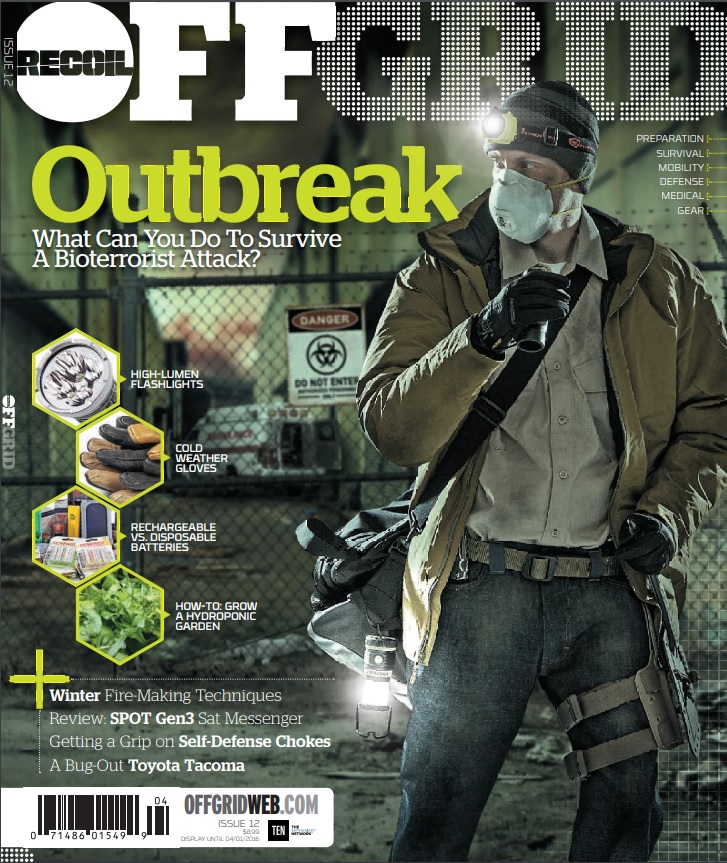
STAY SAFE: Download a Free copy of the OFFGRID Outbreak Issue

In issue 12, Offgrid Magazine took a hard look at what you should be aware of in the event of a viral outbreak. We're now offering a free digital copy of the OffGrid Outbreak issue when you subscribe to the OffGrid email newsletter. Sign up and get your free digital copy
Patrick McCarthy
Patrick McCarthyhttp://offgridweb.com/
Patrick McCarthy is the Editor of RECOIL OFFGRID. He currently resides in Arizona, and enjoys hiking, camping, shooting, and snapping photos along the way. You can follow his latest projects on Instagram at @pmccarthy10.

Share post:

Popular

More like this
Related

Home Emergency Kit: The Ultimate Guide to Building Your Emergency Kit in 2026

In August of 2024 Naugatuck Valley in Connecticut was...

Emergency Preparedness Guide for Prepping

Stay ready for emergencies with our comprehensive Emergency Preparedness Guide. Build confidence and essential survival skills today.

Stress Under Fire

Explore the impact of stress on first responders and preppers. Understand how stress affects mental health and resilience.

Troysgate: Training for Real Life Encounters

There are training programs that improve skill and others...