High-tech footwear is a relatively modern concept. For thousands of years, indigenous cultures such as Native Americans and Australian Aborigines have survived by wearing simple leather sandals and moccasins, or by going completely barefoot. Through countless years of walking in the wilderness, these men trained and hardened their bodies against the elements, developing feet that were tough and calloused enough to traverse hot sand and sharp stones with ease.
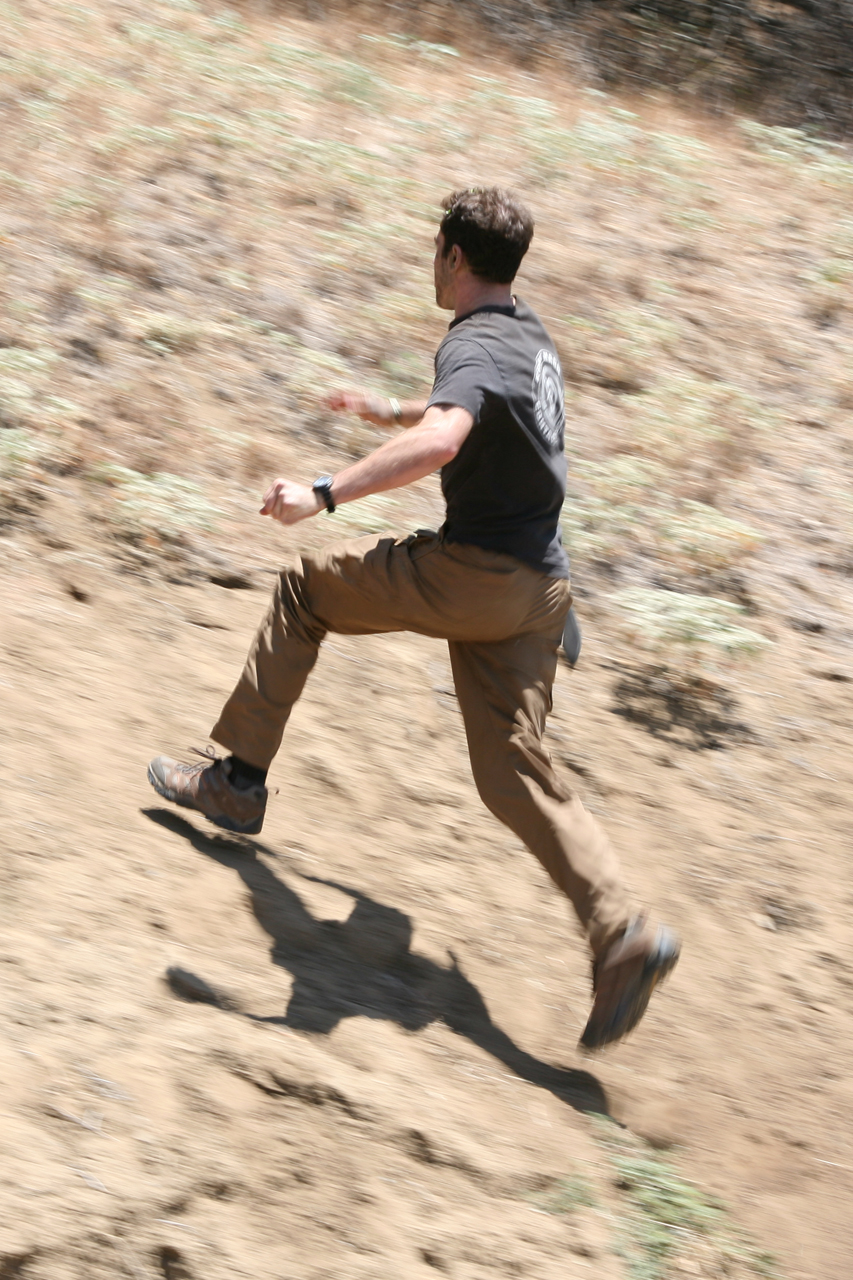
Although we certainly respect this time-tested behavior for its simplicity, things have changed a lot in the last few millennia. With the development of the automobile, mass transit systems, and aircraft, we have become a society that walks less than ever before. We’re much more likely to be training our bodies while we watch TV on treadmills at the gym, than we are to be trekking through the woods in search of a day’s meal.
The endless march of progress (no pun intended) has not only affected where we walk, but also how we do so. Rather than choosing between going barefoot or wearing minimalist sandals, we are faced with a veritable smorgasbord of footwear options. Do you really need gel-soled, inflatable, neon-colored cross-trainers with flashing LEDs, built-in heel wheels, and smart phone connectivity? It may sound ridiculous to imagine all that in one shoe, but each of these features can be found in shoes today. Clearly it’s overkill, but where do we draw the line? What kind of shoes are actually beneficial to survival?
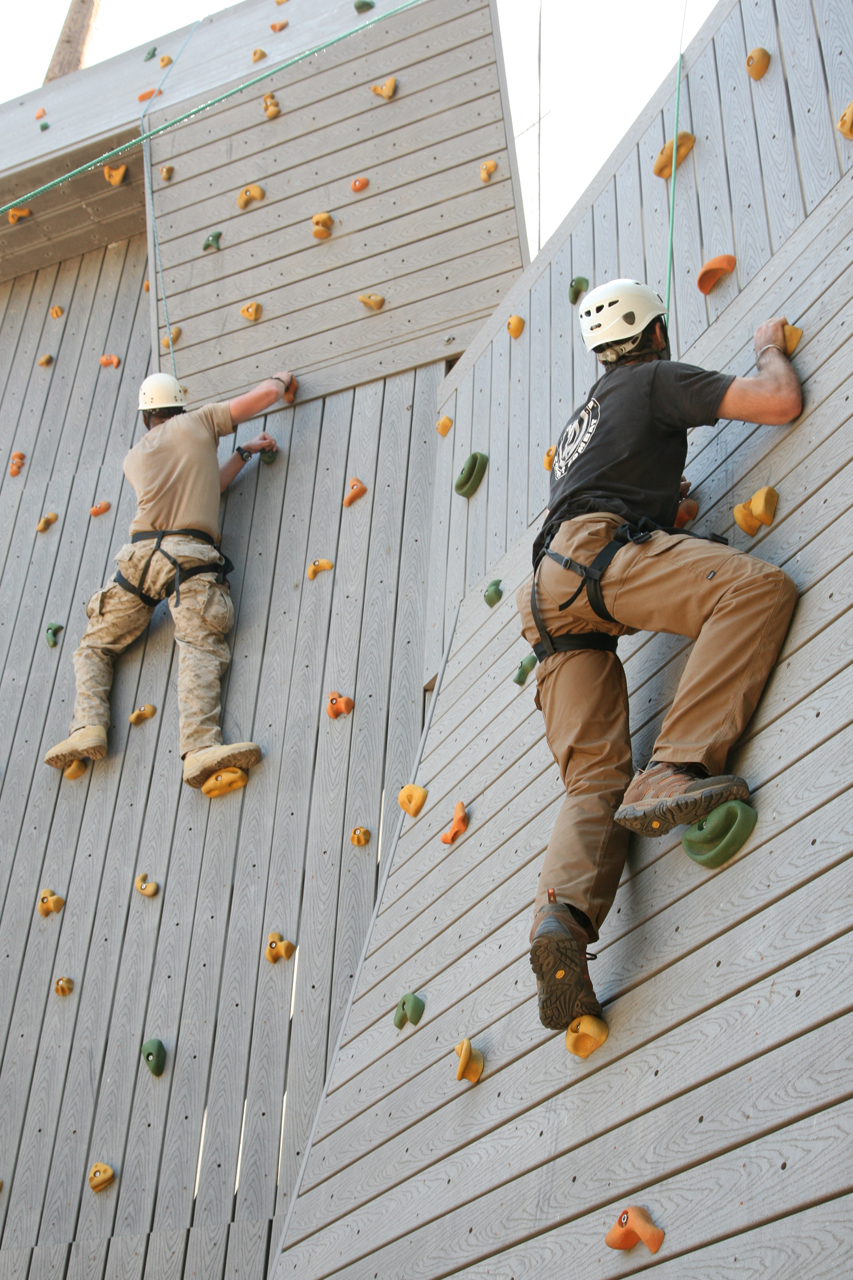
For the sake of this article, we’re going to break down shoes into three categories. First, there are light-duty shoes, such as slippers, moccasins, and sandals. Next, you have medium-duty shoes, such as running shoes and cross-trainers. Finally, you have heavy-duty shoes, such as combat boots and hiking boots. We recommend owning at least one of each type, to keep all your bases covered—while it’s possible to get by with a single pair of hiking boots, you won’t have the agility lighter shoes provide. Read on to see our analysis of these shoes, and find out which light, medium, and heavy shoes are best for you.
Light-Duty Shoes
Remember how we mentioned Native Americans? Their use of leather moccasins in every situation from hunting to combat proves the versatility of light shoes. This category of shoes prevents abrasions and cuts to the soles of your feet, as well as reducing the risk of stubbed or hyper-extended toes, while permitting maximum mobility. Some light shoes, such as sandals, only protect the bottom of the foot, while others cover everything up to the ankle. Light shoes generally have very thin soles, limited arch support, and are targeted at interfering as little as possible with the foot’s natural sensitivity and flexibility.
This category includes highly specialized models like climbing shoes, cycling shoes, and track shoes, most of which are too targeted at a single task to be effective in a general survival scenario. The recently popular Vibram Five Fingers and other “barefoot”-style designs would also fall into this category. Even the common Converse All-Stars could be considered light shoes, with their thin canvas construction. Generally, we recommend tried-and-true low-top or slip-on style light footwear.
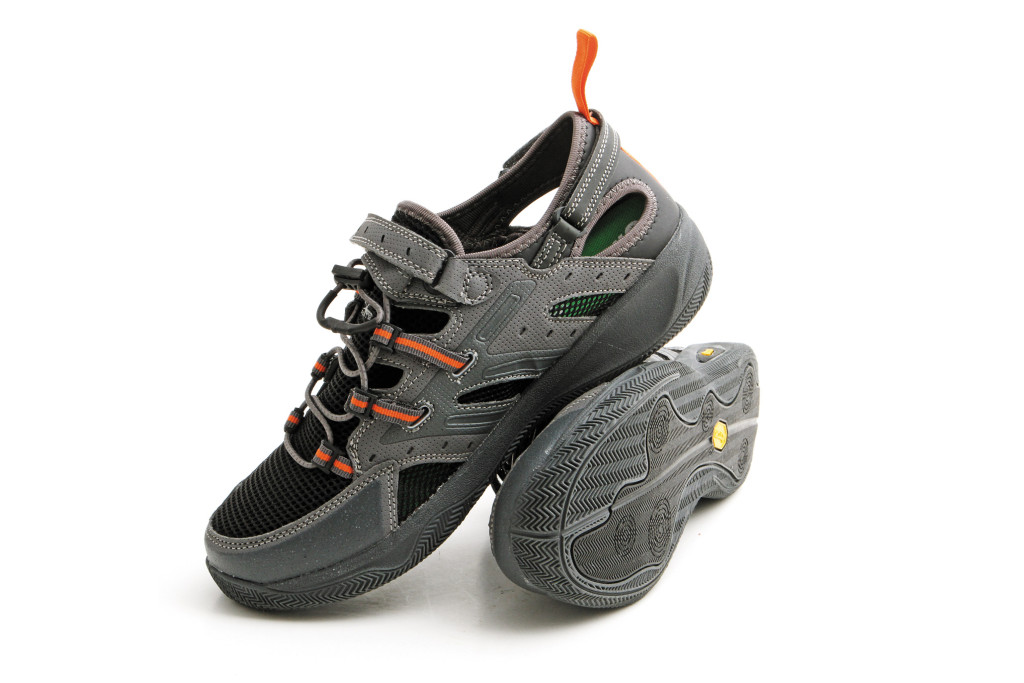
If you live near a large body of water, you may consider water shoes, which will permit you to walk across sand, rocks, and coral while fishing. They’re also great for kayaking, boating, and other marine activities, since they won’t weigh you down much if you need to swim with them on. If you’re not spending much time around water, look into a light shoe design that gives you grip and flexibility without impeding articulation and ankle movement. Also consider weight, since a shoe that weighs less will not hinder your agility.
Medium-Duty Shoes
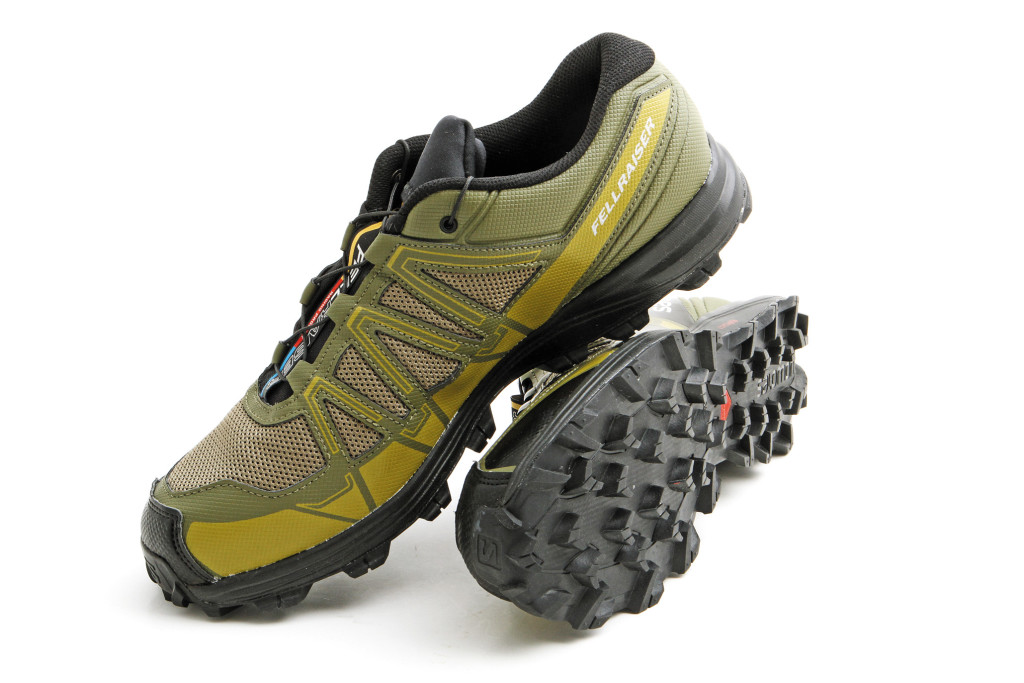
Medium-duty shoes are the most common for everyday use, and encompass everything from running shoes to light boots. They’re more durable and protective than light-duty shoes above, but they also weigh more and tend to be bulkier. The biggest difference with a medium-duty shoe is its cushioning—generally, the body of the shoe and the sole are thicker and more supportive. This often makes them better for walking or running long distances, as they can soak up impact and reduce joint fatigue.
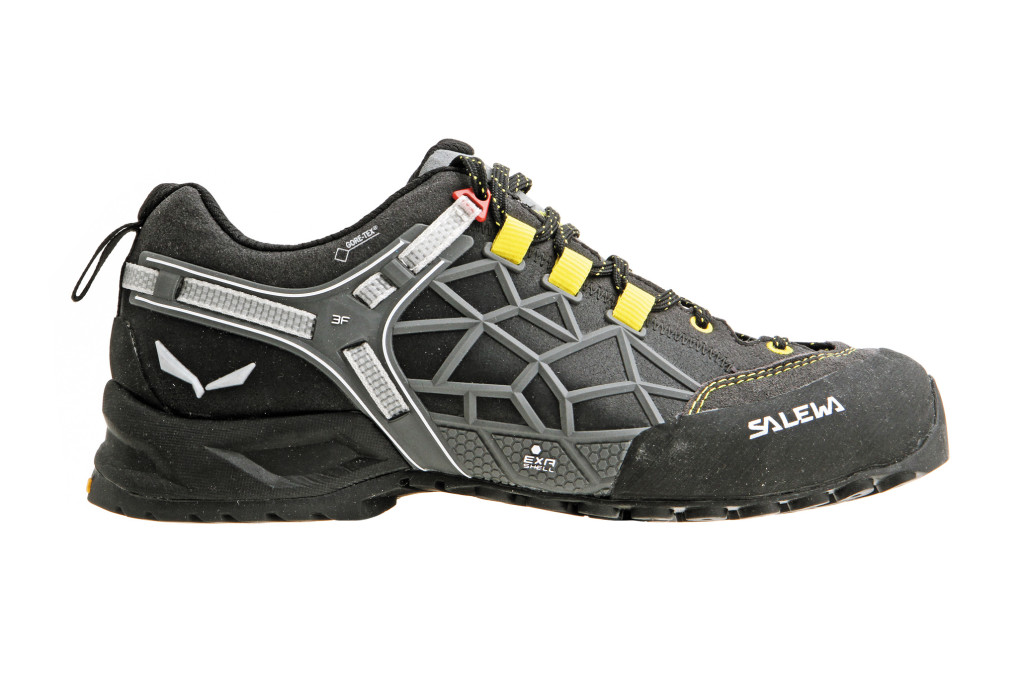
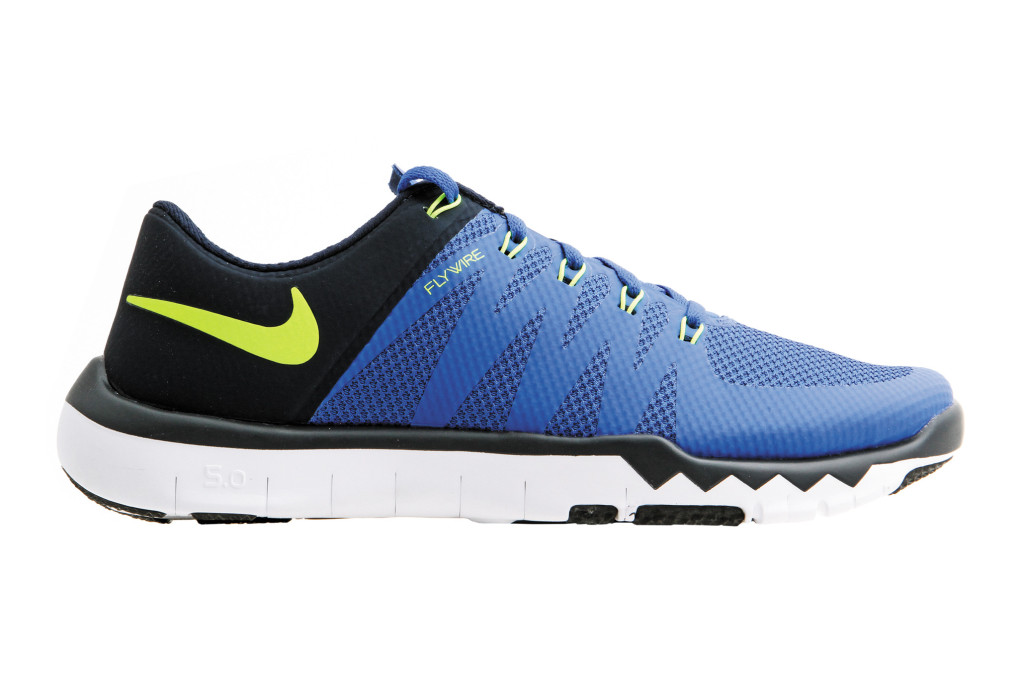
For survival purposes, cross training and trail shoes are generally the most effective. Cross-trainers feature a heavily cushioned design with breathability, grip, and excellent comfort. The low top on these shoes means you’ll still have plenty of ankle flexibility, but this also means you’ll need to be very careful not to roll an ankle on uneven terrain. Trail shoes are constructed similarly to cross-trainers, although they trade the bright white and neon color schemes for something more outdoorsy. Trail shoes also may have a more aggressive tread pattern, and less bulk at the expense of slightly reduced cushioning.
As the name implies, medium-duty shoes are a real jack of all trades, and if you’re going to be residing exclusively in an urban environment, these might be the only pair of shoes you need. These shoes also look more “ordinary” than a pair of combat boots or other specialized designs, so you won’t stand out in a crowd.
Heavy-Duty Shoes
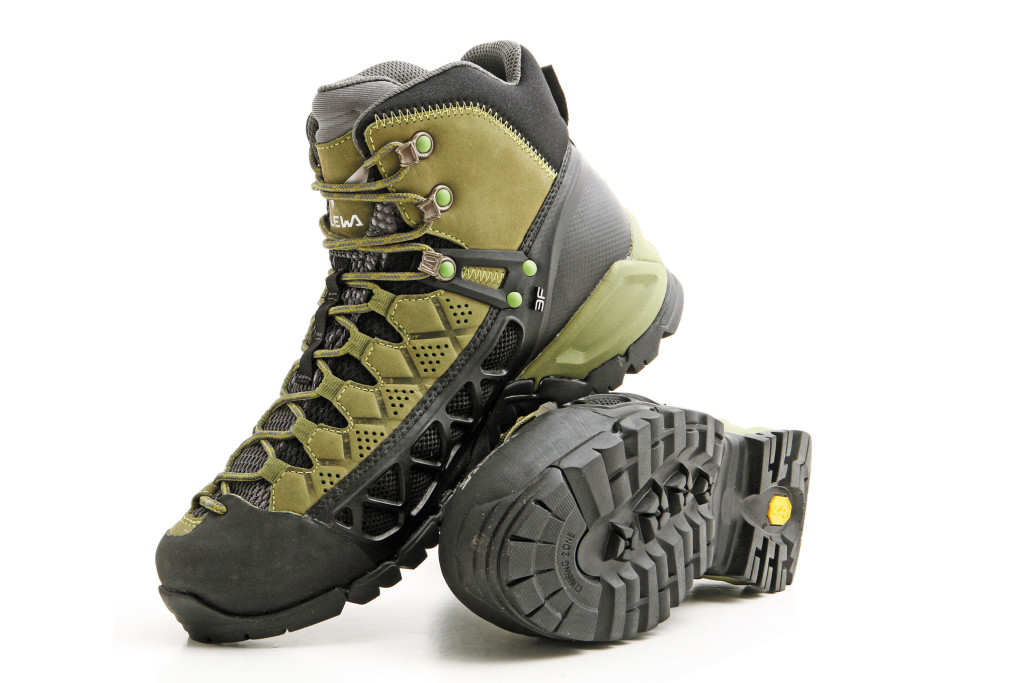
When it comes to picking footwear, many survivalists and outdoorsmen immediately choose heavy-duty shoes, such as combat boots or hiking boots. It’s understandable to want the toughest and most supportive shoes available for survival, but it’s also important to remember that heavy-duty shoes do have their downsides. First, they’re extremely bulky compared to the other categories, and relatively heavy as well. Secondly, they can be tough to put on and take off, and often require long break-in periods when new. Their hardened appearance will also have onlookers in urban environments giving you furtive glances. Finally, these shoes may impede your ability to operate certain vehicles due to their large size and restriction of ankle movement.
That said, there are many benefits to heavy boots as well—otherwise you wouldn’t see so many hikers, military members, and LEOs using them. They protect your feet, ankles, and even your calves from abrasions and impacts unlike any other shoe category. They’re also designed for long-term durability, and a good pair of boots can last through years of daily use. Many boots are also waterproof, and feature a collar at the top to prevent gravel or debris from entering the boot.
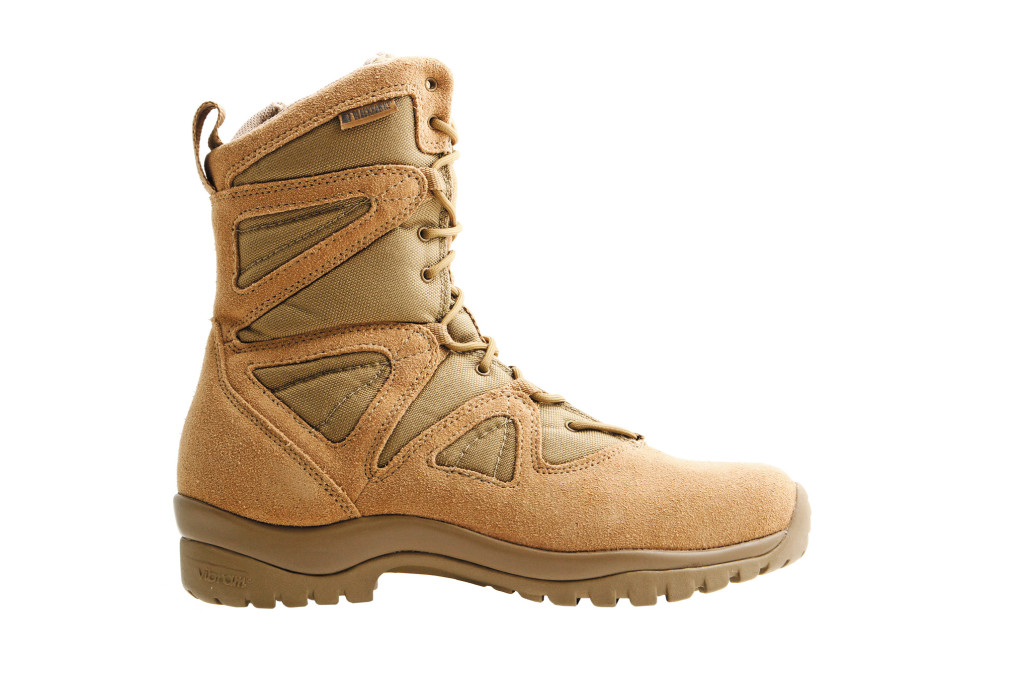
When choosing heavy boots, be sure to consider the terrain you’ll be using them on. Rough, rocky terrain will require a taller and more rigid upper section, so you don’t end up twisting your ankles. Toe protection is also key, and you may even consider steel or reinforced toes (although this will increase weight and bulk). Before buying any boots, be sure to walk around for 10 minutes and then try them on, since your foot will swell and fit more realistically. Wear the correct socks when you try on boots, and be sure your toes don’t contact the end of the boot’s toe box while walking.
Heavy boots can serve you well in a survival scenario, but don’t discount the other lighter types of shoes. Light, medium, and heavy—each has their strengths and weaknesses. So, what kind of shoes do you prefer? Let us know in the comments below.