Signaling for Rescue

Remaining Self-Reliant to Survive is Ideal, But Here Are Some Ways to Signal for Help If You’re Stuck or Injured

Date:

In a survival scenario, it’s important to do everything you can to remain self-reliant. Obviously that doesn’t mean that you should always venture out alone, or that you should disregard the needs of your family and friends — a survival support network is helpful and can make your life much easier during a disaster. Self-reliance means that you can still get by on your own if necessary.
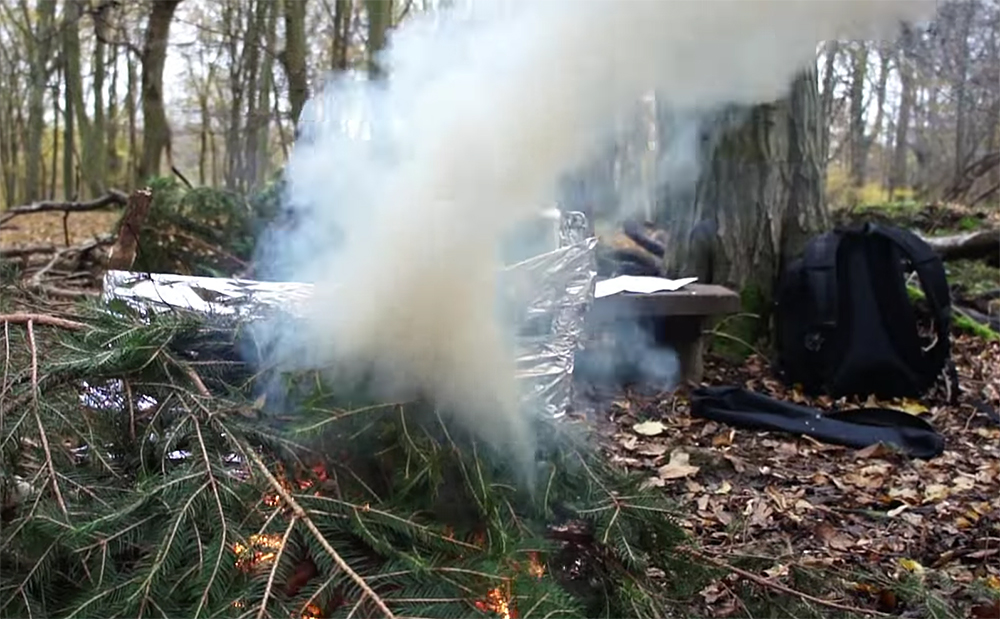
AlfieAesthetics signaling for rescue help smoke fire whistle 3
White smoke signals can be created by laying green living boughs across a strong fire.

However, there are some situations when pure self-reliance becomes impossible. If you topple off a ridge and break your back, get stranded at sea, or become so ill that you’re unable to walk, signaling for rescue may become your only hope for survival. Therefore, it’s important to consider the best methods to indicate your distress and call for rescue.
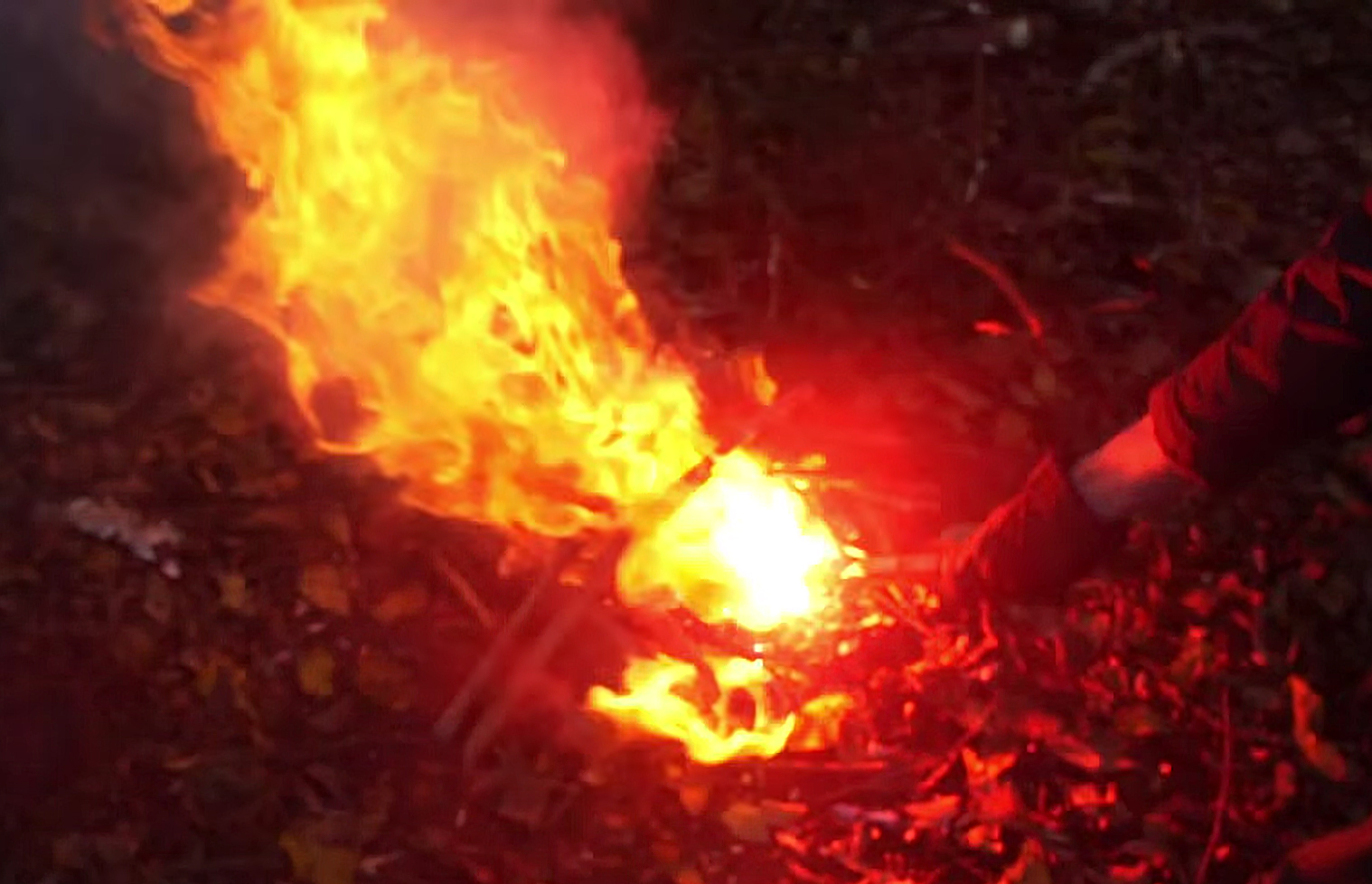
AlfieAesthetics signaling for rescue help smoke fire whistle 4
At night, a road flare can be used to signal for help, and to ignite a separate signaling fire.

In the following video, British survivalist AlfieAesthetics covers three categories of man-made distress signals: noisemakers, daytime signaling devices, and nighttime signaling devices. Noisemakers include whistles, car horns, firearms, loudspeakers, or just about anything that can produce a repeating pattern or S.O.S. signal (…—…) in morse code.
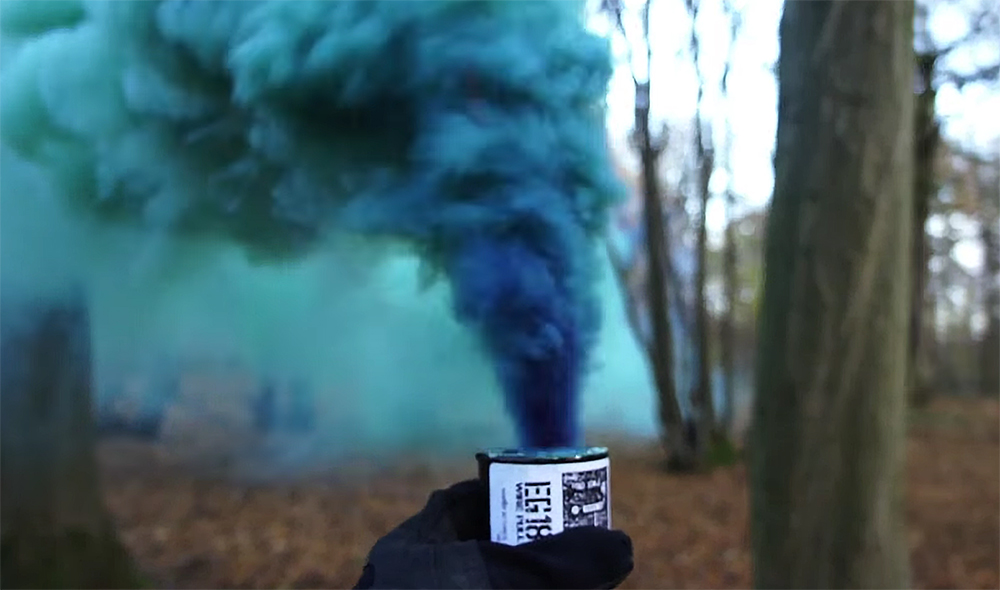
AlfieAesthetics signaling for rescue help smoke fire whistle 5
If you can get your hands on them, smoke grenades create an immediate and obvious distress signal.

Daytime and nighttime devices have some crossover; for example, flares and signal fires are effective around the clock. Other items are only effective at certain times — signal mirrors and smoke signals will be most effective in full sunlight, while glowsticks and flashlights will be most effective at night. Finally, Alfie discusses natural signals, such as arranging sticks or rocks in easily-identifiable patterns that would be visible by aircraft.

Check out the video, and consider which options would fit best into your bug-out bag or emergency kit:

STAY SAFE: Download a Free copy of the OFFGRID Outbreak Issue

In issue 12, Offgrid Magazine took a hard look at what you should be aware of in the event of a viral outbreak. We're now offering a free digital copy of the OffGrid Outbreak issue when you subscribe to the OffGrid email newsletter. Sign up and get your free digital copy
Patrick McCarthy
Patrick McCarthyhttp://offgridweb.com/
Patrick McCarthy is the Editor of RECOIL OFFGRID. He currently resides in Arizona, and enjoys hiking, camping, shooting, and snapping photos along the way. You can follow his latest projects on Instagram at @pmccarthy10.

Share post:

Popular

More like this
Related

Tales from the Field

Discover the excitement of hunting in Nebraska, filled with lively personalities and the charm of the great outdoors.

Maintaining Comms During Disaster

The Premise Emergency Communication 101 sets out to solve a...

Cold Weather Survival: Understanding, Preventing, and Treating Hypothermia

Winter brings risk along with the cold. Hypothermia can strike in deep wilderness, on a roadside, or even inside a poorly heated space. This guide explains how hypothermia develops, how to prevent it through smart layering and preparation, and how to treat a person in danger. Stay ready when temperatures drop.

Surviving the Silent Season

Cold months test more than gear. They strain mood, motivation, sleep, and connection. Licensed trauma therapist Tom Sarge explains why winter isolation hits so hard and how to counter it with sunlight, movement, connection, planning, and simple mental prep. This guide blends survival principles with emotional resilience to help you face long nights, holiday triggers, and seasonal depression with clarity and strength.