The No-B.S. Paramedic Guide to 3 Common Injuries

WARNING: This story is meant to be a general overview and not a detailed guide on emergency first-aid methods. Do not attempt to perform these techniques without first receiving professional paramedic or first-aid training.

The skill set of a U.S. special operations combat medic (SOCM) seems tailor-made for preppers. Through years of training, they learn to do much with little, to improvise equipment and techniques, and to scrap and scrounge in the name of keeping their teammates alive.

We had the privilege of learning how to treat some specific medical emergencies from a 26-year Special Operations Combat Medic. He’s uniquely suited to teach RECOIL OFFGRID’s readers since he’s accustomed to depending on himself to take care of things — whether waiting 72 hours for a helo to evacuate his wounded soldiers or having to triage a mass-casualty incident to decide who gets saved.

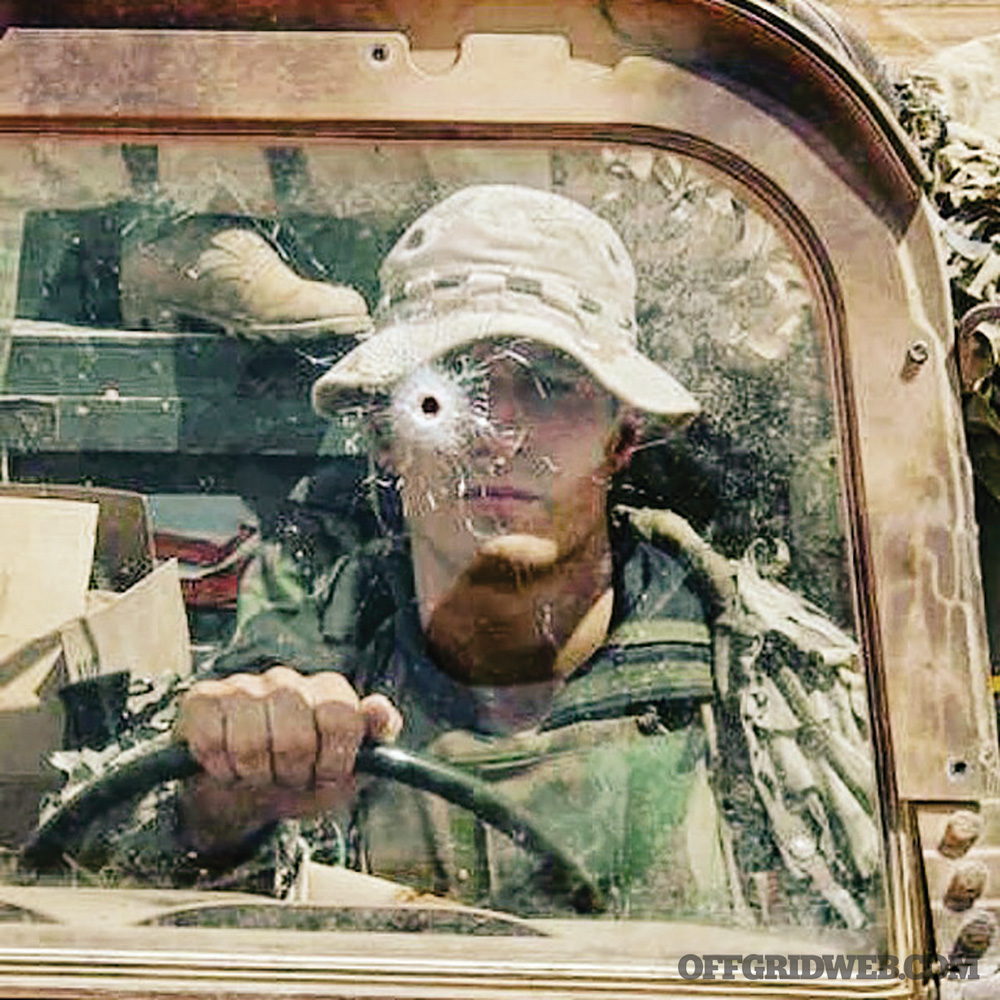
Medical Trauma Treatment combat truck humvee gunner 22

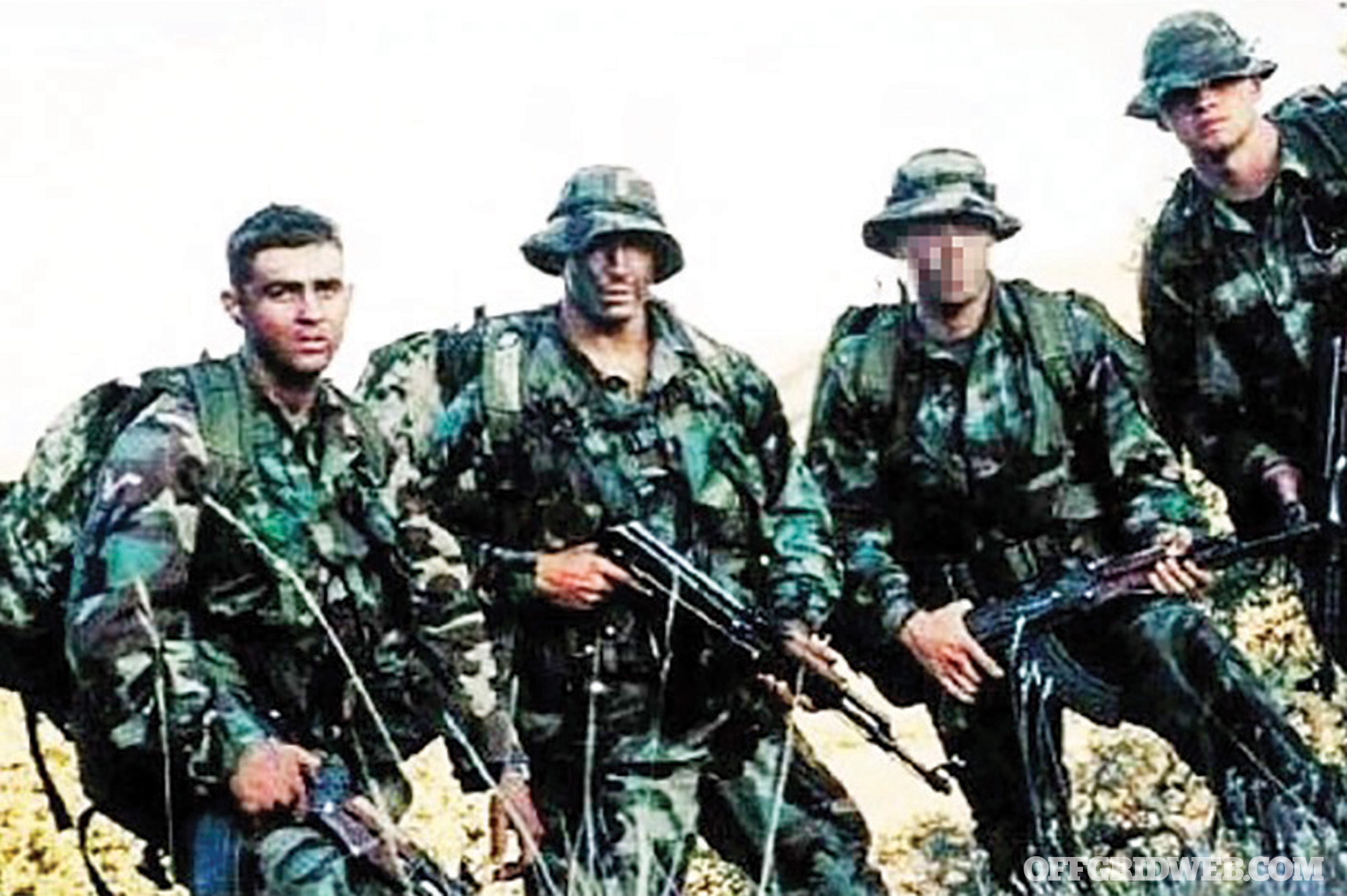
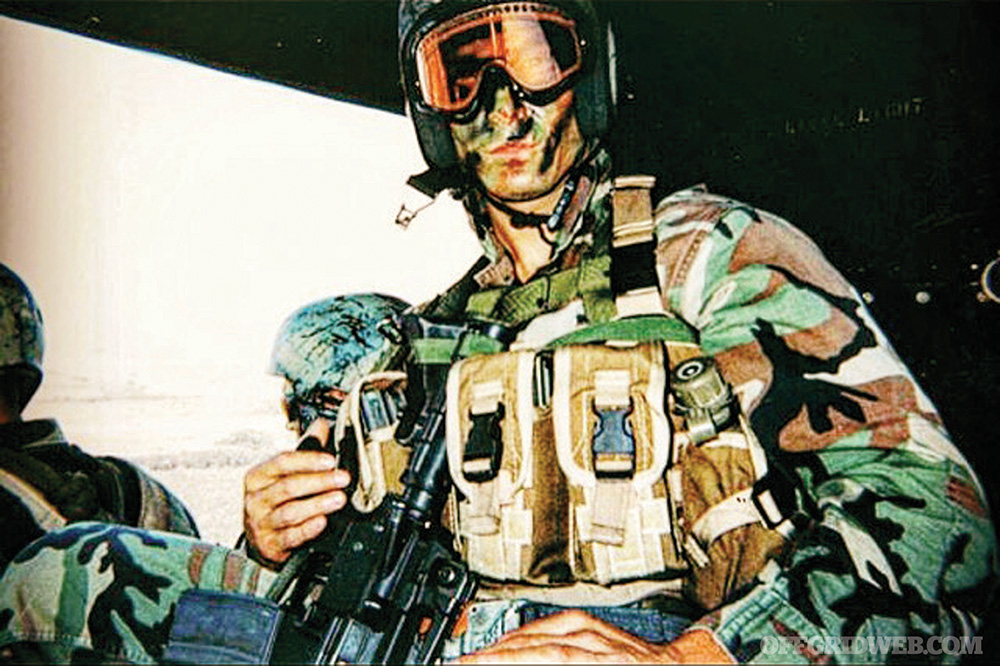
Because he’s still active-duty we can’t disclose his identity or unit affiliation. He started his career as a U.S. Navy corpsman in 1991 and, since 9/11, has spent more than five years in combat zones. He’s been deployed a sh*t-ton of times throughout the Middle East, South America, and Africa. Within his tight-knit community, he goes by the nickname of “LEGO” because he’s always tinkering with his gear.

“Though we only receive a paramedic qualification for practicing medicine in the states, as an independent duty corpsman (IDC) we are asked and trained to do much more,” he says. “I’ve had to perform amputations, placed chest tubes, performed minor surgeries, pulled teeth, practiced veterinary medicine, and diagnosed and treated diseases that most healthcare professionals only read about.”

With all that being said, we asked LEGO how he’d tackle three common trauma situations that our readers may someday face with minimal medical equipment. Read on to see how you might be able to incorporate these concepts into your own preps.

Injury #1: Blunt Head Trauma

OFGP-170200-PARA-04.jpg

RECOIL OFFGRID: Talk to us about head trauma, whether it’s from a fall, a vehicle crash, or a blunt weapon.

LEGO: The simple fact is that head trauma is one of the hardest things to treat in the field. There’s often a period immediately following where they seem to get better, but left untreated they can rapidly decompensate to the point of coma or death.

Visible signs of trauma or a known mechanism of injury (i.e. car crash) along with loss of their level of consciousness (LOC) are the main indicators of a concussion. You assess LOC by asking questions that require them to access long-term, short-term, and cognitive centers of the brain. Ask a simple math question or who the president is. Establish a baseline and then reassess every so often. Every five to 10 minutes at first, then spread it out to every hour if they’ve been stable for more than a half hour.

Even when they appear completely unconscious you can still check their LOC to some extent. You can flash a light in their eyes and look for pupillary response. Their pupils should be equal size and react to light. If they’re fixed and dilated you have a serious problem. Another way to establish LOC is to check their response to pain. Pinch them hard or rub on their sternum with your knuckles hard to elicit a response. You’re looking for a grimace.

There are other head trauma indicators that show up immediately, minutes, hours, or even days later. One is posturing. If you’ve ever seen someone get knocked out in a UFC fight and their arms and legs go straight out almost like a seizure, that’s a sign of brain damage. Other indicators are bleeding from ears or nose, one pupil bigger than the other, they can’t stick their tongue straight out, loss of smell, hearing, or eyesight, black eyes or bruising behind the ears, or headache.

Keep in mind that bleeding from the nose or ears isn’t evidence of significant head trauma in and of itself. You could break your nose or pop your eardrums and get blood. You can test if the blood is coming from within the skull by doing a halo test. You dip a piece of gauze in the blood and look for separation of blood and cerebral fluid. The blood tends to stay in the center as a yellow or clear ring (halo) forms on the outside, wicking away from the thicker blood.

ROG: What about short-term treatment, assuming that EMS is a simple 911 call and less than 10 minutes away?

LEGO: Like with most types of trauma, the ABCs (airway, breathing, and circulation) come first. Open their airway (mouth), check for breathing, and if they’re not breathing begin chest compressions. However, unlike other types of trauma, if you suspect head trauma, never put the feet above the head. Have them sit up slightly or lay on an incline. The object of treatment is to reduce swelling and decrease pressure. Have them relax to reduce heart rate, and never give aspirin for pain. It’ll thin the blood and increase the chance of bleeding. Also, don’t feed or give water in case they need surgery.

If bleeding from the skull, be careful with how you address it. Remember, if blood is getting out, the pressure is being relieved somewhat. If bleeding profusely from the head, never put pressure directly over the wound if there’s a chance for skull fracture. You can roll a bandage or cloth to form a donut. The donut will apply pressure 360 around the wound. The wound should be in the center of the donut you created.

ROG: What if EMS is going to be delayed for an hour or longer?

LEGO: If they are going downhill the only thing that will save them is surgery to relieve the pressure. You need to get them to the hospital ASAP. If EMS cannot get to you then you might have to get to EMS. This is when you think about life over limb. Sometimes the need to move them to get them to care outweighs other injuries that might cause more damage if you move them.

In the meantime, keep them calm. Monitor their vitals and LOC. Be prepared to manage breathing if pressure from swelling increases to the point that it puts pressure on the brain stem. Use mouth-to-mouth breathing, with one breath about every five seconds. Keep objects that can hurt them away from them in case they start flailing.

Injury #2: Blunt Abdominal Trauma

ROG: How about blunt abdominal trauma, like what usually happens in car crashes?

LEGO: Understanding the mechanism of injury is again a key indicator in determining whether they might have an internal injury. Look for abdominal rigidity (their belly will be hard as a rock), difficulty breathing, distention (this is when the belly is pushed out like a kid’s), blood on rectum or on the head of the penis, nausea or vomiting blood, or latent bruising, which shows up later. They might be very thirsty which is a common symptom with internal bleeding.

Also, crushing injuries may involve fractures to the ribs or pelvis. You can check by placing your hands around the rib cage or pelvis like you’re holding a basketball, and apply slight pressure. You’ll feel a grinding or crunching if bones are broken and see a grimace in their face. Fair warning, if the patient is awake they’re liable to come up swinging!

OFGP-170200-PARA-03.jpg

ROG: We’ve always been told that if EMS is on the way, leave the victim inside the vehicle for fear of spinal injuries. But what if the car is on fire or EMS isn’t coming?

LEGO: Again, if it’s a life-over-limb judgment call, you do what you got to do. If they’re wearing a jacket you can grab the collar, which helps support the head. If the shirt will not hold up, then grab under the arms to drag them out. The point is to keep the feet in line with the head as much as possible, so that if the spine is broken you don’t sever the spinal column.

Remember, the idea to any internal injury is to keep internal organs from shutting down due to lack of blood and oxygen. So treatments for blunt abdominal trauma are focused on increasing blood pressure to the core of the body where the critical organs reside. Stop external bleeding first. If they have lacerations, add pressure to that spot.

Next is posturing. Elevate the legs and arms so the blood moves into the core of the body. If they have breathing issues, roll them onto the affected side or fractured side to take pressure off the good side.

If you have elastic bandage wraps, you can try adding one to the midsection to increase pressure or add them to the legs to force the blood to the core. Start from the feet and move up toward the thighs. If you notice bruising, trace the outline using a Sharpie. Mark time on it to give you an idea of how bad the bleed is. Make this part of your reassessment loop as you check vitals. Do what you can until you can’t do any more.

Many jurisdictions have good Samaritan laws that shield helpful bystanders from litigation. Regardless, it’s not a bad idea to take notes about any actions you took at the scene before they pass from your memory in case you are ever called on them.

OFGP-170200-PARA-01.jpg

Injury #3: Penetrating Trauma

ROG: Can we talk about penetrating trauma, like a gunshot wound?

LEGO: Penetrating trauma is probably the most common of combat casualties. Whether it’s from a blast or gunshot, location and velocity of the object can produce a variety of injuries.

ROG: What about stabbings?

LEGO: In cases of a stabbing or impalement, damage tends to be localized. If the object is still there, leave it in. Stabilize it to protect it. This might mean cutting it down so it’s manageable, building donuts up around it similar to a head wound, or placing something over it like a cup and taping it in place. Leaving it in will maintain pressure created by the object itself against anything it severed.

If the penetration is anywhere in the trunk of the body, you should treat the wound with an occlusive dressing. That is an airtight dressing that prevents air from escaping or entering the chest cavity, which could cause the lungs to collapse. You can make one by placing a piece of plastic, like a wrapper or credit card, directly over the hole and taping the sides down.

Keep in mind that if the lung is punctured, air can escape into the chest cavity from the lungs themselves. With occlusive dressings placed, the trapped pressure can collapse the lungs further, even adding pressure to the heart until no exchange of air is possible. This is called a pneumothorax. The most recognizable sign of this is unilateral breathing, where one side of the chest rises, but not the other. You’ll see increasingly labored breathing and you might even see distended neck veins.

If you recognize these signs, you might need to burp the wound. To do this, peel up the plastic dressing and wipe away any clots so the air can escape. Replace the bandage once the pressure is relieved.

OFGP-170200-PARA-05.jpg

OG: What if the wound is to a limb?

LEGO: Put a tourniquet on as high on the limb as possible. This is a precaution until you locate or eliminate the presence of an exit wound.

Do a blood sweep: Search with your hands 360 degrees on the body for an exit wound. Be thorough. You never know what path the bullet will take once it hits flesh. The path will often depend on the way the bullet is facing as it starts to tumble. I’ve seen people that appeared to be simply shot in the leg, but had an exit wound through their back.

If you find a wound, immediately apply pressure, place a tourniquet, then cover it with a pressure dressing. You apply a pressure dressing by first packing the wound with gauze. Once you locate the hole, open it so you can see the bleed, and shove gauze directly in the bleed. You must be aggressive with this.

With your fingers feeding it in, unroll the gauze as you pack the wound until you can’t fit any more gauze into it. Apply a couple wraps of elastic bandage wrap or other dressing to secure the gauze in place.

Once you cover the wound completely with the wrap, you can start adding a twist in the wrap directly over the wound. This will help add more direct pressure. Once the pressure dressing is in place and you’ve ruled out an exit wound, you can loosen the tourniquet and lower it to about 2 inches above the dressing.

ROG: How would you treat penetrating trauma in the longer term?

LEGO: If the wound continues to bleed after loosening the tourniquet, replace the tourniquet roughly 2 inches above the wound. You’ll need to loosen the tourniquet once every 30 minutes so they don’t lose their limb. Loosen it slowly so you don’t blow out any clots that’ve formed. And when you loosen it, make sure you leave it in place just above the wound site. This way it can be rapidly applied again if your dressing starts seeping. Eventually, the wound should clot and the bleeding will stop.

If you have it, give them broad-spectrum antibiotics. But any antibiotic would be better than nothing at this point.

You want to debride (remove dead and damaged tissue) and clean the wound aggressively. Note: Your patient will not like it! After debridement, pack the wound and keep it covered for the first five days, smelling it and checking for infection. You can consider closing smaller, low-velocity wounds at this point if there are no signs of infection. Larger holes that you can’t close will need to have their dressings changed often. As you rip out the old gauze it removes the top layer of scab, helping the granulation process. This is where it heals from the inside out. Keep the wound covered and do this daily until it no longer bleeds.

ROG: Is there anything else we should keep in mind?

LEGO: Always remember that attitude can have a huge impact on a patient’s survivability. I’ve seen individuals shot once or twice fold because they focused on the wrong thing. Others I’ve seen shot up to 26 times and survive. Don’t underestimate the power of the mind. Keep them engaged on doing a job if possible, to take the focus off of their wounds if you can. Keeping calm will help calm them. If you project confidence in the fact that they’ll make it, they will too.

Medic’s Gear

LEGO, a U.S. special operations combat medic, is used to saving lives in combat zones with little more than his medical kit and his experience. So adaptation is the name of his game.
“If I had five items to choose from, I would have ACE wrap, rolled gauze, tourniquets, shears, and 100-mph tape,” LEGO says. “You can improvise everything if you have these items. You can use the inside of the sterile wrappers for occlusive dressings, or if internal organs are exposed. You can cut your shirt for more bandages and use tape for just about everything.”

Paramedic guide common injuries trauma treatment medical survival shtf emergency 5

Medic Pack
For larger-scale supply storage, the Cerberus 72-Hour Medic Pack from Tactical Tailor carries enough for an entire family or survival group. The $400 price tag is high, but on par with similar USA-made packs of the same quality and size. The interior mesh pockets are completely separated and detachable. They can be positioned in dozens of combinations to fit each user’s unique needs. www.tacticaltailor.com/72hourmedicpack.aspx

Paramedic guide common injuries trauma treatment medical survival shtf emergency 4

Shears
Oftentimes, it’s important to remove a victim’s clothing to expose the wounds, especially if the patient is unconscious. The fastest tools we’ve ever seen for this are USA-made Rip­shears ($28). These patented shears combine trauma shears with an inline safety knife to zip through clothing, including boots, protective bunker gear, and heavy jackets in seconds. www.ripshears.com

IFAK
Medical tools must be portable and deployable immediately. The veteran 6.6 Med Pouch from 5.11 Tactical ($30) attaches to a larger backpack or duffle with MOLLE compatibility and zippered mesh pockets. The UCR IFAK pouch ($35) is a souped-up version with better separation, faster access and increased interior visibility, and can easily mount to a vehicle headrest. www.511tactical.com

Gauze and TQ
QuickClot Combat Gauze ($38) and the Combat Application Tourniquet (CAT) ($33) are standard issue to our military, both available from North American Rescue. Its website offers all of these medic basics plus helpful videos to explain their use. www.narescue.com

Paramedic guide common injuries trauma treatment medical survival shtf emergency 1

Knife
The made-in-USA TOPS/BUCK CSAR-T knife ($95) was designed to be the best available knife for rescuers. With its Rocky Mountain Tread grip and chunky ATS-34 blade, it feels a lot like Mission Accomplished. But if you’re working on a first responder or combat medic’s budget, the very best tools may sometimes be out of your reach. In that case look for the imported Buck Redpoint rescue knife ($32). www.buckknives.com

About the Author

Andrew Schrader is a licensed professional engineer and is certified by the U.S. Army Corps of Engineers as an Urban Search and Rescue (USAR) Structures Specialist. His company, Recon Response Engineering LLC, advises state and federal government organizations on the subject of urban search and rescue and building collapse. He recently assisted the U.S. Department of State’s Italian Consulate in the development of their post-earthquake response and rescue protocol. Website: www.reconresponse.com Instagram: @reconresponse

More From Issue 17

Don’t miss essential survival insights—sign up for Recoil Offgrid’s free newsletter today!

Read articles from the next issue of Recoil Offgrid: Issue 16

Read articles from the previous issue of Recoil Offgrid: Issue 18

Check out our other publications on the web: Recoil | Gun Digest | Blade | RecoilTV | RECOILtv (YouTube)

Editor’s Note: This article has been modified from its original version for the web.


Video: Fire-Starting with Gunpowder and a Bow Drill

Much like survival in general, starting a fire is all about thinking ahead and making the most of the resources you have with you. If one approach fails, you’ll need to go to the backup plan… or the backup-backup plan. This adaptability and forethought will keep you alive in difficult situations.

charcoal-burning-fire

If you’re out hunting and find yourself unable to start a fire, it’s worth knowing that your firearm can provide an ignition source (it’s right there in the name, after all). However, reliably lighting a fire with a gun is much harder than you might think — see our previous article Fire-Starting With a Firearm for some examples. The S.A.S. Survival Manual shows a method of replacing a bullet with a wadded-up piece of cloth and firing it into a tinder pile, but both YouTuber Survival Russia and “Survivorman” Les Stroud struggled to replicate this effectively. The result was usually a blast that scattered tinder material everywhere.

If you don’t have pliers, it may be possible to pry a .22LR cartridge open with the lanyard hole on a knife...

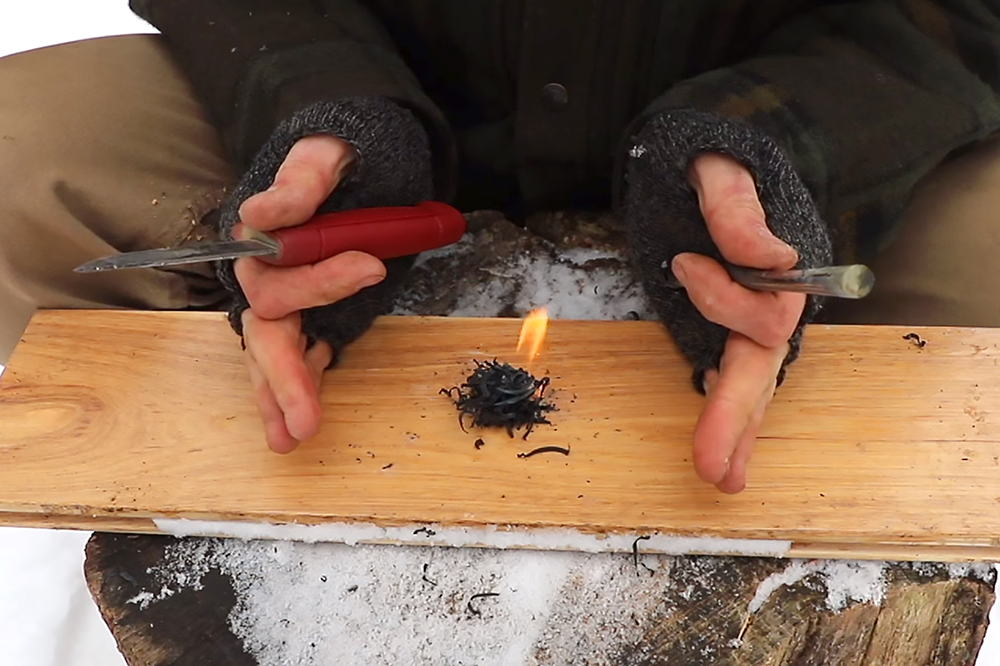
Lighting a pile of gunpowder is easier if you have flint and steel or a ferro rod, but as we’ve said before, you probably won’t be disassembling your valuable ammo if you already have those items. YouTube bushcrafter NW Primate shows how gunpowder can be paired with a friction fire-starter — namely, a bow drill — to create an immediate burst of flame that will greatly accelerate an otherwise tedious process.

NW Primate gunpowder fire starter 22lr bow drill friction ignition hunting rifle ammo 2

In the video below, NW Primate sets up a bow drill using some wood and a boot lace, then carefully breaks open two .22LR cartridges using the lanyard hole on his ESEE knife. The powder is poured into a notch right next to the bow drill divot, and within seconds of spinning the drill, he has a fire going. For more details on the process and materials, check out the description text below his video.


7 Common Self-Defense Mistakes

WARNING: The content in this story is provided for illustrative purposes only and not meant to be construed as advice or instruction. Seek a reputable self-defense school first. Any use of the information contained in this article shall be solely at the reader’s risk. This publication and its contributors are not responsible for any potential injuries.

“Win or lose, you always learn.” This quote has been used by coaches and martial arts practitioners in various iterations, and true to some degree. No one will forget the feeling of getting choked out for the first time or what actions, in training, lead to getting struck, thrust, or shot.

These experiences are great teachers. The wise fighter will catalog them to avoid them in the future. Sometimes, though, losing means losing it all. Some fight mistakes aren’t learning experiences — dying doesn’t afford someone a second chance to try again.

What follows are common mistakes that have killed some but taught many.

Mistake #1: “I’ll Just Run Away”

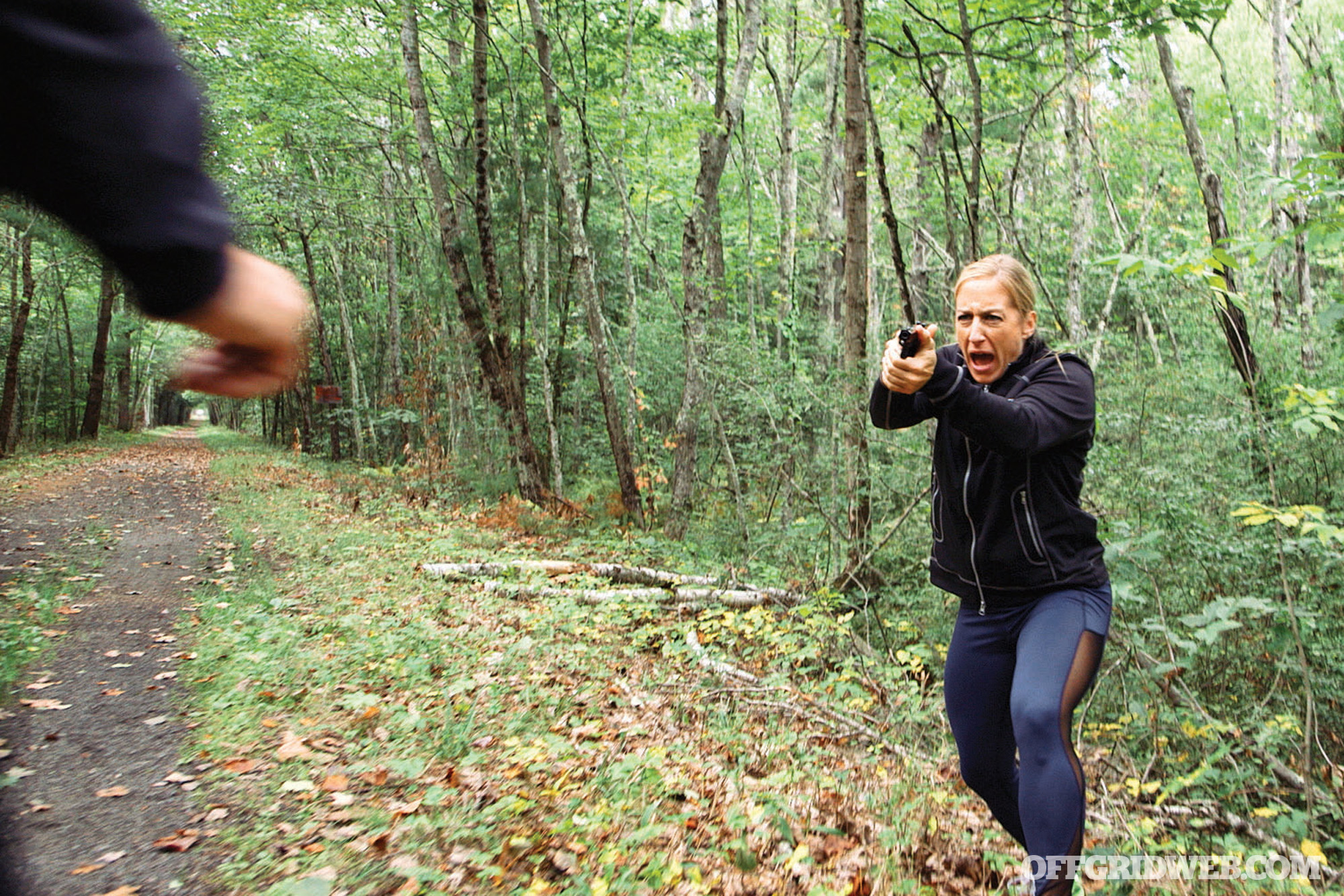
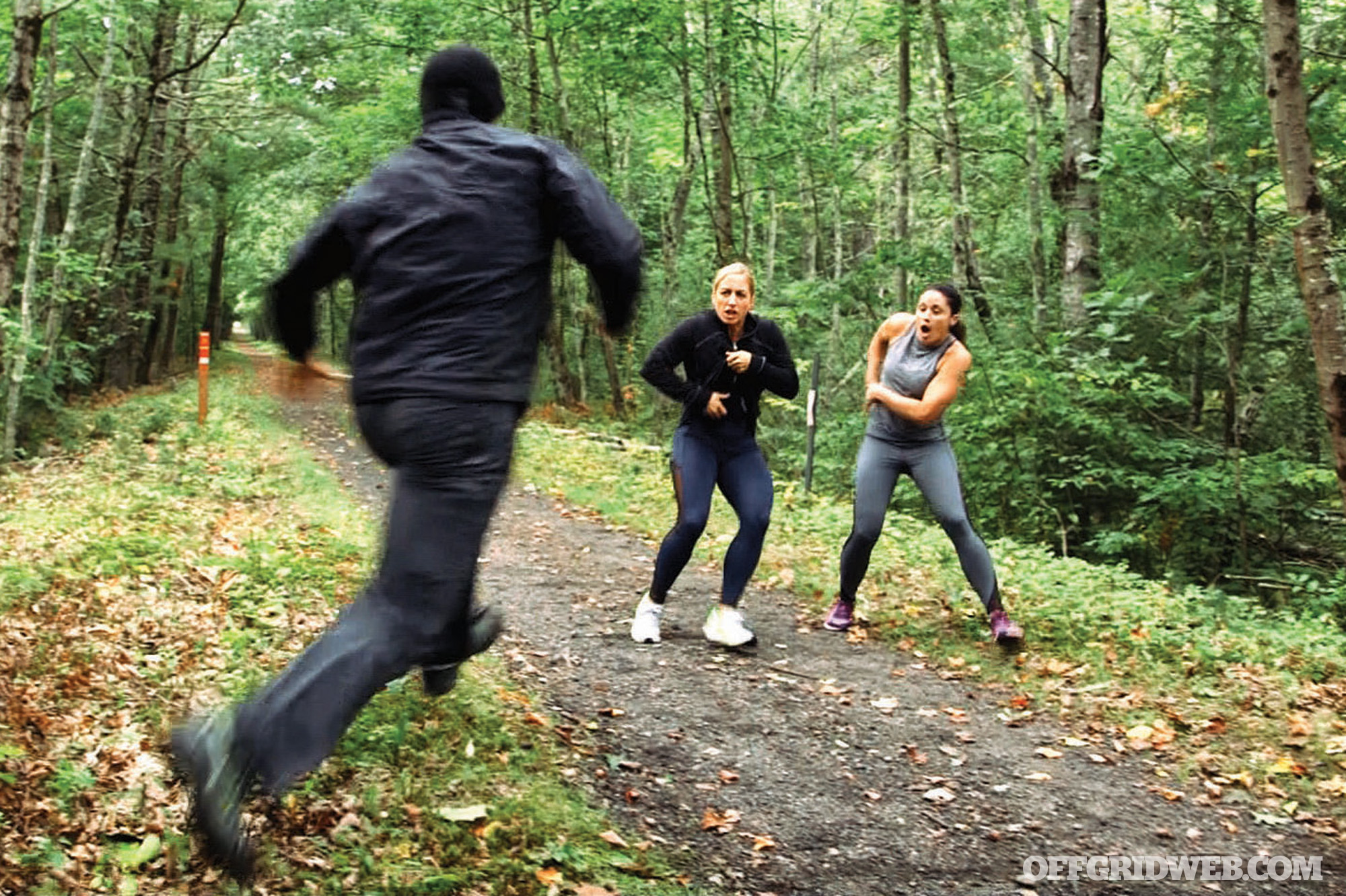
OFGP-170200-FIGHT-02.JPG

Above: Running assumes your path won’t be blocked. Chain-link fences, locked doors, and tripping hazards can all impede your path and escape.

This is sound in theory. But reality isn’t always so kind. This assumption fails to take into account how real-life obstacles can slow or even stop the flight to safety. Uneven ground can trip you up. Loose gravel will prevent traction. And steep inclines, locked doors, and walls can slow or completely halt your escape.

These are merely the non-human factors affecting the “run defense.” How about the two-legged threat?

The attacker may be faster, have better endurance, or may be working with others. You might be baited into an ambush. The idea of fleeing assumes the end destination will be safer than the present location.

This pertains to a grander bug-out scenario, as well. Running is an option, but it isn’t a foolproof option. One should be ready to run, but also be willing to stand and fight.

Mistake #2: “I’ll Call the Police”

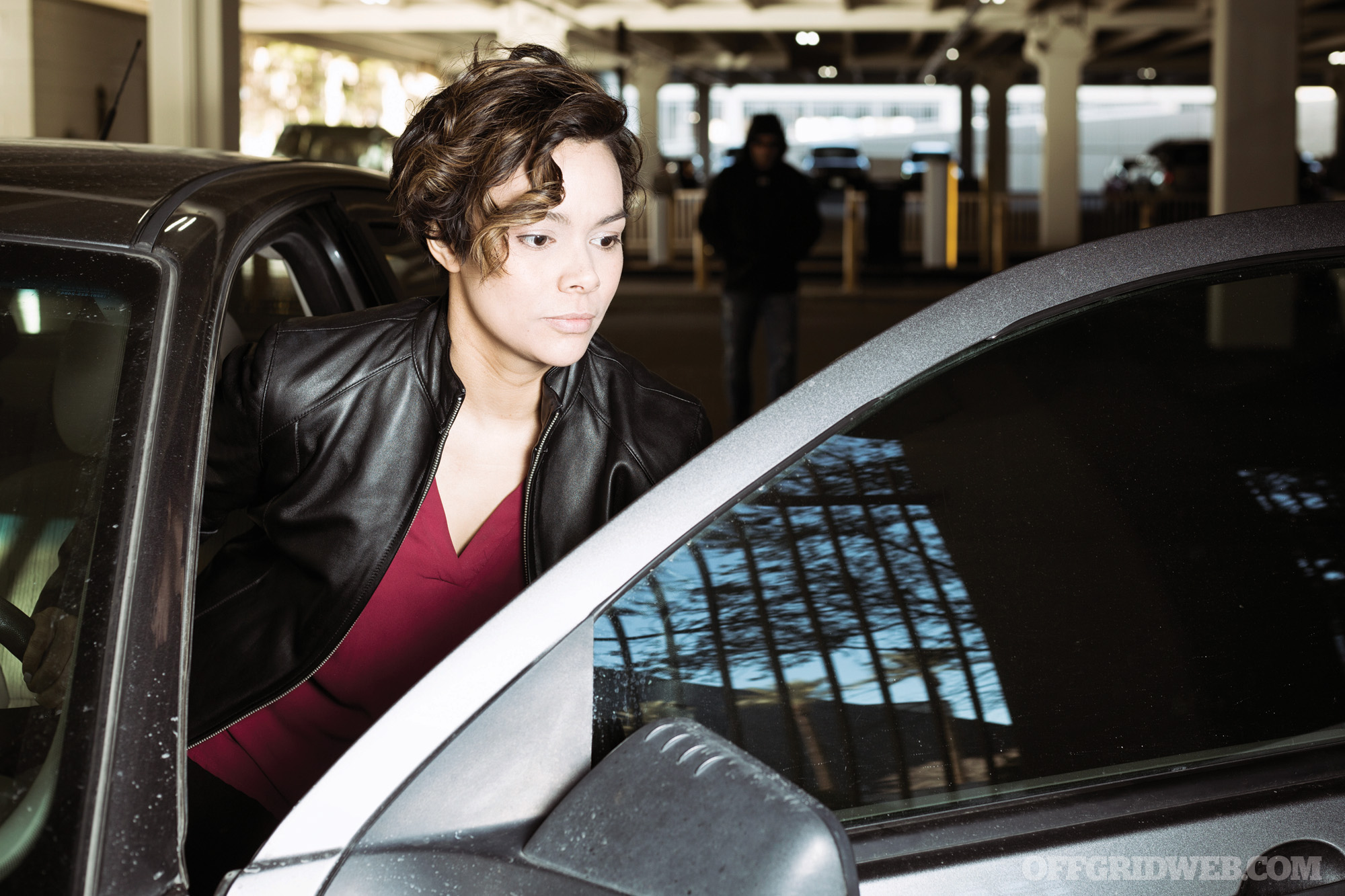
OFGP-170200-FIGHT-03.JPG

Above: When seconds count, the police are minutes away. What happens when a touch screen can’t be unlocked? Or if the call doesn’t connect?

Calling for help is effective if there’s help within earshot and they’re quicker to respond than the attacker is able to inflict harm. If this sounds unreasonable, it’s because it is.

In a small town, with a population of only a few thousand, there may be only a few police officers or sheriff’s deputies. In some cases there might only be a lone state trooper. Yelling or screaming is ineffective at best, considering an unamplified human voice doesn’t travel far and there may not be anyone within hearing distance to recognize it and respond.

In a city, there might be dozens or even hundreds of officers on duty, but the chances of them reaching you in seconds are next to nil. Assuming you can reach your smartphone, this call will last as long as it takes to unlock the touch screen, enter the emergency number, wait for the dispatch to pick up, alert nearby authorities, and then however long it takes for officers to go from where they are to the scene of the emergency. This, of course, presupposes you have strong mobile phone service.

For these reasons, rape whistles, mobile phones, and personal alarms are not effective means of defense.

Consider this factor as well: Crowded streets are filled with “sheeple” that are less likely to intervene than to whip out their smartphone cameras to record what they think will be the next viral video. When a fatal attack takes seconds, help is minutes away.

Mistake #3: “Fighting Dirty Isn’t Fair”

OFGP-170200-FIGHT-05.JPG

Above: In a street fight, there are no rules. This includes staying out of the optimal range of their weapon. Understand the “sweet spot” of a long-range weapon and the timing of when to close the reactionary gap.

Biting, thumb rakes, groin strikes, small-joint manipulation — these moves normally aren’t allowed in training sessions for their damaging and unsporting nature. These and other unorthodox moves aren’t considered fair. They also don’t win friends in the gym or on the mat.

However, they’re moves that can be used if the opportunity presents itself and the situation dictates them on the street. Sadly, not incorporating these moves into training creates a negative installation of habit. These moves aren’t repped in practice and, therefore, not likely remembered when they’re needed. When they are considered, the momentary hesitation may be all the time necessary for a thug to get the best of a situation.

There is no expectation of chivalry on the street. In a life-and-death situation, you don’t need to treat an opponent with any respect.

Mistake #4: Confusing Preparation with Ability

OFGP-170200-FIGHT-07.JPG

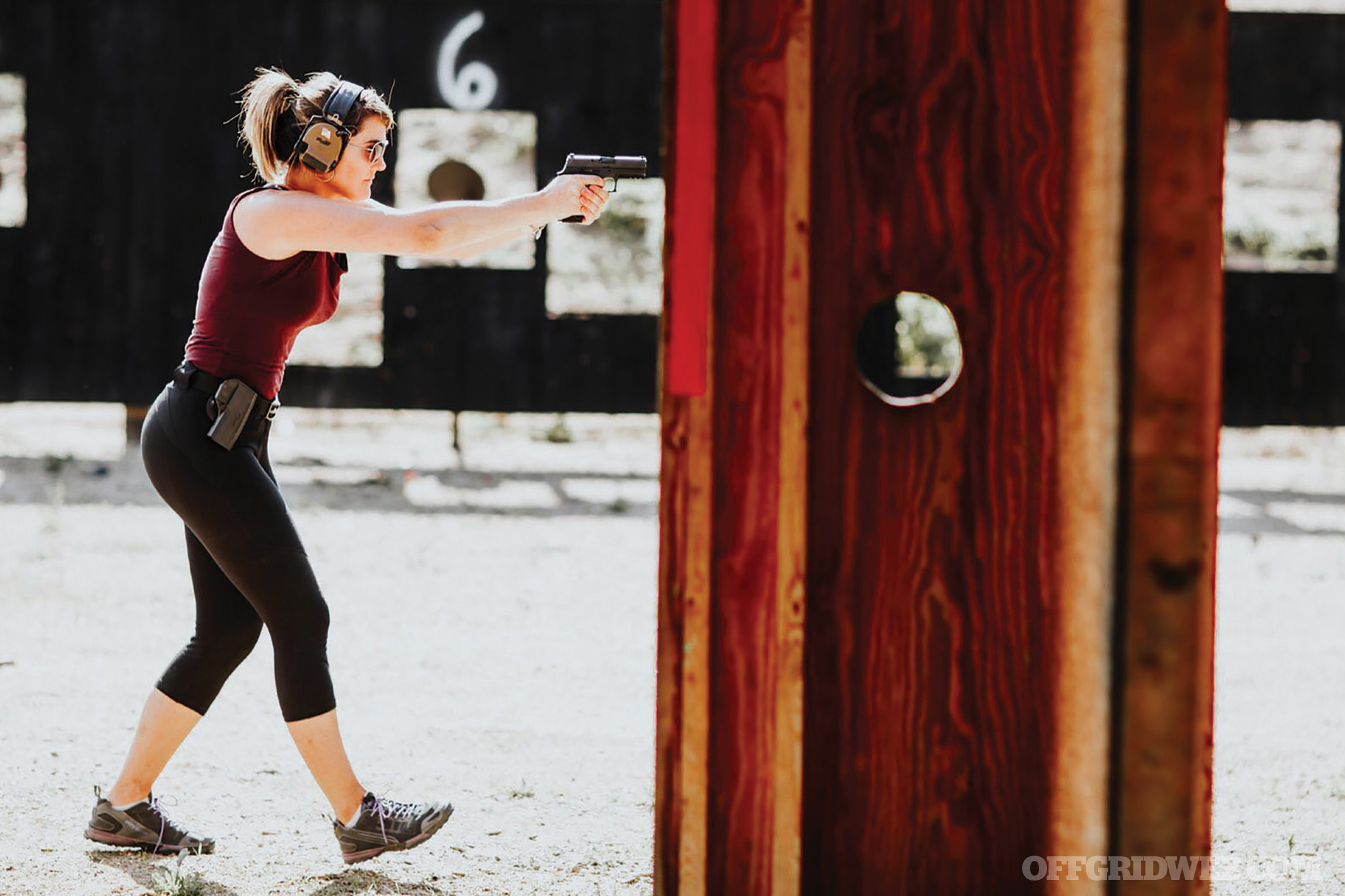
Above: According to Colonel Jeff Cooper, “Owning a handgun doesn’t make you armed anymore than owning a guitar makes you a musician.” Don’t buy a $2,000 handgun if you aren’t willing to invest in an equal amount of training.

Aside from the initial firearms safety training undergone to receive a concealed carry or handgun license, very few shooters undertake additional formal education. Range time isn’t formal education anymore than driving in a vehicle and amassing miles is, but many firearms owners will equate one with the other. Time spent at the range creating training scars increases the chance that bad habits will reappear under stress and lead to failure.

Simply owning a quality firearm, an alarm system, or a safe room isn’t enough. It’s essential to train and build familiarity with your own equipment. Also, training must mimic reality. If you keep a gun loose in a drawer, skip the holster training until you’ve learned to efficiently produce the firearm from where it’s usually kept.

Depending on the range visited, training from a supine position as well as shooting from awkward angles and learning to perform one-handed reloads may be frowned upon. In these circumstances, employing snap caps or a SIRT pistol in the comfort of your own home is a better option than not training at all. Of course, formal defensive training from a reputable source is the best option for learning to use defensive weapons.

Mistake #5: Training in Just One Discipline

OFGP-170200-FIGHT-08.JPG

Above: Mixed martial arts are fantastic for the Octagon, but do little to recognize weapons and their ability to be drawn at any time in a fight. Train for realistic scenarios where ring rules don’t apply.

When the Ultimate Fighting Championship (UFC) emerged on the scene more than 20 years ago, it opened the eyes of many martial artists and fight enthusiasts. Far beyond the beauty of kata and forms is the graphic reality of fighting. Since the UFC’s debut in 1993, training in mixed martial arts (MMA) has become popular. More fighters than ever know how to properly apply an arm bar or sink a rear-naked choke. However, training in MMA isn’t enough.

Weapons-based training is vital for survival in the streets. Since weapons stack the odds of success heavily on the side of the armed combatant, training in only striking and grappling severely handicaps a warrior. Combat occurs at all ranges, from grappling to projectile range, and a weapon can be introduced during a fight at any time. There’s no such thing as just a knife fight, a gunfight, or fistfight. There’s only fighting, and the stakes are very high as any fight can be life threatening.

Ground fighting — such as wrestling and Brazilian jiujitsu (BJJ) — takes on a whole new element when a training blade is introduced. The traditional BJJ closed guard becomes a liability rather than a protective position. Equating a street fight to a UFC match is a recipe for disaster.

Mistake #6: Failure to Scan

OFGP-170200-FIGHT-09.JPG

Above: Despite being across the street from a police station and having trained in various martial arts, one of the author’s friends was slashed outside of a bar in NYC. Any deeper a slice and he’d be 6 feet under. Even the most aware can’t be aware at all times. Exhaustion settles in and guards are dropped.

USAF Colonel John Boyd articulated the OODA (Observe Orient Decide Act) loop, explaining the thought process for fighter pilots in combat. This process applies to all aspects of daily life — especially in determining the outcome of a fight. If the OODA loop is followed appropriately, it’s a continuous loop with scanning done regularly. Unfortunately for some, scanning is replaced with tunnel vision, and the only thing seen is the opponent directly in front of them. Or worse yet, the only thing they see is their smartphone, and they don’t even sense the opponent coming.

Peripheral vision is lost and, in turn, valuable fight data. Without scanning, it’s possible to miss the changing conditions, such as additional threats, the presence of friendlies, the introduction of weapons, or reasons to break contact and find cover. Scanning is a process of collecting information in a fight, and with each second, countless variables change. Failing to scan means being locked in a moment. Even in a brief altercation, that moment is a lifetime.

Practice scanning before, during, and after a fight. At the range, after each course of fire, a thorough perimeter scan should be built in. Similarly, one should learn to identify the voices of coworkers, teammates, friends, and family to differentiate their commands from those of others.

“Zoning out” or “spacing out” is not an option.

Mistake #7: Failing to Have an After-Action Plan

Self defense mistakes fighting combatives survival shtf attack martial arts 8v2

Above: A daughter initiates the call to 911 as her father deals with the threat. Always be the first person to call the police. Don’t become the “wild man with a gun” or someone passersby would describe as the aggressor. Tell authorities your description and what happened before they show up. 

For many martial arts/combatives practitioners, the vision of the fight they’re preparing for ends with them victorious after employing some form of striking, choking, cutting, or shooting. But that’s actually just the start.

When the authorities arrive, the real fight begins. In general, the first person to call the police will be treated far differently than the person with the second story of what just happened. If and when lethal force is used, a demand should be made for a medical evaluation, and no statement should be given until it’s determined the survivor isn’t in shock. One should expect an investigation and even a lawsuit to follow any defensive/offensive action.

You should prepare far in advance should things go south and you’re the one who’s handcuffed. Like a fire drill or a hurricane response plan, you should have a plan for a worst-case self-defense scenario — this includes having a trusted contact who can call your lawyer and relatives. See our feature “Aftermath” for more on this topic in Issue 1 of our sister publication, CONCEALMENT.

OFGP-170200-FIGHT-01.JPG

Conclusion

Hollywood, profit-driven instructors, gun-shop counter talk, and Internet commandos ensure fight mistakes will continue. Don’t make the additional mistake of trusting questionable knowledge or not heeding these seven tips. Seven — some say it’s a lucky number. Don’t make the mistake of relying on luck either. The wise fighter will learn from others, catalog his mistakes, and run the mental reps so he won’t make the same fight mistakes as those who came before him.

Technique Tutorial: A Flat Ally

Having your back to the wall doesn’t need to be a bad situation. The wall can become a weapon. In the Filipino martial arts curriculum taught by Bayani Warrior, the wall becomes a stationary fist. The author zones out of the path of an incoming fist while simultaneously parrying the strike to the outside. A left elbow is thrown over the top as the attacker’s right arm is extended and their body thrown into the wall face first. Using the back of the collar as a handle, the attacker is thrown to the ground. A thorough scan is done to ensure no other attackers are present.

Technique Tutorial: Get to the Point

Instead of absorbing strikes with blocks, elbow destructions target the jab and cross that’s often thrown. To an onlooker, the moves look defensive in nature, making it seem like the opponent has the upper hand. After the 1-2 combination is thrown, the defender uses a back fist to the face and follows up with a knee to the stomach.

About the Author

Kevin Estela is an associate level 2 Sayoc Kali instructor and a black belt at RiSu Martial Arts in Bristol, Connecticut. He’s a striped blue belt working toward purple in Brazilian jiujitsu under Sifu Chris Smith at IMBCT. Kevin’s interests include handgun and rifle marksmanship, as well as the study and use of primitive weapons. He’s the owner and head instructor of Estela Wilderness Education and has traveled around the USA to pursue further martial arts training. www.kevinestela.com

More From Issue 17

Don’t miss essential survival insights—sign up for Recoil Offgrid’s free newsletter today!

Read articles from the next issue of Recoil Offgrid: Issue 16

Read articles from the previous issue of Recoil Offgrid: Issue 18

Check out our other publications on the web: Recoil | Gun Digest | Blade | RecoilTV | RECOILtv (YouTube)

Editor’s Note: This article has been modified from its original version for the web.

Parental Preps Issue 29

We gladly debut Parental Preps with the hopes of establishing a network of preppers who share their advice on making our kids and communities safer. Got a tip you’d like to share? Send it to offgrid@recoilweb.com along with a well-lit, high-resolution photo of yourself. Also include your name, and your website or social media handles if applicable. Please keep your tip submissions between 250 and 350 words. By sending in submissions, you grant TEN: Publishing Media the unrestricted, transferable and sub-licensable, irrevocable, royalty-free, world-wide, and perpetual license to reproduce, distribute, publicly display, make derivative works of, and otherwise use the Submissions in any media whatsoever now known or later invented throughout the world for any purpose whatsoever, commercial or not.


NSSF’s Project ChildSafe program is the nation’s largest and most comprehensive firearms safety education program, having partnered with more than 15,000 law enforcement departments to distribute more than 37-million free firearm safety kits that include a cable-style gun lock in all 50 states. The cable lock fits most types of firearms and adds an extra level of safety because firearms must be unloaded in order to install it. The lock comes with a brochure that shows how to use the lock on various firearms, discusses safe handling and storage, as well as considerations when keeping a firearm for home and personal protection, and illustrates various storage options in addition to the free lock, such as lockable gun cases, quick-access lock boxes, and full-size gun safes. Any community in the country can request free gun locks through its law enforcement department at the program’s website.

Project ChildSafe reminds parents, whether they’re gun owners or not, to talk to their children on a regular basis (not just once) about how to react if they should encounter an unsecured firearm anywhere. For young children, the warning is: Stop, Don’t Touch, Get Away, Tell an Adult.

For older children, the warning is the same, though they also may want an introduction to firearm use. In that case, the warning is that you need a supervised introduction to firearms, with your parents’ permission. There’s a longstanding tradition of youth involved in the target shooting sports through Boy Scouts, 4-H, the Scholastic Clay Target Program, Amateur Trapshooting Association, and other groups. Recreational target shooting is a safe activity and enjoyed by millions. Similarly, so is hunting. Youth interested in hunting might want to take a state hunter education class or try hunting through an apprentice hunting license, if offered by their state. Visit www.projectchildsafe.org for more info.

Parental preps issue 29 Bill Brassard

Bill Brassard
Senior Director, Communications
National Shooting Sports Foundation


OPSEC/PERSEC (operation security/personal security): Teaching your kids what is and is not OK to say to others. For example, we are preppers, we have guns, etc. All information is private unless it’s a teacher or law enforcement officer. We need to teach our kids their home address and mom and dad’s phone number, but also that not everyone needs that information.

Communication: A Gizmo Gadget watch is a great device that can aid in communication with your child. You have the ability to call or text them and know where they are physically via a GPS mapping system. In our home, this device is often used to call grandparents, but it’s a backup system to communicate vital information and to find them if they go missing.

When kids are alone: My kids are too young to leave alone (8 and 2), but even if your kids are old enough to be left alone they need to know what to do. Having age appropriate sand table/rock drills/role playing discussions is a great place to start. These exercises serve as glorified pretending to walk the kids through the physical movements as practice so when it comes time to utilize them in real life they understand what’s necessary. Essentially a “dry run.”

Acting out these scenarios can also help solidify the necessary steps for an intruder. “Son, grab your brother and go hide in mommy’s closet!” Something as simple as that, and having them act it out, can aid in their attention to the situation and following the necessary steps to stay safe at home. Again, being age appropriate is key here; you don’t want to instill an unhealthy fear into your kids, but a healthy respect for their environment.

Parental preps issue 29 Nila Rhoades

Nila Rhoades
www.milspecmom.com

More From Issue 29

Don’t miss essential survival insights—sign up for Recoil Offgrid’s free newsletter today!

Read articles from the next issue of Recoil Offgrid: Issue 30

Read articles from the previous issue of Recoil Offgrid: Issue 28

Check out our other publications on the web: Recoil | Gun Digest | Blade | RecoilTV | RECOILtv (YouTube)

Editor’s Note: This article has been modified from its original version for the web.


Reader’s Tip: Carving a Survival Staff

Editor’s Note: We received the following email from a reader named Ron, who has developed a hobby of carving his own multi-purpose survival staffs. We appreciate several aspects of his advice he shares. First, it’s a good lesson in the value of creativity — with practice and experimentation, you’ll be able to improve your carving skills and find the design that works best for your needs. Second, it goes to show that being prepared isn’t just about spending money on high-end gear. Plenty of valuable tools can be hand-made from common materials if you’re willing to put in the effort.

If you have any survival or preparedness tips of your own, you can email them to us directly at OFFGRID@RECOILweb.com.


I enjoy all the RECOIL family of magazines, especially OFFGRID. I just finished reading Issue 29. Another great read. After reading the article on the Crawford Survival Staff, I couldn’t help but send you a note.

The modular Crawford Survival Staff, as seen in Issue 29 of our magazine.

The modular Crawford Survival Staff, as seen in Issue 29 of our magazine.

The Crawford staff is certainly a great product, and I couldn’t agree more with the author’s comments about fashioning something quickly in the woods if the need would arise. But if you fashion it beforehand and have it with you, it’s a little easier.

I’ve been making hiking staffs for a few years now that I just give away — at last count over 70. I got to thinking about the survival need and started trying a few ideas. These are simple, easy ways to make a hiking staff a survival staff for nothing more than some time and effort. My first thought was to just sharpen the end of a hiking staff and make an end cap for it. With the little bolt and wing nut, it works great. To go from hiking staff to spear, just take off the wing nut, pull out the bolt and pull off the cap.

Ron A wood survival staff carving hiking stick spear hunting diy 1

Next idea was a longer, narrower pointed end. So I took a small branch, made a spear point out of it and fastened it to the hiking staff with toggle bolts and wing nuts. I made a couple of different versions of this one, one with tip up and one with tip down. With tip up, simply take off one wing nut, flip the tip around, and insert the toggle bolt in the extra pre-drilled hole. With the tip down you actually have to take off both toggle bolts, slide the spear end down the shaft and insert the bolts in the two pre-drilled holes.

With way too much time on my hands, I kept trying to come up with other ideas. The last two I fashioned by drilling a hole in the end of the staff. With one, I just cut down an old wooden spoon into a spear point and with the other I decided to spend an afternoon whittling something a little more like a true arrow point. These last two I just tie to the paracord wrist strap I put on all my staffs. Just untie it and stick it in the slot when needed. It’s a great way to tinker in the garage during the winter months and it keeps me busy. Of course my wife thinks I’m crazy, having made well over 100 of these in the last few years!

Thanks for listening.
Ron A.


Review: Southern Specialties Folding Lock Pick Set

Editor’s Note: The following article was originally published by our friends at Breach Bang Clear. It appears here in its entirety with their permission. For more from the Mad Duo and crew, go to BreachBangClear.com or follow them on Facebook or Instagram.

The original OSS Jack Knife Lock Pick Set

The original OSS Jack Knife Lock Pick Set

In this episode of Monday Night Knife Fights, we take a look at a modern take on an old classic knife. Back in World War II secret agents were issued a “Jack Knife,” more commonly referred to as the OSS Lockpicking Knife, pictured above with the tension wrench. These knives were issued beginning in 1944, weighed 1.5 ounces (42.5 grams) and measured less than three inches long by one inch wide and a quarter inch thick. This modern incarnation takes inspiration from the OSS version but with advanced manufacturing techniques. So even though it doesn’t have a knife blade, read on.

Southern Specialities folding lock pick set review survival lockpicking entry 1

Before we get too hot and bothered, let me say that lock picking can be a fun and exciting hobby. However, you do need to adhere to a simple rule: you may only pick locks that belong to you or those you’ve been given permission to pick.

Southern Specialities folding lock pick set review survival lockpicking entry 3

I bought my first set of picks about a year and a half ago because I had always been fascinated with the ability to pick locks, and movies and video games always made it seem so simple. It was a basic introductory kit that covered simple needs and allowed me to learn. I began collecting several different brands and types of locks and would spend downtime playing with them, studying how they worked and learning how to pick them. One such lock was a clear acrylic training lock, which would allow me to see the pins and how they interacted with a key and different picks; I highly recommend one of these for the budding locksmith.

Southern Specialities folding lock pick set review survival lockpicking entry 4

Given some of the misconceptions surrounding lockpicking, I haven’t wanted to carry around my whole kit, especially when traveling. I have a hard enough time with the TSA when I have a pelican filled with silencers and machine guns. So after some searching, I found the Southern Specialties Folding Pocket Set 7P. The price was right and it looks slightly less menacing than a full kit in a leather pouch.

The folding kit weighs a whopping 18 grams and measures right at three inches long. As the name suggests it includes seven different types of picks; three rakes, a full ball, small diamond, short hook, and a FALE reach. The tension bar fits conveniently onto the housing. which is made of glass filled nylon. A locking bar swings up to unlock the picks, then back down to keep the chosen pick in place. All the picks can be removed for replacement.

Southern Specialities folding lock pick set review survival lockpicking entry 5

Using the folding kit proved easier than I had anticipated. All my prior experience had been with full-sized, rubber handled picks and longer tension bars. I enjoy single picking each pin sometimes and will regularly use a short hook, since being able to feel spring tension is a large part of this and even with the bulkier, less streamlined handle of the kit I was able to accomplish this. With some practice, I am now able to pick all the locks I have with both the full-sized kit and the folding kit.

Southern Specialities folding lock pick set review survival lockpicking entry 6

Overall the Southern Specialties Folding Kit has been worth the money. I wouldn’t recommend it as a first lock picking kit but as a lightweight and compact package for leaving in your bag or on your keys, it is a great option. If I were to do it again, I would probably spring the extra $20 for the stainless handle instead of nylon, but that isn’t necessary.

Lock sport can be a very entertaining and useful hobby, and I highly recommend it. It’s important to bear in mind that not everyone will look at it as an honest hobby, and it’s up to you to keep this skill set on the right side of the law.

About the Author

Alexander Crown OFFGRIDweb author photo

Alexander Crown served as an Infantryman with the Scout/ Sniper Platoon of the 3rd Battalion, 509th Parachute Infantry Regiment in Ft. Richardson, Alaska, where he specialized in radio communications and reconnaissance. Since separating, Alexander spends his time as an avid outdoorsman and hunter with an appreciation for self-sufficiency in the form of gardening. He also enjoys woodworking, firearms, and reloading. You can follow him on Instagram @acrown509.


Looking Back: Surviving the California Camp Fire


The Camp Fire is being called the worst California wildfire in the state’s history and one of the deadliest in the entire country. It ravaged over 150,000 acres and authorities are still sifting through the damage and documenting fatalities. It’s hard to imagine what it’d be like to lose your home, all your belongings, and be indefinitely displaced by a fire that many sources are saying traveled at approximately 5 miles a minute. Imagine trying to evacuate your house while this hellish wall of flame is quickly approaching, not knowing what to take with you — every second spent inside is one second less you’ll have to escape the inferno.

Paradise California Camp Fire by CA National Guard

A California National Guard photo of the devastation in Paradise. Source: Flickr.com/caguard

While Robert Bruner survived with his life and his family, he’s suffered a great loss financially and emotionally, along with many others whose town was virtually destroyed. Thankful to be alive and relay what he went through, we sat down with Robert so he could recount the harrowing story of a day he’ll never forget. Like many of us, Robert never thought such a severe tragedy would befall him one day, and he’d be living through an event he read about in RECOIL OFFGRID.

Camp Fire California forest wildfire disaster survival emergency preparedness shtf bugout Bruner family

Robert Bruner with his wife Rebecca and their 4-year-old son Brant.

The timestamped photos below were taken by Robert during his escape from the fire and appear in chronological order.


RECOIL OFFGRID: What city was your house located in?

Robert Bruner: In Paradise, California. The reports are still varied on how much of the city is actually destroyed, but there’s nothing left. Downtown is somewhat intact, but that’s only because they didn’t have the trees that the residential section had. It was just jumping from tree to tree and there was no way they could get a handle on it.

What’s the population there?

RB: The reports circulating that there’s about 26,000 people are way off. There’s significantly more people. It’s somewhere between 30,000 to 37,000. There’s been a huge boom up there because the rent in Chico, California, has gone up quite a bit. Everyone was moving up into Paradise, because there were some nice, expensive houses up there and it was cheaper to build too.

How long have you lived there?

RB: About seven years now.

Were there any significant fires in the past that threatened that community or damaged it?

RB: When we first moved down, we kept hearing about the big one of 2008. I guess that one was a few years before we moved in and was just south of town. They fought really hard to keep that out of town. Last year we had a fire just to the west that’d come up the canyon wall and they were afraid that one was going to go into town, but they stopped that one too. Two years ago we had a fairly significant fire that was in the same area as this year’s was, but they were able to get the bombers in right away and stopped that. It didn’t have the winds we had this time so they were able to get a handle on it and because of that we never thought what happened could happen.

Walk us through the initial phases of learning about the fire and what was going on.

7:37 AM - Shortly after Robert left for work.

7:37 AM – Shortly after Robert left for work.

RB: My wife left for work at about 7 a.m. The sun wasn’t up yet and it didn’t really smell like a fire. That was strange too, because we didn’t smell it in Chico for about a day and a half after. When I left about 7:20 I noticed the plume. As I was driving into work I kept looking at the cloud thinking something wasn’t right and I should turn around. It looked bad, but it also looked like two years ago. I kept thinking, OK, it’s early enough, they’ll be able to get a handle on it. At that point on the radio, it was being talked about, and the fire had a different name. It wasn’t called the Camp Fire yet; they were calling it something else I can’t remember. It was 10 acres at that point or thereabout.

7:55 AM - Smoke fills the air.

7:55 AM – Smoke fills the sky.

When I got into work, everyone was talking about it, and a couple of guys hadn’t shown up because they wanted to stay home. One of my coworkers, his wife worked at the hospital and at about 8:30 he got a call saying they were being evacuated. So I left because I had no insurance and wanted to save what I could. The fire, from where we were, was only about 5 to 6 miles. I did 90 mph the whole way home and avoided what looked to be a road block, went through some back roads, got home, and the sky was completely orange. The wind was extremely strong, and as soon as I got out of the car all I could hear were explosions.

Do you know what it was?

RB: Propane tanks. It was both barbecues and some of the houses up there are on propane. You could tell the difference when a barbecue cylinder was going off and a whole house one went off because it shook the ground and the windows in the house. I got home, put on a mask and goggles, and went to the safe we’d recently put all our important stuff in. I want to say that you’d recently done an article on fires.

Yes, on fire suppression. [You can read it here.]

RB: We had gone around previously and tried to move some leaves and whatnot away from our duplex. And we’d contacted the property management company to come down and cut down trees that’d become overgrown and a lot of brush, and we never heard back.

9:00 AM - Robert returns to his family's duplex home.

9:00 AM – Robert returns to his family’s duplex home.

How old was your duplex?

RB: Probably mid-1970s.

Did it have a wood shingle roof?

RB: No it had regular, composite shingles.

Did you own the duplex or were you renting?

RB: Renting. When I got home, I went straight to the safe, called my wife, and told her I thought it was bad and this was probably it. I asked her what she wanted to save, and she told me to grab supplies for our baby and a number of other things. I grabbed that stuff, some tools, and every time I went in and out of the house it was getting darker, the wind was getting stronger, and the debris was just pelting me the whole time. Every time I’d open the car door, ash and debris would fly right into the car. It just got to the point where I knew I just couldn’t stay any longer and one of my coworkers told me not to stay too long or I’d be trapped. There were several points I thought I might not make it out. I got everything I could together, said goodbye to the rest of our belongings, and that was it. I couldn’t stay any longer.

10:00 AM - Robert left his car in the driveway with the headlights on to indicate he was nearby.

10:00 AM – Robert had left his car in the driveway with the headlights on to indicate he was inside.

What did you take with you?

RB: Documents in the safe, firearms — everyone always tells me that firearms are replaceable but certainly not in California — stuff for my son, an inflatable bed, his stuffed animals, as many clothes as I could fit. I had paper shopping bags I was throwing everything in and got some of my wife’s jewelry, but forgot her wedding ring. She’d not worn it that day and I didn’t know where it was or if it was even there. I grabbed our laptops and our shower bags. We travel a lot between family members so our shower bags were usually always packed so I have my bug-out bag and my son has his bag plus a medicine bag with stuff he needs.

How many children do you have?

RB: One.

And he was at school?

RB: Yes, we were extremely fortunate that my wife and I work in Chico and his daycare is there as well.

How old is he?

RB: He’s 4, so not technically a baby anymore.

10:12 AM - Traffic on the road leaving Robert's home.

10:12 AM – Traffic on the road as Robert tried to leave town.

How much time did you feel like you had to grab your supplies and get out?

RB: It was about an hour. The last few times I went in and out of the house, I was like, I’ve gotta go, I can’t stay anymore. At a couple points I was walking around the house with my hands out, saying, “Everything’s gotta go! I don’t know what to take!” And I kept telling myself to calm down and focus. I would’ve hated to have an EMT take my blood pressure at that point. It was just like, what do you take? I had the important stuff, but there was just so much stuff and so many memories that can’t be replaced. My car was filling up and I only have a two-door Honda. There was only so much stuff I could take. The trunk was completely full, the backseat was probably 90% full, plus my son’s car seat back there, and the passenger seat was completely full.

Is there anything in particular you regret leaving behind or couldn’t find?

RB: I do freelance comic book illustration and all my artwork was lost. Ninety-percent of my tools were lost. At one point I’d gone over to where I keep my supplies and I just looked at it shaking my head thinking it all needs to go, what can I do? I grabbed my brushes and some expensive pens, and didn’t know what else to do. My artwork is irreplaceable, there’s nothing I can do about that. The tools are replaceable, but that’s a significant amount of money. Plus my wife’s wedding rings — we’re hoping that when we’re allowed to go back that they’re still there.

10:26 AM - Fire visible behind homes.

10:26 AM – Fire visible behind homes.

So you were packed up after about an hour and had to leave. Where did you go?

RB: So there’s three main roads going through Paradise. There’s Skyway, Clark, and Pence, which is where the hospital was. I was in between Clark and Pence, closer to Clark. It took me about 25 minutes to go what’d usually take me a minute. And, when my wife and I talked about it later, she kept saying that she didn’t think I believed it was this serious. And looking back I think she was right. I kept thinking, it can’t be this bad, the town’s not going to burn, they’re not going to let a whole town burn. When I finally got up to the intersection after 25 minutes, the police were directing traffic, and they didn’t have any protection on, no masks, they were just directing traffic with flashlights. I thought, If they’re here it can’t be that bad. Then I saw the people running. Then I started thinking, If people are running, this is really bad because that means they’ve abandoned their cars.

It took me three hours to get down. The first evacuation route they sent me down, there was a really nice house overlooking the route and it exploded! It exploded so high I couldn’t see the top of the explosion above the roof of my car. As it came down, the wind was blowing that fire onto the opposing hill and it immediately set that hill on fire. I was looking at that, and I was like, I can’t go this way. The firemen were coming up telling people, before the house exploded, that everyone was going to get out, and to stay in our cars and not to leave your car. Then the explosion. I backed up to turn around, and a fireman came up and was beating on my window, and he said, “Don’t leave until the car in front of you leaves.” I was like, “OK, OK, no problem.”

10:36 AM

10:36 AM

So I sat there waiting, and then the embers started coming down. There were buckets of embers coming down at a time. I was thinking, This is every man for himself, I can’t listen to the firemen. So I turned around the first chance I could, went up, and there was a tree that was on fire I had to drive past. The heat was so intense I thought it’d set the car on fire. Then I was stopped behind a truck and a bucket of embers fell down and exploded when it hit the ground, rolled off the side of the road, and immediately caught the side of the road on fire. There was no time between it hitting the brush there to becoming fire. I went down another road and drove past a friend’s house and it looked like their house was OK. I thought maybe the fire wouldn’t make it that far. I made really good time and then I got stuck in traffic again and was stuck there for an hour.

I slid the sunroof open on my car and this time I was looking for embers. At this point, I thought if I started seeing embers I’d have to make a run for it. I remember looking back in my backseat and wondering if all this stuff was worth it. I’m listening to the radio and they were saying the fire had made it to the main street, Skyway, and I couldn’t go back toward my home or go south. I knew the fire had almost completely encircled Paradise. I was sitting there so long and had to get out to go to the bathroom. As I got out to go, then this guy comes running down the road and said, “The road’s on fire, we have to back up, we have to turn around!” At this point I’m thinking there was nowhere to go, we couldn’t go backward because the fire is that way.

I’d just passed a right turn. I was two cars ahead, the two cars in back of me backed up, went that way, and was like, screw it. I backed up, cut some people off and immediately went out that way and worked my way around, got to Skyway, and everything was on fire. The trees, the houses, the road, everything was on fire. There were downed power poles shooting sparks out and the sparks don’t look like they do in the movie. It looks completely different. It’s like water on fire that’s coming out. I made it down, and back to work about 1 o’clock and everybody I work with had all lost their houses, every single one of them. All of their families were there and all you heard was silence all night long.

11:04 AM - Police cars headed into town.

11:04 AM – Police cars headed into town as residents evacuate.

Any idea how fast the fire was traveling?

RB: The number they’ve been pushing out is a football field a second. Because of the winds, I could see that. The winds were so strong. When I was in the house, because of the amount of sirens I could hear, I knew the police were in the area. I’d left my headlights on so if they passed me they’d know someone was in the house. A couple times I thought they were knocking on the door, but it turned out it was the wind slamming the screen door against the side of the house.

How long after you departed with your belongings did you find out your home had been destroyed?

RB: It took us a while. We have a friend who works for PG&E, and we gave him the address to see if he could have someone go up and check. How our house was set up was that there were two duplexes that shared a common driveway. The duplex across the driveway made it, but ours didn’t. So we’re talking 30 to 40 feet between the two.

What was it like when you found out?

RB: I knew. My wife was holding out hope like you wouldn’t believe, but I kept saying to her, “You weren’t there and don’t know how bad it was.” I knew when I said goodbye to the place that was it. For me it was just survival at that point, and I knew it was all gone. On my first evacuation route, I was looking back and all I could see was fire in back of the trees and it slowly came up to the tops of the trees and that was all toward where we lived. I knew everything was lost, but didn’t know the extent of damage to the town.

11:05 AM

11:05 AM

Have you been back to see the aftermath yet?

RB: No, we were supposed to go back at a certain point and then it got pushed back and now they’re telling us we’ll be allowed back either before or after Christmas.

Do you think there were any preventive measures you could’ve taken to save your home or at least give it a better chance of surviving?

RB: Yes, the defensible space. We needed that and we’d called to get someone out to take care of it because we had a tree two feet from our fence. That fence was maybe five feet from the house. Plus it was on an abandoned olive orchard. We never found out who owned that land and they didn’t maintain it at all. So there was a lot of brush, but I think it was an ember that did it. They were just falling out of the sky in buckets. The house in back of us and the house across from us didn’t burn, plus there was a retirement home directly in back of them, and that was spared. Wind was blowing directly in our path and I have no idea why those other houses survived.

11:22 AM - A burning structure near the road.

11:22 AM – A burning structure near the road.

If you had to repeat the experience, what would you have done differently?

RB: I definitely would’ve had insurance. We’d talked about it, but when I thought about insurance I always associated it with theft. I lived in Sacramento for nine years and had a lot of problems with theft there, so I never thought about it for fire. We’re definitely going to have insurance when we get another place. As far as when I went back up there, I’d do it again because we are better off for what I was able to save than people who didn’t save anything. The things I did save, some could be replaced and some couldn’t. It has made things somewhat easier for us. My biggest thought was I need to make my son as comfortable as I can during this. I think we should’ve got a bigger safe to put more stuff in so it would have been a bit more of a one-stop shop for saving stuff. One thing I kept thinking that I didn’t want to spend the time on was to turn the hose on full blast and put it up on the roof. Maybe it would’ve worked, but maybe it wouldn’t, but I thought the amount of time I’d spend on it could be put toward putting a couple loads in the car.

12:45 PM - The burning remains of the

12:45 PM – The burning remains of the “Welcome to Paradise” sign.

Any advice to the average homeowner you’ve learned from this on preparing for a fire?

RB: I think defensible space is key. We did what we could, but since we didn’t own the place there was only so much we could do. If it were my own place I would’ve chopped down the trees that were close and gotten the brush taken care of myself. Supposedly that area was private property and we couldn’t find out who owned it. The people that stayed up there that fought the fire and saved their houses, that’s what they did. They went out, got everything they could away from their house, and were attacking the flames with whatever water source they could, but part of the problem was the city cut the water halfway through the fire.

Any idea why?

RB: I’d assume because of the amount of damage they knew was happening already they didn’t want water shooting out after a house was burned down and for the system to lose pressure. I’m not sure if it works that way. It became clear early on in the fire when I was up there that they were not trying to fight the fire. Their sole goal was to get people out and it didn’t work as well as they would’ve liked. There were a lot of deaths and one of the streets people died on, I was on that street. That’s one of the fears I had when I was up there. There was so much traffic it was complete gridlock in every direction. There’s only a few ways in and out of town and they had blocked one of them immediately because that’s where the fire originated and then it slowly started picking off all the other ways in and out.

12:46 PM

12:45 PM

Have they determined how it started yet?

RB: Everyone’s waiting to find out, but the lawyers up here, it’s unbelievable the amount of lawyers who have a presence up here right now. They’re on the TV, radio, billboards, town hall meetings at the hotels around here. The other day they came out and said a transformer or some type of equipment was found at or near the ignition source that had bullet holes in it. I don’t know if that’s accurate, but I can’t imagine why someone would shoot at one.

How did you learn about that particular finding?

RB: One of my coworkers had it posted to his Facebook from one of his family members and it was on some news channel. [Editor’s Note: Here’s an article from The Sacramento Bee with more details about the damaged PG&E equipment.]

12:47 PM

12:47 PM

So you had no insurance at all?

RB: No, but FEMA has been extremely good. I know they get a lot of bad rap, but aside from one individual, they’ve been extremely good at getting information to us and doing what they can to help.

What are they doing to help exactly?

RB: I filled out my form online the day after the fire and they called me the next day. They took a statement, wanted additional info, and within a little over a week they had someone at the property confirming it was a total loss so everything seems to be happening very quickly. They gave us a check solely for rent and living expenses as far as housing.

12:52 PM - Flames visible in the distance from the highway.

12:52 PM – Flames visible in the distance from the highway.

How much did they give you?

RB: $2,200. It seems like everyone who isn’t insured is getting that amount, but it’s only to be put toward some sort of housing/shelter arrangements.

Where are you living now?

RB: My work has been extremely generous and we have six trailers in back of my work that are housing six families. There was a total of 12 of us affected by the fire, only one of my coworkers’ houses survived, but he still can’t get back in. It’s been amazing, the generosity of the community and that the owner of the company has extended to us. We have been extremely fortunate. Every place we’ve gone to eat, they’ve extended discounts to us. It’s mind-blowing what people have done to help. Within the first few days we got massive amounts of clothing. The local organizations, the Lions, Masonics, Elks, everybody has been pitching in. Nothing’s happened like this in recent history where an entire town has been lost.

This photo, taken by Robert's friend, shows what remains of the Bruners' duplex.

This photo, taken by Robert’s friend, shows what remains of the Bruners’ duplex.

How do you think this will affect your preparation measures going forward?

RB: I love your magazine and have been a fan since Issue No. 1. My wife has always kind of shrugged her nose at it. We watched Doomsday Preppers once in a while, and a lot of my friends are prepping in one way or another. There’s a lot of things I really enjoy from the magazine, some of which I’ve incorporated. I think bushcraft applies a lot to me. We had several 5-gallon buckets we had our preps in. Our food, batteries, ammo, lanterns, and stuff we’d accrued over the years, and not once did I think about grabbing it.

Also, both of our cars going forward will have cell phone chargers both for the cigarette lighters and for the wall. The day after we went, every single place that would have that was completely sold out. Nobody thought about it until they needed it and then everyone sold out. Best Buy, Target, K-Mart, the different carriers, everyone sold out. So I told my wife that we will have this in our cars going forward because that was a huge issue.

Robert's coworker took the following photos of the aftermath in Paradise.

Robert’s coworker took the following photos of the aftermath in downtown Paradise.

Because we’d sat down a few months ago and stored a bunch of valuables in our safe, my wife and I agree that was the best thing we did. We’ve got our birth certificates, we’ve got our social security cards, we’ve got pink slips to the cars, firearms, some other valuables that were in there. I think this experience opened up her eyes that you need to have all the important stuff in one spot.

Did you leave those buckets of emergency gear behind because you felt it was expendable?

RB: I’ve always prepped for either something that was either from a foreign power or some type of economic problems. I prepped for self-sufficiency in terms of food, water, guns, ammo. In a fire none of it meant anything. I knew we’d have a place to go, friends or family we could stay with, so what’d typically be perceived as a prep was meaningless and personal property became more important. A baby book at that point was more important and precious than a case of MREs. Moving forward, once we settle down, water is always a huge prep because we’d lose power once in a while up there. Also, going forward, bushcraft skills is a better prep because it shifts the focus of a material prep to you being the prep. If I had to abandon the car and run, I am the most important prep for my family. Everything else is meaningless when it comes down to it. I need to see my family again.

Camp Fire California forest wildfire disaster survival emergency preparedness shtf bugout Paradise 2

What bushcraft skills do you think would be applicable in this situation?

RB: Maybe how to fell a tree. I would definitely want to learn, especially if we were on our own land, I’d have taken care of the trees myself. They were all olive trees where I was, which aren’t usually more than 15 feet tall so that’s something you could do yourself with a chainsaw.

Has there been any confirmation that looters have started scavenging the area?

RB: Oh yeah. We watched something on the news of a man staying there with someone else to protect his mother who was blind and bedridden. One of my coworkers knows him a little, but his story is on YouTube. In the video he says he was seeing looters every night. [Editor’s Note: This article from The Sacramento Bee provides some examples of looters arrested in Paradise, including two men who were allegedly caught inside an evacuated residence with a handgun, loaded magazines, meth and heroin.]

Camp Fire California forest wildfire disaster survival emergency preparedness shtf bugout Paradise 3

Are the police trying to thwart any of that?

RB: Everything we’ve heard, the police are there. The National Guard was here too and they had an extremely strong presence and weren’t letting anyone in. Supposedly they were up there patrolling, but Paradise is very rural and if you know the area you can get in. We know people who have gone back in and they say it takes about eight hours to get up the hill and work your way around, but you can get in. They can’t just close off the entire town. The terrain is too rugged and they can’t possibly defend everywhere.

People are getting in if they want to. If they’re that determined, they will get in. There are houses that made it. My hope is that the police are guarding the houses are there, but from the picture of our house that we’ve seen, there is still wreckage to go through. So does that mean people are picking through it? We just don’t know, and there’s no way to get any information about our house. We’re hoping the police are up there doing their job, because the National Guard left. PG&E has 24-hour presence up there. They have a base camp just west of town and have somewhere between 2,500 and 3,500 people up there.

Camp Fire California forest wildfire disaster survival emergency preparedness shtf bugout Paradise 4

The electrical apparatus that may be to blame, is it part of a larger facility or … ?

RB: From what we’ve heard, it was a transformer or something similar that was sparking the day before or that night, and they’d received calls that something was going on with this pole, and then early the next morning was when the fire broke out. So it’s interesting if it was someone shooting at it, but I don’t know and it’s one of those things that it may take a long time to find out. If PG&E is liable, they’re going to have to lawyer up and carefully craft what their response will be. And they’re already going to have what their payout packages are going to be figured out, and like I said, the lawyer presence up here is already very heavy, but I want to wait and see what the factual result is. If it is PG&E’s equipment that failed, it may be the end of that company.

Camp Fire California forest wildfire disaster survival emergency preparedness shtf bugout Paradise 5

You mentioned overgrowth on an abandoned orchard your property was on and requests made to your property manager to have it removed. Do you think you have any legal recourse there?

RB: The burden of proof is going to be on me. The management company’s office was destroyed, we cannot contact them by any means. They have our deposit, we have paid rent, we’ve had to get a lawyer to get our pro-rated rent and deposit back. It’s disheartening because the management company just changed. We’d sent photos to the previous management company and reached out several times to them, but never heard anything back. Then when the new company took over we thought we’d get something done, and we’d sent a letter explaining what our issues with the property were, but never heard anything back. They’ve been completely incommunicado. We have no proof of anything we’ve given them, we have no way of getting a hold of them. We do have some pictures, but I don’t know what that would do as far as a case against them. I’m not sure what we can do or if we have any legal course of action.

To donate to Robert and his family you can visit www.gofundme.com/robert-and-rebecca-bruner-campfire. (Note: RECOIL OFFGRID is not affiliated with this donation process — funds donated through the GoFundMe go directly to the Bruner family.) You can also follow Robert on Instagram at @near_zero.


National Advisory: Surviving a Catastrophic Power Outage

The potential for a catastrophic power outage in the United States is a topic we have covered frequently in our print magazine, as well as here on OFFGRIDweb. But this topic is also one we’ve often heard people dismiss as baseless paranoia. Everyone knows that short-term outages can happen as a result of storms or infrastructure interruptions, but many Americans still believe that there’s no way a power outage could shut down large parts of the country for an extended period. And even if such a disaster occurred, there seems to be an assumption that the government would have foolproof contingency plans to fix it in no time. Those who naively believe this are in for a rude awakening — now more than ever.
NIAC catastrophic power outage survival grid down blackout electricity shtf emergency disaster 2

Earlier this month, the President’s National Infrastructure Advisory Council (NIAC) published a 94-page report on the risk of a catastrophic power outage in the United States. This report makes it crystal clear that a grid-down situation is not some distant or unlikely possibility. It’s a very real threat. Here’s an excerpt from the report’s introduction:

“Increasing threats—whether severe natural disasters, cyber-physical attacks, electromagnetic events, or some combination—present new challenges for protecting the national power grid and recovering quickly from a catastrophic power outage.

After interviews with dozens of senior leaders and experts and an extensive review of studies and statutes, we found that existing national plans, response resources, and coordination strategies would be outmatched by a catastrophic power outage. This profound risk requires a new national focus. Significant public and private action is needed to prepare for and recover from a catastrophic outage that could leave the large parts of the nation without power for weeks or months, and cause service failures in other sectors— including water and wastewater, communications, transportation, healthcare, and financial services—that are critical to public health and safety and our national and economic security.”

An overview of the NIAC report's recommendations for a catastrophic outage.

An overview of the NIAC report’s recommendations for a catastrophic outage.

The report continues, “The risk posed by a catastrophic power outage… is something that could paralyze entire regions, with grave implications for the nation’s economic and social well-being.

NIAC focused not on the cause, but rather on the consequences, which are best categorized as severe, widespread, and long-lasting. The type of event contemplated will include not only an extended loss of power, but also a cascading loss of other critical services—drinking water and wastewater, communications, financial services, transportation, fuel, healthcare, and others—which may slow recovery and impede re-energizing the grid. Most importantly, the scale of the event—stretching across states and regions, affecting tens of millions of people—would exceed and exhaust mutual aid resources and capabilities.”

The Stafford Declaration Process used by the U.S. government in a state of national emergency.

The Stafford Declaration Process used by the U.S. government in a state of national emergency.

The NIAC report also addresses the overall lack of individual preparedness in America today: “People no longer keep enough essentials within their homes, reducing their ability to sustain themselves during an extended, prolonged outage. We need to improve individual preparedness… [This idea] is not a new concept. Civil defense, an older term used to elevate a level of individual preparedness and activate communities, used to be more widely accepted.”

If there ever was more evidence needed to confirm the likelihood and seriousness of a catastrophic power outage in America, this NIAC report is it.

The other takeaway from this report is just how unprepared our nation is for such an event. This report serves as the beginning of a framework for a national approach to a grid-down scenario — in other words, there is no such framework in place today, and there probably won’t be for quite some time. If you want to be truly prepared for a catastrophic power outage, the time is now and the responsibility is yours.

We’d strongly encourage anyone interested in the topic of a grid-down situation to take some time to read the report (or at least the . It’s available as a free PDF from the Department of Homeland Security web site.


Superesse Straps Fatwood Lanyard

Fire starting tools such as an ignition source and tinder are critical to survival, whether you’re heading out for a quick hike in the woods or a long-term camping trip. If you don’t prepare these items ahead of time, you may find yourself struggling to ignite damp wood and end up shivering in the dark. Even if you already have a fire-starting kit in your pack, the old saying applies — two is one and one is none. It’s smart to carry at least one backup set of fire-starting materials.

Superesse Straps fatwood fire starter lanyard tinder ferro rod paracord 4

Superesse Straps has developed a simple wearable fire-starting lanyard that’s based around a chunk of pine fatwood. This resin-impregnated wood is found in the heart of pine stumps and fallen logs, and it burns energetically, making fatwood shavings an excellent tinder source.

Superesse Straps fatwood fire starter lanyard tinder ferro rod paracord 1

The fatwood is wrapped with a 2-foot strand of jute twine, which also serves as a good tinder material, especially when shredded into fluff to catch sparks. A ceramic razor blade is tucked under the jute wrap, and can be used to strike a ferro rod or to shave/cut the tinder. There’s also a short piece of red wax-coated tinder wick that’s highly combustible, even when wet. These items are retained around the fatwood by rubber ranger bands, which are also combustible.

Superesse Straps fatwood fire starter lanyard tinder ferro rod paracord 2

The Superesse Straps Fatwood Lanyard is offered with your choice of paracord (black, brown, green, orange, red, dark blue, or MultiCam) tied into an adjustable-length loop with a fisherman’s knot. You can also select options of FireCord, which contains more tinder wick, or Titan SurvivorCord, which contains fishing line and snare wire.

Superesse Straps fatwood fire starter lanyard tinder ferro rod paracord 3

The lanyard is topped off with a ferro rod toggle. This serves to adjust the lanyard’s fit, and also to provide a source of sparks when struck with a knife blade or the ceramic razor.

Since these are made to order, many other options are available. These include spare tinder/fatwood, a P-38 can opener, a Kevlar cord saw, and a luminous compass. Pricing starts at $37 for the standard Fatwood Lanyard. For more information, go to SuperesseStraps.com.


Understanding Energy Drinks & Their Ingredients

WARNING: This article is meant to be a quick overview and not a detailed guide on energy drinks and their effects. Professional medical advice should always be sought first before incorporating energy drinks into your routine.

Although energy drinks have been around for several decades, they seem to have exploded in popularity recently. The associated industry can now be measured in the billions of dollars with marketers taking aim at everyone from adventure athletes to average citizens, but is the hype backed by science and research or is it just a compelling gimmick? There are risks with each substance found in your favorite energy drinks, but there are also potential benefits from these substances. Let’s tone down the hype and look at some of the components of energy drinks and their effects.

Caffeine

This is the primary additive in energy drinks. Many drinks contain two to three times the amount of caffeine found in a cup of coffee or four times the amount in your average soda. Caffeine can take up to an hour to “kick in” and stays in the body for several hours (half-life three to seven hours). Absorption is fairly rapid in the gastrointestinal tract and may increase in obese males. The half-life and related effects can be prolonged in pregnant women and in children. Too much caffeine can cause a fast heart rate, anxiety, headache, shakiness, and inability to fall asleep. These effects may increase when the caffeine dose reaches 15 mg per kg (2.2 pounds) of body weight. Despite what you might think, there are lethal side effects that can occur at 150 to 200 mg per kg of body weight. Most recommendations favor no more than 200 to 400 mg of caffeine daily.

Many of the emergency room visits attributed to caffeine or energy drinks are related to elevated blood pressure and palpitations (fluttering of the heart). These adverse effects occur because caffeine acts as a stimulant by increasing epinephrine (adrenaline) and dopamine levels. Not only will this increase heart rate and blood pressure, but it can improve mental alertness. The epinephrine also stimulates glycogen breakdown to yield glucose (glycogenolysis) to use as fuel for the cells in our body. This can have short-term benefits by improving reaction time and increasing muscle contraction.

Energy drink comparison review guide caffeine guarana medical health survival 1

For endurance athletes and survival situations, the biochemical processes of caffeine metabolism can encourage breakdown of glucose stored in muscle and fat (as glycogen) to provide extended periods of energy. The processes glycogenolysis and gluconeogenesis occur in the liver and are essential in making sugar when there’s a negative glucose balance. Additional caffeine intake can supplement the response in the short term by increasing alertness and in the long term by providing energy (glucose) when food sources may be scarce.

Guarana

This is a Brazilian seed that contains caffeine. The seed is twice as potent as the coffee bean. This amount of caffeine contained in guarana isn’t typically figured into the total caffeine content of the drink. The recommended maximum dose is 300 mg. Exceeding this dose during pregnancy can cause miscarriages and birth defects.

Glucose/Sucrose

This component gives you an energy boost up front and is probably meant to fill the gap until the caffeine starts to kick in. In many of the energy drinks, the amount of glucose/sugar/carbs per serving is similar to a can of soda or even fruit juice. In a survival situation, you may need to scavenge for sugar sources. Foods like honey or fruit might be the obvious choice, but don’t forget about starch. Starch is a complex carbohydrate made up of lots of glucose molecules bound together. Potatoes, corn, beans, and yams can all be options to help bolster your energy demands. If you’re diabetic, elevated blood sugar can cause fatigue and decreased alertness.

Vitamin B12 (Cyanocobalamin)

We generally get this vitamin from meat, fish, eggs, and dairy products. It’s a water-soluble vitamin that helps to build and maintain the nervous system and build red blood cells. When people are deficient in B12, they typically feel tired and depressed. Taking the supplement can boost your energy when you’re deficient in the vitamin, but it’s not thought to help otherwise.

Vitamin B12 is best given as an injection because it’s poorly absorbed in the gastrointestinal tract. If you plan to take a B12 pill, it’s best to use the gel cap and squirt its contents under your tongue for better absorption. A recommended daily dose is 2.4 mcg per day. Taking too much B12 is rare, but can cause side effects like diarrhea, low potassium, or swelling.

Energy drink comparison review guide caffeine guarana medical health survival 2

Above: This chart compares the contents of some common energy drinks, as well as chocolate and more traditional beverages.

Other B Vitamins

Riboflavin (B2), niacin (B3), pantothenic acid (B5), and pyridoxine (B6) are all added to make the energy drink seem healthier. Although they may play small but important parts in proper body function, the addition of these substances hasn’t been shown to contribute to increased energy when they’re present to excess. Niacin has the largest potential for side effects among these B vitamins. It can cause flushing due to its release of histamine. Niacin can be found in poultry, legumes, and asparagus, to name a few. The maximum recommended daily dose of niacin is 3,000 mg, but most people will not tolerate the flushing associated with the drug.

Pyridoxine is important in building neurotransmitters and is involved in other metabolic processes; however, in excess, it can cause permanent neurologic damage. A maximum recommended dose of pyridoxine is 50 mg per day. This B vitamin can be found in poultry, fish, oranges, and cantaloupe. Riboflavin and pantothenic acid have no documented maximum dose. Riboflavin can be sourced from liver, heart, or kidneys as well as soybeans, almonds, and mushrooms. Pantothenic acid can be found in liver, heart, eggs, corn, and potatoes.

Taurine

Taurine can be found in meat, fish, seaweed, and dairy products, and serves as a neurotransmitter depressant. It can help with mental clarity during overstimulation, but probably is added to energy drinks to help combat the jitters associated with elevated caffeine consumption. It can help with cardiovascular function and may help skeletal muscle function as well. No adverse effects from excess consumption have been reported that I’m aware of, but it’s generally recommended to stay under 3,000 mg per day.

Ginseng

This comes from the Ginseng root and is purported to reduce stress and fatigue, as well as aid in mental clarity and physical performance. Excess intake usually doesn’t cause a problem; however, it could cause gastrointestinal upset, headaches, bleeding, anxiety, and insomnia. Dosages range from 100 to 4,500 mg daily. Although ginseng has been used for centuries, science has yet to definitively prove its value. That being said, many consumers believe that it has a boost that helps them through their stressors.

Energy drink comparison review guide caffeine guarana medical health survival 4

Above: Caffeine has significant effects on the liver, nervous system, and skeletal system by being structurally similar to an energy depleted molecule. Several biochemical pathways are involved in managing how caffeine affects hormones and manages glucose to maintain cellular function. 

Helpful or Overhyped?

So what compels people to consume energy drinks? Some people use them as part of their pre-workout routines. Most people’s workout routines last about an hour. The consumption of an energy drink 30 minutes before exercise may help because about 99-percent of the caffeine is absorbed in the first hour after consumption; however, it’s likely the glucose contained within the drink that gives you the initial lift at the beginning of the worvkout. The long half-life of caffeine may also help reduce fatigue in the recovery period. According to research, caffeine may improve performance in endurance sports as described earlier, but has no associated benefit with isometric exercise.

What about people who use energy drinks to stay awake while driving? Again, the sugar may provide the initial benefit, but may be responsible for the “crash” that occurs when the body uses up the sugar. The 5-Hour Energy shots advertise a boost without the crash mainly because they contain no glucose. Most people wait until they’re falling asleep at the wheel before they decide to imbibe in their favorite caffeinated beverage. Perhaps preplanning during long road trips and carefully considering any tendencies to fall asleep at the wheel would encourage you to consume the energy drink a few hours before you need it.

Lastly, what about the use of energy drinks in a survival situation? The adrenaline of the apocalypse may be a bit of a sensory overload for the first 24 hours, but you may need a boost as the fatigue sets in. It would be reasonable to ingest an energy drink in this situation as the first 72 hours of the emergency wears you out. Drinking more than two in a 24-hour period may be counterproductive due to potential side effects such as palpitations, jitteriness, and anxiety in an already-heightened hormone state.

Be reasonable when drinking energy drinks on an empty stomach and during periods of dehydration, as these situations can increase the risk of side effects, such as heartburn from the caffeine. As the survival situation lingers into weeks, it’s likely that the effect of the caffeine will wane as the body builds tolerance to the chemical. Some studies suggest that tolerance to caffeine ingestion occurs after just seven days of continued use.

Caffeine can be a useful drug when used sparingly and appropriately. There is science to back caffeine’s use for alertness and as a benefit for endurance athletes. My opinion is that the popular rise in energy drinks has been bolstered by excellent marketing and not backed by irrefutable science. Speak with your doctor before incorporating energy drinks into your regimen or consuming regularly to ensure their effects and ingredients won’t clash with any medications you’re on or preexisting conditions you have. After all, do you really have wings?

About The Author

David Miller, DO, FACOI, is an internist in private practice. Diagnosed with Type 1 diabetes in 1990, he has a unique perspective on patient care and disease management. Experiences away from the office include being a fight doctor for regional MMA bouts and a team physician for a Division I university in west central Illinois. Dr. Miller is an instructor for the Civilian Crisis Response Team (medical section) based out of Indianapolis.

More From Issue 29

Don’t miss essential survival insights—sign up for Recoil Offgrid’s free newsletter today!

Read articles from the next issue of Recoil Offgrid: Issue 30

Read articles from the previous issue of Recoil Offgrid: Issue 28

Check out our other publications on the web: Recoil | Gun Digest | Blade | RecoilTV | RECOILtv (YouTube)

Editor’s Note: This article has been modified from its original version for the web.