How far would you go to save your home and everything inside it? If you’re willing to put in a substantial amount of effort and money to prepare your property, it may be possible to save it from destruction, but this requires preparation, creativity, and quick thinking.
Randy and Jennifer Socha, of Rosenberg, Texas, had previously experienced severe flooding in 2016. Back then, $150,000 in damage was done to their home by the rising water, and this experience motivated them to prepare for the next flood. When Hurricane Harvey began its approach towards Texas, the couple took immediate action, and spent $18,000 for an Aqua Dam system. It was delivered within hours.
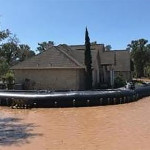
The Aqua Dam system comes in various sizes and configurations. Photo: Aquadam.net
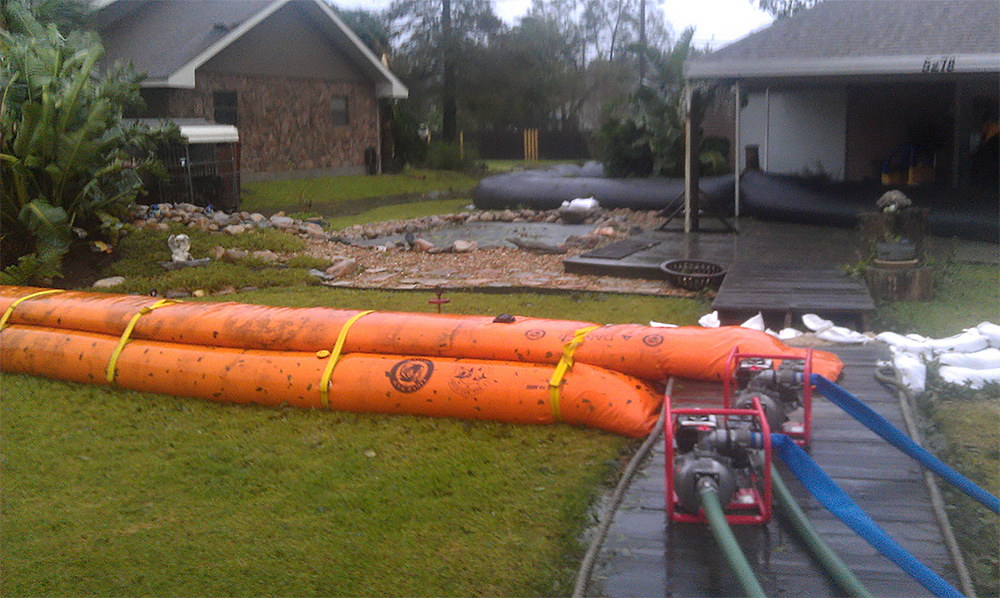
This system consists of large waterproof fabric tubes, which can be rolled-up and stored in a garage or backyard until they’re needed. When water approaches, gasoline-powered pumps are used to fill the Aqua Dam from any nearby water source, creating a 360-degree barrier around the home.
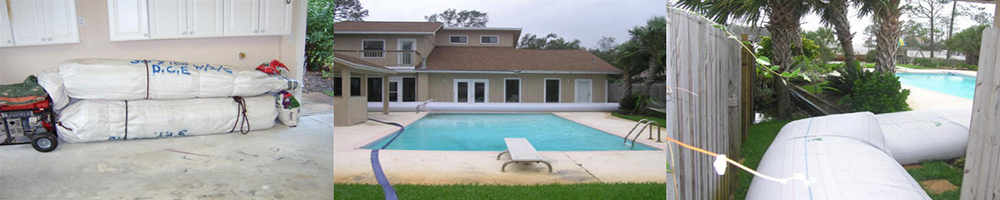
Left: An Aqua Dam system packed in a garage. Center/Right: The same system deployed. Photos: Aquadam.net
Fully inflated, the Sochas’ Aqua Dam was 3 feet high and 380 feet long. Even with this huge barrier, Randy Socha told KPRC-TV that he needed eight additional sump pumps around the perimeter to evacuate water that leached through the soil underneath. In the end, the system did its job and saved the Sochas’ home from Hurricane Harvey.
For the full story and more photos of the Sochas’ Aqua Dam, go to Click2Houston.com. For more information on Aqua Dam flood protection, go to AquaDam.net.
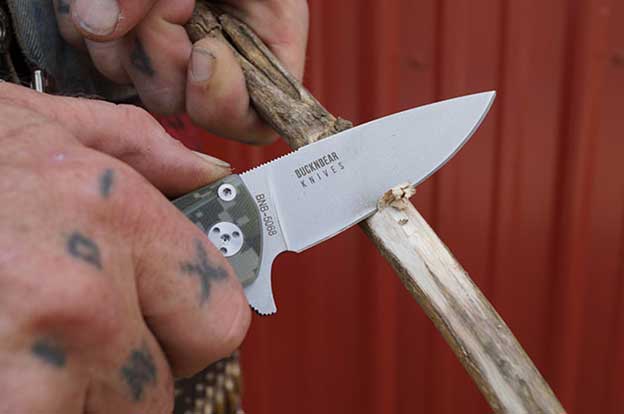
Knives are some of the most useful tools on the planet, doing everything from whittling wood for fire kindling to even protecting yourself from a potential attacker. With a plethora of uses comes a plethora of styles, and we’ve rounded up some great deals on some favorites.
1. The 5-in-1 Survival Knife
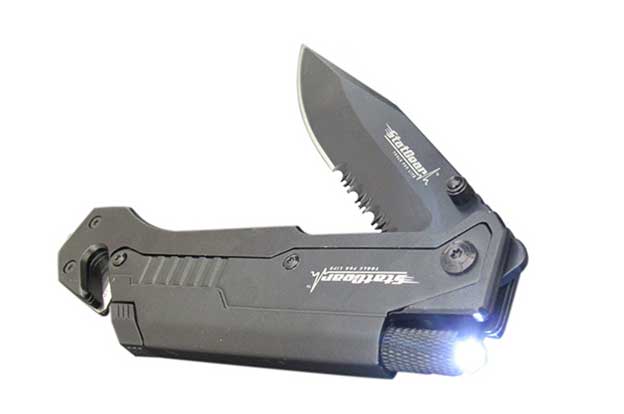
If you’re looking for an all-purpose blade, the Off-Grid Survival Knife should be your first choice. Boasting an LED flashlight, a fire starter rod and a window breaker, this knife makes the worst-case scenario look like a piece of cake.
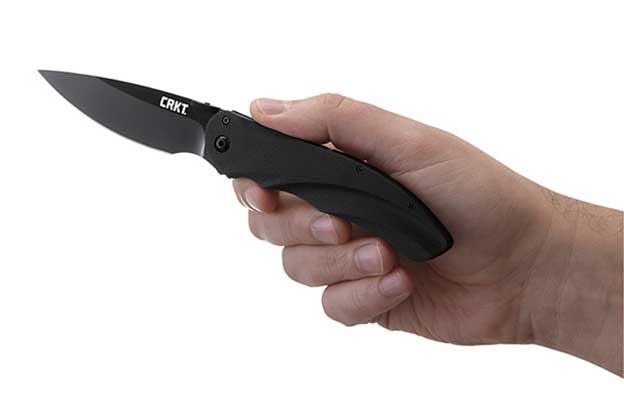
Sometimes art is functional—which happens to be the case with the CRKT Argus Folding Knife. The all-black AUS 8, 57-58 HRC blade with all-black cold-forged aluminum handle combo is sure to turn heads. It’s also sure to cut smoothly on any surface.
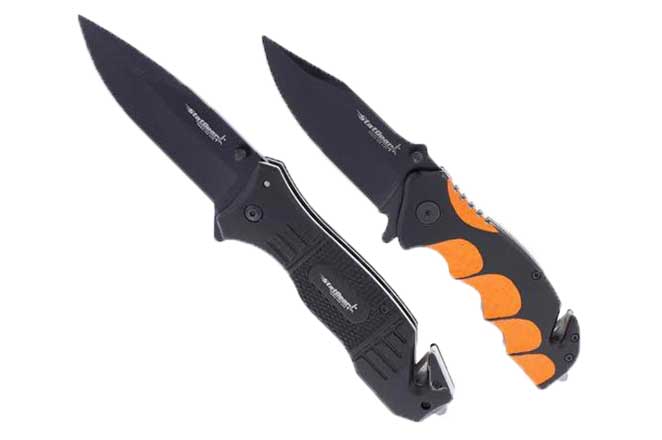
Be prepared for any situation with the StatGear Storm Rescue Knife. With a seatbelt cutter and a window punch, this knife is sure to make light of any heavy situation. Don’t get caught without this blade.
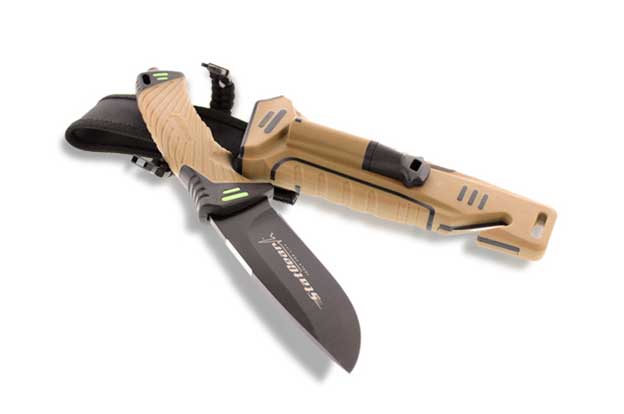
We tend to judge things by what they can do, but sometimes it’s better to judge by what they can’t do. A prime example is the Surviv-All Outdoor Knife, which seems like there isn’t very much it can’t do. Take control of any situation—starting a fire, sharpening another knife—in a jiffy. Buy Now: Get this versatile knife for 26% off at only $32.99
5. The Performance Knife
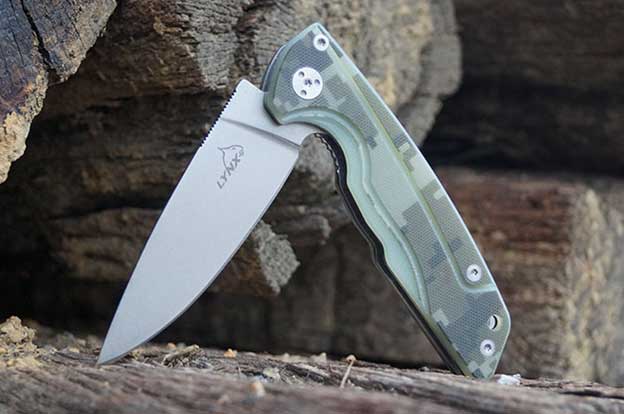
The Marine Marpat Flipper Knife is the everyday precision knife of your dreams. This knife features a simple but effective design, with a hollow grind and plain edge combined with a stainless steel back spear. And the G-10 handle, both impervious to water and easy to maintain, rounds out this beautiful blade.
“It is a tragedy of the first magnitude that millions of people have ceased to use their hands as hands. Nature has bestowed upon us this great gift which is our hands. If the craze for machinery methods continues, it is highly likely that a time will come when we shall be so incapacitated and weak that we shall begin to curse ourselves for having forgotten the use of the living machines given to us by God.” – Mahathma Ghandi
This quote from Gandhi emphasizes humans’ dependence on machines and technology, and what some would argue is an over-dependence on these time-saving tools. Whether you agree with this sentiment or not, it’s clear that there’s something beautiful about a truly handcrafted item, and that it would be tragic for traditional craftsmanship skills to be forgotten. These skills are historically-significant, but they’re also the methods we would fall back on if some catastrophic event eliminated our access to modern machinery.
The Northmen Guild (formerly known as John Neeman Tools) is a group of northern European master craftsmen who “want to help people to remember how to use their hands… to achieve the true joy of creating something from humble beginnings”. The Guild does this by producing short films which document the creation process of traditional tools and structures. They also sell many of the items they produce, and even offer classes to train the next generation of craftsmen and women.
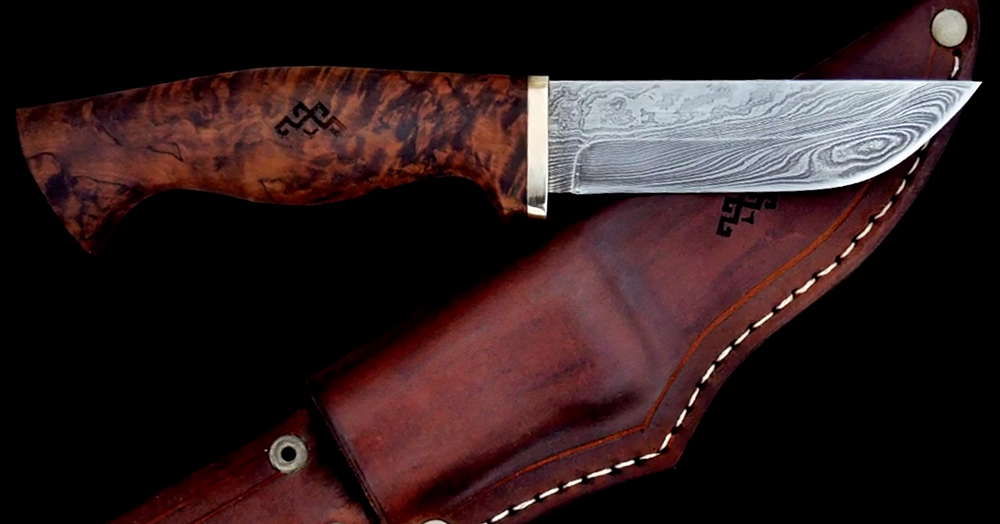
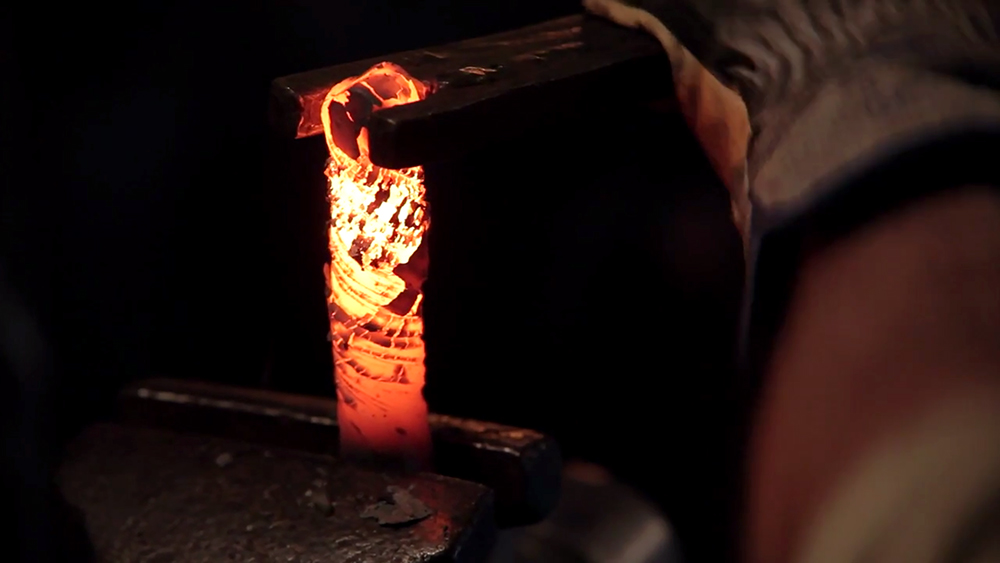
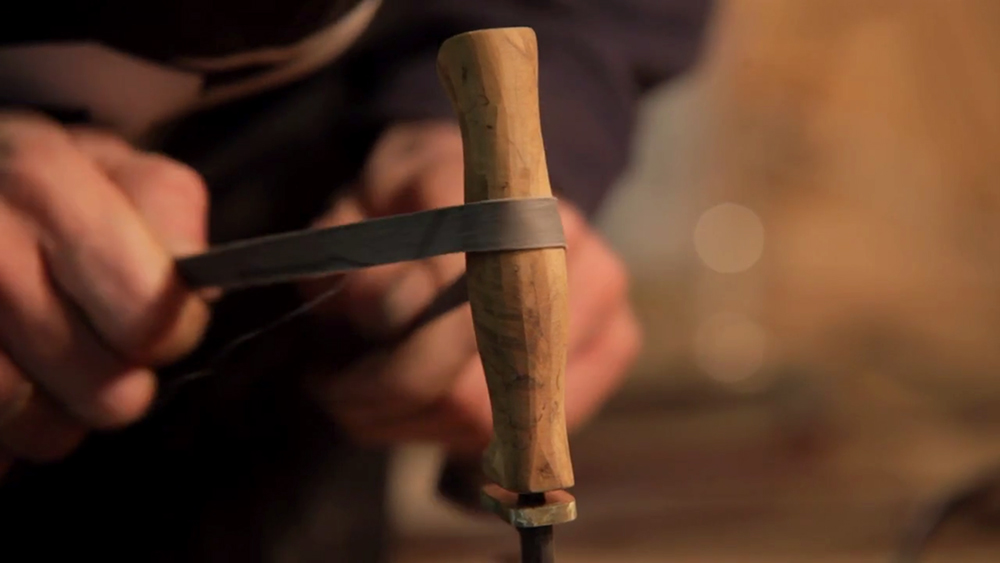
The multi-layered billet is folded and twisted during the forging process, creating a unique pattern.
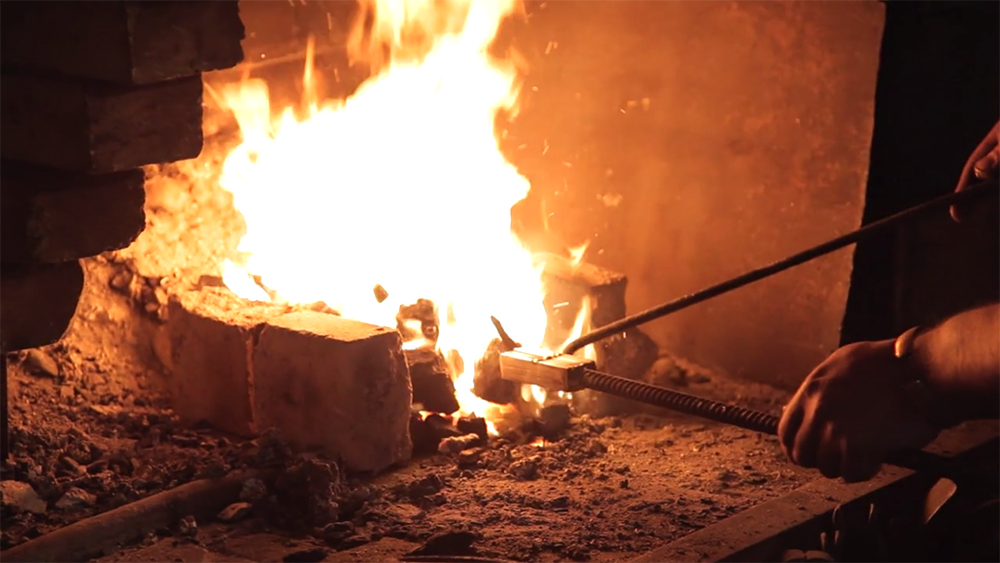
The following video, titled The Birth of a Tool Part III: Damascus Steel Knife Making, is the third installation in a documentary series about bladesmithing. It shows craftsmen from the Guild producing a simple yet elegant Scandi-grind field knife from pattern-welded Damascus steel. While some modern tools such as a welder and power hammer are used in parts of the video, the end result is something that leaves no doubt about its handmade origin.
Nature. The Great Outdoors. A break from your wife. Whatever you call it, the wilderness is a beautiful place, but it can be difficult to navigate. Make sure you’re prepared for your next voyage with these essentials.
1. Lightweight Weather-Resistant Duffel
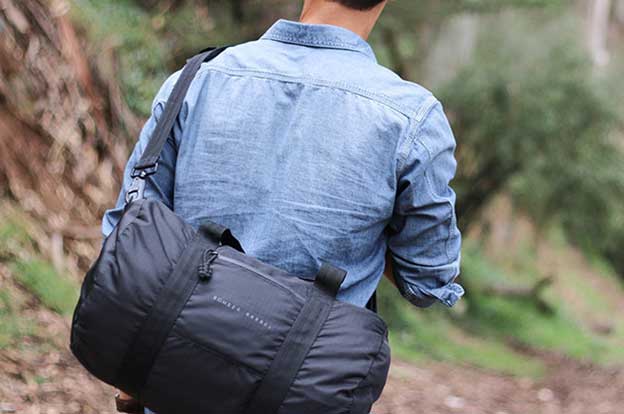
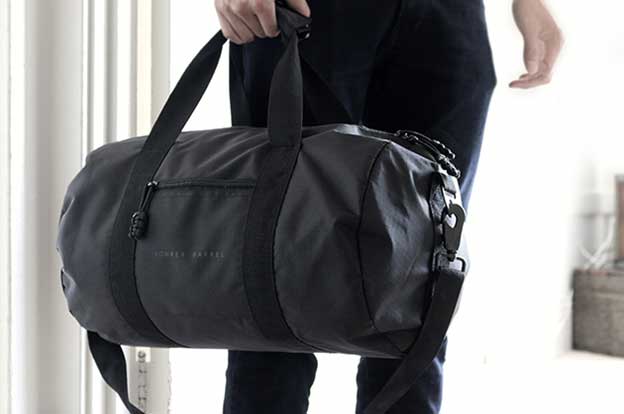
Going out in nature is supposed to be relaxing and fun, you’re not supposed to spend 20 minutes looking for your flashlight. The Bomber Barrel Duffel Bag Complete Set has got you covered with pockets everywhere and an additional travel kit for your essentials. Plus, it’s weather-tested and easy to carry.
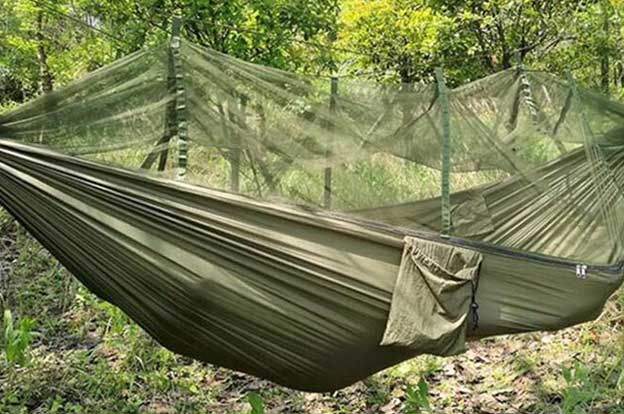
Every great trek results in a well-deserved rest. Take your break bug-free with this Military Hammock Tent. Easily packable and composed of military grade parachute fabric, this water-resistant, mosquito-netted hammock will let you sleep comfortably in the middle of nowhere.
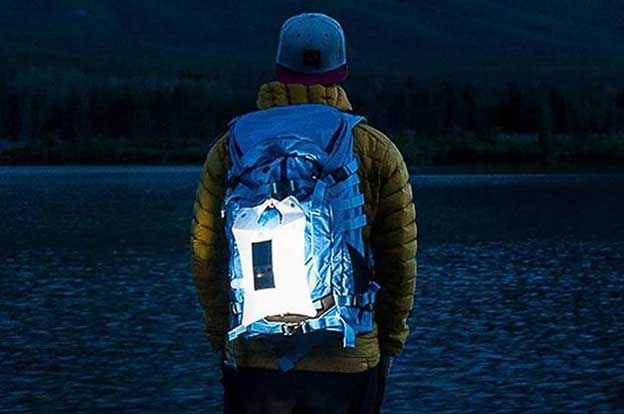
The LuminAID PackLite 16 Inflatable Solar Light is a must-pack. This foldable, solar charging 65-lumen light inflates to create a lantern, providing you up to 30 hours of light with a range of 125 sq. ft. It’s even water-resistant. A versatile light, it’s perfect as an extra light source yet capable enough to be your feature lighting. Buy Now: It’s 31% off at just $17
Hammock camping seems to have experienced an upswing in popularity lately — no pun intended. It offers some considerable advantages over traditional tent camping, including the potential for lighter weight and easier setup. During the warm summer months, hammocks can provide a nice breeze, and they can work equally well in the dead of winter with the proper setup. A hammock is also a great choice for a bug-out bag, since it can pack down to about the size of a football.
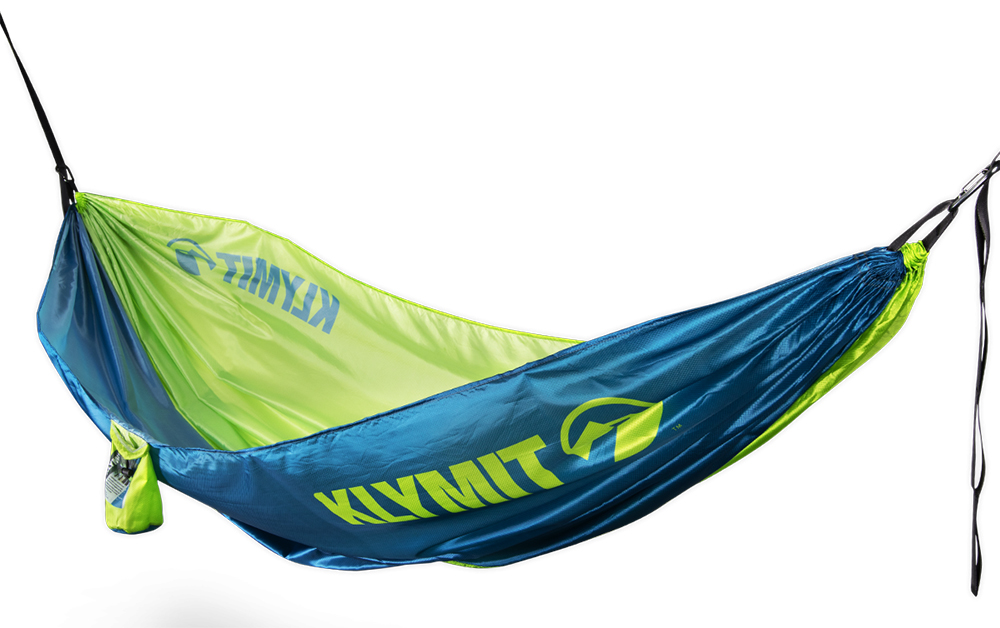
Klymit, the Utah-based outdoor gear company known for its lightweight sleeping pads and sleeping bags, has released its first hammock. The Klymit Traverse Double Hammock is constructed from tough 70D ripstop nylon, and is designed to work seamlessly with the company’s Hammock V and Hammock V Insulated sleeping pads.
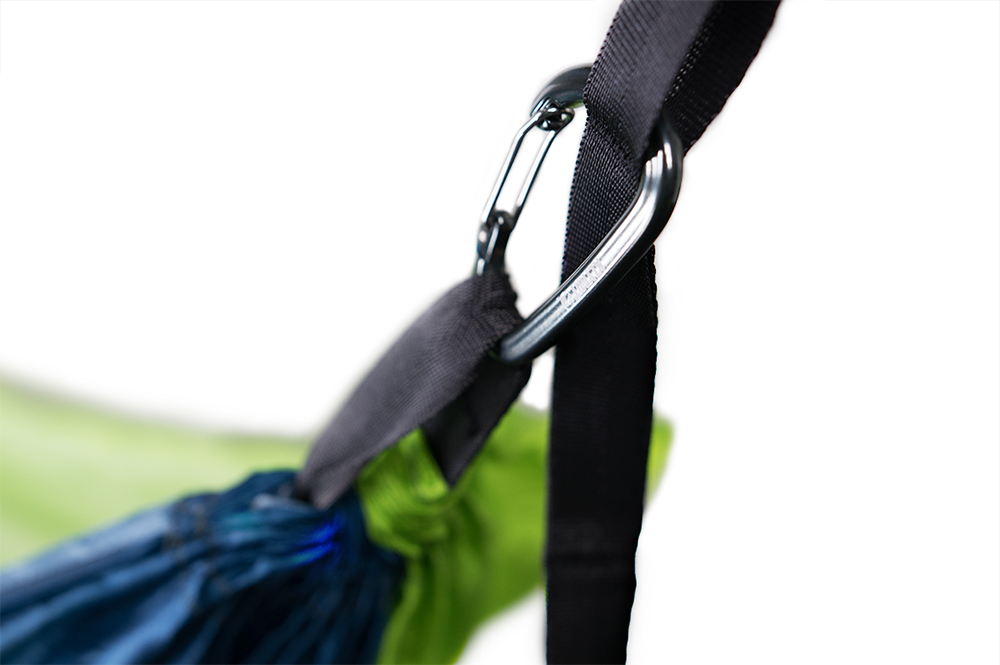
As indicated by its name, this hammock is only available in large double size that supports up to 400 pounds. It includes tree straps and carabiners for easy setup. The Klymit Traverse’s unpacked dimensions are 74″ by 110″ (6’2″ by 9’2″) but it compresses down in the built-in stuff sack to a packed size of just 5″ by 8″. Total weight is 31.2 ounces, or 1.95 pounds.
To prevent sagging and stretching, the Klymit Traverse features a diagonal seamless hem which provides added weight support. This hammock is available now at an MSRP of $90. For more information, go to Klymit.com.
Survivalists should be advocates of recycling, but that doesn’t just mean taking your bottles and cans to the local drop-off facility to exchange for some cash. Recycling is all about turning discarded items into something that’s useful once more — an essential skill for any scenario where resources may be limited. We’ve previously written about turning plastic bottles into cordage, and turning aluminum cans into alcohol stoves, but what about glass?
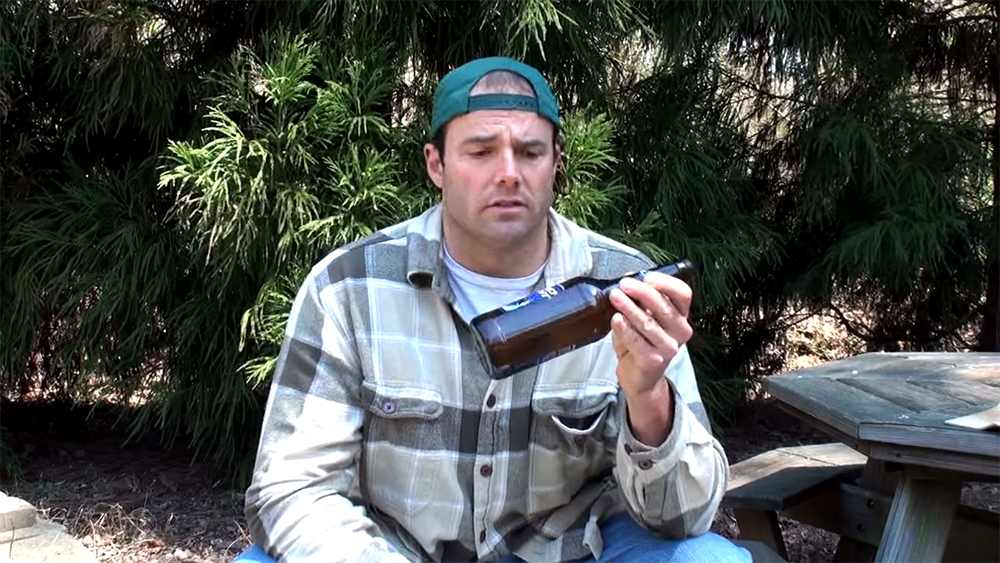
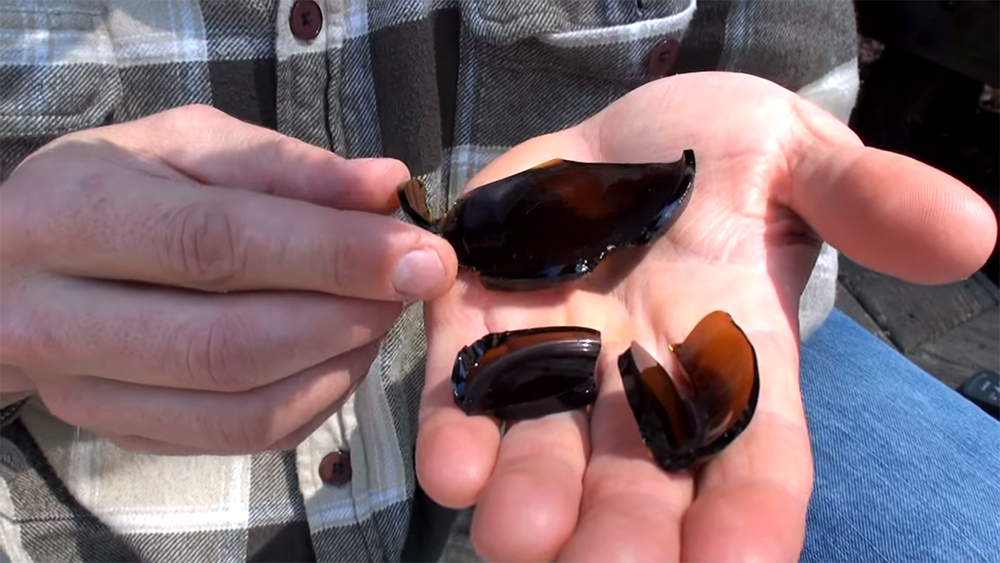
Billy Berger of Primitive Pathways shows the value of beer bottles for making glass arrowheads.
Anyone who has dropped a glass jar or bottle on the hard ground will recall how it instantly splinters into dozens of razor-sharp fragments. This brittle property of glass may be annoying when it’s your job to clean up the shards, but it can also be used to your advantage in a survival situation. Through careful application of a technique called knapping, bottles can be turned into sharp and effective glass arrowheads.
Knapping typically uses stones, antler or bone, and a leather pad to carefully chip tiny fragments off a piece of brittle material such as flint, ceramic, or glass. This has been used by primitive cultures for centuries to produce knives, axes, arrowheads, and other bladed tools. Many of these implements have survived and remain on display in museums — some have been preserved for more than 5,000 years.
In the following video, Primitive Pathways shows how to make a simple glass arrowhead from a discarded 24-ounce growler beer bottle. Nails are used to separate the thick concave base from the rest of the thinner glass, and then knapping is applied to shape the arrowhead. Despite breaking the arrow once, host Billy Berger is able to recover and produce a finished arrow.
It’s common sense to be cautious about leaving property in the care of strangers, whether you’re handing your car keys to a valet who promises not to go on any Ferris-Bueller-style joyrides, or giving your smartphone to a bystander who offers to snap a photo of your family. It’s unreasonable to live in a constant state of paranoia, but you should certainly take reasonable steps to keep honest people honest — and to provide a significant deterrent to those who might not be honest.
Photo: Flickr.com / Allen Watkin
Those of us who travel frequently for work or personal reasons often need to transport valuable items. If you’re driving to your destination, it’s relatively easy to keep your property locked up and out of public view. But there are many cases where flying is the only feasible option, and that opens a whole new array of security concerns.
The Risk of Theft at the Airport
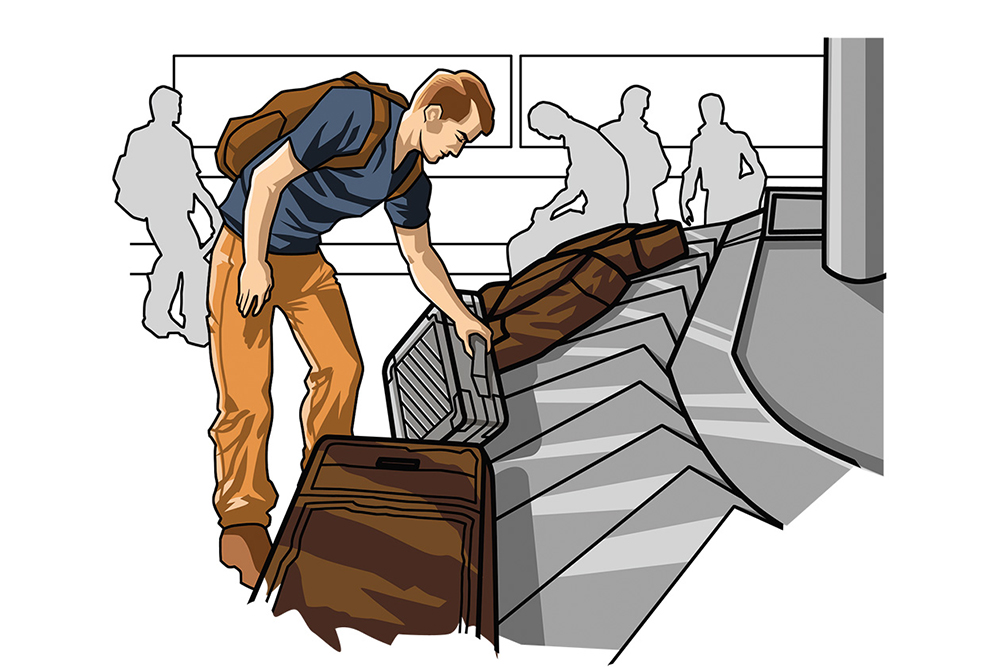
You might assume that the high-security atmosphere of airports would deter thieves, but that’s not necessarily true. It wouldn’t be difficult for a stranger to snag your suitcase off a busy baggage carousel and walk away — this might be the result of a genuine case of mistaken identity, or the actions of a brazen criminal. Either way, if you’re not around to stop it, your bag could easily roll right out the airport door. Here’s one recent example of this type of crime at O’Hare Airport in Chicago.
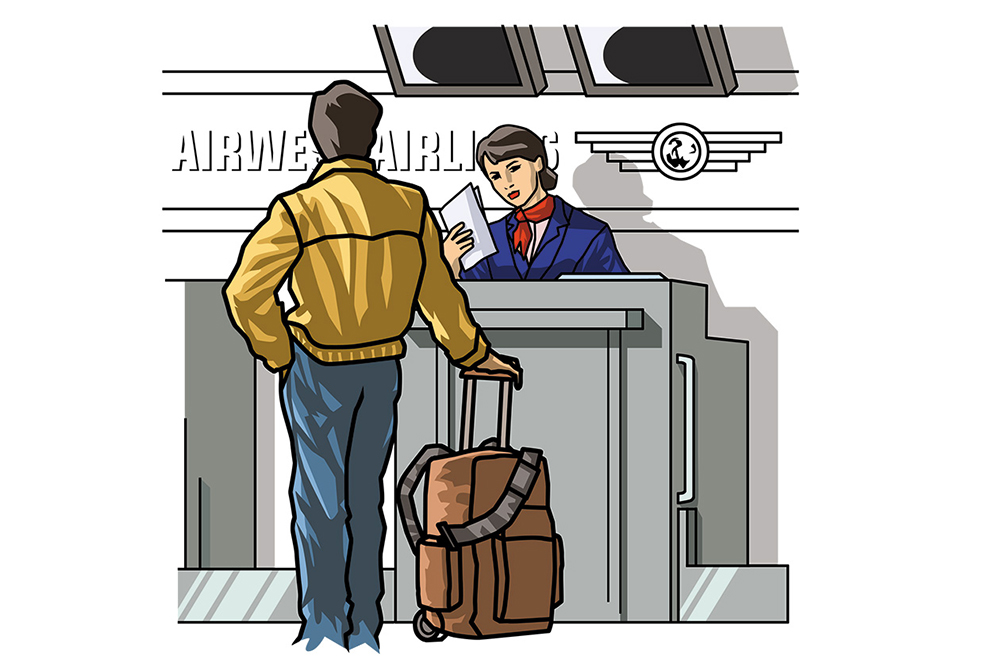
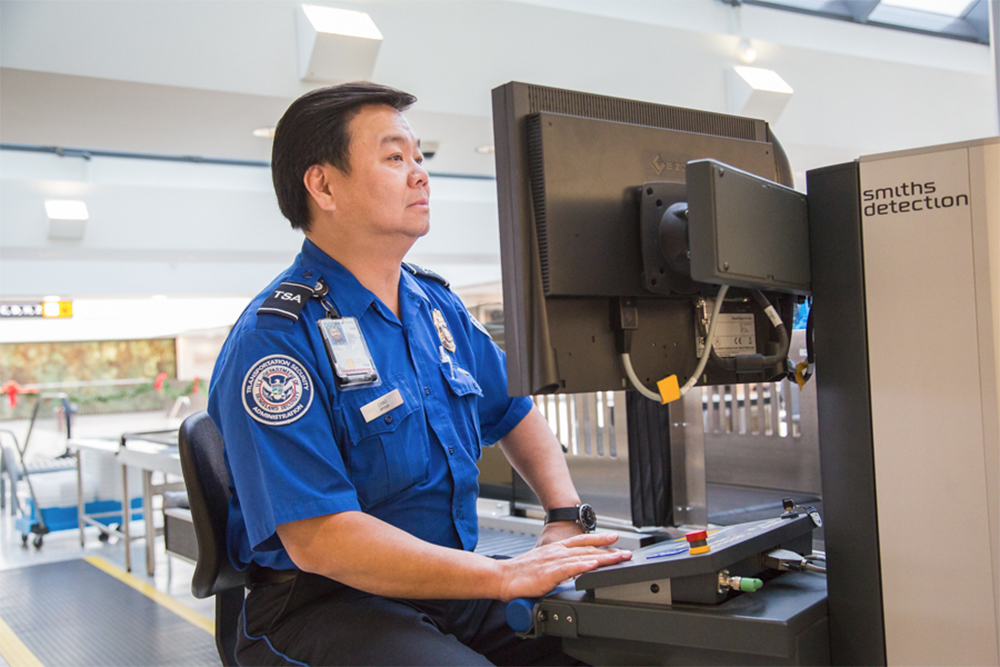
However, an even more serious concern is theft by those who are supposed to be looking after your bag. Baggage handlers, airport security, and TSA agents may have access to your luggage behind closed doors. While most of these individuals are just trying to make an honest living, there have been numerous documented instances of airport personnel stealing from passengers’ bags. Incidents occurred in 2014 at Los Angeles International Airport, in 2015 at Miami International Airport, and in 2017 at Orlando International Airport. The ABC News video below shows evidence of several other instances of property theft at the airport.
In some countries, corrupt law enforcement personnel can also be a potential threat. The “tanim bala” scam in the Philippines involved local officers opening travelers’ luggage, planting bullets inside, and then threatening the luggage owners with criminal charges unless they paid bribes. Other corrupt officials may go for the easier reward, and take any valuables they find.
So, if you’re flying with valuables, it’s essential to take steps to prevent sticky-fingered individuals from stealing these items. Instead of assuming you’ll be lucky enough to never experience property theft at an airport, consider the following tips before your next flight.
Disclaimer: This article is for informational purposes only, and should not be taken as legal advice. Your local laws may vary, so review all relevant airport, airline, and TSA guidelines before you fly. Don’t do anything stupid and/or illegal with this information — we aren’t responsible if you do.
#1 – Carry On Your Valuables
Photo: Flickr.com / Hernán Piñera
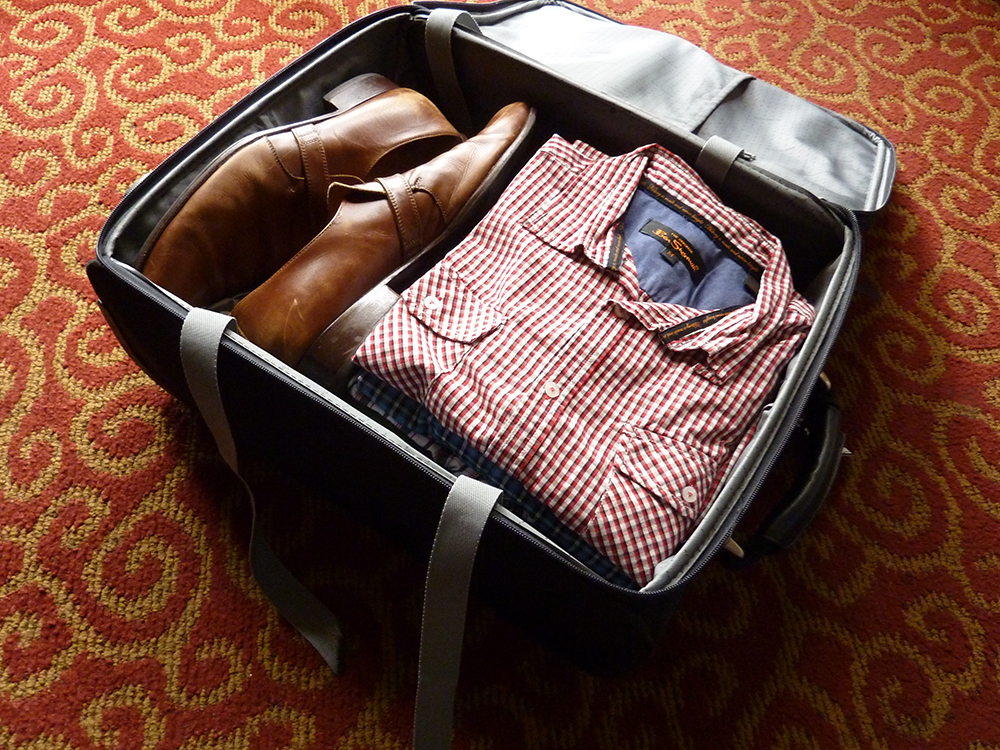
The best option is clear: never let your property out of sight. At an airport, that means keeping all valuables in your carry-on luggage, and keeping that luggage with you at all times. In this case, if you check a bag, it should only contain items that would be unlikely to attract thieves — inexpensive toiletries, replaceable clothing, paperwork that doesn’t contain sensitive personal information, and so on.
However, this is not always possible. Your valuables may be too large or heavy, or they may be considered TSA restricted items (alcohol, knives, medical equipment, etc.). So, if you must fly with valuables, and those valuables must be checked, proceed to the following tips.
#2 – Check Your Valuables with a Firearm
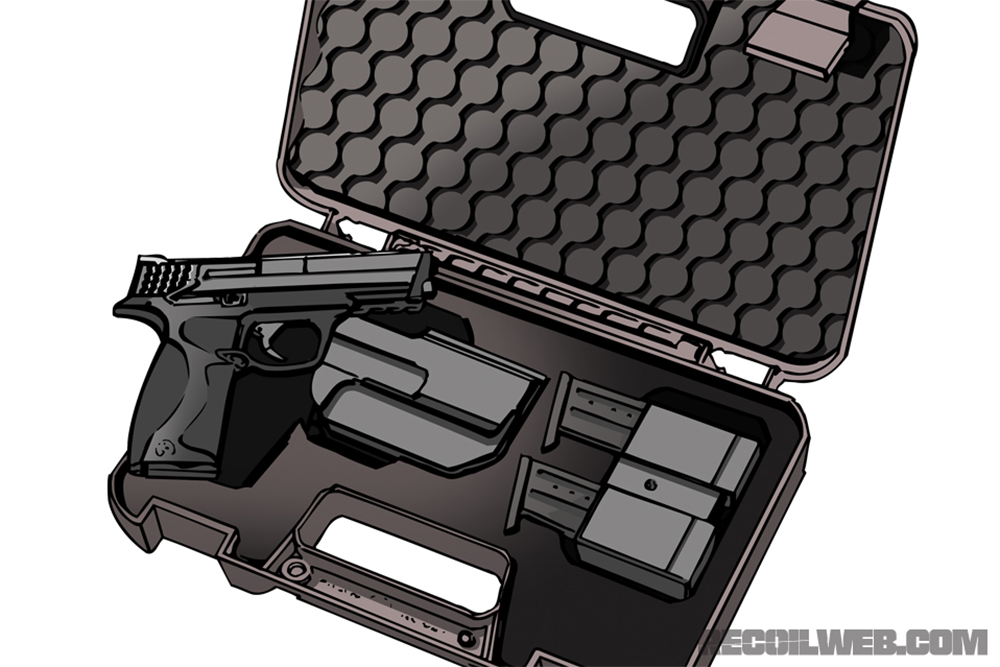
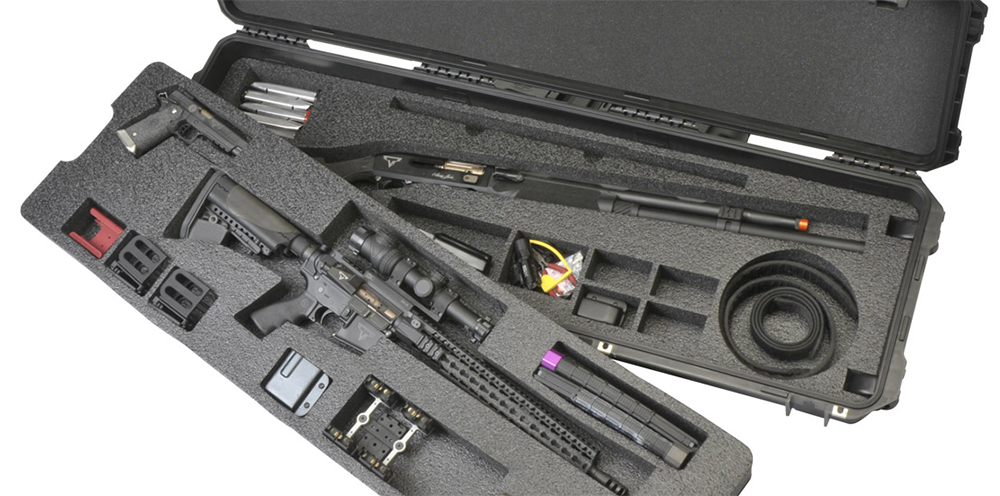
For obvious reasons, airport security is motivated to carefully monitor and track all luggage that contains declared firearms. Therefore, this category of luggage should be much less likely to be lost or tampered with. Also, special rules are applied to this luggage: it must be locked in a hard-sided container, and “only the passenger retains the key or combination” unless TSA personnel request it.
This means you’re almost guaranteed to be aware of any time your luggage is opened or inspected, because you’ll be explicitly asked to open it. In most cases, you’ll also be present for these inspections, though there have been some reports of TSA agents allegedly violating this rule by conducting the inspection behind closed doors after the case has been opened by its owner. Still, it makes theft of your luggage contents much more difficult.
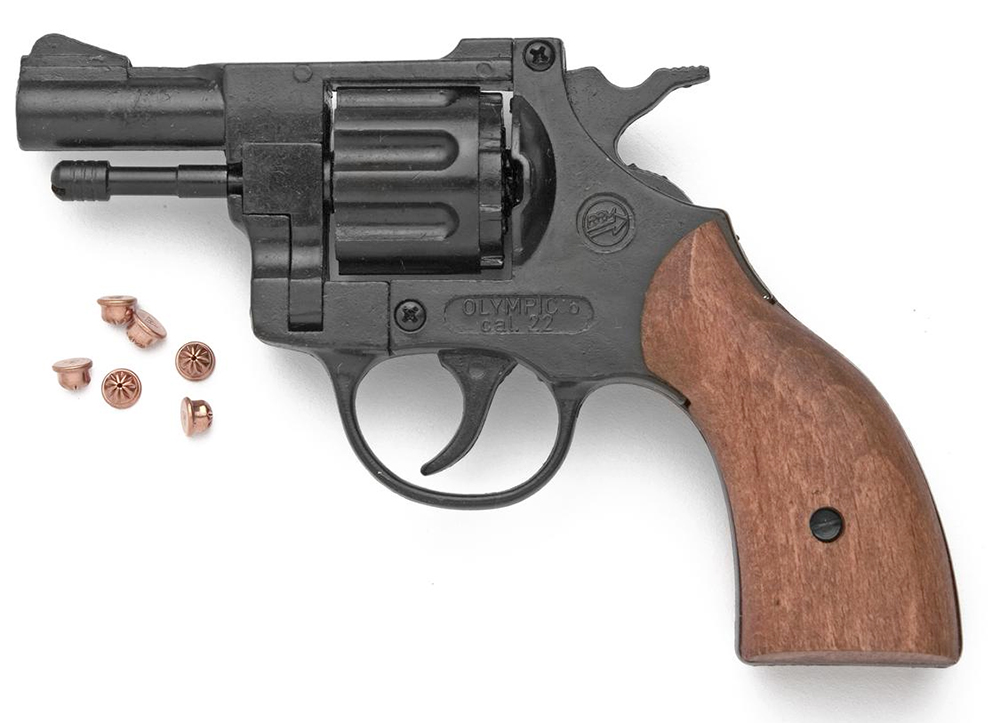
These rules apply to the strict legal definition of a gun, including starter’s pistols, air rifles, and stripped lower receivers. If you have a hard-sided locking case and one of these items, you can declare it as a firearm, and have it treated as such.
Blank-firing starter pistols are inexpensive, and must be declared and transported as firearms.
The downside to this tip is that it may be more of a hassle than checking bags normally, so you’ll need to plan ahead and get to the airport early. Flying to destinations where firearms are restricted can also pose legal issues, so be cautious and check local laws before your trip. And keep in mind this is not a foolproof technique — a baggage handler at Austin-Bergstrom International Airport reportedly stole seven firearms from passengers’ luggage before being apprehended. (The exact tools he used to remove these guns from their cases were not reported.)
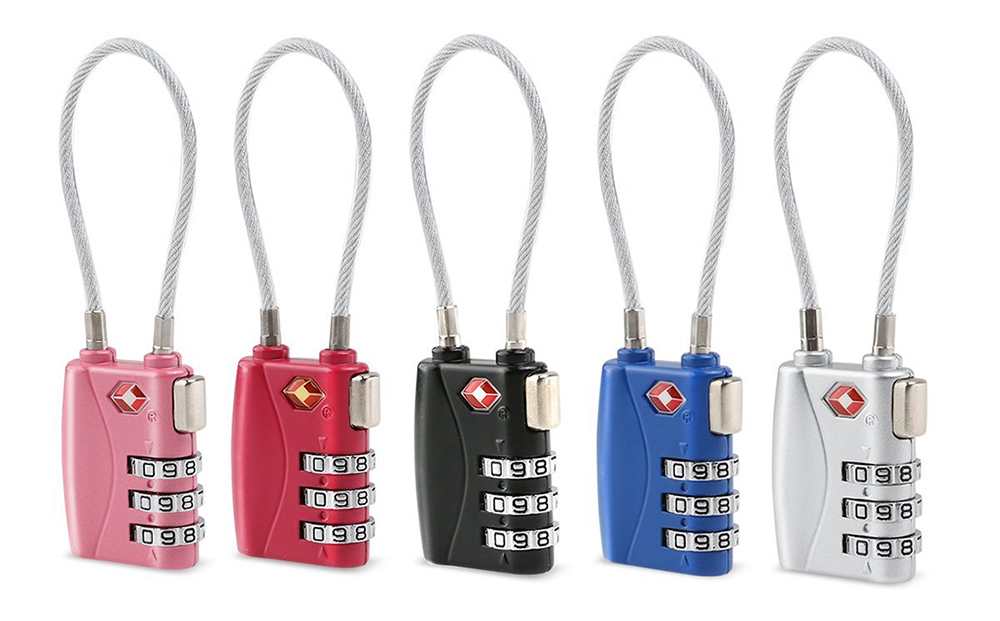
Many frequent-flyers use TSA-approved locks on their luggage, based on the logic that a locked bag will look more difficult to access, thus deterring opportunistic criminals. While it’s true that locks may be an effective deterrent in some cases, these TSA locks are notoriously easy to defeat.
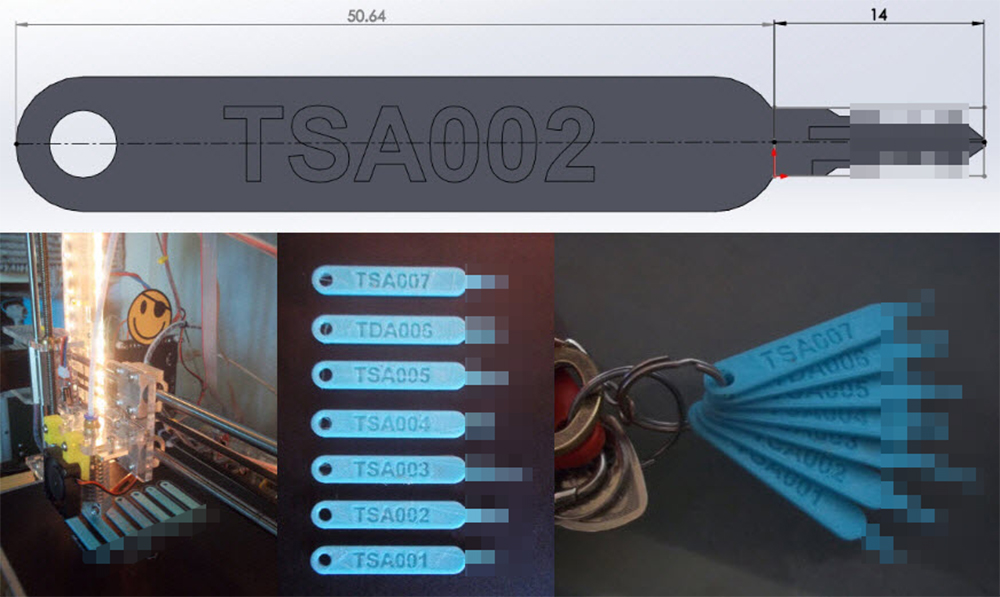
In fact, schematics for a complete set of working TSA master keys is available for free on the internet. Anyone with access to a 3D printer can easily produce a set of keys that will open any TSA lock immediately. Here’s some proof (we blurred the key patterns to discourage illegal use).
Publicly-available files and 3D printers have made it easy for criminals to produce TSA master keys.
Beyond this gaping security flaw, TSA-approved locks certainly won’t prevent theft by TSA employees, who are authorized to use the keys to search your luggage. In reality, these locks are barely more effective than cinching your zipper pulls together with a plastic zip-tie.
Most importantly, it won’t matter which lock you put on your suitcase if you don’t consider our next point.
#4 – Avoid Luggage with Zippers
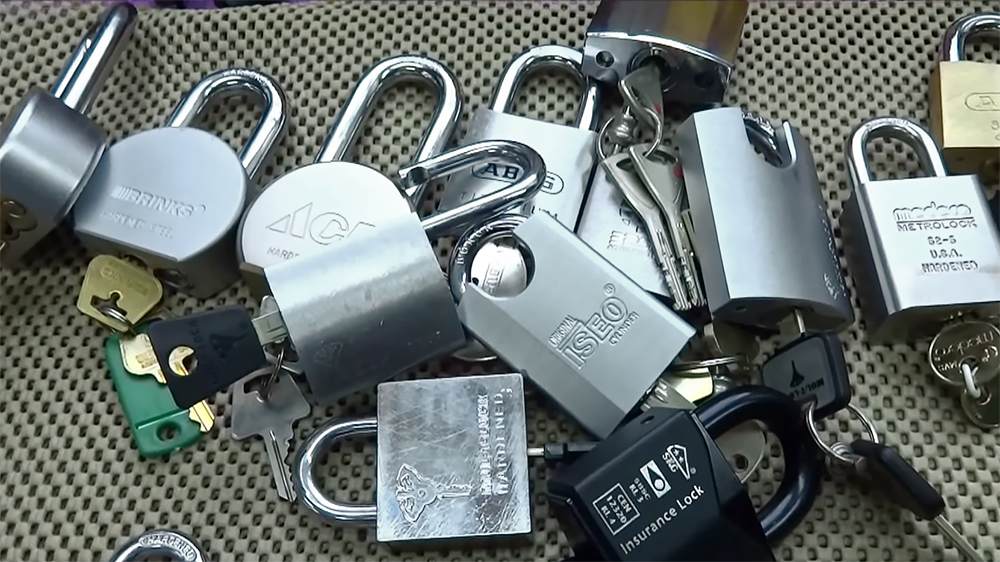
Remember the proverb, a chain is only as strong as its weakest link. We often put too much faith in locks, when the hardware that surrounds those locks may well be the proverbial weakest link.
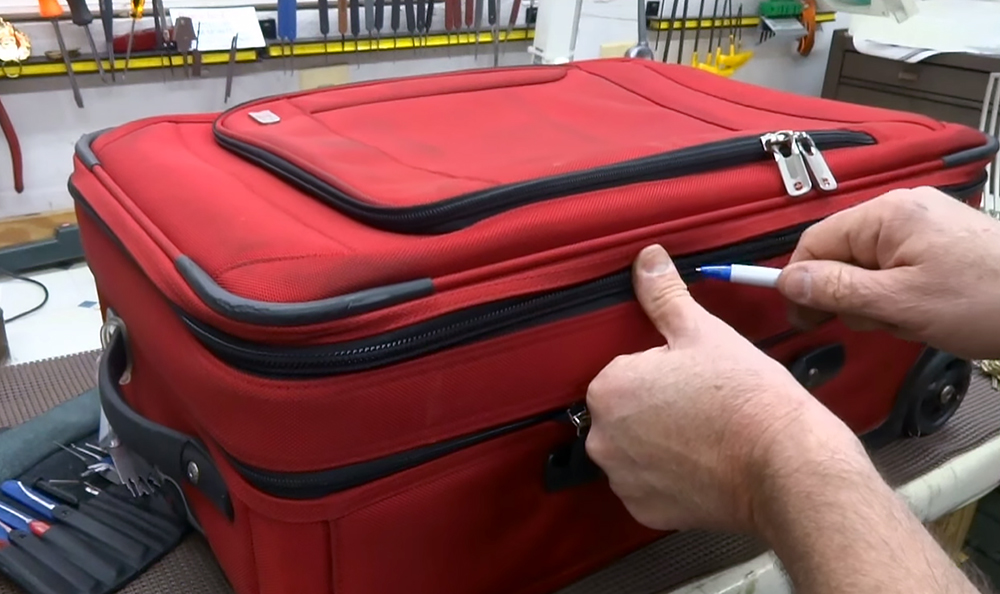
The following video from lockpicking expert BosnianBill shows that locks on zippered suitcases are easy to bypass, but not in the way you might expect. In this case, the best padlocks on the market will be just as easy to defeat as a cheap TSA-approved combo lock.
As you can see, it’s easy for a dishonest baggage handler to pop open the zipper, rifle through your belongings, and return the zipper to its original position. It’s not even necessary to touch the lock.
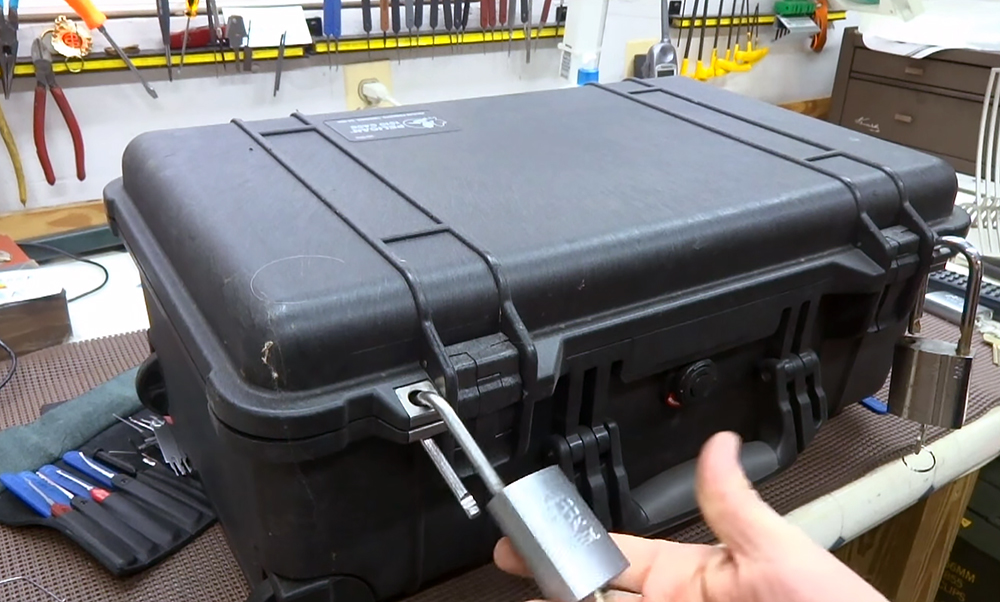
BosnianBill’s recommended alternative is a hard-sided clamshell case with dual hasps, such as a Pelican case. This is the same type you might use to carry a firearm, so it’s doubly useful for that purpose.
Assuming the locks are not easily-defeated and the case isn’t flexible enough to be pried open, the lack of zippers ensures the only ways to gain entry involve a saw or bolt cutters. Therefore it’s much less likely that a baggage handler or other non-TSA individual will be able to stealthily break into your luggage.
Remember that it is legal to lock your checked suitcases with non-TSA locks, even if they don’t contain a firearm as mentioned above. However, if TSA needs to open your bag during screening and you’re not present with the key, they will cut the lock. The TSA’s site states, “if you decide to lock your checked baggage and TSA cannot open it through other means, then the locks may have to be cut… TSA is careful to not damage any personal belongings, however, we are not liable for damage caused to locked bags that must be opened for security purposes.”
So, you should be prepared to replace the locks on your luggage if this occurs. While this may become costly if your luggage is frequently searched, it still ensures only personnel with bolt cutters or large power tools will be able to access your valuables — and that decreases the likelihood of opportunistic criminals tampering with your suitcase elsewhere along the line.
#5 – Consider Your Luggage’s Appearance
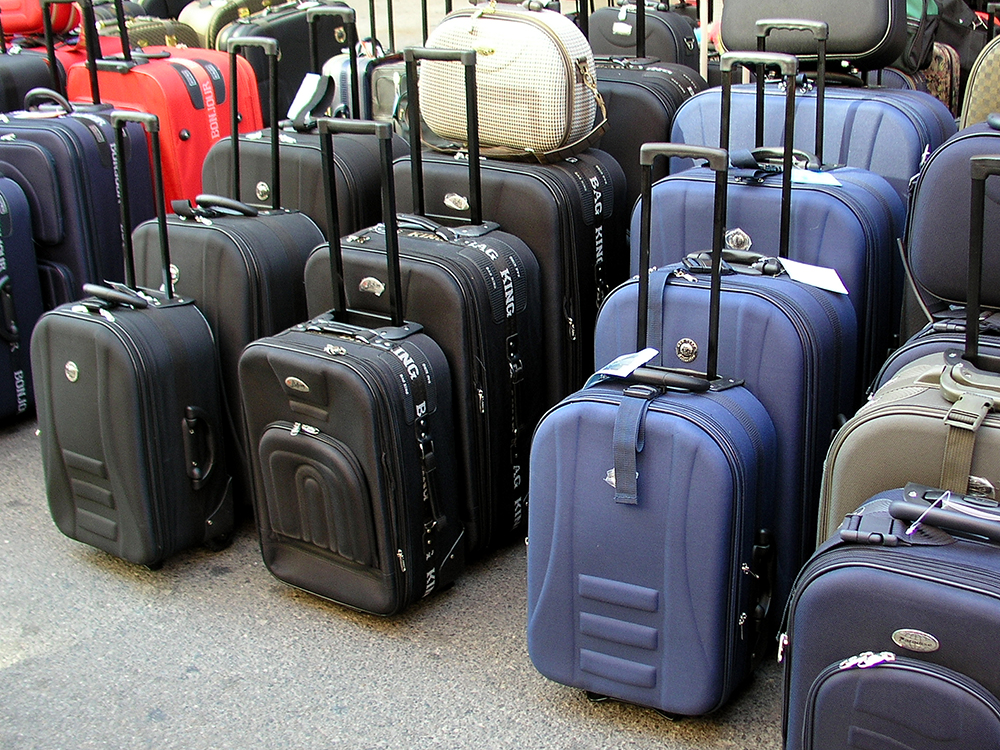
Does your luggage blend into a sea of black, gray, and blue similar bags?
Those who adhere to the gray man philosophy may like the idea of generic-looking luggage, but this is one area where a distinctive appearance can work to your advantage. Whether it’s an unusual paint scheme, brightly-colored accents, or markings on the exterior, unique-looking luggage provides several benefits:
It’s easier to locate quickly at the baggage claim, reducing the risk of a thief snatching it before you can spot it.
Criminals will have a tougher time playing the mistaken identity card. The “oops, I thought that was mine” excuse doesn’t cut it when your luggage is unmistakably personalized.
It’s easier to track down if it’s stolen — law enforcement will have a much harder time finding a generic black suitcase than one with stickers all over it.
On the other hand, security through obscurity can be useful at times. If your bag is tattered, faded, and frayed at the seams, criminals may think it’s worthless and might overlook it. However, weight and other factors may sufficiently hint at its true contents. These are all factors you should consider.
Conclusions
All security measures are in a constant arms race with their opposing countermeasures. If you’re traveling around with the Hope Diamond, you’d better have it handcuffed to your wrist in a bombproof case with GPS tracking and an armed escort. For the rest of us, it’s logical to take security precautions according to the value of our gear and the risks of the airports we’ll be traveling through.
Through various combinations of the methods above, you can reduce the risk of theft at the airport, and fly comfortably knowing your possessions are more likely to arrive in one piece.
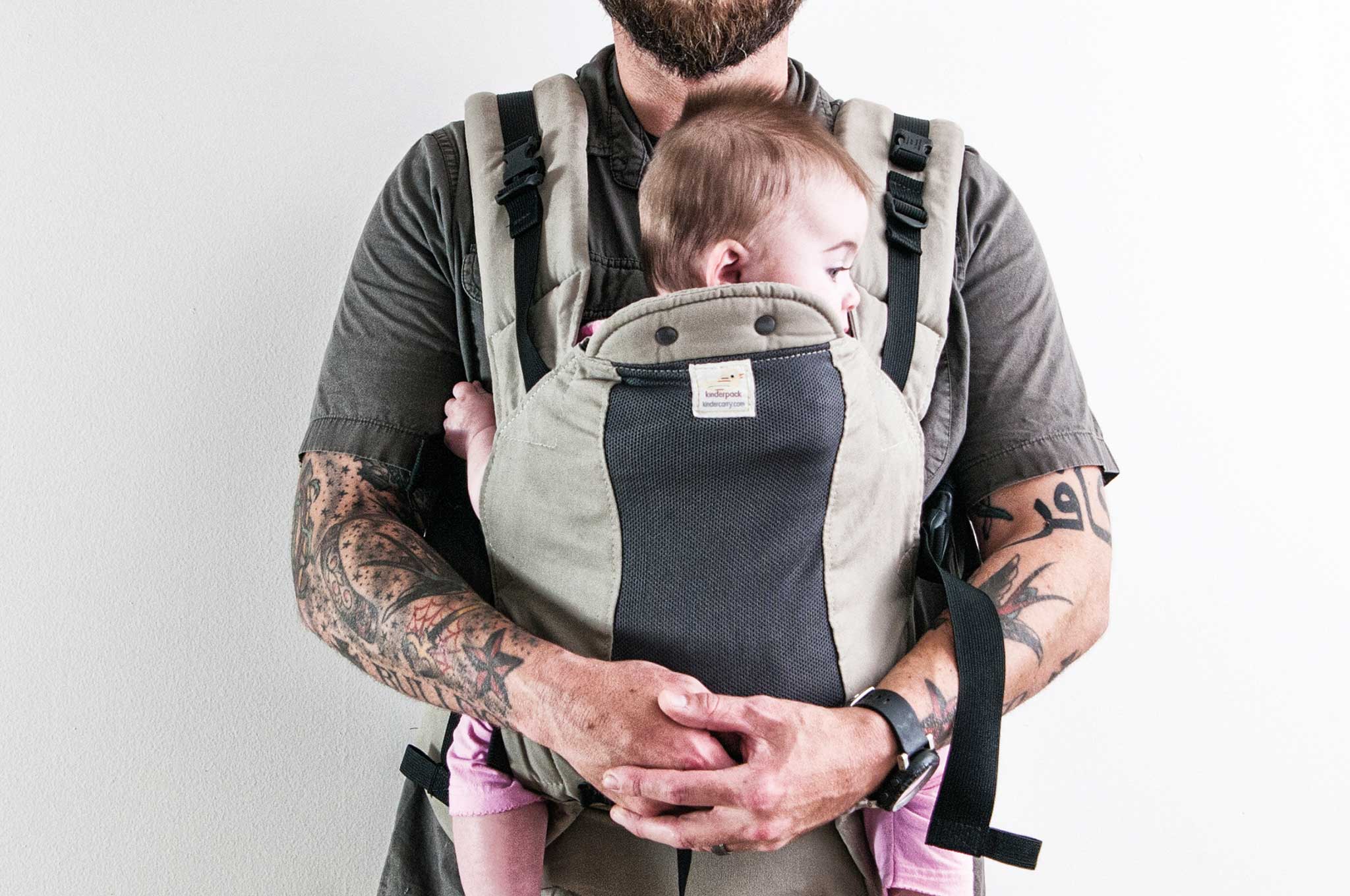
Staying alive on your own can be a challenge in adverse conditions, but adding an infant to the mix makes things even tougher. Any parent can tell you that even in normal conditions, keeping up with the needs of a baby can be difficult. If the baby suddenly experiences a medical emergency, you’d better know what to do until help arrives.
Even if you’re not a parent, it’s beneficial to know emergency first aid for infants. You may be watching a friend or family member’s child for a few minutes, and if something goes wrong you may have even less time to react. This may appear intimidating to those of us without kids, but it’s worth taking a few minutes to learn — it may even help you save a life one day.
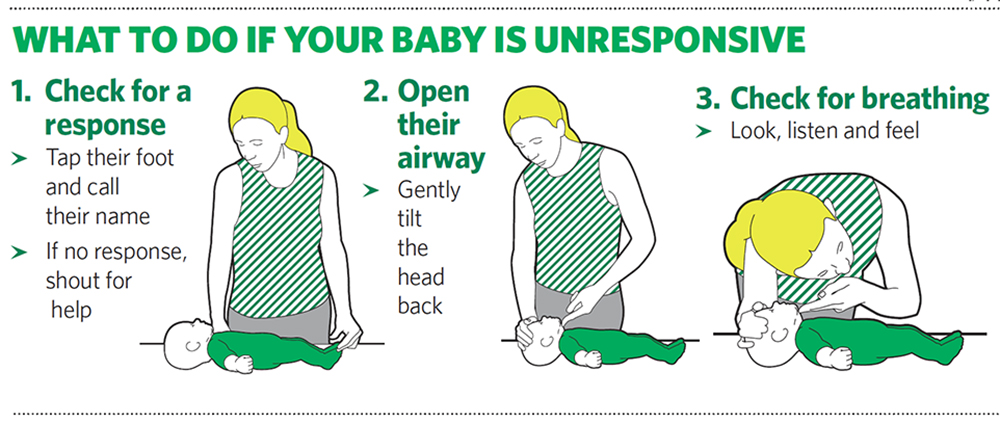
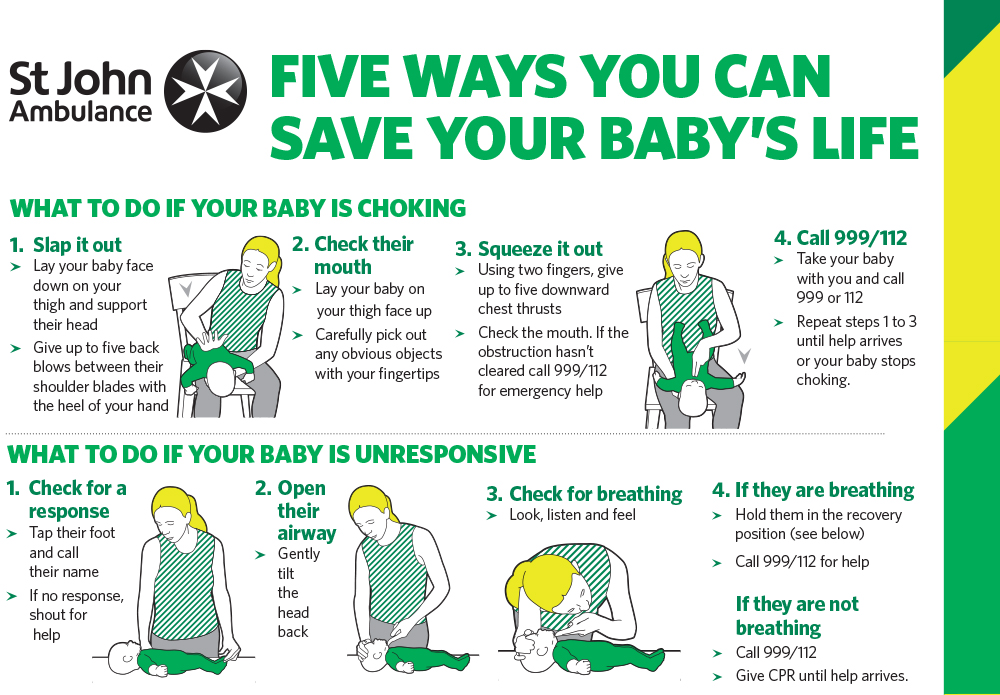
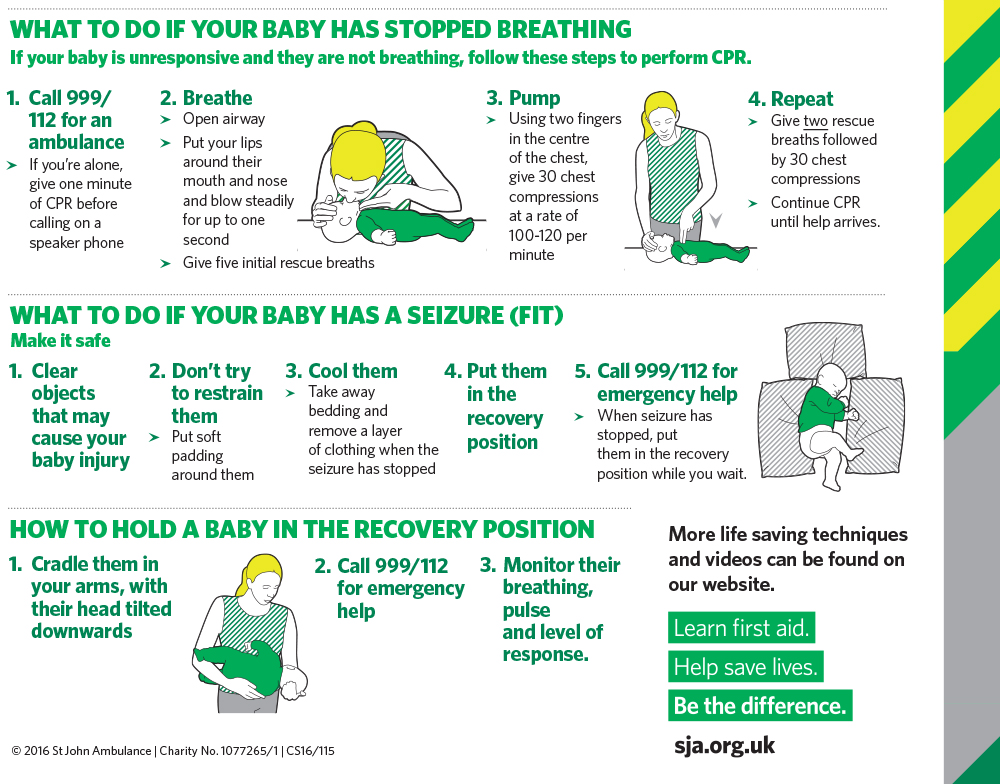
The following infographic from U.K.-based charitable organization St. John Ambulance shows five ways to save a baby’s life when seconds count. These simple steps can help you keep the baby stable and maintain a clear airway until medical personnel arrive. Note that this infographic shows U.K. emergency numbers — obviously, in the United States you should dial 911 immediately if possible.
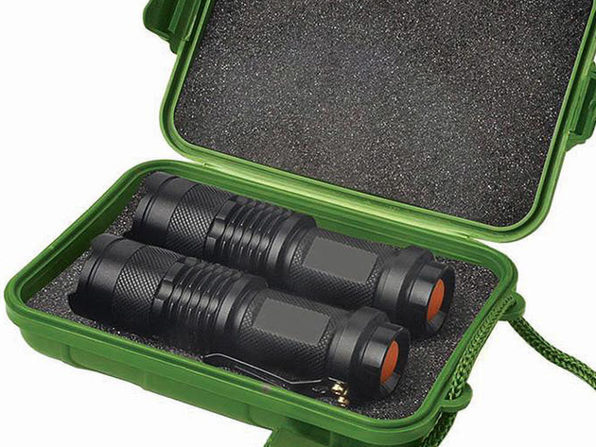
When chaos comes knocking, don’t get left in the dark. Light up the night with military grade flashlights on par with those used on the battlefield. The UltraBright 500-Lumen Tactical Military Flashlight provides total visibility when you need it most. Visibility means safety, and having a sturdy pair of flashlights means that you can share the light with whoever you happen to be with. The old adage that two heads are better than one proves true with flashlights as well. Two lights shining in different directions increases your ability to detect hidden dangers and threats when the darkness is creeping in.
This tactical torch touts a brightness of 500 lumens, cutting through darkness and fog when you’re on the trail, at the campsite, or dealing with a power outage. It also features an adjustable zoom to cast its beam up to a mile, and variable brightness settings suited for any situation. With its long-lasting battery and durable alloy construction, it’s perfect for long hauls. Military grade flashlights like these can be very useful for many applications.
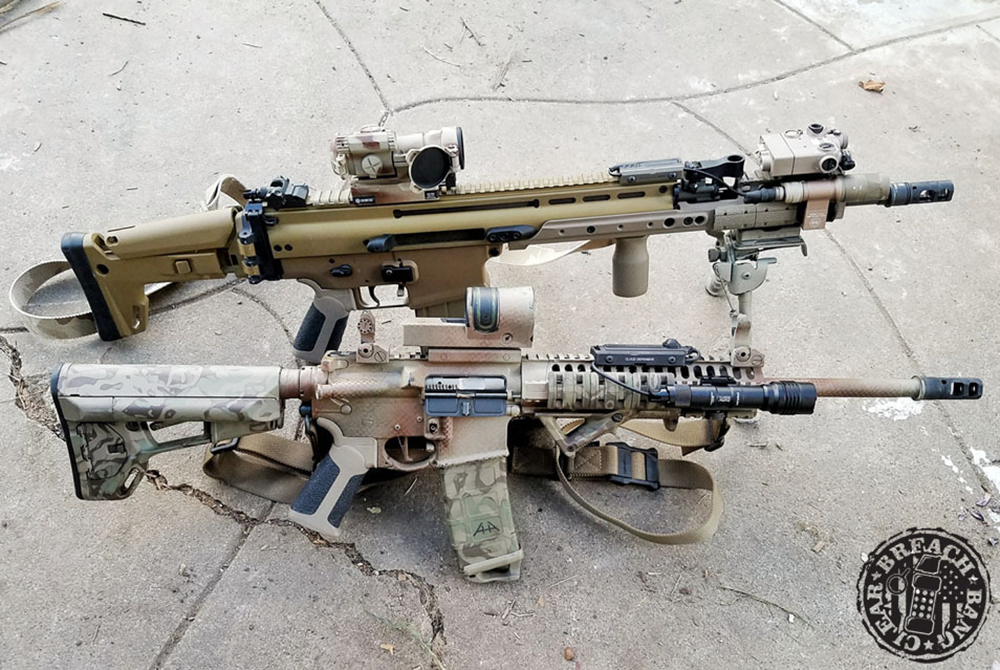
We’ve previously discussed the importance of pistol-mounted flashlights for positive target identification at night, but what about long guns? A rifle can be a valuable resource for defending your home and your family, and intrusions often happen at night, so a weapon-mounted light setup is equally important on these platforms. However, finding the right setup can be a challenge, so consider the following tips from Breach Bang Clear contributor Fifty Shades of FDE.
Editor’s Note: The following article was originally published by our friends at Breach Bang Clear. It appears here in its entirety with their permission. For more from the Mad Duo and crew, go to BreachBangClear.com or follow them on Facebook or Instagram.
A white light, in my opinion, is a must have accessory on any weapon system meant for self-defense or duty use. I’m not talking about your range toy; any weapon you rely on to fight for your life should have a weapon light. You need to identify what to shoot at or not shoot at. Today I’ll talk you through weapon light setup for your rifle.
Obviously, there are many ways to skin a cat. I’ll go over my preferred method on my rifles. It may or may not work for you; Always do what’s best for you, not for me or anyone else.
One important thing to consider: make sure you’re running a high quality weapon light, not a cheap Big 5 special or crap off of the internet. Remember the purpose it serves, to illuminate and give you crucial information in a deadly force situation. You can’t afford to have it fail.
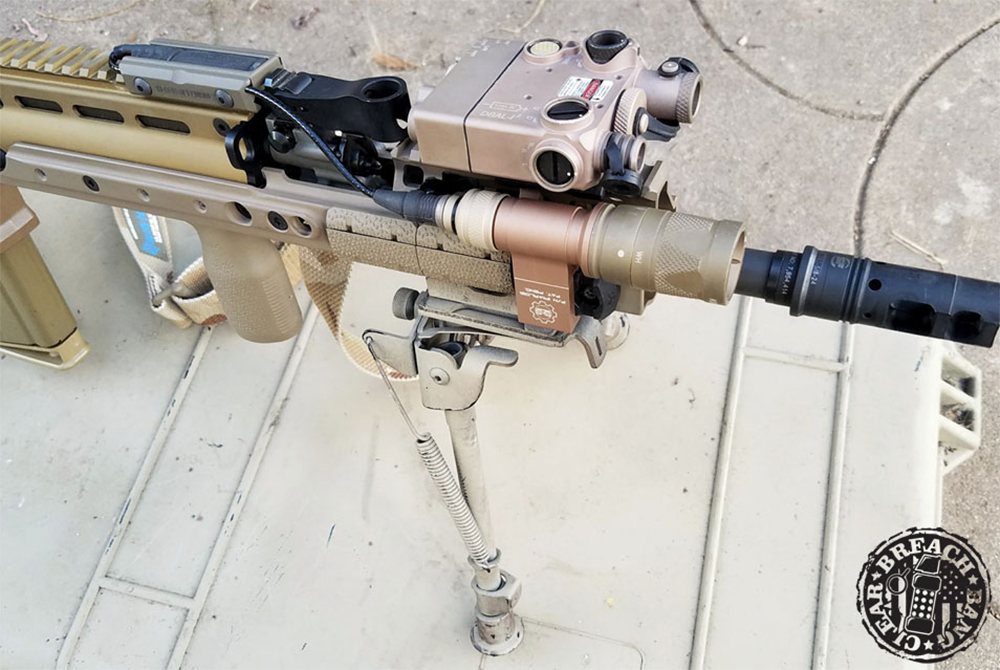
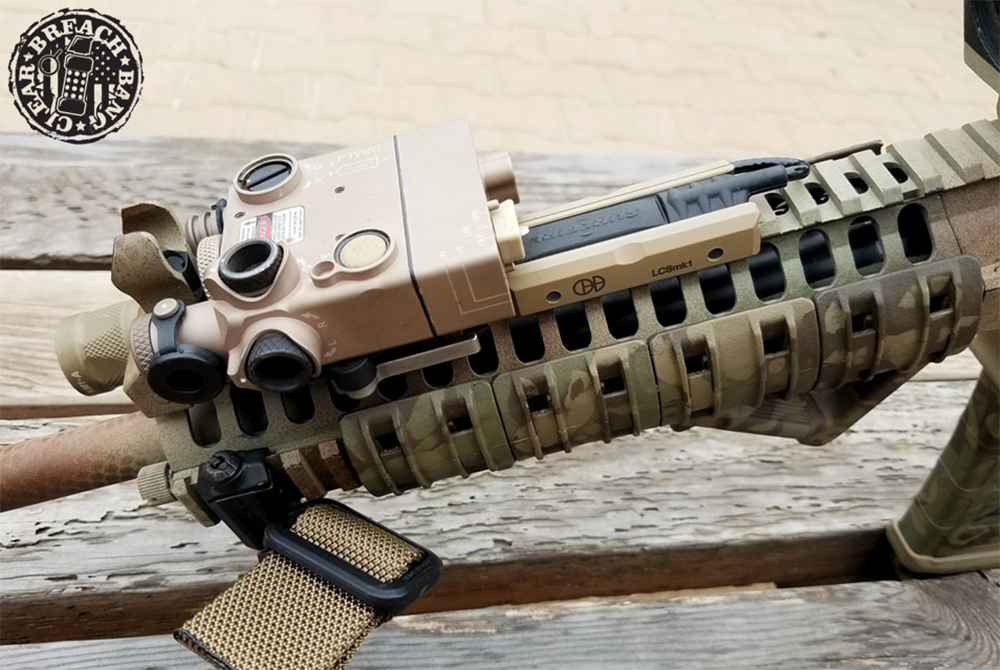
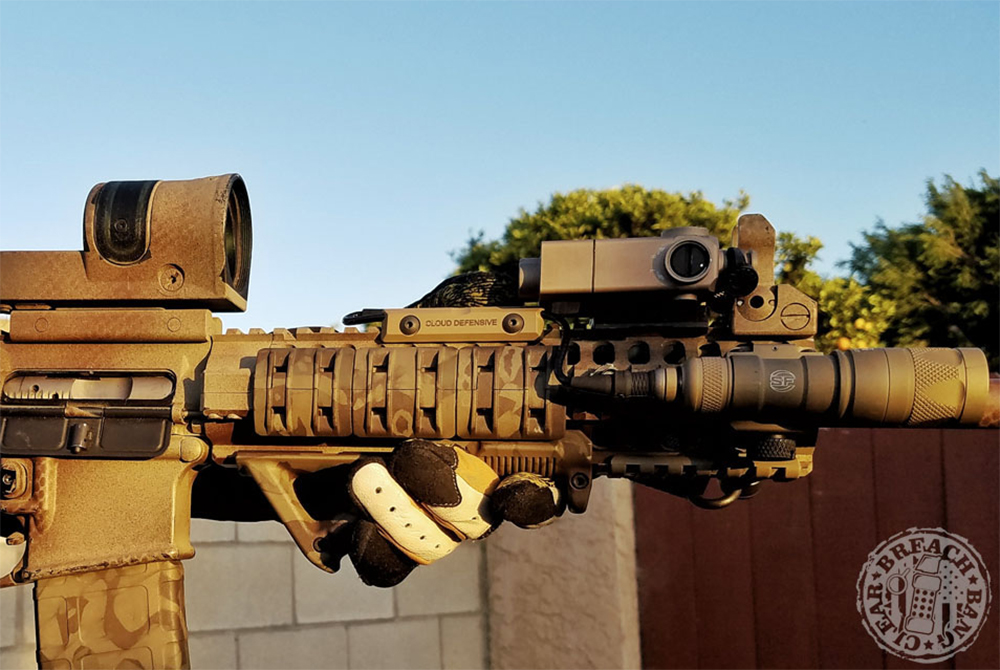
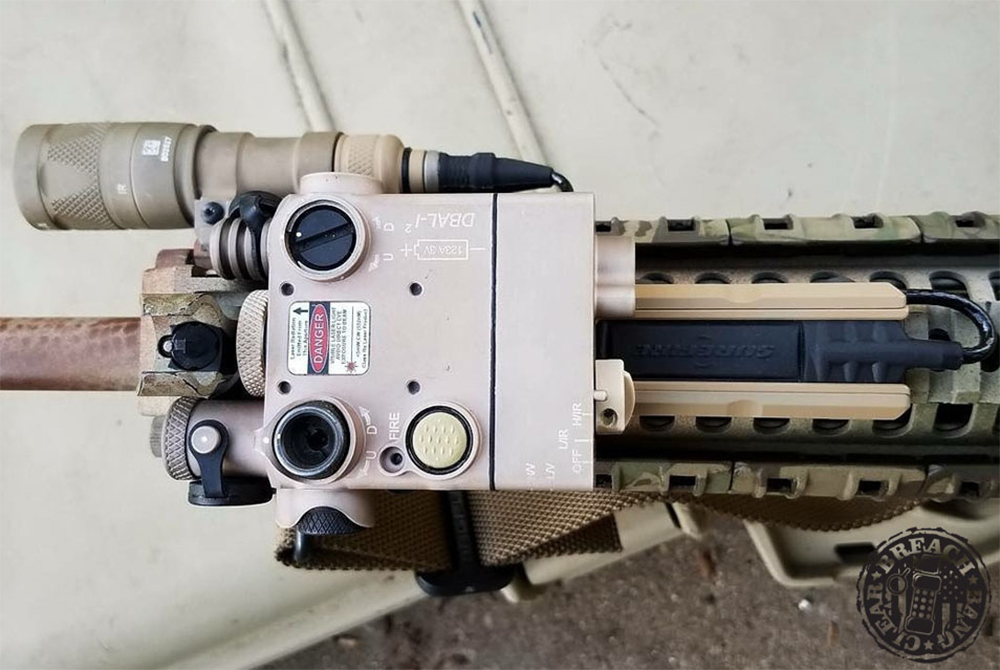
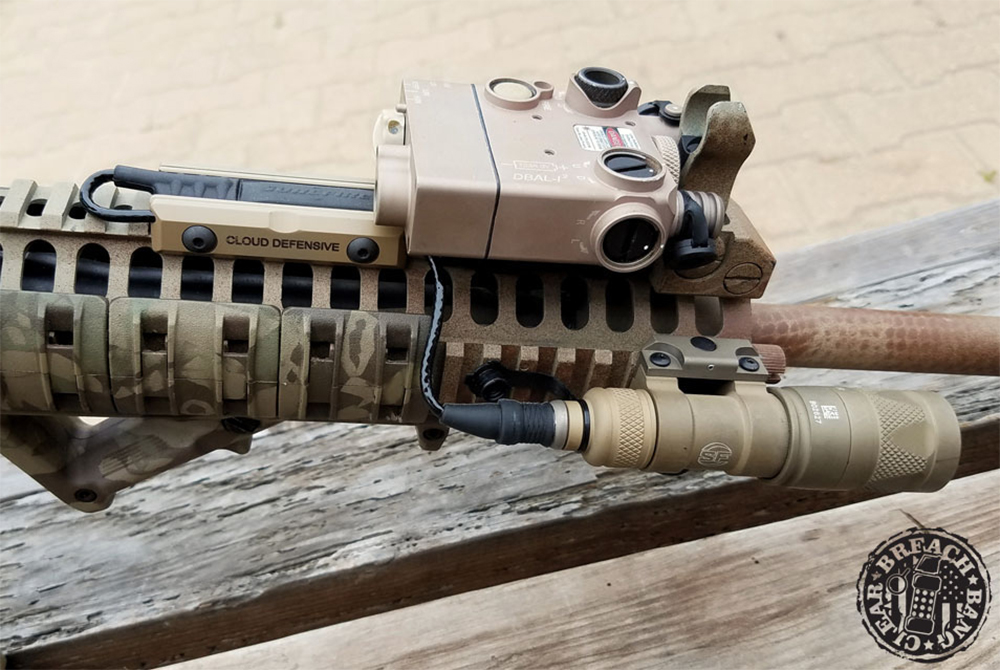
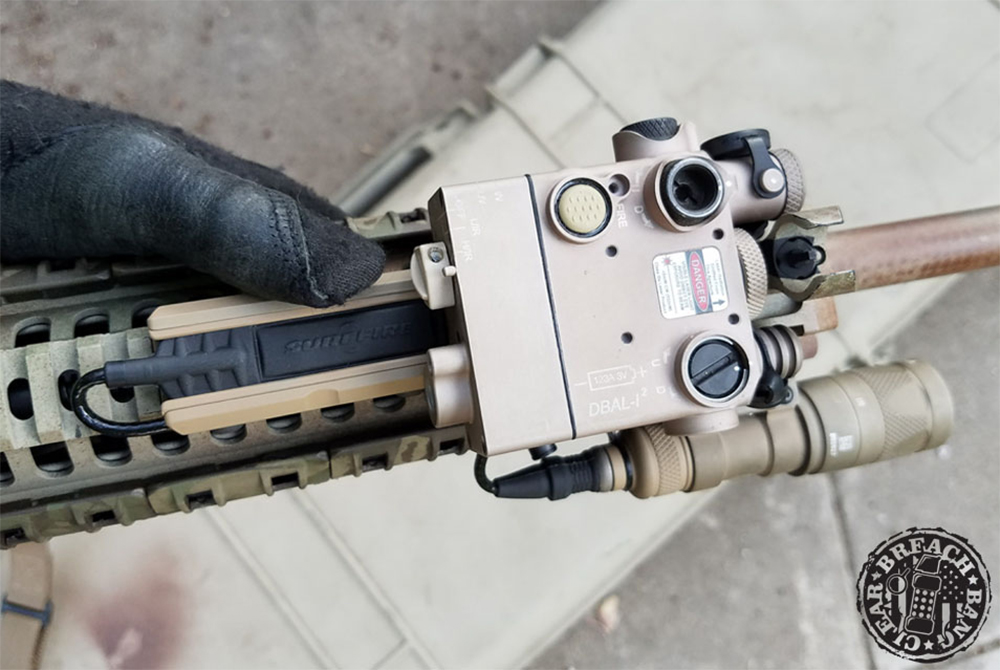
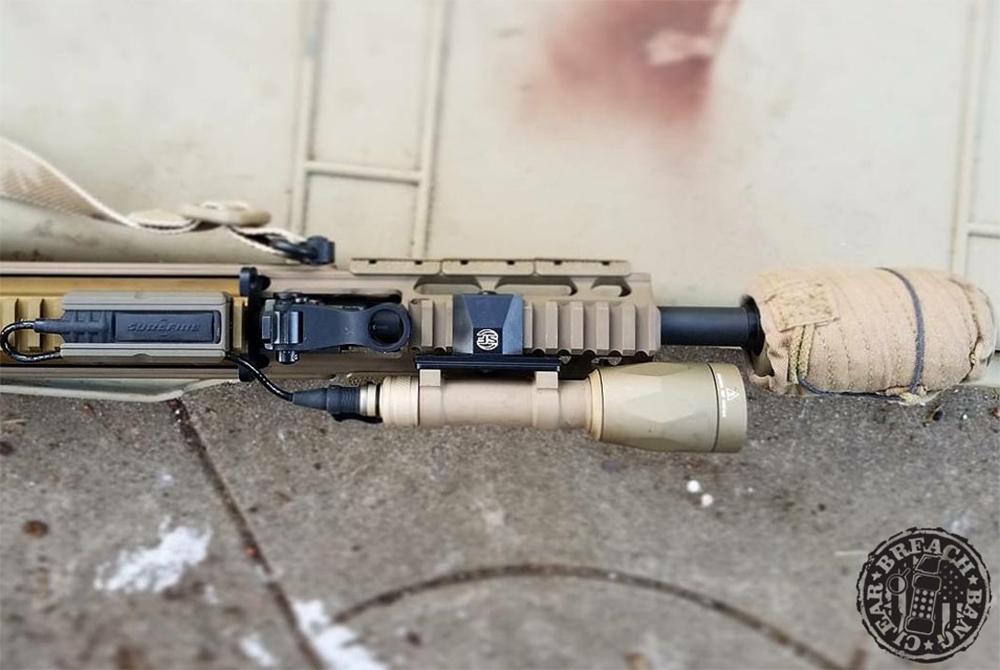
I’m a right handed shooter, so I place the weapon light on the right side or 3 o’clock position of my rifle so it isn’t in the way of my support hand.
On a side note, I prefer offset mounts as long as they won’t get in the way of other devices I might run. They get the light closer to the rail, lowering the total profile of your weapon system.
Since the light is on the opposite side of my support hand, a remote switch is required. Although I’m right handed, I like to set up my rifle as ambidextrous as I can so if I have to switch to my left, I can still use my light.
To accomplish this, I mount the switch to the top rail via Cloud Defensive LCS. I like the LCS because it’s a solid mount that not only protects the switch, but manages the wires with the integrated cable channels. Wire/cable management is important because if they’re hanging off your weapon, they can snag and possibly eliminate your ability to activate your light entirely. With a switch at the top position, I can easily reach and find it with either thumb in all conditions.
It took me years of trial and error with numerous setups before I found that this works best for me. It should suit most shooters, but not all. See what works for you, and run whatever weapon-mounted light setup you end up with dry runs and live fire at the range until you feel confident in your ability to run it in all conditions. -Fifty Shades of FDE