Lightweight camping and backpacking gear can be a great aid to survivalists, as contributor Andy Schrader mentioned in his story, Planning an Ultralight Bug-Out Bag. However, if you’ve ever spent time in an outdoor gear store, you’ll probably recall that ultralight gear is typically available in every neon color under the sun — but not more subdued shades. For recreational backpackers, that’s no big deal. But in a survival situation where concealment may be a concern, high-vis colors are not optimal.
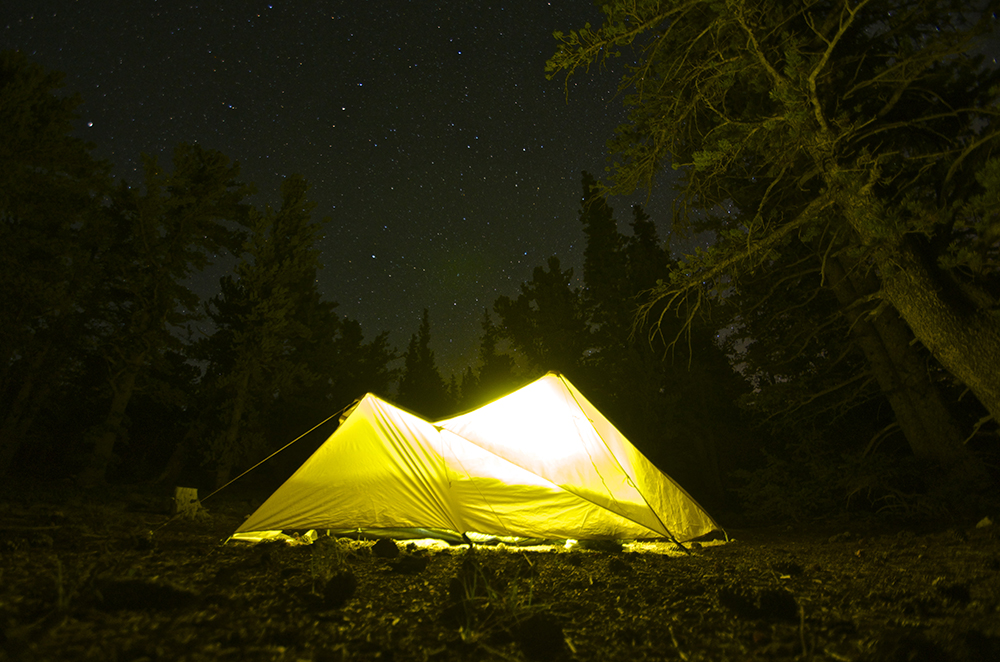
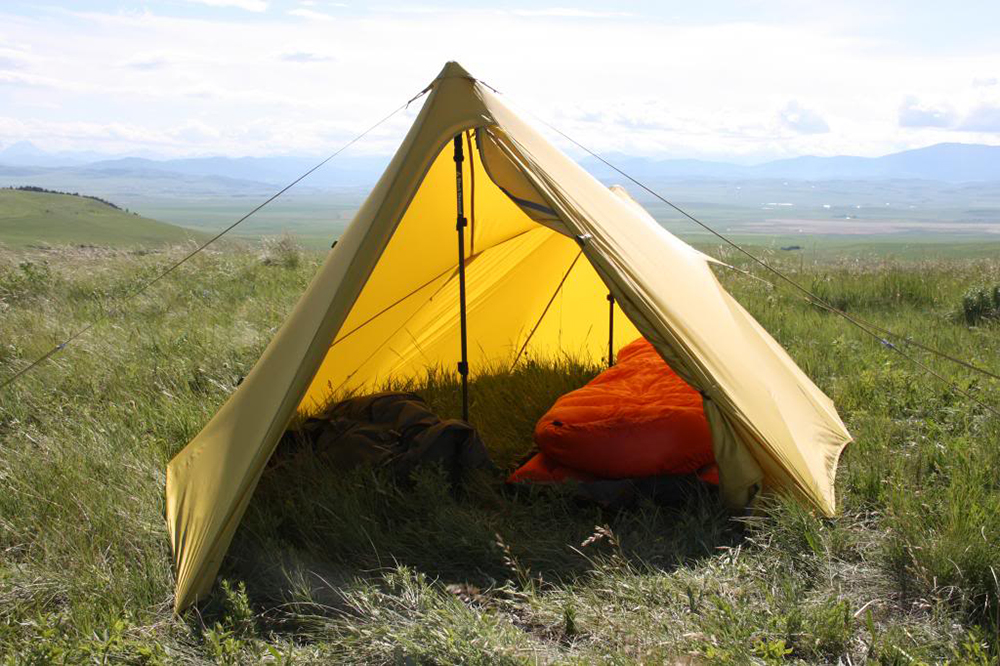
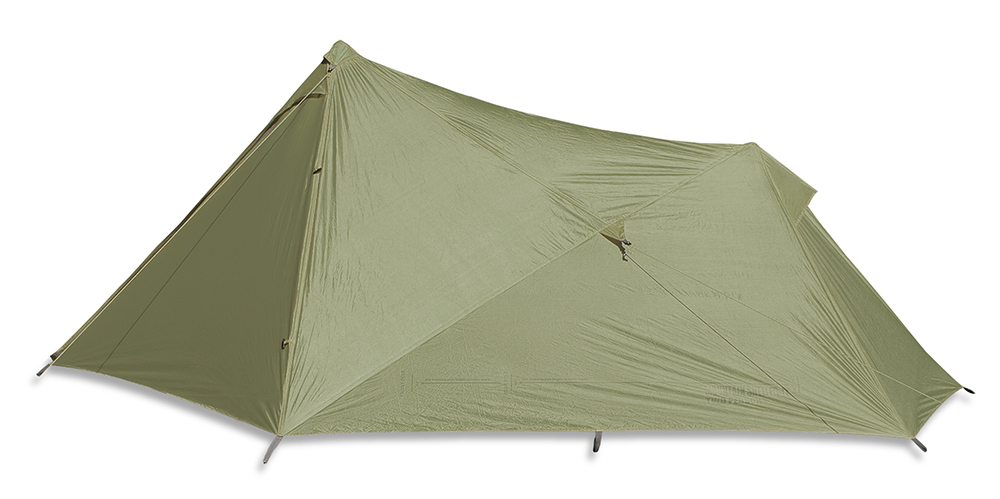
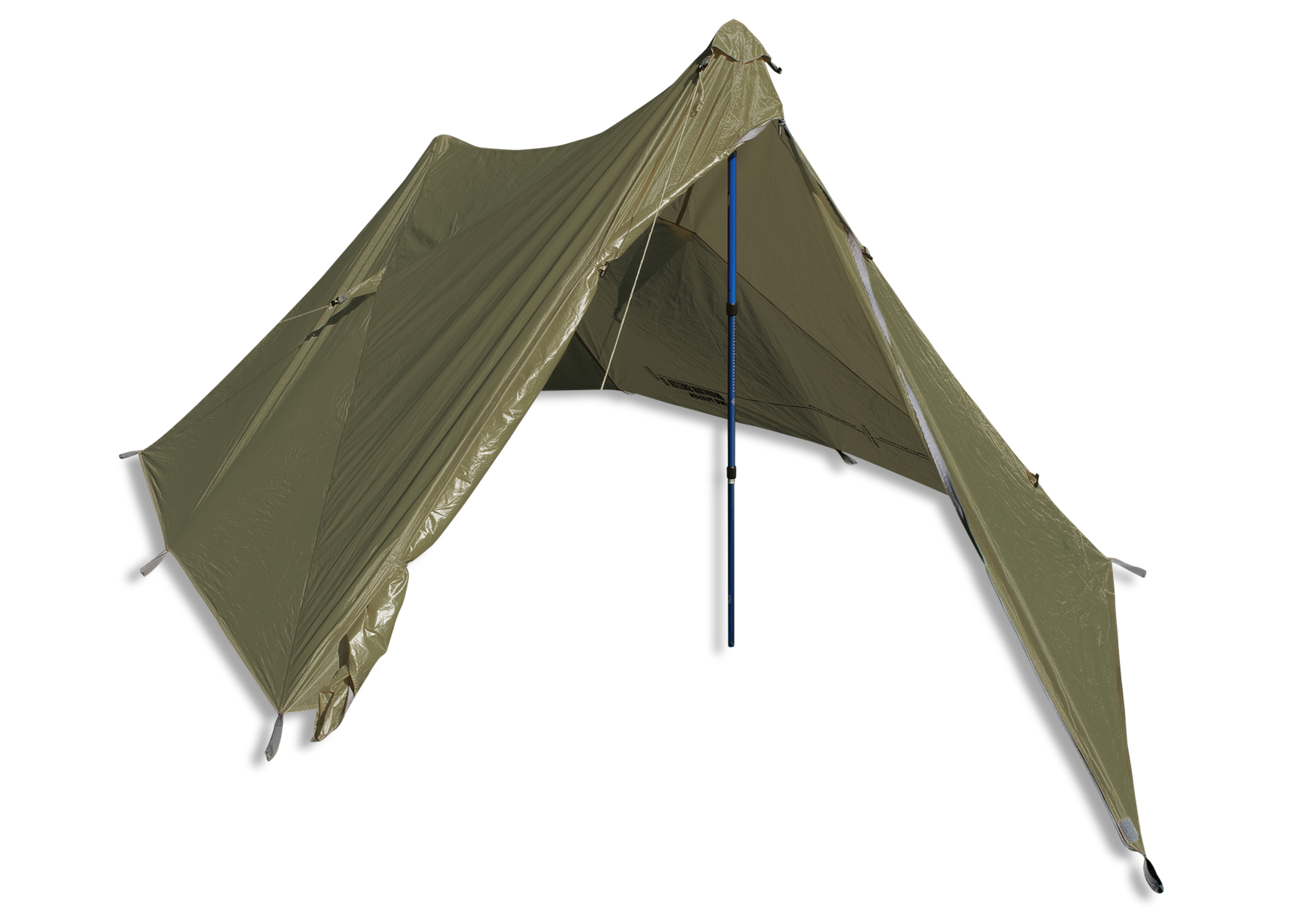
This is why we’re pleased to see that Mountainsmith has released its popular Mountain Shelter LT tarp in a new subdued color, Pinon Green. Until recently, this ultralight tarp was only offered in bright yellow, pictured above — great if you’re looking to be rescued, but not if you’re trying to stay unseen.
The Mountain Shelter LT weighs just 2 pounds fully packed, and is designed to set up with two lightweight trekking poles (or any 53-inch and 40-inch rigid poles). It’s made of 40-denier ripstop sil-nylon material, with a silicone coating on the exterior and a polyurethane layer inside to repel water. It includes 13 aluminum stakes, and a stuffsack with set-up instructions printed on it.
Setup is quick, with multiple guyout attachment points and reflective guylines — you can even rig it to trees for an overhead setup without trekking poles. The Mountain Shelter LT is large enough for two adults, and features a zippered front door and rear vent window. Total floor area is 54 square feet.
This shelter is available at an MSRP of $130. For more info on the Mountain Shelter LT, go to Mountainsmith.com.
“The poetry of the earth is never dead.” – John Keats
As outdoor adventurers and survival-minded individuals, we often look at nature as an obstacle to overcome — after all, its merciless forces often seem intent on killing us, or at least making it tougher to survive comfortably. However, there’s also a beauty and elegance to our process of overcoming nature. Even with the simplest of hand tools as our only aid, humans have become very efficient at turning natural materials into tools for survival.
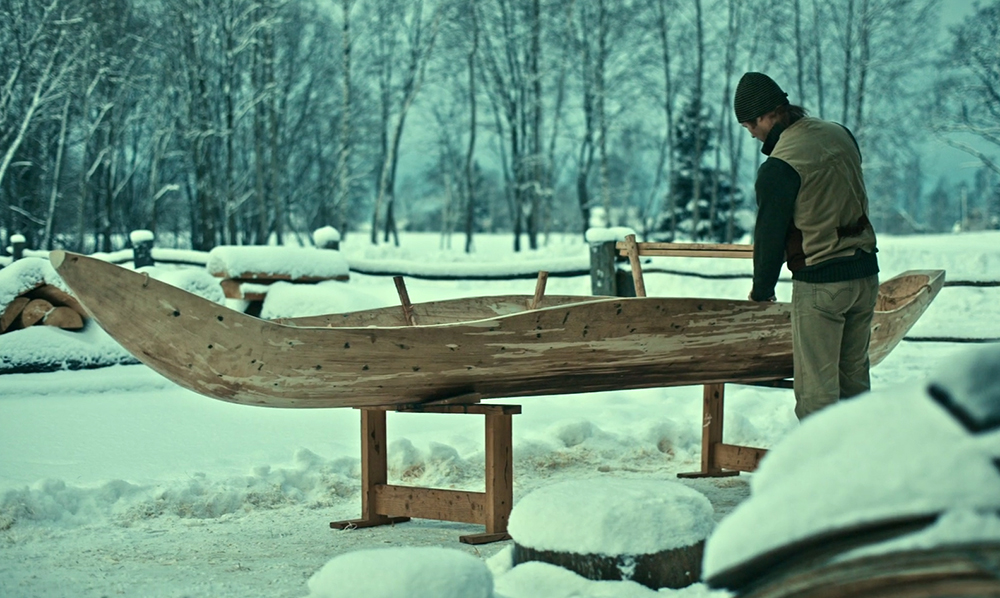
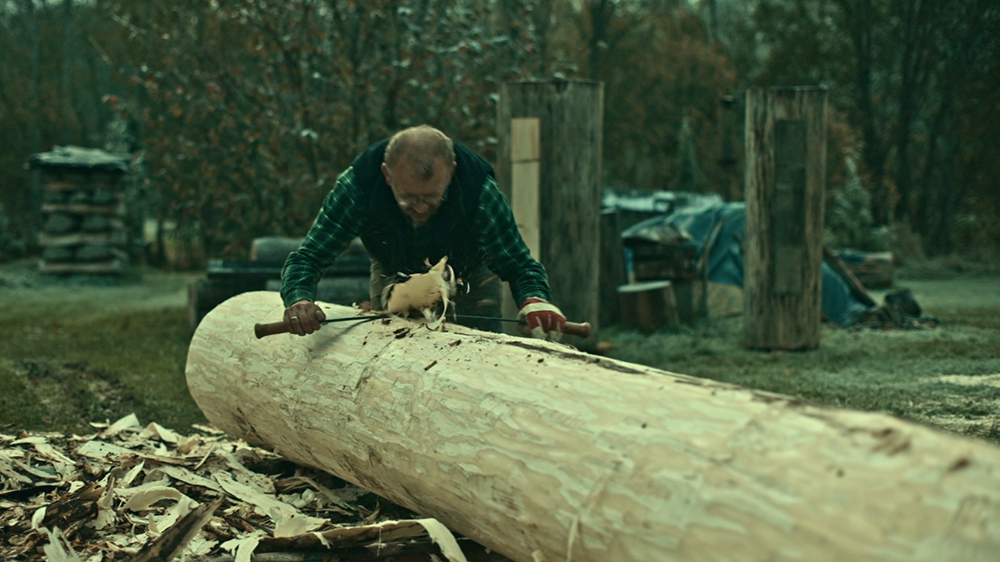
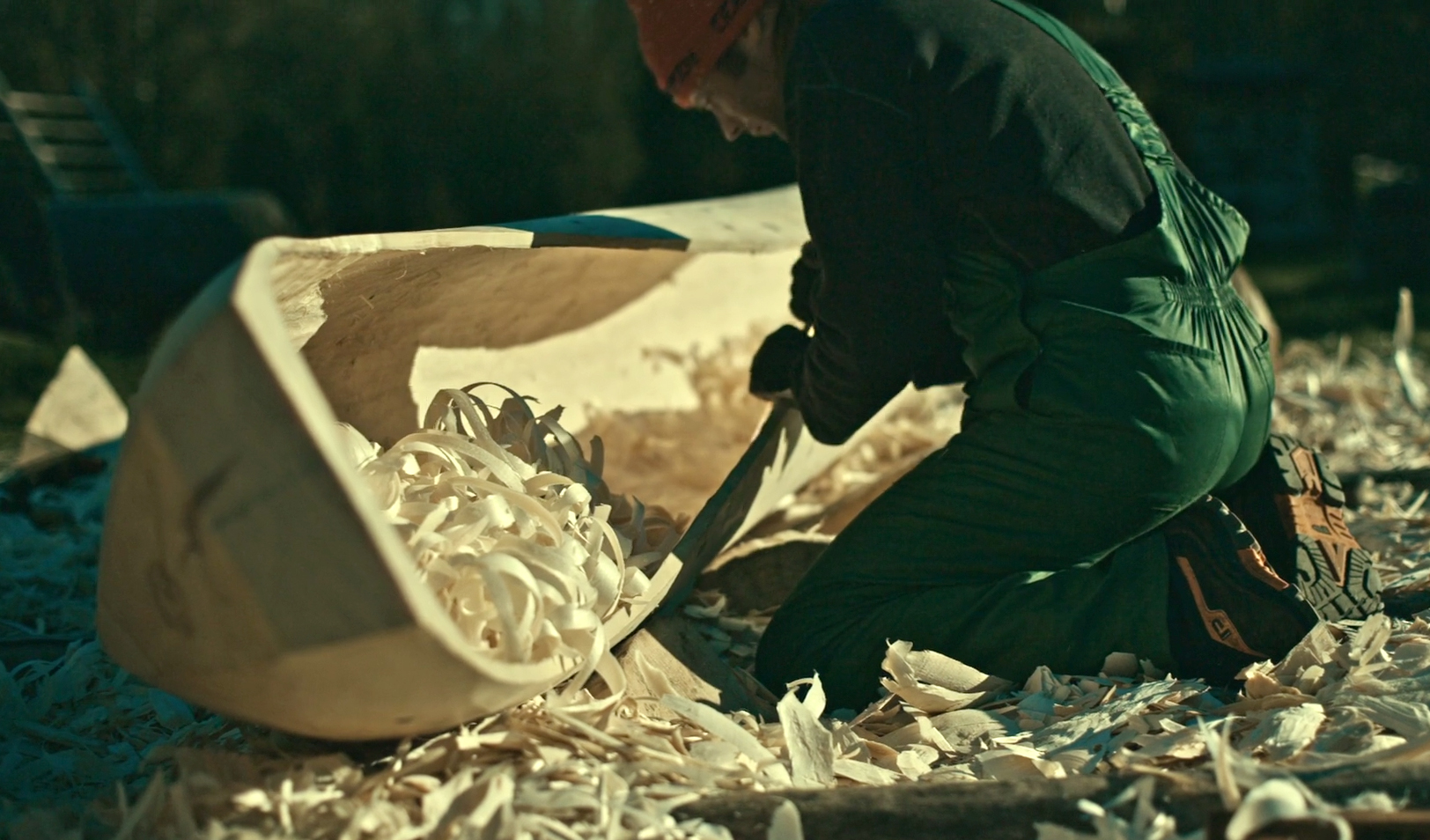
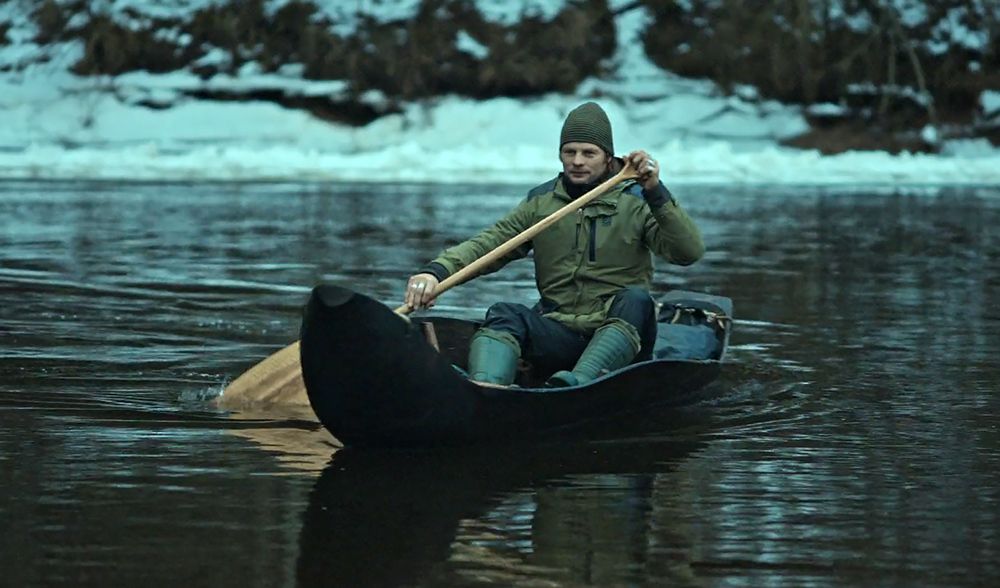
We’re really enjoying the recent uprising of short films which document traditional or so-called “primitive” craftsmanship. The Viking-era lime bast rope video we shared recently is a good example of this genre. Today, we stumbled upon a video from the Northmen Guild called The Birth of a Dugout Canoe, and it’s one of the best we’ve seen yet.
This 18-minute documentary is free of flashy graphics and patronizing narration, and simply follows along step-by-step as Latvian master woodworker Rihards Vidzickis builds a traditional dugout canoe. Pour yourself a beverage, kick back, and watch as his weathered hands transform a log into an expertly-crafted vessel:
It may seem like an incredible amount of effort to make a boat, but the level of care and attention to detail is awe-inspiring. It’s no wonder that it took decades for Rihards (Richard) to attain these woodworking skills. The video description states, “Richard’s father is also a wood worker and carpenter and has led his son into the beautiful world of working with wood. Richard has gone through all the traditional steps of becoming a master woodworker – starting from an apprentice, then journeyman and then receiving his Master degree in Latvian chamber of crafts.”
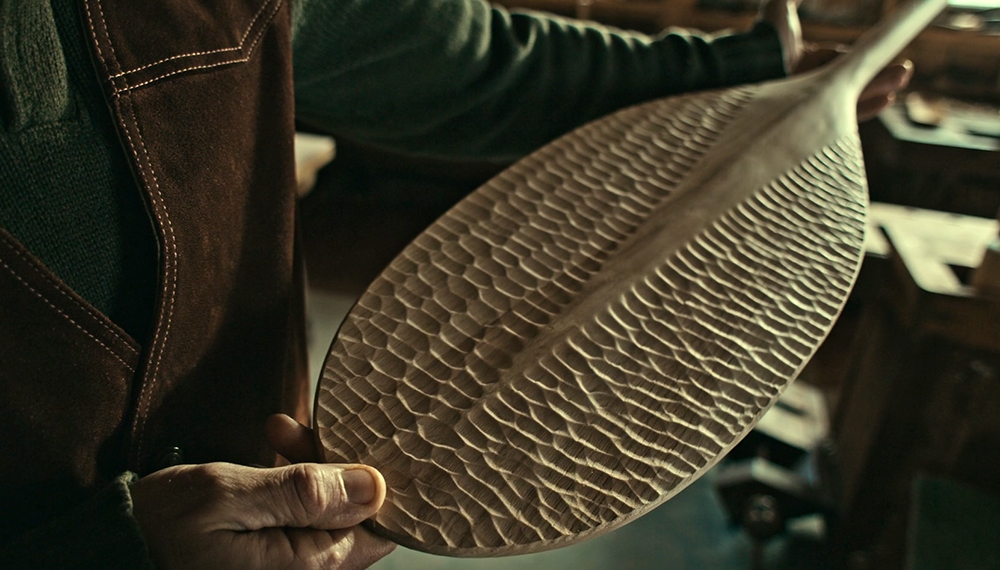
Even the paddle was masterfully hand-sculpted from local wood.
While lashing together a simple raft may suffice in a survival situation, we have tremendous respect for this rare breed of master craftsmen. It’s also cool to see organizations like the Northmen Guild supporting their livelihoods — if you want to buy some traditional products handmade by Rihards Vidzickis or other similarly-skilled individuals, you can do so at Northmen.com. For more videos like this one, check out the Northmen Vimeo channel.
Oh, the pain! If you’re a dude, you know what we’re talking about. The agony buckles your knees, sucks the breath out of your lungs, and makes you go more pigeon-toed than Marilyn Monroe in her white, blown skirt. For most guys, the first introduction to the anguish of testicle crushing comes in the form of a kick — intentional or otherwise.
And when someone says “kick,” one tends to think of either soccer or the martial arts. Mainstream entertainment has certainly played up the latter, from Jean Claude Van Damme’s trademark helicopter attack to any number of mixed martial arts (MMA) bouts ending with devastating head kicks.
But how effective are they in a life-and-death situation? How do you use them? And when should you use them? Read on to get a “leg up” on the topic.
Tied Up But Not Out: The author shows the advantages of kicking. Hands bound, keeping the attacker at bay, and the low risk of injury makes using your feet a no-brainer.
Effective Footwork
Martial arts (especially from Asia) often utilize the feet as weapons. Not only are some of these techniques aesthetically appealing, they can be downright deadly. In a dynamic critical incident, having more options will improve your chance of surviving. In extreme close-quarters combat situations, learning to use every appendage you were born with makes sense. Let’s explore why kicks are effective.
Look, Ma, No Hands: In certain situations, kicking may be your only viable weapon. Your hands might be bound. Your arms could be injured. Or maybe you’re carrying your child. You just never know when your hooves will come in handy.
Leg Strength: The muscles in your lower limbs are stronger and more powerful than the ones in your arms. Daily walking, running, and stair-climbing strengthen the legs. Stronger pistons will cause more damage and can even break down doors. Try that with your knuckles.
Increased Reach: In most violent situations, distance is your friend. Compared to your arms, the extra inches with your legs improve your odds of landing an effective blow. At the same time, your leg attack will keep distance between your vital organs and the attacking scoundrel.
Deceptive: The trajectory of the legs comes from below the visual field (especially if he or she is staring you down), reducing the likelihood of your opponent blocking or evading the strike.
Look, Ma, No Hands Part 2: Injuries of any kind suck, but will suck worse during the apocalypse. Considering the bones in the hands are small and delicate, punching can produce fractures. The constant physiologic stress (from the weight of the body) during walking and running creates higher density in the bones of the feet, especially the heel (aka calcaneus). This constant pounding makes the feet more durable, resilient, and less likely to break upon contact.
Sole Armor: Compared to our naked hands, our feet are usually surrounded by extra layers of shielding called footwear. Furthermore, hiking boots or steel-toed work shoes can “weaponize” our hooves, while at the same time creating that one-of-a-kind fashion statement.
Achilles’ Heel
Kicking can be a lifesaver, but it’s not the holy grail of combatives techniques. Dangling one leg in the air can leave you vulnerable in a number of ways.
Balancing Act: When performed incorrectly or on slippery or uneven terrain, booting someone can land you on your bottom. If you find yourself on the ground from a kick gone wrong, your mobility and options will be limited — severely. This risk/reward must be calculated before engaging.
Lack of Mobility: Movement is hampered with one leg stuck to the ground while the other is in the air. This is dangerous because movement is your friend during a violent encounter. That split second of standing on one leg will leave you vulnerable to being swarmed by multiple attackers.
Lumbering Log: Kicks are slow when compared to punches. If the kick is too slow or telegraphed, the bad guy can avoid it or, worse yet, grab your leg. Once your leg is captured, you’ll most likely find yourself landing on your butt, being hit in the gonads, or both.
Off Target: Legs are clumsier than hands and lack the fine motor skills of fingers. When kicking, missing the target is more likely compared to striking with the hands. Training to kick effectively requires time to perfect.
The best way to avoid these pitfalls is to learn from a reputable instructor then train. A lot. Proper training will improve efficiency, timing, power, and speed, as well as increasing your odds of landing any type of devastating blow.
Kick Starter
We certainly want to adhere to the KISS principle when it comes to leg attacks. There are dozens of kicks in the martial arts. All are effective at the right time in the right place. Alas, we cannot always pick the time or place, so focusing on a few effective kicks that can be used in a multitude of situations increases our odds of making the strike successful.
Here are four high-percentage kicks that can save your life:
Front Kick
This is the often the first kick you learn in many martial arts systems, and for good reason — the linear attack’s intuitive motion makes this a go-to move for many street encounters.
How: From a ready stance, raise a knee forward with your toes pointing down. Flick the leg forward, striking with the instep. Immediately retract your foot back and put it down (for stability and movement or for a second kick if needed). Re-chambering your kick quickly also makes grabbing your leg more difficult.
Target: With a fast and stealthy vertical trajectory, the groin makes an ideal candidate for this weapon.
When: Any time your opponent is in front of you, yet too far for a knee to the groin. A wrist or purse grab also offers another opening for a front kick to the ‘nads.
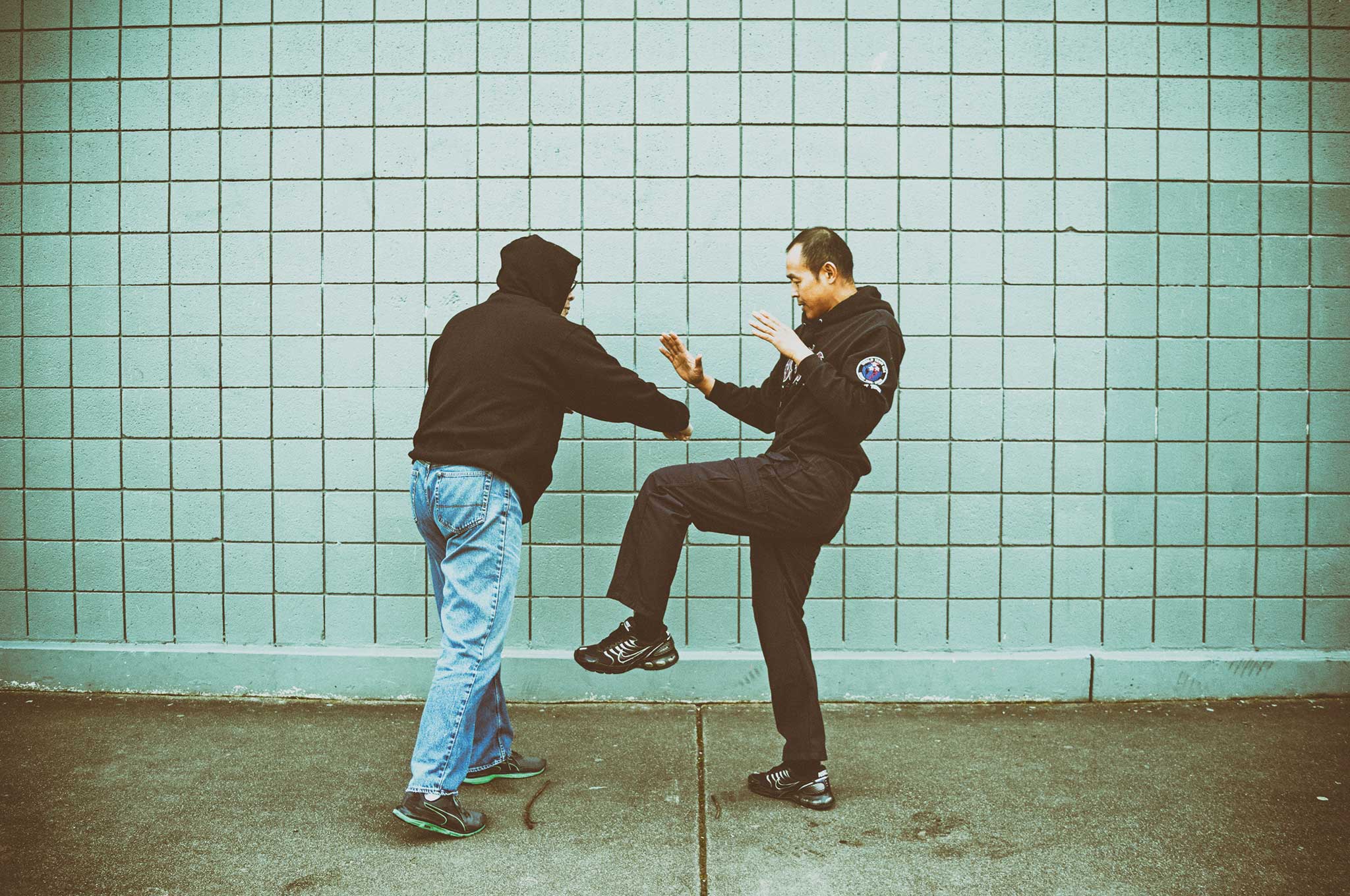
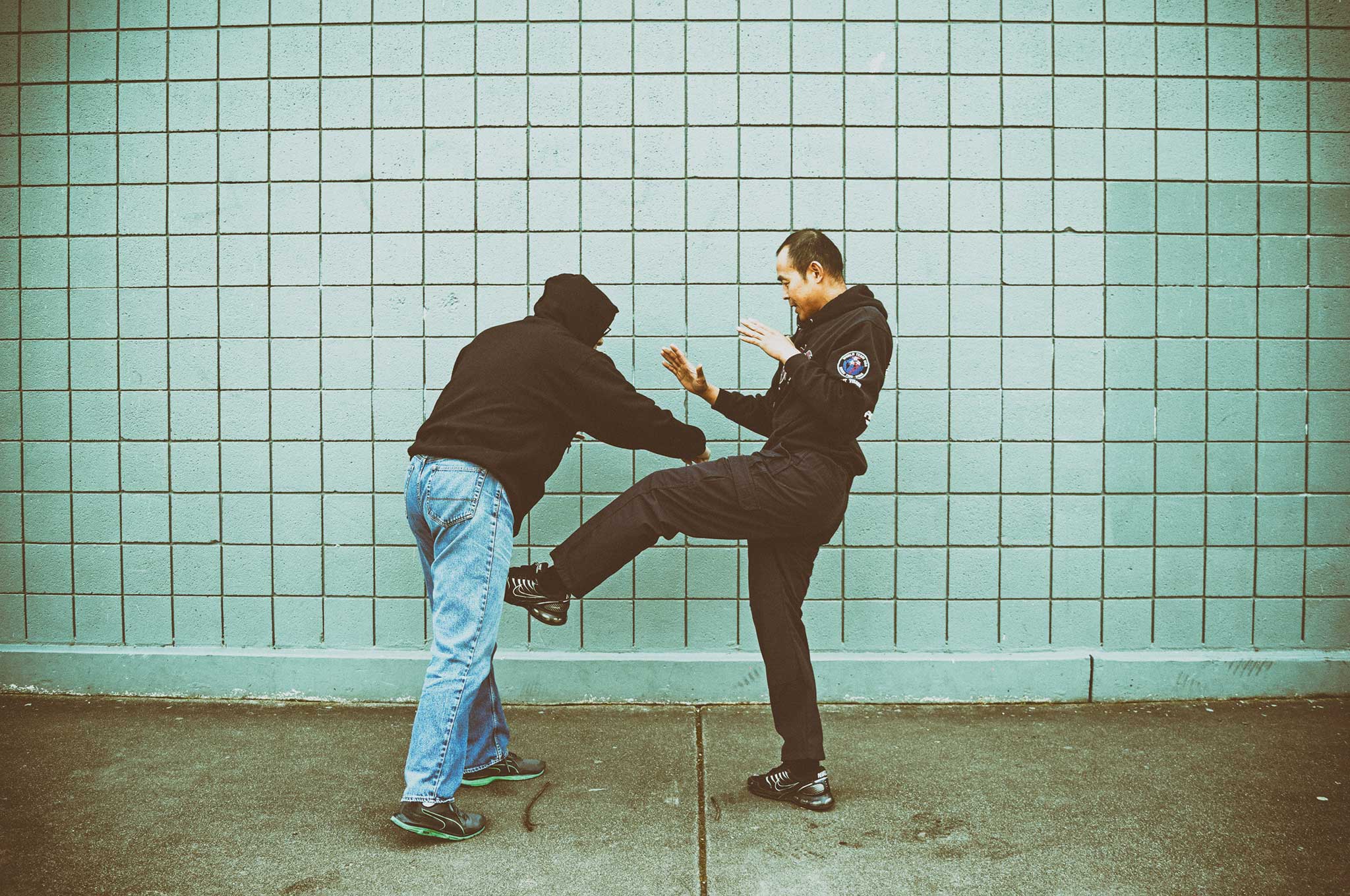
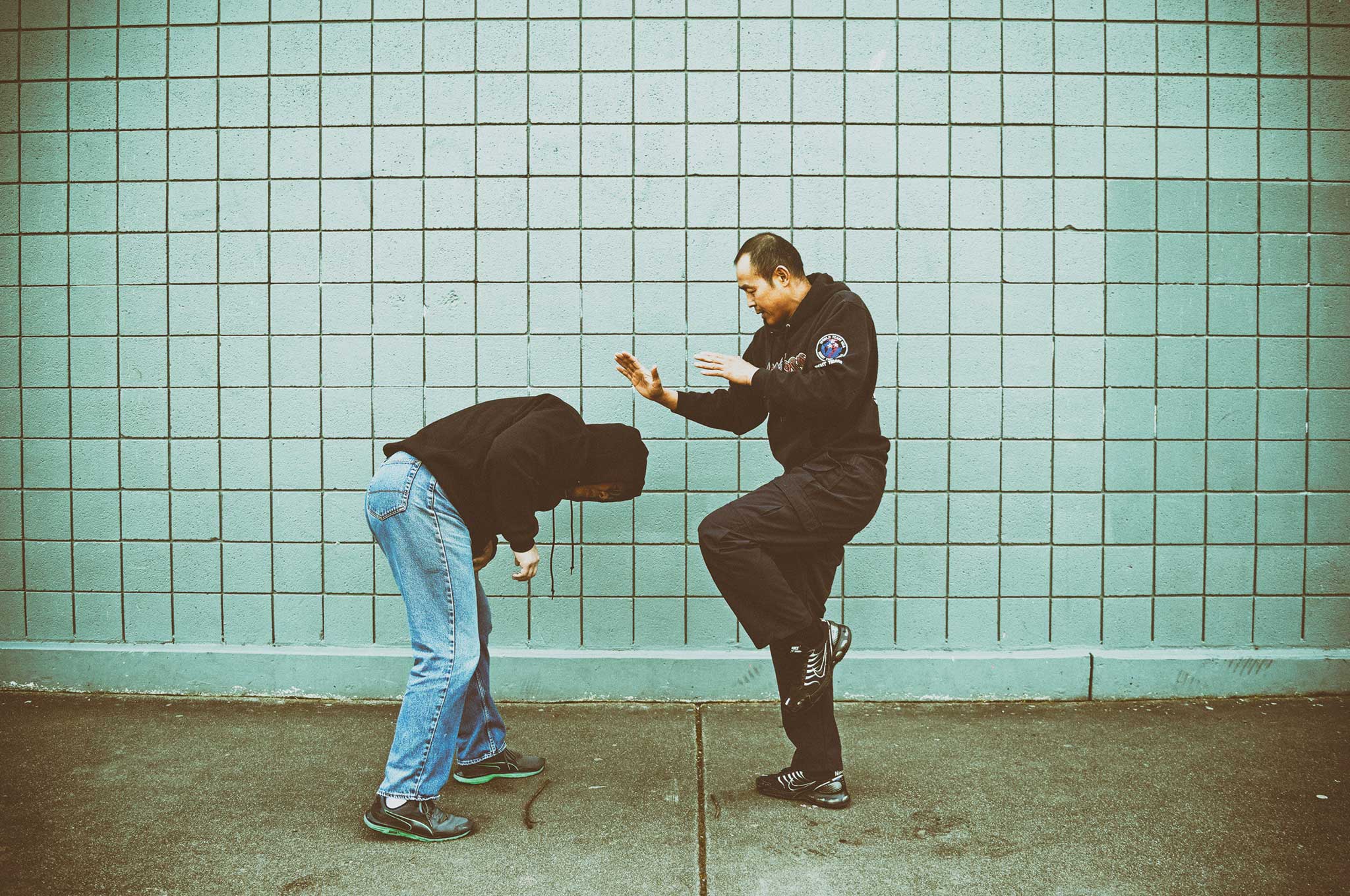
The big right haymaker is possibly the most common empty hand attack you will face. Conrad Bui gets his hands up and slips the punch, leaving the attacker off-balance. A quick kick to the groin is enough to stop the threat and allow Bui to make his escape.
Push Kick
Fan of the TV show Cops? You’ve likely seen a police officer kick a door open with the push kick. This kick makes use of the strongest muscles, namely the glutes and quadriceps. If kicking in a door or stunning an attacker in their tracks is the goal, the push kick is your move.
How: From a ready stance, bring up your knee as close to your chest as possible. Pull your toes back and extend your leg explosively while thrusting your hip forward. The heel is the striking surface for this technique. Once the kick has reached full extension, quickly retract the leg so it can’t be grabbed easily, it’s ready to fire again, or it can be set down to run.
Targets: For maximum devastation, aim for the solar plexus, the groin, and knees. However, the power generated from this kick can make any target a good candidate.
When: Use the push kick whenever an attacker is straight in front of you. A push kick to the above targets can create enough distance for you to access a weapon or leave the scene. Strong and explosive push kicks to the knee can dislocate the knee joint.
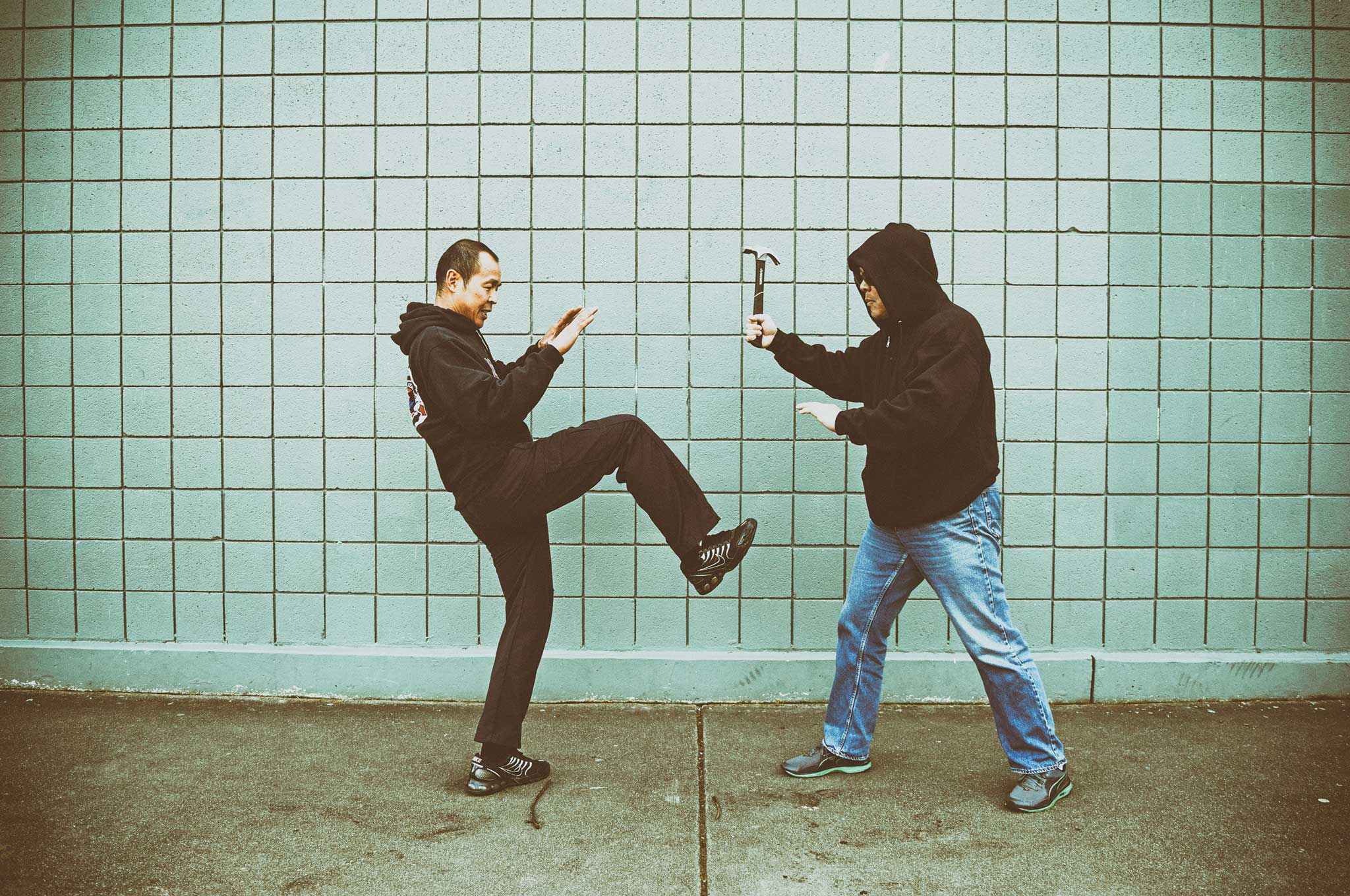
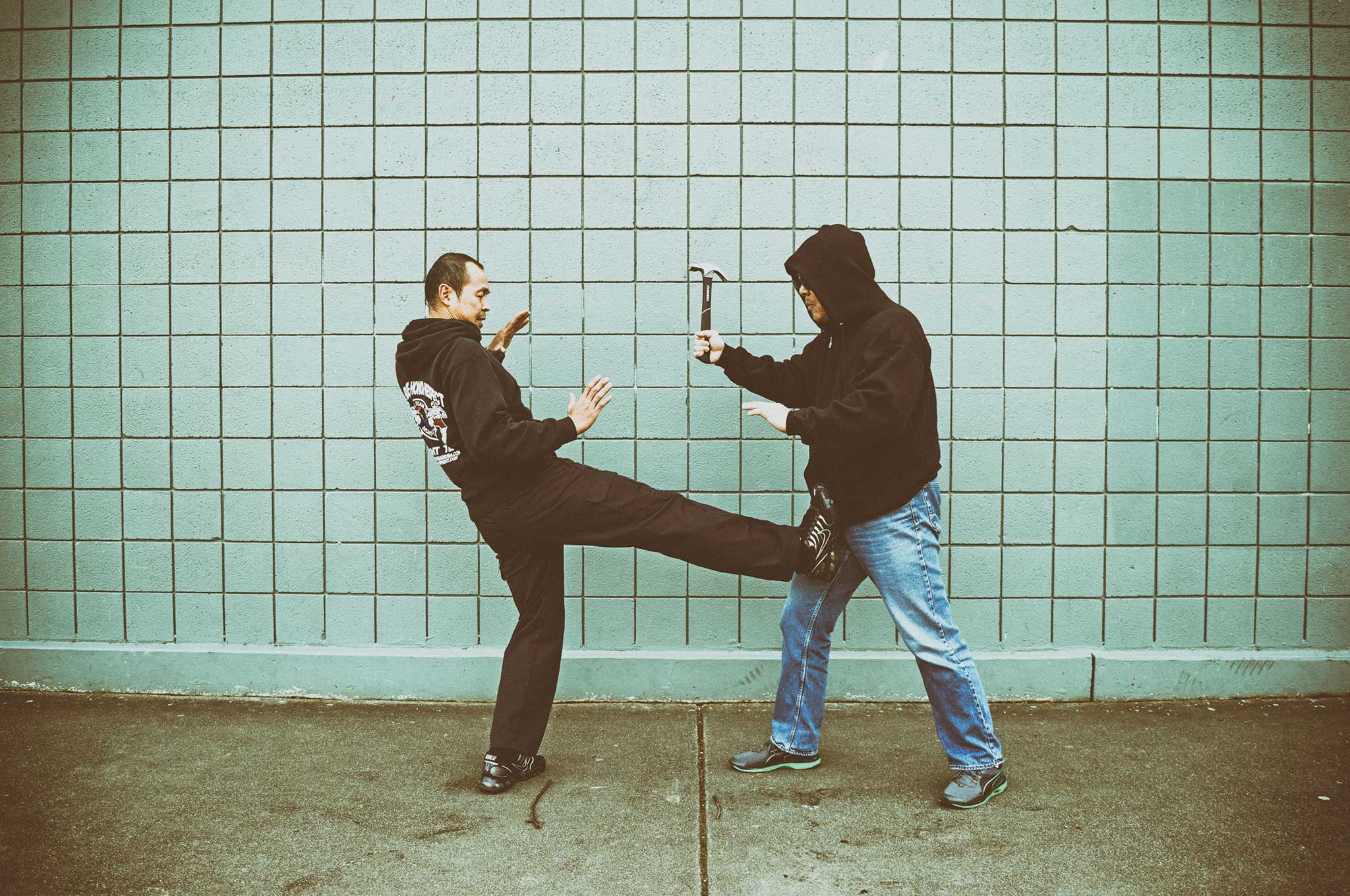
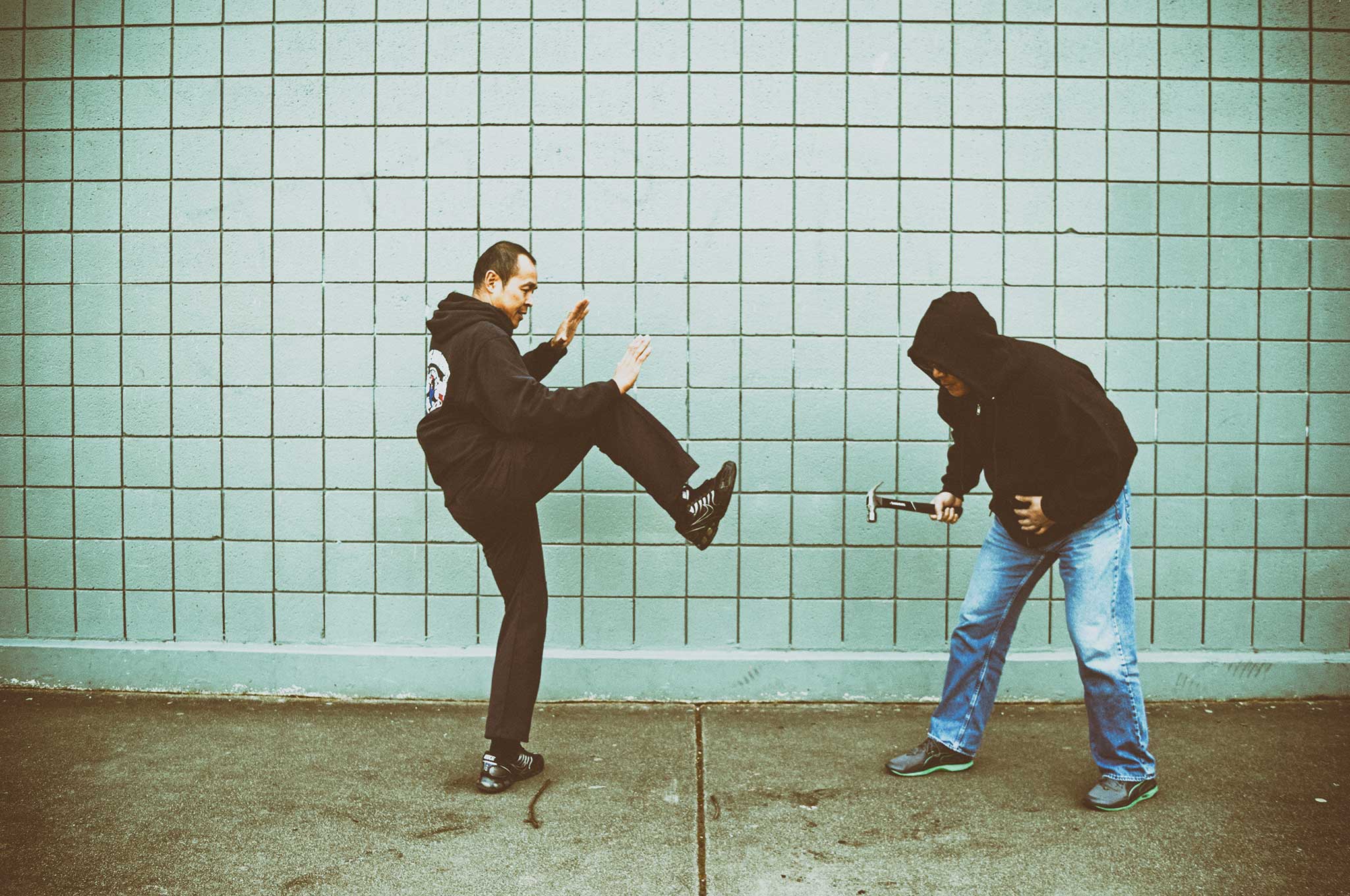
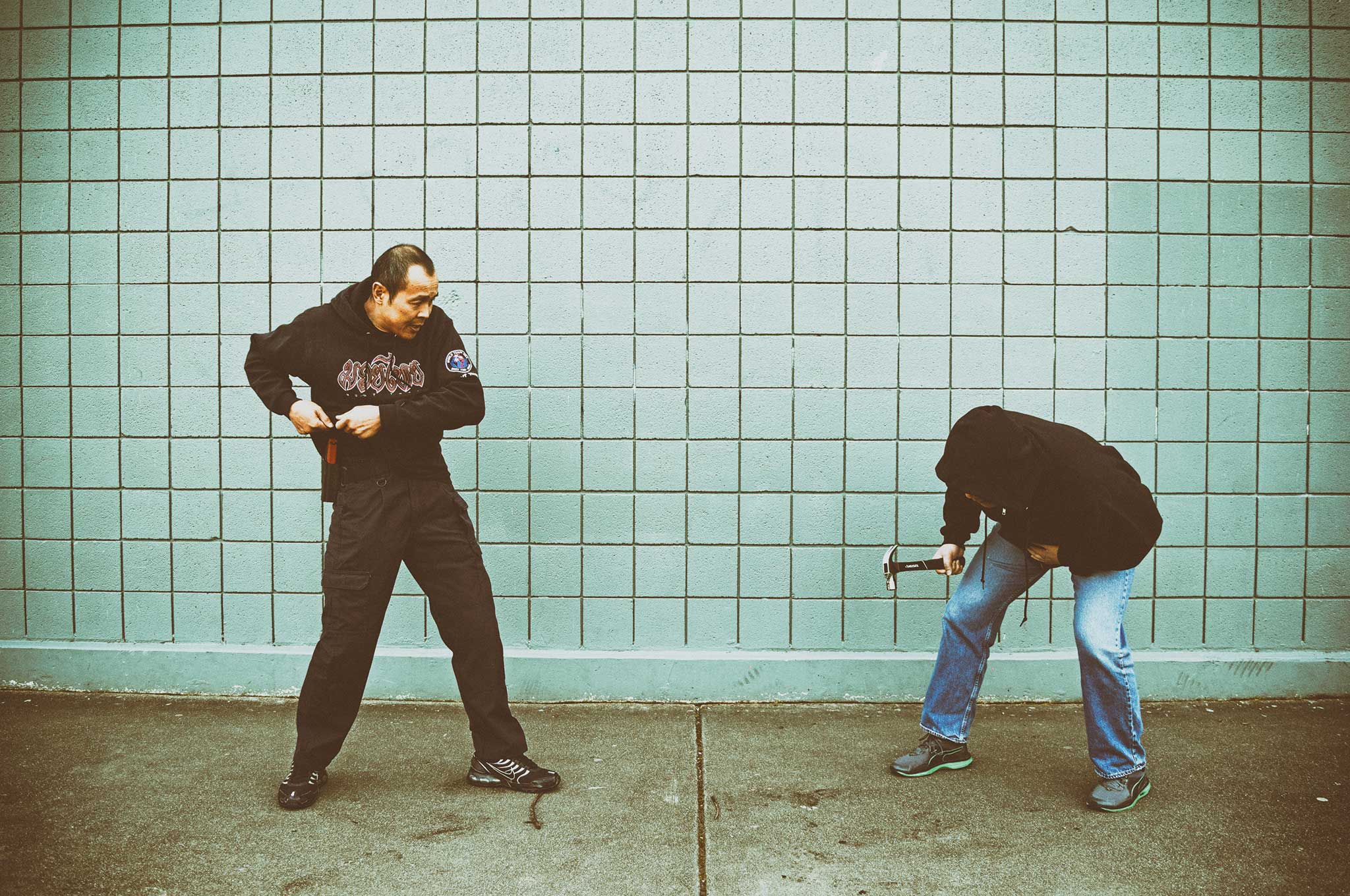
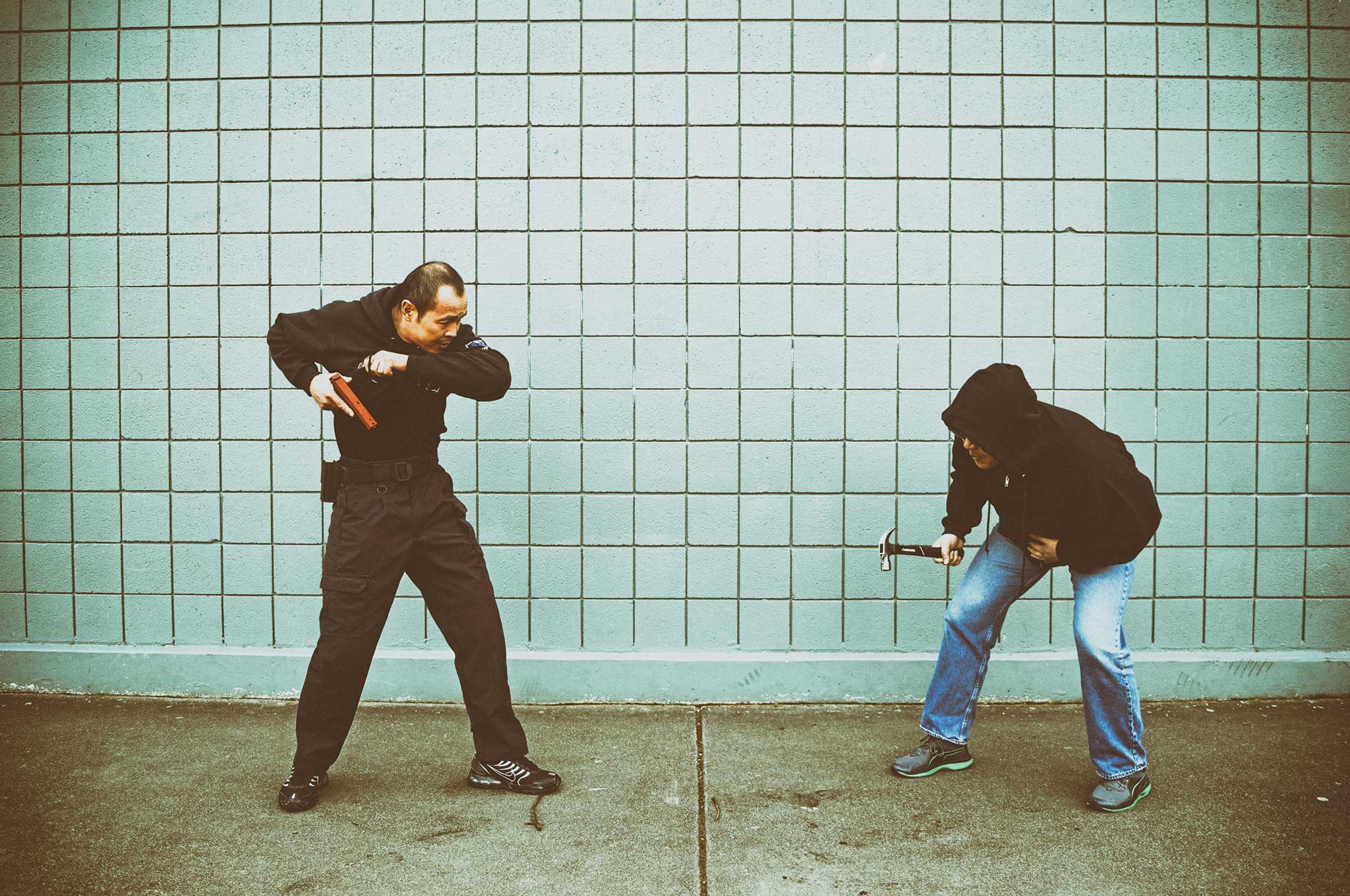
A hammer attack is no joke. Conrad Bui has no time to draw his firearm, so he must “fight to his weapon.” The push kick finds its mark, knocking back his assailant, and giving Bui enough time to safely deploy his weapon.
Side Kick
Bruce Lee was a big fan of this kick, along with just about every other martial artist. MMA stars like Jon “Bones” Jones, Conor McGregor, and Holly Holm are also big proponents of this weapon. The reason? Side kicks reduces the risk of counterstrike by increasing reach and reducing your vulnerability (achieved by turning the body sideways).
How: Bring your knee up, pointing your foot slightly out to your side. The side kick shoots out like an arrow with your heel as the arrowhead and your shin as the shaft. Pull your toes back toward you to expose your heel. Once full extension is achieved, immediately re-chamber your leg.
Targets: A side kick delivered to the knee at any angle can cause devastating results. The groin, thigh, and shin will likewise yield positive outcomes.
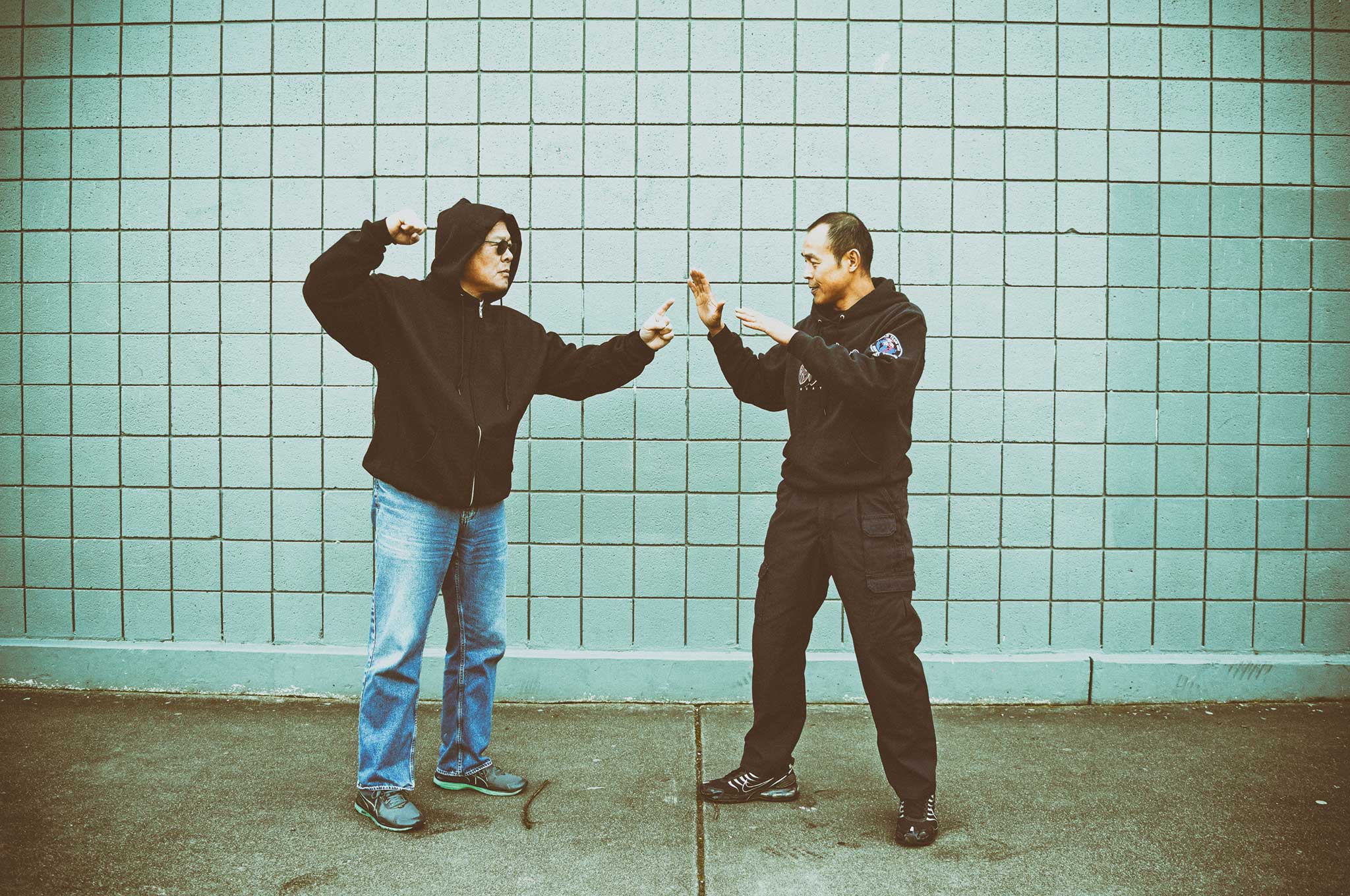
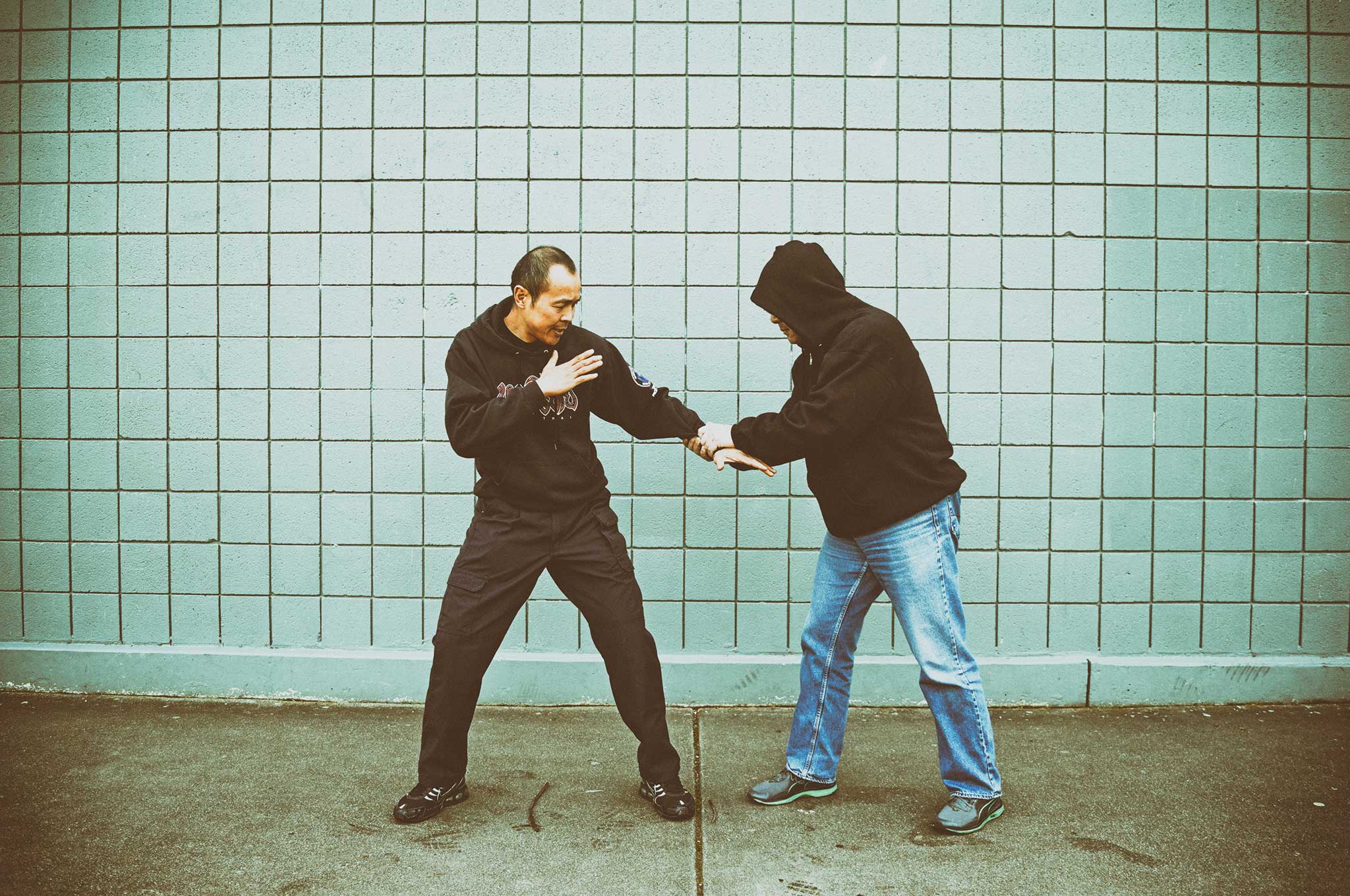
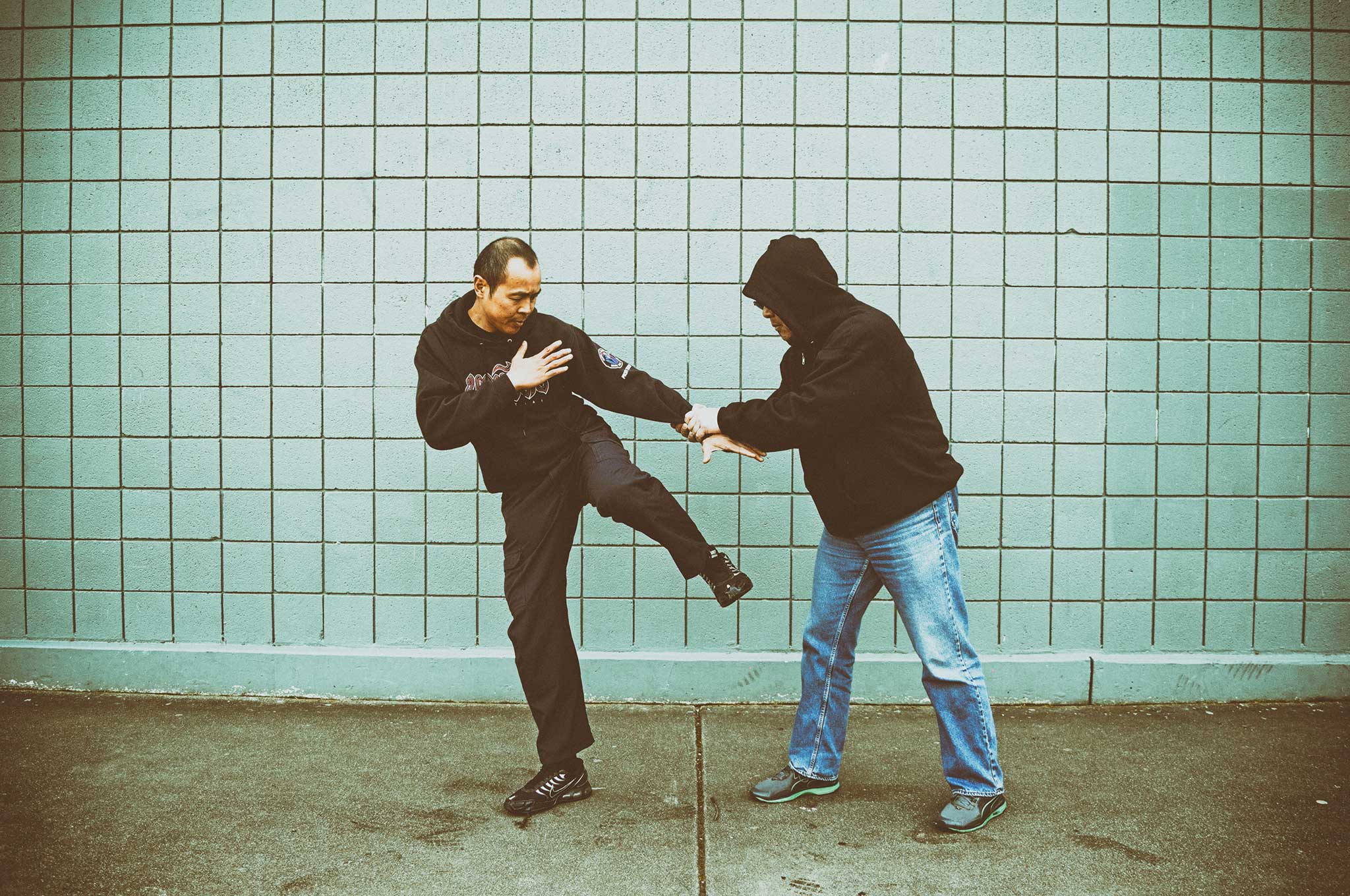
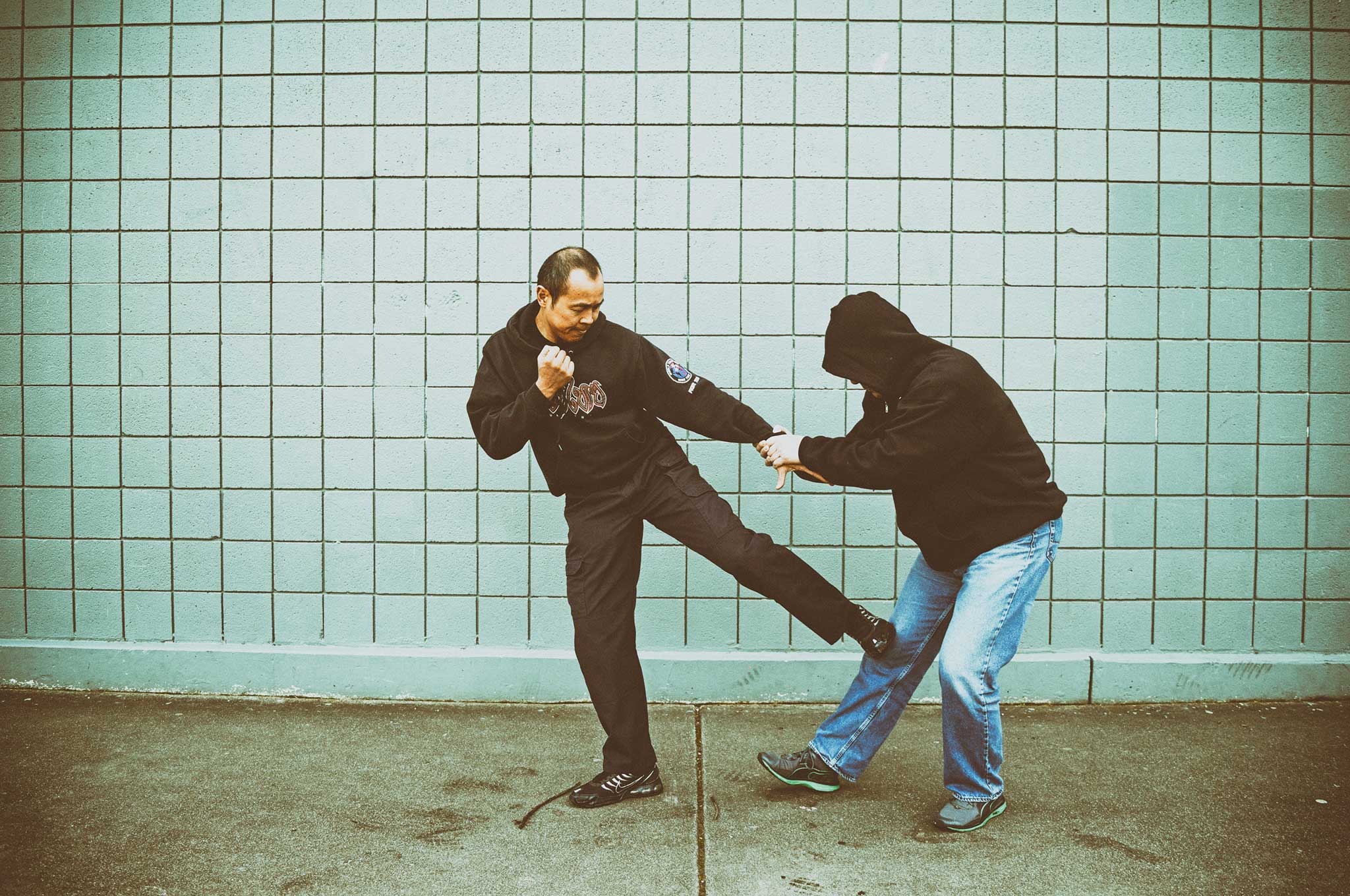
When: Side kicks are best used when the target is to your side. The bad guy could have approached you from either side or you purposely angled laterally to provide a slimmer profile. Additionally, you may unleash this beast whenever someone tries to grab your wrist.
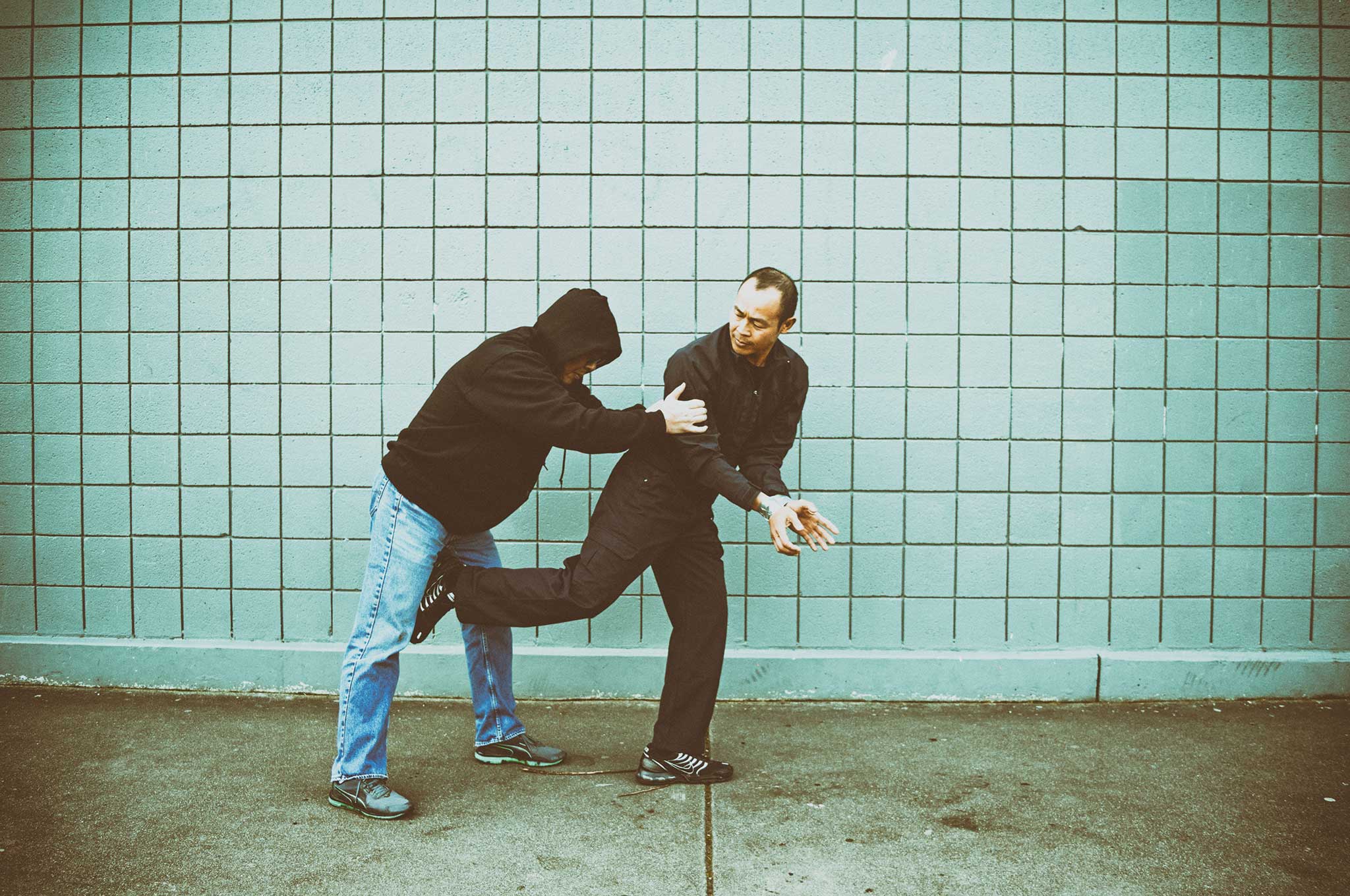
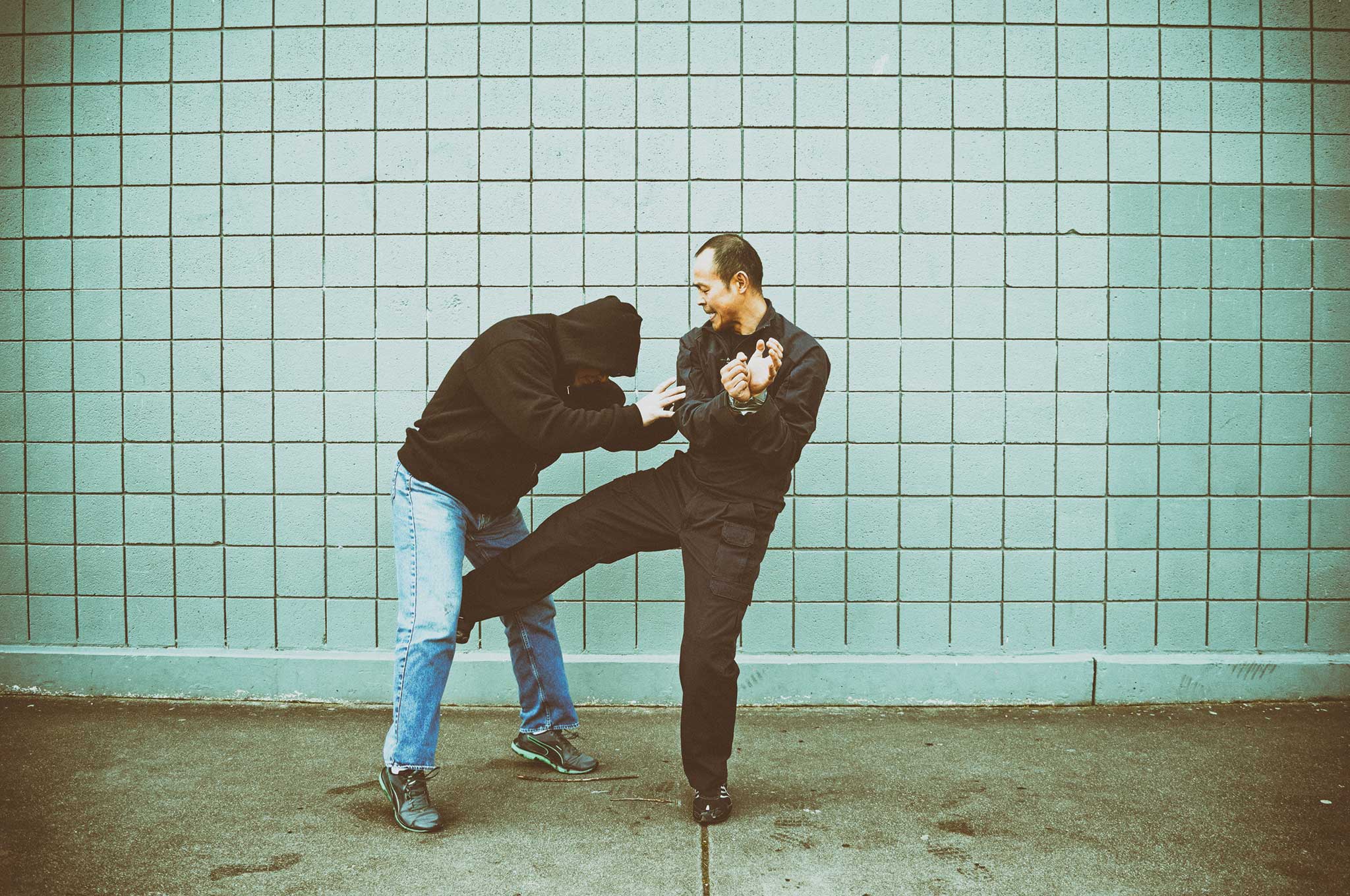
Sherman Chin grabs the author’s wrist. Using the closest weapon to the closest target, Conrad Bui launches a side kick to Chin’s knee. The damage forces him to keep his hands to himself.
Back Kick
So far, we covered your front and sides. Now it’s now time to watch your six. The back kick is a destructive attack because it’s powered by your glutes and legs. Think of a horse or donkey, explosively kicking backward. (Who would like to be smacked by that?) This is the type of force that can be replicated with correct technique.
How: From a comfortable stance, look behind you to identify the threat and raise your knee up toward the front of your body. Aim your heel behind you and explosively extend your leg to the rear. Imagine the kick is an arrow, with your heel as the arrowhead and your shin as the shaft. Forcefully, fire the kick straight back, keeping your toes down and pulled back to expose your heel. Lean forward slightly for balance and immediately re-chamber your leg.
Targets: Although a well-executed kick will be a danger to anything in its path, targeting will yield better results. The groin, hip, thigh, knee, and shin are all acceptable shots.
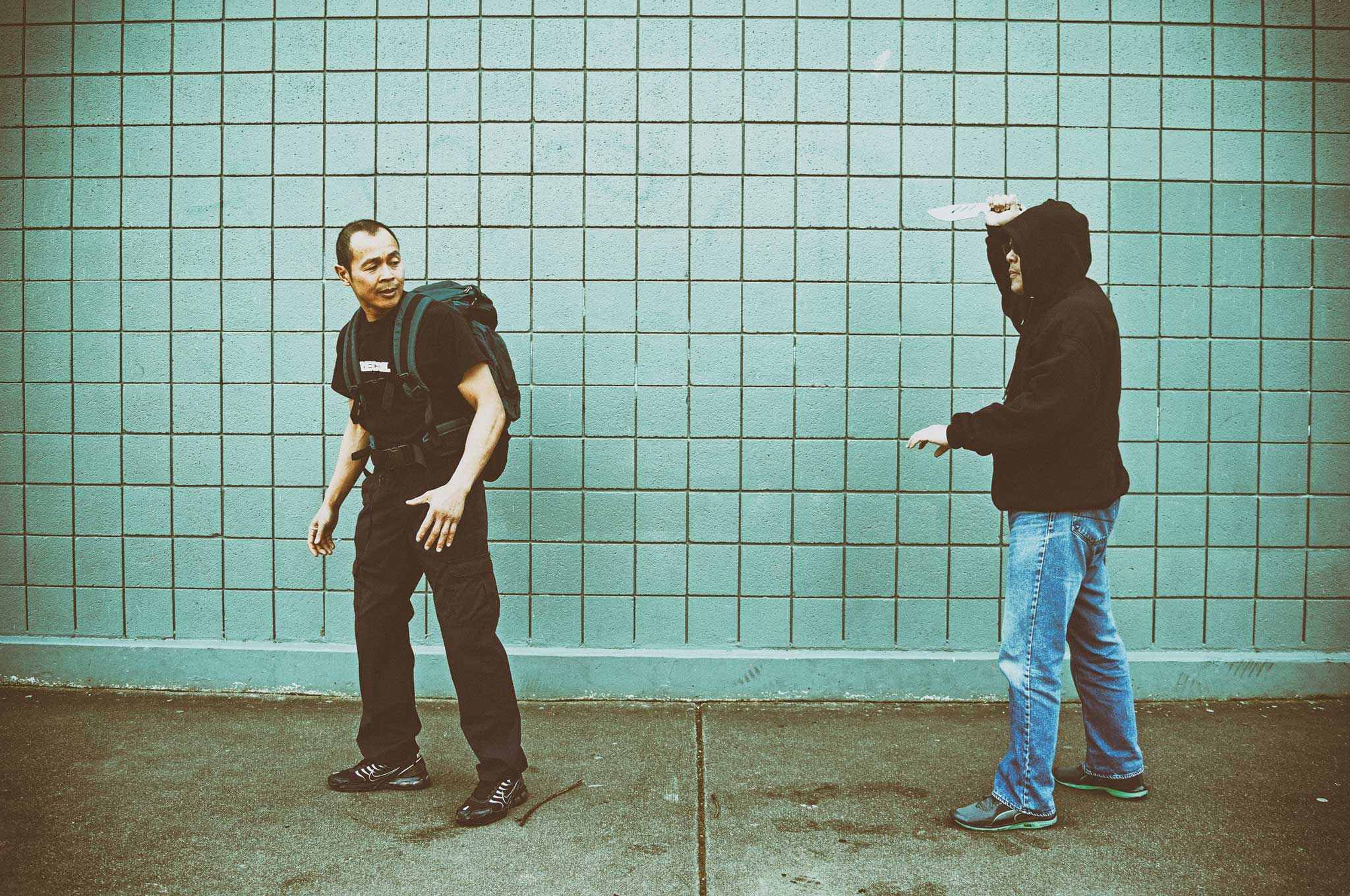
When: The back kick is the strike of choice any time an identified threat is behind you. The bad guy may have snuck up on you or you may have made the choice to turn from the danger to run. Either way, back kicks have your six.
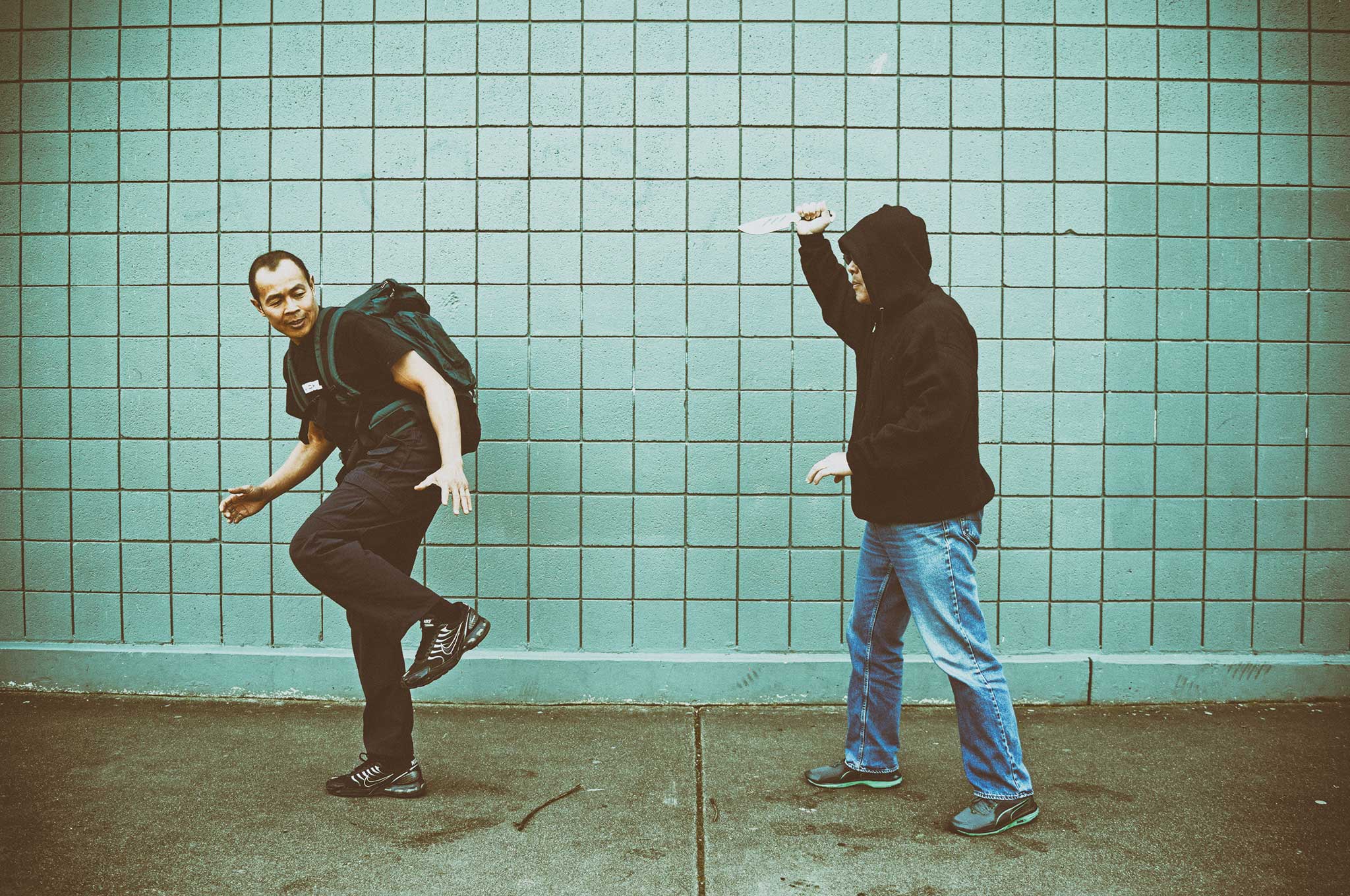
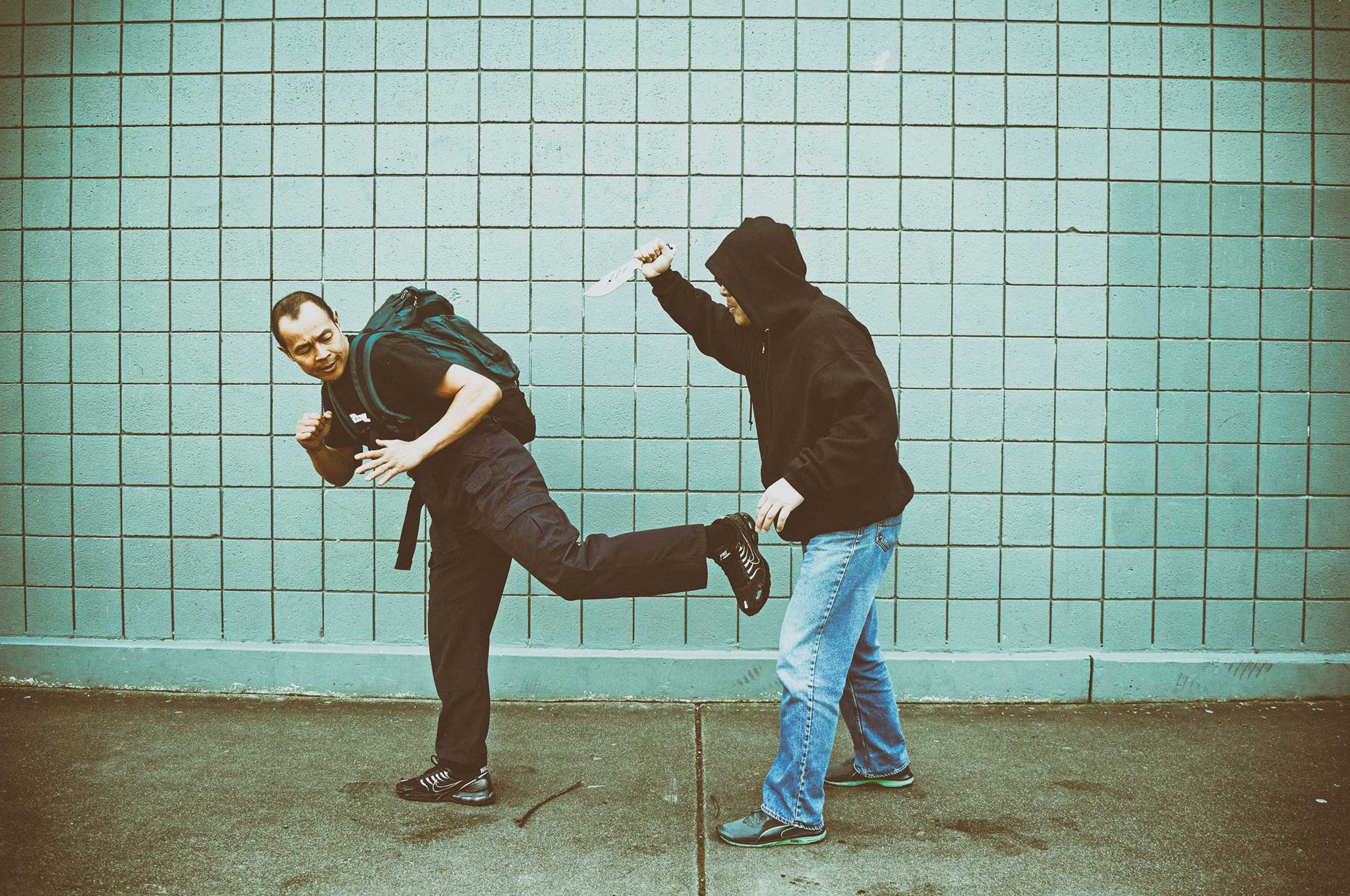
Sherman Chin attempts to sneak up and skewer Conrad Bui. But he hears him coming, checks his six, and quickly back kicks the goods. The proper re-chambering position leaves Bui in the perfect position for a mad dash to safety.
If the Shoe Fits
Hollywood and MMA matches have made kicks mainstream. Still, some combatives instructors shy away from teaching kicks. They claim kicks are vulnerable to counterstrikes or slips and falls. However, there are times when the only answer may be to give someone the boot. Training this oft-neglected combatives tool can improve your odds of prevailing a close encounter of the worst kind.
Anyone who doesn’t respect kicks has never been kicked properly. Just ask any dude about his first gut-churning crotch shot.
About the Author
Dr. Conrad Bui — a San Francisco-based doctor of chiropractic and frequent contributor to RECOIL OFFGRID — has been serving up kicks at karate tournaments since his youth. He later used them as a bar bouncer and continues to teach kicking techniques as a Muay Thai instructor at World Team USA. A self-proclaimed combatives junkie, he placed third in the featherweight brown-belt division of the 2016 World No-Gi Brazilian Jiu-Jitsu Championship. He is also a certified full instructor in Indonesian Kuntao Silat, Filipino Kali, and Bruce Lee’s Jeet Kune Do, as well as a fifth-degree black belt in Tae Kwon Do. www.conradbui.com
Get a Leg Up Online
Did you get a kick out of this feature? We have more exclusive web content on kicks, combatives, and self-defense. To learn how to practice your kicking techniques safely and avoid some brutal mistakes in a life-and-death situation, go to www.offgridweb.com/survival/kicking-drills-mistakes.
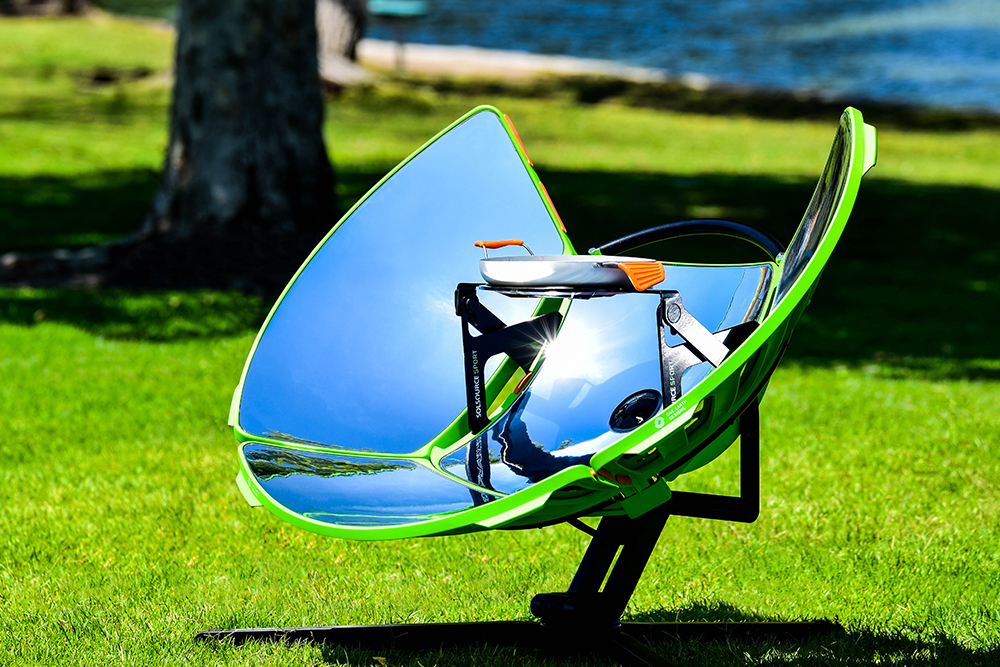
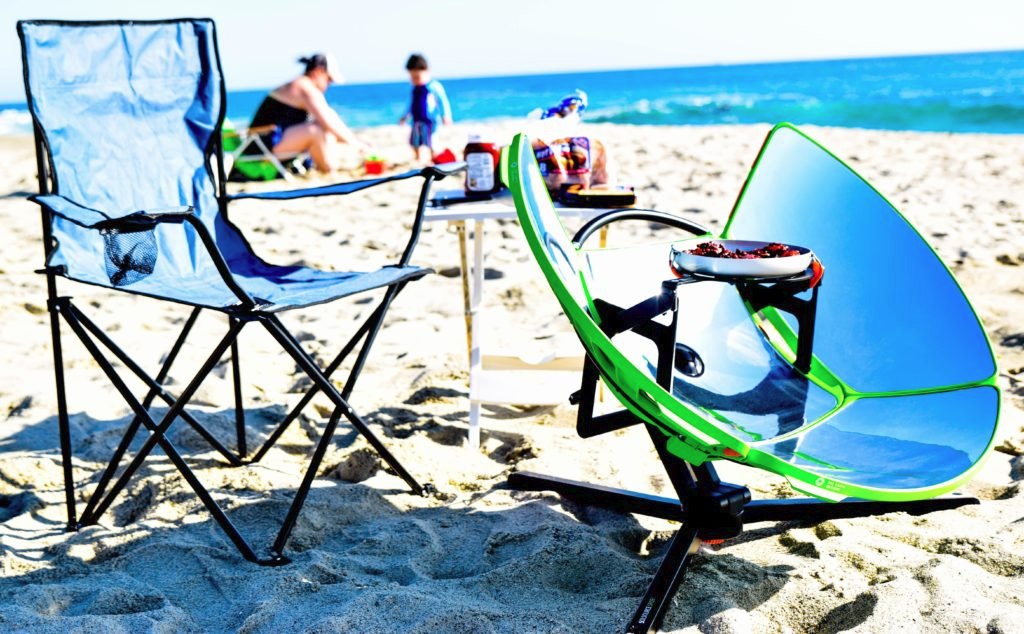
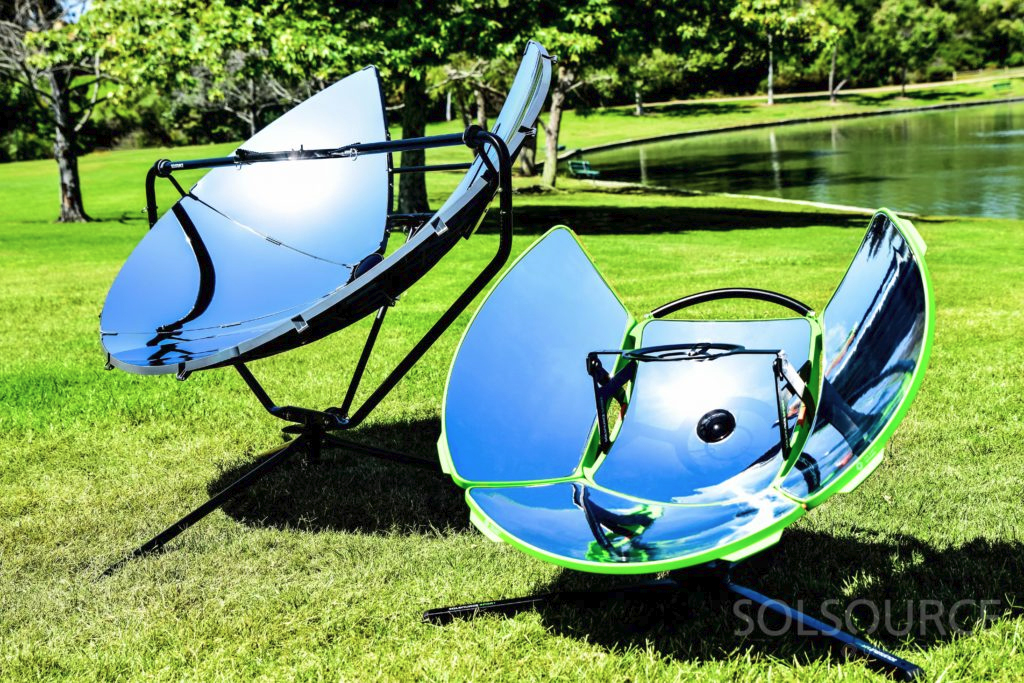
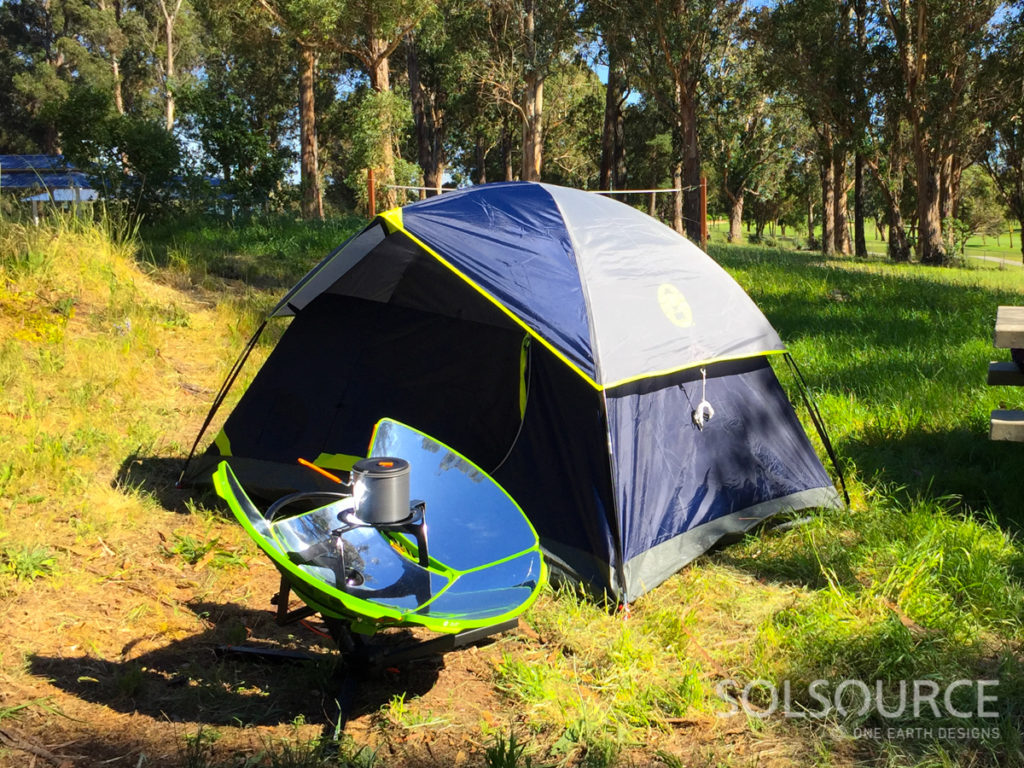
The idea of a solar stove has been around for a while now, but the new SolSource Sport appears to be one of the most polished examples we’ve seen yet (pun intended). Most other solar cooking devices use wrinkly, crinkly reflective fabric or foil, or they’re too enormous and fragile to lug around the backcountry. This led One Earth Designs to create the SolSource Sport, a solar stove designed to remain mobile, lightweight, and packable.
Earlier this week, the SolSource Sport launched on Kickstarter, and it exceeded its $20,000 funding goal in only a few hours. While we haven’t had a chance to get our hands on one of these stoves yet, the specs and features look pretty impressive.
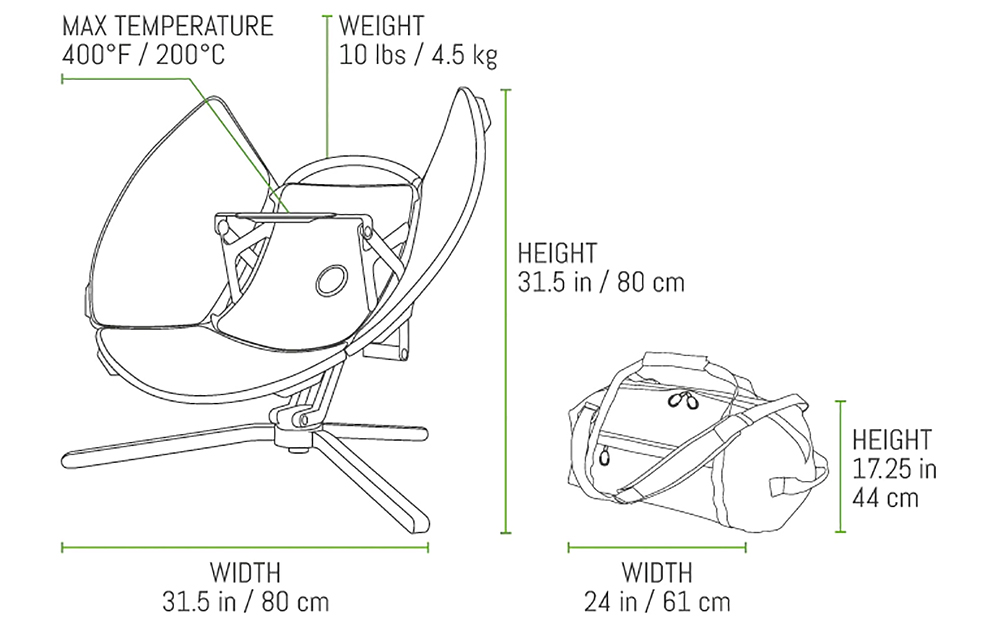
It weighs approximately 10 pounds, and packs into an included 2-foot by 1.4-foot duffel bag. Assembly (or disassembly) is said to take less than 3 minutes.
The stove reaches grilling temperatures in about 5 minutes on a clear sunny day, and will reach searing temperature in 10 minutes. It’s compatible with a wide range of cookware, and is said to be effective in partial sunlight (as long as you can see your shadow), temperatures as low as 30°F, and wind up to 30mph.
The SolSource Sport isn’t One Earth Designs’ first foray into solar cooking — the larger original SolSource (pictured above left) used a similar design, and has been proven effective as a cooking and water purification device in remote regions of Kenya and China. The Sport solar cooker scales the device down into a size that’s designed for camping, tailgating, or off-grid use.
A limited number of early-bird Kickstarter backers can pre-order the SolSource Sport for discounted prices as low as $99, but the retail price is expected to be $329 (including carrying case and cover). For more information and specs, visit the company’s Kickstarter project.
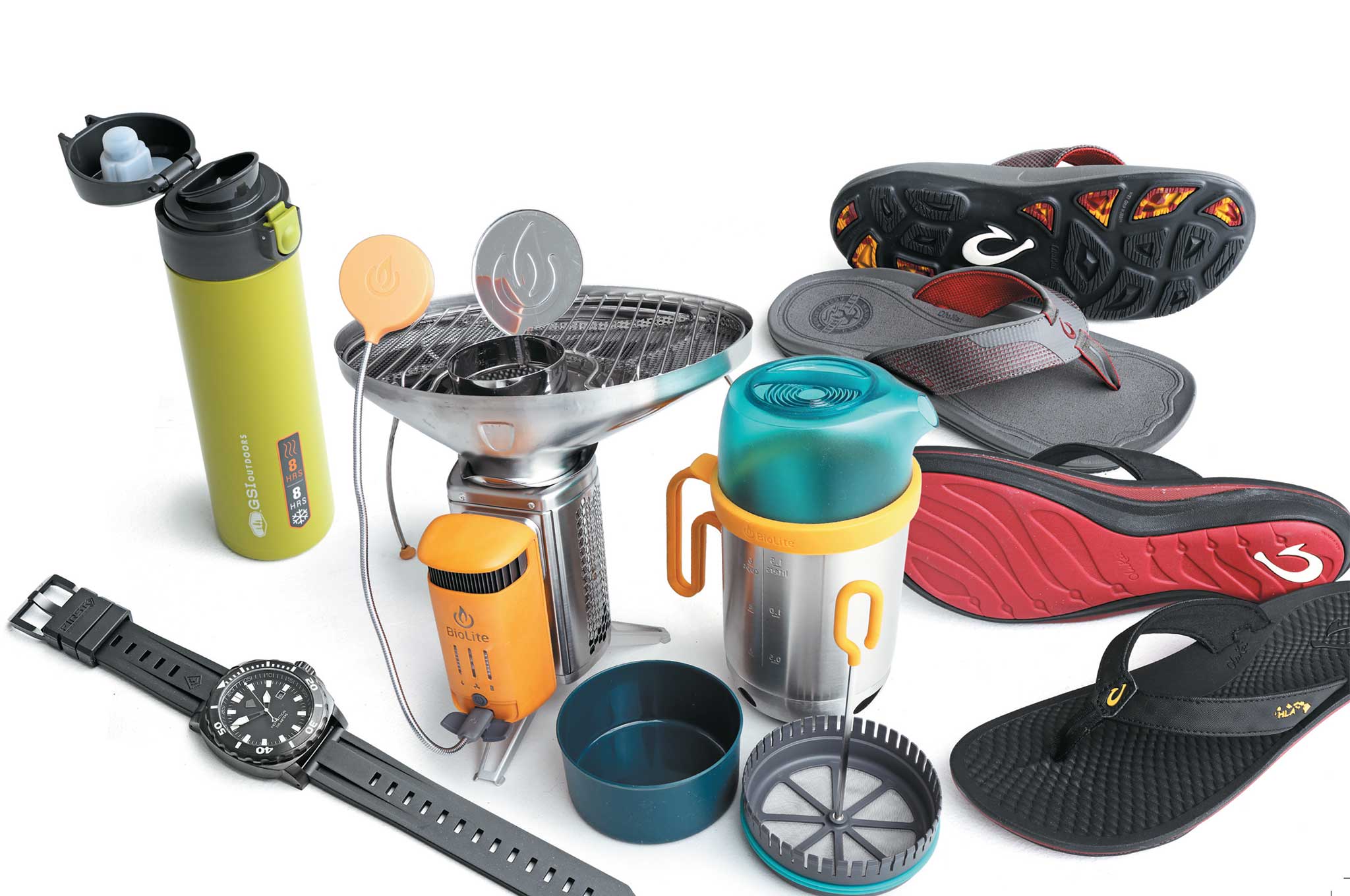
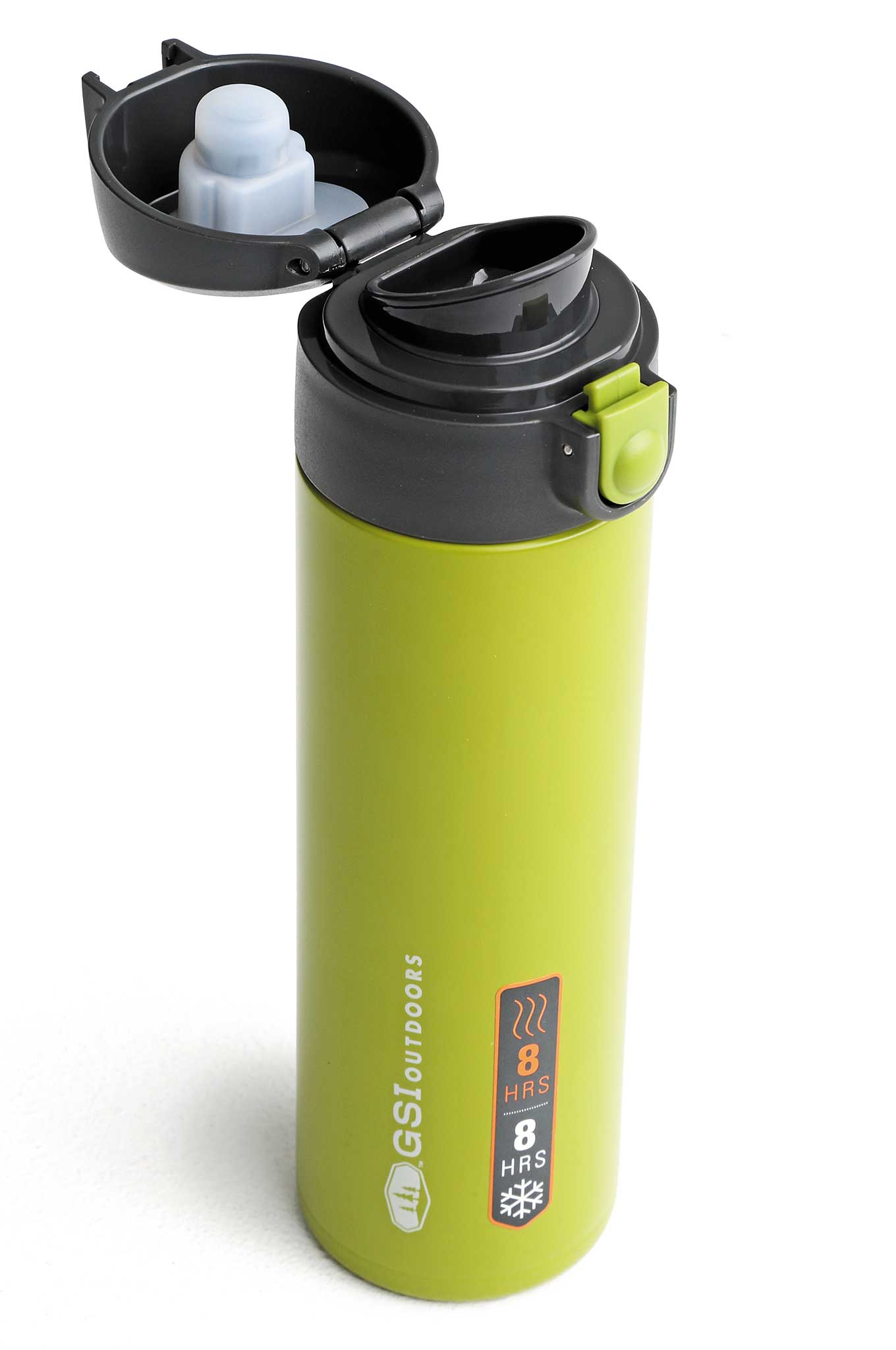
NOTES Most outdoor enthusiasts own a vacuum-insulated water bottle because it can retain cold or heat for way longer than regular vessels. But many of these popular bottles feature lids that require two hands to operate. Enter the Glacier Stainless Microlite 500. This model has a flip-top cap that locks closed for transport but stays open with a simple push-button. The bottle’s moniker comes from its 500ml capacity (or 17 fluid ounces for those not fluent in metric), yet it’s a third lighter than conventional designs of the same capacity. How? Its 18/8 stainless steel body has 2mm-thin walls that remain durable, yet keep hot beverages hot for 8 hours and cold libations cold for 16 hours.
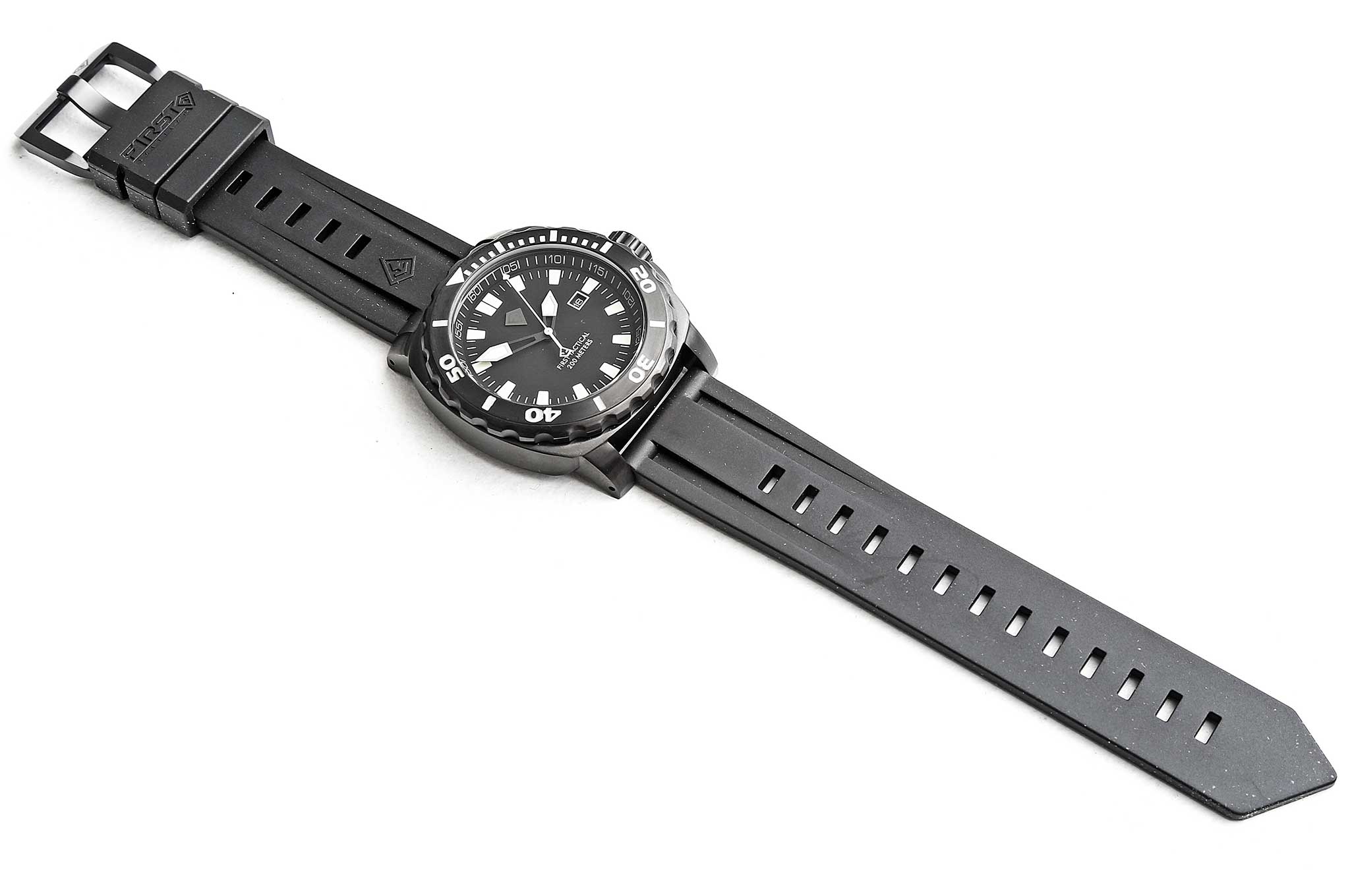
MAKE & MODEL First Tactical Fathom Stainless Steel Dive Watch
NOTES A dam bursts, a boat capSIZEs, a tropical storm makes landfall – emergencies can and do happen in and around water. The Fathom Stainless Steel Dive Watch should perform no matter how wet it gets. It’s waterproof up to 200 meters, thanks to pressurized construction and a screw-down crown. It features a durable polymer band with a ruler and Morse Code on the back. It has a tough stainless steel housing and bezel. Its three hands are coated with Super-LumiNova, a photoluminescent pigment that can glow for hours after a charge with sunbeams or artificial light. The Fathom will keep you on time, whether you need to make a rendezvous with your survival group or catch a screening of the Baywatch movie with your beach volleyball team.
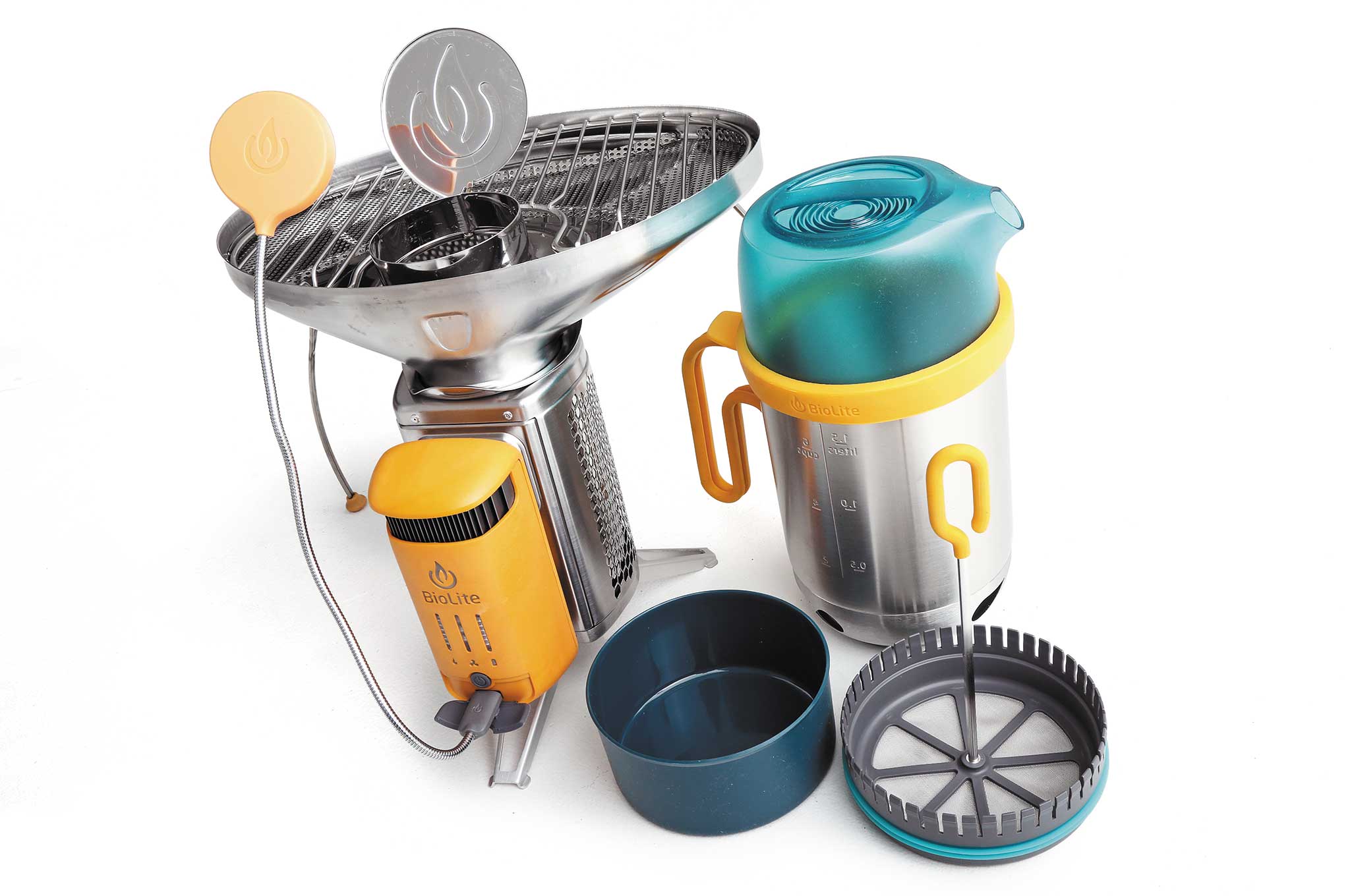
NOTES The award-winning BioLite now offers its innovative products in convenient packages. The CampStove 2 Bundle includes the KettlePot (it cooks like a pot and pours like a kettle), the Portable Grill (with an intake lid that lets you add branches to the fire without disturbing the grill itself), and of course the CampStove 2. As the heart of this package, the CampStove 2 uses any biomass (twigs, pinecones, etc.) as fuel to cook while producing 3 watts to charge devices or to store in its 2,600-mAh battery. The CampStove 2 conveniently nests inside the KettlePot for storage and portability. There’s also the CoffeePress (sold separately for $15 and shown here with the bundle), which brews six cups of java at a time using a French press-style design.
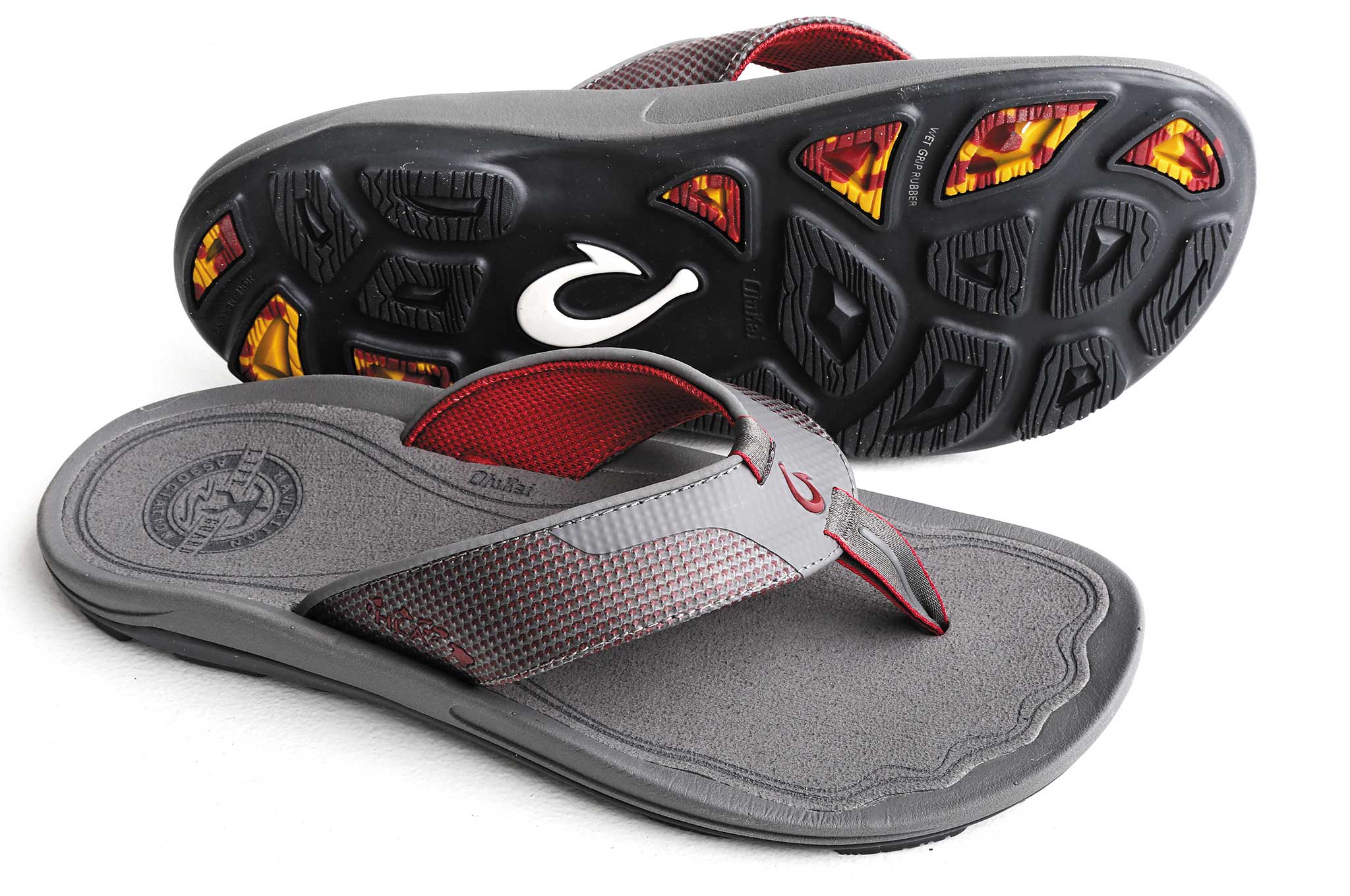
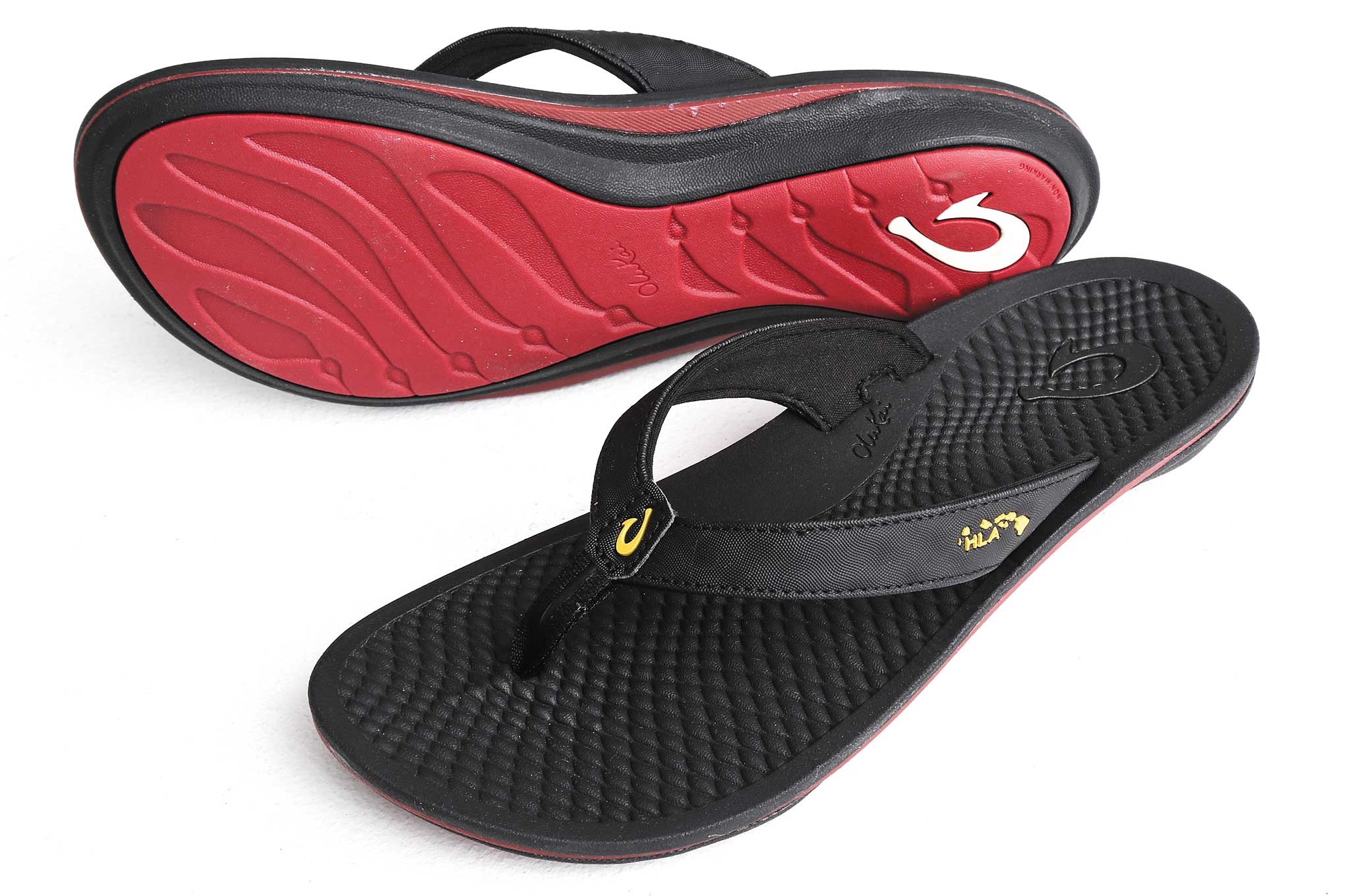
NOTES After a weekend of hog hunting or trekking through tough terrain, we love sliding into a pair of flip-flops to soothe our beaten hooves and promote foot recovery. But OluKai makes sandals that you could practically hike in. The men’s Makolea (gray pair shown here) features a non-marking, sticky rubber outsole with multiple zones for traction in wet conditions. The compression-molded EVA midsole is paired with a brushed ICEVA drop-in footbed for maximum ergonomics. The whole thing is water resistant, breathable, and quick drying. Likewise, the women’s Kia’i Wahine is built to last in and around water, has a multi-layer footbed for comfort and stability, and has a non-marking rubber outsole for enhanced traction and durability. Both models are as comfy as they are rugged.
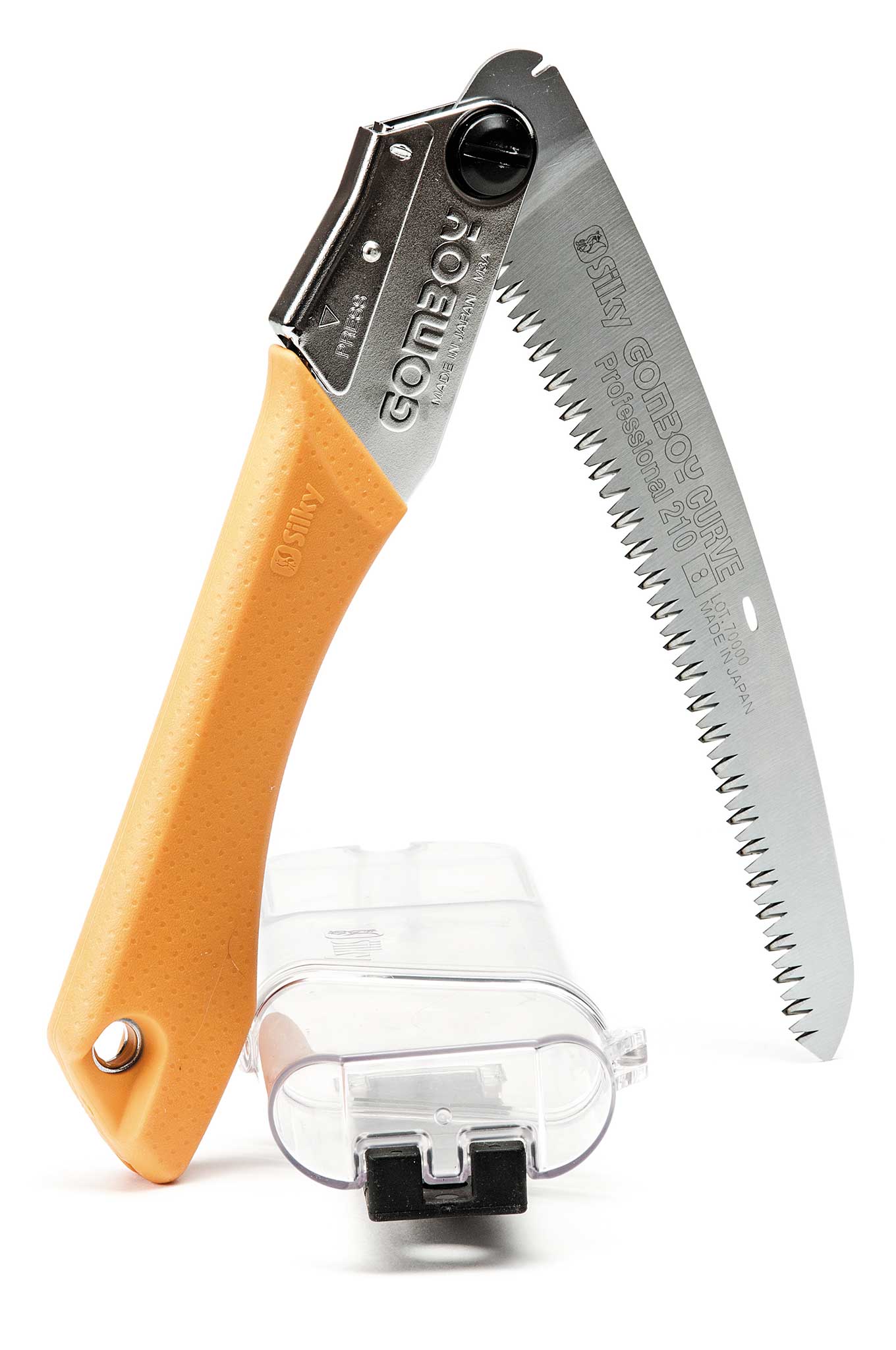
MAKE & MODEL Silky GOMBOY Curve Professional Series Saw – 210mm
NOTES We’re hard-core hatchet fans. But, when we got our hands on Silky’s latest update to its Gomboy series folding saw, it made us reconsider our allegiance to the hammer axe. This saw is fast. We cut through 2.5-inch, live saplings in 30 seconds without fear of amputation or even needing to protect our eyes from flying woodchips. The chrome-plated, curved blade cuts on the pull stroke, preventing the blade from getting bound up in the material. The teeth are formed inside the width of the blade – reducing friction and making for cleaner, faster cuts. And, instead of hardening the entire blade, only the teeth are heated and hardened. This means the blade stays flexible while the teeth enjoy a longer, sharper life. It comes with a belt-mountable case and is made in Japan with a limited lifetime warranty.
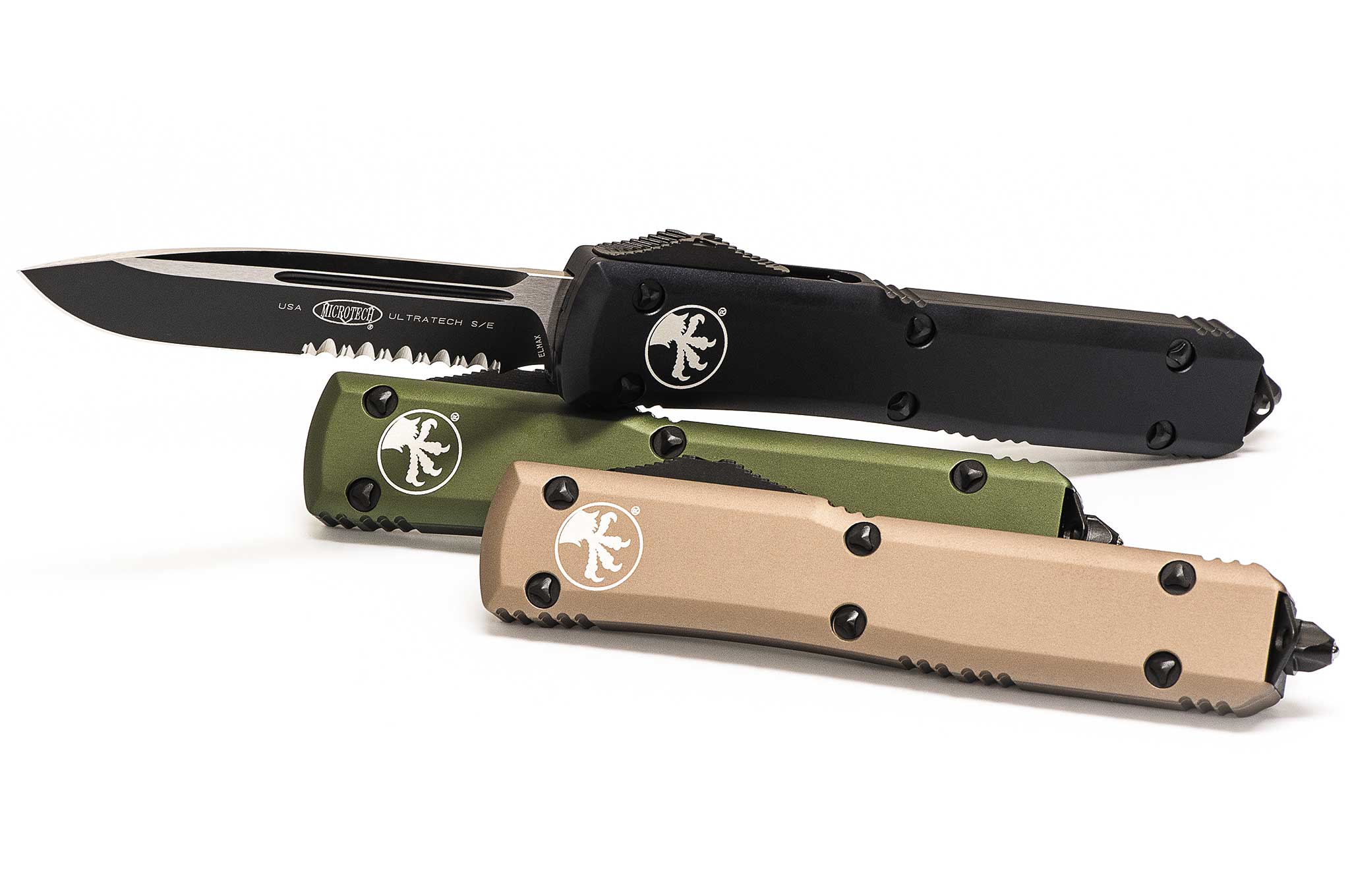
MAKE & MODEL Microtech Knives Ultratech S/E Partial Serration
NOTES The most common everyday-carry pocketknife is the folder; hence our buyer’s guide on page 36. But if you’re looking for something that’s lightning fast and brings the awe factor, look no further than an out-the-front (OTF) automatic. (Of course, make sure it’s lawfully kosher in your area first.) Microtech’s latest from its popular Ultratech OTF lineup offers both sexy form and practical function. The partially serrated single-edge blade is 3.4 inches long and made from premium Elmax stainless steel. The handle features a double-action OTF mechanism: the blade shoots out and retracts by pushing or pulling the button. This allows for a satisfying Wolverine-like thunk sound and the reassuring knowledge that you can deploy a blade in a split-second. Comes in a variety of COLORS and finishes. Made in the USA.
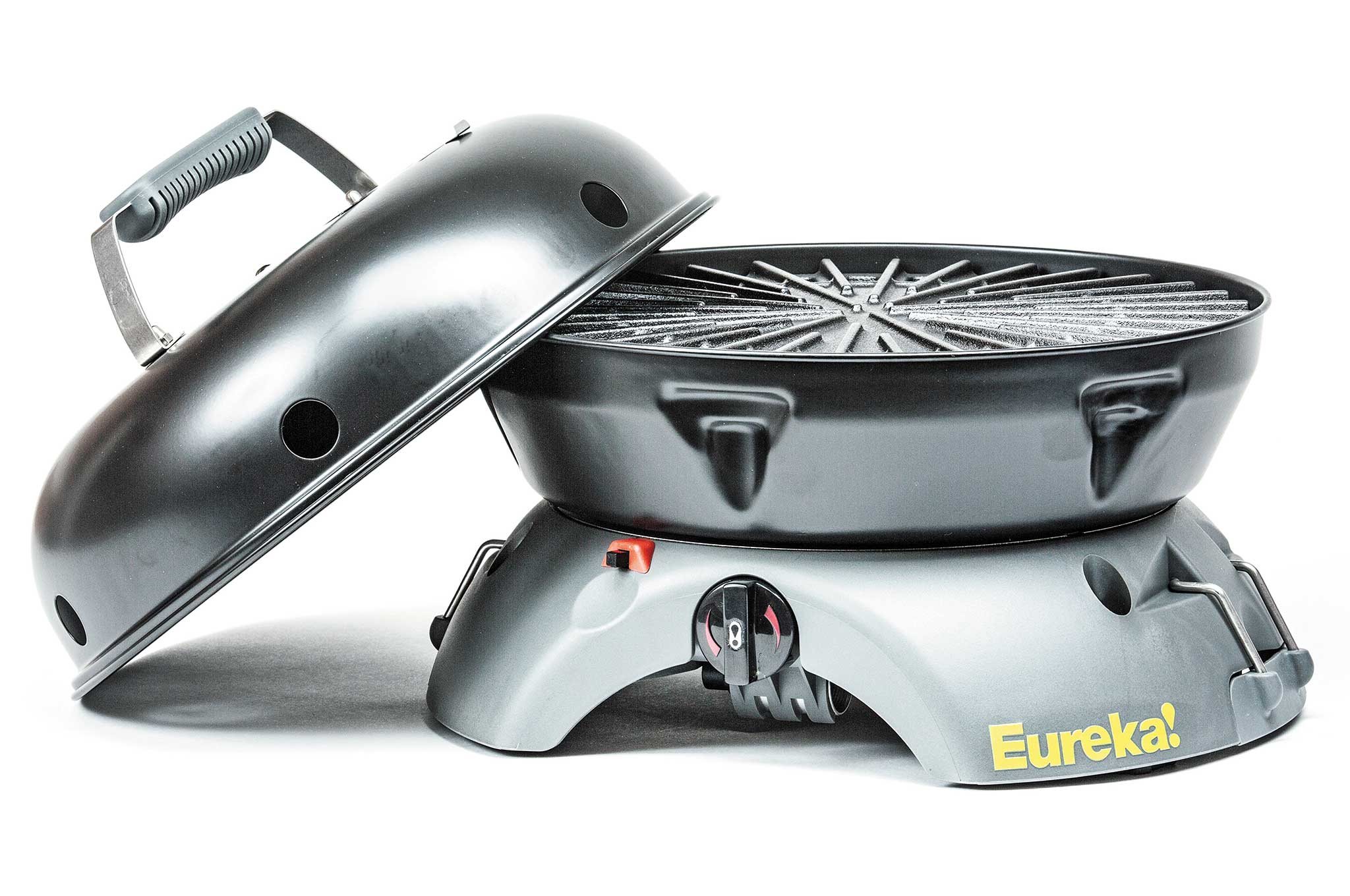
NOTES When it comes to cooking in the field, nothing beats the ease and convenience of a propane stove. Add the ability to go from griddle to grill to stove in seconds and you’ve got something special. The Gonzo grill has your three-squares-a-day covered with it’s reversible, cast iron cook top that has a stove grate beneath. The whole thing runs on a 10K BTU/h burner that has an infinitely adjustable output thanks to its 4-turn burner control. The onboard Piezoelectric electric igniter lights the stove in a snap and all other accessories are stored onboard for easy transport.
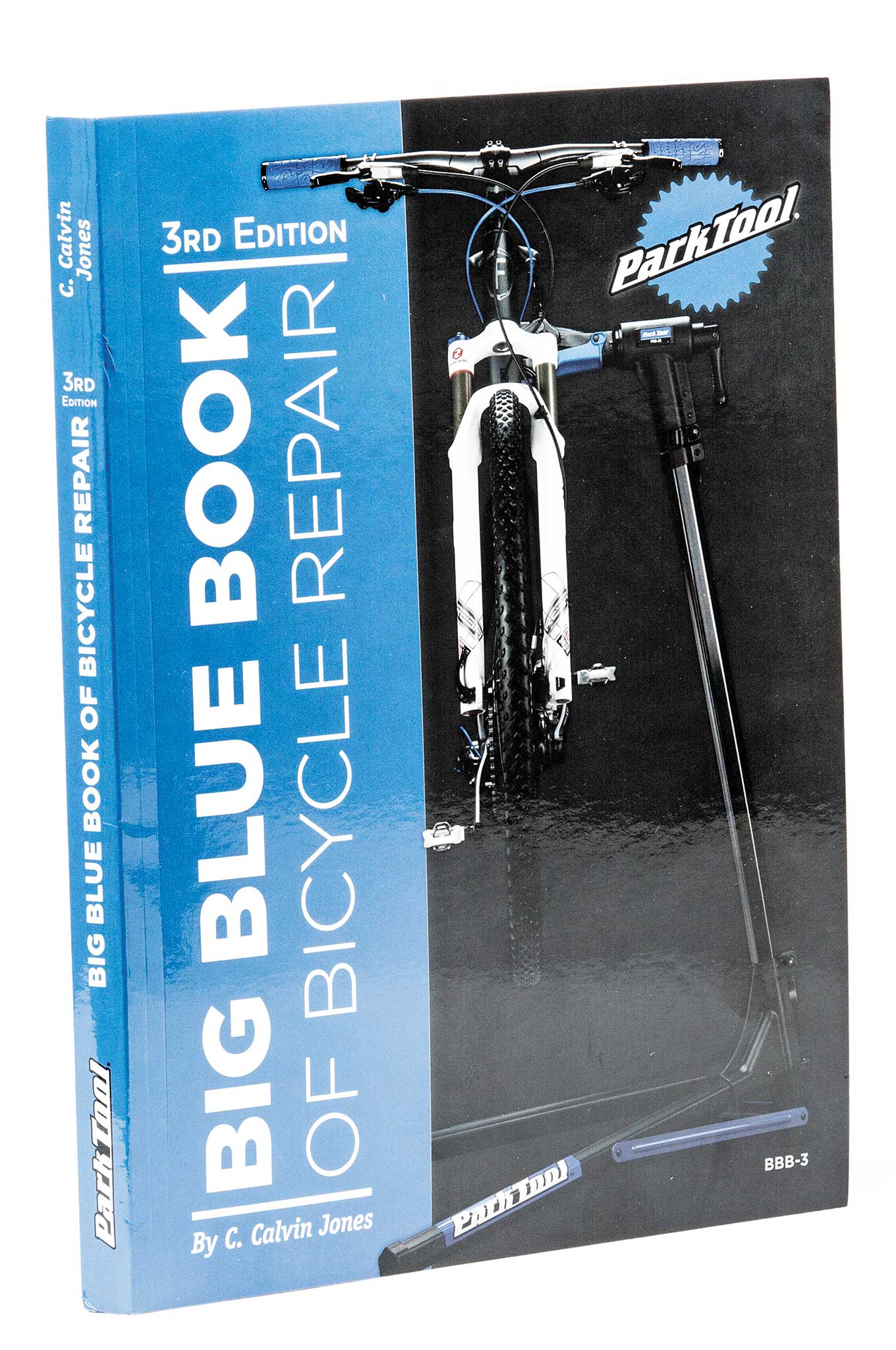
MAKE & MODEL Park Tool Big Blue Book of Bicycle Repair; 3rd Edition
NOTES When the gas is gone and the horses are history, bikes will be a go-to form of transportation. If you aren’t already, you’d better get smart on them. And, that’s no easy task since bike tech seems to make generational leaps in technology every 10 years. Even if you were a pro at toeing in rim brake shoes and swapping out worn bottom brackets once-upon-a-time, hydraulic disc brakes and externally threaded bottom brackets on today’s bikes might have you scratching your head. As old fashioned as books are, YouTube won’t always be there to hold your hand. Park Tool is an authority on bike maintenance, and it lays out 17 chapters on everything from fixing a flat to overhauling headsets. Clear explanations and excellent illustrations demystify all aspects of bike repair.
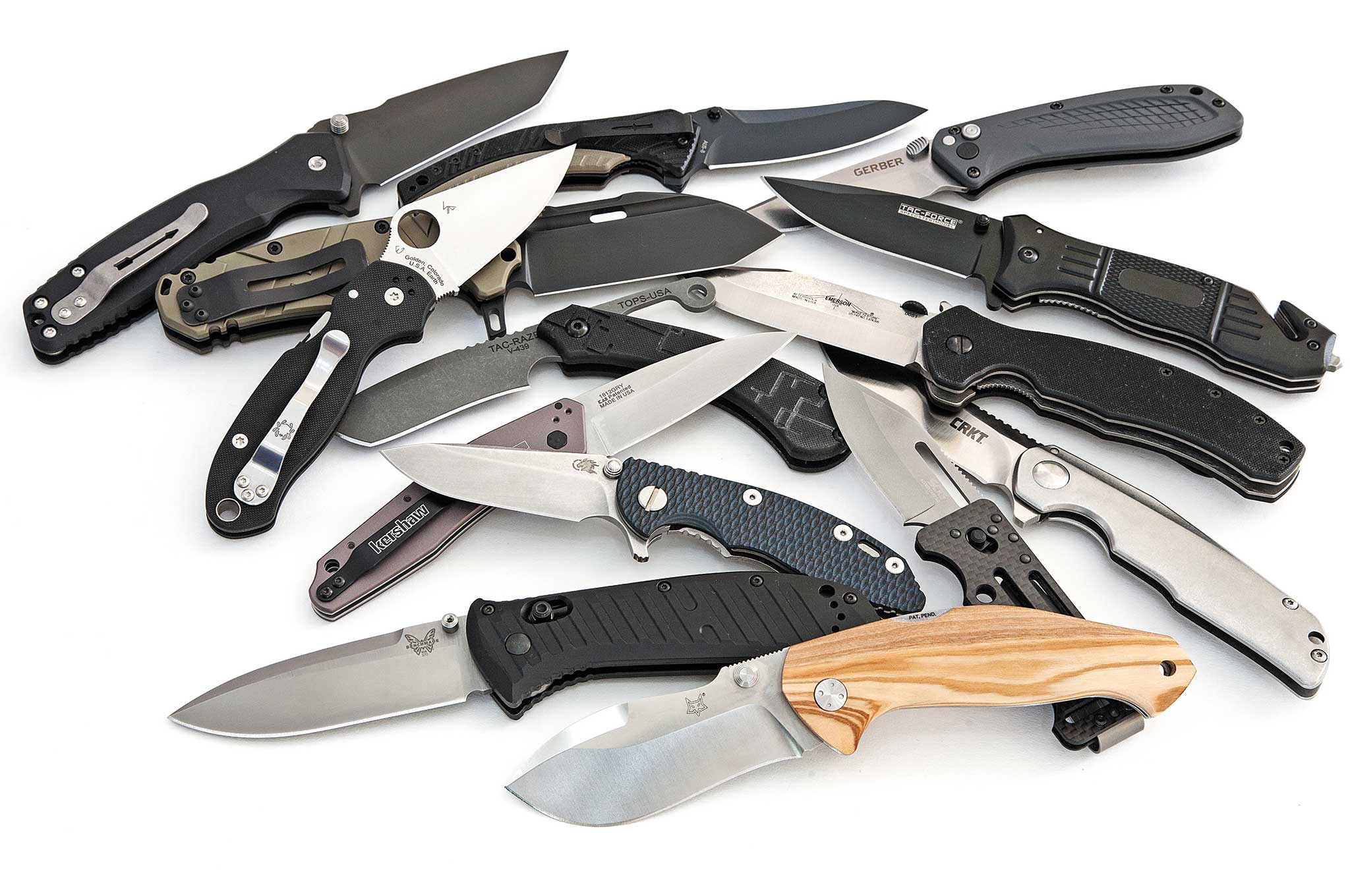
In a wilderness survival situation, a trustworthy cutting tool is one of the most important pieces of equipment for staying alive. Without a sturdy and sharp knife, straightforward tasks like breaking down firewood or gutting a fish become frustrating challenges.
Knives are equally useful in urban environments, albeit for different reasons.
With the right training, a blade can be a powerful self-defense tool. Or perhaps you have to slice a seatbelt to free an unconscious driver from a burning vehicle. Maybe you simply need to carve open some plastic packaging during a day at the office. For all these reasons and more, it’s a good idea to carry a folding blade as part of your everyday-carry gear (EDC).
However, choosing from thousands of designs can certainly be overwhelming. To shed some light on the latest folding knives on the market, we evaluated one folder each from two-dozen knife manufacturers. Cramming 24 knife reviews into our print issue would monopolize it. So, we’ll share 14 in print; the other 10 reviews will be available exclusively here on OFFGRIDweb.com. If you don’t see your favorite knife manufacturer here, hold off on the hate mail — check the link at the end of this article for more folding knife reviews.
Want More? Stay tuned for 10 other reviews of folding knives from manufacturers like Boker, Brous Blades, Cold Steel, OKC, and Zero Tolerance. We’ll be posting these web-exclusive reviews soon at offgridweb.com/gear/folding-knife-reviews
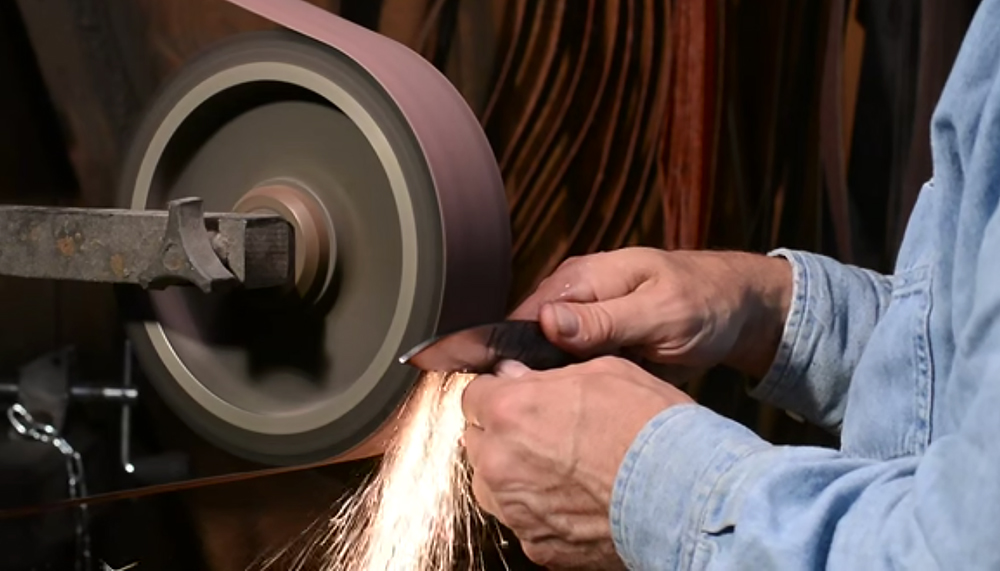
If you’re interested in DIY knife-making, you may have already heard of Walter Sorrells. He’s a prolific bladesmith who specializes in traditional Japanese-style blades, from beautifully-crafted katanas to simple utility knives. He also enjoys sharing his knowledge with others via his YouTube channel. However, even if you’re not planning on making your own knives any time soon, there’s a lot to be learned from Walter’s videos.
A knife is one of the most important tools for any survivalist, and it’s therefore crucial to understand how to choose the right blade for your needs. If you’re in the Amazon rainforest, you’ll likely want a tough and flexible machete for hacking through brush; if you’re in an urban setting, a smaller and more concealable blade is probably preferable. Beyond this, it’s important to consider the best steel composition for your situation — a 1095 high-carbon knife will rust quickly if exposed to saltwater, while H1 steel is essentially immune to rust.
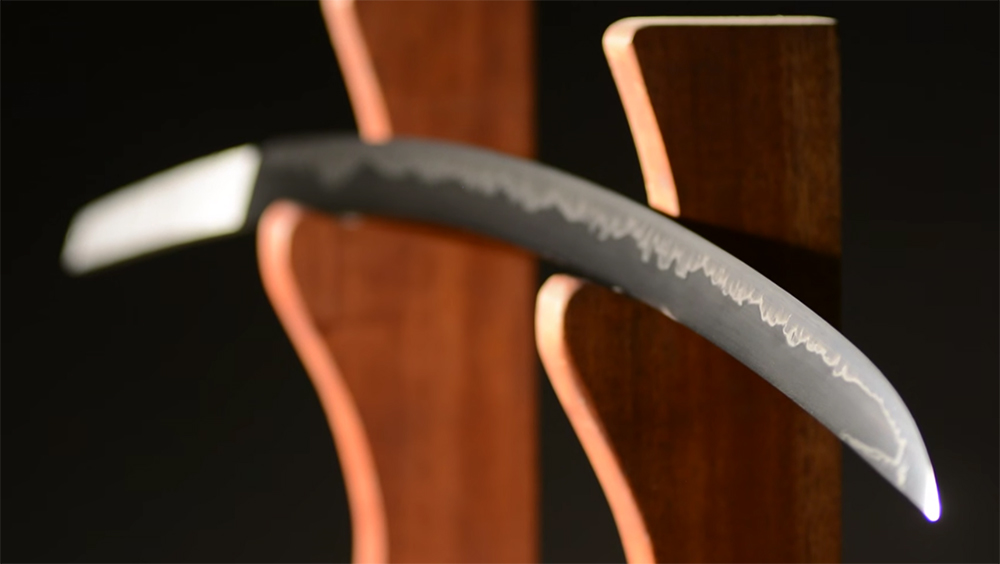
Blade grinds are yet another element to consider when choosing a knife. There are three main categories of blade geometry:
Hollow or concave grinds
Convex grinds
Flat grinds (including saber, scandi, and chisel grinds)
In the following video, Walter Sorrells explains how each blade grind is produced, and how this affects its durability and cutting performance.
Of course, there are many sub-categories and variations within these three blade grinds, including the ubiquitous compound grind (combines two grinds at different angles) and the less-common asymmetrical grind (different grind types on each side of the knife). For more information on grind types and blade shapes, refer to our previous article: Do You Know Your Blade Grinds and Profiles?
The Myth: Every hiker, camper, and bushcrafter knows that moss grows on the north side of trees and rocks, and you can use it as a navigational guide if things go south … right? How about wrong? It’s time we navigate through this moss myth and find a path to the truth.
The Reality: The term moss is a bit confusing to non-botanical people. Actual moss — of which there are over 12,000 species — is a small low-growing plant that’s nonvascular and doesn’t produce seeds. Moss is a spore-bearing plant, found throughout the world and commonly seen in damp shady places. To further confuse budding botanists, not every plant that’s called a “moss” is actually a member of this group. Both algae and lichens are sometimes mistaken as a moss. But let’s put identification aside to examine a simple truth they’re all plants, and most plants grow better in the sun rather than the shade.
In my woods, and many other sites I’ve explored, the moss is heavier on the south side of the tree, which is the sunnier side. So if I bought into this myth, the moss would steer me in the opposite direction I intended. Of course, there are always exceptions. As plants grow toward the available light, they may grow better on any given side of a tree or rock. For that fact alone, this myth is busted.
But if we did have to create a takeaway from all this, it’s safer to say that most moss species grow on the sunnier side of the tree, which would usually be the equatorial side of the tree.
Northern hemisphere moss generally grows on the south side, while southern hemisphere moss generally grows on the north side. And perhaps this is the source of the myth. Or it could be the green algae Pleurococcus, often found in a shady moist habitat (like the north side of trees in the northern hemisphere), though it can also be found on other sides of the tree in equal or greater amounts. So can you ever rely on moss location as a navigational tool? Hey, sometimes it’s right — kind of like how a broken clock is right twice a day. So, no. The answer is no.
Alternative Uses: Busting this myth doesn’t mean that moss is completely useless to a survivalist. Moss can be stuffed into your clothing or even your sleeping bag to add insulation and increase warmth if your clothing or bedding isn’t doing the trick in cold weather.
Moss can also hold rainwater like a sponge. Just wring it out into a container, disinfecting it before drinking the water, just to be safe. Moss is astringent, allowing it to be a workable wound bandage (just keep it on the surface; never pack a wound with it). Dried moss is also absorptive, making it a great filling material for homemade baby diapers and menstrual pads. Just make your desired item from cloth, leaving an opening to fill the pad or pants with dried moss. Empty the item out when it’s no longer absorptive. Then wash the cloth, refill it, and repeat. And after you’ve answered nature’s call in the outdoors, a wad of soft damp moss makes an exceptional toilet paper substitute.
To finish with something less nasty, many dried moss species are great fire starting tinder. Seek out crumbly dry specimens, and hit them with the flame of a lighter or match for best results, though some species will light from sparks alone.
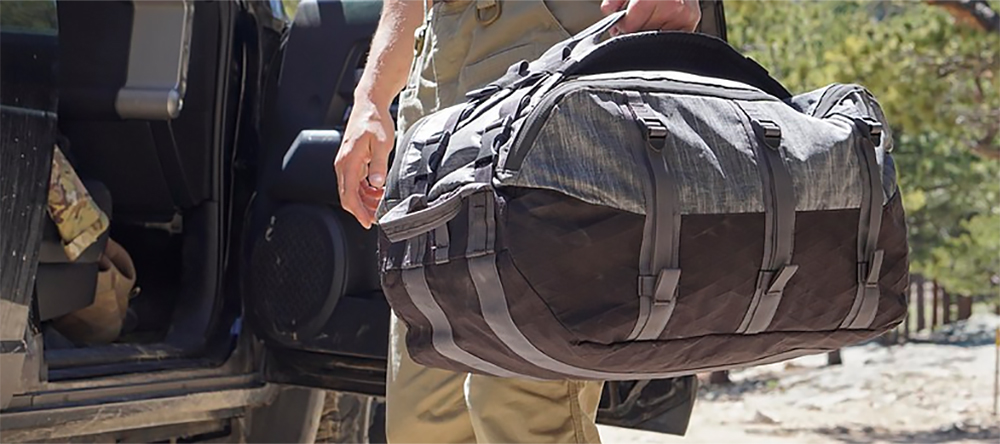
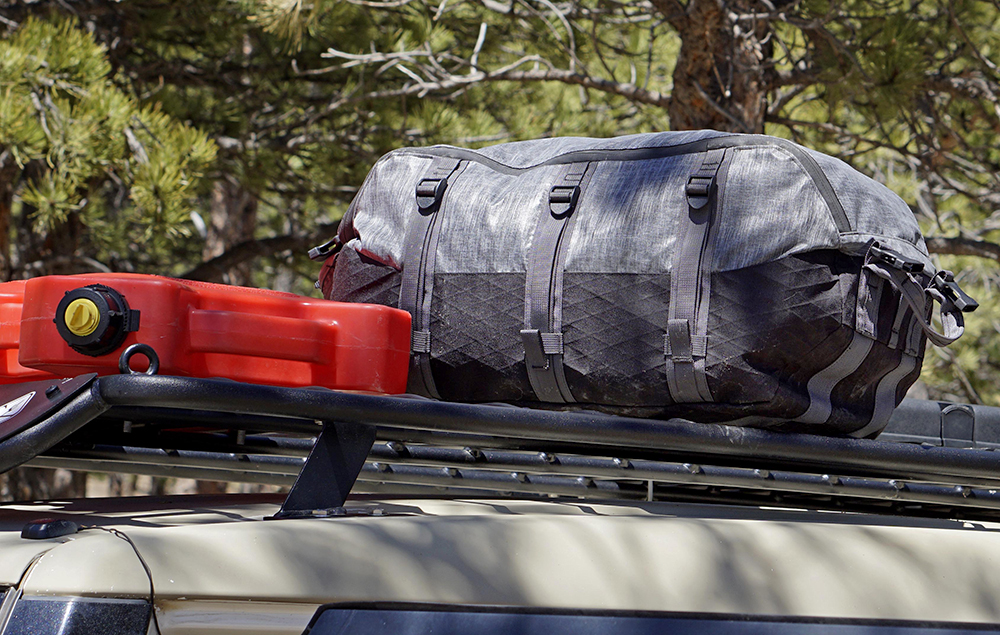
Backpacks are great for carrying a variety of gear in an organized manner, but there are times when you need one large container instead of a dozen small pockets. This is where the duffle bag shines. Its spacious interior gives you the capacity to load up all the clothing for a long trip, and its tough exterior can be tossed into your truck or slid onto an airport conveyor belt without damage. These bags also make for great supplementary storage — your backpack might be your primary bug-out bag, but a duffle can be stuffed with a grab-and-go set of cold-weather gear or long-term food rations.
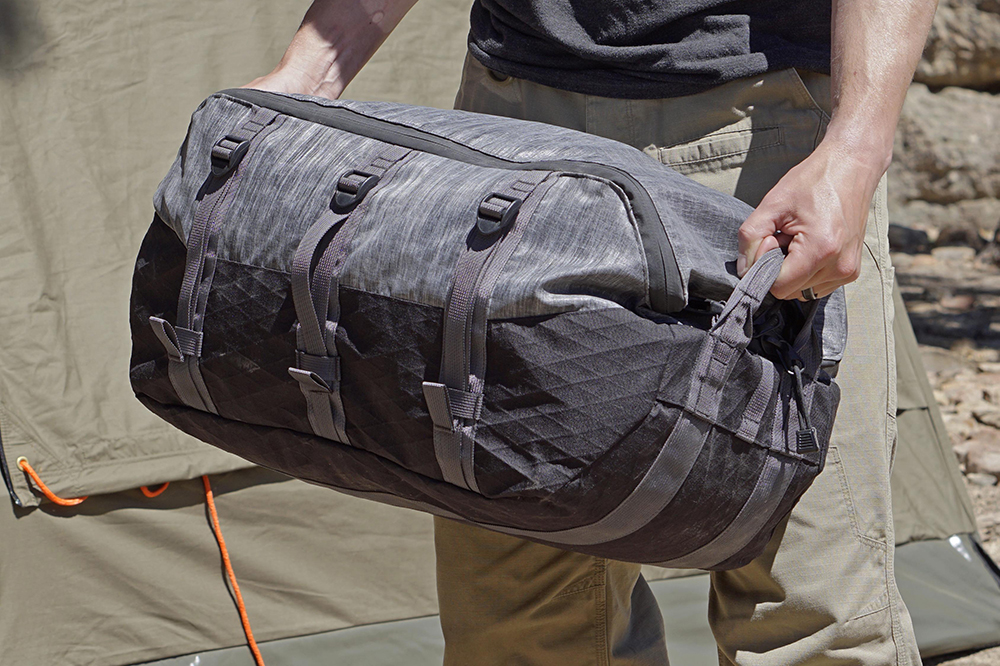
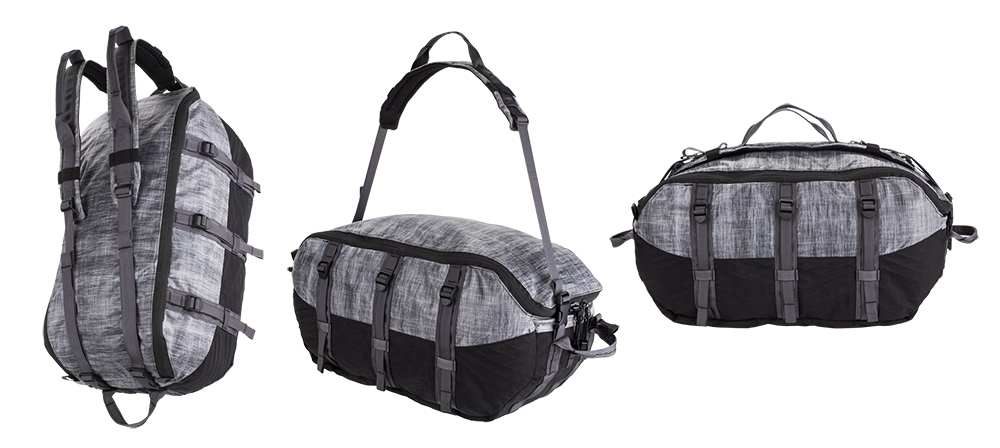
The duffle bag may seem like a simple formula, but Triple Aught Design (TAD) has taken a crack at reinventing the classic gear-hauler with modern materials and thoughtful construction. It’s called the TAD Axis Expedition Duffle, and it’s a far cry from the old USGI bags at your local Army/Navy surplus store.
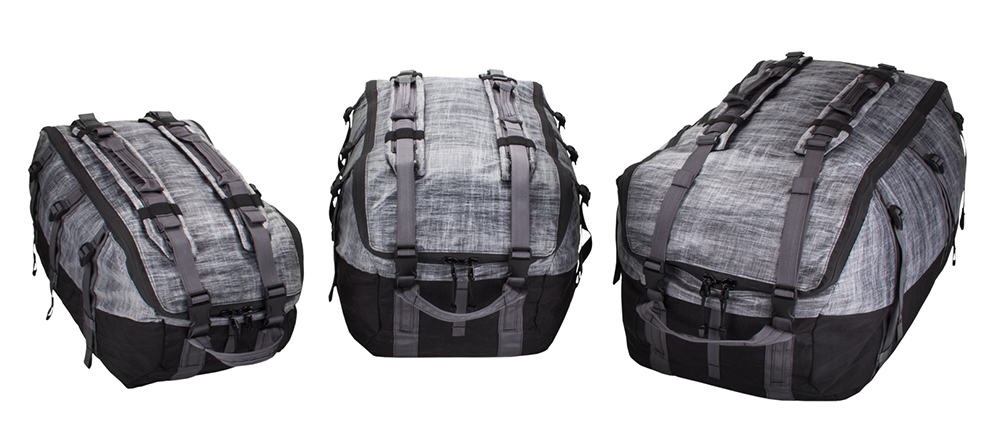
The new Axis Expedition Duffle is available in 50, 75, and 100-liter capacities. The bag uses high-tech materials like LS42, a tough sailcloth material which TAD describes as a “weather-resistant random array of non-woven filaments that provides increased abrasion resistance laminated to light and durable ripstop nylon.” The floor is composed of another synthetic fabric called X51, which is 510-denier CORDURA hydrostatically laminated to waterproof X-Pac ripstop polyester.
Closed-cell cross-linked polyethlene foam provides cushioning, while 5 rows of 1-inch nylon webbing loops inside the bag allow for the addition of TAD panel, cube, and other storage attachments. Six compression straps (three on each side) keep the bag’s contents compact and secure. All of these materials are manufactured in the USA, and the duffle itself is made in the USA.
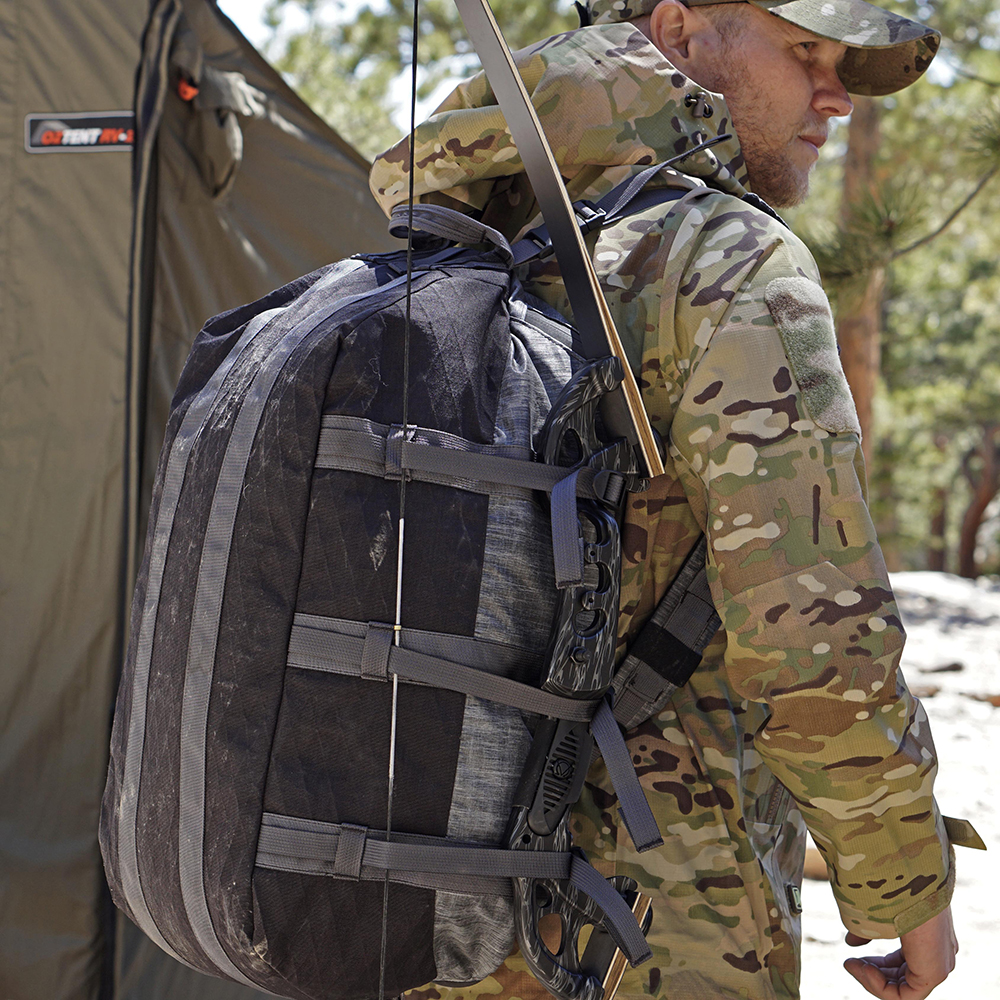
The Triple Aught Design Axis Expedition Duffle can be carried in three ways:
Side-carry via three grab handles on the top, front, and back of the bag
Shoulder-carry via a padded nylon shoulder strap
Backpack mode via two adjustable shoulder straps
The Axis Expedition Duffle is available at $195 for the 50L small model, $235 for the 75L medium model, and $275 for the 100L large model. For more information on these new bags, go to TripleAughtDesign.com.
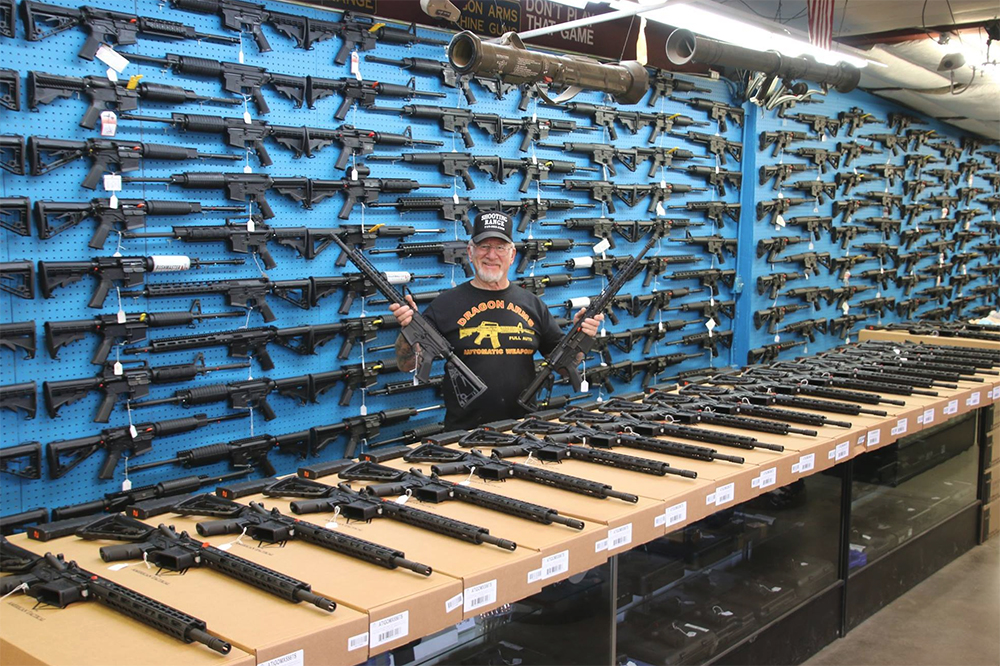
Mel “Dragon Man” Bernstein has the sort of facility most of us dream of. His Colorado Springs property is home to an extensive shooting range, Class-III-licensed gun store, motocross course, paintball park, and machine shop. But the crown jewel is his enormous 65,000-square-foot military museum, which includes 80 operational military vehicles (including a T-54 tank), countless historically-significant weapons, over 200 fully-functional machine guns, a wide array of ordnance, and all sorts of equipment and memorabilia from WWI to the Iraq war.
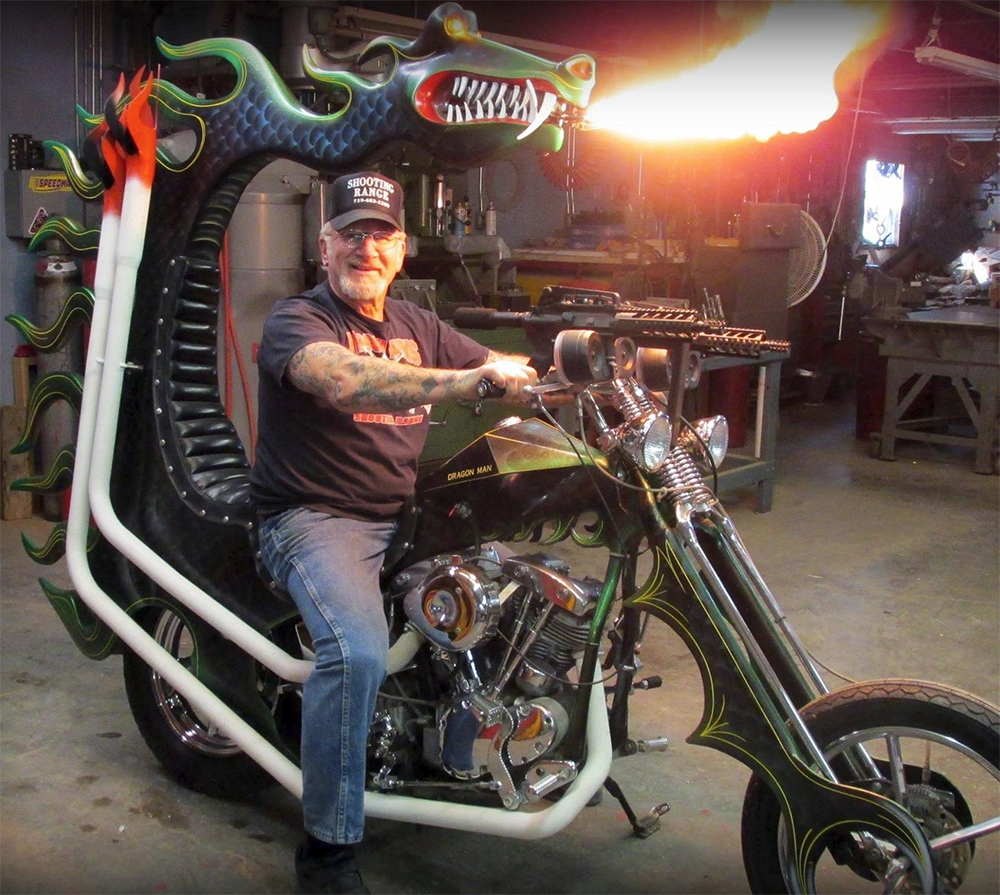
Dragon Man on his famous dragon motorcycle, outfitted with two fully-operational rifles and a flamethrower.
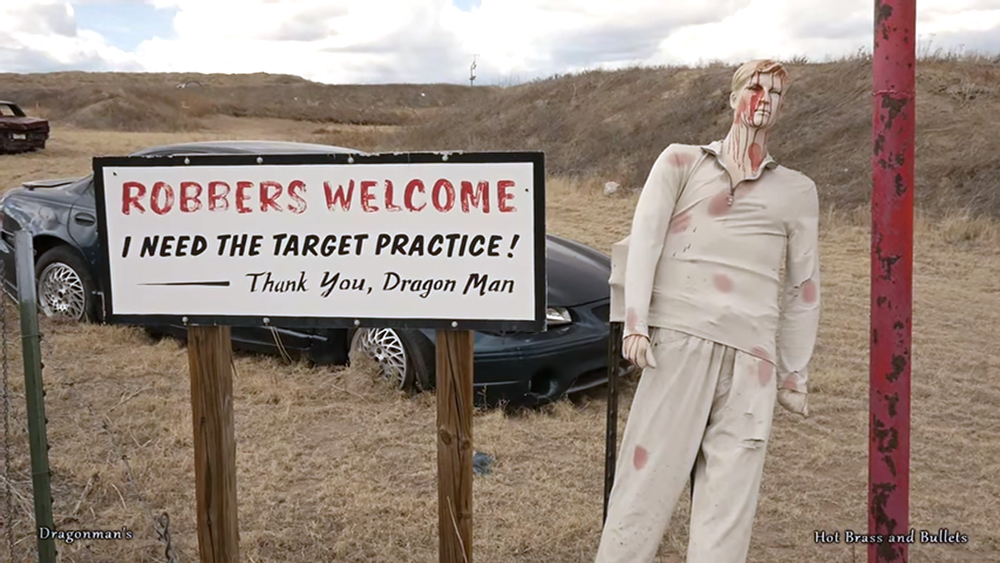
Larry the Cable Guy called the facility “better than the Smithsonian”, and it’s not hard to see why Dragon Man is frequently referred to as “the most armed man in America”. The entrance to his property has been called “the driveway of horror” and is littered with mannequins, bullet-riddled vehicles, and cautionary signs. You may be thinking that these simple warnings won’t deter burglars, but Mel also has electrified fences, a network of 35 security cameras, motion sensor alarms, and seven German shepherds which roam the property at night. In an interview, he said that he has never had any issues with attempted breaking and entering.
The following 20-minute video from Hot Brass and Bullets follows Dragon Man through his museum as he describes some of the items in his collection:
For more tours of the facility, videos of the vehicles and guns in action, and a Q&A with Dragon Man, check out the Hot Brass and Bullets channel on YouTube.
While Dragon Man has a massive arsenal of weapons, he says he wouldn’t keep them all to himself if disaster struck — he’d welcome friendlies into his compound. When asked about how he’d deal with an apocalyptic event, Mel replied, “We could use everybody here, y’know, we have to save Colorado Springs.” We’re not sure if that’s the wisest choice from a survivalist’s standpoint, but it shows that he’s a trusting person who wants to use his resources for the greater good. So, would you consider heading to Dragon Land if SHTF?