Home Blog Page 228

Tree Branch Water Filter Developed by MIT Scientists

0

In the survival world, we sometimes have a tendency to reinvent the wheel. Rather than focusing on learning the tried-and-true survival methods used by primitive survivalists for centuries, we rely on technology to solve our problems. There’s nothing wrong with this per se, since technology has a substantial potential to make our lives easier. Rather than rubbing sticks together, we can now spark a fire with a lighter in seconds. However, it’s also reassuring to see much of the survival community focusing on getting back to basics.

Improvised tree water filter 4
A colorized electron microscope image showing green E. coli bacteria trapped on the surface of sapwood. Source: MIT News

One interesting development in this vein came from an unexpected place: Massachusetts Institute of Technology (MIT). This prestigious school has nurtured some of the finest scientific minds of our generation, including numerous Nobel Prize winners. A study performed by a team of MIT researchers has established that the plant xylem found in sapwood can serve as an effective survival water filter, blocking more than 99 percent of E. coli bacteria.

Illustrations from the MIT study. Source: journals.plos.org

If you’re not too familiar with plant physiology, the implications of this discovery may be unclear at first. In simple terms, this means that the core of a sap-producing tree branch or twig can be used to filter water and prevent illness. Here’s how it works:

  1. Find a pine tree, and cut off a small branch.
  2. Peel away the bark and discard it, so only the inner xylem remains.
  3. Plug or cork a water container with this tree branch water filter, and seal to prevent leaks.
  4. Invert and/or pressurize the container, forcing clean water through the wood, and filtering out bacteria.
Improvised tree water filter 1
A diagram showing the construction of a tree bark water filter. Source: journals.plos.org

According to the study, this simple system can produce up to four liters of clean water per day. The scientists used a plastic tube and hose clamp, then applied 5 psi of pressure to the water vessel to increase flow rate. We imagine this could also be done with a plastic water bottle, some duct tape, and a squeezing motion—just be sure no dirty water seeps around the edges of the wood.

Purpose-built water filters from companies like LifeStraw and Sawyer are great to have in a survival setting, but if you don’t have access to these modern conveniences, remember this simple tree branch water filter method.

Unpaved: Testing the New General Grabber X3 Tire

0

If you close your eyes and envision the ideal bug-out vehicle, what does it look like? Most of us know the key aspects to consider—a powerful engine, excellent reliability, high ground clearance, four-wheel-drive, bright lights, and plenty of storage space for all the gear you might need. You might even think of less obvious elements, such as long-distance fuel economy, ease of repair, and the ability to maximize capability while still blending into traffic. If you’re in a really extreme scenario, you might wish for armor plating or bulletproof glass.

However, there’s one essential component of every modern vehicle that can make or break your bug-out plans: tires.

Continental General Tire Unpaved 25

Without these seemingly simple pieces of rubber, your car or truck won’t be going anywhere, and every other feature we listed above will be rendered meaningless. Just imagine trying to weave through congested traffic on a set of bald or punctured tires, or trying to tackle a steep mountain path while riding on bare metal rims. You’d be stuck literally spinning your wheels while SHTF, and that’s not a situation anyone wants to be in.

The Unpaved Event

The new General Grabber X3 will replace the popular "red letter" Grabber with an all-new design.
The General Grabber X3 is an all-new design that will replace the popular desert-terrain “red letter” Grabber.

Given the importance of tires to any vehicle-based survival plan, we’ve been on the lookout for an opportunity to demonstrate this point firsthand. Fortunately, that opportunity was presented to us on a silver platter by the folks at Continental Tire and General Tire. They sent us an email letting us know about the launch of two new tire models, the Continental TerrainContact all-terrain and the General Grabber X3 extreme-terrain/mud-terrain. Rather than simply informing the public via a boilerplate press release, they invited us to come out to rural Pennsylvania and put some actual miles on these new tire models.

Continental General Tire Unpaved 01

So, we jumped at the chance, and hopped on a red-eye flight from our home base in California. A few hours later, we arrived at the Unpaved event in Farmington, Pennsylvania (about 1.5 hours from Pittsburgh). Product engineers from the Continental and General teams gave a short presentation about the features of each tire, but rather than bore you with these details, we’ll jump straight to the main event, and cover the features of each new tire as we go.

Continental TerrainContact A/T

Continental General Tire Unpaved 06

Our tire testing started with the milder of the two off-road capable tires at this event, the Continental TerrainContact A/T. This all-terrain tire is designed for drivers who spend most of their time on paved roads, with sufficient added capability for wet conditions and some off-road use. Think of it as a choice for the daily-driven bug-out truck or SUV, since it provides solid traction and durability without sacrificing a smooth and quiet ride. Not everyone wants (or needs) to be roaring down the road on knobbly mud-terrains 24/7, so the TerrainContact acts as a nice middle ground.

Continental General Tire Unpaved 04

First, we tested the TerrainContact behind the wheel of some Ford F-250s, via a wet “stop box” test. Hoses sprayed water across an asphalt runway, as we pushed the F-250s to 55 miles per hour and slammed on the brakes after entering the wet zone. The 6,000-pound behemoths skidded to a halt, and an onboard data-logger listed the number of feet it took to cease forward momentum. In our testing, we found the Continental tire stopped about 6 feet sooner than its closest competitor—that’s more than enough to avoid a rear-end collision while panic-braking in the rain.

Other testing for this tire included some on-road cruising, as well as a drive-by noise test that compared the Continental to other similar all-terrains. We found the TerrainContact to be easily at the top of the pack in each of these tests, making it a strong choice for daily-driven vehicles that see occasional off-road use.

Continental General Tire Unpaved 05

General Grabber X3

Continental General Tire Unpaved 08

While we liked the TerrainContact just fine, we won’t lie—we were far more interested in the new General Grabber X3. This new “extreme-terrain/mud-terrain” tire is built for the serious off-road enthusiast, and it would be well-suited for any bug-out truck build. It’s certainly not going to be as smooth and quiet as the TerrainContact during on-road use, but it makes up for this with truly incredible off-road performance.

Continental General Tire Unpaved 26

The X3 in this tire’s name indicates its three-point goal: extreme performance on mud, dirt, and rock. It uses large voids in the tread pattern to scoop its way through mud, features stone bumpers in the tread channels to release dirt and debris, and includes alternating sidewall lugs for grip on steep rock faces. Years of R&D were spent on this three-ply design, and 16 different tread patterns were tested before settling on the final tire you see here.

Unpaved Off-Road Course

Continental General Tire Unpaved 09

Our adventure with the Grabber X3 started behind the wheel of one of over a dozen Jeep Wrangler Rubicons, all of which General had outfitted with their new tires. We then spent several hours in the backwoods of Pennsylvania, on an off-road course that included narrow forest paths, steep dirt ridges, deep ruts, mud, water, and an obstacle known as the Rock Garden. These tests were surprisingly challenging, both for our Jeeps and the tires themselves.

Continental General Tire Unpaved 16

The course began in a relatively tame manner, following sandy tracks that weaved through trees and undergrowth. However, the terrain got progressively steeper, climbing over hills and ridges that left some of our Jeeps riding on three wheels and clawing for traction.

Continental General Tire Unpaved 13

Eventually we reached the first major obstacle of the course: the Rock Garden. Our Jeeps approached the ascent one at a time, with tires aired down to 14psi, 4-Lo engaged on the transfer cases, and the transmissions locked into first gear.

Continental General Tire Unpaved 21

Each driver crawled over the angular rocks, taking care to maintain a safe line and not smash the differentials or axles into outcroppings. Spotters on the course were on hand to help out, as the angle of the grade made it tricky to see the rocks directly ahead.

After each driver cleared this obstacle course, we continued down another dirt path to the next event: the mud pit. Mud might not be the right word for it, since it had turned into more of a water crossing by the time we arrived. However, there was still plenty of mud to be found on entry and exit.

We had to approach the pit carefully, since the high water level reached dangerously close to our Jeeps’ air intakes, which sit directly behind the passenger-side headlight. If any driver entered too quickly, there was a risk of water rising into the airbox and getting sucked into the engine, which can result in hydrolock and serious internal engine damage. Despite some disconcerting noises from the radiator fans as they dropped below the water’s surface, everyone made it out unscathed.


Continental General Tire Unpaved 33

After the mud pit and some more time on the trails, we headed back to civilization. We had tested the Grabber X3 thoroughly, and each of the Jeeps was caked in mud to prove it.

Closing Thoughts

Continental General Tire Unpaved 37

We had a blast at the Unpaved event, and got to learn firsthand why good tires matter—especially in tough off-road conditions. The TerrainContact performed well for day-to-day use on the road, and the Grabber X3 seems to be a very worthy replacement for the venerable red-letter Grabber that preceded it. With a capable off-road vehicle like one of these Rubicons shod in Grabber X3s, we’d feel confident heading out into the backcountry.

Even if you’re not passionate about off-roading, it’s essential to understand that the tires you choose for your vehicle can make or break its capabilities in emergency situations. They’re more than just rubber, and if you choose the cheapest option available, you might just find out why. Quality tires are necessary for a bug-out vehicle, and based on our testing, these Grabbers appear to fit the bill.

As if all this wasn’t enough manly activities for one day, we then headed out to a nearby range to do some skeet shooting with the other Unpaved participants. (Not to pat ourselves on the back, but our team did take first place.) The evening ended with dinner and drinks—a pretty awesome day, if you ask us.

Continental General Tire Unpaved 38

Many thanks to the team at Continental and General for the invite, and for letting us hoon around the off-road course in the name of testing. We had a great time, got muddy, and learned a lot about the years of work that go into designing an off-road tire.

Looking Back: Military Coup in Turkey

0

A large-scale military coup is currently underway in Turkey, evidently in an attempt to overthrow the controversial administration of Islamic president Recep Tayyip Erdogan. Amateur videos show tanks and soldiers flooding the streets of Ankara and Istanbul, with audible gunfire and helicopters in the background. There have also been reports of bombs detonating at the Turkish parliament building and at Ataturk airport.

Below: In May, fistfights began in Turkish parliament after heated debate over the possible criminal investigation of certain politicians. The tensions have only worsened since then.

Mainstream media sources within the country attempted to cover the military coup at first, but military members allegedly took control of several of these outlets. In one case, a CNN Turk live broadcast was halted on air, as soldiers stormed the room and took broadcasters hostage. As a result, official reports are sporadic and inconsistent at the present time. CNN stated that there is currently “little independent confirmation on anything coming out of Turkey”.

Below: Turkish protesters gather in the streets, as military members fire weapons into the air and attempt to disperse the crowd.

According to the Turkish Press Office, president Erdogan told the media, “the ring leader who plotted all of this will pay the price in front of the nation.” Erdogan has declared members of the coup as terrorists, and laid the blame on followers of political rival Fethullah Gulen, who resides in a remote compound in Pennsylvania. However, Gulen has denied any involvement in the military coup. Erdogan also says that law enforcement has started arresting military officers of various ranks.

Update: The Turkish Prime Minister has told CNN that the the coup has failed, that “the government is in full control”, and that “rogue military aircraft have been shot down”. Other sources say it’s still unclear who has control.

For more updates on the military coup in Turkey, check the CNN Live Feed. Alternatively, you can refer to the Reddit live feed for instant updates (note: some of these updates may be inaccurate or may contain graphic content, as they are user-submitted).

Unboxing and Tasting a 1952 Food Packet MRE

0

Modern MREs, or meals ready to eat, are typically well-liked by survivalists. These compact military food rations are self-contained, long-lasting, and calorie dense, making them an excellent source of food for civilian bug-out bags. An average MRE today contains a veritable cornucopia of munchies: an entree, side dish, dessert, cracker and spread, beverage mix, candy, flameless heater, utensils and seasonings.

meals-ready-to-eat

At the same time, many of us poke fun at MREs due to their less-than-gourmet taste and tendency to cause gastrointestinal distress (“meals ready to excrete“). However, we shouldn’t forget how good we have it these days. Back in the 1950s, MREs were nowhere near as sophisticated as they are now. In fact, back then, a military ration wasn’t called an MRE—it was known simply as a food packet.

Food Packet 1952 MRE 2
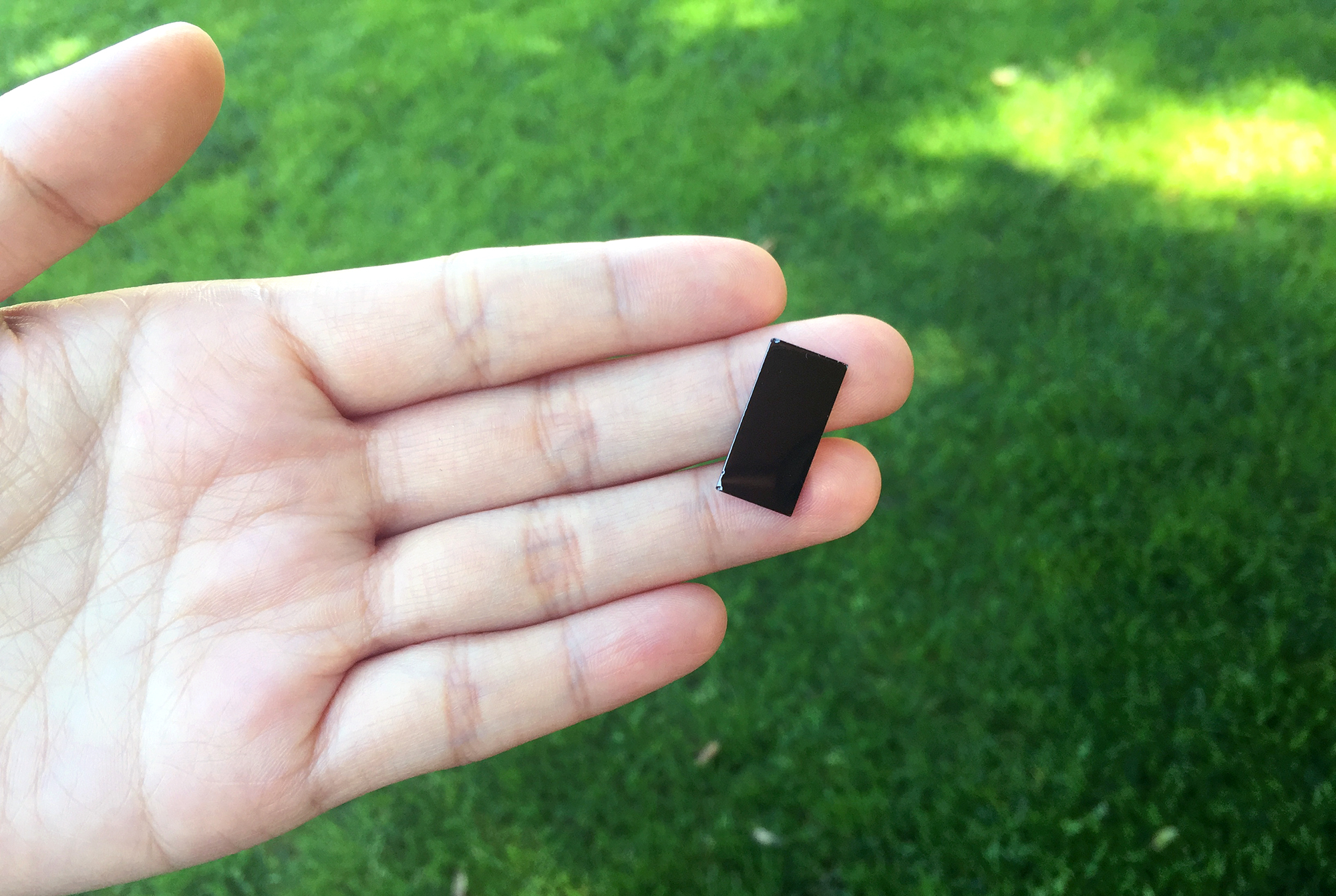
Back in 1952, rations included not one but TWO types of cigarettes.

If you need some evidence to prove how far military food rations have come, we have just the thing. In the YouTube video below, host Steve1989 unboxes an extremely valuable mint-condition food packet from 1952. Unboxing this time capsule in a tin shows all the contents, and Steve then proceeds to taste-test some 64-year-old cookies—don’t try that part at home.

Here’s a recap of the contents:

  • Date cookie bars
  • “Cocoanut” cookie bars
  • Apple cookie bars
  • Sweet chocolate bars
  • Jelly bar
  • Chicks candy-coated chewing gum
  • Phillip Morris cigarettes
  • Camel cigarettes
  • Matches
  • Bouillon powder packets
  • Coffee and tea packets
  • Sugar cubes
  • Waterproof plastic bag
  • 8-page survival manual

Food Packet 1952 MRE 1

We’ll admit we cringed a little seeing Steve consume crumbling, ancient ration bars. Still, it’s pretty interesting to put our modern MREs into historical perspective. We’d take modern beef stew in a plastic pouch over chalky food bars any day of the week. Even if smokers miss the free cigarettes, it’s hard to deny that survival food has clearly come a long way in the last six decades.

If this sort of thing interests you, Steve has dozens of other vintage military ration videos to watch. Check them out here.

Learn to Love Backpacking in the Rain

0

Rainy weather can be a real drag—but only if you let it. On one hand, if you’re in a cotton t-shirt, jeans, and flip-flops, you’re going to be drenched and uncomfortable. On the other hand, with the right level of preparedness, gear, and mindset, being outside in the rain can actually be a fun experience. You just need to think ahead and make a point to be ready.

Backpacking in the rain 1

Dave Collins of CleverHiker.com posted a video on YouTube titled, “Learn to Love Backpacking in the Rain”. This 9-minute video is packed with helpful tips about staying warm and dry. However, Dave also recognizes that there are some cases where it’s OK to get a little wet. For example, wearing thick rain pants and heavy waterproof boots can slow you down and trap sweat against your skin.

One point in this video that we’d take issue with is the suggestion to wear damp wool socks for multiple days. If possible, you should always dry out your socks, or at least ensure your feet can air-dry thoroughly overnight. Keeping your feet in a constantly damp environment can lead to pruning, blistering, cracking, or even trench foot (which can develop in as few as 13 hours).

Backpacking in the rain 4

The most important point that Dave makes in this video is to keep a positive mental attitude. This decision can make the difference between being miserable and actually enjoying your time outdoors—regardless of what Mother Nature has in store.

Infographic: 12 Tips for Sleeping Outdoors

0

In a survival or bug-out situation, you won’t have access to a nice cushy king-size mattress and a roof over your head, unless you’re lucky enough to bug out in an RV. Realistically, you probably won’t even have access to a tent, since they can be too heavy or bulky for most bug-out bags. So, it’s fairly likely you’ll end up sleeping under the stars—not that there’s anything wrong with that.

Few of us
Few of us have access to this sort of bug-out setup.

When you’re sleeping outside, it may be difficult to get a good night’s rest, especially if you’re unprepared for the challenges this poses. Fortunately, Therm-a-Rest has composed this useful infographic that shows 12 tips for sleeping outdoors. Some are more obvious than others, but if you combine all of them, you should be able to get some proper shut-eye and awake feeling refreshed.

Tips for sleeping outdoors 1

Tips for sleeping outdoors 2

Tiring yourself out shouldn’t be a problem, unless you’re really doing something wrong. However, we like the tips about regulating your temperature by wearing a hat, sleeping in a light base layer of clothes, and giving your sleeping bag time to expand after unrolling. Choosing a flat campsite also makes a substantial difference.

If you’re looking for a lightweight alternative to lugging around a tent or sleeping on the ground, check out our previous articles on hammock camping. A hammock is fast to set up, only weighs a few pounds, and can be stuffed into your bug-out bag with relative ease. Of course, hammock camping brings its own difficulties, too—read more about how to sleep well in a hammock here.

Looking Back: Gamo Acquired Daisy

0

Even if you’re not into airguns, you’ll surely have heard of the famous Red Ryder. Introduced by Daisy Outdoor Products in spring of 1940, this airgun mimics the iconic lever-action Winchester rifle, and has been featured numerous times in comic books, TV shows, and movies. Most memorably, Ralphie Parker dreams of getting a Red Ryder in the film A Christmas Story.

This airgun is still produced by Daisy today, along with many other rifles, pistols, bows, and slingshots. In fact, the company is claimed to be the world’s oldest and largest manufacturer of airguns.

Gamo Daisy air guns 2
The modern iteration of the Daisy Red Ryder air rifle hasn’t changed much cosmetically.

On the other side of the equation, we have Gamo, a company that has been manufacturing precision airguns for over 50 years. Gamo produces some cutting-edge rifles, like the Whisper Fusion Mach 1 we previously wrote about. The company also manufactures pistols, ammunition, optics, and even metal detectors.

Gamo Whisper Fusion Magnum air rifle 2

Recently, a groundbreaking announcement was made to the media: GAMO has acquired Daisy. These two titans in the airgun world will be joining forces.

Gamo Daisy air guns 4

In a press release, Gamo Outdoor USA president Keith Higginbotham stated, “We believe this to be a great relationship with complementary brands. Gamo’s roots run deep in the outdoors, while Daisy is a part of Americana. We both share a passion for the shooting sports and are excited for the future, with a vision to grow the Daisy brand and recreational shooting for generations to come.”

For more information on these two brands, visit GamoUSA.com or Daisy.com.

Armadillos and Leprosy: The Health Risk of These Scaly Critters

0

In a survival situation, it’s well-known that food sources tend to become scarce, especially those that are popular among the masses. When grocery stores run out of meat, farm animals have all been slaughtered, and wild animals such as deer become scarce, survivalists may turn to less conventional sources of protein. Insects, rodents, oppossums, and reptiles suddenly become fair game when no other options are left.

Armadillo leprosy 3
A wood-cut illustration of an armadillo, circa 1658. Source: Wikipedia

During the Great Depression, starving families in Texas were known to hunt one particularly strange-looking creature—the armadillo. This armor-plated mammal became known as the “Hoover Hog” due to its pork-like taste and citizens’ disdain for then-president Herbert Hoover. The armadillo even went on to become the state small mammal of Texas in 1995, despite being viewed as a pest by many residents.

armadillo tail

However, due to scientific advances, we now know something that we didn’t back in the Great Depression. In a strange twist of biology, armadillos are the only other mammal known to carry leprosy. This disfiguring disease, also called Hansen’s disease, is caused by a form of bacteria that attacks the nerves, respiratory tract, skin, and eyes.

A 2011 study by the New England Journal of Medicine indicated that “armadillos are a large natural reservoir of M. leprae [leprosy-causing bacteria]” and that “wild armadillos and many patients in the southern United States are infected with the same strain.” This finding rang true in 2015, when nine cases of the rare disease popped up in Florida, and all patients reported coming into direct contact with armadillos.

Armadillo leprosy 2

Leprosy is generally considered rare, since about 95 percent of humans are immune. Also, many experts consider the risk of contracting the disease from an armadillo to be minimal. However, as seen by the Florida incident last year, these animals certainly still pose a health risk, especially if handled without proper care or if eaten when under-cooked.

So, if you ever find yourself in a survival situation, you may want to think twice about eating an armadillo. Even though it’s likely you’d remain healthy, there’s still a chance this unassuming critter could infect you with one of the most infamously horrifying diseases on earth.

Nobody wants to end up as a leper, especially in a scenario where no medical treatment is available.

Survival Scenarios: Flashlight or Firearm?

0

Welcome to another entry of Survival Scenarios, where we ask you how you’d handle a difficult choice in a hypothetical survival situation. Previously, we asked whether you’d go barefoot in order to keep your bug-out bag, and also whether you’d rather be adrift at sea or stranded in the barren desert. Today we’ll be posing another difficult survival choice, and asking your opinion in a poll at the end of this article.

How would you rather survive for one week: with a loaded handgun and no light source, or with a flashlight and no dedicated weapon?

Firearm or flashlight night alley

You may think this sounds like an easy choice, but don’t jump to conclusions just yet. Before you answer, we’ll provide some more information on the circumstances. As with previous Survival Scenarios, in either case, you’ll need to survive for 7 days (and nights), and you’ll be alone.

The Location

Firearm or flashlight seattle day
When the weather is clear, the Seattle area can be beautiful. However, it’s also notorious for heavy rain.

You will be surviving on the suburban streets of Everett, Washington, just north of Seattle. Our scenario takes place in December, so there only will be approximately 8 hours of usable natural light each day. The remaining 16 hours will be twilight or total darkness.

Firearm or flashlight seattle at night
During the short days of winter, residents of the northwest rely heavily on the power grid to provide light.

Also, even if you’ve never visited the Seattle area, you’ll surely know its reputation for rain and inclement weather. In this scenario, that reputation will be taking full effect, as a major rainstorm has been drenching the region for days. Even when the rainfall lets up briefly, the skies remain gloomy and dark grey. Widespread flooding and power outages have begun to affect much of the Everett area, and the storm appears to be rapidly getting worse.

Firearm or flashlight water fog

December is also typically the coldest month in coastal Washington, so temperatures will be hovering in the mid-40s during the day, and dropping to the mid-30s at night (plus wind chill). It’s not snowing, but it’s still freezing cold, windy, and wet outside.

The Setup

It’s 3:30pm and your flight just landed at SEA-TAC airport. As a result of the weather, it was a rough landing, but you’re relieved to be on the ground.

Firearm or flashlight clouds

You’ll be in town all week for a business conference, which is located just north of Seattle. Your stingy employer didn’t want to spend extra to get you a hotel room in the city, so they got you a cheap sub-compact rental car and booked a hotel room in Everett. It’s over 20 miles from the conference venue, but they were able to save a few bucks on T&E—figures.

After grabbing your luggage from the baggage carousel, you check in with an apathetic employee at the rental car desk, and head out to find your car. Stepping out into the damp parking structure, you notice it’s already getting dark, and it’s not even 4:00 yet. A raincoat-clad woman directs you to your rental car, cautioning you about the incoming weather, and you drive away into the rain.

Firearm or flashlight water raindrops

On the freeway, your rental car is buffeted by sheets of driving rain. At this point, you’re navigating more by your phone’s GPS app than by road signs, since visibility is minimal. After a nerve-racking 40-minute drive, you eventually exit the freeway, which is practically devoid of vehicles at this point. After a few empty blocks, you notice the street lights are out and the water level on the road keeps getting deeper.

Firearm or flashlight water flooding 2v2

You enter an intersection, planning to turn around, only to feel your rental car’s engine sputter and stall. The headlamps and dashboard lights cut out, leaving you stranded in darkness, with only the sound of rain hammering your windshield and roof. You realize you need to get out of here, and the car certainly isn’t going anywhere under its own power.

Opening the car door, you watch as water rushes in around your ankles. That can’t be good. You step out of the car, and slosh through knee-deep water in the twilight to unlock the trunk. Lifting your luggage under one arm, you wade to the side of the road, and climb onto an elevated brick wall to evaluate your situation. It’s still pouring rain, your cell phone battery is nearly dead, and you haven’t seen anyone else on the road for several miles.

Worst of all, you’re stuck in unfamiliar surroundings at night, and you’re not sure how to get to your hotel—which is probably already flooded like the other nearby buildings.

The Decision

Firearm or flashlight water flooding

In this survival situation, you’re left with the following resources:

  • The clothes on your back—jeans, a long-sleeved shirt, a pullover jacket, a light raincoat, and some high-top boots (thoroughly soaked)
  • Your nearly-dead cell phone (now showing “No Signal”), rental car keys, a pen, and about $100 cash in your wallet
  • In your suitcase: several sets of dress clothes, a toiletries kit, phone wall charger, and a laptop

None of these items will do you much good at this point. However, there’s one thing in your suitcase that will help:

Firearm or flashlight

One way or another, you’re going to have to find your way to somewhere dry, and weather the storm. With the current state of your surroundings, and what you heard of the weather forecast earlier, you could easily be stuck here for days.

The Firearm

On one hand, the concealed pistol will provide immediate security. Wandering dark and unfamiliar streets in a flood zone is dangerous enough on its own, not to mention the risk of looters and opportunistic criminals noticing your presence. You recall reading that this area has a moderate violent crime rate, but theft is a major problem in some parts of town, and there’s a substantial homeless population.

handgun-in-holster

However, if you choose the firearm, you’ll find that you left your flashlight at home. Target acquisition at night will be nearly impossible without a light source, and the power appears to be out for miles in all directions. No streetlights, and virtually no moonlight due to thick cloud cover. You’d be flying mostly blind, but at least you’d be able to protect yourself with deadly force if it came down to it.

The firearm will certainly be more useful during the daylight hours, but remember that those 8 hours pass quickly at this time of year.

The Flashlight

On the other hand, a flashlight will provide an immediate advantage for navigating to a safer location. If you can wade through the flood waters for a few blocks, you might be able to find a safer spot to hole up for the night.

The flashlight will almost certainly draw the attention of anyone nearby, for better or worse. If that individual is friendly, they may be able to help you to safety. Then again, if that individual has less benevolent intentions, you’ll be forced to defend yourself as best you can.

In a confrontation, the light can temporarily disorient attackers, or can be used as a striking implement up close. It’s certainly better than fighting with your bare hands, but it’s not nearly as effective as a gun would be. Physical confrontation may seem unlikely, but there’s no telling what could happen if a desperate person sees you as a vulnerable tourist.

So, make your choice of either flashlight or firearm in the poll below, and feel free to justify your decision in the comments section.


Survival Scenarios is a recurring feature on OFFGRIDweb.com, and will ask you to make a difficult choice between two or more hypothetical situations.

We don’t just want you to read our posts silently—we want to hear what you have to say. That’s why we’re working hard to provide more interactive content like quizzes, polls, and giveaways. Got any suggestions? Post them in the comments below, or head over to our Facebook page.

Primitive Technology: How to Build a Grass Hut

0

Most people have a favorite TV show or series—one that makes them eagerly anticipate the release of each new episode. As survivalists, this is the sort of excitement we feel every time Primitive Technology releases a new bushcraft video. This Australia-based YouTube channel only contains 18 videos, which may not seem like a lot, but watch one and you’ll quickly realize it’s focused on quality over quantity.

Primitive technology build a grass hut 1

In his latest video, the host of Primitive Technology builds a grass hut using nothing but sticks, rocks, vines, and (of course) grass. It’s truly impressive to see something so effective built from such simple materials, and it speaks volumes about the host’s craftsmanship. We also appreciate that these videos don’t have any unnecessary voice-overs or music—just the sounds of the wind and primitive tools.

Primitive technology build a grass hut 3

This sort of improvised shelter would work well in warmer areas, and its stacks of grass shingles will shed water in case of a sudden rain storm. The host also built a removable roof section, which would permit the use of a small fire inside the 8-foot by 8-foot shelter.

Check out the video below:

If you haven’t already been following the Primitive Technology YouTube channel, we’d encourage you to go check it out. But, be warned—it’s easy to binge-watch.