Paracord

This article was originally published in Issue 1 of our magazine.

If you’ve spent any amount of time looking into and buying emergency supplies, you’ll eventually run into this amazing stuff called paracord. Sold in many strengths, lengths, and colors, paracord is often fashioned into items such as bracelets and key chains or wrapped around the handles of knives and even sold as-is in bundle form. It’s even become a basis for arts and crafts items for some. From the outside, paracord looks like the kind of shoelace you’d find on a hiking boot, but make no mistake, paracord is much more than that.

What is Paracord?

Paracord, also known as parachute cord or accessory cord, started out as a lightweight nylon kernmantle rope used in the suspension lines of U.S. parachutes during World War II. It was found quite useful in the field for many applications such as securing equipment, making pace counters to estimate ground covered during land navigation, and even temporary makeshift rifle slings.

Paracord is constructed out of layers of braided nylon fibers contained in a woven sheath. It comes in many rated strengths, called types, and its uses are only limited by your imagination. The most popular version is Type III, which is rated at a minimum breaking strength of 550 pounds and is commonly called 550 cord. When the outer sheath of the cord is removed, the fine yarns of the core, also known as guts, can be used to sew things together or as fishing line in survival situations. Paracord’s uses are so widespread that it was even used by Space Shuttle astronauts to repair the Hubble Space Telescope.

Mil-spec vs. Commercial Grade

Paracord is available in two grades, either Mil-spec or commercial. Mil-spec paracord is made to meet or surpass U.S. military specifications. Given that U.S. military ratings lean toward the conservative side of the scale, each type of paracord will probably exceed its Mil-spec-rated breaking strength. This gives the user greater peace of mind in the tensile strength of the cord. Mil-spec MIL-C-5040 Type III is the U.S. military designation for Type III, the most popular type of cord, and is the most commonly used paracord on the market. Commercial-grade paracord that is listed as Type III is generally made with the same materials and specifications as the Mil-spec version. Other commercial grades are also available outside of the official Mil-spec types.
Mil-spec Types

U.S. military specifications rate paracord breaking strength to six types ranging from Type I at 95 pounds all the way to Type IV at 750 pounds. Interestingly, there are no overall diameter requirements for the cord itself, although Type III usually measures 5⁄32-inch in diameter.commercial-350-lbs-rated-paracord

1. Commercial 350lb-rated paracordcommercial-550-lbs-rated-paracord
2. Commercial 550lb-rated paracordmil-spec-type-iii-paracord
3. Mil-spec Type III paracord

Imitation Mil-spec Cord

Be aware that there is paracord on the market that is marked as Type III or 550 cord, but are not actually made to Mil-spec. This non-Mil-spec Type III cord is often very strong, but it may not have seven to nine strands in the core as is mandated by military specification and might be made with less and smaller strands, which means decreased strength and reliability. Strands from imitation 550 cord may also be constructed with materials other than nylon. Other than cutting cord open to count the core strands, it is near impossible to figure out if a particular cord is true Type III or not by only looking at it. For this reason, we recommend purchasing paracord from trusted companies and retailers.

TYPEMINIMUM BREAKING STRENGTHMINIMUM LENGTH PER POUNDMINIMUM LENGTH PER OUNCECORE YARNSSHEATH STRUCTURE
I95 lbs950 ft59.375 ft4 to 732/1 or 16/2
IA100 lbs1,050 ft65.625 ftNo Core16/1
II400 lbs265 ft16.563 ft4 to 732/1 or 36/1
IIA225 lbs495 ft30.938 ftNo Core32/1 or 36/1
III550 lbs225 ft14.063 ft7 to 932/1 or 36/1
IV750 lbs165 ft12.692 ft1132/1, 36/1, or 44/1

10 Impromptu Uses for Paracord

The uses for 550 cord are endless and only stop at the imagination. Although it may be strong, it should not be used support someone’s bodyweight, unless it is a life or death situation and no other options are available. In this case, multiple cords should be used to help distribute the person’s weight.

1. Tent and pole support, building shelters

paracord-used-as-clothesline
2. Clothesline

3. Wrap around grips and handles for better control

4. Tarp tie-down

paracord-used-to-secure-bundle-to-backpack
5. Strap, bundle, fasten, lash, and secure gear to backpack

6. Makeshift tourniquet

7. Hang food bags away from animals

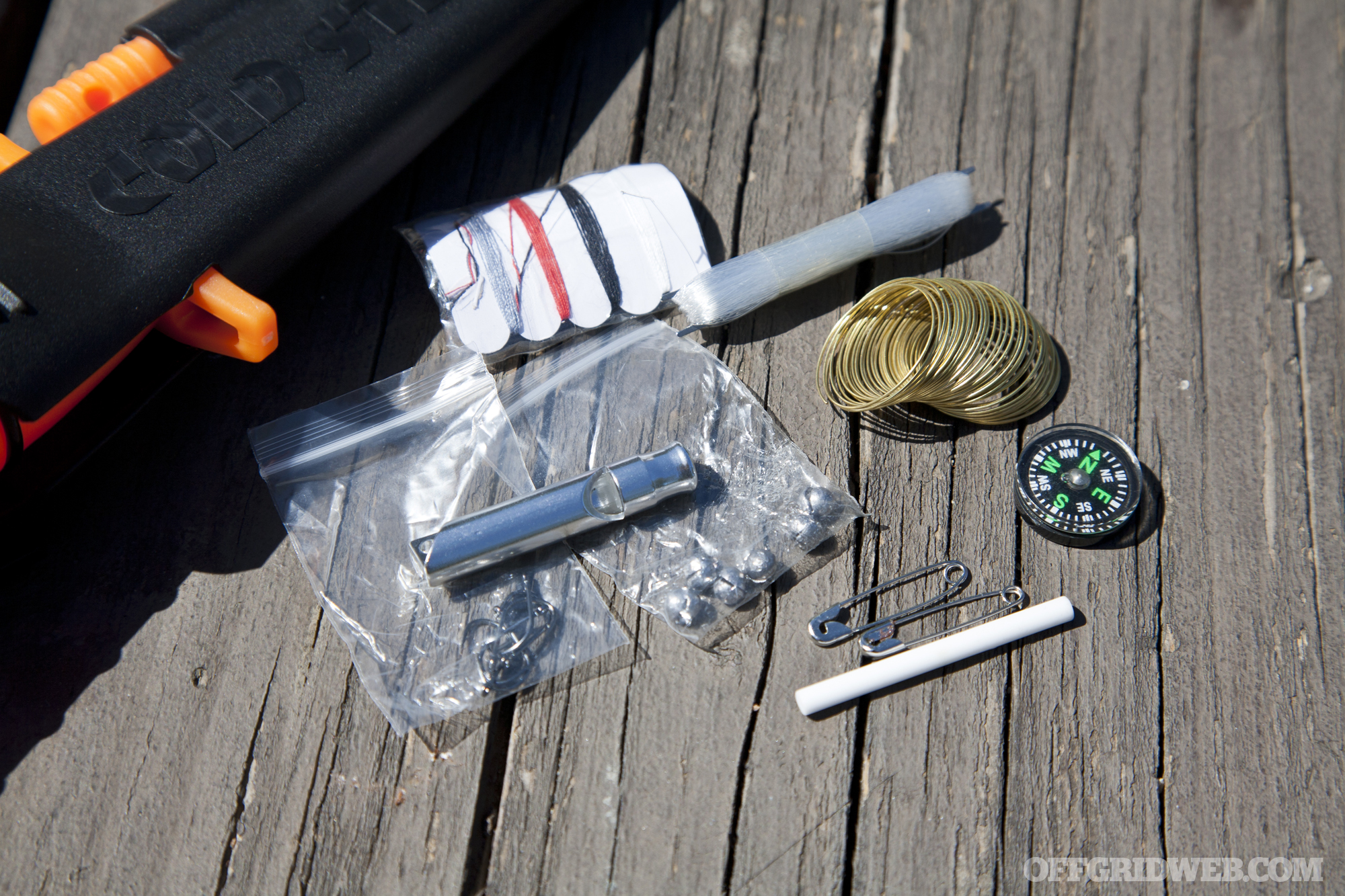
8. Inner strands for sewing, fishing line, trapping and snares, dental floss, emergency stitches (boil first)

9. Replace a broken zipper pull

10. Make a firearm barrel-cleaning snakeparacord-used-as-makeshift-tourniquet

Amazing Paracord

  • Bison Designs Monkey Fist Zipper Pulls

    Make & Model - Bison Designs Monkey Fist Zipper Pulls
    Length - 13 in
    Colors - Various
    Features - Keep a length of paracord wherever you have a zipper by attaching this zipper pull. The Monkey Fist design also helps for easier zipping with gloved hands.
    MSRP - $7.50 (for two)
    URL - http://www.bisondesigns.com

    Keep a length of paracord wherever you have a zipper by attaching this zipper pull. The Monkey Fist design also helps for easier zipping with gloved hands.

  • Bison Designs Survival Pod

    Make & Model - Bison Designs Survival Pod
    Length - Two pieces at 2 ft
    Colors - Orange (shown), Black
    Features - This amazing key fob holds two 2-foot pieces of 550 Paracord, 1-inch Sharp Eye hidden knife with sheath, 1-inch fire stick flint, 6 inches of Jute Firestarter/Tinder, 3-inch strip of duct tape, all hanging on a convenient zipper pull and key ring. On top of all that, a portion of the purchase of the Survival Pod goes to a charity of your choice.
    MSRP - $15
    URL - http://www.bisondesigns.com

    This amazing key fob holds two 2-foot pieces of 550 Paracord, 1-inch Sharp Eye hidden knife with sheath, 1-inch fire stick flint, 6 inches of Jute Firestarter/Tinder, 3-inch strip of duct tape, all hanging on a convenient zipper pull and key ring.

  • CRKT Onion Survival Para-Saw

    Make & Model - CRKT Onion Survival Para-Saw
    Length - 8 to 9 ft
    Colors - Tan (shown), Black, Green
    Features - When unraveled, this survival bracelet reveals 8 to 9 feet (depending on size) of paracord and a plastic encased, tungsten carbide-coated wire saw at its core.
    MSRP - $24.99
    URL - http://www.crkt.com

    When unraveled, this survival bracelet reveals 8 to 9 feet (depending on size) of paracord and a plastic encased, tungsten carbide-coated wire saw at its core.

  • Liberty Mountain LM Para-Cord

    Make & Model - Liberty Mountain LM Para-Cord
    Length - 50 ft
    Colors - Various
    Features - This high-strength, commercial accessory cord features kernmantle construction that gives low stretch with a 350-pound strength rating and is perfect for many uses.
    MSRP - $4.99
    URL - http://www.libertymountain.com

    This high-strength, commercial accessory cord features kernmantle construction that gives low stretch with a 350-pound strength rating and is perfect for many uses.

  • Sterling Rope 550 Parachute Cord

    Make & Model - Sterling Rope 550 Parachute Cord
    Length - 50 ft
    Colors - Orange (shown), Black, Blue, Olive Drab
    Features - Sterling Rope 550 cord is made to Mil-spec Type III specifications complete with seven-strand inner core.
    MSRP - $5.80
    URL - http://www.sterlingrope.com

    Sterling Rope 550 cord is made to Mil-spec Type III specifications complete with seven-strand inner core.


Daniel Defense 300BLK: Subsonic Ammo for Home Defense

Even if you’re not a firearms expert, it’s easy to recognize that a quality gun is nothing without quality ammunition. Just like you wouldn’t try to run a Formula 1 race car on crude oil, you shouldn’t cheap out when it comes to loading your firearm—especially when those very bullets are putting food on your table, or are the only thing between you and an armed criminal.

Daniel Defense 300BLK subsonic ammo 2

With this in mind, Daniel Defense has released new line of ammunition known as First Choice. This First Choice ammo is designed under the same rigorous standards of quality Daniel Defense applies to their weapons, so you know it can depend on it. The first caliber to launch under this new line is 300BLK, also known as 300 AAC Blackout or 7.62x35mm.

For those not familiar, 300BLK is a cartridge designed for use with AR-15 platform rifles, and it achieves similar ballistics to the Soviet 7.62x39mm commonly used in the iconic AK-47. However, the advantage of 300BLK is that it can easily fit into standard AR-15 magazines while retaining their normal capacity.

Daniel Defense’s new 300BLK ammo is also subsonic, which has the added benefit of eliminating the loud crack exhibited by a supersonic bullet traveling downrange. This yields excellent noise reduction for personal- and home-defense scenarios, as well as hunting applications, making it an ideal choice for survivalists.

As we mentioned earlier, this new ammunition is manufactured using the highest-quality components available, with durable brass cases and precision 220-grain Lapua-Scenar-L OTM bullets. Finally, every round is stamped with a “DD” emblem and undergoes a critical inspection before leaving the factory. The Daniels’ long standing philosophy applies: “If it’s not perfect, it doesn’t go to market.”

The new Daniel Defense 300BLK ammo retails for $50 for a 30-round box, and can be purchased directly at DanielDefense.com. Free shipping is included with any purchase of four boxes (one case) or more.


Looking Back: CRKT Forged by War

Back in 2013, CRKT staff had a conversation with tomahawk designer Ryan Johnson, of RMJ Tactical. During this conversation, Ryan brought up the fact that he had been working alongside combat veterans, many of whom were struggling with the difficult effects of PTSD. To overcome this condition, Ryan was helping these veterans learn to design and forge custom tools and bladed weapons.

CRKT Forged by War knives 2

Elmer Roush, a Vietnam vet, designed the new CRKT Birler tactical axe.

After hearing about this worthy endeavor, CRKT decided to take it one step further, and launch a program called Forged By War. Under this program, CRKT is encouraging combat veterans from various backgrounds to create tools they wish were available on the battlefield. The first three tool designs are now being mass-produced by CRKT for the public—and better yet, 10% of the net profits will be donated to charities of the veterans’ choice.

CRKT Forged by War knives 3

Darrin Sirois with his creation, the dual-edged Sangrador dagger.

The first tool in the Forged By War collection is called the Clever Girl, and was designed by Austin McGlaun, a U.S. Army veteran who served in the Iraq war. The Clever Girl is a fixed-blade tactical knife with a Persian-style upswept blade, G10 handle scales, and MOLLE-compatible sheath. It is sold at an MSRP of $125, with 10% of the profits going to the Green Beret Foundation.

CRKT Forged by War knives 1

Austin McGlaun shows off his new Clever Girl blade, available now through CRKT.

The second tool CRKT is now producing is called the Sangrador, which means “bleeder” in Latin. It was designed by Darrin Sirois, a U.S. Army Special Operations veteran who served numerous tours in Panama, Desert Storm, the Balkans, Bosnia, Afghanistan, and Iraq. The Sangrador is a 5.5-inch dual-edge dagger with Veff serrations and a G10 handle. This knife is available for an MSRP of $150, with 10% of profits donated to Purple Heart Homes.

Finally, blacksmith and U.S. Air Force Vietnam veteran Elmer Roush designed a tactical pack axe known as the Birler. This compact axe features a stout hickory handle and a head forged from tough 1055 carbon steel. Elmer’s axe design will be available soon for an MSRP of $90, and 10% of its profits will go to the Green Beret Foundation.

We wholeheartedly support what CRKT is doing with the Forged By War program—not only because it supports veterans and charities, but also because it launches practical and effective new blade designs inspired by actual combat. How’s that for a win-win scenario?

For more information on the CRKT Forged By War program and these three blades, visit CRKT.com/forged-by-war.


Futuristic Survival: Solar-Powered Floating Buildings

If you’re looking to bug out as far from human civilization as possible, heading out onto the water is a good way to do so. Our planet’s surface is 71% water, meaning that virtually all human population is confined to the remaining 29% land mass. So, finding creative new ways to live on the surface of a large body of water definitely makes sense.

Solar powered floating buildings 1

The “Exbury Egg” is made entirely of molded plywood and timber.

Recently, several architects have developed concepts for buildings that not only float, but can also produce their own electricity through solar power. These structures can be towed behind boats, anchored at sea, or tethered to the shoreline of a lake or river.

The Exbury Egg's interior is spartan but comfortable.

The Exbury Egg’s interior is spartan but comfortable.

The Exbury Egg seen above was lived in by British artist and co-designer Stephen Turner for a full year. It features a small solar charger for Turner’s laptop and camera, as well as a hammock, cooking area, desk, and bathroom with shower.

Solar powered floating buildings 3

This floating island resort was designed by Michele Puzzolante.

Other designs include the 6-person floating resort concept seen above. It could accommodate up to 6 guests, and would also include an underwater observation room and on-deck Jacuzzi.

The EcoFloLife Waternest below was designed by Giancarlo Zema, and offers a 1,000 square-foot interior with a solar panel roof.

Solar powered floating buildings 2

The EcoFloLife Waternest, designed by Giancarlo Zema.

For even more examples of self-contained and solar-powered floating buildings, check out this article from Inhabitat.

So, do you think floating buildings are a viable option for survival? Would you ever consider living in one of these futuristic structures? Let us know in the comments below.


Plant Lamps: Miniature Gardening Without Sunlight

When you’re “bugging-in” or hunkering down in one location for extended periods of time, it quickly becomes necessary to find sustainable food sources. No matter how many supplies you’ve stockpiled, if you can’t leave your home, you’re going to run out eventually.

In many cases, this means raising livestock or small-scale farming, but these methods aren’t possible in a dense urban environment. If you’re living in a small apartment or windowless basement, there’s often not enough space, airflow, or sunlight to grow large plants.

Mygdal plantlight terrariums 2

A group called Studio We Love Eames has developed a product called the Mygdal Plant Lamp specifically for windowless rooms. It’s essentially a unique take on the idea of a sealed terrarium, which is an enclosed glass jar that contains living plant in a tiny ecosystem.

The Plantlamp is hand-blown from glass, then placed into a clay mold.

The Plantlamp is hand-blown from glass, then placed into a clay mold.

The terrarium ecosystem requires no human intervention once it’s set up—just add a small plant and some soil, water it once, and seal the jar. Amazingly, the plant inside can recycle its own water for years or even decades, as long as it has a steady light source.

The clay mold is hand-sculpted and helps the lamp take shape.

The clay mold is hand-sculpted and helps the lamp take shape.

Now, here’s where the plant lamp comes in. The Mygdal device has a low-power LED light source at the top of the jar, which mimics the sun and allows plants to perform photosynthesis. As long as you’ve got a source for electricity (even battery packs, a generator, or remote solar panels outside the room) the plant will continue to grow for years. You don’t even need to water it repeatedly.

Of course, if you run out of electricity sources, you can always set the terrarium somewhere where it can soak up sunlight naturally.

Mygdal plantlight terrariums 3

The tabletop version of the Plantlamp streams electricity along the glass to LEDs in the lid.

In a bug-in survival setting, this would be ideal for growing small vegetables, fruits, or herbs to supplement your diet. It’s compact, sustainable, and requires almost no resources to grow—just a tiny amount of electricity (or natural sunlight) for a few hours each day. The warm light from the grow lamp also serves as a light source for your room.

Here are a few examples of food sources that sealed terrariums like the plant lamp can support:

  • Herbs (thyme, mint, sage, oregano, chives, rosemary, dill)
  • Dwarf fruit varieties (dwarf blueberries, pineapples, plums, and pomegranates)
  • Creeping figs
  • Small tomatoes, such as Tiny Tim, Pixie, and Patio varieties
  • Edible fiddlehead ferns

Mygdal plantlight terrariums 1

Obviously, the lamps can also support inedible plants and flowers. No matter what plant you use, it will have the additional benefit of acting as a morale booster, since watching a plant grow over time can help you keep a positive mental state.

For more information on the Mygdal Plantlamps, visit Studio We Love Eames on Facebook.


Make a Custom Karambit Knife from a Wrench

In our past discussions about improvised weaponry, we’ve said that we always appreciate the ingenuity that goes into creating a handmade weapon—especially if the materials you’re using were never intended for that purpose. Today, we came across a video that shows yet another example of impressively unique weapon-crafting.

An ordinary 21mm box end wrench serves as the base for this weapon.

An ordinary 21mm box end wrench serves as the base for this weapon.

In this 16-minute video from ZNA Productions, the host and amateur blacksmith creates a curved karambit knife from a wrench. Not only is this cool to see from a creative standpoint, but we could see this skill coming in useful in an urban survival scenario. Admittedly, it would take much longer using only hand tools, instead of a hairdryer forge, power belt sander, a dremel—but it would still be possible.

Custom Karambit from a Wrench 3

The wrench was superheated in a hairdryer-powered improvised forge.

By the host’s own admission, it was a bit of an experiment, and it didn’t turn out perfect. However, the result is impressive considering his relative lack of experience and simple assortment of tools. It’s also encouraging to those of us who don’t have formal training in this field.

We’d actually love to see a whole series of hardware store weaponry videos—a crowbar sword, padlock flail, chisel spear, and so on. It’s always good to be thinking about the ordinary items you could re-purpose in a pinch.


Streamlight Stylus Pro 360 Flashlight/Lantern

Have you ever tried to find something in a pitch black room using a flashlight? You’ll end up turning back and forth, constantly re-aiming the light to match your field of view. Flashlights are great for directed, focused illumination, such as aiming ahead while you walk down a path. However, in a dark room scenario, the narrow patch of light they produce makes things difficult.

Sure, you could use a temporary fix like the water bottle diffusion technique, but that requires additional gear. What you really need for these scenarios is a lantern, which scatters light in a 360-degree radius throughout the room. This allows you to think less about where you’re aiming your hand, and more about finding what you’re searching for.

Streamlight Stylus Pro 360 flashlight 3

Ingeniously, Streamlight has developed a flashlight that accomplishes the tasks of both directed and diffuse light. Even better, it’s about the size of a pen, and fits easily into your pocket. It’s called the Streamlight Stylus Pro 360, and it’s a new variant in the company’s popular Stylus series of lights.

Streamlight Stylus Pro 360 flashlight 4

The key to the Stylus Pro 360 is its sliding bezel. In normal position, the flashlight works just as you’d expect, but if you slide the bezel forward, it reveals a secondary polycarbonate cylinder that provides 360 degrees of illumination. There’s also a bell-shaped rubber sleeve on the flashlight’s base, so it can stand upright on a flat surface like a desk, table, or car hood.

Streamlight Stylus Pro 360 flashlight 2

Here are the rest of the Streamlight Stylus Pro 360’s specs:

  • C4 LED produces 65 lumens; 430 candela; 41m beam; runs 6.5 hours
  • Uses 2 AAA batteries (included)
  • Durable, anodized aluminum construction; IPX4 water resistant
  • Push button tail switch, momentary or “constant on” operation
  • Includes removable pocket clip, lanyard and tear resistant nylon holster
  • 5.9 in. (150 mm); 1.9 oz. (53.8 grams) with batteries
  • Limited lifetime warranty
  • $45 MSRP

For more information on the new Stylus Pro 360, visit Streamlight.com.


20 Years of Major Natural Disasters

This article was originally published in Issue 2 of our magazine.

No matter where you live, natural disasters strike wherever and whenever they feel like it. When they do, don’t get caught flat-footed — be ready for anything that could happen. The best way to prepare for an impending disaster is to know what type of disasters occur in your area.

Here’s a map of major natural disasters that have occurred in the United States over 20 years between 1992 and 2012. Of course, in addition to these major disasters, there are numerous other disasters that have happened.

Keep Informed

For helpful tips on disaster preparedness for everything including drought, flooding, earthquakes, hurricanes, tornadoes, chemical spills, fires, volcanoes, and more, take a look at these government resources:

20-years-of-natural-disasters


Raging Waters

“When torrential water tosses boulders, it is because of its momentum. When the hawk breaks the body of its prey, it is because of timing,” wrote Chinese philosopher Sun Tzu.

Writing allegorically about opposing forces, the author of The Art of War continues to offer ageless lessons for surviving widespread threats driven by flooding, the greatest weather-related cause of drowning deaths throughout the United States and the world. Whether it’s around your home or hits when you’re traveling on vacation, floods can happen in any terrain — coastal areas, mountain river valleys, or urban cityscapes.

By understanding the nature of water’s awesome momentum, and by learning to accurately gauge the timing of ever-changing flood speed conditions, OG readers can learn to adapt to a deceptive killer that destroys without regard for property or life.

Water Recognition

The first key in developing your own flood philosophy is to trust your eyes and judgment, recognizing the constantly changing reality before you and taking action.

Unlike the threat posed by terrorists, government emergency management officials have no problem defining flooding as the intrusion of water into historically dry areas. The form this takes can be broken down in several flooding challenges, depths, flows, and longevity depending on the season, topography, and infrastructure of the region and population density. Hazards include contamination of drinking water, power failures, commercial and governmental system interruption, overwhelmed hospital services, and limited transportation, fuel, and food supplies.

flood-waters-rushing

Don’t become complacent if your neighborhood appears high and dry. Small-scale flash floods and road washouts claimed the lion’s share of flood victims during 2015. Most U.S. flooding deaths this past year were from people attempting to drive or wade through slow-moving waters. Regardless of traffic lights, water will always claim the right of way against cars, trucks, and even trains. “Tossing boulders” is literally true.

As of press time, three major regions throughout the country are still recovering from a brutal series of late 2015 widespread flooding events, each illustrative of the complex dangers:

utah

Utah: One-and-a-half inches of rain in a dry area near the Arizona border triggered a flash flood funneled through a recreational area, sweeping away two vehicles and resulting in the deaths of 12 members of a group who stopped to observe the rising waters. A flash flood warning had been issued hours earlier when the rain struck far upstream.

missouri

Missouri: Like a slow-moving train, a bulge of rainwater rolled down the Mississippi, challenging levies along Cape Girardeau and pulsing through the lowlands, claiming 14 lives, most of them in their vehicles. Four visiting foreign military members were lost near Fort Leonard Wood when their vehicle was swept away on a flooded roadway. Two were found in the vehicle and two downstream.

texas

Texas: The nation’s fourth largest city, Houston, couldn’t soak up almost 3 feet of rain in less than one week. The outcome? Approximately 20,000 evacuees, $1 billion in damages across 28 counties, 20 deaths in Texas and Louisiana (where an additional 3,500 homes were damaged). A record 15 inches of rain was recorded in a single day in Texas on November 1, 2015, causing widespread flooding from a series of tornadoes.

Flood Categories

Flood conditions fall into eight categories, and may combine during storm events, depending on local topography and infrastructure:

Flash Flooding: This typically develops within six hours of the trigger event, causing a rapid rise of water — whether rain-related or by levy failure. This occurrence is especially notorious in the Western United States among the dry, hard-packed arroyos and coulees favored by campers and hikers. A dry, low-lying creek bed may barely trickle at sundown then surge to a raging torrent at night. In older urban areas, concrete spread above substandard storm drains can pool water for days, and multiple storms can compound the flooding with force sufficient to move cars.

River Flooding: The National Weather Service issues minor, moderate, and major flood warnings along areas prone to flooding from overflowing riverbanks caused by heavy rain, dam failures, snowmelt, or obstructions. A record flood is a historical event, often misunderstood in the media, and described as a 100-year event. That doesn’t mean it occurs once a century. Instead, this simply refers to the 1-percent chance that a record flood can occur in any given year.

Burn Scar Floods: In the dry, steep, arid western lands where wildfire burns off protective vegetation, soil properties may prevent rainfall from being absorbed and filtered like normal runoff before entering stream flows. These burn scars can occur anywhere, but are most often associated with the mudflows and debris-strewn storm water runoff once soils become saturated, sloughing off topsoil and placing those downstream at risk of damage or coverage.

Ice Jams or Dams: Rivers, streams, and creeks in the upper USA and Alaska may experience record floods resulting from frozen sections of river forming, breaking up and moving down current, combining with debris to obstruct or restrict flows into a strainer. The stop-and-go effect of these melting jams may also trigger surges or even flash floods downstream when the ice releases. Dangers associated with the unpredictable ice jams include environmental alteration of riverbanks, spreading of flows, and blockage of navigation. Paddlers take heed of these “strainers” (like fallen trees or rebar from broken concrete), which can block objects, but maintain the flow of water — they can pull a canoe sideways or keep you pinned underwater.

Snowmelt: Northern tier states and mountainous regions are most susceptible to snowmelt flooding, though the release can be more predictable when the spring thaw commences. Hunters and fishermen who cross creeks may return to find rivers waiting. Prepare to spend the night or work upstream or downstream until you locate a safe crossing point. Time to break out the contour maps and hope your fanny pack has overnight food and shelter.

Coastal Floods: Cyclones, hurricanes, and tropical storms bring to mind high winds and destruction, yet the highest percentages of deaths are due to flooding, according to emergency management officials. Pacific storms target the Northwest during the May to November hurricane season, while Atlantic storms brew from June through November. Northern coastal areas can get hammered by nor’easters through the winter, driving floods across large coastal areas and inland where the threat of flooding is sometimes unexpected. Gulf Coast storms may track into interior eastern states before flows force the storms into the Atlantic, pounding inland coastal states with bands of rain.

Homeowners newar the coast, and even boaters are at risk during heavy rains when visibility drops and tidal surges combine with a storm tide.

Homeowners near the coast, and even boaters are at risk during heavy rains when visibility drops and tidal surges...

Storm Surge: Coastlines measuring hundreds of miles long can be inundated by storm surge and erosion, washing out familiar roads overnight and putting a nice pothole in your evacuation route. They are also known to chase you well inland, destroying coastal plains neighborhoods, creating mandatory evacuations and trapping those who choose to stay or were unable to get out.

Storm Tide: This increases water levels based on lunar pull, adding 4 feet or more depending on the region. This can increase the dam effect of high waters, trapping flood conditions. If a tidal surge can reach 10, 15, or even 20 feet, the storm tide will make a bad situation worse, and will cycle through on a four-a-day cycle in many Gulf coastal areas. The flow can cause saltwater intrusion within agricultural lands or upland freshwater reservoirs.

Dam Failure: The Federal Emergency Management Agency (FEMA) and national dam inventories identify more than 80,000 dams throughout the United States, with one-third of those posing a “high” or significant threat to life and property if failure occurs. While weather-related events offer some warning period to anticipate and evacuate downstream areas, others may fail with little warning from causes including prolonged rainfall, landslides, earthquakes, or erosion. Human causes include improper maintenance or design, negligent operation, sabotage, and terrorism.

Before the Flood

Acquire Intel: Take advantage of flood mapping information maintained by county, state, and federal offices. However, local knowledge is often best. Talk to the folks in your city works department or at your water management district. Identify your property in relation to flood zones and understand how the area’s warning systems are issued in public service announcements. Also, FEMA publishes a Flood Insurance Rate Map (FIRM) to show locations of low-, moderate-, and high-risk properties. Each year about 25 percent of flood claims come from areas outside of the high-risk area.

Cover Your Assets: Whether you have federal flood insurance through the National Flood Insurance Program or special homeowners or renters policy riders, identify the costs of this and review details of the coverage with your property manager, agent, or attorney. The object is to protect your possessions by documenting the value, descriptions, and serial numbers. Maintain this file electronically and in writing, and keep a copy in a separate location like a safe deposit box. Include photographic inventories of all valuables or video files with oral or written references to times.

If you're bugging in during a flood, keep your family's morale up and your minds occupied with your favorite books. This author prefers books that are both entertaining and provide survival wisdom.

If you’re bugging in during a flood, keep your family’s morale up and your minds occupied with your...

Create a Plan: While everyone’s emergency response will be different, there are some general guidelines one must consider. The big important one is to develop a household flood preparation plan consisting of phased steps (e.g. waiting out a rain event, evacuating, and eventually returning home). Purchase handtools like saws, axes, and shovels. Stock up on items such as rope, empty sandbags, wind screenings, and heavy plastic tarps to deal with flood-related damages. Be sure to include primary and secondary evacuation routes.

Train, Train, Train: Like those fire drills we practiced in grade school, running through your emergency response plan with your loved ones is important. These dry runs should include educating your family about the dangers of driving in flood conditions and of stranger dangers — from “hitchhikers” in distress to looters looking for an easy score. Train accordingly.

Firearms can provide peace of mind, pest control, and the occasional meal. Pictured here are a 10-shot Smith & Wesson 617 revolver, a brick of .22 Short cartridges, a Ruger 10/22 rifle, and a nitrogen-sealed can of Federal .22LR ammo.

Firearms can provide peace of mind, pest control, and the occasional meal. Pictured here are a 10-shot Smith &...

Get Comms: Clearly identify family communication plans and responsibilities, including remote meeting points and staging areas at school, shelters, and offices. Reliance on smartphones could end poorly in the event of widespread disaster, so radios pre-tuned to your family’s station are invaluable.

Stock Up: Any prepper worth his weight in MREs knows that your home should always have a long-term food cache. This should include safe drinking water, as well as sanitation kits for sterilization due to the potential for infection from contaminated flood waters.

Grab a Paddle: Consider storing a canoe capable of ferrying relatives, injured neighbors, or pets to and from safe zones. This investment offers a last-ditch escape route. Equip the canoe with various essentials, such as spare paddles, flotation vests, and lengthy bow and stern lines. If there’s room, pack a bug-out kit that includes buckets, rubber gloves, an emergency alert radio, and hip waders (the more puncture-proof, the better).

Long-Term Mitigation: If you have the financial means, consider making permanent modifications to your home or business that include elevating electrical panels per code, waterproofing entryways or doors, anchoring fuel tanks, and installing pumps for basements or low-lying floors.

During the Flood

No amount of planning and practicing will be the same as the real deal, but if you’ve done the aforementioned prepping, you’ll be better prepared to deal with the flooding specific to your region.

Bugging In: If you’re waiting out high waters, put those sandbags to work. But be realistic about what you can accomplish, and pace yourself to prevent injury.

Maintain constant communication with friends and family members. Monitor weather bulletins and emergency broadcasts. Keep children calm through various means: place them in charge of pets, have them read their favorite books, give them small jobs to handle, and reassure them that those drills you practiced will reduce the risk of harm. Encourage positive thinking and celebrate minor successes. Get rest when possible.

Bugging Out: If it appears that an evacuation order is pending or the situation has hit a stage in your exit plan that requires you to bug out, prepare to follow your family’s predetermined emergency response without waiting for visual confirmation of floodwaters. Disconnect power sources, shut off utilities, and plug sinks and drains to prevent sewage backups and contamination. Don’t attempt to drive through moving water

More than half of all flood-related drowning deaths involve vehicles, according to federal officials. Underestimating the water's power, drivers stall out, lose control, or get swept away. Even a few inches of water can cause tires to lose contact with the road.

More than half of all flood-related drowning deaths involve vehicles, according to federal officials. Underestimating...

.

Trapped?: If you waited too long and are now trapped indoors, move to the highest level — but don’t climb into an enclosed space like an attic, as rapidly rising water can box you in. Climb to the roof as a last resort, but protect yourself with proper clothing, food, and drinking water. Bring lights or signage with you to alert search teams. Don’t attempt to operate any generators or stoves indoors.

If you’re trapped in a vehicle, get to the car’s roof and wait for the floodwaters to recede or a rescue team to come.

If trapped on open ground, seek the highest elevation and protection possible, watching for and reporting downed electrical lines and water-swept debris. Waters may be contaminated with fuel, sewage, or sharp objects. Also look out for hazardous wildlife, such gators, snakes, or strangers with ill intent.

Wildlife is driven to higher ground during flooding and even torrential rains. People evacuating from or returning to their homes should do so only when visibility is good.

Wildlife is driven to higher ground during flooding and even torrential rains. People evacuating from or returning to...

After the Flood

What if you were hit with raging waters and preparations paid off? Let friends and family know your status. Don’t let people handle tools or repairs when unsafe or seemingly distracted. And be prepared to deal with unseen risks, such as anger, depression, and mental and physical exhaustion.

Depending on the damage, you’ll follow five steps: air out, move out, tear out, clean out, and dry out to safely prevent mold, mildew, and dangerous materials from posing a threat to your recovery plan. Continue to monitor the past storm status and disaster declaration status for your area in the event you are eligible for public disaster relief.

Approach your home with extreme caution, almost as a hazardous area, with proper rubber boots, gloves, protective goggles, and a respiratory mask, depending on conditions. Protect yourself from electrical shock, mold contamination, and any structural weakening or broken glass and debris. Identify areas for debris storage and a systematic plan for safe cleanup.

Don’t resume electrical or utility usage until deemed safe to do so. Avoid standing water, as well as using water utilities until given assurance by the authorities it’s OK to resume.

Document all damage prior to cleanup with photos and video and follow up your claims adviser to recover.

Conclusion

Amid the death and destruction throughout South Carolina last year, a North Charleston woman was trapped in her home by flood waters, only to go into labor with no way to drive or to be reached by paramedics. With more than 2 feet of rain washing out roadways, emergency rescue personnel responded with an open cockpit kayak, ferrying her to safety from her home to a waiting ambulance. Nine hours after arrival, the mother delivered baby Elijah before planning her return home.

Bug-Out Boats

When streets are waterlogged, the American Red Cross and many disaster response teams still rely on shallow watercraft to find victims and provide help. While a kayak can provide solo or even tandem transport, the openness of canoes have traditionally transported supplies and injured team members in flood conditions. Also, check out our feature “Up SHTF Creek Without a Paddle” in RECOIL OFFGRID Issue 11.

Consider an emergency radio. A simple turn of the crank keeps you informed of all weather and disaster info, while an integrated solar panel can keep your smartphone charged if the sun's out.

Consider an emergency radio. A simple turn of the crank keeps you informed of all weather and disaster info, while an...

Avoid the ultralight Wee Lassie-class boats for emergency transport and opt for recreational or even “freighter” canoes with substantial beam, good stability, and larger carrying capacity. Instruct passengers to stay centered and low in the canoe and to not step or stand on the gunnels when entering or exiting. Launched from a home, a truck bed, or a luggage rack, a canoe can be maneuvered with lightweight paddles or a push pole of at least 10 feet (against light or moderate wind and water currents). Also, bow and stern lines can be used to pass the canoe between two homes, like a clothesline.

Once on land, a canoe can be flipped for temporary waterproof shelter and used in combination with a tarp and a small campfire or mini-stove.

A canoe can also house a good bug-out kit; it should be stored centrally and trimmed for balance. A quick checklist should include:

  • Hip waders for entering and exiting
  • Food and drinking water
  • Disinfection/sanitization kit
  • Mini-tent, rain fly with mosquito netting, tarp, cot, and insect repellent
  • Toiletries, bucket, and bleach
  • Alternate layers of clothing, footwear, gloves, hat, and glasses
  • A backpack or duffle in the event gear must be stowed and the canoe portaged overland using the padded shoulder yoke
  • Headlamps, break chem lights, and illumination for low-light travel
  • A bundle of camp and handtools for entering or exiting your home and making a camp
  • Hand pump, sponge, and rubber gloves
  • Pocket knife, fixed blade, and compact firearm
  • Cash, family band radios, VHF radio, mobile phone, solar chargers, hand-crank NOAA weather radio

Turn Around

We said it before and we’ll say it again: Don’t try to drive through water. Drivers and car passengers now account for more than half of flood-related drownings, according to the Centers for Disease Control and Prevention. Because of this, federal officials launched the “Turn Around, Don’t Drown” campaign to warn people who might underestimate the power of water. Even a foot of moving water can sweep a car away.

car-sinking-in-flood-water

Many deaths are attributed to drivers who bypass barricades to check on their property during a flood. Striking even moderately deep waters can cause temporary water blindness, panic, and loss of control. Disoriented drivers might also tragically attempt a wide K-turn or U-turn, which could lead them off the shoulder and into roadside ditches that are swollen with storm flow.

After many years spent crossing flooded pasturelands, where no roadway exists, this author advises getting quickly into reverse when safe to do so, then keeping the engine revving to prevent water from entering the exhaust. By reversing through the waters, the rear of his vehicle parts the waters, spreading out a bow-like wake and keeping his engine intake high and dry.

About the Author

David Martin is a Sarasota, Florida-based fishing guide, an NRA firearms training counselor, and a kayak and canoe survival skills pioneer. Holding disaster response certifications from the Department of Homeland Security, he’s worked in hurricane response, storm water environmental utility, and emergency management comprehensive planning. He can be reached at davidhmartin@me.com.

More From Issue 13

Don’t miss essential survival insights—sign up for Recoil Offgrid’s free newsletter today.

Read articles from the next issue of Recoil Offgrid: Issue 14

Read articles from the previous issue of Recoil Offgrid: Issue 12

Editor’s Note: This article has been modified from its original print version for the web.


Survival Bandana: 40 Uses

Finding multiple uses for a single item is a key tenet of preparing for an emergency. Sure, you can use a knife to cut things—but if you’re creative, you’ll also use it to spear fish, strike a ferro rod, clean game, and even carve other tools. If you can re-purpose an existing item in your bug-out bag, you’ll be able to lighten your pack and travel faster.

Survival bandana 3

A brightly-colored bandana could be useful for signaling for help or marking paths.

One such item that can be re-used in a variety of ways is a bandana. No, not the tasty yellow fruit with a similar name, we’re talking about the square cotton rag that’s also called a bandanna (with two Ns) or kerchief. There’s probably already one of these in your pack, but if there isn’t, you might consider adding one.

The following video from SensiblePrepper on YouTube shows 40 different uses for bandanas:

We especially liked the survival ascot, in case you want to look like European nobility (or like Fred from Scooby Doo).

Seriously though, the video makes some good points. A 100% cotton bandana can be extremely useful, especially if you buy one with useful information printed on it. You can buy bandanas with some of the following information:

An example of an instructional bandana designed for EMT use.

An example of an instructional bandana designed for use by paramedics.

Of course, we’d probably lean towards simply memorizing the information you need to survive, and sticking with an ordinary camouflage or solid-color bandana. However, we can see how the specialty pre-printed designs could come in handy.