Primitive Technology: Cultivating and Cooking Yams

Our Favorite Aussie YouTuber Shows How to Grow and Harvest Some Edible Tubers

Date:

One of the biggest turning points in human history was when our ancient ancestors transitioned from hunter-gatherers to sedentary farmers. This enabled them to generate a more-reliable food source, stockpile their crops to avoid starvation, and build permanent villages that would eventually become towns and cities. So, if you someday find yourself in a situation where obtaining food isn’t as simple as making a trip to the grocery store, it’s best to avoid reverting all the way back to hunting and gathering. You’ll want to know how to grow your own food.
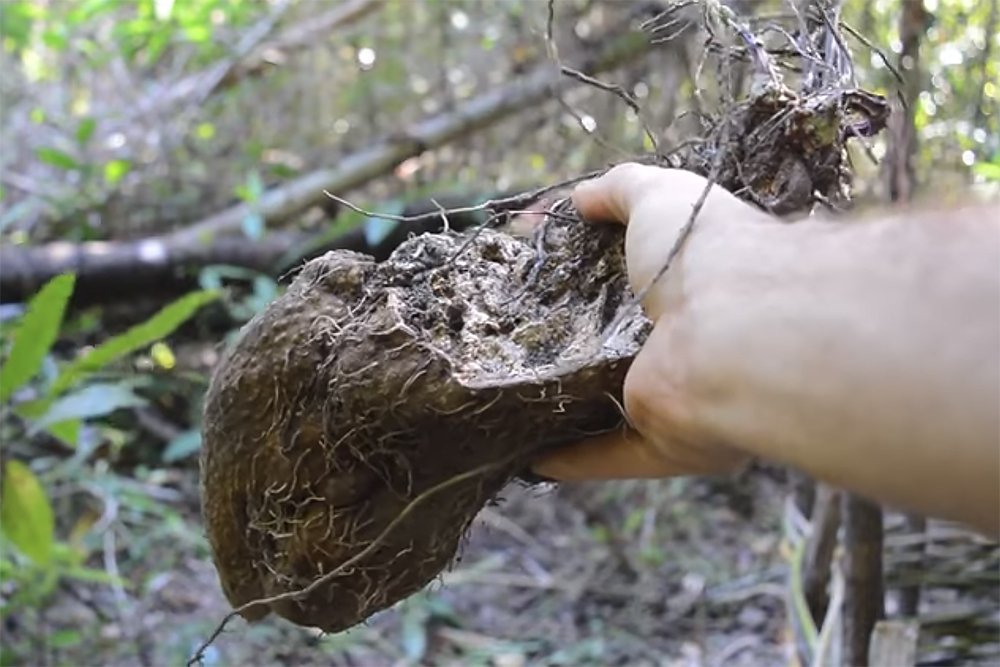
It may not look like much, but this half-eaten old yam can be the start of a garden.

Gardening is obviously made easier by modern irrigation systems, fertilizer, and disease-resistant selectively-bred crops — but those aren’t necessary. In a pinch, you can go back to basics, and simply plant something that can already be found wild in your surrounding environment. This is much simpler and more efficient than foraging every time you’re hungry.
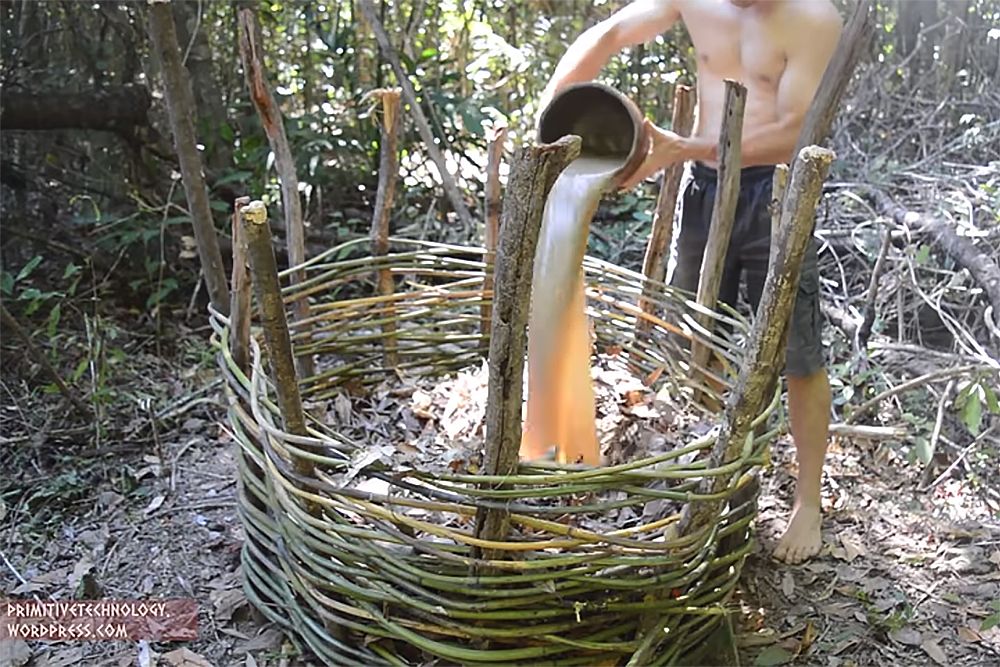
Primitive Technology wild yams garden cooking food foraging tuber jungle survival 2

In his latest video, the host of Primitive Technology shows how he planted, cultivated, and cooked some yams he found in the surrounding Australian jungle. Pesky wildlife such as wild pigs and turkeys are a problem in his area, so he builds a woven fence from vines to protect his crop. Soil, dead leaves, and water are added, and vertical poles give the green tendrils the means to reach the sunlight.
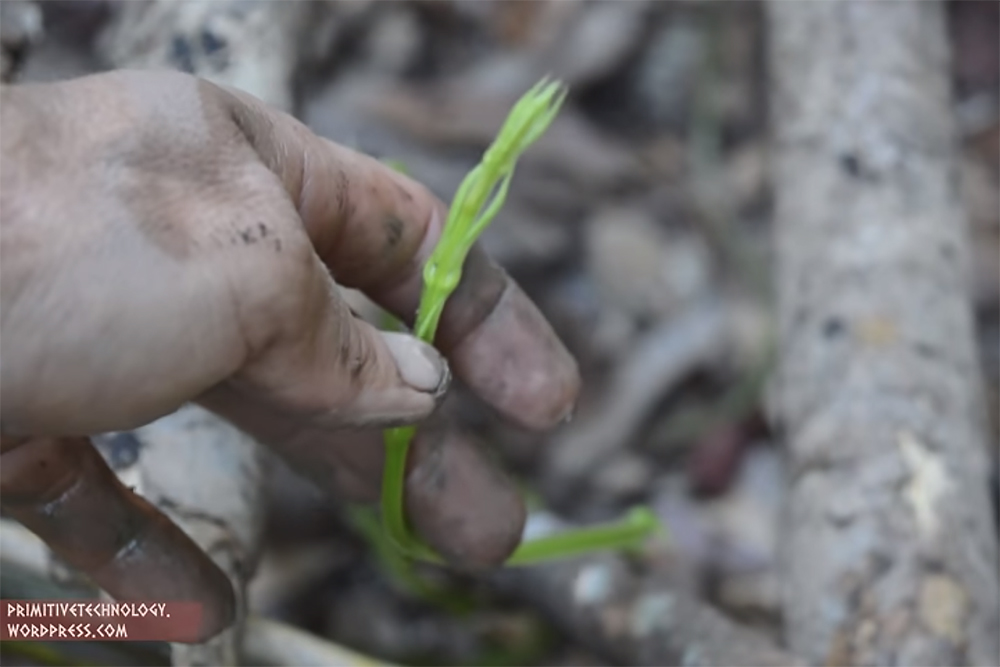
Primitive Technology wild yams garden cooking food foraging tuber jungle survival 3

The yam harvest was carefully dug from the ground using a stick, then buried under hot coals to roast. In the video description, he says, “The yam was eaten while steaming hot and tasted similar to a potato but with a crunchier texture near the outside much like bread crust… They are versatile in that they can be cooked into chips, roasted, boiled, mashed and made into a type of dough called “fufu” typically eaten with stews.” Check out the video below:


STAY SAFE: Download a Free copy of the OFFGRID Outbreak Issue

In issue 12, Offgrid Magazine took a hard look at what you should be aware of in the event of a viral outbreak. We're now offering a free digital copy of the OffGrid Outbreak issue when you subscribe to the OffGrid email newsletter. Sign up and get your free digital copy
Patrick McCarthy
Patrick McCarthyhttp://offgridweb.com/
Patrick McCarthy is the Editor of RECOIL OFFGRID. He currently resides in Arizona, and enjoys hiking, camping, shooting, and snapping photos along the way. You can follow his latest projects on Instagram at @pmccarthy10.

Share post:

Popular

More like this
Related

Tales from the Field

Discover the excitement of hunting in Nebraska, filled with lively personalities and the charm of the great outdoors.

Maintaining Comms During Disaster

The Premise Emergency Communication 101 sets out to solve a...

Cold Weather Survival: Understanding, Preventing, and Treating Hypothermia

Winter brings risk along with the cold. Hypothermia can strike in deep wilderness, on a roadside, or even inside a poorly heated space. This guide explains how hypothermia develops, how to prevent it through smart layering and preparation, and how to treat a person in danger. Stay ready when temperatures drop.

Surviving the Silent Season

Cold months test more than gear. They strain mood, motivation, sleep, and connection. Licensed trauma therapist Tom Sarge explains why winter isolation hits so hard and how to counter it with sunlight, movement, connection, planning, and simple mental prep. This guide blends survival principles with emotional resilience to help you face long nights, holiday triggers, and seasonal depression with clarity and strength.