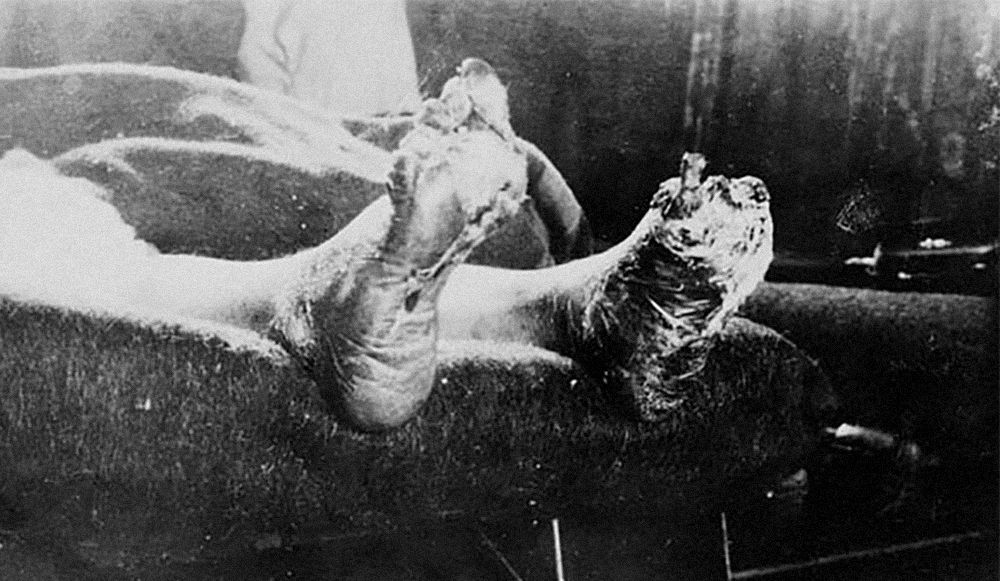
If you’re planning to spend time outdoors this winter, you’ll need to be cautious of frostbite and hypothermia due to the cold conditions. However, there’s another more insidious medical problem to be watchful for: trench foot. Also known as immersion foot syndrome, trench foot is a harmful condition caused by prolonged exposure to damp, cold, and/or unsanitary conditions. If left untreated, it may cause loss of blood flow, numbness, open sores, fungal infection, and tissue decay (necrosis) which may force amputation of the foot or leg.

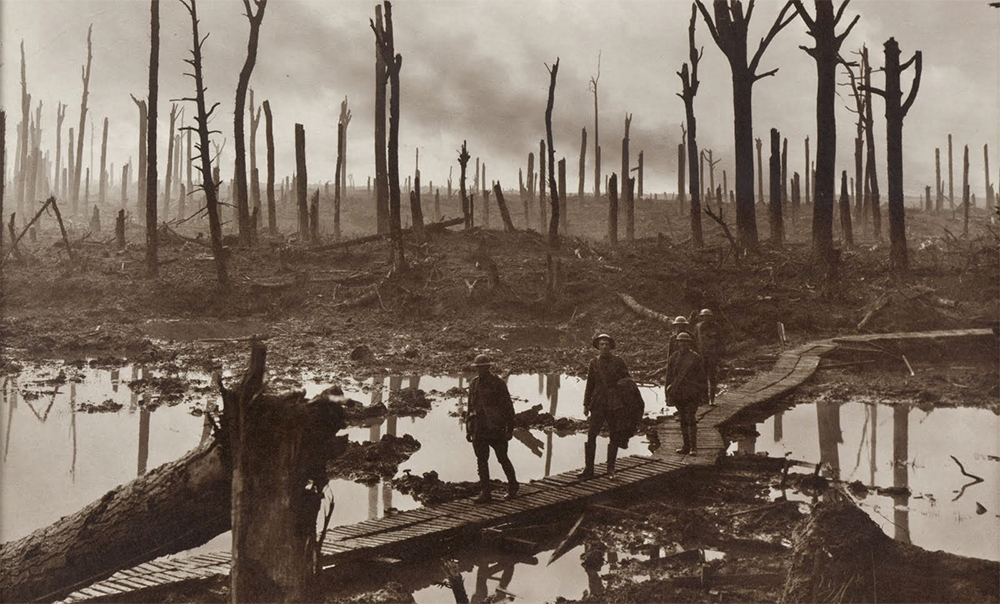
You might be thinking, “trench foot only happens to soldiers living in cold muddy trenches, right?” While the name of the condition originated in World War I as a result of those conditions, it’s not restricted to winter. The related condition of tropical immersion foot (or “paddy foot”) afflicted many soldiers during the Vietnam war, despite temperatures of 70°F and up. Trench foot is also not restricted to wartime environments, and frequently affects hikers, mountain climbers, and backpackers. It has even affected attendees of a particularly rainy music festival.
Here’s an interesting 5-minute documentary segment from the BBC, which briefly addresses the initial causes of and solutions to trench foot during World War I:
British physician and bacteriologist Almroth Wright made tremendous progress in trench foot treatment by cleaning the wounds thoroughly, then leaving them open to the air to heal naturally. This contradicted the older practice of pouring antiseptic into the infected wound, and immediately closing or covering it. The key cause of trench foot is excessive moisture, so allowing the feet to breathe and dry out was a game-changer at that time.

In modern times, we have a better understanding of trench foot. Since it begins as a result of prolonged exposure to moisture, and is accelerated by cold temperatures and bacteria/fungi, the best preventative measure is to keep feet dry, warm, and clean. In heavy rain or snow, this can be difficult, but regular foot inspection is essential to watch for initial symptoms — numbness, tingling, swelling, and pain. Even waterproof boots aren’t a sure fire fix — while they can keep out external moisture, they may also trap in sweat, leading to maceration and softening of the skin.
If these initial symptoms are spotted, the Centers for Disease Control and Prevention (CDC) recommends trench foot treatment via applying warm packs or soaking in warm water (102° to 110° F) for approximately 5 minutes. Medical attention should be sought if symptoms continue to worsen.
Even if no symptoms are present, the following preventative measures should always be taken if you’re spending time in a wet environment:
- Thoroughly clean and dry feet at least once per day, or multiple times throughout the day if possible.
- Put on clean, dry socks daily. If no fresh socks are available, air-dry your existing socks or place them near a fire to dry.
- Do not wear socks when sleeping or resting. Allow your feet to breathe and dry out. However, keep them warm and be cautious of frostbite.
For more information on trench foot treatment and prevention, read the CDC Disaster Recovery Fact Sheet on trench foot or immersion foot.
Related Posts
- Piggy Warmers: Cold Weather Socks Buyer’s Guide
- Choosing Socks for Long-Range Comfort
- USMC Winter Shelters
- T-Slot Anchor: A Tie-Down Technique for Snow or Sand