Home Blog Page 204

Looking Back: Best Products of SHOT Show 2017

0

Our entire editorial team attends the SHOT Show in Las Vegas every January, but this year we did something new. From the hundreds of products we saw, our team selected a handful of items we
found most innovative and interesting from an urban survival perspective. Each of these products were bestowed with one of our new awards, and became part of the RECOIL OFFGRID Best Products of SHOT Show 2017.

Best of SHOT Show 2017 Awards

We devised nine award categories this year — note that these categories may change or be eliminated in future years, depending on what we find at the show. If there’s nothing particularly innovative or new in one of the nine fields, or there’s something extremely cool in a segment we haven’t addressed, we’ll add or subtract categories accordingly.

Print

Also, please note that these picks are based solely on our initial impressions during SHOT Show, so we couldn’t determine at that time how the products would hold up to real-world testing. If something looked awesome on the show floor but falls flat on its face in practical tests, we’ll be sure to let you know.

Without further ado, here are our picks for the Best of SHOT Show 2017. As we get our hands on each product and have time to test it thoroughly, we’ll add links to this article to direct you to our in-depth reviews. So be sure to return to this page or follow us on social media for updates on these products.

Best Firearm: Hudson H9 Pistol

OFFGRID best of SHOT Show awards Hudson H9 gun 1

Each editor put some rounds through this futuristic looking handgun at SHOT’s Industry Range Day and walked away impressed. Some describe it as the lovechild of a 1911 and a Glock; it’s supremely comfortable and surprisingly light, and follow-up shots are effortless.

To find out why we think it’s the most promising new firearm of 2017, read the full in-depth review by RECOIL Editor Iain Harrison in Issue 29 of our sister publication. He wrote, “It’s always refreshing to see American innovation is alive and well, particularly in an unknown startup company. We wish the Hudson team well, and look forward to the success of their baby.”

There’s not much more we can say that RECOIL hasn’t already said, so we’ll leave future updates on the Hudson in their capable hands.


Best Accessory: MAGPUL X-22 Backpacker

OFFGRID best of SHOT Show awards Magpul X22 backpacker gun 2

This clever rifle stock design clips together, making transportation of a disassembled Ruger 10/22 Takedown fast and easy. It fits all factory Ruger 10/22 Takedown models, as well as many aftermarket barrels, such as the Tactical Solutions SB-X and Volquartsen Ultralite.

OFFGRID best of SHOT Show awards Magpul X22 backpacker gun 2v2

The MAGPUL X-22 Backpacker also incorporates two storage compartments: one under the cheek piece for three 10-round spare magazines or a box of ammo, and one inside the grip for a ferro rod, small knife, fishing kit, or other survival tools. It will be available in spring 2017 in black, FDE, OD green, and stealth grey colors. MSRP is $110.

REVIEW COMING SOON


Best Knife: White River Knives Firecraft

OFFGRID best of SHOT Show awards White River Firecraft knife 3

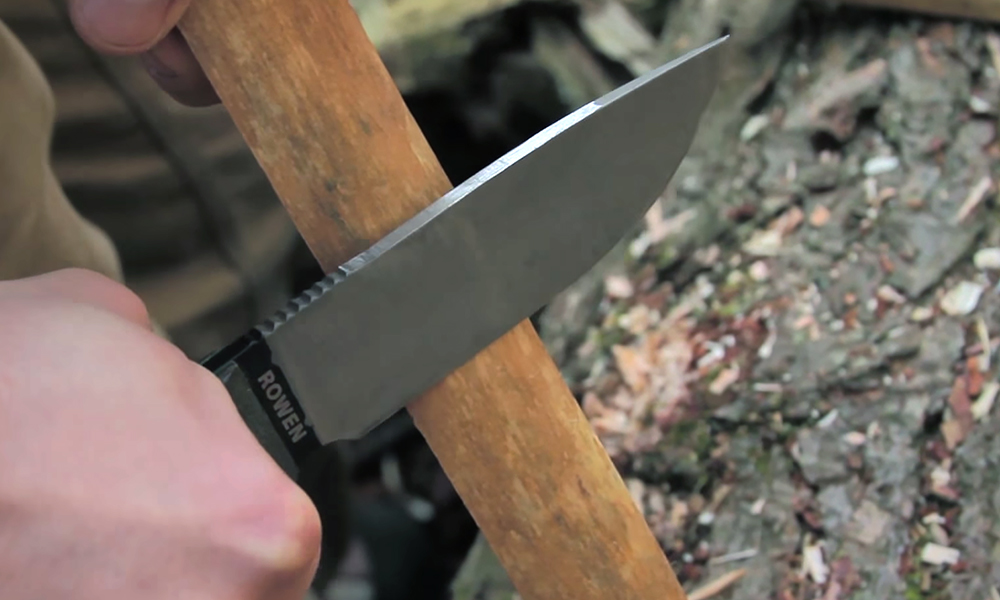
Three no-nonsense survival blades, with 4-, 5-, and 7-inch options to choose from. Each S30V stainless knife includes a divot for use with a fire-bow as well as a striking notch for use with the included ferro rod. Each knife also includes a leather sheath, which retains the knife and ferro rod.

OFFGRID best of SHOT Show awards White River Firecraft knife 3v2

The Firecraft FC4, FC5, and FC7 are available for $240, $280, and $320, respectively. We’re currently working to obtain an FC5 for a review — stay tuned.

Review: White River Firecraft FC5 Review


Best Light: Streamlight Bandit Headlamp

OFFGRID best of SHOT Show awards Streamlight Bandit headlamp 4

It’s lightweight and compact, but produces an ultra-wide 180-lumen beam. It’s also USB-rechargeable, weather-resistant, and impact-resistant. Plus, it includes a headband and a hat clip.

OFFGRID best of SHOT Show awards Streamlight Bandit headlamp 4v2

The Streamlight Bandit looks to provide a lot of value for its $35 MSRP, but only testing will reveal that for sure.

REVIEW COMING SOON


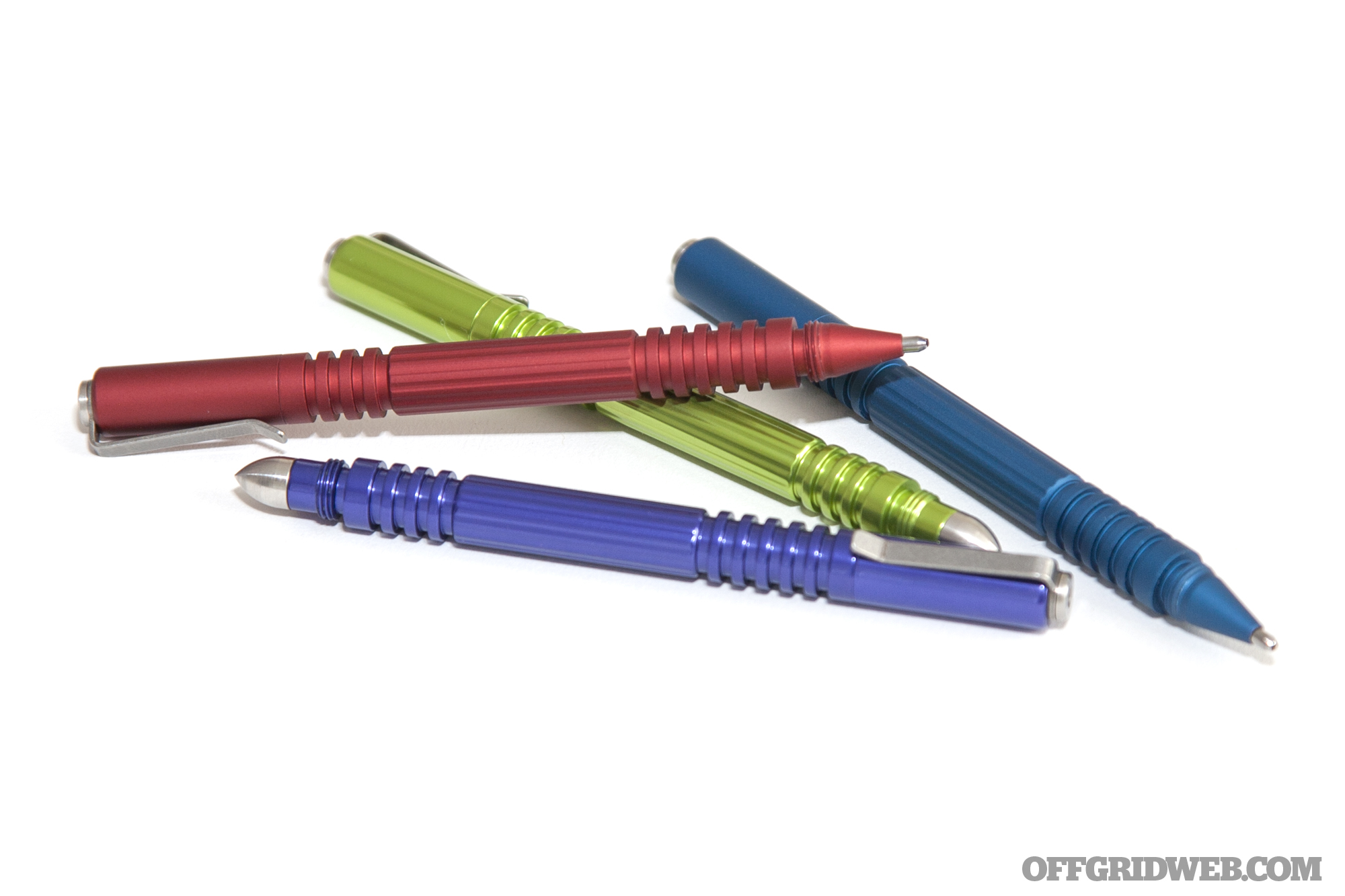
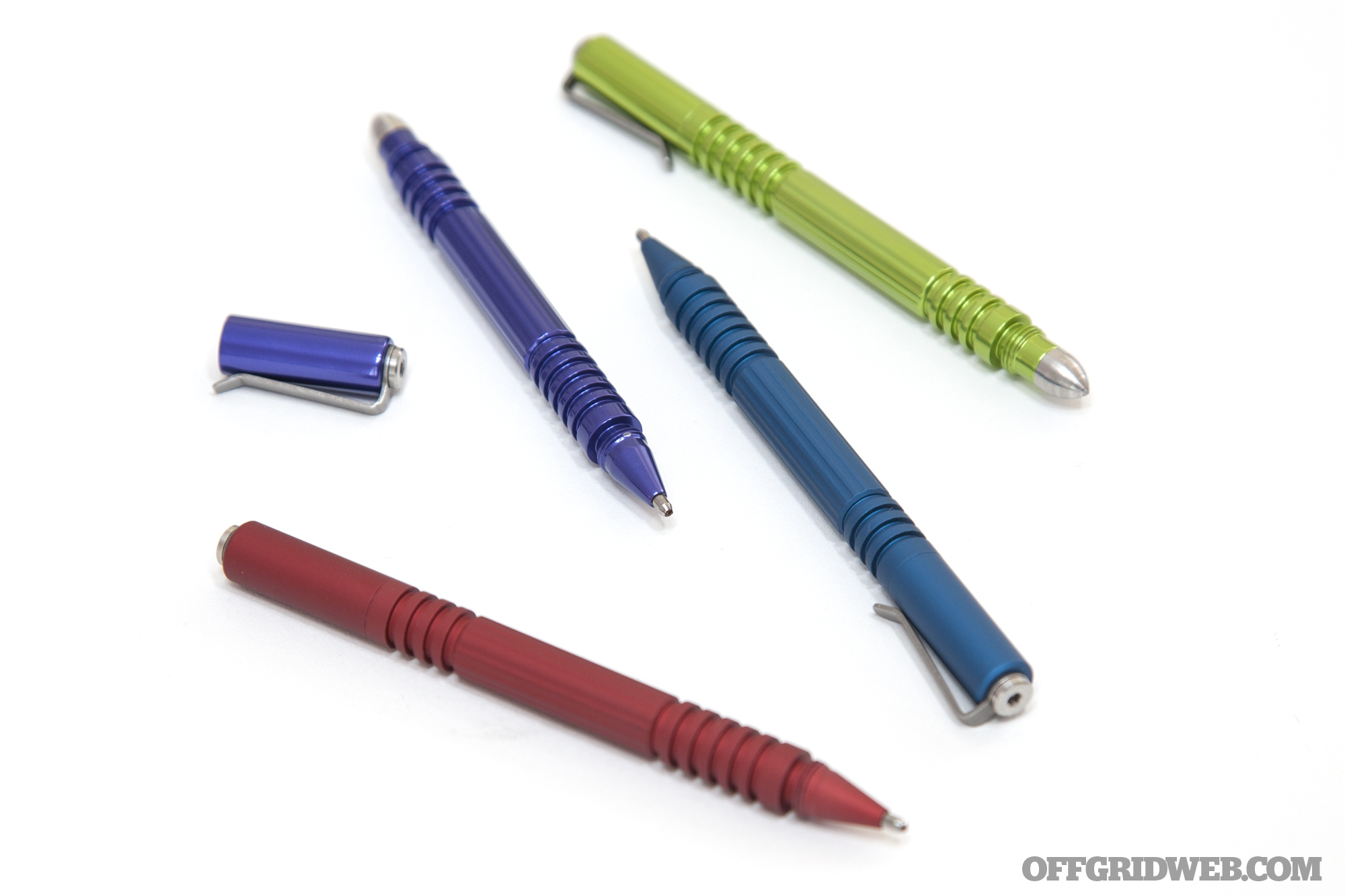
Best Tool: Tuff Writer Mini-Click Gen 2 Tactical Pen

OFFGRID best of SHOT Show awards Tuff Writer pen 5

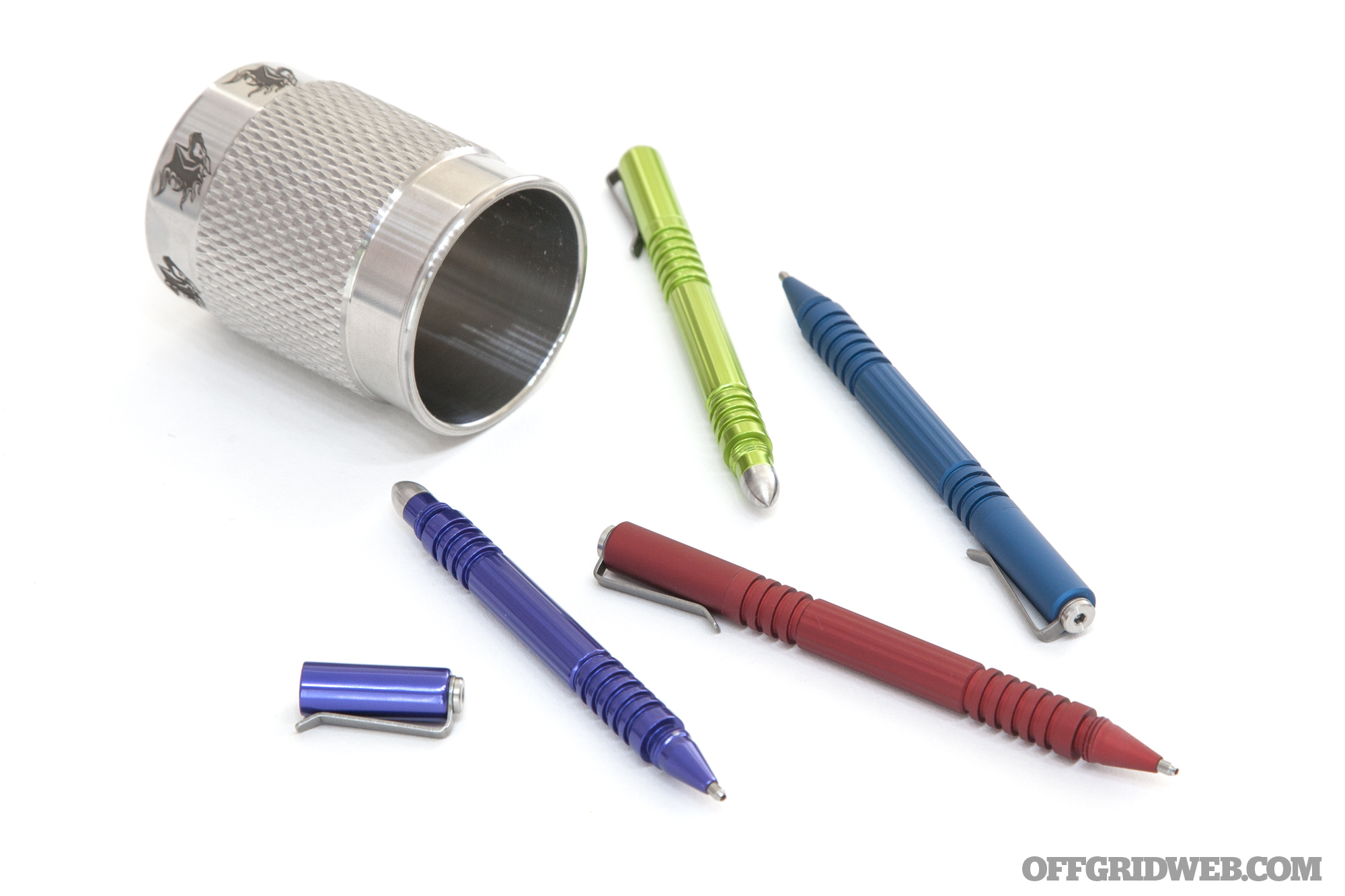
The second generation of this tactical pen features new titanium, brass, and copper materials in a variety of finishes. Each pen is made in the USA with a slick updated version of the company’s 416SS ball-bearing mechanism. Hit the link below to read our full review.

REVIEW: Tuff Writer Mini-Click Gen 2 Tactical Pen Review


Best Backpack: Crye Precision EXP

OFFGRID best of SHOT Show awards Crye Precision EXP backpack 6

Crye calls the EXP 1500 and 2100 “everyday-use bags with maximum tactical utility.” They’re designed for those who want to go gray in urban environments, and are made in the USA from domestically sourced materials. Each pack expands upward and outward, adding 500 cubic inches of volume and capacity for items up to 27 inches long.

OFFGRID best of SHOT Show awards Crye Precision EXP backpack 6v2

We’re interested to see how these backpacks fare during real-world testing in an urban environment.

REVIEW COMING SOON


Best Jacket: Kitanica Mark IV

OFFGRID best of SHOT Show awards Kitanica Mark IV jacket 7

Motorcycle gear meets tactical apparel to create one unique jacket. The original Mark IV was released 21 years ago and popularized on TV by Adam Savage of MythBusters. Kitanica has completely redesigned the jacket for 2017 with stronger materials and more of the company’s signature articulated padding.

OFFGRID best of SHOT Show awards Kitanica Mark IV jacket 7v2

There are tons of pockets, zippered pouches, cinches, and even some PALS webbing. Its ultra-tough 1000-denier CORDURA fabric is treated in urethane coating for water resistance, and it’s made in the USA. At an MSRP of $669, it’s certainly an expensive piece of apparel, but we’ll see if its features justify the price tag.

Review: Kitanica Mark IV Jacket Review


Best Pants: 5.11 Tactical Defender-Flex Jeans

OFFGRID best of SHOT Show awards 511 Tactical Defender Flex jeans 8

These may look like ordinary blue jeans, but they add a new level of capability while remaining discreet. Seven deep pockets provide room for EDC gear and gun magazines, while stretch fabric is designed to improve flexibility. Not the first pair of tactical jeans ever created, but certainly among the most comfortable and functional.

REVIEW: 5.11 Defender-Flex Jeans & Pants Review


Social Award: Klecker Knives Stowaway Tools

OFFGRID best of SHOT Show awards Klecker stowaway tools 9

Our photo of this new system from Klecker Knives quickly garnered hundreds of likes on our Instagram, outpacing the other products we photographed at SHOT and earning it our Social Award. Whether they’re stowed on a carabiner, KeyBar, or in Klecker’s iPhone case, the Stowaway system lets you roll your own multitool from more than a dozen mini-gadgets.

OFFGRID best of SHOT Show awards Klecker stowaway tools 9v2

Tool options include: belt cutter, fire starter, folding knife, Kwikset and Schlage blank keys, pliers, Philips/flat screwdriver, tweezers, comb, flashlight, Griffin pocket tool, pen, pocket clip/bottle opener, scissors, straight razor, and hex wrench. That’s a whole lot of versatility in a small package, and with the mix-match format, you won’t be stuck carrying extra tools you never use.

REVIEW COMING SOON

CDC Guide on Tick Prevention & Disease Risks

0

Ticks are insidious little parasites. They detect breath, body odor, body heat, moisture, vibrations, and the presence of light and shadows to find a well-traveled path. Once they’ve staked out a hiding place, they patiently cling to the end of a leaf or blade of grass with two of their eight legs outstretched, waiting for an unsuspecting animal or human to walk by. As soon as a host brushes against the hiding place, the tick climbs aboard and searches for a hidden crevice to insert its barbed feeding tube and siphon the host’s blood.

Tick prevention parasite disease blood CDC 5

If the thought of a host of tiny parasites gorging themselves on your blood doesn’t creep you out enough to take tick prevention seriously, here’s something that certainly will: ticks spread a variety of harmful diseases. These include anaplasmosis, babesiosis, ehrlichiosis, Lyme disease, Rocky Mountain spotted fever, tularemia, Colorado tick fever, tickborne relapsing fever, powassan disease, and tick paralysis — and that’s not even a complete list.

Tick prevention parasite disease blood CDC 3
A graph of tick activity based on life cycle stage. Nymphs and adults feed on humans; larva feed on smaller animals. Source: CDC / Connecticut Agricultural Experiment Station

Ticks are most dangerous to humans in late spring and summer, according to the Centers for Disease Control and Prevention (CDC). Lyme disease is the most common infection spread by ticks, and affects approximately 30,000 Americans each year.

Tick prevention parasite disease blood CDC 4

In order to avoid contracting a tick-borne illness, it’s best to avoid ticks altogether. Here are some tips provided by the CDC for tick prevention:

  • Treat your clothing, boots, socks, and tents with 0.5% permethrin solution for long-term protection.
  • Treat exposed skin with DEET for several hours of protection.
  • Avoid thick wooded areas and tall brush, especially during warmer months.
  • Stick to the center of trails to prevent contact with vegetation.

Tick prevention parasite disease blood CDC 2

  • Bathe or shower immediately after returning from outdoor excursions.
  • Check your entire body for ticks daily. Common areas include under the arms, in and around the ears, inside the belly button, behind the knees, between the legs, around the waist, and the hair/scalp.
  • Check all clothing, shoes, packs, gear, and pets for ticks. Tumble dry clothes on high heat for at least 10 minutes to kill any stowaways.

If a tick is found on your person, and has already bitten you, follow our guide on safe tick removal. Preventative measures should also be taken around your home to prevent ticks on your property or in your yard. Here’s a helpful CDC map that shows how to structure your property with a 3-yard migration barrier between wooded areas and heavily-traveled areas:

Tick prevention parasite disease blood CDC 7

For an even more in-depth guide to tick prevention and avoidance, download this PDF of the Tick Management Handbook. It was written by the Connecticut Agricultural Experiment Station with funding provided by the CDC, and includes virtually everything you’ll ever want to know about ticks. Also, check out this visual guide about Tickborne Diseases of the United States.

MCQBushcraft: Essential Knots for Survival Shelters

0

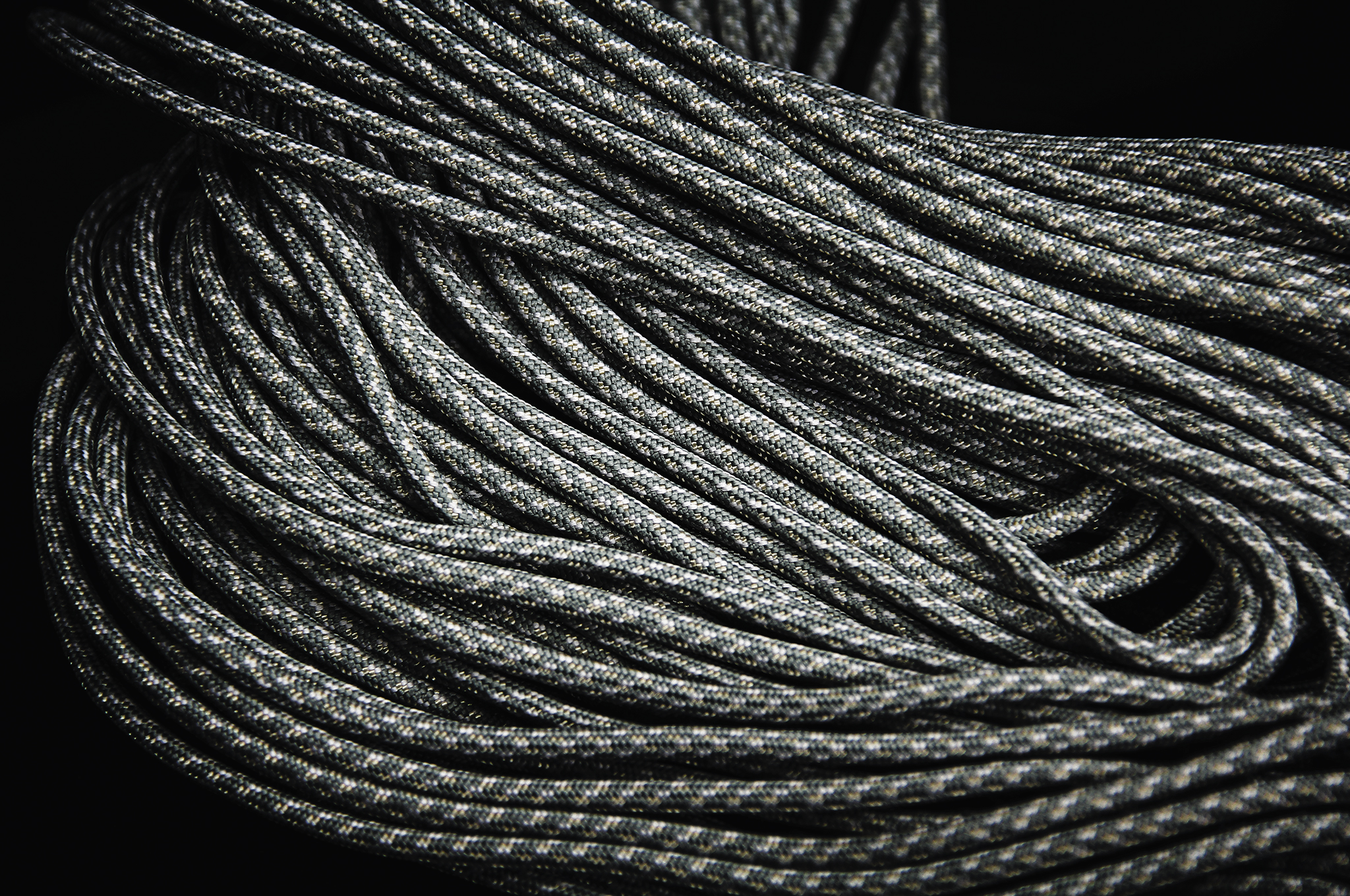
If you’ve been following our site or magazine for a while now, you’ve probably heard us discuss the importance of cordage in survival situations. Paracord or other strong and lightweight cordage is especially useful for creating survival shelters. You just need a tarp or rain fly, a few lengths of cord, and some sturdy trees or other objects to serve as anchor points.

MCQbushcraft paracord knot shelter tarp cordage 1
With a large tarp, some paracord, and a little knowledge, you can have a survival shelter up in no time.

Well… actually, there’s one more element you need: knot-tying knowledge. Without this, you won’t be able to apply tension to your ridgeline or secure your anchor hitches, and you’ll probably end up with a droopy shelter that blows away with the first gust of wind.

MCQbushcraft paracord knot shelter tarp cordage 2

The key to learning knots is clear instruction and frequent practice, so the following video from MCQBushcraft is a great resource. In this 17-minute video, host Michael McQuilton demonstrates eight essential knots, as well as some variations and additional tips. Whether you’re a knot-tying expert or just starting to learn, you’ll be able to learn something from his video.

Here’s a recap of some of the essential knots in this video, along with their uses:

  • Overhand knot – Forming basic loops of cord, often used with a bead for lanyards
  • Clove hitch (two ways) – Tying a cord to a post or tree for short-term use (quick release)

MCQbushcraft paracord knot shelter tarp cordage 4

  • Reef or square knot – Connecting two strands of cordage
  • Half hitch – Tying a cord to a post for secure long-term use. Can be doubled for extra security, modified for quick-release, or strengthened with a toggle.
  • “Ratchet knot” – Improvised toggle-based knot for anchoring a ridgeline
  • Quick release knot – Another way to anchor and tension a ridgeline, with or without a toggle

MCQbushcraft paracord knot shelter tarp cordage 7

  • Prusik knot or friction hitch – Tying a small cord to a larger ridgeline at a 90-degree angle
  • Tensioning hitch – Applying tension to take slack out of a ridgeline or tarp tie-out
  • Extra Tip: “Hanking” a bundle of spare paracord for easy storage and fast deployment

For more knot-tying tips, check out our previous articles on the bowline knot and six paracord bad practices to avoid.

Southern Grind Minuteman Folding Knife

0

Collaboration is a beautiful thing, especially when it’s for a good cause. Minuteman Watches has teamed up with Zac Brown’s Southern Grind knife company to produce a new special-edition folding blade. The goal behind this collaborative project was to create a limited-edition version of the popular Southern Grind Spider Monkey folding knife, and to use its sales to raise funds for former Navy SEAL Brandon Webb’s Red Circle Foundation.

Southern Grind Minuteman monkey folding knife 1

A portion of the profits will go to the RCF charity, in addition to the portion of profits from all Southern Grind knives that goes to the Camp Southern Ground non-profit project. In each year since its founding in 2013, 25 percent of the profits from Minuteman Watch Company’s net annual sales has gone to charities assisting veterans and their families.

Southern Grind Minuteman monkey folding knife 3

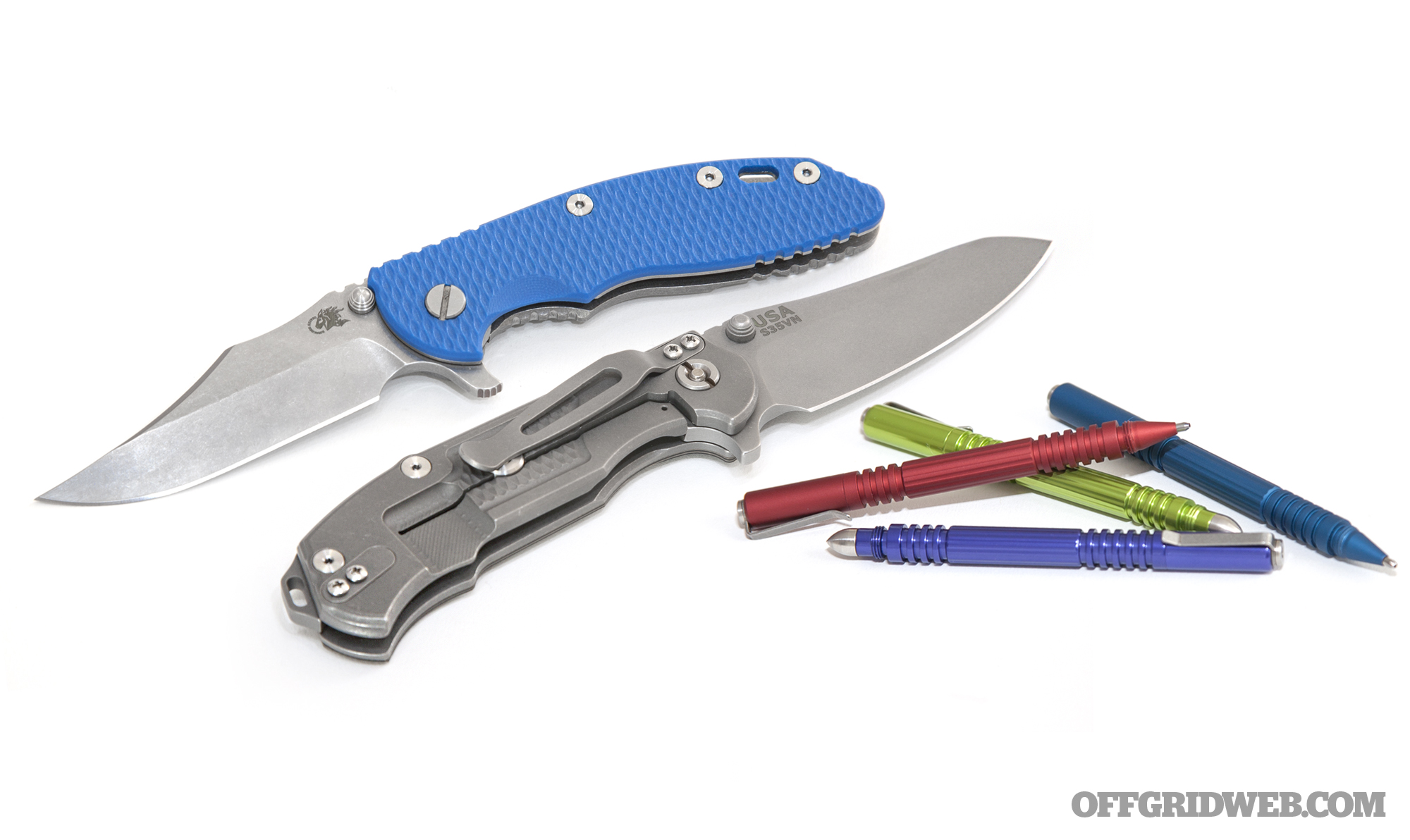
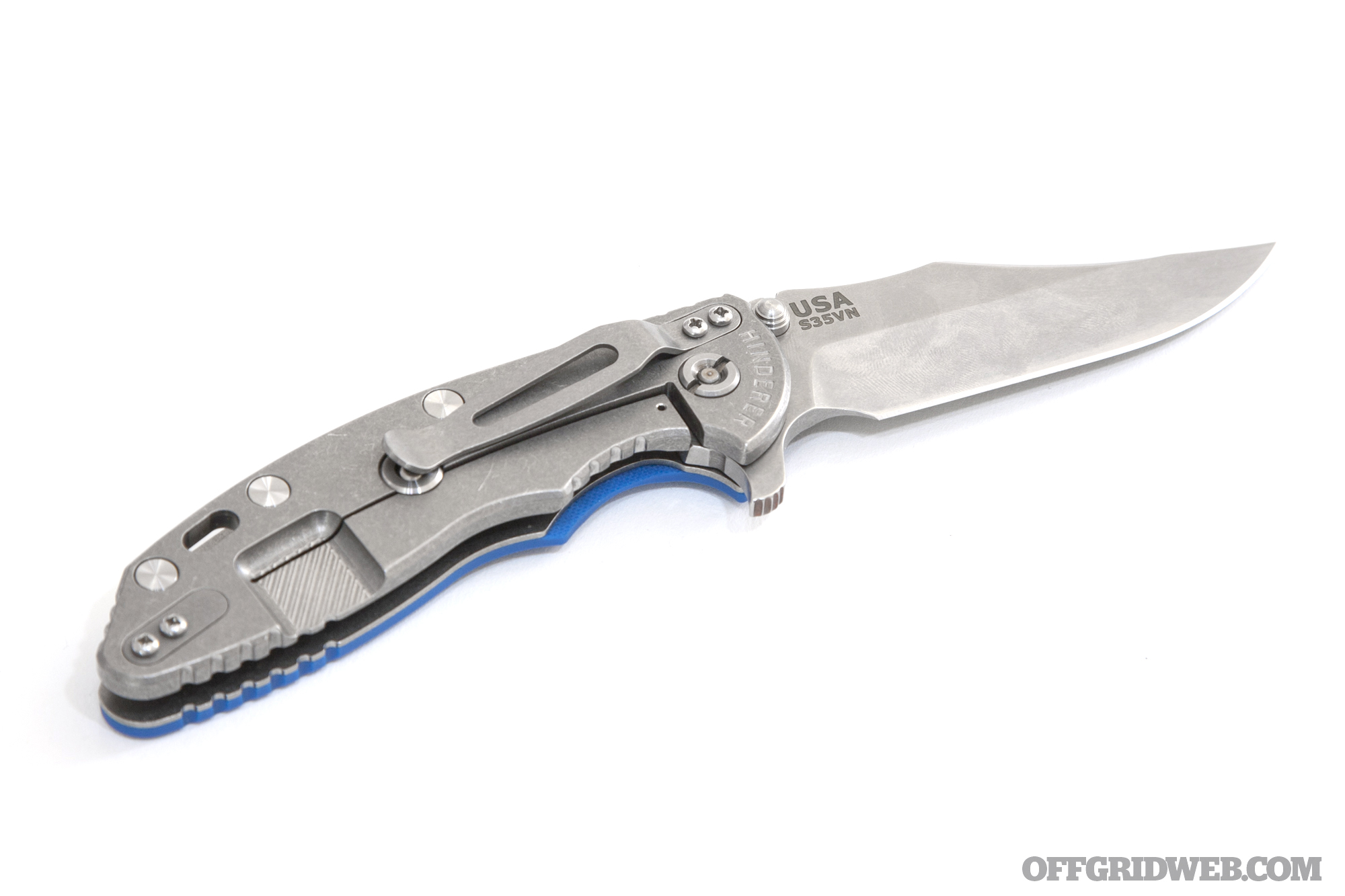
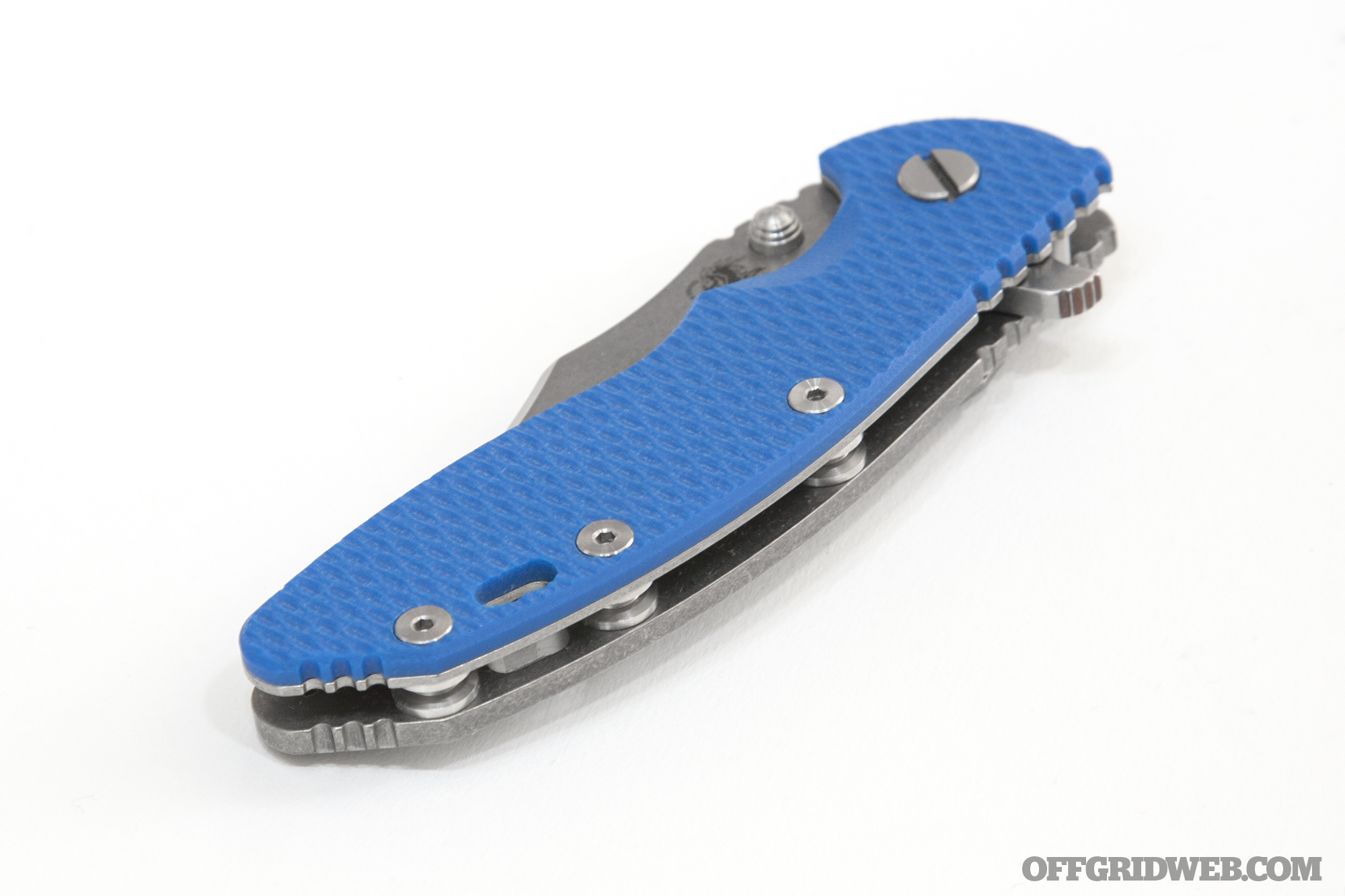
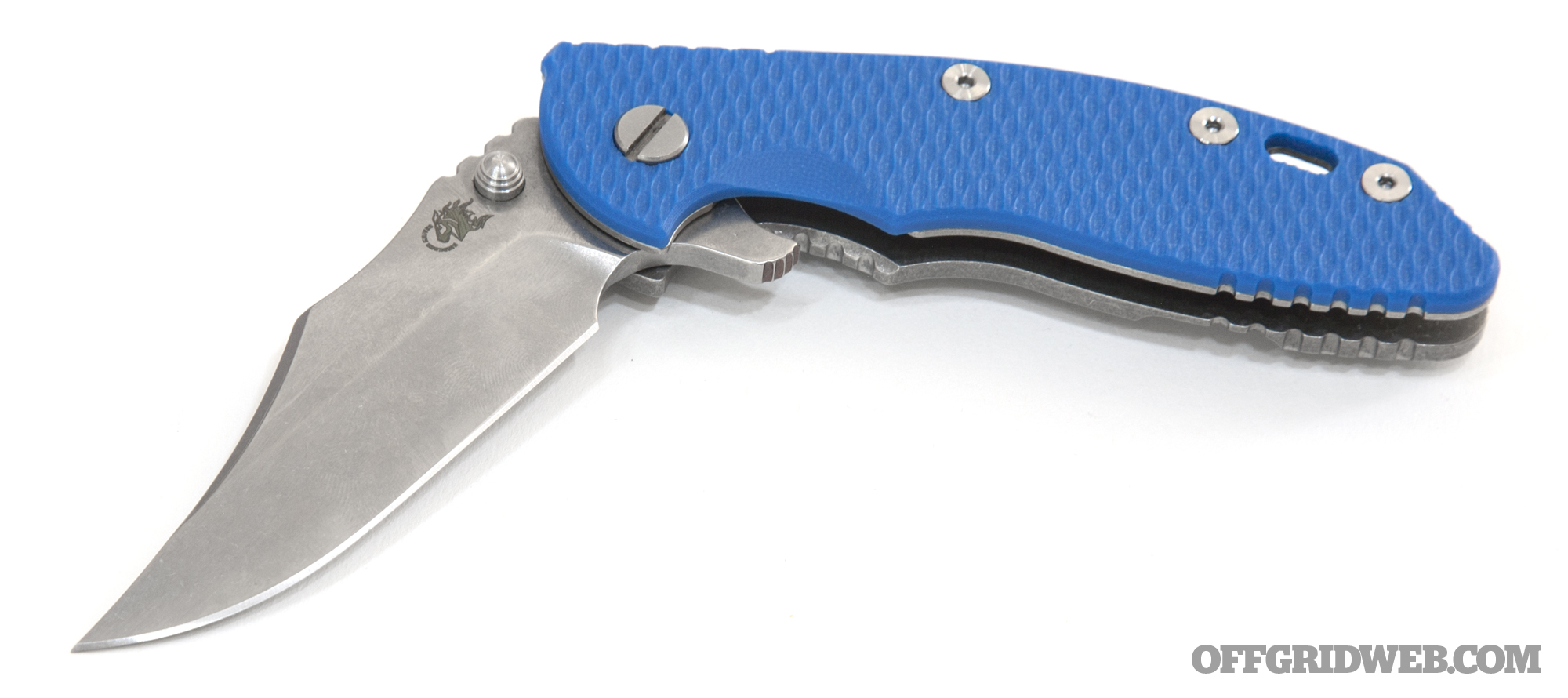
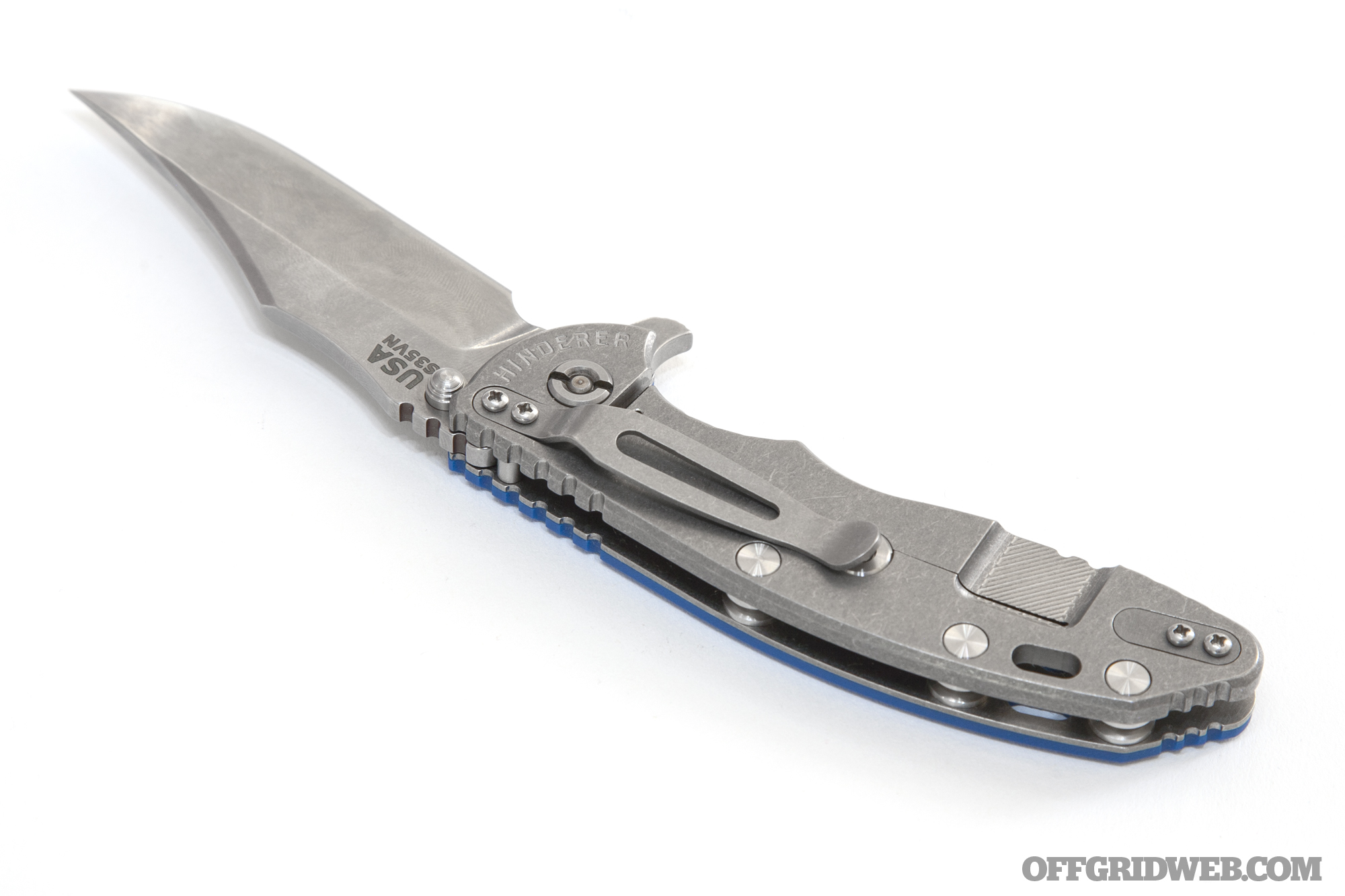
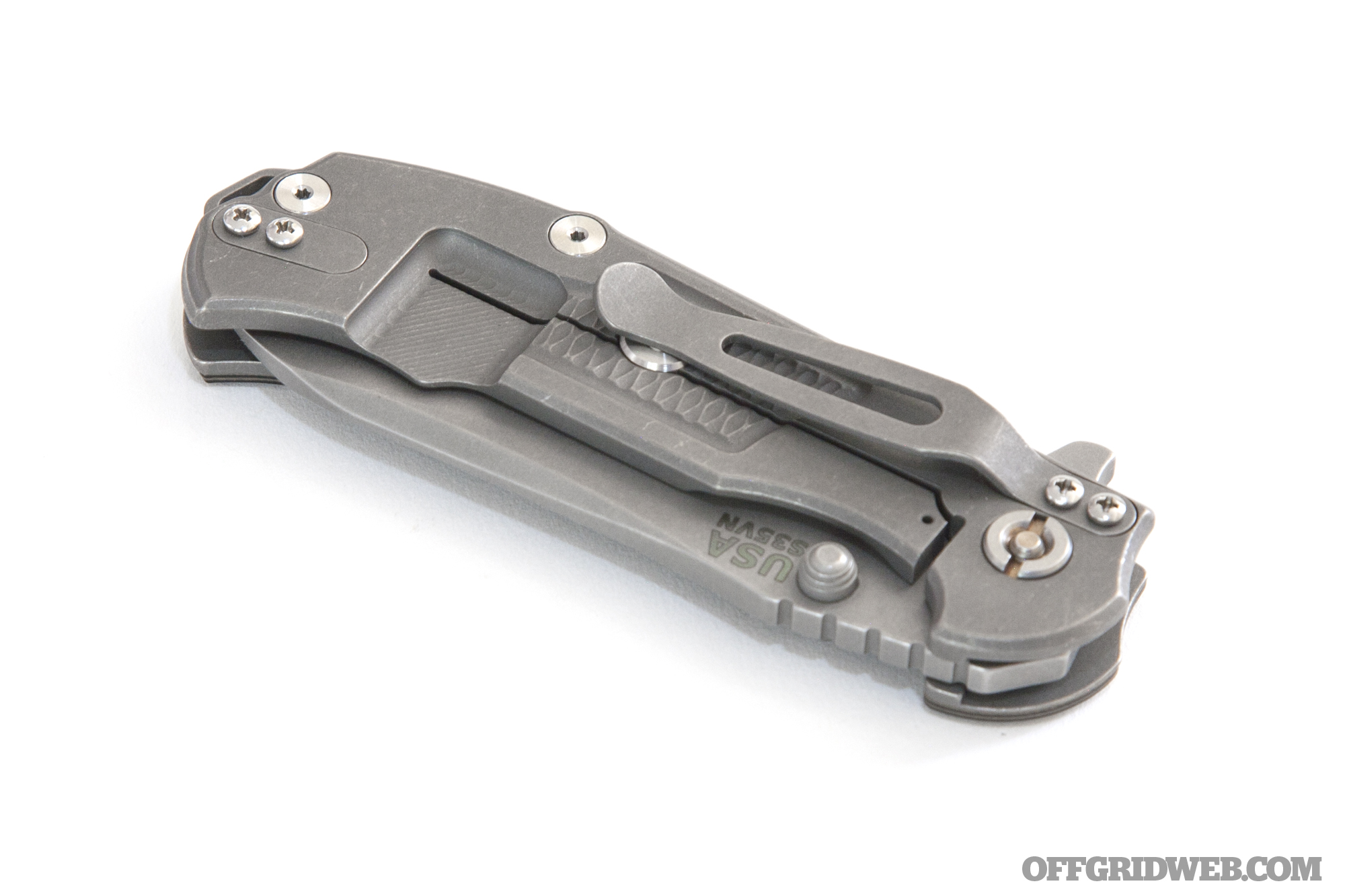
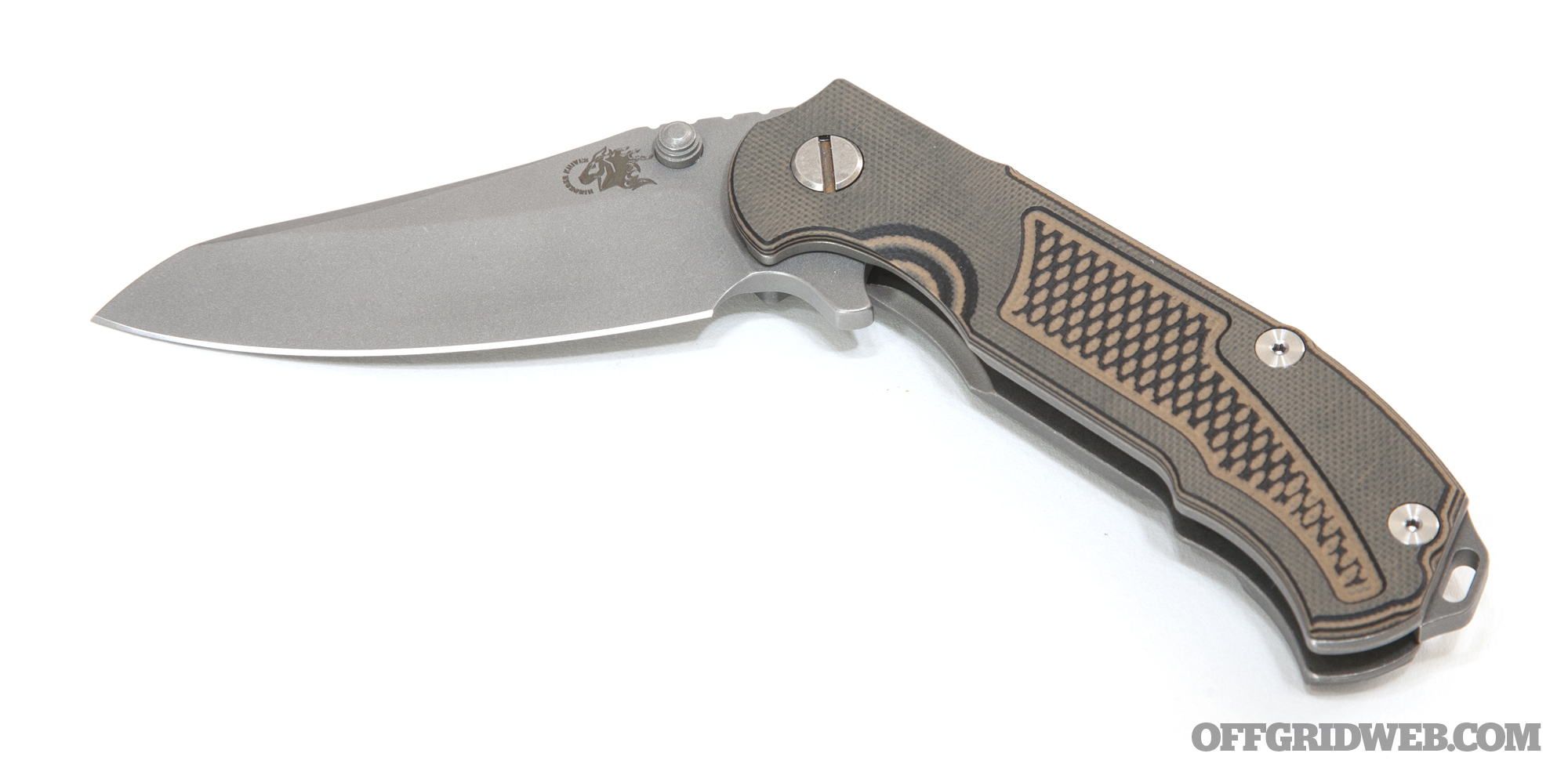
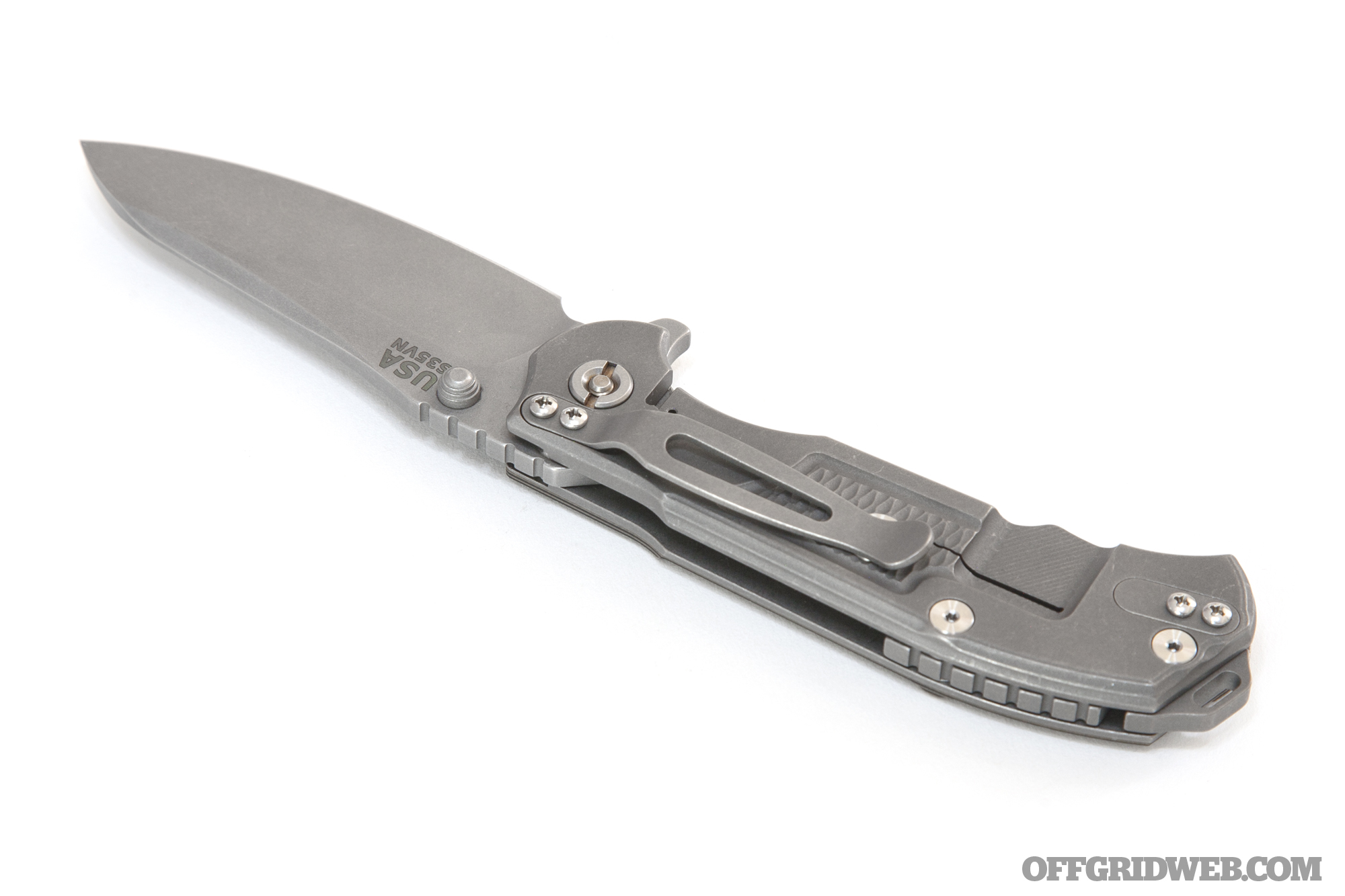
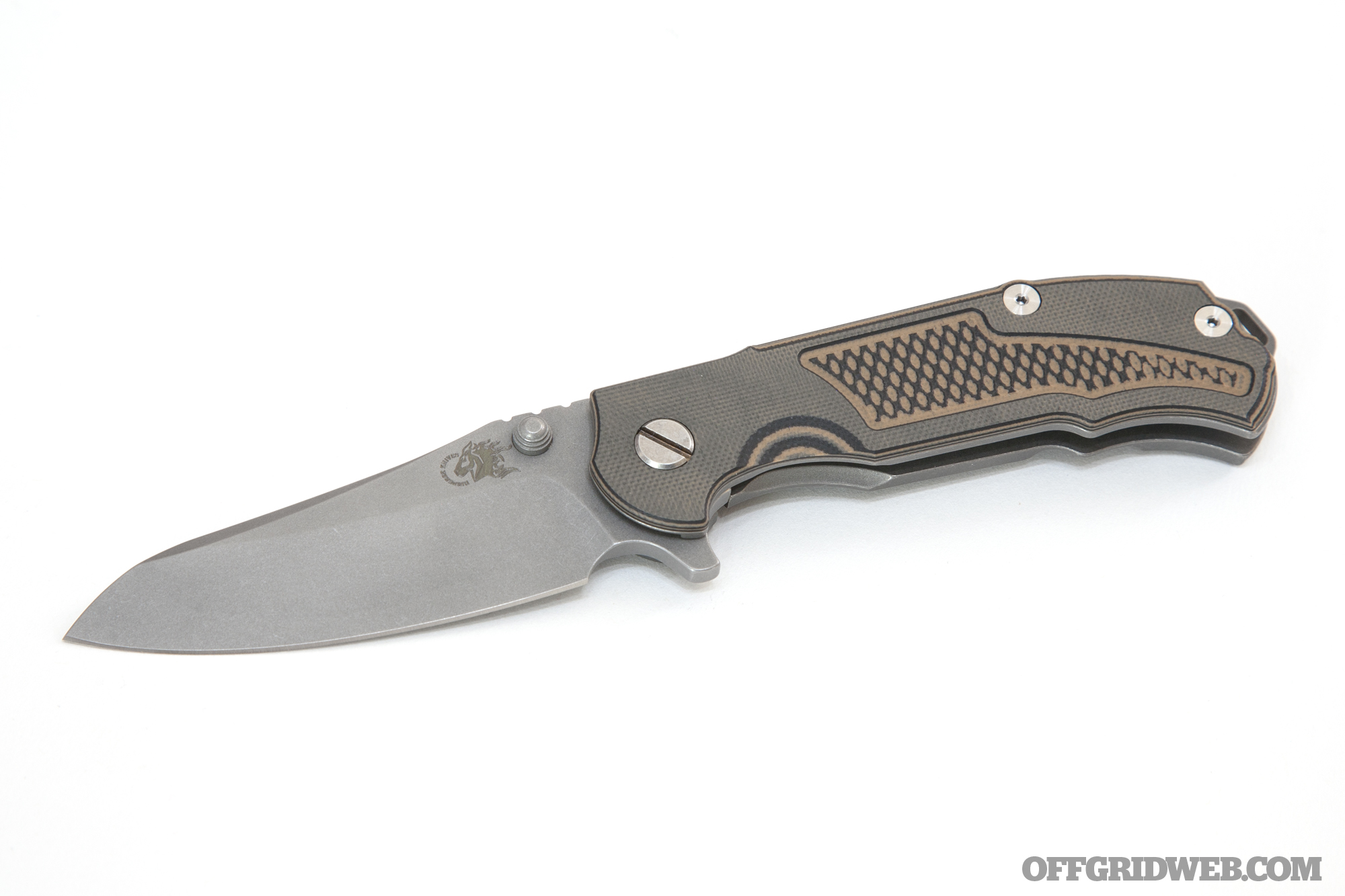
The Southern Grind Minuteman knife is based on the Spider Monkey design, and comes with a 3.25-inch drop point blade. The flat-ground blade is constructed from premium S35VN steel hardened to RC 58-59. The blade and other metal parts are coated in a satin black PVD finish, which contrasts with the tan G10 handle scales. At the core of the knife is a 6AL4V titanium lock and liner.

Southern Grind Minuteman monkey folding knife 7

A Minuteman brand logo is etched on the blade, while the Southern Grind insignia is engraved on the black pocket clip. Each of the Southern Grind Minuteman knives comes with a paracord fob, and weighs 3.2 ounces.

Southern Grind Minuteman monkey folding knife 5

Orders for the limited-edition Southern Grind Minuteman knife will only be accepted through May 31st, 2017. MSRP for this knife is $230, the same price as a standard version Spider Monkey with black blade and fittings. Only one batch will be produced, so if you’re interested in picking one up, check the full product listing on MinutemanWatches.com.

Dehydrated Food Taste Tests – Dehydrated Delights

0

It’s often said that the way to a man’s heart is through his stomach. Botched surgical procedures aside, there’s truth to this adage. In a SHTF scenario, few things can lift the spirits and restore energy faster than a perfectly seasoned hot meal. A hearty serving of good grub can have you back in action and ready to tackle the many challenges of staying alive in a hostile environment.

The catch-22 associated with our inherent desire for hot, flavorful, and nutritious food is that it becomes harder to obtain when times are tough. You can’t scavenge for cheeseburgers, and tacos don’t grow on trees (if only). This is why preparation is key. Stockpiling food in your pantry, vehicle, and bug-out bag can keep you running on all cylinders when the rest of society is stalled in panic mode. Unfortunately, emergency food storage has its own dilemmas — weight, bulk, and limited shelf life.

Dehydrated or freeze-dried food avoids many of these flaws by removing a single component: water. Due to its heavy weight, incompressibility, and tendency to promote growth of food-spoiling microbes, water content in food is detrimental to long-term storage. By subtracting this moisture, dehydrated food becomes significantly lighter and more compact, making it ideal for use in a camping pack or bug-out bag. It also offers a tremendous extension of shelf life; freeze-dried food can last 30 years or more in cool and dry conditions.

Fortunately for us, freeze-dried food isn’t just for astronauts these days. There are a variety of commercially available dehydrated survival food choices, ranging from grab-and-go snack pouches to huge buckets for long-term disaster prep. Flavors are equally varied, with a smorgasbord for every palate. We selected six of the leading dehydrated food producers on the market, and requested two entree flavors from each. After adding boiling water to rehydrate the meals, we dug in. Read on to hear the culinary impressions of our three-man taste-testing team (which consists of the head editor of RECOIL OFFGRID, Patrick Vuong; our network manager, John Schwartze; and this author, web editor Patrick McCarthy).

Dehydration vs. Freeze-Drying

The terms “dehydrated” and “freeze-dried” are often used interchangeably, leading to some confusion about their true meanings.

Dehydration is a blanket term for any process that removes some (but not necessarily all) moisture. All of the food in this guide is dehydrated; items like beef jerky and raisins also fall under this category. Food can be dehydrated by subjecting it to heat and air circulation under controlled humidity, but these processes only remove a fraction of the food’s moisture content.

Freeze-dried food is a subset of dehydrated food. However, its production is more complex, so it’s typically only produced on a commercial scale. In order to be freeze-dried, food must be flash-frozen, then placed in a vacuum chamber at about -50 degrees F. This combination of low pressure and temperature causes moisture to sublimate from ice directly into water vapor, escaping from the food. Freeze-drying removes virtually all water content, resulting in an extremely long shelf life. It also maintains microscopic pores throughout the food, reducing the chewiness and shriveling effects sometimes created by heated dehydration.

Whether dehydrated or freeze-dried, these survival meals can be reconstituted through the addition of hot water.

Sweet Snacks

Got a sweet tooth? In addition to the items reviewed here, we also collected six dehydrated sweet snack items to complement our survival meals — one item from each company in this guide. To read our thoughts on these dehydrated sweet snacks, go to www.offgridweb.com/survival/dehydrated-food.

[buyersguide title=”Dehydrated Food” ids=”8338, 8347, 8351, 8354, 8357, 8362, 8365, 8368, 8371, 8374, 8377, 8380″]

More From Issue 19

Don’t miss essential survival insights—sign up for Recoil Offgrid’s free newsletter today!

Read articles from the next issue of Recoil Offgrid: Issue 20

Read articles from the previous issue of Recoil Offgrid: Issue 18

Check out our other publications on the web: Recoil | Gun Digest | Blade | RecoilTV | RECOILtv (YouTube)

Editor’s Note: This article has been modified from its original version for the web.

3 Easy Handgun Dry Fire Drills from Springfield Armory

0

If you already follow our friends at RECOIL magazine and RECOILweb.com, you’re probably already familiar with the concept of dry fire drills. Either way, it’s important to know that dry firing can be a beneficial technique for shooters of all skill levels.

Springfield Armory dry fire drills gun holster sights 1

Manipulating a firearm is heavily dependent on practice and muscle memory, and dry fire drills can help you overcome some technical hurdles without spending lots of time and money firing live rounds at a range. This way, if you ever need to use your gun in a self-defense scenario, the motion of drawing, aiming, and firing will become smoother and faster.

Springfield Armory dry fire drills gun holster sights 2

Springfield Armory has created a series of videos to demonstrate various dry fire drills in a step-by-step process. The series is called Dry Fire Friday, and features teaching from prominent instructors including Jason Burton and Rob Leatham. Check out the videos below, and consider trying these techniques at home — but first, be absolutely certain your handgun is cleared and unloaded. Dummy rounds or snap caps may be used if you choose. Be smart, and practice safely.

The first drill emphasizes smoothly pulling the trigger without moving the gun. Placing an empty brass casing on the slide is a classic way to visualize movement.

The second drill involves drawing from concealment, for those who carry concealed. If that’s not applicable to you, Springfield Armory offers many other dry fire drills in their playlist. If you do carry concealed, drawing smoothly is obviously something you should learn inside and out.

Finally, it’s also wise to practice reloading from concealment. The following drill simulates reloading an empty gun from the slide lock position, and firing the first dummy round of the new magazine.

Obviously, this is just the tip of the iceberg when it comes to dry fire drills and technique, but it’s a good start. Springfield’s hashtag is appropriate — take these tips into consideration and get clickin’.

Big-Battery Flashlights – Highlights

0

Time passes and electronic devices are shrinking. This seems to be the natural progression. Gone are the days of brick-sized cellphones, 20-pound laptops, and TVs that are thicker than they are wide. Despite the smaller sizes, today’s gadgets have more capabilities than ever before. The same holds true for flashlights — with modern battery technology and high-output LEDs, you can get an astonishing amount of power from a tiny light.

However, small flashlights have some substantial downsides. They’re easy to drop or misplace, they have limited battery life, and they’re often fragile. Also, in a self-defense scenario, these miniature lights have limited use in fending off an attacker. Conversely, large flashlights excel in all these areas, making them a top choice for law enforcement, military, and security professionals.

Traditionally, large flashlights used three or more C- or D-cell alkaline batteries. Some lights are still available in that configuration today, but there’s also a growing variety of models with rechargeable lithium-ion and nickel-metal-hydride (NiMH) cells. Whatever the power source, these big-battery flashlights offer long run time, potent light output, and sturdy construction — a combination you can rely on whether you’re at home, at work, or in a survival setting.

We took a look at six big-battery flashlights from leading manufacturers, so read on to see which one fits your needs.

[buyersguide title=”Big-Battery Flashlights” ids=”8284, 8287, 8290, 8294, 8297, 8300″]

More From Issue 19

Don’t miss essential survival insights—sign up for Recoil Offgrid’s free newsletter today!

Read articles from the next issue of Recoil Offgrid: Issue 20

Read articles from the previous issue of Recoil Offgrid: Issue 18

Check out our other publications on the web: Recoil | Gun Digest | Blade | RecoilTV | RECOILtv (YouTube)

Editor’s Note: This article has been modified from its original version for the web.
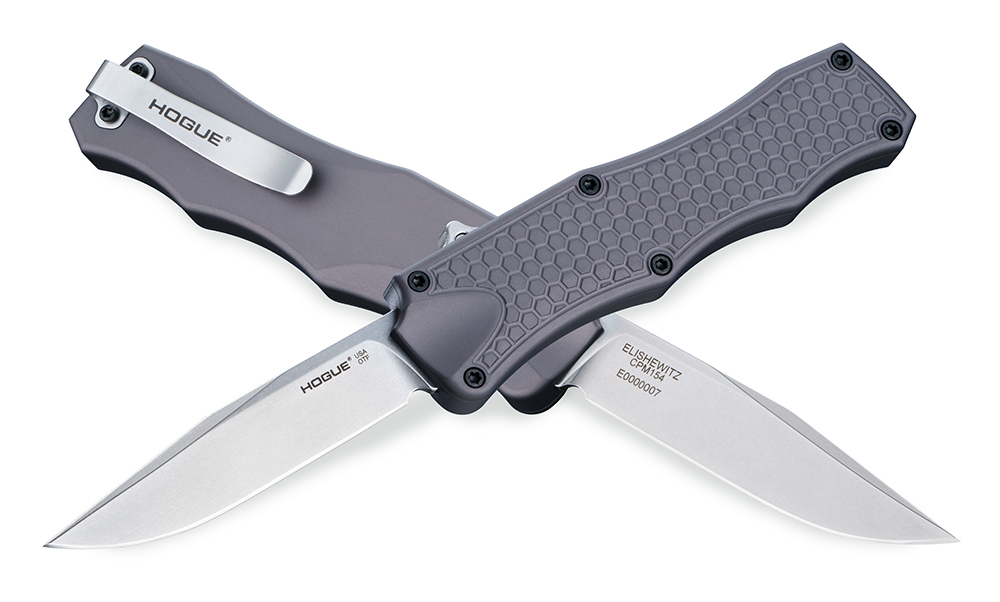
New: SureFire Aviator Dual-Color Flashlight

0

Preserving your night vision is essential to performing mission-critical tasks in low-light settings. This is why it’s so annoying to be blinded by an oncoming car’s high beams, or accidentally get flashed by the beam of a friend’s flashlight on a nighttime hike. Suddenly your coordination is reduced to nil and you’re stumbling around seeing stars — not exactly optimal when you need to move quickly and precisely.
SureFire Aviator flashlight LED light 4

Many flashlights offer low or “moonlight” brightness modes for close-proximity nighttime use, such as map-reading or taking inventory of gear in a backpack. Some even adjust light output intelligently based on surroundings. However, white light tends to be more detrimental to night vision than other colors. This is why SureFire developed the new Aviator compact flashlight with dual-color output — a 250-lumen white light, combined with either red, blue, amber, or yellow-green alternate mode.

SureFire Aviator flashlight LED light 2

During normal use, the new SureFire Aviator acts like an ordinary light. Press or click the tail cap to produce 5 lumens of white light in low mode, and immediately repeat for 250-lumen high mode. A Total Internal Reflection (TIR) lens creates a soft and even beam pattern. To change to the alternate color, twist the self-locking selector ring, and use the controls normally. No filter or cap necessary.

SureFire Aviator flashlight LED light 1

If you’re wondering which color is most useful for your needs, SureFire explains the color choices accordingly:

  • Amber – 20 lumen high / 5 lumen low – Improves contrast and does not degrade scotopic or night adapted vision.
  • Blue – 4 lumen high / 0.4 lumen low – More clearly defines shapes in the outdoors and helps identify blood and hydraulic fluid.
  • Red – 39 lumens high – Improves contrast and aids in reading red-light-readable topographic maps.
  • Yellow-Green – 39 lumens high / 0.3 lumens low – Complementary to the color spectrum used in most cockpits.

SureFire Aviator flashlight LED light 3

The Aviator is housed in an anodized aluminum body with stainless pocket clip and weatherproof O-ring seals. It runs on one included CR123A battery, measures 4.18 inches long by 1.06 inches diameter, and weighs 3.1 ounces. The SureFire Aviator is available at an MSRP of $299. For more information, visit SureFire.com.

Infographic: The Dangers of Road Rage

0

We’ve all experienced road rage in one form or another. You might have been on the receiving end of another driver’s anger for some perceived slight, watched two cars swerving around and brake-checking each other in traffic, or sat in the passenger seat as your vehicle’s driver blared the horn repeatedly at some inconsiderate jerk. You might have even been having a bad day and taken it out on someone who cut you off or flipped you the bird.

The road rage phenomenon has been studied extensively, and while it may seem like little more than a harmless tantrum, it can quickly escalate into car crashes, fistfights, and gunshots. Research has shown that there is a “direct linear increase” in road rage incidences as temperature rises, so it’s especially relevant as we enter spring and summer.

You never know if the guy you just honked at might be an ax-wielding nutcase ready to lash out. So, it’s important to understand the demographics and warning signs of road rage, and have a plan to de-escalate or escape the situation. The following infographic shows some of the physiological and emotional effects of road rage — click here for a full-size version.

Road rage driving car truck vehicle infographic 2Road rage driving car truck vehicle infographic 3Road rage driving car truck vehicle infographic 4Road rage driving car truck vehicle infographic 5Road rage driving car truck vehicle infographic 6

While the last portion of this infographic includes some good info on how to calm down and avoid being guilty of road rage, it doesn’t really address how to deal with it when you’re on the receiving end. Here are some tips to consider the next time you become a victim of road rage:

  • If behavior becomes increasingly aggressive or dangerous, call 911 and report the incident. Alerting the authorities provides a safety net in case the situation gets worse.
  • Do not pull over or stop to engage the other driver. Disengage as soon as possible.
  • Leave space around your vehicle to pull around the other driver, or to brake quickly if the driver tries to brake-check you. Avoid getting boxed-in at all costs.
  • If the driver follows you, go to a police station, fire department, or populous and well-lit public area. Obviously, the last thing you want to do is lead the driver to your home or workplace.
  • If you’re forced to stop, and the driver approaches your vehicle, stay calm. Even if you’re not at fault, be willing to tell the other driver what he or she wants to hear (including apologies) to de-escalate the situation. Having the moral high ground is useless if you’re dead.
  • Be prepared to defend yourself and your loved ones by any means necessary if the situation requires it.

For more info on road rage, check out this article from J.D. Power on Aggressive Driving and Road Rage.

The Reality of TV Survival

0

Photos courtesy of Discovery Channel

Yup. You know it’s bad when the least of your worries are the 30 flies on the tip of your dangly bit (aka man part). This was my reality as I stood before a stranger, naked and half a world away from home — 9,000 feet up on the edge of the Himalayan Mountains in India. This was survival at its core. The whole situation was set up for anyone, no less an avid survivalist, to fail. No food. No water. No clothing. No shelter. On foreign soil with nothing but one tool and the help of a person I’d never met before.

If you’re wondering what I’m talking about and why a person would ever be in a situation like this, the simple answer would be that I was on the hit Discovery Channel show, Naked and Afraid.

As an avid outdoorsman and survival enthusiast, I naturally jumped at an opportunity to try out for this challenge. As a U.S. Army veteran and a modern-day ninja (no, really, I’m a ninjutsu black belt), it’s a part of my growth plan to continually push myself to discover new aspects of my human potential. That’s why I did the show — twice. Both experiences pushed me beyond previous limits and offered deep lessons in survival and self discovery.

In addition to the personal lessons, I learned much more about survival than ever before, mostly unaddressed in any book I’d read in any class I’d attended. For these reasons RECOIL OFFGRID asked me to give you the top four lessons I learned being on Naked and Afraid. Whether you’re making plans to live completely off the grid or you’re just a casual hiker who wants to prepare for worst-case scenarios, you’ll no doubt find some valuable information below.

Lesson 1: Nothing Matters, But Life and Your Reasons for It

People ask me all the time how it was seeing my partner nude and if there was ever a time I stopped to check her out. The first point I make here is that I’m a married man so that was never going to be an issue. Then I’m quick to explain the reality of why, even if I wasn’t married, this would never be an issue.

It goes back to Maslow’s Hierarchy of Needs. Maslow explains that there are certain things a human needs before they are capable of thinking about procreation — and that includes the thoughts that precede it, such as lust. I learned about this in depth as a psychological-operations sergeant in the Army, as Maslow’s concepts were a big part of our methodology. However, once I was naked in the wilderness with a person I’d never met, these concepts took on a whole new meaning.

It was around 2 p.m. in India when my partner and I met for the first time. We had six hours before nightfall, when it would become extremely cold. We had to move further up the mountain, find a far-off location, build a shelter, gather materials for a fire, and start that fire.

There was no time to think of anything other than what the heck I got myself into, how the heck to survive, and what skills my partner had. In each question, the root was all about staying alive. It’s easy for a person watching to think of the sexual side of things, as they have all the basic comforts met (hence, why they’re even watching television). But for us it was only about survival.

The Takeaway: If you ever find yourself in a survival scenario, you’ll go through an overwhelming amount of emotions. However, also know that your body will eventually unify with your mind toward taking steps to get what it needs. You’ll find that the only things that occupy your thoughts are what you need, how to get it, and why you need it. This is of some comfort to know when you’re lost. However, it’s also important to understand that without training and proven solutions for gaining the things you need to survive, you’ll fall short and your natural, programed instincts may not be enough. So, start learning, prepping, and practicing now.

Lesson 2: Game Plans Are for Losers

When in a real survival situation, it’s important to know that books can’t help you, opinions don’t matter, and the rules are flexible. There’s no real strategy when dealing with nature, because natural laws are beyond logic.

I went into my first Naked and Afraid challenge with a whole lot of plans. I had a foolproof strategy that I practiced. On the first day I was going to make shoes and a fire. On the second I would make a shelter. On all days I would keep an eye out for a good water source, but on the second and third I would dedicate most of my time to finding it. This of course sounded good and tested well on my home turf where I was fully fed, mostly clothed and acclimated, but in a foreign land at an elevation I wasn’t used to, nothing went as planned.

There was no preparation for how Mother Nature responded. With only hours to spare after meeting my partner, there was no time to make shoes. I could feel how cold it was getting, and we knew we would need a fire. Furthermore, I could see the clouds moving in and thought it might rain. Therefore my partner and I not only knew we needed water but also to keep dry and warm, so we needed a shelter.

Nature can destroy any survival plan. The author had to change his first goal of building a fire to building a shelter when he saw rain clouds approaching while on TV's Naked and Afraid.
Nature can destroy any survival plan. The author had to change his first goal of building a fire to building a shelter when he saw rain clouds approaching while on TV’s Naked and Afraid.

So let’s recap: Six hours to do a major trek without shoes and clothes, collect firewood, collect shelter material, build a shelter, and then start a fire and keep it going through the dead of night so we didn’t freeze — I never dreamed it would be like this. I hadn’t adequately studied or trained for the situation we faced, and I had few people in my life who could’ve warned me. I was in the worst-of-the-worst scenarios. Needless to say shoes never came up in those first three days.

As a matter of fact, we stayed behind the curve and spent most days gathering firewood, improving our shelter, rehydrating, and looking for food.

Clothing and shoes seemed so unimportant when we had little physical and mental energy to allocate. We focused on the things that helped us stay alive, not the things that brought us extra comfort or ease. Again, this was a strategy born out of necessity, and the reality of the situation wasn’t based on preformed strategies from others or principles existing outside of the there and then.

The Takeaway: Like a scientist or an engineer, you learn good principles and textbook knowledge in school, but when you go out into the real world, the principles act as guides not gospel. The actions you take often transcend book knowledge, relying only upon aspects of the principles for adaptive and creative problem solving. This is what you need to truly survive.

Lesson 3: Shoes Are Like Time Machines and Bare Feet Are Like Microscopes

The “Why didn’t you make shoes?” question is one I hear a lot. I mostly covered why I didn’t make shoes in Lesson 2, but just to make another point — shoes are awesome! Hear me clearly: If you can have shoes, have them. Shoes are truly like time machines.

What I mean by this is that everything happens faster when you have them. Because we grow up in a predominately footwear-oriented society, it’s easy to take for granted how much they facilitate comfortable travel. In the wilderness, three minutes of movement with shoes is probably equal to 10 or 15 minutes without them. This is mostly due to pain, and secondly, due to the threat of pain from stepping on thorns or things that could bite you.

There are pros and cons to walking with and without shoes. The pros are that you travel faster and your feet are protected from bugs, reptiles, and the elements. This, of course, allows you to get more done in less time. On the contrary, because you can move so fast, it’s easy to miss things. You tend to not move as carefully, making you more vulnerable to other potential injuries and also creating the potential to overlook important opportunities in your surroundings.

Shoeless Hakim Isler had to slow his movement to protect his feet; both a pro and a con in terms of survival.

When you’re barefoot, you have no choice but to slow down. Your movements are strategic and methodical. This is a time suck in a situation where you’re fighting the clock; however, it’s a potential gift when learning your landscape and how to survive in it. Your whole being becomes like a microscope, forcing you to survey the ground in your immediate vicinity as well as several feet ahead.

This, of course, helps with gathering and hunting. With every step, your feet connect you with the earth, giving you bio feedback that speaks to your primal side. That part could sound a little hokey, and, in truth, it’s hard to understand, much less believe, until you experience it.

The Takeaway: The lesson here is, if you can help it, wear shoes, but slow down unless you have to hurry. Pretend your feet are bare and absorb your environment. You’ll learn and see things you wouldn’t otherwise.

Lesson 4: Dirty Is the Same as Clean in the Natural World

In my first few days in the Himalayan wilderness, I tried to stay clean. I understand the importance of hygiene in a survival situation. After several days of looking for food and living in wild with no real success, I had an epiphany. I realized that my partner and I were unnatural invaders in this natural landscape. Although we tried hard to blend with the environment, our own desires for cleanliness worked against us.

It was similar to a hobo coming into a pristine mansion and setting up in the living room, never showering and never cleaning up after himself. The level of disruption created would not be overlooked or accepted. This was what we were doing in the wilderness.

The chemicals in and on our bodies flooded the environment. The lack of subtlety in our movements rippled like mini earthquakes. Everything knew we were there. In the wilderness, dirty is clean and clean is dirty. We failed to understand this, and it made it hard to find real food. I found that, as time went on, there was a reawakening of my natural primal understanding. On the second week of the 21-day stint I found that these lessons reacquainted themselves with me.

The Takeaway: The average person understands this concept to some degree, as hunters use scent dampener and camouflage to hide their presence. The environment will do this for you naturally if you let it. The more time you spend outdoors, the more you’ll find that your body will purge itself of the impurities in your system.

You’ll then start to naturally take on the attributes of your environment. You’ll no longer be an individual entity, absorbed by the landscape. Your natural inclination will be to fight it, but this will only waste time and energy and, in the long run, hinder your ability to get what you need to survive. I’m not saying not to clean your teeth or wash yourself at all — just don’t obsess over it like we do in our regular lives.

reality-of-tv-survival-tengu-ono-ax

Conclusion

At the outset of this story, you were probably thinking, What could be worse than having a bunch of flies on your frank and beans? Armchair survivalists might have watched some TV shows or read a book and thought they could critique the performance of a person half a world away on how to survive when they were at the lowest level of Maslow’s Hierarchy. Hopefully with just these few lessons, they’ll learn that there’s more to survival than regurgitating textbook solutions.

There’s the will of nature, the will of a beast, and the discovery that you don’t know sh*t. However, with humble acceptance, trained knowledge, flexibility, and strong determination, you can survive even the worst of conditions.

About the Author

A former psychological-operations sergeant with the U.S. Army, Hakim Isler is the designer of several wilderness survival products and the owner of Elevo Dynamics, the first “Dojym” (a 24-hour gym and martial-arts facility) in the United States. He is also the founder of the SOIL Foundation, a nonprofit that offers off-grid training and excursions to help veterans, law enforcement, and civilians recover from anxiety, depression, and PTSD. Additionally, Isler is a fourth-degree black belt in To-Shin Do under Stephen K. Hayes, an instructor in the Filipino combat system of FCS Kali, and the author of Modern Hand to Hand Combat.

reality-of-tv-survival-hakim-isler

www.TheSoilFoundation.org
www.BlackMacGyver.com
www.ElevoDynamics.com

Naked and Afraid airs on Sundays at 10 p.m. EST on the Discovery Channel. www.discovery.com