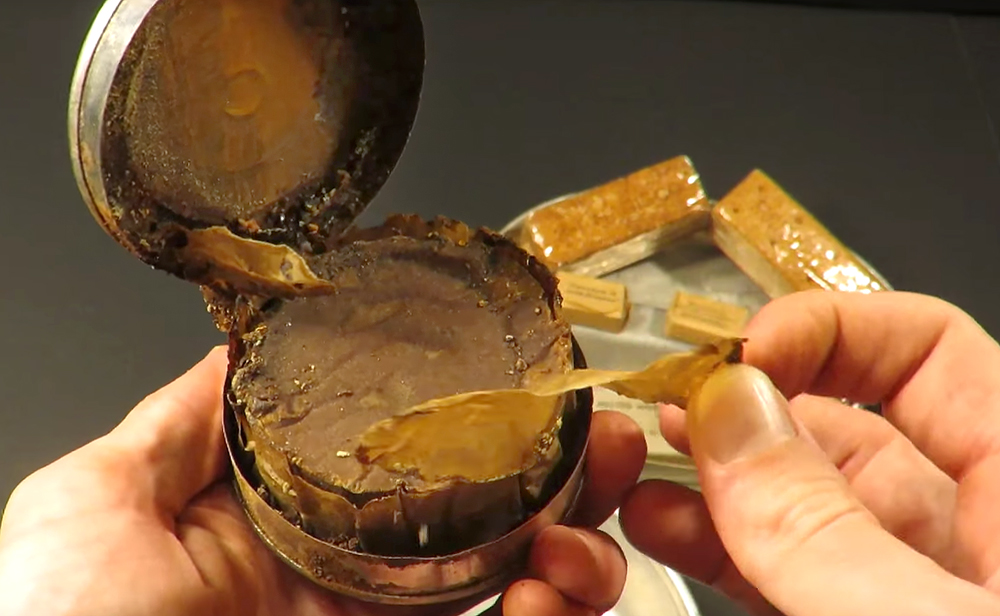
In survival situations, you might be forced to put aside your sense of disgust and eat foods that seem unappetizing in order to stay alive. Many of us would struggle to stomach questionable or potentially-expired food, but there’s one person who certainly won’t have any difficulty with the challenge: Steve1989. The host of this YouTube channel tests old and obscure MREs from around the world, and never seems phased by mold, dead insects, and decomposition of all sorts as he taste-tests these meals.
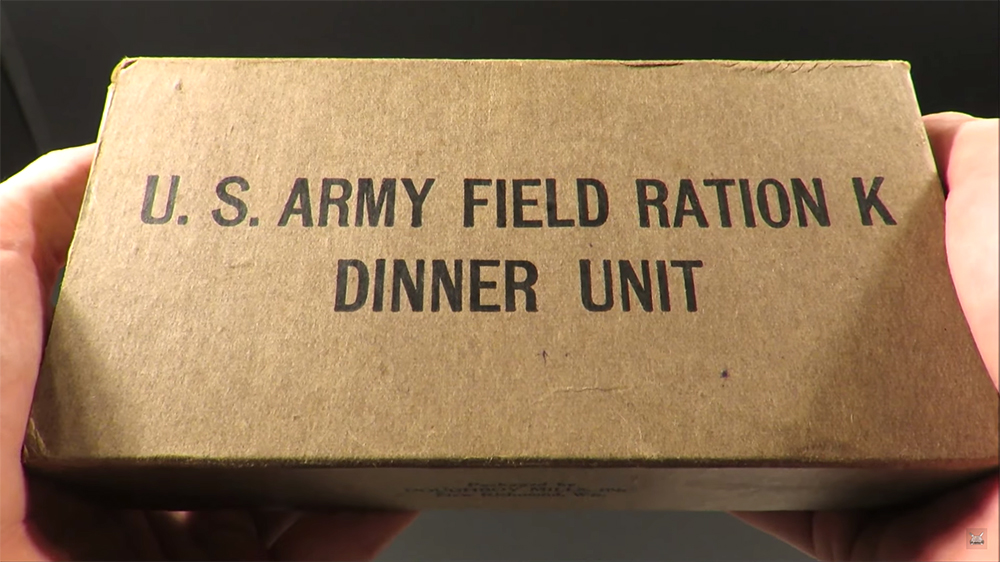
We previously wrote about Steve’s experience with a 1952 Food Packet MRE, but in a recent video Steve ups the ante yet again with the oldest MRE he has featured to date. He managed to obtain a sealed 1943 U.S. Army K Ration Dinner Unit, which he unboxes and tastes in the video below. Yes, you read that right — he actually eats a 74-year-old MRE.
“I hope that’s not bug droppings… I don’t think it’s supposed to look like that.”
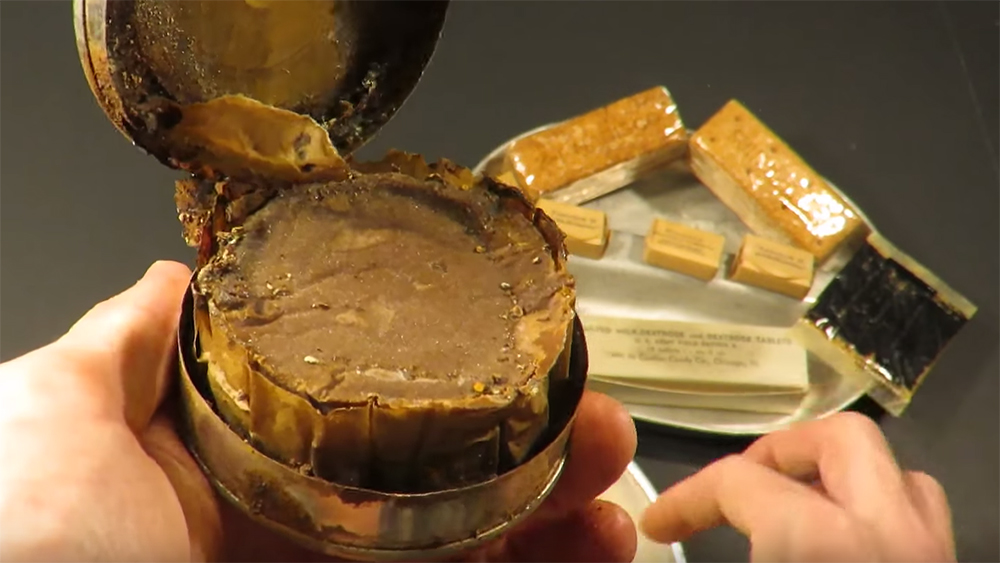
Nevertheless, Steve tears open the box and starts snacking. This particular ration included a tin of “processed American cheese with bacon” which degenerated into a crusty brown hockey puck — Steve’s response is “It actually doesn’t look as bad as I expected it to.”
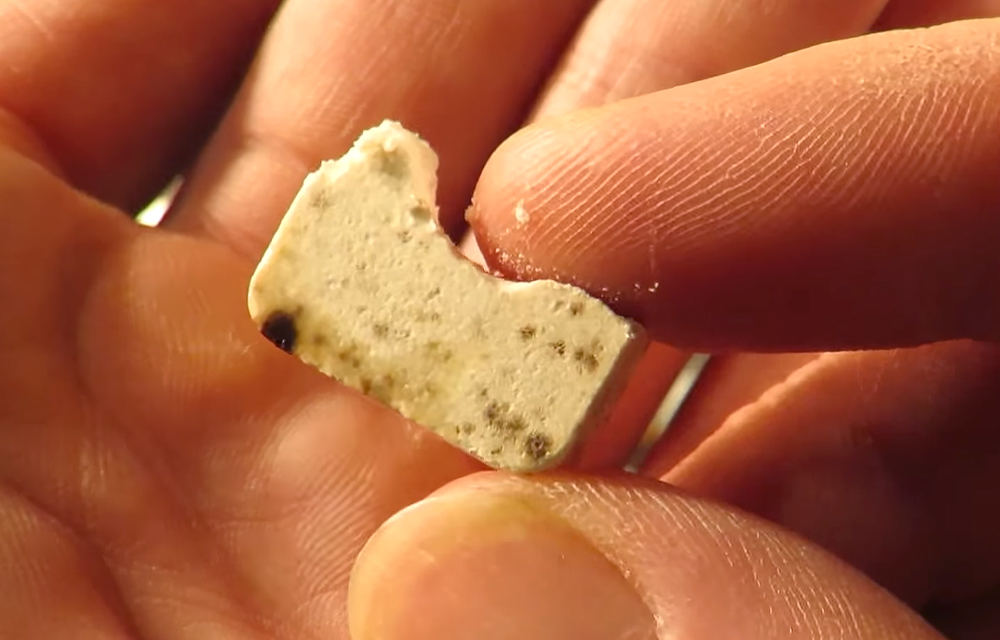
There are also cigarettes (standard in MREs of this era), gum, dextrose candy tablets, two kinds of biscuits, sugar cubes, and lemon drink mix. Steve tastes what doesn’t appear dangerously rancid, and even smokes the cigarette at the end of the video. If you’re wondering if your stomach could cope with this fossilized K ration, watch the video below. All we can say is we’re glad video cameras don’t record smells.
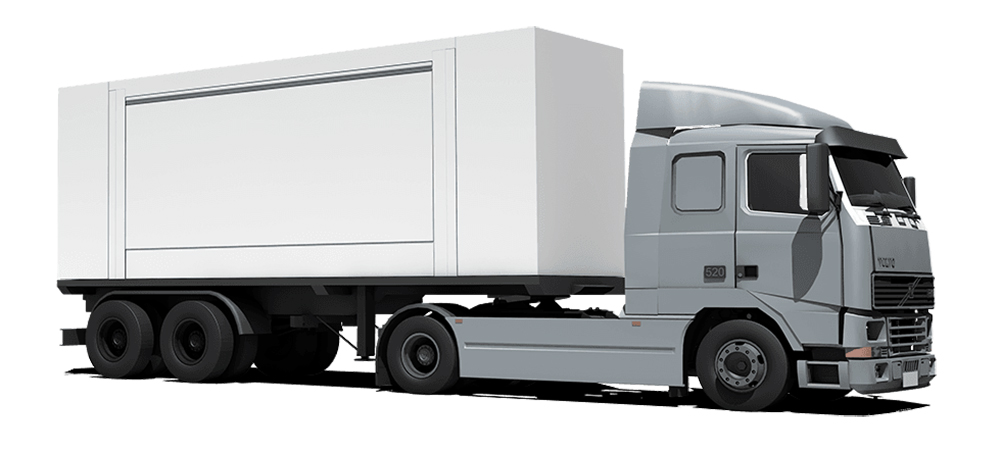
Have you ever seen a semi truck carrying a large container, and wondered what was inside? Unless the box was plastered with bright colors, catchy slogans, or the logo of your favorite beer company, most of us simply tune them out and keep driving. The plain white 18-wheeler that you just passed could be packed floor-to-ceiling with industrial scrap or nuclear warheads, and you’d never know the difference without looking inside.
The inconspicuous nature of unmarked semi truck cargo boxes provides an interesting opportunity: what if that cargo container concealed your survival shelter and bug-out gear? Better yet, what if the container was your survival shelter? In the early stages of an emergency bug-out situation, driving around a high-end RV or motorhome will probably draw some unwanted attention, but an old semi truck hauling an ordinary-looking box might appear less conspicuous.
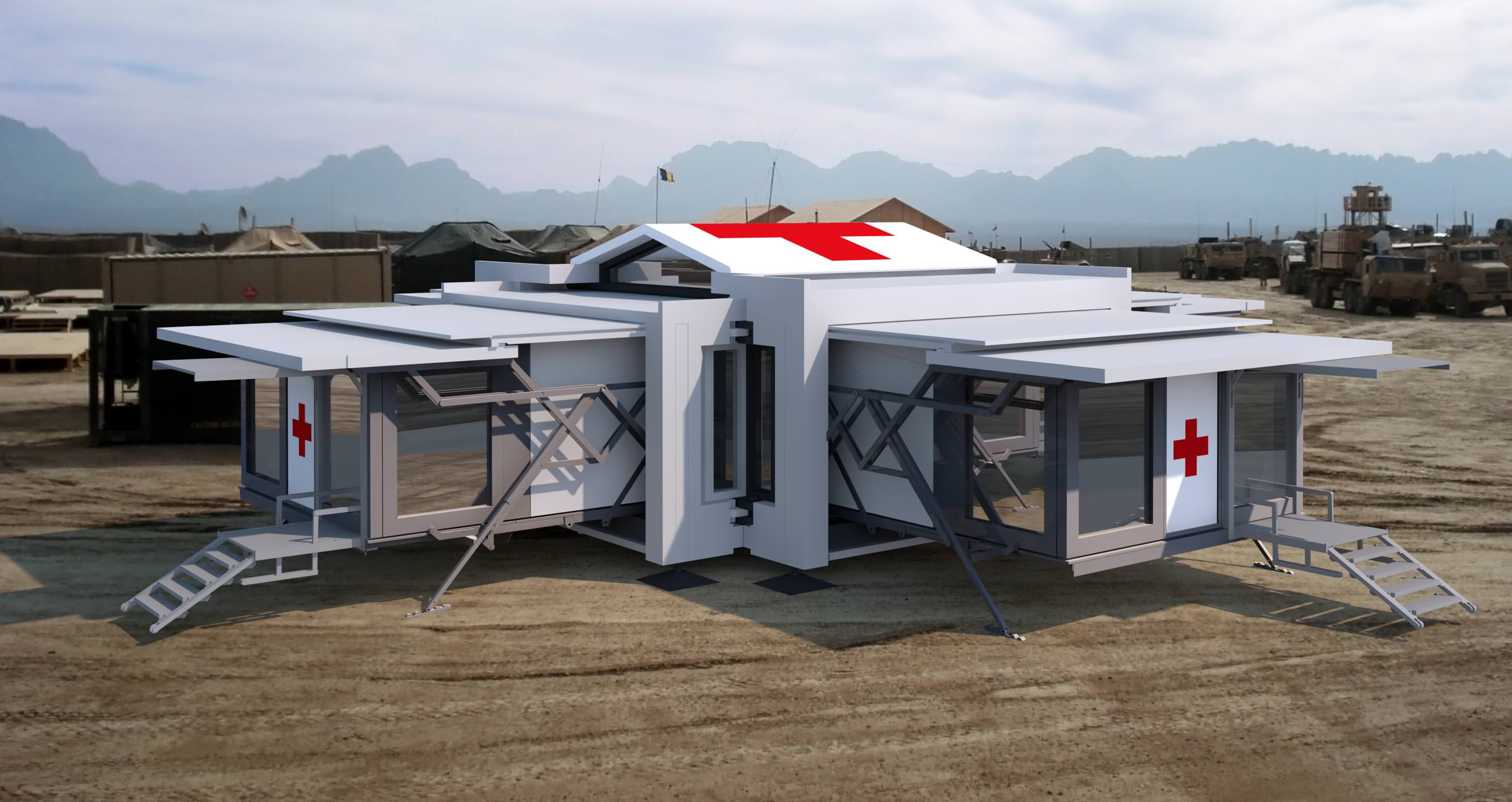
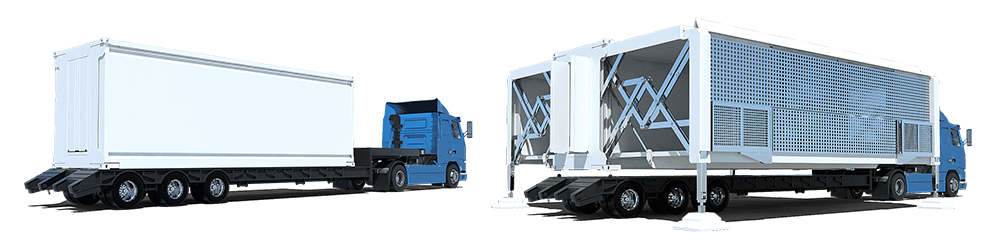
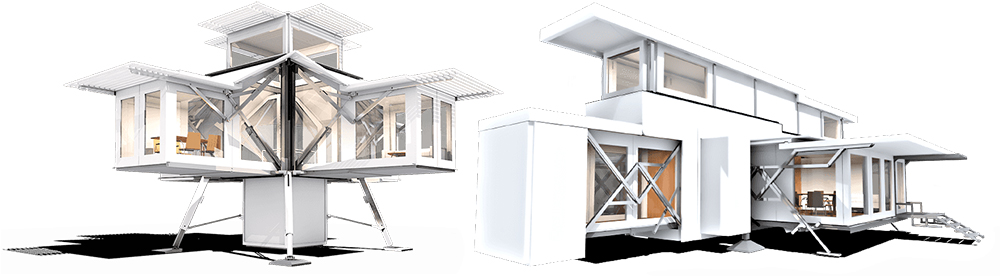
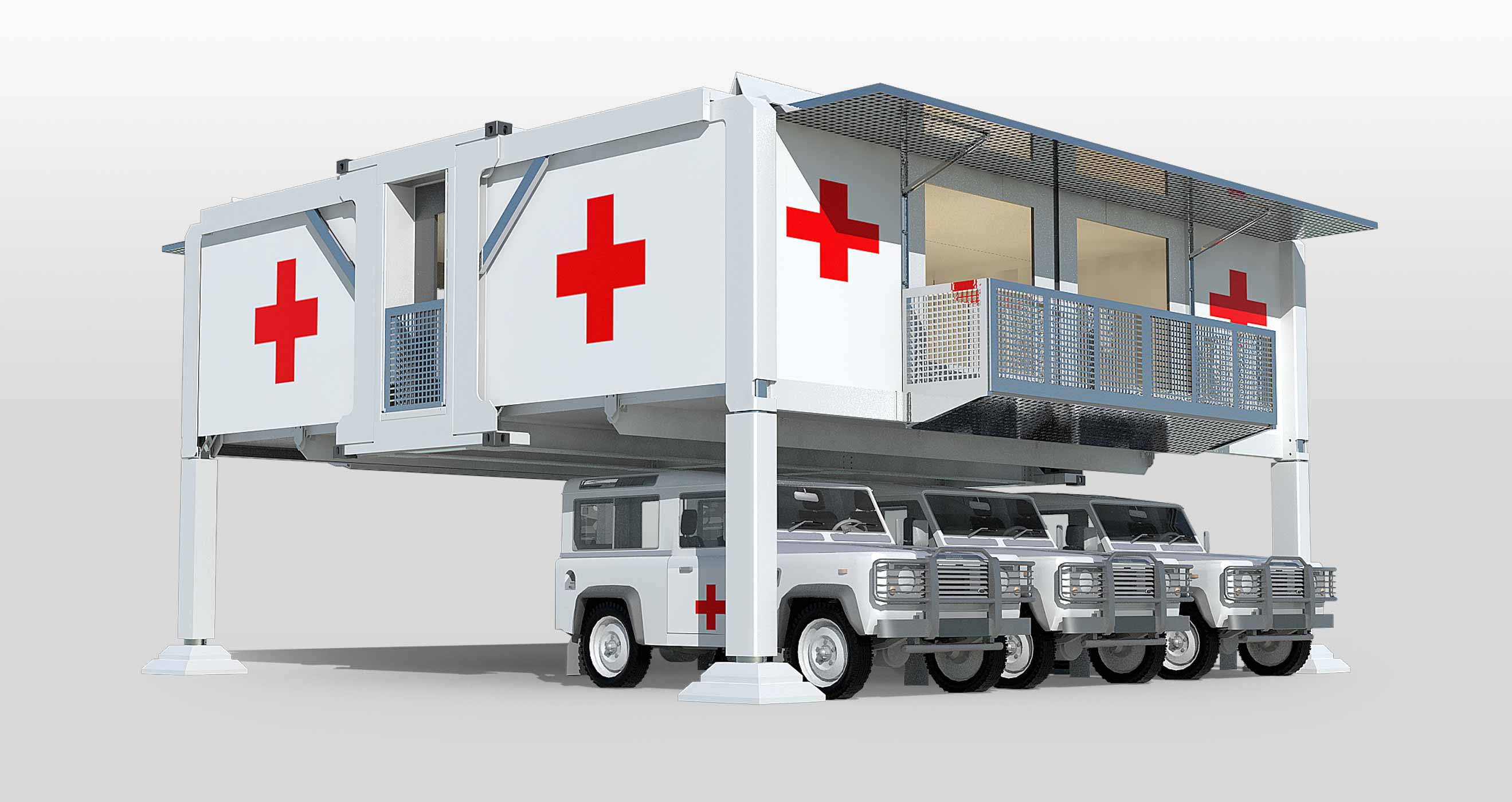
UK-based company Ten Fold Engineering has developed a quick-deploy mobile building design that travels on a standard semi truck. These Ten Fold structures self-deploy from the parked truck, expanding into spacious and versatile buildings without a need for builders, tools, or even a foundation.
The expansion process is fast, uses minimal power, and reveals storage spaces where furniture and gear can be carried in transit. The 689-square-foot (64-square-meter) prototype seen in the video above is said to open and close in 10 minutes using only a hand-held battery-powered drill. The Ten Fold Engineering site says, “Everything you see in the unit at the end of the film was already inside it at the start, with room to spare.”
These relocatable buildings are adaptable to a number of purposes, from emergency response centers to mobile homes. They can be equipped with solar panels, additional rooms, or can even be stacked and joined to create larger structures.
As you might expect, the Ten Fold Engineering structures come at a substantial price. The only pricing information on the company’s site is the phrase “from £100,000” — that means the basic models start at around $130,000 for those of us across the pond. Still, it’s an interesting concept, and one we could see becoming more widespread in the future as the cost of this technology diminishes.
As much as we swear by duct tape, zip ties, superglue, and epoxy for field-expedient repairs, there are some things these materials can’t fix — at least not in a way we’d consider permanent. Cracks and splits in small gadgets (or your skin) can be patched with cyanoacrylate superglue, and larger breaks can be repaired with a two-part epoxy like JB Weld. We’ve even heard of broken engine blocks being fixed temporarily with epoxy. But if you’re aiming to bond two metal parts properly, JB isn’t gonna cut it. You need a real weld.
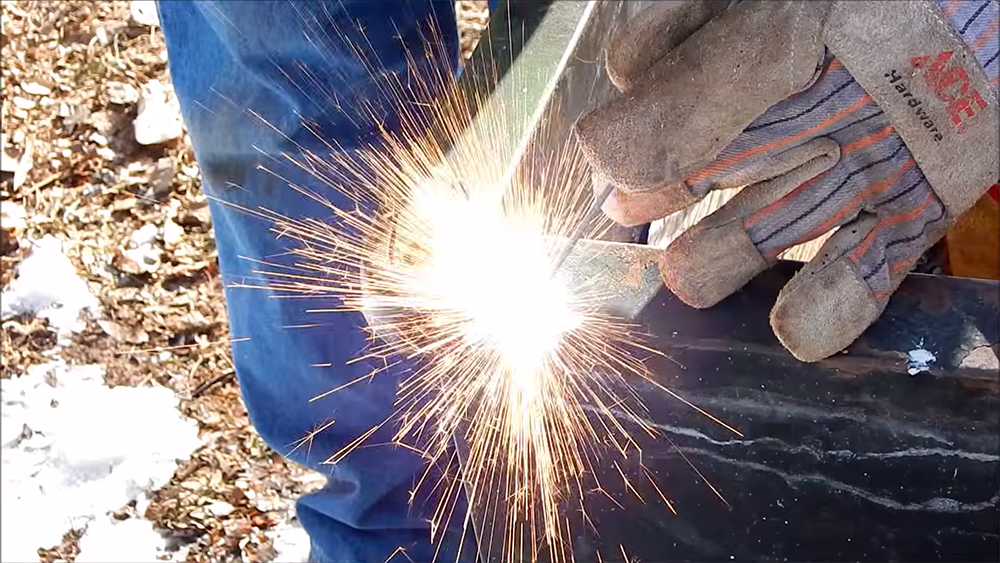
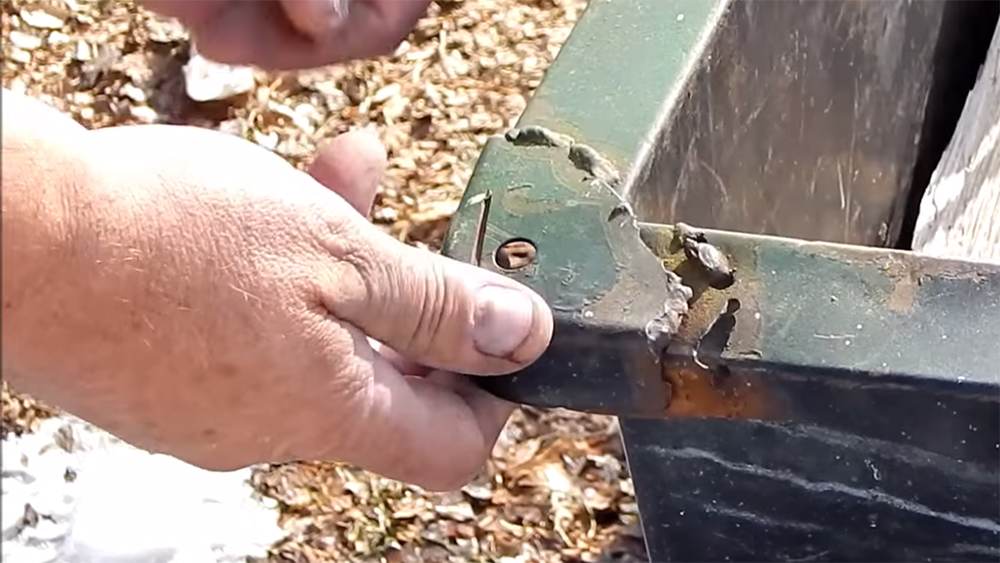
A quick application of stick welding can fix this broken trailer.
Welding is often associated with expensive machines, specialized fuels, and years or decades of training. However, you don’t need to be a pro welder with high-dollar gear to apply a quick bead and join two metal parts. Stick welding (a.k.a. SMAW or shielded metal arc welding) is one of the easiest methods to learn, and it’s relatively forgiving even if you’re working with metal that’s not exactly squeaky-clean, so it’s ideal for emergency gear repairs.
Note: Welding can be extremely dangerous, especially if attempted without adequate protective gear. If you’ve never welded before, we recommend seeking out professional instruction at a local community college or trade school. Always take every safety precaution and only attempt these techniques at your own risk.
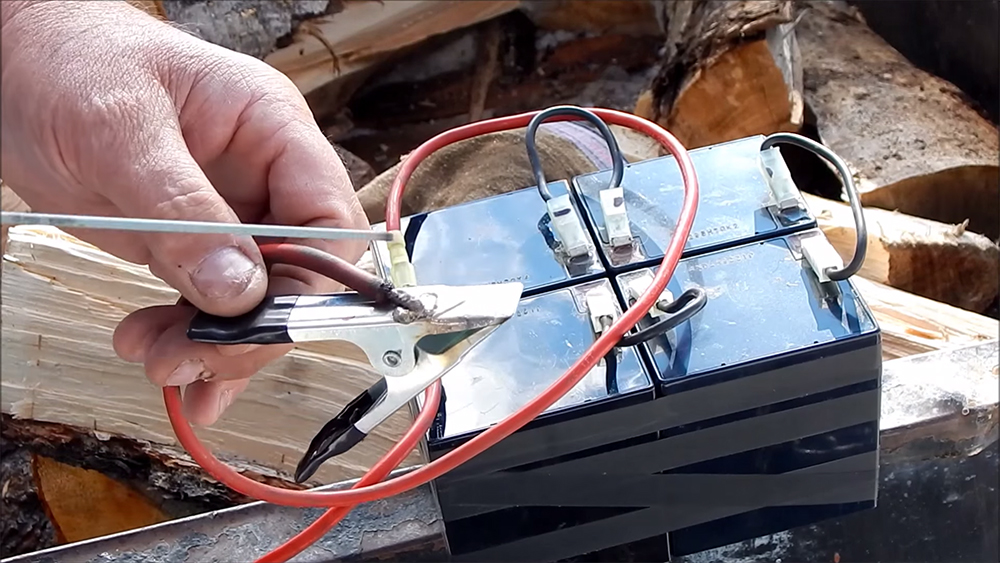
The other advantage to stick welding is that all you really need is electricity, a welding rod, and the appropriate protective gear. This means that it’s possible to improvise a DIY battery-powered stick welder. The YouTube video below from Dennis Evers shows a way to make a welding setup with four discarded 5000 mAh industrial batteries, some 10-gauge copper stereo wire, standard wire connectors, and a dollar store metal spring clamp. The batteries are wired up in series (i.e. positive to negative) to deliver approximately 50 volts.
As Dennis says in the video, the DIY stick welder system isn’t for building a ship or a precision aircraft, and it’s probably not going to produce the prettiest welds (especially if you’re a beginner). But it’s a good resource if you ever need to make some quick repairs to motorcycle, reinforce the hinges on an old metal gate, or tack a bracket onto your truck’s bumper. The same principles can be applied with two or more car or truck batteries and some jumper cables, if you don’t have the luxury of smaller industrial batteries.
There’s something revitalizing about a strong, steaming-hot cup of coffee. It warms you up, provides an instant energy boost, helps you stay alert, and improves morale… unless you’re one of those heathens who prefers tea (just kidding, we like tea too). However, a good cup of coffee isn’t easy to conjure out of thin air — if it were, you wouldn’t see Starbucks and Dunkin’ Donuts on just about every corner. Brewing a great cup of coffee is practically an art form, especially when you’re in the backcountry with limited gear.
While you may not be able to make a fancy cappuccino in the woods, a good cup of black coffee is doable.
If you’re at home, making coffee is usually as easy as pouring some grounds and water into a drip machine and pressing a button. But that’s not happening if you’re carrying all your gear in a backpack. So, what’s the best way to make coffee in the great outdoors? There are many techniques to consider, so we’ll discuss a few and go over the pros and cons of each.
Instant Coffee
If you’re heading out on a short trip but don’t want to bother with additional gear or grounds, instant coffee is a viable option. These freeze-dried coffee crystals often come in single-serving pouches, have a long shelf life, and can be simply stirred into hot water. However, if you’re a purist, you’ll immediately know it’s not the real deal.
Pros:
The easiest way to make a cup of coffee
Works just as well with cold water
No additional tools required
Cons:
Can be expensive if bought in travel-ready packaging
Doesn’t taste like real coffee
Cowboy Coffee
This is about as simple as real coffee gets, but can be a little off-putting if you’re not a die-hard mountain man.
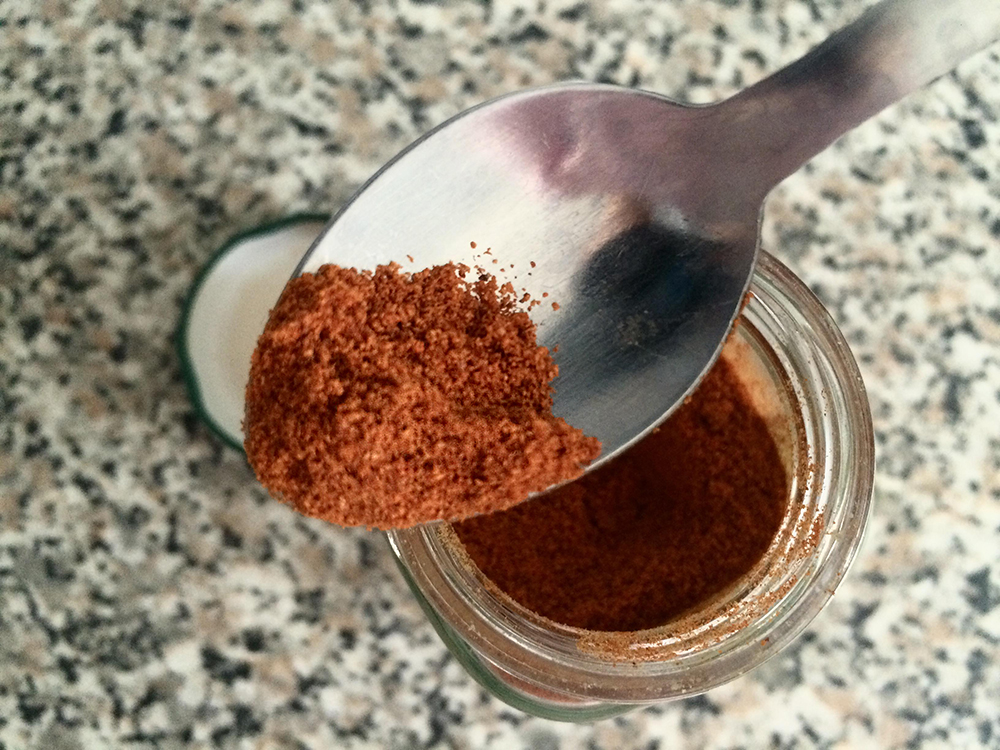
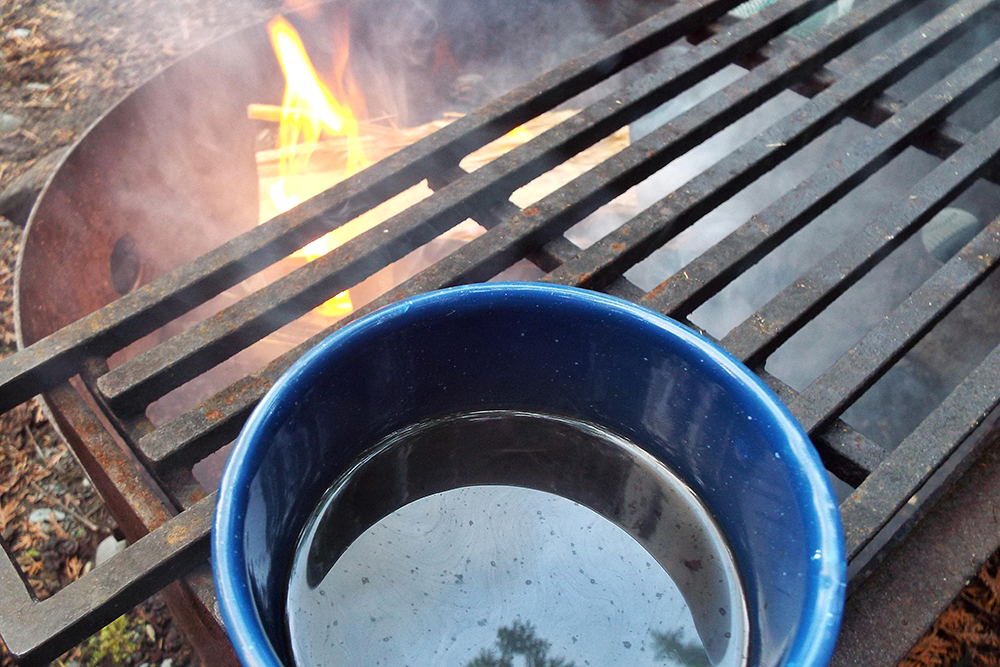
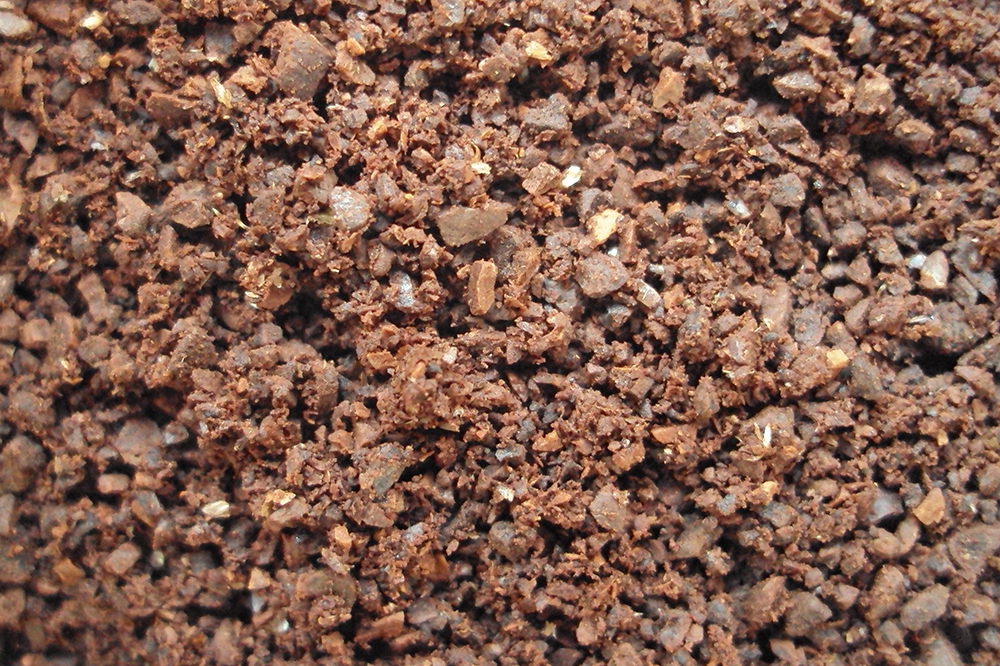
All you do is heat some water, toss in some grounds, and wait a few minutes for the flavor to disperse. If you’re really hardcore, you can drink straight from the pot and strain out the grounds with your teeth. Otherwise, we’d recommend pouring off the top layer into a mug, and disposing of the wet grounds at the bottom of your pot.
Pros:
Quick and easy
No additional tools required
You can think of the grounds floating in your cup as “flavor bits”
Cons:
Difficult to achieve consistent results
Loose coffee grounds stick in your teeth and can be unappealing
Steepable Coffee Bags
Photo: Cole Saladino / Thrillist
This method is one you can try at home. Just take a small scoop of coffee grounds, and pour it into a filter like you normally would. Then take some string or a strand from gutted 550 cord and tie off the opening of the filter, forming a coffee bag that you can steep in hot water like a tea bag. The amount of coffee and steeping time can be adjusted for water quantity and brew strength. Check out this tutorial from Thrillist for a step-by-step guide.
You may also be able to find single-use coffee bags at the grocery store. For example, Folgers Coffee Singles and Maxwell House Single-Serve bags.
Pros:
Convenient — just pull it out of your pack and drop it into a cup
Pre-measuring grounds can produce consistent strength
Lightweight
Cons:
You’ll need one bag each time you brew coffee. This requires prep work before your trip.
Steeping time will require fine-tuning
Unless sealed in a plastic bag, the grounds can go stale over time
Drop-In Filters
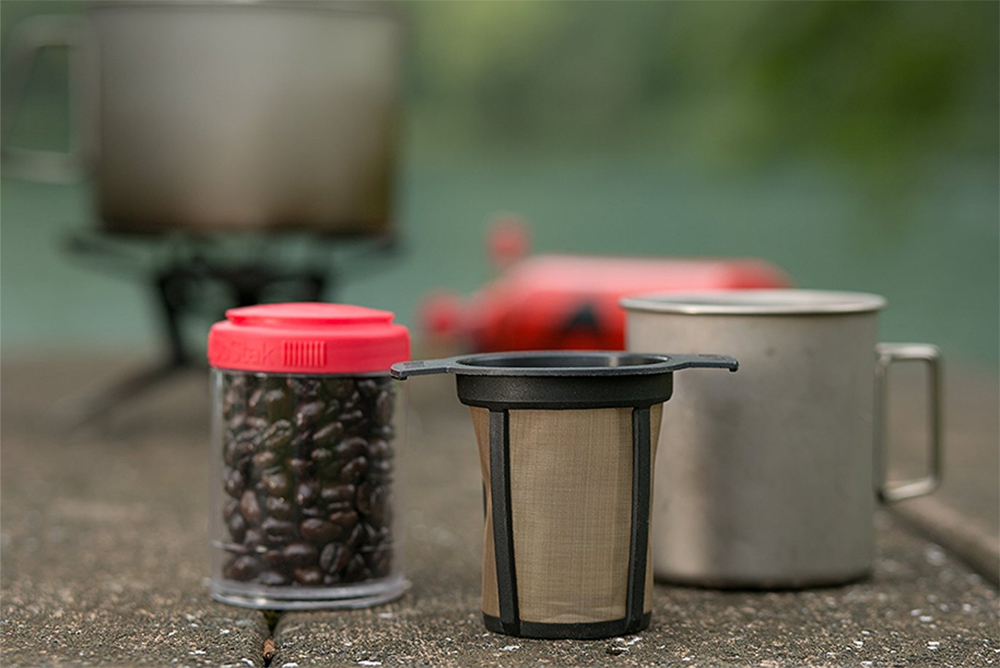
Another lightweight option is a drop-in filter. This setup submerges a filter and grounds in your cup, and lets you steep the mixture before removing the filter.
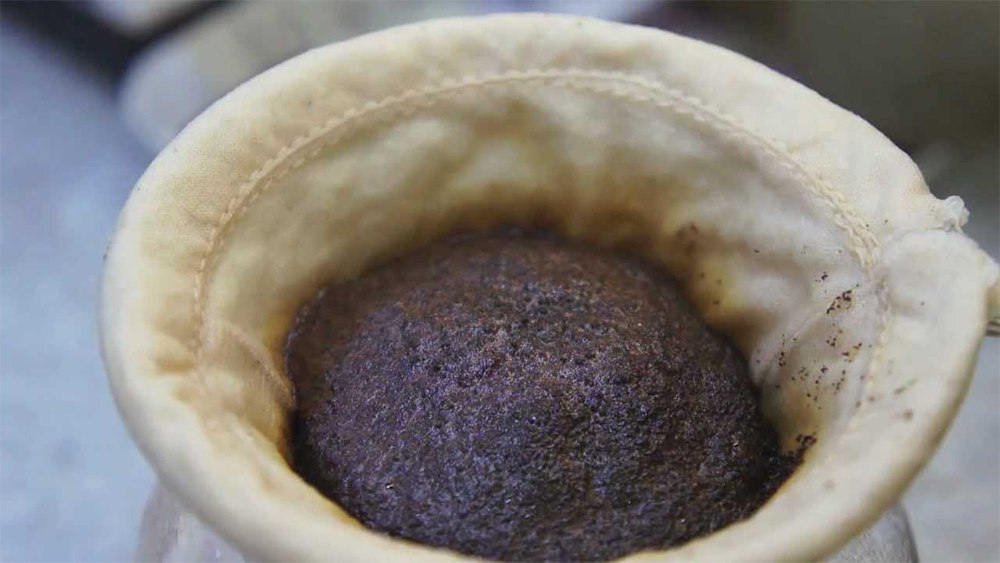
Some drop-in filters are rigid plastic, such as the MSR MugMate, and can be used for either coffee or loose tea. You can also go with a simple washable cloth filter, which costs only a few dollars and weighs next to nothing. Either way, once cleaned, these filters can be re-used.
The MSR MugMate is an example of a reusable backpacking coffee filter.
Pros:
Inexpensive minimalist tool
Reusable — no need to carry multiple replacement filters
Lightweight
Cons:
Best for single-serving cups, rather than making a large pot
Must be cleaned between uses
Cloth filters can be difficult to clean thoroughly, and may pose a risk for mold growth if put away damp
Pour-Over
Now we’re starting to get into the more complex systems, but this added complexity can bring added flavor. You also get to feel like a coffee hipster, since this technique has gained popularity in the home market thanks to systems like the Chemex.
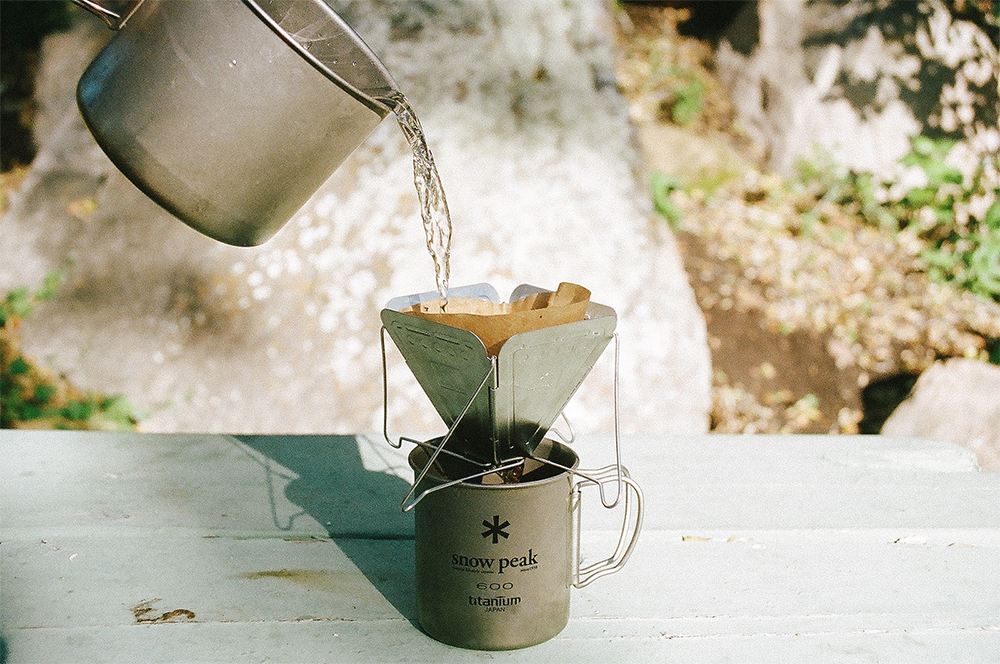
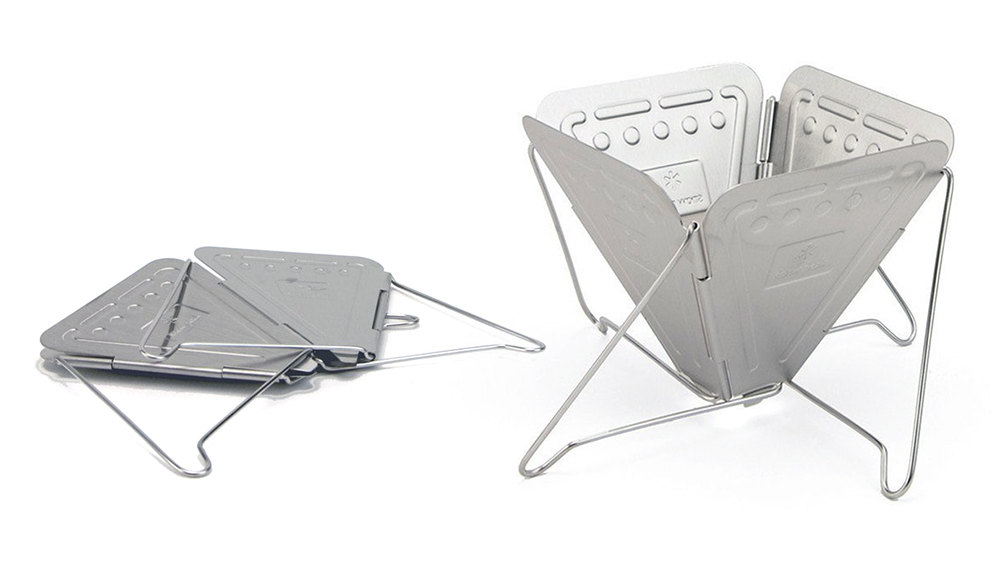
Pour-over coffee involves a device which sits above your cup or pot, holds a filter, and channels water down through a small drip opening. By controlling the flow rate of the water into your cup, you’ll get a much smoother and more consistent brew. For best results, pour-over requires a kettle or pot with a spout, so a steady stream of water can be poured onto the grounds — sloshing hot water onto your grounds isn’t ideal.
The collapsible Snow Peak coffee drip folds up for easy storage.
Pros:
Water flows through the grounds in a controlled manner, producing great flavor and consistent strength
With proper technique, should taste identical to home-brewed coffee
Still relatively lightweight and inexpensive
Cons:
Requires separate filters (disposable paper or reusable cloth)
Requires more set-up time and patience than previous methods
For best results, water should be boiled in a kettle with a pour spout
Presses
A small Bodum brand French press. Photo: Starbucks
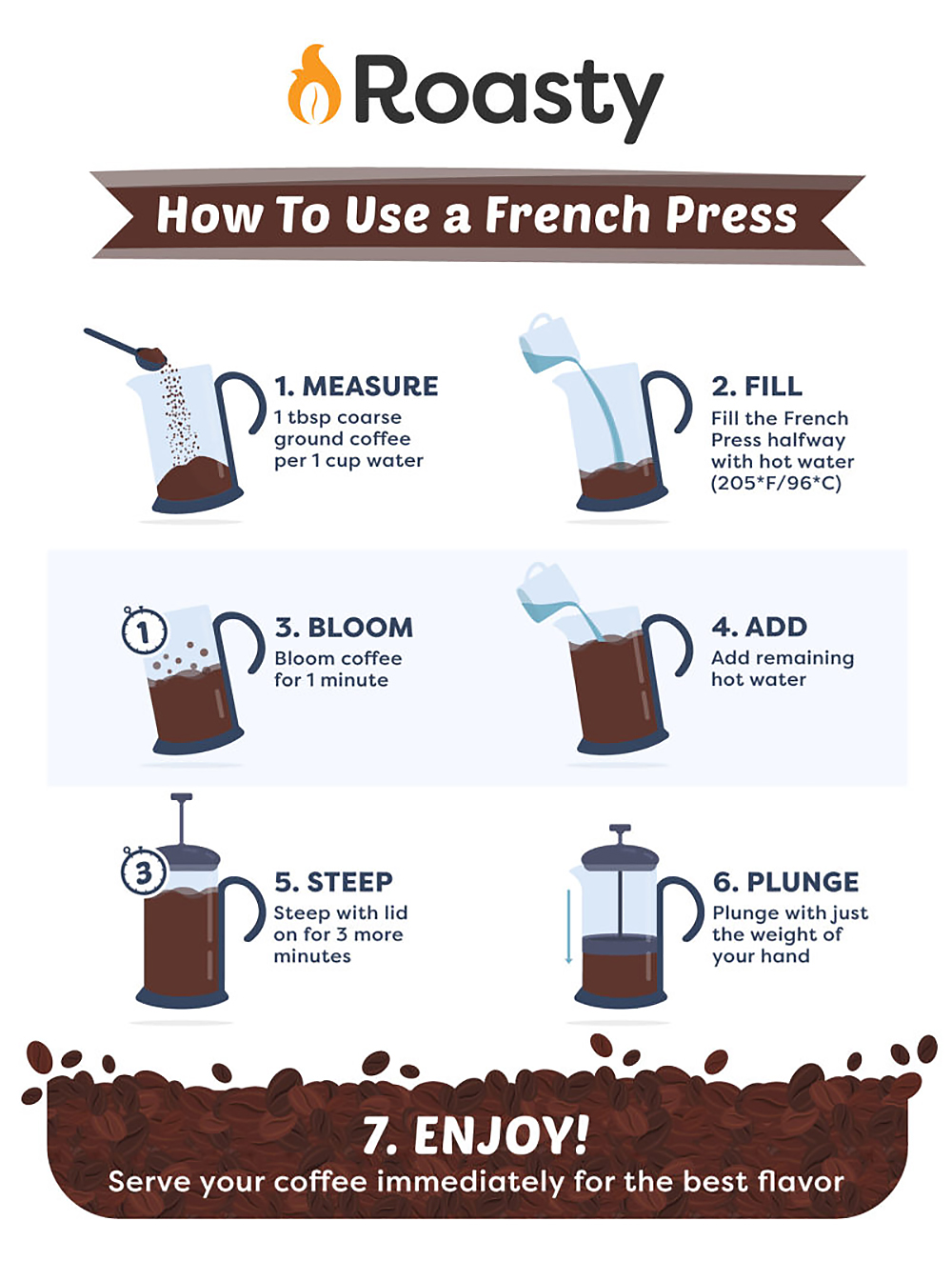
The most traditional press is a French press, which is a pitcher-style device with a central plunger. Brewing with a French press starts out like cowboy coffee, with grounds and hot water blended inside the pitcher, but the plunger forces the grounds to the bottom and strains your coffee for a much cleaner finish. Check out the infographic below from RoastyCoffee.com to understand the steps.
There’s also the AeroPress, which which uses manual pressure to extract more flavor from your coffee grounds, and can be used to produce espresso-style coffee or ordinary coffee. Here’s a video that demonstrates the AeroPress for those who haven’t seen one in action:
While the debate between French press and AeroPress rages on among die-hard coffee enthusiasts, both share many of the same strengths and weaknesses.
Pros:
Excellent flavor and strength consistency
All-in-one device, most require no consumable filters (AeroPress requires small paper filters but can be fitted with a reusable metal filter)
Available in compact travel-size varieties
Cons:
Tougher to clean thoroughly than pour-over devices or simple filters
Heavier, bulkier, and more prone to breakage than previous methods
Percolators
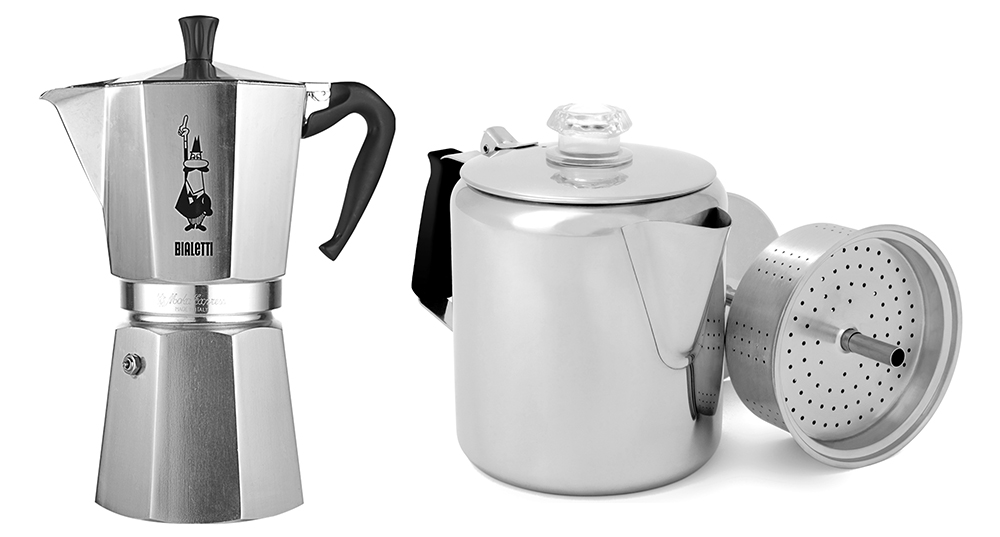
Miniature percolators from Bialetti (left) and GSI Outdoors (right).
A percolator is a specialized pitcher which continually directs water up a central tube and spreads it across a layer of grounds, allowing it to drip back down to the bottom. Up until the development of the electronic drip coffee maker, most homes used these devices to make coffee.
Small and relatively-lightweight percolators are available, such as the Bialetti Moka Express, a design which has remained virtually unchanged for 80 years. Backpacking gear companies have also produced outdoor-oriented percolators, such as the GSI Outdoors Glacier Perc.
Anyone who has sat out on a porch or at a campsite during peak mosquito season knows how much of an annoyance the little blood-suckers can be. Constant fidgeting, swatting, and hand-waving to keep the mosquitoes from pestering you can turn a relaxing evening outdoors into a frustrating experience. It makes your skin crawl, leaves you itching for days, and can even lead to serious illnesses.
Mosquito repellents are an essential tool for keeping the bugs at bay, but each type has its drawbacks. Sprays are effective but also messy, smelly, and leave your skin greasy — they’re great for day hikes but if you’re sitting outside for an hour, they’re not the best option. Citronella candles produce dubious results, and even a slight breeze will render them useless.
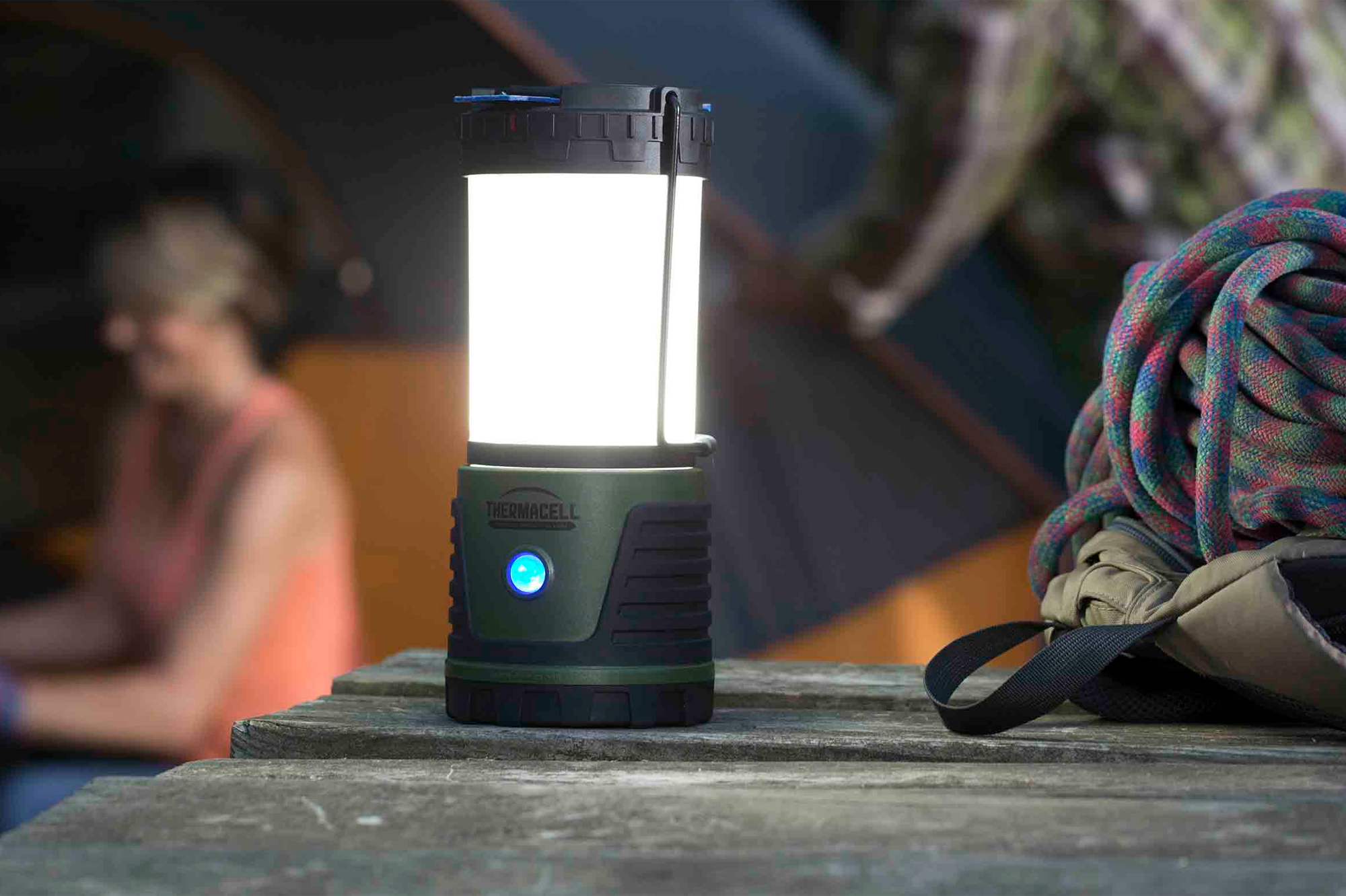
Butane-based repellents are effective, but also have a few downsides to consider.
Butane-based area repellents, such as the Thermacell lanterns we previously wrote about, also have their drawbacks. Butane eventually runs out, so you’ll have to buy both butane cartridges and repellent refills, meaning you’ll spend more money in the long-term. It’s also affected by altitude, and can’t be carried on airplanes.
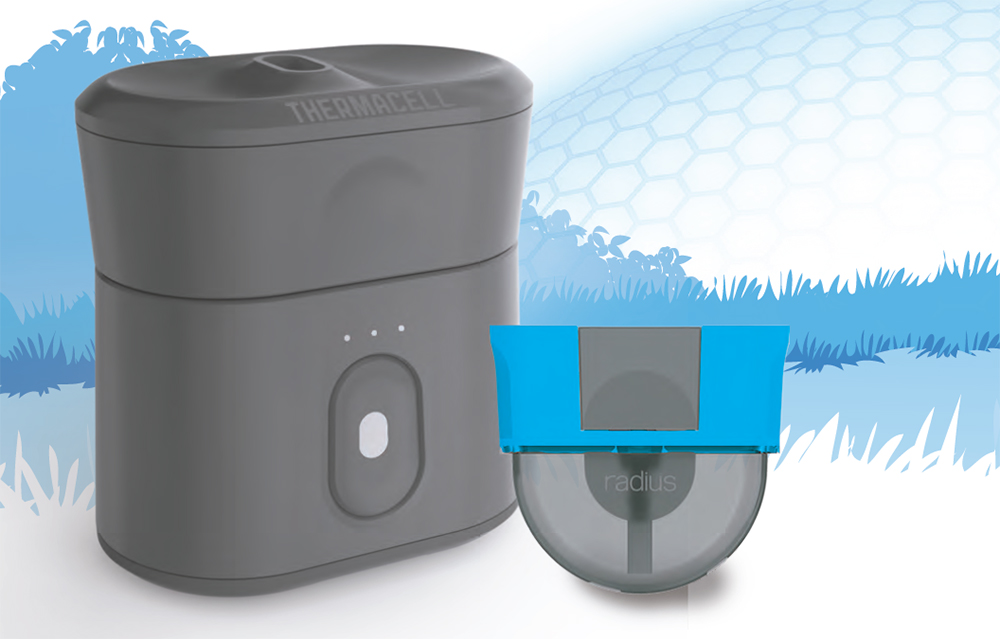
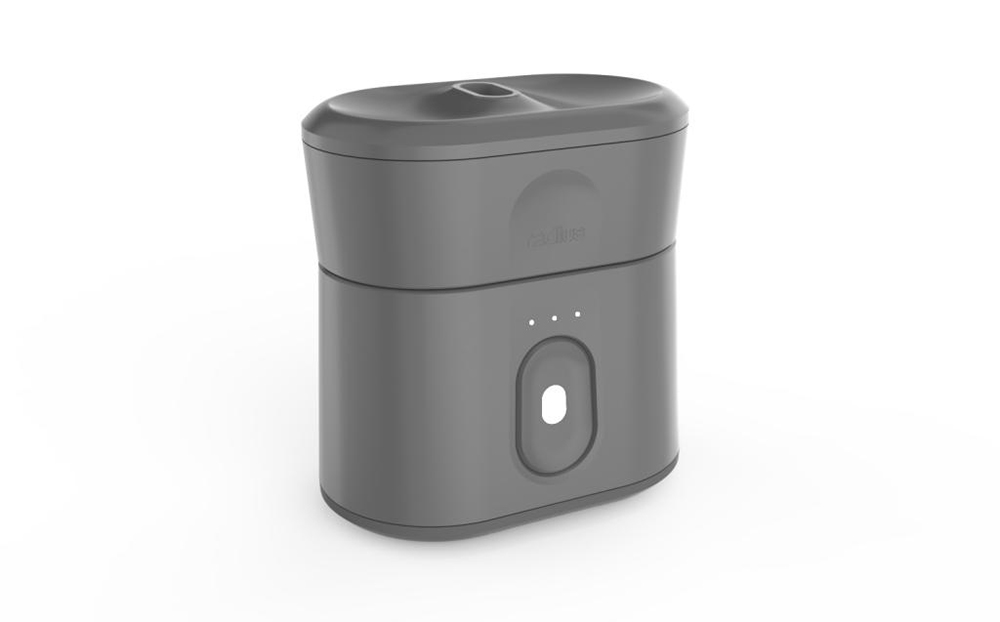
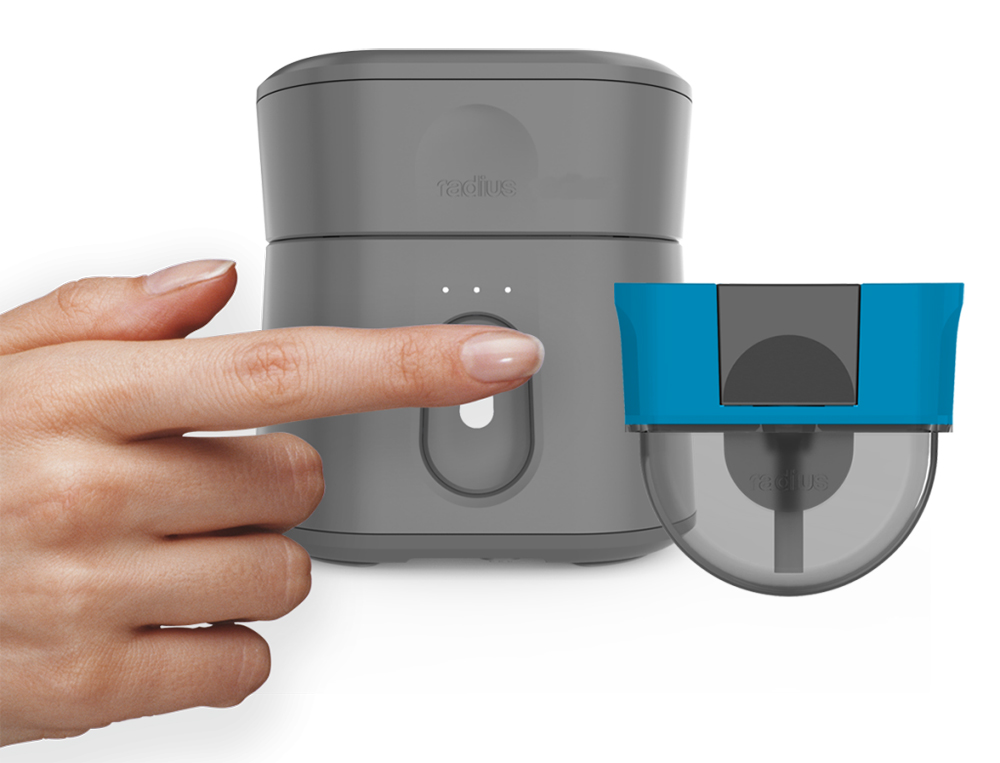
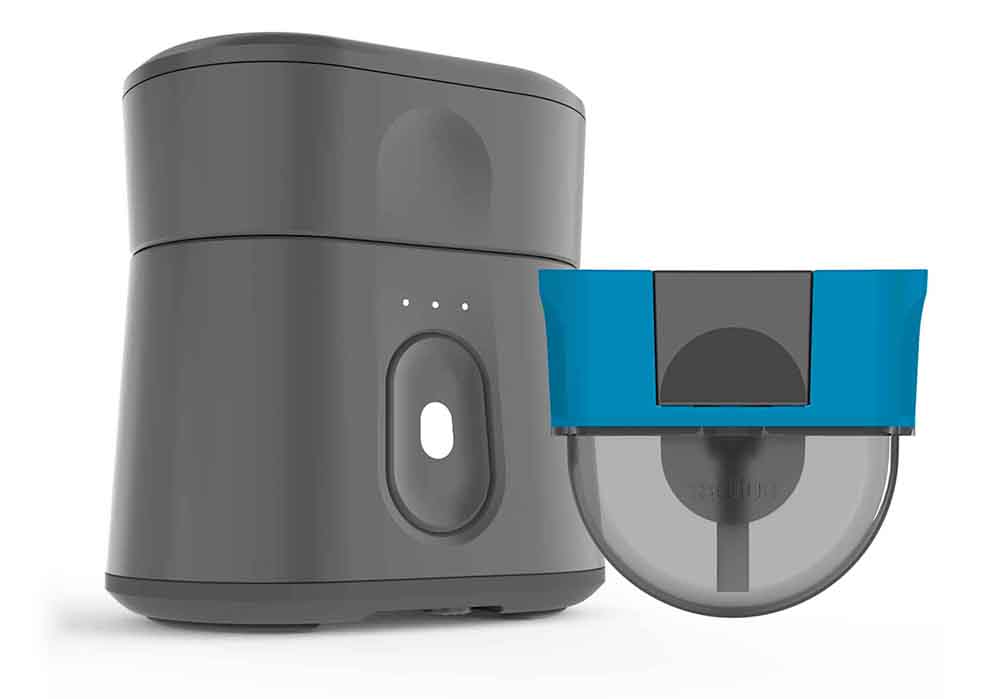
The new Thermacell Radius runs on a rechargeable battery, and no longer requires butane cartridges.
Thermacell has announced the development of a new mosquito repellent system called the Thermacell Radius. The company calls this product “its most significant innovation since the launch of its very first butane powered repellent in 1999” because it has eliminated the need for butane — the Radius runs on a USB-rechargeable lithium ion battery. This battery activates and disperses metofluthrin repellent stored in a single liquid refill cartridge (good for up to 36 hours), and runs for up to 6 hours on a single charge.
The system is said to produce a continuous zone of protection that’s ideal for a deck, patio, or campsite. There’s also a built-in shut-off timer so it won’t run all night if you forget to turn it off. Since there’s no butane, it’s great for air travel and use at higher altitudes, and you’ll only need to replace one item when it runs out of repellent.
The Thermacell Radius has just been announced and will not be available until Spring 2018, at which time its MSRP will be $50. We’ll be keeping an eye out for this new system, but in the mean time you can check out the complete product announcement PDF below or go to Thermacell.com for more info.
If you’re interested in learning more about mosquito repellents, keep an eye out for our upcoming web feature from contributor Andy Schrader. He headed out into the bug-infested swamps of Florida to see how well these repellents work in the real world.
Whenever we’ve got some down time in the evenings, we enjoy watching YouTube videos from survivalists and bushcrafters. It’s a great way to relax while also learning some valuable skills — the more time you spend observing and learning, the more likely you’ll be to remember useful tips and techniques on your next outdoor adventure. It sure beats watching Keeping Up with the Kardashians or whatever vapid TV show happens to be on.
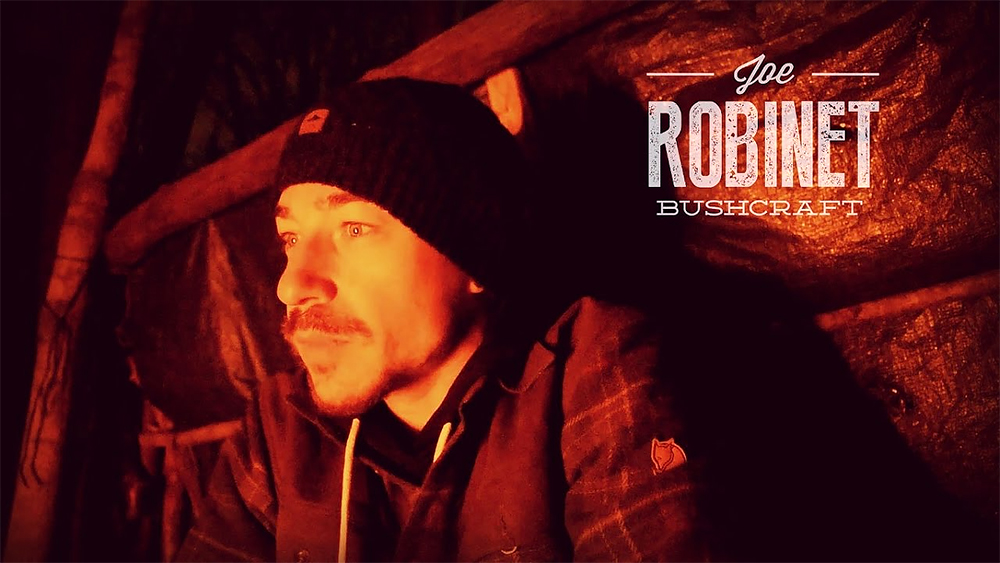
One YouTuber we follow is Joe Robinet, an outdoorsman from southern Ontario, Canada. Those of you who watched Alone season one on History may remember him from his brief appearance there. He tapped out after four days on the island, as a result of losing the only fire-starting tool he was allowed to bring (listen to his explanation of what happened). But don’t discount Joe’s survival skills because of this one mistake — he has many hours of informative content that shows he’s the real deal.
A recent video series on Joe Robinet’s channel documents an overnight camping trip from this spring. In the first video, he shows his basic overnight kit, and it’s not what we’d consider a typical loadout. For example, he doesn’t carry a fixed-blade survival knife, instead opting for an ax and a small Swiss Army Knife. He challenges himself by carrying only an ordinary book of matches for fire-starting, and his food supplies are minimal, so he’ll rely on catching wild trout or crayfish and gathering wild mushrooms and edible fiddlehead ferns.
In the next two 44- and 51-minute videos, Joe tests out his gear and skills, and records the process. It’s relaxing and informative — if you’ve got some time to spare, check them out below.
If you’re into high-end knives and EDC gear, you’ve undoubtedly heard of Rick Hinderer. This Ohio-based knifemaker has been crafting blades since the mid-1980s, and his company makes several extremely popular folding knives, including the iconic Hinderer XM-18 (you can read our review here). These blades are made of top-shelf materials and come at a premium price — most sell for north of $400, and have strong residual value on the used market.
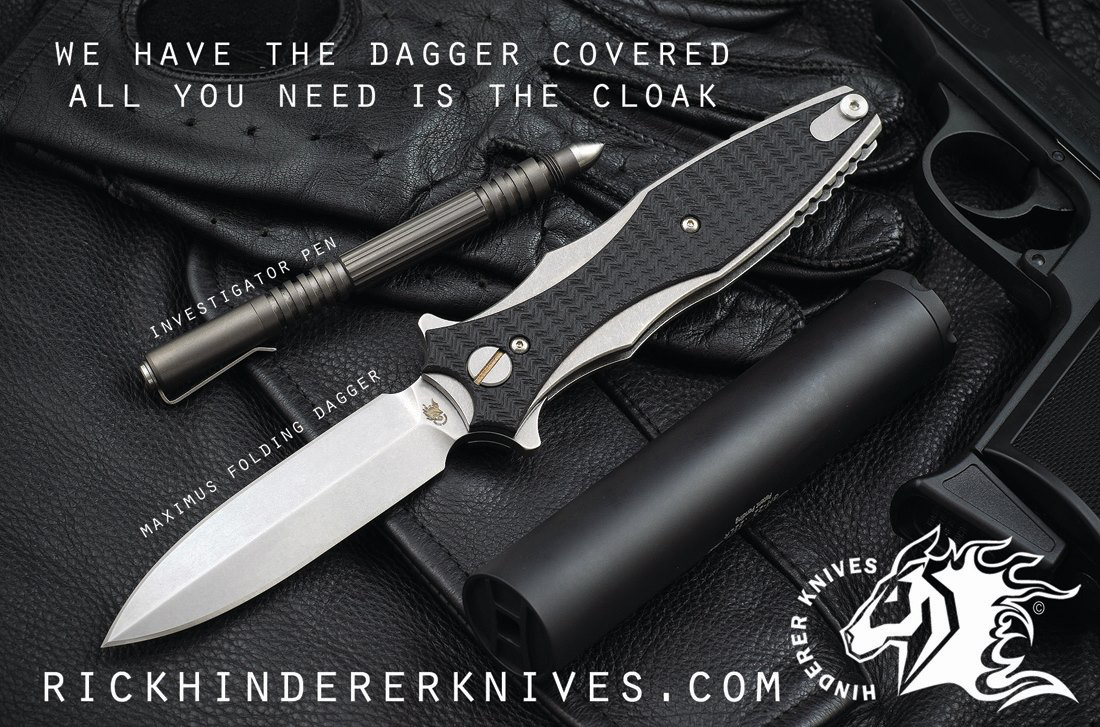
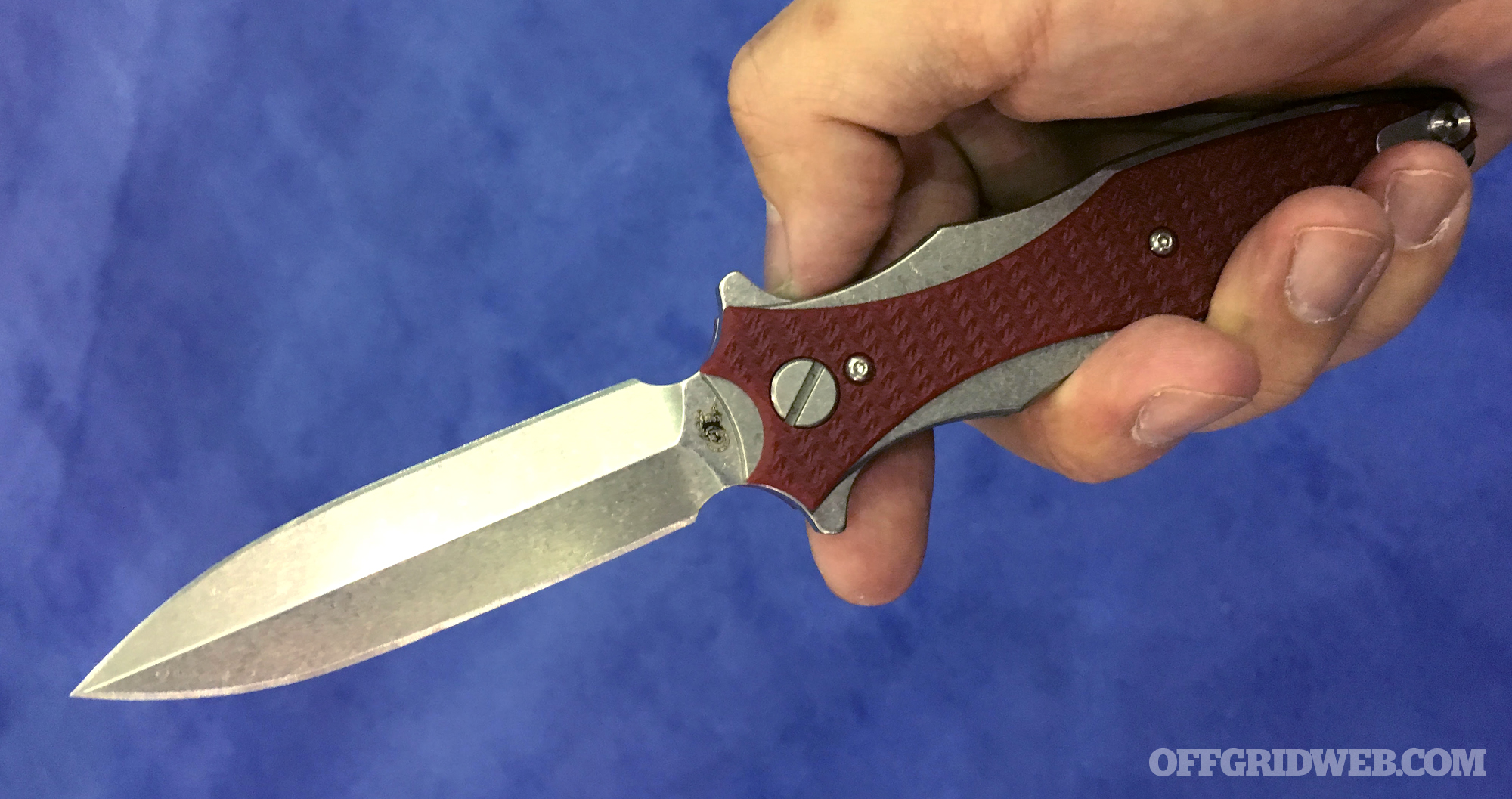
The latest addition to the company’s production lineup is the Hinderer Maximus. Rick has designed several folding daggers over the years, and says this is the most refined version yet. We handled one of the first 20 production models at Blade Show 2017, and snapped some of the photos seen here.
The 3.5-inch dual-edged blade has a symmetrical design with finger guards on each side. This appearance may leave you scratching your head at first, since one (and only one) of the guards serves as a flipper lever to deploy the CPM 20CV stainless steel blade.
You’ll also want to be extremely careful when closing the blade, since muscle memory may lead you to reach for the spine like you would on a single-edged folder. Hinderer’s site puts it like so: “You can’t be an idiot with it or you can cut yourself. Just realize the other side is sharp and one-hand close it using the tab rather than the spine of the blade.”
The Maximus’ handle is composed of lightweight titanium, with a frame lock mechanism and textured G10 scales. A reversible titanium pocket clip allows for tip-up left- or right-handed carry. Overall weight is 4 ounces, and MSRP is $425. For more info on the Hinderer Maximus dagger, go to RickHindererKnives.com.
Tinder is a subject that often comes up in the survival and bushcraft community — and no, we’re not referring to the internet matchmaking app. That’s not helping anyone survive, unless you’re really desperate for a hookup. We’re referring to the original analog tinder: combustible material. There’s a wide range of tinder types to choose from, and each has its own advantages and disadvantages.
Some tinder materials take a spark easily but fizzle quickly, while others burn longer but are harder to ignite. Cost, size, weight, water resistance, temperature sensitivity, and availability are also worthwhile considerations. Even then, an excellent tinder for arid desert environments may fail spectacularly in the wet rainforest or icy tundra. It’s important to consider all these variables when you’re assembling a fire-starting kit for your bug-out bag or survival pack.
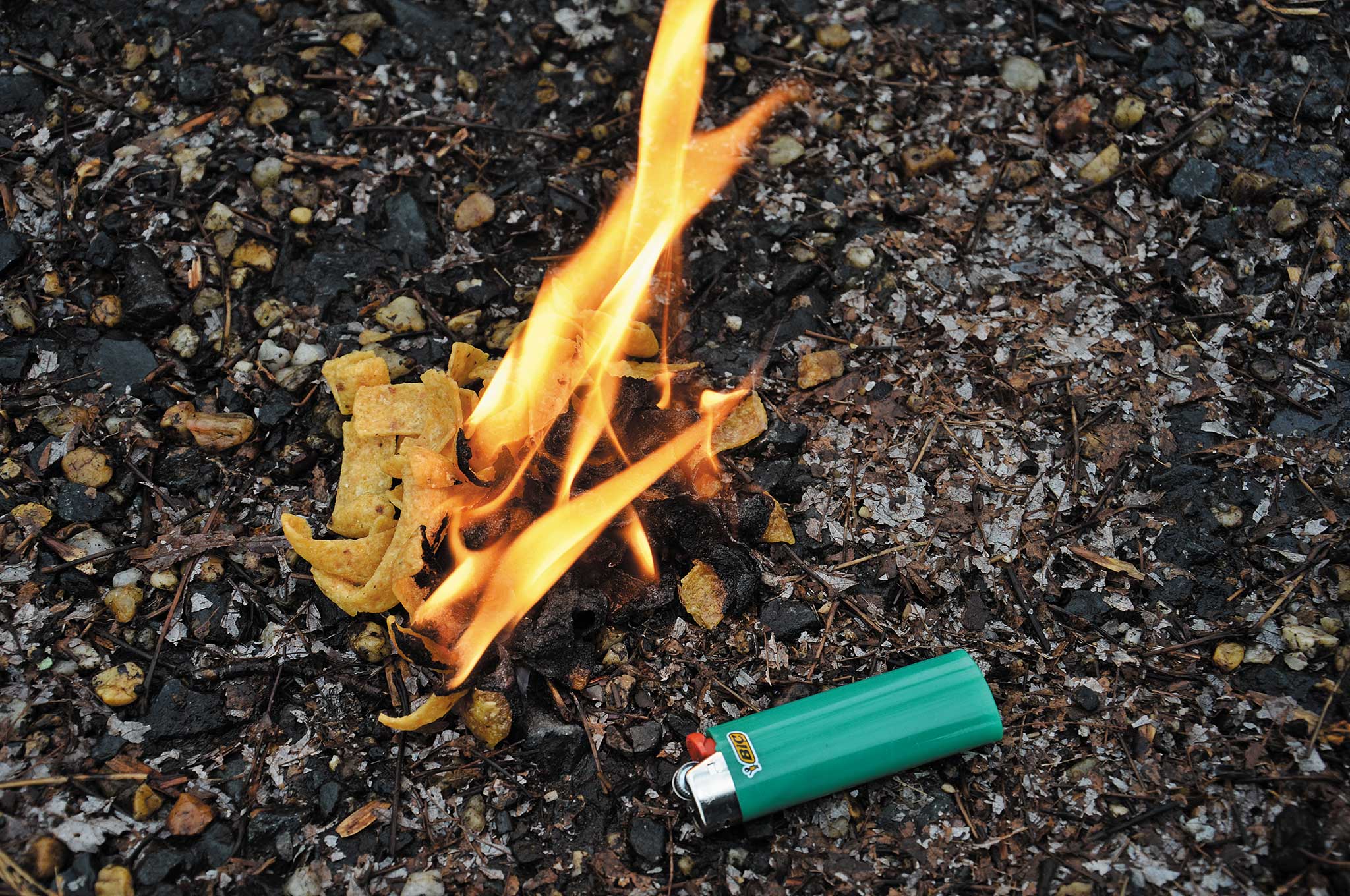
Even oily Fritos corn chips can be used as an effective tinder material.
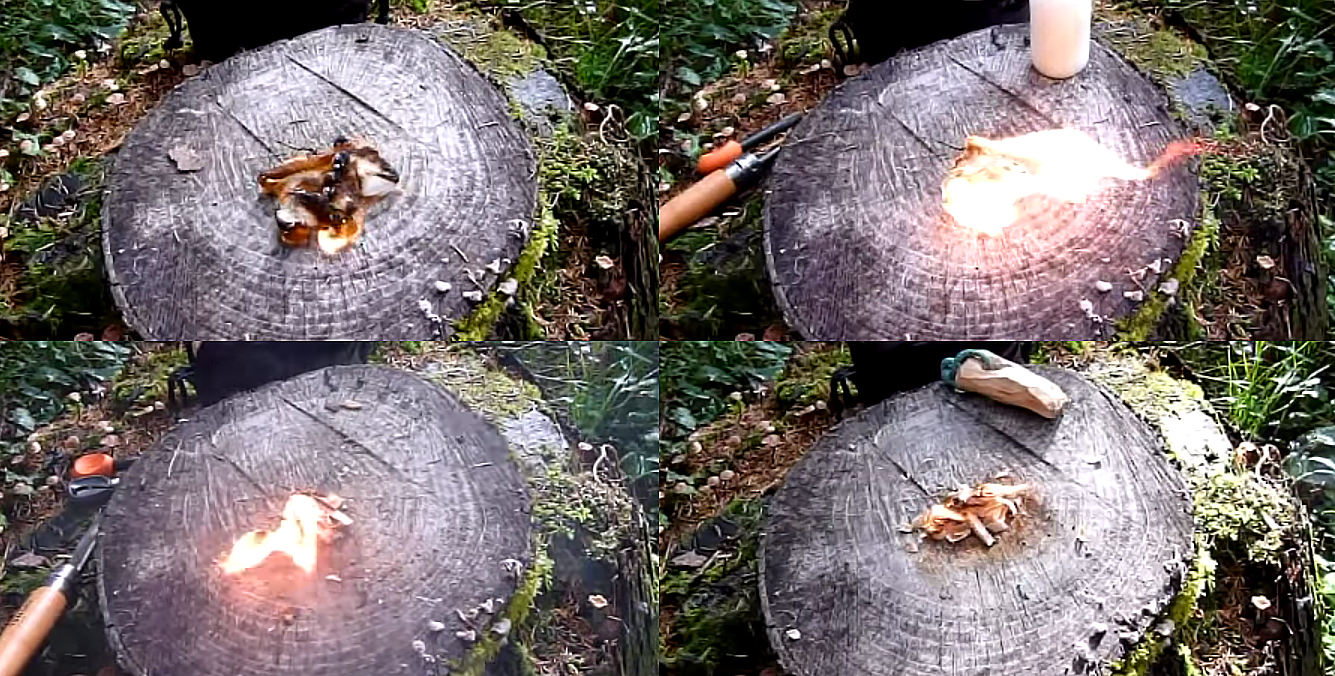
Off-the-shelf tinder materials, such as the resin-soaked fatwood sticks found at your local camping store, often boast long burn times. But how do they fare in the real world? The following video from YouTube channel TinMan Bushcraft compares four commonly-available tinder materials: untreated cotton from a tampon, a petroleum-jelly-coated cotton ball, a strip of natural birch bark, and fatwood.
For those who can’t watch the whole video at the moment, here’s a recap of the burn times:
Untreated cotton tampon – 1:03
Petroleum-jelly-coated cotton ball – 2:10
Shredded birch bark – 1:38
Fatwood shavings – 1:40
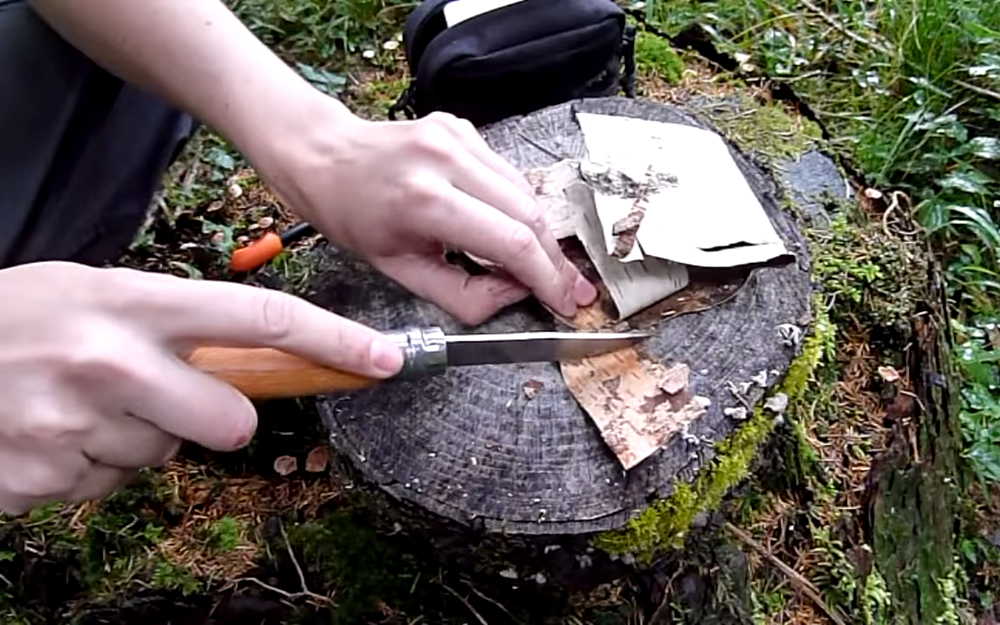
It also appears as though the Vaseline-soaked cotton burned most energetically, followed somewhat surprisingly by the birch bark, then the fatwood, and finally the cotton. While the petroleum-jelly-coated cotton looks great on paper, it’s also not a naturally-occurring item you can find in the forest, and it requires a bag, bottle, or tin to prevent the Vaseline from getting all over your gear. The reviewer says he prefers the birch bark for these reasons.
We’d like to see this format applied to an even bigger comparison test, including off-the-shelf tinder blocks, ranger bands, cattails, char cloth, and other common tinder sources, but for now this provides a good baseline. What’s your favorite tinder material? Let us know in the comments.
If you were out running errands at the mall, and a truck careened into a crowd of pedestrians, would you know what to do? What about in a mass-shooting scenario, a structural collapse, or a residential fire? Would you immediately know the steps necessary to save the lives of those around you? These are difficult questions, but necessary ones.
As prepared individuals, we must know how to assess injuries and how to stabilize life-threatening cases during a disaster. That’s not to say you need to be military, law enforcement, or a medical professional, or even have any kind of formal training in trauma care — learning the basics is something anyone can do.
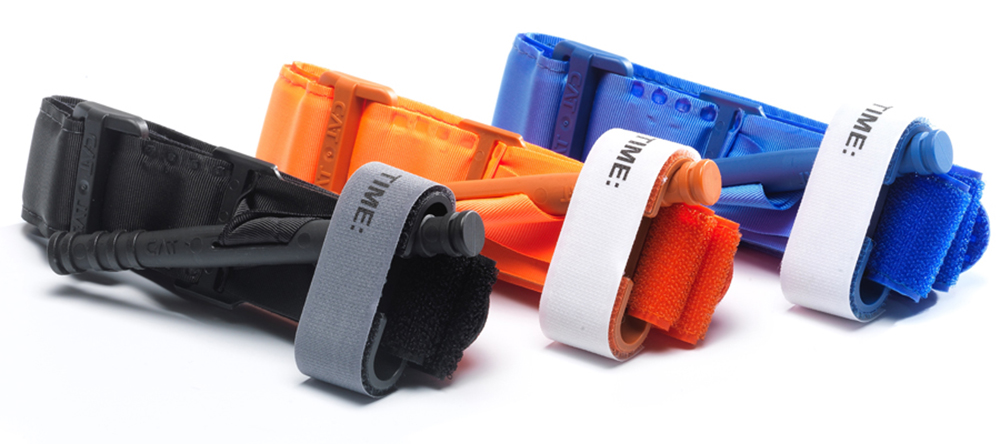
You might have a tourniquet or trauma kit, but do you know how to use it?
However, emergency medical care can seem imposing, and the use of complex tools and technical jargon can make it seem more difficult than it needs to be. This is why we’re always glad to see emergency medical care guides that keep things simple. The Tactical Emergency Casualty Care (TECC) guidelines are one of the best examples we’ve come across in this regard.
Without proper on-scene care, innocents’ lives may be lost long before they can reach a hospital.
These TECC guidelines are produced by the Committee for Tactical Emergency Casualty Care (C-TECC), a not-for-profit (501c3) organization composed of medical experts who volunteer their time in order to prepare urban areas for major mass casualty events. The TECC guidelines is “a set of evidenced-based and best practice trauma care guidelines for civilian high-threat pre-hospital environments.” You can view the guidelines below, or click here to download or print a copy.
These TECC guidelines cover what to do during direct threats, where your life and the life of the casualties may still be in imminent danger, as well as indirect threats, where the risk of continued bodily harm is low. Each of these steps is presented in simple layman’s terms, and in order of importance — controlling life-threatening blood loss, clearing the patient’s airway, monitoring breathing and circulation, and so on.
If you’re not certain you’d know what to do during an emergency medical situation, we’d suggest studying these guidelines, and possibly printing them out for future reference. Building this knowledge now could help you save lives when seconds count.
Hat tip to Andy Schrader for letting us know about these TECC guidelines.
Some survivalists like to throw shade on using modern technology when survival techniques are involved. You’ll never find a power outlet in the woods! Your satellites can’t triangulate your position when they just got smoked by an EMP-filled nuke, they say.
Absolute doomsday scenarios aside, there are lots of times when technology can be used to get you out of a terrible situation. Or in the case of using your cell phone to navigate, maybe keep you from ever getting into a terrible situation in the first place.
There are a few obvious challenges to using your phone in a place without free Wi-Fi, wakeup calls, or complimentary continental breakfasts. These would include powering your phone, accessing maps of your area, and actually pinpointing and tracking your location. We’ll address some of these concerns here.
Map Download and App Selection
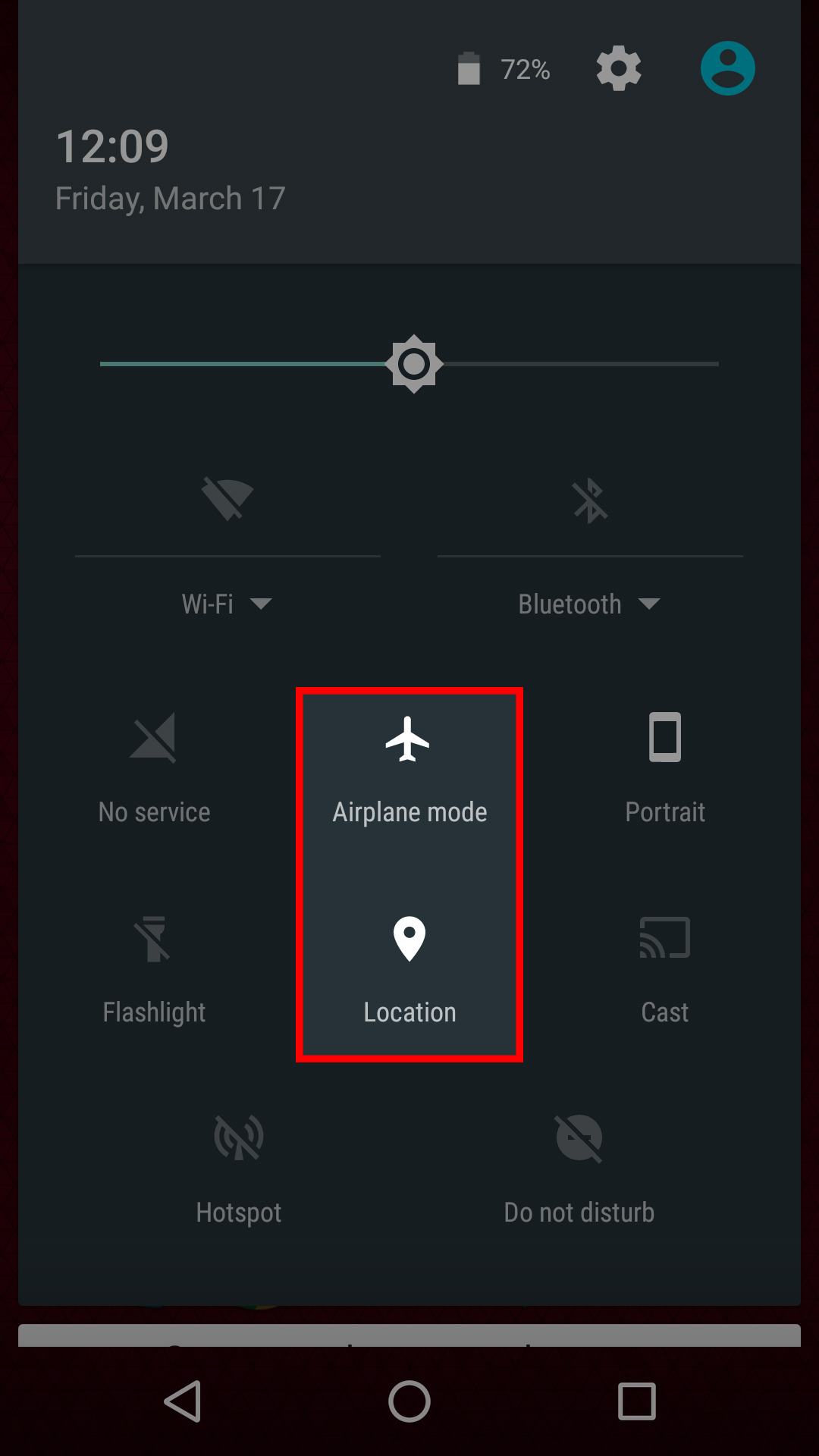
Rule #1 for using your cell phone as an off-the-grid land navigation device is to make sure that it’s in Airplane Mode as much as possible. This will help prevent unnecessary apps from running in the background, and stop your phone from pointlessly draining your battery by searching for a data connection that’s unavailable in the backcountry.
This screenshot shows how to activate airplane mode without disabling location on Android.
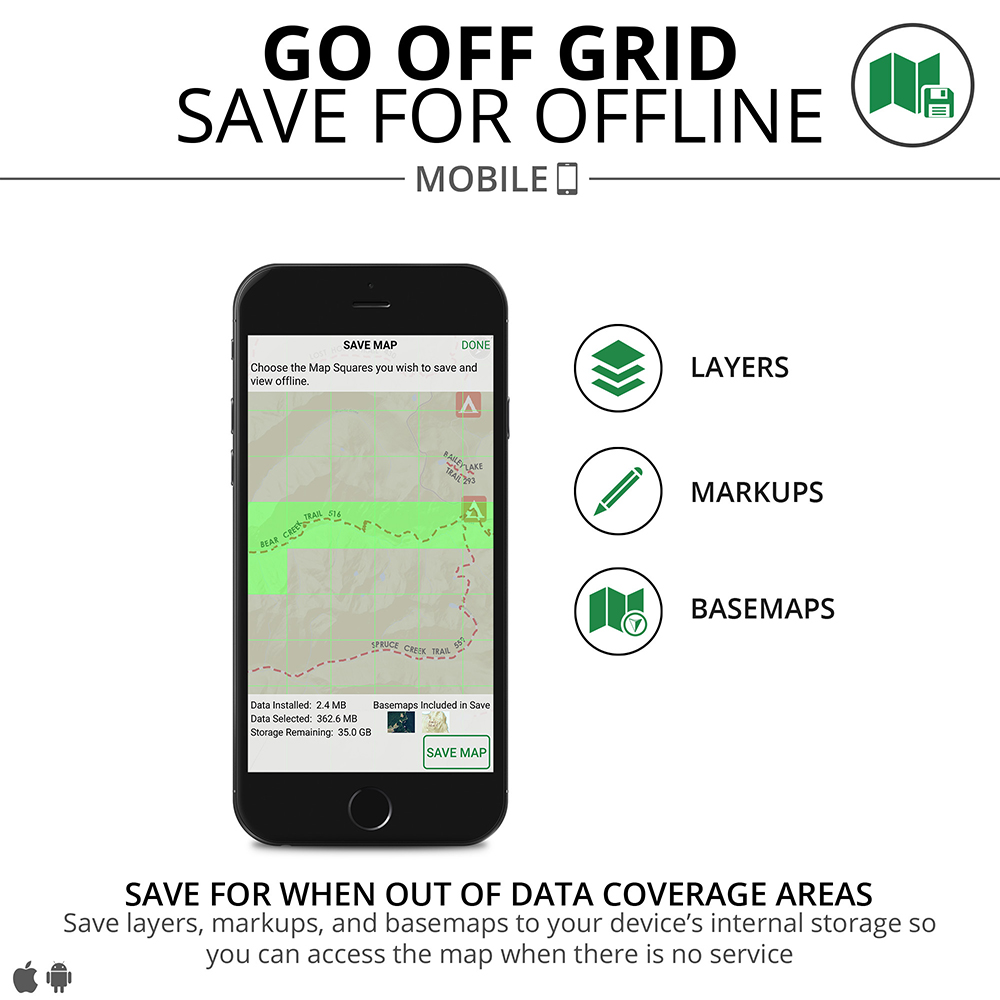
You may be thinking, “How can I access maps if I don’t have a data connection?” The trick is to download maps to your phone ahead of time so you can pinpoint where you are, even when there’s no signal.
This doesn’t mean download the map at the trailhead or after the apocalypse hits, because you probably won’t have service at that point anyway. It means to download the maps of the area you leave before your trip, or at least before you get off the main highway. The doomsday version of this tip would be to download maps of your intended bug-out region before mass panic over a random “covfefe” tweet inadvertently leads to thermonuclear war.
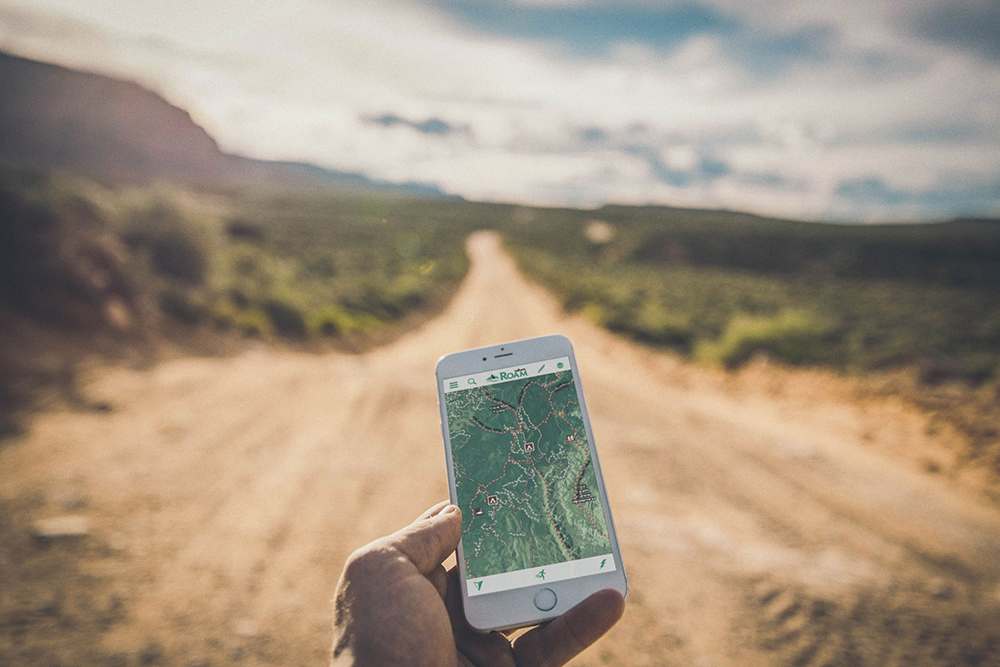
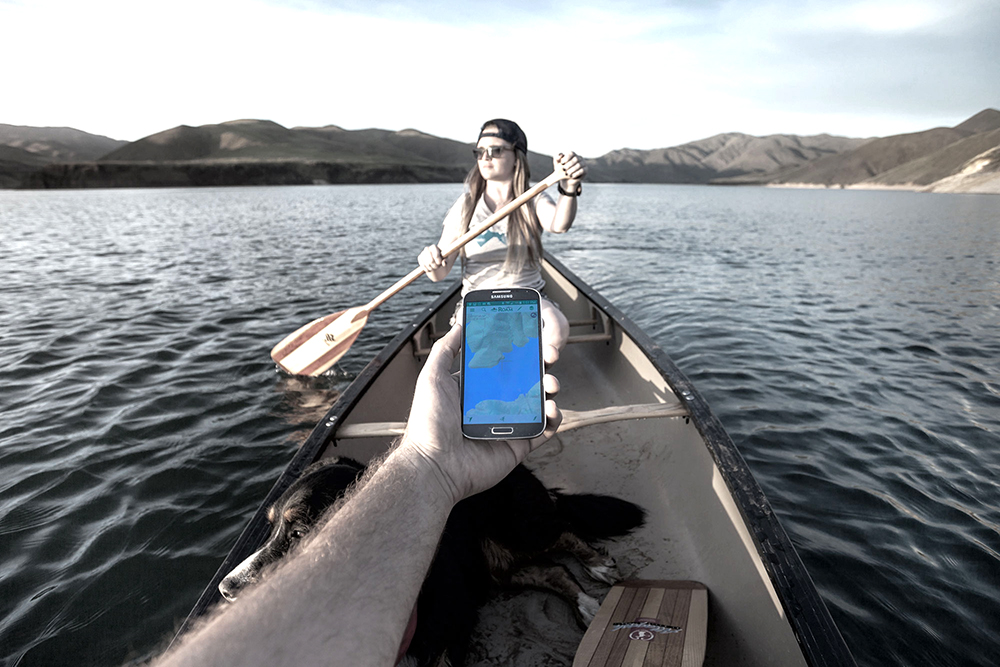
Many mapping services, such as Roam, offer offline map downloads.
The good news is you have a choice of apps for this purpose. Google Maps and its offline download option is arguably the most popular, and it’s free. It allows you to download maps on your phone for offline use, although it’s not really designed for wilderness areas, so it can be hard to locate trails.
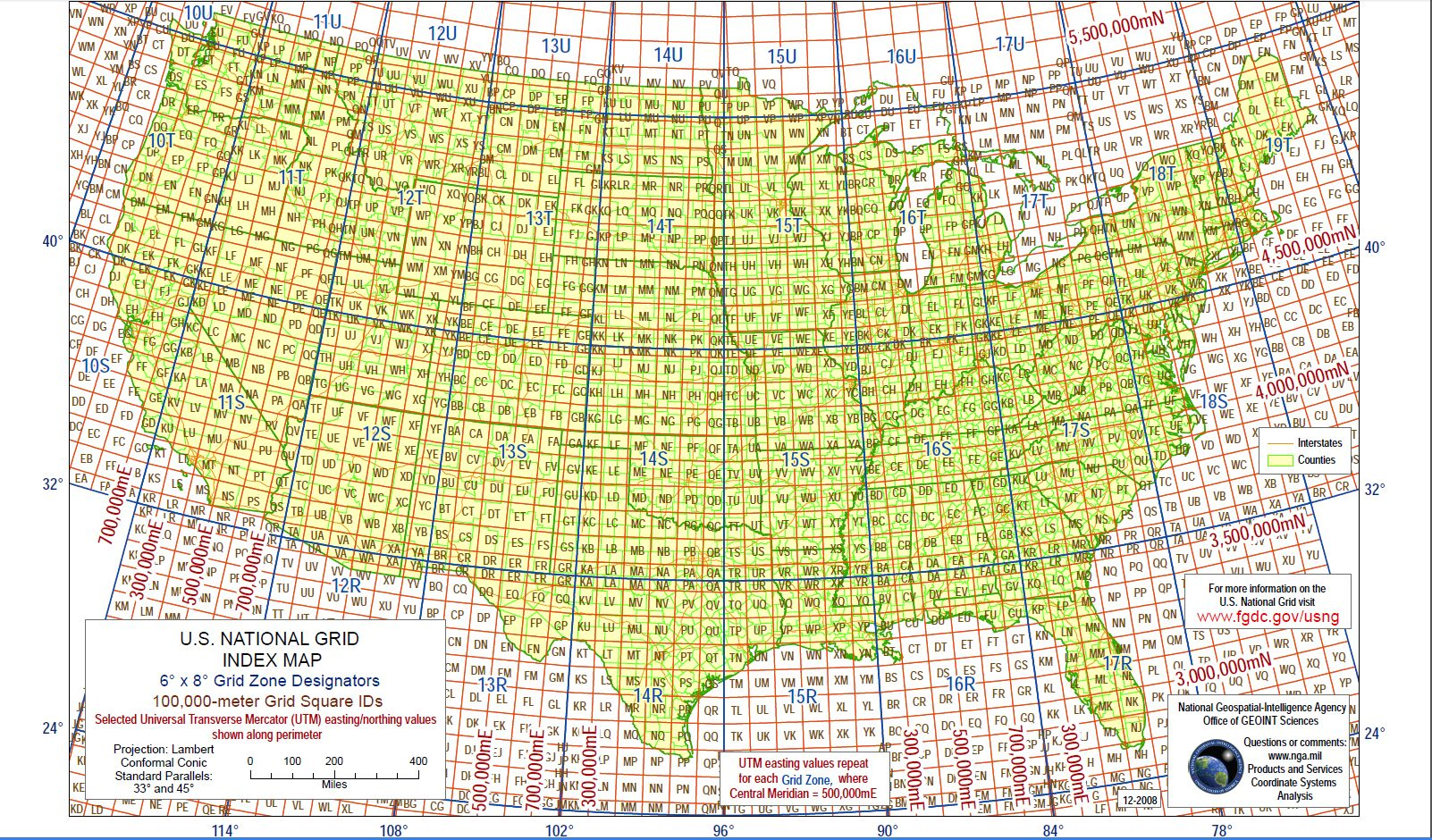
The Gmap4 app is also free, and includes automatic conversions to United States National Grid (USNG) coordinates. This would make it simple to convey your location to other people or potential rescuers. It includes access to detailed topo maps, and can even function without the internet, although that trick requires a multi-step workaround that’s easy to do wrong. This is not the most user-friendly mapping system, but it’s free, so even if you decide you hate it you’ll only have lost some time. For someone who likes to tinker and spend some time exploring an app’s hidden functionality, this is not a bad choice.
With proper training, your Gmap4 coordinates can be converted to the standard USNG grid format.
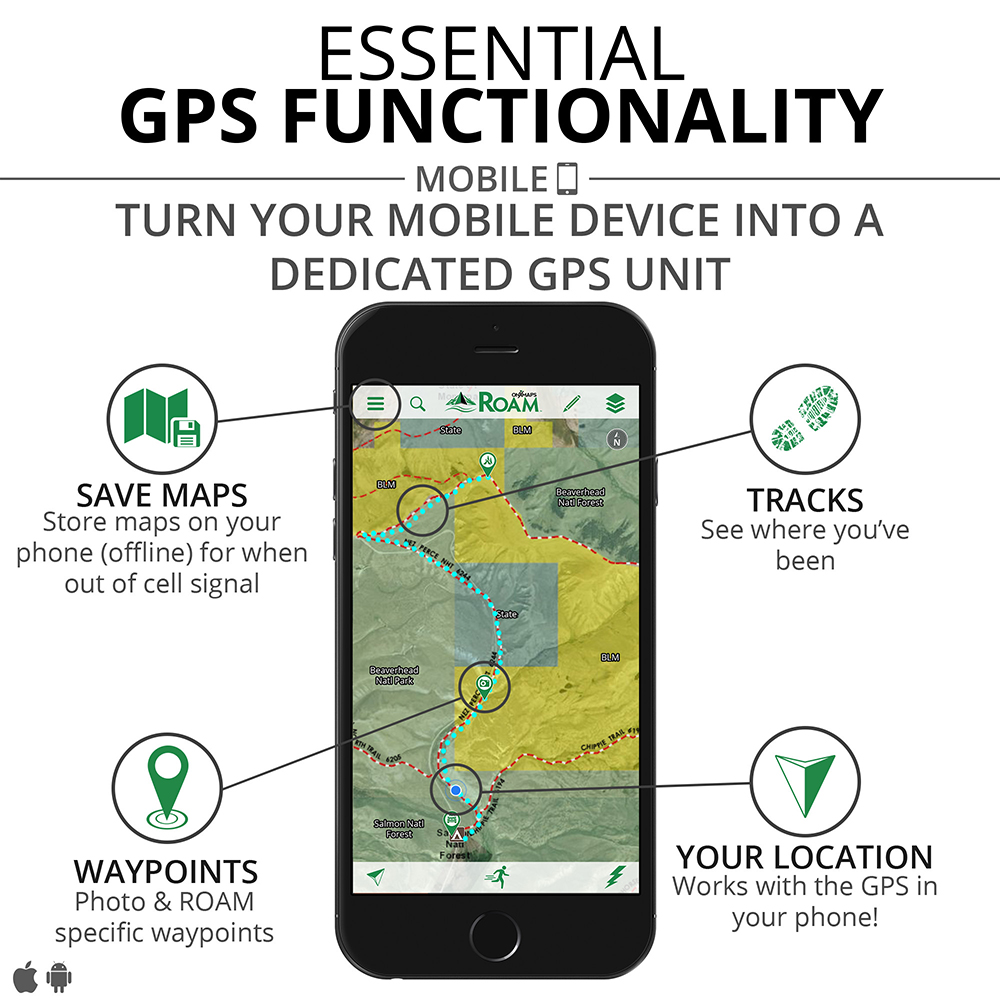
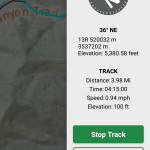
Over the past few months we’ve been using Roam by onXmaps. This modestly-priced app uses a $10-per-year subscription service to seamlessly download location maps (choosing high or low detail), easily record where you’ve been, and draw out a planned path ahead of time which you can follow along during the hike (or drive).
We really liked the Roam app for the variety of maps we could download in advance, including national park maps and specialty topo maps with National Scenic Trails (such as the Florida Trail and the Appalachian Trail) clearly outlined. We were also able to easily compute the distance between where we were and where we wanted to go, by simply drawing a line with our finger on the map.
We used the app on backcountry hikes in Big Bend National Park and Guadalupe Mountains National Park in Texas, as well as Big Cypress National Preserve in Florida. We found that we could download the low-resolution maps for the entire state in order to have a guide for driving, and then with just one more press of a button download high resolution maps for the areas we wanted to hike. Or alternately, if we had an idea of where our base camp would be, we would download that surrounding area in high-resolution ahead of time.
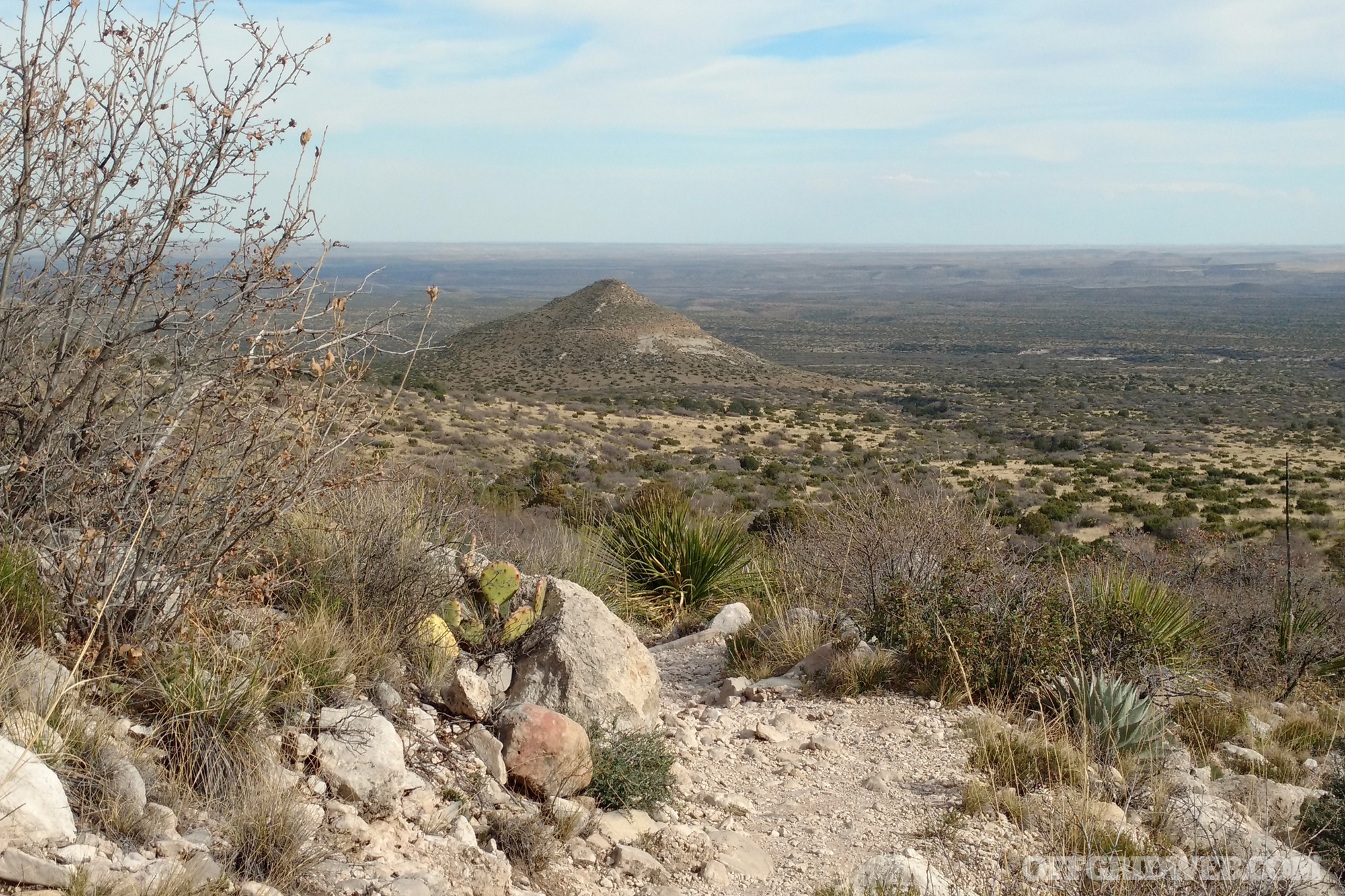
The suggestively-named Nipple Hill in this photo provided a target for plotting our location and course.
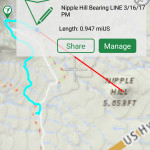
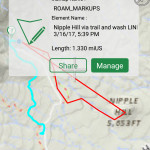
Click through the screenshots below to see how we navigated towards the visible landmark aabove and tracked our progress using Roam.
The Roam maps high-res view, left, shows more info than the low-res view, right.
Drawing a line from current position to a landmark.
Calculating direct distance to the landmark, as the crow flies.
Calculating actual trail distance to the landmark.
Tracking functions include distance, time, speed, elevation, and more.
The subscription service is only required to download new maps. So in theory, if you downloaded all the maps you needed and kept your phone in perfect working order you could cancel the subscription. In our case, however, we’re always exploring new locations so the $10 yearly subscription makes sense.
Phone Protection
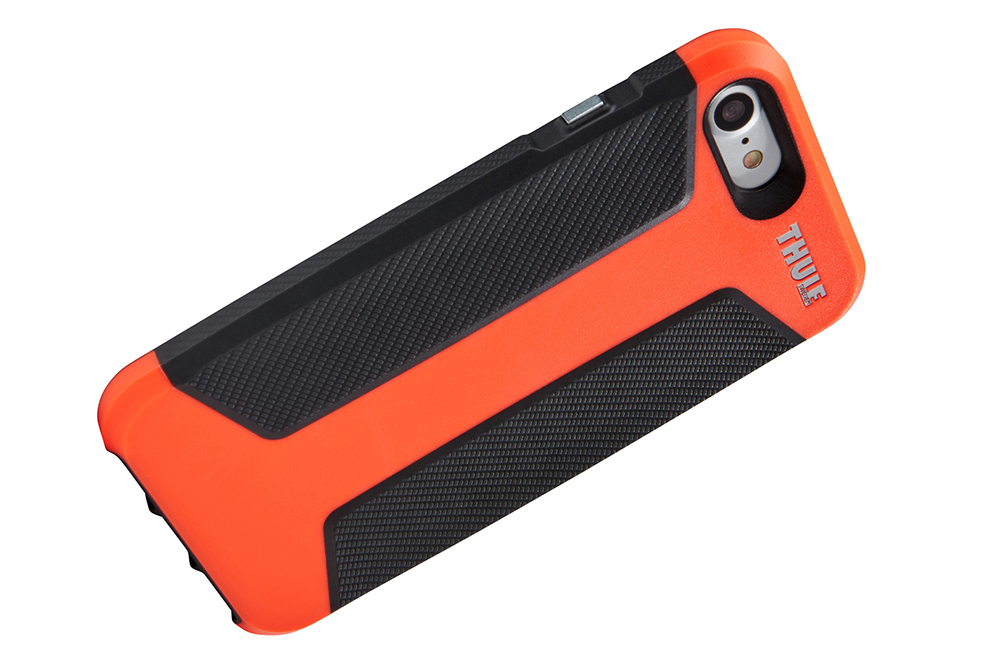
It sounds obvious, but it’s worth mentioning that a durable case will help keep your phone from breaking during use. We use Thule kayak racks on our trucks, so we were glad to find the Thule Atmos X3 cell phone case available for use. The tough polycarbonate case with inlaid rubber grips made us feel much more secure knowing our cell phone navigation device could make it through the backcountry and then back home safely.
Power and Mobile Charging Stations
If using your phone for navigation, conserving its power should be the foremost thought in your mind. It’s a lot easier to maintain power when you have it as opposed to trying to recharge a dead phone. To accomplish this, there are a couple of things to keep in mind.
If you’re confident that you’re in the right place and will be heading in the right direction for some time, try to turn the phone off if you can. This will reduce your urge to constantly check the phone for your updated position, and allow you to focus more on your surroundings and situational awareness. As long as you have the maps downloaded already, your phone can easily find your location when you turn it back on. Just make sure that the GPS or Location Services setting is on and the phone is in Airplane Mode to preserve the battery life.
If keeping your phone on because you need to frequently check your position, at least make sure that the brightness is down as far as possible. In daylight the screen can often be turned to the bare minimum and still be legible. Again, this helps conserve the battery.
Depending on the duration of your backcountry land navigation needs, it may not be possible for the phone to last on just one charge. In this case you can use pre-charged power sources and/or supplement those charging stations using solar power or alkaline batteries.
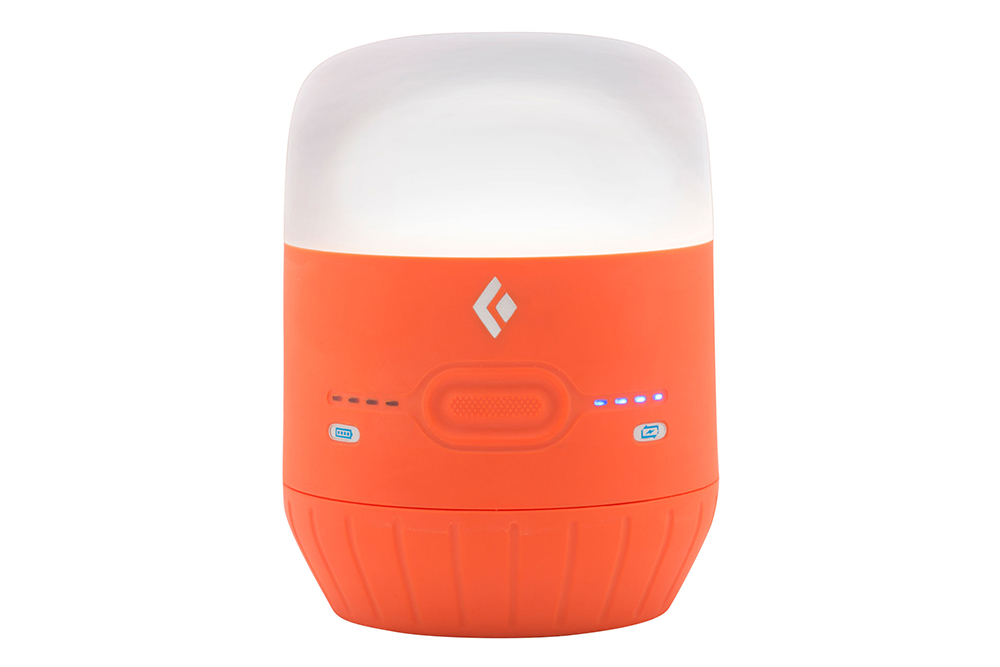
On our backcountry trips, we first tried out the Moji Charging Station and Lantern from Black Diamond Equipment. This ruggedized device offers up to 250 lumens of illumination and an SOS flashing mode, as well as a thoughtful lockout feature to prevent it from accidentally being turned on during storage or transport. It includes a rechargeable internal battery in addition to AA battery slots, and charges portable electronics using a USB output. So when the internal battery cuts out, you can simply drop in some AA batteries to continue charging your devices.
During testing, we were impressed by how durable and well-made the Moji lantern seemed. This is in part due to its weight—nearly ¾ of a pound without the AA batteries inside, so it’s maybe not the best choice for lightweight backpacking. But of course the weight is in part because there’s a internal battery.
We liked how the lantern held a charge for weeks and months at a time while being stored. Additionally, the lantern is IPX4 rated for water resistance so a little bit of rain won’t hurt it. The only thing we didn’t appreciate was that while charging our phone, the charging function seemed to turn off after 10 minutes or so of charging. When this happened, we’d have to unplug the phone and plug it back in to so the charging function would kick back on. Our phone would eventually charge, although it was inconvenient that we couldn’t just let it sit.
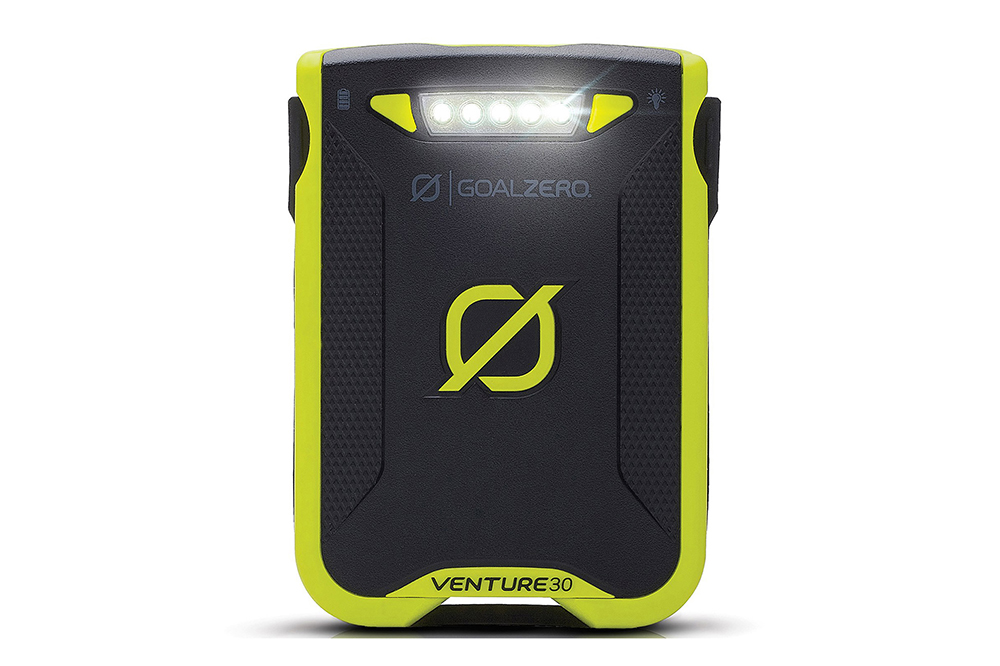
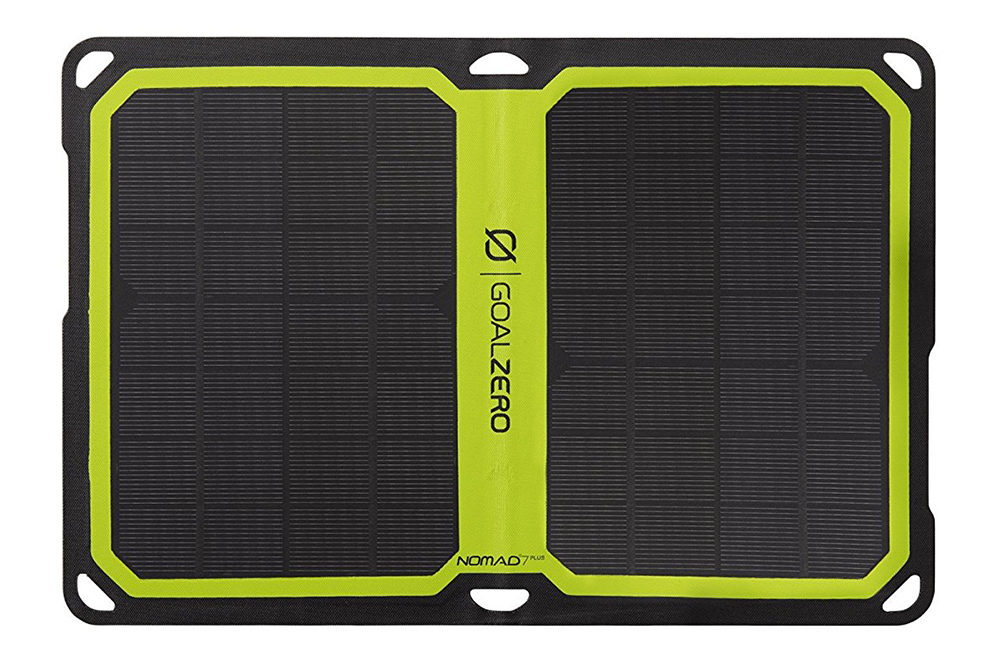
The second system we tried was the Nomad 7 solar charger and Venture 30 charging station and flashlight from Goal Zero. The Venture 30 is a rechargeable portable battery pack similar in some ways to Black Diamond’s Moji Charger. It’s more compact and half the weight of the the Moji, although its power capacity and light output isn’t directly comparable. The Venture 30 cannot hold AA batteries, although it warrants an excellent water resistance rating of IPX6 which means it can be absolutely blasted with rain, but not submerged.
The Nomad 7 solar charger can be paired with the Venture 30, so it can be recharged even if you’re 50 miles away from the nearest wall outlet. During our testing, we noticed that the solar panel only worked in bright sunlight when directly pointed at the sun. So although the concept is fine if you’re going to be stationary in an exposed position, don’t plan on just randomly attaching it to your backpack and thinking it will charge while you’re hiking. At the same time, if you were going to be in a remote camp for months at a time, the solar panels would probably be preferable to packing in 1,000 AA batteries.
All in all, both charging systems were good although both of them required compromises and pre-planning — just like a lot of backcountry hikes we take with our own families.
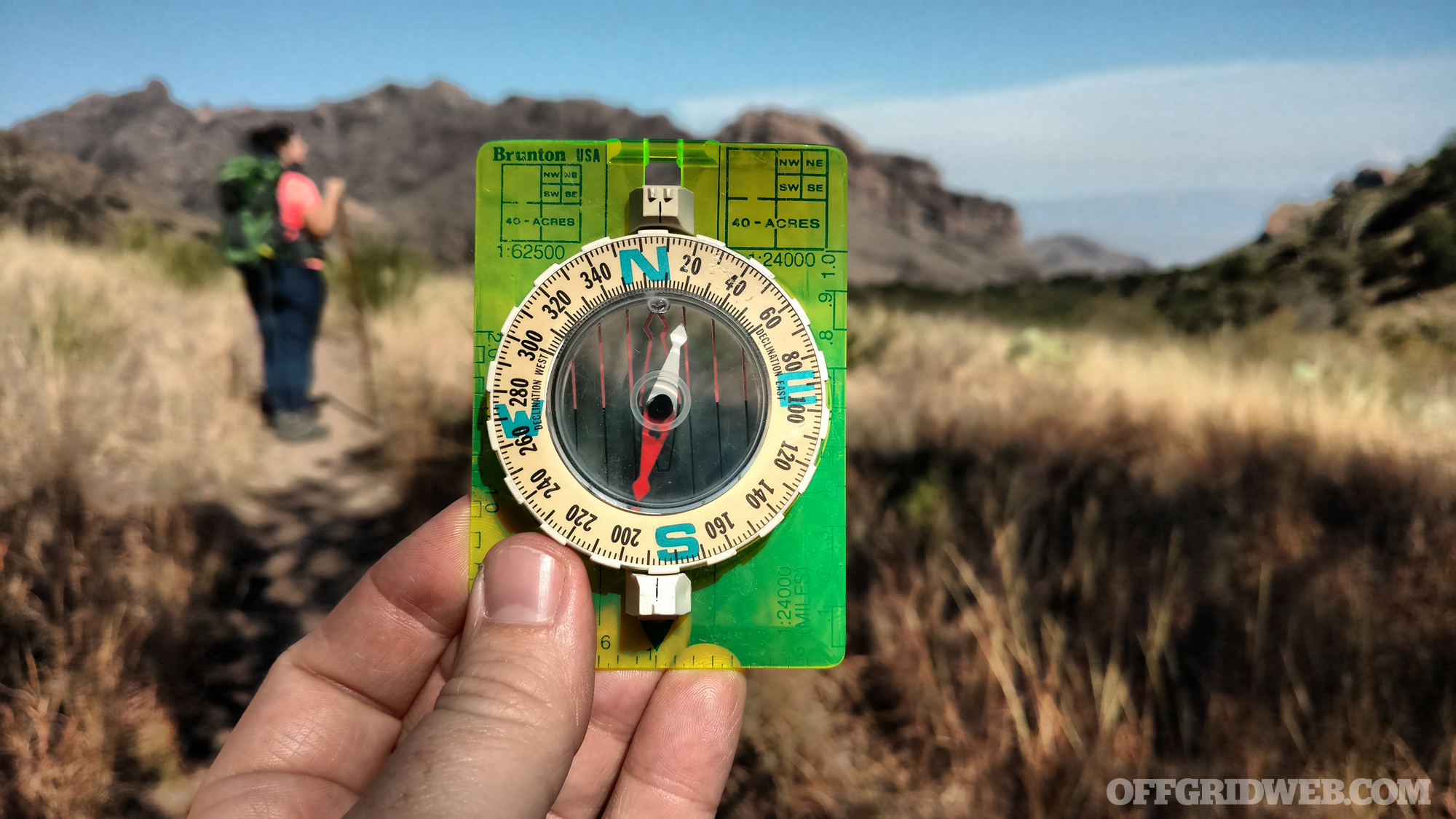
It’s always wise to have a backup navigation tool, preferably a good analog compass like this vintage 1960s Brunton model.
Andrew Schrader is a licensed professional engineer and is certified by the U.S. Army Corps of Engineers as an Urban Search and Rescue (USAR) Structures Specialist. His company, Recon Response Engineering LLC, advises state and federal government organizations on the subject of urban search and rescue and building collapse. He recently assisted the U.S. Department of State’s Italian Consulate in the development of their post-earthquake response and rescue protocol. You can follow him on Instagram at @reconresponse.