In a wilderness survival situation, finding food is a never-ending task. In some cases, you may be able to rely on fishing or trapping to stave off starvation. In others, you may have to turn to less appealing food sources. Fish, squirrels, rabbits, birds, and other conventional game animals have a prey mindset, so they’re alert and cautious of their surroundings. Their primary defense mechanism is to escape quickly. However, animals that rely on alternate defense mechanisms tend to be less evasive, and therefore easier to catch. Whip scorpions fall into this latter category — they’re slow-moving and edible, as long as you can stomach them.
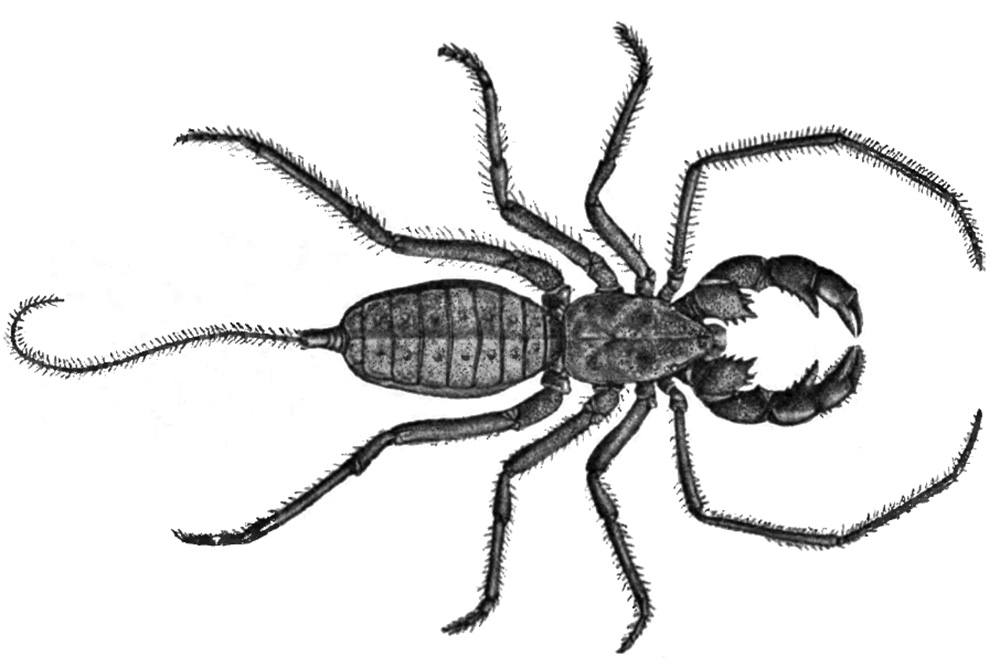
Whip scorpions, also known as vinegaroons or uropygids, aren’t what you think of when you picture a scorpion. Like true scorpions, they’re arachnids, but they lack a venomous stinger. Instead, they have a whiplike tail and defend themselves by discharging a smelly liquid that contains acetic acid (the same chemical compound present in vinegar). Because most animals are deterred by this smell, whip scorpions are less concerned with running and hiding from predators. Unfortunately for them, humans aren’t like most predators.
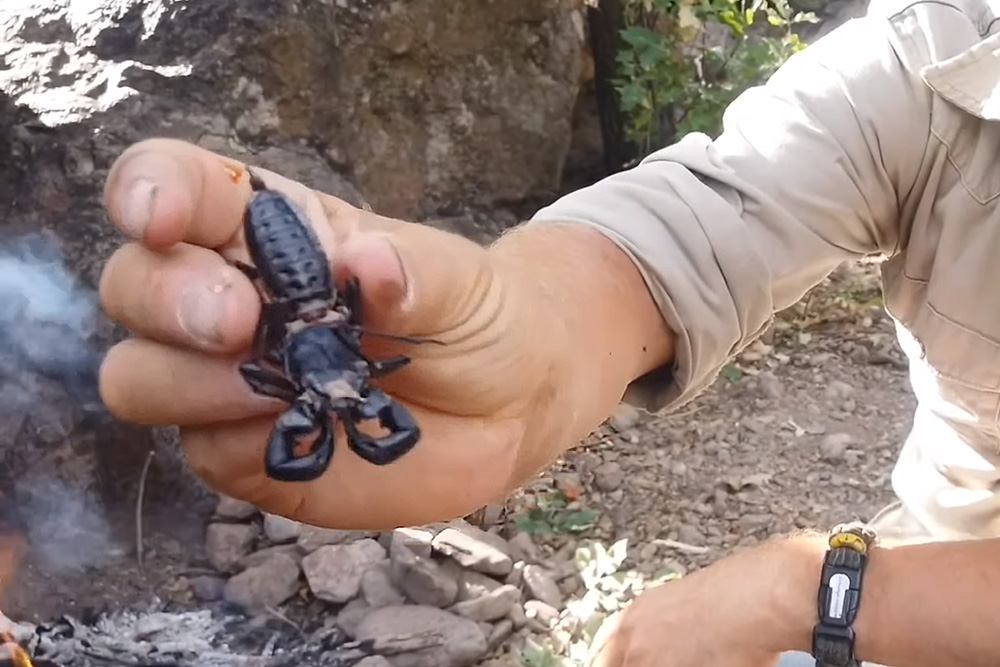
In the video below, survival instructor Bob Hansler cooks and eats whip scorpions he caught near his home in Texas. After his first bite of head and claws, he describes the taste as “bacony, woody” and likens it to “the shellfish of the desert.” It looks gross, but that’s mostly a mind-over-matter problem. The second bite includes the acetic acid gland in the abdomen, and we definitely shuddered on his behalf.
Survival food isn’t always pretty or appetizing, and this example is neither. But, as Hansler correctly explains, every type of food that you know about is going to increase your odds of survival. It also prompts an important question — how far would you go to find calories in a survival setting? No matter the answer, we wouldn’t blame anyone for putting whip scorpions near the bottom of their snack list.