
There’s an old desert survival myth that you may have seen perpetuated by classic western movies — supposedly it’s possible to cut open a barrel cactus and find a convenient reservoir of clear drinkable water inside. Unfortunately this isn’t true, and even if you’re able to painstakingly squeeze liquid out of a cactus, gulping down large quantities of cactus water is likely to make you sick. However, cacti can provide another important survival resource: food.
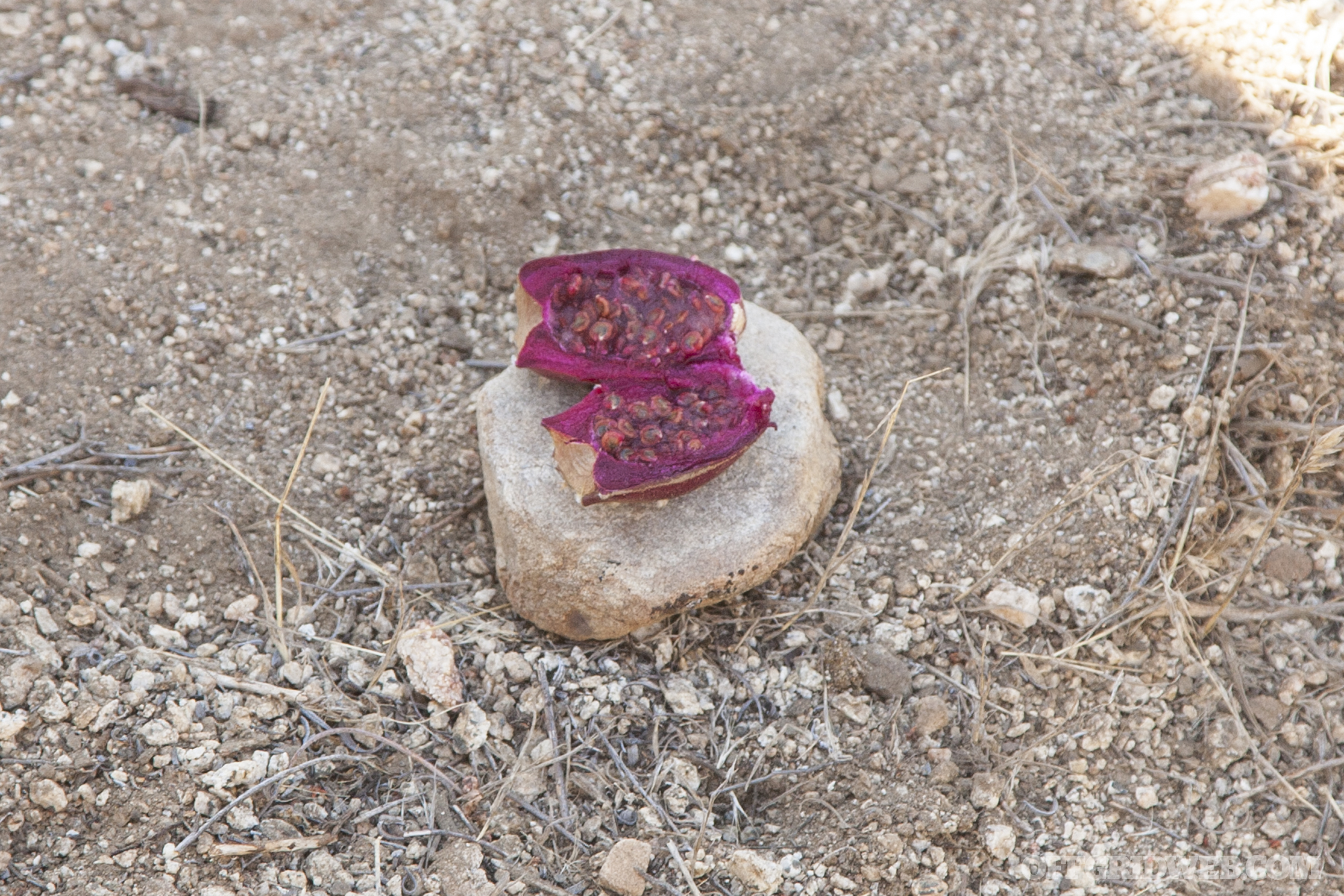
The prickly pear cactus is found throughout the United States, Mexico, Central and South America, the Caribbean, and even the Mediterranean. Most varieties of prickly pear cactus have flat, branching pads and oblong red fruits which appear during warmer parts of the season. As we mentioned in our 3MR wild edibles class recap, the fruits are easy to eat and quite delicious — just carefully cut them off the cactus, scrape off all the spines and hairlike fibers with a knife, roast them over an open flame if desired, and eat the sweet red flesh inside the fruit (also called a tuna).
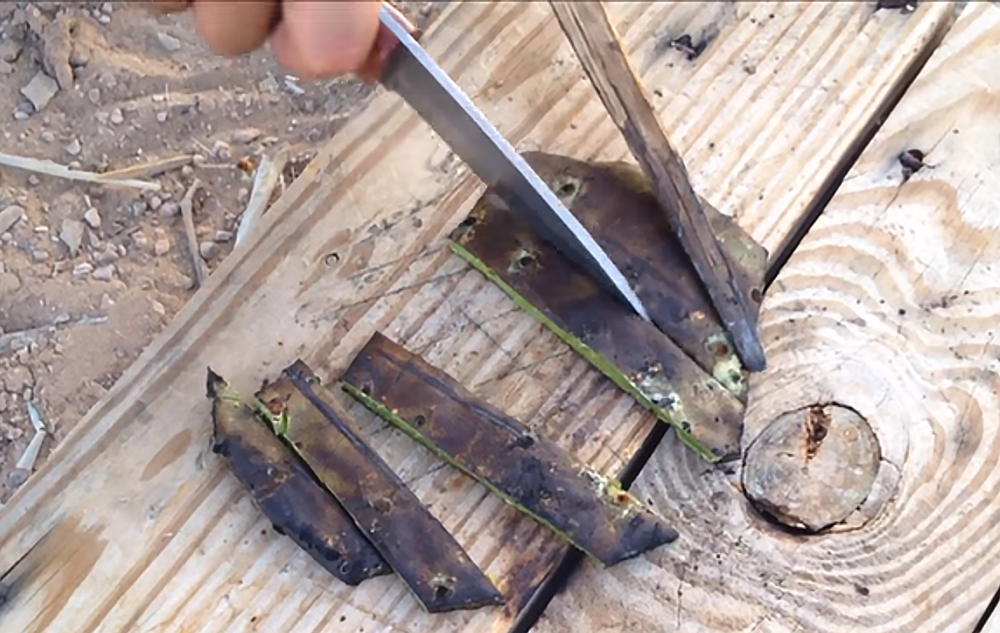
We mentioned in that wild edibles article that the green cactus pads are edible, but didn’t have the opportunity to go into more detail. If you’re curious how to eat this part of the cactus, the following video from Junkyard Fox provides a thorough explanation on how to harvest, clean, cook, and eat prickly pear pads (also called nopales).
The key is to carefully scrape all large spines and tiny hairlike glochids off the surface of the cactus before handling or eating it. Otherwise you’re going to have a VERY unpleasant dining experience.
While nopales still contains traces of the cactus juice we mentioned at the beginning of this article, the smaller and younger outer parts of the cactus contain less of the stomach-upsetting oxalic acid. Cooking the cactus pads also helps to break down the acid, further reducing the risk of indigestion. This plentiful plant may not be a cure for thirst in the desert, but it can certainly help cure your hunger.
For more on foraging for wild edibles in the desert, read our 3MR survival class recap.
More on Survival Food and Preparation
- Nutrient Survival: A Fresh Take on Survival Food.
- Rugged, Homemade Survival Food.
- 10 Long-Lasting examples of Survival Food.
- In the North Woods? Here’s how Acorns and Black Walnuts can keep you alive.
- Growing and maintaining fruit in a Survival Garden.



 as a survival food.)