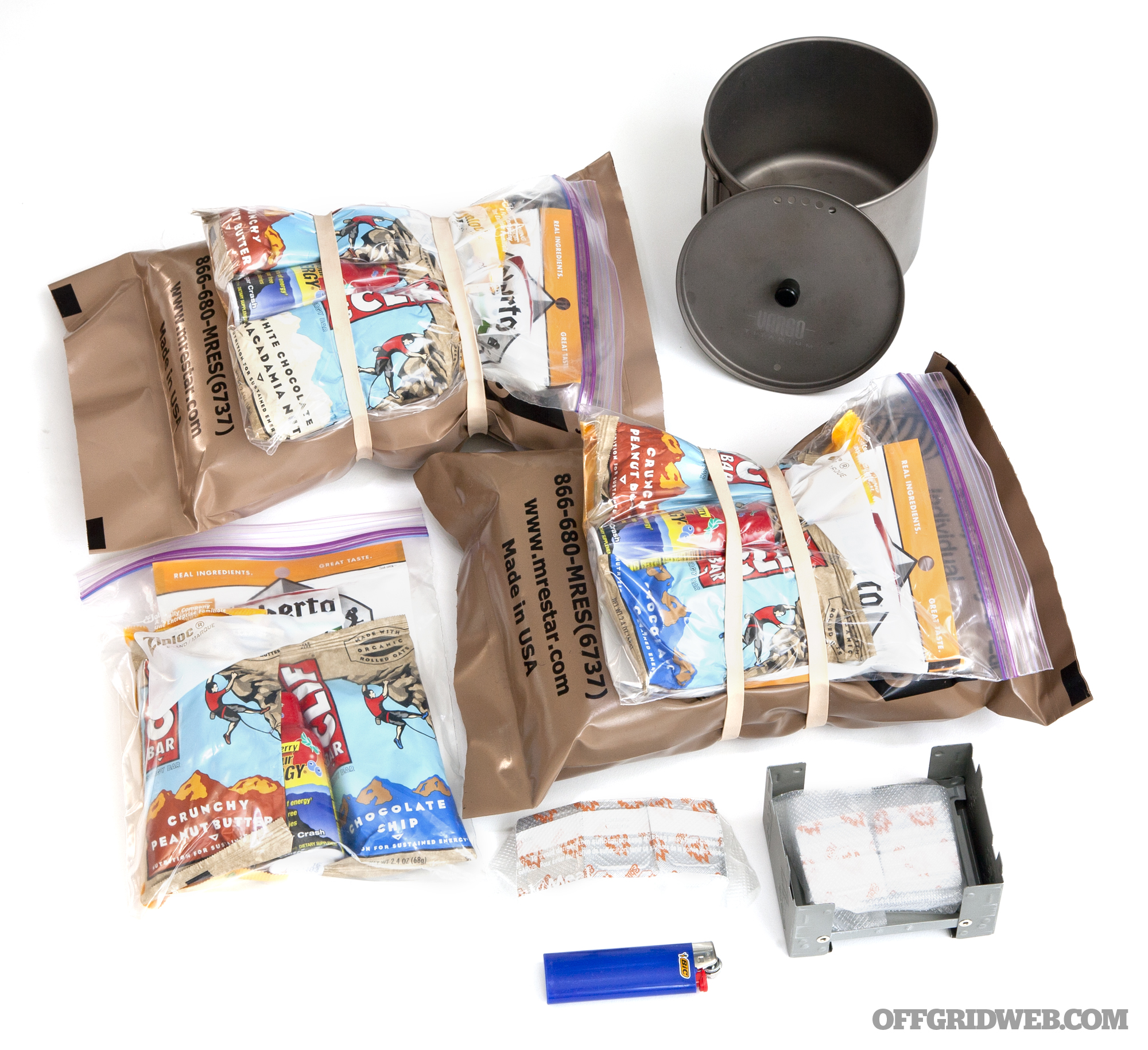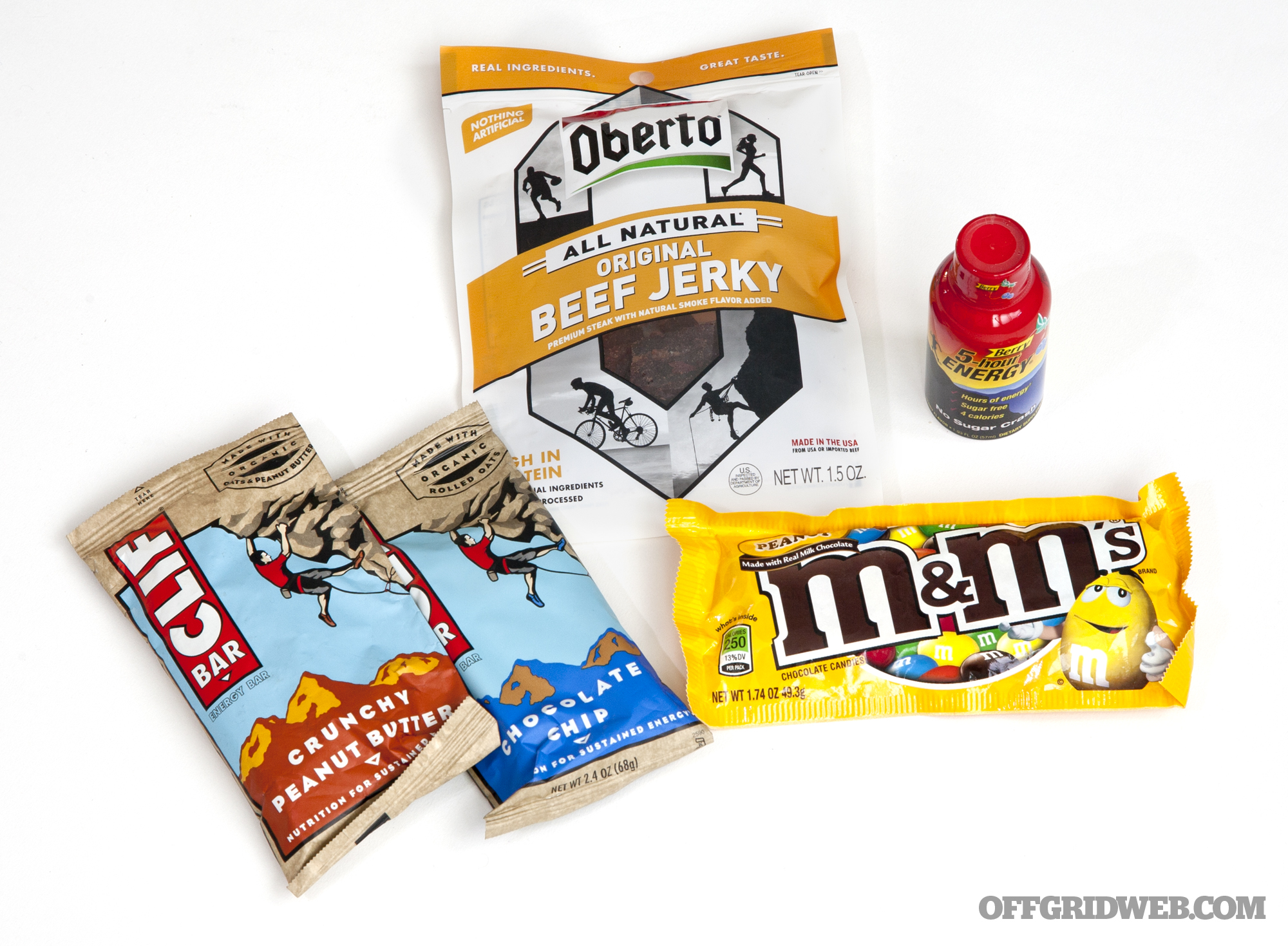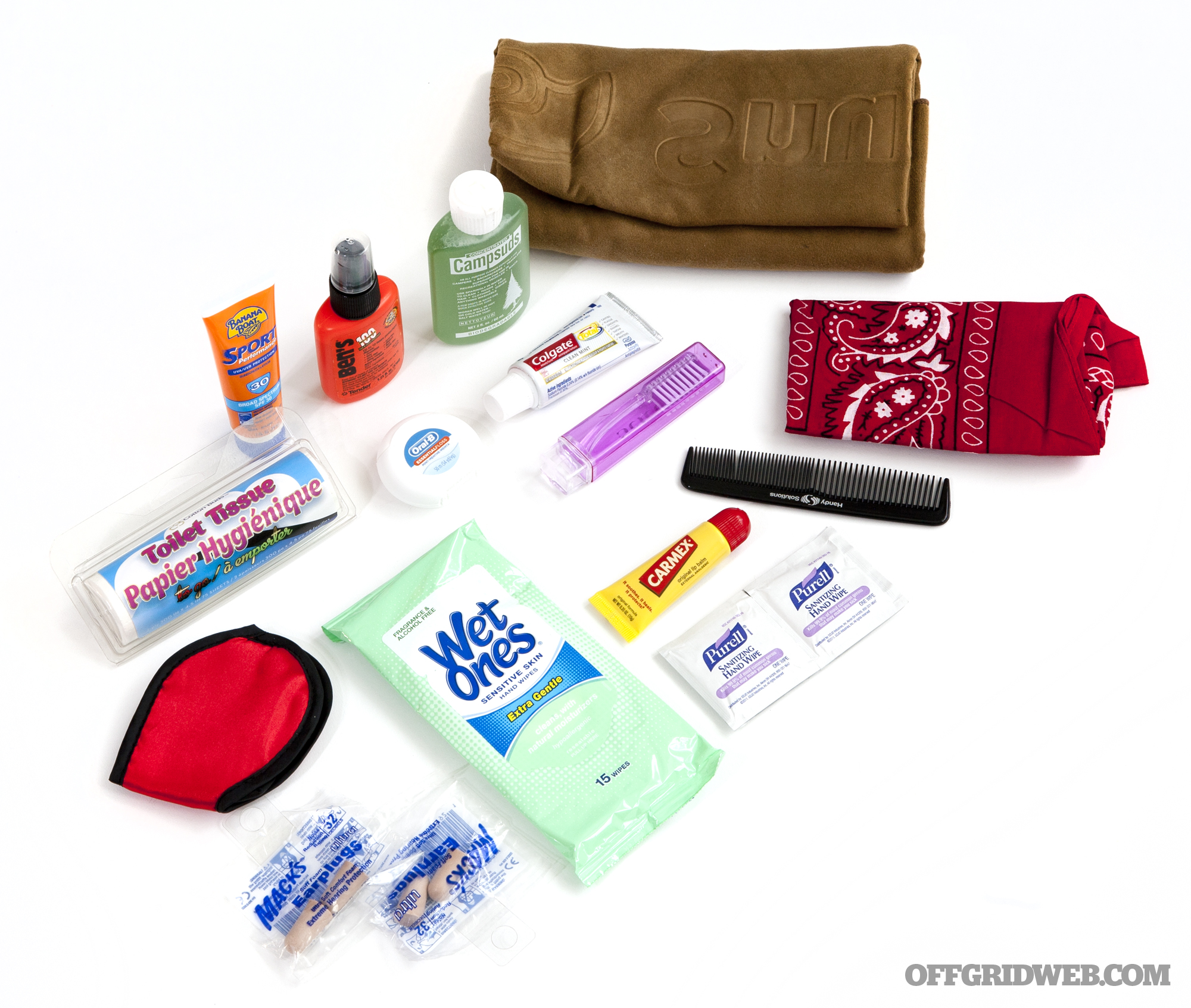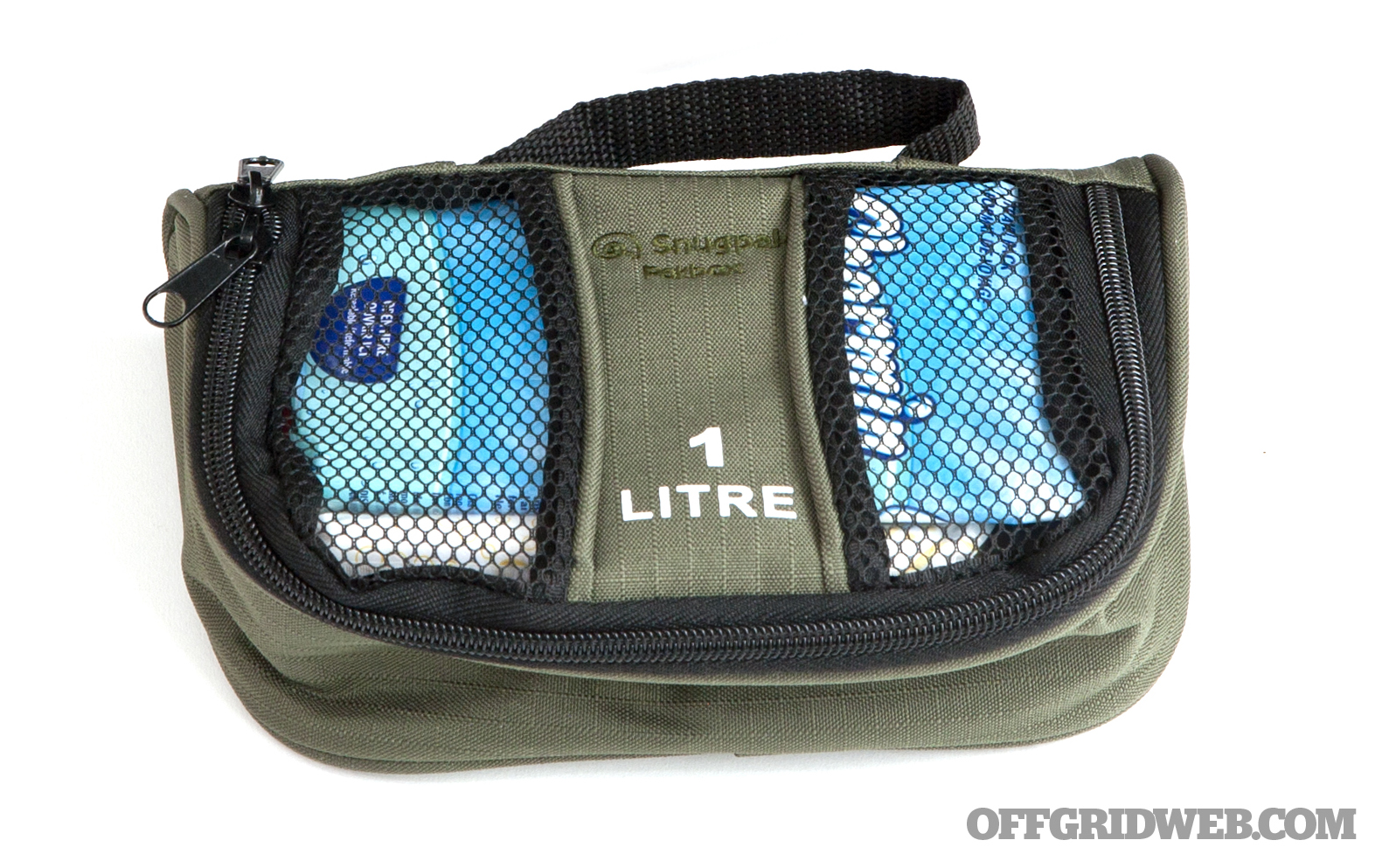
Mil-Spec Brownies

We posted a few weeks ago about the specifications that define mil-spec 550lb paracord, via a document known as C-5040H. This 20-page standard outlines the construction, assembly, and strength requirements for cordage used by the U.S. Military.

paracord

Paracord may seem like a simple material, but every detail has been analyzed and tested by the U.S. Government.

Military specifications like C-5040H are extremely detailed, almost to the point of absurdity, but many would argue that it’s a necessary evil. Love them or hate them, these bureaucratic regulations eliminate minuscule variations in quality, and prevent corner-cutting that might cost the lives of military personnel.

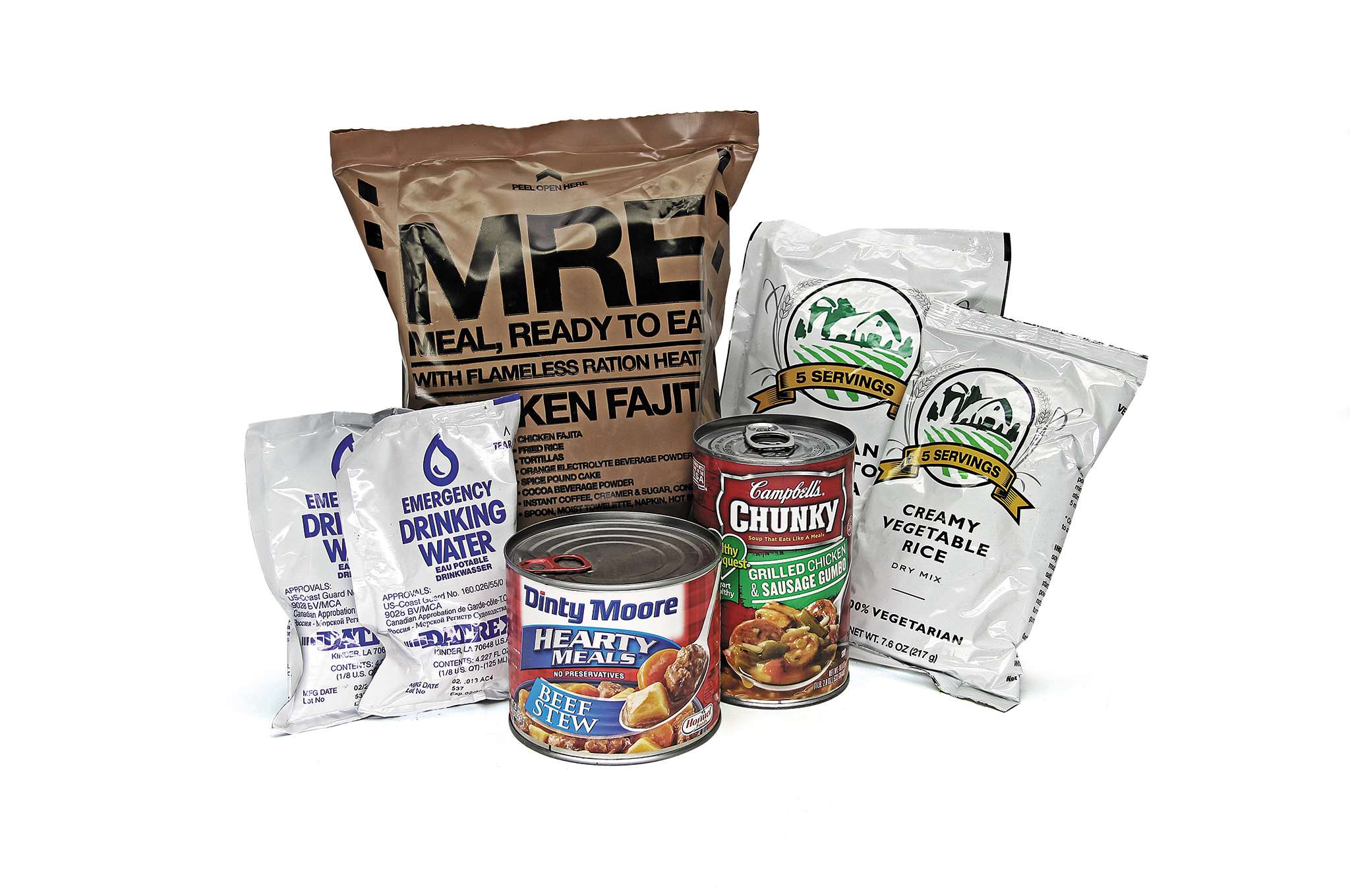
This also got us thinking: what other military products have rules and regulations this specific? Oddly enough, there is actually a military specification for brownies, specifically the brownies found in MRE (meal ready-to-eat) ration packages. The 26-page specification is known as C-44072C, and you can click here to read it in its entirety.

meals-ready-to-eat

Next time you open an MRE, remember that thousands of man-hours were spent analyzing its contents.

Here are a few highlights from the C-44072C mil-spec brownies regulations:

  • “All ingredients shall be clean, sound, wholesome, and free from foreign material, evidence of rodent or insect infestation, extraneous material, off-odors, off-flavors, and off-colors.”

Mmm, extraneous material. While we get that C-44072C needs to be specific, we would hope this part goes without saying.

  • “Nuts shall be either almonds, pecans, or walnuts or any combination thereof.”

That doesn’t seem too specific… until you get to the next part.

  • Regarding shelled walnuts: “A minimum of 90 percent, by weight, of the pieces shall pass through a 4/16-inch diameter round hole screen and not more than 1 percent, by weight, shall pass through a 2/16-inch diameter round hole screen.”
The U.S. Department of Defense takes walnut sizes very seriously.

The U.S. Department of Defense takes walnut sizes very seriously.

Now we’re imagining some guy in a lab coat spot-checking walnut diameter under a magnifying glass. This next statement doesn’t help us forget that image, either.

  • “If necessary, each ingredient shall be examined organoleptically.”

We actually had to look that word up. Organoleptic means “involving the use of the sense organs”, so it’s basically saying the ingredients should be visually checked and taste-tested. Remember that one next time you lick some batter off the spoon—it’s not a snack, it’s an organoleptic examination to ensure quality.

“Sorry honey, I had to perform an organoleptic exam on the cookie. It’s for science, I swear.”

  • “The brownies shall be completely enrobed with a continuous uniform chocolate coating (see 3.2.14) in an amount which shall be not less than 29 percent by weight of the finished product.”

29 percent uniform chocolate enrobement by weight, just like grandma used to make.

We may laugh at these absurd rules for mil-spec brownies, but like other mil-spec products, they’re held to a high standard. So, next time you chow down on an MRE, remember that there have been teams of government employees analyzing every detail of its contents.


Review: AquaPodKit Emergency Water Storage

If you’ve been following our daily posts here on OFFGRIDweb, you may recognize the name AquaPodKit. We previously mentioned this clever emergency water storage system in a short post, which you can read here. Since the product seemed like a valuable resource for preparedness, we went ahead and ordered an AquaPodKit system to thoroughly test out.

About AquaPodKit

AquaPodKit emergency water storage 05

The AquaPodKit PlusOne, with 2 plastic liners, sealing sleeve, pump, zip ties, and instructions.

To recap from our previous post, the AquaPodKit is a complete liner and pump setup that includes everything you need to store clean water in your bathtub.

Why the bathtub? Well, it’s already designed to hold large amounts of water, often 65 gallons or more. That’s enough water to keep you clean and hydrated for nearly 2 months, or enough to supply a family of four for 14 days. So, it’s logical to make use of this capacity in emergencies. This allows you to be prepared for a disaster that may disable or contaminate your running water supply for an extended period.

This brings us to the concept of cleanliness. Unless you obsessively scrub your bathroom on a daily basis, you probably wouldn’t want to eat or drink anything that’s sitting directly on the tub floor. Adding time to the mix just provides added opportunity for mold and nasty bacteria to grow in the stagnant exposed water.

AquaPodKit emergency water storage 06

Even if your bathroom looks clean, it’s still host to a variety of bacteria you don’t want to ingest.

The idea behind the AquaPodKit is to ensure that your drinking water stays sealed in a food-grade liner, making it safe for long-term storage. On top of this, AquaPodKit provides a convenient and easy-to-assemble pumping mechanism for dispensing water as needed.

In order to test if this system works as well in practice as it would seem to in theory, we decided to order one for ourselves.

Buying a Kit

All of the AquaPodKit products are available directly from the manufacturer’s web site, AquaPodKit.com. Notice we say products plural—there are actually several variations and options to consider beyond the basic kit.

AquaPodKit emergency water storage 03

The AquaPodKit PlusOne (rear) and AquaPodKit with WaterBasics Pump and Filter (front).

The standard AquaPodKit sells for $24.99, which seems pretty reasonable to us. However, it only includes one liner, and once that has been filled and drained, it must be thrown away to prevent mold growth or other contamination. Additional liners are available for $12.99 each.

Alternatively, you can buy the PlusOne kit, which includes two liners right off the bat for $34.99. This way, you avoid the hassle of re-ordering a new liner after the first use (and you save a few bucks, too).

AquaPodKit emergency water storage 04

Here’s everything that’s included in the upgraded AquaPodKit with WaterBasics Pump and Filter.

There’s one more option to consider: the AquaPodKit with WaterBasics Pump and Filter. This upgraded kit is available for $39.99, and includes a WaterBasics pump and Green Line filter from the water purification experts at Aquamira. The pump makes dispensing water easier than the standard squeeze bulb, and the filter is capable of removing over 99.9999% of bacteria from water. It even eliminates any unpleasant tastes or odors that may be present.

We went ahead and ordered the $34.99 PlusOne kit, and also the $39.99 upgraded kit with WaterBasics pump and filter. After unboxing both and flipping through the instructions, it was time to test the system out.

Setup and Filling

AquaPodKit emergency water storage 07
The first part is pretty obvious: lay out the heavy-duty 4-mil Linear Low Density Polyethylene (LLDPE) plastic liner in the tub. It’ll need to be unfolded with the open end under the tub spout.

AquaPodKit emergency water storage 08

Next, pull the opening in the liner up over the spout, and secure it with the included zip tie. This makes sure the liner won’t slip off while it’s being filled. However, don’t over-tighten this, as you’ll need to cut it off later.

AquaPodKit emergency water storage 09

Now you’re ready to turn on the water flow and start filling the liner. Although the liner will hold up to 100 gallons of water, most tubs only hold 70 gallons. AquaPodKit’s instructions recommend you fill the liner to “a few inches” below the edge of your tub, which should be about 65 gallons.

After 10 to 15 minutes, the liner should be filled up. Some air pockets may have formed and inflated the bag slightly, but that’s nothing to be concerned about.

AquaPodKit emergency water storage 13

Use some scissors or wire cutters to remove the zip tie from the spout, then pull the open end of the liner off it as well.

AquaPodKit emergency water storage 14

Next, you’ll install the sleeve to seal the liner. Before you do this, you may want to compress the liner a little, and let air pockets that formed during filling escape. Then pull the liner’s opening up through the inner portion of the blue plastic sleeve.

AquaPodKit emergency water storage 15

Roll the liner’s opening down over the inner sleeve. This will provide a tight seal that keeps out bacteria and contaminants.

AquaPodKit emergency water storage 16

Finally, push the outer sleeve and cap onto the inner sleeve. If you have the basic kit, the pump would be connected directly to the sleeve cap. In the case of the upgraded WaterBasics kit seen here, there’s a blue rubber hose that will attach to the pump.

Dispensing Water

AquaPodKit emergency water storage 17
To dispense water, you’ll need to connect either the standard bulb pump, or the upgraded WaterBasics orange pump. For the WaterBasics system, the hose is attached to the pump via a threaded fitting.

AquaPodKit emergency water storage 18

With the fitting tightened, the pump is ready to go. Yes, we’ll admit it looks a lot like an off-brand Super Soaker.

AquaPodKit emergency water storage 19

Dispensing water is easy with the pump, albeit slower than we expected. It took several minutes to fill this 3-gallon wash bucket.

Optional WaterBasics Filtration

AquaPodKit emergency water storage 20

For dispensing drinking water, we recommend installing the included WaterBasics filter. It removes bacteria, unpleasant tastes, and odors from up to 80 gallons of water (more than one bathtub full).

AquaPodKit emergency water storage 22

Simply press the filter firmly into the pump, ensuring the “water flow” label is pointing the right direction. Then you’re ready to start pumping water again.

AquaPodKit emergency water storage 23

Fill up your canteen, cooking vessel, or even a hydration bladder if you’re heading out for supplies. There’s more than enough clean water to go around.

Conclusions

AquaPodKit emergency water storage 24

AquaPodKit says the water inside the liner can stay fresh for up to 8 weeks, depending on humidity and temperature conditions. Also, as we said before, the 65 gallon capacity is enough to supply a family of four for about 14 days (or much more if the water is carefully rationed). That means you should have more than enough water to get through a short-term disaster, or at least buy yourself time to find an alternative water source.

The AquaPodKit is a great tool for anyone who plans to hunker down at home if a disaster hits. It’s simple enough that even young children could learn how to fill and use it, and it’s available at an extremely affordable price point. The WaterBasics filtration option also provides a lot of added value, considering it’s only $15 more than the basic kit, so we’d definitely recommend that version if you choose to buy an AquaPodKit product.

AquaPodKit emergency water storage 01

To sum things up, here are some pros and cons:

Pros:

  • Very simple to fill and use.
  • Affordable price point.
  • Optional WaterBasics filter removes bacteria for added safety, and also improves taste.
  • Made in the USA. Assembly of the kits supports local organizations, such as the Austin State School of the Aged and Disabled, in Austin, Texas.

Cons:

  • Pumping water manually is slow and labor-intensive.
  • Added back-pressure from the water filter tends to cause the WaterBasics pump’s seals to leak and drip if you pump quickly.

For more information on these emergency water storage systems, visit AquaPodKit.com.


Hot Rock Boiling to Purify Water

Most of us know that boiling is one of the most effective methods to purify drinking water in the wild. In mere minutes, boiling can destroy any nasty viruses, bacteria, protozoa, and other waterborne pathogens that could otherwise wreak havoc in your digestive system or kill you.

However, boiling water off the grid may not be as easy as it sounds. Unless you have a sturdy single-walled metal water bottle, canteen, or pot, you can’t simply toss it into the fire and wait for the water to boil.

Most metal water bottles are insulated, and cannot be exposed to direct flame for boiling.

Most metal water bottles are insulated, and cannot be exposed to direct flame for boiling water.

Notice we said single-walled water bottle—the popular double-walled or insulated bottles found at many stores must not be placed on an open flame, and may even explode from the heat. Composite and plastic bottles can’t take the heat either, and will begin to melt over the flames. So, how do you boil water if you don’t have a metal vessel to boil it in?

Hot rock boiling stones

Rocks are available almost everywhere on earth, and can be used to boil water through heat transfer.

The answer is both simple and ancient: hot rock boiling. You can simply heat several rocks over a campfire, then pick them up with sticks, and drop them into the water vessel of your choice. The residual heat of the stones will heat the water rapidly, and eventually bring it to a boil, purifying it.

Here’s a video that shows how it works (you may want to mute the audio if you’re not a fan of smooth jazz):

Notice in the video, hand-carved wood vessels are used, and the rocks are rinsed to remove ash and soot before adding to the drinking water. Both of these are smart choices—although small amounts of ash from the campfire may not be harmful to drink, they certainly won’t taste good.

Water over rocks

A few more tips:

  • Your rocks should be heated for about 10-15 minutes to reach an adequate temperature.
  • Never place rocks back on the fire immediately after placing them in the water. They may crack or explode.
  • If you don’t have a water vessel, you can boil water in the ditches or pools found near a lake or stream bank. This will require building a fire near the river bank, however.
  • To be safe, it’s recommended to boil the water for at least one minute, especially at higher altitudes (since water boils at a lower temperature there).

Infographic: How to Survive Hypothermia

Over the last few days, a record-breaking blizzard known as Winter Storm Jonas dumped several feet of snow across the eastern United States, causing at least two dozen deaths. Major storms like this can be life-threatening, especially if you’re stuck outdoors and unprepared.

Winter shelter mountains

Don’t venture into the outdoors this winter without being mentally and physically prepared.

So, now is the time to learn how to diagnose, treat, and survive hypothermia. That way, if you’re caught in a snowstorm, you’ll know the warning signs and how to react.

We love infographics for their ability to condense useful facts into a visually appealing and memorable format. This infographic from Eastern Mountain Sports illustrates some useful tips about hypothermia:

How to Survive Hypothermia infographic

Wearing layers, maintaining a high core temperature, and staying dry will give you a good head start towards staving off the cold. However, in case you’re stuck outside in the snow for an extended period, you should also know how to build a winter snow shelter.

Small items like Mylar emergency blankets and chemical heat packs can be a life-saver, and they don’t weigh much or take up valuable pack space. Consider keeping a few in your go bag and/or your vehicle’s glove box. Most of all, plan ahead and prepare to deal with the cold when you leave the house. It might just save you this winter.


Stashing Essential Gear, Just in Case

There are a few things in life that are just necessary evils — things that we all recognize are necessary, but hate doing just the same. Things like going to the dentist, purchasing life insurance, or preparing our last will and testament come to mind. Another necessary evil I find quite objectionable is the concept of caching a firearm. The idea of spending hard-earned money on a firearm whose only purpose is to be secured in a secret location, never to be used or enjoyed except in the most dire of circumstances is one such evil. But the real question becomes, is it necessary?
The practice of caching dates back to when man first walked on two feet. Quite simply, caching is the act of secretly hiding provisions or supplies for use at a later time. Caches can be as small as a candy bar and a bottle of water or they can occupy an entire warehouse. The size of a cache depends entirely on its purpose and your ability to properly secure it. The concept of saving supplies for use at a later date does not work very well if those supplies are either stolen or eaten prior to their retrieval. Let’s review three critical aspects of a creating a successful cache: preparation, security, and accessibility.

Preparation is Key

First and foremost, preparation of the items to be cached is of utmost importance. Food items must be selected based upon their ability to be stored for long periods of time. Prepackaged items that are specifically designed for long-term storage such as military-style Meals Ready-to-Eat (MRE) or commercially available freeze-dried emergency food supplies are perfect for any food cache. The convenience of using prepackaged meals for small to midsized caches outweighs the preparation and cost savings of preparing canned food oneself.

food-provisions-for-a-cache

Larger caches that are designed to sustain several people over long periods of time will benefit from a combination of prepackaged emergency food supplies, store-bought canned food, and provisions prepared by the individual. As new canned food supplies are acquired or produced, older supplies can be used to ensure a periodic rotation of supplies. This practice keeps supplies from getting too old and verifies that one’s canning processes are being performed properly — so the food is not spoiled after being stored for a long period of time.

Care must be taken to ensure that all food supplies are carefully packed without compromising the integrity of the vacuum-sealed packages or containers. If the seal is damaged, the food will spoil over time and become inedible. One small piece of advice if you do choose to can your own food for a cache: include a couple of small can openers taped to the cans. Little things like this will make life immeasurably easier should the time ever come that you need to access your cache.

If you decide to include a firearm and ammunition in your cache, additional preparations are needed. While ammunition is by definition a self-contained item, it will corrode if exposed to moisture over long periods of time. Any type of corrosion will reduce the reliability of ammunition, causing misfires and, in extreme cases, failure to properly chamber in your firearm. While any type of ammunition can be properly prepared for long-term storage, a quicker alternative is to consider using surplus military ammunition. Most ammunition produced for the military is required to be packaged for long-term storage regardless of its anticipated use.

Military ammunition containers are constructed of metal with a convenient carry handle and a rubber gasket to seal out moisture and dirt. Additionally, small arms containers are designed to be stacked upon one another for more efficient use of available space. Surplus military containers come in different shapes and sizes and, due to their weatherproofing, are easily adapted to fill the roll of a cache container. Many types are available for purchase cheaply online as well as at your local military surplus store.

military-ammunition-containers

Another storage option is the MTM Case-Gard Survival Ammo Can (SAC). The SAC is a three-piece storage container, purpose built for being buried underground. It uses a double O-ring sealed lid and protective cap to secure items inside the bucket-shaped container, sized to hold around 500 rounds of ammunition (but any items that fit into the SAC can be safely stored). A Vapor Corrosion Inhibitor plastic bag and desiccant pack is included with every SAC. Should you choose to use a different container, ensure it has a good vacuum seal and consider the addition of silica gel packs. They will ensure that any moisture trapped inside the container when sealed will be absorbed.

Similarly, when preparing firearms, the elimination of moisture is a critical step. The last thing one wants to see when retrieving a cached firearm is a rust-covered piece of junk that will not function. In addition to a properly sealed container with silica gel packs, you should consider a moderate coating of grease on all exposed metal parts and inside the bore of the barrel as an additional barrier against rust and corrosion.

Secure it Now or Lose it Forever

In real estate, there is a saying — “Location, location, location.” The same advice can be applied to securing a cache. The location is the second critical part of a successful cache. Before we can select a secure spot for it, we need to understand the intended purpose of the cache. Is it designed to fully resupply our provisions, or is it just a pit stop on the way to a larger cache or bug-out location? Is access to the cache needed relatively quickly, or is there time to retrieve a more securely prepared one? Smaller caches meant for quick resupply may require a less secure location in exchange for quicker access. Larger caches that contain the bulk of your supplies may require more effort to secure, increasing the time needed to access them.

Once we have defined the purpose of our cache, our next chore is to choose a suitable location. The desired speed of access to our cache will determine how securely it is hidden. Quick access may require something simple like a camouflage tarp mixed with some foliage or a shallow hole dug into the ground. Sinking a watertight container with a cinderblock and a retrieval cord is another effective method for securing a small cache for quick retrieval, provided you can secure the cord!mtm-case-gard-survival-ammo-can

Larger or more substantial caches may require a larger, deeper hole or a secure underground container. Regardless of the size of our cache, it must be secured not only from humans, but also from any four-legged (or creepy crawly) raiders. With any type of food provisions, care must taken to ensure no scent traces are left on the container or can escape from it. Failure to do so will result in quite a nice meal for Yogi Bear.

Access Denied

The final part of a successful cache is access. Having the best location in the history of caches does one no good if you can’t access it when needed. A cache along a riverbank is a great hiding location, until the river floods and sweeps your container away or your access road to the river is flooded. A hidden location at the base of a remote mountain is a great choice until winter snows cause closure of the access roads or torrential rains turn the roads into an impassible muddy mess.

Another consideration is who actually owns the land you select for a cache? If the property does not belong to you, will you still have access to it when needed? Stashing supplies on remote private property may seem like a good idea until the landowner blocks access to the property — or worse yet, in your time of need, you discover the land was sold and a new shopping mall sits on top of your carefully hidden cache.

Enter Mossberg’s JIC

Recognizing the wisdom in the concept of preparing a cache, Mossberg introduced the Mossberg Just in Case (JIC) series. The JIC series consists of a Mossberg 500, 12-gauge shotgun outfitted with only a pistol grip and no shoulder stock to reduce the overall size for storage. All JIC shotguns are capable of handling up to 3-inch shotgun shells and have either a six- or eight-round magazine tube, depending upon the model.

As part of the JIC series, several JIC shotguns are packaged in a waterproof storage tube with carrying strap. They are available in the Mariner, Cruiser, Sandstorm, and Patriot. A survival kit-in-a-can is included with the Cruiser, and a multitool and knife are included with the Mariner, which features a tough Marinecote finish. The Sandstorm is finished in a desert camo pattern, and the Patriot’s storage tube proudly displays the American flag.shot-gun

Combining a Mossberg JIC series shotgun with a MTM Caseguard SAC stuffed with ammunition, emergency food supplies, and water makes for a small cache that can effectively deal with a variety of emergency situations.

The concept of caching provisions and supplies is nothing more than insurance. It’s the ultimate solution to the ultimate “what if” question. What if a situation arises and you are completely cut off from retrieving any supplies from your home? What if a flash forest fire has burned your home down to the foundation, or a tornado has spread your home over the next three counties? What if the only things you possess are literally the clothes on your back and the vehicle under your butt? When facing the possibility of this type of crisis, does the practice of caching firearms, supplies, and provisions become necessary? Absolutely.

Offgrid Tips

Silica Gel Desiccant Packs

silica-gel-packets

Be careful reusing silica gel packs that you’ve pulled out of other packaging — they may have already become saturated and no longer functional. It’s easiest to use fresh packets, but you can also reactivate silica gel by heating them in your oven. Many packs can be recharged at 250 degrees for a couple of hours. Depending on the size of the packs to be recharged, the time and temperature will differ. A quick search online will net you more detailed instructions.

When Packing a Firearm in Your Cache

Here’s another little hint — pack some cloth, a bore snake, and a small bottle of lubricant along with the firearm to wipe off the grease and to quickly clean out the bore of the barrel. Once you’ve done this, a few drops of oil and a function check will ensure your firearm is ready for use.

ofm-jic-m500-cruiser

Stashing Essential Gear, Just in Case

  • Mossberg JIC Cruiser

    Make & Model - Mossberg JIC Cruiser
    Caliber - 12 gauge
    Barrel Length - 18.5 inches
    Overall Length - 31 inches
    Magazine Capacity - 6
    Weight Unloaded - 5 lbs, 8 oz
    MSRP - $494
    URL - www.mossberg.com
    Features - Water-resistant tube with carry strap
    Survival kit in a can
    Resealable plastic storage pouch

    The Mossberg JIC Cruiser is a container for your ammo that is a water-resistant tube with a carry strap for your convenience.

  • MTM Case-Gard Survivor Ammo Can

    Make & Model - MTM Case-Gard Survivor Ammo Can
    Capacity - 423.5 cubic inches (same as a 50-cal. ammo can)
    Outside Dimensions - 10-inch diameter, 13.5-inch height
    Inside Dimensions - 7-inch diameter, 12.4-inch height
    Weight - 3 lbs, 6.5 oz
    MSRP - $30
    URL - www.mtmcase-gard.com
    Features - Double O-ring sealed lid
    Vapor corrosion inhibitor plastic bag
    Desiccant pack

    The MTM Case-Gard Survivor Ammo Can has a double O-ring sealed lid and a vapor corrosion inhibitor bag to keep your ammo safe for when you need it.

  • Tacti-Cool Guns & Gear, Inc. 120mm Ammo Tube

    Source & Item - Tacti-Cool Guns & Gear, Inc. 120mm Ammo Tube
    Outside Dimensions - 8-inch diameter, 44.5-inch height
    Inside Dimensions - 6.25-inch diameter, 38.5-inch height (approx.)
    Weight - 21 lbs
    URL - www.facebook.com/TactiCoolGunsGearInc

    Check out the Tacti-Cool Guns & Gear, Inc. 120mm Ammo Tube that is perfect to keep your ammo ready and unspoiled.


Survival Scenarios: Knife or Fire

How would you rather survive for 7 days: without a knife, or without fire? That’s our hypothetical question of the day, and we want to hear your decision in the poll below.

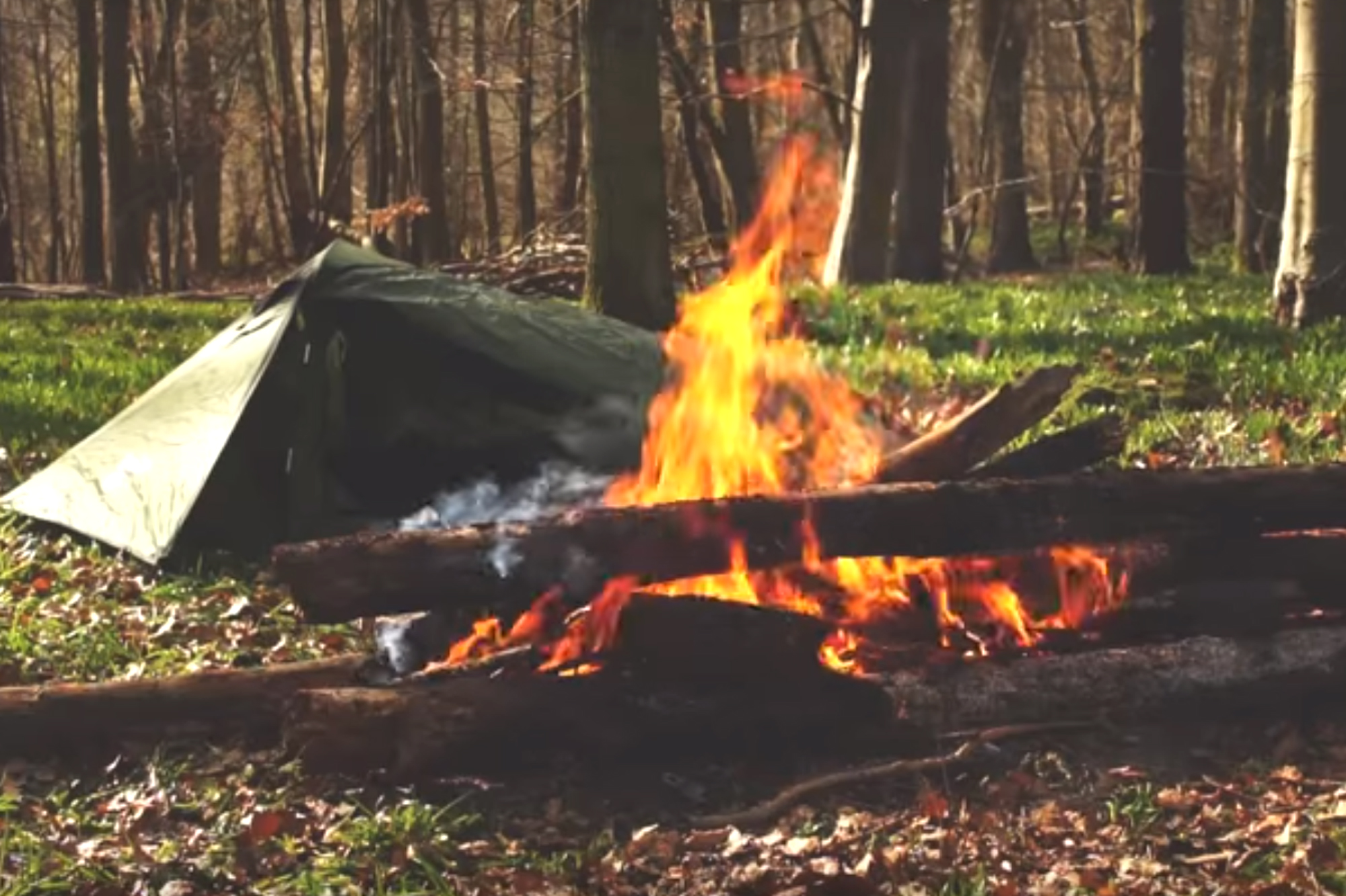
Before you answer, we’ll provide some more information on the circumstances. In either case, you’ll need to survive for 7 days, and you’ll be alone. Your location will be a desolate forest in Alaska, in early Spring. It will be raining off and on all week, and temperatures will range from about 30°F/-1°C during the day to about 0°F/-18°C at night.

Survival scenarios knife or fire Alaska forest

There’s little to no hope of rescue in either scenario, and you’ll have the same gear in both situations, listed below:

  • A 1/4-pound bag of beef jerky and a few handfuls of trail mix
  • A stainless steel water bottle containing 2 liters of clean water
  • The clothes on your back (long-sleeved shirt, long pants, a light jacket, and hiking boots)
  • EITHER a fixed-blade knife OR a plastic butane lighter and some char cloth tinder material
  • No other tools or resources except what you can find in the wilderness
Tools for Survival - Knife

A good fixed-blade knife will make most aspects of survival much easier.

If you choose the knife, you’ll be able to use it to hunt, spearfish, build a shelter, and collect wood—but it’ll be virtually impossible to get a fire started in the damp conditions without any ignition source.

If you miraculously manage to start a fire by making a fire plow or bow drill work in the rain, it could easily be extinguished during the week, leaving you to spend hours trying to light it again. If you can’t get a fire started, you’ll have to find another way to stay warm, or hypothermia may set in during the cold night hours.

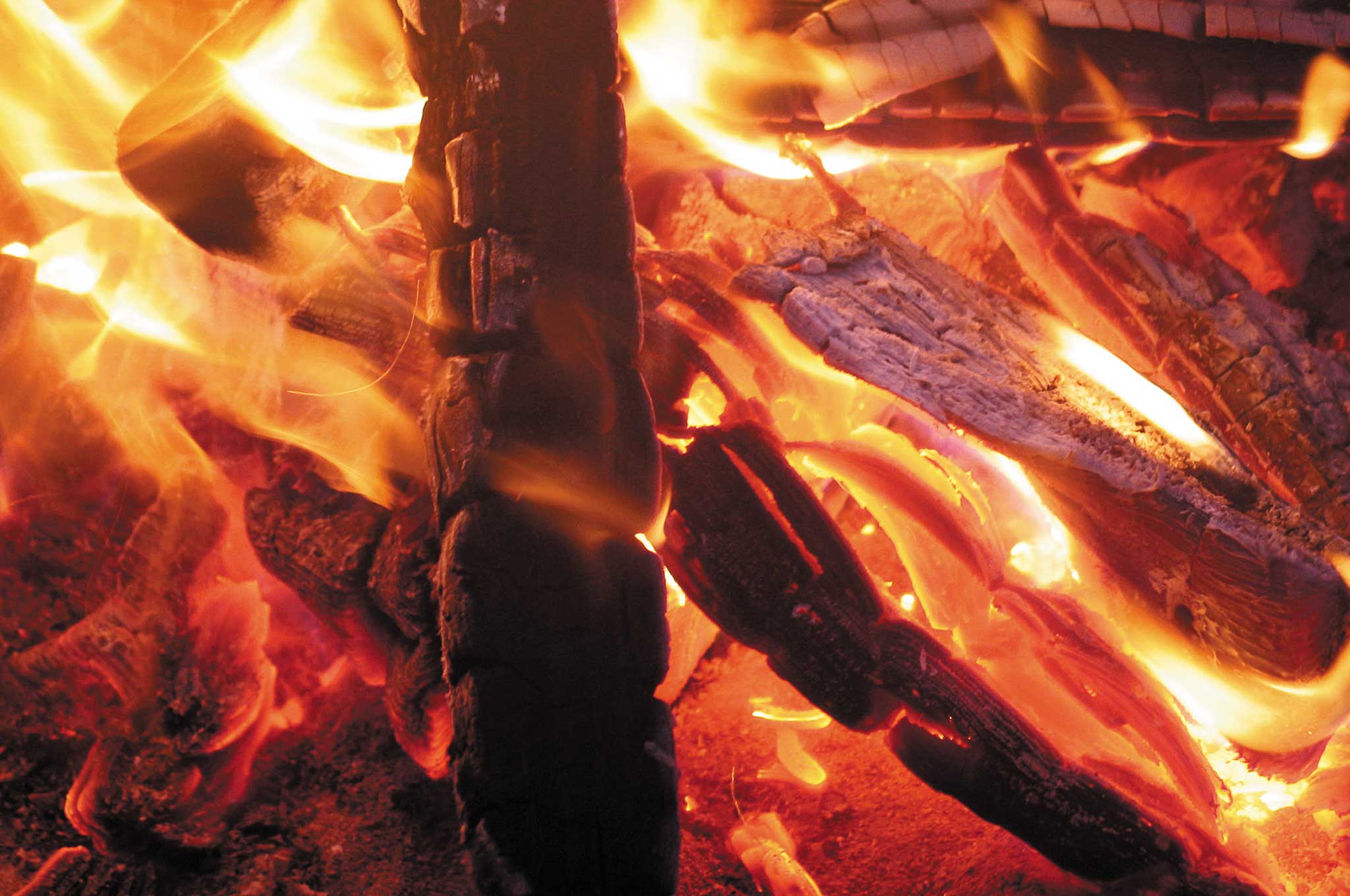
Campfire

With light clothing and temperatures dipping below zero, staying warm means staying alive.

If you choose the fire, you’ll be able to use the lighter and combustible char cloth to get a crackling campfire going in minutes. This will allow you to cook food, boil drinking water, and—most importantly—stay warm. However, you won’t have any sort of cutting tool, which will make collecting more wood to sustain the fire difficult. It’ll also make building an A-frame shelter tricky, as you’ll have to break off and gather all the wood for it by hand.


U.N. Emergency Recon Drones

The term drone has become a bit of a buzzword lately, for a number of reasons. On one hand, we have hovering drones that can deliver packages or assist with search and rescue missions. On the other hand, we have the questionable ramifications of unmanned military drones destroying targets from afar. No matter what your opinion of the technology is, aerial drones are definitely here to stay.

Drone-to-Car Communications

A recon drone like this one from DJI will be launched from a moving vehicle.

At the forefront of technological growth, Ford has announced a new partnership with drone manufacturer DJI to launch the Drone-to-Vehicle Developer Challenge. This challenge is designed to encourage software developers to “create a rapidly deployable surveying system for use by the United Nations in emergency zones.” As incentive, the winning developer who accomplishes the challenge will receive a prize of $100,000.

So, what exactly is the Drone-to-Vehicle Developer Challenge? According to DJI, developers must program emergency recon drones that can complete the following tasks:

  • Quickly take off from a moving vehicle
  • Autonomously enter the “disaster area”
  • Survey the area, recognize objects, and create a map of the scene
  • Gather information on the location of “survivors”
  • Transmit the information back to a computer system in the launch vehicle (potentially using Ford SYNC AppLink or OpenXC technology)
  • Return and land on the moving vehicle

Emergency recon drones Ford F150

The Ford F-150 launch vehicle could be driven near a disaster zone by United Nations personnel, then the drone could take off to survey areas hit hard by earthquakes, tsunamis, or floods. The U.N. personnel would be able to control the drone remotely and receive real-time updates, all without leaving the safety of the F-150’s cab.

According to Ford, future applications of this semi-autonomous vehicle-launched drone technology “could include agriculture, forestry, construction, bridge inspection and other work.” The contest ends on March 10th, 2016, so we should be seeing more updates on this technology later this year.

For more information, click here to read the full Ford press release.


Morse Code & Why You Should Learn It

It’s easy to think of Morse code as an outdated system of communication. After all, when was the last time the postman came to your door and handed you a telegram? Considering this messaging system had already begun its descent into obsolescence by the late 1800s, we’d be willing to bet it has never happened.

However, we’d argue that the underlying ability to communicate via Morse code remains an extremely important skill to this day. Although it may seem archaic, this simple alphabet of dots and dashes can be used to communicate beyond language barriers and convey essential information covertly—taking the time to learn Morse code might even save your life someday.

Jeremiah Denton’s Morse Code Message

Morse code can save lives. That’s a bold claim, so we’ll share some incredible examples of it doing just that.

Back in July 1965, U.S. Naval Aviator Jeremiah Denton was taken prisoner by the North Vietnamese after the A-6A Intruder jet he was piloting was shot down over the city of Thanh Hoa. Denton and his navigator were held as POWs for almost eight years in the now-infamous “Hanoi Hilton” prison camp.

Denton would later recount tales of being beaten with fists and fan belts, and how his captors used ropes to cut off blood circulation to his limbs. He wrote, “I prayed that I could keep my sanity until they released me. I couldn’t even give in to their demands, because there were none.”

Denton was also forced by his North Vietnamese captors to participate in a televised propaganda press conference in 1966. While he spoke in front of the camera, claiming that he was being fairly treated, he simultaneously blinked in Morse code to spell out “T-O-R-T-U-R-E”. This ingenious and defiant act secretly sent a message to the U.S. Military about the real conditions he had endured.

Denton’s coded message was one of the first clear confirmations of prisoner torture by the North Vietnamese forces, and may have changed the course of the Vietnam War. He was eventually released from captivity, went on to become a U.S. Senator, and lived to the age of 89 back home in Virginia Beach.

“Better Days”and Musical Morse Code

“Ok,” you might be thinking, “but that was 50 years ago.” Here’s a more contemporary example of Morse code saving lives in 2010.

In Colombia, a Communist guerrilla movement known as FARC had been active in assassination, kidnapping, ransom, and other terrorist activities since 1964. Their goal was to destabilize the Colombian government and establish a new regime.

Learn morse code FARC guerrillas

A DEA photo of FARC guerrillas marching in formation, circa 2006. Source: Wikipedia

By 2010, a number of soldiers had been kidnapped by FARC and held in a brutal hostage camp deep in the jungle. Knowing this, Colombian army Colonel Jose Espejo set out to communicate with his stranded men and inform them rescue was nearby—but without tipping off the FARC guerrillas of their intentions.

Since guerrillas often had radios playing music in their jungle camps, a plan was formed to broadcast a secret message to the hostage soldiers over the radio. Most of the FARC guerrillas were farmers with no military communications training, so Colonel Espejo figured they wouldn’t know Morse code. On the other hand, many of the captured Colombian soldiers did know Morse code.

Learn morse code radio

Although the hostages were cut off from most outside influences, they were within earshot of radios.

Espejo coordinated with a composer, musicians, and various radio stations to produce and broadcast a song called “Better Days” that included a secret Morse code message to the hostages: “19 people rescued, you’re next. Don’t lose hope.” The code was hidden in the form of a synthesizer interlude that played 3 times throughout the song, and the song’s lyrics even hinted at the code’s presence.

Click here to play “Better Days” on Soundcloud. The coded message is first audible after the chorus at the 1:30 mark.

The song was broadcast to over 3 million people, and eventually reached the hostages. Amazingly, the plan worked, and many soldiers were able to escape the camp and reach Colombian military forces nearby. Espejo later said, “We know of hostages who heard the message and were able to escape and provide information that led to the release of more hostages.” FARC eventually announced a unilateral ceasefire on July 8th, 2015.

To read more about “Better Days” and the Morse code message sent to hostages, check out this article from The Verge.

How Morse Code Works

A map of international telegraph lines from 1891. Source: Wikipedia

A map of major international telegraph lines from 1891. Source: Wikipedia

Now that you know the practical uses of Morse code, it’s helpful to understand how it originated.

The history of Morse code is forever intertwined with that of another invention: the electrical telegraph. This is unsurprising, given the fact that the most widely adopted telegraph system was invented in 1837 by Samuel Morse. In essence, Morse’s telegraph used simple on-off electrical pulses sent over a long-distance wire to another telegraph machine on the other end.

The original Samuel Morse telegraph. Source: Wikipedia

A diagram of the original Samuel Morse telegraph. Source: Wikipedia

In order to communicate over the newly-invented telegraph system, Morse and his assistant, Alfred Vail, developed the alphabet now known as Morse code. Short pulses, sometimes called dots, and longer pulses, called dashes, were combined to form letters. Pauses were also added to indicate spaces between words.

Learn morse code alphabet

The basic Morse code alphabet.

This system went on to become the most popular long-range communication technology until the widespread adoption of the telephone in the beginning of the 20th century. However, even after the end of the telegraph, Morse code has continued to see use in various fields today.

How to Learn Morse Code

Clearly, learning Morse code is a valuable skill for any survivalist, but it’s not exactly an easy skill to pick up. The traditional way to learn this language is by spending hours studying and memorizing a chart like the one seen above. Needless to say, this is time-consuming, and provides no correction or feedback if you make mistakes. Fortunately, there’s an easier way to learn, and you don’t even have to leave your couch.

Learn morse code website

Morsecode.io is a web site that offers free interactive Morse code training.

Morsecode.io is a free interactive online tool, and it provides practical (and dare we say, fun) lessons on Morse code. By tapping your mouse or spacebar, you can sound out each letter or word, and the program gives instant audio and visual feedback. Be warned—this tool can eat up a lot of time, but we’d say it’s well worth it.

Click here to start learning Morse code on Morsecode.io.

–. — — -.. / .-.. ..- -.-. -.- .-.-.-


Washing Clothes Without Electricity

Staying healthy is essential to staying alive, there’s no question about that. We also know that staying clean is one of the easiest ways to stay healthy. Cleanliness prevents the growth of bacteria, fights infection, and keeps you looking fresh and smelling good.

Washing clothes without electricity

Electric washing machines have become ubiquitous in our society, and few people wash clothes by hand anymore.

We apply this same philosophy to our clothes, whether that means washing them in a machine at home or at a local laundromat. Unless part of your survival plan is to disguise yourself as a homeless person if SHTF, you’ll probably want to continue keeping your clothes clean, even if you don’t have access to washing machines or electricity.

Washing clothes without electricity 2

Two wash basins, a corrugated metal washboard, and a manually-operated wringer. There’s not much to it.

So, what’s the best method of washing clothes without electricity? Well, there’s the time-tested method of a wash basin, washboard, and a wringer that was used for hundreds of years. However, this method requires a lot of elbow grease and access to specialized tools—not many of us own washboards these days.

Washing clothes without electricity

Do you have one of these in your home, and know how to use it? If so, you’re in the minority.

Luckily, there’s a better way: the DIY bucket and plunger washing machine. Here’s what you’ll need:

  • Two clean 5-gallon plastic buckets, one bucket lid
  • Clean rubber toilet plunger
  • Hole-punching tool (the video below uses a power drill, but an awl or screwdriver and hammer would work)
  • Water, detergent, and dirty laundry
  • Optional: Cordage and a carabiner for the “spin cycle” dryer

This video illustrates how the DIY washing machine is built and operated:

Even if you’re scavenging for supplies in an urban disaster zone, these items shouldn’t be too difficult to acquire. If all you’ve got to wear is the clothes on your back, clean laundry will leave you feeling refreshed and rejuvenated …and a whole lot more hygienic.


Escape Zip Tie Handcuffs

In a SHTF scenario, it’s entirely possible that you could end up kidnapped, held hostage, or otherwise restrained by criminals. In this type of situation, captives are often restrained by improvised means. That is to say, criminals are usually not going to use high-end handcuffs. More often than not, they’re going to use something that cost $5 at the local hardware store: zip ties.

Escape zip tie handcuffs illegal restraint 2

Plastic zip ties or cable ties are commonly used as improvised illegal restraints.

Before we go any further, a disclaimer: this is not a guide on how to escape law enforcement restraints, nor would these methods work on the specialized zip-tie-style handcuffs used by police. That said, the following methods can help you break free from the consumer-grade zip ties that criminals would be likely to use.

The Art of Manliness put together a useful infographic that illustrates 3 ways to escape zip tie handcuffs:

Escape zip tie handcuffs illegal restraint 1

The “slipping out” method requires enough forethought to trick your captors into cuffing your hands in a specific position. If you can manage that, great, but it’s likely your hands will be quickly and forcibly cuffed beyond your control. Zip tie quality varies greatly, so breaking the ties may be easy with some brands, and nearly impossible with others.

We’d say the most reliable method is “shimming out” the lock mechanism with a key, pen, screwdriver, or any other small hard implement. Feel free to try it safely at home—it’s not hard once you get the hang of it.

For more information on how to escape zip tie handcuffs and other illegal restraints, check out the 41-minute video above from ITS Tactical. It also covers dealing with duct tape, rope, and legally-purchased handcuffs, and provides a wealth of useful information.