Lessons Learned at Bondurant Racing School

Many skills fall victim to overconfidence, but few more so than driving. Go ask Joe Blow if he’s a good driver, and he’ll probably puff out his chest and proclaim that his excellent reaction time, situational awareness, and car control make him far safer than all those other incompetent jerks on the road. But if you hop in the passenger seat, you may find he’s an overly-aggressive and impatient road-rager or that he can hardly stay in his lane as he juggles his cell phone and Big Gulp cup.

True driving skill requires unwavering focus, forethought, and technique — it’s something few will pursue and even fewer will master. However, your ability behind the wheel has a tremendous impact on your emergency preparedness and your day-to-day safety. Russ Rader of the Insurance Institute for Highway Safety (IIHS) told the Seattle Times, “the statistics show that getting behind the wheel of a car is probably the riskiest thing any of us do on any given day.” In the United States in 2017 alone, an estimated 4.57 million people were injured seriously enough to require medical attention, and more than 40,000 were killed in motor vehicles.

Photo by Steven Kuo

Many of us prep for assaults, home invasions, natural disasters, and other dangerous scenarios — and rightly so. But these statistics show that the average American is far more likely to be injured or killed behind the wheel than by any of those threats.

So, what have you done to improve your driving skill? If the answer is nothing, then it’s time to start. Ride along with a pro, and you’ll soon realize just how much you have to learn.

Bondurant Racing School

In order to brush up on our driving abilities, several members of the RECOIL and RECOIL OFFGRID staff headed to the Bob Bondurant School of High Performance Driving, also known as Bondurant Racing School. The school was founded by motorsport legend Bob Bondurant in California in 1968, and after several decades of growth, moved to its current purpose-built facility in Phoenix, Arizona. It consists of more than 200 meticulously-maintained vehicles, from open-wheel race cars to full-size SUVs. The Bondurant Racing School is the largest facility of its kind in North America, and has taught more than 300,000 graduates since it opened 50 years ago.

Bondurant Racing School driving survival bugout offroad car truck vehicle evasion shtf emergency 12

Executive Protection Curriculum

You might assume from its name that the school only teaches driving for the race track, but that’s not the case. Instructors also offer specialized courses that include off-roading, evasion, and contact techniques such as PIT maneuvers and vehicle ramming. They’ve even worked with military and law enforcement groups to teach vehicle tactics and practice low-light driving with night vision systems.

Bondurant Racing School driving survival bugout offroad car truck vehicle evasion shtf emergency 17

The five of us enrolled in a 3-day Executive Protection Training Program that included the following segments:

  • Classroom instruction on the visual and mental aspects of driving
  • Accident avoidance via threshold braking and controlled swerving
  • Skid recovery (understeer and oversteer)
  • Autocross, a narrow and technical timed cone-course
  • Ride-along, lead-follow, and solo full-speed track laps
  • Reverse 180 turns (a.k.a. J-turns)
  • Ramming through vehicle barricades
  • PIT maneuvers
  • Pavement-to-dirt transitions and off-road skid recovery
  • High-speed dirt driving

Those of you who follow us on Instagram may have already seen snippets of our time at Bondurant, and there will be more in-depth video coverage appearing on RECOILtv in the future. In the mean time, rather than describing each of the above segments in detail, we’d like to share some of the lessons we learned by the end of the course. These are very applicable to overall road safety and bug-out preparedness.

Lesson #1: Eyes Up

Bondurant Racing School driving survival bugout offroad car truck vehicle evasion shtf emergency 8

The emphasis on sightlines in the classroom soon became practical while hot-lapping the road course.

Driving fast is undeniably a physical activity — fighting lateral G-force as you carve corners will get your heart pumping, muscles sore, and sweat dripping (especially in the triple-digit Arizona heat). But the real key to going fast is mental and visual.

While driving fast or under stress, most of us will automatically look at where we’re about to be in a split second — just over the hood or a few car lengths ahead. This produces an overwhelming feeling of speed as nearby objects whiz by and faraway objects seem to appear out of nowhere. Your brain is overwhelmed, your reaction time slows, and you make mistakes.

Bondurant Racing School driving survival bugout offroad car truck vehicle evasion shtf emergency 5

The solution is to consciously force yourself to look up and out, roughly 3 to 4 seconds ahead of your current position. That may not sound like a lot on paper, but when you’re transitioning from corner to corner on a track at 80 mph, it feels unnatural at first. Instead of locking your eyes on the obstacle you’re about to dodge, let it pass into your peripheral vision and look where you want to be. In many cases, this means looking out a side window as you turn instead of out the windshield.

Bondurant Racing School driving survival bugout offroad car truck vehicle evasion shtf emergency 24

Photo by Steven Kuo

After a few laps of practicing this technique, we were amazed at how much more manageable high-speed corners felt. The 3- to 4-second buffer reduced stress, and we began to naturally guide the car smoothly to its intended position. Soon, we were entering corner 1 while thinking about the position we wanted for corner 2, and driving the track with improved confidence.

Lesson #2: Toe the Line

We spent most of our time in these 485hp Dodge Challenger SRT 392s.

We spent most of our time at the school in these 485hp Dodge Challenger SRT 392s.

In racing terminology, “the line” is the ideal path through a course to maximize speed and minimize lap time. Think about looking down on a top-view map of a track, and tracing the shortest possible path with a marker. This usually means starting a corner at the outside, turning in to clip the innermost edge (the apex), and sweeping back to the outside once more. The line is affected by many factors, such as the type of corner that follows, the quality of the road surface, and of course the capabilities of the vehicle you’re driving.

Bondurant Racing School driving survival bugout offroad car truck vehicle evasion shtf emergency 10

This may sound complicated, but it’s very applicable to real-world driving. By understanding and visualizing the line, you’ll be able to carry more speed through corners without losing control. Let’s say you’re escaping a city in an emergency — instead of abruptly jerking the wheel left and right, you’ll naturally snake through the 90-degree corners and maintain your momentum. This leads into our next point.

Lesson #3: Smooth is Fast

In this purpose-built skid car, hydraulic outriggers allowed instructors to induce slides on command.

In this purpose-built skid car, hydraulic outriggers allowed instructors to induce traction loss on command.

The old saying “slow is smooth, and smooth is fast” applies to driving. Amateur racers will often be harsh with steering, brake, and gas pedal inputs. This may look and feel fast as the vehicle leans, skids, and slides through corners with smoking tires. However, the fastest drivers are those who know how to be delicate and smooth.

To show the importance of smooth inputs, our Bondurant instructors taught us “string theory”. Envision a taut string connected to the brake pedal, looped through the steering wheel, and tied off to the gas pedal. When the gas pedal is floored, turning the wheel would cause the string to snap, sending the car skidding out of control. When the wheel is turned hard, hitting the gas would also snap the string. The same relationship applies to the brake pedal.

Bondurant Racing School driving survival bugout offroad car truck vehicle evasion shtf emergency 23

Photo by Steven Kuo

This “string theory” teaches drivers to ease off the brake as they begin to turn, and ease back on the accelerator as the car straightens out. When combined with the racing line, it’ll make you a substantially faster driver — although the lack of tire smoke means you’ll never land a Hollywood stuntman job.

Lesson #4: Push Through

Speed, smoothness, and awareness of your surroundings can help you evade most bad situations without a scratch. But there may come a time when making physical contact with another car is inevitable to escape danger. In these situations, you might have to grit your teeth and use your vehicle to push through.

Bondurant Racing School driving survival bugout offroad car truck vehicle evasion shtf emergency 18

Special bumpers on these Crown Vics allowed us to practice PIT maneuvers without damaging the cars.

If another driver is trying to run you off the road in a SHTF situation, it’s possible to safely incapacitate that vehicle using a PIT maneuver. By aligning the corner of your front bumper with the other car’s rear axle, gently making contact, turning and accelerating, the vehicle can be spun out of control as you make your escape.  You’ve probably seen the PIT used in police chases, but we can say from experience that this is tougher than it looks on TV. Fortunately, Bondurant has a pair of Ford Crown Victorias equipped with special bumpers that make it possible to practice this skill safely — it’s certainly not something you’d be able to try on public streets.

Now imagine you turn a corner to find that the bad guys have lined up a series of cars to block the road ahead. You could try a J-turn (shown above) to quickly escape the way you came — throw the car in reverse, accelerate backwards to about 25mph, crank the wheel hard, slam it back into gear and drive away. We practiced this at Bondurant, too. While possible, it’s tricky to perform smoothly in modern cars that have limited reverse speed and traction control systems going haywire.

The frame rail, indicated by the arrow, was lined up with the block vehicle's axle.

The frame rail, indicated by the arrow, was lined up with the block vehicle’s axle.

If your escape route is blocked in all directions, you can ram through the roadblock as a last resort. The technique for this involves lining up the corner of your car’s frame with the axle of the roadblock vehicle. This bumps the other car in such a way that it pivots around the other axle in an arc, opening a gap. Bondurant instructors also explained that lifting off the throttle briefly and then flooring it immediately before impact is helpful — the sudden weight transfer lifts the nose of your vehicle, shoving the other car more forcefully.

Of course, if you ram another vehicle, you should expect your own vehicle to be crippled shortly thereafter. However, even if your radiator is spewing coolant you should be able to get far enough from the roadblock to escape immediate danger before the engine dies.

Lesson #5: Practice and Repetition

Bondurant Racing School driving survival bugout offroad car truck vehicle evasion shtf emergency 1

As we mentioned at the start of this article, participating in the Bondurant Racing School event taught us just how much we have to learn. Our skills definitely improved over the three-day course thanks to the great instructors and curriculum, but it’s clear that we still have plenty of room for additional improvement.

Bondurant Racing School driving survival bugout offroad car truck vehicle evasion shtf emergency 20

On the street, it’s easy to develop bad habits and let your driving skill atrophy — and if you someday wind up in a life-and-death situation behind the wheel, running out of skill could be catastrophic. Taking a high-performance driving course lets you push the limits of a vehicle safely and receive instruction from experienced professionals. With enough practice, these principles will feel hard-wired and resurface naturally when you need them.

For more information on Bondurant Racing School and its programs, go to Bondurant.com.


The Road Less Traveled in a Yamaha Wolverine X4

Photos by Mark Saint

The dreaded, high-pitched buzz of the Emergency Broadcast System simultaneously came across my phone and television. I was finishing my coffee and bracing myself for Friday morning rush-hour traffic, but realized there was something unusual about this broadcast. I was so used to hearing the word “test” after these alerts began that I initially ignored what was being said. As the message continued past its usual duration I realized things were about to get hairy real quick.

Yamaha Wolverine X4 UTV review offroad bugout survival vehicle car truck 2

A massive chemical spill had occurred at a railway junction less than two miles from my home. The broadcast was unclear about the contaminants being released into the air, but what I knew for sure was that staying here was dangerous. It was time to beat feet. Since the freeways were gridlocked due to time of day and others surely looking to bail after hearing the broadcast, I determined that the best thing to do was to drive my UTV (Utility Task Vehicle) away from the direction of the accident using an escape route I’d plotted a while back. I grabbed my backpack, strapped down some other ancillaries as fast as I could, started up the UTV, and split like a bat out of hell toward my bug-out location.

This is Only a Test … This Time

Although the aforementioned prompt is fictitious, it’s meant to get you thinking about your means of transportation and evacuation plans if you were faced with a similar situation. The train crash mentioned was based on the Graniteville, South Carolina, rail disaster in 2005 where tanker cars hauling chlorine ruptured after a collision, releasing poison gas into the atmosphere. It was considered by many to be the worst chemical accident in U.S. history. Nine people were killed, several hundred were injured, and thousands were forced to flee their homes. Had winds been stronger, the death toll would’ve undoubtedly risen.

According to a Department of Transportation report, Train Wreck and Chlorine Spill in Graniteville, South Carolina by A.E. Dunning and Jennifer Oswalt, “The emergency response community has recognized a need to reduce the chaos of the type experienced in Graniteville. Poor communication between agencies and lack of clear decision-making authority exacerbated the disaster. Responders disagreed over how to evacuate the town, and this disagreement resulted in inaction. While the Reverse 911 system worked, the timing and decision making of the evacuation actions rendered the system only marginally effective. Responders couldn’t quickly and positively identify the hazardous material or the proper procedure.”

What does this tell you? As we’ve said in RECOIL OFFGRID before, sometimes you only have yourself to rely on. Unfortunately, in instances like this, hazardous materials are often transported through rural areas that are ill-equipped to deal with such a large-scale incident. When you combine that with bureaucratic bungling, sometimes it’s better to preplan rather than risk your life waiting for rescue personnel who could be hours away to handle the situation. That being said, how do you plan to evacuate if fleeing on foot may not be realistic?

Getting Out of Harm’s Way

Here we’re exploring the use of a UTV (also called a side-by-side) during bug-out for several reasons, including the number of advantages it offers over a conventional vehicle. We won’t get into criteria for selecting a temporary or permanent bug-out location, as that’s a whole other list of priorities to cogitate on. This article is more focused on what transportation you’ll use to get there and related considerations to make when traveling off-road.

There’s no right or wrong answer when it comes to the method you use to evacuate, but there’s no perfect solution either. While every vehicle has strengths and weaknesses, consider that various catastrophes may render surface streets and highways impassable. Here are some things to keep in mind if you’re in the market for a UTV. Your initial intentions to buy an off-roader may be strictly recreational, but let’s examine how it could also double as a very practical escape vehicle.

Yamaha Wolverine X4 UTV review offroad bugout survival vehicle car truck 5

Why a UTV?

Mobility and Access: Remember that gridlock mentioned earlier? The UTV can get places a standard car or truck can’t. When the usual roads and highways are inaccessible or jammed with commuters, you may find yourself wishing you had an alternative to your daily driver. If you’re forced to cut through firebreaks, access roads, horse trails, or other off-road thoroughfares, a vehicle designed specifically to negotiate that kind of terrain could prove invaluable.

Maintenance: The more features you have on a vehicle, the more things can break. You won’t care about the convenience of cruise control or parking sensors during an emergency. A UTV’s simplicity makes it desirable since it’s devoid of the abundance of electronics most standard vehicles are becoming dependent on. UTVs are built for durability and easy maintenance or repair in the field.

Size/Signature: Not only does its smaller size and design enable a UTV to traverse unforgiving topography and obstacles, but it also increases your ability to remain hidden if necessary. It’s much harder to conceal a larger vehicle when parked, as well as the footprint it leaves behind. Having a smaller vehicle will draw less attention to your escape route. While you may be concerned about the noise UTVs make versus a car, there are plenty of mufflers and exhaust systems you can use to minimize sound output.

Modifications: The aftermarket support for UTVs is huge. Tons of companies offer modifications for your UTV’s drivetrain, suspension, lighting system, cargo storage, fuel capacity, and other features. One can easily upgrade a stock UTV to support a heavier payload or haul a trailer. It all depends on what your intentions are and how much weight in people or supplies you intend to carry. But rest assured that consumers have plenty of choices to improve upon the vehicle’s existing capabilities. Many require only basic tools and knowhow to install.

Where Are You Going?

Although many bemoan the range and carrying capacity of UTVs as being limited compared to standard vehicles, that may not necessarily be a deal breaker if you’ve preplanned your escape routes and destinations. The first determination you should make is whether the range of a UTV you’re considering is conducive to your destination. For instance, if your bug-out location is 100 miles away, can you get there on a full tank of gas with plenty of margin for emergency detours? How will that range be impacted by the amount of people and supplies you’re loading? Research the range, fuel capacity, and payload capacity of the vehicles you’re considering.

Determining possible routes out of the area shouldn’t be something you put off to the last minute. Unless you already have a bug-out location in mind, find some suitable spots that are reachable in a UTV. Plan alternate routes and revisit them every few months to confirm they’ve remained unfettered. Better yet, test them out with your UTV, preferably loaded up with supplies to ensure they’re as accessible as you think they are when you’re fully laden. Continued urban and suburban development has a way of throwing up obstacles and changing topography from when you initially scouted out access to a locale that works for your purposes. You might return to an escape route you’d planned out six months ago only to find much of the property has been built up, which forces you to rethink the whole strategy.

Yamaha Wolverine X4 UTV review offroad bugout survival vehicle car truck 1

What Should You Bring?

Your load-out, and the weight thereof, will be just one of the factors that affect fuel consumption. The range ratings for vehicles are measured on flat surfaces, so rough terrain, other passengers, and how heavy your right foot is are variables that make it difficult to determine the total range you’ll get out of an off-road vehicle. If you have friends with UTVs, borrowing theirs would be another way to help get an accurate idea of the range before you make that initial purchase. Do some test runs loaded up with the supplies you plan to bring so you have an accurate baseline of the fuel consumption. That will help determine how much extra fuel you should carry.

Fuel Storage: Aside from possibly adding a secondary tank, RotopaX or Cam Cans are great ways to store additional fuel or water on the vehicle and take up a bare minimum of space. Due to the additives and compounds found in modern pump gasoline in the U.S., assume fuel will begin degrading within a year or so to the point where it loses much of its volatility and gums up with resins. This may clog fuel lines and pumps. Even with stabilizers added, gasoline supplies should be rotated at least every six months if you plan to cache any fuel.

Yamaha Wolverine X4 UTV review offroad bugout survival vehicle car truck 4

Keeping current maps of the areas you need to travel through during an emergency is essential in the absence of GPS or...

Maps: Remember those? Local automotive stores and online retailers are great resources for maps. These will show off-road trails that your smartphone’s map app or GPS might not clearly identify (assuming you’ll even have reception). You can also visit MyTopo.com for USGS Topo, satellite, and even lake maps. Replace your maps every year or so to ensure you have the most up-to-date versions available.

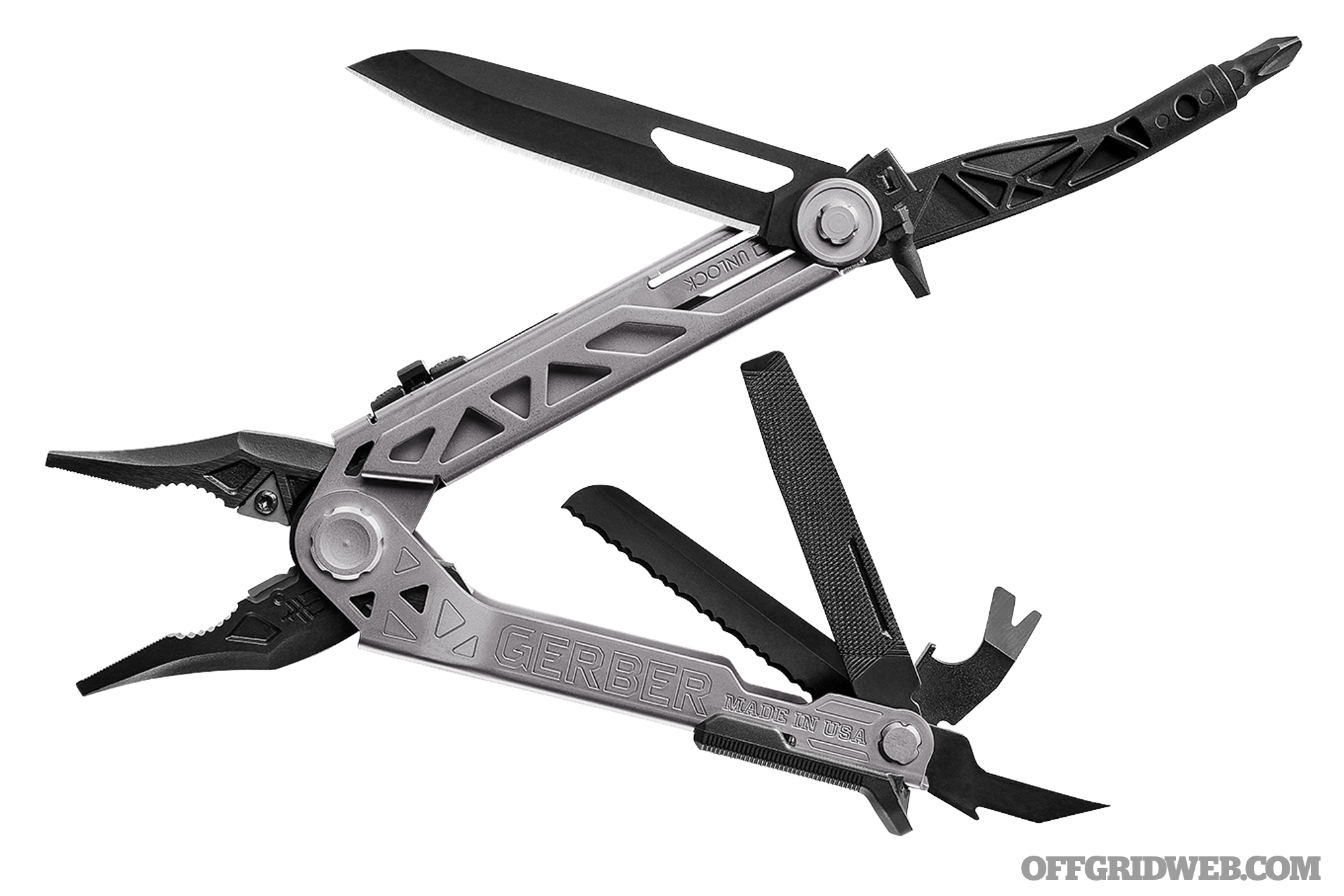
Tools: Bolt cutters or a small breaching saw will come in handy if you have to cut through locks, chain-link fences, or barbed wire to save your skin. A toolkit consisting of wrenches, a ratchet and sockets, screwdrivers, locking pliers, zip ties, duct tape, epoxy, and a multi-tool should be enough for the repairs you may encounter during a breakdown. Many UTVs come with toolkits designed specifically for that vehicle. Aftermarket accessories such as a winch, Hi-Lift jack, and MaxTrax ramps can help you bail yourself out if you get stuck on a remote trail.

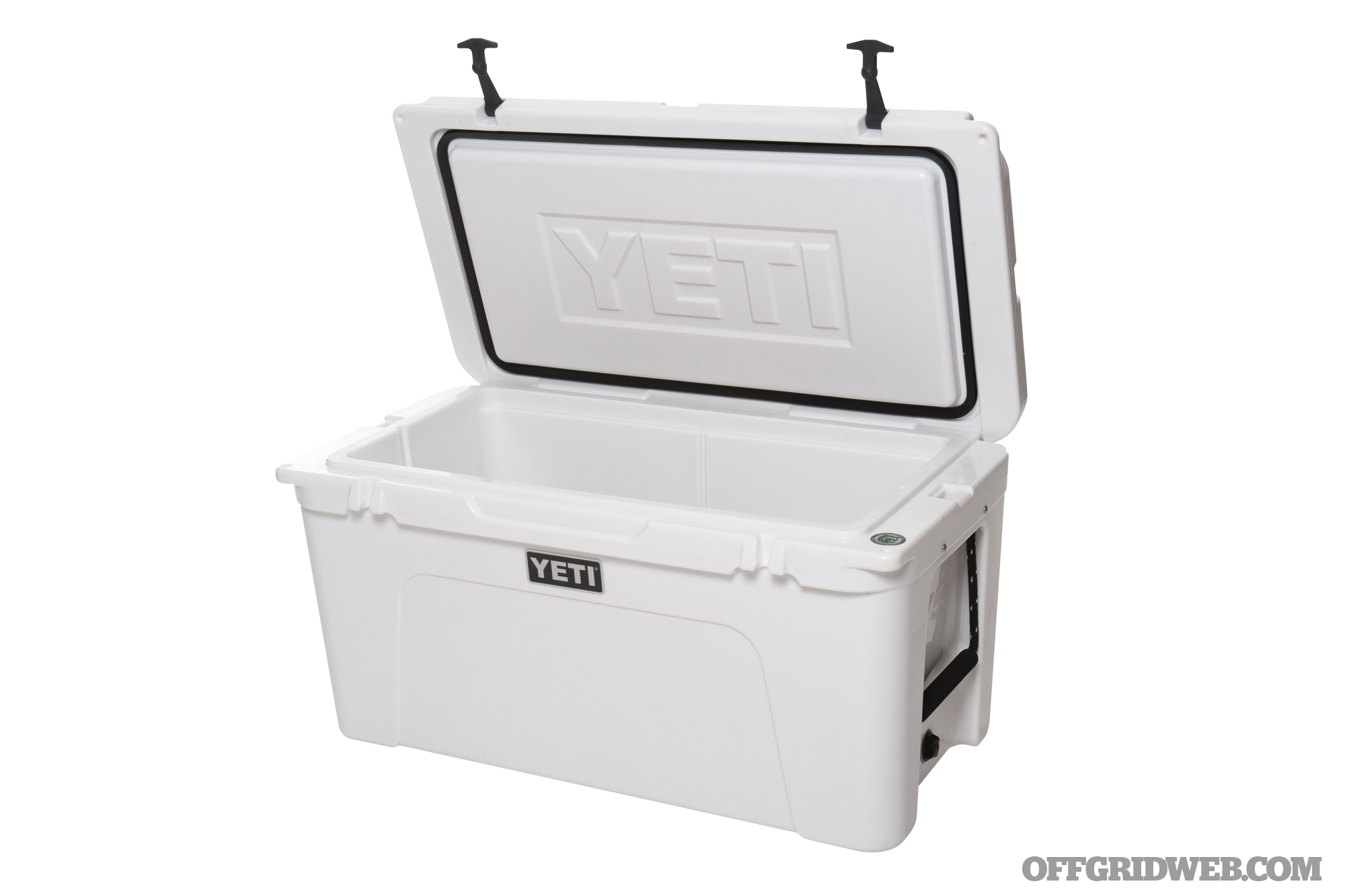
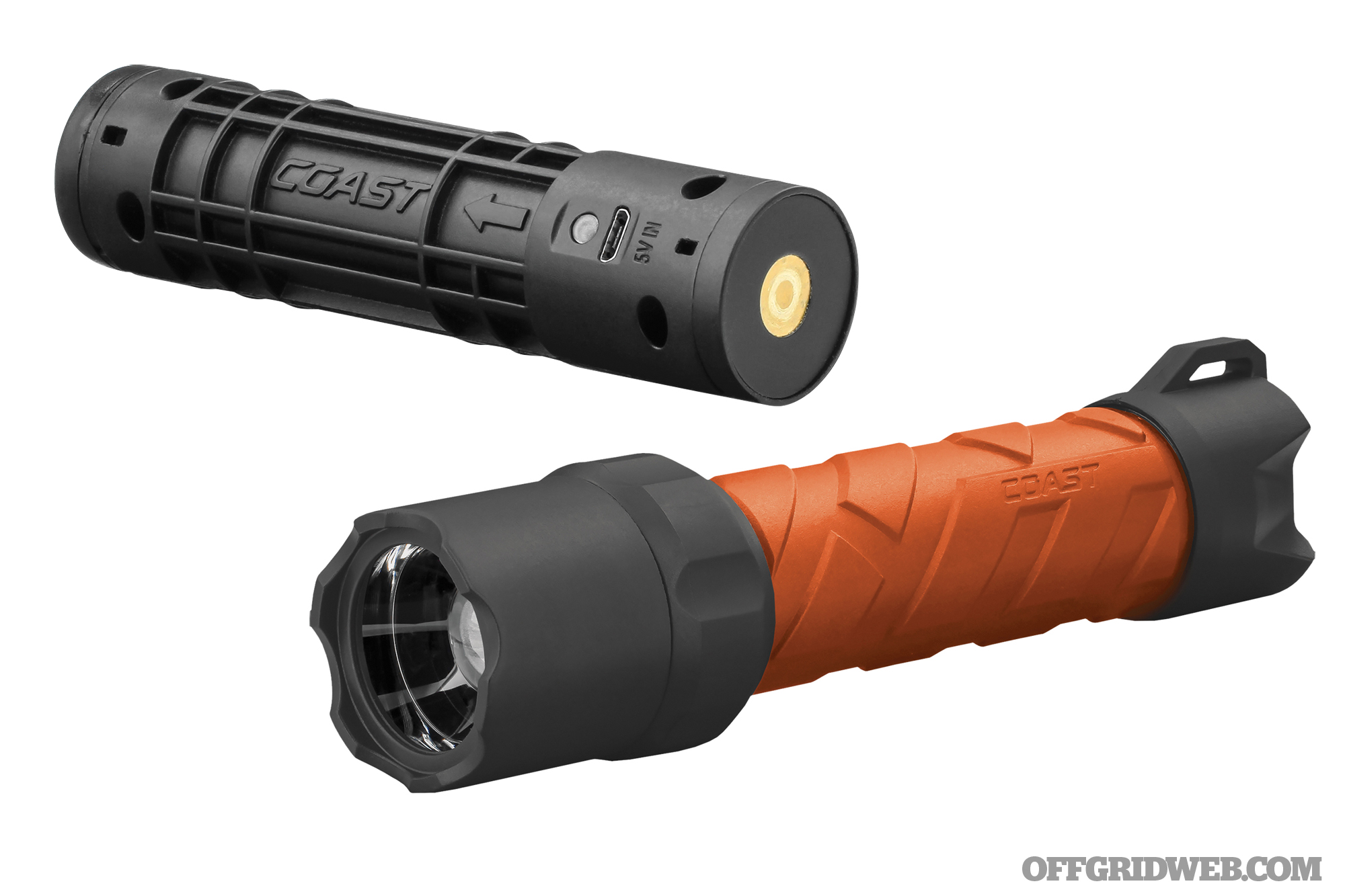
The rest of your supplies are only limited by your imagination. Carrying a tent, stove, cooler, flashlights, first-aid kit, binoculars, clothing, radio, fire-making supplies, power supply, and firearms/ammo is really up to the user. Assemble your desired contents and start Tetris-ing them onto the vehicle to figure out the best configuration to economize space and to get an idea of how much weight they’ll add.

Don't wait until an emergency arises to scout out potential bug-out locations. Do your homework on suitable places to hold up well in advance.

Don’t wait until an emergency arises to scout out potential bug-out locations. Do your homework on suitable...

Do Your Homework

A golf cart is not a UTV, so don’t think it’s a suitable vehicle for driving on anything other than nicely manicured lawns. If you own a large piece of property and use construction or ranching-style vehicles to get around and perform menial tasks, don’t assume these will work for bug-out purposes either. Visit trusted manufacturers, test-drive as many as you can that are within your budget, ask about their warranty programs, and spend some time getting off-road training from certified instructors. Driving a car on surface streets is vastly different than driving an open-cockpit vehicle like a UTV through rough terrain during an emergency, especially if you have no prior experience.

Also, ask yourself if you can save weight by taking off anything that you feel is unnecessary for your intentions (and consider if removing those items will void your warranty). Spare tires or features meant to protect your suspension like glide plates should not be sacrificed to save weight. Spend some time changing parts yourself and outline some practice situations that would simulate problems you might encounter in an emergency. Extraction in water crossings, deep sand, mud, and low-light conditions are all great ways to become familiar with how the vehicle handles and what to do to mitigate potential obstacles. The more time you spend getting the feel for a UTV’s capabilities, the better off you’ll be if you have to make a quick departure. For a full review on the Yamaha Wolverine X4 SE seen here, check out Issue 37 of our sister publication, RECOIL.

Sources

Flashlight
SureFire EDCL2-T
www.surefire.com

Yamaha Wolverine X4 UTV review offroad bugout survival vehicle car truck 10

Tent
PahaQue Green Mountain 4XD – Blue
www.pahaque.com

Rifle Bag
5.11 Tactical VTAC MK II 42” Double Rifle Case / Rush Tier System
www.511tactical.com

Gloves
Mechanix Wear M-Pact Woodland Camo
www.mechanix.com

Tomahawk
SOG Knives Voodoo Hawk
www.sogknives.com

Stove
Camp Chef Rainier Campers Combo
www.campchef.com

Solar Charger/Panel/Power Bank
Goal Zero
Venture 70 Power Bank
Guardian 12V Plus Charge Controller
Nomad 28 Plus Solar Panel
www.goalzero.com

Extra Battery & Charger
Shorai LFX36A3-BS12 / Battery Management System (SHO-BMS01)
www.shoraipower.com

Yamaha Wolverine X4 UTV review offroad bugout survival vehicle car truck 8

Binoculars
Bushnell Engage 10×42
bushnell.com

UTV
Yamaha Wolverine X4
www.yamaha-motor.com

More From Issue 26

Don’t miss essential survival insights—sign up for Recoil Offgrid’s free newsletter today!

Read articles from the next issue of Recoil Offgrid: Issue 27

Read articles from the previous issue of Recoil Offgrid: Issue 25

Check out our other publications on the web: Recoil | Gun Digest | Blade | RecoilTV | RECOILtv (YouTube)

Editor’s Note: This article has been modified from its original version for the web.

What If Your Subway is Attacked With Chemical Weapons?

Illustrations by Joe Oesterle

The rhythmic vibrations of the subway car had almost lulled me back to sleep, even though the cabin was crowded with morning commuters. Strong scents wafted back and forth. The cologne and perfume of the passengers, as well as the countless cups of coffee, created a riot of scents assaulting my nose. I tried to ignore the odors in my groggy state, shutting my eyes and blocking everything out. It was working, until the passengers at the end of the subway car started screaming and a new smell caught my attention.

Nostrils stinging, I began to process the new information. My eyes opened as the stinging sensation traveled from my nose into the back of my throat. Scent can trigger memory, and as I fumbled for recognition, it hit me — bleach, it smelled like chlorine bleach! As frightened people began to rush past me, I wondered if this would be my last subway ride.

For this episode of RECOIL OFFGRID’s “What If?” column, the editors gave us a nasty urban nightmare. We had to work our way through a terrorist attack in a crowded subway car. Continuing our new format, the editors asked us to explain what we would personally do in these emergency situations. This isn’t some random character stumbling through a scenario, this is exactly what we’d do in a packed subway car full of panicked people and poisonous fumes. Try not to hold your breath while reading!

The Scenario

SITUATION TYPE
Traveling to work
YOUR CREW
You
LOCATION
New York City
SEASON
Spring
WEATHER
Rainy; high 47 degrees F, low 39 degrees F

The Setup: There’s been recent news of intercepted communications that an unnamed terrorist group is threatening to attack a major New York City subway line with a chemical gas attack. It has been two months since the initial reports, but media coverage has subsided so you begin to assume the reports may have been exaggerated. While these current events are still unfolding, you’re attending a daylong lecture at Columbia University.

Chemical weapon attack subway what if survival preparedness emergency shtf 3

Since you don’t own a car and the subway is your usual method of travel, you board the subway near your home at the Bedford Park Station at around 7 a.m. on your way to the 116th Street station near the University. The train is full of the usual commuters and nothing seems out of place.

The Complication: After the train stops at the 155th Street station and then resumes its course, you notice a commotion in the car behind you. People start fleeing that car and entering yours, covering their mouths with their hands and clothing, acting like they’re in pain and choking. At this moment, you notice a distinct acrid smell and yellow-green haze that, based on your research and knowledge, you believe to be chlorine gas.

You suspect your subway has been the victim of a chlorine gas attack/domestic terror incident. The conductor is obviously not aware of what’s going on. What can you do? There may be multiple chemical gas attacks happening simultaneously in various cars; you’re just not sure yet. What steps can you take to help protect yourself, save lives, and alert authorities?

SURVIVAL EXPERT: Tim MacWelch’s Approach

Prep

The sprawling public transportation system of New York City safely moves over 1-billion people a year, but with the threat of a terrorist attack in my mind I’d think long and hard whether to ride a subway car with that looming threat. Sure, more people die every year from automobile accidents than train wrecks and terrorist attacks combined — so much so that car accident fatalities rarely make the news. But that doesn’t mean that I’d be eager to get into a crowded underground facility with limited exit strategies.

In my preparation, job one is to study the subway transit system. Learn its routes, its safety procedures, and escape routes, with particular attention to obvious bottlenecks or other points that would hinder evacuation.

My second specific piece of preparation for this type of threat would be to research previous terrorist attacks on subway cars and trains. In 2004 in Madrid, terrorists set off 10 backpack bombs on the commuter rail network, killing 191 people and wounding more than 1,800. One year later, a sarin gas attack occurred in a Tokyo subway. This attack was perpetrated by the Aum Shinrikyo (Supreme Truth) cult, a group of doomsday fanatics with thousands of followers all over Japan. Their insane leader, Shoko Asahara, gained access to the wealth of his followers and employed a chemist to create the sarin gas weapons that killed 12 people and injured more than 5,000. While the motives of these nut jobs are part of the research, their methods would be my primary area of focus.

My next job would be to research respiratory devices. Many of us include simple masks (like an N95 mask) in our everyday preps, but it’s largely useless in a gas attack. Vapors, fumes, and gases go right through the mask — just like the air we breathe. And even though N95 masks will filter out anthrax and the cough droplets that transport the flu virus, you’ll need something made for gases to remove them from the air you’ll breathe.

One commonly available filter that can be found at most home improvement stores and attached to half masks or full face masks is the 3M Multi Gas/Vapor Cartridge (filter #60926). This affordable cartridge can attach to a variety of respirator masks and remove chlorine, hydrogen chloride, chlorine dioxide, plus a number of other nasty chemicals. Just remember that a mask is only as effective as the surface it seals against. Mustache, no problem. Soul patch, OK. But full beards keep the rubber mask from sealing against your skin.

As my final prep for close-quarters travel on a subway, I’d want a city-friendly EDC kit. This assortment of everyday carry gear would include a whistle, a flashlight, a first-aid kit, and a small pry bar. It wouldn’t hurt to have an element that prepares you for a possible chemical attack too (besides the respirator). A product called Reactive Skin Decontamination Lotion is now available to civilians. RSDL is the only decontaminant cleared by the U.S. Food and Drug Administration to remove or neutralize chemical warfare agents such as tabun, sarin, soman, cyclohexyl sarin, VR, VX, mustard gas, and T-2 toxin. It’s a simple little packet of lotion-like neutralizer. Each kit comes with instructions and a training product, so you can get a feel for it through realistic practice. It also comes with a packet of decontaminant for one person, which removes the chemical agent from the skin in a single step. It won’t help with our chlorine gas scenario, but against other agents — it’s better to have it and not need it ….

On Site

After deciding to take the subway, my first safety precaution would be to choose what I perceive to be the safest car on the train. But which car should I choose?

Conventional wisdom would lead us to believe that the front and rear cars of a subway train (or other type of train) are the most dangerous places in a crash. The front car would take the brunt of the damage in the event of a head-on collision, with the rear car taking damage if the train were rear-ended. But a terrorist attack is a very different event compared to a train wreck. In the event of a terrorist attack, the most crowded car would likely be the most tempting target.

Just one example of this sinister planning can be seen in the London subway bombings of July 7, 2005. In this attack, three suicide bombers detonated explosives onboard subway trains during the busy morning commute. While a number of people were also killed and injured that morning in a double-decker bus bombing perpetrated by a fourth group member, the subway portion of the attack killed 39 people and wounded hundreds more. Each of the three subway bombers sat or stood near the train doors, where the highest concentration of passengers would be located.

From my perspective, the least populated car is the least desirable target for someone intent on causing mass casualties. Once onboard the undesirable subway car, I’d take history’s lesson to heart and stay away from the double doors in the car. Sure, this would typically result in more walking, but that’s a small price to pay for a greater margin of safety. And whether I was in the subway in NYC or in a tube in any other part of the world, I’d find the emergency exits and alarms.

Once I’ve chosen my seat on the unpopular car (story of my life), I’d still remain vigilant for suspicious activity. In a less populated car, there would be fewer people to observe for any odd behavior or packages. This quieter area might be chosen as a setup or staging area, where a terrorist could potentially prepare to launch an attack.

The Crisis

Chemical weapon attack subway what if survival preparedness emergency shtf 1

In the midst of a chlorine gas attack on a subway, with the circumstances still unclear, the first thing I’d do is use the passenger alarm or passenger emergency intercoms to notify the train crew that something was seriously wrong. I’d have scouted out the location of these when boarding. Once the commotion started and I smelled a noxious gas, that’s the time to hit the “panic button,” though I’d want to avoid actual panic internally and avoid the frightened throngs of people that may be rushing my way. I could also try 911 on my phone, but there are no guarantees with mobile phone reception in a tunnel. It’s also possible that the systems that support the phones would be flooded with calls during a crisis.

As for my position, I wouldn’t want to be far from an emergency exit, but at the same time I wouldn’t want to be in a spot where a crowd could crush me up against a wall or unopened door.
I definitely wouldn’t try to get down low toward the floor. First, gaseous weapons wouldn’t necessarily rise like smoke, and secondly, I don’t want to be trampled.

Once I sounded the alarm, I wouldn’t expect the train to stop between stations. If I had a multi-gas half-mask, I’d don the respirator and hide the mask by pulling up my shirt. I wouldn’t want desperate people to rip the mask from my face. With the mask covered by clothing, I’d look like everyone else.

Without a multi-gas respirator, I’d have few choices for protection. I could use clothing as a filter and also attempt to limit my breathing. I could also try to move to an area with clearer air. If the agent gives any visual cues, such as dust, haze, or color — you could move the other way. Once the car stops (on route or at a station), I’d get out and seek medical attention. I may not immediately notice signs or symptoms of poisoning, so outside help is definitely warranted.

PHYSICIAN AND INSTRUCTOR: Lorenzo Paladino’s Approach

Prep

Chlorine gas forms hydrochloric acid on contact when it’s inhaled. Its victims suffocate to death from fluid accumulating in their damaged lungs, and escape is difficult when afflicted with burning, tearing eyes. There has been increased chatter of credible threats, and you know the subway has been targeted before. Preparing for your commute under these circumstances isn’t being overly paranoid, it’s the responsible thing to do.

Packing for the commute: Many discreet tactical bags, eschew an overtly military look, while still featuring plenty of rapid-access pouches, MOLLE, and Velcro in the interior to hold all your essential gear. While many are primarily designed to facilitate the quick draw of a firearm, in this situation having instant access to the key contents such as those below can be just as life saving.
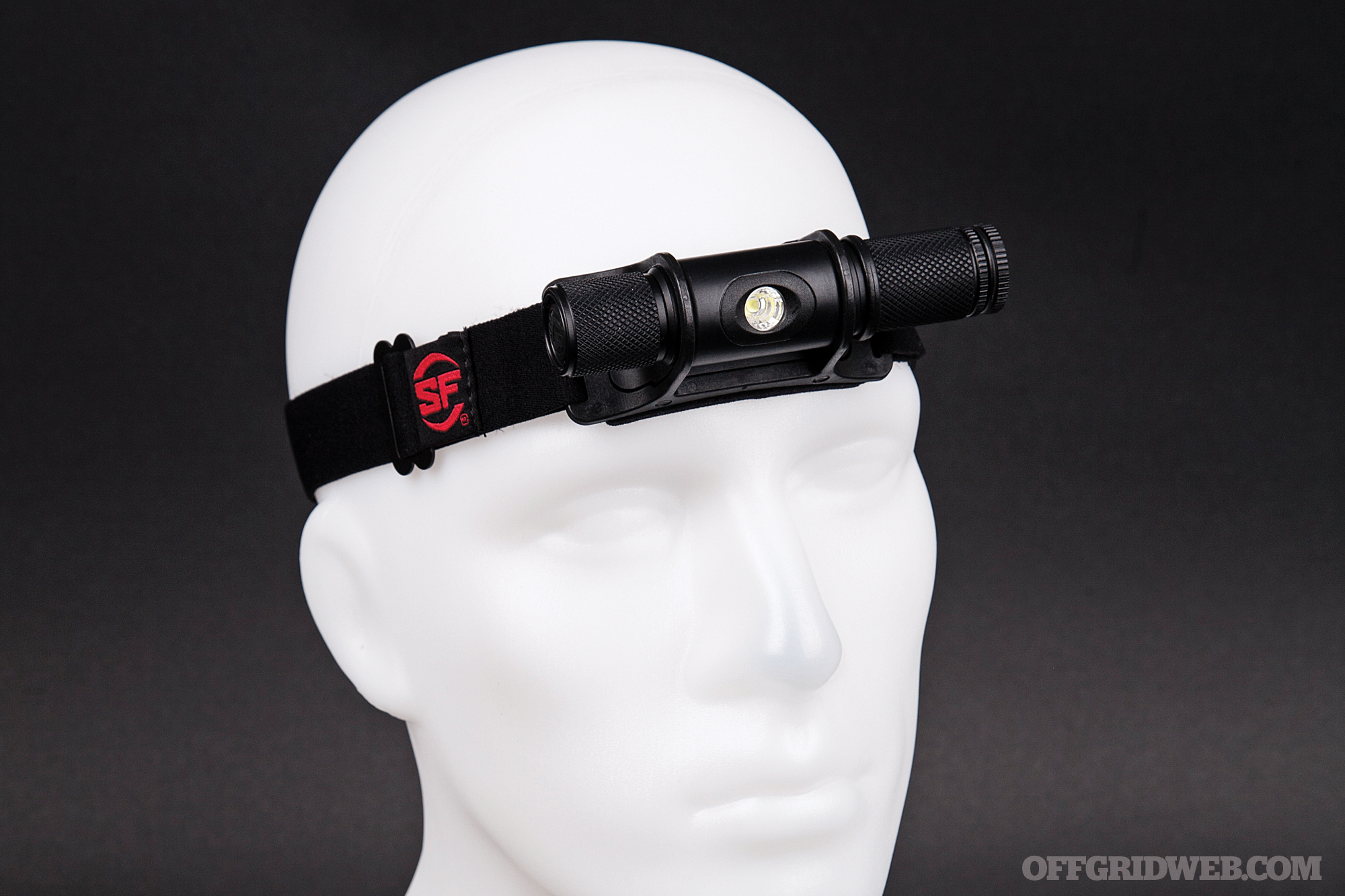
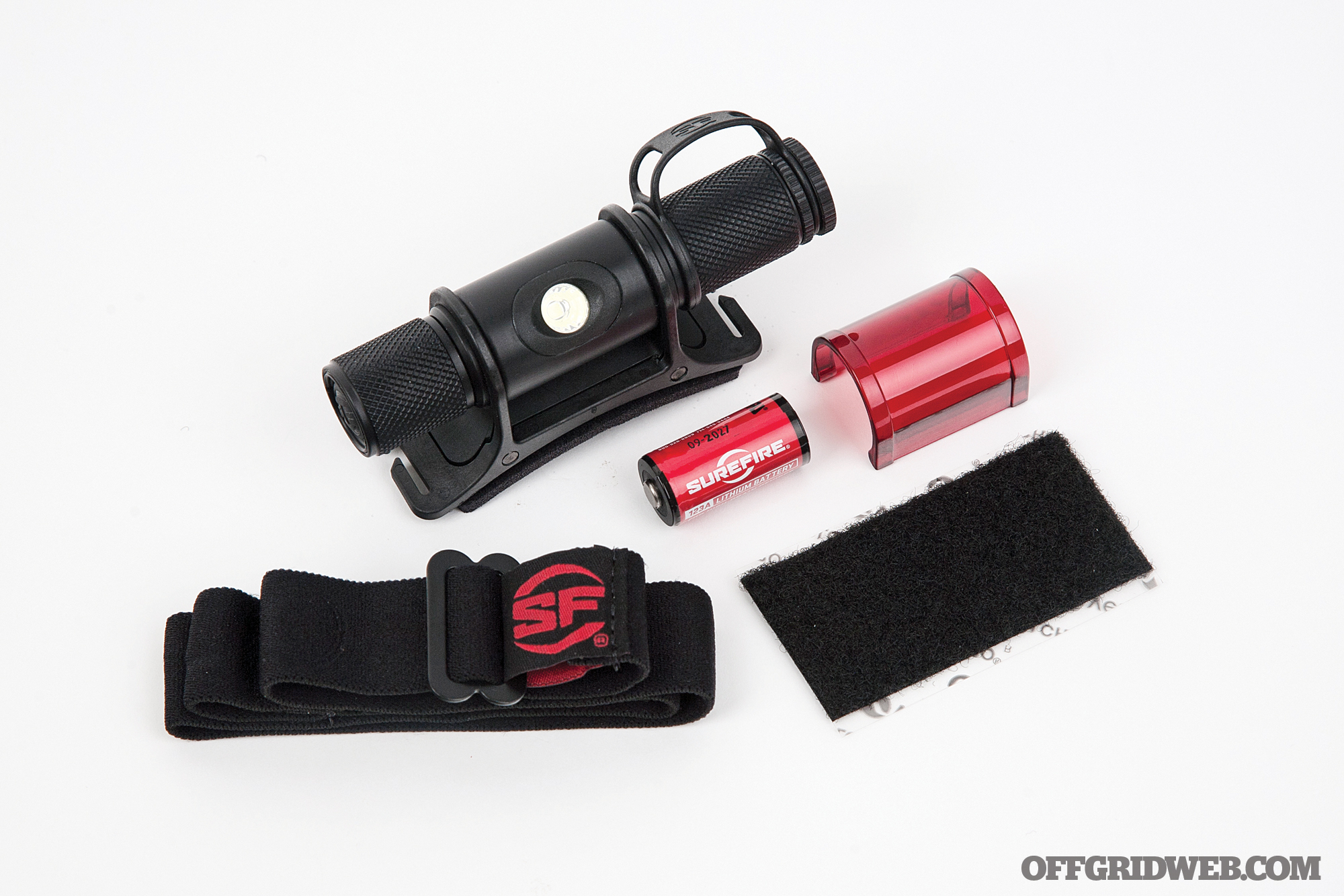
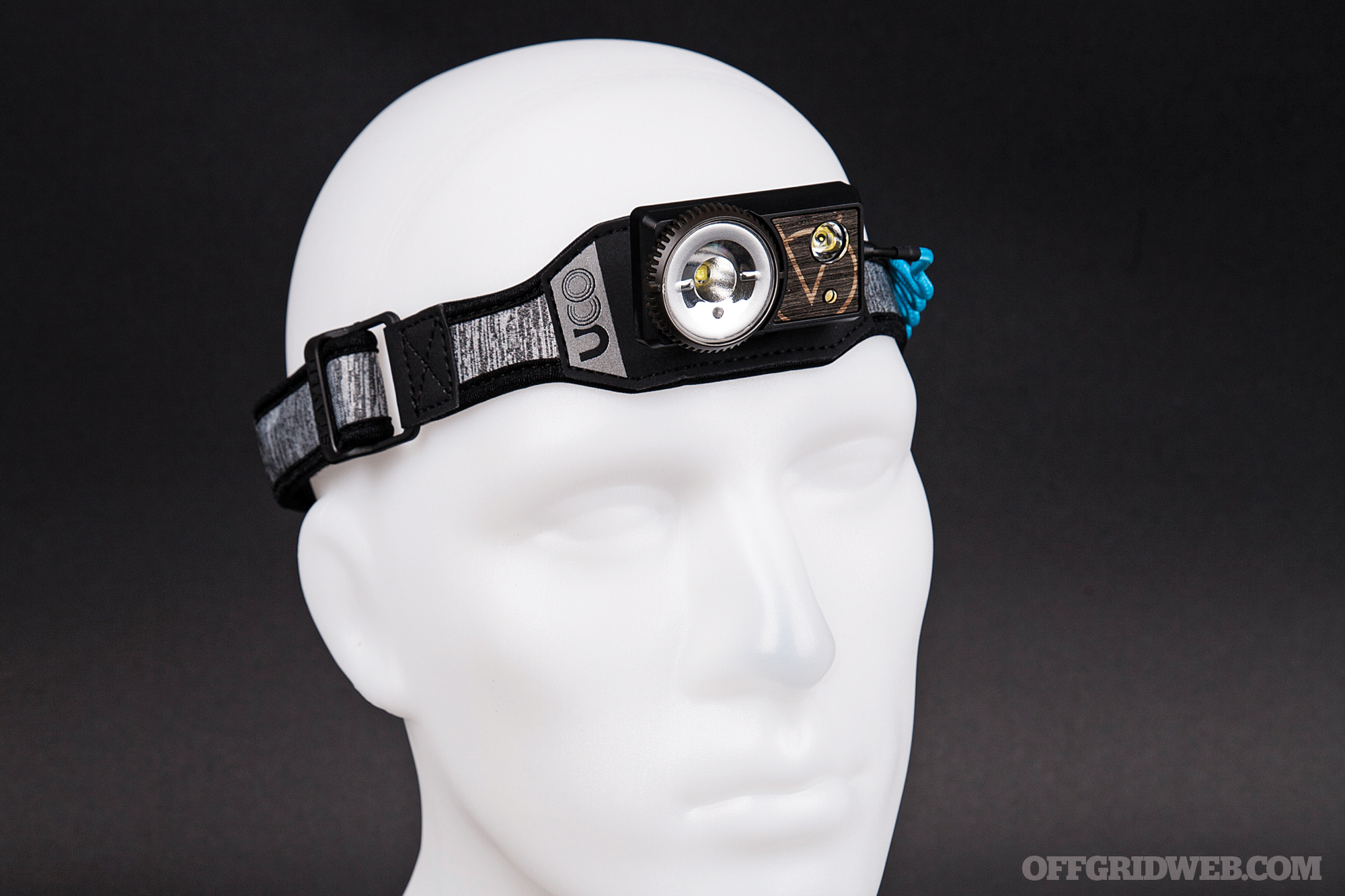
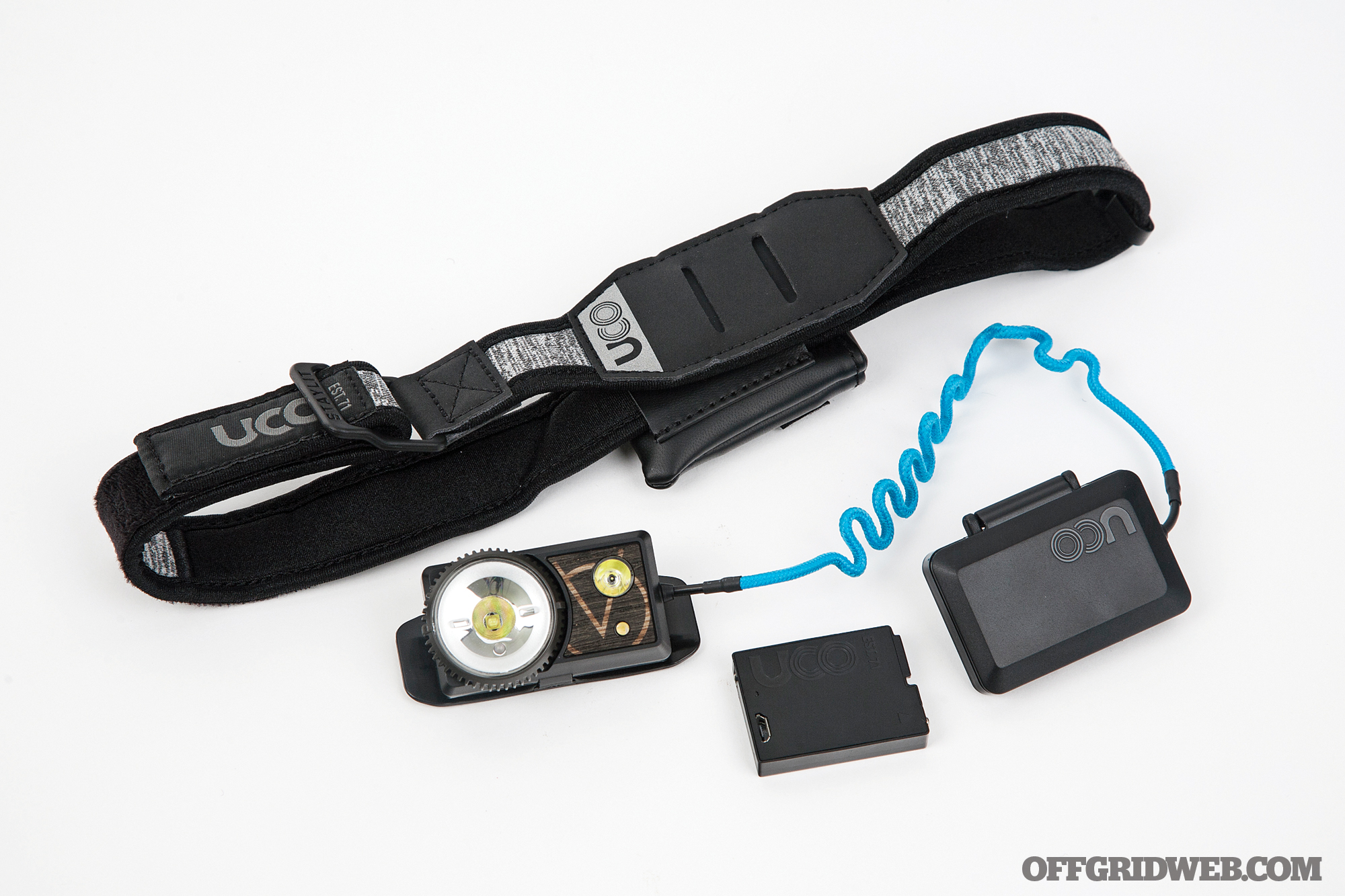
Flashlight. In a confined space, a little bit of smoke or gas can severely limit your visibility. Also, yellow/amber lenses seem to reflect less (or appear to reflect less) than standard white light on particulates in the air (smoke and fog).

A cell phone. Remember, many phones have a flashlight feature. While not as effective as a tactical flashlight, it’s another resource. Although your phone probably has a digital compass and GPS, the only directions you need to know are a route away from the source and up the stairs.

Backup power. A charger that’s rugged, drop-proof, water-resistant, and has a built-in light can serve as an emergency backup to your primary light. Redundancy is always good. Aside from your phone, it can also power a rechargeable flashlight, should the situation get prolonged.

Knife or multitool. Assuming local laws permit carrying such an item, something sturdy that can pry and has a glass breaker is ideal. The glass on the trains is heavy duty and won’t shatter as easily as a car windshield. They also have a plastic film that’ll keep the glass in place to avoid injuring others when blown out. For these reasons, they’ll require a forceful shove or kick after being shattered. You may have to kick through broken glass, and in the worst case, walk on the tracks.

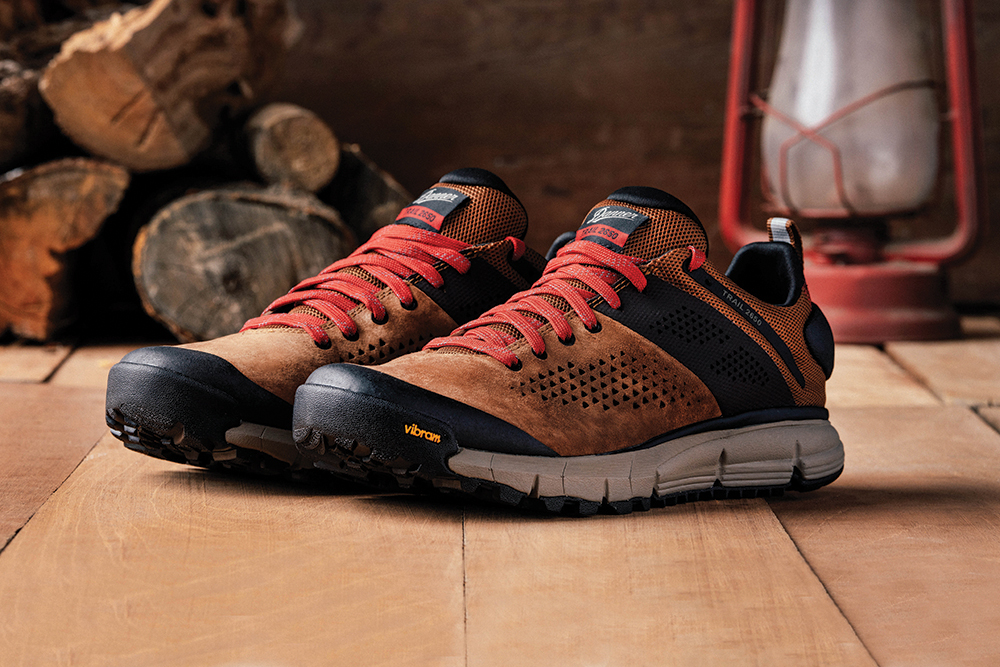
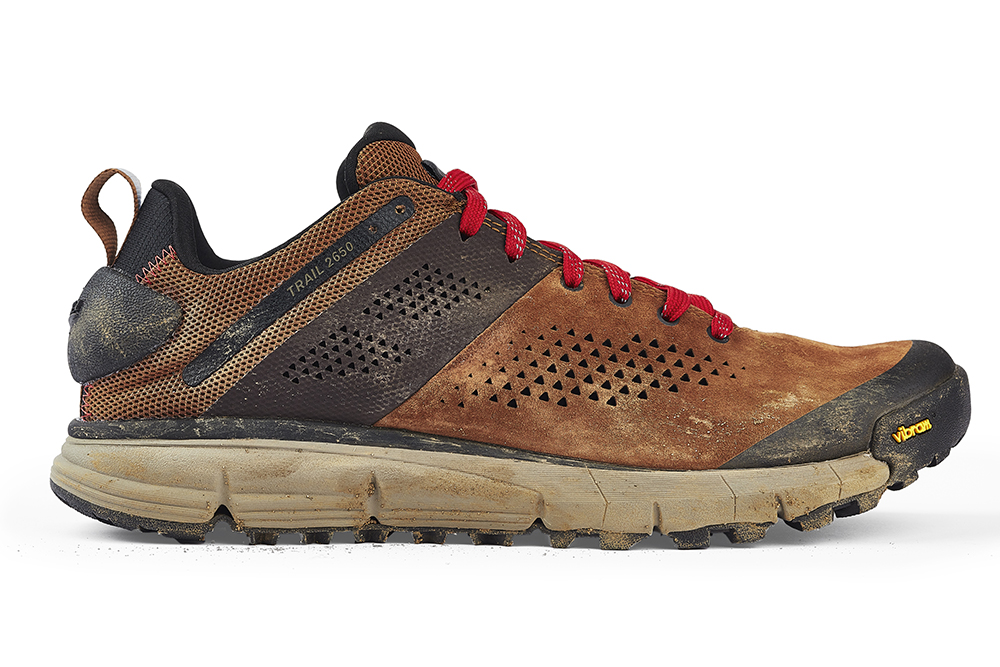
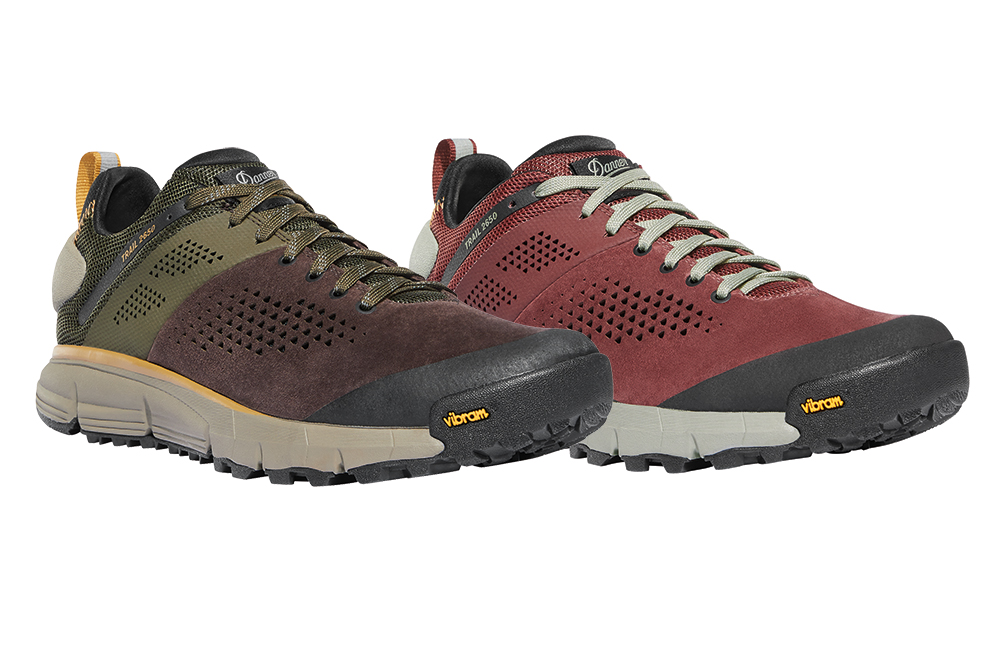
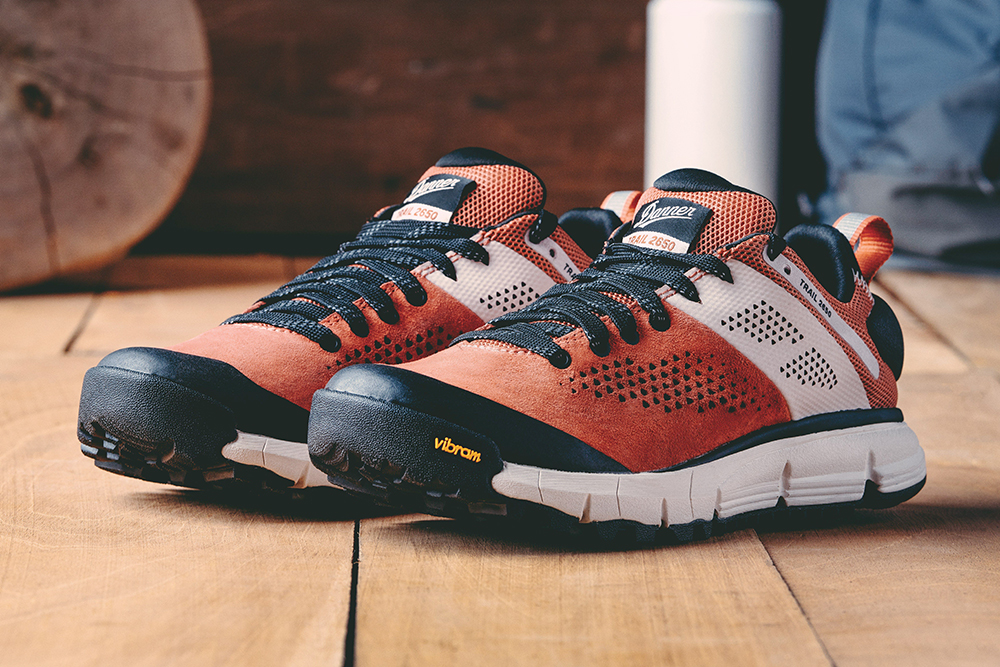
Footwear. I’d wear a trail running shoe that’s sturdy enough for climbing but comfortable to run fast in.

Gloves. Another carry item to consider is heavy work gloves. These will come in handy in case you have to hold onto a windowpane studded with broken glass and for climbing over debris once the train stops.

Bottled water mixed with baking soda (sodium bicarbonate). This mixture can be used to flush your face and wash out eyes if they’re tearing and getting blurry.

Respiratory protection. A CBRN (Chemical Biological Radiological Nuclear) mask isn’t as common or easy to carry as the above items, but there really is no safe solution that can be improvised. There are historic accounts of soldiers using urine-soaked socks to combat chlorine gas in WWI. This doesn’t work well in actual practice (not enough ammonia) or logistically on a subway with only seconds of warning.

In a pinch, you could pour the water and bicarbonate solution over a thick cotton rag and attempt to breathe through it. You’d probably still get sick, but maybe not as sick as having nothing. Wool shouldn’t be used as it’s too difficult to breathe through when wet. Another problem is that holding the rag tightly to your nose and mouth would tie up your hands, impeding your escape.

Emergency escape hoods. These are a more practical alternative to carrying a bulky full gas mask on a commute all the time. More importantly, when an attack happens, you’ll have little to no warning and will need to resort to something you can deploy and don quickly. Emergency escape hoods are one-time-use head coverings with built-in filters and an elastic neck seal. It’s as fast and simple as opening the wrapper and pulling it over your head. They’re packaged small enough to fit in your bag, briefcase, or in a pouch on your belt. Emergency hoods provide chemical air filtration for 15 to 60 minutes, enough to escape a situation. They should deploy in one step, without straps to adjust. You should look for hoods that are CBRN-rated and “NIOSH-approved” (National Institute for Occupational Safety and Health). The Avon NH 15 and RSG CE 200 series are a few models that fit this need nicely.

Like all emergency equipment, you should train and familiarize yourself with their use before you use them in a real situation.

For even more portability, rapid deployment, and a quarter of the cost, Scott Safety has an alternative — the Emergency Escape Mouth Bit Respirator. It’s like the mouthpiece of a snorkel with a filter attached, so it won’t protect your eyes and face. You could put on swim or ski goggles if using this option.

It’s important to point out that gas masks and hoods filter air but don’t create oxygen. In a scenario of a confined space where a poison gas is displacing atmospheric gases, this deadly fact should be kept in mind. A solution to this and alternate option to an emergency hood is to carry a small portable air supply. The aviation industry uses the HEED (Helicopter Emergency Egress Device) and the diving industry uses a version called Spare Air. It’s basically a small scuba tank the size of the water bottle you carry to the gym, so it’ll fit in your commute bag. It supplies approximately 30 breaths or up to 3 minutes of air. Considering the average subway stops are two minutes apart, it should give you what you need to get out.

Swim or ski goggles. These are useful if you don’t opt for the escape hood, or as a backup to it. They can help to minimize burning to your eyes from the irritating gases, so you can preserve your vision while looking for an escape. Mucous membranes absorb faster than skin, so they may decrease the possible surface area for entry while protecting your eyes from burns and blinding. It’s not what will kill you, but being blind in the subway might.

I wouldn’t carry a chemical suit as it takes minutes to get into and tape up. Many aren’t available commercially anyway without special certifications and substantial training to use properly. It’s impractical to don in a subway car full of panicking people and will waste precious time. Suiting up can take several minutes, whereas escaping can take seconds.

Know your environment: The NYC subway system maintains two separate fleets with at least three different model cars. The dimensions of subway cars vary from 51 to 75 feet in length and 8 to 10 feet in width. Know how many steps this translates to for you. On average it’ll be approximately 22 to 32 steps in length, depending on the car. I do a similar calculation in airplanes, counting steps from the entrance to my seat. I also count headrests with my hand.

In a dark or smoke-filled airplane, you may lose track of steps because you’re taking longer strides or jumping over things, so the number of seats you can touch by extending your hand while running is a nice tactile backup. You can also make it a game during your morning commute to count how many stairs and steps from turnstile to platform edge. This will give you an idea of the average distance you’ll need to cover to reach the relative safety of outdoors.

On Site

Sit at the front of the compartment by the door between the cars. This door is easy to open (even when the train is moving), doesn’t require the train to be stopped, and doesn’t have to be pried open to escape the compartment. In a panic, most people will stampede and crowd the exit doors to the platform; not many will think of escaping through the door in between cars if the train is stopped.

If the train is moving, people will quickly realize your door is their only escape, so be prepared for the rush toward you and possibly getting crushed. Being between cars while the train is moving is dangerous, but when the train comes to a stop you can jump to the platform from there. If you can, continue into the next car and keep moving further and further away from the attack, putting more distance between you and ground zero.

Why the front end of the compartment as opposed to the rear? It increases your likelihood of being upstream from an incident if it occurs. If gas is escaping a stricken car and spreading to other compartments, in a moving train it’ll spread primarily backward, pushed by the wind currents, not forward and up wind in the direction of motion. You want to get upwind.

Crisis

When it comes to communicating for help and alerting authorities, the NYC subway system offers Wi-Fi and cellular service in all its stations. In a simple gas attack without structural damage from an explosion or collapse, the system will likely still be functional. Texts require less bandwidth than cellular calls. Oftentimes, a signal too weak for a successful phone call will still be sufficient to bounce around and eventually complete a text or post to social media.

Chemical weapon attack subway what if survival preparedness emergency shtf 2

If signal isn’t good enough to call for help, you can alert authorities using these means. The NYPD and many large city law enforcement agencies have social media accounts such as Twitter and Facebook. The use of social media to alert and contact for help has been proven in disasters before. You should move toward the very front car of the train, placing the largest distance possible between you and the gas release and alerting the train operator to what is happening. They can radio the authorities.

If you’re stuck in a compartment that is gassed and can’t get out for whatever reason (doors jammed, crowd density, etc.), use your glass breaker on the windows and start ventilating to dilute the gas. This is where you’ll be thankful that you always put your EDC gear in the same place in your bag every time and have rehearsed grabbing each item without looking. You need to find that glass breaker in low visibility, heavy smoke, or through tearing eyes. Instruct other passengers in the car to “ventilate” the train too.

Keep in mind you don’t want to stick your body too far out of the broken window if the train is in motion, as you can get hit by a passing column. Stand on seats or climb up a pole if you can. The gas is heavier than air, so the higher you go, the less the concentration of the chemical agent.

This is the opposite of the crawl you’re taught to avoid smoke when escaping from a fire. The reality is that this principle works best when we’re dealing with greater heights, such as going up another floor or two, not so much the 2 feet you get by standing on a seat, but it may buy you a few seconds as you survey your escape route and break glass. If you were out of the train, getting to a higher level by stairs should definitely result in a noticeable change in concentration gradient of the gas.

Though getting away from the gas is the single most important key to survival, if stopped in a tunnel, leaving the train and heading out has its own hazards. There’s also the danger of being hit by another train or coming into contact with the electrical supply and being electrocuted. Also, the tracks are the lowest point in the station and that’s where the gas accumulates. Many of the tunnels are several blocks long. You’ll have to weigh these dangers and decide if it’s worth the risk.

Trains are frequent targets for terrorists. Escaping the epicenter of the attack to the outside is the key. Dilution is your friend — get to higher ground, as most chemical gases sink.

Conclusion

Terrorism does part of its job when people are harmed, but it also succeeds when people are afraid to go about their normal lives. Terror attacks instill people with fear, in addition to causing physical harm to people, systems, and places. This threat may cause some people to go about their business with a sense of unease. It may keep people from traveling to crowded places or visiting certain cities that may be considered a likely target. Or it may leave people paralyzed with paranoia.

So how do we find a balance between keeping ourselves and our families safe and walking boldly through life? Terrorists win when good people cower in fear, but this doesn’t mean we should be foolhardy in our defiance and willingly place ourselves in harm’s way to prove how brave we are. There’s always a middle road we can travel, avoiding the greatest risks while exercising reasonable caution. And the key to staying on this middle road is situational awareness. During your daily routine, pay attention to people, places, situations, and your instincts. Be vigilant as you go about your day. Transform from a nation of sheep into a nation of sheepdogs, ever watching for the wolves that would try to harm the helpless.

Meet Our Panel

Tim MacWelch

Tim MacWelch has been a survival instructor for more than 20 years, training people from all walks of life, including members from all branches of the U.S. Armed Forces, the State Department, DOD, and DOJ personnel. He’s a frequent public speaker for preparedness groups and events. He’s also the author of three New York Times-bestselling survival books, and the new Ultimate Bushcraft Survival Manual. When he’s not teaching survival or writing about it, MacWelch lives a self-reliant lifestyle with his family in Virginia. Check out his wide range of hands-on training courses that are open to the public at www.advancedsurvivaltraining.com.

Lorenzo Paladino

Lorenzo Paladino MD is an emergency physician at a large trauma center and an EMS medical director. He’s an advanced trauma life support and a tactical combat casualty care (TCCC) instructor, frequently working with DOJ, DOD, Air Force Pararescue (PJs), Army Special Forces, and SWAT personnel. Dr. Paladino is a Team One Network instructor (teamonenetwork.com) and a medical director for ADS Medical Support Team International on overseas deployments. Expertise includes penetrating trauma, critical care, blast injuries, injury ballistics, chemical attacks, austere and hostile environments, K9 medicine, scuba rescue, and emergencies. He can be contacted at Lorenzo.Paladino@gmail.com.

More From Issue 26

Don’t miss essential survival insights—sign up for Recoil Offgrid’s free newsletter today!

Read articles from the next issue of Recoil Offgrid: Issue 27

Read articles from the previous issue of Recoil Offgrid: Issue 25

Check out our other publications on the web: Recoil | Gun Digest | Blade | RecoilTV | RECOILtv (YouTube)

Editor’s Note: This article has been modified from its original version for the web.

Shooting Over, Under, and Around Vehicles

Effective self-defense is essential in any emergency — you’ve likely already considered tactics for defense against home invasion, but have you thought about how you’d respond if someone attacked your vehicle in a bug-out scenario? If you’re forced to stop in the road, you may not have the luxury of taking cover behind a building or solid barricade, so it’s likely that you’ll need to use your vehicle as cover. However, doing so incorrectly can leave you needlessly exposed.

Recoiltv shooting around vehicles truck bugout self defense rifle tactics 1

RECOIL met with Dan Brokos, and filmed a three-part video series demonstrating some ways to effectively return fire from over, under, and around a vehicle. Dan’s techniques include laying the gun on its side across the hood and shooting left-handed behind the rear bumper — these methods leave you less visible and less vulnerable.

Recoiltv shooting around vehicles truck bugout self defense rifle tactics 2

In part one, Dan shows how to shoot over the hood of a car or truck. This position provides more physical cover by positioning your body behind the engine block and front axle (although as Dan will mention later, these parts shouldn’t be considered impenetrable).

In part two, Dan discusses shooting underneath a vehicle. As seen in the previous segment, it’s still wise to stay behind the engine, but getting low to the ground and bracing against a forearm may allow you to get a clearer shot at the threat.

In part three, Dan demonstrates how to shoot from around the front or rear of the vehicle. This may require switching your weapon to your off hand in order to stay behind cover.

For more shooting tips, techniques, and news, follow our other publications at RECOILweb.com.


Palm Frond Blower & Charcoal

Palm trees are an excellent resource in survival situations. The fronds can be used for roofing material or woven into containers, the bark fibers can be used for fire-starting tinder, and some varieties provide edible coconuts or dates. However, the latest video from Primitive Technology demonstrates another use of palm fronds. The dry fronds are inserted into a split stick, and surrounded by a clay housing to create a blower.

Primitive technology palm frond blower fire furnace charcoal pottery 3

This palm frond blower acts like a bellows or powerful fan, forcing quick blasts of air onto a fire to increase its intensity. This is helpful for a variety of tasks including firing clay pottery, forging metal, and — as shown in the video below — making charcoal. The host of Primitive Technology explains that firewood found in his area is often wet, rotten, or poor quality, so he decided to use his new blower to enhance it.

Primitive technology palm frond blower fire furnace charcoal pottery 2

The charcoal produced by this process burns energetically, and can be stoked back into a fire repeatedly using the blower. This means it’s much more efficient than continuously gathering natural wood to feed the fire. The charcoal can also be used in a forced-air furnace for more advanced projects.

Primitive technology palm frond blower fire furnace charcoal pottery 4

Watch the full video below to see how the blower and furnace were constructed.


Pocket Preps: Identification Lights

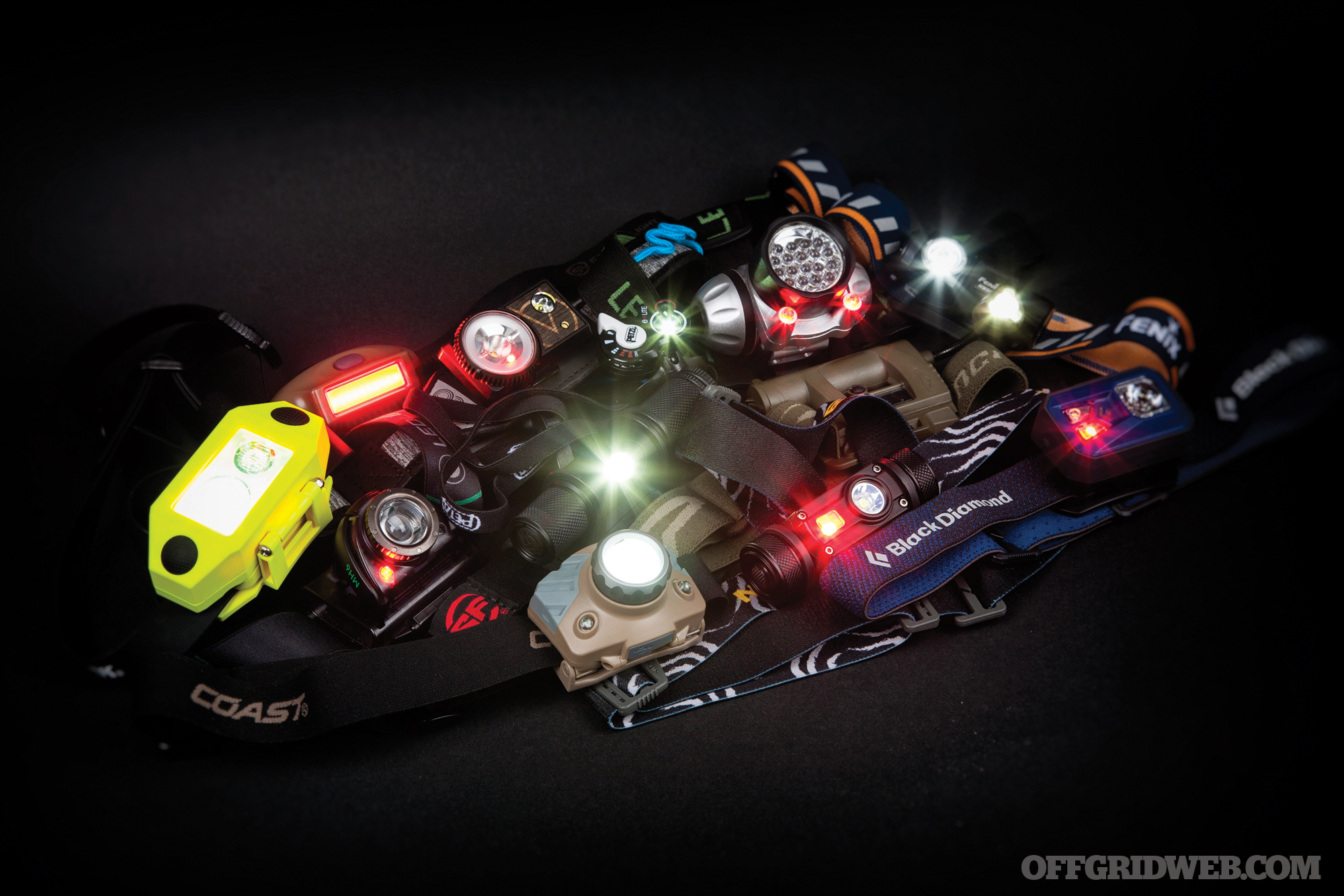
Compared to other members of the animal kingdom, humans have a major deficiency: poor night vision. As ambient light fades, our eyes struggle to perceive even the faintest outlines of objects in our immediate vicinity. This poses a safety risk during nighttime group activities such as hiking and cycling, since it’s easy to get disoriented and separated when you can’t clearly see your friends. It’s also a hazard in urban environments, because motorists may struggle to see you from a distance. And in a SHTF situation, a persistent light source provides the means to signal for rescue after dark.

A flashlight or headlamp can illuminate your field of view, but these directional light sources aren’t ideal tools for making others aware of your position (at least not without temporarily blinding them). Enter the identification light, a device designed to attach to your gear and provide a source of long-lasting, clearly visible light. Identification lights are typically compact, lightweight, and durable — some are even intended to be disposable one-time-use items.

Pocket Preps identification lights flashlight clip light LED chemlight glow stick 1

The most commonly known ID light is the chemlight, also called a glowstick. These flexible plastic tubes contain a glass ampoule that can be snapped to mix two chemicals, inducing a reaction known as chemluminescence. This reaction can be calibrated by the manufacturer to glow dimly for a long period or brightly for a short while, but either way, the stick’s light will gradually fade after a few hours. Chemlights are still commonly used today, but technological advancements have made ultra-compact LED lights a viable alternative. LED identification lights can be reused and often feature multiple output colors or modes.

We collected and evaluated seven compact lights that are ideal for nighttime identification, or for use in situations where only a small amount of diffuse light is needed, such as reading a map or illuminating the inside of a tent. Consider one of these lights as a supplement to your current flashlight or headlamp.

Streamlight ClipMate USB

OFGP-180800-POCKET-19.jpg

Claimed Maximum Brightness
70 lumens

Claimed Maximum Runtime
65 hours

Dimensions
3.1 by 2 by 0.7 inches

Weight
1.9 ounces

Battery Type
Built-in lithium-polymer rechargeable

Controls
Push-button switch

Output Modes
low/high red, low/high white

MSRP
$55

URL
streamlight.com

OFGP-180800-POCKET-21.jpg

Notes
With a flexible neck and slim rectangular body, the ClipMate USB is just the right size for a shirt pocket. Its strong metal clip also fits nicely on PALS webbing loops, 1.5-inch belts, or a hat brim. When light is needed, the segmented neck can be aimed precisely in any direction, casting a dense spot beam. The ClipMate includes red and white output modes, which can be accessed by either a short-press or long-press of the top-mounted power button (short-press turns on the last-used mode). This light is also USB-rechargeable via a hidden charge tab that enables the user to plug it directly into any USB outlet or computer port. Streamlight says it can be fully charged in 2.5 hours, and it’s rechargeable up to 300 times.

Pros:

  • Flexible neck allows for targeted hands-free illumination
  • Red light is directly accessible, preserving the user’s night vision

Cons:

  • Tight spotlight beam pattern is too focused for identification purposes
  • Integrated charge tab hangs the light precariously on a USB port while charging and blocks nearby ports. Its cover is also easily dislodged, allowing for ingress of water and dust.

Nite Ize TagLit

OFGP-180800-POCKET-13.jpg

Claimed Maximum Brightness
Unlisted

Claimed Maximum Runtime
70 hours

Dimensions
2.2 by 1.6 by 0.5 inches (folded)

Weight with battery
0.5 ounces

Battery Type
CR2032 lithium (one, included)

Controls
Push-button switch, press repeatedly to change modes

Output Modes
Green flashing or constant-on

MSRP
$10

URL
niteize.com

OFGP-180800-POCKET-15.jpg

Notes
This magnetic LED marker light features a folding design with two strong neodymium magnets that can adhere to the edge of any shirt, jacket, hat, headlamp band, or even a dog collar. The TagLit is available in three high-visibility colors: red, pink, or neon yellow. The former two feature four red LEDs, and the latter features four green LEDs; all include stripes of reflective silver for an additional boost in visibility. A hidden pressure switch under the power symbol turns the light on and cycles between its two modes. Nite Ize doesn’t advertise an exact lumen output for this light, but we’d guess it’s around 5 — plenty to alert motorists of your position during a nighttime jog. Clipped to the brim of a ball cap, this light can also be used for map reading and other low-light tasks.

Pros:

  • Magnetic clasp attaches securely to clothing and other gear
  • Bright color and reflective accents increase visibility

Cons:

  • Weather-resistant but not waterproof
  • Slightly too wide to fit into PALS webbing loops

Princeton Tec Amp 1L

OFGP-180800-POCKET-16.jpg

Claimed Maximum Brightness
90 lumens

Claimed Maximum Runtime
72 hours

Dimensions
5.1 by 1.4 inches (including cone)

Weight with battery
2.2 ounces

Battery Type
AAA (two, included)

Controls
Twist head

Output Modes
On-off only

MSRP
$20

URL
princetontec.com

OFGP-180800-POCKET-18.jpg

Notes
The Maxbright LED in the Amp 1L produces 90 lumens and gradually ramps down brightness to yield a 72-hour run time from its AAA batteries. Twisting the rubberized bezel turns on the light, and pressing on the included cone diffuser attachment scatters the beam into a broad lantern-style pattern. The light can then be attached to a tent loop or ridgeline with a carabiner to illuminate your campsite, or used as an ordinary flashlight with the cone removed. Half of the light’s polymer body is rubberized for extra grip, and it’s fully O-ring-sealed for an impressive waterproof rating. The loop at the tail end of the Amp 1L also features a bottle opener tab in case you need a way to open a cold beverage. Made in the USA.

Pros:

  • Bright, diffuse light works great as a mini-lantern
  • With the cone removed, it works equally well as a spotlight
  • IPX8 waterproof to 100 meters

Cons:

  • Bottle opener seems like an afterthought, and can’t be used when the light is attached to a carabiner
  • The cone attachment is held in place by friction alone
  • Single output mode limits versatility

Nitecore NU05

OFGP-180800-POCKET-10.jpg

Claimed Maximum Brightness
35 lumens

Claimed Maximum Runtime
20 hours

Dimensions
1.2 by 1.2 by 0.6 inches

Weight with battery
0.4 ounces

Battery Type
3.7v 120mAh lithium-ion rechargeable

Controls
Push-button switch, press repeatedly to change modes, press and hold for lockout

Output Modes
Red LED indicator, slow flash, or fast flash; white LED slow flash or constant-on

MSRP
$20 with headlamp/bike kit, $15 for light only

URL
nitecore.com

OFGP-180800-POCKET-12.jpg

Notes
Nitecore calls this tiny light a “headlamp mate” due to its ability to be used in tandem with a full-size headlamp, either clipped to the back of the head strap or worn elsewhere on the body. As a result, the NU05 is tailored to identification purposes. It features a total of five LEDs — two white, two red, and one low-output red indicator light — each of which includes a flashing mode. The NU05 also features one 35-lumen constant-on setting that can be paired with an optional head strap and bike mount bracket kit to provide emergency illumination. The built-in battery will last just one hour when used this way but can be quickly recharged via a micro-USB port. We noted that this light is the perfect size to clip onto a single loop of PALS webbing, making it a valuable accessory for nighttime hiking or backpacking.

Pros:

  • Tiny size and light weight make it an ideal backup for emergency use
  • For an extra $5, the head band and bike mount kit add versatility.
  • IP66 waterproof

Cons:

  • Short battery life when used in constant-on mode
  • Lacks constant-on mode for red LEDs

COAST HX4 Cliplight

OFGP-180800-POCKET-04.jpg

Claimed Maximum Brightness
80 lumens

Claimed Maximum Runtime
3 hours 45 minutes

Dimensions
3.1 by 1.8 by 1.2 inches

Weight with battery
1.8 ounces

Battery Type
AAA (two, included)

Controls
Push-button switch, press repeatedly to cycle through modes

Output Modes
White constant-on, red constant-on

MSRP
$18

URL
coastportland.com

OFGP-180800-POCKET-06.jpg

Notes
This new LED light is available in a variety of color configurations that include white plus red, blue, green, and/or ultraviolet. The HX4 features a spring-loaded pocket clip that allows the light to be easily attached to the hem of a pocket, PALS webbing on a MOLLE-compatible pack, or the brim of a hat. Four small magnets are also attached to the corners of the clip, providing more hands-free mounting options. COAST says the light’s head rotates 180 degrees, but we’d say it’s closer to 220. Combined with the wide flood beam, this makes the HX4 ideal for illuminating a workbench while mounted on your shirt pocket or lighting your path while mounted on your belt. Pressing the large rubberized power button turns it on in white mode; pressing again cycles through other colors.

Pros:

  • Wide beam pattern provides a smooth wash of light for your work area
  • Clips onto gear in a variety of locations, and can be aimed easily by rotating the head

Cons:

  • White light must be turned on before other colors, potentially impacting night vision.
  • An additional low-output mode would’ve been helpful to extend run time.

Fenix CL09

OFGP-180800-POCKET-07.jpg

Claimed Maximum Brightness
200 lumens

Claimed Maximum Runtime
150 hours (90 with included battery)

Dimensions
3.1 by 0.9 inches

Weight with battery
1.8 ounces

Battery Type
ARB-L16-700U rechargeable (one, included) or CR123A (not included)

Controls
Twist tail cap, twist on and off repeatedly to cycle through modes

Output Modes
Low, medium, high, turbo, red, red flashing, green

MSRP
$45

URL
fenixlight.com

OFGP-180800-POCKET-09.jpg

Notes
Serving as a hybrid between an identification light and a miniature lantern, the CL09 can sit upright on any flat surface, hang from a small carabiner, or slide securely into PALS webbing. There’s also a magnet in its tail cap, making it a good hands-free work light. This light includes Fenix’s ARB-L16-700U battery, which features a micro-USB charging port, but it also accepts more common rechargeable CR123A (aka 16340) and standard CR123A batteries. Twisting the tail cap repeatedly cycles through a total of seven modes, with a white light that ranges from 1 to 200 lumens, as well as 5-lumen red and green. The anodized aluminum body is available in either black or gray finish.

Pros:

  • White setting works great as a mini-lantern for your campsite; red and green modes can be used for identification or signaling.
  • Magnetic tail cap adds versatility
  • IP68 waterproof to 2-meter immersion

Cons:

  • Red and green light modes aren’t directly accessible
  • Included Fenix battery has a convenient charging port, but offers 40-percent shorter maximum run time than a standard CR123 (90 hours versus 150 hours).

Blue Force Gear MARCO Marking System

OFGP-180800-POCKET-01.jpg

Claimed Maximum Brightness
Unlisted

Claimed Maximum Runtime
4 hours at maximum intensity, more than 24 hours total glow time

Dimensions
6 by 3 by 0.75 inches

Weight
3.8 ounces

Battery Type
None

Controls
Push forward to partially eject a marking stick, then bend upward to snap and activate light

Output Modes
Available in red, green, blue, or infrared

MSRP
$65

URL
blueforcegear.com

OFGP-180800-POCKET-03.jpg

Notes
This system was originally designed to identify cleared rooms inside a building. Instead of carrying a handful of loose chemlights, the MARCO enabled quick access to dozens of smaller marking lights. The system has many non-combat applications, such as marking a trail or tracking downed game animals. The MARCO’s tough polycarbonate dispenser features a spring-loaded follower that feeds 30 2-inch sticks to the top one at a time. These sticks can be activated one-handed by bending them upward with your forefinger as they’re dispensed. Various optional storage pouches are available. Made in the USA.

Pros:

  • Easy to activate and deploy several light sticks with one hand
  • Ideal for identifying multiple items or individuals
  • Color options increase versatility

Cons:

  • No built-in way to attach the sticks to gear, although we found sandwiching one behind the edge of a Velcro patch works well.
  • You’ll need to use all 30 lights in a short time frame, since the active chemicals begin degrading as soon as the dispenser is unwrapped.
  • Each dispenser is designed as a single-use item.

More From Issue 26

Don’t miss essential survival insights—sign up for Recoil Offgrid’s free newsletter today!

Read articles from the next issue of Recoil Offgrid: Issue 27

Read articles from the previous issue of Recoil Offgrid: Issue 25

Check out our other publications on the web: Recoil | Gun Digest | Blade | RecoilTV | RECOILtv (YouTube)

Editor’s Note: This article has been modified from its original version for the web.

Issue 26 Gear Up

OFGP-180800-GEARUP-PROMETHEUS-01.jpg

Make & Model
Prometheus Design Werx Raider Pant

Colors
Dark Arid Earth (shown), Dark Leaf Green, Machine Mineral Gray

MSRP
$129

URL
prometheusdesignwerx.com

Notes
We’re sick of poorly designed cargo pants being labeled as either technical or tactical pants. Fortunately, the Raider Pant has arrived to blow away its competition with superior protection, comfort, and versatility. It has a double seat reinforcement, diamond-shaped gusset panel, reinforced and articulated knees, and triple needle stitching on major seams — all of which spell durability and flexibility while you’re hitting backcountry trails or the firing range. Made from Mil-spec cotton-nylon ripstop, this pant has dedicated EDC tool pockets, hidden pocket for cuff key or cash, horizontal hand pockets that clear padded belts or backpack straps, and many more smart features. Yet, the Raider Pant has a modern regular fit with a streamlined appearance so you’ll look good strutting down the street or hiking through the backcountry.

OFGP-180800-GEARUP-511-01.jpg

Make & Model
5.11 Tactical Cascadia Windbreaker Jacket

Colors
Black, Curry, Lake, Stampede, TDU Green (shown)

MSRP
$80

URL
511tactical.com

Notes
Whether you’re camping overnight, hiking to higher elevations, or need backup apparel in case of a bug-out scenario, outerwear is a smart thing to have regardless of the season. After all, clothing is the first form of shelter. The Cascadia Windbreaker Jacket is a lightweight option that matches most everyday clothes, but can also serve as a shield against the elements. When not in use, it can be packed into the chest pocket and (thanks to an internal hanger loop) attached to a hook, branch, or carabiner. The 100-percent polyester shell features YKK zippers and soft brushed tricot lining on the chin guard and hand pockets. Speaking of which, the pockets have an internal pass-through, allowing you to access your concealed-carry pistol.

OFGP-180800-GEARUP-ARCTERYX-02.JPG

Make & Model
Arc’teryx Norvan LD Shoe

Sizes
Men’s: 7 to 13
Women’s: 5 to 10

MSRP
$160

URL
arcteryx.com

Notes
Wearing sandals during a fast-moving disaster is like wearing wingtips to the beach. A pair of off-road-worthy footwear is good not just for hiking or trail-running, but also for hauling ass in a SHTF situation. The Norvan LD lineup makes the ideal low-cut bug-out shoe because they’re designed for maximum comfort on long trail runs. Lightweight yet supportive, it’s built on a Vibram Megagrip outsole that has grippy treads for handling tough terrain, yet is comfortable on pavement. The shoe is also breathable, regulating foot temperature by allowing moisture vapor to escape when things heat up. It comes in various colors for both men and women.

OFGP-180800-GEARUP-WAZOO-01.jpg

Make & Model
Wazoo Survival Gear Blackticool Cache Cap

Number of Pockets
Six

MSRP
$30

URL
wazoosurvivalgear.com

Notes
Wazoo’s original Cache Cap soon became a fan favorite thanks to its six hidden pockets that can be used to stash everything from cash and credit cards to a 2-inch firesteel and water purification tablets. After a couple of years of listening to customer feedback, Wazoo is now releasing an all-black tactical version of its baseball hat that’s made of lightweight ripstop, has a buttonless top for use with helmets and ear protection, and houses a front patch area with edgeless embroidery to show off your favorite morale patch. And like its predecessor, it has a half-dozen covert pockets that can hold small tools and accessories.

OFGP-180800-GEARUP-COPPER-02.JPG

Make & Model
Copper Basin Takedown Firearm Backpack

Dimensions
23 by 13 by 5 inches

MSRP
$100

URL
copperbasingear.com

Notes
When it comes to firearms, many survivalists advocate for a takedown-style rifle for portability, among many other reasons. But discreetly carrying one is just as important as owning one in a post-SHTF scenario. This Copper Basin backpack is dimensioned specifically for popular takedown-style guns, such as the 10/22 Takedown, KRISS Vector, and AR pistols. The exterior is devoid of PALS webbing and looks similar to common hiking packs, but the interior has sections and pockets to house a disassembled rifle with mounted rail accessories, magazines, ammo, and other gear. To haul all that kit the pack has padded shoulder straps, adjustable sternum strap with a whistle buckle (for signaling), and a padded breathable backing with lumbar support, among other features.

OFGP-180800-GEARUP-NOCTURNA-02.JPG

Make & Model
Nocturna Ltd. Sentinel

Range
Up to 50 meters (54.7 yards)

MSRP
$300

URL
nocturna.us.com

Notes
The flashlight is one of the best tools you can have on hand. You can use it as an improvised weapon in addition to illuminating dark places and signaling for help. But that last benefit can be a disadvantage if you want to stay as hidden as possible, yet still be able to identify a threat. Enter the Nocturna Sentinel. It’s a handheld infrared camera that lets you see up to 50 meters in the dark through a 2.4-inch monitor. With a simple on/off button, this lightweight night-vision device is easy to use; just point and click. The Sentinel is most ideal for home or basecamp protection.

OFGP-180800-GEARUP-BROWNING-03.JPG

Make & Model
Browning Speed Load Saw

Overall Length
18.125 inches

MSRP
$40

URL
browning.com

Notes
The Speed Load Saw is half folding knife, half pole saw. It combines the teeth, extension, and functionality of the latter with the portability of the former. The goal of this tool is to have a powerful camp and big-game saw that’s simple to use, quick to pack up, and easy to stow. For example, you can use it to cut tree limbs to build a shelter or to process a kill that’s too heavy to drag back to basecamp whole. And using its locking wood screw on the butt-end of the handle, you can connect it to a right sized branch to turn it into a high-reaching pole saw. The saw comes with a nylon belt sheath, which has sleeves for storing the included extra blades.

OFGP-180800-GEARUP-WHITE-02.JPG

Make & Model
White River Knife & Tool FC 3.5 Pro

Overall Length
7.75 inches

MSRP
$135

URL
whiteriverknives.com

Notes
While big production knife companies are garnering a lot of attention for churning out the same old designs just with new steels and different names, White River quietly produces some of the most innovative survival knives on the market. It’s time to shine the spotlight on this Michigan-based company, especially its FC 3.5 Pro. The smallest knife of its Firecraft series has a 3.5-inch S35VN stainless steel blade above the textured but comfortable G-10 scales on its full-tang handle, which has a safety ring at the end for increased retention. Meanwhile, on the blade’s spine is a notch for striking the included ferro rod, making this survival knife ideal for camping, hunting, or backpacking. Comes with adjustable Kydex sheath.

More From Issue 26

Don’t miss essential survival insights—sign up for Recoil Offgrid’s free newsletter today!

Read articles from the next issue of Recoil Offgrid: Issue 27

Read articles from the previous issue of Recoil Offgrid: Issue 25

Check out our other publications on the web: Recoil | Gun Digest | Blade | RecoilTV | RECOILtv (YouTube)

Editor’s Note: This article has been modified from its original version for the web.

Looking Back: Traversing the Colonial Parkway

Preparedness is universal — no matter who you are, we can all benefit from staying mentally and physically active to be ready for whatever challenges the future may pose. Case in point: we’ve stayed in touch with a reader named Russ who emails us with feedback after receiving each new issue. Russ is a 68-year-old Army veteran, and rather than retiring to a sedentary lifestyle, he makes a point to continually improve his fitness and survival skills. We always enjoy hearing his thoughts on our latest articles.
Reader recap Virginia colonial parkway preparation survival hike trek trail 7

This month, Russ embarked on a 23-mile journey across the entirety of the historic Colonial Parkway in Virginia. He had originally planned to make the journey with a friend, but two days prior to departure, his friend became ill and was hospitalized (fortunately, we’re told he has recovered). Instead of calling off the trip, Russ headed out solo. When he completed the trip and returned home, he sent us some photos and a brief recap of some of his preps and lessons learned:

A map of the Colonial Parkway route from Yorktown (left) to Jamestown (right).

A map of the Colonial Parkway route from Yorktown (right) to Jamestown (left). Source: U.S. National Park Service

“The parkway trek was interesting. One day cold north wind and 50°F; the next 86°F and 75% humidity. I’m glad I went when I did; we have tropically-originated rain this week, almost 2 inches last night. Then again, that’s better than being on the Big Island with a volcano — that would be a good “What If?” scenario for an issue.

I made this trip alone, but the National Park Service had a ranger keep track of me as I progressed along the route. It had fairly flat terrain along the York and James rivers, through some original woodlands, and passing through Williamsburg.

Reader recap Virginia colonial parkway preparation survival hike trek trail 4

As I was on exposed stone pavement, it was easy to hear traffic approaching. Still, you have to be alert for anything from bicycles to trucks with campers. No commercial vehicles allowed. There was also no wildlife to fear, only deer and the occasional raccoon or possum.

Powhatan Creek

“Powhatan Creek”

I have put several hundred miles on a pair of Salomon Quest boots. They do break in quick and hold up well from woodland trails to the mountains. I can attest they grip a rock face like they have suction cups. Their weatherproof properties and a good pair of SmartWool socks do the job well. As far as the laces go, I double knot them as was my habit with my Army boots years ago.

I don’t have a GPS. I did print out and laminate a map and mark check points. Left a copy a home and with a friend. As I hit a point; I texted my progress. In addition I arranged an extraction be standing by if needed. As far as lessons learned, it was mostly common sense sort of things:

Mill Creek

“Mill Creek”

Pre-hydration / hydration, no matter the weather. I usually carry about a gallon of water and pre-hydrate with Gatorade. Rations also — even for short distances at least a PB sandwich, an apple, and a tangerine. My water supply is run through a LifeStraw bottle, and the hydration bladder from my pack has an in-line Sawyer Mini filter. Hiking in the coastal plains and swampy areas doesn’t leave a whole lot of water options as most are salt or at best brackish water.

A photo of Russ from his days in the Army.

A photo of Russ from his days in the military.

I carry an old Gerber multitool that I bought in the Army in the previous century. The kind the demo folks used to prep charges. Also have a Hunter model Swiss Army Knife and a tiny little fold up tool from Sears; one of those in each jacket pocket. Always Be Ready! Preparation for insect hazards like deer and dog ticks is also necessary. DEET is a good pre-treatment.

Resting in the shade and nice breeze

“Resting in the shade and nice breeze.”

Attached a couple of pics so you can get a feel for the land. Yup, that’s me chillin’ under a pine around midday. Fairly flat country with a bit of roll and elevation.

Just a note, I am at my age with a 30-pound ruck, still moving about the forests and the mountains in Virginia on the Blue Ridge this year. I discovered GORUCK and participated in the Green Beret Foundation fundraiser back in October. Looking forward to one of their events this year. Being retired Army, it’s a good fit.

Reader recap Virginia colonial parkway preparation survival hike trek trail 6

Regarding Issue 25, thanks for the timely concerns to family/child safety. I am planning a hiking day trip with my 10-year-old grandson this summer. We have always done a day-out picture before we move out. The other safety tips mentioned are part of life with children/family.

All in all, thank you, keep up the excellent work at OFFGRID. Standing by for Issue 26. See ya in the hills. — Russ”


As we’ve told Russ, we definitely aspire to be this active and prepared at his age — if he can do it, so can you and I. We’re also glad to see him sharing his knowledge with future generations, and teaching his grandson the value of preparedness.

Have you learned any survival- or preparedness-related lessons on a recent hiking, backpacking, hunting, or camping trip? If so, we’d like to hear about them. You can contact me directly via email to tell me your story, or to share your thoughts on our magazine and/or web site. I read every message I receive from readers, and correspond regularly with some of you. I might even publish your story here on the site.

For more lessons learned and preparedness advice submitted by OFFGRIDweb readers, check out some of our past articles:


New: Updated CRKT Woods Chogan Tomahawk

A tomahawk is a handy tool to have for a variety of outdoor tasks, from heavy chopping and delicate cutting to use as a thrown weapon for hunting. Unlike axes or hatchets, a tomahawk generally has a straight and slender handle, making it easy to throw consistently. Modern “tactical” tomahawks have also become popular with law enforcement, military, and search-and-rescue organizations due to their versatility.

We wrapped the handle of our older Woods Chogan T-Hawk model in paracord.

We wrapped the handle of our older Woods Chogan T-Hawk model in paracord (tutorial link below).

Bladesmith and designer Ryan Johnson of RMJ Tactical is well-known for his tomahawk designs, but these high-end tools also bear a high-end price. In order to produce a more-affordable ‘hawk, Ryan teamed up with Columbia River Knife & Tool and released the CRKT Woods Chogan T-Hawk back in 2014. We own one of these original models — you can read about it here.

The new Black Woods Chogan T-Hawk is available directly through CRKT.

The new Black Woods Chogan T-Hawk is available directly through CRKT.

CRKT has released an updated version of the Woods Chogan T-Hawk, and it’s exclusively available through the company’s web site. The 1055 carbon steel head now has a corrosion-resistant magnesium-phosphate coating, which produces a black finish. The Tennessee hickory handle has been charred to bring out the grain and produce a darker look. It’s then sealed with a durable coat of lacquer to repel moisture and preserve the finish.

CRKT Woods Chogan tomahawk ax black leather tool wood survival 4

Another update is the inclusion of a leather sheath that secures to the head with three snaps and protects the sharp edge.

CRKT Woods Chogan tomahawk ax black leather tool wood survival 2

Other than these changes, the Woods Chogan remains functionally the same. It still has the hammerhead opposite the blade, a feature we’ve found handy for pounding in tent pegs. Overall weight is just under 2 pounds; length is 19.1 inches. MSRP for the Black Woods Chogan and leather sheath is $70 — that’s the same as the old version, which didn’t include a sheath.

CRKT Woods Chogan tomahawk ax black leather tool wood survival 1

For more information on the new Black Woods Chogan Tomahawk, go to CRKT.com.


Can You Spot the Signs of a Phishing Scam?

Imitation is a powerful skill, and one that malicious individuals will use to their advantage. In the security world, the strategic use of manipulation techniques for criminal purposes is known as social engineering — you can read more about social engineering and its sub-categories in our previous article, Social Engineering: 5 Manipulation Techniques. Phishing is one common technique in which criminals attempt to steal sensitive information from unsuspecting victims by imitating a trusted person or organization.

Phishing cyber security tech infographic 2

In phishing scams, attackers will often set up elaborate email campaigns, web sites, or phone systems that closely resemble those used by legitimate entities. These can include popular tech companies like Facebook or Google, banks, or government organizations like the IRS. The victim often thinks they’re communicating with the real deal, but every username, password, or credit card number submitted through these digital facades is immediately taken and exploited. This can result in severe financial losses or stolen identities.

Fortunately, with a healthy dose of skepticism and an eye for detail, it’s often possible to detect these attacks before you fall victim to them. If you want to test your skills, check out the email image below and count how many phishing red flags you can spot:

Infographic phishing spyware scam digital security computer internet safety 1

There are at least 9 potential warning signs in this screenshot that should make you skeptical. For an explanation, check out the following infographic from Varonis. It lists the signs in the phishing email, and also shows some of the things to look for on a malicious landing page (i.e. the fake web page you’d end up on if you clicked the link in the email above). Click here to download a full-size version of this infographic.

Infographic phishing spyware scam digital security computer internet safety 3

Infographic phishing spyware scam digital security computer internet safety 4

Infographic phishing spyware scam digital security computer internet safety 5

For a much more detailed explanation of these phishing tactics, and other information about digital security, check out this blog post from Varonis.