In a survival or bug-out situation, you won’t have access to a nice cushy king-size mattress and a roof over your head, unless you’re lucky enough to bug out in an RV. Realistically, you probably won’t even have access to a tent, since they can be too heavy or bulky for most bug-out bags. So, it’s fairly likely you’ll end up sleeping under the stars—not that there’s anything wrong with that.
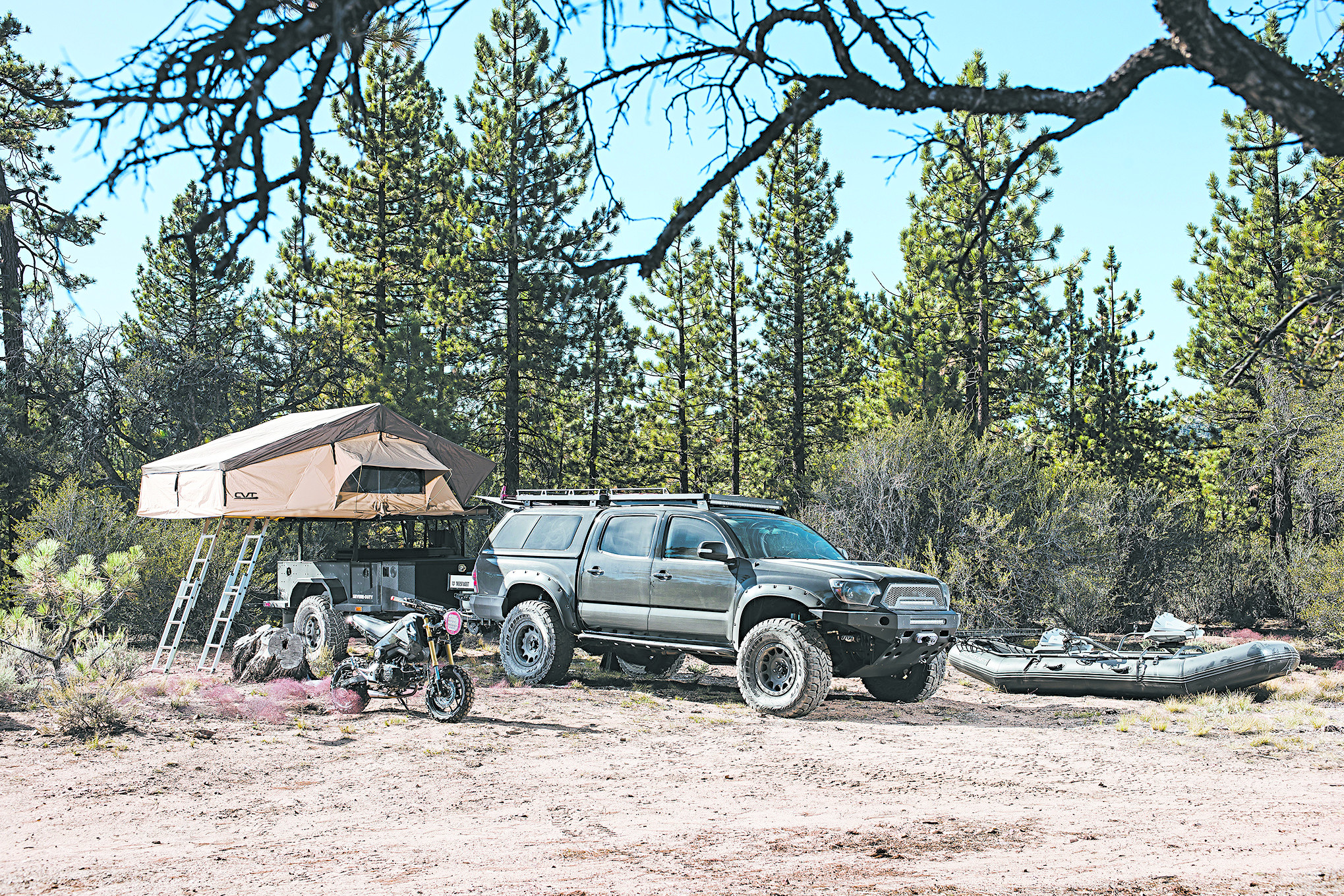
Few of us have access to this sort of bug-out setup.
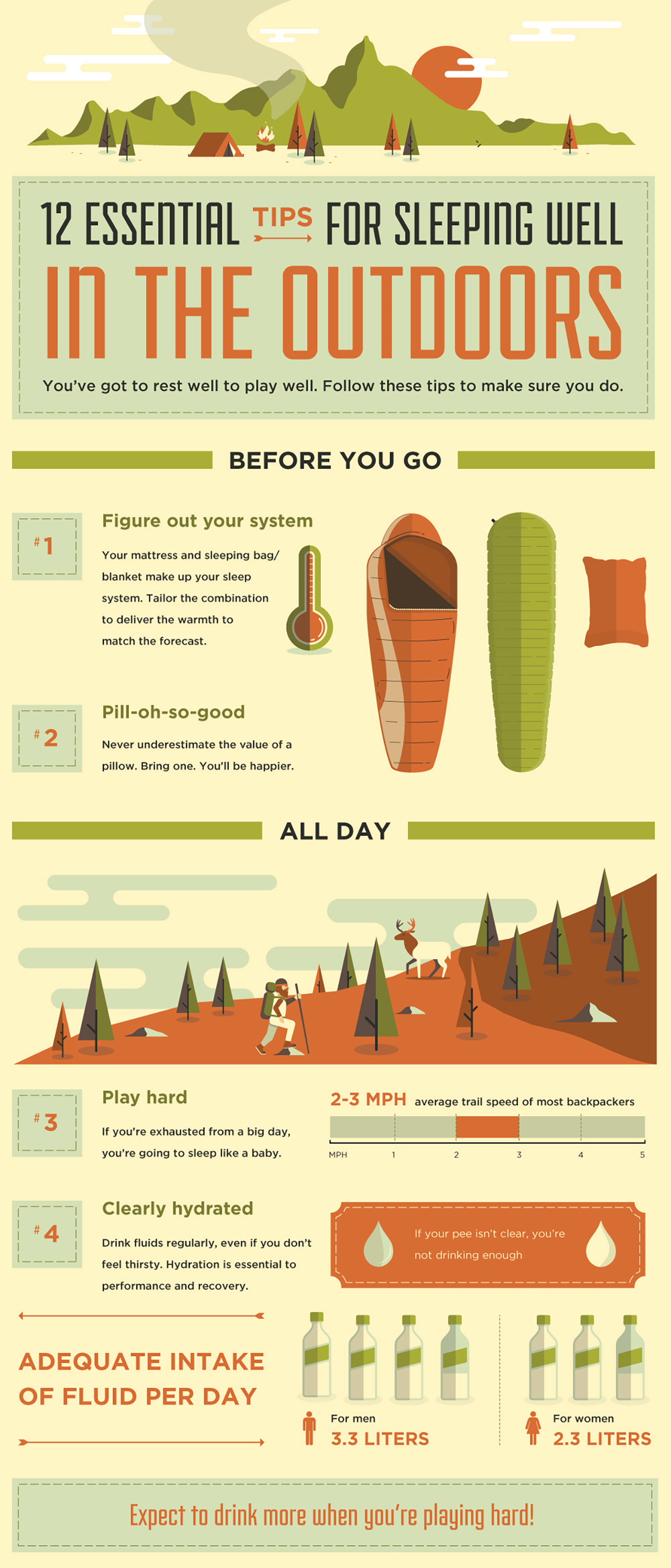
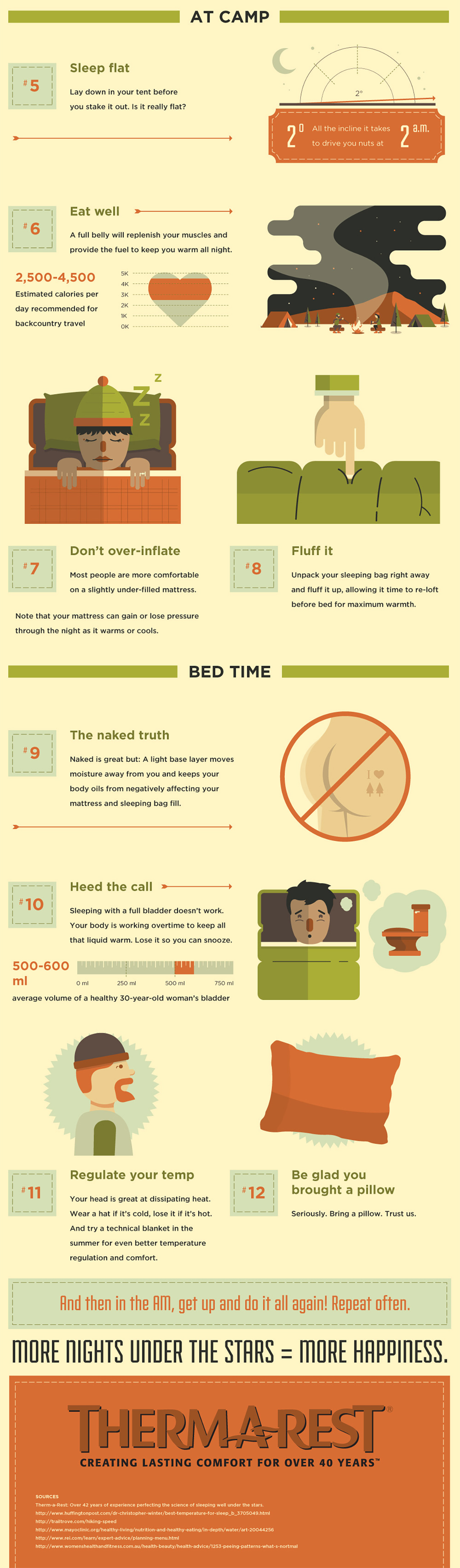
When you’re sleeping outside, it may be difficult to get a good night’s rest, especially if you’re unprepared for the challenges this poses. Fortunately, Therm-a-Rest has composed this useful infographic that shows 12 tips for sleeping outdoors. Some are more obvious than others, but if you combine all of them, you should be able to get some proper shut-eye and awake feeling refreshed.
Tiring yourself out shouldn’t be a problem, unless you’re really doing something wrong. However, we like the tips about regulating your temperature by wearing a hat, sleeping in a light base layer of clothes, and giving your sleeping bag time to expand after unrolling. Choosing a flat campsite also makes a substantial difference.
If you’re looking for a lightweight alternative to lugging around a tent or sleeping on the ground, check out our previous articles on hammock camping. A hammock is fast to set up, only weighs a few pounds, and can be stuffed into your bug-out bag with relative ease. Of course, hammock camping brings its own difficulties, too—read more about how to sleep well in a hammock here.
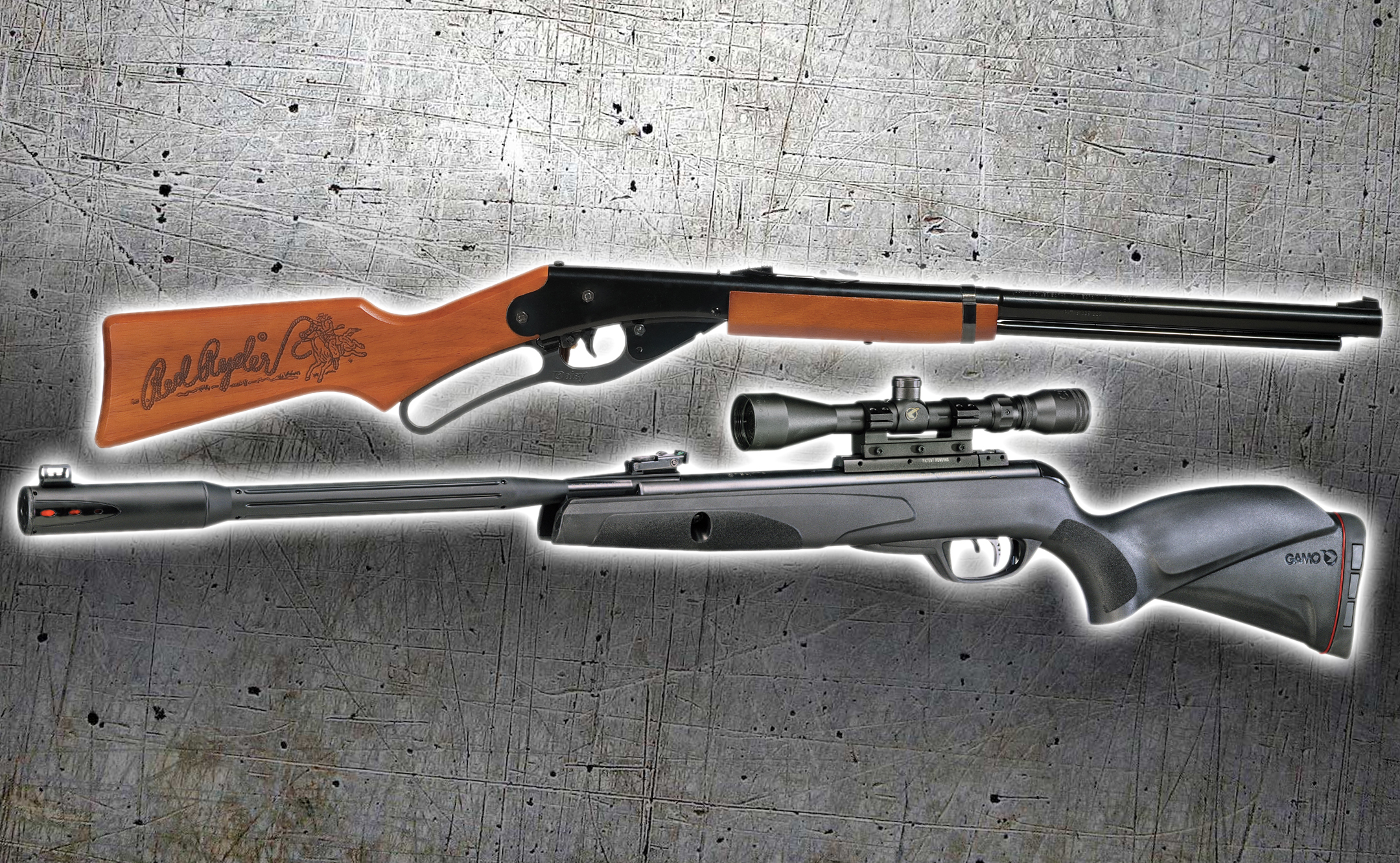
Even if you’re not into airguns, you’ll surely have heard of the famous Red Ryder. Introduced by Daisy Outdoor Products in spring of 1940, this airgun mimics the iconic lever-action Winchester rifle, and has been featured numerous times in comic books, TV shows, and movies. Most memorably, Ralphie Parker dreams of getting a Red Ryder in the film A Christmas Story.
This airgun is still produced by Daisy today, along with many other rifles, pistols, bows, and slingshots. In fact, the company is claimed to be the world’s oldest and largest manufacturer of airguns.
The modern iteration of the Daisy Red Ryder air rifle hasn’t changed much cosmetically.
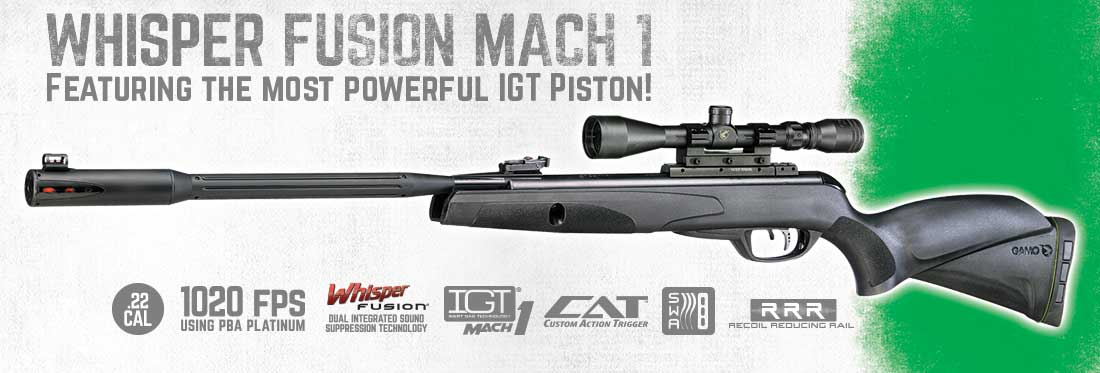
On the other side of the equation, we have Gamo, a company that has been manufacturing precision airguns for over 50 years. Gamo produces some cutting-edge rifles, like the Whisper Fusion Mach 1 we previously wrote about. The company also manufactures pistols, ammunition, optics, and even metal detectors.
Recently, a groundbreaking announcement was made to the media: GAMO has acquired Daisy. These two titans in the airgun world will be joining forces.
In a press release, Gamo Outdoor USA president Keith Higginbotham stated, “We believe this to be a great relationship with complementary brands. Gamo’s roots run deep in the outdoors, while Daisy is a part of Americana. We both share a passion for the shooting sports and are excited for the future, with a vision to grow the Daisy brand and recreational shooting for generations to come.”
In a survival situation, it’s well-known that food sources tend to become scarce, especially those that are popular among the masses. When grocery stores run out of meat, farm animals have all been slaughtered, and wild animals such as deer become scarce, survivalists may turn to less conventional sources of protein. Insects, rodents, oppossums, and reptiles suddenly become fair game when no other options are left.
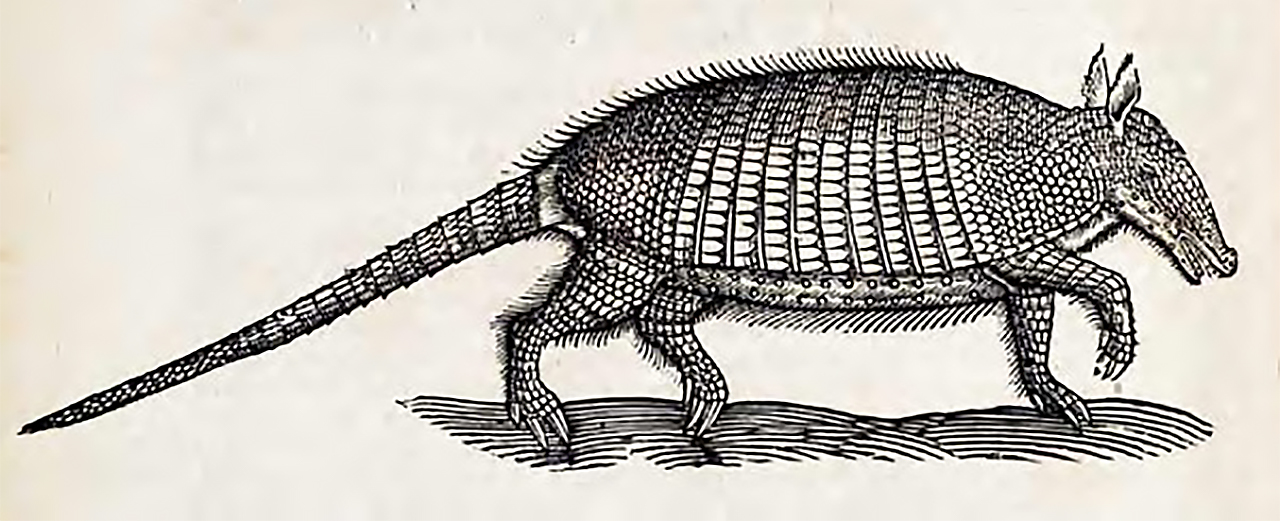
A wood-cut illustration of an armadillo, circa 1658. Source: Wikipedia
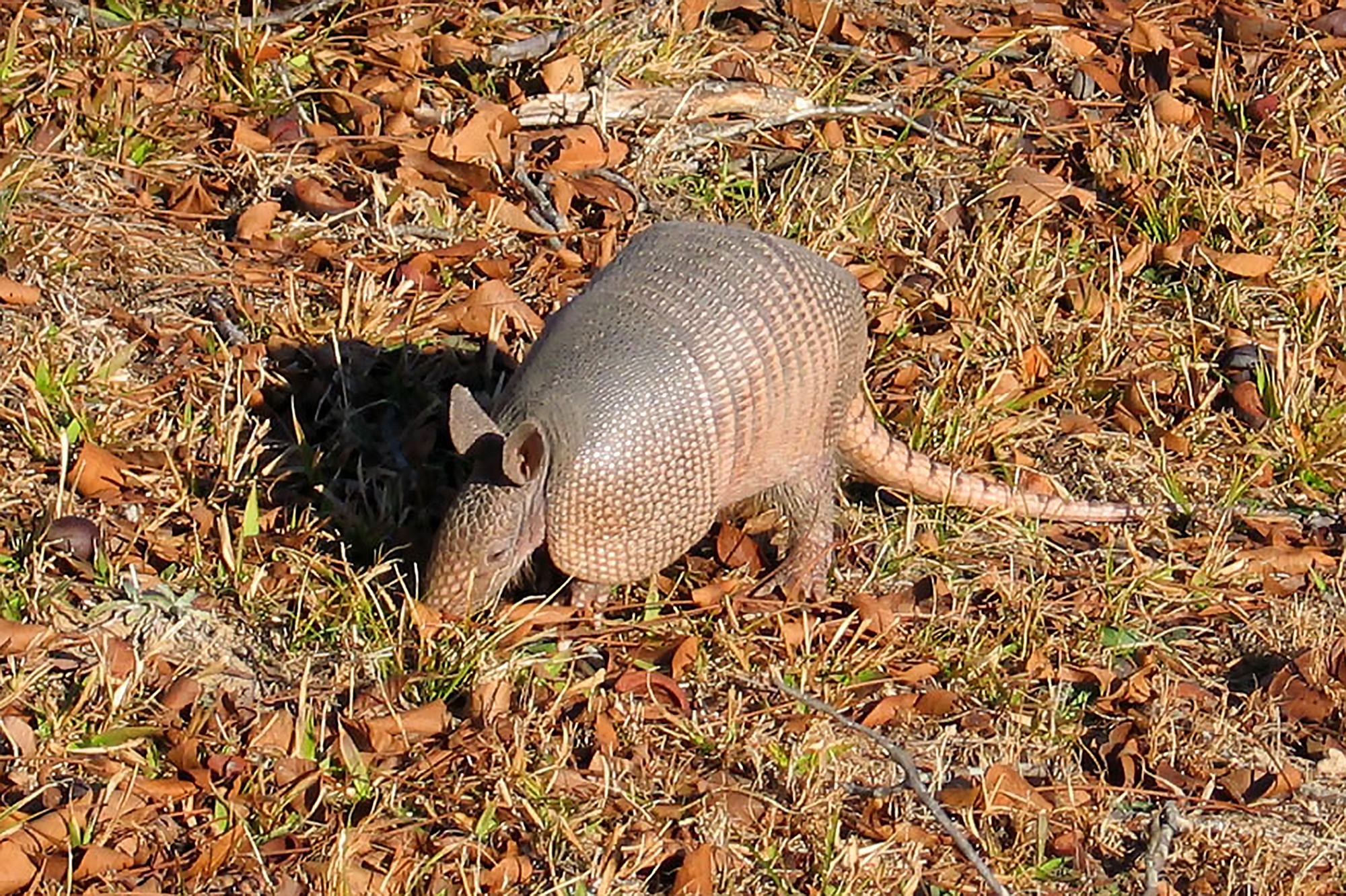
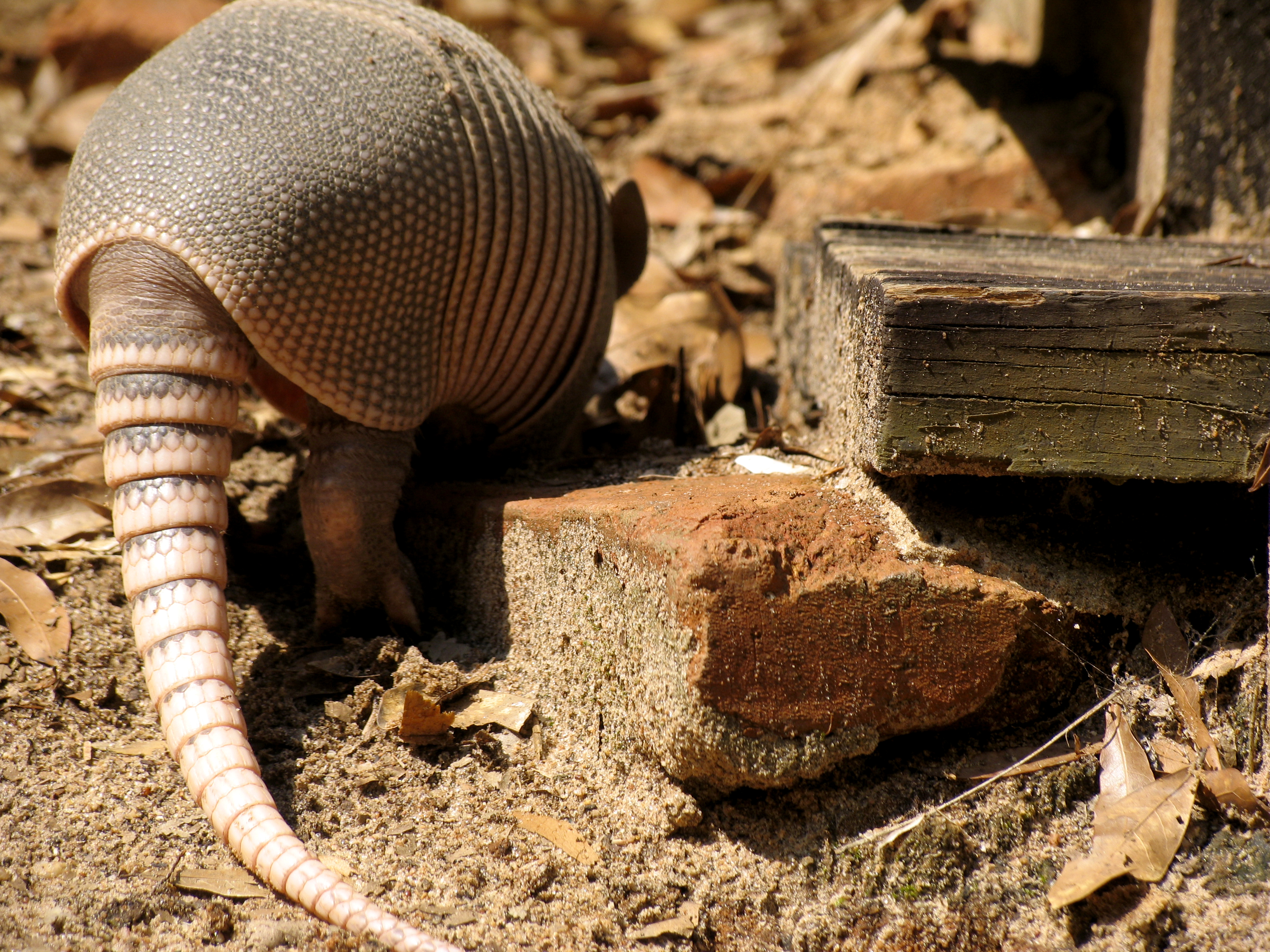
During the Great Depression, starving families in Texas were known to hunt one particularly strange-looking creature—the armadillo. This armor-plated mammal became known as the “Hoover Hog” due to its pork-like taste and citizens’ disdain for then-president Herbert Hoover. The armadillo even went on to become the state small mammal of Texas in 1995, despite being viewed as a pest by many residents.
However, due to scientific advances, we now know something that we didn’t back in the Great Depression. In a strange twist of biology, armadillos are the only other mammal known to carry leprosy. This disfiguring disease, also called Hansen’s disease, is caused by a form of bacteria that attacks the nerves, respiratory tract, skin, and eyes.
A 2011 study by the New England Journal of Medicine indicated that “armadillos are a large natural reservoir of M. leprae [leprosy-causing bacteria]” and that “wild armadillos and many patients in the southern United States are infected with the same strain.” This finding rang true in 2015, when nine cases of the rare disease popped up in Florida, and all patients reported coming into direct contact with armadillos.
Leprosy is generally considered rare, since about 95 percent of humans are immune. Also, many experts consider the risk of contracting the disease from an armadillo to be minimal. However, as seen by the Florida incident last year, these animals certainly still pose a health risk, especially if handled without proper care or if eaten when under-cooked.
So, if you ever find yourself in a survival situation, you may want to think twice about eating an armadillo. Even though it’s likely you’d remain healthy, there’s still a chance this unassuming critter could infect you with one of the most infamously horrifying diseases on earth.
Nobody wants to end up as a leper, especially in a scenario where no medical treatment is available.
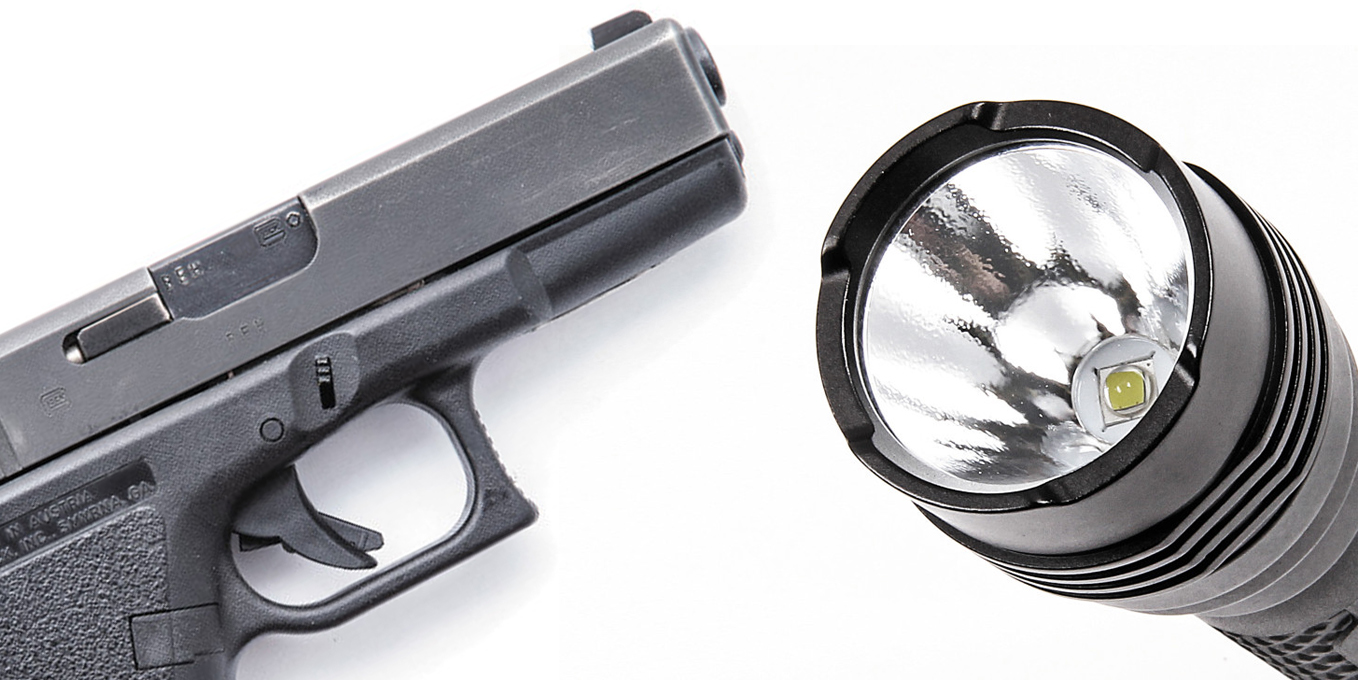
How would you rather survive for one week: with a loaded handgun and no light source, or with a flashlight and no dedicated weapon?
You may think this sounds like an easy choice, but don’t jump to conclusions just yet. Before you answer, we’ll provide some more information on the circumstances. As with previous Survival Scenarios, in either case, you’ll need to survive for 7 days (and nights), and you’ll be alone.
The Location
When the weather is clear, the Seattle area can be beautiful. However, it’s also notorious for heavy rain.
You will be surviving on the suburban streets of Everett, Washington, just north of Seattle. Our scenario takes place in December, so there only will be approximately 8 hours of usable natural light each day. The remaining 16 hours will be twilight or total darkness.
During the short days of winter, residents of the northwest rely heavily on the power grid to provide light.
Also, even if you’ve never visited the Seattle area, you’ll surely know its reputation for rain and inclement weather. In this scenario, that reputation will be taking full effect, as a major rainstorm has been drenching the region for days. Even when the rainfall lets up briefly, the skies remain gloomy and dark grey. Widespread flooding and power outages have begun to affect much of the Everett area, and the storm appears to be rapidly getting worse.
December is also typically the coldest month in coastal Washington, so temperatures will be hovering in the mid-40s during the day, and dropping to the mid-30s at night (plus wind chill). It’s not snowing, but it’s still freezing cold, windy, and wet outside.
The Setup
It’s 3:30pm and your flight just landed at SEA-TAC airport. As a result of the weather, it was a rough landing, but you’re relieved to be on the ground.
You’ll be in town all week for a business conference, which is located just north of Seattle. Your stingy employer didn’t want to spend extra to get you a hotel room in the city, so they got you a cheap sub-compact rental car and booked a hotel room in Everett. It’s over 20 miles from the conference venue, but they were able to save a few bucks on T&E—figures.
After grabbing your luggage from the baggage carousel, you check in with an apathetic employee at the rental car desk, and head out to find your car. Stepping out into the damp parking structure, you notice it’s already getting dark, and it’s not even 4:00 yet. A raincoat-clad woman directs you to your rental car, cautioning you about the incoming weather, and you drive away into the rain.
On the freeway, your rental car is buffeted by sheets of driving rain. At this point, you’re navigating more by your phone’s GPS app than by road signs, since visibility is minimal. After a nerve-racking 40-minute drive, you eventually exit the freeway, which is practically devoid of vehicles at this point. After a few empty blocks, you notice the street lights are out and the water level on the road keeps getting deeper.
You enter an intersection, planning to turn around, only to feel your rental car’s engine sputter and stall. The headlamps and dashboard lights cut out, leaving you stranded in darkness, with only the sound of rain hammering your windshield and roof. You realize you need to get out of here, and the car certainly isn’t going anywhere under its own power.
Opening the car door, you watch as water rushes in around your ankles. That can’t be good. You step out of the car, and slosh through knee-deep water in the twilight to unlock the trunk. Lifting your luggage under one arm, you wade to the side of the road, and climb onto an elevated brick wall to evaluate your situation. It’s still pouring rain, your cell phone battery is nearly dead, and you haven’t seen anyone else on the road for several miles.
Worst of all, you’re stuck in unfamiliar surroundings at night, and you’re not sure how to get to your hotel—which is probably already flooded like the other nearby buildings.
The Decision
In this survival situation, you’re left with the following resources:
The clothes on your back—jeans, a long-sleeved shirt, a pullover jacket, a light raincoat, and some high-top boots (thoroughly soaked)
Your nearly-dead cell phone (now showing “No Signal”), rental car keys, a pen, and about $100 cash in your wallet
In your suitcase: several sets of dress clothes, a toiletries kit, phone wall charger, and a laptop
None of these items will do you much good at this point. However, there’s one thing in your suitcase that will help:
One way or another, you’re going to have to find your way to somewhere dry, and weather the storm. With the current state of your surroundings, and what you heard of the weather forecast earlier, you could easily be stuck here for days.
The Firearm
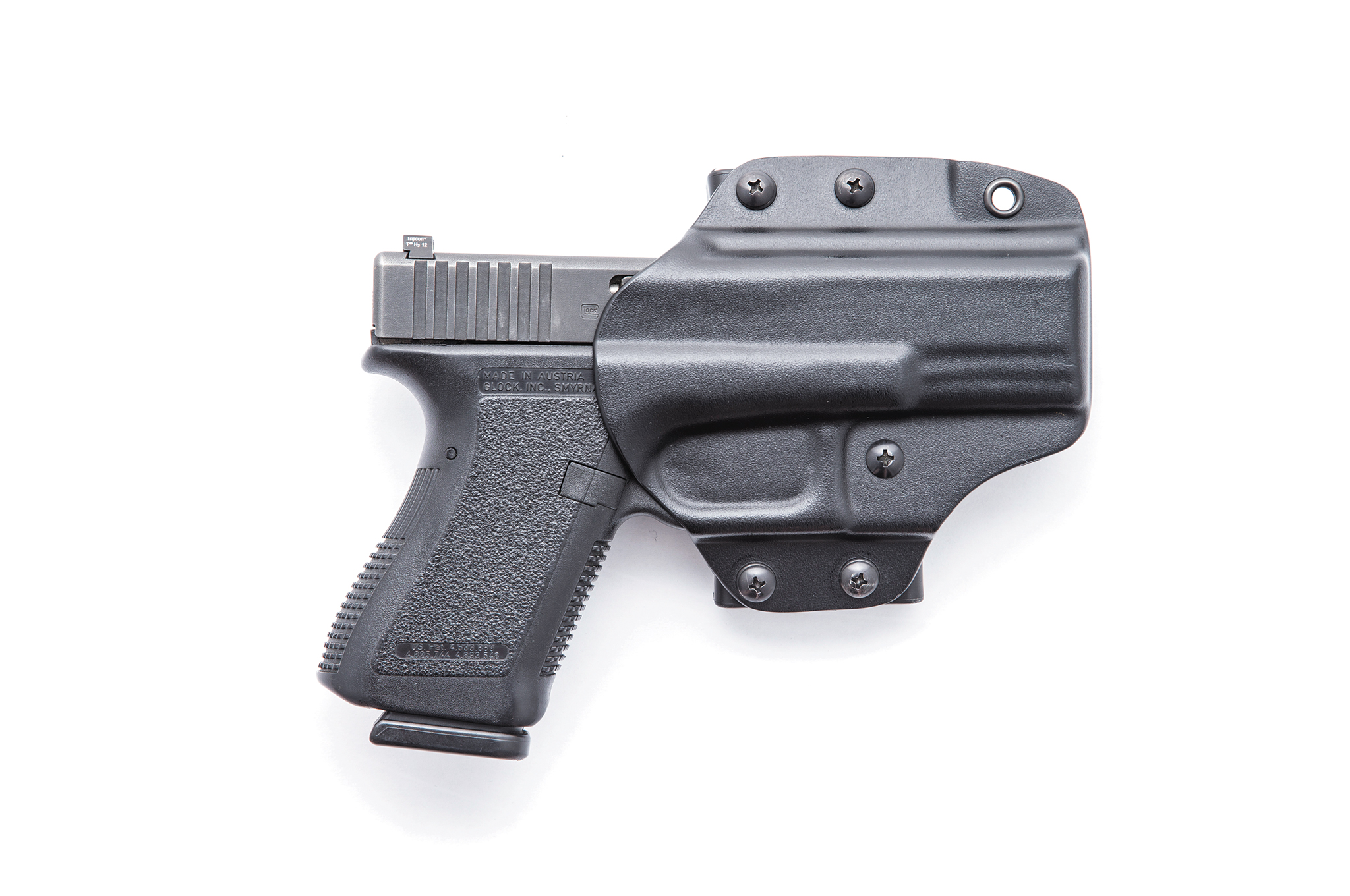
On one hand, the concealed pistol will provide immediate security. Wandering dark and unfamiliar streets in a flood zone is dangerous enough on its own, not to mention the risk of looters and opportunistic criminals noticing your presence. You recall reading that this area has a moderate violent crime rate, but theft is a major problem in some parts of town, and there’s a substantial homeless population.
However, if you choose the firearm, you’ll find that you left your flashlight at home. Target acquisition at night will be nearly impossible without a light source, and the power appears to be out for miles in all directions. No streetlights, and virtually no moonlight due to thick cloud cover. You’d be flying mostly blind, but at least you’d be able to protect yourself with deadly force if it came down to it.
The firearm will certainly be more useful during the daylight hours, but remember that those 8 hours pass quickly at this time of year.
The Flashlight
On the other hand, a flashlight will provide an immediate advantage for navigating to a safer location. If you can wade through the flood waters for a few blocks, you might be able to find a safer spot to hole up for the night.
The flashlight will almost certainly draw the attention of anyone nearby, for better or worse. If that individual is friendly, they may be able to help you to safety. Then again, if that individual has less benevolent intentions, you’ll be forced to defend yourself as best you can.
In a confrontation, the light can temporarily disorient attackers, or can be used as a striking implement up close. It’s certainly better than fighting with your bare hands, but it’s not nearly as effective as a gun would be. Physical confrontation may seem unlikely, but there’s no telling what could happen if a desperate person sees you as a vulnerable tourist.
So, make your choice of either flashlight or firearm in the poll below, and feel free to justify your decision in the comments section.
Survival Scenarios is a recurring feature on OFFGRIDweb.com, and will ask you to make a difficult choice between two or more hypothetical situations.
We don’t just want you to read our posts silently—we want to hear what you have to say. That’s why we’re working hard to provide more interactive content like quizzes, polls, and giveaways. Got any suggestions? Post them in the comments below, or head over to our Facebook page.
Most people have a favorite TV show or series—one that makes them eagerly anticipate the release of each new episode. As survivalists, this is the sort of excitement we feel every time Primitive Technology releases a new bushcraft video. This Australia-based YouTube channel only contains 18 videos, which may not seem like a lot, but watch one and you’ll quickly realize it’s focused on quality over quantity.
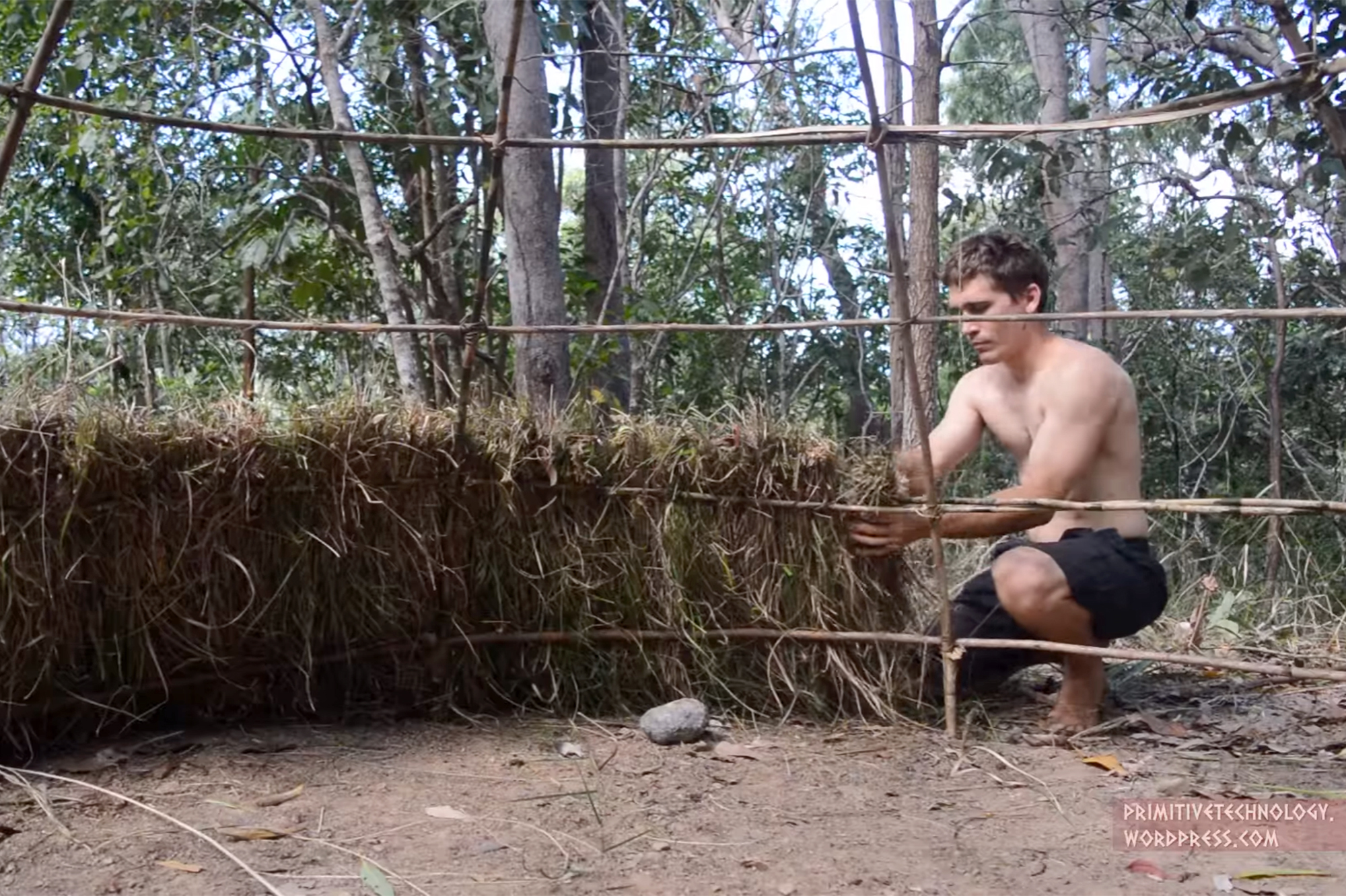
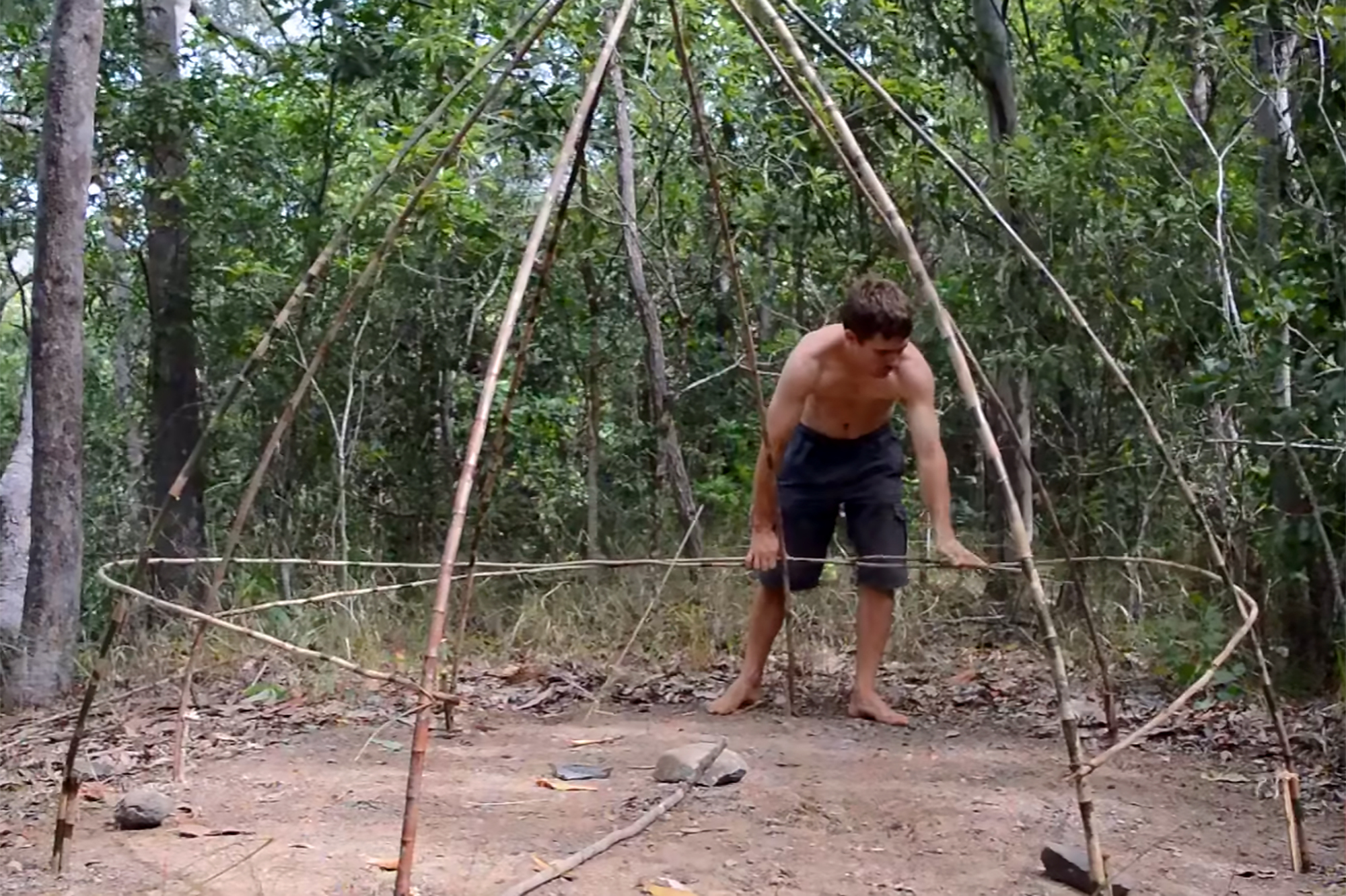
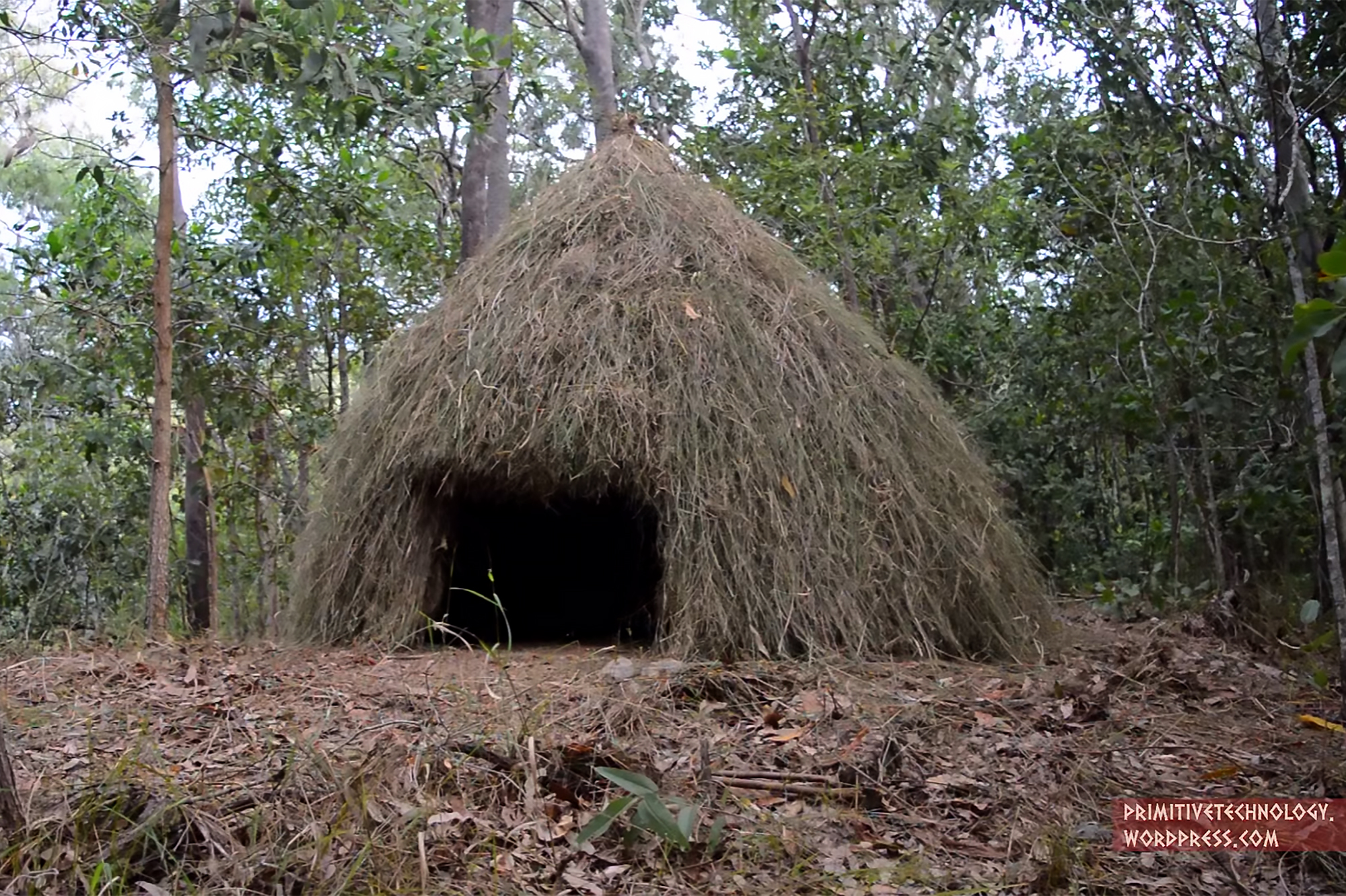
In his latest video, the host of Primitive Technology builds a grass hut using nothing but sticks, rocks, vines, and (of course) grass. It’s truly impressive to see something so effective built from such simple materials, and it speaks volumes about the host’s craftsmanship. We also appreciate that these videos don’t have any unnecessary voice-overs or music—just the sounds of the wind and primitive tools.
This sort of improvised shelter would work well in warmer areas, and its stacks of grass shingles will shed water in case of a sudden rain storm. The host also built a removable roof section, which would permit the use of a small fire inside the 8-foot by 8-foot shelter.
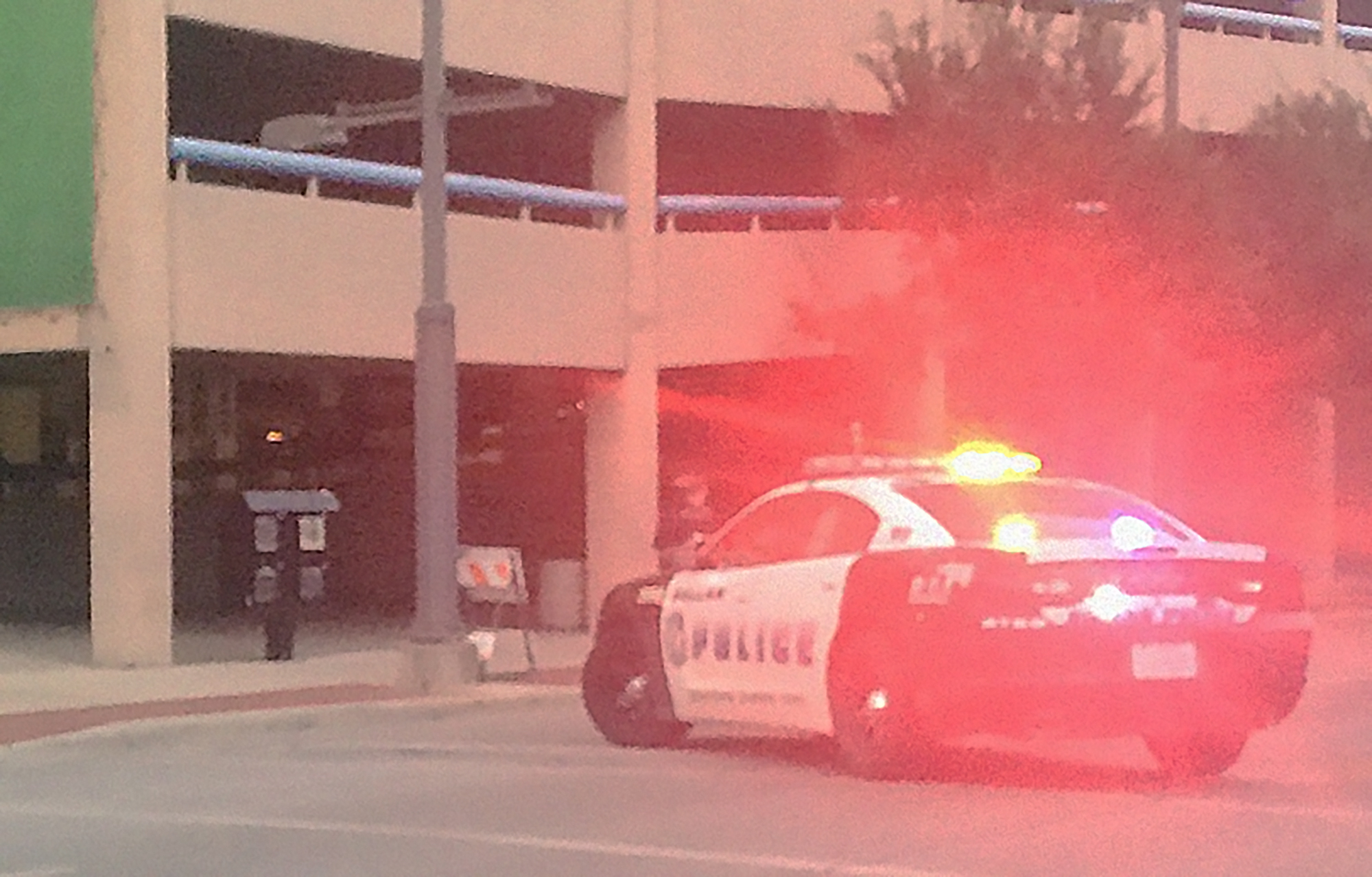
A gun battle occurred in downtown Dallas tonight, during a protest over the recent line-of-duty police-involved shootings of Philando Castile and Alton Sterling. Protesters were marching through the city, when gunfire erupted from the second-story of the nearby El Centro College parking garage.
Initial reports from Dallas PD indicate ten officers have been shot, and five have been killed. According to a Dallas PD press conference, three suspects (one female and two males) have already been detained and are currently being interviewed about possible involvement. As of approximately 12:30AM Dallas time, officers were still negotiating with a fourth armed suspect in the El Centro parking garage.
Police Chief David Brown stated in the press conference that the suspect “has told our negotiators that the end is coming, and he is going to hurt and kill more of us, meaning law enforcement, and that there are bombs all over the place in this garage and downtown”.
Survival gear is often a bit of a word salad filled with acronyms and slang. So, we like to take every opportunity we can to demystify the terminology, and clear up any misconceptions that may exist. Learning about survival skills and gear should be accessible to anyone, rather than some exclusive club where you’re left out if you’re unfamiliar with the lingo.
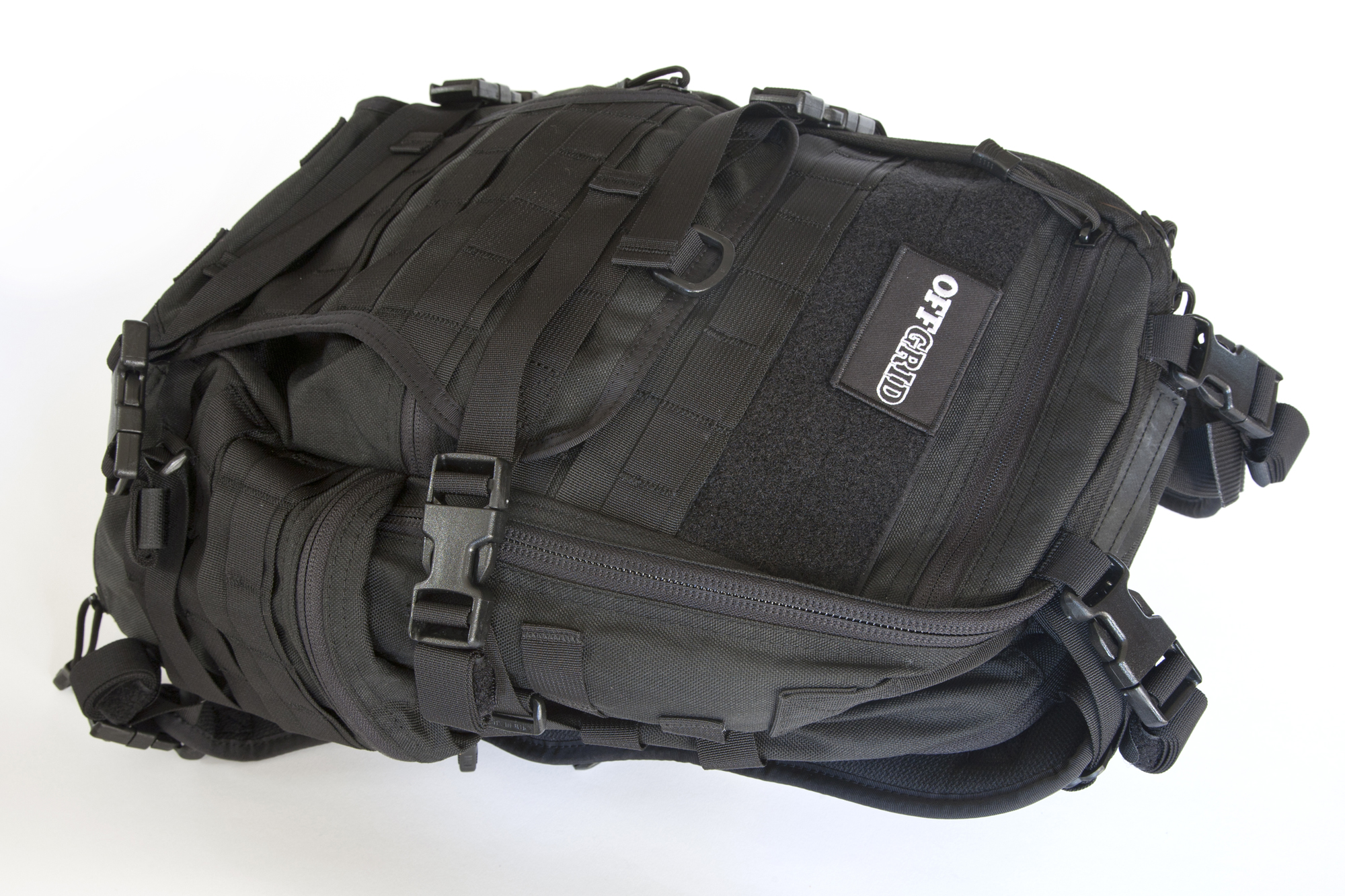
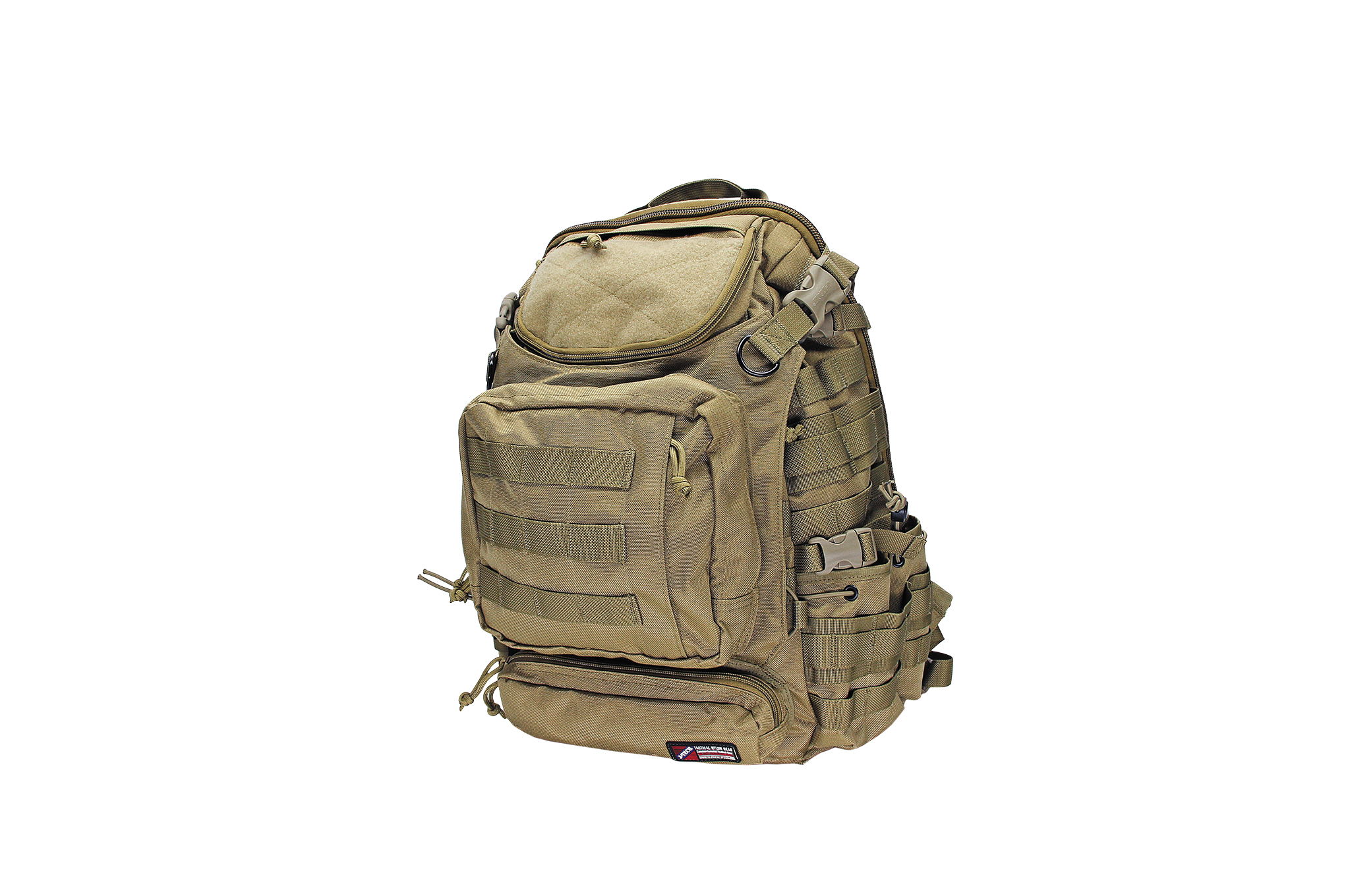
Two terms we hear used frequently in the survival and prepping world are MOLLE and PALS. Usually, you’ll hear that a backpack has “PALS webbing” or that a pouch is “MOLLE compatible”. Confusingly, sometimes you’ll hear just the opposite—”MOLLE” and “PALS” are often used interchangeably.
So, what the heck is the difference between “MOLLE webbing” and “PALS webbing”? Are they really the same thing with two different names? Not necessarily, but read on to understand where the confusion arises.
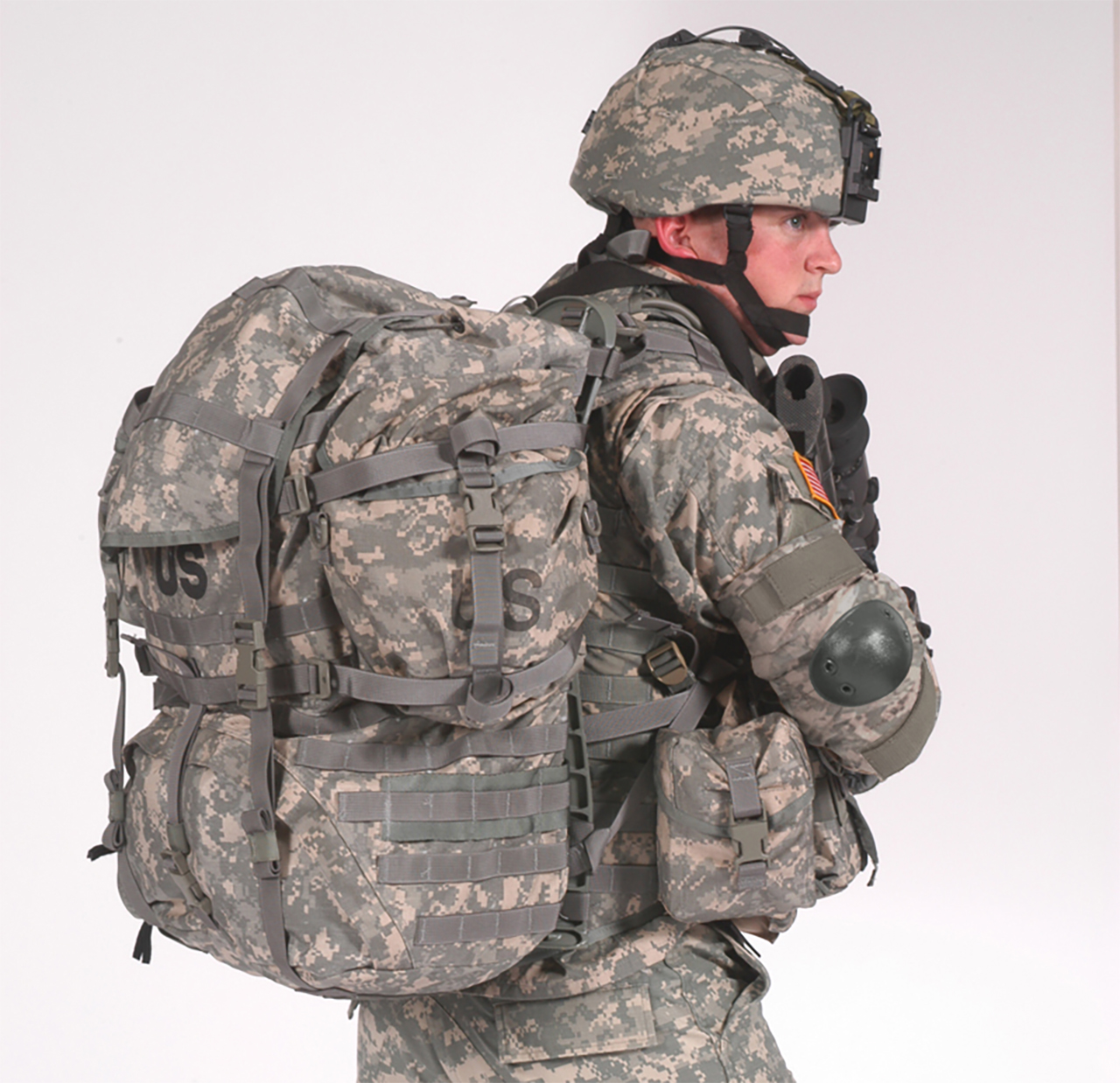
A soldier wearing U.S. Army-issue MOLLE gear, including a rucksack. Photo: U.S. Army / Wikipedia
First, let’s define these terms. MOLLE (pronounced like the name Molly) is an acronym for Modular Lightweight Load-carrying Equipment. It is a proprietary form of military gear designed by Natick Labs, produced under contract by various manufacturers, and used by the U.S. Military and other NATO forces. MOLLE gear is typically based around a Tactical Assault Panel (or TAP), which is a load-carrying chest rig or vest.
Remember the M in MOLLE stands for modular, and you’ll understand what it is: a system of modular gear components (vests, backpacks, pouches, etc.) that attach to each other.
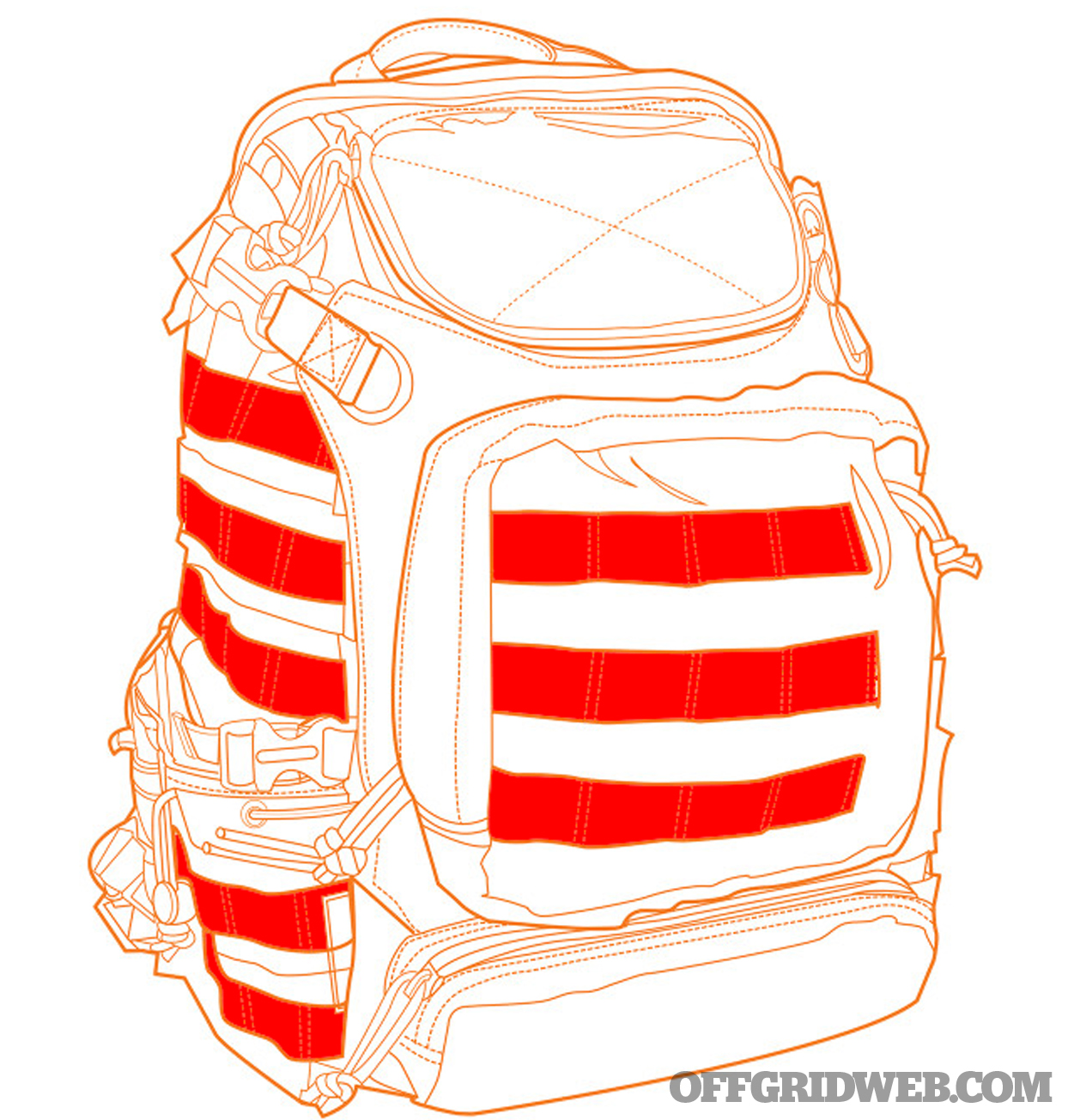
This backpack illustration features PALS webbing highlighted in red.
Now, this is important: the MOLLE system includes PALS webbing. PALS stands for Pouch Attachment Ladder System, and it’s the horizontal grid of repeating fabric webbing strips often found on backpacks and bags. According to the PALS standard, these strips are spaced 1 inch apart, and sewn to the backing at 1.5-inch intervals.
So, in a nutshell, PALS is a type of webbing, and MOLLE is a type of modular gear that attaches via this webbing. Given this info, it’s technically incorrect to say gear has MOLLE webbing, because it would actually have PALS webbing and would thus be MOLLE-compatible. There’s no such thing as “MOLLE webbing”, but most people will know what you mean if you say this—the type of webbing found on MOLLE gear.
It’s likely that MOLLE and PALS terms will continue to be used interchangeably, but now you know that there’s a difference between the two.
Paracord is an amazing material, especially if you know how to use it. It can form ultra-strong bracelets, necklaces, keychains, zipper pulls, handle wraps, and all sorts of other items—and all of these can be unraveled and re-purposed as cordage in a survival situation. Learning to use paracord as more than a simple rope can also be fun, and it provides a worthwhile pastime during periods of boredom. Best of all, being able to make your own paracord goods can save you money, since you won’t have to buy those goods elsewhere.
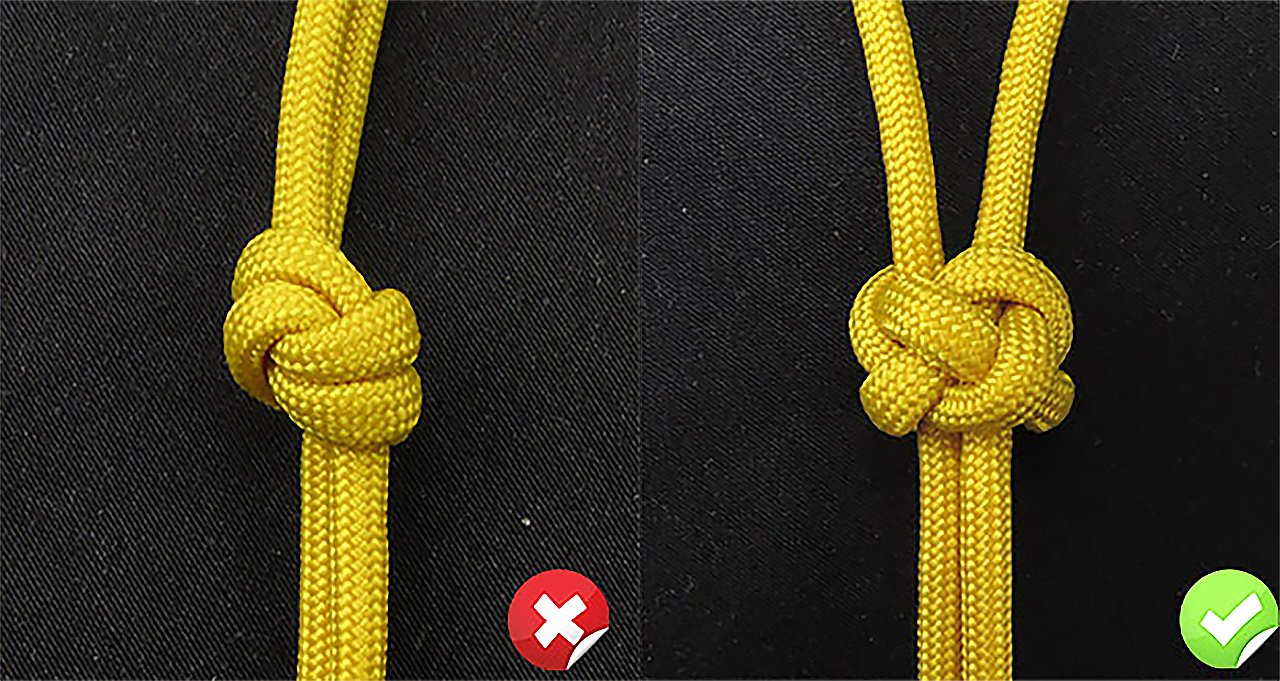
Left: a hasty overhand knot. Right: a much neater lanyard knot. Source: Paracord Guild
However, as with any new skill, there are some paracord problems and bad practices to be aware of. These mistakes can cause beginners constant frustration, and result in sloppy-looking finished products. In some cases, they can even pose a safety hazard.
The ball-and-loop method can cinch down and pose a strangulation hazard when used in necklaces. Source: Paracord Guild
Paracord Guild is one of the leading sources of paracord-related information and tutorials, and they have provided a list of six common paracord problems faced by beginners. Here’s a high-level summary of the six issues they noticed:
Using an improper or sloppy knot to finish a lanyard
Burning or singing the cord accidentally
Underestimating the amount of paracord needed
Securing necklaces with a ball-and-loop closure
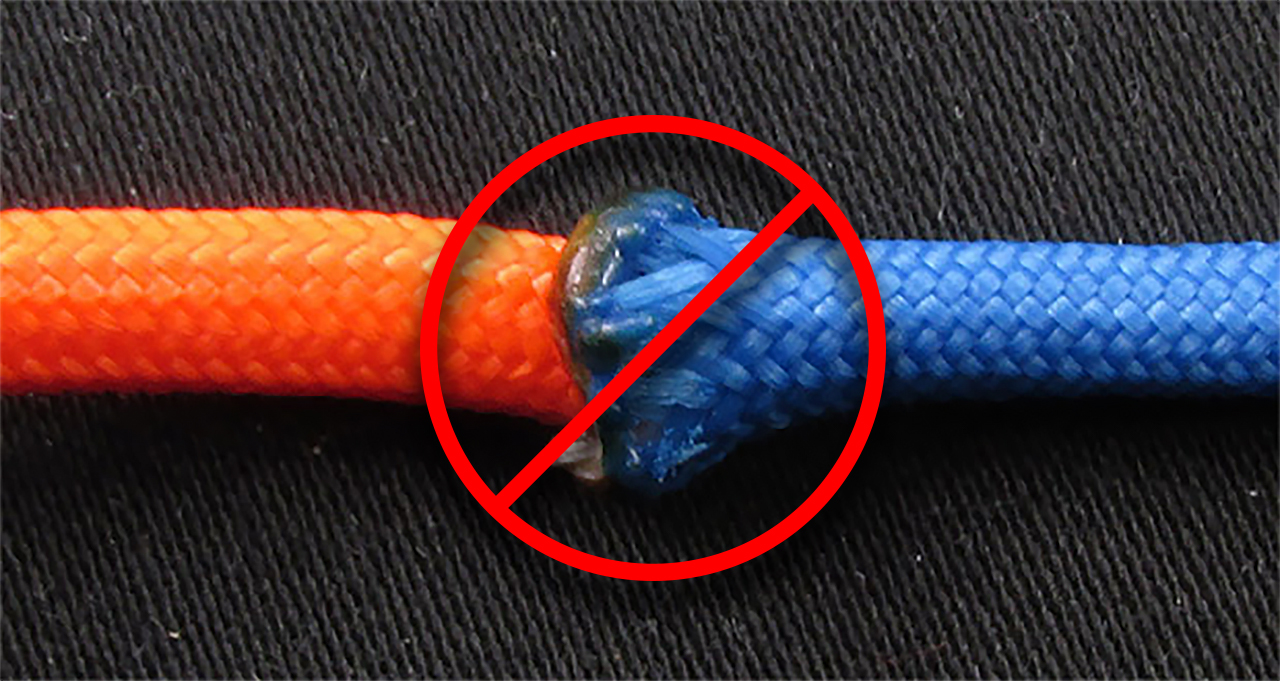
Melting cord ends together
Buying paracord in small quantities, instead of in bulk
If you’ve experienced any of these issues, we’d encourage you to go check out the full article from Paracord Guild. It provides more insight into why these problems matter, and gives some excellent solutions to each one.
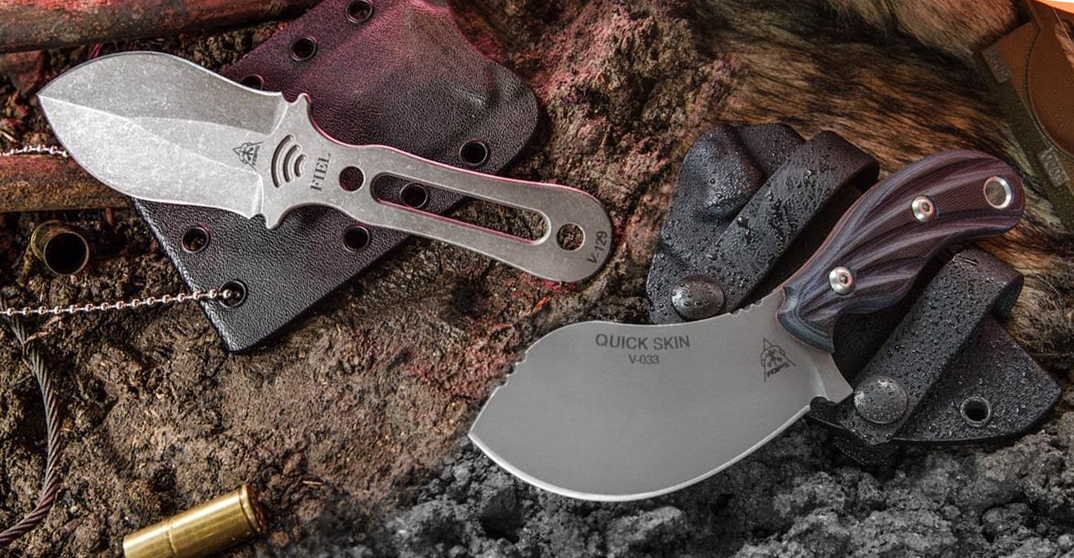
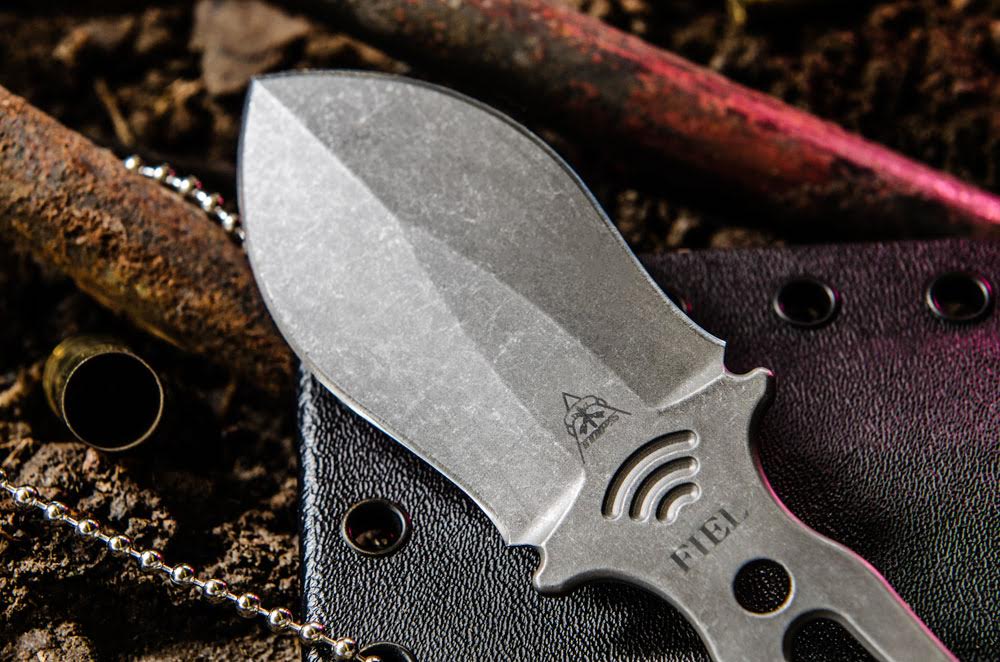
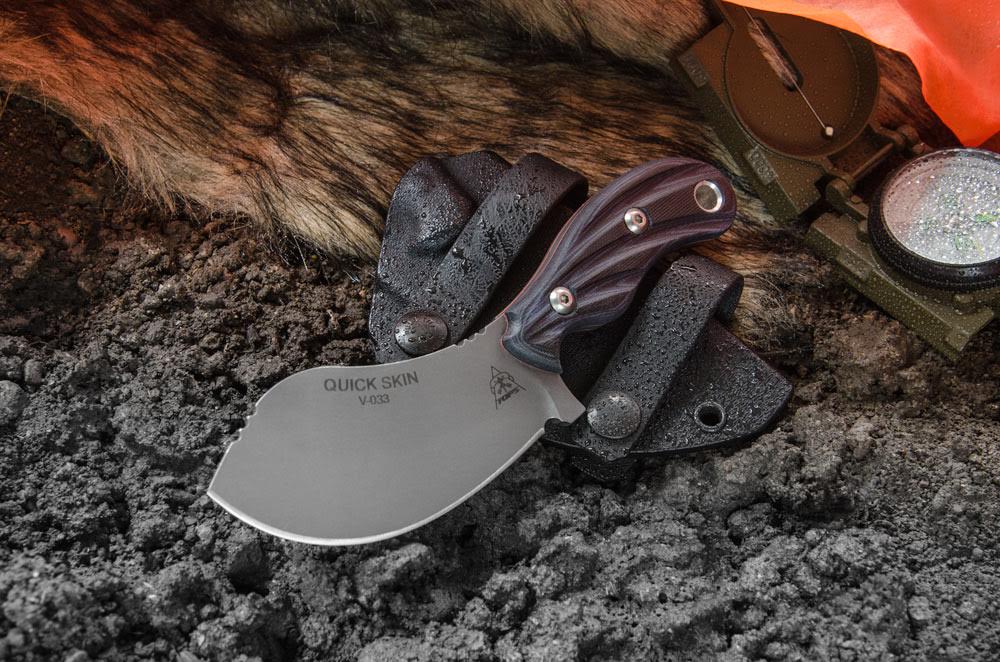
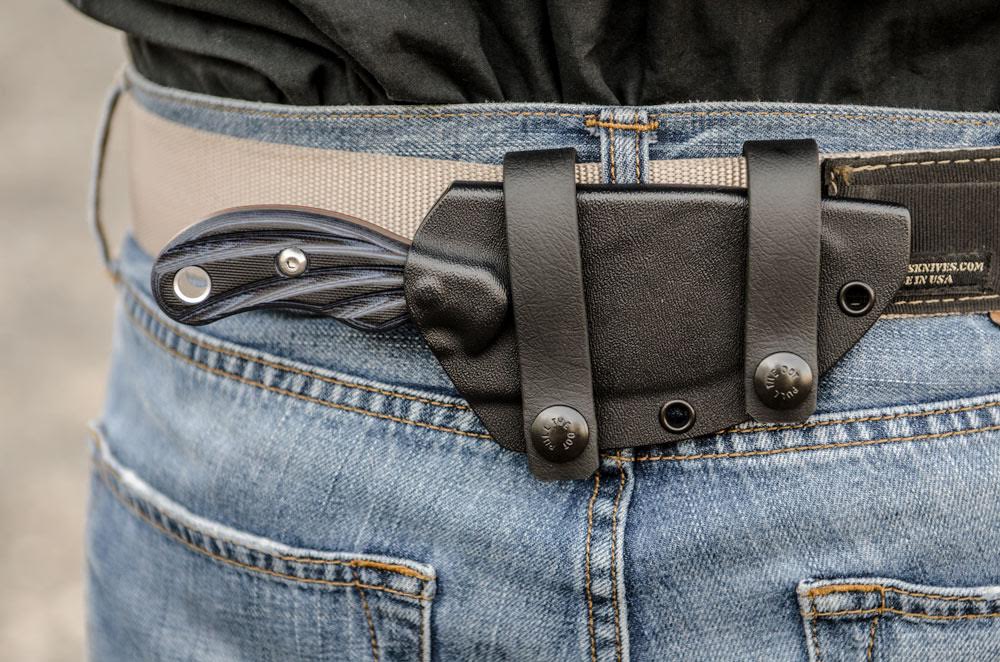
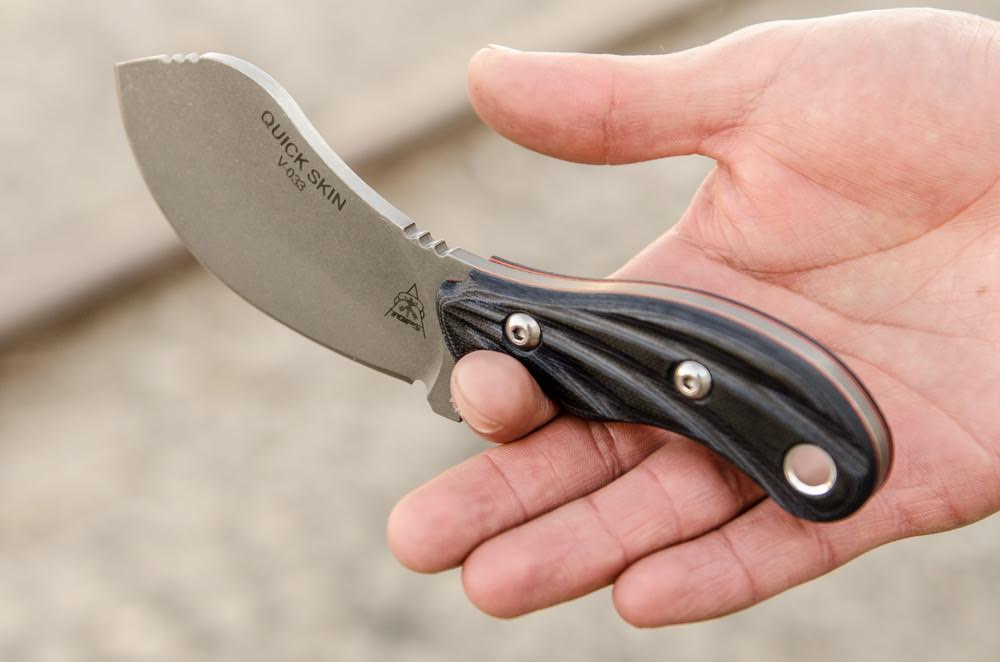
TOPS Knives has announced the release of two all-new fixed blade models, known as the Fiel and the Quick Skin. Both new TOPS knives are constructed of durable 1095 carbon steel, and presented in tumble finish, but that’s where the similarities end. Read on to find out the specs of these two models.
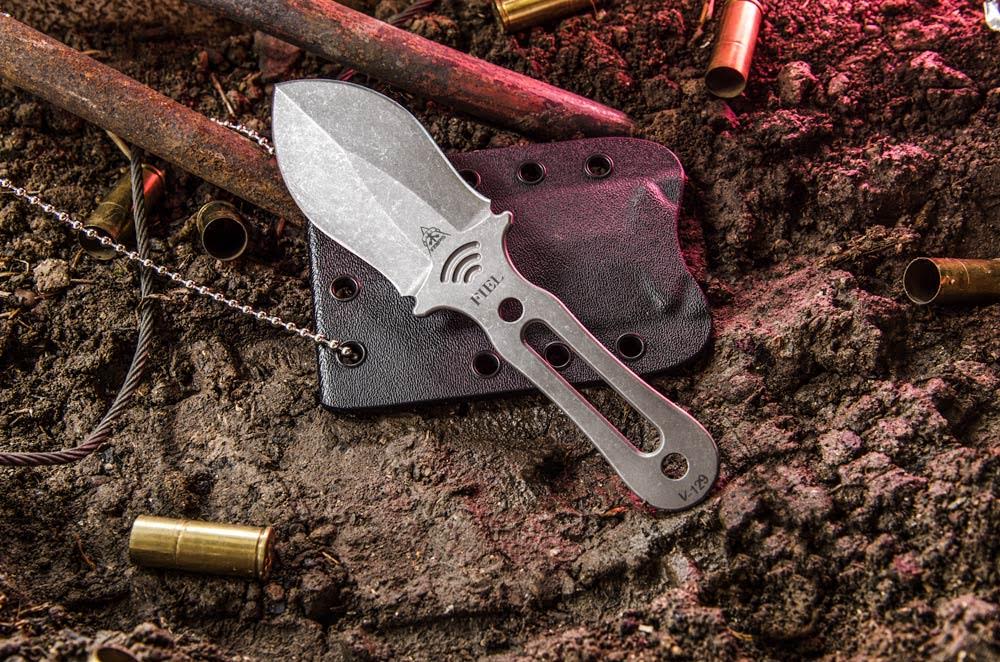
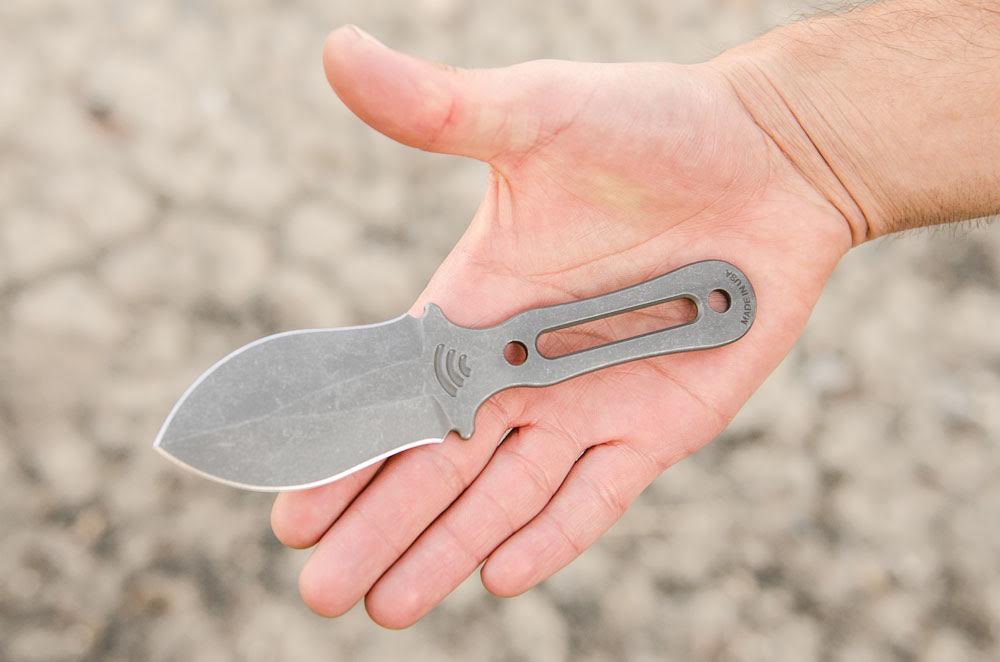
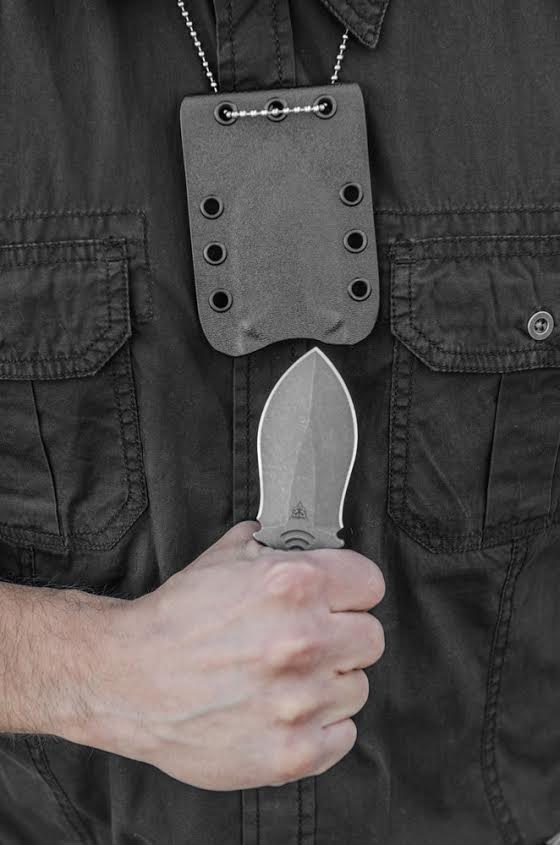
First, there’s the Fiel, which is named after the Spanish word for “faithful or accurate”. This knife uses a broad double-edged blade, which tapers into a simple skeletonized handle. It comes with a Kydex sheath and chain designed for neck carry, but it’s also compatible with Tek-Lok for use on a belt. Here are the rest of its key details:
Overall Length: 6.5”
Blade Length: 3.0”
Cutting Edge: 2.88”
Blade Thickness: 0.13”
Blade Steel: 1095 RC 56-58
Blade Finish: Tumble Finish
Handle Material: Skeletonized
Knife Weight: 2.7oz
Weight w/ Sheath: 4.6oz
Sheath Material: Black Kydex
Sheath Clip: Neck – no clip
Designer: Leo Espinoza
MSRP: $130
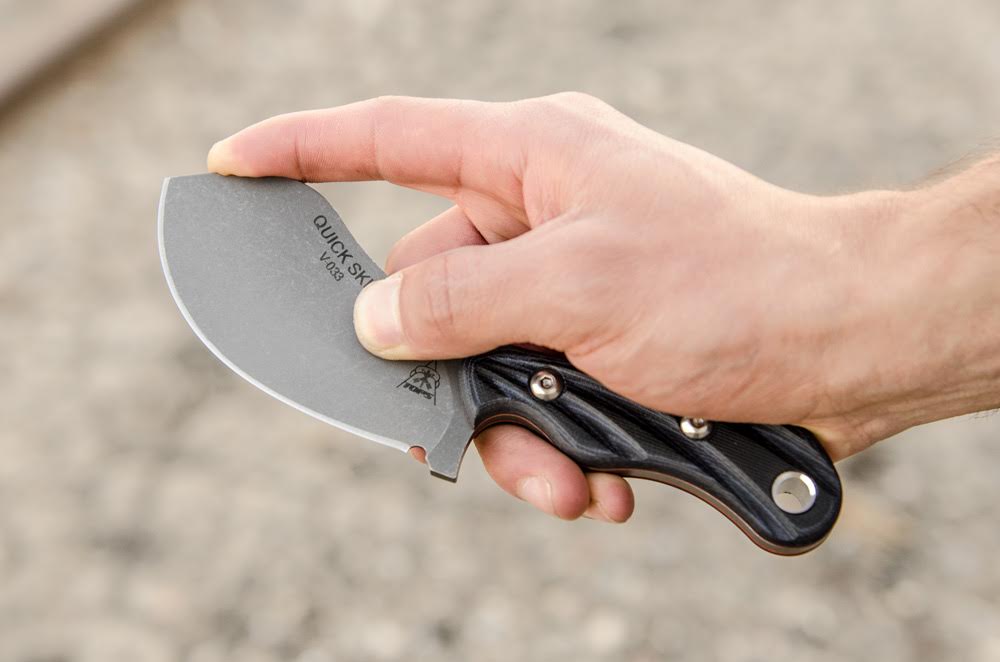
The other new model from TOPS is called the Quick Skin. As the name would imply, it’s designed as a hunting blade, and features a wide upswept belly for skinning game. The G10 handle scales are carved in TOPS Dragonfly Tread, with strategically-placed jimping for extra grip. A clear Cerakote protective coating resists rust, while the Kydex sheath offers several horizontal and vertical carry options.
Here are the rest of the details about the Quick Skin:
Most of us carry cordage for survival purposes, whether it’s in your backpack, in a bracelet on your wrist, or even in the form of your boot laces. We’ve reiterated many times that cordage is an essential resource, so you should know by now why it matters. However, many of us forget the importance of knowing how to use this cordage effectively. Even if you know a few essential knots, it’s always helpful to have a wider repertoire for different use cases.
If you’re looking to learn new knots, we have a handful of resources on our site that can teach you. Then again, it’s often useful to see the knot-tying process in motion, so you might search a particular knot on YouTube. Unfortunately, some videos are too fast or from a confusing perspective—or you might even end up with something like this:
Now, wasn’t that informative?
If you’re looking to be a little more serious about learning knots, we can point you in the right direction. NetKnots.com provides dozens of step-by-step knot-tying guides in animated form. Better yet, they don’t have any long introductions, unnecessary voice-overs, obnoxious music, or confusing camera angles. You can even speed up or slow down the animation, and flip the perspective to match your own—features a YouTube video doesn’t offer.
So, if you’re looking to learn some new knots without all the additional fluff, check out NetKnots.com.