During any survival situation, your time and resources will be limited. In order to survive, you’ll have to make the most of what you have and diversify your survival food portfolio. That means learning all you can about hunting, fishing, foraging for wild edibles, and other food-gathering techniques. If one of these methods fails, you’ll have plenty of others to fall back on.
Crab is a delicious and protein-rich food source for survival, and these crustaceans can be found everywhere.
With this goal in mind, here’s another great way to collect food in the wild: hand line crabbing. This technique has been used for thousands of years across various cultures, and only requires a few basic resources:
Bait (such as chicken necks, fish organs, or inedible scraps from other animals you’ve caught)
Optional: a net, gloves, or tongs to assist with removing the crab from the water
Optional: a stone or metal weight to help the bait sink (may be necessary depending on the string and bait used)
Once you have those items, you can catch blue crabs easily near the edge of a body of salt water, such as a pier, beach, or jetty. It’s worth noting that you’ll need a license to do this legally in most places, but if you’re in a life-and-death scenario, you’ll have to do what you need to survive.
Here’s a video that shows how it’s done:
It’s really that simple—just be patient, use as many lines as you can, and combine this method with other hunting and fishing techniques to provide a sustainable food source for survival. Obviously, be sure to cook your crab thoroughly and follow other food safety rules before consuming your catch.
In a disaster scenario, staying inconspicuous is key to survival. This is especially true if disaster strikes in an urban or suburban environment with high population density. If you’re in a rural setting, and your next-door neighbor is miles away, it’s probably not going to matter too much what your bug-out gear looks like.
However, if you’re in a big city office building when SHTF, the last thing you want to do is strap on an OD green backpack covered in PALS webbing, swap your oxfords for combat boots, and sling a rifle over your shoulder. At that point, you might as well stick a big flashing target on your back, because those who are less prepared will be coming for you.
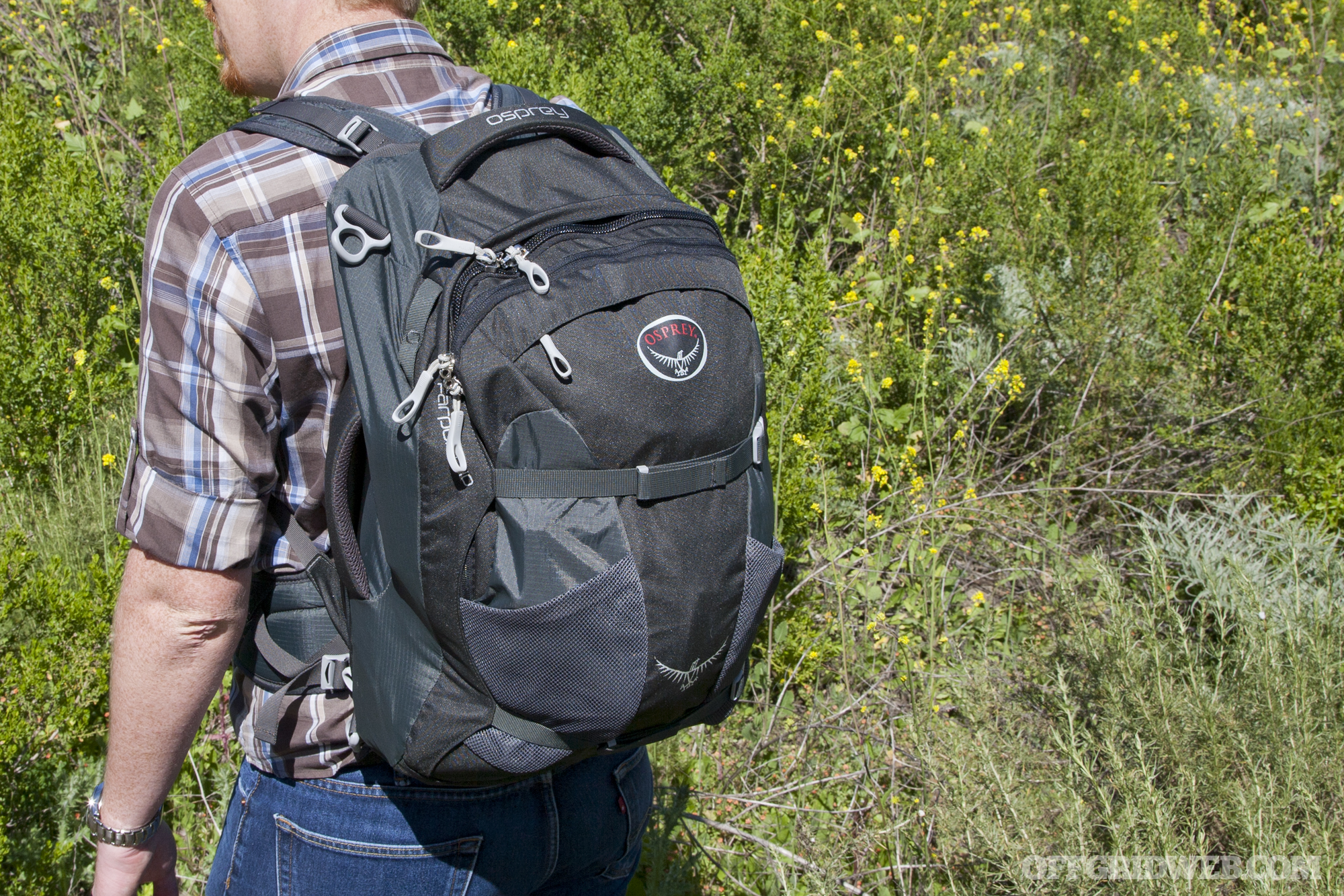
This bug-out bag from Zyon Systems doesn’t appear flashy. Instead, it’s discreet and functional.
Now, bear with us. We’re certainly not saying you should leave your emergency gear at home in order to remain inconspicuous. There’s a middle ground here—a way to have a fully-stocked bug-out bag that doesn’t turn heads as you walk down Main Street in slacks and a collared shirt. You’ll want to be seen as a “gray man” while also being ready for anything that comes your way.
Zyon Systems
Enter Zyon Systems, a family-owned and -operated business located in Boise, Idaho. The company was founded by Joe Florko, a former U.S. Park Ranger who has spent a lifetime in the backcountry, and worked in many National Parks throughout the country. While serving as a first responder during Hurricane Katrina, and dealing with hundreds of rescue and emergency medical calls over the years, Joe has seen his fair share of unprepared individuals—and the tragic consequences that unfold as a result.
Given his experiences, Joe felt compelled to help those around him be more prepared, and thereby reduce the impact of future disasters. However, Joe also realizes that many ordinary people don’t know the first thing about survival kits, and are unable or unwilling to build their own custom bug-out bags from scratch. He writes, “I want every American to build their own 72 hour bug-out bag. But, for those who don’t have the time or experience, Zyon Systems can step in and offer something on par with a personally-built kit.”
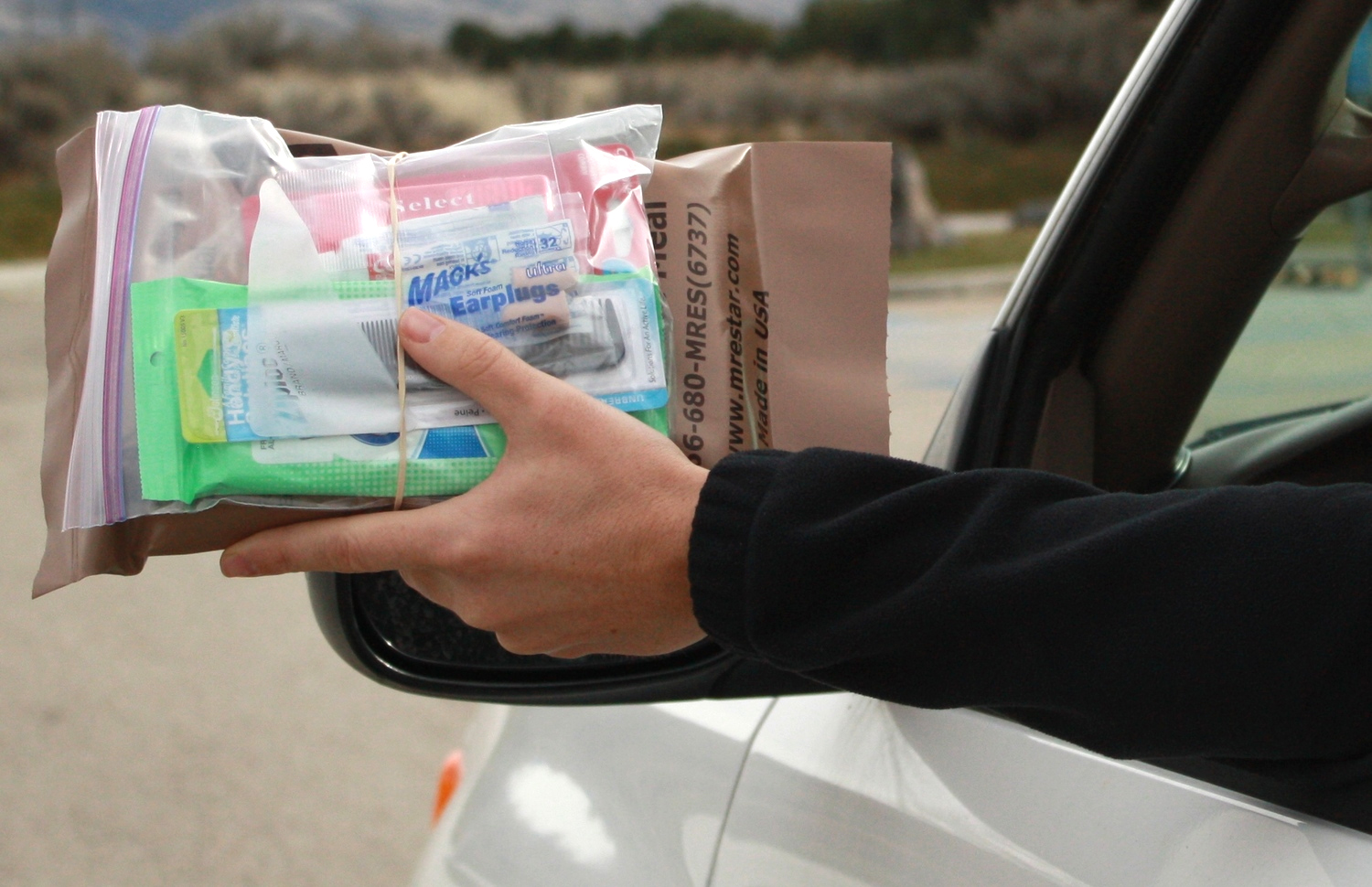
Zyon Systems offers a number of different pre-built bug-out bags and emergency kits. These kits range from the basic Community Aid Kit (designed as a hand-out for friends and neighbors in need) to the fully-stocked Professional Pack. The company will even build a custom pack to your exact specifications, and can assist you via phone or email to choose every last piece of gear you need.
The Zyon Systems Community Aid Kit is available at wholesale cost, to encourage supporting your community in an emergency.
Zyon’s motto is one of practical preparedness: “No hysteria, no zombies. Real-world emergency preparation.” We liked the sound of that, and were interested by the idea of a pre-made bug-out bag aimed at urban professionals. So, we got in touch with Joe and requested one of Zyon Systems’ top-of-the-line Professional Packs to test and review.
Professional Pack Overview
In a nutshell, the Professional Pack is a 72-hour turn-key bug-out bag which will not look out of place in an office, on city streets, or on public transit. Zyon Systems states that it is “designed for the working professional who needs a high quality, easily transportable, and inconspicuousemergency pack.”
Let’s get this out of the way right off the bat: at an MSRP of $650, the Professional Pack is not exactly cheap. However, when you consider the immense amount of name-brand gear it contains, and the fact that it offers an industry-first Gear Replacement Guarantee, you’ll begin to see the value. Zyon Systems tells us they refuse to cut costs by using the cheapest gear available, thrown together without proper testing and evaluation, as can sometimes be the case with other pre-made bug-out bags.
Joe has also personally spent years field testing this pack—he doesn’t just sit behind a desk, he actually wears the gear and practices urban escape scenarios to find its weak points. For example, here’s a journal of his “Escape from Richmond” journey last year, where he walked 20 miles with the Professional Pack over the course of 3 days. So, when Joe says his emergency kits can sustain you for up to 72 hours, he knows it firsthand.
The Backpack
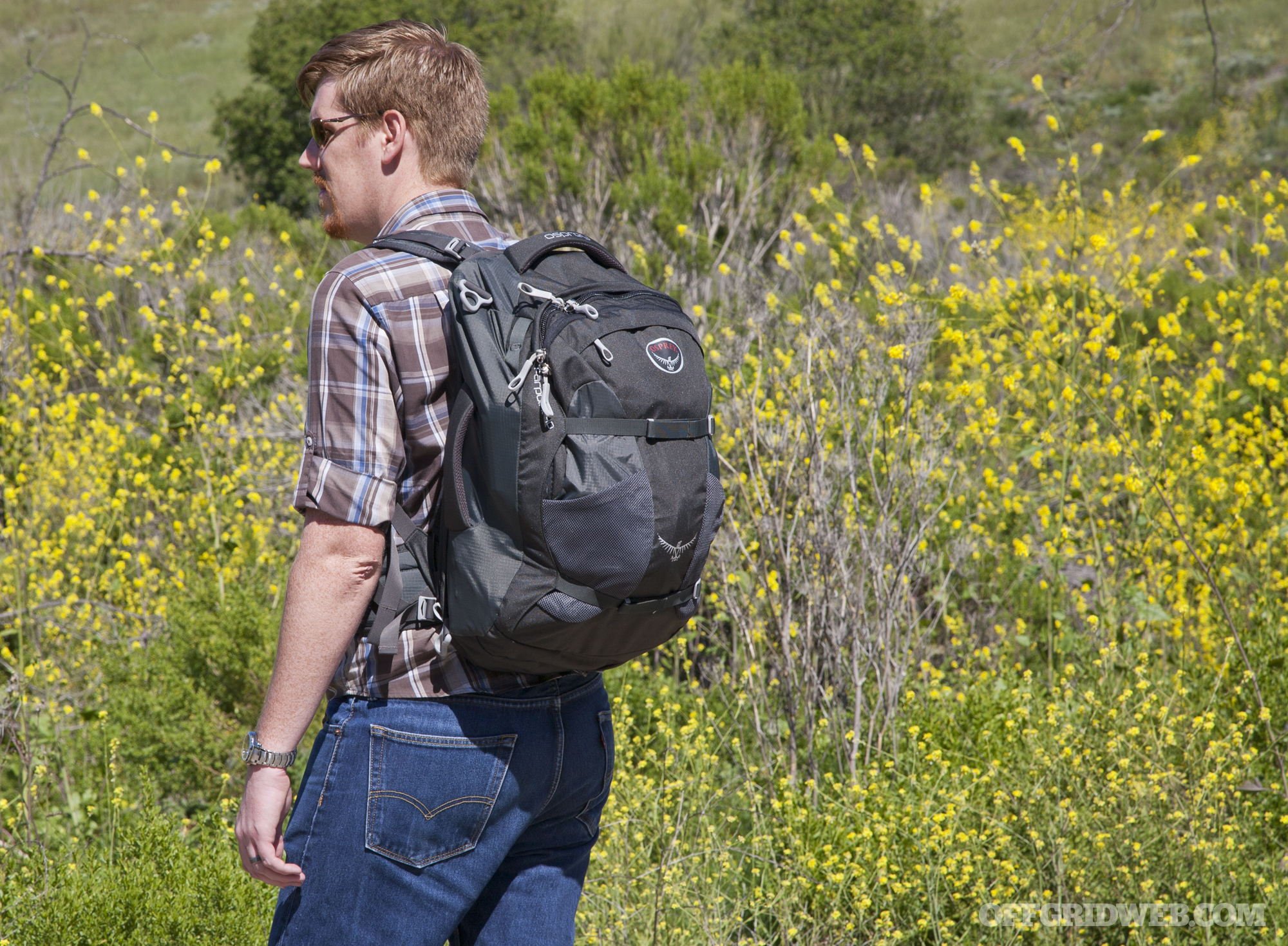
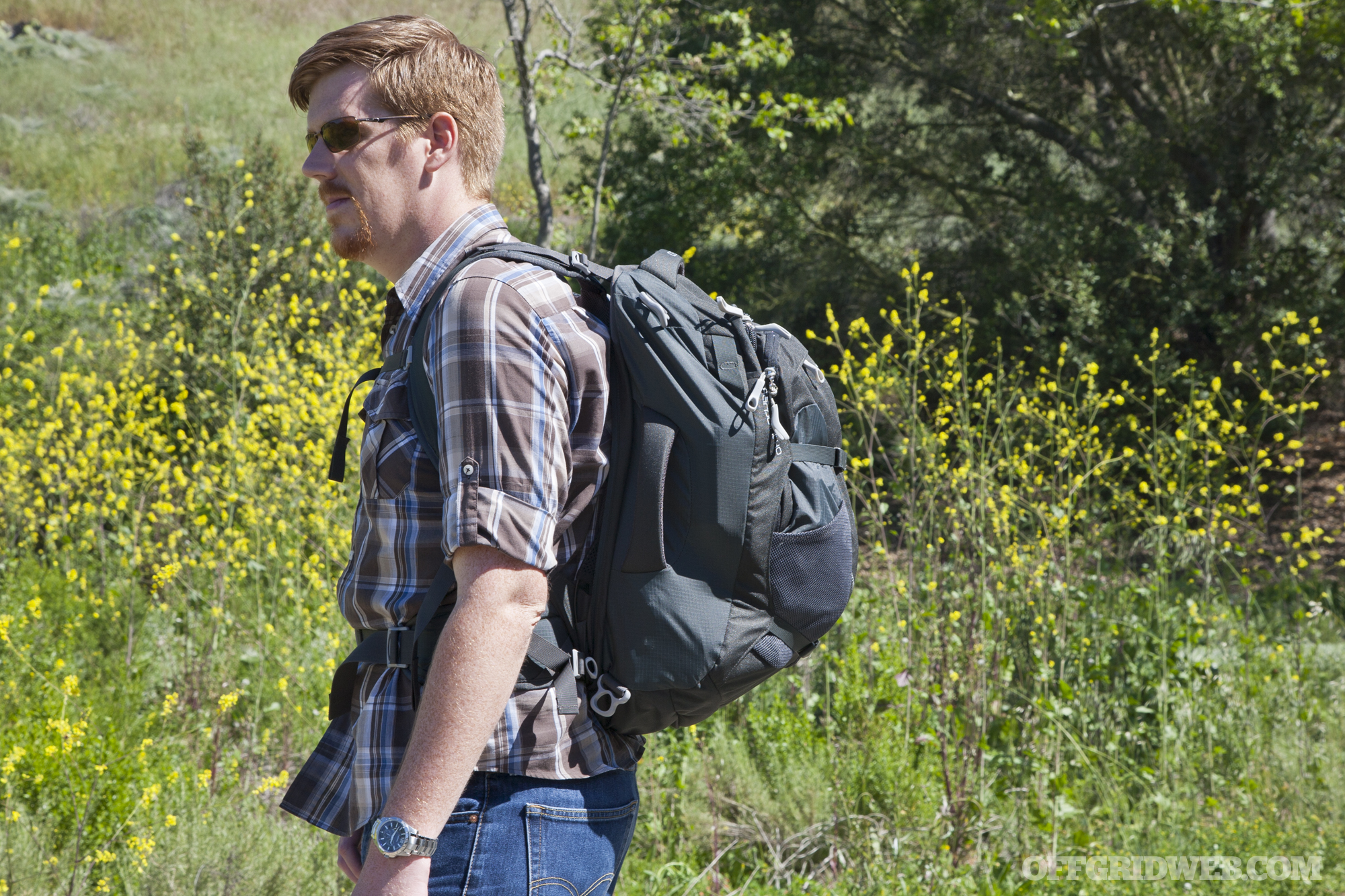
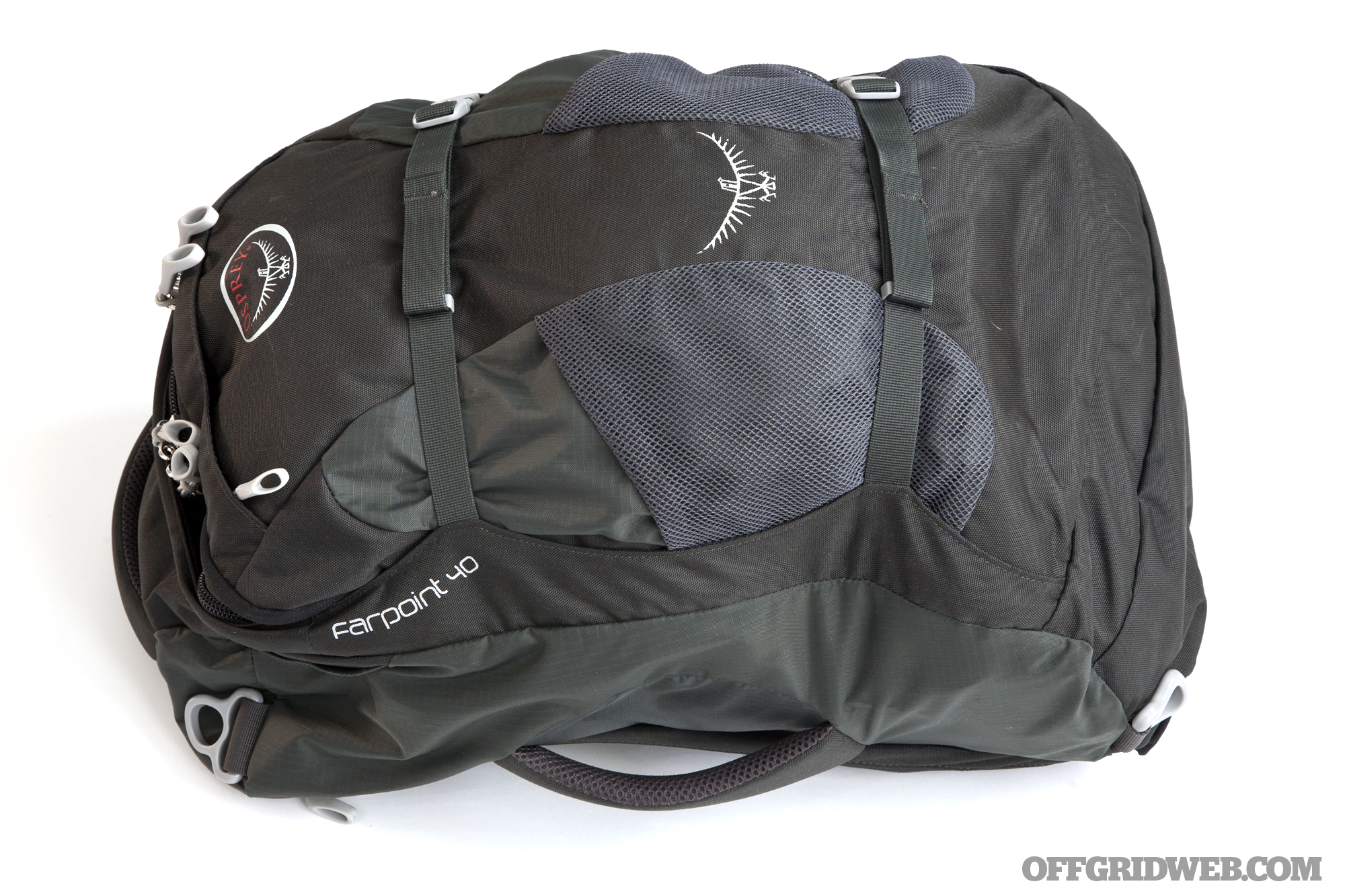
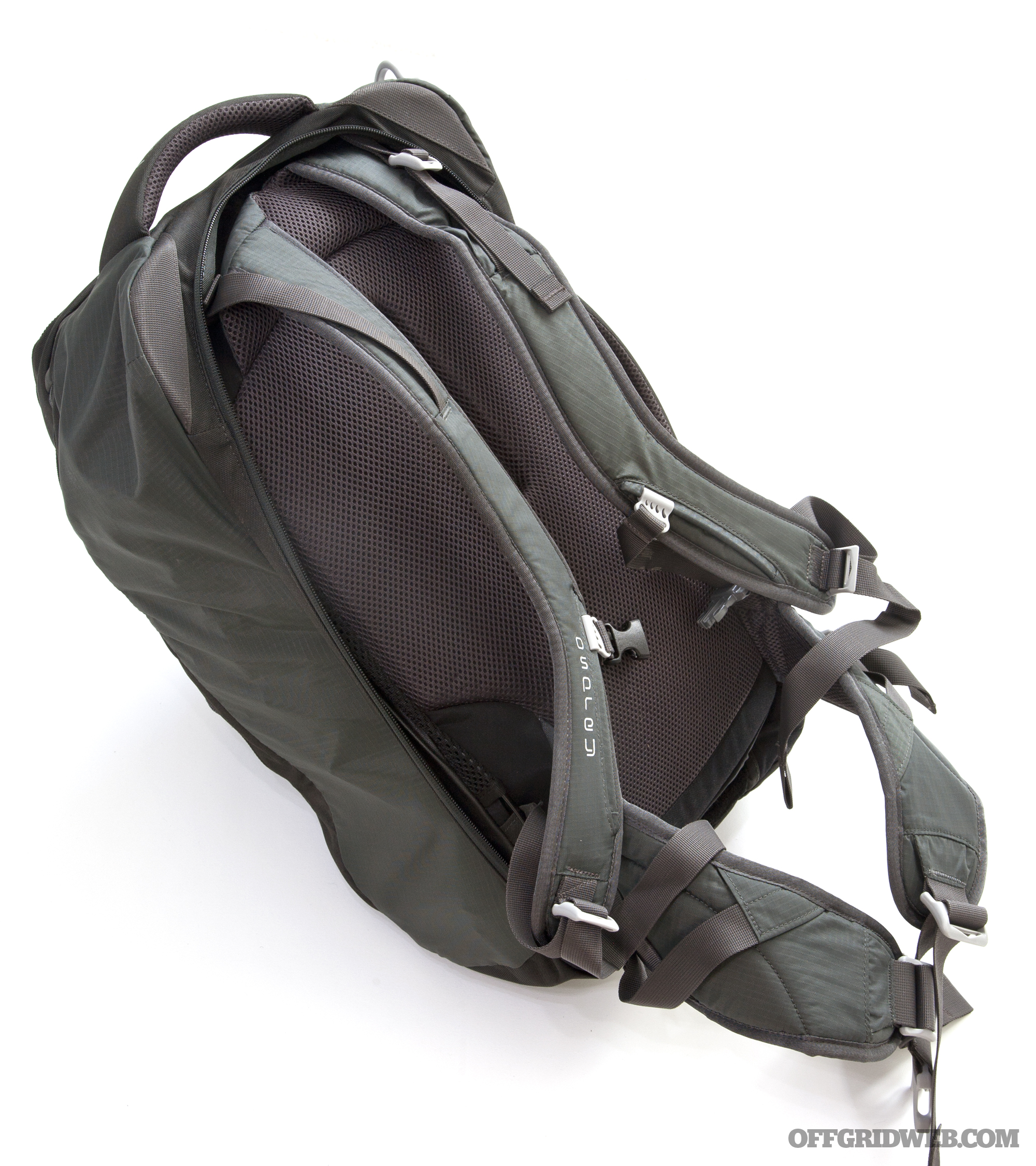
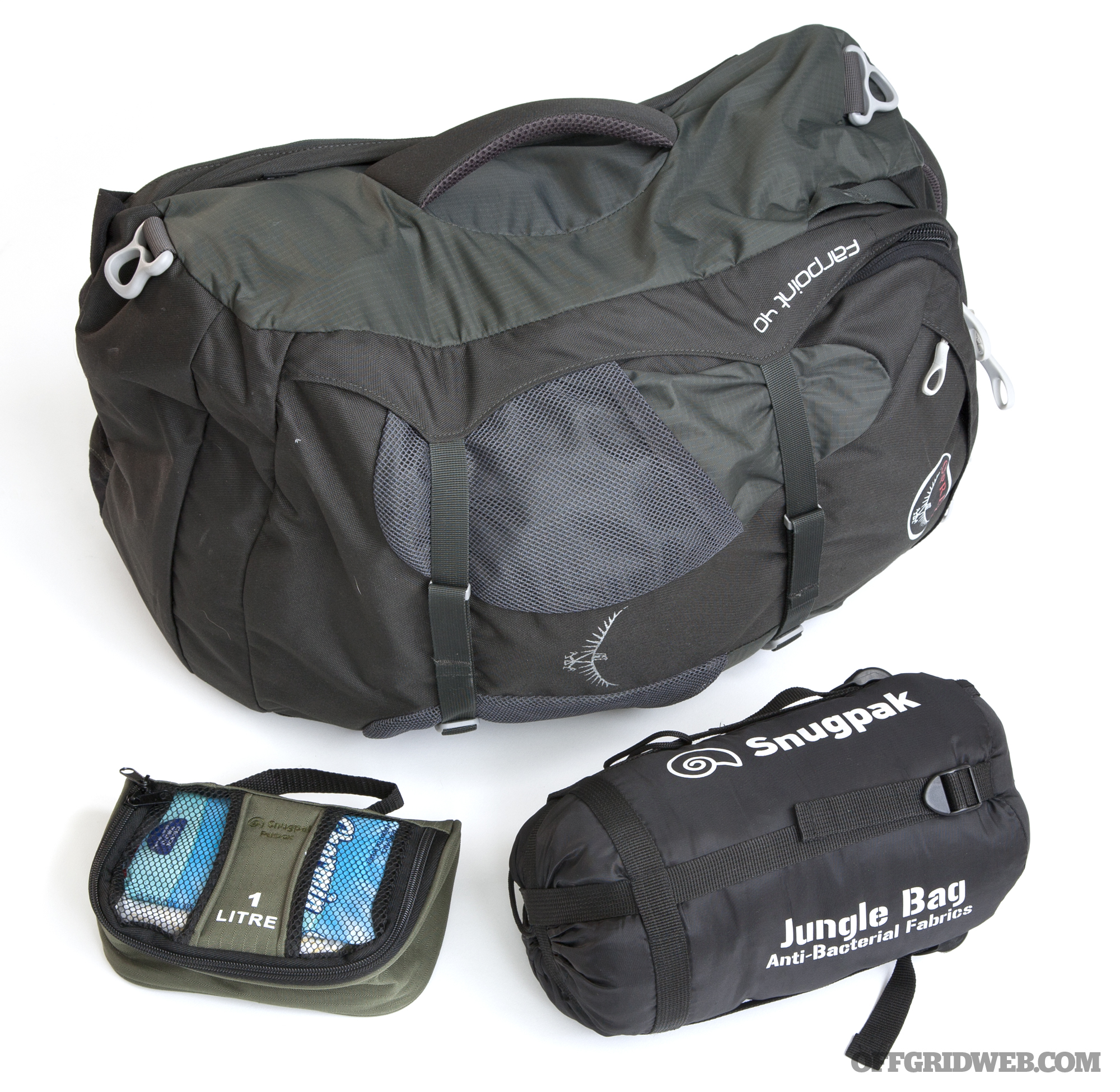
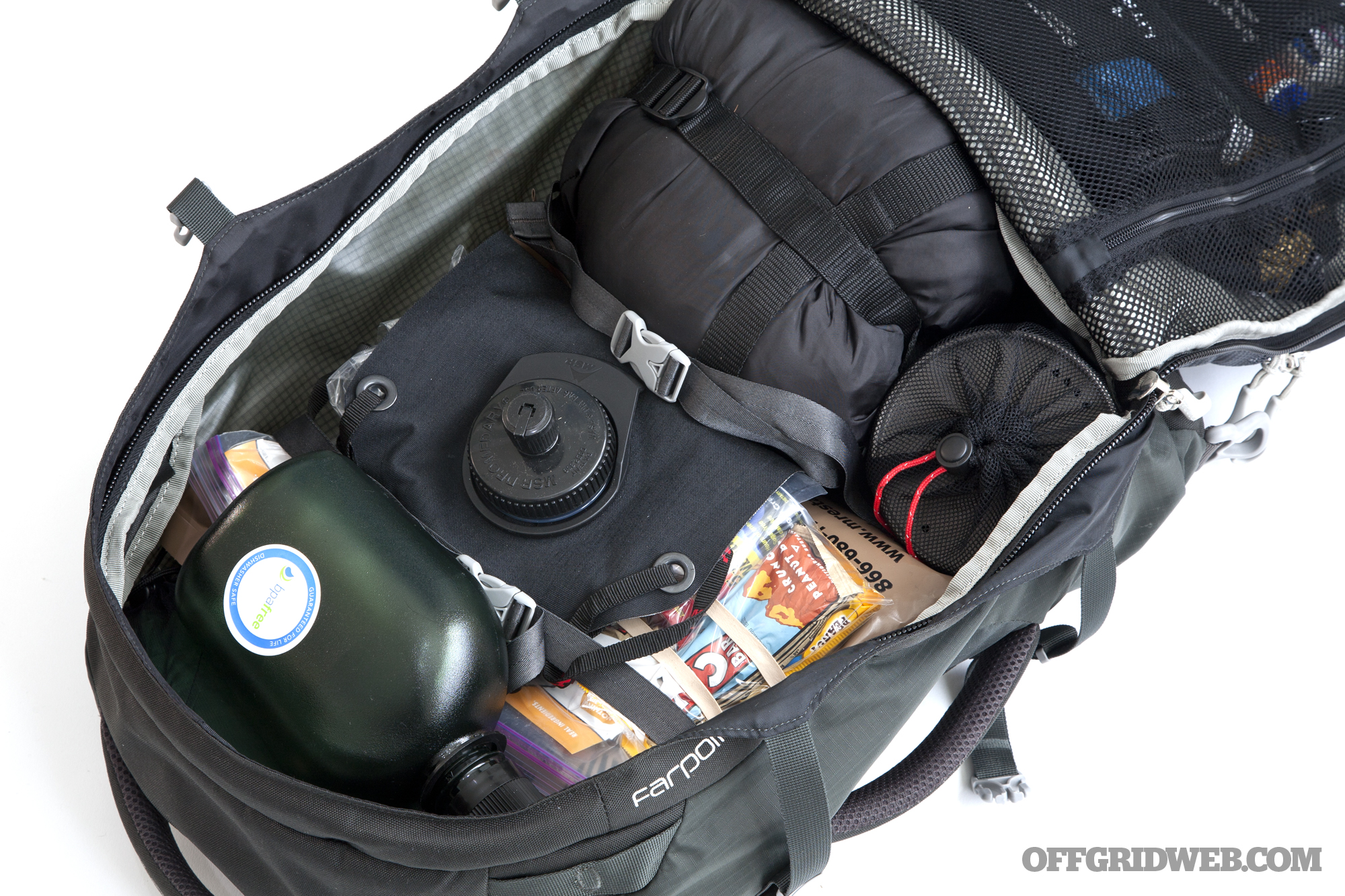
The Zyon Systems Professional Pack is constructed around an Osprey Farpoint 40 backpack. As shipped from Zyon Systems, the pack and its contents tip the scales at only 18 pounds. However, that will go up several pounds once you fill the canteens and hydration bladder with water (something you’ll definitely want to do upon receiving the pack).
Here are some basic specs for the Osprey Farpoint 40 backpack:
Available in your choice of color: Charcoal Grey or Mud Red
Offered in two sizes: S/M for those shorter than 5’9″, and M/L for those taller
40-liter capacity with organization pockets and laptop sleeve
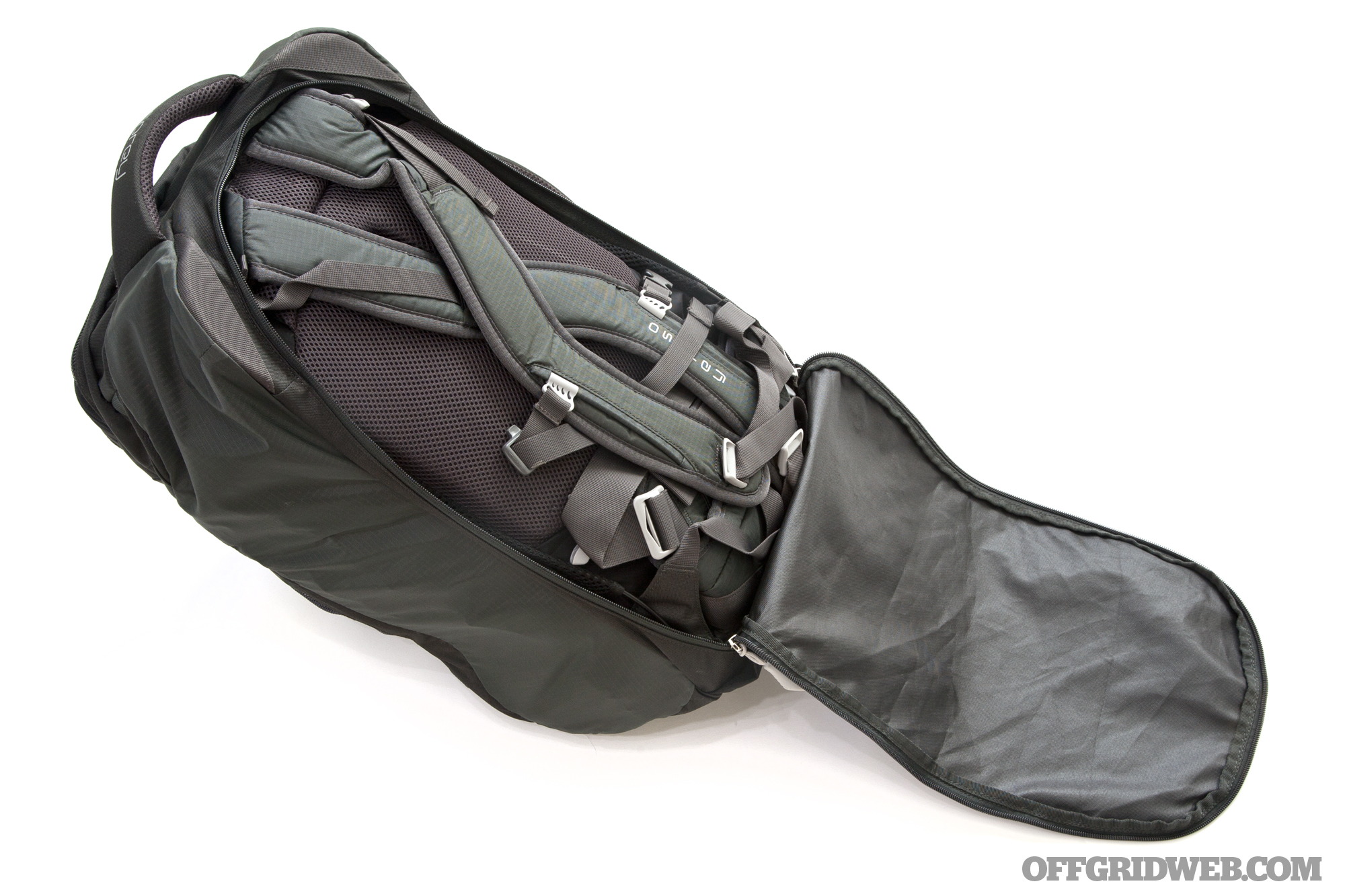
Can be worn as a backpack, or carried as a duffel via the side handle
A zippered cover reveals shoulder and waist straps, converting the Farpoint 40 from duffel to backpack.
We’d say Zyon Systems made a great choice by using this pack for an urban bug-out bag platform. It’s inconspicuous, spacious, versatile, and quite well-built—perfect for city use. Our only gripe is that we wish the shoulder straps were a tad wider and better padded, but overall we liked the Farpoint pack a lot.
Now, on to what matters more: the contents.
Shelter & Apparel
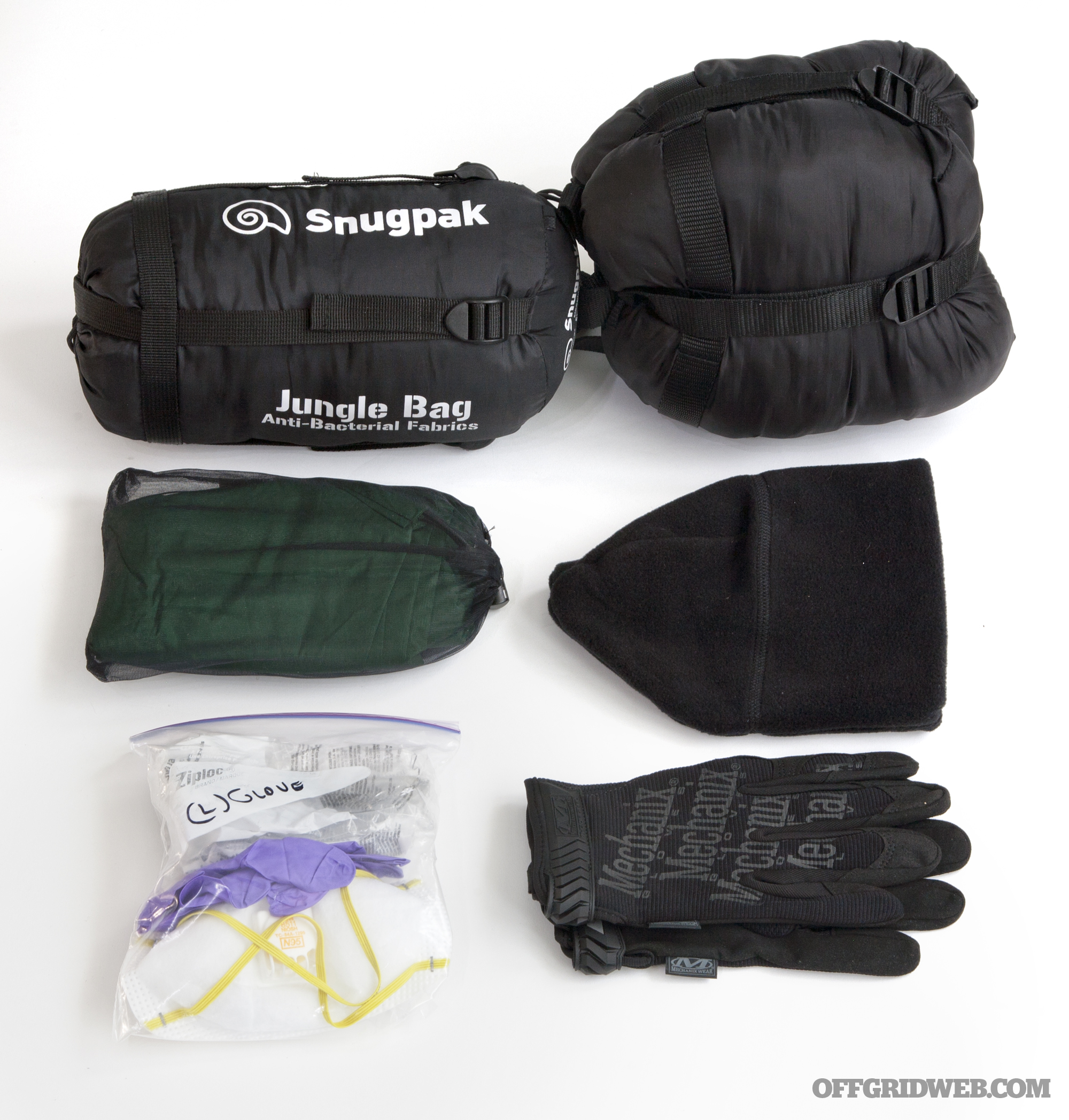
From top left: Jungle Bag, Serape, rain poncho, watch cap, goggles/gloves/mask, and Mechanix gloves.
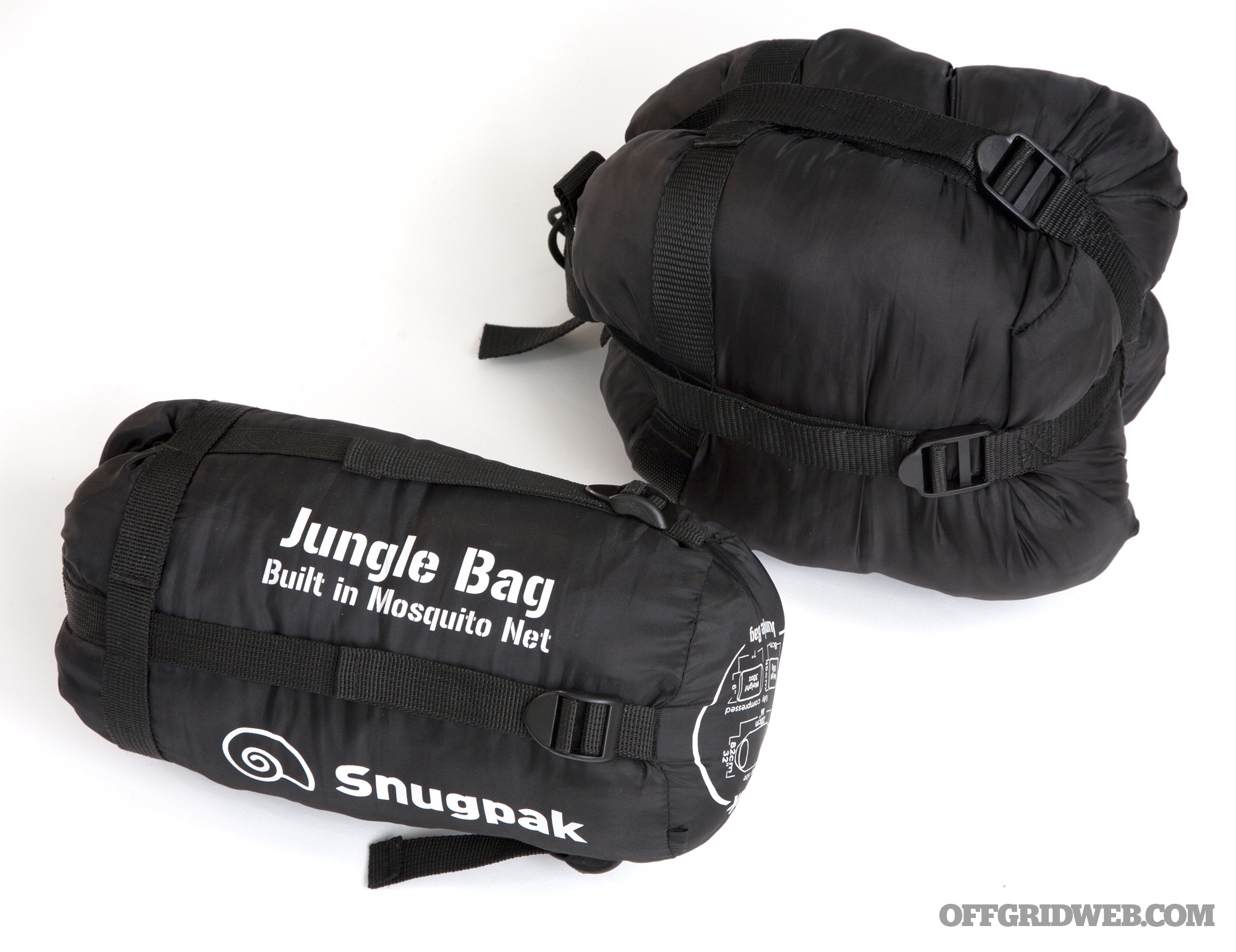
For most Professional Packs, you’ll be able to choose one of two shelter options: a Hill People Gear Mountain Serape, or a SnugPak Jungle Bag. The Serape can be used as either a coat or sleeping bag, and is ideal for colder environments. The Jungle Bag is a lightweight sleeping bag option for warmer climates, and has a built-in mosquito hood.
The test pack we received included both shelter options. We preferred the jungle bag, because it hardly ever drops below freezing here in southern California. However, your mileage may vary depending on where you live.
Left: the SnugPak Jungle Bag. Right: the Hill People Gear Mountain Serape.
The pack also includes some additional apparel: an Equinox made-in-USA rain poncho, Mechanix gloves, and a fleece watch cap. These items can help keep you warm while you’re on the move, but we’d recommend carrying a full change of clothes in your bug-out bag if possible.
Only one shelter option will fit in the pack, so the Jungle Bag was included separately, along with the optional women’s hygiene kit (lower left).
Finally, in a Ziploc bag, there’s a pair of latex surgical gloves, a pair of clear 3M safety goggles, and an N95 filtration mask. The mask and latex gloves are nice, but instead of safety goggles, we would have preferred some ballistic-rated sunglasses. These could provide better impact protection, preserve your vision during bright conditions, and even help conceal your identity—all without making you look like you walked out of a high school science lab.
Tools
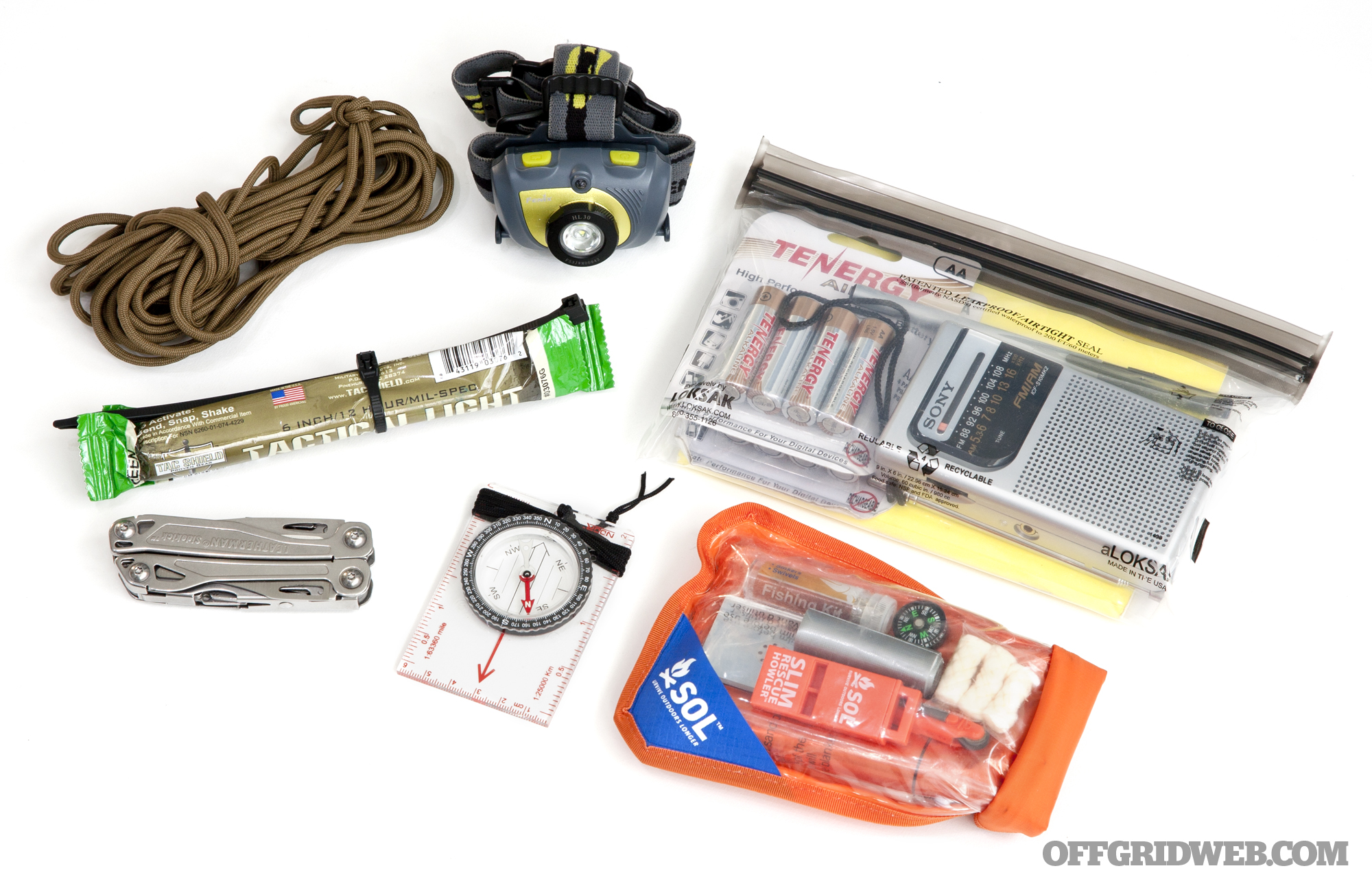
Each Professional Pack includes the following tools:
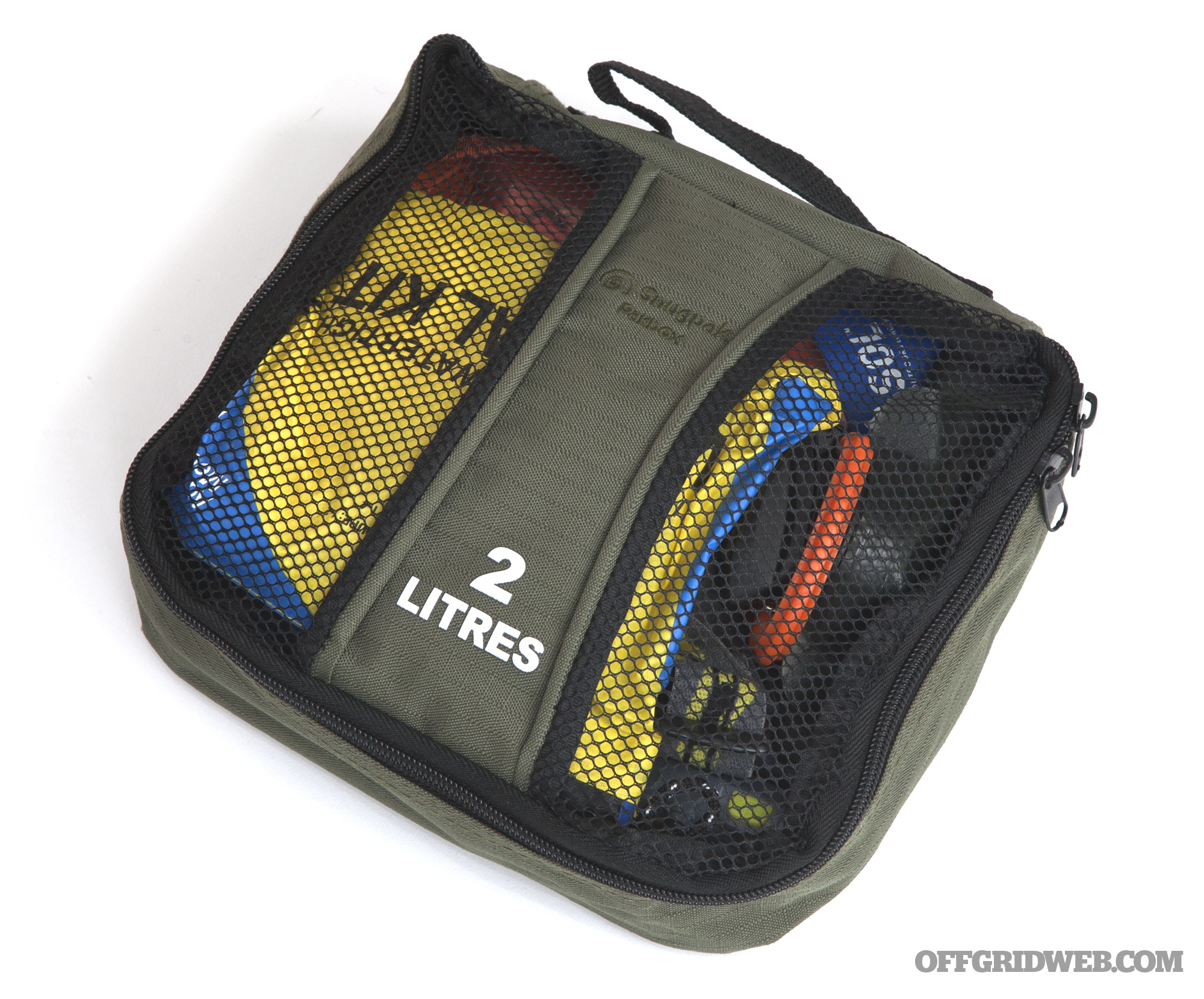
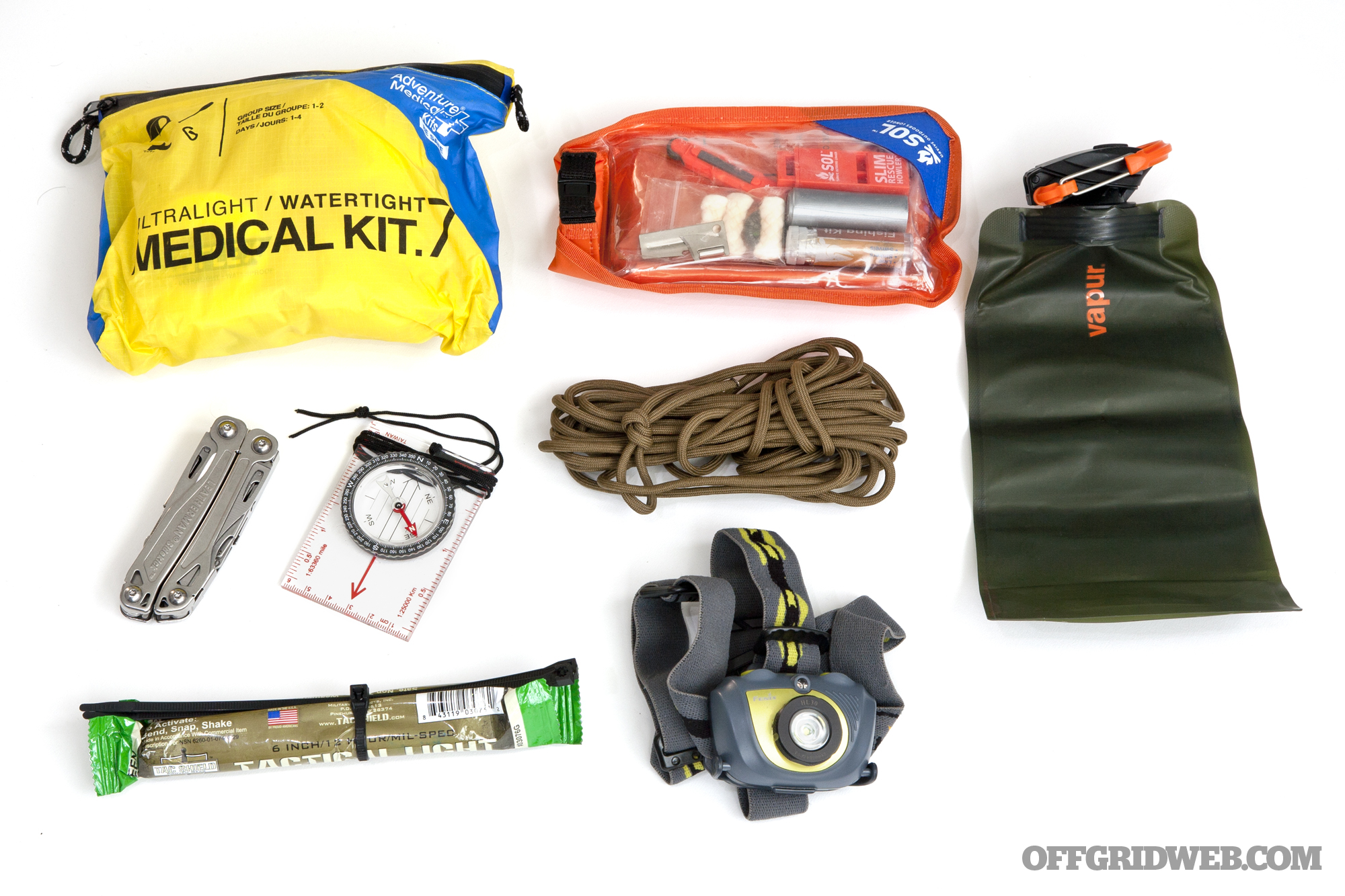
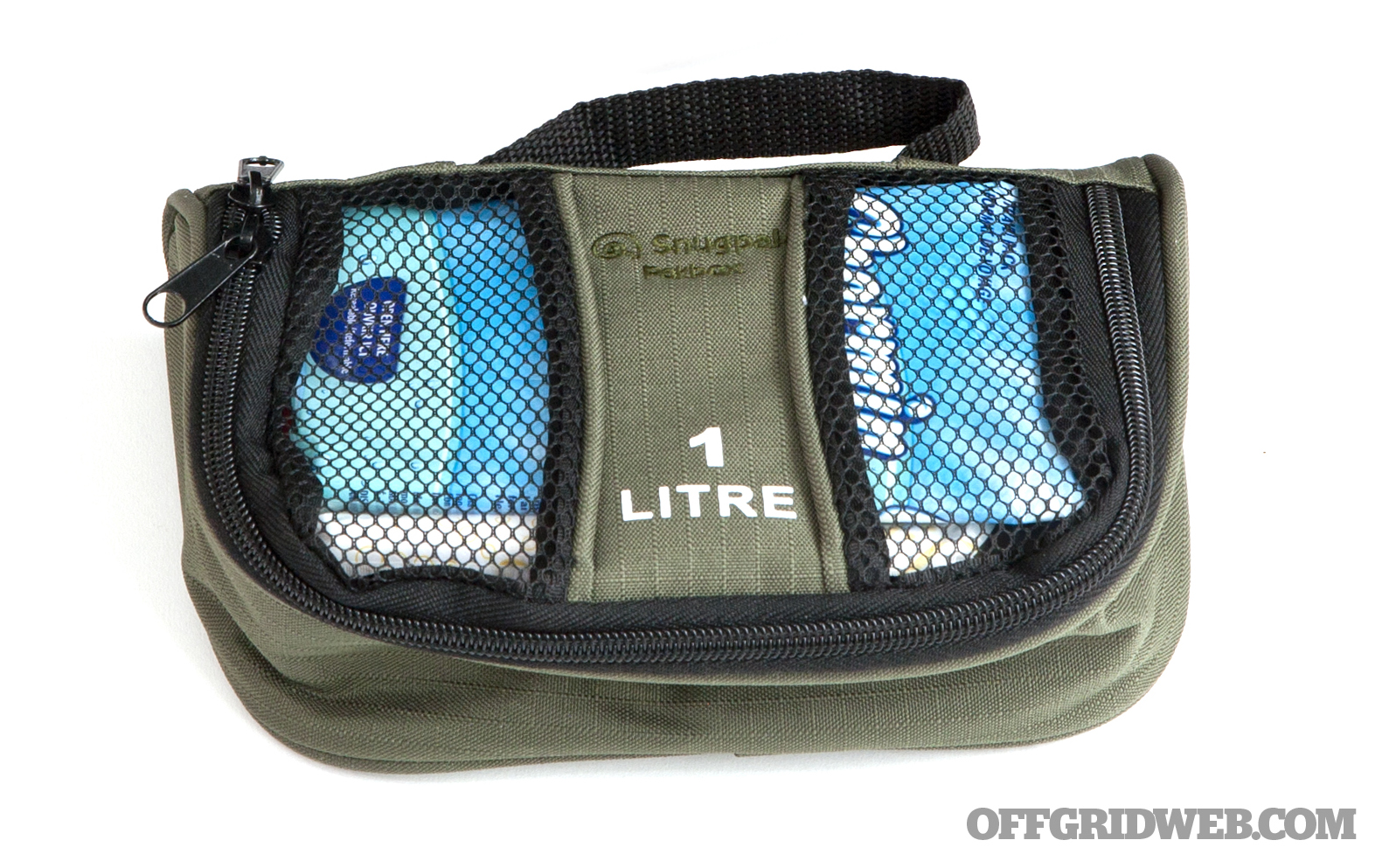
SnugPak 2L Pakbox zippered container (Zyon Systems calls this the “Grab and Go” kit inside the pack)
The “Grab and Go” kit contains the core essentials, in case you need to ditch the backpack.
Leatherman Sidekick multi-tool
Fenix HL30 headlamp (uses 2 AA batteries)
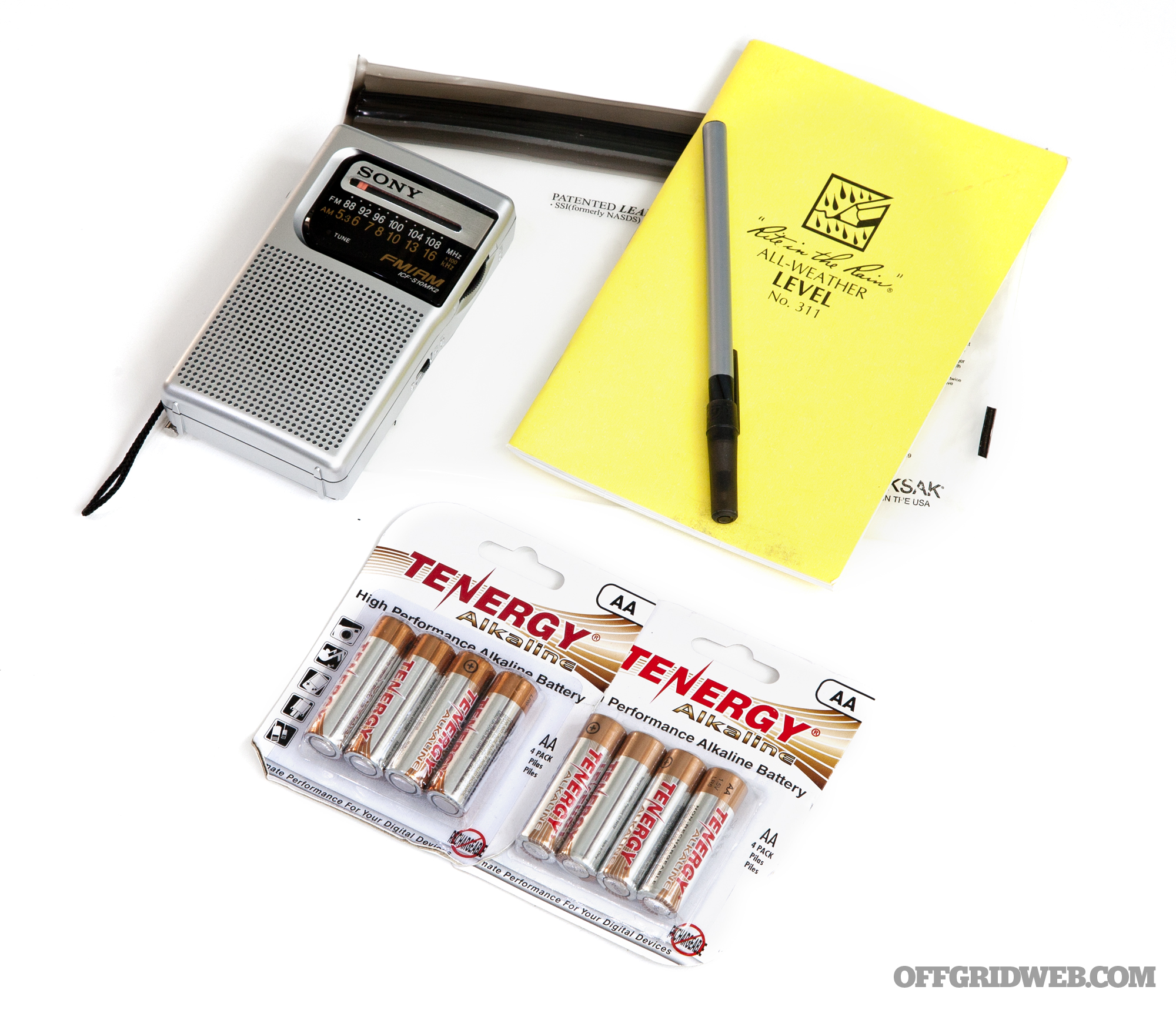
Sony AM/FM pocket radio
8 spare AA batteries
SOL Scout Survival Kit (includes fire kit, sewing kit, fishing kit, duct tape, etc), plus an added P38 can opener from Zyon Systems
The contents of the “Grab and Go”. Note that water purification tablets have been added to the SOL kit.
NDUR Map Compass
Rite in the Rain Notebook with Bic pen
2 glowsticks
Zip ties
25ft coyote tan paracord
A waterproof bag contains 8 AA batteries, a portable radio, pen, and all-weather writing pad.
We’d say these tools are an excellent start for an urban bug-out bag. However, we feel this kit would be much better off with a proper fixed-blade survival knife. We love the Leatherman tool for its compact size and many functions, but a good knife is the single most important tool in a survival kit. You won’t be able to rely solely on a small Leatherman blade for breaking down firewood, much less hunting or self-defense.
A handgun, tazer, or other personal defense weapon would be advisable to include, but that responsibility is left to the buyer.
Water
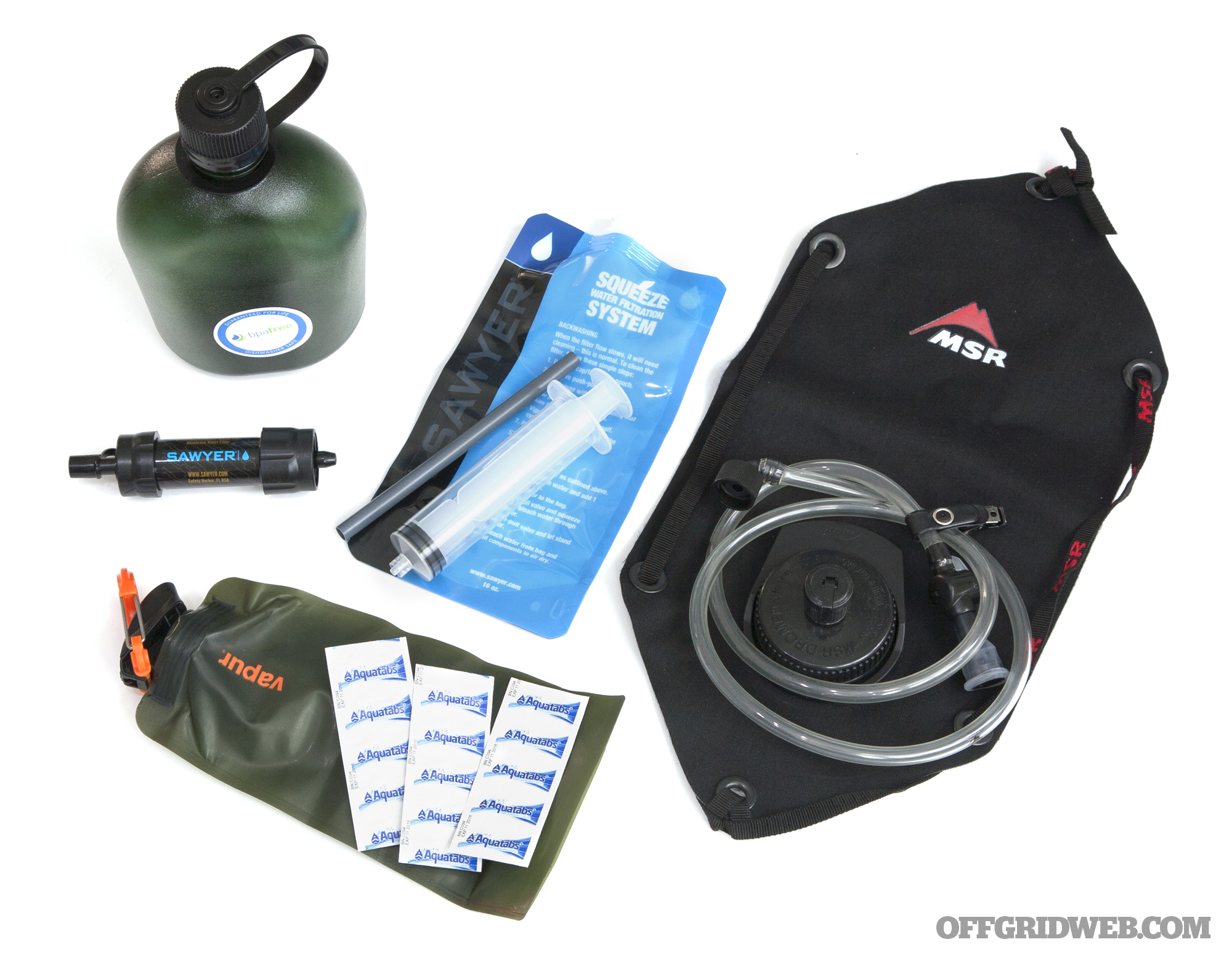
Zyon Systems includes three water vessels and two purification methods.
Sawyer Mini Water Filtration System with SnugPak 1L Pakbox zippered container
30 Aquatabs water purification tablets (1 needed per canteen of water)
Nalgene 32oz Canteen
MSR Dromedary 2L hydration bladder with hose and bite valve
Vapur collapsible water bottle (inside “Grab and Go” kit as a spare container)
This bug-out bag has a good handle on water filtration and purification. You can filter with the Sawyer system, purify with the tablets, or simply boil water with the Titanium mug and stove (see food section below). There are also 3 different storage containers, allowing a total of just under 1 gallon (3.6L) of mobile water storage. That’s approximately enough to supply one person during a day of moderate to heavy activity, before you’ll need to find a new water source and resupply.
Food
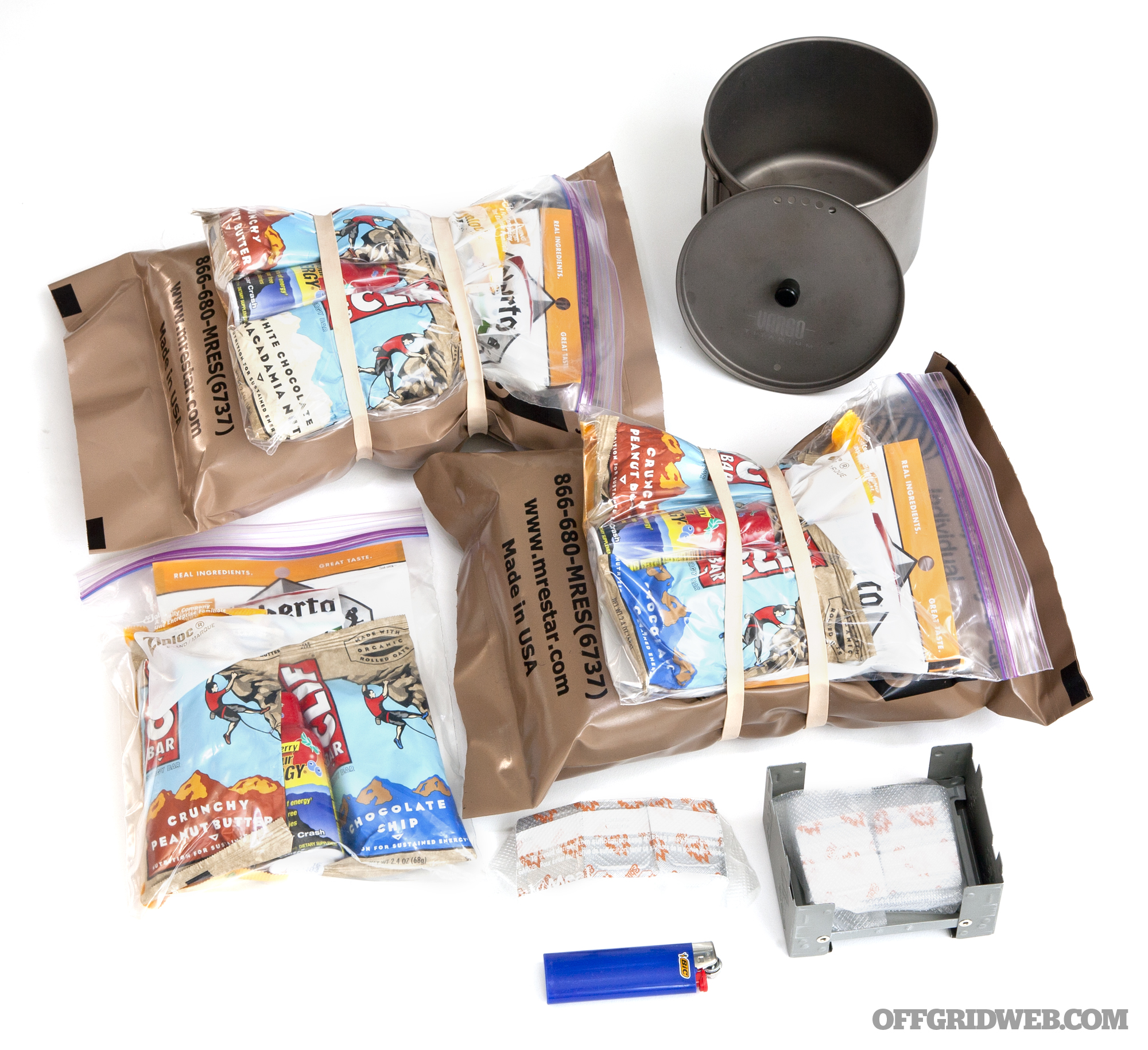
Plenty of food is included, plus a pocket stove (bottom right) and titanium mug (top right) for cooking.
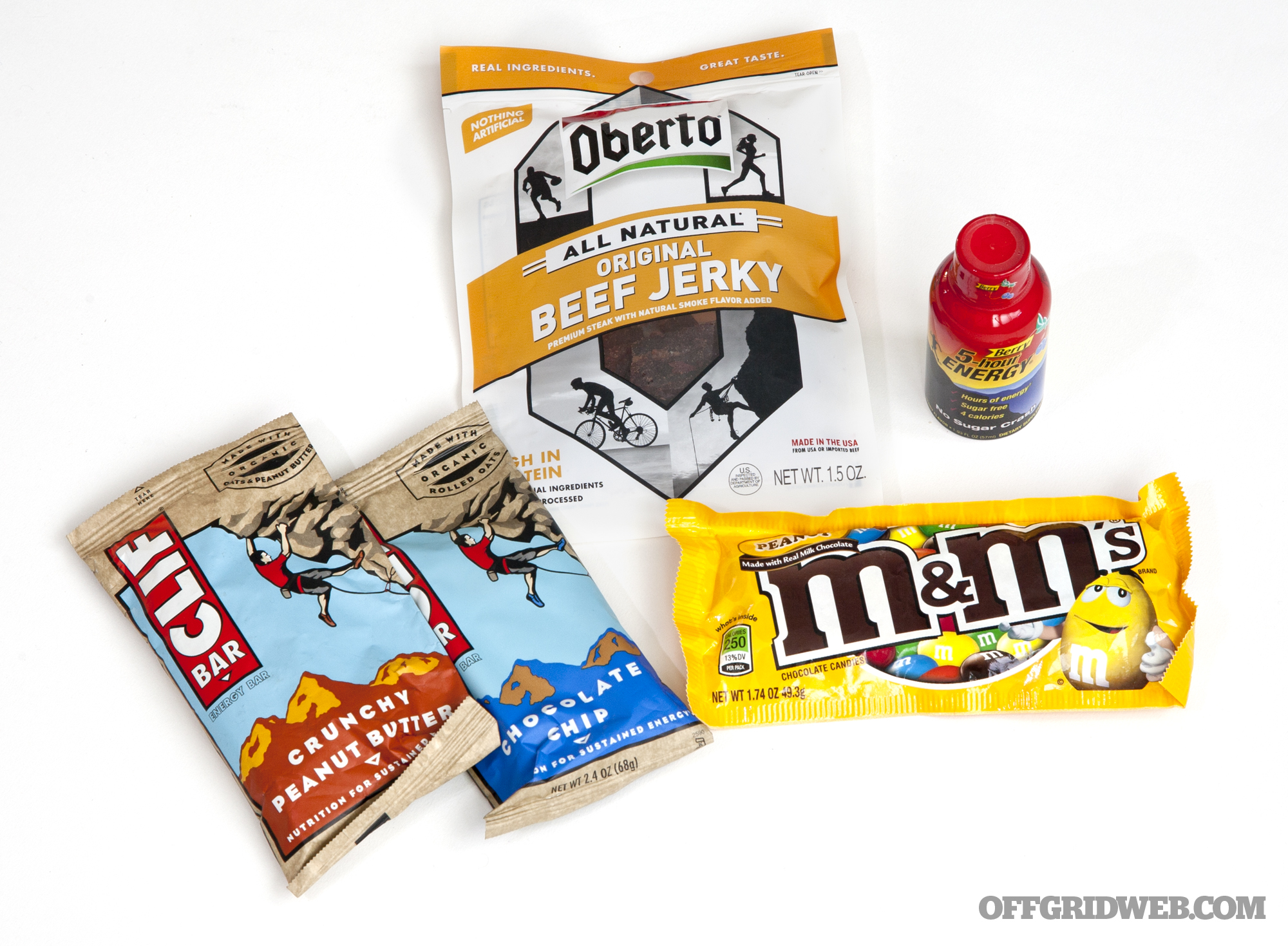
By our calculations, the Zyon Systems Professional Pack contains over 5000 calories of energy-dense food. Here’s a rundown of the food-related contents:
2 Civilian MREs
3 Zyon Systems snack packs (two Clif bars, peanut M&Ms, beef jerky, and 5-hour energy drink in a Ziploc bag)
Vargo 900ml Ti-Lite mug (for cooking and boiling water)
The contents of one of the bag’s three Snack Packs.
MREs are always a great choice for any bug-out bag. We also like most of the Zyon Systems snack pack contents, although we question the wisdom of consuming energy drinks during strenuous physical activity. These shots may make you feel better in the short term, but they may also cause you to crash hard after the effects wear off. Personally, we’d swap them for some instant coffee or tea bags for a more natural energy boost.
The food in this bag should be more than enough to sustain you for 3 days, or until you can find a new food source.
Medical & Hygiene
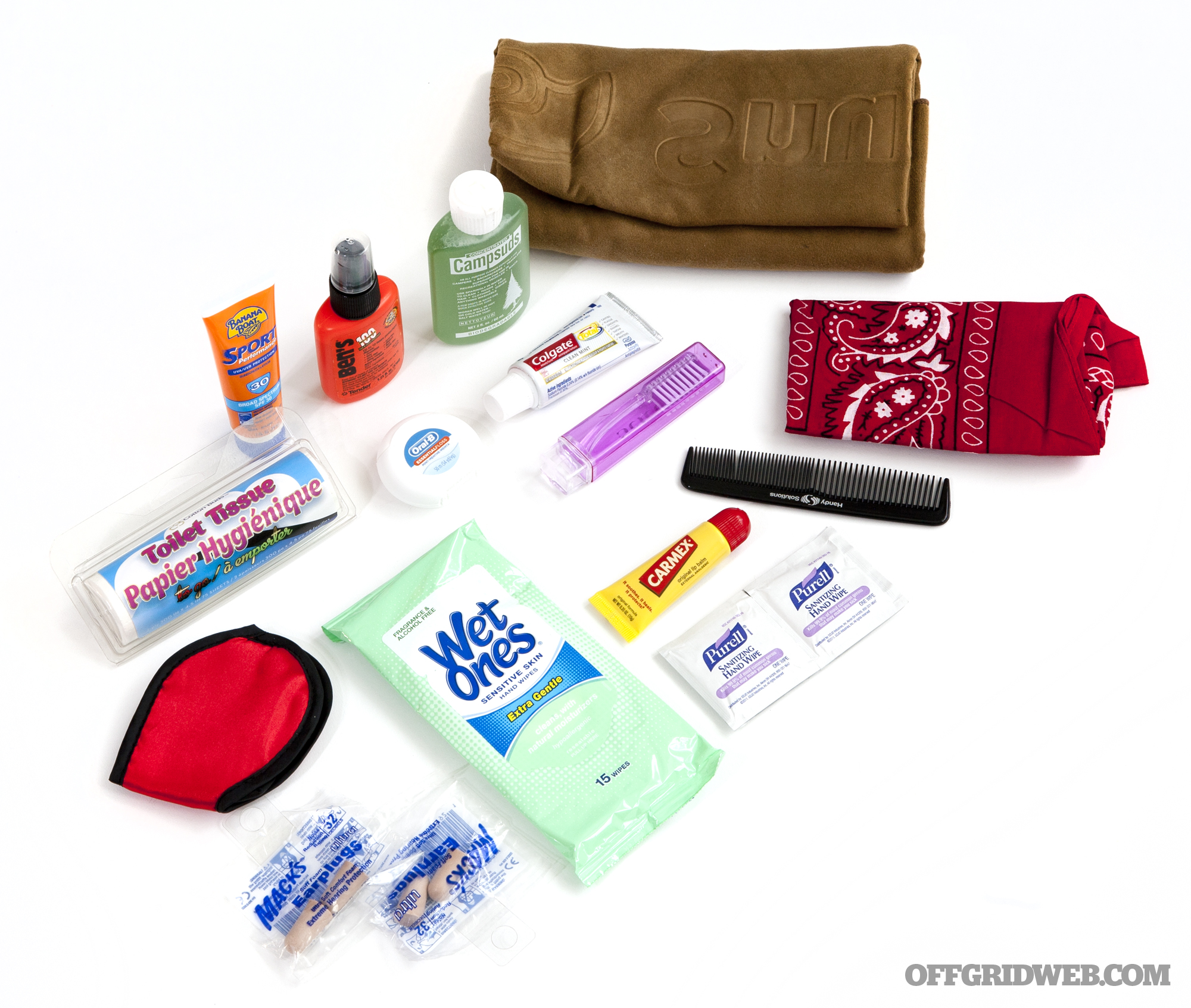
From top left: women’s hygiene kit, first aid kit, bathing kit, and toiletries.
The majority of the medical category is covered by an off-the-shelf Adventure Medical Kits .7 Ultralight & Watertight First Aid Kit. This standard first aid kit is not perfect for everyone, and its contents are pretty basic, but it’s a good start for the uninitiated. We’d say most people would be better off building this into a custom medical kit with additional medication (such as an antidiarrheal), quick-clot powder, and higher-quality adhesive bandages.
There’s also a Zyon Systems sanitation and comfort kit in a black 1L SnugPak box. It contains:
Microfiber towel, liquid soap, bandana
Toothbrush, toothpaste, floss
Toilet paper, wet wipes, hand sanitizer
Lip balm, sunscreen, bug spray
Comb
Nail clippers
Sleeping mask and ear plugs
The optional women’s hygiene kit comes in another 1L Pakbox.
Finally, Joe also included the optional women’s hygiene kit, which includes some helpful items for females (or those traveling with female companions). This additional kit has a urine funnel, wet wipes, feminine hygiene products, Midol pain pills, a trash bag, and additional Ziploc bags—all inside a SnugPak 1L Pakbox.
Overall, the medical and hygiene category is covered fairly well, but there are some items here we could do without. In an emergency, situational awareness is crucial at all times, so we’d definitely lose the sleeping mask and earplugs. Having both wet wipes and sanitizing wipes seems like overkill, so we’d swap one of those (and the comb) for a bit of antiperspirant or a bigger tube of sunscreen.
Conclusions
The Professional Pack doesn’t contain every last item you’ll need to bug out in a disaster—nor does it claim to—but it’s a very good start. Zyon Systems also offers a list of additional recommended items you can add after purchase, such as cash, prescription meds, a firearm, and local maps. Click here to read the complete list. Fortunately, the pack offers enough extra space for these items.
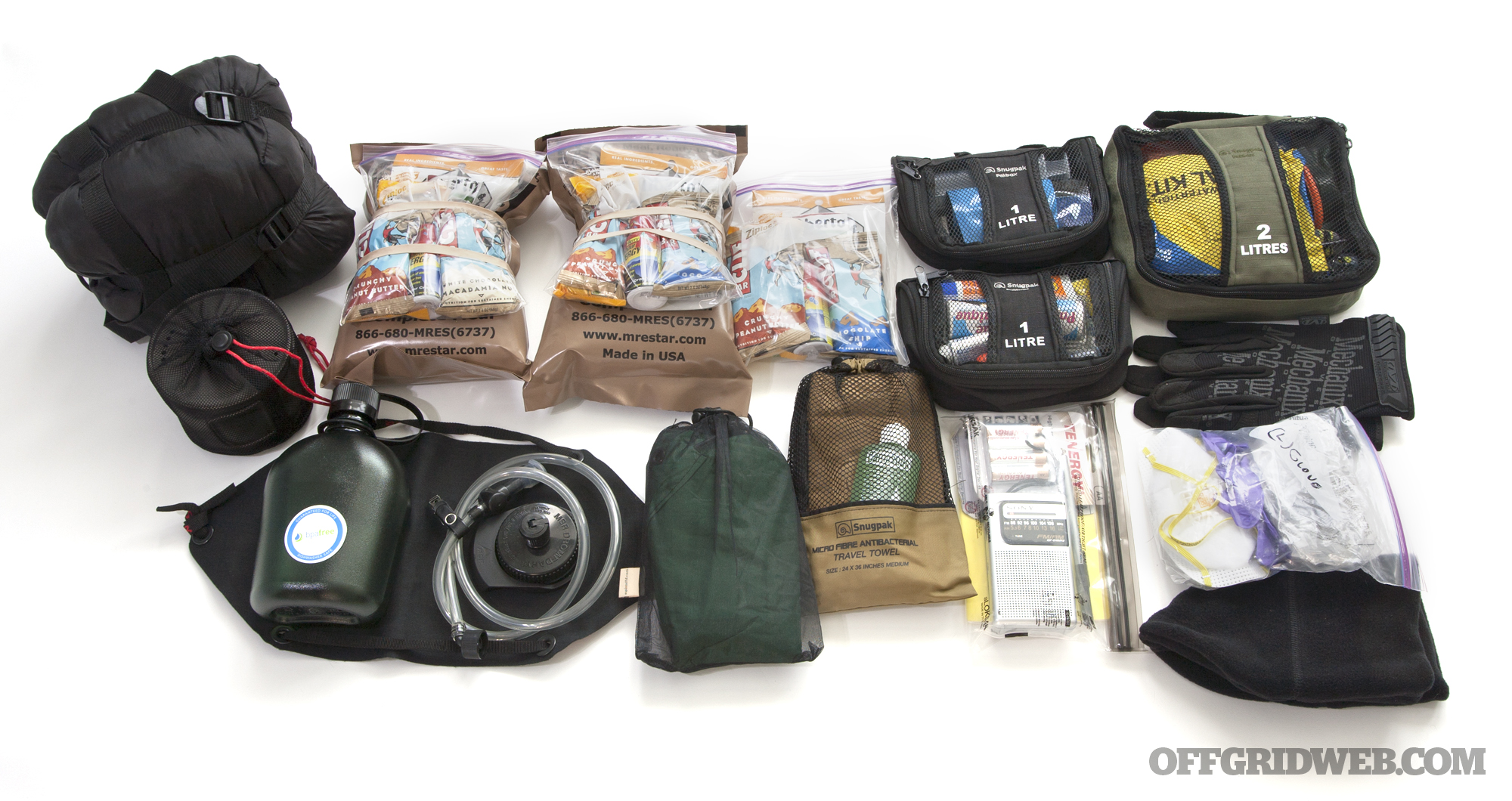
The complete contents of our Zyon Systems Professional Pack.
Joe tells us he was careful to organize the pack’s contents in a logical manner, and it shows. We like how everything is compartmentalized in SnugPak pouches and Ziploc bags, as it provides a quick way to access exactly what you need without digging through all the other supplies. The compression straps inside and outside the pack also help keep items secure.
At the end of the day, the Zyon Systems Professional Pack is a very good pre-made bug-out bag for an office worker who needs to get out of dodge without raising suspicion. It’s unquestionably expensive at $650, but when you consider all the costly name-brand items and labor that goes into assembling a bag like this, we’d say it’s a pretty solid value.
If you’re a hardcore OFFGRIDweb.com reader and survivalist, we’d recommend that you build your own custom bug-out bag to your exact requirements. However, for someone inexperienced in the ways of urban survival, or someone who simply doesn’t have the time to research and purchase the necessary B.O.B. components, Zyon Systems provides a worthy solution.
We can certainly appreciate this “one and done” approach to bug-out bags. Also, Zyon Systems’ Gear Replacement Guarantee means the consumable items can be replaced for free if you use them in a legitimate emergency scenario—that’s a nice touch.
Zyon Systems will replace certain consumables for free if they’re used during a real emergency.
For more information on Zyon Systems and the Professional Pack bug-out bag, visit ZyonPro.com.
One way or another, the way you dress says a lot about who you are. We’re all for blending into the crowds with understated “gray man”-style apparel, but sometimes it’s equally beneficial to wear clothes that clearly speak to your interests and personal philosophies.
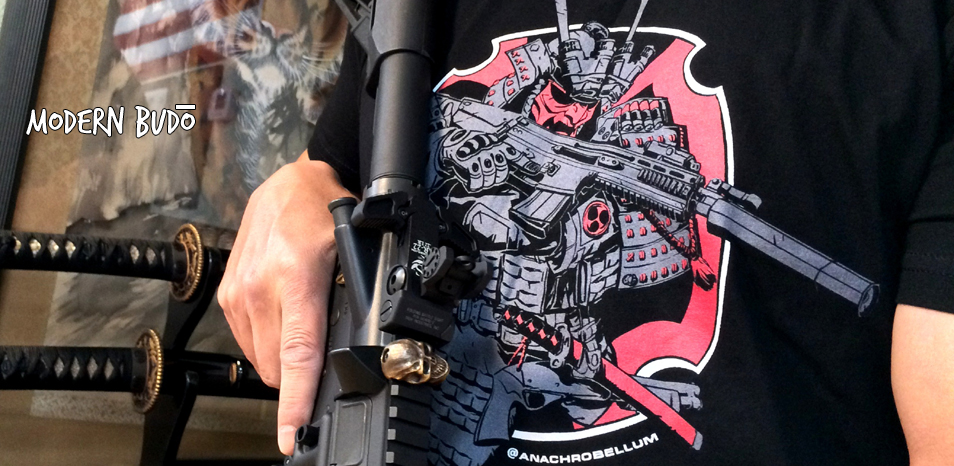
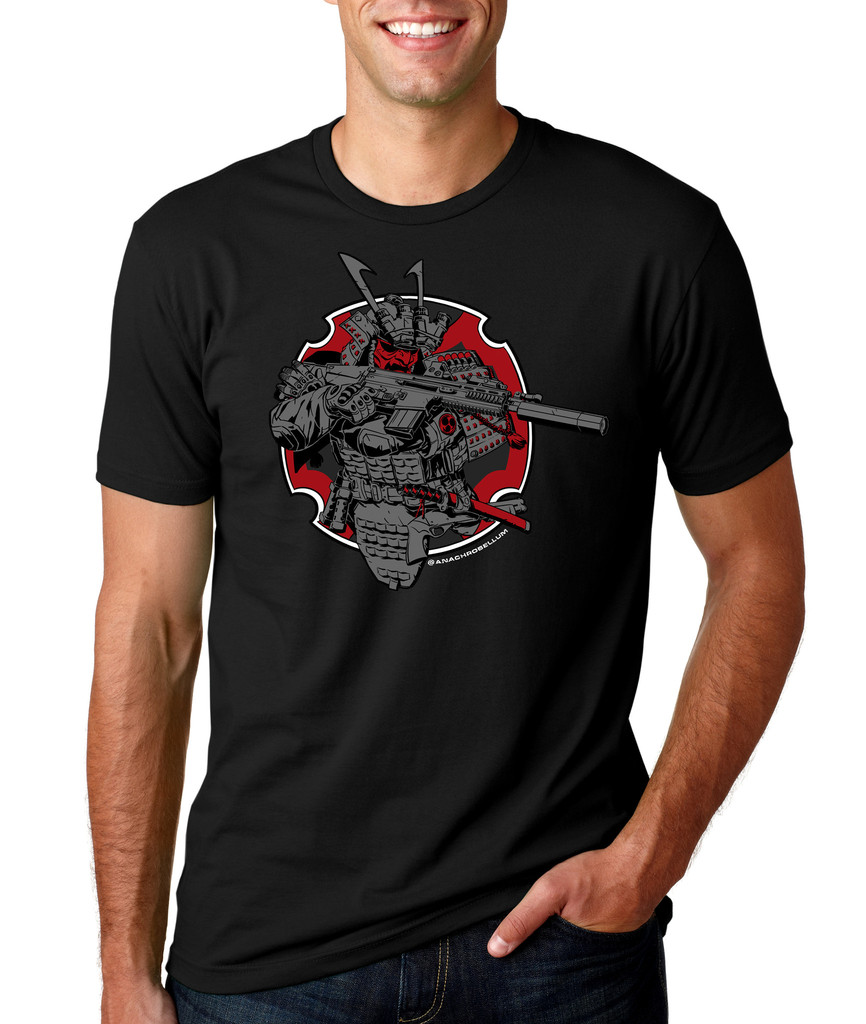
The guys at Anachrobellum have released a new T-shirt that looks cool and also has a deeper meaning. It’s called “Modern Budō”, and it just entered full production this week. In Japanese, Budō roughly means “Way of War”, or the physical and philosophical path of martial arts.
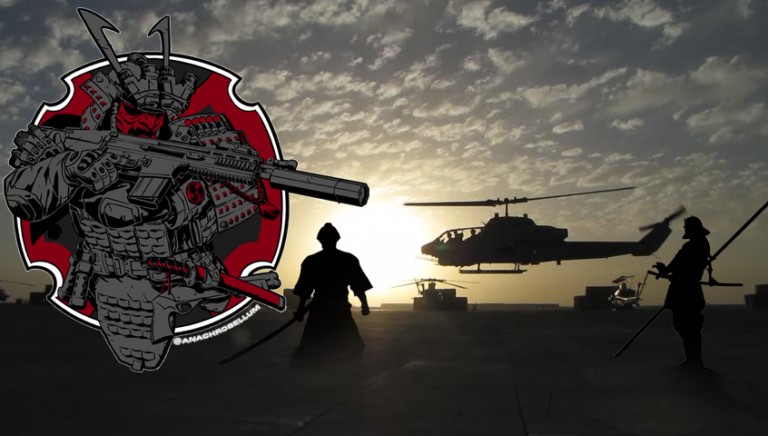
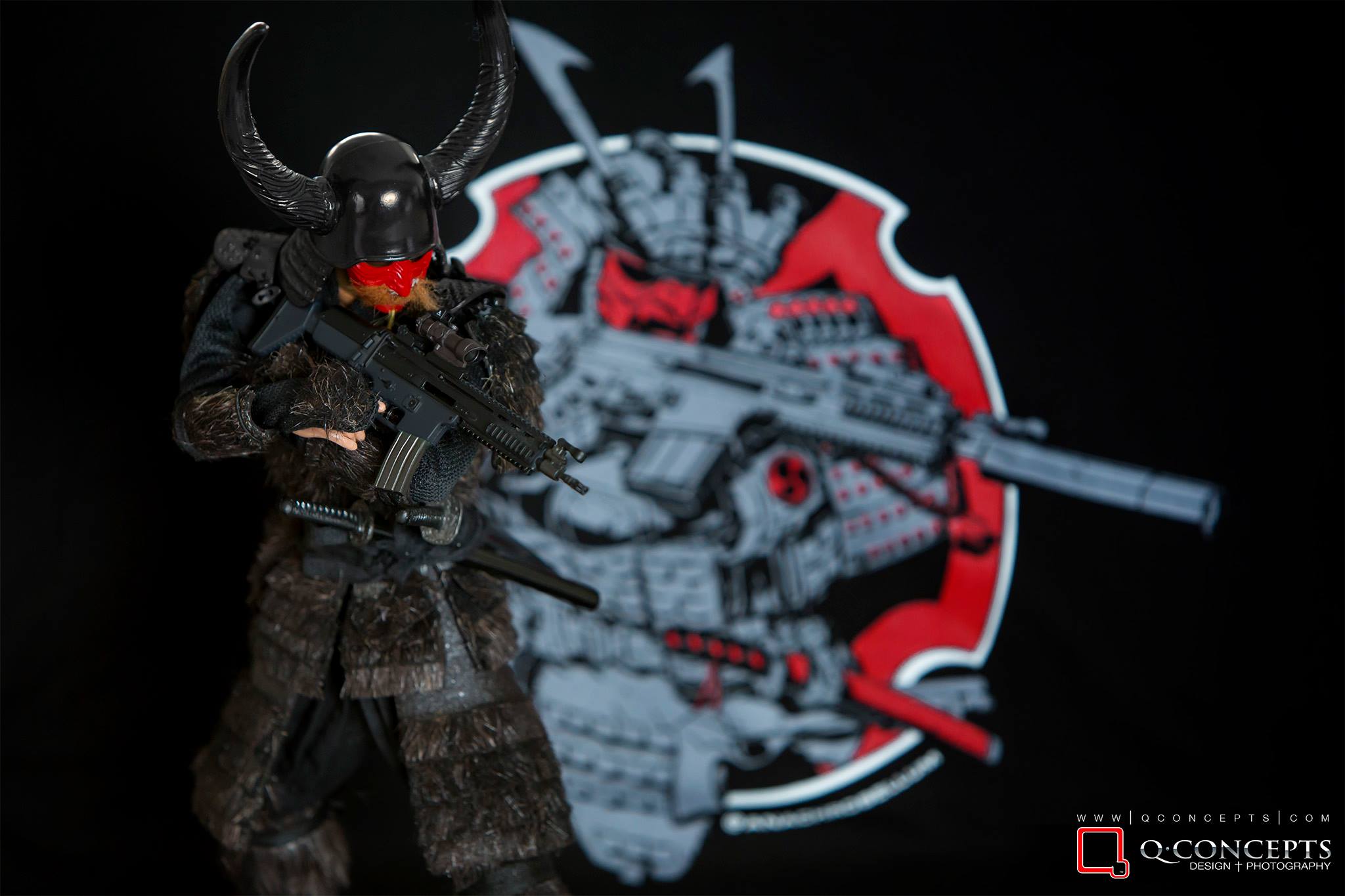
The shirt’s charcoal grey and bright red artwork depicts what Anachrobellum refers to as a Tactical Samurai, outfitted with a combination of ancient armor and modern weaponry (specifically: a Mk17, PEQ15, OSS Suppressor, and S&S Precision Manta strobe). A pump shotgun also rests beneath his traditional Wakizashi short sword.
Why a samurai? Well, the samurai is one of the most recognizable warrior archetypes in the world, and carries a strong ideology that blends independence and servitude. Anachrobellum states, “There’s nothing wrong with a little ego in a fighting man, quite the contrary — but if that ego is not subordinated to some sense of the greater good (serving your country, serving your community, sticking up for those weaker than you), well, then… you’re probably just an asshole and you don’t deserve to wear this shirt anyway.”
The “Modern Budō” shirt is available at an MSRP of $25, and can be purchased at Anachrobellum.com. There’s also a Modern Viking version for the same price, if that’s more your style.
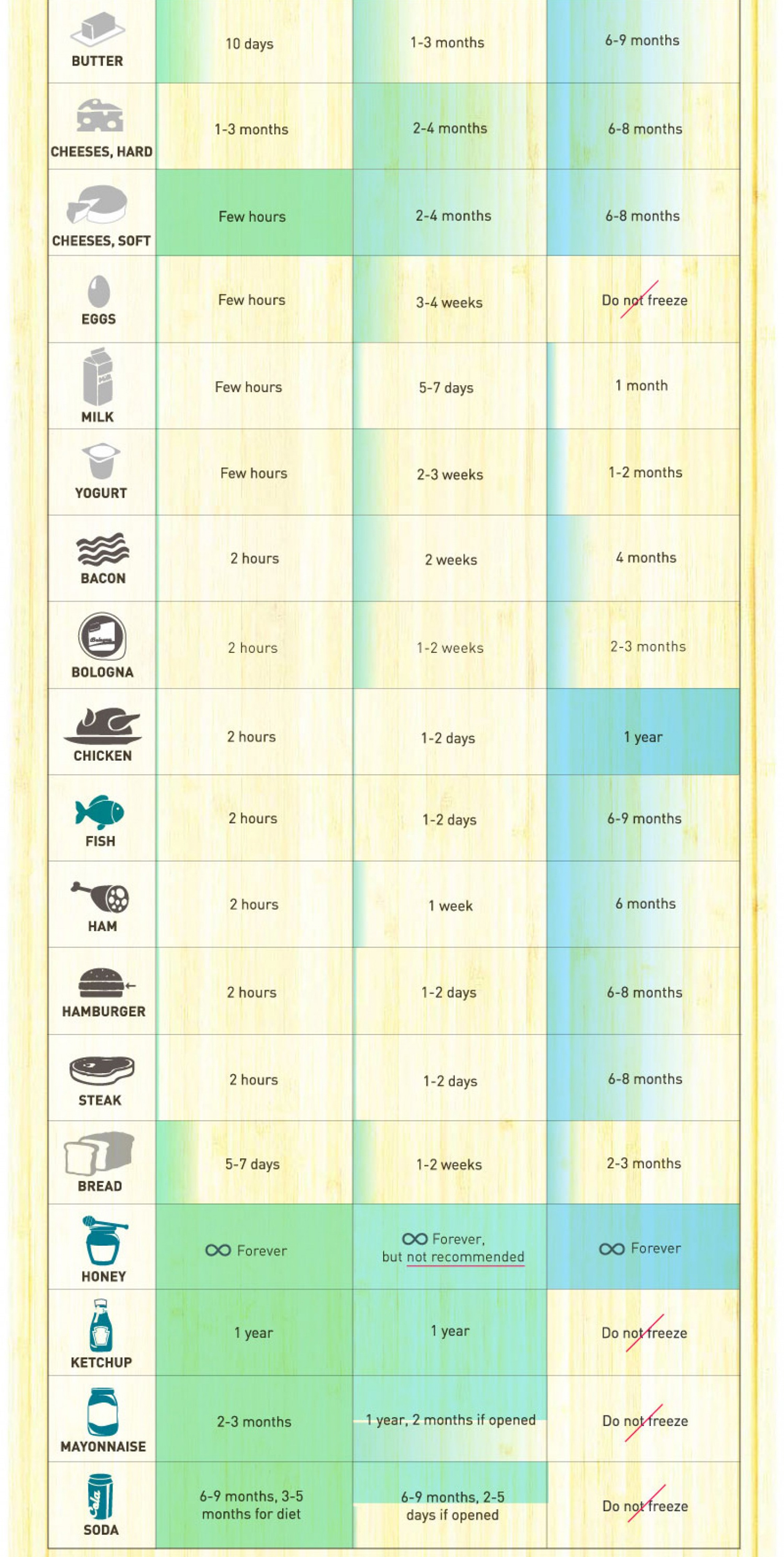
To make it through a survival scenario, it’s essential to stockpile as much shelf-stable food as possible ahead of time. This shouldn’t be news to anyone. However, what happens to the every-day food in your pantry once all the grocery stores close? What about the items in your fridge and freezer?
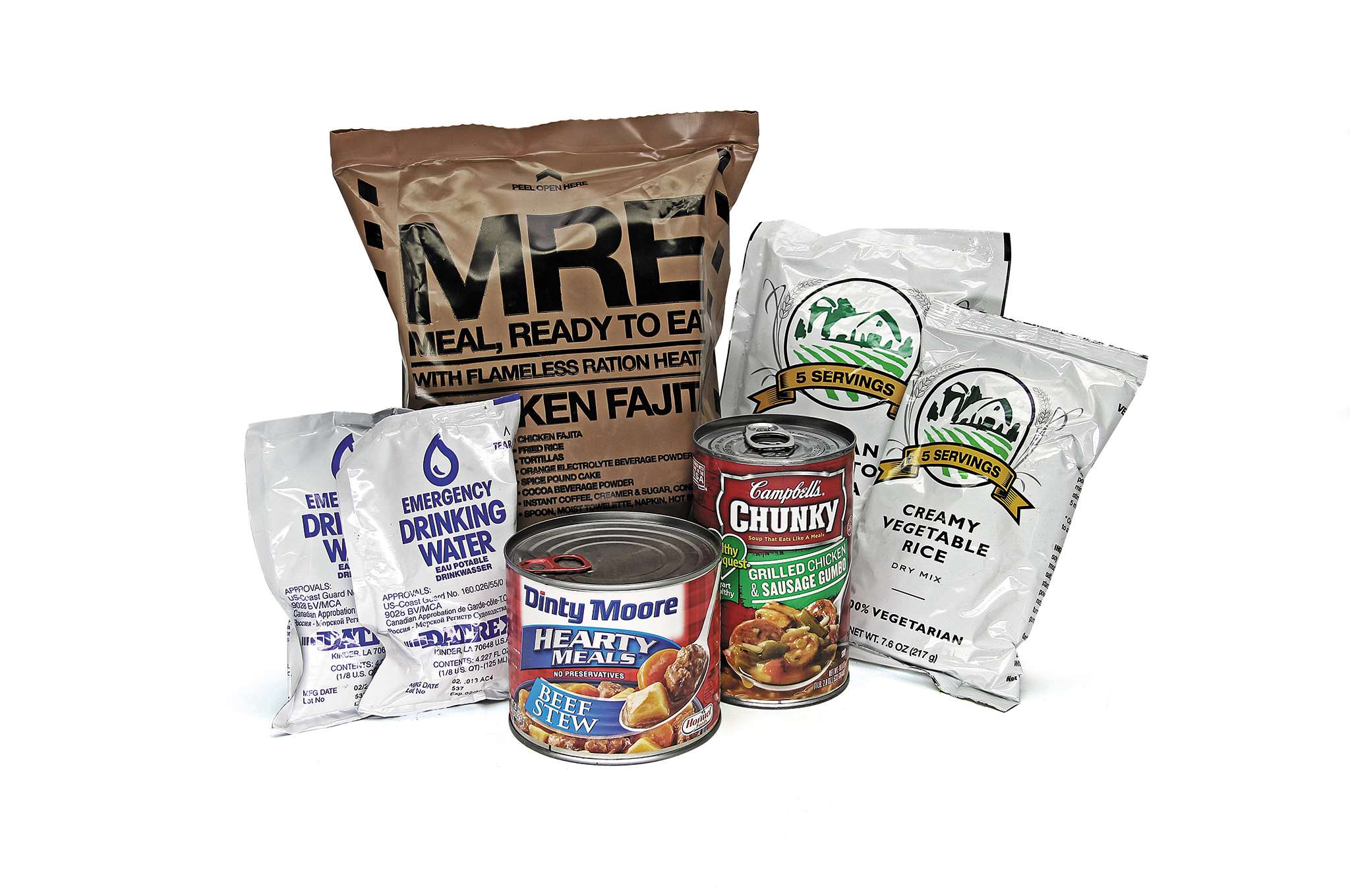
We all know it’s wise to store MREs, canned food, and other long-term resources for potential disasters.
It would be foolhardy to throw out any unspoiled food, and equally dangerous to eat contaminated food that may make you sick. So, you’ll need to know how long various food items can last, whether they’re on your kitchen counter, in a cool dark cellar, in your refrigerator, or frozen solid.
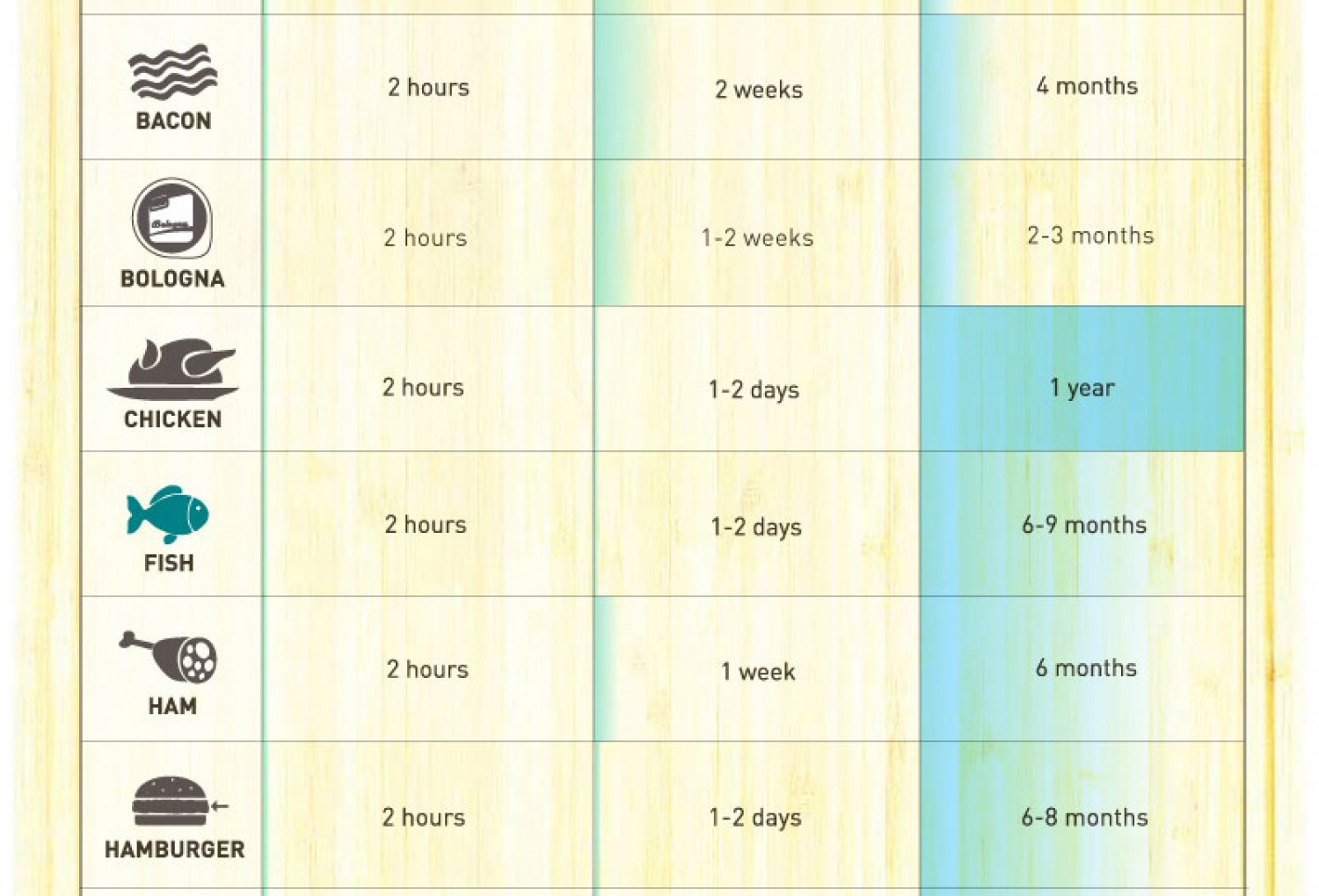
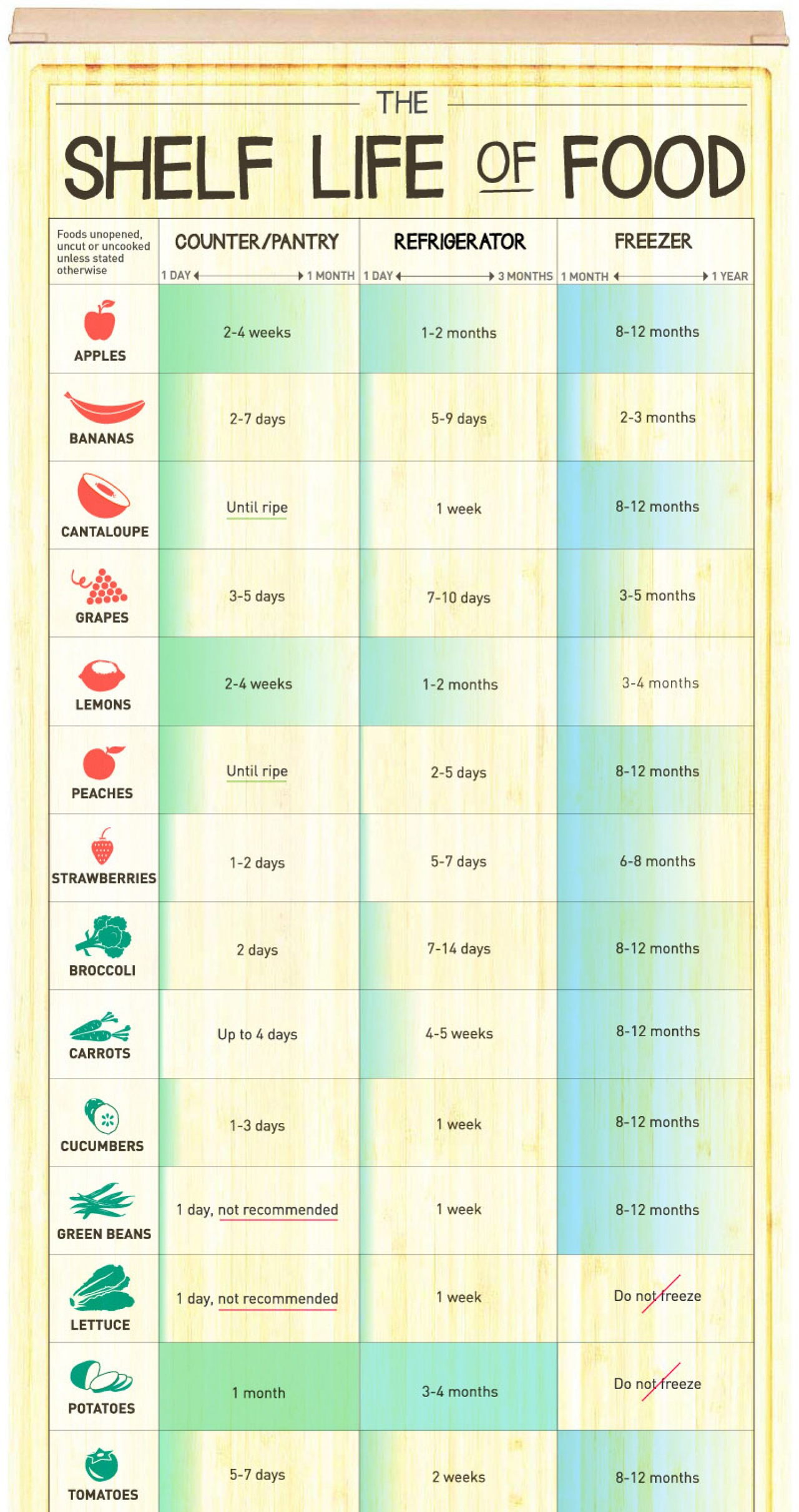
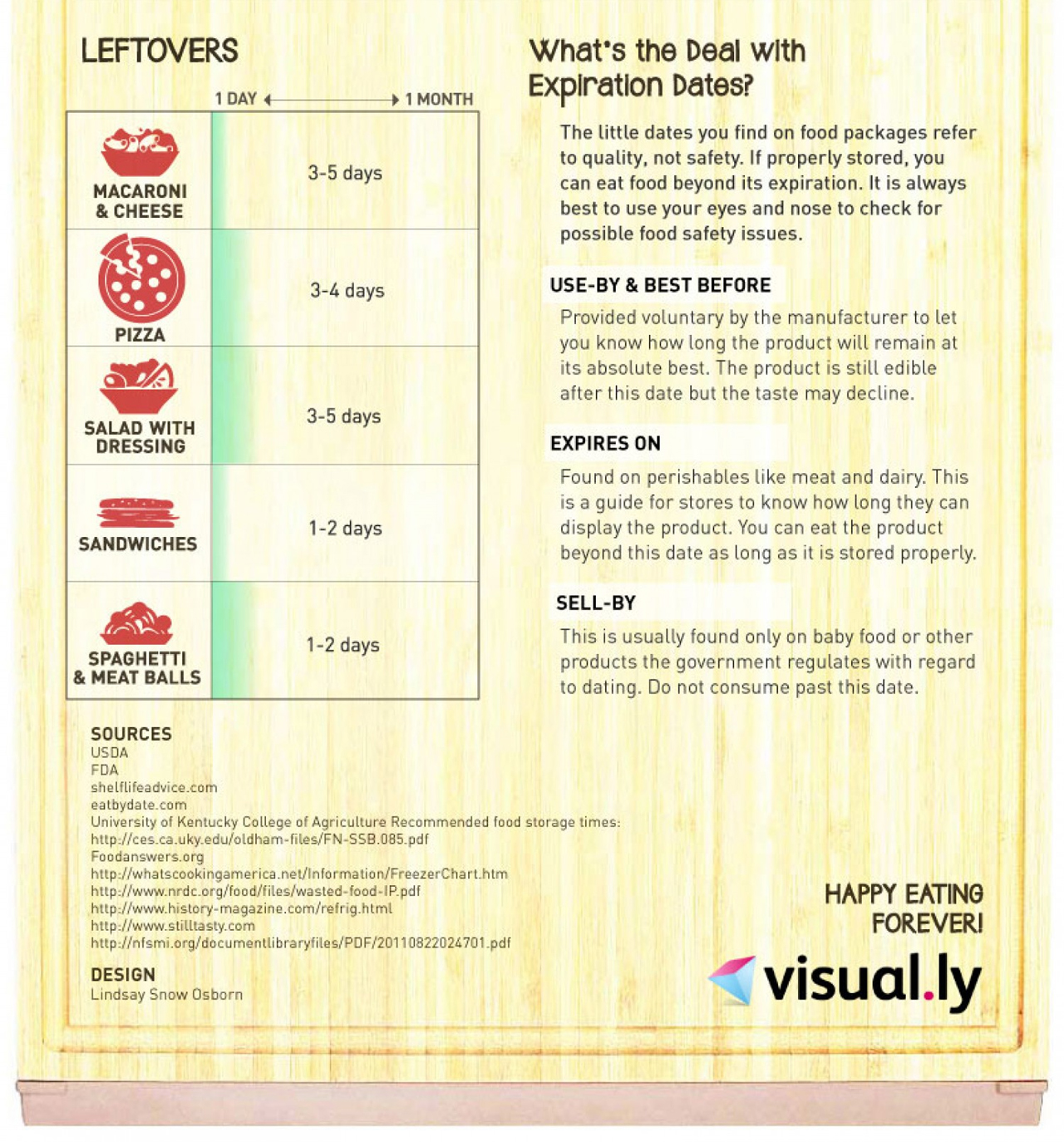
The following infographic from Visual.ly shows dozens of different food items, and how long they can last in various conditions. This is especially important at the beginning of a disaster situation, since it can help you manage which items to eat first and which items to save for later.
We also appreciate the information provided on expiration dates, since it can help you understand which dates are friendly recommendations (such as the “Best By” date on a bottle of vinegar) and which dates should be considered more carefully (such as the expiration date on a carton of milk).
Please note that the “Sell By” is more of a guide for the retailer, and that the infographic’s statement “do not consume past this date” is not always accurate—many foods can be consumed past this date, but you probably don’t want to take chances with baby food or other sensitive items.
All of these dates can also be stretched, but only with careful attention to temperature, moisture, and other storage conditions. If you’re not 100% sure if it’s still edible, don’t take the chance—it’s not worth getting seriously ill and making your situation worse.
This article was originally published in Issue 1 of our magazine.
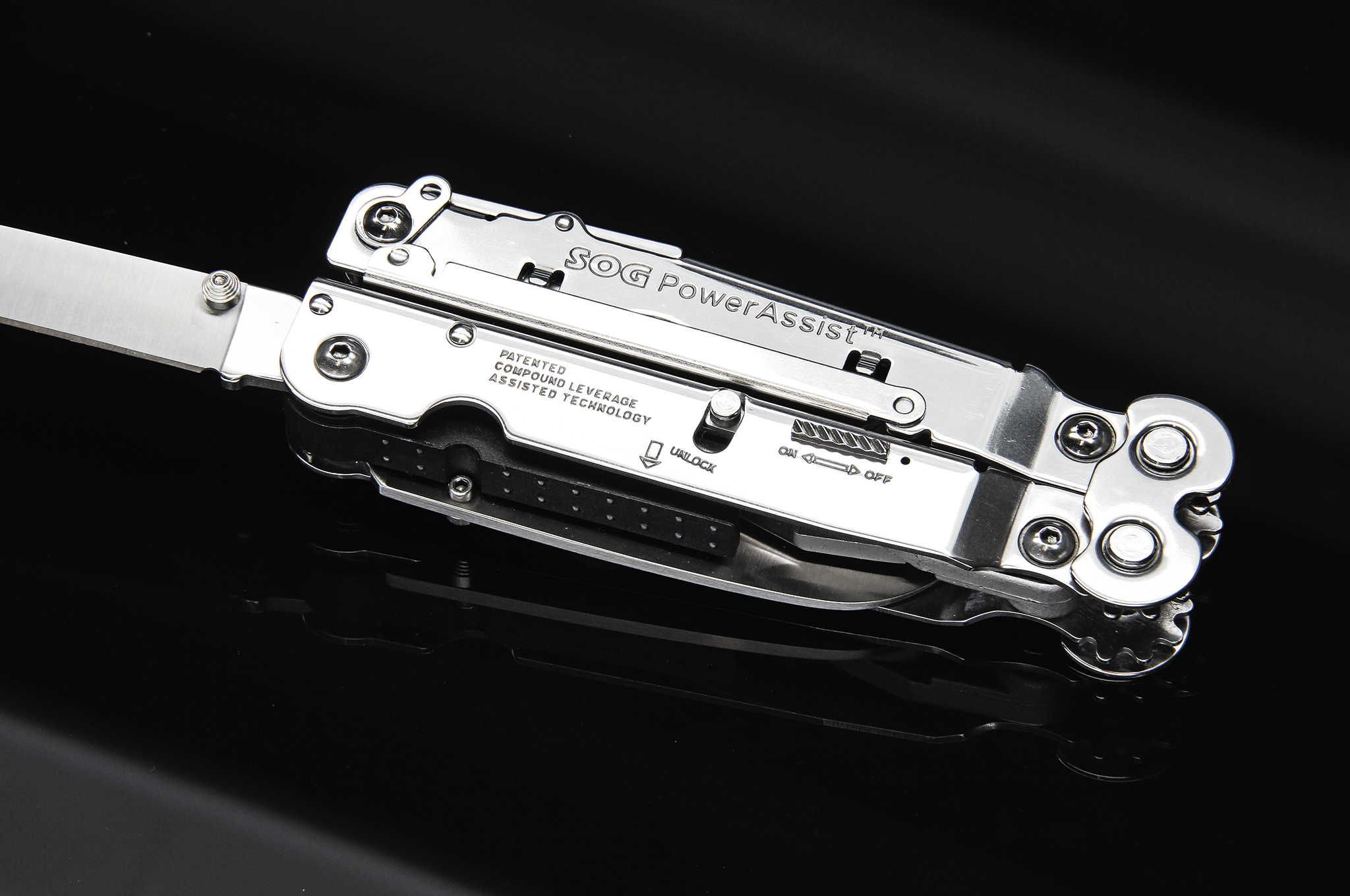
The truth is that dedicated tools are much better than “jack of all trades, master of none” options. A full-sized version of a screwdriver or a saw will yield better results than miniature versions in just about any job you encounter. But, if space is at a minimum, such as in an emergency backpack or a car’s glove compartment, dedicated tools are often impractical and, in most cases, impossible to store due to their large size or heft. In those situations, the necessity of having scaled-down tools quickly becomes apparent.
When pocket-sized tools are bundled together into a single unit, they are most often referred to as multitools. Do-it-all multitools may sound nice, but are they too good to be true? Sure, a 4-inch-long saw will take you some time to saw through a tree branch, but it sure beats not having a saw at all. When you need a tool, having your choice of a few smaller ones is much better than not having any. These pint-sized dynamos may not be the masters of their trades, but they certainly can help you get the job done when you’re in a pinch and could possibly be a lifesaver.
Multitools are offered in a large variety of styles, boasting myriad features. With all the different multitools on the market, it can be overwhelming choosing one that fits your needs.
First, you need to think about size and weight. Multitools come in all sorts of shapes and sizes and they vary according to design and number of functions. How much space do you have for it, and how much weight are you willing to carry? Sure, they may be relatively small, but opting for the largest one that includes the kitchen sink may not be the best fit for you. There’s a saying that “ounces equal pounds and pounds equal pain.” There’s a lot of truth to that idiom, especially when you are considering this tool for an emergency pack that is already burdened with other supplies that you might have to hump for extended distances.
Next, you want to evaluate and anticipate what your needs are. Some mutlitools are designed with special purposes in mind, such as those made for electricians or sport fishermen, or ones that have been created for use on certain firearms. If you’re not planning to do extended work as an electrician, an angler, or an armorer, then you can pass on those models.
Another consideration is the tool’s ease of use, safety features, build quality, and material. Some have internal tool locks that keep features such as knife blades and saws fixed, so they don’t close on your fingers. Some may feature the use of differing grades of steel, aluminum, polymers, and even titanium. The best way to figure how a multitool feels to you is to actually handle it in person. If possible, go to a local store and cycle through the tools to see how they feel in your hands. Each manufacturer has a different safety mechanism, so trying those out to feel which type you are comfortable with is something to think about, as well.
Let’s take a look at the most common features offered on multitools to see which functions make the most sense for your needs.
Primary Tools
Pliers
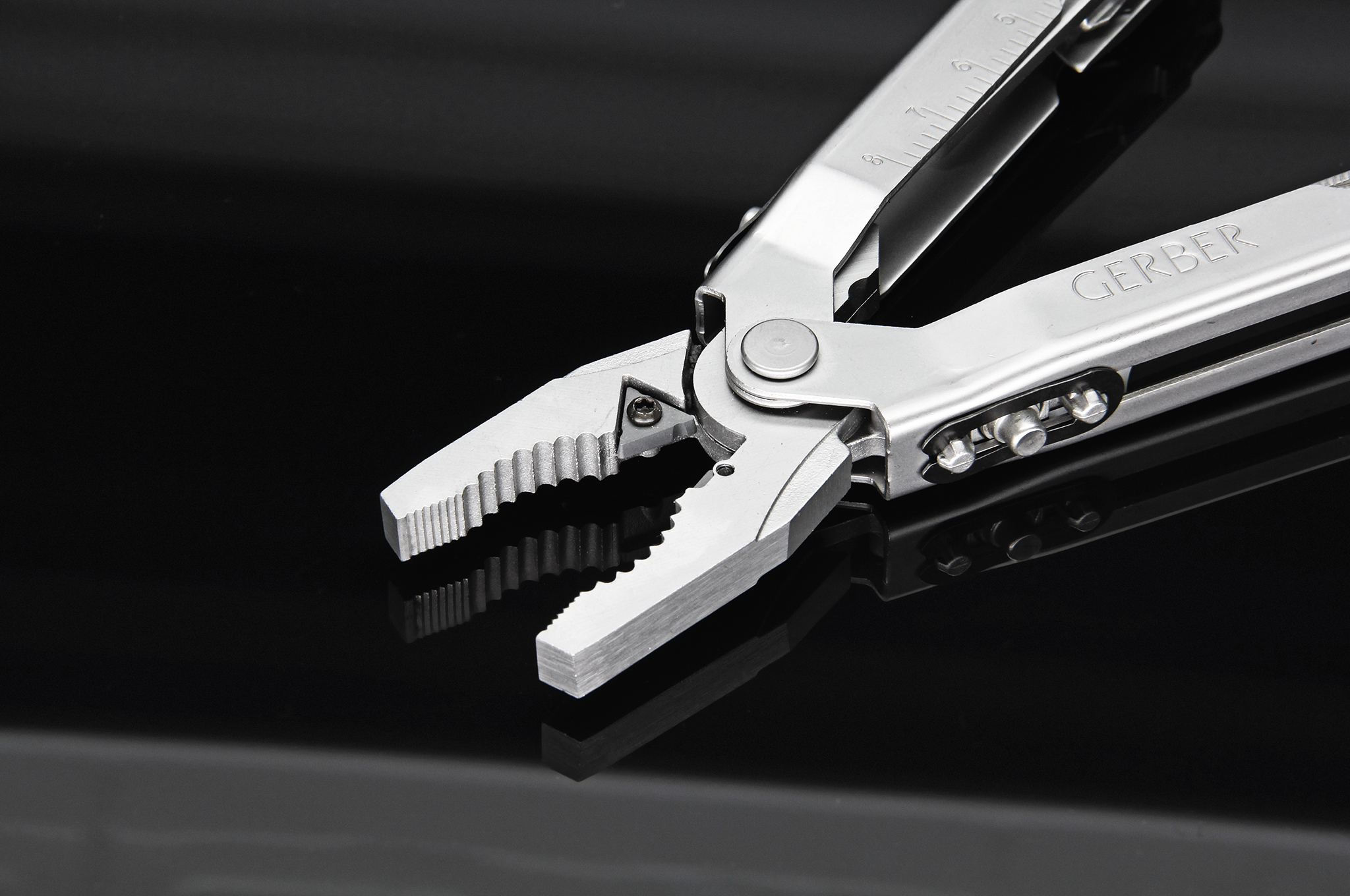
Pliers are prominently featured on most multitools. They are great for gripping, bending, and compressing small objects or materials. Pliers come in different shapes, such as flat nose and needle nose. Needle-nose pliers give the user the advantage of a more precise gripping area for small objects. Many pliers found on multitools also include various-sized crimpers, wire strippers, and cutters.
Knife
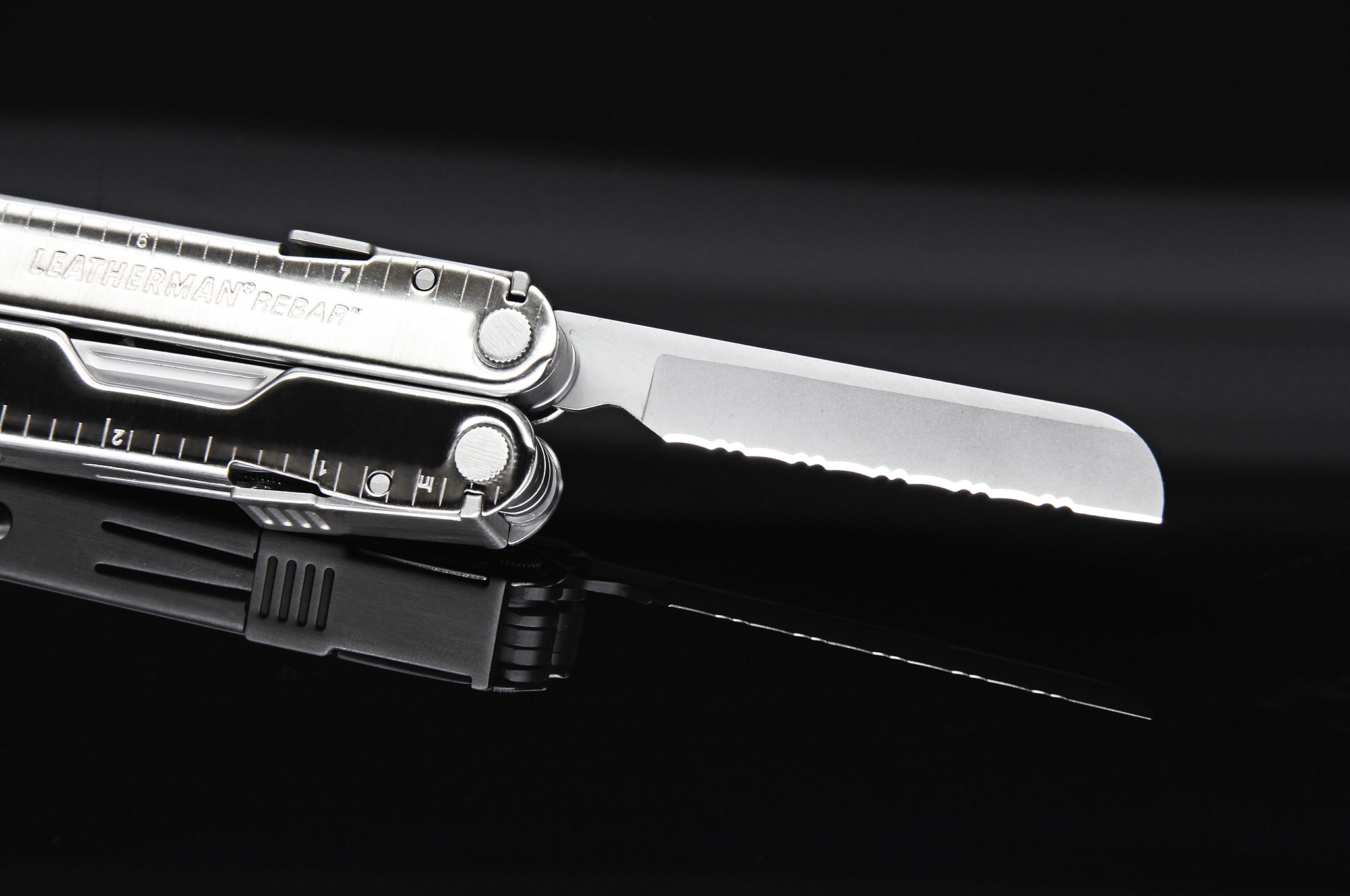
Knives found on multitools can be either plain-edged, serrated, or a combination of both. A plain-edged knife is excellent for making what are called push cuts, while serrated blades are prime for slicing cuts. A push cut is where you push the blade through what you’re cutting like when you skin an apple. A slicing cut is just that, a pull toward you, creating a slicing motion like that of slicing a tomato. Plain blades tend to dull quicker than serrated blades, but are initially sharper. Serrated blades are great to cut tougher objects like rope. Because what you are cutting, and not the type of blade itself, dictates the best use of a blade, it is best to have both types in your tool, if possible.
Screwdriver
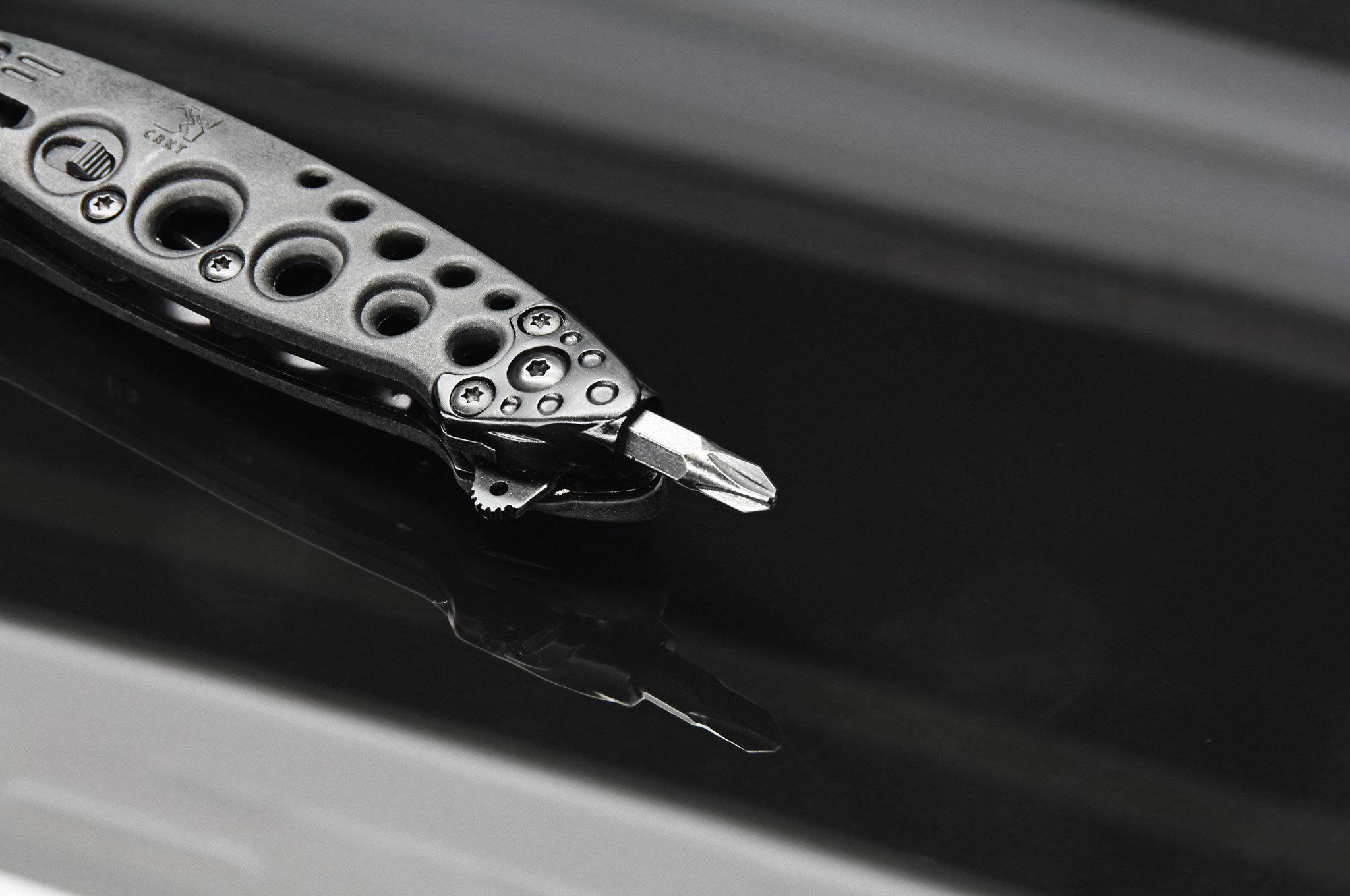
Flathead screwdrivers are found on virtually all multitools in different sizes, and their uses are obvious. Although flathead drivers can also be used on Phillips head screws, it’s recommended that you use a Phillips screwdriver when possible. Some multitools are equipped with dedicated Phillips drivers.
Saw
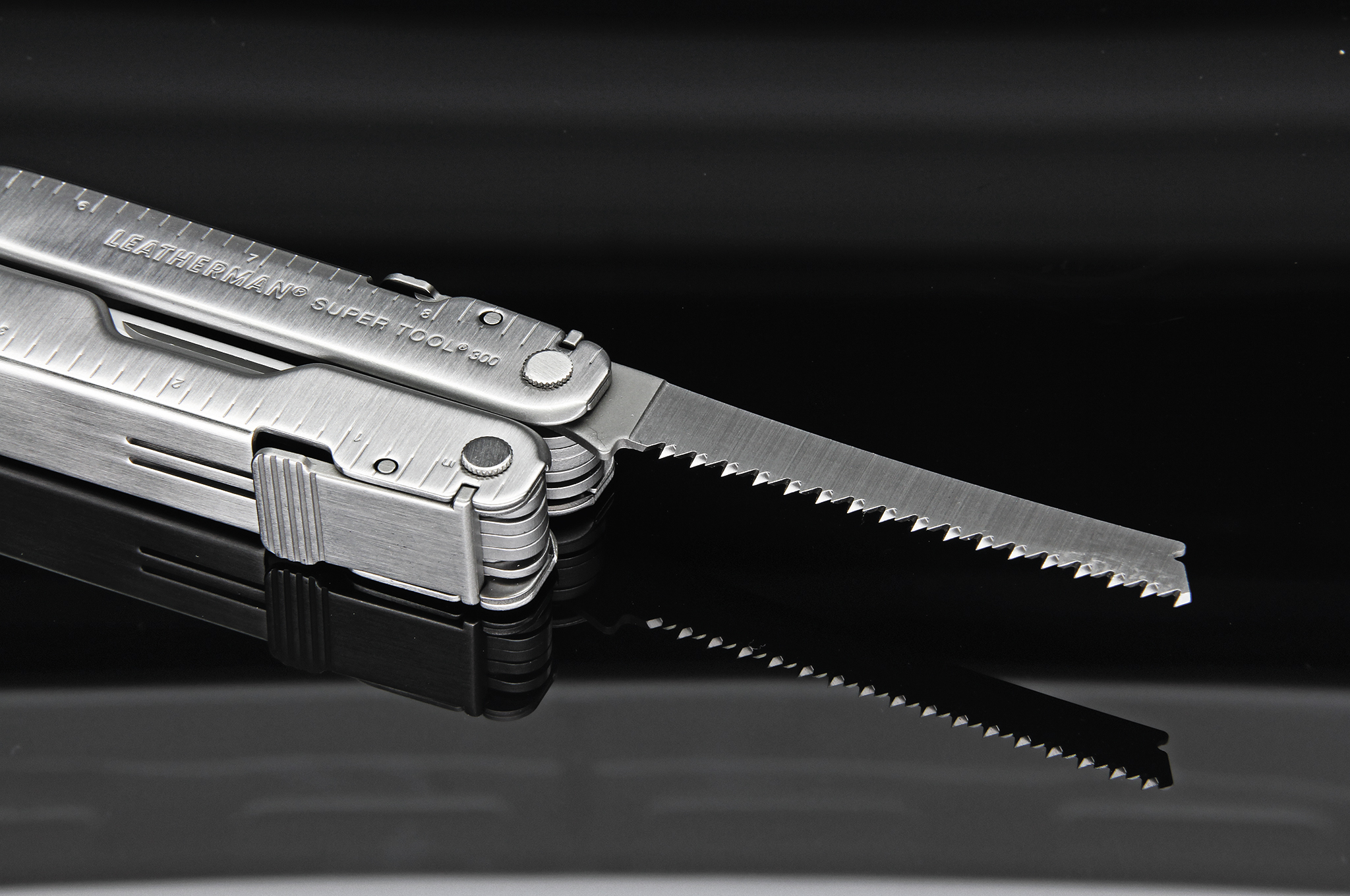
You’re not going to feel like you should have a saw until you really need it, and if you don’t have one, you’ll be bummed. Whether you are gathering wood for fire, building shelter, or need to cut thick webbing and rope, there is always something that you can use a saw for.
Can Opener
Nothing would be more frustrating than having a can of food and not being able to open it. Make sure that you choose a multitool that is equipped with one. Most can openers double as bottle openers, too. If you’ve never opened a can with one of these tools before, we do recommend trying it just so that you are familiar with the operation.
Accessory Tools
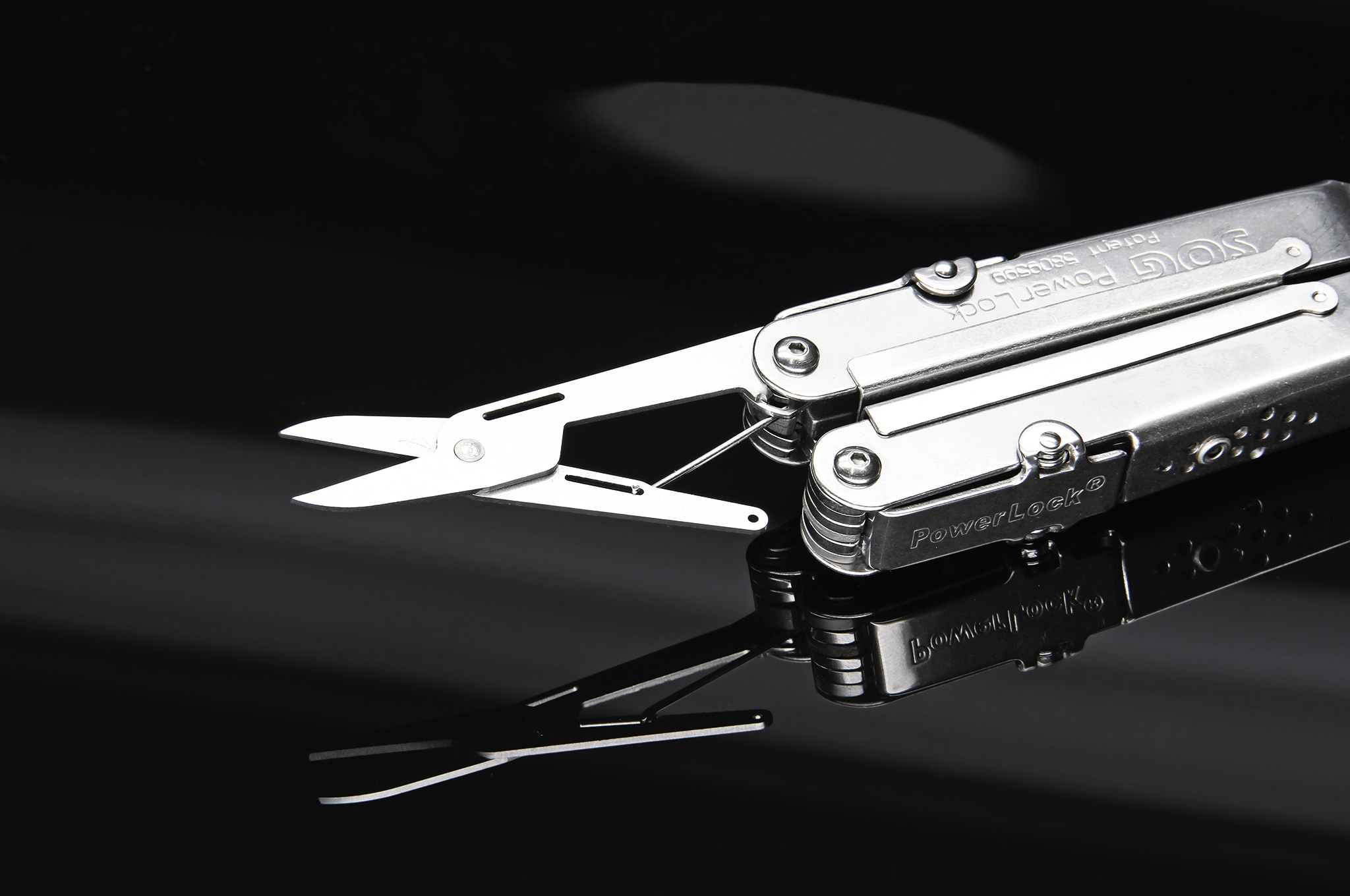
This is where selecting a multitool is all about your needs and preferences. Manufacturers pack these things full of tools, such as scissors, files, hex-bit drivers, rulers, and even awls. Take a look at the more specialized tools and consider their usefulness when making your choice.
[buyersguide title=”Choosing a Multitool That Works For You” ids=”3350, 3351, 3352, 3353, 3354, 3355, 3356, 3357″]
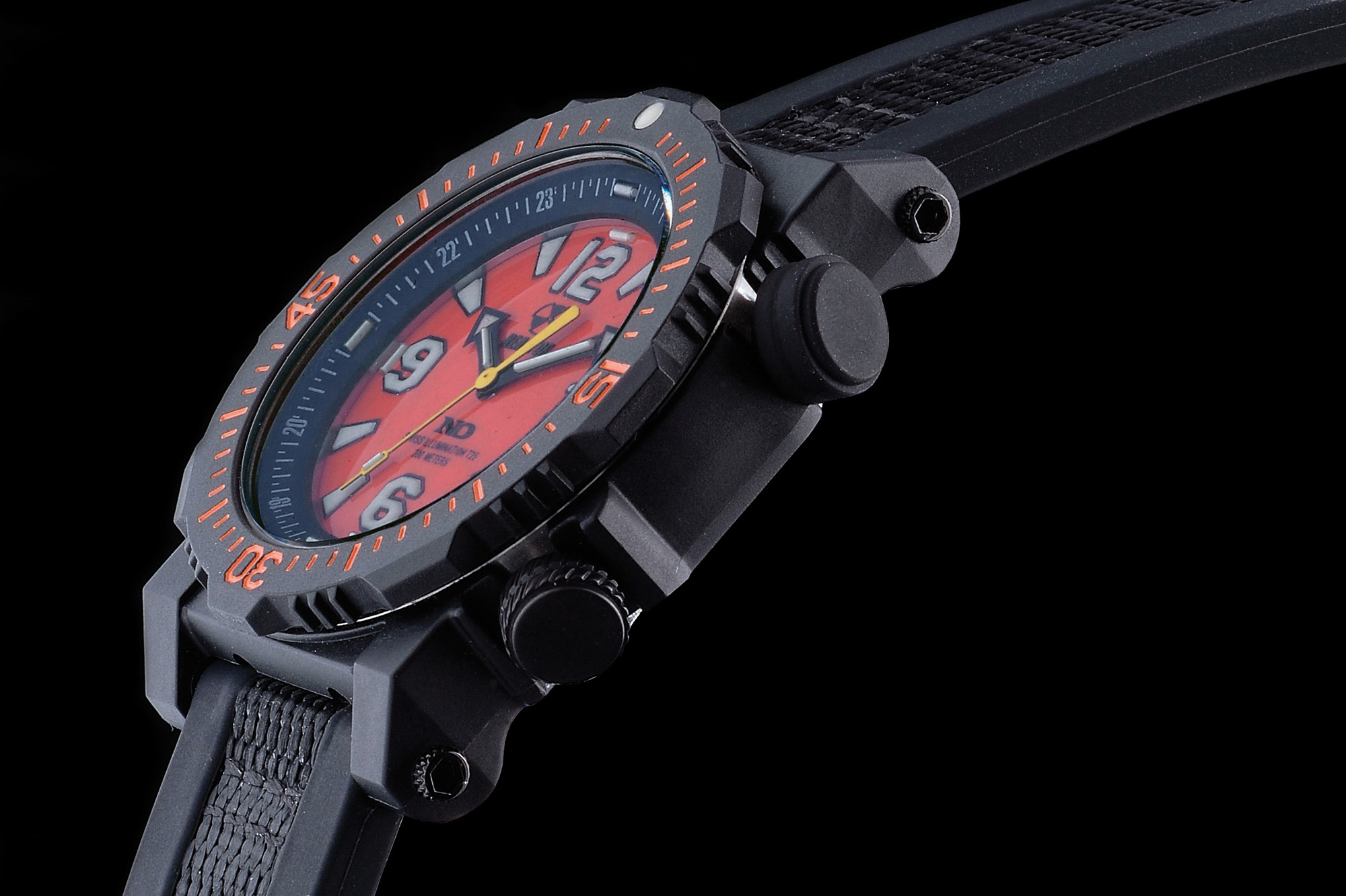
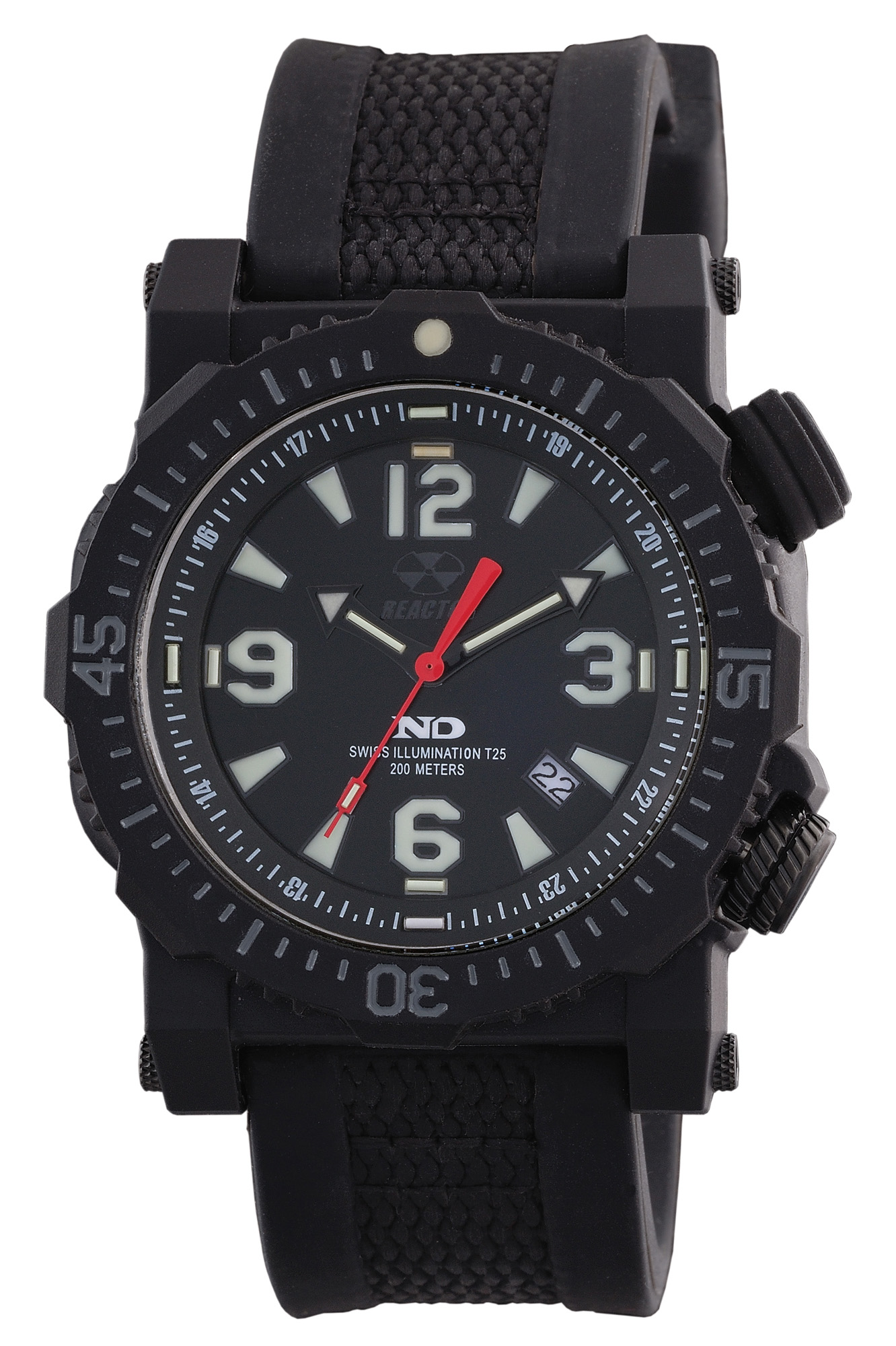
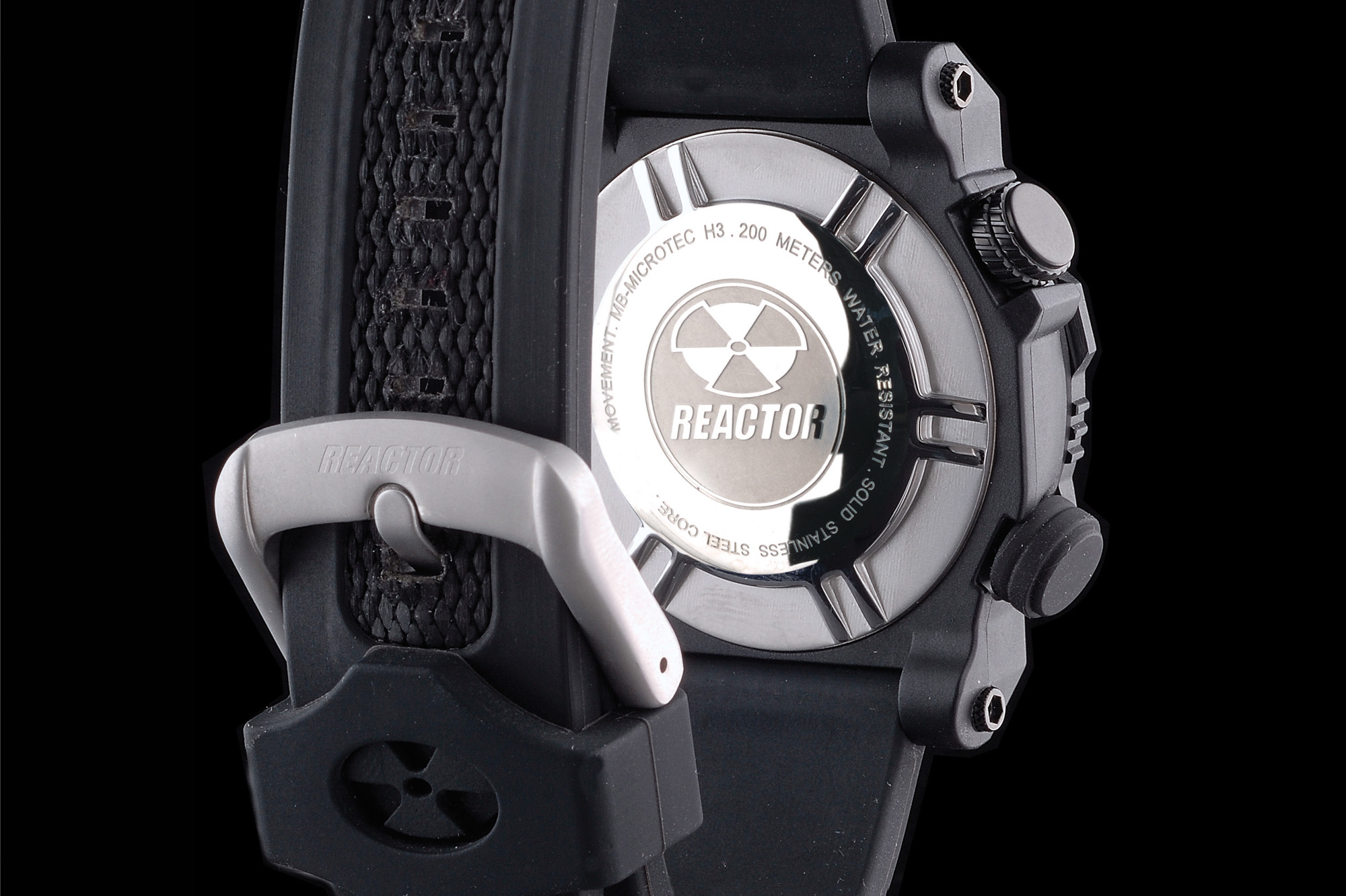
REACTOR Watches has unveiled a new addition to their lineup of sport watches, known as the Titan. The company states that this new model is designed to be “the toughest watch on the market”, and that it will be capable of meeting the needs of military members, law enforcement officers, and avid outdoorsmen around the world.
The new REACTOR Titan watch’s 45mm case is constructed from a stainless steel inner core and Nitromid exterior layer. The Nitromid material is a fiberglass-reinforced polymer with tensile strength higher than steel, superb impact resistance, and light weight. The band consists of proprietary blend of silicone, rubber, and nylon webbing that will not absorb sweat or odors.
The Titan is water-resistant down to a dive-ready 200-meter depth, and also features an internal timing bezel that can be adjusted by the large crown at the 2:00 position.
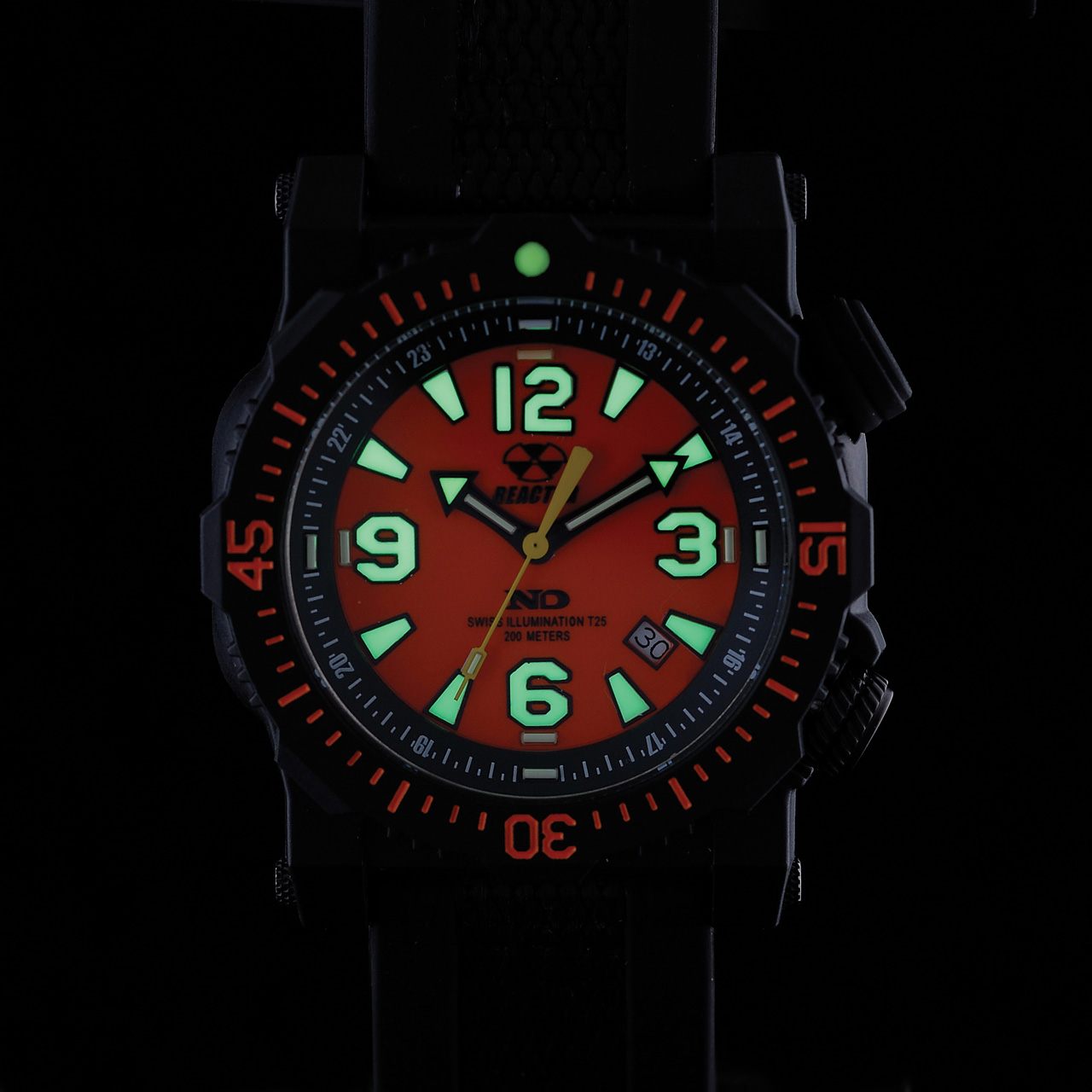
Most importantly, the REACTOR Titan ensures its wearer will be able to read the time in any lighting conditions. REACTOR’s patented Never Dark system is the first watch technology to use Swiss Superluminova photo-luminescense combined with 11 multi-color Tritium tubes embedded in the dial and bezels. This provides optimal visibility in all lighting, even during the 30-minute period while the human eye adjusts from bright to dark conditions.
The REACTOR Titan is available at an MSRP of $500, and can be purchased in four different color combinations. For more information on this watch, visit ReactorWatch.com.
We’ll admit it: we can’t resist drooling over high-end gear. We think about which knives to carry like some people’s wives think about what shoes to wear. We tailor our every-day carry loadouts to our activities each day, and they’re always changing and evolving as we add, subtract, or swap out items. Some people may find this obsession with gear strange, but it’s just a part of our DNA.
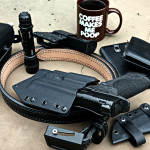
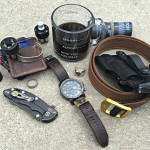
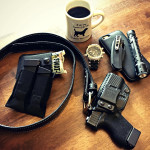
Our friends over at RECOILweb.com share this obsession, and they recently posted three different EDC loadouts for their fans’ viewing pleasure. Each one has its own unique advantages, so they asked their fans which of the three loadouts they prefer via a poll. Here are the three loadouts:
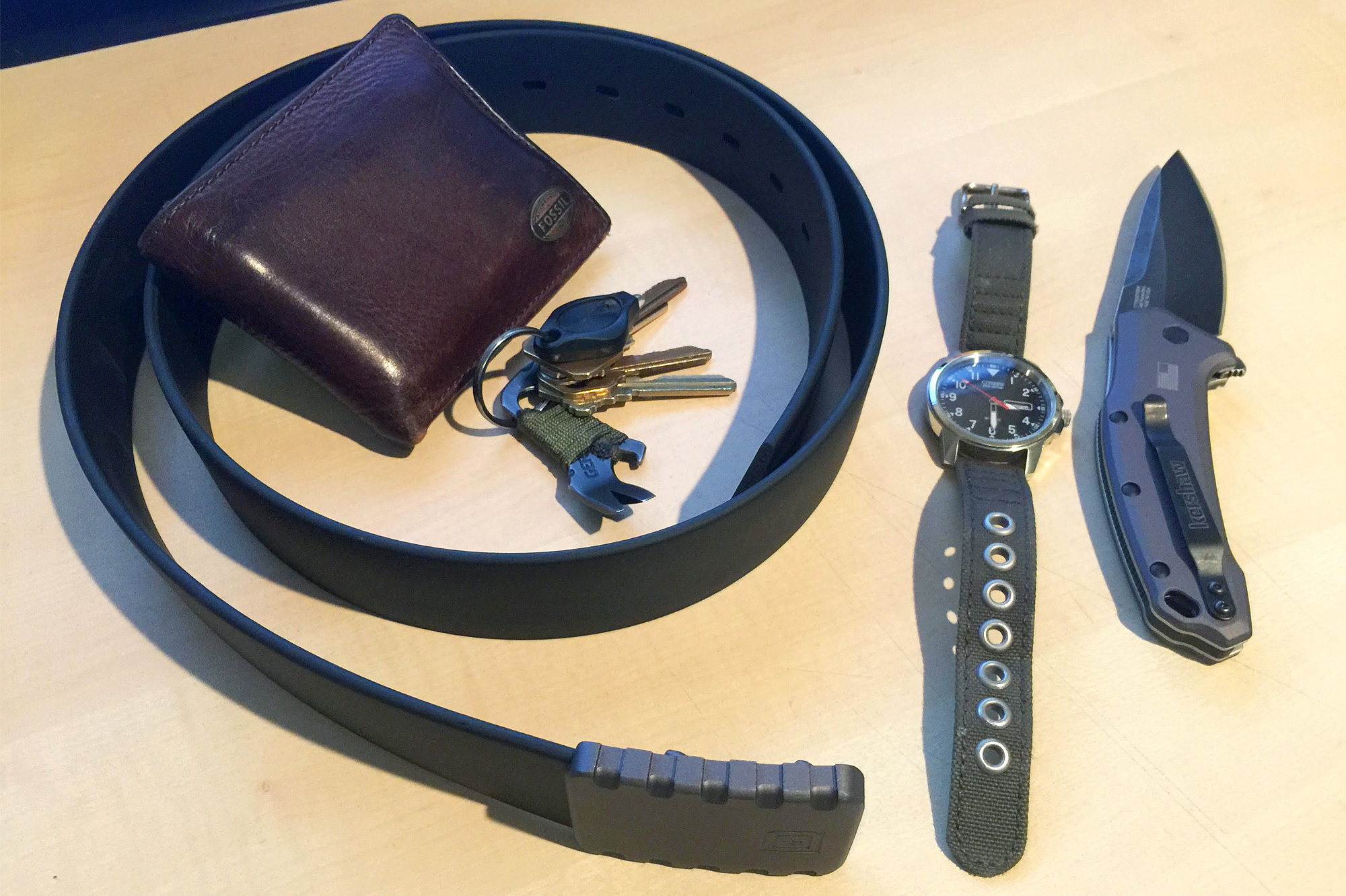
Since I wanted to join the fun, I’ve included a photo of my own minimalist working-from-home EDC below. It consists of a 5.11 Tactical Apex T-Rail belt, Fossil leather wallet, and keys with a Photon LED Micro-Light. There’s also a Gerber Shard keychain tool, which has been wrapped in gutted OD green paracord for added grip (here’s a how-to video). The watch is a Citizen BM8180-03E with Eco-Drive solar-powered operation.
The knife is always a hard choice, but today I’m carrying a Kershaw Link Blackwash. It’s a really well-built folding knife that’s made in the USA—and it’ll only set you back $70.
What’s in your EDC today? Let us know in the comments, or show us a photo on Instagram: @recoiloffgridmagazine.
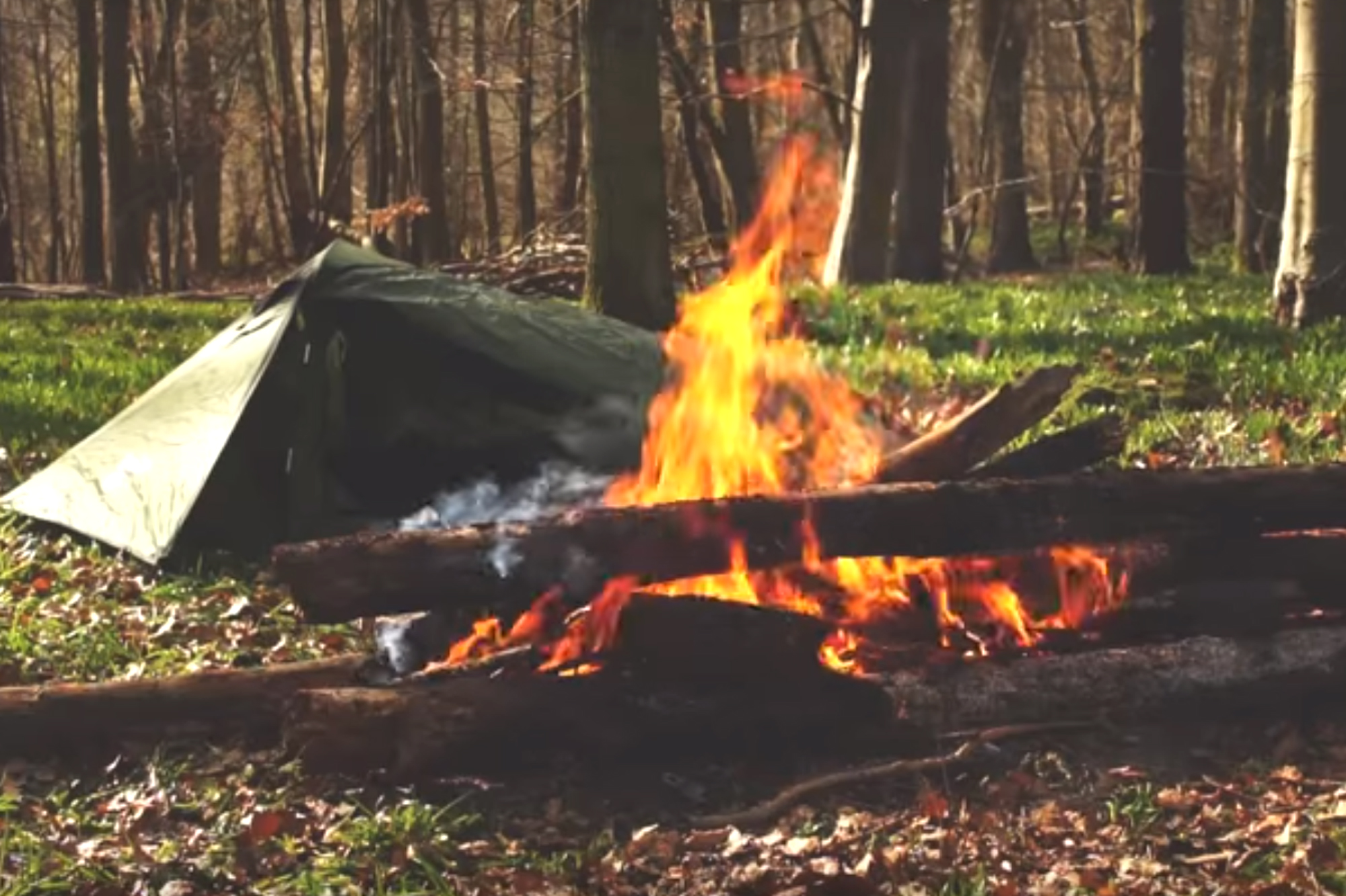
Here on OFFGRIDweb, we’ve already described several methods of constructing a focused, intense fire—namely, the rocket stove and the Swedish torch. These concentrated jets of flame are ideal for cooking food, boiling water, and other small tasks. However, what do you do if your objective is to create a large area of warmth to blanket your campsite? For that purpose, you’ll need a different type of fire altogether.
The traditional cone-shaped teepee campfire is a good all-around choice, but it still doesn’t radiate as much heat as you may need in frigid conditions. Fortunately, there’s a technique called the long fire that fits the bill perfectly.
The long fire technique utilizes two long logs stacked on two short spacers, like stumps, rocks, or other logs. The raised platform allows air to enter at the base of the fire, sustaining the flames. Between your two long logs, you can add kindling and tinder to get the fire going—the burning will eventually ignite the logs themselves.
This video from AlfieAesthetics shows how it’s done:
This article was originally published in Issue 1 of our magazine.
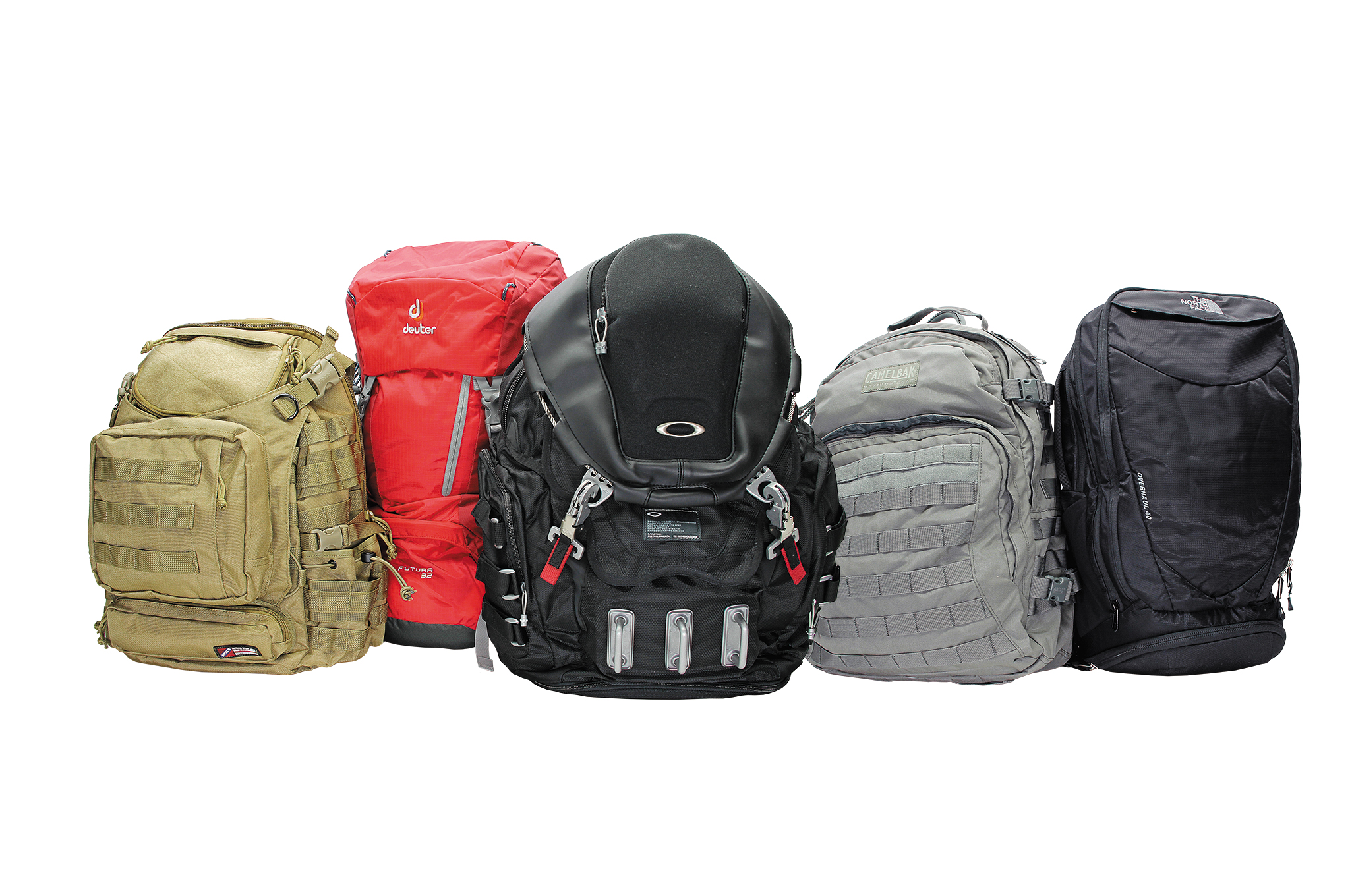
Whether you are bugging out of the city or bugging back home, when crap goes down in your town, you’re going to need a sturdy and comfortable backpack to haul your gear with. All the survival equipment in the world won’t do you any good if you can’t carry it with you. But, with thousands of backpacks on the market, how do you go about choosing the right one? We point out a few factors for consideration to help you make the right decision.
When choosing any type of equipment, its use dictates which features work for the job at hand. In this case, we will base our needs off a general disaster scenario. FEMA recommends that basic emergency supplies allow for one person to survive for three days. The idea is that after a large-scale emergency, additional help may not be on hand for a few days. You need to be prepared for that possibility.
Fitment
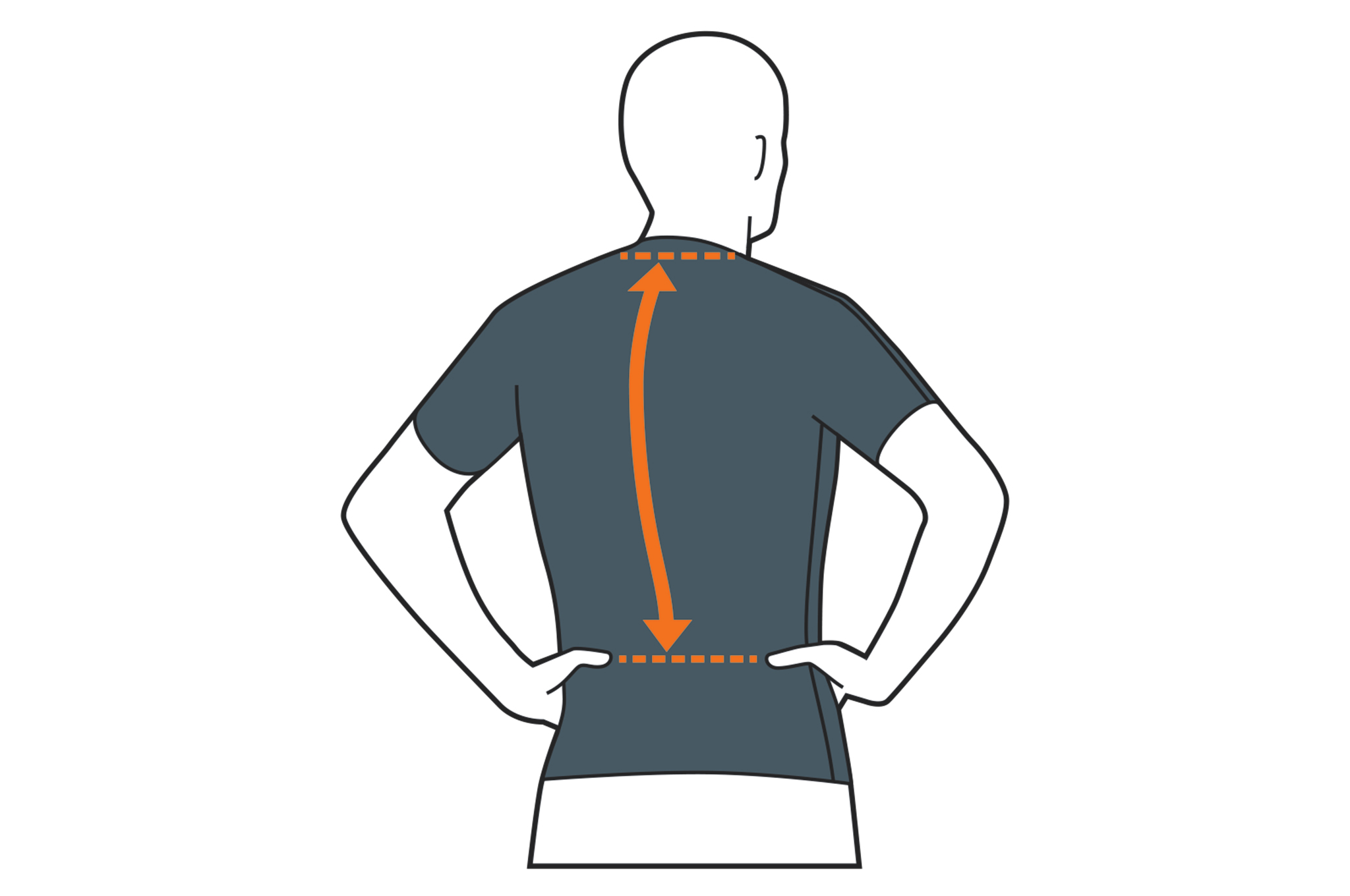
The most important factor in choosing a backpack is its proper fitment to your body. We want to focus on your torso length, not your overall height. To measure your torso, place your hands on your hips and have a friend use a tape measure to determine the length between your hips to your seventh cervical vertebra.
Now that you have your torso measurement, you have an idea of what size bag best suits your frame. Because every manufacturer uses different size naming conventions, the following chart can be used to find the general size you need. It’s always best to try on the backpack in person if possible. Specialized backpacks are also made for women and children that feature more customized fits.
With your hands on your hips, with thumbs pointed inward toward your spine, imagine a line connecting your thumbs. Start at that line and measure up the center of the back toward the seventh cervical vertebra. The vertebra we’re looking for is the pointed bone on the back of the base of your neck when you are looking down.
You want the large majority of the backpack’s weight to sit on your hips, not your shoulders. If you are carrying a heavy load, which will probably be the case in this scenario, hip belts can really save your back and shoulders. Some backpacks come with dedicated, non-detachable hip belts that will fit a very wide range of hip sizes. If you need custom sizing, choose a backpack with a detachable one, so you can swap it out for one that properly fits you.
Adult Torso Size (in inches)
15.5 or shorter
16 to 17
18 to 19
20 or longer
Pack Size
XS
S
M
L
Capacity
Backpacks that can fit three days’ worth of food, water, and other essentials that range in the 30- to 50-liter (approximately 1,830-3,050 cubic inches) size category. Of course, the size of your pack will be dependent on your body size, as well as how much weight you can carry. When choosing what to pack in your backpack, remember that the more you carry, the heavier your load will be.
Features
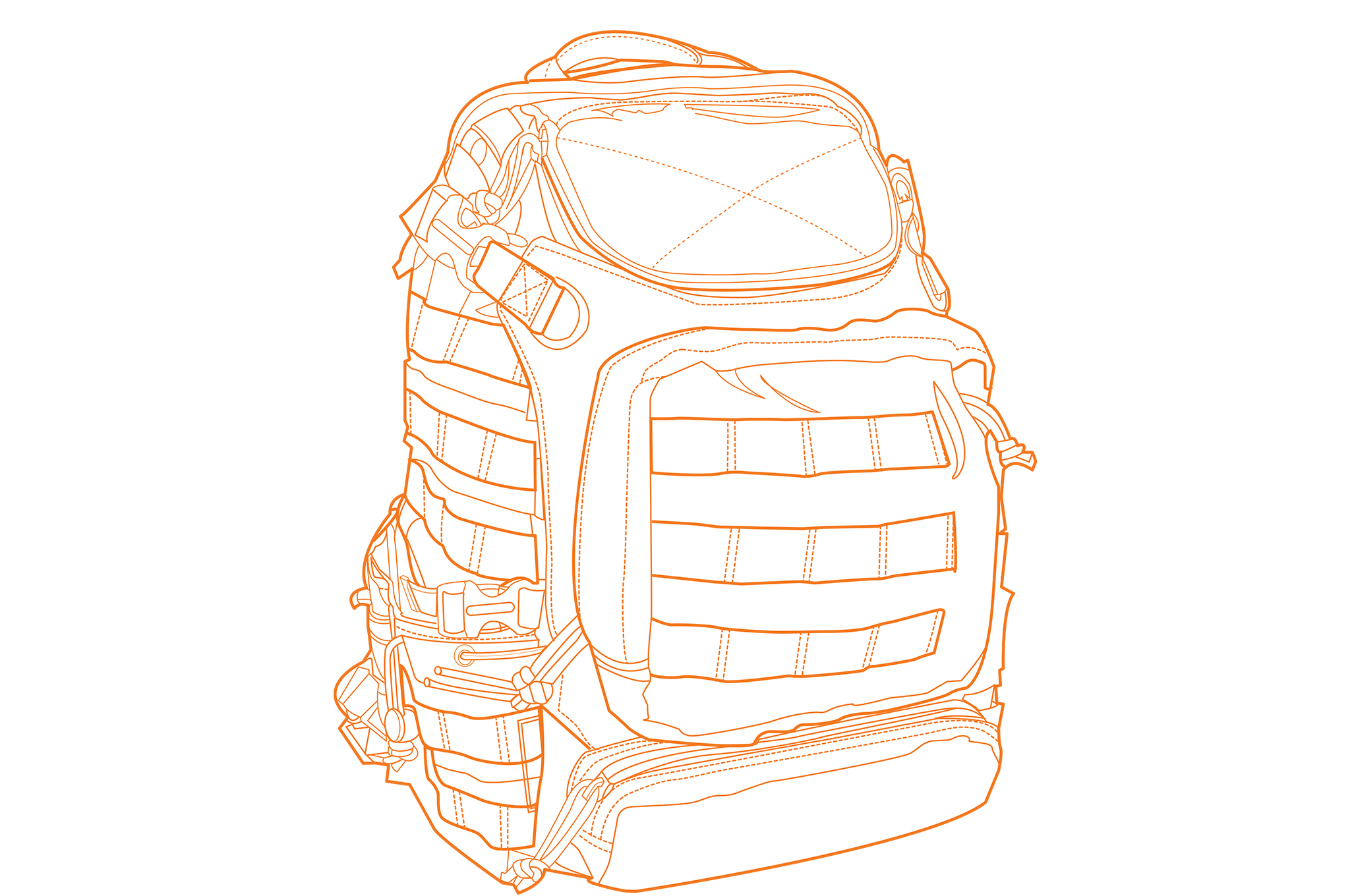
An important part of selecting a backpack is also figuring out which features you need. Some feature built-in compression straps that help you compress your load to make for a less bulky pack. Others include internal hydration bladders. Some have padded compartments for electronic equipment like GPS and radio units. Various others are even equipped with military-style MOLLE webbing systems that allow the backpack to be customized with modular pouches. Do you need lockable zippers or a wet compartment to keep wet clothes or shoes separate from your dry items? These are all things to think about and should be chosen based on your individual needs.
Regional Considerations
When choosing a backpack, consider the region you live in, as well. Is your area more prone to hurricanes, tornados, or earthquakes? Does it snow in your area? Maybe you need something waterproof. If you live in an area like the desert, maybe you don’t need the waterproofing and opt for a lighter-weight, ventilated bag instead. These are things to keep in mind.
Quality
Just as anything else in life, there is cheaply made stuff and there is the good stuff. By far, the most common material used for the heavier-duty backpacks that we are looking at is some type of nylon. Nylon comes in many forms and fits many applications.
There is Pack Cloth Nylon, Cordura Nylon, Rip-Stop Nylon, Ballistic Nylon, and more, and each come in a variety of thicknesses, or denier. Denier is the measurement unit of the thickness and weight of thin fibers most associated with nylon. The higher the number is, the thicker the nylon, and that means it is heavier, as well.
Material
Pack Cloth Nylon
Cordura Nylon
Rip-Stop Nylon
Ballistic Nylon
Abrasion Resistant
Yes
Yes
Yes
Yes
Water Resistant
Yes
Yes
Yes
Yes
Weight
Medium
Light
Light
Heavy
Also Used In
Gym Bags, Tote Bags
Motorcycle Jackets, Boots
Parachutes, Flags
Luggage, Laptop Bags
Notes
Puncture-resistant, but once punctured, this material rips very easily
Cordura comes in many variations and is the most popular fabric in use for backpacks today
Features a grid of heavy threads sewn into the fabric to stop rips from getting bigger
Made to protect from shrapnel during WW2. This material is puncture- and tear-resistant, but extremely heavy
Other important details to look at in your pack are the zippers and plastic buckles that are found on most all backpacks made today. Make sure that the zippers perform smoothly and reliably when pulled at different speeds and angles. Plastic buckles should feel sturdy and have positive feedback when they are locked in place. We find packs that feature name-brand fasteners, such as YKK zippers and ITW buckles to be excellent choices.
Although we can’t be certain of a particular emergency or disaster that we might face, it doesn’t mean we can’t anticipate and prepare for one. Along with proper planning, preparation, equipment, and supplies, a sturdy, useful, and comfortable backpack can form the backbone of your survival gear. There are a lot of choices available to you, but don’t be overwhelmed. With a little patience, you will most likely find a backpack that will fit your needs.
Buyer’s Guide
We have assembled a few great backpacks that caught our eye. These bags each have some great features that we have highlighted. Some of these bags are made for the role of survival backpack, while others are simply adapted for the role. Remember, it’s best to choose a bag that best fits your body, as well as your needs.
[buyersguide title=”Selecting the Right Survival Backpack” ids=”3141, 3142, 3143, 3144, 3145, 3146, 3147, 3148″]
When someone mentions fishing we often automatically think of casting a line and hook from a fishing rod. However, there are lots of other methods to catch fish, many of which have been used effectively for centuries. The fish basket is one of those methods.
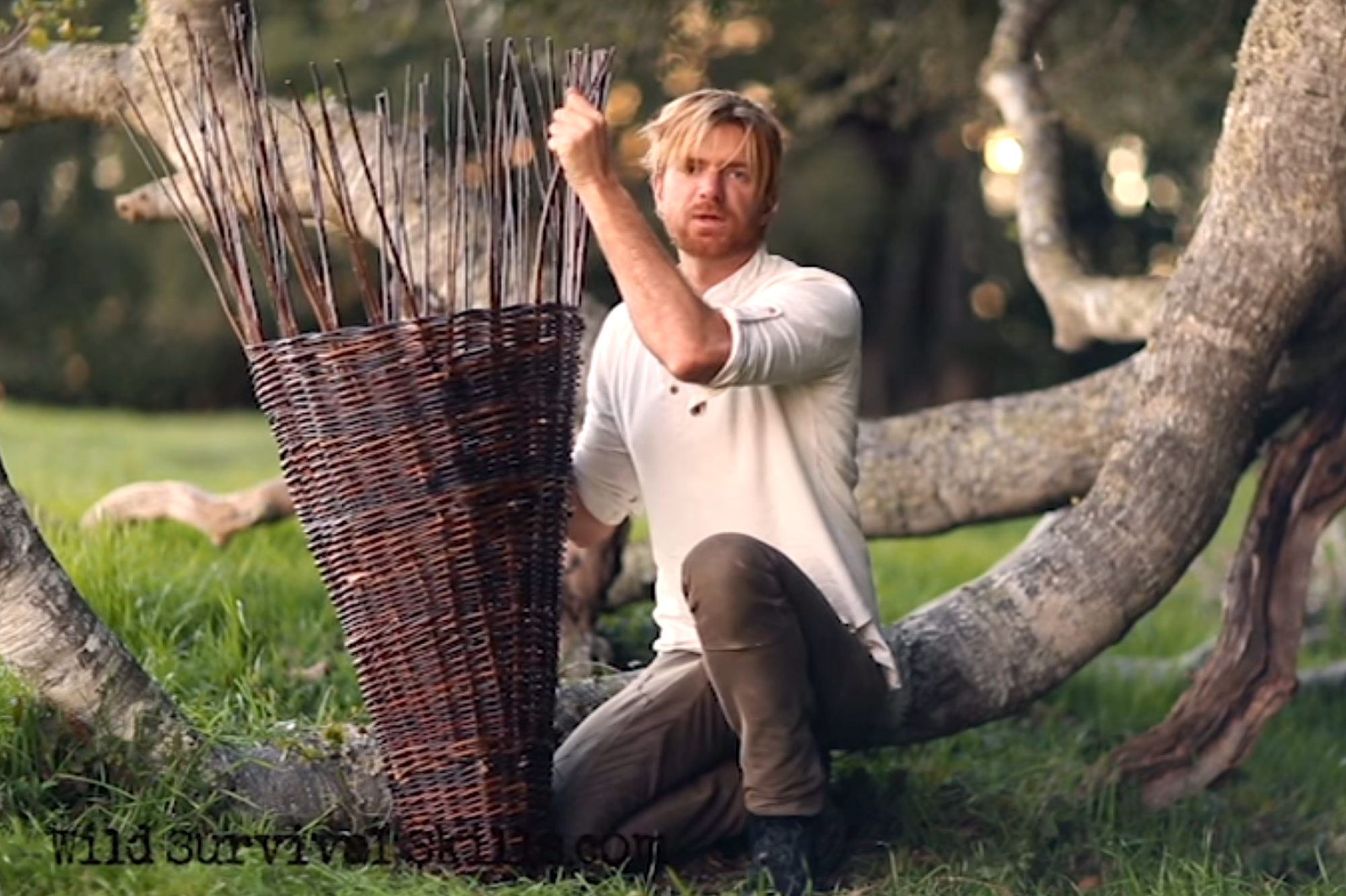
Tom Mcelroy of Wild Survival Skills shows off the finished fish basket trap.
A fish basket is a two-piece contraption, composed of a cylindrical basket with an opening on one end, and a conical lid with a small hole in the center. The basket is loaded with bait, the lid is installed pointing inwards, and the device is set into a shallow pond or stream on its side. Over time, fish smell the bait and swim into the trap, but can’t escape through the small, spiky, cone-shaped opening.
The fish basket is constructed of young willow shoots, which bend easily.
Survival expert and trainer Tom Mcelroy, of WildSurvivalSkills.com, shows how it’s done from start to finish in the video below.
All it requires is some flexible willow shoots (or other bendy vines/roots/twigs) and a lot of patience. Fortunately, as Tom mentions in the video clip, once you take the time to build a fish basket, you can use it over and over to provide a steady supply of food.
Submerged in a creek, the basket does all the work so you don’t have to.
Be sure to watch to the end of the video, since it proves the device’s effectiveness by filming fish actually swimming into the trap. All in all, the fish basket trap isn’t too hard to make, and it could be an extremely valuable asset for wilderness survival.
A camera inside the trap shows how Tom caught fish in a few short hours.