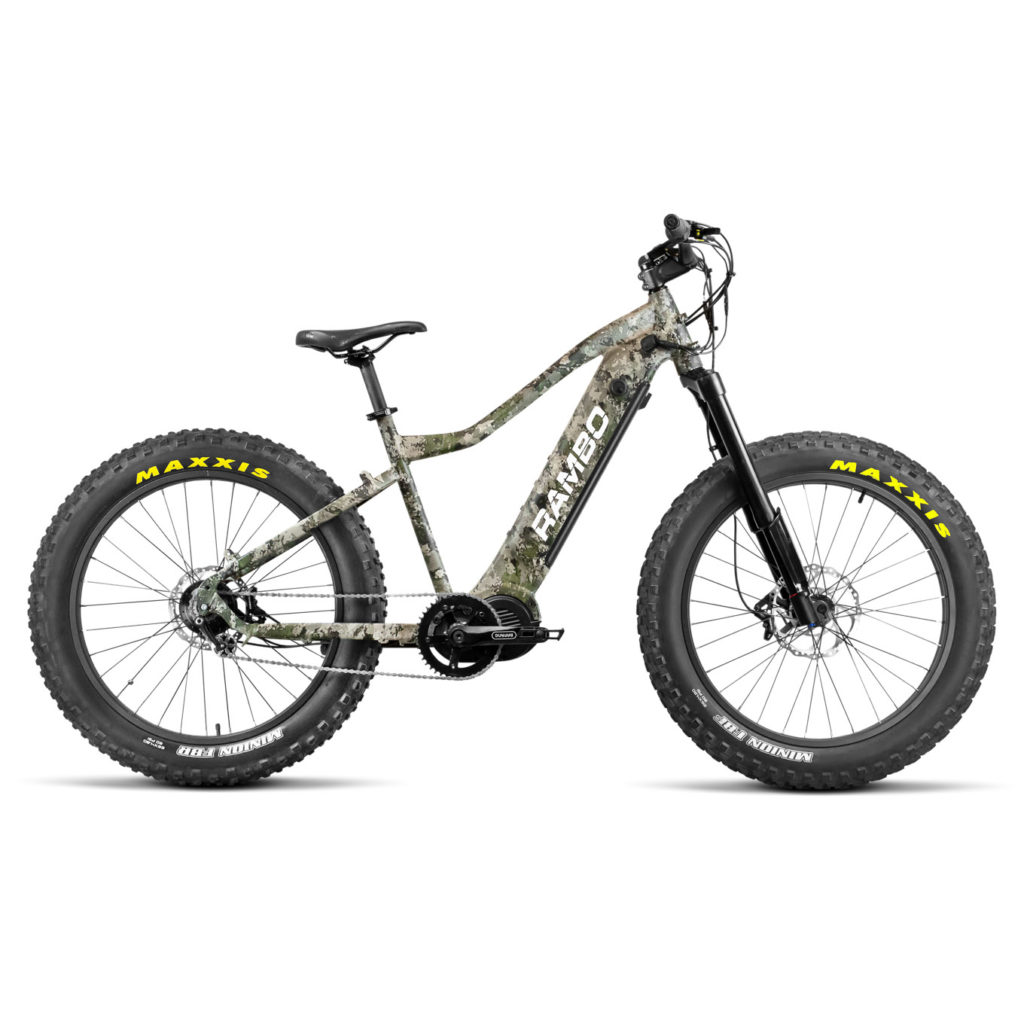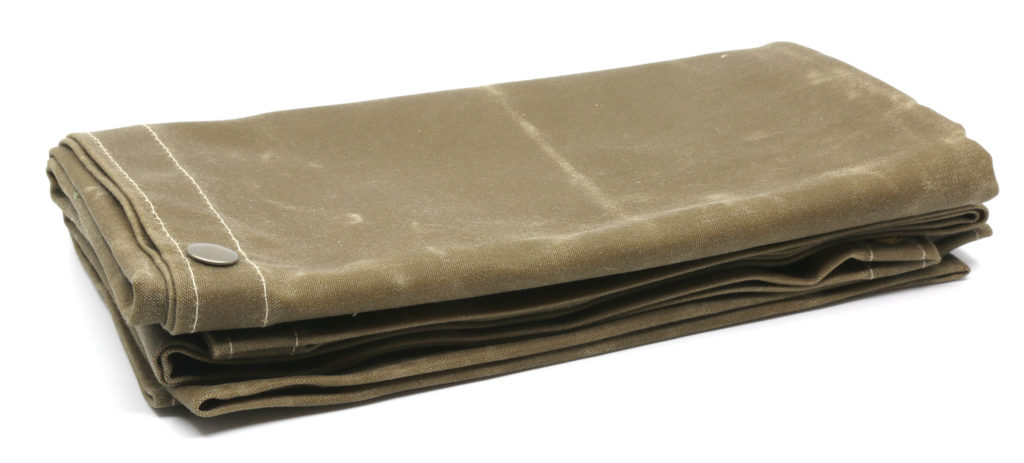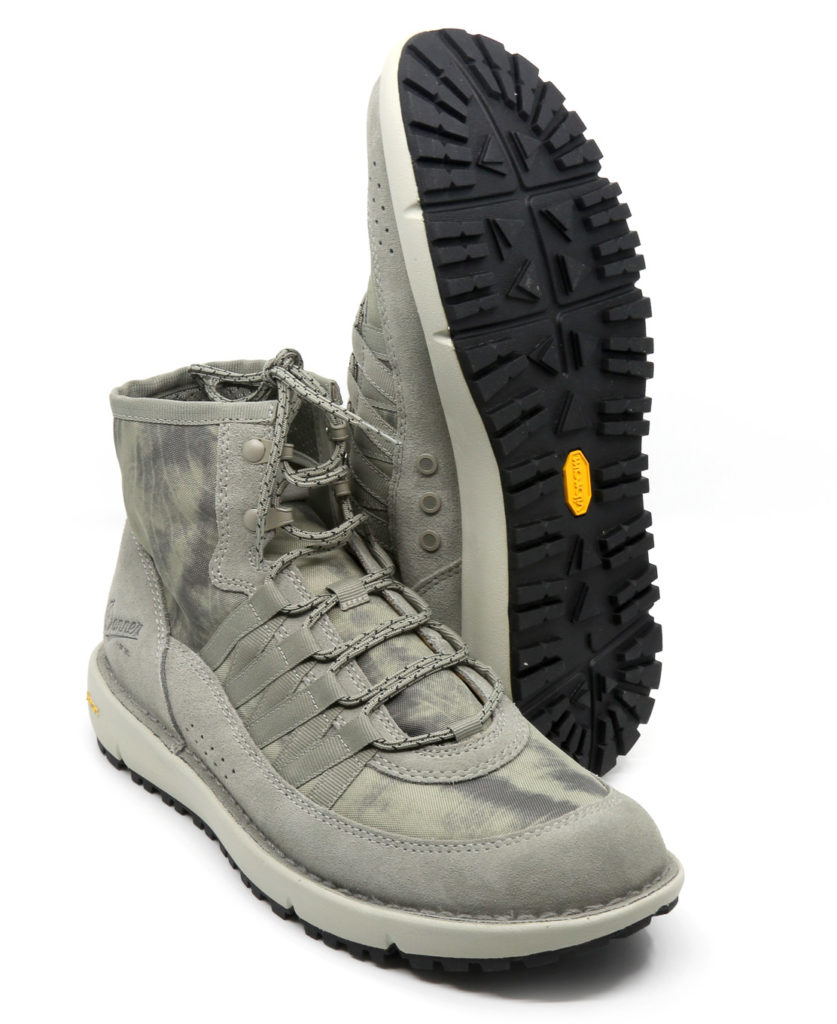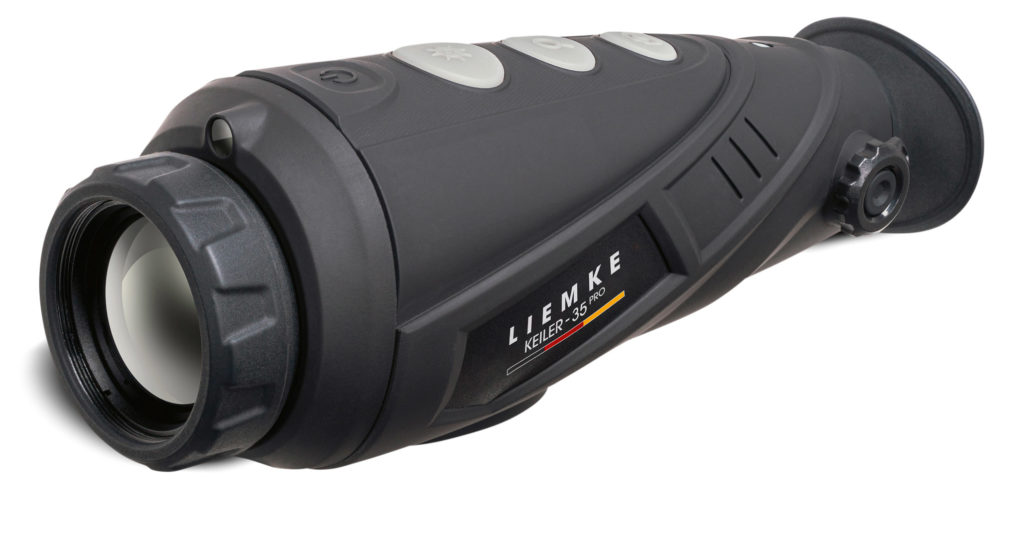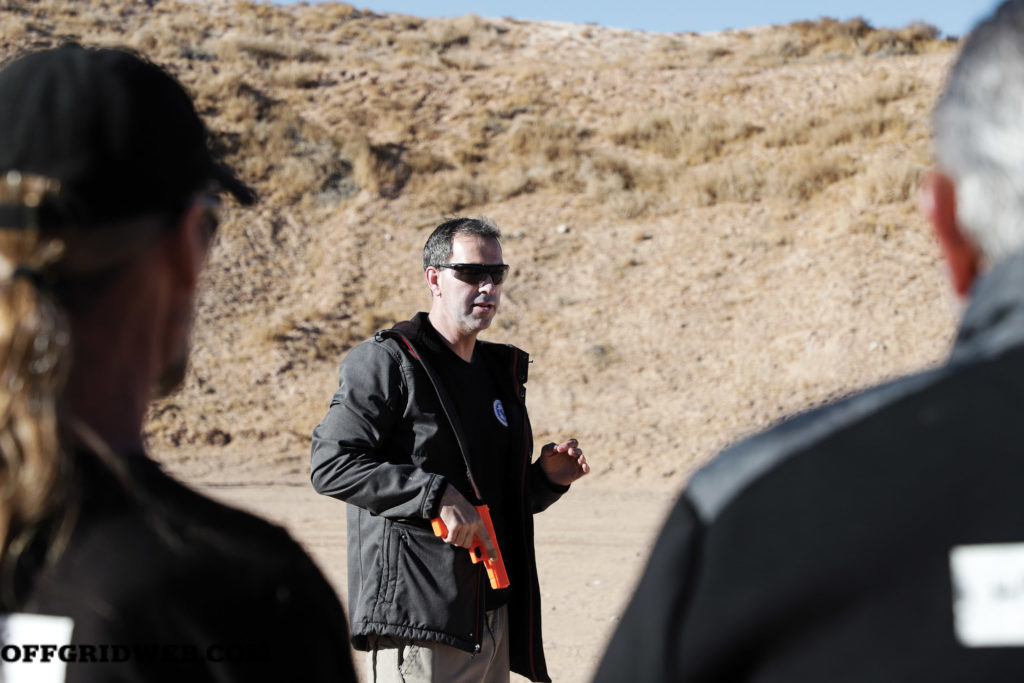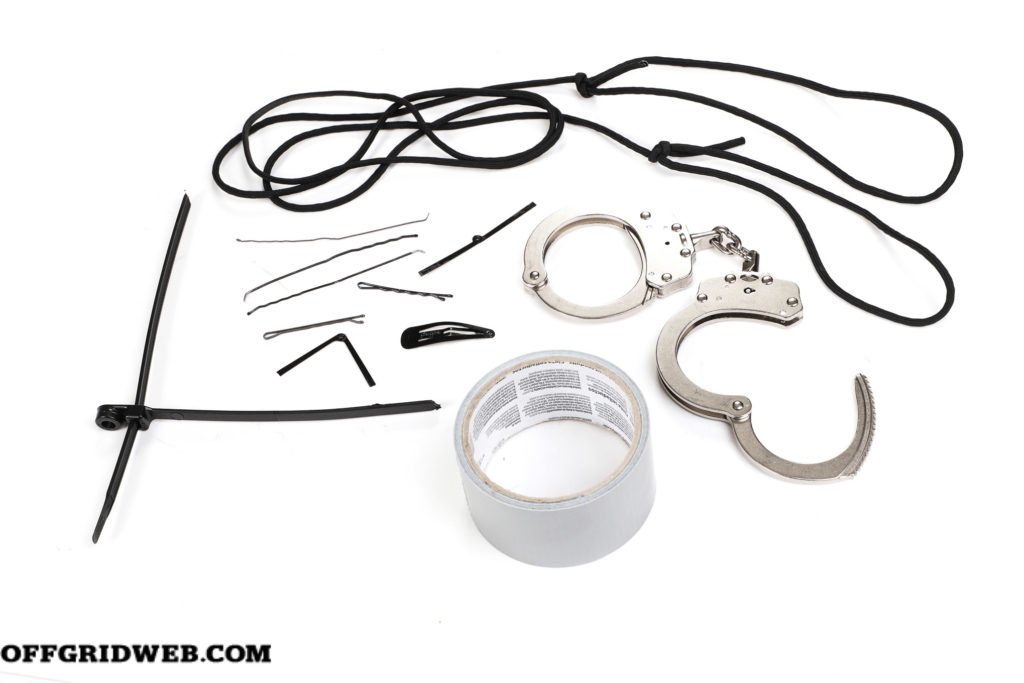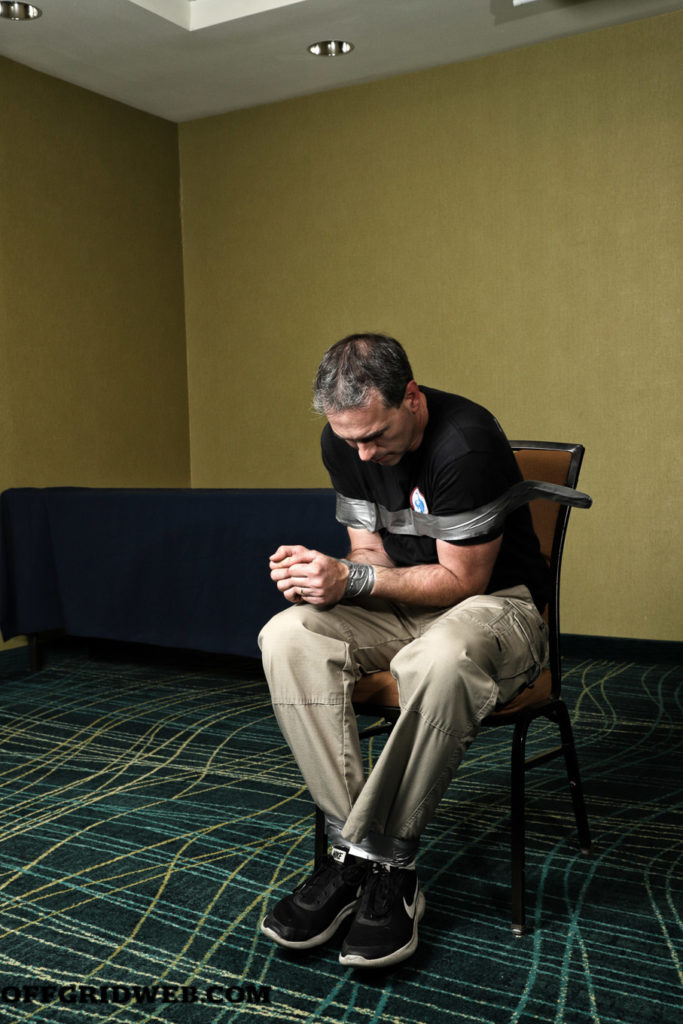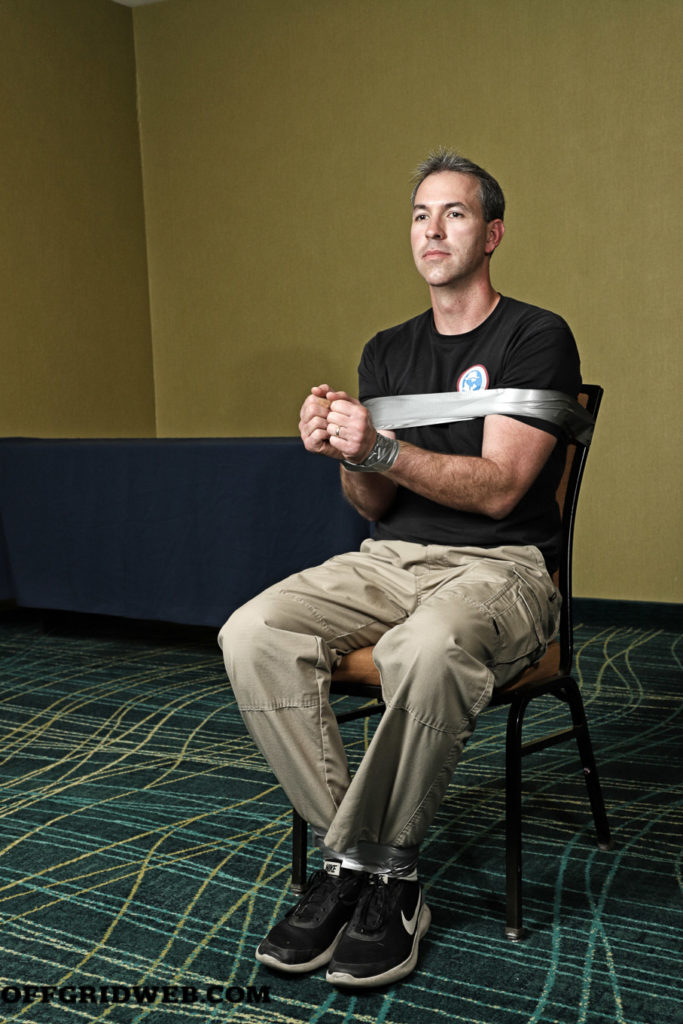
Gear Up: New Survival Gear for December 2020

Walls Outdoor Goods | Angus Worn-In Stretch Light Work Jacket

SIZING: Medium through XXL
MSRP: $90
URL: www.walls.com

Walls Light work jacket

With the temperature dropping in most of the Northern Hemisphere, it’s time to keep an outer layer nearby. Aside from its unnecessarily long and overly descriptive name, we’re quite fond of the Angus Worn-In Stretch Light Work Jacket because … well, it’s worn in, it’s stretchy, and it’s a light jacket that you can wear while doing field work. The exterior’s 9-ounce cotton-spandex blend is flexible enough to provide mobility but tough enough for daily duty on a ranch or worksite, thanks to double and triple needle stitching. Plus, it has two snap-closed chest pockets, two handwarmer pockets, one discreet zipper pocket, and one internal zipper pocket. Just note, medium is the smallest size, and it runs kinda large. The Angus straddles the line between workweek attire and weekend relaxing, and we appreciate that kind of versatility.


Prometheus Design Werx | Raider Werx Pant 100C

COLORS: Motor Pool Gray, Ranch Brown, Syth Blacks
MSRP: $139
URL: www.prometheusdesignwerx.com

Prometheus Design Werx | Raider Werx Pant 100C

If you’re looking for a pant that combines the ruggedness of classic workwear with the cut of something more modern and functional, search no further than the Raider Werx Pant 100C. Designed and manufactured by Prometheus Design Werx (PDW), this garment is made of durable 12-ounce, 100-percent cotton canvas similar to what your granddaddy might’ve worn in the garage or workshop. But, because it’s based on PDW’s bestselling Raider Pant pattern, it comes packed with brilliant little touches, including but not limited to delta rings to attach carabiners or chains, front welt pockets, side welt pockets, and a dedicated EDC tool pocket. It’s made in the USA using sturdy materials.


Appalachian Gear Company | All-Paca Fleece Beanie

SIZES: One size fits most
MSRP: $32
URL: appalachiangearcompany.com

Appalachian Gear Company | All-Paca Fleece Beanie

For years, we’ve touted the benefits of sheep’s clothing. But there’s another super fabric on the rise: alpaca fiber. Just like wool, alpaca fiber is breathable, odor resistant, moisture wicking, and insulates even when wet. That makes the All-Paca Fleece Beanie an ideal garment for both warm and cold weather, whether you’re going for an evening stroll or a backpacking trip. Made from 100-percent alpaca fiber, it’s lightweight and packable, letting you stow it conveniently in a jacket pocket or wear it under a cap or helmet, if needed. Though the fiber (and the llama-like mammals it comes from) are sourced from Peru, the All-Paca fabric and all of Appalachian Gear Company’s garments are produced in the USA.


Tentsile | Stingray 3-Person Tree Tent

CARGO CAPACITY: 880 pounds
MSRP: $699
URL: tentsile.com

Tentsile | Stingray 3-Person Tree Tent

Camping in cold conditions means getting your body off the chilly ground as much as possible with a sleeping bag and a pad. But with the Stingray, you can get several feet between you and the ground. This innovative tent is designed to get you elevated using three anchor points — not just so you can sleep in a portable treehouse, but also to stay protected from insects and critters, as well as wet, lumpy, or frozen ground conditions. It has a unique tensioned anti-roll strap system that prevents you from rolling to the middle or the heaviest side. It also comes with a waterproof rain fly, three side doors, a central hatch, and plenty of mesh pockets to store personal items.


Safariland | Model 575 IWB GLS Pro-Fit

COMPATIBLE WITH: A variety of popular models from Glock, Sig Sauer, and Smith & Wesson
MSRP: $55
URL: safariland.com

Safariland | Model 575 IWB GLS Pro-Fit

We prefer friction-lock carry holsters, even if there’s no additional retention other than the omnipresence of gravity and the pressure of the holster squeezing the gun in place. But the 575 has an intuitive design that’s easy to use under pressure. Safariland’s GLS (Grip Locking System) locks your pistol in place and doesn’t release until you push it with your middle finger, which happens naturally when you grab the pistol grip. But we’re bummed that its shallow J-hook clip design doesn’t provide the best hold on our belt, and it rides high on our beltline. On the plus side, it has an adjustable cant and is made of a proprietary nylon blend that won’t warp under extreme temperatures.


ESS | Crossbow Gasket

COMPATIBLE WITH: Crossbow and Crossbow Suppressor Eyeshields
MSRP: $35
URL: esseyepro.com

ESS | Crossbow Gasket

Eye protection is essential for keeping your peepers safe from flying shell casings. But what do you do on a windy day if dirt gets in your eyes? Or maybe you’re sanding down a home project and sawdust flies in your face? It’s time to bust out the ESS Crossbow Gasket. Sold separately, the Crossbow Gasket can be attached to ESS’s Crossbow lineup of eye pro to provide a tight seal between your face and your lenses — basically transforming your eyeshields into goggles. It protects against dust, wind, and airborne debris, and is approved by the U.S. Navy for use by rotary wing aircrew. Plus, the Gasket has two modes: closed (completely sealed) and open (for ventilation).


Hawke | Vantage 30 WA 3-9×42

WEIGHT: 1.24 pounds
MSRP: $279
URL: us.hawkeoptics.com

Hawke | Vantage 30 WA 3-9x42

In an ideal world, all of our rifles would be outfitted with top-of-the-line glass from Leupold, Trijicon, and Vortex. But if that were true, we’d have no money left over for food and mortgage, let alone ammo and survival supplies. Hawke’s Vantage 30 WA 3-9×42 offers solid performance and sturdy quality for a price that won’t break the bank. The fog-, shock-, and waterproof scope is nitrogen purged and has 11-layer fully multi-coated lenses, 30mm aluminum monotube chassis, high torque zoom ring, and a fast focus eyebell. It features a .223/.308 marksman reticle (9x) that has a prominent center cross and 100-yard markers glass etched for easy reference when determining hold-over aim points (out to 600 yards).


Icon LifeSaver | Cube

CAPACITY: 5 liters (1.32 gallons)
MSRP: $125
URL: iconlifesaver.com

icon lifesaver cube

Any athlete, Boy Scout, or survivalist worth his or her salt knows that water is life. But drinking questionable water could equal illness or even death. That’s why having a reliable means of filtering out contaminants is key. The LifeSaver Cube is designed to hold a max of 5 liters of dirty water and filter 1.25 liters per minute, resulting in safe drinking water for you and your loved ones — whether you’re camping, hiking, or bugging out. According to LifeSaver, the Cube filters out 99.9999 percent of bacteria, 99.99 percent of viruses, and 99.9 percent of protozoan cysts. It also removes chlorine, taste, and odor, and has a filter life of 5,000 liters (1,056 gallons).


Leatherman Tool Group | Free K2

COLORS: Crimson, Evergreen, Navy, Slate
MSRP: $80
URLleatherman.com

Leatherman Tool Group | Free K2

Leatherman became a household brand thanks to its pliers-based multipurpose tool. Now it’s applying the same spirit of innovation to the folding knife. The Free K2’s most prominent feature is the 3.3-inch modified sheepsfoot blade made of 420HC stainless. Though an entry-level steel, it does have good corrosion resistance and is easy to sharpen. It also houses five other tools: awl, pry tool, screwdriver, package opener, and bottle opener — all of which fold into the ergonomic aluminum handle. Sure, it’s slightly thicker than most pocketknives at 0.61 inch, but it’s not cumbersome to carry every day. Plus, at 4.9 ounces, the Free K2 weighs the same as most other medium-sized folders, but it comes packed with much more functionality.


Tuff Writer | Precision Press Series Pencil

COLORS: Various, including Black, Olive Drab, and Red
MSRP: $96
URL: tuffwriter.com

Tuff Writer | Precision Press Series Pencil

We’re fans of Tuff Writer pens because they look like ordinary writing instruments — so they don’t usually attract unwanted attention or get confiscated at an airport — yet are built out of premium materials that’ll last a lifetime. Best of all, they write smoothly in even the harshest conditions. But if you’re a fan of graphite, not ink, Tuff Writer now has a mechanical pencil version of its popular Precision Press Series. Just like its inky predecessor, this 6-inch pencil has a steel tip and clip, a 6061-T6 aluminum body, and a machined bearing cam click-button mechanism. Use the Precision Press Series Pencil to sketch a drawing, record your DOPE at the range, or give a bad guy 0.7mm “lead poisoning.”


Maglite | ML300LX LED 3-Cell D Flashlight

COLORS: Black, Foliage Green, Urban Grey
MSRP: $100
URL: maglite.com

Maglite | ML300LX LED 3-Cell D Flashlight

If you owned a car in the ’90s, there’s a good chance you kept a Maglite with an incandescent bulb within arm’s reach. It didn’t just provide illumination; it was also an improvised weapon. Maglite has since added darkness-piercing LEDs to its lineup of classic xenon and halogen bulbs. The ML300LX uses an LED that can throw 746 lumens up to 440 yards. You can switch from spot to flood light by turning the head less than 1/4 turn. It can run for 32 hours on high, 112 hours on low, and an impressive 298 hours in eco mode. Plus, it has four function sets — including outdoor and tactical — that you can access based on your button clicks. It’s modern function meets throwback form.


Spyderco | Darn Dao

BLADE LENGTH: 10.63 inches
MSRP: $650
URL: spyderco.com

Spyderco | Darn Dao

Some might mistake this for a small machete at first glance, but it’ll seem more familiar to those who practice Chinese martial arts rather than bushcraft. That’s because the 16.27-inch Darn Dao is Spyderco’s factory rendition of a rare custom design by the late and legendary knifemaker Bob Lum, who was known for crafting modern masterpieces based on traditional Asian tools. Spyderco meticulously translates his version of the Chinese broadsword using premium CPM 154 stainless steel blade mated with classy G10 handle scales. This flash batch edition includes a leather sheath with integral belt loop and a zippered storage pouch. While not meant to be a bushcraft blade, the Darn Dao could certainly make for an elegant brush-clearing (and zombie head-lopping) tool that’s portable and reliable.


The Secluded Strength Program

Imagine, if you will, there’s an outbreak of a virus threatening the lives of millions of people, and the only way to stop the spread is to stay indoors and not interact with the general public. “Stay in your homes,” we’re told. Well, not being able to leave your home for much besides essentials will make a lot of us stir-crazy. Not only that, but it’ll also make many people sedentary and out of shape. Without a gym to visit, it’s difficult to know how to approach a fitness program to stay in shape for whatever is in store for us down the line. The good news? Bands are a readily available and versatile piece of exercise equipment you can take full advantage of in a home exercise setting. Sit tight, and we’ll show you exactly what you can do to stay fit and healthy and, most of all, prepared.

Just One Band

Exercise bands come in many different forms. There are bands with handles, wrist cuffs, leg cuffs, one large loop, and many other configurations. For this program, we’re going to use one large circular band, which you can find just about anywhere. While bands are common, most stores still stock a decent supply. Many of us probably already have some in the basement or storage room somewhere, which is great if you don’t have to purchase one.

What’s different about bands compared with traditional weight training equipment? Well, a couple of things. The most unique part of bands is the type of resistance they provide, which we can call variable resistance. When you lift a traditional dumbbell or barbell, the amount of resistance is consistent the whole time; it weighs what it weighs. When you use a band, however, the amount of resistance is dependent upon how much tension there is in the band. In other words, the more you stretch it, the more resistance it provides.

This is great for a lot of exercises because there are parts of a joint movement that you’re stronger in than others. It depends on the joint angle and the length of the muscle. For example, let’s look at a squat. The bottom of the squat position is going to be much more challenging than near the top. The same goes for a bench press or even a pull-up. A band can allow you to get more resistance where you’re stronger, and less resistance where you’re weaker. This even works at the highest level of strength and power sports. There are legions of athletes and coaches who swear by the use of bands in conjunction with traditional free weights for one simple reason: They work!

The Exercise Program

We’ve created a full-body strength program for you to follow for the next three to four weeks (or longer) that’ll help you not only build strength, but also power, stability, and athleticism. The best part is we’re just going to use your body weight and a medium-thickness band such as ¾ inch. The goal for most of these movements is to perform each movement quickly. In the absence of heavy weight or resistance, the only other way to stimulate the muscle fibers responsible for power and strength is to move fast. Alternate the day one and day two workout with one day of rest in between each workout.

Day 1

Squat Jump

Beginning in a standing position, squat down quickly and swing your arms back behind you.

squat jump

Explosively swing your arms to the ceiling and jump as high as you can.

squat jump

Land softly and repeat.

Split Stance 1-Arm Band Row

Begin by standing with the band around both feet in a split stance and your back leg nearly straight.

Grab the band with the same hand as your back leg.

Keeping your back flat, and bend over so your chest is facing toward the floor.

Pull the band back with your arm as you squeeze your shoulder blade back.

Slowly return your arm to the starting position and complete repetitions on both sides.

1-Arm Low Band Split Squat

Attach the band to a sturdy object at approximately mid-shin or ankle height.

1 arm low band split squat

Stand with one leg forward and the other behind you in a stationary position similar to a lunge and hold the band with the hand on the same side as your back leg.

1 arm low band split squat

Keeping the weight in your front foot, slowly descend until your back knee touches the floor.

1 arm low band split squat

Return to the starting position by pushing your front heel through the floor, and complete repetitions on both sides.

Band-Resisted Push-Up

Wrap the band around your upper back, under your armpits, and put your thumbs through the loops. This will prevent the band from sliding up your back during the movement.

band push up

Move to the floor and get into a push-up position.

Keeping your body in a straight line, slowly lower yourself until your chest is about 2 to 3 inches from the floor.

band push up

Exhale as you reach through the floor to return to the starting position.

Side Plank with Band Row

Fasten the band to a sturdy object at approximately mid-shin height.

side plank row

While holding the band in your top hand, position yourself on the floor perpendicular to the band.

side plank row

Prop yourself up in a side plank position.

Begin rowing with your top arm, and complete repetitions on both sides.

Day 2

Band-Resisted Broad Jump

Fasten the band to a sturdy object at approximately waist height and place the band around your waist.

broad jump

Explosively swing your arms as you jump forward and land softly.

broad jump

Step back to the starting position.

½ Kneeling 1-Arm Band Chest Press

Keeping the band at about waist-height, position yourself on one knee facing away from the anchor point with it in one hand. The down knee should be the same side as the band.

1/2 kneeling 1 arm band chest press

Exhale as you press the band forward.

1/2 kneeling 1 arm band chest press

Slowly return to the starting position. Complete repetitions on both sides.

Band Front Squat

Begin with your feet on one end of the band a little outside shoulder-width with the other end of the band across the front of your shoulders.

front squat

Cross your arms and grip the band with your index and middle fingers along with your thumb.

front squat

Slowly squat down thinking about sitting between your knees with your weight in your heels.

Exhale and return to the starting position.

Standing 1-Arm Band Row

Wrap the band around a sturdy object roughly lower-chest height.

standing 1 arm band row

Stand with your feel about shoulder-width and the band in one hand.

Pull the band back with your arm as you squeeze your shoulder blade back.

standing 1 arm band row

Slowly return to the starting position, and complete repetitions on both sides.

Tall Kneeling Band Anti-Rotation Hold

Slide the band down to roughly hip-height.

Tall Kneeling Band Anti-Rotation Hold

Kneel perpendicular to the band and hold it with both hands at your chest.

Exhale fully as you press the band out and hold it for the prescribed amount of time, then switch sides.

Tall Kneeling Band Anti-Rotation Hold

As you can clearly see, you don’t need very much equipment to maintain or improve your current fitness level. There’s a ton you can get done with just one band. You’re really only limited by your imagination and work ethic.


About the Author

Ryne Gioviano is the owner of Achieve Personal Training & Lifestyle Design located in Aurora, Illinois. He earned his master’s degree in exercise physiology and is a certified personal trainer through the National Strength and Conditioning Association. You can find more information at www.Achieve-PersonalTraining.com or reach him on Facebook or on Twitter and Instagram at @rgioviano.


More on Health and Fitness


A Pelican Case for Rescue Operations: The iM2950 Pelican Storm Case

My introduction to Pelican cases came decades ago when I first started doing rescue work. I was arriving to a training class and spotted a pile of black, hard-sided boxes sitting outside, but there was a problem — it was starting to rain. Thinking that whatever was inside the cases must be valuable and could possibly be damaged by the rain, I quickly found one of the instructors and proclaimed that we needed to get the boxes moved to a dry location.

The instructor came outside and chuckled a little, realizing the equipment I was concerned about was already stored inside Pelican cases. He calmly explained that they were waterproof. When I asked if he was sure the contents would be OK, the instructor said that everything would be fine. He proceeded to grab one of the cases, and deliberately threw it on the ground from chest height, very roughly. It thudded against the asphalt as it bounced and tumbled. He said that nothing short of a tank was going to hurt the contents of those cases. That was quite the eye-opener for me and set the bar for all my future equipment that needed a high level of protection.

Today, I’m talking about the iM2950 Pelican Storm Case. Measuring in at 31.3 by 20.4 by 12.2 inches on the outside, with the inside dimensions about 2 inches smaller, this 3.17-cubic-foot medium-sized case is ruggedly built to take the abuse and protect the contents. It’ll keep water out, with its included EPDM O-ring seal, and offers a buoyancy of more than 200 pounds. This is enough to keep most things afloat, should the case end up in the drink. Heck, with that much flotation, you could probably use it as an improvised life raft.

pelican case storm cover

Above: Pelican cases have a long-standing reputation for bombproof durability.

As soon as you pick up this case, you can tell how ruggedly it’s built. Weighing in at 20.8 pounds empty, it feels quite solid. The three main handles are chunky and rugged, providing a nice gripping surface that doesn’t dig painfully into your hands. There’s also an extendable handle and wheels so that you can roll this case like luggage.

There are a variety of interior configurations available directly from Pelican. You can have it completely empty to fill as your needs dictate, or do what is most commonly done — order it with the foam kit. That kit includes six layers of foam, four of which are 2-inch Pick N Pluck. One 2-inch piece is mated to the lid, and the final 0.63-inch pad sits at the bottom. There’s also an excellent Trekpak Case Divider System that comes with 7/16-inch-thick rigid panels (walls), steel-locking pins, top and bottom foam, plus a cutting tool. The divider sections are manufactured from waterproof, closed-cell foam that’s laminated to a rigid corrugated plastic panel. It’s a pretty slick system that works well. With my case build, it uses both the Trekpak system to hold the tablet computer, and the foam kit to pad everything appropriately. If these options don’t fit your needs, there’s also a padded divider set and utility organizer with a variety of pockets, pen slots, and a business card holder.

Above: With just a drill and some silicone sealant, we were able to modify our case to charge the electronics inside without having to open it up.

With this case, we adapted it to hold 20 of the Grace Industries SuperCell SC500 SM GPS units in chargers, two repeaters, a tablet computer, and the ability to charge all of them with the case closed. The Grace Industries Supercell is a lone worker safety device. What that means is that these devices monitor a worker through a motion detector. If no motion is detected for a pre-selected period of time (ours are set for 5 minutes), the alarm will begin to sound and the other devices in the vicinity will also alert. This lets the other members of the team find and help the solo worker. The 900 MHz radio signal can also be sent to a computer monitoring system that can decode the latitude and longitude position and overlay it with an on-screen map. For my purposes doing technical rescue, which can include building collapse scenarios or lost person searches in a wilderness environment, it’s an amazing way to keep tabs on everybody to help ensure their safety.

pelican case interrior

Above: The foam inserts can be plucked or cut to accommodate a wide variety of equipment.

Most people purchasing a watertight storage box would never dream of doing exactly what we did: drilling a large hole in the side of it to accommodate a 120-volt household plug. But, with emergency services work, we need our equipment to be ready to operate on a moment’s notice, and that means ensuring our equipment is fully charged all the time. But don’t worry about the hole; it’s a simple matter to add gasket sealant around the hole and fill the internals of the plug with silicone sealant, once you verify that everything is working as it should. The silicone will restore the original watertight condition.

custom pelican case plug

The iM2950 Pelican Storm case has five latches to hold the lid securely shut — three on the front and one on each non-hinged side. You would think that these latches would be very tight and difficult to open, but Pelican has a unique Press and Pull latch that locks automatically and opens with the press of a button. I find it much nicer than their legacy latches that require a good slap to close and can take a bit of muscle to open. There are also two padlockable hasps if you need to further safeguard your equipment.

When you need a top-notch case to protect your investment in critical, expensive equipment, Pelican cases deserve your immediate consideration.


Make & Model: Pelican iM2950 Storm Travel Case

Exterior: 31.3 by 20.4 by 12.2 inches

Weight: (empty): 20.80 pounds

Price: $253 (no foam); $300 (with foam)

URL: www.pelican.com/us/en/

Accessories: Pelican TrekPak Case Divider Kit: $208


More on Pelican Cases and Secure Storage


Vintage Electric Bikes Scrambler S: A Survival Ebike Review

While I was writing this article, strong Santa Ana winds had caused catastrophic fires in several regions of California. In the name of public safety, Pacific Gas and Electric (PG&E) — California’s largest utility company — intentionally shut down power to hundreds of thousands of people. The idea was simple: If there’s no power running through utility lines, the risk of fire goes down. Unfortunately, the most recent fire started when a tree fell on a power line in an area where power hadn’t been turned off yet.

These events are yet another reminder that our world is changing rapidly. The evolution and progression of technology has anchored our dependence on the power grid, and this is making us more vulnerable. I want you to ask yourself this question: What would I do if a catastrophe disabled and destroyed the infrastructure that my family is dependent on? No more cell phones, no electricity, no water, no gas, and everybody fighting for the same resources. What’s your bug-out plan?

As survivalists, we teach self-reliance by utilizing the proper equipment, leveraging our technical skills, and applying the proper mindset. It’s also critical to understand that in a natural or man-made disaster, you’ll inevitably become your own first responder. As an example, like I highlighted in the very beginning of this article, the wildfires in California present a real and present danger to citizens. On November 18, 2018, in Butte County in Northern California, the “Camp Fire” burned 153,000 acres and killed 85 people, including five firefighters. The fire destroyed nearly the entire community of Paradise and cost close to $16.5 billion in damage. (For a firsthand account from a survivor we interviewed, read this web-exclusive article.) So, in considering the question of what you’d do right now, we have to look at our capability based on available options — here’s where an electric bike comes in.

We got our hands on an electric bike made by Vintage Electric Bikes from Santa Clara, California. We’ve tested and evaluated a few bikes, but this is the first one we actually assessed specifically as a “bug-out” bike. There are several reasons why an electric bike would be a great option to get out of a bad situation, and they start with the size of the platform. Unlike “go-rigs” or full-size vehicles capable of getting off-grid, when the infrastructure or grid shuts down, people’s natural behavior is to displace themselves from the danger. This means hitting the road in their vehicle and creating as much distance as possible. With so many heading for the hills, you can imagine that when rush-hour traffic looks bad at peak hours, an emergency exfil looks vastly worse. At least nine people were found dead in their cars after the aforementioned Camp Fire spread across crowded roads. The advantage of a bike is its ability to navigate along roads that are jammed, easily taking alternate routes that vehicles can’t maneuver through.

vintage electric bikes bag

Obviously in a catastrophe you’ll see the loss of electricity, damage or destruction to gas stations, and a surge of people fighting for turns at the pump. I’ve been in foreign countries where man-made disasters have led to chaos where militias were fighting for control over gas stations. In those situations, getting gas wasn’t an option without risking your life. Not having a dependence on resources that operate off the grid is a huge advantage.

Most electric bike companies are taking aggressive approaches in making their bikes stand out. When you have a pretty competitive and new space, you’re going to see a lot of unique setups. I’ve tested electric bikes that look like pit bikes, bikes that are custom built and made for off-road, and bikes built for military applications where stealth and speed are paramount. But innovation and design features in this space come at a cost. The bike we tested from Vintage Electric Bikes is called the Scrambler S and costs around $7,000, which is by no means cheap, but still less than some other bikes in its class.

vintage electric bikes scrambler s

Above: The use of an “off-road only” limiting plug gives the Scrambler a great edge over some of its competitors: It doesn’t have to be registered or plated like a car.

The Scrambler S is a bike that’s “best experienced in the dirt,” according to Vintage Electric’s website, and it comes with standard equipment that sets it up for just that. It features a rugged suspension fork and knobby tires that allow it to coast smoothly on paved roads but retain traction on loose dirt and sand. At 86 pounds on an aluminum frame, this bike is definitely lighter than most. Our first impressions on the ergonomics and rideability were that it actually feels like a normal bike, because technically it is. Besides the added battery and hub on the rear wheel, it feels like a regular bicycle, and we like that. So many other electric bikes are built like hybrid dirt bikes, which can be intimidating for novice riders. The bike has a large amber light up front with a grated metal screen to protect it from rocks and debris, and the rear underneath the seat has an LED taillight as well.

vintage electric bikes pedal

Above: Rugged but low profile, the Scrambler may serve as a good fallback or contingency option for bugging out, depending on your local terrain and needs.

Vintage Electric Bikes claims this bike’s top speed is between 20 and 36 miles per hour. An “off-road”-only plug must be screwed into the side of the bike to allow it to exceed 20 mph. This is important to note because many e-bike companies haven’t thought this out, and instead exceed 20 mph, which then forces the owner to register and plate the bike in his or her home state. This is genius and avoids a lot of the reasons people don’t want to purchase an electric bike that may or may not have to be registered, plated, and insured. Check your local state laws on e-bikes and understand the classifications of electric bikes as noted by bikelaw.com:

1. “Class 1 electric bicycle” or “low-speed pedal-assisted electric bicycle” shall mean a bicycle equipped with a motor that provides assistance only when the rider is pedaling, and that ceases to provide assistance when the bicycle reaches the speed of 20 miles per hour.

2. “Class 2 electric bicycle” or “low-speed throttle-assisted electric bicycle” shall mean a bicycle equipped with a motor that may be used exclusively to propel the bicycle, and that is not capable of providing assistance when the bicycle reaches the speed of 20 miles per hour.

3. “Class 3 electric bicycle” or “speed pedal-assisted electric bicycle” shall mean a bicycle equipped with a motor that provides assistance only when the rider is pedaling, and that ceases to provide assistance when the bicycle reaches the speed of 28 miles per hour.

We tested the Scrambler S in Prescott, Arizona, at around 5,000 feet in elevation and decided to evaluate its capability on- and off-road, replicating a bug-out scenario from an urban area to a rural one. This took us from the downtown area of Prescott to the woodline surrounding the foothills, and eventually into over 6,000 feet of elevation. On our initial “bug out,” the power was readily available, but as we gained elevation it became apparent that with added weight comes added strain on the motor and thus the speed in which the bike accelerated. Our average speed up into the foothills was around 20 mph still, but we noticed the battery started to die quickly as we continued our trip. The advertised range of the Scrambler S is 75 miles; our journey began on a fully charged battery and ended at mile 13 when it ran out of juice. Now in all fairness, we had the bike loaded down with a backpack weighing in at 35 pounds and the rider who weighs nearly 260 pounds.

electric bike seat

Above: The addition of a “saddle bag” allows on-board storage of small EDC or immediate-need tools and supplies.

This option from  Vintage Electric Bikes is a viable option for bugging out, but given the price and the battery considerations, it might not be the most economical or primary plan for most people. A cheap dirt bike is loud and fuel hungry at full throttle, but may greatly exceed the range of an electric option with one full tank. The biggest concern we have is bugging out on the initial push. You’re obviously limited by battery capacity depending on weight, but then, what happens when you’re out of charge in the middle of nowhere? You probably won’t be able to find an outlet and wait for the batteries to charge, but you may be able to acquire fuel and fill a tank in a few minutes. All in all, it’s definitely a consideration, but a contingency at best for me until the infrastructure catches up with the technology.


Vintage Electric Bikes Scrambler S

Weight: 86 pounds

Battery: 48v 23.4 Ah (1,123 Watt Hours)

MSRP: $6,995

URL: www.vintageelectricbikes.com


More on Bug Out Vehicles and Ebikes


Dark Angel Medical: No Excuse for Ignorance

As you cruise along the highway listening to your favorite podcast, you watch in disbelief and horror as a car a few lengths in front of you swerves violently, knocking a biker clear across three lanes of traffic. You pull over immediately and feel that natural desire to help. But what are you going to do? Do you have the knowledge and willingness to become part of the scene? Are you a bystander or a “by-doer?” Never at a loss for a smile or a Southern phrase that will keep you grinning from ear-to-ear like a mule eatin’ saw briars, Kerry Davis of Dark Angel Medical wants to create a vast army of “by-doers” — regular people with the ability and willingness to help save a human life. Effortlessly blending complex medical information with an easy to understand trauma care curriculum, Davis provides training for everyone, as well as a suite of medical kits specifically designed to complement your everyday lifestyle.

Affectionately known as “Pocket Doc” to those closest to him, Davis is a humble, quiet professional who lives and breathes what he teaches, referring to himself as “just a nurse.” Dig a little deeper and you’ll find that this Air Force vet has more than 29 years of medical experience as a military flight medic, paramedic, and ER nurse. In addition to running Dark Angel Medical, Davis is also an adjunct instructor at SIG Sauer Academy. He has dedicated his adulthood to the preservation of life and hopes that through Dark Angel Medical, he can train the masses to be positively reactive instead of being as useful as a steering wheel on a mule.

Dark Angel Medical

Above: Kerry working with a patient on an urgent aeromedical evacuation mission aboard an opportune aircraft ca. 1998.

RECOIL OFFGRID: When you entered the Air Force, did you plan on being a medic?

Kerry Davis: I came into the military as an open general classification, but I wanted to be a medic. Prior to that, I was in pre-med in college and I wanted to be a doctor. That was my life’s goal, to take care of people in some capacity.

We got to work very closely with the Special Tactics Squadron (STS), the Pararescue Jumpers (PJs), the Combat Controllers, Tactical Air Control Party (TACP), all those guys. I was up at Ft. Bragg for almost five years. I got a lot of really great experience with those guys and others stationed up there and they were willing to teach me what they knew. I really had a thirst to learn more and to be better, because I figured the more I learned, the better medic it would make me for the guys I was taking care of.

Dark Angel Medical bullets and bandages

Above: Kerry discussing shot placement during a “Bullets and Bandages” class.

Were you able to apply what you learned in the field?

KD: It was mostly peacetime stuff, but there were some instances where I did get hazardous duty pay. For the most part, the majority of my trauma experience was taking care of people in the ER, or taking care of people when we would rotate over to Womack Army Medical Center. I got my street knowledge as a paramedic. That was where I really started learning, and I developed my critical thinking skills. That helped me become a better ER nurse and a critical care nurse.

Was there a defining moment in the military, the ER, or in the field where you said, “People need to know this information?”

KD: The most horrible thing in the world would be to see something bad happen to somebody you love and not know what the hell to do. That sucks. And that was probably my driving motivation, just trying to empower people with more knowledge. 

When I was a paramedic in Montgomery, Alabama, back in 2003, one of my patients was a young serviceman that had been shot at a fast food drive-thru as a result of a carjacking. People were just standing there, not knowing what to do. And when we answered the call, this kid’s laying there with bloody bubbles coming out of his nose. He was still breathing. But I saw a gunshot wound in his cheek under his left eye, one through his forearm, and one in his chest in the side.

When I got him in the back of the ambulance and I was pumping all these drugs and stuff into him, the fire medic that was with me was like, “Why are you doing that, man? This dude, he’s gone. He’s a lost cause.” I’ve never been so pissed in my life. I said, “This is somebody’s kid. I’m supposed to do everything I’m supposed to do. I’m not just going to sit back here and ride the code in.” It just pissed me off, the callousness of it. I don’t want people to be that way. I want people to know how to do something. That pushed me into saying that people need to know this material. I started working on a curriculum around 2006.

Prior to Dark Angel Medical, were you providing any level of instruction?

KD: Yeah, I had been teaching advanced cardiac life support, pediatric life support, advanced life support, basic life support, and CPR. I had been teaching Self Aid Buddy Care in the military, and Prehospital Trauma Life Support. So, I’ve been teaching to adult learners since I started in 1992. I volunteered to be an instructor because I had a passion for talking to people and teaching this stuff. And then I started teaching part-time at the paramedic school, filling in when their instructors needed some help. I would cover paramedic pharmacology or cardiology classes, things like that. And I was like, “Man, there’s something to this. People can learn this. It ain’t rocket surgery.” That’s where I started getting the bug for it and said to myself, “Why don’t I just start teaching everyday folks?”

I started kicking around the idea for Dark Angel Medical in about 2010. And then, in August 2011, almost nine years ago, I formed the LLC.

Dark Angel Medical training

Above: Kerry starting a pistol/tourniquet drill during “Bullets and Bandages” class.

What do you think are two of the biggest trauma medicine myths that people have accepted as fact?

KD: That you can use a belt as an effective tourniquet and that you can use a tampon to pack a wound. A belt is designed to hold your britches up over your ass, period. Its intent is not to stop life-threatening hemorrhage. A belt by itself is no more than a constricting band. There’s not enough pressure that can be applied to occlude a major arterial bleed. Some people will say, “Well, such and such is Billy Bob’s brother down the street’s sister’s cousin’s uncle, and he used it one time.” Dude, a broken watch is right twice a day.

Studies have shown that unless you throw some sort of mechanical advantage — i.e. a windlass — on this belt and create enough circumferential pressure in that limb to occlude that artery, it ain’t going to work. So, use an approved commercially available tourniquet. And when I say approved, I mean through the Committee on Tactical Combat Casualty Care (CoTCCC), not Jim Bob’s fly-shop-bait-tackle-and-barbecue down the road.

For more info on CoTCCC and its list of recommended tourniquets, we keep this article updated.

The other one is about tampons packing wounds. Tampons are a very small piece of cotton material. Below that wound hole, you can have a big, gnarly cavity. Unless that cavity is full of tampons and you’re creating enough pressure or compression to aid and achieve coagulation, you’re not going to do anything. That’s why I tell people, pack it with hemostatic gauze because you’re actually aiding with coagulation with that hemostatic agent, and you’re filling that whole wound cavity giving that blood a framework to grab onto.

How do you remain current with evolving trauma medicine best practices?

KD: I belong to the Special Operations Medical Association, SOMA. I also pour over TCCC resources. [Editor’s note: Often referred to as “T triple C,” these are the continuously updated guidelines established by CoTCCC.] The more we learn, the better care we’re going to be able to take of those that we’re charged with.

How would you describe your curriculum and what makes it unique?

KD: I’m going to steal a term from one of my good friends and fellow instructors, Mike Rohan — we call it “Everyday Trauma Care.” You’re not always on a range. You’re not dealing with gunshot wounds every day. You’re driving to work, and you can witness something happen. It could be any type of injury.

What I think makes it unique is that we have a very simplistic approach to managing trauma or illness that one may encounter. The way we have it laid out, we start from a very large overview, and then we get more and more detailed as the course goes on. By the end of the second day, people who have never laid hands on a casualty are actually doing a rapid trauma assessment. They’re like, “Holy crap, this is amazing. I know what I’m doing.” That’s what I like to see.

People are empowered. I think our training breeds confidence in people. And if it breeds confidence, they’re going to be more likely to actually be that “by-doer” that we talk about all the time. They may actually jump in when the situation is requiring them to do that. Like I always say, the time chooses you. And whenever the time chooses them, if they have the confidence, they’re going to be more proficient with their training and their kit.

Is there a difference between teaching your curriculum to military, law enforcement, and first responders, and teaching civilians?

KD: None at all. That’s the beauty of the program — we teach the same way to everybody. I don’t care if you’re a high school history teacher or a cardiothoracic surgeon. I teach them the same thing the same way every time. Obviously, you can pair and tailor it to your audience a little bit, but the curriculum remains unchanged.

Dark Angel Medical DARK

Above: Kerry holding the flagship trauma kit he designed, the D.A.R.K. (Direct Action Response Kit).

You have a great visual aid that you use in Dark Angel Medical classes: “Tourniquet the Limbs, Pack the Junctions, Seal the Box.” That’s about as simplistic as trauma care gets, right?

KD: That’s it, man. It ties into our tagline, Simplicity Under Stress. I always like to say, “Chaos breeds confusion. Confusion leads to hesitation. Hesitation leads to exsanguination. Exsanguination can lead to expiration, frustration, and maybe even litigation.”

What trauma do you think people are most likely to encounter in their lifetime?

KD: Motor vehicle accidents. Because even if you work in a wood-chipping plant or a sawmill or an industrial facility, how do you get there? You’re going to be getting there in your transportation, your automobile, whatever it may be. How many people die every year on our roads in the United States? The law of averages says that you’re probably going to be involved in an automobile accident.

Do you think basic first aid is required education in our school system, and if so, how should it be implemented?

KD: I think that a minimum of First Aid and Stop the Bleed should be taught to every high school-aged student. It should be a graduation requirement.

It’s a short, less than four-hour course teaching very basic hemorrhage control techniques, like using a tourniquet, pressure bandages, hemostatics, and things like that. Over 30,000 people a year die in United States as a result of hemorrhage that could be treated.

What do you think about arming first responders, and why?

KD: Given the social situations that we’re facing nowadays, I think it’s always been a good idea. EMS goes into some bad places, man. I think it’s a great idea as long as they want to do it, and there is some sort of formal certification program that all of them go through. There’s got to be standardization because you’re in charge of taking care of somebody else and preserving their life. If that means you had to defend that patient and/or yourself to do that, then to me, that’s upholding that creed. I’ve been doing this for 29 years, and I’ve seen a lot of bad things happen.

Has there been any legislation that’s made your job more difficult?

KD: We could perform certain procedures in the military, but when you get in the civilian sector, you feel hamstrung because we have a very, very limited scope of practice. As a medic in the Air Force, the doc will come in, look at a laceration and go, “OK, irrigate it out, give him a tetanus, and sew him up,” and they go see another patient. I’m a 22-year-old dude in there irrigating this wound, and prepping it, getting my sterile fields set up and suturing the laceration. Now, when you go from this military sector to the civilian sector, you want to help. You want to do these things because you were trained to.

But then somebody way higher than your hospital administrator says, “No, you can’t do that. I don’t care if you’re a paramedic or not; that doesn’t fall in your scope.” In the ER, sometimes I felt like I was relegated to a bedpan commando, and it’s extremely frustrating for somebody who has pride in their craft, pride in their work, and truly wants to help. That’s what drove me to become a registered nurse, so I could do more.

What’s the best advice you’ve ever received about medicine or trauma care?

KD: One of my senior medical sergeants told me years ago, “Take care of yourself. If you take care of yourself mentally, emotionally, spiritually, physically, all of the above, you’ll be a better provider for your patients.” To be a better medical provider, you’ve got to take care of yourself, and you’ve got to be a little selfish to take care of yourself before you take care of anybody else.

Kerry Davis EDC

Above: Kerry’s EDC:

-SIG Sauer P365

-ANR Design Appendix Holster with Claw and ANR Design mag pouch

-Dark Angel Medical Ankle Medical Kit

-SureFire Aviator flashlight

-Benchmade 917SBK Tactical Triage knife

If someone wanted to enter the trauma care realm as a profession, what are the most important things they should know?

KD: That you will not be able to save everyone, and that’s a hard pill to swallow. People that get into this field do it because they want to help. They want to make a difference, and you take those losses extremely personally. You second-guess yourself so many times, wake up in the middle of the night going, “Well, I could have done this. I could have done that.” And that is one of the biggest things — knowing that no matter what you do, the best care you provide, you will not be able to save 100 percent of everyone. That’s probably the most crucial piece of information you can come into it with.

Outside of buying a Dark Angel Medical kit, what’s the absolute basic kit that people should have for preparedness?

KD: In our class, we have it listed out in order of importance. I would say at a bare minimum, a tourniquet (or multiple tourniquets) and some nitrile, non-latex gloves. Not black, because you can’t see blood on black gloves. You want to be able to see blood if you’re doing a blood sweep, that’s why we wear blue gloves.

Then, we will roll forward into some hemostatic agents — your combat gauze or your chitosan gauze. After that, have a pressure bandage, because a pressure bandage is very applicable in many situations. I would recommend carrying some chest seals, then I’d throw in a Mylar blanket just for hypothermia control.

What should people be on the lookout for when determining quality kit?

KD: When you’re looking for the right gear, don’t try to bargain-basement shop just because you can find stuff on Fleabay that can be super, super cheap. What are you getting? Are you getting something that’s been sitting in a CONEX box for God knows how long in 170-degree heat? Is it counterfeit? C-A-T tourniquets — the North American Rescue Combat Application Tourniquet — are probably one of the most widely counterfeited tourniquets out there. If you see something that says “combat application style” tourniquet, and you’re getting a three pack for 30 bucks, just walk away. Somebody is going to end up dying as a result of you being frugal.

What’s the Dark Angel Medical process of innovation to keep pushing this field forward?

KD: In my view, a lot of the process changes just through observation. What I try to do is bring out an educational piece. I don’t try to beat them over the head with the tourniquet. It’s my responsibility to be an effective educator.

So, I use observation. I see things that are going on. Social media can be very good, or it can be very bad. I use it as a gauge to say, “This is what we need to emphasize. I’m seeing a lot of misinformation out there, and I just want to give it to you straight.”

Tell us about the philosophy behind your Dark Angel Medical kits.

KD: Medical is a way of life. It’s not a fashion statement. It truly is a lifestyle. If you want to continue to involuntarily exchange gases, put medical gear everywhere you can. If you say, “I don’t carry a med kit because of X,” that’s not a reason. It’s an excuse. And there’s absolutely no excuse for people not to carry a med kit. I try to eliminate all the bullsh*t excuses by creating my products.

Can you talk about the saves your kits have made?

KD: The saves to me are not a chest-thumping, pat myself on the back type of thing. I’m giving props to people who are putting faith in our equipment. To me, that’s the utmost compliment, that somebody has trusted our equipment, our training, and have used one or the other to give somebody another birthday. How freaking cool is that? That’s the best gift I can have. You can’t put a monetary value on that.

Like my daddy used to say, “If that don’t light your fire, your wood’s wet.” It gets me choked up. I hope people do know that I’m passionate about it, because I actually do give a crap. I do care about whether somebody makes it home. And I want people to know how to use this stuff and get our training. Those saves mean so much to us.

How many saves have you documented from Dark Angel Medical kits and training?

KD: We’re up to 120 now. I remember our very first was in December 2012. I get this letter from this Marine, and he had been in Afghanistan. He said, “I got one of your kits as a going-away gift from my mom. Before I deployed to Afghanistan, I thought it was a goofy going-away present. But I used it last week to save my best friend’s life.” That’s heavy crap right there, ain’t it? Every time I talk about it, I get teary-eyed. I knew right then that was a defining moment. This is what I’m supposed to be doing.

What has the COVID-19 situation taught you?

KD: To be ready. Aside from the deaths, it has wreaked havoc on our infrastructure. That havoc disrupted a lot of things we take for granted, like being able to go teach our classes. As a result of all of this, we can’t go teach and many people aren’t going to have this information, and that upsets me. Especially now, this information is so much more important. COVID has taught people a little more about self-reliance. What if 9-1-1 can’t get where you are because of protests? What if 9-1-1 is bogged down with many, many other calls?

At that point, you’re it and nobody’s coming to save you, so you better have your personal situation wired tight. Have the right training, the right kits, and more importantly, the right mindset. We’ve seen a big uptick in our smaller kits, EDC kits, and our ankle kits.

What does the future look like for you?

KD: We’re just going to keep on plugging along, man. We’re exploring the virtual aspect of our training, because I think that might be the wave of the future. Unfortunately, because I am very hands-on, I like to be involved with my students. We’ve got some new products coming out trying to eliminate all those excuses for not carrying medical. I foresee our company continuing to grow. I’m not going to sit down and rest on my laurels. I’m going to keep pushing and educating.

Where do you see most of your value in that future? Is it products or is it training?

KD: With us, they go hand in hand — the products and the training. If anything, what I think is going to prove itself more important is the training and the education. You can learn how to repurpose something to make a pressure bandage. I’m not trying to sound cliché, but knowledge really is power.

It truly is the power of life or death. What I’ve noticed in the last few years is that there’s been an uptake of — and I’m not diminishing these folks, I think they’re well intentioned — there’s a lot of “me too” training out there, to where maybe it’s not somebody’s passion, but they just want to put out a kit just because they can put out a kit. Some of these kits are as useless as saddlebags on a pig. What I see a lot of is style over substance, and flash over practical application. People want to go for cool and sexy, and they also want to go for cheap. Let’s not forget that.

They’re shooting a pistol that costs $3,700, but they’re sitting there betting their life that if they get hit, they can put this $12 subpar product on their limb and put it on effectively and quickly under stress. What scares me is that I see people buying into the excellent marketing. I don’t have a huge marketing budget, but I have the knowledge, I have the passion, and I tell it straight. The most important thing I can say to people is don’t buy into the hype around unproven products.


Profile: Kerry Davis

AGE: 49

HOMETOWN: Seminary, MS

FAMILY STATUS: Married,
4 children

MILITARY BACKGROUND: 10 years active duty as an Air Force Medical Service Craftsman. Airborne school, flight medic school. NCOIC at Maxwell AFB teaching at Officer Training School. Three years as a medic in the reserves.

EDUCATION: ASN-RN

PERSONAL IDOL: My dad. I wouldn’t be the man I am today without him.

FAVORITE MOVIE: Tombstone

FAVORITE BAND: Small Town Titans

FAVORITE BOOKS:

The Holy Bible

Leadership Secrets of the Rogue Warrior
by Richard Marcinko (required reading for instructor duty at Officer Training School)

Paradise General
by Dr. Dave Hnida

Alone at Dawn: Medal of Honor Recipient John Chapman and the Untold Story of the World’s Deadliest Special Operations Force
by Dan Schilling/Lori Longfritz

Robert’s Ridge: A Story of Courage and Sacrifice on Takur Ghar Mountain, Afghanistan
by Malcolm MacPherson

FAVORITE BOURBON: Blanton’s

FAVORITE MOTIVATIONAL QUOTE: “If you fail to plan, you are planning to fail.” — Benjamin Franklin


Dark Angel Medical


More on Medical Training and Kits


Dynamic Combative Solutions: The Recipe for Precision

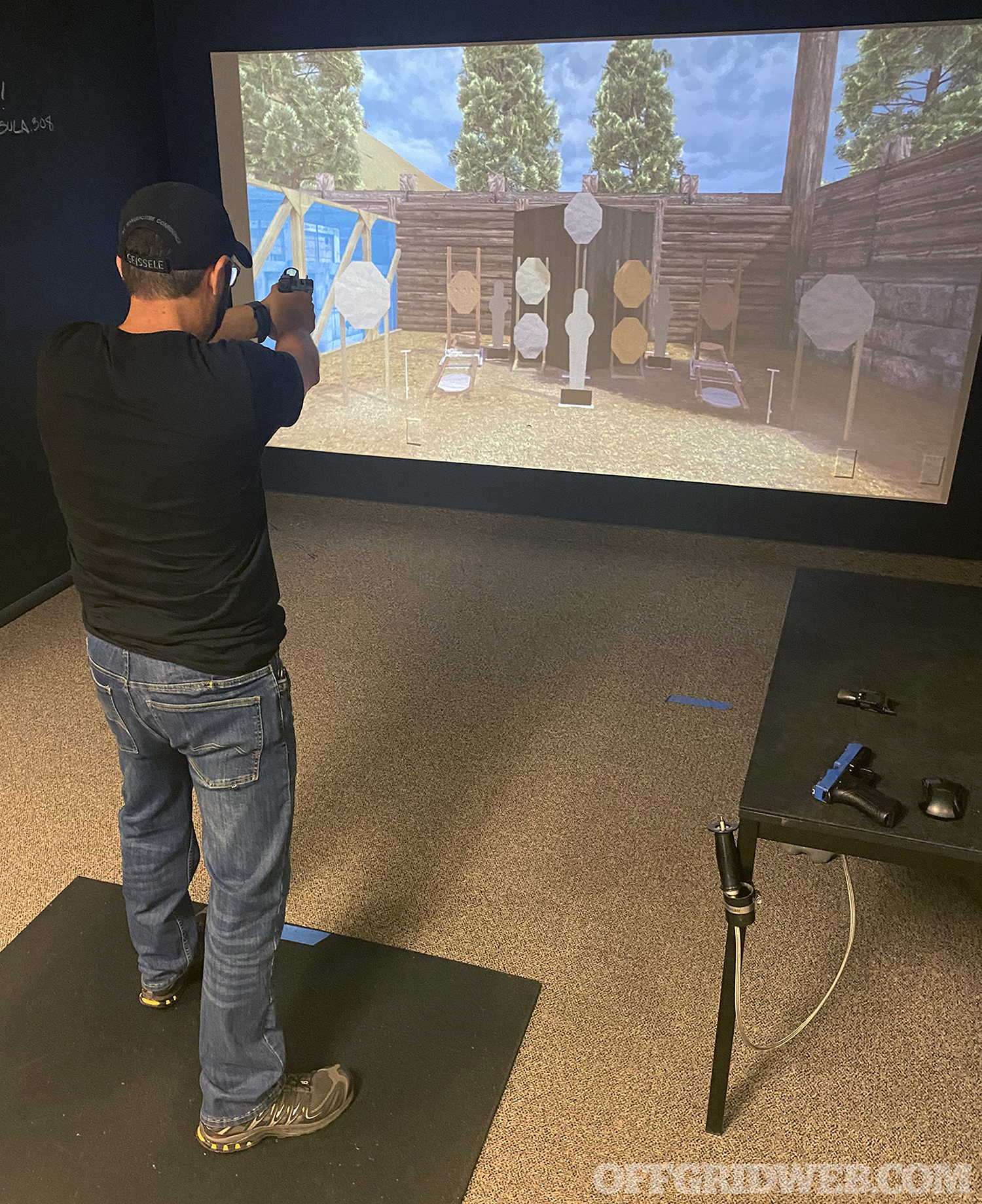
Over the last few months, I’ve taken several handgun classes that incorporated intermediate and advanced concepts. These skills have made me more well-rounded, but it’s critical to periodically check and strengthen the foundation they’re built upon. With this in mind, I signed up for a one-day pistol fundamentals class taught by David Laird of Dynamic Combative Solutions (DCS) in Phoenix, Arizona. This class was split into two four-hour segments taught back-to-back. The first half, Precision Pistol, was intended as an introductory class, covering basic shooting technique and accuracy. The second half, Holster Fundamentals, focused on drawing the gun from a holster quickly while maintaining accuracy. If you’re an experienced shooter, this may sound painfully simple, but don’t underestimate the value of these core skills. As Ernest Emerson told students at the Surviving Inside the Kill Zone class I covered last issue, “An expert is one who has mastered the basics.”

After the safety briefing, students headed out onto the range with inert blue guns and took a shooting stance. Laird pressed firmly against the muzzle of each student’s blue gun, looking for signs of staggering or instability. Next, he emphasized the importance of controlling recoil with the support hand. The dominant hand has one job: press the trigger. Laird says students should be able to shoot accurately with only the support hand gripping the gun. One tip that stuck with me from this segment was locking the wrist. Extend your support hand in a “thumbs-up” gesture, then tilt your wrist forward until the thumb is pointing straight ahead. You’ll feel a little extra tightness along the top of your forearm, which will help with recoil management. Trigger press is another essential element — placing the center of the fingernail over the center of the trigger, applying steady pressure to break the shot, and returning instantly to the reset point.

After a few hours of practice with guns in hand, we began drawing them from our holsters. Laird taught students to begin with the backstrap pressed inside the heel of the palm, and with the support hand flat across the chest. The gun is drawn up along the torso, the support hand slides across to meet it, and wraps firmly around the dominant hand’s knuckles as the gun is pressed outward. We began slowly and deliberately, completing this draw stroke in five seconds. The process was then accelerated to four, three, two, and one-and-a-half seconds, taking care not to rush and build bad habits.

training target Dynamic Combative Solutions

Above: Once students have completed a class with Dynamic Combative Solutions Training, they’re granted access to a Facebook group where they can download target PDFs and other helpful resources.

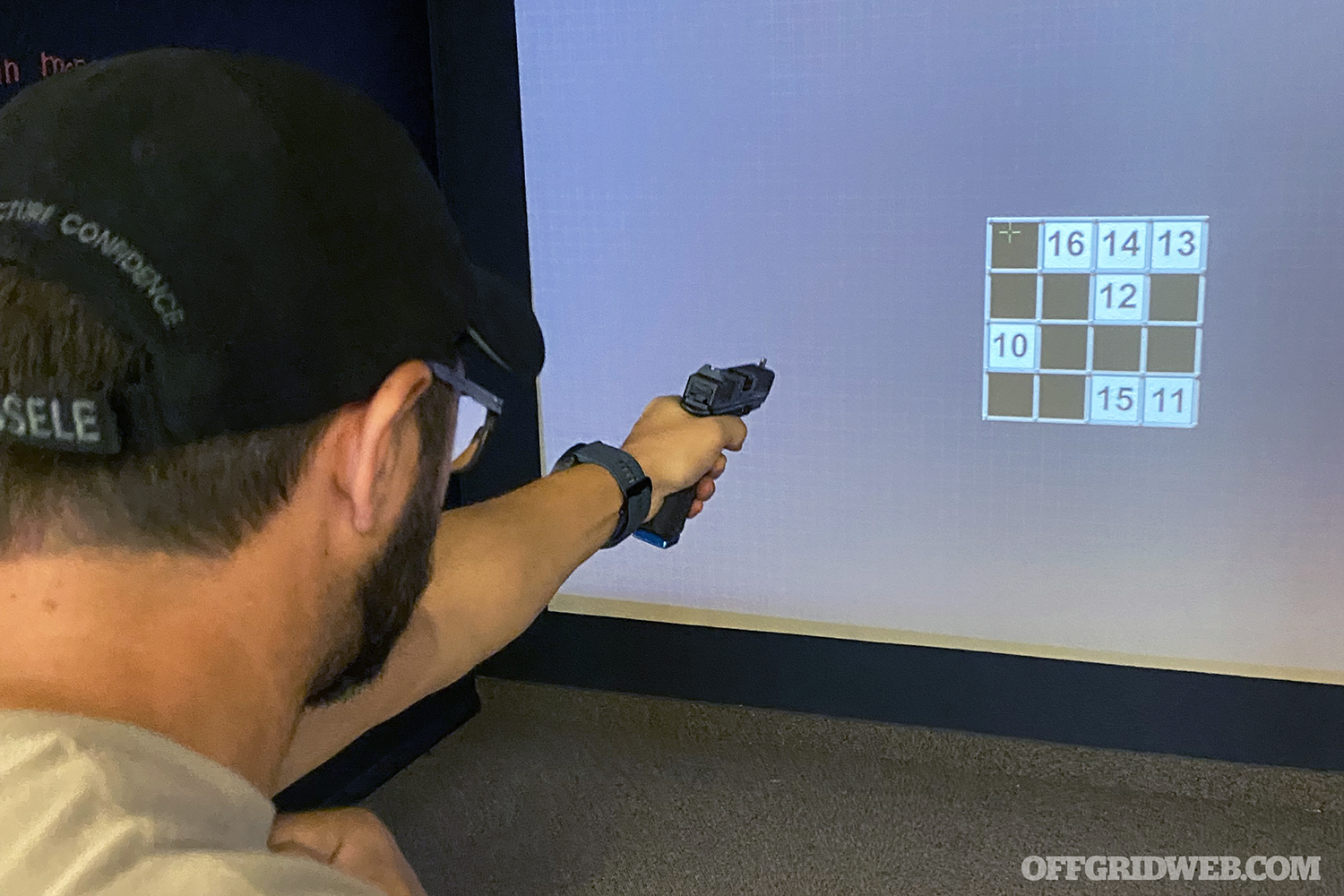
All of these skills came together in the Dynamic Combative Solutions Warmup Drill, which involves shooting a piece of printer paper at the five-yard line. Sounds easy, right? It isn’t. The paper has four rows of 1-inch boxes

Consistency: Draw and fire one shot, three times per box for a total of 15 rounds.

Height Over Bore: Draw, align sights on the indicated line, then fire one shot per box. (This shows the difference between point of aim and point of impact.)

Confirmation: Draw and fire one shot, putting the bullet directly through the 9mm black dot. Repeat twice per box.

Cadence: Fire five shots per box in time with a metronome set to 60, 120, 180, and 240 beats per minute. In the final box, shoot a full magazine as quickly as possible without missing the box.

By the end of the day, I was much more confident in hitting these 1-inch boxes, but the real revelation occurred when we stepped back to 25 yards. Every student was amazed at how easy a standard target felt after working with tiny boxes at close range for eight hours. By slowly layering each element of stance, grip, draw stroke, sight alignment, trigger control, and follow-up shot cadence, this class from Dynamic Combative Solutions served as a much-needed refresher on the fundamentals of handgun precision. For more information on future Dynamic Combative Solutions pistol, rifle, and shotgun classes, go to www.dcs.training.

Keep an eye out for a recap of another training experience in the next edition of The Final Weapon. Until then, get out there and work on sharpening your own skills — when the time comes to use them, you’ll be glad you did.


More on Training


Nutrient Survival: A Fresh Take on Survival Food

Survival food harkens from two distinct histories. On the one hand you have the timeless foods that call back to historical societies, and on the other hand you have the result of sending people to the moon. From the outside, it looks like a choice between home-made granola bars versus freeze dried astronaut food. Somewhere in the middle we might find MRE’s or Military rations: what our grandparents lovingly called shit-on-a-shingle. Survival food, from Maslow’s hierarchy of needs, ranks high in a must-have, but are all survival foods created equal? Nutrient Survival says no.

The market of Survival Foods lives in two extremes: most of the time only a few people are interested in it, but in rare moments, such as every four years in the United States, suddenly millions are interested in stowing away whatever supplies they can gather in the event of possible, if not now likely, unrest disrupting the normal supply lines of grocery stores. If faced with starvation, surely all foods with a long shelf-life will look like they are created equal, but Nutrient Survival says otherwise.

nutrient survival package

Above: the starter kit from Nutrient Survival included some additional goodies, but the greatest asset was a chance to test an array of meals, bars, and cookies. 

Fitting within the category of freeze-dried foods, Nutrient Survival addresses one problem with survival foods from a defensive mindset. The reality of survival is that merely having something to eat will only function for so long. Nutrient deficient food will keep hunger at bay, but will eventually fall short of keeping the body alive, as viruses, diseases, and even the small infections from day-to-day activities can become life-threatening overnight. Students of Ranger School are taught to maintain small things like skin-deep cuts on their fingers, and watch for even the slightest swelling while enduring the days and weeks in the field, lest they become life-threatening infections.

Nutrient Survival brings their own take on survival foods: taking advantage of the long storage capability of freeze dried food, and infused with their proprietary blend of nutrients including:

  • 40 Essential Nutrients
  • 14 Vitamins
  • 14 Minerals
  • 9 Amino Acids
  • Omega 3 and 6 fatty acids
  • Fiber
  • Protein for muscle health

With an ingredient list that often looks similar to a daily multivitamin, Nutrient Survival has a technical list that is worthy of notice, but in the field is another question entirely.

survival meal variety

Above: the test samples we received came in 1-person single serve meals, however, they spanned different flavor profiles for different times of the day. 

It so happens that right before discovering them, we had a 10-day venture into the San Juan Mountains in southern Colorado. The test subject had experience with food shortages in Ranger School, but minimal time trying out the latest options of freeze-dried foods, including Peak Refuel, Mountain House, and even brought some of his own DIY options. the environment provided a list of challenges, included limited water supply, inclement weather, and labor intensive movement such as summiting a mountain, outlasting a winter storm in a semi-sheltered valley. In this case, the food had to not only sustain the body’s functions and provide enough substance to satisfy a hungry stomach before trying to sleep through the night, but also be palatable. Morale was even taken into consideration.

Field Testing Nutrient Survival

For context, the test subject also regularly took an advanced pack of multivitamins before going to the field, but did not keep up with them throughout the time in the wilderness, as their convenience and storage quickly became a problem. Some routines could be maintained, but during this long-term hunt, keeping track of the packages and day/night packs quickly fell to the wayside.

Peak Refuel offered the most protein per meal, with each sealed package suggesting that it offered 2 servings. This was always ignored, as each “pair of meals” ended up in a single stomach. The label looked the most attractive after a strenuous climb, hoping that the protein would end up directly in the muscles required to make the next hike. Mountain House, on the other hand, somehow served the most enjoyable meals, but we could not confirm this as it turns out their food was always consumed after good news passed through the camp. Nutrient Survival meals, however, weren’t passed out across the group, but stayed with the test subject.

nutrient survival test meal

Above: The Southwestern Medley took a moment to absorb the required boiling water. Meals like this highlight a distinction from the normal, almost Midwestern Staple meals expected form most survival food options. 

Consumed in the mornings, the meals failed to offer the comfort of home in their breakfast and lunch options, but as the cuts and scrapes of the venture added up, a noticeable reduction in swelling and sensitivity expanded day after day. Did the food taste terrible when eaten as designed? No less than expected when coming from a household that is almost foreign to processed foods. But even as the saying goes, it was received better than fast food breakfast sandwiches would have been.

The payoff didn’t come quick. The immediate shock of the wilderness stung the eyes and the muscles, all the more so after almost three seasons of lockdown. Nutrient Survival foods come in two forms: classic freeze dried meals, and quick snack bars and cookies which taste something like an awkward-but-flavorful fusion between protein shake, CLIF bar, and home-baked goodness. The bar-meals still had the biting taste of popular meal-bars, and left an after-taste like common protein powder, but in the mornings, while scaling a cliff face, or down-climbing under a head-lamp, they quickly turned the struggle of an early morning movement into an ambitious pursuit of something more. Nutrient Survival foods are water-dependent. That doesn’t set them aside, however. It means if you’re relying on them for the long term, have a good supply of potable water.

After a few days of winter storms, and scaling mountains, the value of Nutrient Survival meals began to take form. If playing the long game, their meals only added value over time. Given, few people investing in survival foods are interested in holding out for only a week or perhaps even a month, Nutrient Survival has both the short-term and long term in mind.

Successes and Challenges

Nutrient Survival tackles the survival food problem of adding a helpful cocktail of additives to make their meals both edible and vital to a survival food supply. Where they fail is on one single line. If you or your family is violently allergic to dairy, look elsewhere.

As a valuable supplement to an already established food supply, look into their meal-bars. Altogether, the lineup of Nutrient Survival can outfit a family itself, but when considering a variety of foods does wonders for morale, look at them as a valuable asset, not an exclusive provider. While their meals will cover a range of traditional meals, spanning what Americans have come to expect from Breakfast, Lunch, and Dinner, we suggest limiting them to the first two, and handle boosting snacks in between. Depending on where you live, and your social milieu, dinners will likely have a greater expectancy of larger, heartier meals, and although Nutrient Survival’s meals can fill this roll, the nutrients offered serve better both throughout the day, and in the morning, where they can impact one’s performance throughout.


You can find Nutrient Survival at: https://nutrientsurvival.com/

Their instagram is here @nutrientsurvival

All Photography by Samantha Lauraina.

Her work can be found on Instagram @samanthalauraina


More on Survival Food and Preparation


Boot Laces: Pocket Preps

Let’s face it — the quality and versatility of shoe and boot laces tends to get overlooked. We’re wondering why footwear companies tend not to put as much effort into this component as they do sole construction, padding, and breathability. It has created a misconception that all laces are the same. When the laces on your sneakers or boots break, you usually replace them with some store-bought boot laces of questionable composition, or a generic piece of cord, right? That being said, we felt this oft-neglected product deserves closer inspection. Here, we’ll show you some options you probably never knew existed before.

We discovered some brands out there that’ve put the time and research into creating laces far superior to what you’re used to seeing. Whether it’s using your boot laces as a SERE tool or survival cordage, we decided to take a look at some brands offering laces that made us raise an eyebrow. We not only examined the features you’d expect to see in this column, but also decided to torture-test each brand by using them to cut through a piece of ½-inch PVC pipe. Whether they were originally designed for that function or not, we hope this sparks your interest in re-examining the importance of boot laces and investing in some better backups in case your primaries fail. Come to think of it, maybe you’ll be motivated to preemptively replace your boots’ laces with one of these brands.

boot laces cover


DIY Laces

If you’re feeling crafty, here are some material options to consider that would also work well to create improvised boot laces:

900-pound Braided Kevlar kite string

550 Firecord

620-pound Titan SurvivorCord with fishing line, tinder, and wire strands

Mil-spec 550 paracord

Glow-in-the-dark paracord


UST Paratinder Boot Laces

UST boot laces

Length: 63 Inches

Colors: Black, Green Camo, Orange

Materials: 550 paracord with tinder core interior

MSRP: $5

Where to Buy: UST para Fire Tinder Shoe Laces under $5 at Amazon

Inside the paracord covering, these boot laces feature a tinder core that can be lit and used as a fire starter. You could use a little at a time and reseal the lace by melting the tip, or remove the whole core at once. This enables the wearer to relace their shoes after the core is removed, rather than having to burn the entire lace as kindling. Exposing the interior waxed tinder strand will require cutting off one end. Although we’d prefer more length options, these fit our 5.11 Apex 8” Boots (which originally came with 72-inch laces) easily. The paracord outer sheath ruptured about ¾ of the way through our PVC pipe test, but the firecord interior managed to cut through the remaining pipe. Although maybe not the best for escape and evasion purposes, these boot laces could be a lifesaver in cold, wet climates. Made in China.

Pros:

  Reasonably priced

  One of the few options on the market designed for fire-starting

  High-vis and low-vis colors

Cons:

  More length options would be desirable


ITS Tactical ITS Escape Laces

its tactical boot laces

Length: 54, 60, or 72 Inches

Colors: Black

Material: Kevlar

MSRP: $11 to $13

Where to Buy: store.itstactical.com

As the name suggests, ITS Tactical makes these boot laces specifically for escaping restraints, and they get points for not calling attention to themselves by looking too tactical. The webpage for this item even features a video on how to tie the laces around your feet and bicycle kick to cut through zip-ties. It passed our test sawing through PVC pipe with little to no fraying of the material. Although escape and evasion may not be your primary focus, you may want to check these out if you’re a firefighter, welder, or working in some other capacity where your boots are exposed to high heat.

Pros:

  Versatile design works with different styles of footwear

  Made in the USA

Cons:

  Only three lengths offered

  Only comes in black


Oscar Delta T72 Hybrid Technora Boot Laces

Oscar Delta boot laces

Length: 72 inches (Custom Sizes Available)

Colors: Many

Material: 55o Paracord Outer / Technora Interior

MSRP: £15 GBP (approx. $19)

Where to Buy: www.oscardelta.co.uk

Oscar Delta is well known for making escape and evasion tools. These laces were thick and pliable. We especially liked the metal tips (fun fact: these are called aglets). The paracord exterior surrounds an inner single braided strand of Technora — a high-performance fiber made by Teijin, similar to Kevlar made by DuPont. It passed our PVC-cutting torture test and didn’t appear to damage the exterior. We think, given the options for sizing and colors, these boot laces would work well in numerous capacities. Custom made to order in the UK.

Pros:

  Custom sizes available

  89 color options

  Free shipping worldwide with minimum purchase

Cons:

  Tips had to be cut off to access interior cordage


Diamond Performance Diamondlace

diamondlace boot laces

Length: 45, 54, 63, 72, 84 inches

Colors: Black, Brown

Material: Proprietary Synthetic Material

MSRP: $10 to $16

Where to Buy: Diamondlaces on Amazon for $10

The diamondlaces come in a metal tin, which definitely earns them an A for presentation. We were also pleased to see that the company stands behind the product with a lifetime guarantee. Although these laces were svelte in terms of thickness, they cut through our PVC pipe with ease and the material didn’t show any damage. We would’ve liked more color options, but are sure the existing selection would work in everything from an improvised emergency device to a bowfire drill or campsite cordage. The company also offers other high-strength cordage items for power tools and pull-start motors.

Pros:

  Made in the USA

  Lifetime guarantee

  Numerous sizes

Cons:

  Only two colors


Shomer-Tec Escape/Survival Boot Laces

Shomer tec boot laces

Length: 36, 45, 54, 60, 72 inches

Colors: Black

Material: Technora

MSRP: $18 to $20

Where to Buy: www.shomer-tec.com

Aside from the sheer strength of the materials, Shomer-Tec’s laces also feature a removable handcuff key that slips over one of the lace’s tips. The key’s rubberized boot allows you to grip it easily. The tip of the key is plastic and, although it worked on a pair of Smith & Wesson handcuffs just fine, be cautious as to how much force you use, lest you break it off inside the cuffs. We felt that having two keys as opposed to one would be a little more inconspicuous — one lace tip looks different than the other, and this could cause kidnappers to take notice and confiscate the very thing you’re relying on for escape. However, since the key is non-metallic, it also gives you the option to conceal it elsewhere.

Pros:

  Innovative design

  Cuts through PVC pipe with no damage

  Made in the USA

Cons:

  Only comes in black

  Only comes with one key


Ironlace Unbreakable Boot Laces

ironlaces boot laces

Length: 33, 45, 54, 63, 72, 84, 96, 108 inches

Colors: Black, Brown

Material: Proprietary Synthetic Material

MSRP: $16

Where to buy: www.ironlace.com

Ironlace Unbreakable Boot Laces are also on Amazon for around $16.


We liked that there are lots of size options available for these laces, which make them suitable for everything from street shoes to tall boots. Geared toward anything from industrial work to first responders to military, they’re made in the USA and the company also backs them with a lifetime guarantee. They cut through our PVC pipe just fine and all the company’s products support employment for the blind. Ironlace also makes other products specific to athletics like skateboarding and hockey.

Pros:

  Made in the USA

  Lifetime guarantee

Cons:

  Only two color options


Kg’s Boot Guard KG-XTREME Heavy Duty Boot Laces

kg boot guard boot laces

Length: 45, 54, 63, 72, 84, 108, 120 inches

Colors: Black

Material: Kevlar / Heavy Duty Nylon

MSRP: $8 to $13 (at time of writing)

Where to Buy: Currently $12.98 on Amazon

These wax-coated laces are geared toward industrial work, but we think they’d also make sense for SERE and outdoor use. They cut through PVC with ease and didn’t appear to be damaged at all afterward. We like that they’re competitively priced. We wish there were more color options available, but they definitely work as great all-purpose laces. The company also offers other footwear protection and cleaning products. 

Pros:

  Numerous size options

  Made in the USA

  Satisfaction guaranteed

Cons:

  Only comes in black


Read More for Pocket Preps


Covert Carry versus Concealed Carry

What do you think of when you hear the term “concealed carry?” Your first thought might be the legal definition of carrying a concealed gun or knife, and the accompanying guidelines in your home state and city. Perhaps you think of skills you’ve practiced in self-defense classes, or you think of the equipment you’ve accumulated for the purpose of concealment — there are a nearly infinite number of handguns and holsters you can keep hidden on your person. No matter which subtopic crossed your mind first, there are many variables to carefully consider and research. This is compounded by the amount of information available through internet forums, gun-store counter jockeys, and local “gun guys,” which is both immense and rife with inaccuracies.


Above: Drawing from concealment while moving or changing position is a vital skill to responding with a covertly carried weapon.

In order to clear the air and find firm ground to start from, we sought out some of the best instructors we could find to teach us how to properly and responsibly carry concealed. We quickly learned that what we wanted to learn about was better defined as covert carry. What’s the difference? Merriam-Webster defines the two terms as such:

Concealed: kept out of sight or hidden from view

Covert: not openly shown, engaged in, or avowed

It may seem like semantics on the surface, but just because something is out of direct view doesn’t mean it’s truly hidden. If you live in an area where concealed carry is prominent, you may have seen someone else’s gun “printing,” or creating a noticeable silhouette through their T-shirt or jacket. Is the gun out of sight? Yes. Is it actually not showing? Different story.

The theory of covert carry comes primarily from the military and law enforcement community where appearing truly unarmed could be advantageous or required based on circumstances. For example, police officers in high-risk undercover roles or military personnel working in plainclothes special operations or intelligence-gathering operations. For private citizens, there are numerous reasons to want your pistol completely undetectable until needed. Having your weapon hidden provides certain tactical advantages. Having your gun exposed or readily visible may actually make you a target in some cases. For example, let’s say you’re standing in line at a convenience store, idly waiting to purchase a soda and some scratch-off lottery tickets, when someone enters the store to rob the register. If you’re open-carrying or your gun isn’t truly invisible, the robber may decide you need to be dealt with first. If you’re being targeted for a mugging, an exposed weapon may increase the level of violence used in an initial surprise attack, eliminating the option of simply handing over your wallet or watch, which, frankly, are probably not worth killing or dying for. Or you may be targeted specifically so that the bad guy can get themselves a nice new gun.

There are also potential legal pitfalls to incorrect concealment. In some jurisdictions, concealed carry of a weapon is legal, but open carry is not. Some of these laws are so stringent that if your gun is “printing” or pokes out of your cover garment when you bend over to pick something up, this can be legally defined as brandishing — an offense that can be prosecuted as a felony in some jurisdictions (especially those with prosecutors who aren’t fans of Second Amendment rights).

We strongly advocate that, if you choose to carry a handgun, you carry it covertly when you’re able to do so. The idea of your gun being a visual deterrent is a weak possibility at best. At worst, it’s an invitation to be harassed or attacked solely for having it on you. In order to enhance our knowledge and skills related to covert carry, RECOIL OFFGRID staff attended two courses focused on this topic and came away with a number of lessons that go well beyond what holster to use or where to put it.

Above: Dave Spaulding demonstrates a closed-front garment sweep.

All The Puzzle Pieces:

Handgun Combatives’ Advanced Covert Handgun Course

Dave Spaulding has been teaching duty and defensive handgun use longer than most of our staff has been alive. His company, Handgun Combatives, offers a dedicated Advanced Covert Handgun class that focuses heavily on the theory and practical lessons of covert handgun carry. He does an excellent job of presenting a literal lifetime of lessons and “carry hacks” that went a long way toward helping us make informed decisions about how and what to carry.

dracula draw 1

Above: It may look melodramatic in photos (hence the name), but it provides a way to move the cover garment with your support hand while drawing with your strong hand.

Carry Gear

First off, it must be understood that the handgun you choose to carry is one part of a concealed carry system that encompasses your pistol, holster, belt, and cover garment. Let’s take a look at each of these and establish some selection criteria before we look at how to harmonize them:

Pistol: The size, shape, caliber, and capacity of the pistol you carry is a deeply personal choice. Spaulding doesn’t make any hard recommendations in this area, and neither do we. What we will say is that, in our opinion, you should carry the largest pistol you can comfortably conceal. If you choose to carry a super-slim, ultra-light, micro-machine of a pistol, do so with the knowledge that you will have fewer bullets, smaller sights, and (in most cases) stiffer recoil, with stiffer recoil springs that can make the slide harder to manipulate.

If you’ve made your peace with this, you’re restricted to this type of pistol based on local laws, or you’re absolutely certain there’s no other way to avoid printing, so be it. Guns that are uncomfortable to shoot or manipulate will simply be shot less often, resulting in a less-proficient shooter. So, whatever you pick, make sure you can get through a 100-round range session with it and not feel relieved to be finished. Our personal preferences as a team lean toward having the best-performing pistol we can make covert.

Red-dot optics, lights, effective ballistics, and substantial capacity are all advantages we want in a life-or-death encounter. Don’t choose a more “convenient” handgun that short-changes you on performance potential. If you need the gun, you’ll want every bit of help it can give you — in Spaulding’s words, you’ll be better off in any gunfight with a fistful of gun.

Above: A well-concealed pistol is no good if you can’t access it. Rehearse your concealed draw from a variety of body positions.

Holster: There are a couple of simple factors to consider when selecting a holster. First, make sure your holster fits your gun. It sounds silly, but even in 2020, there are still generic holsters sized “small, medium, or large,” and big-box sporting goods stores sell way too many of them. Choose a carry gun based on your assessed needs and personal preferences. Then, choose a holster for that gun and only that gun.

The holster is your gun’s better half. It’s the place your gun returns home to after doing hard work. Choose accordingly. That includes proper level of retention (i.e. the ability of the holster to keep the gun securely in place). There’s nothing wrong with open-top holsters that use friction retention rather than a secondary lock or release mechanism. However, there should be enough friction that your pistol doesn’t fall out if the holster is turned upside down and jostled. On the flip side, the level of friction shouldn’t inhibit your draw stroke.

We don’t care if you prefer leather or Kydex, but conventional wisdom says avoid fabric and other soft materials at all costs. This plays to a point that Spaulding emphasizes in his class: Your holster should not collapse when you take the gun out of it. If you draw your gun, the “mouth” of your holster should not close or change shape at all. This issue is non-existent with Kydex or injection-molded polymer holsters due to the nature of the material.

While this used to be a risk with some softer leather holsters, most modern carry designs have overcome the problem by reinforcing the top edge of the holster with an extra layer of leather, additional rows of stitching or thin metal or plastic inserts underneath the leather layers, which provide rigidity and shape. Lastly, make sure your holster fits your belt. If you wear a 1.5-inch-wide carry belt, don’t settle for a holster with 1.75- or 2-inch belt loops. This will create sliding and tilting that’ll never be under control, and there’s a high chance your holster — and the gun in it — will not be where you want it when you need it.


We don’t care if you prefer leather or Kydex, but conventional wisdom says avoid fabric and other soft materials at all costs.


The Belt: The belt itself really only has to pass three tests: Does it support your carry load? Does it fit securely? Does it fit your wardrobe? Regardless of whether you prefer leather or nylon, the carry belt should be rigid enough to hold the weight of your pistol and spare ammo, but flexible enough to be comfortable. Spaulding warns that stiffer isn’t always better. There are some carry belts out there made from double-layer SCUBA strap webbing. Once you wear these belts a couple times, they’ll take a set so stiff that you can remove the belt and hold it out in front of you, and it’ll remain a nearly perfect hoop. While the load-bearing capacity of these belts is substantial, they can dig or cut uncomfortably into the hips and back while seated or during extended wear. Some leather carry belts feature a plastic strip sandwiched between two layers of cowhide, and these can produce the same problem.
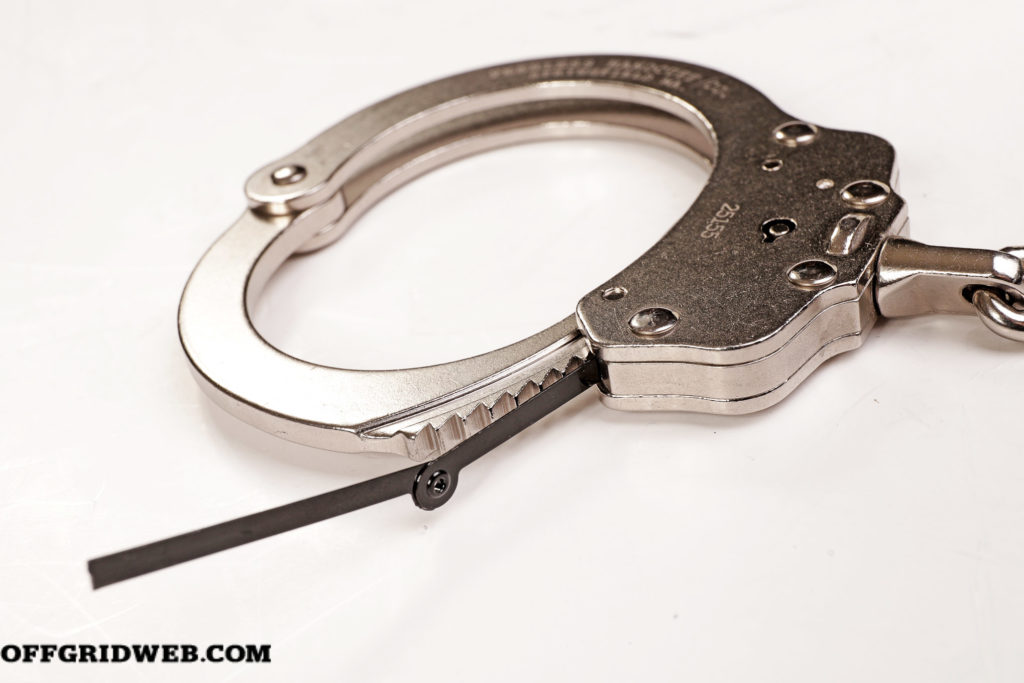
Of course, all the carriage capacity in the world is useless if your belt doesn’t have an adequate closure system. Some modern belts feature a friction slide or open-bottom G-hook. These are convenient and quick but offer little assurance of holding their own if you wind up running, climbing, shimmying, or grappling. Some have buckles that snap positively into place but also have release buttons or levers that can be tripped just by bending over or sitting down. Finally, your belt has to make sense with your wardrobe. This is less about fashion and more about maintaining covert status by ensuring that your wardrobe portrays a consistent narrative. Pairing your navy blue pinstripe suit with a double-layer MultiCam nylon belt with AustriAlpin Cobra buckle is going to raise eyebrows to even the most pedestrian observer.

Cover Garment: Much like the belt, your cover garment must match your narrative — that is, the story you tell onlookers with your appearance. For many years, concealed-carry vogue was to wear your pistol outside the waistband and cover it with a vest. These vests could be found at any outdoors or sporting goods store and were typically marketed to photojournalists or fly fishermen. Usually, they’re black, khaki, or dark green. They zip up, but are always worn open, and adorned with beaucoup cargo pockets. These vests, paired with heavy denim jeans and hiking boots, essentially make you a walking advertisement for your gun. While these “shoot me” vests may indeed conceal your pistol, they’re not even remotely covert in today’s carry-savvy circles. Another common problem is cover garments that are either too tight or too short. The former creates the telltale “carry bulge,” and the latter lets your gun play peek-a-boo any time you bend over or reach up high. If you choose to wear your gun outside the waistband and use a flannel or dress shirt to cover it, make sure your shirt isn’t so thin that it’ll flutter open on a breezy day, turning you from a concealed carrier to open carrier in a single gust.

Carry Positions

Now that we’ve got all the individual components outlined, we can combine these to create a couple of different carry styles. We’re only going to go in-depth on the carry positions we recommend. Then, we’ll touch briefly on some others, and why neither the RECOIL OFFGRID team nor the instructors cited recommend them.

Strong-Side Hip Carry: This is probably the most convenient carry position and stems directly from the duty-carry positions still used by military and law enforcement shooters today. While you can stick a holster anywhere on your waistline, a 3-o’clock hip position is most recommended (make it 9 o’clock for lefties). This position lends itself to a smooth, efficient uncover and draw. Since your arms naturally hang directly at your sides, and swing just fore and aft of your hips while walking, your hand is in natural close proximity to the gun through most normal daily body movements. If you’re a uniformed professional pistol carrier, chances are this is where your pistol sits on duty. Keeping your handgun in this spot while concealed reinforces consistency between on- and off-duty carry.

Even if this is not the case, inside the waistband (IWB) carry may not be comfortable or even realistic depending on your body type. If you carry outside the waistband (OWB), ensure that routine tasks like taking out your keys or wallet don’t inadvertently sweep back your cover garment. OWB carry is generally very comfortable when standing or walking around for a wide array of physiques. But if you spend a lot of time sitting, you’ll likely have to lean or bend to draw your gun. Also, if you spend all day behind the wheel of a car, and you’re a right-handed shooter, your seatbelt buckle is going to sit right over top of your gun. OWB hip carry permits a wide variety of cover garments from windbreakers and rain jackets to goose down vests, sport coats, and pearl-snap shirts.

Above: The traditional strong-side garment sweep is one of the more commonly taught ways to access a concealed pistol while wearing an open-front cover garment.

Appendix/Abdominal Carry: The most covert methods of IWB carry can be split into two separate categories that are often lumped together in common vernacular. The terms “appendix carry” or “AIWB” (Appendix Inside the Waistband) have come to represent any style that sits inside your waist, forward of the hip bones. But, if we’re being specific, your appendix is roughly located just forward of your right hip. Carrying here takes advantage of the natural concave spot or “hollow” just inboard of the pointy part of your hip bone.
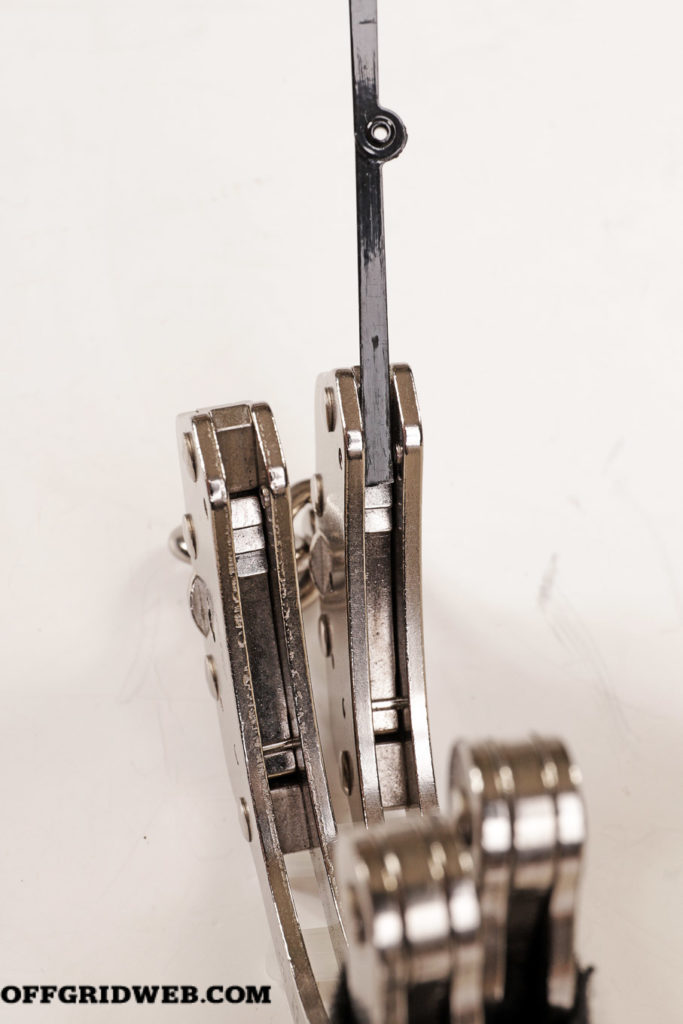
A properly designed appendix holster will fill this void without excess bulk and may feature an extra belt loop, bump, or “claw” feature to pull the butt of the handgun in toward that aforementioned pointy bone. Carrying in this spot is not new. In his Covert Handgun class, Spaulding cites examples of this carry spot being used as far back as the mid 1800s when derringers and small revolvers fit perfectly in this location.

What has become more common in modern times is what Spaulding categorized as abdominal carry. This technique places the gun much closer to the centerline of your body, usually just to the right (or left) or your belt buckle or belly button. The en vogue holsters of this category often feature attached pouches for a spare mag, knife, or tourniquet. We’ve personally seen people conceal a mid-size pistol, two spare magazines, and a knife in a custom rig that spanned the entire front half of their waistline.

That individual’s body type and the well-designed custom rig allowed all this gear to disappear under a plain T-shirt just one size larger than he’d wear unarmed. If you’re not looking to tote a full-combat load, this carry method will allow most people to conceal a larger handgun than they could with other carry methods. Several RECOIL and RECOIL OFFGRID staff members favor this position, and can comfortably conceal a Glock 19 equipped with both a weapon light and red-dot optic under an ordinary T-shirt.

appendix abdominal carry

Of course, size isn’t all that matters. As already mentioned, the right combination of gear and body type can make a healthy-sized handgun disappear with very little effort put into cover garment choice. In this carry position, bending over poses little risk of revealing your weapon. Reaching up high only requires your shirt tail is long enough to allow some ride up. If you reach up and then lower your arm, or transition from sitting to standing, you may have to be conscious of your shirt bunching around the back of your slide, your rear sight or your hammer (if carrying a hammer-fired gun).

If you upgrade to a heavier button-up shirt, this situation becomes even less likely. Rapid access to your gun while sitting or driving is perhaps easier in this position than any other, if you don’t find it uncomfortable. Depending on your handgun and the local climate, hard metal resting against the softer skin of your stomach may cause chafing or scraping over the course of a couple hours. It usually isn’t an issue for us. If it is for you, wearing a thin undershirt will usually fix it.

Polymer handguns with aggressive frame textures are usually the most notable culprits. Your editor’s trick is to have the front and back straps of his carry guns aggressively stippled while having a lighter, smoother texture applied to the sides. Your mileage may vary, but it’s one way.

You might be tempted to lump fanny pack holsters into this category. While they routinely fall in and out of fashion in the carry crowd, we have some serious concerns about them. Most fanny packs use a two-prong pinch clip or Fastex-type buckle to keep the pack around your waist. If someone approaches from the side, from behind, or can reach around your hip, a two-finger pinch will instantly and completely separate you from your weapon.

There are a couple of carry-specific waist packs that have a more secure closure system, but this creates a juxtaposed problem. If your pack is truly secured to you with a heavy-duty nylon or leather strap that cannot be easily unbuckled, you have just equipped yourself with an external drag handle that runs all around your body’s largest natural hinge. All someone has to do is grab that strap and yank. One of two things will happen: You’ll lose your pack or you’ll be doubled over and thrown in whatever direction you’re being pulled from. Neither one is a great way to start a gunfight.

What’s Left: Behind the hip, sometimes known as FBI carry, or in the small of your back (SOB) have been used in both OWB and IWB configurations. However, these positions create additional complications on the draw stroke. Both are slower and less efficient. Additionally, imagine a scenario where you’re being pushed or grabbed from behind, or shoved into a wall or against the side of a car. From these angles of attack, it’s mechanically easier for your opponent to access your gun than for you.
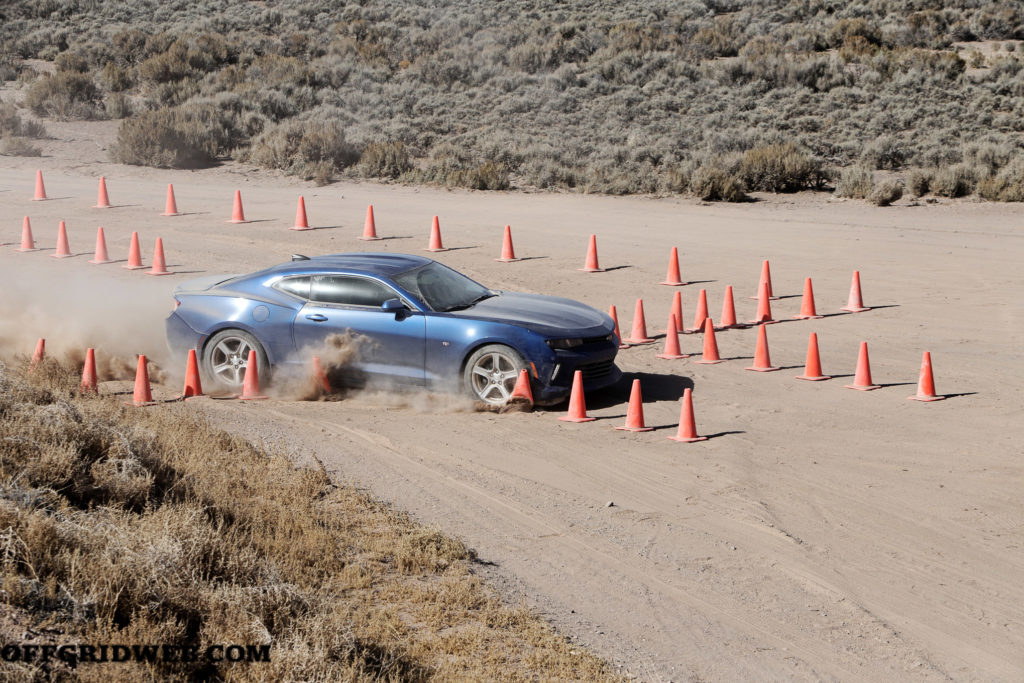
Sitting or driving will not only be uncomfortable but will pin your gun against the seatback, meaning you’ll have to fight for your gun while fighting your attacker at the same time. It’s also much more difficult to tell if your gun starts printing or becomes uncovered during the course of your daily routine.

Above: If strong-side-only draw is required, you can tuck your cover garment behind the pistol to expose it before drawing.

Shoulder holsters only really conceal with very specific types of cover garments. Even then, concealment is only guaranteed if you close your jacket, which prevents access to your weapon. When you do draw, it’s nearly impossible to do so without pointing the gun at yourself or someone around you. Shoulder holsters put your gun into a very precarious position if you wind up in any kind of hands-on confrontation that require you to fight for your gun.

Shoulder rigs that orient the gun horizontally can essentially hand the gun to any potential opponent who’s ever picked a pocket or practiced a brush-pass. Opposite this are ankle holsters. Like their shoulder-mounted counterparts, ankle rigs require very specific wardrobe considerations. They also severely limit the size and type of gun you can carry, while placing that gun at the furthest possible point from your hands that’s still connected to your body.

Off-body carry in a purse, sling pack, laptop case, or backpack can be incredibly covert, although this comes at the expense of quick accessibility. In particular, off-body carry is excellent if you have a need to carry a compact carbine or rifle-caliber pistol in addition to a handgun. We’ll be covering this specifically in a future article.

Mechanical Advantage:

Modern Samurai Project’s AIWB Performance Course

Above: An alternative to tucking the garment behind the gun for a strong-side-only draw, Jedi demonstrates pulling the garment up and then rolling your hand underneath it to trap it during the drawstroke.

A couple of months after we experienced Adaptive Covert Handgun, we had the opportunity to train with another subject-matter expert from an entirely different background. Scott Jedlinski, or “Jedi,” is a lifelong martial artist and master class competitive shooter. His company, Modern Samurai Project, is most well-known for teaching high-performance handgun shooting with red-dot-equipped pistols. But Jedlinski and assistant instructor AJ Zito also invited us to attend a one-day workshop that focused on optimizing abdominal carry performance.

Taking a high-intensity class (400-500 rounds in the one day) that specifically fuses covert carry and pistol performance taught us a couple of excellent lessons, and completely cemented our preference for abdominal carry. While you may not plant your flag on that method of carry, there are a couple of takeaways for those who favor it. These lessons, while intended for AIWB, can be adapted as examples for other methods of carry as well.

Get Personal

As we’ve already mentioned, your holster should be chosen with care, looking for overall quality as well as the specific features that best fit your mode of concealment. Jedlinski took some time to discuss holster modifications. One of the biggest issues people run into when using abdominal carry is the bottom of the holster digging into the pelvis.

Some Kydex holster makers have begun offering their abdominal holsters with adhesive Velcro strips and small blocks of foam precut in a variety of shapes to try and add some cushioning to the holster where needed. Jedlinski suggests cutting up a yoga mat for this purpose. These mats are cheap, readily available, and provide enough material to outfit multiple holsters, or at least try different shapes on the same holster.

Another concern many people have when carrying a gun at the center of their waist is that they’ll be walking around with a gun pointed directly at … well … their most intimate parts. A well-contoured piece of foam not only makes abdominal carry more comfortable, but also angles the muzzle outward and away from any part of the body, let alone sensitive ones. We learned a similar trick from Tom Matturro of One Chance Tactical Solutions. He recommended using a computer mouse pad.

We’re not sure if anyone actually has these at their desks anymore, but they’re still available at office supply stores and provide about a quarter-inch of padding. For the Editor, it’s a goldilocks level of fluff on the back of his chosen holster. We’re sure there are other things you could use, but the point is that a little padding goes a long way with abdominal holsters. Jedlinski also uses a small piece of foam at the top of his holster to create just enough space between the holster and his body to get a proper grip around the gun while drawing. But we’ll talk more about optimal AIWB draws in a moment.

Get Ready

Jedlinski and Zito cover five basic ready positions, which they describe as follows:

Surrender position: Hands held up in front of you, usually between your chin and your sternum, close to your body, elbows bent and pointed down

Arms folded: Mostly self-explanatory, with a couple of caveats for abdominal carry. Ensure that your strong arm is against your body with your hand flat on your torso. Lay your support arm over top, with your support hand flat against your strong side bicep. Many people tuck their fingers into the crook of the opposite elbow when their arms are folded. This will bind your hand up and impede the start of your draw stroke.

Hands in pockets: Again, mostly self-explanatory. But, when carrying a gun, there are only two ways to put your hands in your pockets. Either hook your thumbs in your pockets and leave your fingers flat against your pants, or put all four fingers inside the pockets but leave your thumbs exposed. Regardless, avoid placing your hands entirely in your pockets. If you have to draw your gun, you’ll be fighting the hems of your pockets to get your hands into action.

“Yosemite Sam:” This position is when you’re standing at a “soft ready” with your hands open, already hovering over your waist line.

Hands crossed: Let your arms hang loose at your sides. Now fold your hands in the middle of your body. Chances are your hands are hanging right in front of your belt buckle, which should also put them just below your AIWB holster. We found this position gave us our fastest first-shot times during the class. Whether that translates onto the streets remains to be seen.

Get A Grip

Training how to react if a fight starts from any one of five given positions might seem like a daunting task. But one of the points that Jedlinski makes in his class is that if your weapon is on or near the centerline of your body, the draw stroke is essentially universal regardless of start position. This is not not true for other carry positions, but another advantage of abdominal or appendix IWB versus OWB hip carry is that hip carry typically requires the firing hand to clear the cover garment and then return to the holster. AIWB allows you to clear the cover garment with your support hand while your strong hand grips the gun. Being able to do two things at once, using both hands, could arguably be more efficient and save you time on the draw.

Above: Author practices the “downward stab” draw technique during Jedi’s Path To Performance course.

There were two major takeaways about grip, as it relates to the draw that gave us substantial and measurable increases in speed out of the holster. The first is what Jedlinski calls the claw grip. When you first move your cover garment and go to place your strong hand on your pistol, don’t fight your own body to get a complete firing grip immediately. Since most of us keep some emergency calorie stores in our stomach area, there isn’t usually an open gap between our abdomen and the gun itself. Instead of trying to wedge your thumb in that space and wrap it around the gun, Jedlinski advises to stack your thumb on the back of the pistol.

He recommends touching your thumb to the rear sight as an index point. You may or may not be able to do this based on hand size and the pistol you’re carrying. For example, in his class we were shooting a Walther Q4 Steel Frame pistol and were not able to reach the rear sight due to the beavertail on the back of the frame. But on the Glock 19 we carry daily, that technique works perfectly. If you cannot reach the rear sight, lay your thumb along the inside edge of the back of the slide (the side resting against your body).

Then, as you draw, allow that thumb to slide further down to where it rests naturally. Once the gun cleared the holster, we didn’t spend any conscious thought on moving the thumb. It just wound up in the right spot as we reached the target. In the process, we became more efficient by not trying to force or dig our thumb in before clearing the holster.

The other tip has to do with how you grab the gun in the holster. Caveman logic led us to believe an upward-sweep type of motion with our arm, grabbing the gun on the way up, would be the quickest way to get our weapon into the fight. But the folks at Modern Samurai advocate a downward stabbing motion into the hand. We were skeptical at first, to say the least. Jamming our hand downward into the holster to pull the gun upward and out seemed counterproductive. But both Jedlinski and Zito are much faster shooters than we are, so we gave it a try.

What we found was intriguing. The downward stab turns into an upward rebound almost immediately upon making contact with the gun. The net effect is that, with a little practice, the gun seems to bounce out of the holster with forward momentum preloaded to carry you through the rest of your presentation. How well does it work? Prior to this class, the author averaged a 1.6-second first shot from concealment. By the end of our three-day class with Modern Samurai Project, we were down to a 1.2-second first shot, with consistent A-zone hits. Shaving an entire half second off your draw time in just 24 hours’ training time is a significant performance increase in relatively little time.

Is this important from a practical standpoint? The average human reaction time to a visual or audible stimulus is one-quarter second. If your reflexes are exceptional and you’re already primed to action, you might be able to get that down to 0.20 or 0.18 second. But most people walking around in their daily lives will be hovering around that 0.25 mark. That half-second off the draw potentially doubles the available decision-making time available to you.

Or, if you’ve already made the decision to shoot, you can now get three rounds on target as opposed to one in the same timeframe. According to trends being examined by several federal agencies, the first shot of most defensive gunfights is fired from within 5 yards, with the overwhelming majority of instances seeing all rounds complete within 7 yards. The bottom line is that, if it happens to you, you’ll likely have a bare minimum of time and space to react.

fenix ammunition

Above: Fenix Ammunition’s competition load pushes a 147-grain FMJ bullet at a dainty 900 fps. During our train-up for this story, we shot thousands of rounds to gain proficiency and relied heavily on this load to reduce fatigue during back-to-back classes and high-round-count range days.

To paraphrase Jedlinski: “Does it matter? Well, if you have a 1.5-second problem to solve, do you want a 1.6-second draw or a 1.2-second draw?”

Parting Shots

Carrying a gun for personal protection isn’t a decision to be taken lightly. Many people spend days, weeks, or even months researching the best pistol to carry. But all too often, their education stops when at the gun-store register. We argue the sales transaction (and state permit class, if required) should be the beginning of your concealed-carry education, not the end of it. Knowing how to carry, deploy, and employ a firearm for self-defense is even more important than knowing what to carry. Hopefully, this article serves as a primer for the kind of knowledge you need to have to be an effective and responsible armed citizen. But we urge you to seek out professional training when and where possible and commit to a level of practice commensurate with the gravity of the task. We hope you never need lethal force to protect you and yours, but sometimes you must choose between being safe and being ready. Make sure you have both options


Photography by Niccole Elizabeth and Patrick McCarthy


More On Self Defense, Survival, and Firearms


Winning the Germ War

Pick your favorite (or least favorite) disaster scenario and ask what your top priorities following that disaster will be. Are a clean body and living space on your list? They should be.

Sanitation and hygiene are fundamental forms of preventative medicine to block disease transmission. Human waste and household garbage harbor numerous infectious diseases. Properly disposing of these items and maintaining clean bodies are staples of the modern running-water world. With a flush of the toilet, taking a can to the curb, the turn of a knob, a little soap, and a few seconds, most of our sanitation and hygiene is handled effortlessly — so much so that very few of us ever consider life without these conveniences.

History shows that in disasters, one of the first things to become compromised is the infrastructure we rely on for hygiene and sanitation. The power goes out, and pumps shut down. Water lines are broken or compromised. Essential personnel to maintain infrastructure services fall ill or are unable to reach their workplaces. No matter the scenario, one of the greatest disaster challenges is maintaining clean and healthy living conditions. Meeting needs for clean water, sanitary waste disposal, and individual hygiene tops the list of priorities for every disaster response organization. Many tasks come later, or simultaneously, but without these fundamentals, the spread of disease runs unchecked.

Above: The household cleaners and soaps you already have can work with improvised hygiene and sanitation methods. Separate into smaller containers for rationing to group members.

Sanitation means keeping environments clean and healthy. Hygiene means keeping the body clean and healthy. Disease risk from unsanitary conditions and poor hygiene can be extreme, as bacteria, viruses, and other pathogens not only thrive in dirty environments but can be spread more easily.

Of primary concern is the transmission of diseases via the fecal-oral route, where pathogens in human waste pass from one person to another and are ingested. Diseases and pathogens that can be found in human solid waste include cholera, shigella, e. coli, hepatitis, giardia, cryptosporidium, tapeworms, amoebas, and even the SARS-CoV-2 virus. Fecal-oral transmission occurs most readily in environments where human waste cannot be dealt with appropriately. Pathogen-containing particles can be carried by unwashed hands and insects like flies to other people, uncovered food, shared water, and other items. Human waste above ground can be carried by run-off to contaminate waterways. Buried human waste can soak into the ground and contaminate below-ground water.

Trash is also a concern, as many of the items we throw away can rot, grow bacteria, and attract insects. Food wastes are a particular concern. Food itself can also be a culprit for disease spread, as without ready means of preservation, food can spoil and host a cornucopia of nastiness, including toxic spoilage-produced waste products, such as botulinum toxin.

To manage these concerns, we must plan for providing sanitation and hygiene in a disaster.

Above: A gallon jug with the lid drilled or perforated in multiple spots can be mounted on a rod to tip, by hand or with an attached cord pull, to wash hands or even shower under.

Clean Water

Nearly everything in this article requires having clean water. Without clean water we are lost, regardless of the other severity of our situation. Entire books can be written on this subject, and to cover sanitation and hygiene we don’t have room to take a deep dive into water. If you take nothing else away from this, take away a desire to research water storage, emergency water access, transport, filtration, and purification.

For the majority of Americans, water comes from the tap. Some of us may buy purified water to drink, or have filters in our kitchen, but most of our water comes out of the faucet without thought. Implicit in this arrangement is that we have very little water storage. The toilet tank, the hot water heater, and maybe a rain barrel or two if we have a yard — that’s it. If the municipal water systems are disrupted, accessing more water will become a challenge. The World Health Organization recommends access to 2 to 4 gallons of water per person, per day, for disaster response provisioning. Those “native” storage resources in the home will supply that only briefly. You need to identify water sources in your area now, before something happens, and think of ways to transport, purify, and store that water.

Above: Wash bowls filled with 1 tablespoon of bleach to 1 gallon of water can be reused repeatedly for washing your hands.

Fundamental to our discussion of hygiene and sanitation is using bleach (sodium hypochlorite) to disinfect water. Although bleach cannot remove particulate contaminants, it can render water safe for use. Only a few drops are required for potable water, around eight drops per gallon. To make a cleaning solution of water and bleach, use 1 tablespoon per gallon. Only use regular sodium hypochlorite bleach; avoid scented, additive-containing, or color-safe bleaches.

Personal Hygiene

History has shown time and time again that good personal hygiene helps to prevent disease and maintain health. Though the disaster environment may make it difficult, your immediate survival and long-term success are affected by your hygiene.

Critical among personal hygiene tasks is hand washing. Pathogens from anything we touch can linger on hands and be transferred to mouths, eyes, food, and water. The barrier to this is hand washing with soap and water. We’ve all heard it a lot recently: Thoroughly lather palms, backs of hands, and fingers and scrub for at least 20 seconds under running water. Complication? You have to have running water.

Buckets and jugs with a spigot attached are the most apparent solution to creating a faucet. Turn the spigot and wash as normal. A towel can be used to turn the spigot off, or it can be washed as you wash. A larger vessel underneath can capture gray-water. Simpler systems can be created using plastic jugs filled with water and rigged up to tip slightly, running out water without spilling and returning upright by gravity. You can also create a reusable hand-washing basin with a large bowl filled with a solution of water and bleach. The aforementioned 1 tablespoon of bleach to 1 gallon of water is the right ratio. Refresh the bleach when you can no longer smell chlorine in the water and refresh the whole thing after several uses.

Above: Many buckets or other containers can be easily drilled out for attaching a spigot and used as an ad hoc faucet.

You must wash your hands after going to the bathroom, disposing of waste or trash, manual labor, or changing a diaper, and before providing medical care, preparing food, or eating, touching another person intimately, and any other time your hands might be contaminated. These common-sense rules are even more important to remember during a disaster.

The next step is keeping your body clean. Sweat attracts dirt, and unwashed bodies are ready hosts for various infections. The easiest, and least water-consumptive method is to take a “bird bath” using a bowl of water, soap, and a washcloth. Wash with the soap and cloth, and lave clean water with a dipper to rinse. While far from the most effective, this will meet the basic requirements of washing the face, armpits, crotch, and feet.

More proper bathing can be performed using portable camp showers. A heavy-duty water bladder that hangs above head height with a gravity-fed tube and shower head, these are designed to hang in the sun for heat. Hanging on a balcony or in a window, rather than fully outdoors, may only get partial sun, but will at least take the chill off. Improvised showers can be made using the same idea. Insert a spigot or tap in the bottom of any water container, with a hose running to a shower-head type fixture, be it a garden sprinkler or something improvised (a water bottle with holes in it, capped and drilled PVC pipe, or a cannibalized shower head). Use caution hanging heavy containers and make sure whatever you use can bear the weight of several gallons of water.

Another means of improvising a shower is to use a garden pump-sprayer. You must use a clean sprayer and not one that has ever had herbicides or pesticides in it. Just fill with water, pump, and spray. You can even set your sprayer in the sun for several hours to warm the water first. Baths should be avoided as they use excessive amounts of water. Wet wipes can be used for quick and minimally effective hygiene of critical areas, but are less effective and more wasteful than soap and water.

Above: Menstrual cups present a long-term reusable alternative to pads that can be extremely valuable in disaster environments.

Routine hygiene must be maintained too. A disaster is no excuse to stop brushing your teeth. Toothbrushes are cheap, especially bulk disposables such as those used in hospitals. Toothpaste too, though in an emergency baking soda can be used in place of toothpaste. Extra or worn out toothbrushes can be sterilized and reused to clean hands and cuticles. Fingernails should be trimmed to avoid breaking and injury, as small wounds on the hands are very susceptible to infection.

The next point of hygiene to take care of is bodily functions. As with different washing strategies, we must be willing to adapt. Realize that while none of these measures are convenient or comfortable, done right they achieve the goal.

Since a post-disaster run to the store is an unlikely hope, you’ll need to be stocked up on reusable hygiene supplies, or prepared to improvise them. Washable cloth menstrual pads, and reusable menstrual cups, are a long-term replacement for unavailable disposables. If caught unprepared, cloth pads can be easily sewn from absorbent materials with a nonabsorbent backer. Improvised pads can be made from household materials. Rectangles of cotton wool or similar can be wrapped in a layer of soft cotton, or a thin rectangular fold made of absorbent fabric. A thin plastic liner, between pad and underwear, can prevent leakage. Ensure you have or make enough to change frequently.

If you have young children, you may already be cloth diapering, which puts you ahead of the curve in a disaster. If not, now would be a good time to begin. Receiving blankets, which most parents have, make an excellent improvised diaper. Soft cottons, like T-shirt material, also work.

Maintain good hygiene for your little one and clean them gently but well when changing. Baby wipes would be ideal, but soft washcloths dampened with warm water work, and go right to the laundry with cloth diapers. For diaper rash, you can use coconut oil or petroleum jelly as a barrier paste.

Above: A receiving blanket can be folded and used as a diaper.

Keeping yourself clean after going to the bathroom is as important as keeping your kiddo clean. Again, you’ll have to improvise. Frequent campers know the natural materials that can stand in for TP, but good leaves and dry grass bundles may be in short supply in urban environments. Newsprint and similar paper can be crumpled and flattened repeatedly to soften it, for a less unpleasant experience. Rags can be used too.

Your hand is an option, along with a stream of water, followed by a thorough washing. If you have the water, a bidet can be improvised from a pump sprayer, as discussed for showering. Travel bidets, basically a squeeze bottle with a spray nozzle, can be purchased now and cached. Squeezable sports bottles with push-caps make a solid improvised bidet.

Sanitation

All the good hygiene in the world won’t help if your environment lacks sanitation. Just because you cannot flush or take the trash to the curb every Thursday doesn’t mean waste production stops. Human waste, food waste, and trash will continue to be produced. If these outputs aren’t dealt with, they pollute and lead to the spread of disease.

Top priority is dealing with human waste, as it is the most likely to spread disease. Our goals should be to remove all wastes from the household/living quarters as soon as possible. An indoor bathroom is hard to beat for comfort and morale, but making this work requires some adjustment. If the sewer lines are unbroken, you can activate most flush toilets by pouring water into the bowl. Urine can be left in the bowl, to reduce water use, until solid waste needs to be flushed. A large jug or pitcher can be staged in the bathroom, pre-filled with water, for this purpose. This is an excellent use of gray-water captured elsewhere.

If the sewer lines are compromised, or water availability low, the home toilet can still be used. Line the toilet with garbage bags, ideally doubled, and secure them under the lid. This may be used as normal, and when full, the entire bag simply lifted out and tied closed. Unpleasant odors and flies can be managed by topping each deposit with RV toilet sanitizing chemicals, wood ash, sawdust, cut grass, hay, or alfalfa. 

Above: Hand bidets and squeeze-bottles can be kept near, or brought to, bathroom facilities.

The next option, which can still be in the existing bathroom, is to use a portable camp toilet. A five-gallon bucket with an improvised toilet seat frame is almost the same thing. Bucket toilets should be lined with a garbage bag, and material spread over deposits. Empty bucket toilets when they are half-full to avoid a mess. 

With any container toilet, effort should be made to deposit only solid waste. Liquids fill bags faster, add weight, and can leak. Urination outside, or even in open drains, can provide an alternative to filling the toilet with liquids. In the long term, areas used for urination should be sprinkled with disinfectant to keep down odors.

You can also set up an outdoor toilet area in many ways, some better than others. An immediate first choice is to use a bucket system. For many caught in a disaster, however, the only choice ends up being various forms of trench or pit latrine. These systems are holes in the ground, dug deep enough and long enough to accommodate days’ or weeks’ worth of deposits from the entire group. Outdoor latrines create significant health hazards unless built properly, as there’s more to them than simply digging a hole and using it.

Latrines can leach into the ground, eventually contaminating ground water, as well as attracting insects that can carry pathogens out of the waste. To mitigate this, latrines must be away from any water sources, open water, dwellings, food prep areas, and showers. The minimum safe distance is 100 feet; 200 to 300 feet would be even better, but even in larger suburbs that distance may not be available in the backyard. In dense urban settings, this may require cooperation to utilize a local open space for community latrines.

You can dig a single deep hole, or a long deep trench, for a latrine. Trench latrines serve more people, or serve fewer people for a longer duration as you move from one end of the trench to the other. Latrines should be deep enough to have 18 inches of soil above the waste when filled back in. They can be equipped with a pair of boards across the pit for squatting over the hole, or made more comfortable with a seat frame, toilet seat, and privacy screens. Each person should cover their deposit with appropriate materials. When the latrine is filled to 18 to 20 inches below the ground level it should be buried and a new one dug.

If you use bucket toilets, or bags lining your indoor toilet, disposal of each full bag becomes the next priority. For a short duration, a tightly sealed garbage can works for a disposal station. It should be lined with heavy garbage bags, with shredded or crumpled paper between bags to absorb moisture and reduce odor. Bags of waste can be added to the can, and the lid tightly sealed each time. A locking lid, or other means of animal proofing the container, is a must. This must be kept a safe distance from water and living areas, and should be fastened tightly to a post or tree to prevent knocking over. In the longer term, disposal pits can be used with depth and placement constraints similar to a latrine. Waste bags should be buried immediately to prevent insect or animal access, reduce smells, and prevent infection.

Food waste and other trash is the next sanitation issue. Trash attracts bugs and animals and can be a festering ground for bacteria and disease, just like human waste. Separate your trash by wet and dry. Wet trash includes food waste, containers with food remnants, and so on; it should be handled similar to human waste. Dry trash is paper, clean containers, and the like; it can be contained with somewhat less concerns.

Above: A clean pressure sprayer filled with water can be placed near any toilet or latrine.

Liquid trash, excluding grease, can be dumped in soakage pits. To build a soakage pit, you dig a hole or trench similar to a latrine, but then fill it with rocks. Start with large stones in the bottom, and reduce to medium rocks in the middle, reducing size until the top layer is gravel. This graded fill allows the liquid waste to settle to the bottom without creating a nasty, disease-promoting, trash swamp. The concept of a soakage pit also works for building a urinal.

Reducing your trash output during a disaster can help too. Consider alternate or more complete use of everything. Evaluate all your trash for reuse — containers for water transport, washing stations, and other purposes. Clean paper trash for fire starting, lining waste containers, even improvised toilet paper. Food waste can be reduced by better use and preparing only the amount that’ll be eaten. Get creative with leftovers and use all the parts of plants and animals. This will provide more nutrition out of a given item, make food stocks last longer, and reduce the amount of waste. Dehydrating, canning, and other shelf-stable preservation methods will help to reduce spoilage.

Food prep and eating areas should be kept clean by removing large physical remnants of meals and wiping down all surfaces with soap and water or a bleach solution. Dishes should be washed thoroughly, though every effort to conserve water should be taken. Laving water over dishes, rather than filling an entire sink or basin, can reduce water use.

Above: Fitting a garbage bag into the emptied toilet bowl, with the seat closed over the opening, makes for a comfortable, easily maintained, toilet solution.

The final point is laundry. We’ve talked about keeping the body clean, and clean bodies require clean (or at least sanitized) clothes. We’ve also talked about numerous uses for fabric in waste management and cleanup. This means laundry must be done. The same clothes can be worn repeatedly, but for no more than 1 week. Items soiled with waste will need to be washed almost immediately, however. You can wash clothes entirely by hand in a bucket or tub. A few clothes at a time go into the bucket with water and detergent, and you agitate and scrub them one at a time by hand until the dirt and grime come out. Then, you repeat the process with clean water to get a thorough rinse. Devices like washboards can reduce fatigue while improving results.

One of the most effective labor savers for bucket or tub washing clothes is a plunger. There are several designs for laundry agitating plungers popular with homesteaders, but a new household toilet plunger works too. Insert the plunger into the bucket and plunge, making sure to fully agitate and compress all of the clothes within. Cutting or drilling some holes into the plunger can reduce resistance and increase the cleaning agitation. Clothes and fabric can also be disinfected, but not cleaned, by a 1- to 2-minute pass through boiling water. Leaving cloth items in direct sunlight for several days, turning them over halfway through, can also disinfect them.

Disaster survival means adaptation to the unfamiliar and the uncomfortable. For many of us, these methods will seem primitive and unattractive. The reality, however, is that they’re adequate to meet the needs of surviving until you can begin thriving, either through your own long-term solutions or the return of infrastructure and services. Non-flush toilets, wash basins and buckets, trash burial, and other improvised methods are the norm for millions of people worldwide. You can do this, maybe not with a smile, but you can do it and you will prevail.


About the Author

Morgan Atwood is the founder of No One Coming, a firm providing services, tools, and education for survival environments. A dedicated wilderness professional, Atwood has been an EMT and wildland firefighter, provided risk management and anti-poaching services for remote ranches, and lived off grid on a historic cattle ranch most of his life. www.noonecoming.com


More Reading