Book Review: “Survival Tips, Tricks, and Traps”

The Premise: Are you prepared? Are you, really, though? If you’re out in the woods and you’ve consumed all of the water you brought with you, would you know how to purify water that you find along your path? If you lose GPS, would you know how to navigate without modern technology? Don’t have a lighter or matches? Do you know several other ways to start a fire? What about if you’re stuck in the woods with no toilet paper, would you know what was safe to use instead? The premise of Survival Tips, Tricks, and Traps isn’t just to prepare you, but to give you the tools and knowledge you need to continue to thrive in any situation, even if you have nothing but your wits.

Our Review of “Survival Tips, Tricks, and Traps”

This book offers a variety of useful tips. It talks about having the right tools for the job and how to keep them in good condition, but it also offers alternatives and improvised options. It challenges you to look at your world in a whole new light. In the very beginning, it spoke about stripping your car to help you in an emergency situation. Recommendations included using your mirrors for signaling, turning the floor mat into a sled to carry things, pulling out wires for cordage, and using the seats for insulation. At the very least, these suggestions will get people to look at objects a bit differently. A lot of the book mentioned carrying a knife, but never examined how to create one or other primitive tools in the field. I was a bit disappointed in that, but it did talk about some very interesting ways to use a shotgun shell that I had never thought of before. And I never really considered carrying an umbrella until reading this book. Oh, and don’t forget to bring a towel.

Above: One of these plants is edible (wild grapes on the left) but the other (Virginia Creeper on the right) could kill you. Without a clear color photo, it’s almost impossible to tell the difference between edible plants and their dangerous doppelgangers.

One of my biggest issues with many survival books is when they try to show plants in black and white. Plants cannot be successfully identified in black-and-white pictures (except maybe a cattail). This book was obviously not meant to be a full-on guide to wild edibles, though it does talk about the necessary precautions. This book focused on several basic wild edible tips that’d definitely be helpful to a newbie. The trap section was very detailed, and I especially liked the pictures. Black-and-white trap pictures still get the point across.

Throughout most of the book, the authors were very clear to advise people against doing certain things. In one part, however, they spoke about making a fire in a cave, but didn’t caution that this could be extremely dangerous depending on the depth of the cave and where the fire is located. They cautioned that it could be dangerous due to rock spalling (i.e. breaking off due to heat), but didn’t mention suffocation due to smoke. However, the majority of the book was generally very good about warnings and cautions and provided useful details beyond the bare minimum.

Above: If you need to take shelter in a cave, an improperly-positioned campfire could be disastrous due to rock spalling or carbon monoxide accumulation.

The Verdict

As the book states at the end, “The most important skill to have is knowledge. It weighs nothing.” This book aims to give you such knowledge. There are definitely some rehashed “hacks” that I could do without, but for the most part, I learned some new tricks and tips. Whether a newbie or more experienced survivalist, you’ll find at least a few interesting lessons in this book. It covered a lot of ground despite its short page count. It’s lightweight enough that it could be thrown in a bugout or hiking bag and taken along on your adventures for a refresher in the field. Several pages at the very back of the book are even designated as fire starters, which I found clever.

The authors are obviously knowledgeable, passionate, and have a combined 30-plus years of experience that shines through in this book. I most appreciated that this book is straight to the point. It didn’t dance around issues or tell a bunch of unnecessary stories just to prove why certain things were important to learn. If you have this book, chances are you already know why it’s important to develop a foundation of knowledge. Take this book, study up, practice what’s taught, and you’ll be able to not only survive, but thrive in just about any situation.

About the Book

a blank book cover shot at an angle

Book & Author
Survival Tips, Tricks, and Traps by Wanda Priday and William Priday

Publisher
Saltheart Publishers LLC

MSRP
$13

URL
Amazon.com

Pages
144

Rating

>Thrive
Survive
Die


Video: RECOIL Staff at Finnish Brutality 2022

As Americans, it’s easy to assume that our interest in firearms training for emergency preparedness isn’t shared by people “across the pond.” Although it’s true that many countries in Europe place heavy restrictions or outright bans on practical firearm training, there are certainly exceptions. Finland is one such country — we’re pleased to see it has a thriving practical shooting sports community, and even encourages the use of carbines, camouflage, and military-style gear within SRA (sovellettu reserviläisammunta; applied reservists’ shooting) competitions. Varusteleka, a Finnish company that manufactures and sells military and outdoor gear, created its own twist on the SRA competition formula called Finnish Brutality. Iain Harrison, the Editor of our sister publication RECOIL, flew to Helsinki to participate in Finnish Brutality 2022.

After landing in Finland, Iain traveled to Varusteleka’s headquarters to pick up a full set of gear for the event. Some competition shooters might think this would only consist of a belt and some mag pouches, but the Finnish Brutality rules place much higher requirements on competitors. A member of Varusteleka staff explained, “We are putting you in the Armored division, and one of the requirements is that you have to have the equipment you would have during one day of combat.” This includes first-line gear such as a full loadout of ammunition, water, and medical gear such as an IFAK. It also includes a battle belt with a pistol, holster, gloves, and a Finnish puukko knife.

Above: A traditional fixed-blade knife, such as this one from Varusteleka, is one of the required tools for every competitor.

The minimum Armored division weight requirement is 12 kilograms, or about 26.5 pounds. Iain ended up loading his equipment onto a Särmä TST plate carrier and Rifle Mag Pouches in Finnish M05 camo, as well as a Särmä TST shooter’s belt.

The Finnish Brutality 2022 event consisted of stages that tested shooting precision, movement speed, physical strength, and coordination. In true Finnish form, there was even a stage that involved climbing out of a sauna tent before donning gear and shooting targets.

Carbine and pistol shooting skills were tested in a variety of positions, and the stages were challenging enough to justify the “Brutality” name. Check out Part 1 of our video series on Finish Brutality 2022 below, and keep an eye on RECOILtv for the following parts of this series.


Grayl UltraPress Titanium Water Purifier

Anyone who has heard of the “5 Cs of survival” — cutting, combustion, cover, cordage, and container — should recognize the importance of having a vessel to carry water. In a worst-case scenario this might be something as simple as a scavenged Ziploc bag or plastic water bottle, but ideally, your container should be made out of metal. This allows it to be placed onto or suspended over a campfire or stove, providing a way of boiling water for drinking, cooking, and washing. It also increases the durability of this crucial survival tool. Recognizing this, Grayl has announced a new version of its excellent UltraPress water purifier (which we previously wrote about here). The Grayl UltraPress Titanium comes with a multipurpose cup that fits around its purifier bottle assembly.

As with the original Grayl UltraPress, the UltraPress Titanium is fast and simple to use for purifying water. Just pull the purifier bottle from its outer shell, scoop water into the shell like a cup, loosen the SimpleVent cap to allow air to escape, insert the purifier bottle back into the shell, and press down. Water is forced up through the purifier cartridge, removing viruses, bacteria, and protozoa as well as sediment, flavors/odors, and other contaminants. The Grayl purifier cartridge been independently tested and verified to meet the NSF/ANSI P231 standards for microbiological purifiers (refer to our previous article on water purifiers to read more about these standards).

In addition to its primary function of scooping water, the UltraPress Titanium outer shell can be used like a large titanium camp cup. You can place it on an isobutane portable stove or mini wood stove, heat it on a propane grill, or even hang it over an open campfire. Two retractable handles and a micro D-ring have been integrated into this vessel, so you can pick it up or suspend it as needed. We could see this being useful for making coffee, cooking ramen, or just heating up some water for a freeze-dried camping meal.

Obviously, once the outer shell has been used to scoop up contaminated water, you shouldn’t consume water directly from it until it has been thoroughly boiled or passed through the Grayl purifier cartridge.

Grayl says the UltraPress Titanium comes with a one-way silicone cartridge valve, making it possible to fill the bottle with regular liquids such as electrolyte drink mixes, coffee, tea, or even beer without damaging the purifier cartridge. This is a unique upgrade, and one that makes the bottle much more useful on a day-to-day basis.

The new UltraPress Titanium is expected to be available in late Fall 2022 at an MSRP of $200. For more information, go to Grayl.com.


Letter from the Editor: Glitches in the Matrix

Today, we live under an ever-increasing burden of technology. It seems as if, everywhere we turn, the so-called “system” is playing a greater and greater role in our daily lives. The benefits of this construct are undeniable — the level of communication, convenience, and access to information we now take for granted was only seen in science-fiction movies when I was in grade school. But that same access and omnipresence has also created a deep sense of dependence for many of us. At times, it seems almost insurmountable. Anybody who’s ever checked their phone or opened their laptop to see an unexpected loss of wireless service knows the almost immediate sense of panic that comes with being severed from that invisible umbilical cord.

The unfortunate side effect of this phenomenon is that, even as people gain easier access to potentially life-saving tools and information, they become less prepared to deal with unexpected disconnection from their electronic safety net. Ironically, the cause of this problem is also the solution. A quick internet search provides us the following definitions:

  • INFORMATION: what is conveyed or represented by a particular arrangement or sequence of things.
  • KNOWLEDGE: facts, information, and skills acquired by a person through experience or education; the theoretical or practical understanding of a subject.

How do you survive a lack of access to information? Through knowledge — the acquiring of information and skills that remain accessible or programmed in your brain through means other than immediate reference. This is why we dedicated the current issue to “Unplugged Survival” — surviving without immediate access to the network of modern conveniences some call “the grid.” Rather than encouraging you to abandon technology entirely, our hope is to equip you with skills and knowledge of available tools that can make a grid-down scenario nothing more than a mild inconvenience.

TV static – no signal

Dean Freeman walks us through the equipment and techniques for Tenkara fishing — a centuries-old method of catching fish developed in Japan that requires little equipment. In fact, the fishing rods don’t even have reels. RECOIL OFFGRID Web Editor Patrick McCarthy reviews the Goal Zero Yeti — a portable power station with enough juice to keep portable devices and appliances running during short-term disasters and wilderness excursions. Joey Nickischer outlines a simple DIY project for solar-powered showering. In addition to the hygiene benefits, a warm shower can be a legitimate morale booster in tough times.

Of course, unplugging isn’t always a matter of physical necessity. Perhaps there are times when you simply want to safeguard your privacy or increase your security in a post-internet world. That’s why we’ve also included features on how to set up your own “burner” phone, a What If? scenario centered on internet dating safety, and Part II of Yousef Badou’s series on situational awareness.

Regardless of your survival, safety, or situational needs, we’re here to arm you with the skills and equipment that allow you to live life on your terms — not paranoid of an uncertain world but prepared for it. Rather than relying on your ability to download information instantly to a computer or smartphone, focus on downloading it permanently into your most powerful supercomputer: your brain. As always, your choice remains simple: be scared or be prepared.


Infographic: The Deadliest Serial Killers in America & The World

The concept of serial killers is one that invokes a mixture of powerful emotions — terror, revulsion, and morbid fascination. The statistical likelihood of ever encountering one of these murderous individuals is very low, but if you do encounter one, you may never realize it. They’re some of the ultimate examples of wolves in sheep’s clothing, and many of them are textbook psychopaths who are experts in deception. Much of society’s fascination with serial killers, as illustrated by countless movies and TV series about them, is a byproduct of a desire to understand these criminals, since we feel more prepared to defend against something we have studied and analyzed. The following infographics provide snippets of information on the deadliest serial killers in America and the world as a whole — a total of nearly 100 individuals.

America’s Deadliest Serial Killers

First, this infographic from Security Baron lists the most prolific serial killer in every state. It includes details on the time frame of their crimes, the number of victims, the methods they used, and the sentences they received (for those who were caught). Although most serial killers are men, their other characteristics — such as age, race, profession, and motive — vary widely. Some claimed their killings were an act of mercy, while others openly reveled in the suffering of their victims.

The World’s 50 Most Prolific Serial Killers

The next infographic from SmartAdvocate takes a look at 50 of the world’s deadliest serial killers. Yet again, we see both men and women with a variety of professions and motivations. A handful of these names, such as Ted Bundy and John Wayne Gacy, are repeated from the previous graphic. In total, eight of the 50 serial killers committed crimes in the United States.


Kia Boys: The Growing Trend of Kia & Hyundai Thefts

From NyQuil-marinated chicken to the milk crate challenge, TikTok has served as a petri dish for countless ridiculous and ill-advised trends. In many cases, we only hear about these trends after a handful of isolated cases garner significant media attention — one woman plastering her hair with Gorilla Glue makes headlines, but most viewers roll their eyes rather than following in her footsteps. However, there have been a few incidents where TikTok fads spiraled out of control to create substantial real-world problems. The so-called Kia Boys trend falls into this category. What started as a series of viral videos from a group of masked teenage car thieves in the Milwaukee area has escalated to a nationwide surge of Kia and Hyundai thefts. And unlike other forms of car theft, criminals are able to steal these vehicles with nothing more than a screwdriver and an ordinary USB cable.

Above: This 2011 Kia Forte is one of many models affected by the Kia Boys theft trend. (Photo via Flickr.com/thekcb)

Why Kia and Hyundai?

Above: This still from a Kia Boys documentary by YouTuber Tommy G shows a group of men joyriding in a Hyundai Elantra.

Authorities say this problem affects all 2011-2021 Kia vehicles and 2015-2021 Hyundai vehicles, a total of approximately 10 million cars, but not other makes and models. This is because — allegedly as a cost-cutting measure — these cars were built without “chipped” keys and engine immobilizers. In vehicles with engine immobilizers, the ignition system will only function when a key that has been programmed with the appropriate code is inserted. In other words, you need both a physical key (the metal part) and a digital key (the chip) to start most modern cars. That’s not the case with late-model Kias and Hyundais, which only need a physical key.

Above: A public service announcement from the Norfolk Police Department in Virginia. The department reported a 35% increase in thefts of Kia and Hyundai vehicles in July 2022.

When criminals realized this, they began looking for ways to circumvent the key cylinder on the steering column. Unfortunately for Kia and Hyundai owners, this was also surprisingly easy. On these vehicles, the cylinder can be pried apart with a screwdriver in a matter of seconds, revealing a rectangular tab that can be turned to start the car.

Another item that’s commonly-found in almost all vehicles — a USB cable — fits perfectly onto this tab:

Above: This still from a video by Fox 2 Detroit shows how thieves use a USB cable to steal these cars.

Numerous police departments throughout the United States have reported a sudden increase in car thefts since the TikTok videos began circulating in July 2022. According to a CNBC report, St. Petersburg, Florida announced that more than 1/3 of all car thefts between July and September were linked to the Kia Boys trend. Chicago officials stated, “Vehicle theft is up an astounding 767% due to an emerging TikTok challenge.” One auto shop owner in Ohio said that more than 30 Kia and Hyundai vehicles were towed to his shop with damaged steering columns in a single week.

In Tommy G’s Kia Boys documentary video, one masked teenager expressed no fear of punishment: “You only going [to jail] for like three weeks. It’s a misdemeanor.”

Preventative Measures

Above: A public-service bulletin from the Los Angeles Police Department.

Although some might expect Kia and Hyundai to recall these vehicles and install immobilizers, that appears unlikely due to the immense cost of installing new ignition cylinders and re-keying every affected vehicle. Some estimates place this cost at more than $5 billion.

In a statement to the Cincinnati Enquirer, a Kia America spokesperson said that “no car can be made theft-proof” and continued, “All of our vehicles meet or exceed Federal Motor Vehicle Safety Standards.” Unhappy with this conclusion, owners have filed lawsuits against Kia and Hyundai in at least seven states. One lawsuit claims that these companies “blatantly [valued] profits over the safety and security of their customers.”

While the lawyers fight it out in court, authorities recommend Hyundai and Kia owners install a steering wheel lock (like the Club pictured above) and/or hidden kill switch to reduce the risk of theft. Unfortunately, auto parts stores in some major cities have reported shortages of these devices. It’s also advisable to follow common-sense measures such as parking in a well-lit area and keeping your car locked at all times. A GPS tracking device such as an Apple Airtag might help you recover a stolen vehicle, but as we discussed in the past, Airtags are also used by criminals to track desirable cars.


Thyrm PyroVault 2.0 Zippo Case

Even if you’re not a smoker, a lighter is an extremely valuable addition to your every-day carry gear. It can help you get a fire going immediately in an emergency situation, but it’s also great for more mundane tasks like lighting finicky stove burners and melting the ends of paracord or nylon webbing. A lighter can even be a useful social engineering tool, since offering someone a light is a good way to get a casual conversation started. With this in mind, Thyrm recently unveiled the new “2.0” version of its PyroVault Zippo case, which offers weather- and impact-resistant protection for a Zippo lighter or butane torch insert.

The new Thyrm PyroVault 2.0 Zippo case features a dual-walled, two-tone exoskeleton design. It has an integrated gasket seal to keep dust and water out; this also keeps fuel in so classic liquid-fuel lighters won’t dry out quickly. The lid has a stainless pivot axle and torsion spring, and it snaps shut with a new low-profile latch.

Also, as seen in the cutaway graphic in the image above, the PyroVault has space for an included SOL Tinder Quik fire starter.

The PyroVault 2.0 accepts classic liquid-fuel Zippo lighters, as well as Zippo’s newer single-torch, double-torch, and yellow flame butane inserts. It’ll even work with Zippo rechargeable arc lighters and various aftermarket inserts from Z-Plus, Thunderbird, Blazer, and other companies. Personally, I’ve been carrying a single-torch Zippo butane lighter as part of my EDC for more than a year, and I have found it to be a substantial improvement over the classic Zippo insert that always seemed to be dried out when I needed it.

Six colorways are available for the PyroVault 2.0 Zippo case, as seen in the image above. These range from high-vis orange to muted urban grey. Each includes an integrated lanyard loop at the bottom.

The Thyrm PyroVault is designed and made in the USA. Pricing ranges from $35 with no insert to $48-53 with various Zippo lighter inserts — since Thyrm is a Zippo dealer, you’ll save some money buying an insert from them, as opposed to buying it separately. For more information, go to Thyrm.com.


Snakpak: A Pilot’s Off-Grid Home on Wheels

When COVID-19 hit, it drastically affected the work environment for many Americans. Some began working remotely, while others were forced into reduced hours or lost their jobs entirely. Mark Pankey had been working as a first officer (copilot) for Southwest Airlines since 2016. Prior to that job, he spent 20 years in the U.S. Air Force, most of which was as a fighter pilot flying F-16s. After transitioning to civilian life, Pankey felt a lingering desire for independence and adventure in the great outdoors. Strangely, COVID presented the opportunity he had been waiting for — a sudden reduction in demand for flights caused Southwest to seek volunteers who were willing to take up to five years off with partial pay. Pankey accepted the offer and used this sabbatical to tackle a project he had daydreamed about for years: building a DIY off-grid home on a commercial truck chassis.

Photos by Zack Podell

This article was originally published in Issue 64 of our sister publication Recoil magazine

An Off-Grid Home Like No Other

The seed for this idea was planted after Pankey’s first year flying for Southwest. Like many pilots, he commuted to the nearest major city (Denver) before work and spent much of his time between flights in hotels. In order to save some money, he bought a Ford Econoline cargo van and converted it into a “crash pad” he could sleep comfortably in. It worked but wasn’t ideal. Pankey recalls, “I was leaning toward something a little bigger that I could stay in much longer — possibly full time. I wanted to be able to live completely off-grid and be totally self-sustaining.” He discussed this plan with one of his pilot friends, and that friend soon sent him a screenshot of a Ford F-650 box truck that was up for auction. In an almost-poetic twist, it was a retired provisioning truck that had been used to load snacks and beverages into Southwest Airlines flights. As a result, this unusual vehicle included a built-in hydraulic scissor lift that raises the box and deck roughly 20 feet in the air.

Above: The front deck created a perfect patio for taking in stunning views, especially once it’s raised to its maximum height.

After bidding against only one other person, Pankey won the auction in April 2020 for a mere $3,300. Two days later, he flew to Seattle-Tacoma airport to pick it up … wearing his full work uniform. A supervisor in a fluorescent vest was baffled to see a Southwest pilot picking up a Southwest provisioning truck, but eventually handed over the keys and paperwork.

Above: Pankey put a new roof on the box that’s 2 feet higher on one side and 10 inches higher on the other. This provided room for side windows and a queen-sized loft bed.

Back home in Colorado, Pankey’s neighbors dubbed the truck SnakPak due to the Southwest slogan emblazoned on the sides of the box, so he decided to leave the lettering in place. However, its flat fiberglass roof was replaced with a single-slant metal roof and a support structure Pankey custom-fabricated. Logs were milled to create a rear wall with a rustic cabin look, and skis and snowboards were cut up to fill gaps around the new taller roof. Water runs through a gutter into a rain-harvesting filtration system; there’s also a 55-gallon freshwater tank on-board. At the front of the box, Pankey converted the 9×8-foot deck into a comfy patio, complete with custom-made French doors, artificial turf, a removable table, tiki torches, and a Traeger 575 smoker.

Above: An ECM Synchronika espresso machine and V-Titan 64 grinder sit atop the custom live-edge kitchen countertop.

Pankey gutted the interior of the box and lined it with closed-cell foam insulation, then added stained and sealed aspen wood flooring, rough cedar plank walls and ceiling, and a natural flagstone entryway. A shoe and coat rack near the entrance is flanked by a spacious kitchen with a live-edge wood countertop and shelves. The kitchen contains a deep sink, Webasto diesel/kerosene stove, 6.9-cubic-foot fridge/freezer, and high-end espresso machine. Opposite this area, there’s a frameless all-glass shower and composting toilet. A large loft area contains a queen-sized Tempurpedic bed beneath the remote-controlled skylight.

Above: This corner contains Pankey’s gun safe as well as the Icom 7300 ham radio and Victron Energy solar power system.

The truck is equipped with an Espar Hydronic M12 heater/boiler, Isotemp 4-gallon water heater, radiant heated flooring, a Dwarf 3kw tiny wood stove, and a DC mini split air conditioner. Other highlights include a gun safe, mini bar with humidor, JVC/Rockford Fosgate sound system, movie projector with pull-down screen, CB and ham radios, and a sophisticated power system with three 375W roof-mounted solar panels, two 300Ah lithium batteries, and a Champion 4500 generator.

Above: A Nature’s Head composting toilet and Aston Orbitus frameless shower provide all the comfort of a proper bathroom. There’s a second exterior shower head for rinsing off on the back deck.

Pankey says he did 99.9 percent of the work on this truck himself, and it certainly wasn’t easy. “I worked on this project from 5 a.m. to midnight (on average) every day for a total of seven months and lost about 20 pounds … I sold and gave away pretty much everything I owned minus all my fun stuff — mountain bike, skis, kayak, a few guns, fishing gear, camera equipment, etc.”

Above: There’s a Traeger smoker, artificial turf, and a seating area on the front patio. This area is level with the floor of the box when it’s fully raised.

He estimates total cost for the project was roughly $40,000. But after living in SnakPak and traveling the western U.S. for the last two years, he says it was all worth it. “This entire journey has been the most incredible time of my life. You really learn who you are when you do something you’ve never done before and challenge yourself to be uncomfortable in the unknown. I would not change a thing if I had to do it all over.”

“In spring of 2021, I camped out at Shadow Mountain. I parked with the deck facing the Tetons and raised the box up. Every morning, I would conjure up two shots of espresso, sit out in my swing chair, and listen to the wind through the aspen trees, thinking about how lucky I am to be alive.” – Mark Pankey

2000 Ford F-650 Aircraft Provisioning Truck

Drivetrain: Cummins 5.9L 24-valve diesel with Allison 643 4-speed automatic transmission

Above: SnakPak carries a mountain bike and Sur Ron e-bike on-board for shorter outings. The F-650 is also set up to tow Pankey’s Toyota Tacoma via a heavy-duty trailer hitch and tow bar.

Build Time: 7 months for initial build, upgrades are ongoing

Build Cost: $3,300 for truck / $40,000 total

Owner & Builder: Lt. Col. Mark “Spanky” Pankey, USAF, Ret.

Instagram Accounts: @snakpak20 / @spanky301

Above: Basking in the Northern Lights at a campsite in Montana. Photo by Anna Wilbur (@thescenicroutewest).


Pocket Preps: Corrosion Resistant Knife Buyer’s Guide

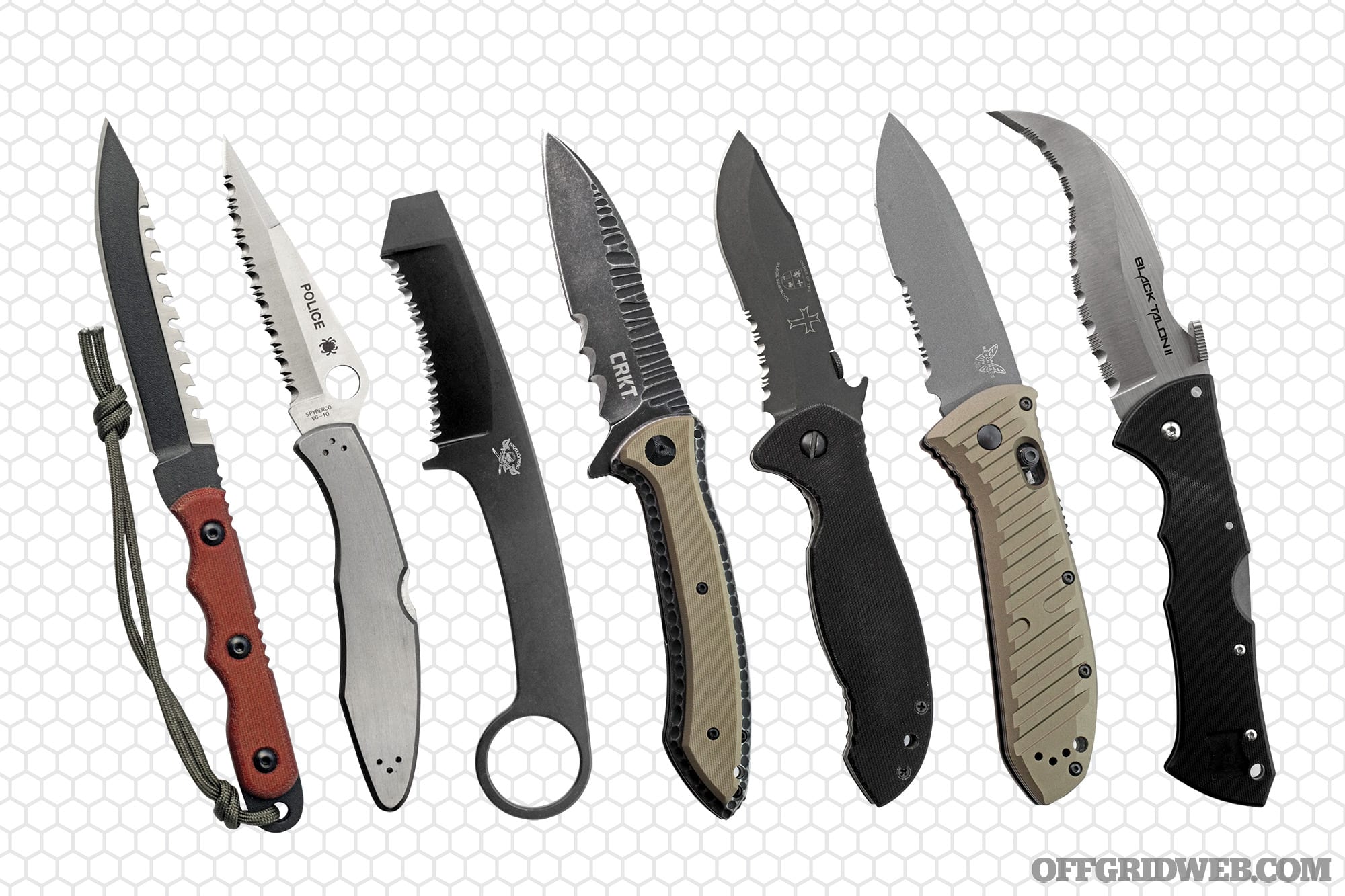
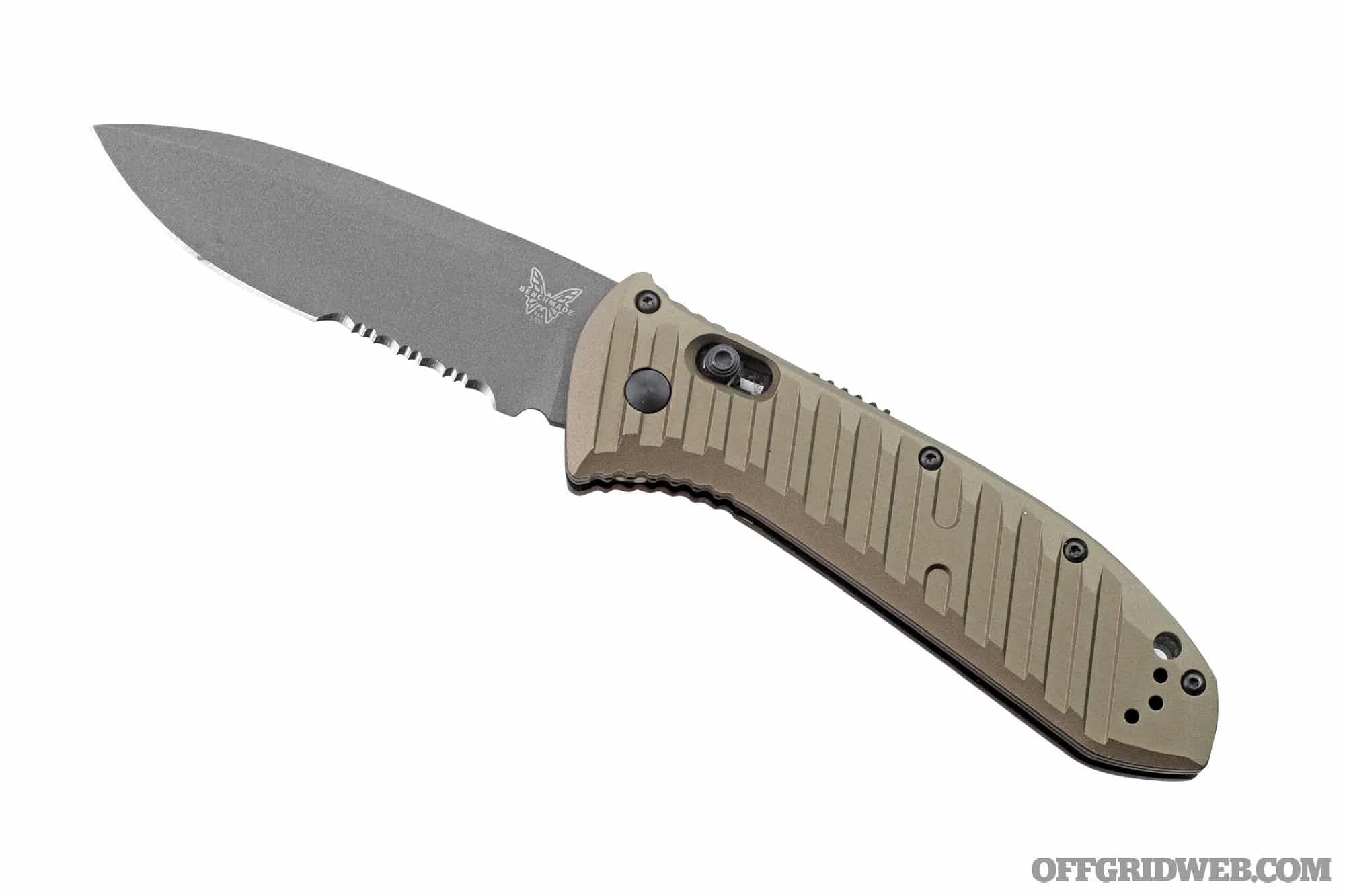
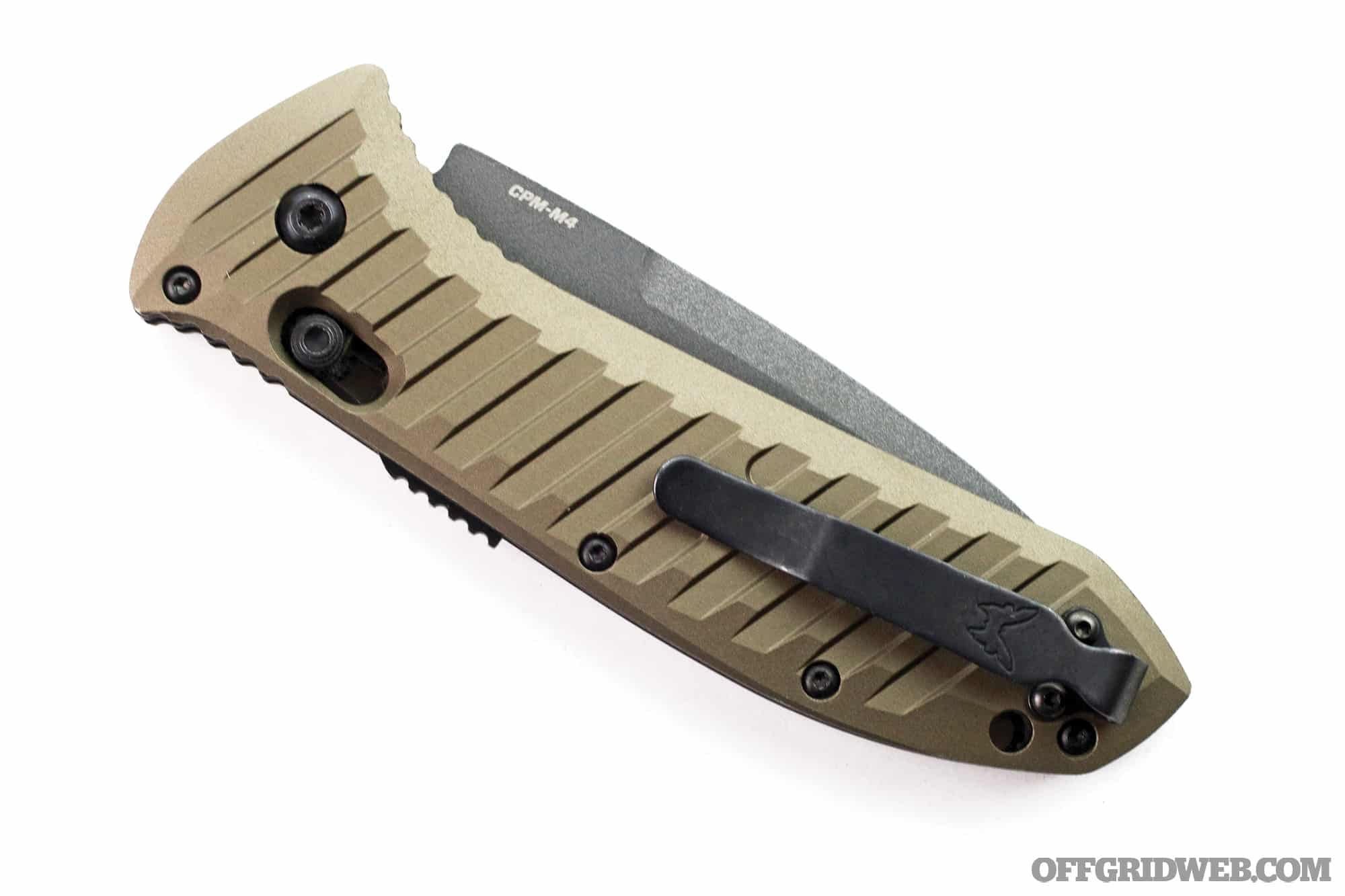
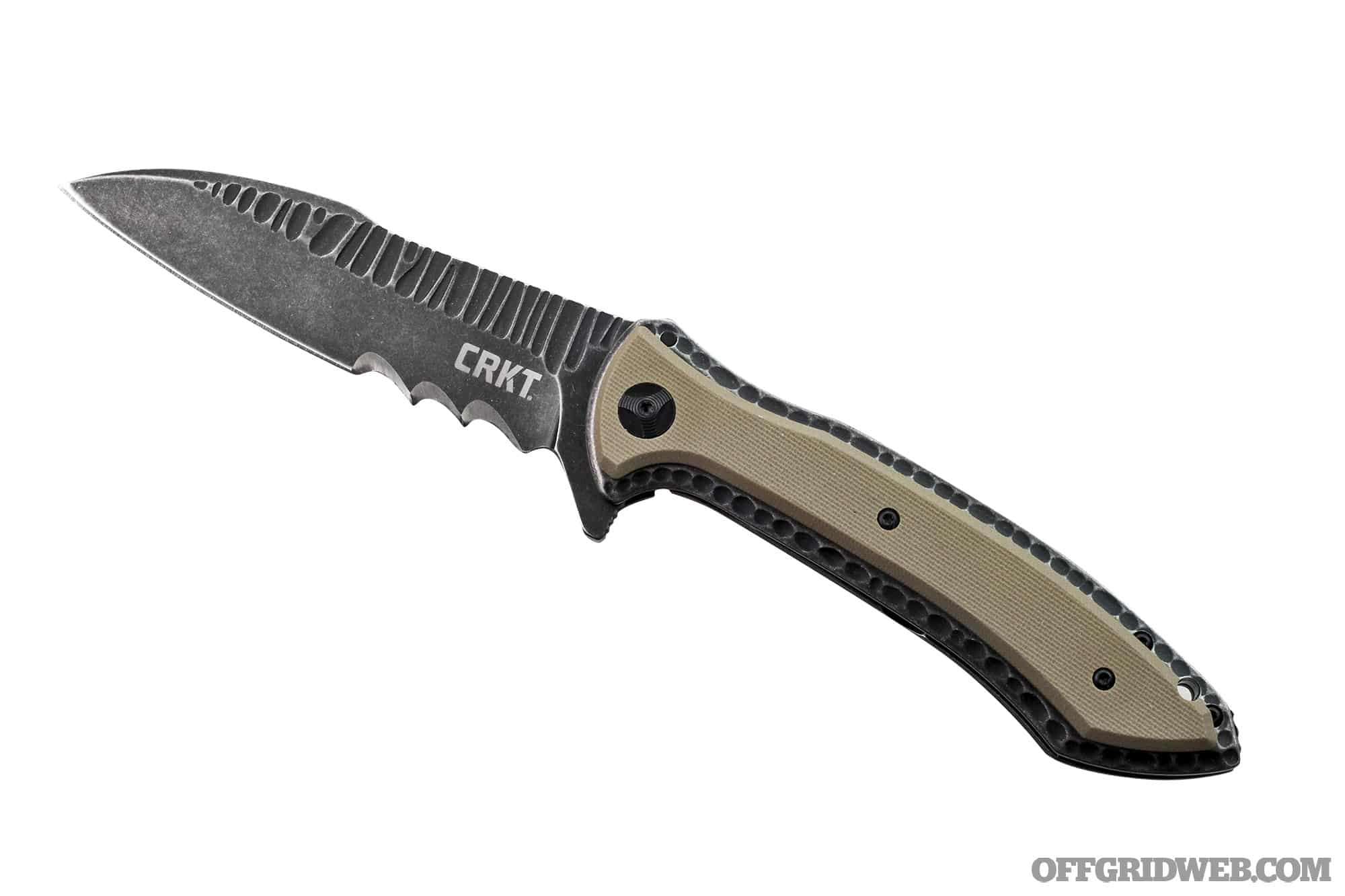
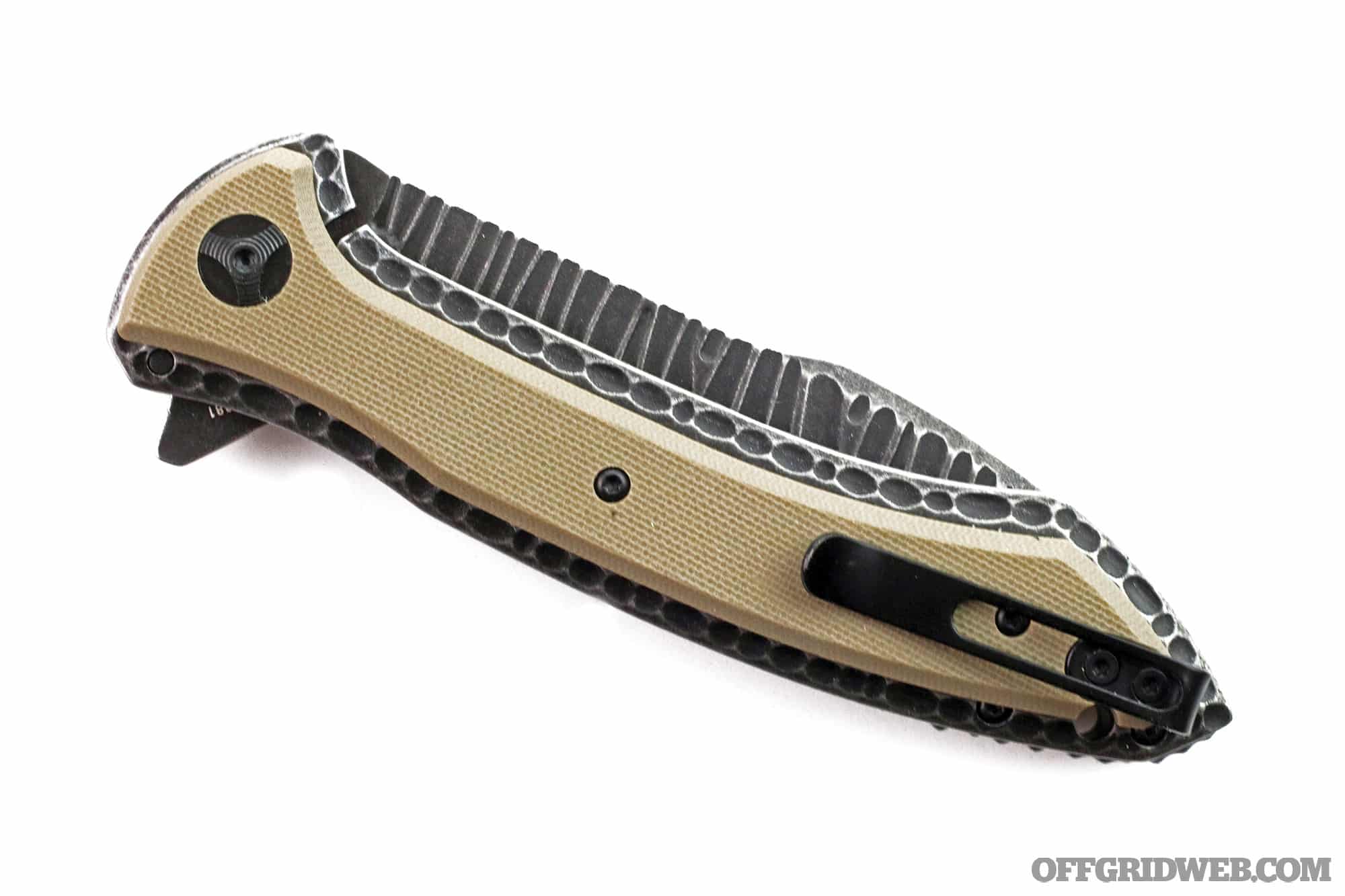
To borrow a phrase from the firearms side of the house, knives have two enemies: rust and politicians. The latter is more complicated to deal with, but you can sometimes defeat the former by choosing a different blade material or treatment. A knife’s edge is composed of millions of microscopic serrations made of chemical compounds known as carbides. In blade steel, the carbide is composed of iron and carbon. The size and amount of these carbides affect how sharp a blade edge can be made as well as its wear resistance. However, because of the iron, they’re prone to rust and corrosion. For many knife users, extreme corrosion resistance is a necessity. You might need to do work in an extremely humid environment, or maybe you find yourself on the deck of a boat showered with salt water for long periods of time. Either way, you don’t want to find that your latest and greatest carry knife has rusted and pitted.

Another vein indirectly related to corrosion resistance is whether the blade has a metallic signature. Some of the pieces we’ll look at have none; these would be ideal for military and first responder types who may have to work around dangerous ordnance where a spark or even the magnetic presence of iron could trigger an explosion. (Refer to our nonmetallic knife guide for more details on the performance of various materials.) We take a look at some blades made from true “super steels” in this regard, as well as a few made from alternate materials. While researching this guide, several knives were offered to us with corrosion-resistant coatings such as Cerakote. The problem with these coatings is that the very nature of a knife blade renders these useless for protecting the edge from rust. The carbides will always be exposed when using the knife for cutting or even sharpening it. For this reason, we dismissed many blades that purely relied on a coating like nickel or hard chrome as well.

Mick Strider Flamed Titanium Nail

Blade length:
3.5 inches

OAL:
6 inches

Weight:
2.1 ounces

Handle Material:
Cord Wrap

Blade Material:
Titanium

Price:
$125

URL:
mickstridercustomknives.com

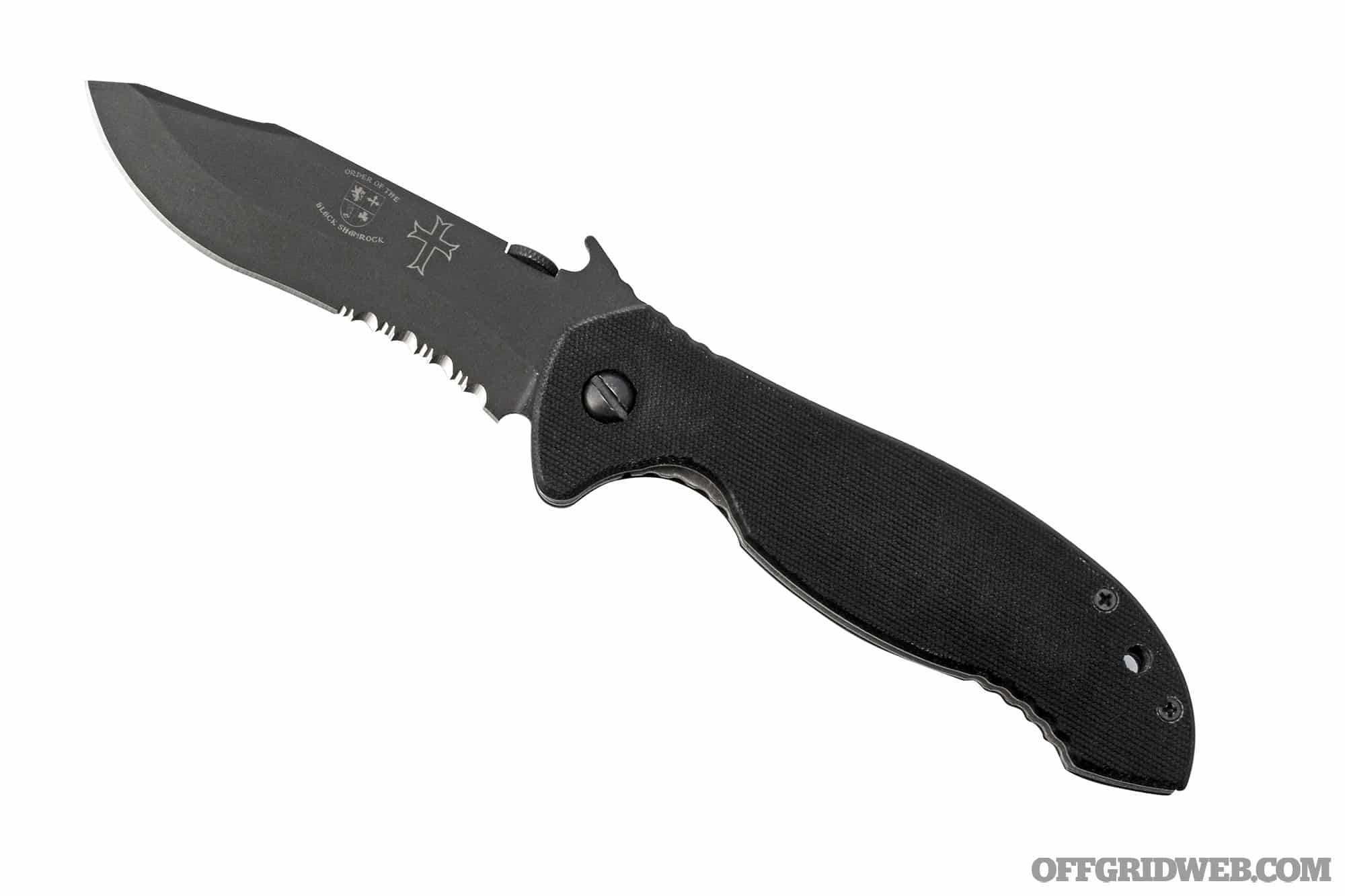
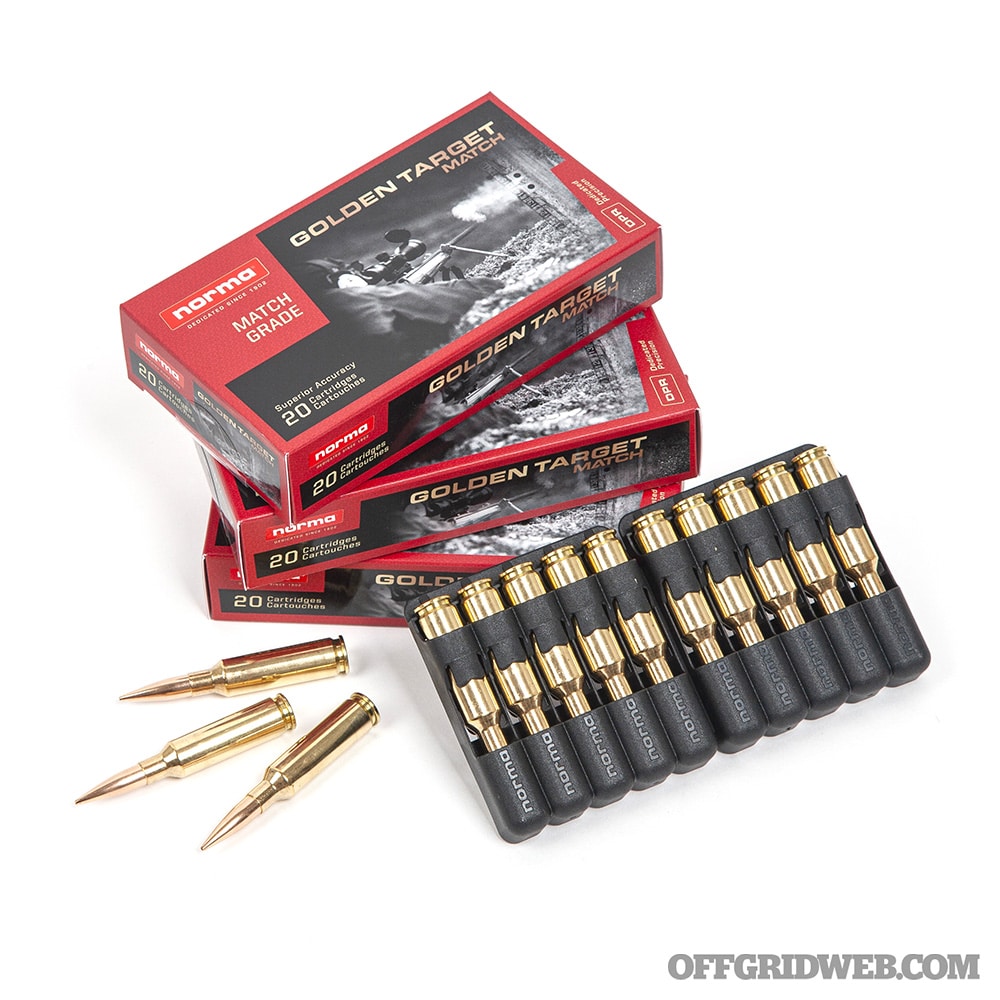
Notes: Strider Knives has a history of using every last piece of material from their knife-making endeavors in almost every project. Their WP models were smaller knives made from small pieces of leftover steel used in their larger combat knives, and the Nail represents the by-products of using titanium. This is a short, discreet piece that has a solid look and is a very capable stabbing tool for self-defense. Titanium contains no carbon and will not rust, so something like this can be left on a boat, in a car, or outside virtually forever without oxidizing. It comes in a minimalist Kydex sheath.

Pros:

  • A cord-wrapped handle provides for an excellent grip in any environment.
  • The point on this is like a needle, and you should have no problems poking holes in anything with it.
  • Titanium’s light weight and superior corrosion resistance make this a great backup self-defense piece.
Cons:

  • This is pretty much a spike or a shiv intended for stabbing. It couldn’t be used to slice bread or baton wood, for example.
  • Not a regularly catalogued item. You’re more than likely only going to find one at a show where Strider is attending, or on one of their social media or website drops if you want to avoid the secondary market.

Spyderco Native 5 Salt

Blade length:
2.95 inches

OAL:
6.95 inches

Weight:
2.4 ounces

Handle Material:
FRN

Blade Material:
LC200N

Price:
$205

URL:
spyderco.com

Notes: Spyderco has a proven line in what’s known as their Salt series. These knives are made from extremely corrosion-resistant, nitrogen-based steels. They typically have high-visibility yellow handles, which are valuable when using them in the water, should you drop the knife or need it to stand out from the background (unless you paint the inside of your boat bright yellow, of course). The Native 5 Salt marries this treatment to one of Spyderco’s best U.S.-made designs. The spearpoint blade has a nice choil so you can choke up on it for more delicate tasks. The lockback mechanism is a time-proven design. The blade shrugs off any attempt at corrosion whether fully immersed in fresh or salt water.

Pros:

  • The handle shape is a hallmark of Spyderco’s designs and extremely ergonomic.
  • This was my first outing with LC200N steel, and I walked away impressed. Its chief property is substituting nitrogen for carbon in its composition. This is a very tough and seemingly corrosion-resistant knife.
  • Spyderco’s round hole makes for a fast manual opener.

Cons:

  • I get the use of FRN as a handle material to keep costs down, but milled aluminum handles or scales made of G10, carbon fiber, or Micarta might’ve made for a higher-quality feel.
  • Piggybacking on that, there are no liners. I’m sure this is a cost-saving measure and a way to minimize the threat of corrosion, but liners could make a great knife such as this a little bit better.

Sandrin Monza

Blade length:
3.38 inches

OAL:
7.67 inches

Weight:
4.3 ounces

Handle Material:
Titanium

Blade Material:
Tungsten Carbide

Price:
$399

URL:
cabotguns.com

Notes: The Sandrin Monza is the latest folding knife offered by this Italian company. This knife, and all Sandrin knives, are distributed in the U.S. by Cabot Guns, makers of some of the highest-end 1911s in the world. This blade is unique as it’s made from tungsten carbide. It’ll never rust and its edge will outlast almost anything else made by man. I reviewed one of their earlier offerings a few years ago in RECOIL magazine, and this one is a huge improvement in terms of being a daily user.

Pros:

  • The blade is made from polyhedral tungsten carbide with a Rockwell Hardness of 71 HRC — that means it’ll hold its edge seemingly forever.
  • Extremely lightweight and a true pocketknife for EDC use. Its locking system is unique and one of the more impressive I’ve seen in a while.
  • The knife is well-suited for most cutting chores, much more than some of Sandrin’s first offerings.

Cons:

  • It requires two hands to safely close the blade. The lock is strong and reliable but retracting the lock bar one-handed might cause an injury.
  • There’s no lanyard hole on the handle.
  • Tungsten carbide requires a specialized sharpener, and if you don’t have the equipment or know how to use it, the knife would have to go back to Italy for a tune-up.

Böker Anti MC

Blade length:
3.23 inches

OAL:
7.68 inches

Weight:
2.5 ounces

Handle Material:
Titanium

Blade Material:
Ceramic

Price:
$144

URL:
bokerusa.com

Notes: Böker was one of the first companies to produce a working folding knife with a ceramic blade. Ceramic blades have been used in kitchens for food prep for decades. They require less sharpening, are lighter in weight, and won’t rust. The Anti MC is the latest incarnation of a ceramic folder produced by Böker. It’s a far cry from their initial offering nearly 30 years ago that had a 1-inch blade with a price point closer to custom knife territory. This one is the same size as a standard EDC pocketknife with a titanium frame lock handle.

Pros:

  • This is one of the lightest EDC knives out there, and the ceramic blade and titanium handle make it truly rust-free.
  • A ceramic blade is razor sharp and will retain its edge 10 times longer than a carbon steel blade.
  • This is a very dressy-looking knife and will appear non-threatening should you need to use it in a social setting such as a restaurant.

Cons:

  • You’ll need to exercise a little more care with this one; ceramic is brittle, and the blade can literally shatter when dropped or used to cut an object that’s too hard (such as bone).
  • While ceramic seems to be able to cut forever, resharpening this knife will require a fine-grit diamond sharpening stone or belt.

Tom Krein G10 Bulldog

Blade length:
3 inches

OAL:
8 inches

Weight:
2 ounces

Handle Material:
G10

Blade Material:
G10

Price:
$250

URL:
kreinknives.net

Notes: Tom Krein is a custom knifemaker who also has his own production company to mass produce many of his own designs. He’s known for producing extremely sharp blades, and for many years was known for producing incredible regrinds on other maker’s blades. I’m typically not a fan of G10 or plastic blades, as they usually cannot hack it as a cutting tool for very long without carbides bonded to the edge in some manner. However, Krein’s skill as a sharpener really shows itself here, and his grind toward a thin edge makes for a surprisingly good cutter if you know the limits of the material. My first incident with this blade was thinking it was a trainer until I was shown how it cut through a plastic water bottle.

Pros:

  • This is a 1:1 nonmetallic copy of Krein’s popular Bulldog model, a short clip-bladed non-folding knife.
  • Because it’s G10, rust or corrosion won’t affect it, and the knife is extremely lightweight. It doesn’t weigh much more than its Kydex sheath.
  • Surprisingly sharp and stabby due to Krein’s angles of sharpening and ability to make a thin edge

Cons:

  • Since it has a G10 blade, its ability to remain sharp won’t last as long as other materials. Chores like batoning wood or skinning a deer are a bit much. This is more of a defensive tool against soft targets.
  • More or less a custom piece and subject to availability

CRKT Hirin

Blade length:
3.39 inches

OAL:
8.69 inches

Weight:
5.9 ounces

Handle Material:
Titanium

Blade Material:
Bohler M390

Price:
$250

URL:
crkt.com

Notes: Looking like a cross between a high-end gentleman’s knife and something out of Star Trek, the Hirin from CRKT is a knife design by Dew Hara and produced in Maniago, Italy. This initial offering of 500 knives is proving to be popular with collectors and users who want a virtually rust-free knife. The blade rides on ball bearings to make for a smooth and classy opener. The skeletonized handle and blade make this a working piece of art and craftsmanship that’s highly corrosion-resistant on every level.

Pros:

  • This blade has the perfect symmetry of a dagger blade without the double-edge factor. Skeletonized to reduce weight.
  • Action is smooth; the blade flips open on ball bearing pivots.
  • Bohler M390 steel proves to be great at edge retention, corrosion resistance, and simply as a working steel.

Cons:

  • The look of this knife might be too artsy or busy for some. Because of its perfect symmetry, it’s possible to try to open it from the wrong side in the dark.
  • This was a limited-edition run from CRKT. It may be sold out unless they produce another run; therefore, secondary market prices may apply.

VZ Grips Diamante G10 Dagger

Blade length:
4.75 inches

OAL:
9.9 inches

Weight:
2.4 ounces

Handle Material:
G10

Blade Material:
G10

Price:
$99

URL:
vzgrips.com

Notes: VZ Grips is known for making amazing G10 grips for handguns and AR-15 rifles. They’ve also been making a variety of special-use daggers, pens, and other items out of G10, such as the Diamante Dagger. The difference between this dagger and other G10 knives is the incorporation of some scary sharp serrations milled into the profile of the blade on each side. These are key to using this blade as a cutting tool as opposed to just for stabbing. You can choose either a leather or a Kydex sheath for this model.

Pros:

  • The serrations are reminiscent of shark teeth. They mimic in macro size the pattern of carbides found in a steel blade and make for a very efficient cutter.
  • The G10 handles are offered in a variety of colors, and you can match them up to the VZ grips on your favorite firearm.
  • You could leave it on the bottom of the ocean or in a saltwater fish tank for years, and it’ll come out exactly as you put it in.

Cons:

  • Some states regulate the ownership and/or carry of double-edged daggers, so be sure to check your local laws.
  • While capable for most tasks, it still has some limitations. Good for EDC, not so much for bushcraft.

Infographic: The Most Dangerous Hobbies

What’s your favorite weekend pastime? Some of us like to travel, either by plane, car, or motorcycle. Others enjoy sports such as running, swimming, cycling, or horseback riding. If you’re a bit adventurous, maybe you like to scuba dive, hang glide, or climb mountains. Of course, an element of danger comes with all of these activities, but it’s not always easy to differentiate what only feels dangerous from what might actually kill you. The following infographic from ChessInTheAir.com offers a ranking of a few of the most dangerous hobbies based on the statistical likelihood of death per hour.

Of course, statistics can get complicated and there are a lot of factors at play here, so this should only be treated as a rough estimate. Some of the data is restricted to a specific country (e.g. backcountry skiing in Austria may not be representative of risks worldwide). Other data is skewed for activities that were historically far more dangerous than they are today (e.g. Formula 1 racing, which is based on death rates since 1950). However, it still offers some interesting revelations about dangerous hobbies — most people wouldn’t assume that riding a motorcycle to work is more dangerous than scuba diving hundreds of feet beneath the ocean’s surface.

For more perspective on dangers that affect our daily lives, check out our previous article, “The Most Common Causes of Death.”

The opening image in this article includes a U.S. Air Force photo taken by Staff Sgt. Sara Csurilla.