Video: Making a Swiss Army Knife Pump Drill

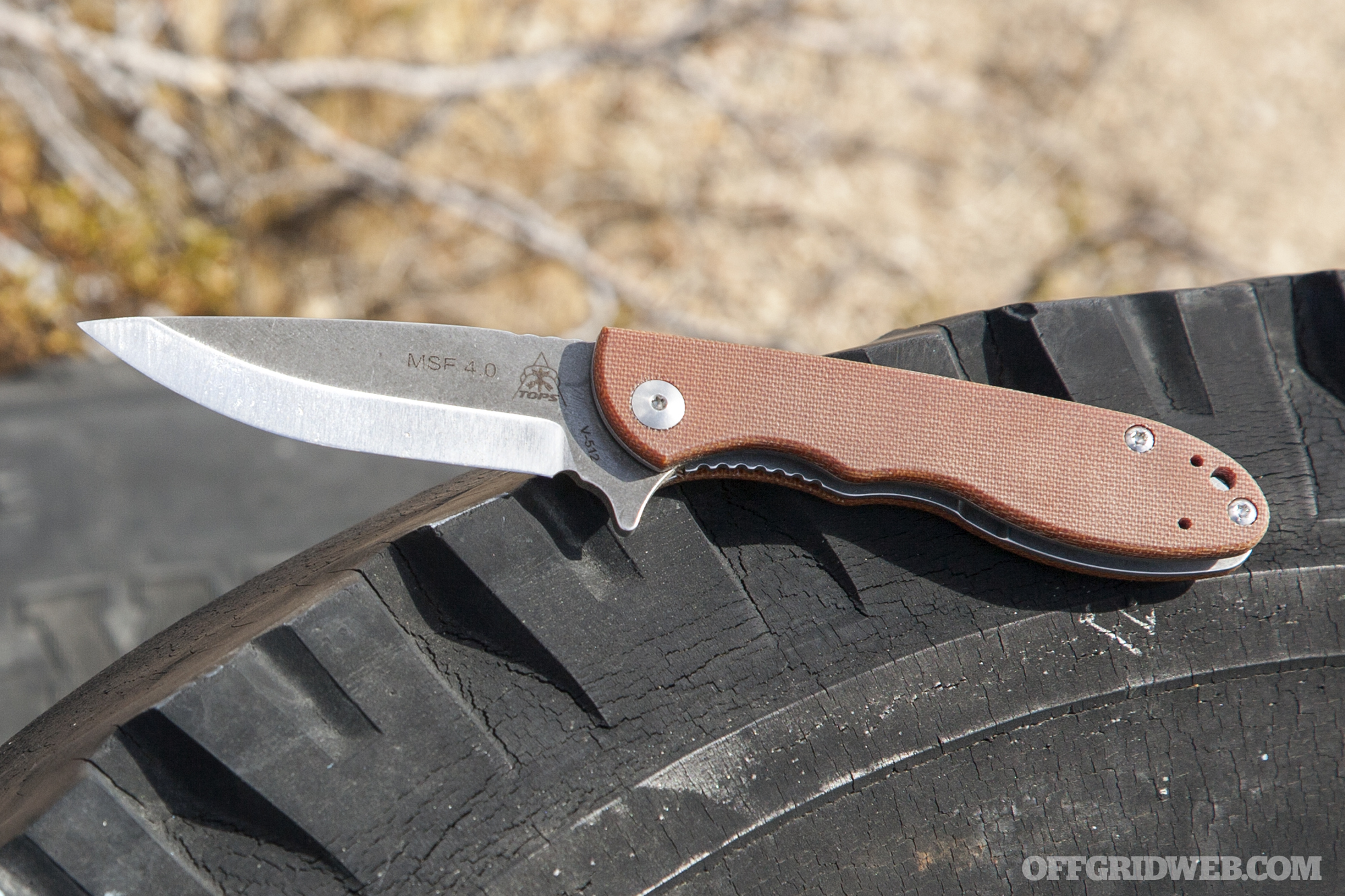
Multi-tools like the Swiss Army Knife offer a large variety of useful functions, but in a convenient pocket-sized package. The inherent compromise with these tools is their relative effectiveness — a 2-inch saw is better than nothing, but it’s substantially less efficient than a full-sized bushcraft saw. If you try to baton through some logs with the small folding blade, you’re going to have a bad time.

Pump drill swiss army knife multi tool wood bone 5

The awl found on S.A.K.s, pictured above at bottom right, is useful for punching holes in fabric or leather — the eyelet even lets it work like a sewing needle. It’s also useful for boring holes in plastic or wood, although this will require patiently twisting the tool in your hand to slowly drill through the material. If you’re constructing something in the backwoods, it’ll get the job done, but it’s not going to be nearly as fast as a proper drill.

Pump drill swiss army knife multi tool wood bone 3

The crossbar is made of two sticks, notched for the shaft in the center and bound at the ends.

One clever German YouTuber known as Überleber figured out a creative way to turn a Swiss Army Knife into an efficient pump drill for working with wood and bone. For those not familiar with a pump drill, it uses the tension of twisted cordage (in this case, 550 paracord) to spin a vertical drill shaft. The cordage is connected to a crossbar, which is repeatedly pushed down like a bicycle pump, quickly spinning the drill bit clockwise and counter-clockwise with each up-and-down motion.

Pump drill swiss army knife multi tool wood bone 4

Another key element to the pump drill is a weight near the base, which acts as a flywheel to maintain momentum and keep the shaft spinning. In this case, the host sticks two chunks of fungus from a nearby tree on either end of the knife. Check out the video below:

We like that this technique doesn’t firmly affix the Swiss Army Knife to the drill or make it hard to disassemble. This way, it can be used as a drill bit and then removed for use on other tasks. Not a bad way to make the most of your multi-tool.


RECOILtv: Glock 19X Minus the X

Earlier this month, RECOIL announced that the details of the new Glock 19X handgun had been leaked. Since then, the internet has been abuzz with feedback about the unusual design. For those who missed the memo, the G19X is essentially a full-size G17 frame with a compact G19 slide, plus Coyote coloration and a few other Gen5 features.

Glock 19x RECOILtv handgun CCW modification Gen5 6

We saw many of our social media followers wondering why Glock combined these parts in this manner, rather than producing the opposite — that is, a compact frame with a full-size slide for enhanced accuracy and concealability. The answer is that the Glock 19X is essentially the production civilian model of the MHS handgun that Glock was developing for a potential U.S. Army contract. This explains its design, but it’s still a design that seems better suited as a duty gun than it’d be in a civilian CCW scenario.

Glock 19x RECOILtv handgun CCW modification Gen5 3

In order to make the new Glock 19X into a better CCW gun for civilians, Dave and Iain at RECOILtv applied some creative thinking… and a saw. The result can be summarized as G19X – X = G19. Check out the making of a DIY Gen5 G19 in the video below:


Infographic: North America’s Primary Predators

Humans often consider ourselves to be the top of the food chain on earth, and most of the time, we are. Our ability to use weapons and traps has allowed us to hunt animals and defend against threats. But if the playing field is leveled, and you find yourself facing a powerful predator empty-handed, you may realize just how weak and fragile the human body is. Large predators — or a group of smaller ones — can be a serious threat to an individual hiker.

Animal Attack 3

The reality is that most animals are more afraid of you than you are of them, but there are many situations where that may not be the case. If a predator is desperate for a meal, thinks you might be an easy victim, or feels you’re a threat to its territory, you’ll need to know how to evade the confrontation. And if things get truly out of control, you’ll need to know how to fight back.

The following infographic from Alan’s Factory Outlet shows five major predators that may threaten humans in North America, and outlines some potential “dos and don’ts” for encounters with each. Click here to download a full-size version of this graphic.

Animal attack infographic predator bear wolf cougar safety 2Animal attack infographic predator bear wolf cougar safety 3Animal attack infographic predator bear wolf cougar safety 4Animal attack infographic predator bear wolf cougar safety 5Animal attack infographic predator bear wolf cougar safety 6Animal attack infographic predator bear wolf cougar safety 7


Review: Decibullz Custom-Molded Ear Protection

Every one of your five senses contributes to your situational awareness and long-term safety, so it’s wise to actively protect them. It goes without saying that you shouldn’t run an angle grinder in the workshop without glasses, or grab a red-hot piece of metal without gloves. These mistakes could immediately and permanently damage your senses of sight and touch. But damage to your hearing is often much more gradual — continual exposure to pounding drums at a rock concert, roaring engines at a race track, or loud gunshots at the firing range will slowly damage your hearing if you don’t wear adequate protection.

Unfortunately, wearing ear protection can feel like a hassle. As a byproduct of blocking dangerously loud noises, it often interferes with your ability to hear quieter sounds. One means of solving this problem is active ear protection, such as the electronic headsets which actively block loud noises while transmitting quieter sounds to the wearer via a microphone and speakers. Although we’re fans of this technology and wear active ear-pro frequently at the range, the drawback to these systems is their reliance on batteries and complex electronics.

Decibullz shooting ear protection earbuds gun safety 9

On the other hand, passive ear protection uses a physical barrier to block loud sounds. This barrier suppresses loud sounds (such as gunshots or explosions) to a safe level, while allowing quieter sounds (such as conversations or background noise) to be heard clearly. Since there’s no electronic circuitry involved, there’s no need for batteries or bulky headsets.

Decibullz Percussive Ear Protection

Decibullz is a relatively new player in the ear protection market. The company was founded in 2012 by Kyle Kirkpatrick, an olympic-level gymnastics coach who wanted a set of comfortable earbuds that fit his ears perfectly. After finding that the custom-molded options from existing companies cost between $300 and $2,000, he set out to create a more affordable custom-molded earphone. This eventually led to the development of earplugs that used the same custom-molded fittings.

Decibullz shooting ear protection earbuds gun safety 12

The latest ear protection product from Decibullz is its Percussive Shooting Filter set. As with other Decibullz products, this set is custom-molded by the user to fit his or her ears. However, as opposed to the company’s fully-sealed earplugs, this product uses filter inserts which feature the passive ear protection tech we mentioned earlier. The filters exclude loud sounds and allow quieter ones to be heard clearly.

Decibullz shooting ear protection earbuds gun safety 11

Decibullz says its filters are certified for noises up to 166 dB by ANSI IPIL (Impulse Peak Insertion Loss) standards. Most rifles, shotguns, and pistols don’t exceed that decibel threshold. Decibullz also says its filters “retain sound directionality and spatiality, [which] is crucial in hunting and combat situations”.

Decibullz shooting ear protection earbuds gun safety 10

The Decibullz Percussive Shooting Filter set retails for $75, and includes the following:

  • Two pairs of custom-moldable earpieces
  • One pair of percussive filters
  • Small, Medium, and Large foam tips
  • Small, Medium, and Large triple-flange tips
  • Zippered carrying case
  • Instructions

Decibullz shooting ear protection earbuds gun safety 8

Custom-Molding the Earpieces

Before testing our sample of the new Decibullz ear pro, we needed to custom-mold the earpieces. Anyone who has used a custom-fit sports mouthguard will be familiar with this process:

  1. Boil some water and remove it from the heat source.
  2. Make sure the cylindrical percussive filters are removed from the black moldable earpieces. Install the orange silicone triple-flange tips.
  3. Drop ONE earpiece into the boiling water and leave it for five minutes.
  4. Remove the earpiece, let cool for 30 seconds.
  5. Insert the percussive filter onto the earpiece.
  6. Gently press the earpiece into your ear, forming the moldable portion into the contours of your ear. Avoid touching it with your fingernails.
  7. Let the mold rest and solidify for 5 minutes.
  8. Repeat the process for the other ear.

Decibullz shooting ear protection earbuds gun safety 2

We found this process to be slightly trickier than it sounds. The heated-up earpiece material is sticky to the touch, and while it can be re-heated and re-shaped if you make a small mistake, bigger mistakes such as stretching or flattening the material too much aren’t reversible. We suspect this is why two sets of earpieces come with the kit.

When pressing in the percussive filter as instructed in step 5, care must be taken not to touch the soft earpiece material. Also, as you begin molding the earpiece into your ear, it’s important to avoid displacing the earpiece material so it overlaps the edges of the filter — we learned the hard way that this can make it impossible to remove the filter once the earpieces have hardened.

Choosing a Pair of Tips

Decibullz shooting ear protection earbuds gun safety 3

The kit is advertised as including six pairs of tips: S/M/L foam and S/M/L flanged. Our kit did include twelve tips, but not the twelve we expected. All of the orange flanged tips (pictured above) were present and accounted for, but the black foam tips were another story. We received three small, two medium, and only one large — a clear quality control mistake by whoever assembled the kit.

Decibullz shooting ear protection earbuds gun safety 1

Since we needed size large, we chucked the foam tips and installed the flanged style instead.

Hitting the Range with Decibullz

We took our new Decibullz ear pro on a recent trip to the range in order to test its effectiveness. Right off the bat, we found the custom-molded earpieces to be very comfortable, more so than ordinary “foamies”.

It's 2017. We've progressed beyond cramming foam in our ears.

The percussive filters muffled the loud crack of a .223 to a comfortable level, but also allowed the wearer to clearly hear quieter ambient noises. It was easy to hold a conversation wearing these filters. Background sounds were also audible, providing awareness of our surroundings that wouldn’t be present with solid earplugs.

While Decibullz mentions a decibel safety rating under ANSI IPIL standards, it does not clearly list the more common Noise Reduction Rating (NRR) on the product page of its website. This makes it difficult to directly compare performance against more affordable filtered earplugs, such as the SureFire EP7 Sonic Defenders ($20, 28 dB NRR) or SportEar X-Pro ($24, 30 dB NRR). However, after searching through a press release we received during the announcement of this product, we found the following chart of certification data:

Based on this data from Decibullz, these ear plugs offer an estimated 9 dB NRR — though that hasn’t been directly tested as far as we know. However, the ANSI IPIL rating indicates the filters are effective against sudden impulse sounds (i.e. a gunshot or explosion). The comparison between NRR and IPIL is far too technical to address in this review — if you’re interested, you can read this study from the National Library of Medicine which compares the two systems.

After some side-by-side testing, we felt that the Decibullz don’t seem to provide as much protection or speech clarity as an active over-the-ear headset like the PELTOR Sport Tactical 500 we previously reviewed. However, these also cost substantially less, are much smaller, and don’t require batteries — each type of ear pro has clear advantages and disadvantages, so you’ll need to choose the one that better fits your needs.

Conclusions

This Decibullz molded ear pro offers a compact and comfortable solution to ear protection at the range. We’ll summarize our impressions with some pros and cons below:

Pros:

  • Custom-molded earpieces are comfy and provide a secure fit
  • Filters effectively block loud noises but preserve your ability to hear quieter sounds
  • Zippered carrying case provides a convenient storage solution, and ensures spare tips don’t get misplaced

Cons:

  • Value is questionable — this set cost nearly four times as much as a set of SureFire EP7 Sonic Defenders, which also feature sound filters that passively block loud noises (although they can’t be custom-molded)
  • Mismatched tips in our kit indicates a lack of quality control
  • Molding process can be tricky, and earpiece material may overlap the edges of the filter inserts, making them difficult to remove

For more information on this filtered ear pro, or other custom-molded earplugs and earbuds, go to Decibullz.com.

Ruger Pistol Caliber Carbine

We love the Ruger 10/22, especially in its Takedown configuration. It’s a simple, light, and reliable rifle that’s well-suited to a variety of survival situations. The .22LR ammo is cheap to plink with, easy for new shooters to manage, excellent for hunting varmints, and with good shot placement it can take down a variety of small game. However, .22LR is not the ideal round for hunting bigger animals or for defense against human attackers — for these tasks, 9mm is a much better option.

We built this 10/22 Takedown into a survival rifle in Issue

We built this 10/22 Takedown into a survival rifle in RECOIL OFFGRID Issue 8.

Knowing this, Ruger has released a new carbine that’s clearly inspired by the 10/22 Takedown, but also provides the advantages of 9mm. It’s called the Ruger Pistol Caliber Carbine, or PC Carbine for short. In addition to its resemblance of the 10/22, approximately 80% of the PC Carbine’s trigger parts are compatible with that rifle, so you can easily upgrade the trigger with existing 10/22 parts. It also shares the same twist-to-disconnect mechanism as the 10/22 Takedown.

Ruger Pistol Caliber Carbine survival rifle 9mm takedown 2

The new Ruger Pistol Caliber Carbine is available now.

Another survivalist-oriented feature of the new Pistol Caliber Carbine is clearly visible at the gun’s midsection. The carbine uses standard Ruger SR-series and Security-9 pistol magazines, and also includes a magwell adapter that makes the gun compatible with Glock magazines. If you already own one of these handguns, you’ll only need to carry one set of mags and ammo — that means less money spent, less weight in your pack, and less headaches if you misplace a mag for one of your weapons.

Ruger Pistol Caliber Carbine survival rifle 9mm takedown 4

The PC Carbine includes front and rear iron sights on the barrel, as well as a picatinny rail on the receiver. The barrel is fluted for reduced weight, and available in threaded and non-threaded variants. The charging handle and mag release are reversible for left- or right-handed shooters. The gun weighs 6.8 pounds unloaded and is available at an MSRP of $649.

For more info on the new Ruger Pistol Caliber Carbine, check out the video below or go to Ruger.com. You can also read more details on RECOILweb.com. We’ve already got our hands on a sample of the carbine, and will be compiling a more detailed review with our impressions at the range in the future — stay tuned.

Making a Willow Whistle

You’ve probably heard the classic proverb, all work and no play makes Jack a dull boy. It’s especially memorable if you’ve seen The Shining. When you’re out hiking, camping, or even surviving in the wilderness, you may be tempted to spend all your time working towards productive goals. However, it’s beneficial to take some time for leisure activities — they’ll improve your mental state, reduce stress, and hopefully prevent you from slowly going insane and trying to murder your family like the character in the aforementioned Stanley Kubrick movie.

Prison workout routines 2

Playing cards, board games, and books are good for leisure, but these items will need to be brought with you if you expect to use them. If you’re out in nature without any of these items, you’ll need to improvise sources of recreation, like native cultures and frontier settlers have done throughout history. Whittling tools, toys, and musical instruments from natural wood is one time-tested way of staying entertained in a survival situation.
Willow whistle wood carving instrument signal rescue tool 2

The following video from Lazy Watchsmith shows how to carve a traditional willow whistle from a green wood branch. These whistles or flutes have been used as wind instruments for folk music in Norway, Sweden, Finland, and other Nordic countries. They can be used for this recreational purpose, or they can provide a way of signaling for rescue. Patterns of whistle blasts can even act as a means of long-distance communication.

The video host carves a whistle by starting with a green willow branch, which he says is easiest to find in late spring or early summer. The end is cut at an angle to form a mouthpiece, and a notch is cut in the side where air will escape. Then an incision is made around the circumference of the branch, and the bark is pounded to break free from the wood within. Once the bark tube is removed, the whistle notch is deepened, and a flat channel is cut to connect it to the mouthpiece end. Once the bark tube is slid back onto the wood, the whistle is complete.

Another step-by-step guide to making a willow whistle is available on Instructables.


Boker Kwaiken Automatic Knife

SHOT Show is coming up, and that means the season of new product announcements is upon us. Many gear manufacturers use SHOT as an opportunity to unveil their cool new products, and the 2018 show will be no different. If you can’t make it to the industry-only show, don’t worry — you can learn about everything we see by reading OFFGRIDweb, liking our Facebook page, and/or following us on Instagram.

Boker has announced a new knife that’ll be featured in the company’s booth at SHOT. The Kwaiken, designed by custom knifemaker Lucas Burnley, has long been a popular model for Boker. Various fixed and folding versions of this knife are already available, but this year a new variant will be released: the Boker Kwaiken Automatic.

Boker Kwaiken Automatic - 06EX290

Boker Kwaiken Automatic – 06EX290

The new Kwaiken Auto is made in the USA, and features the same sleek minimalist design of previous versions. As you can guess by the name, it’s an automatic that uses a push-button release to swiftly flip open the blade. The spring-loaded mechanism comes from Boker’s partner ProTech and is said to deliver “an impressive kick” when opening the knife. We’ll see for ourselves when we get our hands on one at SHOT.

Boker Kwaiken Automatic - 06EX291

Boker Kwaiken Automatic – 06EX291

The blade of the Boker Kwaiken Automatic is 154CM steel, and the handle is CNC-milled aluminum. It includes a pocket clip for EDC use. When the knife releases later in January 2018, it will be available as a limited release model with a total of 500 units produced. Half will have a two-tone machined-finish blade and stonewashed handle; these will be designated model 06EX290 and retail for $219. The other half will have a stonewashed blade and satin black handle; these will be designated model 06EX291 and retail for $229.

Boker Kwaiken Automatic folding knife edc blade tool 1

Boker’s new auto Kwaiken models aren’t currently listed on the company’s web site, but you’ll be able to see them later this month at BokerUSA.com or by checking out our SHOT Show 2018 coverage here on OFFGRIDweb from January 23 – 26.


Video: Forgotten Weapons Tests a 90-Round AK Mag

Many preps sound great in theory until you attempt to use them in a real-world emergency. If you fail to consider all the factors at play and the potential flaws in a plan, you’re bound to run into trouble eventually. As Murphy’s Law tells us, if something can go wrong, it often does. The best way to avoid these headaches is to practice and test your preps early and often.

Forgotten weapons 90 round AK mag gun reliability rifle 3

Case in point: the super-extended 90-round AK mag seen in the Forgotten Weapons video below. The concept of a 90-round magazine sounds fine — more rounds to defend your home from the vicious Mad-Max-style marauders who might lay siege to it in some hypothetical apocalyptic scenario. But unsurprisingly, here in reality, it doesn’t work so well.

Forgotten weapons 90 round AK mag gun reliability rifle 2

Ian and his assistant Clay analyze the AK mag, which is actually three normal 30-round magazines cut and welded together. Then they take it out to the range with a full-auto RPK, and it only gets worse from there. It ends up holding substantially less than its intended capacity, and has some rather hilarious quirks that show up on the slow-mo camera. See for yourself:

The lesson to be learned here is that you’d be much better off with three standard 30-round AK mags, as Ian concludes. But this is the sort of thing you learn by researching gear before you buy it, or at the very least, testing it before an emergency makes it a necessity. Even if you’re left with buyer’s remorse, it’s better than being left with a silly-looking non-functional weapon when you need it.


Portable Utensils Buyers Guide – Have Spork, Will Travel

Sure, you can eat with your hands. But who wants to do that all the time? Whether camping, surviving, or just taking a snack break on the trail, having handy, easily carried portable utensils can enhance your dining experience.

A quick story: During a multi-day rifle marksmanship course, the Tier 1 instructor took one morning to explain how to maintain the AR-platform rifle. During his demonstration, he field stripped the bolt carrier group on a sample rifle that had seen several thousand rounds since its last cleaning. For all to see, he held up the tail of the bolt, which had collected caked-on carbon and other fouling. He pulled a knife from his pocket, flicked it open, and showed the class how you could use it to scrape the bolt tail. He stashed the knife back in his pants pocket. Later, we broke for lunch. The seasoned, snake-eating instructor ambled over to a table and produced a loaf of bread, mayonnaise, and lunch meat from a grocery bag. He dipped into the mayonnaise and started spreading it on a slice of bread — with the very same pocketknife.

If this sounds like something you might do, then perhaps you can happily use some rusty nails as skewers and your dirty knife to cut your meat. But even those whose five-second rule is more like five minutes must admit that it’s often easier to eat with utensils than your hands, especially when food is scalding hot. While they aren’t strictly necessary, we suspect many of our readers would appreciate the luxury of purpose-built utensils. Plus, during tense and difficult situations, being able to feel a little more civilized with some comforts of home can provide much needed psychological benefit and boost morale.

So we collected a wide selection of portable utensils with varying design philosophies for your reading enjoyment. We tested them with different types of foods and took them on the road.

Evaluation Criteria

In particular, we assessed the following:

  • Scooping: How well does it function as a spoon?
  • Spearing: How well does it function as a fork?
  • Cutting: How well does it function as a knife?
  • Packaging: How compact and portable is it?
  • Durability and maintenance: How durable is it and how easy it is to clean?

The usability of a utensil as a spoon, fork, or knife involves not just the pointy (or spoony) end, but also how you grasp it. Products designed first and foremost for compact size typically hinder their effectiveness by compromising in two areas: a small handle and a “spork” design, combining a spoon and fork in one. Sporks are invariably better spoons than they are forks. In fact, they’re usually pretty poor forks. Additionally, ultra-compact tools often lack a knife, which probably isn’t the end of the world since we suspect nearly all of our readers have a pocketknife (if not an entire collection of them). Select one of these types of tools if you value portability over all else.

Some products use a folding design, like a pocket or Swiss Army knife. This results in a convenient, compact package, but has some disadvantages as well. Some designs also make the forks or spoons awfully small. While the handles are typically generously sized, the necks of the spoons and forks extending from the pivot are usually rather short, making them less useful for dipping deeply into your food or soup. And all suffer from being harder to clean — you need to be diligent to avoid rust. These types of tools make a tidy, compact package, but they aren’t our favorites to use and maintain.

As you’ll see, our favorite utensils for the actual dining experience feature separate spoons, forks, and knives, and stack together for storage. Simple and efficient.

In a web-exclusive supplement linked at the end of this article, we also looked at a couple of portable chopsticks. These are the ultimate minimalist utensils, as they offer the exact same functionality as regular chopsticks. Chopsticks are simply… sticks. Like a portable pool cue, two-piece chopsticks simply thread together for use, becoming identical to a one-piece chopstick. Not to mention that they’re very compact and lightweight. As long as you’re mostly eating solid foods, chopsticks can be a viable alternative to a utensil set.

So read on and see what’ll make your next meal a more civilized experience.

Portable Utensils

  • Böker Magnum Bon Appetite

    Make & Model - Böker Magnum Bon Appetite
    Dimensions - 7.4 / 4.1 (open / closed) by 1.2 by 1 inches
    Weight - 6.4 ounces
    Material - 440 steel, laminated plywood
    Colorways - Brown
    MSRP - $27
    URL - http://www.bokerusa.com

    The Böker is a compact cutlery set, evoking the nostalgia of an old-school pocketknife.

  • CRKT Eat’n Tool Titanium

    Make & Model - CRKT Eat'n Tool Titanium
    Dimensions - 4 by 2.3 by 0.6 inches
    Weight - 0.7 ounces
    Material - TA1 titanium
    Colorways - Bead Blast
    MSRP - $20
    URL - http://www.crkt.com

    Designed by Liong Mah, the Eat'n Tool crams several functions into a light and small package.

  • CRKT Iota

    Make & Model - CRKT Iota
    Dimensions - 3.2 by 1 by 0.5 inches
    Weight - 0.5 ounces
    Material - 2Cr13 steel
    Colorways - Black, Silver
    MSRP - $6
    URL - http://www.crkt.com

    The Iota, designed by Tom Stokes, is quite diminutive — just one piece of contoured steel.

  • GSI Outdoors Stacking Cutlery Set

    Make & Model - GSI Outdoors Stacking Cutlery Set
    Dimensions - 6.1 by 1.5 by 0.8 (stacked) inches
    Weight - 0.7 ounces
    Material - Copolyester
    Colorways - Blue, Green, Orange, Red
    MSRP - $5
    URL - http://www.gsioutdoors.com

    At first, this cutlery set just looks like an up-market variation of disposable plastic utensils. But after using them for a while, they really grow on you.

  • GSI Outdoors Telescoping Foon

    Make & Model - GSI Outdoors Telescoping Foon
    Dimensions - 6 / 3.9 (closed / open) by 1.5 by 0.7 inches
    Weight - 0.3 ounces
    Material - Copolyester and acetal
    Colorways - Blue, Green, Orange, Red
    MSRP - $4
    URL - http://www.gsioutdoors.com

    This utensil has a head that slides back and forth on the handle. It might seem a little rickety when collapsed, but it locks in nicely when fully extended.

  • KA-BAR Hobo 3-in-1 Utensil Kit

    Make & Model - KA-BAR Hobo 3-in-1 Utensil Kit
    Dimensions - 7 / 3.9 (open / closed) by 1.2 by 1 inches
    Weight - 5.3 ounces
    Material - 3Cr13 and 420j2 stainless steel
    Colorways - Silver
    MSRP - $25
    URL - http://www.kabar.com

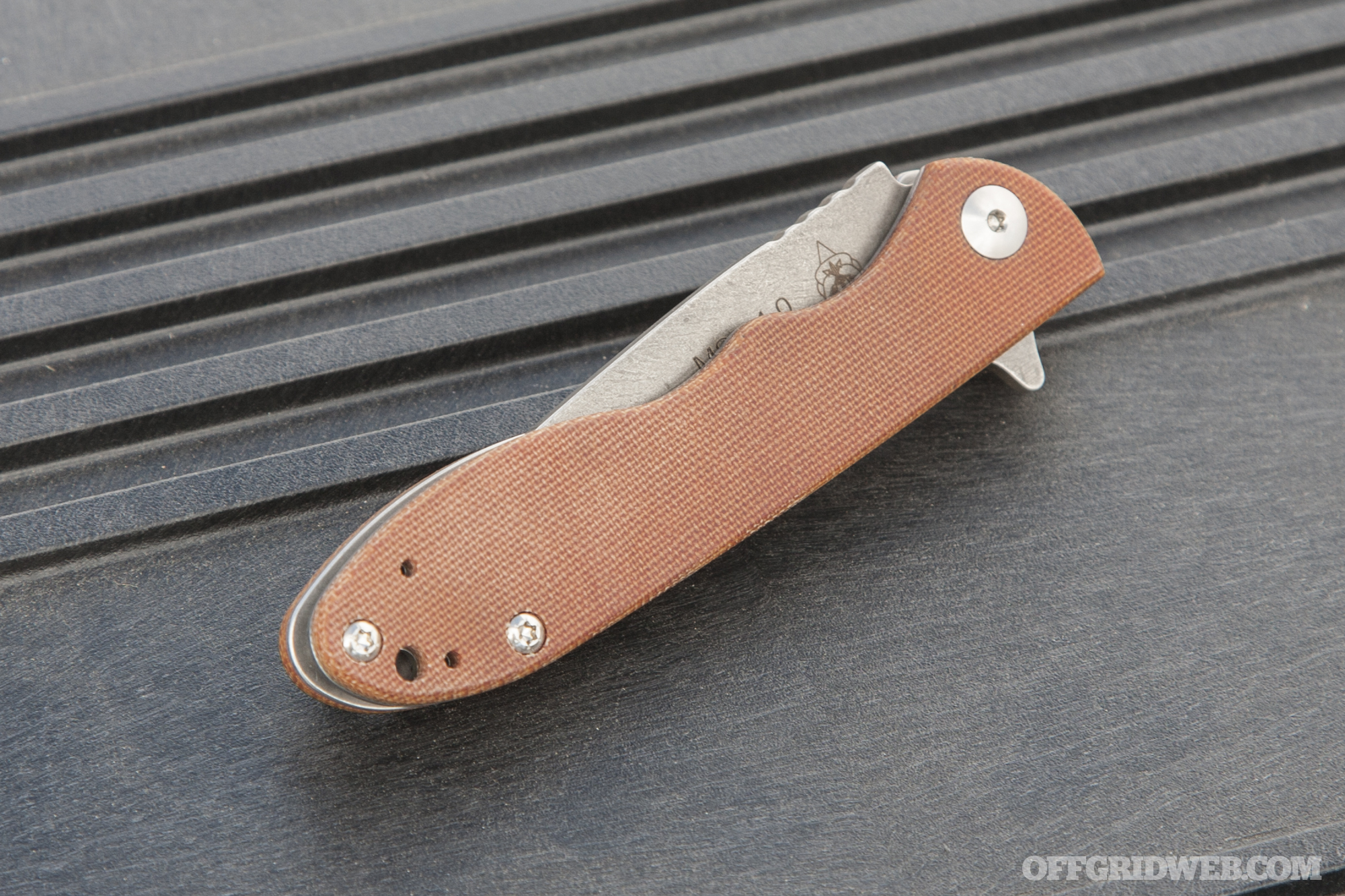
    Like the Böker, the KA-BAR Hobo features a folding pocketknife design. It also has three layers that come apart, with a knife, spoon, and fork.

  • KA-BAR Tactical Spork

    Make & Model - KA-BAR Tactical Spork
    Dimensions - 6.9 by 1.2 by 0.7 inches
    Weight - 1.2 ounces
    Material - Grilamid
    Colorways - Black
    MSRP - $8
    URL - http://www.kabar.com

    KA-BAR's Tactical Spork is made of Grilamid and separates in half by pulling it apart. True to its tactical moniker, it's quite sturdy.

  • Kershaw Ration

    Make & Model - Kershaw Ration
    Dimensions - 4.6 by 1.4 by 0.6 inches
    Weight - 1.2 ounces
    Material - 3Cr13MoV steel
    Colorways - Bead Blasted
    MSRP - $7
    URL - http://www.kershaw.kaiusaltd.com

    Rather than offering the ubiquitous spork design in the compact steel Ration, Kershaw went with a separate spoon and fork on either end.

  • Light My Fire of Sweden Spork Titanium

    Make & Model - Light My Fire of Sweden Spork Titanium
    Dimensions - 6.8 by 1.5 by 0.8 inches
    Weight - 0.7 ounces
    Material - Titanium
    Colorways - Polished
    MSRP - $17
    URL - http://www.lightmyfire.com

    Light My Fire calls this a spork, but the spoon and fork are on opposite ends of the utensil.

  • Red Rock Outdoor Gear 3 Piece Chow Set

    Make & Model - Red Rock Outdoor Gear 3 Piece Chow Set
    Dimensions - 6.8 by 1.8 by 0.6 (stacked) inches
    Weight - 2.4 ounces
    Material - Stainless steel
    Colorways - Silver
    MSRP - $4
    URL - http://www.redrockoutdoorgear.com

    This three-piece set from Red Rock Outdoor might remind you of the silverware in your college dorm's cafeteria, but, hey, you managed to stuff your face just fine for those four to seven years.

  • Red Rock Outdoor Gear 4-in-1 Chow Set

    Make & Model - Red Rock Outdoor Gear 4-in-1 Chow Set
    Dimensions - 7.5 / 4.5 (open / closed) by 1.5 by 1.3 inches
    Weight - 5.2 ounces
    Material - Stainless steel
    Colorways - Silver
    MSRP - $9
    URL - http://www.redrockoutdoorgear.com

    This Swiss Army-style design from Red Rock Outdoor Gear is different from the others.

  • TOPS Knives F.O.R.K. IT

    Make & Model - TOPS Knives F.O.R.K. IT
    Dimensions - 6.5 by 1.5 by 0.5 inches (7.1 inches long in sheath); 2.625-inch blade
    Weight - 1.5 ounces (2.6 ounces with sheath)
    Material - 1095 steel, Kydex sheath
    Colorways - Stone Wash Finish
    MSRP - $100 ($115 with serrations)
    URL - http://www.topsknives.com

    The F.O.R.K. It, designed by Leo Espinoza, is more of a fixed-blade neck knife configuration, with a multipurpose single piece of steel sheathed in Kydex.

  • Whole Foods Market Plastic Utensils

    Make & Model - Whole Foods Market Plastic utensils
    Dimensions - 7 by 1.3 by 1 (stacked) inches
    Weight - 0.3 ounces
    Material - Plastic
    Colorways - Black
    MSRP - Free
    URL - http://www.wholefoodsmarket.com

    The point of this tongue-in-cheek product entry is that you surely have a local grocery store or restaurant serving prepared foods for you to take home.

  • Wildo Spork

    Make & Model - Wildo Spork
    Dimensions - 6.5 by 1.9 by 0.6 inches
    Weight - 0.3 ounces
    Material - Polyamide 6
    Colorways - Black, Lemon, Light Blue, Lilac, Lime, Olive, Orange, Pink, Tan
    MSRP - $3

    Wildo's spork might more accurately be deemed a sporknife or a knifoon, as it combines a spoon, fork, and knife all at one end.

Stick With What Works

portable-utensils-buyers-guide-chopsticks

If chopsticks are your preferred utensils, we’ve got that covered too. Check out OFFGRIDweb.com/gear/chopsticks to see our reviews of two chopstick sets and find out if they have a place in your meal loadout.

More From Issue 23

Don’t miss essential survival insights—sign up for Recoil Offgrid’s free newsletter today!

Read articles from the next issue of Recoil Offgrid: Issue 24

Read articles from the previous issue of Recoil Offgrid: Issue 22

Check out our other publications on the web: Recoil | Gun Digest | Blade | RecoilTV | RECOILtv (YouTube)

Editor’s Note: This article has been modified from its original version for the web.


Light ‘n Go Bonfire Log

In the past, we’ve discussed the merits of the Swedish torch, a carefully-cut section of log that serves as a long-burning and self-sustaining source of fire. It was allegedly developed by Swedish soldiers who were trying to find a way to stay warm during cold winters without constantly feeding an inefficient open campfire. Then again, we’ve also heard the technique attributed to the Finnish and even the Canadians.

Swedish torch

Regardless of who invented the technique, the so-called Swedish torch uses a section cut from a large log and stood on end, with 4 to 6 deep vertical grooves cut into it. When tinder is shoved into these grooves and ignited, it lights the log itself, and oxygen flows in through the grooves to keep the fire burning. This results in a compact and efficient fire that can burn for hours without additional wood, and also doubles as a flat cooktop.

Splitting logs without axe

A Swedish torch is often made by cutting a log with a chainsaw, or by splitting a log with an ax and binding the pieces loosely together again. However, both these options require substantial amounts of prep and manual labor. If you want to check the effectiveness of a Swedish torch without firing up a chainsaw or swinging an ax, a company called Light ‘n Go offers a Bonfire Log that’s essentially a ready-made off-the-shelf version — it even comes with a rope carry handle.

Light 'n Go photos courtesy of Apocalypse Equipped

Light ‘n Go photos courtesy of Apocalypse Equipped

We’ve seen the Light ‘n Go bonfire logs at hardware stores such as Home Depot for about $13. It might be worth picking one up if you’ve never tried making a Swedish torch and want to see how you like using one. Here’s an excerpt from a Bonfire Log review by Apocalypse Equipped:

“Lacking accelerants, the all-natural kiln-dried birch fire-log lights with one match. It burns 2.5 hours, produces a large halo, a clean flame, and a charming aroma… you could make your own easily enough if you have dried seasoned logs and you’re a deft hand with a chainsaw. However, if the plunges or cross cuts seem a little too much, a similar effect could be achieved by simply splitting the log with an axe four ways, and binding it with a length of wire.” Read the rest of the review here.

Here’s a video that shows this off-the-shelf fire log in action: